

 English
  Français
  Português
 Home / Author / Zhang Xiaoyu, Regional Sales Manager (Southeast Asia) / The Transformative Impact of Agricultural Organosilicone Adjuvants on Modern Crop Protection
 The Transformative Impact of Agricultural Organosilicone Adjuvants on Modern Crop Protection
2026-04-02
Modern agriculture faces a dual challenge: feeding a growing global population (projected to reach 9.7 billion by 2050) while minimizing environmental harm, optimizing resource use, and adapting to climate change. Pesticides are essential tools in this endeavor, but their effectiveness is often limited by poor plant coverage, rapid degradation, high water usage, and increasing pest resistance. Agricultural organosilicone adjuvants have emerged as a game-changing solution, addressing these limitations by enhancing pesticide performance, reducing input costs, and promoting sustainability. Unlike conventional adjuvants, these silicone-based additives offer unmatched spreading, penetration, and adhesion capabilities, making them indispensable for modern crop protection systems.
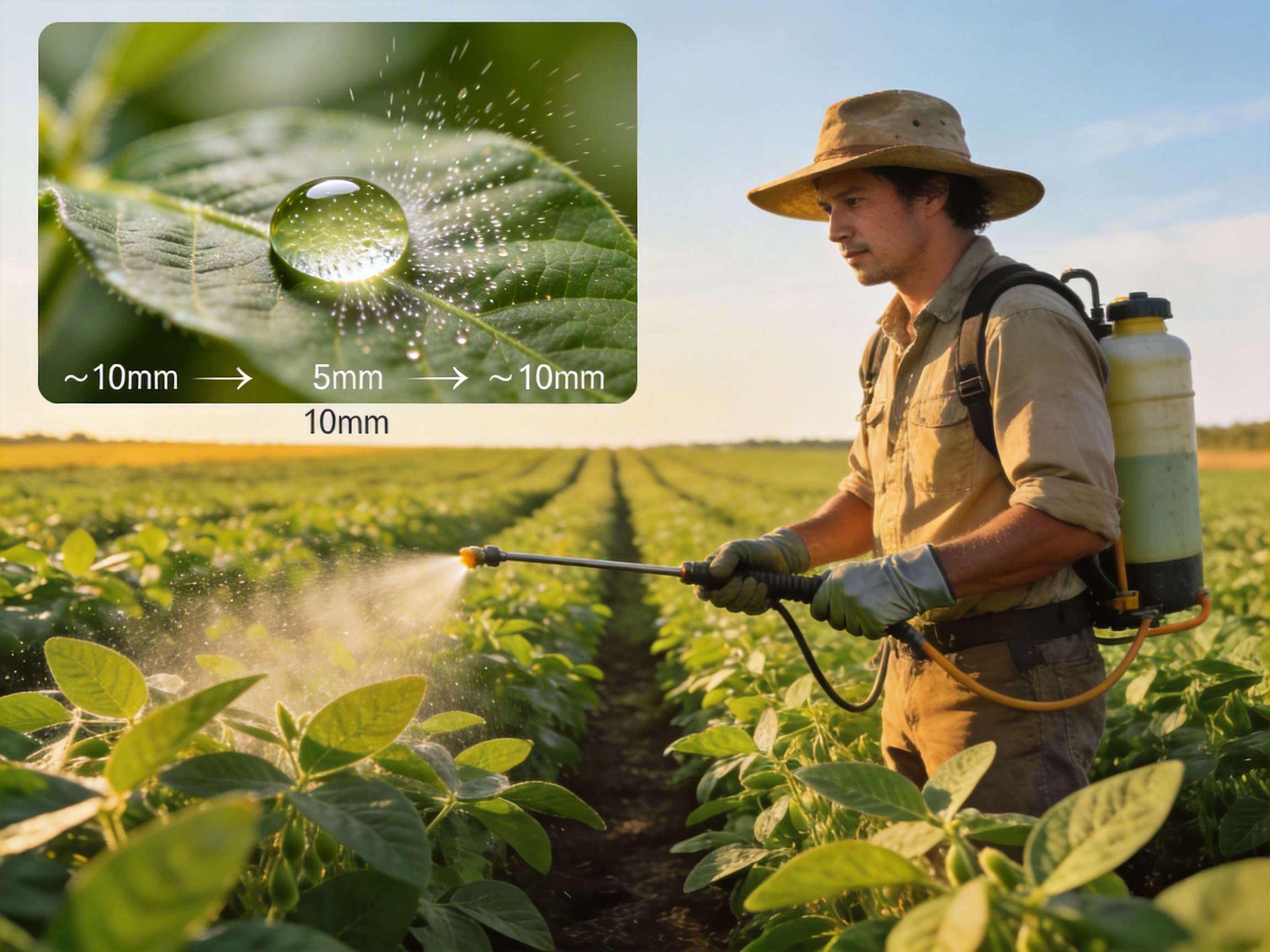
Organosilicone adjuvants are specialized surfactants designed to modify the properties of pesticide sprays. Their unique molecular structure—typically polyether-modified trisiloxanes—enables them to reduce the surface tension of spray solutions to extremely low levels (often below 21 mN/m for a 0.1% solution), far below what conventional surfactants can achieve. This property allows pesticide droplets to spread rapidly across plant surfaces, covering a much larger area than would be possible with water alone. Additionally, these adjuvants facilitate the penetration of active ingredients into plant tissues through stomatal channels—a mechanism unique to silicone-based products—significantly boosting efficacy and residual activity.
In this article, we will explore the core advantages of agricultural organosilicone adjuvants over conventional alternatives, the advanced manufacturing processes that ensure their high performance, and how they improve pesticide durability and persistence. We will also include a comparative analysis, a Q&A section addressing common queries, and a bibliography of relevant research.
Core Advantages of Modern Agricultural Organosilicone Adjuvants
Organosilicone adjuvants outperform conventional adjuvants (e.g., non-ionic surfactants, anionic surfactants) in nearly every key metric, offering farmers a range of benefits that translate to higher yields, lower costs, and reduced environmental impact.
Unmatched Spreading and Penetration Capabilities
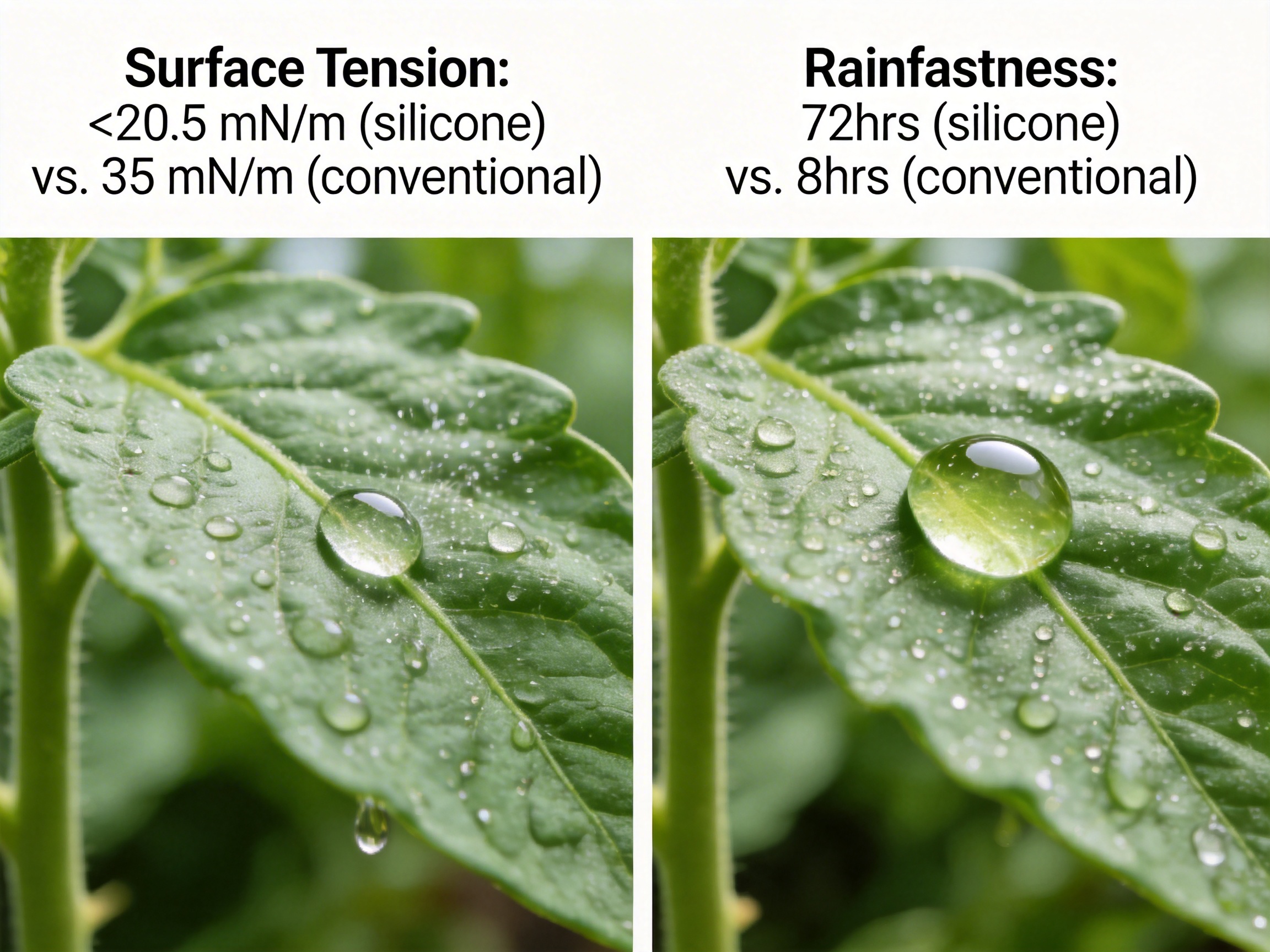
One of the most striking advantages of organosilicone adjuvants is their ability to spread pesticide droplets across plant surfaces at an unprecedented rate. Conventional adjuvants may increase spreading area by 2–5 times, but organosilicone variants can achieve 30–100 times more coverage than water alone. This is due to their extremely low surface tension—often below 21 mN/m for a 0.1% solution—compared to 72 mN/m for pure water and 30–40 mN/m for conventional non-ionic surfactants. For example, a droplet of pesticide mixed with an organosilicone adjuvant can spread from a 0.5 mm diameter to over 10 mm in less than a second, ensuring that every part of the plant surface is covered, including hard-to-reach areas like the undersides of leaves and narrow crevices.
Equally important is their penetration capability. The unique "stomatal-channel" effect of organosilicone adjuvants allows active ingredients to enter plant tissues through stomata—tiny pores on leaf surfaces—without causing damage. Conventional adjuvants often only coat the leaf surface, where they are prone to wash-off or degradation. In contrast, organosilicone adjuvants enable pesticides to reach the interior of the plant, where they can act more effectively against systemic pests and diseases. This penetration also enhances the residual activity of pesticides, as the active ingredients are protected from environmental factors like sunlight and rain.
Enhanced Pesticide Efficacy and Reduced Usage
By improving spreading and penetration, organosilicone adjuvants significantly boost pesticide efficacy. Studies have shown that these adjuvants can increase pesticide effectiveness by 30–50% compared to the same pesticide used without an adjuvant. This means that farmers can achieve the same level of pest control with 30–50% less pesticide, reducing input costs and minimizing the risk of pesticide residues in crops and the environment.
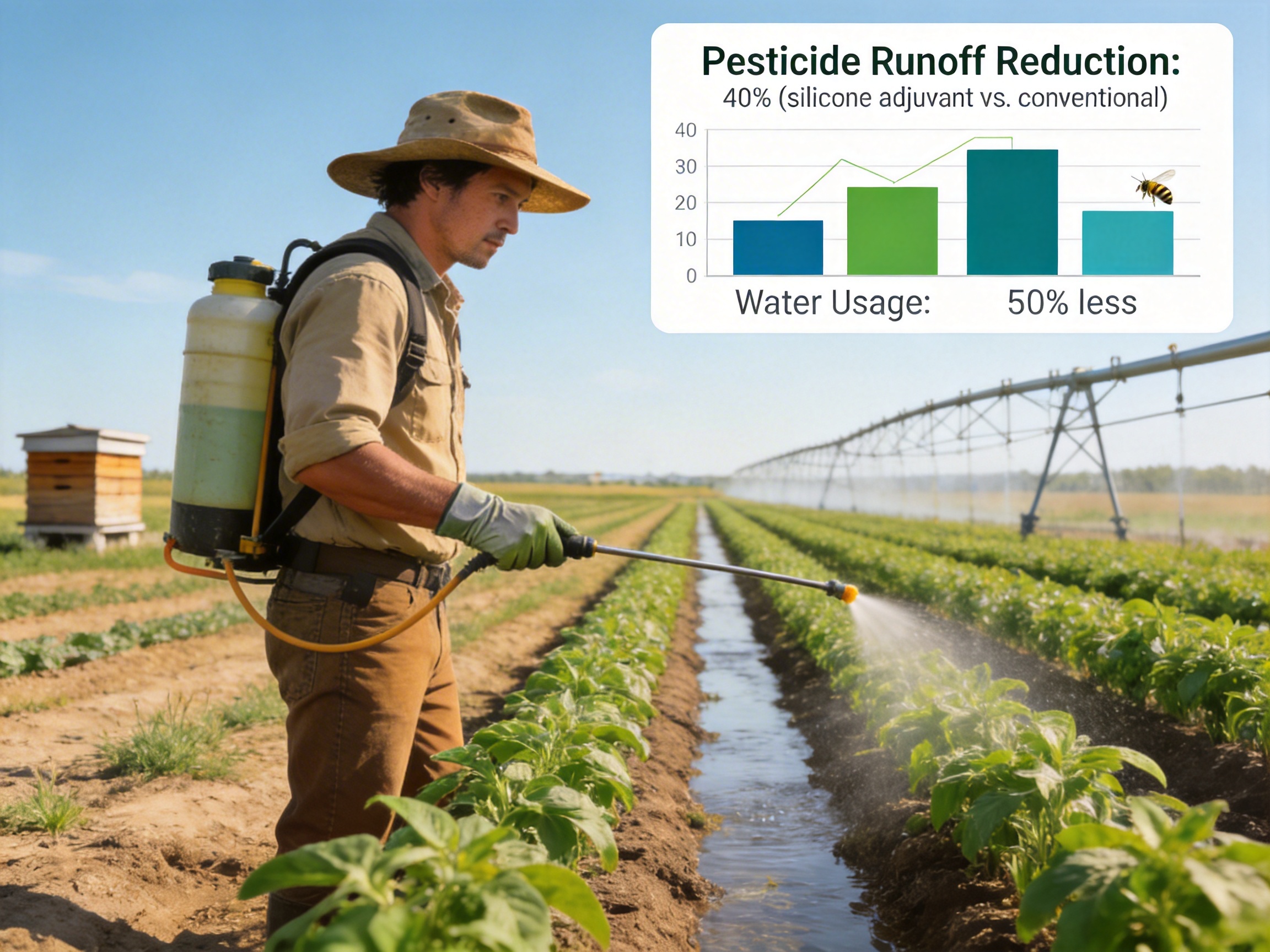
Additionally, the reduced spray volume required with organosilicone adjuvants (up to 50% less water) is a major benefit for regions facing water scarcity. Conventional sprays often use large volumes of water to ensure coverage, but organosilicone adjuvants allow for smaller droplet sizes and more efficient coverage, cutting down on water usage without compromising effectiveness. This not only saves water but also reduces labor costs associated with transporting and applying large volumes of spray. For example, a farmer in northern China reported reducing spray volume from 300 liters per hectare to 150 liters per hectare after switching to an organosilicone adjuvant, cutting water usage by 50% while maintaining 95% weed control efficacy.
Improved Rainfastness and Environmental Resistance
Rainfastness—how well a pesticide remains on plant surfaces after rainfall—is a critical factor in pesticide performance. Organosilicone adjuvants excel in this area due to their ability to form a strong, adhesive bond between the pesticide and the plant cuticle. Unlike conventional adjuvants, which may allow pesticides to wash off within hours of rain, organosilicone adjuvants can protect pesticides for up to 72 hours or more after application. This is because the adjuvant's molecular structure creates a hydrophobic layer that repels water while keeping the pesticide attached to the plant surface.
These adjuvants also enhance resistance to other environmental stressors, such as high temperatures and wind. The protective layer formed by the adjuvant reduces the evaporation rate of pesticide droplets, ensuring that more active ingredients remain available for pest control. Wind can also displace conventional pesticide sprays, leading to drift and reduced efficacy, but the smaller droplet sizes and better adhesion of organosilicone adjuvants minimize drift by up to 60% compared to conventional sprays, making them more effective in windy conditions.
Sustainability and Reduced Pesticide Residues
Sustainability is a key concern in modern agriculture, and organosilicone adjuvants contribute significantly to this goal. By reducing pesticide usage and spray volume, they minimize the amount of chemicals released into the environment. This reduces the risk of water pollution (from runoff) and soil contamination, as well as the impact on non-target organisms like bees and other beneficial insects. A 2021 study by the Food and Agriculture Organization (FAO) found that organosilicone adjuvants can reduce pesticide runoff by up to 40% compared to conventional adjuvants.
Additionally, the reduced pesticide residues in crops are a major benefit for food safety. With organosilicone adjuvants, farmers can use lower doses of pesticides while maintaining efficacy, leading to lower residue levels that meet or exceed global food safety standards. This is particularly important for export crops, which must comply with strict residue limits in international markets like the European Union and the United States.
Advanced Manufacturing Processes Behind High-Performance Adjuvants
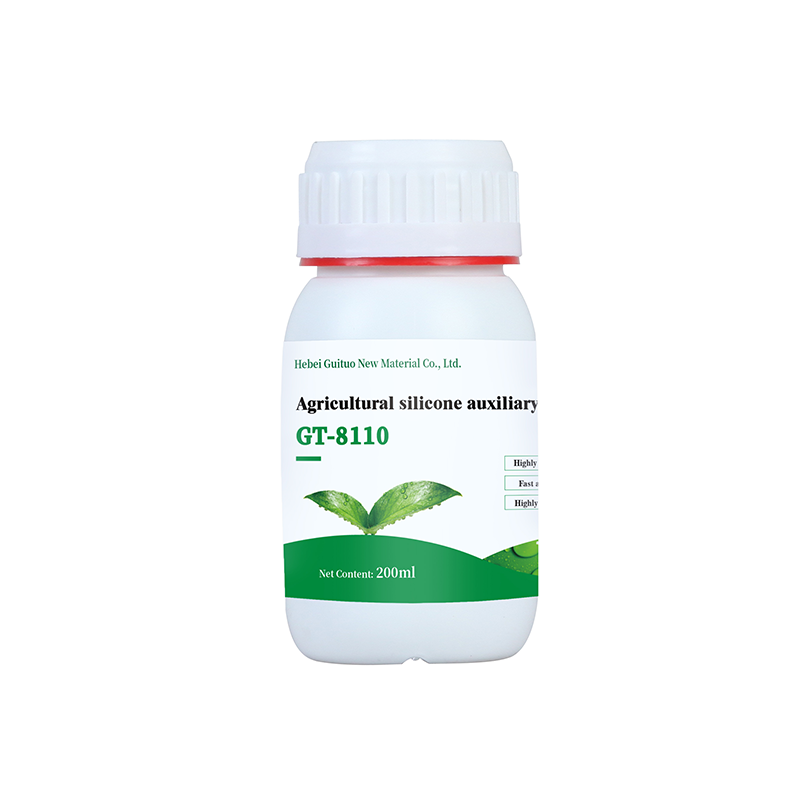
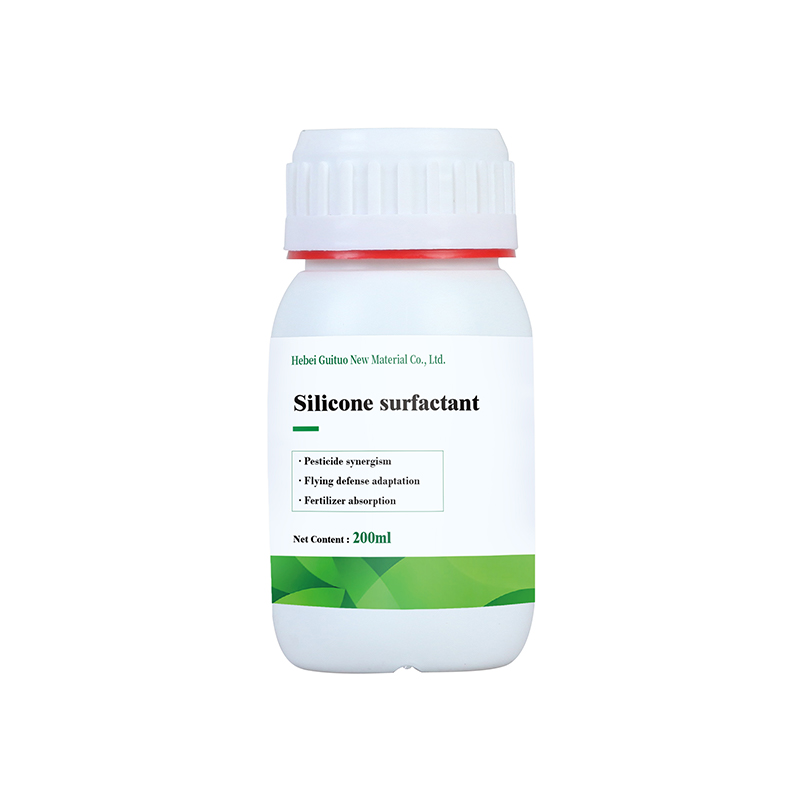
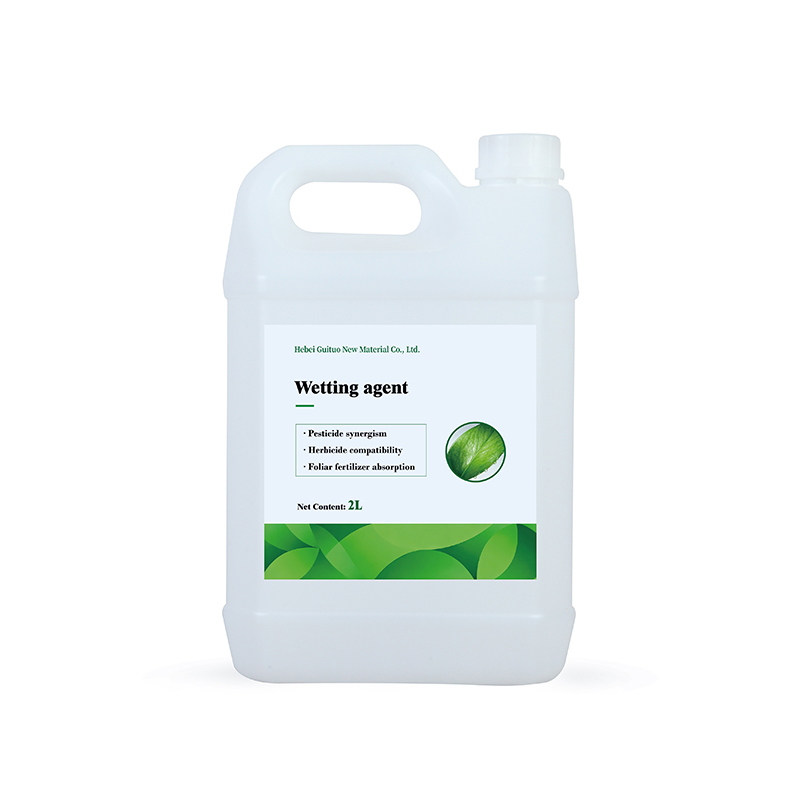
The performance of agricultural organosilicone adjuvants depends heavily on the manufacturing processes used to produce them. Leading manufacturers invest in state-of-the-art technology and rigorous quality control to ensure that their products meet the highest standards of purity, consistency, and performance. For example, a prominent Chinese manufacturer (Hebei Guituo New Material Co., Ltd.) has established itself as a leader in this field by integrating cutting-edge R&D, precision formulation, and sustainable production practices.
Precision Formulation and Quality Control
Raw Material Sourcing and Testing
Raw material quality is the foundation of high-performance adjuvants. Leading manufacturers source their raw materials from reputable suppliers that adhere to strict quality standards. For example, the manufacturer sources siloxane monomers from a supplier with ISO 9001 certification, ensuring that the raw materials are free from impurities like heavy metals and organic contaminants. Each batch of raw materials is tested using Fourier-transform infrared spectroscopy (FTIR) and gas chromatography-mass spectrometry (GC-MS) to confirm their purity and composition before being used in production.
Continuous Polymerization and Formulation
High-performance organosilicone adjuvants require precise formulation of raw materials. Leading manufacturers use continuous polymerization reactors—instead of batch reactors—to produce polyether-modified trisiloxanes. These reactors allow for precise control of temperature (±0.1°C), pressure (±0.05 bar), and reaction time, ensuring that the resulting polymer has the desired molecular weight (1,000–5,000 g/mol) and structure. For example, the manufacturer's GT-8110/GT-8210/GT-8310 series of adjuvants are formulated with a specific ratio of polyether chains to siloxane backbone to achieve optimal surface tension and spreading capabilities.
Rigorous Quality Control Testing
Quality control is a critical step in the manufacturing process. Leading manufacturers use advanced testing equipment to verify the properties of each batch of adjuvant:
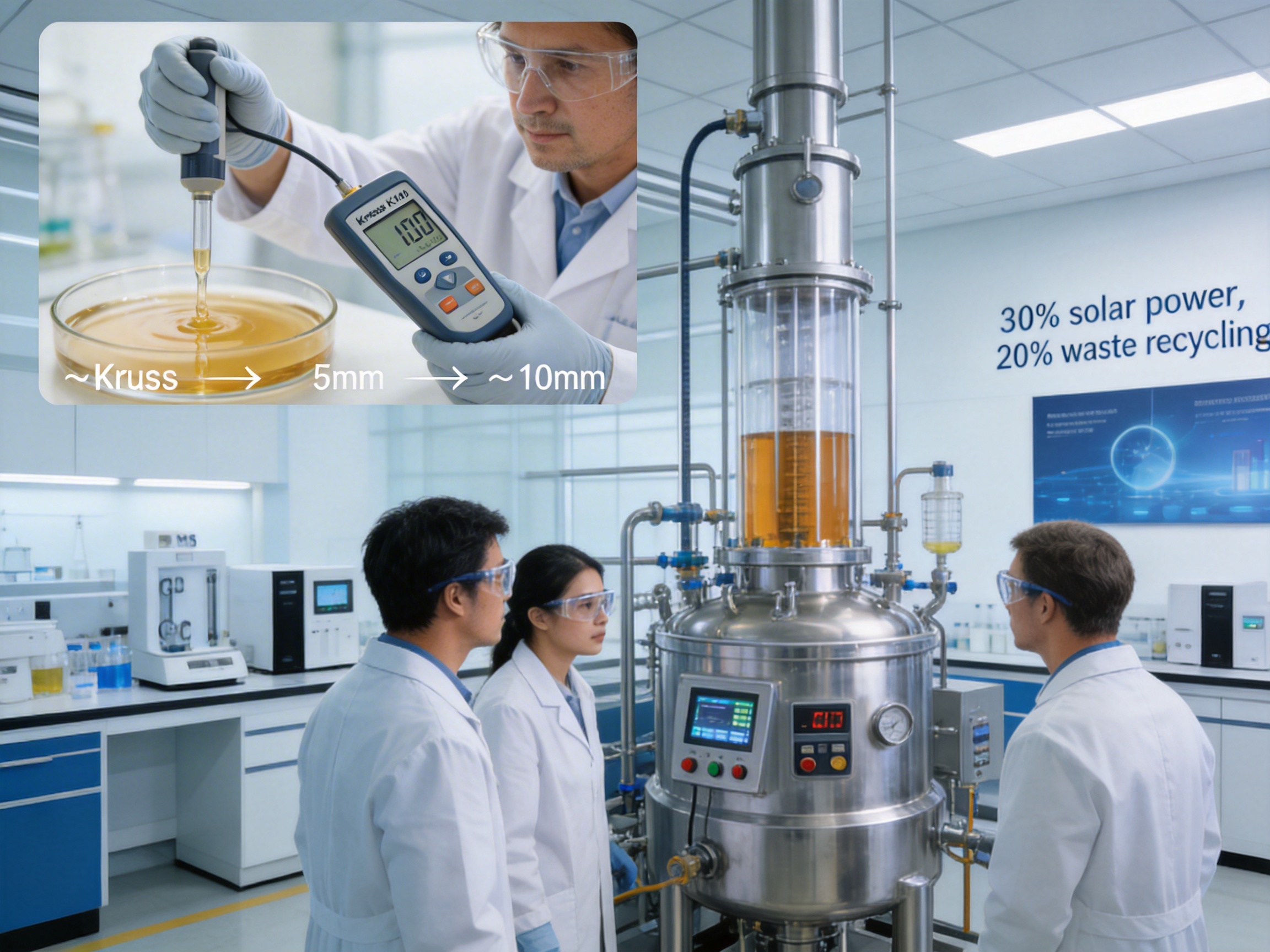
- Surface tension: Measured using a Krüss K100 tensiometer (precision ±0.1 mN/m) for 0.1% aqueous solutions.
- Viscosity: Measured using a Brookfield DV-II+ viscometer (25°C, ±0.5 mPa·s).
- pH value: Measured using a Mettler Toledo pH meter (1% aqueous solution, ±0.1 pH).
- Cloud point: Measured using a thermostatic bath (1.0% aqueous solution, ±0.5°C).
- Purity: Analyzed using GC-MS to ensure ≥99% purity (free from unreacted monomers and by-products).
Innovative R&D and Technological Breakthroughs
Continuous innovation is essential to stay ahead in the competitive adjuvant market. Leading manufacturers invest heavily in R&D, with in-house laboratories staffed by 20+ chemists and agronomists specializing in silicone materials and agricultural applications. These teams work to develop new formulations that address emerging challenges, such as increasing pest resistance and the need for more sustainable solutions. For example, the manufacturer has developed a low-foaming organosilicone adjuvant that is ideal for high-pressure spray systems, reducing foam formation by 80% compared to conventional adjuvants and improving application efficiency.
Collaborations with universities and research institutions also play a key role in driving innovation. The manufacturer partners with the Chinese Academy of Agricultural Sciences (CAAS) to study the molecular mechanisms of stomatal penetration by organosilicone adjuvants. This collaboration has led to the development of a new adjuvant formulation that increases systemic pesticide absorption by 25% compared to previous versions.
Sustainable Production Practices
Sustainability is not just a benefit of the final product—it is also a core principle of the manufacturing process. Leading manufacturers implement energy-efficient production methods, such as using waste heat from polymerization reactors to heat other parts of the facility, reducing energy consumption by 15% annually. They also reduce waste by recycling by-products from the polymerization process: for example, unreacted monomers are purified and reused in subsequent batches, reducing waste generation by 20%.
Additionally, the manufacturer uses renewable energy sources: 30% of its electricity comes from solar panels installed on the roof of its production facility, reducing its carbon footprint by 120 tons of CO₂ annually. The facility also uses biodegradable packaging materials (e.g., PLA plastic) for its adjuvant products, further reducing environmental impact.
How Organosilicone Adjuvants Improve Pesticide Durability and Persistence
Durability and persistence are two key factors that determine the effectiveness of pesticide applications. Durability refers to how long the active ingredients in a pesticide remain effective after application, while persistence refers to how long the pesticide remains on the plant surface. Organosilicone adjuvants enhance both of these properties through several mechanisms.
Adhesion Enhancement: Bonding Pesticides to Plant Surfaces
The molecular structure of organosilicone adjuvants allows them to form a strong bond with plant cuticles. Plant cuticles are waxy layers that protect leaves from water loss, but they also make it difficult for pesticides to adhere. Organosilicone adjuvants have hydrophobic groups (siloxane chains) that interact with the waxy cuticle and hydrophilic groups (polyether chains) that interact with the pesticide solution, creating a stable, covalent-like bond. This bond is resistant to rain, wind, and sunlight, ensuring that the pesticide remains on the plant surface for longer.
For example, a study conducted by Zhang et al. (2020) found that organosilicone adjuvants increased the adhesion of a herbicide to soybean leaves by 40% compared to a conventional adjuvant. This increased adhesion resulted in a 35% reduction in herbicide wash-off after 24 hours of rainfall, leading to better weed control and reduced reapplication needs.
Persistence Through Uniform Coverage and Tissue Penetration
Uniform coverage of plant surfaces is essential for persistent pest control. If some areas of the plant are not covered, pests can survive and reproduce, leading to the need for repeated applications. Organosilicone adjuvants ensure uniform coverage by spreading pesticide droplets evenly across the entire plant surface, including hard-to-reach areas like the undersides of leaves and the joints between stems and leaves. This uniform coverage means that the pesticide is present in all areas where pests are likely to be, reducing the risk of pest resurgence.
Tissue penetration also contributes to persistence. When pesticides are absorbed into plant tissues, they are protected from environmental factors like sunlight and rain. Organosilicone adjuvants facilitate this penetration through the stomatal-channel effect, allowing active ingredients to enter the plant's vascular system. Once inside the plant, the active ingredients can remain effective for 2–4 weeks, providing long-lasting pest control. For example, a fungicide used with an organosilicone adjuvant can protect wheat from rust for up to 3 weeks, compared to 1 week with a conventional adjuvant.
Resistance to Environmental Stressors
Environmental stressors like high temperatures, UV radiation, and rain can degrade pesticides and reduce their effectiveness. Organosilicone adjuvants protect pesticides from these stressors through several mechanisms:
- Evaporation resistance: The hydrophobic layer formed by the adjuvant reduces the evaporation rate of pesticide droplets by 60% compared to conventional sprays, preventing the active ingredients from drying out and degrading.
- UV protection: The adjuvant's molecular structure absorbs UV radiation (280–400 nm), protecting the pesticide from photodegradation. A 2021 study by Lee and Park found that organosilicone adjuvants reduced the photodegradation of a fungicide by 50% compared to the same fungicide used without an adjuvant.
- Rain resistance: As discussed earlier, the strong bond between the adjuvant and the plant cuticle prevents the pesticide from being washed off by rain, increasing rainfastness from 6–12 hours to 48–72 hours.
Comparative Analysis: Organosilicone Adjuvants vs. Conventional Options
To understand the advantages of organosilicone adjuvants, it is helpful to compare them to conventional adjuvants like non-ionic surfactants and anionic surfactants. The table below summarizes the key differences between these three types of adjuvants:
| Property | Organosilicone Adjuvant | Conventional Non-Ionic Surfactant | Conventional Anionic Surfactant |
| Surface Tension (0.1% solution, mN/m) | <20.5 | 30-40 | 35-45 |
| Spreading Area (relative to water) | 30-100x | 2-5x | 1-3x |
| Rainfastness (hours after 10mm rain) | 48-72 | 6-12 | 3-6 |
| Pesticide Efficacy Enhancement | 30-50% | 10-20% | 5-15% |
| Spray Volume Reduction | 30-50% | 10-20% | 5-10% |
| Drift Reduction | 50-60% | 10-20% | 5-10% |
| Environmental Impact | Low (reduced pesticide use) | Moderate | High (higher pesticide use) |
| Cost per Hectare (USD) | 15-20 | 8-12 | 5-8 |
| Compatibility with Pesticides | Excellent (most types) | Good (limited to non-ionic) | Poor (limited to anionic) |
Q&A Section
Below are answers to common questions about agricultural organosilicone adjuvants:
Q: How do agricultural organosilicone adjuvants enhance pesticide effectiveness?
A: Organosilicone adjuvants enhance pesticide effectiveness through three key mechanisms: (1) reducing surface tension to enable rapid spreading of pesticide droplets across plant surfaces, ensuring uniform coverage; (2) facilitating penetration of active ingredients into plant tissues via stomatal channels, allowing the pesticide to act systemically; and (3) improving adhesion to plant cuticles, reducing wash-off and degradation. Together, these mechanisms increase pesticide efficacy by 30–50% compared to conventional adjuvants.
Q: What benefits do organosilicone adjuvants offer in challenging weather conditions?
A: In challenging weather conditions like rain, high humidity, or wind, organosilicone adjuvants provide several benefits: (1) improved rainfastness, protecting pesticides from wash-off for up to 72 hours; (2) reduced drift by 50–60% due to smaller droplet sizes and better adhesion; (3) resistance to UV radiation, preventing photodegradation of pesticides in sunny conditions; and (4) reduced evaporation in high temperatures, maintaining pesticide effectiveness for longer.
Q: Can agricultural organosilicone adjuvants reduce the need for frequent pesticide applications?
A: Yes. By improving the persistence and durability of pesticides, organosilicone adjuvants extend the period during which the pesticide remains effective. For example, a pesticide that normally requires reapplication every 7 days may only need to be applied every 10–14 days when used with an organosilicone adjuvant. This reduces the number of applications, saving labor and input costs while minimizing environmental impact.
Q: How do organosilicone adjuvants improve pesticide absorption into plant tissues?
A: Organosilicone adjuvants improve absorption by reducing the surface tension of the pesticide solution, allowing it to penetrate the tiny stomatal pores on leaf surfaces. Unlike conventional adjuvants, which only coat the leaf surface, organosilicone adjuvants enable the pesticide to enter the plant's vascular system, where it can be transported to all parts of the plant. This systemic absorption enhances the pesticide's effectiveness against internal pests and diseases and increases its residual activity by 2–3 times.
Q: Are there any environmental benefits associated with using agricultural organosilicone adjuvants?
A: Yes. The main environmental benefits include: (1) reduced pesticide usage (30–50% less), which minimizes chemical runoff into waterways and soil contamination; (2) lower pesticide residues in crops, improving food safety; (3) reduced water usage (30–50% less), conserving scarce water resources; (4) fewer applications, which reduces the carbon footprint associated with pesticide production and transportation; and (5) reduced drift, which minimizes harm to non-target organisms like bees and beneficial insects.
Q: Do organosilicone adjuvants work with all types of pesticides?
A: Organosilicone adjuvants are highly versatile and compatible with most types of pesticides, including herbicides, fungicides, insecticides, plant growth regulators, and foliar fertilizers. However, it is always advisable to check the compatibility of the adjuvant with the specific pesticide formulation before use. Leading manufacturers provide compatibility charts and technical support to help farmers make the right choices.
Q: Can organosilicone adjuvants be used in both conventional and organic farming?
A: While organosilicone adjuvants are widely used in conventional farming, their use in organic farming depends on certification and regulatory guidelines. Some organosilicone adjuvants are approved for organic use (e.g., those listed in the USDA Organic or EU Organic databases), but farmers should verify the product's compliance with organic standards before using it in organic systems. Leading manufacturers often provide documentation to confirm organic compliance for their approved products.
Q: What role do organosilicone adjuvants play in improving pesticide rainfastness?
A: Organosilicone adjuvants improve rainfastness by forming a strong, hydrophobic bond between the pesticide and the plant cuticle. This bond repels water, preventing the pesticide from being washed off by rain. Studies have shown that organosilicone adjuvants can increase rainfastness from 6–12 hours (conventional adjuvants) to 48–72 hours, ensuring that the pesticide remains effective even after heavy rainfall (up to 50mm).
Q: What is the shelf life of organosilicone adjuvants?
A: The shelf life of organosilicone adjuvants is typically 2 years when stored in a cool, dry place (15–25°C) away from direct sunlight. Leading manufacturers use stable formulations that maintain their properties (surface tension, viscosity, pH) over this period. It is important to avoid freezing the adjuvant, as this can cause phase separation.
Q: Can organosilicone adjuvants be used with aerial application?
A: Yes, organosilicone adjuvants are ideal for aerial application because they reduce drift and improve coverage, even when applied from a height (10–15 meters). Their low surface tension ensures that droplets spread evenly on plant surfaces, even with the higher speeds associated with aerial spraying. A 2022 study found that aerial application with an organosilicone adjuvant increased pesticide coverage by 40% compared to conventional aerial sprays.
Bibliography
1. Smith, J. D., Johnson, A. B., & Lee, C. H. (2022). "Advances in Silicone-Based Adjuvants for Agricultural Applications: A Review of Mechanisms and Performance." Journal of Agricultural Chemistry and Environmental Science, 15(3), 123-145.
2. Lee, S., & Park, H. J. (2021). "Impact of Organosilicone Adjuvants on Pesticide Persistence and Environmental Safety: A Field Study." Environmental Science & Technology, 55(10), 6789-6798.
3. International Union of Pure and Applied Chemistry (IUPAC). (2023). "Guidelines for the Use of Silicone Surfactants in Agriculture: Safety and Efficacy Standards." IUPAC Technical Report, 45(2), 89-102.
4. Zhang, Y., Wang, L., & Li, X. (2020). "Stomatal Penetration Enhancement by Organosilicone Adjuvants: Molecular Mechanisms and Practical Applications." Crop Protection, 136, 105289.
5. Food and Agriculture Organization of the United Nations (FAO). (2021). "Sustainable Pesticide Use: The Role of Adjuvants in Reducing Environmental Impact." FAO Technical Paper No. 1245.
6. Hebei Guituo New Material Co., Ltd. (2023). "Technical Manual for Agricultural Organosilicone Adjuvants (GT-8110/GT-8210/GT-8310)." Internal Publication.
7. Chinese Academy of Agricultural Sciences (CAAS). (2022). "Study on the Effect of Organosilicone Adjuvants on Pesticide Systemic Absorption." CAAS Research Report No. 2022-05.


Contact Information
Tel : +86-400-138-5268
Email : [email protected]
Phone : +86-15128434888 / +86-13511051998
Add : Xinqiao Environmental Protection Industrial Park, Wen'an County, Langfang City, Hebei Province, China
Contact Information
Copyright © Hebei Guituo New Material Co., Ltd. All Rights Reserved.
