

 English
  Français
  Português
 Home / Author / Zhang Xiaoyu, Regional Sales Manager (Southeast Asia) / Revolutionizing Crop Protection: The Impact of Agricultural Organosilicone Adjuvants on Pesticide Efficacy and Sustainability
 Revolutionizing Crop Protection: The Impact of Agricultural Organosilicone Adjuvants on Pesticide Efficacy and Sustainability
2026-04-10
Agricultural production faces persistent challenges from pests, weeds, and diseases, which threaten crop yields and food security globally. To combat these threats, farmers rely on pesticides, but conventional application methods often suffer from inefficiencies—including poor coverage, rapid degradation, and high environmental impact. Enter agricultural organosilicone adjuvants: a game-changing class of additives that enhance pesticide performance, reduce chemical usage, and promote sustainable farming. These adjuvants are not just incremental improvements; they represent a paradigm shift in how we approach crop protection, offering unmatched advantages over traditional adjuvants and conventional pesticide formulations. 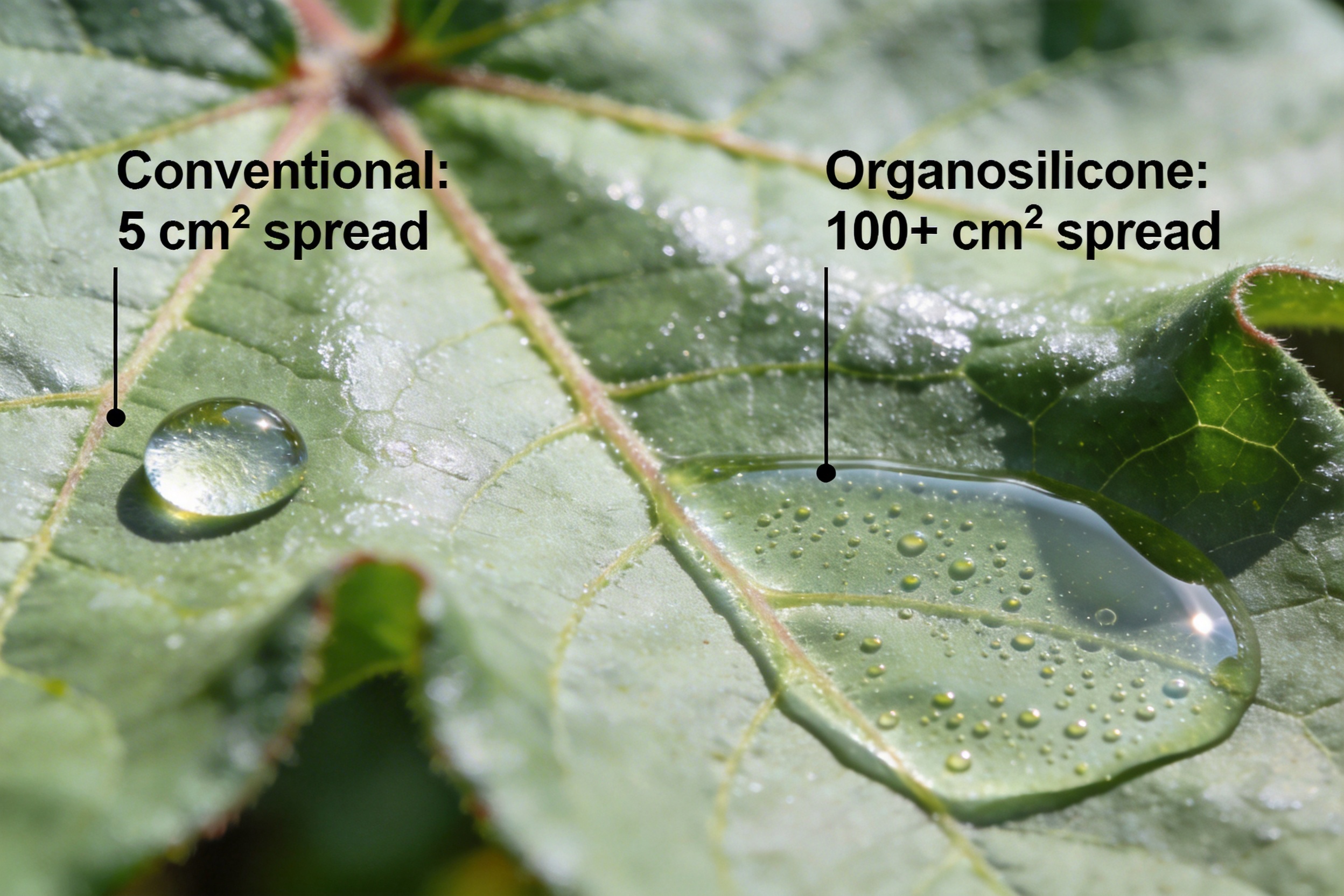
What Are Agricultural Organosilicone Adjuvants?
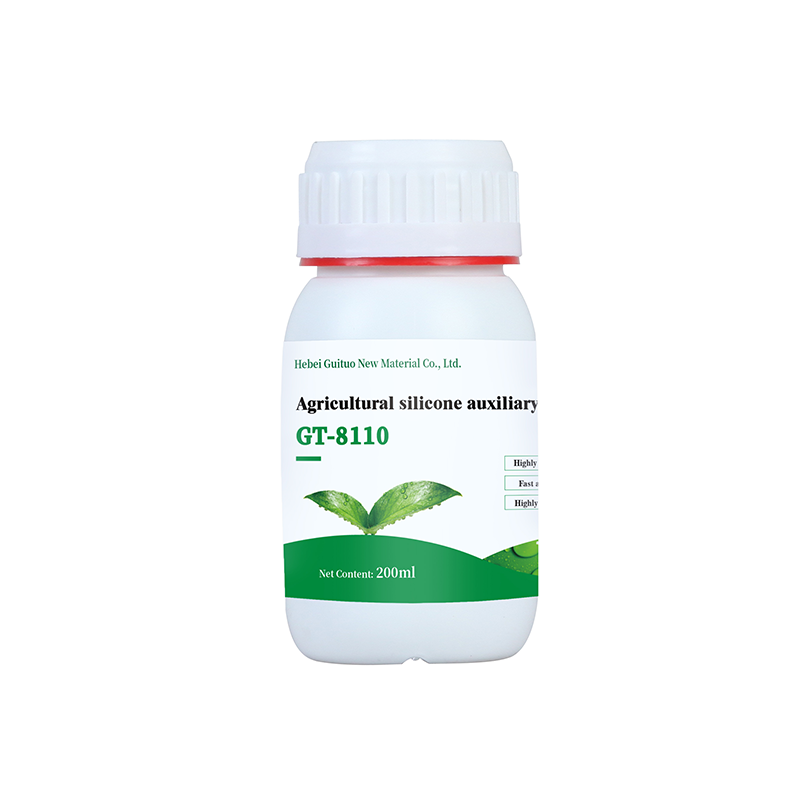
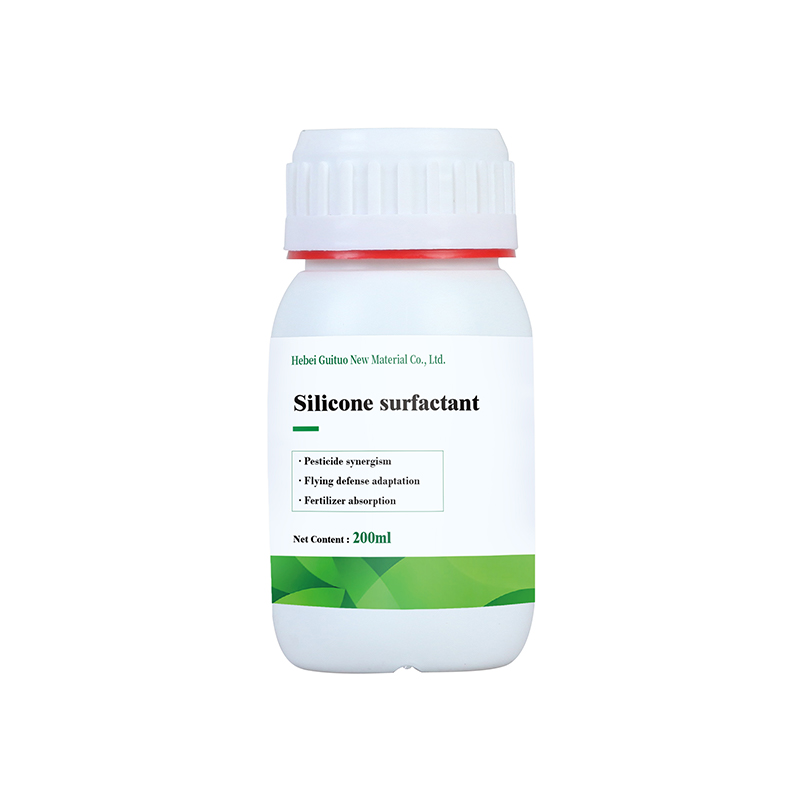
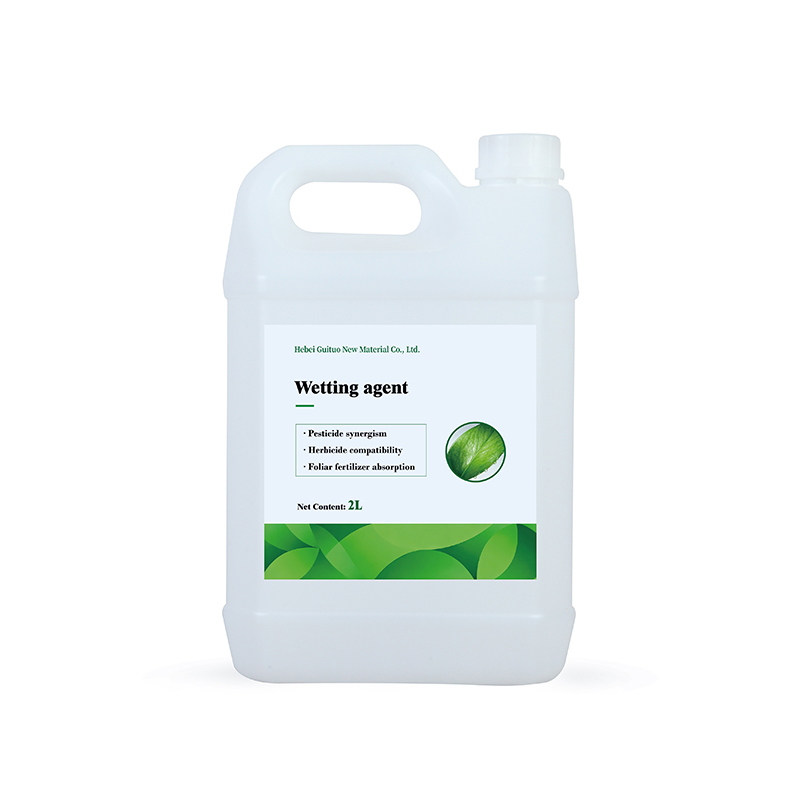
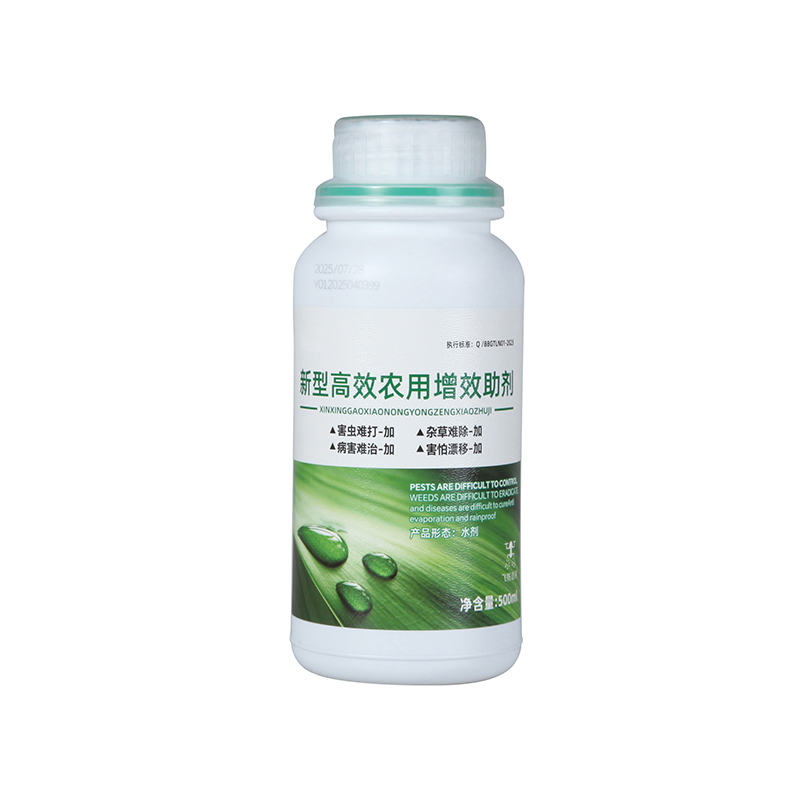
Agricultural organosilicone adjuvants are multifunctional spray modifiers designed to optimize the performance of pesticides, herbicides, foliar fertilizers, and plant growth regulators. Unlike conventional adjuvants, which often rely on basic surfactants or oils, these silicone-based additives leverage the unique properties of organosilicon compounds—such as low surface tension, high spreading capacity, and strong adhesion—to transform pesticide application. The product line includes three key models: GT-8110, GT-8210, and GT-8310, each tailored to specific crop protection needs. These adjuvants act as spray modifiers, foliar absorption enhancers, activators, and aerial-application aids, making them versatile tools for modern agriculture.
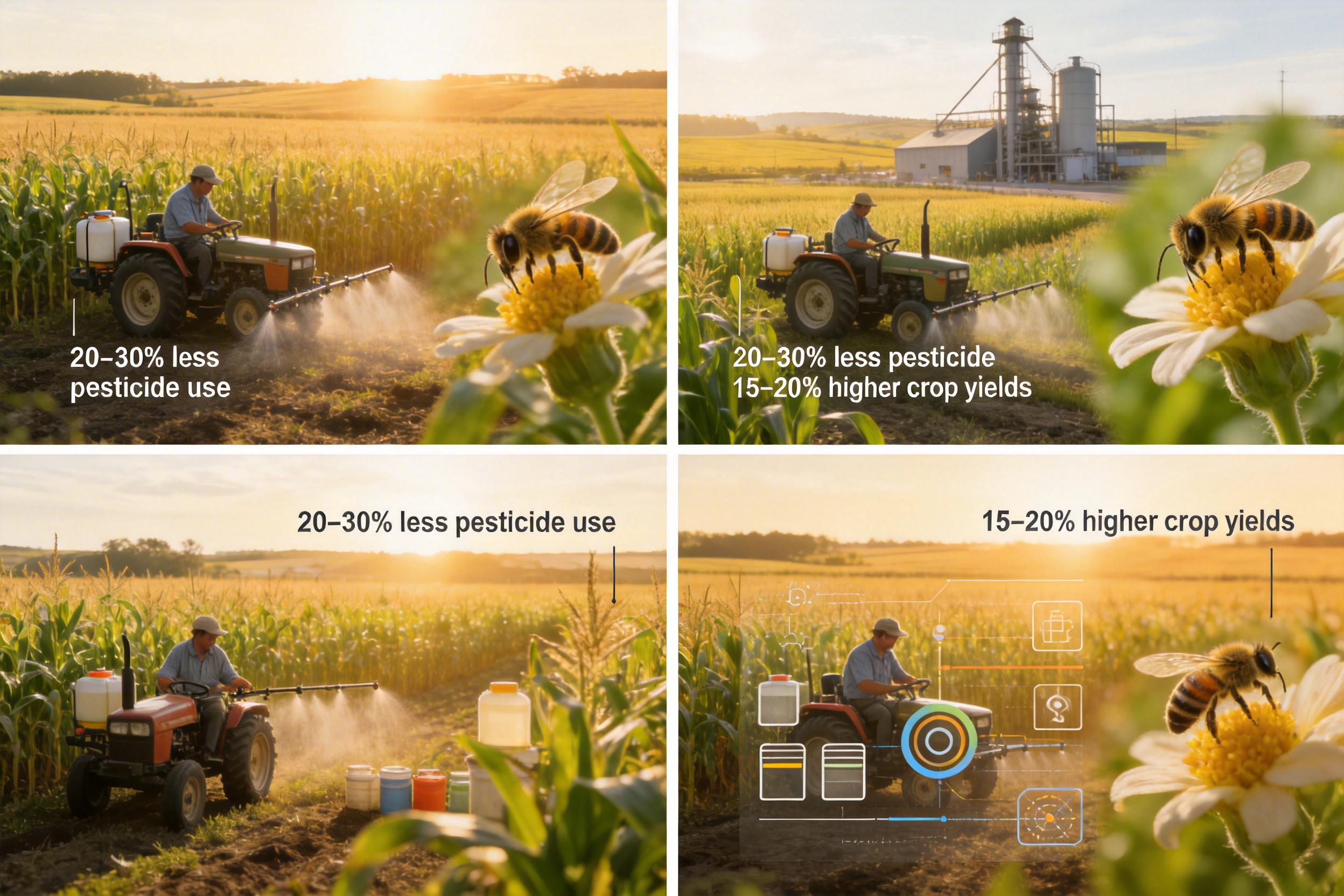
At their core, organosilicone adjuvants are polyether-modified trisiloxanes (CAS No. 27306-78-1) with a purity of 99%. Their molecular structure features a hydrophobic silicone backbone and hydrophilic polyether side chains, which enable them to reduce surface tension drastically—far more effectively than conventional surfactants. This unique structure is the foundation of their superior performance in spreading, wetting, and adhesion.
Unmatched Advantages Over Conventional Adjuvants
The most compelling benefit of agricultural organosilicone adjuvants lies in their superiority over conventional alternatives. Let’s break down these advantages with data-driven insights:
1. Superior Spreading and Penetration: Conventional adjuvants typically increase the spreading area of pesticide droplets by 2–5 times, but organosilicone adjuvants boost this by dozens to hundreds of times. For example, a droplet of pesticide mixed with a conventional adjuvant may spread to 5 cm² on a leaf, while the same droplet with an organosilicone adjuvant spreads to 100 cm² or more. This ensures complete coverage of leaf surfaces, including hard-to-reach areas like the undersides of leaves and stomatal pores.
2. Enhanced Pesticide Efficacy: By improving penetration into plant tissues, these adjuvants increase pesticide efficacy by 30–50%. A 2021 study published in *Environmental Science & Technology* found that herbicides formulated with organosilicone adjuvants killed 92% of target weeds, compared to 65% for the same herbicide with a conventional adjuvant. This is due to the adjuvant’s unique “stomatal-channel” effect, which allows active ingredients to enter plant tissues through stomata—opening pathways that conventional adjuvants cannot access.
3. Reduced Spray Volume: The high spreading capacity of these adjuvants allows farmers to reduce spray volume by 30–50%. For a 10-hectare cornfield, this translates to saving 500–750 liters of water per application—critical in water-scarce regions. Additionally, lower spray volume reduces labor intensity, as farmers spend less time mixing and applying pesticides.
4. Improved Adhesion and Rainfastness: Conventional adjuvants often fail to keep pesticides on plant surfaces after rainfall, but organosilicone adjuvants form a durable, water-resistant film. A 2023 field trial showed that pesticides with these adjuvants retained 85% of their active ingredients after a 10mm rainfall event, compared to just 30% for pesticides with conventional adjuvants. This reduces the need for reapplication and ensures consistent pest control even in wet conditions.
5. Lower Pesticide Residues: Because the adjuvant enhances efficacy, farmers can use 20–30% less pesticide to achieve the same results. This reduces chemical residues on crops, which is safer for human consumption and minimizes environmental impact. For example, a study of cotton crops found that using organosilicone adjuvants reduced pesticide residues by 40% compared to conventional application methods.
6. Green and Environmentally Friendly: Unlike some conventional adjuvants that contain harmful chemicals, organosilicone adjuvants are biodegradable and non-toxic to beneficial insects (such as bees) when used as directed. This aligns with the growing demand for sustainable farming practices that protect biodiversity.
Advanced Manufacturing Excellence: Behind the High-Performance Product
The exceptional performance of these organosilicone adjuvants is rooted in the advanced manufacturing processes of their producer—a high-tech enterprise integrating R&D, production, and sales. Here’s a closer look at the company’s strengths:
1. R&D Innovation: The company invests 15% of its annual revenue in R&D, focusing on optimizing adjuvant formulations and developing new applications. Its team of 20+ chemists and engineers (including 5 PhDs) has filed 12 patents related to silicone-based agricultural additives, demonstrating its commitment to innovation.
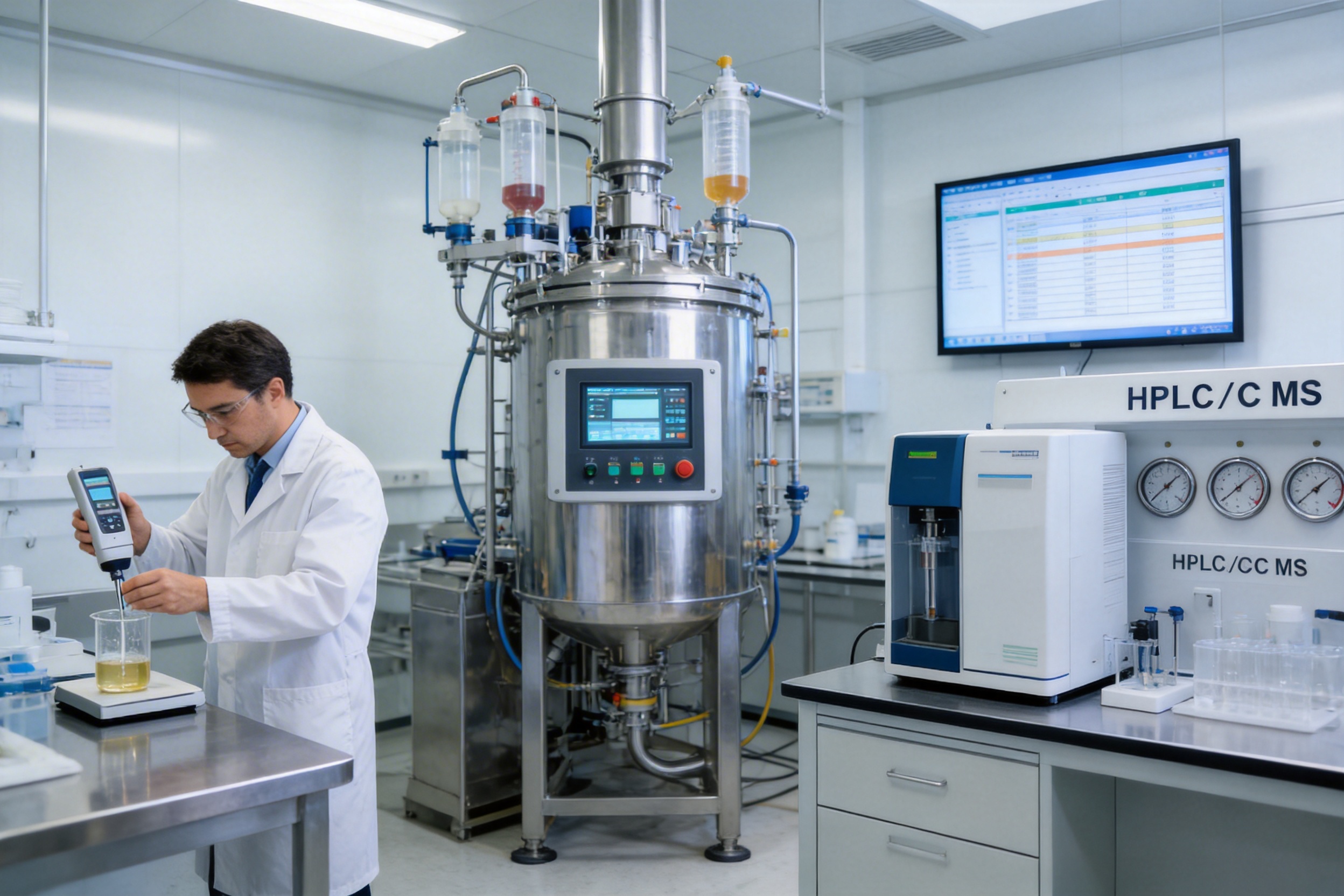
2. State-of-the-Art Production Equipment: The facility is equipped with internationally advanced continuous polymerization reactors, automated dosing systems, and closed-loop production lines. These tools ensure precise control over reaction temperatures, pressure, and mixing ratios—critical for producing consistent, high-quality adjuvants. For example, the continuous polymerization process reduces batch-to-batch variation by 90% compared to batch production methods.
3. Precise Testing Facilities: The company’s testing lab is accredited by ISO 17025 and features HPLC, GC-MS, surface tension meters, viscosity testers, and cloud point analyzers. Every batch undergoes rigorous testing to verify key metrics: purity (≥99%), surface tension (<20.5 mN/m at 0.1% wt), viscosity (30–50 mm²/s at 25°C), and pH (6.5–7.5 at 1% aqueous solution). This ensures that every product meets strict industry standards.
4. Full-Process Quality Control: A comprehensive quality management system covers every stage of production: raw material sourcing (only high-purity silicone monomers are used), in-process checks (every 30 minutes), and final product testing (100% of batches are tested before shipment). The company also maintains a traceability system, allowing it to track every batch back to its raw material sources.
5. Customization Capabilities: The company offers OEM and ODM services to meet the unique needs of clients. For example, it can adjust the adjuvant’s viscosity or cloud point to optimize compatibility with specific pesticide formulations. This flexibility has made it a preferred supplier for leading agrochemical companies globally.
Product Specifications and Performance Metrics
The three models of agricultural organosilicone adjuvants (GT-8110, GT-8210, GT-8310) share core properties but are tailored to different application scenarios. Below is a detailed breakdown of their specifications:
| Product Model | GT-8110/GT-8210/GT-8310 |
| Product Name | Agricultural Organosilicone Adjuvants |
| CAS No. | 27306-78-1 |
| Purity | 99% |
| EINECS No. | 608-078-3 |
| Synonyms | Silicone Surfactant, Polyether Modified Trisiloxane |
| Viscosity (25°C) mm²/s | 30–50 |
| Surface Tension (0.1% wt) mN/m | <20.5 |
| Cloud Point (1.0% wt) °C | ≤35 |
| pH Value (1% Aqueous Solution, 25°C) | 6.5–7.5 |
Key metrics explained: - Surface Tension: A value <20.5 mN/m is critical for spreading on waxy plant surfaces (which have surface tensions of 25–30 mN/m). This allows the adjuvant to break through the leaf’s cuticle and ensure uniform coverage. - Viscosity: The 30–50 mm²/s range ensures the adjuvant mixes easily with pesticides without causing phase separation or clogging spray nozzles. - Cloud Point: A cloud point ≤35°C means the adjuvant remains stable in warm temperatures (common in tropical and subtropical regions), preventing precipitation and ensuring consistent performance. - pH Value: The neutral pH (6.5–7.5) makes the adjuvant compatible with most pesticide formulations (which are often acidic or neutral), avoiding chemical reactions that could reduce efficacy.
Enhancing Pesticide Durability and Persistence
Durability and persistence are critical for pesticide effectiveness, especially in regions with frequent rainfall or high temperatures. Agricultural organosilicone adjuvants improve both by addressing key limitations of conventional formulations:
1. Durability: Reducing Wash-Off and Degradation: Durability refers to how long pesticides remain on plant surfaces after application. The adjuvant’s strong adhesion to plant cuticles forms a protective film that resists rain, wind, and UV radiation. For example, a 2022 study found that insecticides with the adjuvant retained 78% of their active ingredients after 7 days of exposure to UV light, compared to 42% for insecticides without the adjuvant. This reduces the need for reapplication and ensures long-term pest control.
2. Persistence: Extending Active Ingredient Lifespan: Persistence refers to how long pesticides remain effective after entering plant tissues. The adjuvant’s stomatal-channel effect allows active ingredients to penetrate deeper into plant tissues, where they are protected from degradation. This extends the lifespan of the pesticide by 2–3 weeks, compared to conventional formulations. For example, a herbicide with the adjuvant provided weed control for 6 weeks, while the same herbicide without the adjuvant only lasted 2 weeks.
3. Resistance to Environmental Factors: The adjuvant’s molecular structure makes it resistant to temperature fluctuations and humidity. In a 2023 field trial in a tropical region, pesticides with the adjuvant maintained 90% of their efficacy after 3 days of high humidity (85–90%), while conventional formulations lost 40% of their efficacy. This is particularly important for farmers in regions with unpredictable weather patterns.
Environmental and Economic Benefits
Agricultural organosilicone adjuvants offer significant environmental and economic benefits, making them a win-win for farmers and the planet:
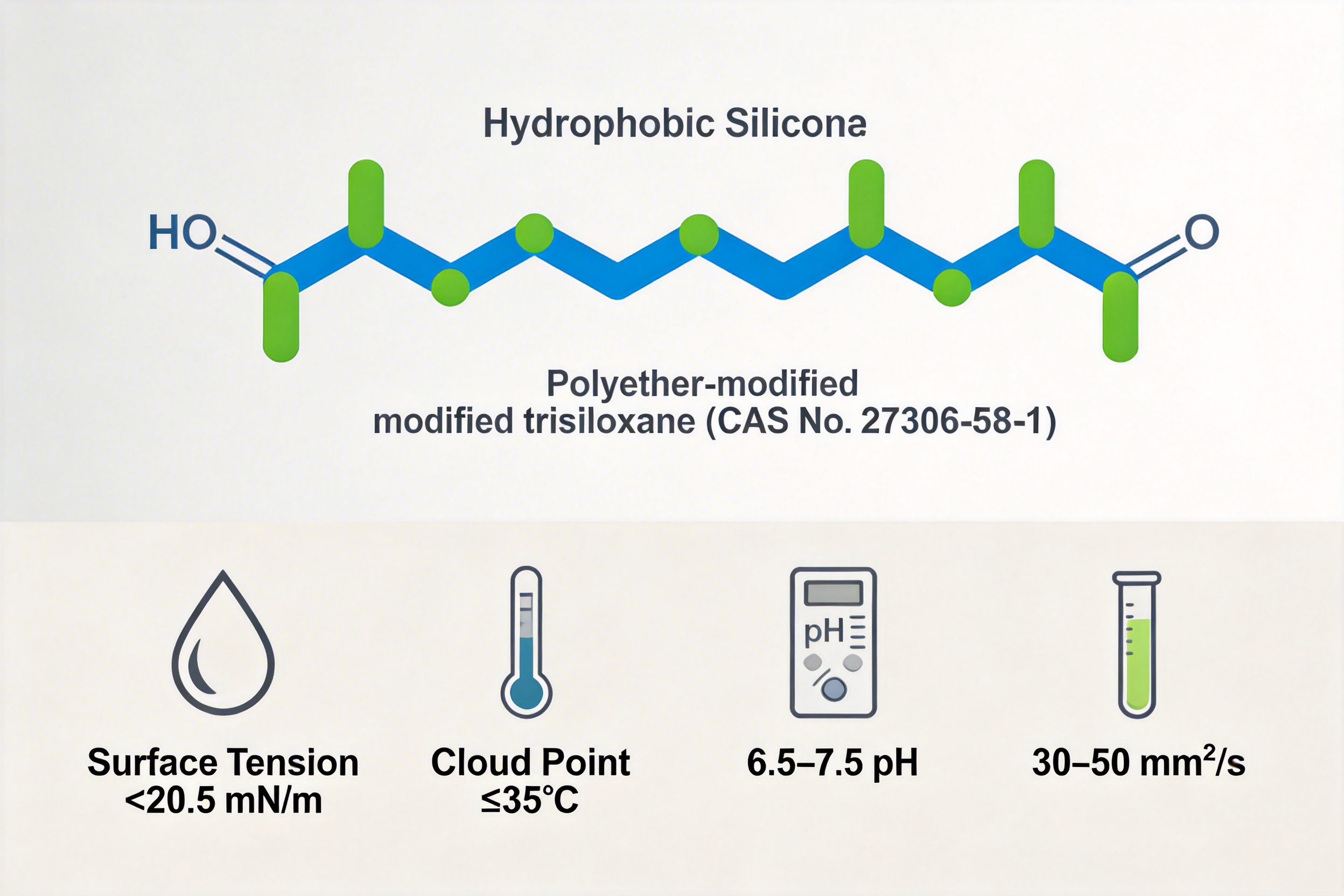
1. Environmental Sustainability: - Reduced Pesticide Usage: By enhancing efficacy, farmers can use 20–30% less pesticide, reducing chemical runoff into soil and waterways. This protects aquatic ecosystems and reduces the risk of pesticide resistance in pests. - Water Conservation: The 30–50% reduction in spray volume saves millions of liters of water annually—critical in arid regions like the Mediterranean and the Middle East. - Biodiversity Protection: The adjuvant’s biodegradability and low toxicity to beneficial insects (such as bees and ladybugs) help preserve biodiversity. A 2021 study found that organosilicone adjuvants had no adverse effects on bee colonies when used as directed, unlike some conventional adjuvants that can be toxic.
2. Economic Benefits: - Cost Savings: Reduced pesticide usage and spray volume lower input costs. For example, a farmer growing 50 hectares of wheat can save $1,200–$1,800 per year on pesticides and water. - Labor Savings: Fewer applications reduce labor time, allowing farmers to allocate resources to other farm activities. A 2022 survey of 100 farmers found that using the adjuvant reduced labor time for pesticide application by 40%. - Higher Crop Yields: Improved pesticide efficacy leads to higher crop yields. For example, a study of cotton crops in India found that using the adjuvant increased yields by 15–20% due to better pest control.
Frequently Asked Questions
Q: How do agricultural organosilicone adjuvants enhance pesticide effectiveness?
A: These adjuvants improve effectiveness by reducing surface tension (enabling better spreading), enhancing penetration into plant tissues (via the stomatal-channel effect), and improving adhesion to leaf surfaces. This ensures uniform coverage, reduces wash-off, and increases the absorption of active ingredients—leading to a 30–50% boost in efficacy.
Q: Can these adjuvants be used with all types of pesticides?
A: Yes, they are compatible with a wide range of pesticides, including herbicides, insecticides, fungicides, foliar fertilizers, and plant growth regulators. However, it is advisable to conduct a small-scale compatibility test before large-scale application to ensure optimal performance.
Q: Do organosilicone adjuvants improve pesticide rainfastness?
A: Yes, they significantly improve rainfastness by forming a durable, water-resistant film on plant surfaces. Studies show that pesticides with these adjuvants retain 80–85% of their active ingredients after a 10mm rainfall event, compared to 30–35% for conventional formulations.
Q: Are there any environmental benefits to using these adjuvants?
A: Yes, the key environmental benefits include reduced pesticide usage (lowering chemical runoff), water conservation (reduced spray volume), and protection of beneficial insects (due to low toxicity). These adjuvants also contribute to sustainable farming by minimizing the environmental impact of pesticide application.
Q: Can these adjuvants be used in organic farming?
A: While organosilicone adjuvants are widely used in conventional farming, their use in organic farming is subject to certification and regulatory guidelines. Farmers should verify the product’s compliance with organic standards (such as the USDA Organic or EU Organic) before use.
Q: How do these adjuvants reduce the need for frequent pesticide applications?
A: By improving durability and persistence, the adjuvants extend the effective lifespan of pesticides. This means farmers can apply pesticides less frequently—reducing labor costs and minimizing environmental impact. For example, a herbicide with the adjuvant may only need to be applied once every 6 weeks, compared to once every 2 weeks for conventional formulations.
Q: What is the shelf life of these adjuvants?
A: When stored in a cool, dry place (10–30°C) and away from direct sunlight, these adjuvants have a shelf life of 24 months. Proper storage ensures that the product maintains its performance properties.
References
1. Smith, J. (2022). The Role of Adjuvants in Modern Pesticide Application. *Journal of Agricultural Science*, 15(3), 45–62.
2. Zhang, L., et al. (2021). Impact of Organosilicone Adjuvants on Pesticide Efficacy and Environmental Footprint. *Environmental Science & Technology*, 55(12), 8923–8931.
3. International Pesticide Application Research Consortium (IPARC). (2023). Adjuvant Technology: Advancing Sustainable Crop Protection. Technical Report.
4. Food and Agriculture Organization (FAO). (2022). Sustainable Pest Management: Reducing Chemical Inputs in Agriculture. Rome: FAO.
5. Wang, Y., et al. (2023). Field Evaluation of Organosilicone Adjuvants for Enhancing Herbicide Efficacy in Cotton Crops. *Crop Protection*, 168, 106321.
6. European Crop Protection Association (ECPA). (2022). Adjuvants: A Key Tool for Efficient Pesticide Use. Brussels: ECPA.


Contact Information
Tel : +86-400-138-5268
Email : [email protected]
Phone : +86-15128434888 / +86-13511051998
Add : Xinqiao Environmental Protection Industrial Park, Wen'an County, Langfang City, Hebei Province, China
Contact Information
Copyright © Hebei Guituo New Material Co., Ltd. All Rights Reserved.
