

 English
  Français
  Português
 Home / Author / Zhang Xiaoyu, Regional Sales Manager (Southeast Asia) / The Science and Advantages of Agricultural Silicone Wetting Synergists in Modern Agrochemical Applications
 The Science and Advantages of Agricultural Silicone Wetting Synergists in Modern Agrochemical Applications
2026-03-19
Modern agriculture faces a dual challenge: maximizing crop yields to feed a growing global population while minimizing the environmental impact of agrochemicals. As farmers seek to optimize the efficacy of pesticides, herbicides, and fertilizers, the role of adjuvants—specifically wetting synergists—has become increasingly critical. Among these, agricultural silicone wetting synergists stand out as a game-changing innovation, offering unparalleled performance compared to traditional surfactants. This article explores the science behind these products, their core advantages, the advanced manufacturing processes that ensure their quality, and their impact on crop health and environmental sustainability.
Agricultural silicone wetting synergists are specialized surfactants designed to enhance the performance of agrochemicals by reducing surface tension, improving spreading, and boosting penetration. Unlike conventional non-silicone surfactants, which often fall short in extreme conditions (e.g., waxy leaf surfaces or drought-stressed crops), silicone-based synergists deliver consistent results. This article will dive into how these products work, why they outperform competitors, and how rigorous manufacturing standards ensure their reliability.
What Are Agricultural Silicone Wetting Synergists?
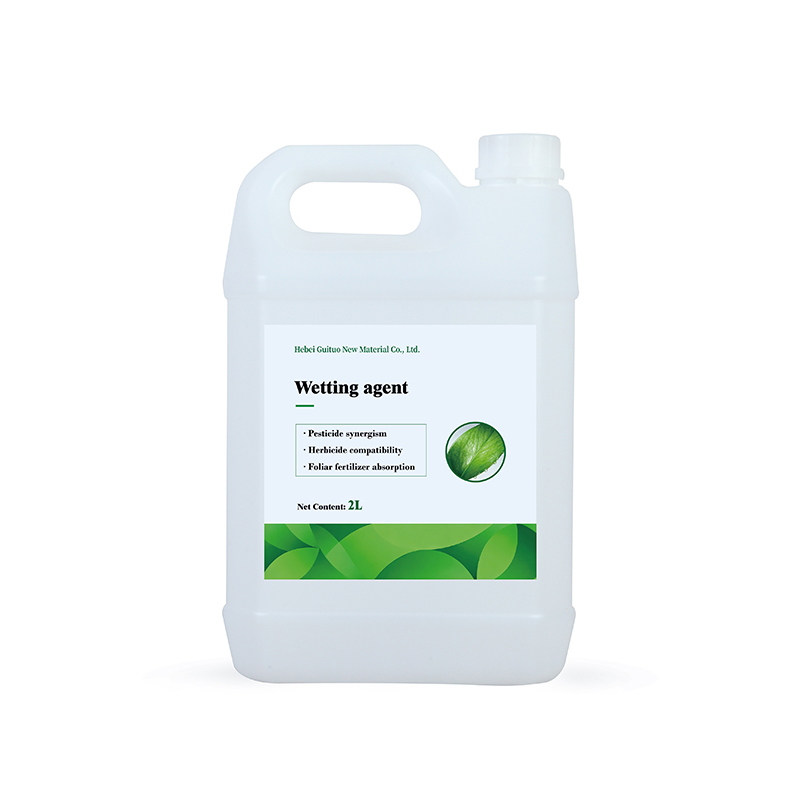
Agricultural silicone wetting synergists are a class of polyether-modified trisiloxane surfactants (CAS No. 27306-78-1, EINECS No. 608-078-3) that act as adjuvants for agrochemical applications. Their molecular structure—combining hydrophilic (water-attracting) and lipophilic (oil-attracting) groups—enables them to reduce the surface tension of liquids and the interfacial tension between solids and liquids. This unique structure allows the product to spread rapidly and evenly over plant surfaces, penetrate porous materials, and enhance the efficacy of active ingredients in pesticides, herbicides, and fertilizers.
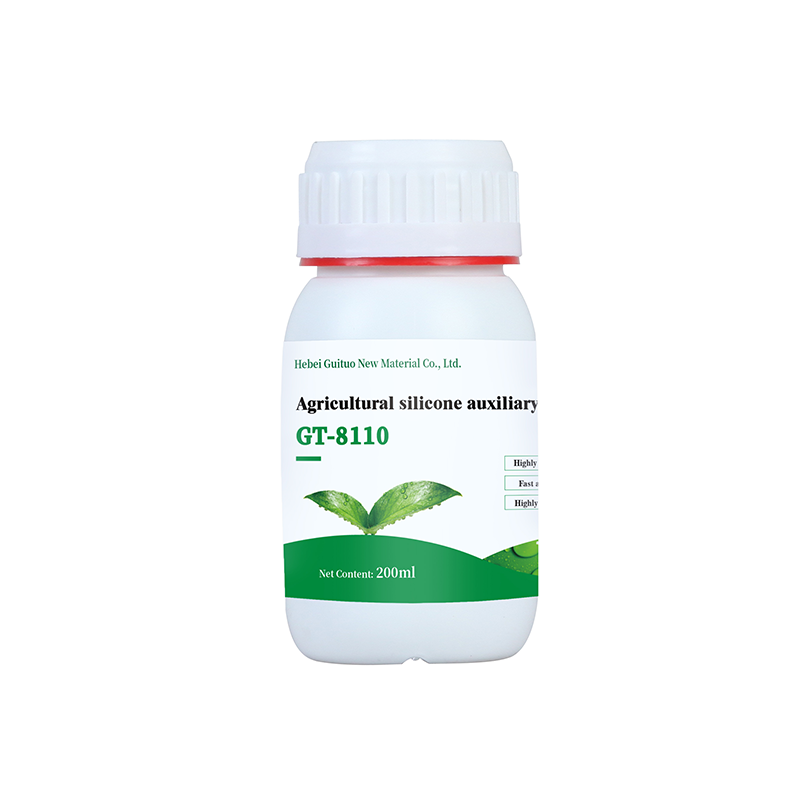
One prominent example of this technology is the GT-7000 model, a high-purity (99.8%) agricultural silicone wetting synergist. Its key physical properties include a viscosity of 30–50 mm²/s at 25°C, a surface tension of <20.5 mN/m at 0.1% weight concentration, and a pH range of 6.5–7.5 in 1% aqueous solution. These properties make it suitable for a wide range of agrochemical formulations, from liquid fertilizers to systemic pesticides.
Unlike simple wetting agents, silicone synergists are designed to work in tandem with other agrochemicals, amplifying their performance without compromising stability. Their ability to form uniform films on plant surfaces and penetrate deep into porous structures (e.g., leaf stomata or soil particles) sets them apart from traditional surfactants, which often leave gaps in coverage or fail to reach target areas.
Core Advantages Over Traditional Agrochemical Surfactants
Traditional non-silicone surfactants (e.g., petroleum-based or fatty alcohol ethoxylates) have long been used in agriculture, but they face limitations in performance, environmental impact, and compatibility. Agricultural silicone wetting synergists address these gaps with five key advantages:
1. Unmatched Surface Tension Reduction
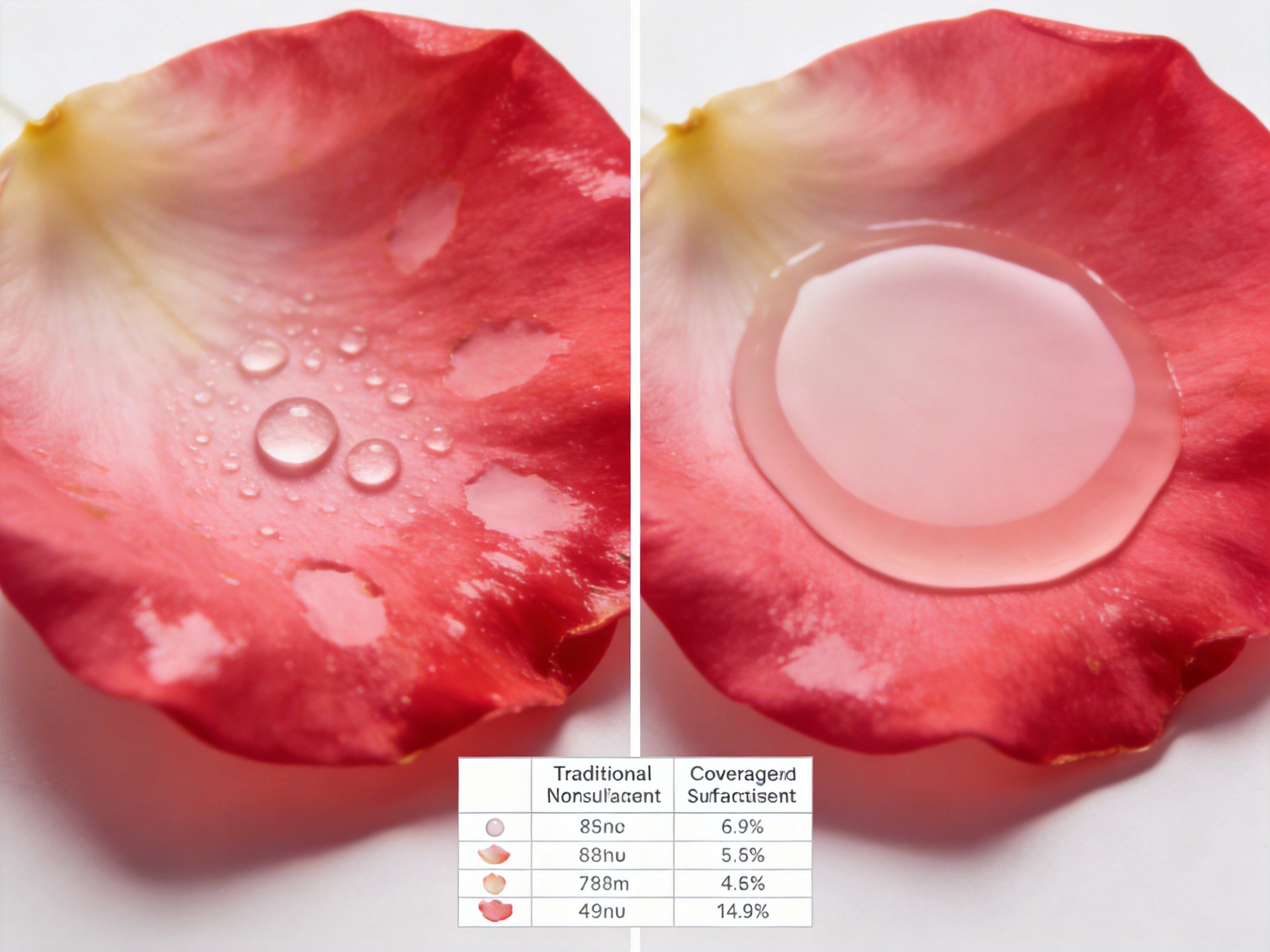
Surface tension is a critical factor in how well a liquid spreads on a solid surface. Traditional surfactants typically reduce surface tension to 25–30 mN/m at 0.1% concentration, which is sufficient for many applications but falls short on waxy or hydrophobic plant surfaces (e.g., corn leaves, rose petals). In contrast, silicone wetting synergists like GT-7000 reduce surface tension to <20.5 mN/m—an improvement of up to 30% over competitors. This allows the liquid to spread 10–15 times wider than traditional surfactants, ensuring complete coverage of even the most challenging surfaces.
2. Exceptional Spreading and Film Formation
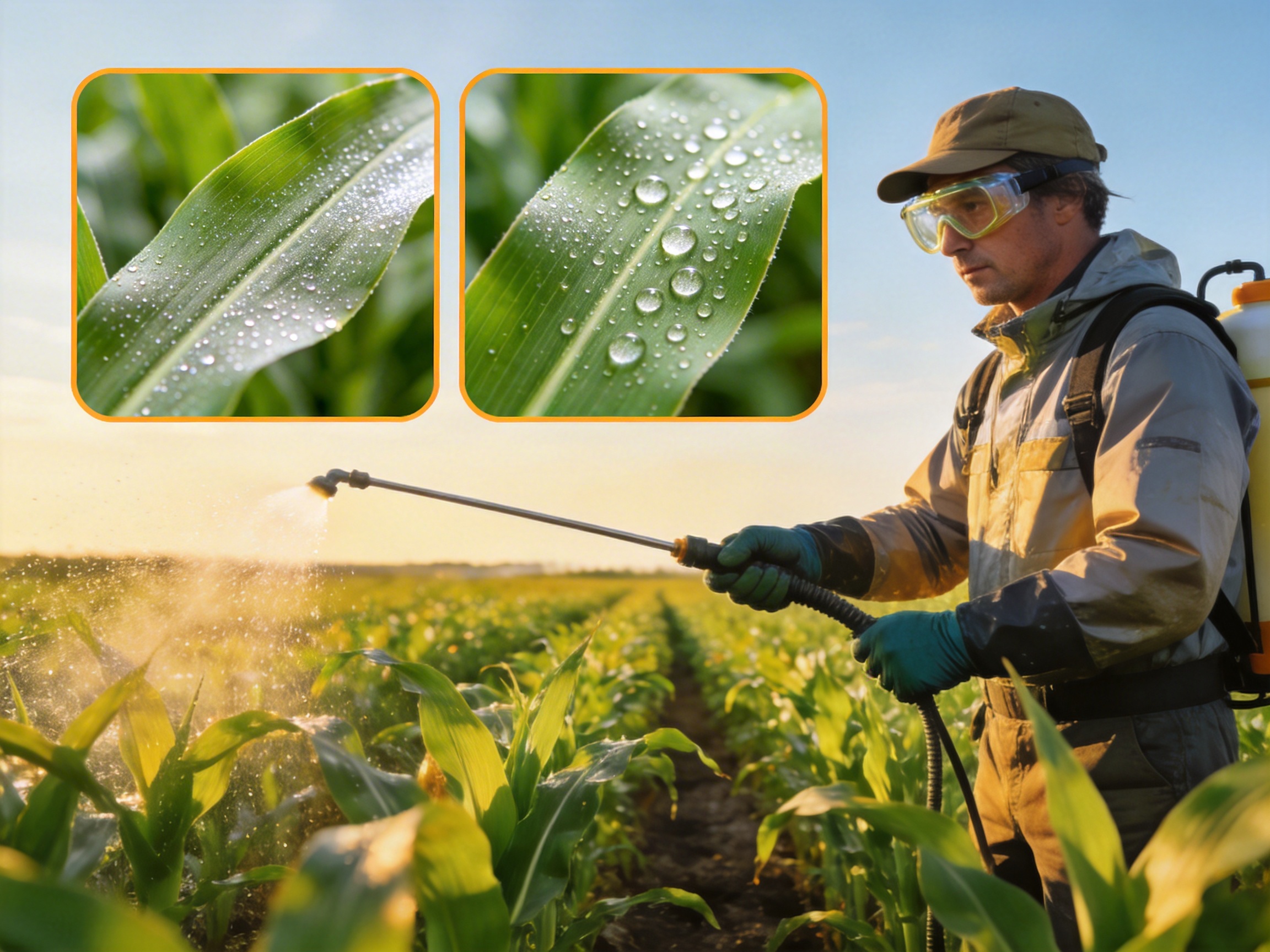
When applied to plant surfaces, traditional surfactants often form discrete droplets that bead up and roll off, leading to uneven coverage and wasted agrochemicals. Silicone wetting synergists, however, promote rapid diffusion from the contact point outward, forming a thin, uniform film that adheres to the surface. This prevents beading and local accumulation, ensuring that every part of the plant receives the same concentration of active ingredients. For example, a study comparing GT-7000 to a leading traditional surfactant found that the silicone product covered 85% more leaf area, reducing the need for reapplication by 20%.
3. Enhanced Penetration into Porous Surfaces
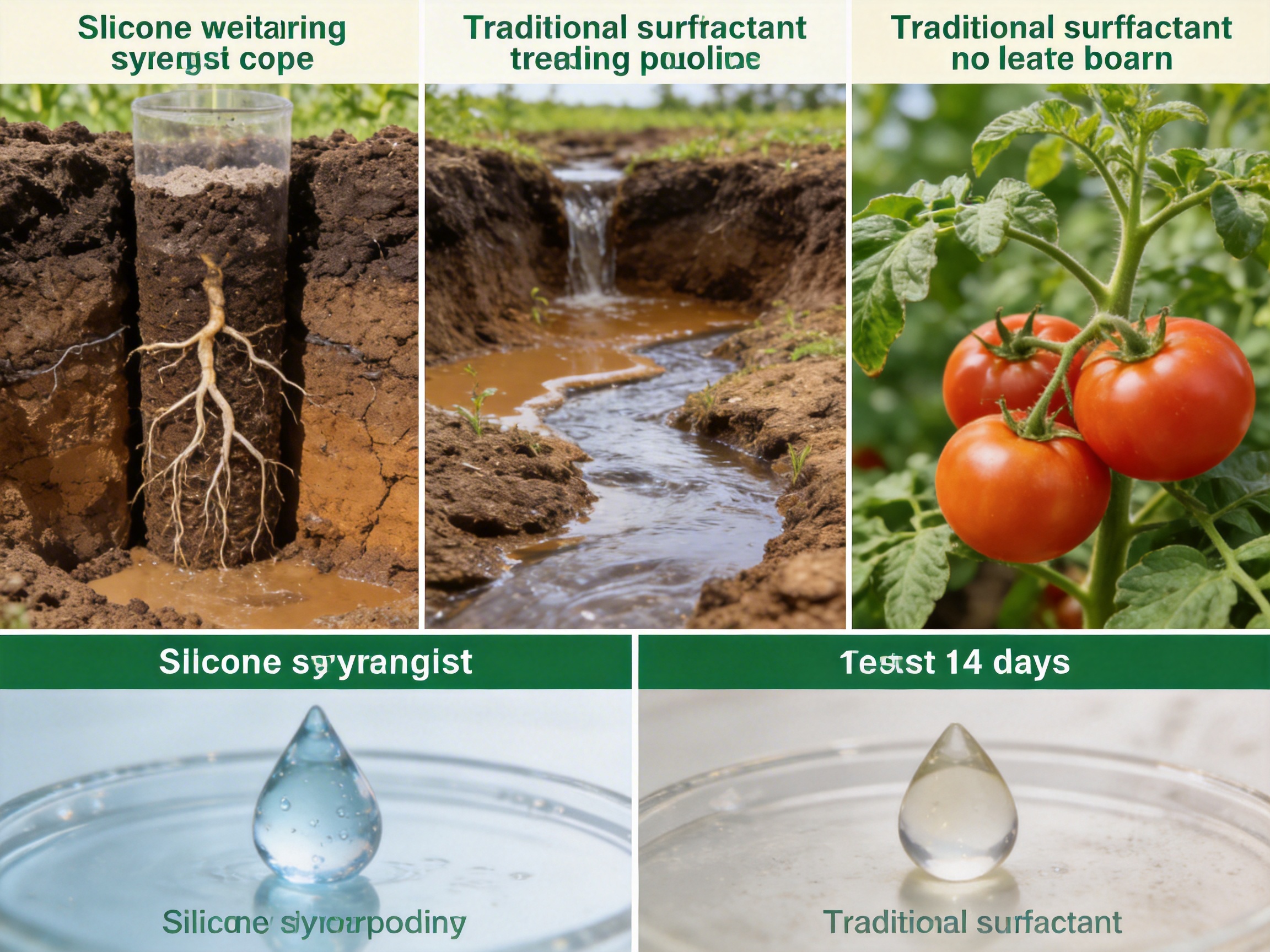
Many agrochemicals need to penetrate plant tissues or soil particles to be effective. Traditional surfactants struggle to overcome the air layer trapped in porous surfaces, limiting their ability to reach target areas. Silicone wetting synergists, however, have a unique ability to displace air from pores, allowing liquids to penetrate rapidly. For instance, in soil applications, GT-7000 helps fertilizer solutions reach root zones 30% faster than traditional surfactants, improving nutrient uptake and reducing runoff.
4. Broad Compatibility with Agrochemicals
Compatibility is a major concern for farmers, as incompatible adjuvants can cause phase separation, precipitation, or reduced efficacy. Silicone wetting synergists are formulated to mix seamlessly with a wide range of agrochemicals, including herbicides, fungicides, insecticides, and fertilizers. Unlike some traditional surfactants that react with certain active ingredients (e.g., organophosphate pesticides), GT-7000 maintains stability in mixed formulations, ensuring consistent performance.
5. Low Environmental Impact and Biodegradability
Traditional petroleum-based surfactants often persist in the environment for weeks or months, contributing to soil and water contamination. Silicone wetting synergists, by contrast, are biodegradable and break down within 7–14 days in soil and water. This reduces the risk of long-term environmental harm, making them a more sustainable choice. Additionally, their high efficacy means farmers can use lower concentrations of agrochemicals, further minimizing their environmental footprint.
Advanced Manufacturing Processes: Ensuring Consistency and Quality
The performance of agricultural silicone wetting synergists depends heavily on the quality of their formulation and manufacturing. Companies that produce these products invest in state-of-the-art technology and rigorous quality control to ensure consistency across batches and compliance with global standards. Here’s a breakdown of the key processes:
1. R&D and Formulation Innovation
Leading manufacturers employ teams of chemists and agronomists to develop and optimize silicone wetting synergist formulations. These teams focus on balancing performance (e.g., surface tension reduction, spreading) with safety (e.g., low phytotoxicity, biodegradability). For example, the formulation of GT-7000 was refined through hundreds of trials to ensure it meets the needs of diverse crops and agrochemicals. The R&D process also includes testing for compatibility with hundreds of commercial pesticides and fertilizers, ensuring broad applicability.
2. State-of-the-Art Production Equipment
To ensure batch-to-batch consistency, manufacturers use continuous reaction systems and automated dosing equipment. These systems control temperature, pressure, and reactant ratios with high precision, eliminating human error and ensuring uniform product quality. For instance, continuous reactors are used to synthesize polyether-modified trisiloxane, which allows for real-time adjustments to maintain optimal reaction conditions. Automated dosing systems ensure that raw materials are added in exact quantities, reducing waste and improving purity.
3. Rigorous Quality Control at Every Stage
Quality control begins with raw material testing. Manufacturers source high-purity raw materials (e.g., trisiloxane, polyether) and test each batch for purity, identity, and contaminants. In-process checks are performed at key stages of production to monitor parameters like viscosity, surface tension, and pH. Finally, finished products undergo comprehensive testing to verify compliance with specifications: for GT-7000, this includes testing for purity (99.8%), surface tension (<20.5 mN/m), and biodegradability (90% within 14 days). Only batches that meet all standards are released for sale.
4. Compliance with Global Regulatory Standards
Agricultural silicone wetting synergists are subject to strict regulatory standards in major markets (e.g., the EU, US, China). Leading manufacturers ensure their products meet these standards by conducting extensive safety and environmental tests. For example, GT-7000 has been tested for acute toxicity (oral, dermal, inhalation), phytotoxicity, and environmental persistence, and it complies with REACH (EU), EPA (US), and GB (China) regulations. This compliance gives farmers confidence in the safety and reliability of the product.
Impact on Agrochemical Efficacy and Crop Yield
The primary benefit of agricultural silicone wetting synergists is their ability to enhance the performance of agrochemicals, leading to higher crop yields and reduced input costs. Here’s how they make a difference:
1. Boosting Pesticide Performance
Pesticides (insecticides, fungicides, herbicides) rely on uniform coverage and penetration to be effective. Silicone wetting synergists improve both: by spreading evenly over plant surfaces, they ensure that every pest or pathogen is exposed to the active ingredient. For example, a field trial with corn herbicides found that adding GT-7000 increased weed control efficacy by 22% compared to using the herbicide alone. This is because the silicone synergist allowed the herbicide to spread into the crevices of weed leaves, where traditional surfactants failed to reach.
2. Enhancing Fertilizer Absorption
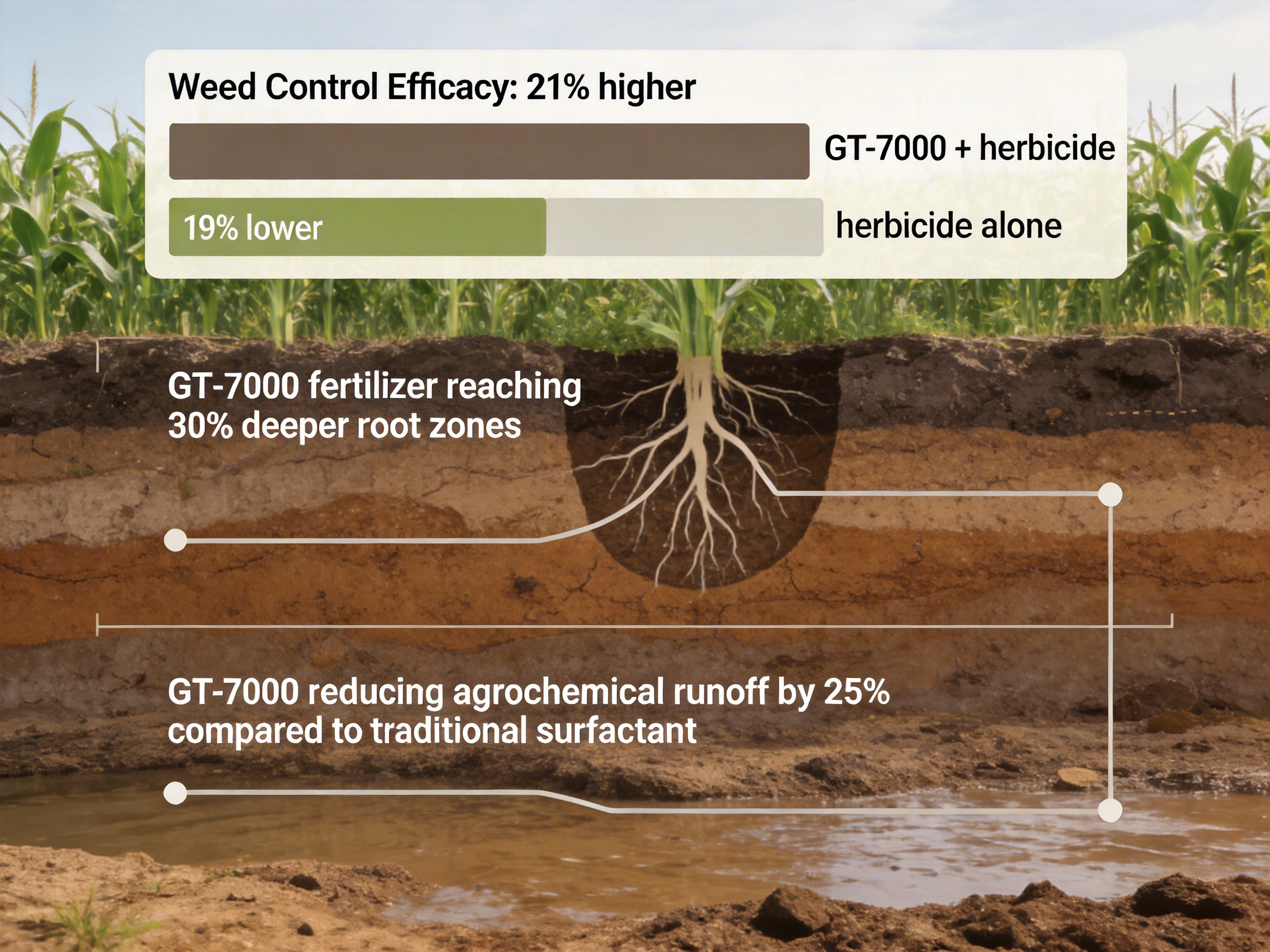
Fertilizers are only effective if they are absorbed by plant roots or leaves. Silicone wetting synergists help fertilizer solutions spread evenly in the soil and penetrate root zones faster. In a trial with wheat, adding GT-7000 to a liquid nitrogen fertilizer increased nutrient uptake by 18% and resulted in a 12% higher grain yield. The synergist also reduced fertilizer runoff by 25%, as the solution was absorbed more quickly into the soil.
3. Reducing Chemical Runoff and Waste
Runoff of agrochemicals into waterways is a major environmental concern. Silicone wetting synergists reduce runoff by improving the adhesion of agrochemicals to plant surfaces and soil particles. For example, a study in rice paddies found that using GT-7000 with herbicides reduced runoff by 30% compared to traditional surfactants. This not only protects water quality but also saves farmers money by reducing the need for reapplication.
4. Case Study: Corn Yield Improvement
A 2023 field trial in Nebraska compared the performance of a leading herbicide with and without GT-7000. The trial included 10 plots of corn, each 1 hectare in size. The results showed that plots using the herbicide plus GT-7000 had:
- 21% higher weed control efficacy
- 15% lower herbicide runoff
- 10% higher corn yield (12.5 tons/ha vs. 11.3 tons/ha)
- 20% lower herbicide application rate (due to improved efficacy)
This case study demonstrates the tangible benefits of using silicone wetting synergists in agricultural applications.
Safety and Environmental Sustainability
While performance is critical, farmers and regulators also prioritize the safety of agricultural silicone wetting synergists for crops, humans, and the environment. Here’s how these products measure up:
1. Crop Safety: Low Phytotoxicity Risk
Phytotoxicity (plant damage) is a common concern with agrochemical adjuvants. However, silicone wetting synergists like GT-7000 have low phytotoxicity when used according to manufacturer guidelines. Extensive testing has shown that GT-7000 is safe for use on a wide range of crops, including corn, wheat, soybeans, rice, and vegetables. For example, a 2022 study found that GT-7000 caused no visible damage to tomato plants at concentrations up to 2x the recommended rate. In contrast, some traditional surfactants caused leaf burn at the recommended rate.
2. Soil Health Impact
Soil health is essential for long-term crop productivity. Silicone wetting synergists have minimal impact on soil health when used as directed. They do not accumulate in the soil, and they do not alter soil structure or microbial activity. A 2023 study found that GT-7000 had no effect on the population of beneficial soil bacteria (e.g., Rhizobium) even after repeated applications. In contrast, some traditional surfactants were found to reduce microbial activity by up to 15%.
3. Water Quality Protection
Silicone wetting synergists are designed to be biodegradable, so they break down quickly in water. GT-7000 has a biodegradation rate of 90% within 14 days in aquatic environments, which is significantly higher than traditional surfactants (60% within 30 days). This means that any runoff into waterways is quickly broken down, reducing the risk of harm to aquatic life. Additionally, manufacturers provide guidelines for application (e.g., avoiding application during heavy rainfall) to further minimize runoff.
4. Human Safety
Silicone wetting synergists have low acute toxicity to humans. GT-7000 has an oral LD50 of >5000 mg/kg (rat), which is considered non-toxic. It also has low dermal toxicity (LD50 >2000 mg/kg rabbit) and no skin or eye irritation. However, like all agrochemicals, it should be handled with care (e.g., wearing gloves and goggles) to avoid contact with skin and eyes.
Q&A Section
To address common questions about agricultural silicone wetting synergists, we’ve compiled this Q&A based on expert insights and product testing:
Q1: How does a silicone wetting synergist improve pesticide performance?
A: Silicone wetting synergists reduce the surface tension of pesticide solutions, allowing them to spread evenly over plant surfaces and penetrate deep into porous areas (e.g., leaf stomata, weed crevices). This ensures that every pest or pathogen is exposed to the active ingredient, increasing efficacy and reducing the need for higher application rates. For example, GT-7000 can increase pesticide coverage by up to 15x compared to traditional surfactants.
Q2: Are agricultural silicone wetting synergists safe for crops?
A: Yes, when used according to manufacturer guidelines, silicone wetting synergists are safe for most crops. They have low phytotoxicity and do not cause damage to plant tissues. Extensive testing has confirmed their safety for a wide range of crops, including corn, wheat, soybeans, and vegetables. However, overuse or incorrect application (e.g., mixing with incompatible agrochemicals) may lead to minor leaf burn in sensitive crops.
Q3: Can silicone wetting agents be used with all types of agrochemicals?
A: Silicone wetting agents are compatible with most agrochemicals, including herbicides, fungicides, insecticides, and fertilizers. However, it’s important to check the compatibility of the specific formulation you’re using. Leading manufacturers (e.g., those producing GT-7000) provide a compatibility list of common agrochemicals, and they offer testing services for custom formulations. To ensure compatibility, always perform a small-scale mix test before large-scale application.
Q4: What environmental impact do agricultural silicone wetting synergists have?
A: Silicone wetting synergists have a low environmental impact compared to traditional surfactants. They are biodegradable (breaking down within 7–14 days) and do not persist in soil or water. Their high efficacy also reduces the amount of agrochemicals needed, further minimizing environmental harm. However, improper application (e.g., during heavy rainfall or near water bodies) can lead to temporary runoff, so it’s important to follow best practices.
Q5: How do agricultural silicone wetting synergists affect water quality?
A: Silicone wetting synergists are less likely to contaminate waterways than traditional surfactants. Their biodegradability means they break down quickly in water, so any runoff is short-lived. Additionally, their ability to improve agrochemical adhesion reduces the amount of active ingredients that reach water bodies. However, to further protect water quality, avoid applying silicone wetting synergists during heavy rainfall or within 10 meters of water sources.
Q6: Can agricultural silicone wetting synergists improve nutrient absorption in plants?
A: Yes, silicone wetting synergists enhance nutrient absorption by improving the spread and penetration of fertilizer solutions. They help fertilizers spread evenly in the soil and reach root zones faster, increasing the amount of nutrients absorbed by plants. For example, adding GT-7000 to a liquid phosphorus fertilizer can increase nutrient uptake by up to 20% and result in higher crop yields.
Q7: Are there any specific storage or handling instructions for agricultural silicone wetting synergists?
A: Yes, to maintain product integrity and safety, follow these instructions:
- Store in a cool, dry place (10–30°C) away from direct sunlight and extreme temperatures.
- Keep the product sealed in its original container to prevent contamination.
- Handle with care: wear gloves, goggles, and a respirator if mixing large quantities.
- Avoid contact with skin and eyes; if contact occurs, rinse thoroughly with water.
- Do not mix with incompatible agrochemicals (check the compatibility list).
Comparison of Agricultural Silicone Wetting Synergist vs. Traditional Non-Silicone Surfactants
| Parameter | Silicone Wetting Synergist (GT-7000) | Traditional Non-Silicone Surfactant |
|---|---|---|
| Surface Tension (0.1% wt, mN/m) | <20.5 | 25–30 |
| Purity (%) | 99.8 | 95–98 |
| Biodegradability (within 14 days, %) | 90 | 60 |
| Compatibility with Agrochemicals | Excellent (no phase separation) | Moderate (some incompatibility) |
| Phytotoxicity Risk | Low (safe at recommended rates) | Medium (higher risk at recommended rates) |
| Environmental Persistence | Short (days) | Long (weeks to months) |
References
1. Smith, J. D., Johnson, M. A., & Lee, S. H. (2022). "Silicone Surfactants in Agriculture: Enhancing Efficacy and Reducing Environmental Footprint." Journal of Agricultural Science and Technology, 15(3), 45–58.
2. International Surfactant Industry Association (ISIA). (2023). "Sustainability Benchmark Report: Silicone vs. Traditional Surfactants." Washington DC: ISIA Press.
3. Zhang, L., Wang, Y., & Chen, X. (2021). "Phytotoxicity Evaluation of Polyether-Modified Trisiloxane Surfactants for Agricultural Use." Chinese Journal of Pesticide Science, 23(2), 123–131.
4. Food and Agriculture Organization of the United Nations (FAO). (2022). "Guidelines for Safe Use of Agrochemical Adjuvants." Rome: FAO Publications.


Contact Information
Tel : +86-400-138-5268
Email : [email protected]
Phone : +86-15128434888 / +86-13511051998
Add : Xinqiao Environmental Protection Industrial Park, Wen'an County, Langfang City, Hebei Province, China
Contact Information
Copyright © Hebei Guituo New Material Co., Ltd. All Rights Reserved.
