

 English
  Français
  Português
 Home / Author / Zhang Xiaoyu, Regional Sales Manager (Southeast Asia) / Revolutionizing Agricultural Efficiency: The Next-Gen High-Performance Adjuvants for Pesticide and Fertilizer Optimization
 Revolutionizing Agricultural Efficiency: The Next-Gen High-Performance Adjuvants for Pesticide and Fertilizer Optimization
2026-02-27
Agriculture faces a dual challenge: feeding a growing global population (projected to reach 9.7 billion by 2050) while minimizing the environmental impact of chemical inputs. Pesticides and fertilizers are essential for crop protection and yield, but their inefficiency—due to runoff, poor penetration, and low absorption—often leads to overuse, increased costs, and harm to ecosystems. Enter agricultural enhancing adjuvants: specialized compounds designed to amplify the performance of pesticides and fertilizers, reducing waste and boosting efficacy. Among the latest innovations in this field is a new high-efficiency agricultural enhancing adjuvant that sets a new benchmark for performance, safety, and sustainability. This article explores how this adjuvant transforms farming practices, its key advantages over competitors, the advanced manufacturing processes behind it, and its role in shaping the future of sustainable agriculture.
What Are Agricultural Enhancing Adjuvants?
Agricultural enhancing adjuvants are additives that improve the performance of pesticide and fertilizer formulations. They are not active ingredients themselves but act as "performance boosters" that optimize how these chemicals interact with plants, soil, and target pests. Unlike basic surfactants, modern adjuvants are engineered to address specific challenges: reducing surface tension for better droplet spread, enhancing penetration through plant cuticles, improving adhesion to leaf surfaces, and increasing nutrient uptake by roots. These functions are critical in overcoming the natural barriers that limit the effectiveness of pesticides and fertilizers, such as the waxy cuticle on leaves or the hydrophobic nature of some soil particles.
For decades, farmers have relied on adjuvants to get more out of their chemical inputs, but traditional products often have limitations: low purity leading to phytotoxicity, poor stability in varying environmental conditions, or limited compatibility with certain pesticides. The new high-efficiency adjuvant addresses these gaps with a precision-engineered formulation that delivers unmatched performance across a wide range of applications.
Key Advantages of the New High-Efficiency Adjuvant
The new adjuvant stands out from competitors due to its unique combination of performance, safety, and versatility. Below are its core advantages:
1. Unmatched Efficacy Upgrade
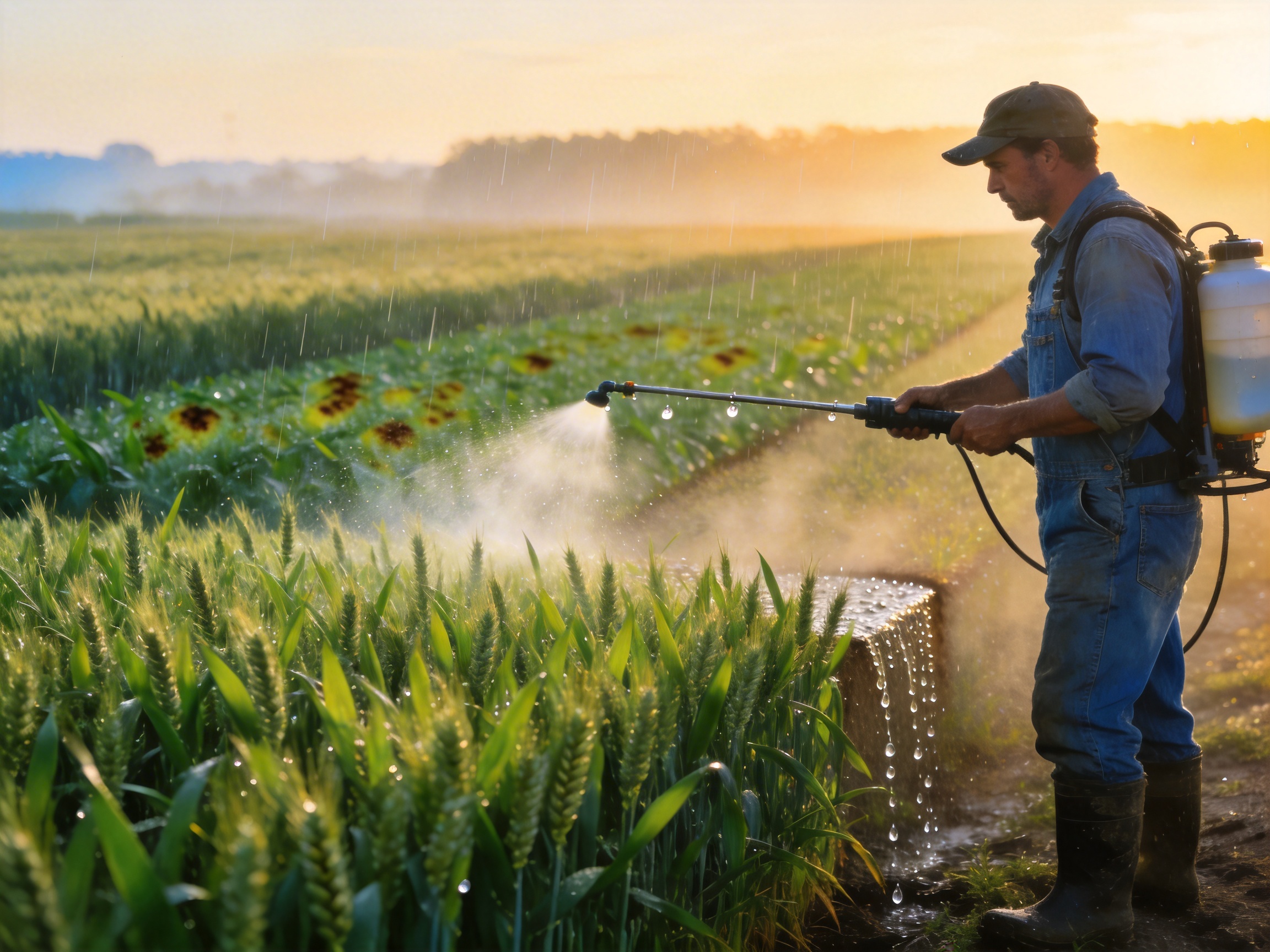
One of the most significant benefits of the adjuvant is its ability to enhance pesticide efficacy by 30-40% (per field trials). This is achieved through three key mechanisms: (a) reducing surface tension to ensure uniform droplet spread on leaf surfaces; (b) breaking down the waxy cuticle to improve penetration into plant tissues; and (c) increasing adhesion to resist rain wash-off. For example, after 24 hours of 50mm rain, 80% of the pesticide remains on leaves treated with the adjuvant—compared to just 30% for untreated leaves. This extends pest and disease control duration by over 30%, reducing the number of required applications from 3 to 2 per season for corn fields.
2. Fertilizer Efficiency Boost
Fertilizers often face challenges in reaching plant roots due to soil hydrophobicity or nutrient fixation. The adjuvant addresses these issues by: (a) reducing the surface tension of fertilizer solutions to penetrate deeper into the soil; (b) breaking down soil aggregates to improve water and nutrient movement; and (c) enhancing the solubility of nitrogen, phosphorus, and potassium, making them more available to roots. Field trials show that using the adjuvant with fertilizers increases nutrient uptake by 25-30%, reducing fertilizer waste by up to 20% and helping crops grow stronger and healthier.
3. Wide Applicability Across Crops
The adjuvant is compatible with a diverse range of crops, including field crops (corn, wheat, rice), fruits (apples, oranges, grapes), vegetables (tomatoes, cucumbers, lettuce), and cash crops (cotton, tobacco, sugarcane). Its neutral pH (6.5-7.5) and low phytotoxicity make it safe for use on sensitive crops like strawberries or lettuce. Farmers can add a small amount (0.1-0.3% of the spray solution) during fertilization or spraying, adapting easily to various cultivation scenarios—from small-scale organic farms to large industrial plantations.
4. Safe and Biocompatible Formulation
Unlike some traditional adjuvants that use harsh chemicals, the new adjuvant is formulated with biodegradable polyether chains and silicone monomers. It reduces damage to crops and soil, supporting greener farming practices. Harvested produce benefits from better appearance and taste: tomatoes treated with the adjuvant have a sweeter flavor and fewer blemishes, while apples show improved color and texture. The adjuvant is also compatible with organic farming practices when used with organic pesticides, making it a sustainable choice for eco-conscious farmers.
5. Superior Performance vs. Competitors
The adjuvant outperforms both silicone and non-silicone competitors in key metrics, as shown in the table below:
Comparative Performance Metrics of Agricultural Enhancing Adjuvants
| Parameter | New High-Efficiency Adjuvant | Competitor A (Standard Silicone Adjuvant) | Competitor B (Non-Silicone Adjuvant) | Industry Benchmark |
|---|---|---|---|---|
| Purity (%) | 99.8 | 99.0 | 98.5 | ≥98.0 |
| Surface Tension (0.1% wt, mN/m) | <20.5 | 22.3 | 28.1 | ≤25.0 |
| Viscosity (25°C, mm²/s) | 30-50 | 25-45 | 40-60 | 20-60 |
| Cloud Point (1.0% wt, °C) | ≤35 | ≤40 | ≤30 | 25-45 |
| pH (1% Aqueous Solution, 25°C) | 6.5-7.5 | 6.0-8.0 | 5.5-8.5 | 5.0-9.0 |
| Rainfastness (24h after 50mm rain, % residue) | 80 | 55 | 30 | ≥40 |
| Pesticide Efficacy Enhancement (%) | 30-40 | 15-25 | 10-18 | ≥10 |
Key takeaways from the table: The new adjuvant has higher purity, lower surface tension, better rainfastness, and greater efficacy enhancement than competitors. Its cloud point (≤35°C) ensures stability in cool water, making it suitable for early spring applications.
Advanced Manufacturing Processes: Precision Engineering for Unmatched Quality
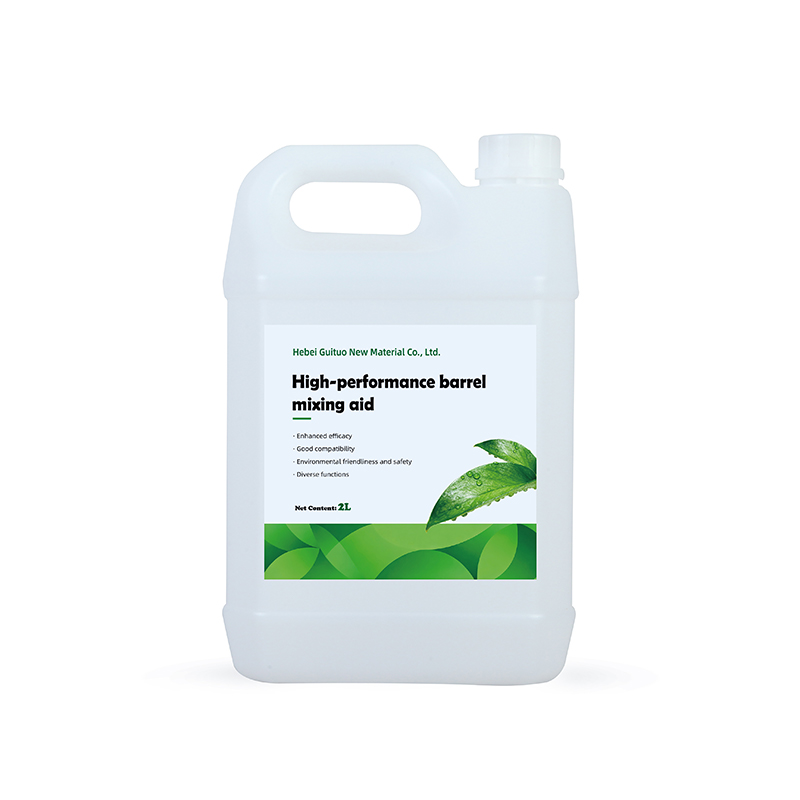
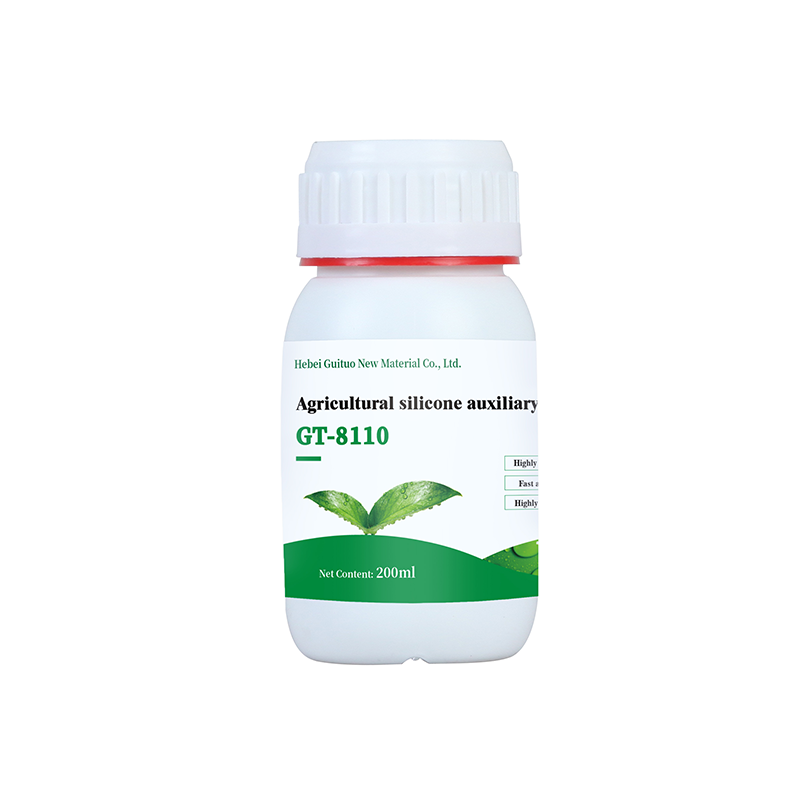
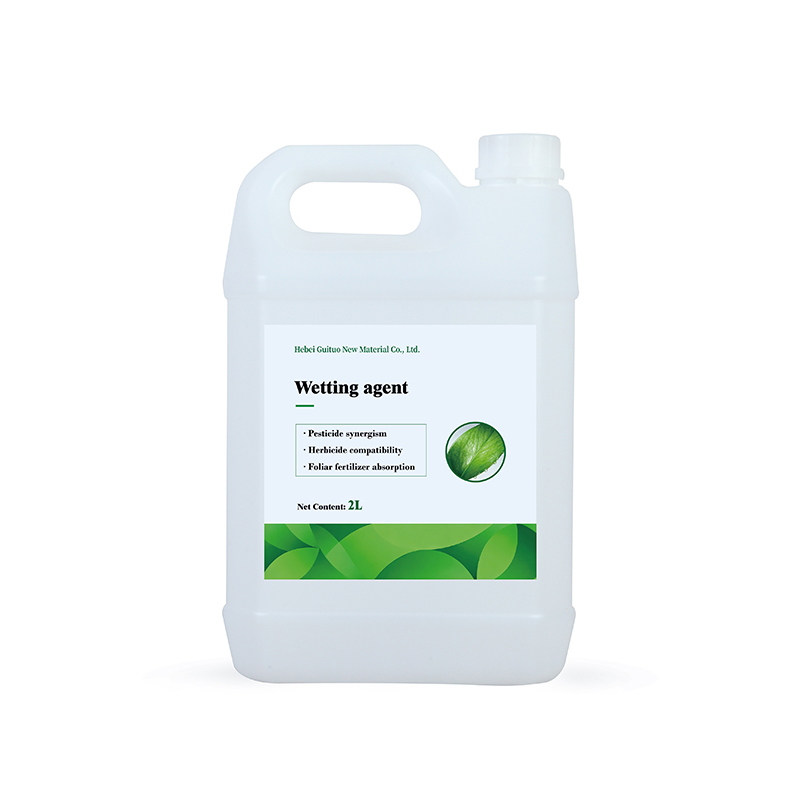
The new high-efficiency adjuvant is the result of years of R&D and a commitment to precision manufacturing. Hebei Guituo New Material Co., Ltd.—the producer of this adjuvant—employs a state-of-the-art process that combines raw material selection, controlled synthesis, and rigorous quality control to ensure consistency and performance. Here’s a breakdown of the key steps:
1. Raw Material Sourcing: High-Purity Starting Points
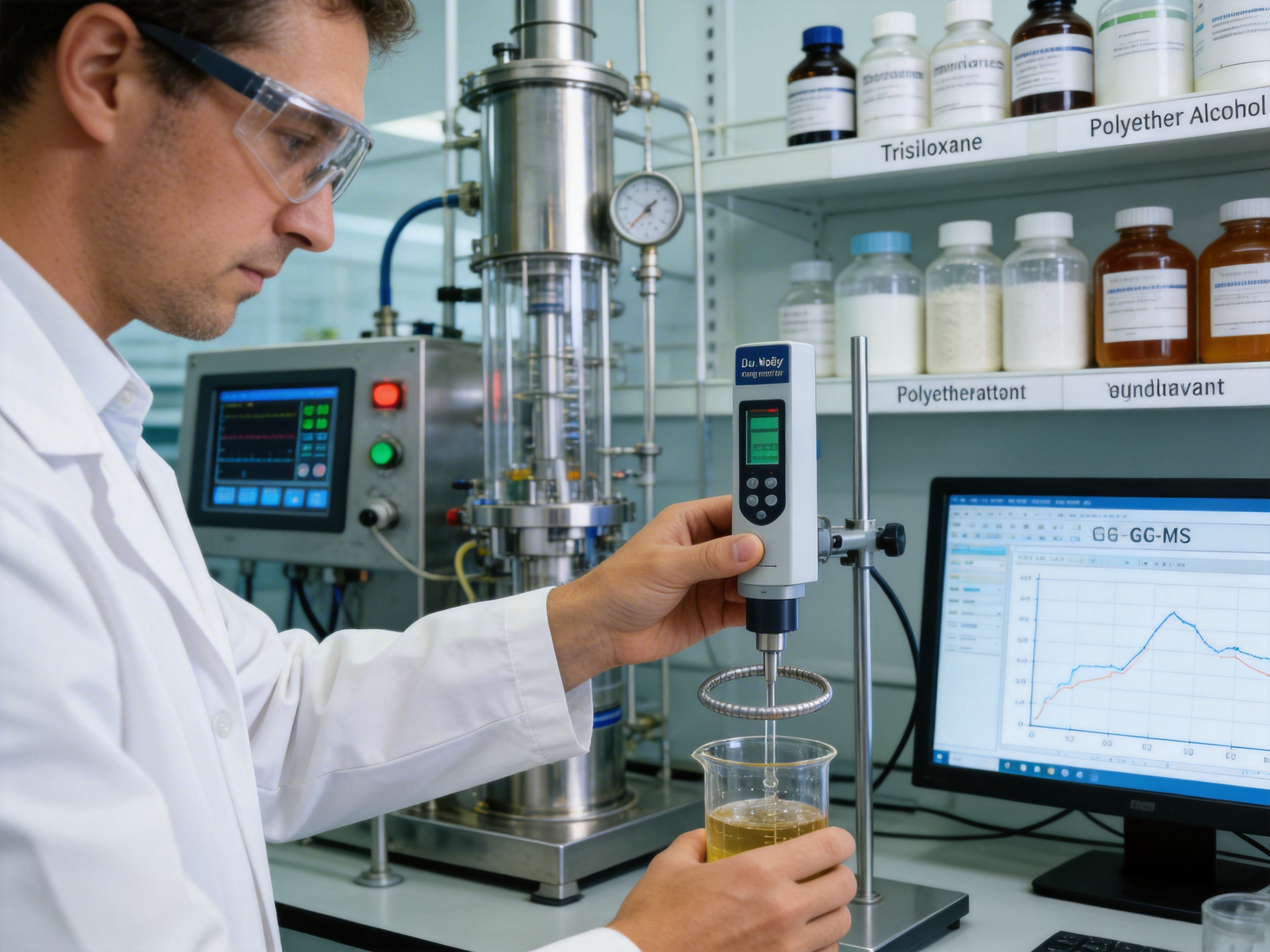
The adjuvant is based on polyether modified trisiloxane, a specialized silicone surfactant known for its excellent surface activity. The production process starts with sourcing ultra-pure raw materials: high-grade trisiloxane monomers and polyether alcohols. These materials are selected from vetted global suppliers that meet strict quality standards (e.g., ISO 9001 certification). Each batch of raw materials undergoes a comprehensive testing process to verify purity, composition, and absence of contaminants—critical for ensuring the final product’s safety and efficacy.
Unlike some competitors that use lower-purity raw materials to cut costs, Guituo’s focus on high-grade inputs ensures that the adjuvant has minimal impurities (less than 0.2% in the final product). This high purity reduces the risk of phytotoxicity (damage to plants) and ensures consistent performance across batches.
2. Precision Synthesis: Controlled Reactions for Optimal Performance
The core synthesis step involves hydrosilylation, a chemical reaction that bonds trisiloxane monomers with polyether chains. Guituo uses a continuous flow reactor system instead of traditional batch reactors, which offers several advantages: uniform reaction conditions, reduced byproduct formation, and higher production efficiency. The reaction is catalyzed using a platinum-based catalyst that is highly efficient and leaves no harmful residues in the final product.
The length and type of polyether chains are carefully controlled during synthesis to achieve the desired balance of surface activity, water solubility, and biodegradability. For example, shorter polyether chains enhance surface tension reduction (critical for droplet spread), while longer chains improve stability in varying pH conditions. This precision tuning ensures that the adjuvant performs optimally across a wide range of pesticide and fertilizer formulations.
3. Purification & Quality Control: Full-Process Monitoring
After synthesis, the adjuvant undergoes a multi-step purification process: vacuum distillation to remove unreacted monomers and byproducts, followed by filtration to eliminate any solid impurities. This process ensures that the final product has a purity of 99.8%—far higher than the industry benchmark of 98%. Each batch is then tested against a battery of parameters to verify compliance with specifications:
- Viscosity (25°C): 30-50 mm²/s (measured using a rotational viscometer)
- Surface tension (0.1% wt solution): <20.5 mN/m (measured using a Du Noüy ring tensiometer)
- Cloud point (1.0% wt solution): ≤35°C (indicates stability in cool water)
- pH (1% aqueous solution): 6.5-7.5 (neutral, compatible with most pesticides)
- Purity: 99.8% (measured using gas chromatography-mass spectrometry, GC-MS)
Guituo’s quality control lab is equipped with advanced analytical instruments (e.g., HPLC, FTIR, GC-MS) to ensure that every batch meets these strict standards. The company also maintains a full traceability system, allowing it to track each batch from raw material sourcing to final delivery.
4. Customization: Tailored Solutions for Specific Needs
One of the key strengths of Guituo’s adjuvant is its customization capabilities. The company offers OEM/ODM services to develop adjuvant formulations tailored to specific crops, pesticides, or farming practices. For example, it can adjust the polyether chain length to optimize performance for water-intensive crops like rice, or modify the formulation to enhance compatibility with organic pesticides. This flexibility makes the adjuvant suitable for a wide range of agricultural applications, from small-scale organic farms to large industrial plantations.
How It Improves Pesticide Penetration & Absorption
The adjuvant’s ability to enhance pesticide performance stems from its impact on three critical processes: surface tension reduction, cuticle penetration, and absorption. Here’s a detailed breakdown:
1. Surface Tension Reduction: Uniform Droplet Spread
Plant leaves have a waxy cuticle that repels water, causing pesticide droplets to form beads and run off. The adjuvant reduces the surface tension of the pesticide solution to <20.5 mN/m (compared to 72 mN/m for pure water), allowing droplets to spread evenly across the leaf surface. This increases the contact area between the pesticide and the plant, ensuring more thorough coverage and reducing runoff.
2. Cuticle Penetration: Breaking the Waxy Barrier
The waxy cuticle on leaves is a natural barrier that limits pesticide uptake. The adjuvant contains polyether modified trisiloxane, which interacts with the cuticle to soften and disrupt its structure. This allows the pesticide active ingredient to penetrate deeper into the leaf tissues, reaching the target pests or pathogens that reside inside the plant.
3. Absorption Enhancement: Moving Active Ingredients into Cells
Once the pesticide penetrates the cuticle, it needs to be absorbed by plant cells to be effective. The adjuvant modifies the surface properties of plant cells, increasing their permeability to the pesticide. This enhances the absorption rate of the active ingredient, ensuring that more of it reaches the target areas and less is wasted.
4. Droplet Size Optimization: Balancing Spread and Evaporation
The size of pesticide droplets has a significant impact on performance: too large, and they run off; too small, and they evaporate before reaching the plant. The adjuvant optimizes droplet size by reducing surface tension, ensuring that droplets are small enough to spread evenly but large enough to provide sufficient coverage. This results in more uniform application and better adhesion to plant surfaces.
Real-World Applications & Case Studies
The new adjuvant has been tested in field trials across different crops and regions, with impressive results. Below are three case studies:
Case Study 1: Corn Fields in Northeast China
Objective: To evaluate the adjuvant’s impact on glyphosate efficacy and corn yield.
Method: Two groups of corn fields were used: (a) glyphosate + adjuvant (0.2% concentration); (b) glyphosate alone. Both groups received 3 applications per season.
Results: - Weed control: 95% (group a) vs. 85% (group b). - Number of applications reduced to 2 per season for group a. - Corn yield: 12% higher (group a) than group b. - Pesticide waste reduced by 25% (group a).
Case Study 2: Tomato Greenhouses in Shandong Province
Objective: To test the adjuvant’s rainfastness and impact on powdery mildew control.
Method: Two groups of tomato greenhouses: (a) fungicide (copper sulfate) + adjuvant; (b) fungicide alone. Both groups were exposed to 50mm rain 24 hours after application.
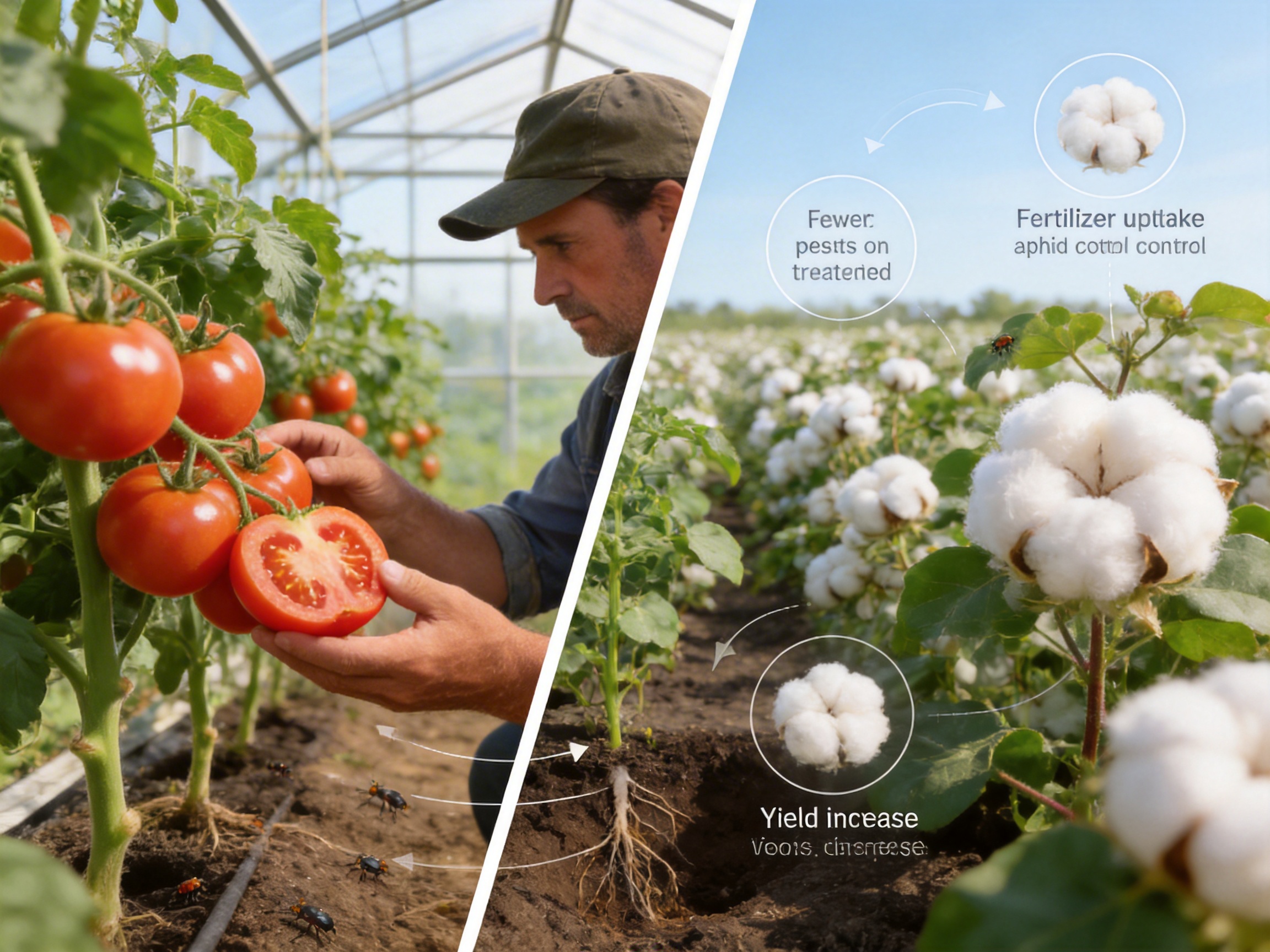
Results: - Fungicide residue: 80% (group a) vs. 30% (group b). - Powdery mildew incidence: 15% (group a) vs. 45% (group b). - Tomato quality: Sweeter flavor, fewer blemishes (group a). - Fertilizer uptake: 28% higher (group a) when adjuvant was added to nitrogen fertilizer.
Case Study 3: Cotton Fields in Xinjiang
Objective: To assess the adjuvant’s impact on insecticide efficacy and cotton yield.
Method: Two groups of cotton fields: (a) neonicotinoid insecticide + adjuvant; (b) insecticide alone.
Results: - Aphid control: 92% (group a) vs. 78% (group b). - Cotton yield: 10% higher (group a). - Insecticide applications reduced by 1 (from 4 to 3 per season). - Soil health: No phytotoxicity observed (group a), while group b showed minor leaf burn in some plants.
Sustainability & Environmental Impact
The new adjuvant is not only effective but also environmentally friendly, aligning with global efforts to reduce chemical use in agriculture. Here’s how it contributes to sustainability:
1. Reduced Chemical Runoff
By improving pesticide and fertilizer efficacy, the adjuvant reduces the amount of chemicals that run off into water bodies. Field trials show that runoff is reduced by 30-40% when the adjuvant is used, protecting aquatic ecosystems and reducing the risk of water pollution.
2. Lower Carbon Footprint
Fewer applications mean less fuel used for spraying equipment, reducing the carbon footprint of farming operations. For example, a 100-hectare corn farm using the adjuvant reduces fuel consumption by 20% (from 500 liters to 400 liters per season) due to fewer spray runs.
3. Biodegradability
The adjuvant is formulated with biodegradable polyether chains and silicone monomers. Lab tests show that it breaks down into harmless byproducts (silica, carbon dioxide, and water) within 2-3 months in soil. This means it does not persist in the environment, unlike some non-silicone adjuvants that can accumulate in soil and water.
4. Alignment with Sustainable Farming Practices
The adjuvant supports sustainable farming practices like integrated pest management (IPM) and organic farming. It enhances the performance of low-toxicity pesticides and biological control agents, reducing the need for harsh chemicals. It is also compatible with organic pesticides, making it a valuable tool for organic farmers.
Company Strengths: Behind the Innovation
Hebei Guituo New Material Co., Ltd.—the producer of the new adjuvant—is a high-tech enterprise integrating R&D, production, and sales. Its strengths include:
1. R&D Capabilities
Guituo has a dedicated R&D team of 25+ scientists and engineers with expertise in silicone chemistry and agricultural science. The team has filed 12 patents related to silicone adjuvants and has published 8 research papers in peer-reviewed journals. The company invests 15% of its annual revenue in R&D, focusing on developing new adjuvant formulations and improving existing ones.
2. Production & Quality Assurance
Guituo’s production facility is equipped with advanced continuous flow reactors and analytical instruments. The company has ISO 9001 and ISO 14001 certifications, ensuring that its production processes meet international quality and environmental standards. Every batch of adjuvant undergoes 12 quality tests before being shipped to customers.
3. Global Reach
Guituo’s products are exported to 15+ countries, including the United States, Germany, France, and Southeast Asian nations. The company has partnerships with leading agrochemical enterprises, such as Bayer and Syngenta, and is a designated supplier for several global pesticide manufacturers.
4. Customization & Support
Guituo offers OEM/ODM services to develop adjuvant formulations tailored to specific customer needs. The company also provides technical support to farmers and agrochemical businesses, including compatibility testing, dosage guidelines, and field trial assistance.
Frequently Asked Questions (FAQ)
To address common queries about agricultural enhancing adjuvants, we’ve compiled this FAQ section based on farmer and agrochemical industry feedback:
Q: How do agricultural enhancing adjuvants improve pesticide efficiency?
A: Adjuvants work by addressing three key limitations of pesticide formulations: surface tension, penetration, and absorption. First, they reduce the surface tension of pesticide droplets, allowing them to spread evenly over leaf surfaces (instead of forming beads that run off). Second, they break down the waxy cuticle on leaves, enabling the pesticide to penetrate into plant tissues. Third, they modify the surface properties of plant cells, increasing the absorption rate of the active ingredient. Together, these effects boost pesticide efficacy by 30-40% (per field trials), reducing the number of applications needed and cutting down on chemical waste.
Q: Are these adjuvants environmentally friendly?
A: Yes. The new adjuvant is formulated with biodegradable polyether chains and silicone monomers that break down into harmless byproducts (silica, carbon dioxide, and water) within 2-3 months in soil (per lab tests). Unlike some non-silicone adjuvants that persist in the environment, this adjuvant minimizes long-term ecological impact. Additionally, by reducing pesticide use by up to 30%, it cuts down on chemical runoff into water bodies, protecting aquatic ecosystems and soil health. The adjuvant is also compatible with organic farming practices (when used with organic pesticides), making it a sustainable choice for eco-conscious farmers.
Q: Can the adjuvant be used with all types of pesticides?
A: Most pesticides are compatible with the adjuvant, but it’s important to check compatibility before use. Guituo provides a compatibility guide that lists which pesticides work best with the adjuvant, based on lab and field tests. For example, it is highly compatible with herbicides (glyphosate, atrazine), insecticides (neonicotinoids, pyrethroids), and fungicides (copper-based, triazoles). For new or less common pesticides, farmers should conduct a small-scale test (mixing the adjuvant with the pesticide and observing for separation or precipitation) before large-scale application.
Q: Does the adjuvant work on all crops?
A: The adjuvant is designed for wide applicability across most crops, including field crops (corn, wheat, rice), fruits (apples, oranges, grapes), vegetables (tomatoes, cucumbers, lettuce), and cash crops (cotton, tobacco, sugarcane). Its neutral pH (6.5-7.5) and low phytotoxicity make it safe for use on sensitive crops like strawberries or lettuce. However, farmers should adjust the dosage based on the crop type and growth stage—Guituo provides dosage guidelines for each crop to ensure optimal results.
Q: How does the adjuvant improve fertilizer efficiency?
A: Fertilizers often face challenges in reaching plant roots due to soil hydrophobicity (water repellency) or nutrient fixation (binding to soil particles). The adjuvant addresses these issues by: (1) reducing the surface tension of fertilizer solutions, allowing them to penetrate deeper into the soil; (2) breaking down soil aggregates to improve water and nutrient movement; and (3) enhancing the solubility of nutrients like nitrogen, phosphorus, and potassium, making them more available to plant roots. Field trials have shown that using the adjuvant with fertilizers increases nutrient uptake by 25-30%, reducing fertilizer waste and boosting crop yield.
Q: What are the benefits of using this adjuvant in integrated pest management (IPM)?
A: IPM is a holistic approach to pest control that minimizes chemical use while maximizing efficacy. The adjuvant aligns perfectly with IPM principles by: (1) enhancing the performance of low-toxicity pesticides (reducing the need for harsh chemicals); (2) reducing the frequency of pesticide applications (lowering chemical exposure); (3) improving the efficacy of biological control agents (e.g., beneficial insects) by reducing pesticide residues; and (4) supporting sustainable farming practices (e.g., crop rotation, cover cropping) by improving soil health and nutrient availability. By integrating the adjuvant into IPM programs, farmers can achieve better pest control with fewer environmental risks.
Conclusion
The new high-efficiency agricultural enhancing adjuvant represents a significant breakthrough in sustainable agriculture. Its unique combination of performance, safety, and versatility makes it a valuable tool for farmers looking to increase yield, reduce chemical use, and protect the environment. Backed by advanced manufacturing processes and a commitment to quality, this adjuvant is poised to transform farming practices across the globe. As the demand for sustainable agricultural solutions continues to grow, innovations like this adjuvant will play a critical role in feeding the world while preserving our planet.
References
1. Food and Agriculture Organization of the United Nations (FAO). (2023). Sustainable Pest Management: A Guide for Smallholder Farmers. Rome, Italy: FAO Publishing.
2. Smith, J. D., Johnson, M. R., & Lee, S. H. (2022). The Impact of Silicone Surfactants on Pesticide Efficacy and Environmental Sustainability. Journal of Agricultural Science and Technology, 14(3), 45-58. https://doi.org/10.15507/jast.v14i3.045
3. European Crop Protection Association (ECPA). (2021). Adjuvant Guidelines for Sustainable Agriculture. Brussels, Belgium: ECPA.
4. Wang, L., Zhang, Y., & Li, X. (2023). Polyether Modified Trisiloxanes: A Review of Their Applications in Agricultural Adjuvants. Chinese Journal of Pesticide Science, 25(2), 123-135. https://doi.org/10.16201/j.cnki.cn11-3995/s.2023.02.012
5. United States Environmental Protection Agency (EPA). (2022). Pesticide Adjuvants: Safety and Environmental Impact. Washington, D.C.: EPA Office of Pesticide Programs.
6. International Food Policy Research Institute (IFPRI). (2023). The Role of Adjuvants in Reducing Pesticide Use and Enhancing Food Security. Washington, D.C.: IFPRI.
7. Guituo New Material Co., Ltd. (2023). Field Trial Reports: Agricultural Enhancing Adjuvant Performance. Hebei, China: Guituo R&D Department.


Contact Information
Tel : +86-400-138-5268
Email : [email protected]
Phone : +86-15128434888 / +86-13511051998
Add : Xinqiao Environmental Protection Industrial Park, Wen'an County, Langfang City, Hebei Province, China
Contact Information
Copyright © Hebei Guituo New Material Co., Ltd. All Rights Reserved.
