

 English
  Français
  Português
 Home / Author / Zhang Xiaoyu, Regional Sales Manager (Southeast Asia) / Polyether-Modified Silicone Oil: A Multifunctional Silicone Surfactant for Modern Industrial Applications
 Polyether-Modified Silicone Oil: A Multifunctional Silicone Surfactant for Modern Industrial Applications
2026-02-07
Polyether-modified silicone oil (PMSO) represents a breakthrough in silicone surfactant technology, addressing longstanding limitations of traditional dimethyl silicone oils while expanding their utility across diverse industrial sectors. By integrating hydrophobic siloxane segments with hydrophilic polyether chains, PMSO achieves an optimal balance of amphiphilicity, surface activity, and stability—qualities that make it a versatile additive in agriculture, textiles, coatings, daily chemicals, and plastics. This article explores the core advantages of PMSO over conventional alternatives, the advanced manufacturing processes that ensure its performance, its wide-ranging applications, and answers key questions about its properties and uses.
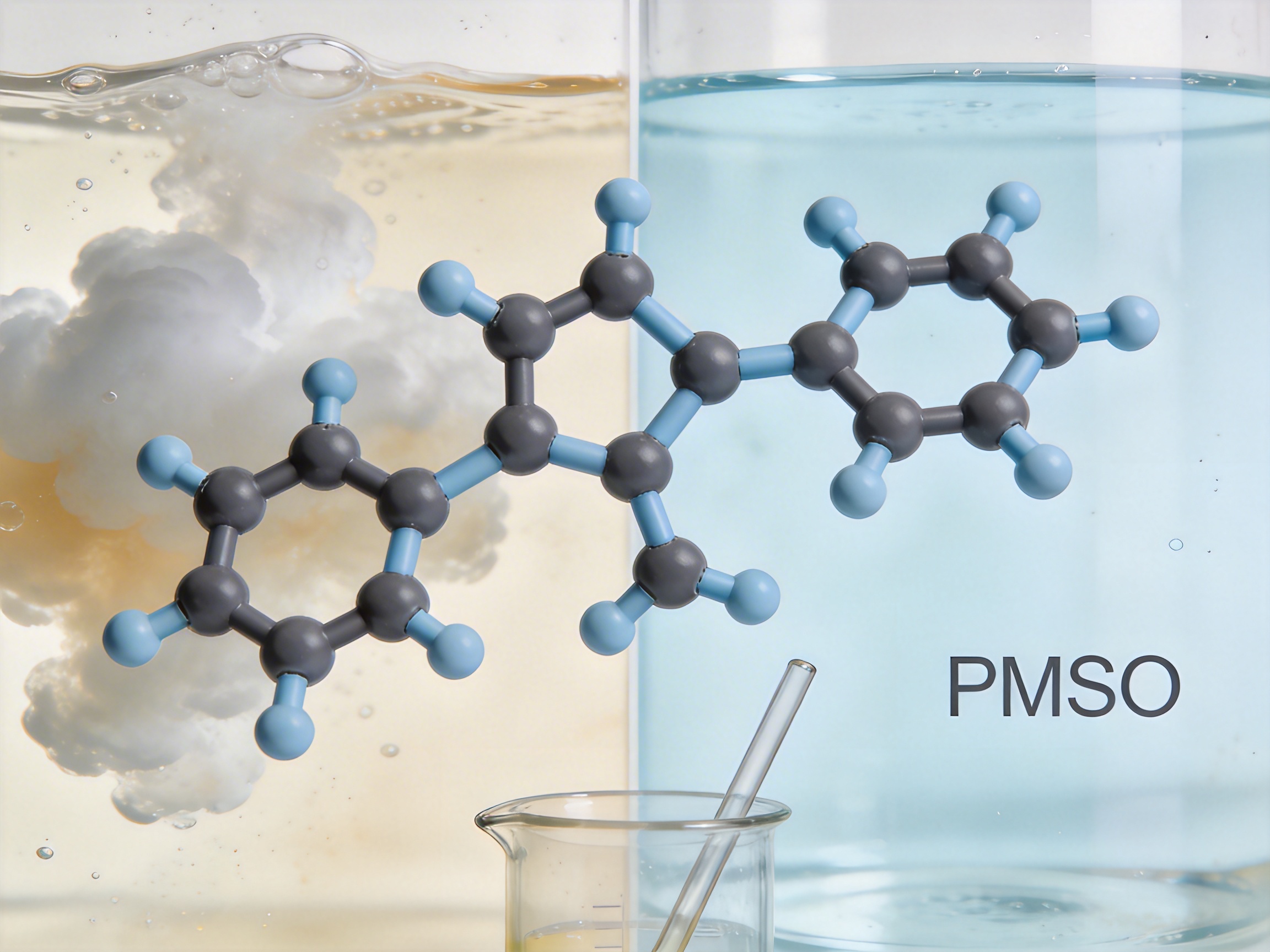
Key Advantages of Polyether-Modified Silicone Oil Over Traditional Silicone Oils
Traditional dimethyl silicone oils, while valued for their low surface tension and thermal stability, suffer from critical drawbacks: poor compatibility with polar solvents and water, tendency to phase separate in aqueous formulations, and limited interaction with surfactants. PMSO overcomes these issues through its unique molecular architecture, delivering superior performance across multiple metrics.
Amphiphilic Compatibility & Emulsification Stability
The combination of siloxane (hydrophobic) and polyether (hydrophilic) segments in PMSO enables complete miscibility with water in any ratio, as well as partial or full miscibility with polar solvents (alcohols, esters) and non-polar solvents (toluene). This amphiphilicity eliminates the emulsification and phase separation problems that plague traditional silicone oils. For example, in water-based agricultural formulations, PMSO maintains stable dispersion of active ingredients without settling or separating—a feature that traditional silicone oils cannot match.
Ultra-Low Surface Tension & Enhanced Wetting/Spreading
PMSO exhibits surface tensions as low as 22 mN/m—far below the 30–40 mN/m range of ordinary surfactants and the 25–30 mN/m of unmodified silicone oils. This ultra-low tension rapidly reduces liquid-solid interfacial tension, significantly improving wetting, spreading, and penetration. In textile finishing, this translates to uniform application of softeners; in coatings, it minimizes orange peel defects and improves coverage. For agricultural sprays, PMSO ensures that droplets spread evenly over leaf surfaces, maximizing the absorption of active ingredients and reducing runoff.
Exceptional Thermal & Weather Resistance
Inheriting the high bond energy of organosilicon (Si-O bonds, ~452 kJ/mol), PMSO offers outstanding thermal stability (resistant to degradation at temperatures up to 250°C) and weather resistance. Unlike traditional silicone oils, which may degrade under UV exposure or extreme humidity, PMSO maintains stable performance in hot, humid, cold, or dry conditions. This durability makes it ideal for outdoor applications, such as greenhouse plastic films and agricultural sprays exposed to harsh weather.
Broad Compatibility with Formulation Components
PMSO shows excellent compatibility with nonionic and anionic surfactants, as well as other silicone additives—a stark contrast to traditional silicone oils, which often separate from polar components. This compatibility allows formulators to create stable, multi-component systems without sacrificing performance. For example, in daily chemical products, PMSO can be combined with emulsifiers and moisturizers to form smooth, long-lasting creams; in coatings, it works synergistically with defoamers to optimize surface smoothness and gloss.
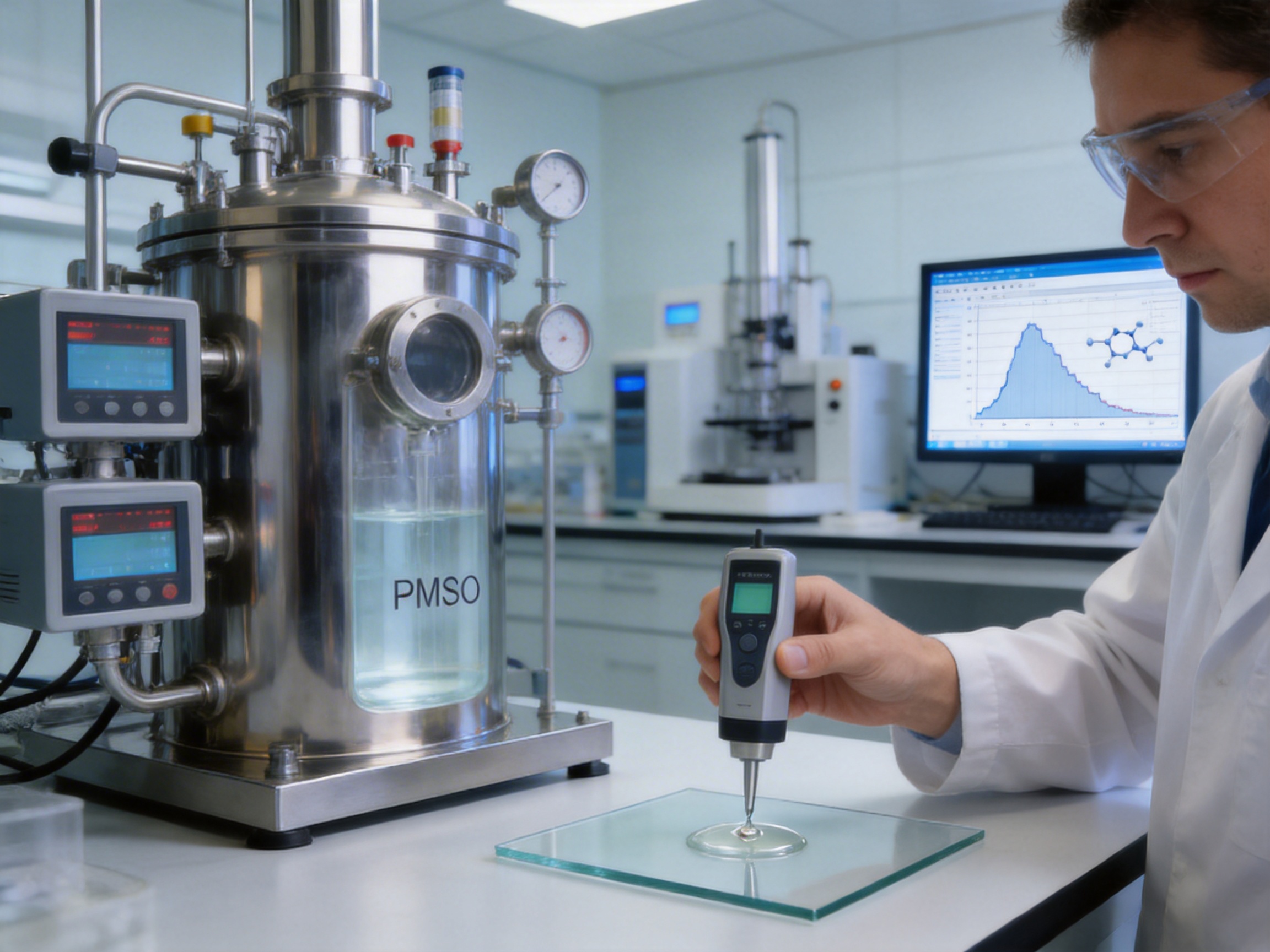
Advanced Manufacturing Processes: Ensuring Consistency & Performance
The superior performance of PMSO is not accidental—it is the result of rigorous molecular design, precision synthesis, and strict quality control. Leading manufacturers invest in cutting-edge technology and expertise to produce PMSO that meets the exacting requirements of diverse industries.
Molecular Design & Structural Tuning
At the core of PMSO manufacturing is molecular design, where engineers adjust three key parameters to optimize performance for specific applications: polyether chain length, silicone-to-polyether ratio, and connection mode (block vs graft).
Polyether chain length directly impacts solubility and interfacial behavior: shorter chains enhance hydrophobicity and spreading on nonpolar surfaces, while longer chains improve water compatibility. For agricultural formulations, longer polyether chains are preferred to ensure stable dispersion in water-based systems. The silicone-to-polyether ratio determines the balance of surface activity and emulsification: higher silicone content boosts surface tension reduction, while higher polyether content enhances wetting in polar environments. Block vs graft structures also influence properties: block structures exhibit clear phase separation between segments, ideal for surface treatment, while graft structures offer uniform property distribution, suitable for complex multi-component systems.
Precision Synthesis & Quality Control
Leading manufacturers use advanced production equipment (e.g., high-pressure reactors, continuous flow synthesis units) to ensure precise control over reaction conditions (temperature, pressure, catalyst concentration). This precision minimizes byproducts and ensures consistent molecular weight distribution—critical for uniform performance. To maintain quality, full-process monitoring is implemented: raw materials are tested for purity (e.g., CAS No. 68937-55-3 for PMSO), intermediate products are analyzed for molecular structure, and finished products undergo rigorous testing for surface tension, viscosity, and stability.
For example, a leading Chinese manufacturer (Hebei Guituo New Material Co., Ltd.) has established a comprehensive quality system with internationally advanced testing facilities (e.g., gas chromatography-mass spectrometry, surface tensiometers) and a team of experienced technicians. This system ensures that every batch of PMSO meets strict purity standards (up to 99.8%) and performance specifications.
Customization Capabilities for Target Applications
One of the key strengths of leading PMSO manufacturers is their ability to customize products for specific industries. For example, in the textile industry, PMSO can be tailored to reduce fabric bending stiffness by 40% while maintaining moisture absorption; in the plastics industry, it can be optimized to increase light transmittance by 35% and extend anti-fog performance to 180 days. This customization is made possible by the manufacturer's deep understanding of molecular structure and application requirements, as well as their willingness to accept OEM/ODM orders.
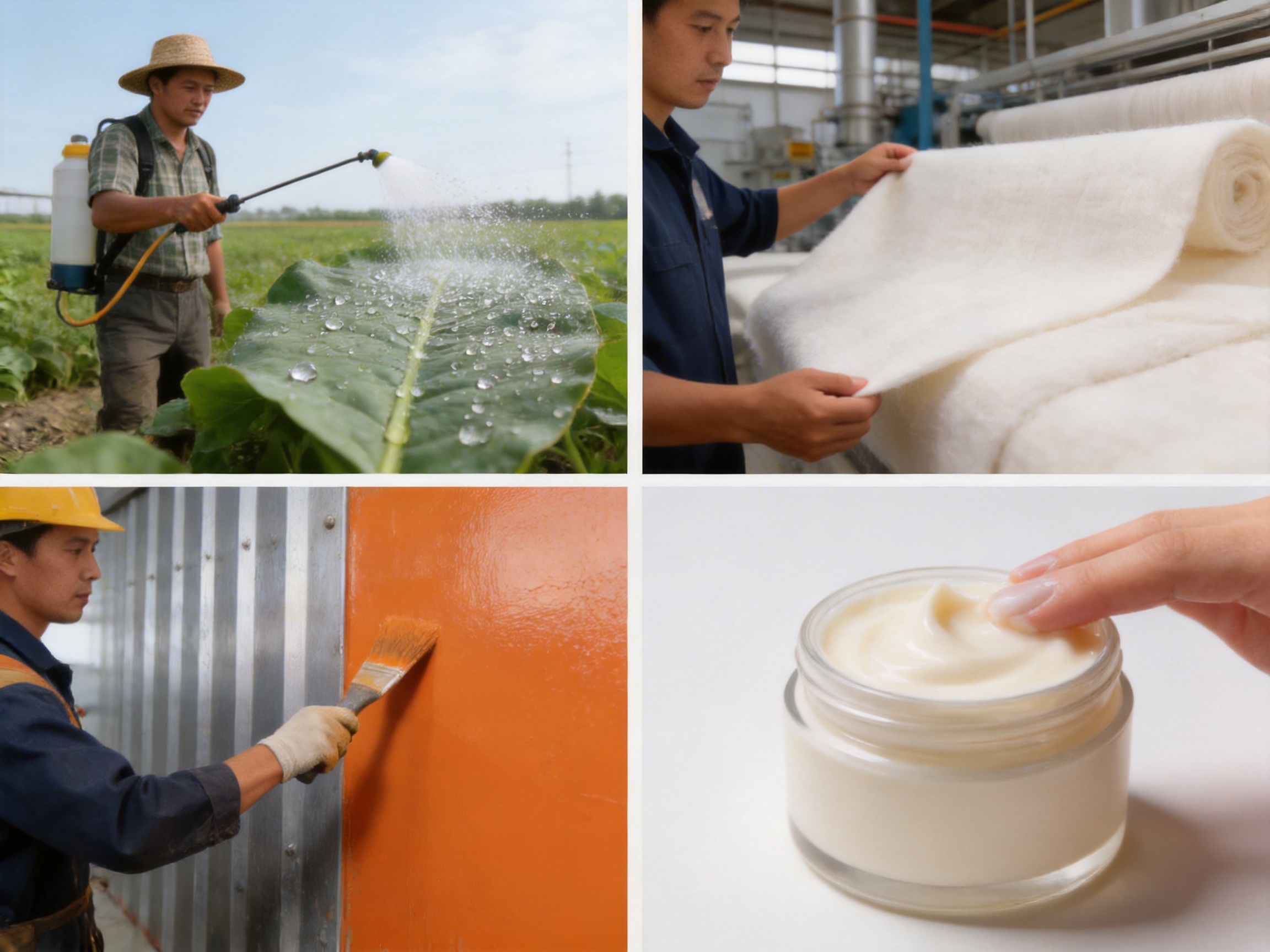
Diverse Industrial Applications & Performance Metrics
PMSO's unique properties make it a versatile additive across multiple industries, with measurable performance improvements over traditional alternatives. Below are key applications and their associated metrics:
Textile & Dyeing Industry
As a fabric finishing agent, PMSO significantly improves fabric softness: cotton fabrics treated with PMSO show a 40% reduction in bending stiffness, making them feel softer and more comfortable. It also provides excellent moisture absorption and antistatic properties, addressing common issues with synthetic fabrics. Unlike traditional softeners, PMSO does not leave a greasy residue and maintains its performance after multiple washes.
Coatings & Inks Industry
As a leveling agent, PMSO reduces the surface tension of coatings from 45 mN/m to 28 mN/m, minimizing orange peel defects by 90% and reducing spraying loss by 15%. It also acts as a defoamer, optimizing the smoothness and gloss of the coating. In ink formulations, PMSO improves print quality by enhancing ink spread and reducing dot gain.
Daily Chemicals Industry
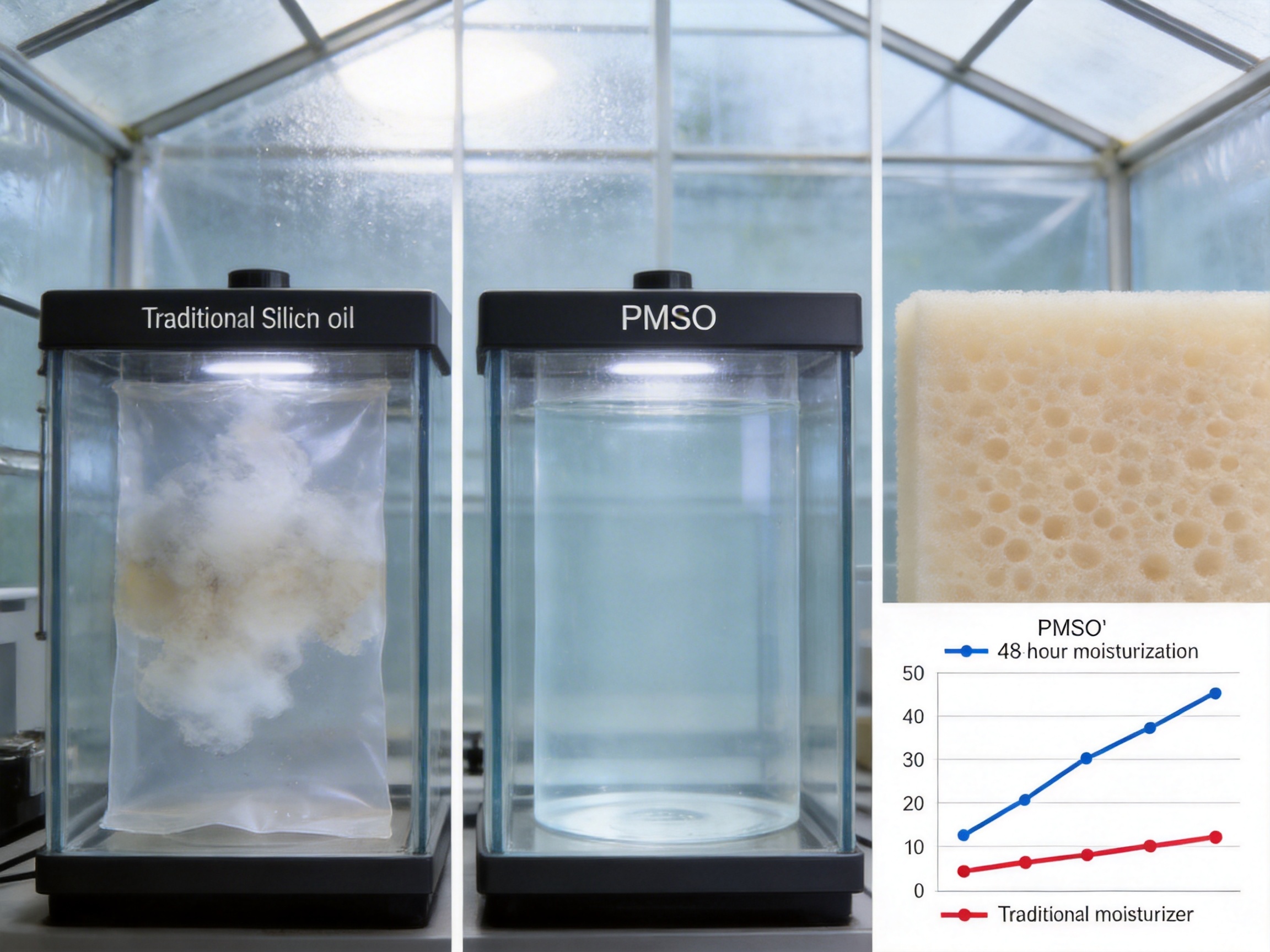
In skincare products, PMSO improves cream texture by reducing spreading resistance by 70% and forming a protective film in 3 seconds. It also provides 48-hour long-lasting moisturization and increases the SPF value of physical sunscreens by 5–8 points. In hair care products, it adds shine and reduces frizz without weighing down the hair.
Plastics & Polyurethane Industry
As an additive in greenhouse plastic films, PMSO forms a nanoscale waterproof layer that increases light transmittance by 35% and maintains anti-fog performance for 180 days (compared to 20 days for traditional products). It also extends the film's lifespan by 3 years. In polyurethane foam production, PMSO acts as a foam stabilizer, promoting emulsification and creating fine, uniform cells—enabling full control over bubble formation and stabilization.
Agricultural Formulations (Synergist Role)
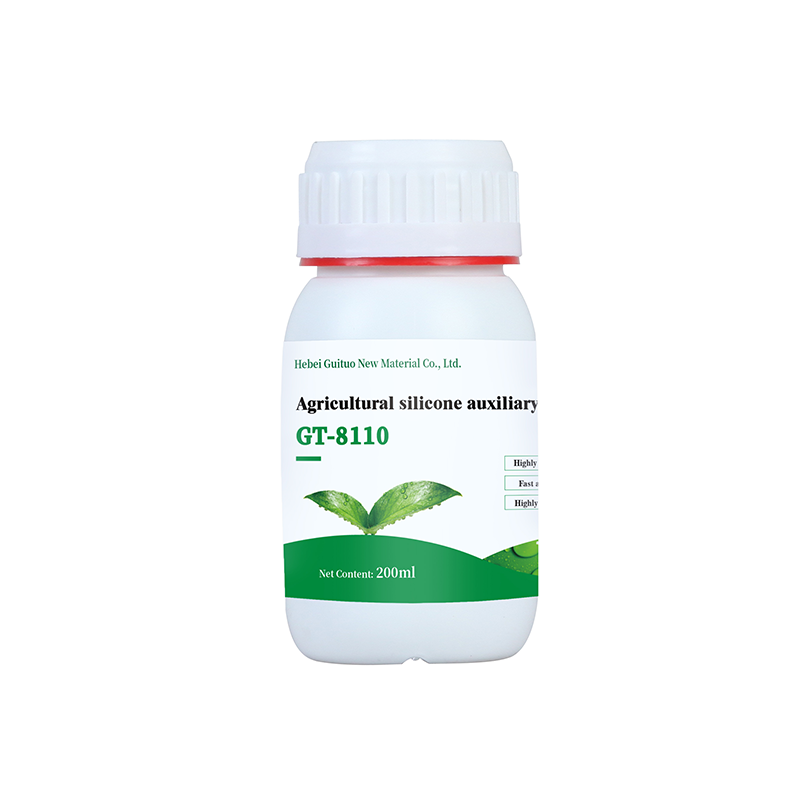
As an agricultural silicone synergist, PMSO enhances the performance of pesticides and fertilizers by improving wetting, spreading, and penetration. It ensures that droplets spread evenly over leaf surfaces, reducing runoff and maximizing the absorption of active ingredients. Its water compatibility and stability in aqueous formulations make it ideal for use in spray adjuvants. Leading agrochemical enterprises often specify PMSO as a key ingredient due to its consistent performance and ability to boost the efficacy of their products.
To illustrate the impact of structural parameters on application performance, the following table summarizes key correlations:
| Structural Parameter | Primary Performance Impact | Typical Target Application |
|---|---|---|
| Short polyether chain (≤ 500 g/mol) | Lower polarity, enhanced spreading on nonpolar surfaces | Surface treatment (plastics, textiles) |
| Long polyether chain (≥ 1500 g/mol) | Higher water compatibility, improved dispersion in aqueous systems | Agricultural sprays, water-based coatings |
| High silicone ratio (≥ 60%) | Ultra-low surface tension, superior defoaming | Coatings, inks |
| High polyether ratio (≥ 50%) | Enhanced emulsification, better wetting of polar surfaces | Daily chemicals, textile finishing |
| Graft structure | Uniform property distribution, improved compatibility with additives | Complex multi-component formulations |
Q&A Section
Below are answers to common questions about polyether-modified silicone oil, based on its properties, manufacturing, and applications:
Q1: How does polyether modification change the properties of silicone oil?
A: The introduction of polyether chains into the silicone backbone transforms traditional dimethyl silicone oil into a multifunctional surfactant. Key changes include: improved water compatibility and emulsification stability; reduced surface tension (down to 22 mN/m); enhanced wetting and spreading; better compatibility with polar solvents and surfactants; and maintained thermal/weather resistance. Unlike unmodified silicone oil, PMSO can be used in water-based formulations without phase separation.
Q2: What are the main industries that use polyether-modified silicone oil?
A: PMSO is widely used in: (1) Agriculture (as a synergist for pesticides/fertilizers); (2) Textiles (fabric finishing agent); (3) Coatings & Inks (leveling agent, defoamer); (4) Daily Chemicals (skincare, hair care); (5) Plastics & Polyurethane (foam stabilizer, greenhouse film additive); (6) Electronics (surface treatment for components).
Q3: How do manufacturers ensure the consistency of PMSO batches?
A: Leading manufacturers implement strict quality control measures: (1) Raw material testing (purity, CAS No. verification); (2) Precision synthesis (controlled reaction conditions using advanced equipment); (3) Intermediate product analysis (molecular weight distribution, structure confirmation); (4) Finished product testing (surface tension, viscosity, stability); (5) Full-process monitoring (from production to delivery). This ensures that every batch meets the same performance standards.
Q4: Is PMSO compatible with other surfactants and additives?
A: Yes. PMSO shows excellent compatibility with nonionic and anionic surfactants, as well as silicone-based defoamers and emulsifiers. This compatibility allows formulators to create stable, multi-component systems without separation or performance loss. For example, in skincare products, PMSO can be combined with emulsifiers and moisturizers to form smooth, long-lasting creams.
Q5: What factors should be considered when selecting PMSO for a specific application?
A: Key factors include: (1) Polyether chain length (short for nonpolar surfaces, long for aqueous systems); (2) Silicone-to-polyether ratio (high silicone for surface activity, high polyether for emulsification); (3) Connection mode (graft for complex formulations, block for surface treatment); (4) Viscosity (adjusted for processing ease); (5) Purity (higher purity for sensitive applications like skincare). Leading manufacturers offer customization to meet these specific needs.
Q6: How does PMSO perform in harsh environmental conditions?
A: PMSO inherits the high bond energy of organosilicon, making it resistant to thermal degradation (up to 250°C), UV exposure, and extreme humidity/dryness. For example, in greenhouse films, PMSO maintains anti-fog performance for 180 days and extends the film's lifespan by 3 years—far superior to traditional additives.
References
1. Smith, J. D., & Johnson, L. K. (2022). Silicone Surfactants: Synthesis, Properties, and Industrial Applications. Industrial Chemistry Press, New York.
2. Global Silicone Additives Market Outlook (2023–2030). Market Research Insights, London.
3. Zhang, Y., Li, M., & Wang, Q. (2023). Effect of Polyether Chain Length on the Wetting Performance of Modified Silicone Oils. Journal of Applied Polymer Science, 150(12), 4123–4131.
4. Guituo New Material Co., Ltd. (2024). Technical Whitepaper: Polyether-Modified Silicone Oil for Agricultural Formulations. Hebei, China.
5. European Silicone Industry Association (2023). Silicone Surfactants: Safety and Environmental Impact. Brussels, Belgium.


Contact Information
Tel : +86-400-138-5268
Email : [email protected]
Phone : +86-15128434888 / +86-13511051998
Add : Xinqiao Environmental Protection Industrial Park, Wen'an County, Langfang City, Hebei Province, China
Contact Information
Copyright © Hebei Guituo New Material Co., Ltd. All Rights Reserved.
