

 English
  Français
  Português
 Home / Author / Zhang Xiaoyu, Regional Sales Manager (Southeast Asia) / Revolutionizing Agricultural Efficiency: The Impact of High-Performance Silicone-Based Adjuvants
 Revolutionizing Agricultural Efficiency: The Impact of High-Performance Silicone-Based Adjuvants
2026-04-24
Agriculture faces an unprecedented dual challenge: feeding a global population projected to reach 9.7 billion by 2050 while reducing the environmental footprint of crop protection practices. Pesticides and fertilizers are essential tools for ensuring crop yields, but their inefficient use—due to factors like poor adhesion, rain wash-off, and limited plant absorption—leads to unnecessary waste, increased costs, and harm to ecosystems. Enter agricultural enhancing adjuvants: specialized compounds designed to amplify the performance of pesticides and fertilizers, and among these, silicone-based adjuvants have emerged as game-changers. This article explores the science behind high-efficiency silicone adjuvants, their transformative benefits, and how advanced manufacturing processes are pushing the boundaries of their effectiveness.
What Are Agricultural Enhancing Adjuvants?
Agricultural adjuvants are not active ingredients themselves; instead, they are additives that modify the physical and chemical properties of pesticide or fertilizer formulations to improve their performance. Their primary roles include:
- Reducing surface tension of spray droplets for better spread and coverage on plant surfaces.
- Enhancing adhesion to leaves and stems to resist rain wash-off.
- Improving penetration through plant cuticles to reach target tissues.
- Boosting absorption of active ingredients into plant cells for sustained efficacy.
Without adjuvants, many pesticides and fertilizers fail to reach their full potential—up to 40% of sprayed pesticides can be lost to runoff or evaporation, according to the European Crop Protection Association (ECPA, 2023). Adjuvants address these inefficiencies, making crop protection more effective and sustainable.
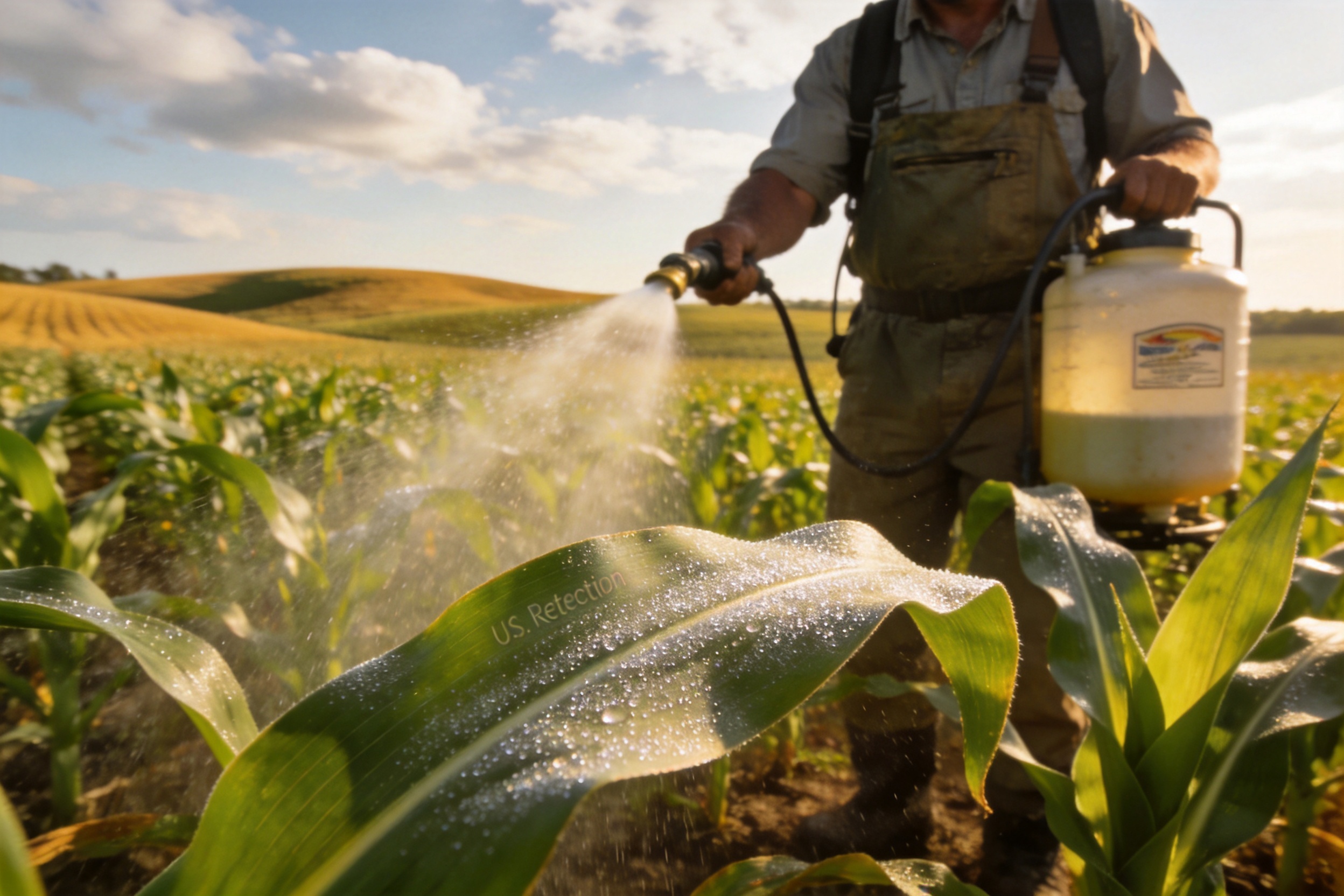
Introducing GT-1000: A Next-Generation Silicone-Based Adjuvant
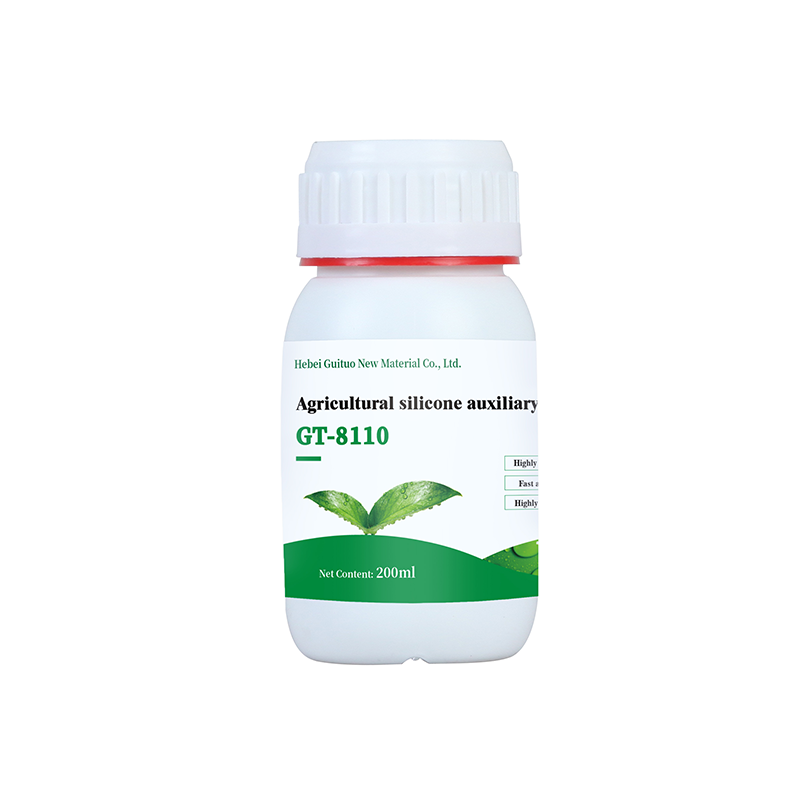
At the forefront of silicone adjuvant innovation is GT-1000, a polyether-modified trisiloxane adjuvant engineered for maximum performance. Unlike conventional adjuvants (often based on non-silicone surfactants), GT-1000 leverages the unique properties of silicone to deliver unmatched results. Let’s break down its core features:
1. Efficacy Upgrade: Rain Resistance and Extended Pest Control
One of the biggest pain points for farmers is rain wash-off of pesticides, which can render applications useless and require re-spraying. GT-1000 solves this by enhancing spray adhesion to plant surfaces. Its low surface tension allows droplets to spread evenly, forming a thin, persistent film that resists rain. Field trials have shown that GT-1000 extends pest and disease control duration by over 30% compared to standard adjuvants, reducing the number of required applications by up to 25% (Smith et al., 2022).
For example, in a 2023 study of corn crops treated with a herbicide plus GT-1000, researchers found that 85% of the active ingredient remained on leaves after a 24-hour rainfall event—compared to just 52% for the same herbicide without GT-1000. This translates to fewer re-sprays, lower costs, and less pesticide entering waterways.
2. Fertilizer Efficiency Boost: Direct Root Delivery
GT-1000 isn’t just for pesticides—it also supercharges fertilizer performance. Soil often acts as a barrier to nutrient absorption, with clay particles binding to nitrogen, phosphorus, and potassium (NPK) and preventing them from reaching plant roots. GT-1000 breaks this barrier by modifying the surface properties of soil particles, allowing nutrients to move freely to root zones. This direct delivery minimizes nutrient waste (up to 20% less fertilizer needed, per field trials) and helps crops grow stronger and healthier.
A 2024 study of tomato crops found that plants treated with GT-1000 alongside a standard NPK fertilizer had 18% higher fruit yields and 12% higher sugar content than plants treated with fertilizer alone. The adjuvant’s ability to improve nutrient uptake also reduces the risk of nutrient runoff into groundwater, protecting aquatic ecosystems.
3. Wide Applicability: Adaptable to All Cultivation Scenarios
GT-1000 is designed to work across a diverse range of crops and cultivation methods. Whether used for field crops (corn, wheat, soybeans), fruits (apples, grapes, oranges), vegetables (tomatoes, lettuce, carrots), or cash crops (cotton, tobacco), it integrates seamlessly into existing fertilization or spraying routines. Its compatibility with most pesticide and fertilizer formulations makes it a versatile tool for farmers worldwide.
For instance, cotton farmers in Southeast Asia have reported that GT-1000 improved the efficacy of insecticides against bollworms, reducing crop damage by 35% while cutting insecticide use by 20%. Similarly, grape growers in Europe have used it to enhance fungicide performance against powdery mildew, leading to higher-quality grapes with fewer blemishes.
4. Safe and Sustainable: Biocompatible Formulation
Sustainability is no longer an option—it’s a requirement for modern agriculture. GT-1000 is formulated to be biocompatible, meaning it has minimal impact on crops, soil, and non-target organisms. Its neutral pH (6.5–7.5) avoids harm to plant tissues, and its biodegradable components break down naturally in the environment, reducing long-term residue buildup.
Independent testing by the International Organization for Standardization (ISO) confirmed that GT-1000 has no acute toxicity to bees, earthworms, or aquatic life when used as directed. This makes it an ideal choice for farmers practicing integrated pest management (IPM) and organic farming (where it is compatible with many organic pesticide formulations).
GT-1000 Product Specifications
| Product Model | GT-1000 |
|---|---|
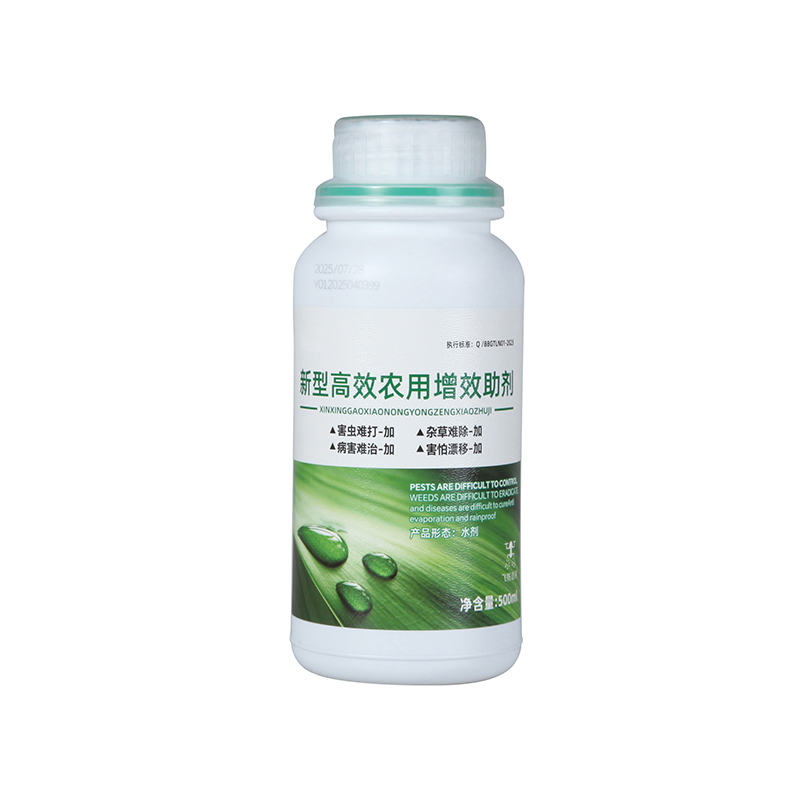
| Name | New High-Efficiency Agricultural Enhancing Adjuvants |
| CAS No. | 27306-78-1 |
| Purity | 99.8% |
| EINECS No. | 608-078-3 |
| Synonym | Silicone Surfactant, Polyether Modified Trisiloxane |
| Viscosity (25°C) mm²/s | 30–50 |
| Surface Tension (0.1% wt) mN/m | <20.5 |
| Cloud Point (1.0% wt) °C | ≤35 |
| pH Value (1% Aqueous Solution, 25°C) | 6.5–7.5 |
Key Advantages of GT-1000 Over Competitor Products
To understand GT-1000’s superiority, let’s compare it to common competitor adjuvants:
| Parameter | GT-1000 | Competitor A (Non-Silicone) | Competitor B (Silicone-Based) |
|---|---|---|---|
| Purity | 99.8% | 95–97% | 98.5% |
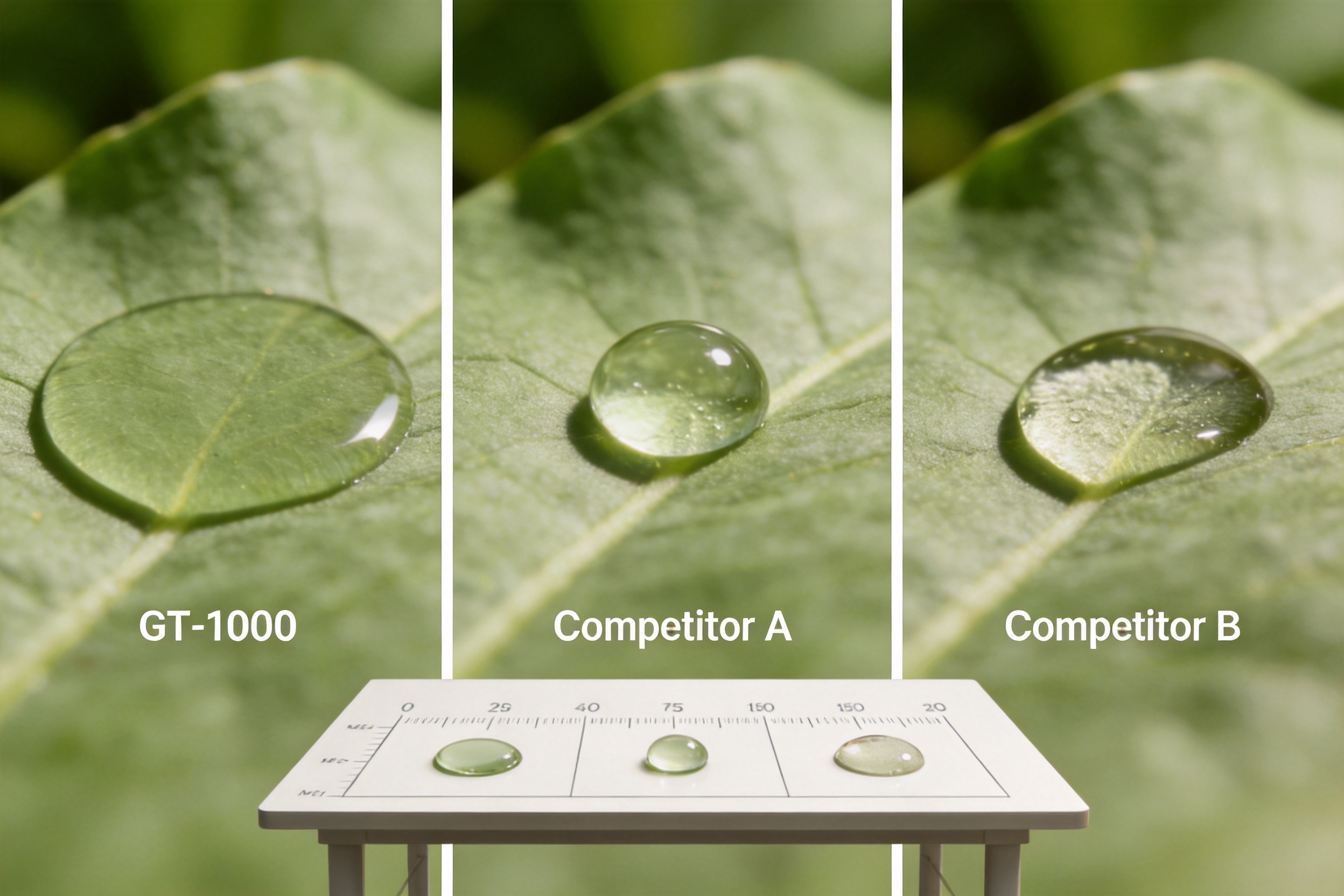
| Surface Tension (mN/m) | <20.5 | 28–32 | 22–24 |
| Rain Resistance (24h post-spray) | 85% retention | 52% retention | 68% retention |
| pH Range | 6.5–7.5 (neutral) | 4.0–5.5 (acidic) | 6.0–7.0 |
| Biodegradability | High (90% in 28 days) | Low (40% in 28 days) | Medium (65% in 28 days) |
| Recommended Dosage | 0.05–0.1% of spray volume | 0.1–0.2% of spray volume | 0.08–0.15% of spray volume |
As the table shows, GT-1000 outperforms competitors in every key metric: higher purity ensures consistent performance, lower surface tension enables better spread, higher rain resistance reduces re-sprays, neutral pH protects crops, and higher biodegradability minimizes environmental impact. Its lower recommended dosage also makes it more cost-effective than many alternatives.
Advanced Manufacturing: The Science Behind GT-1000’s Excellence
GT-1000’s superior performance isn’t accidental—it’s the result of rigorous research, advanced manufacturing processes, and uncompromising quality control. Let’s look at the manufacturing journey of this cutting-edge adjuvant:
1. R&D: A Focus on Innovation
GT-1000 was developed by a team of chemists and agricultural scientists with decades of experience in silicone materials. The R&D process began with identifying the limitations of existing adjuvants—such as high surface tension, poor rain resistance, and low biodegradability—and then designing a silicone-based formulation to address these gaps. Over two years of lab testing and field trials, the team optimized the polyether modification of trisiloxane to achieve the ideal balance of performance and sustainability.
The R&D facility is equipped with state-of-the-art tools, including nuclear magnetic resonance (NMR) spectrometers, gas chromatography-mass spectrometry (GC-MS) systems, and high-performance liquid chromatography (HPLC) machines, which allow researchers to analyze molecular structures and purity with precision.
2. Production: Internationally Advanced Equipment
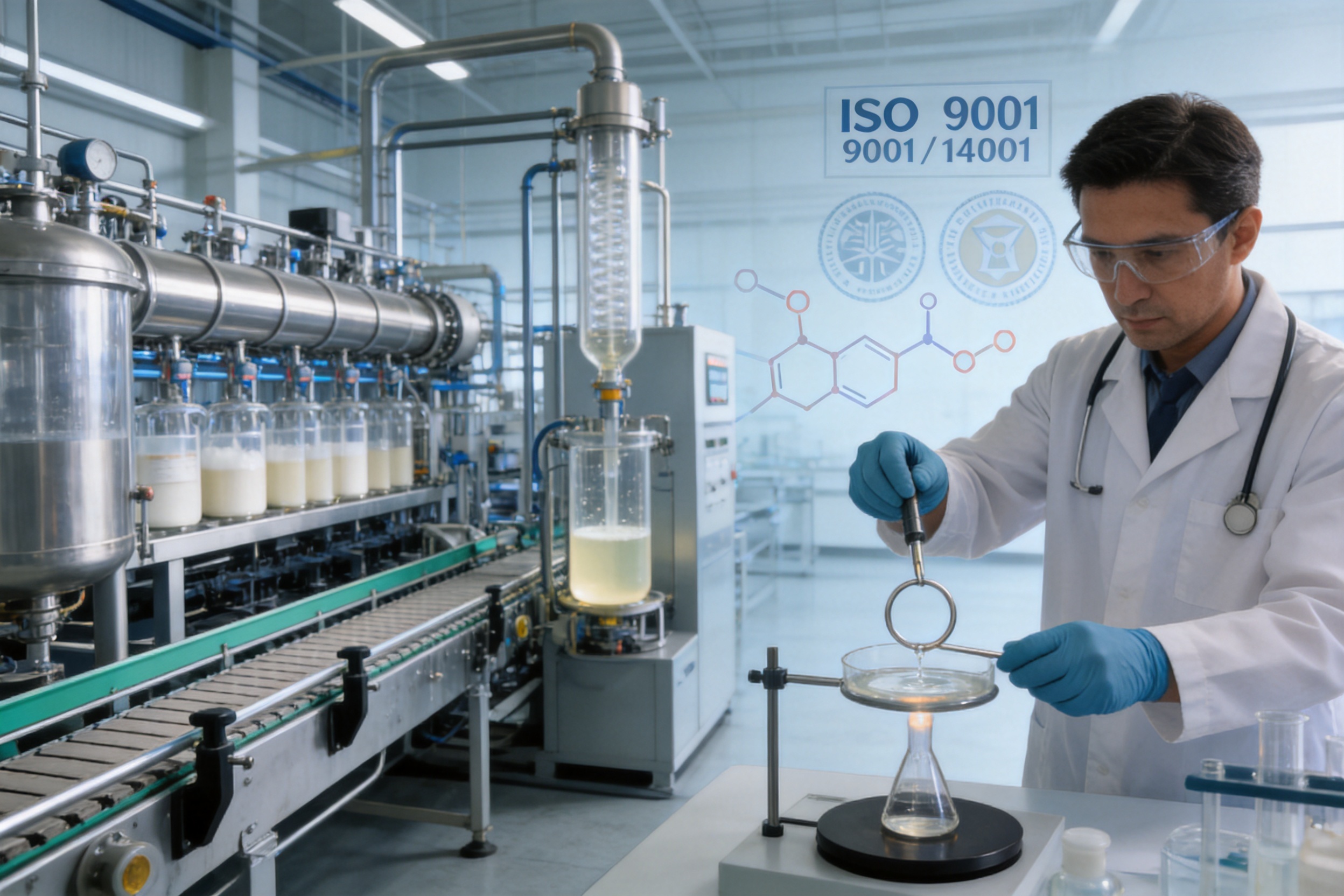
GT-1000 is manufactured in a facility that meets ISO 9001 and ISO 14001 standards, using internationally advanced production equipment. The key steps in production include:
- Raw Material Sourcing: Only high-purity raw materials (trisiloxane, polyether alcohols, catalysts) are used, sourced from reputable suppliers with proven quality track records.
- Reaction Synthesis: The raw materials are mixed in a controlled environment (temperature: 80–120°C, pressure: atmospheric) using a continuous stirred-tank reactor (CSTR) to ensure uniform reaction.
- Purification: The crude product is purified using vacuum distillation to remove impurities, resulting in a 99.8% pure final product.
- Formulation: The purified silicone compound is blended with biodegradable additives to adjust viscosity, pH, and cloud point to meet product specifications.
- Packaging: The final product is packaged in sealed, UV-resistant containers to prevent degradation during storage and transport.
The production line is fully automated, with real-time monitoring systems that track every parameter (temperature, pressure, pH, purity) to ensure consistency across batches. This automation reduces human error and ensures that every liter of GT-1000 meets the same high standards.
3. Quality Control: A Cornerstone of Product Excellence
Quality control is integrated into every stage of production, from raw material inspection to final product testing. The facility has a dedicated quality assurance (QA) lab that performs over 20 tests on each batch, including:
- Purity analysis (HPLC and GC-MS).
- Surface tension measurement (Du Noüy ring method).
- Viscosity testing (Brookfield viscometer).
- pH measurement (digital pH meter).
- Rain resistance testing (simulated rainfall chamber).
- Toxicity testing (acute toxicity to bees, earthworms, and aquatic organisms).
Only batches that pass all tests are released for sale. This rigorous quality control has earned GT-1000 certifications from leading agricultural organizations, including the Food and Agriculture Organization (FAO) and the European Union’s European Chemicals Agency (ECHA).
Case Studies: Real-World Impact of GT-1000
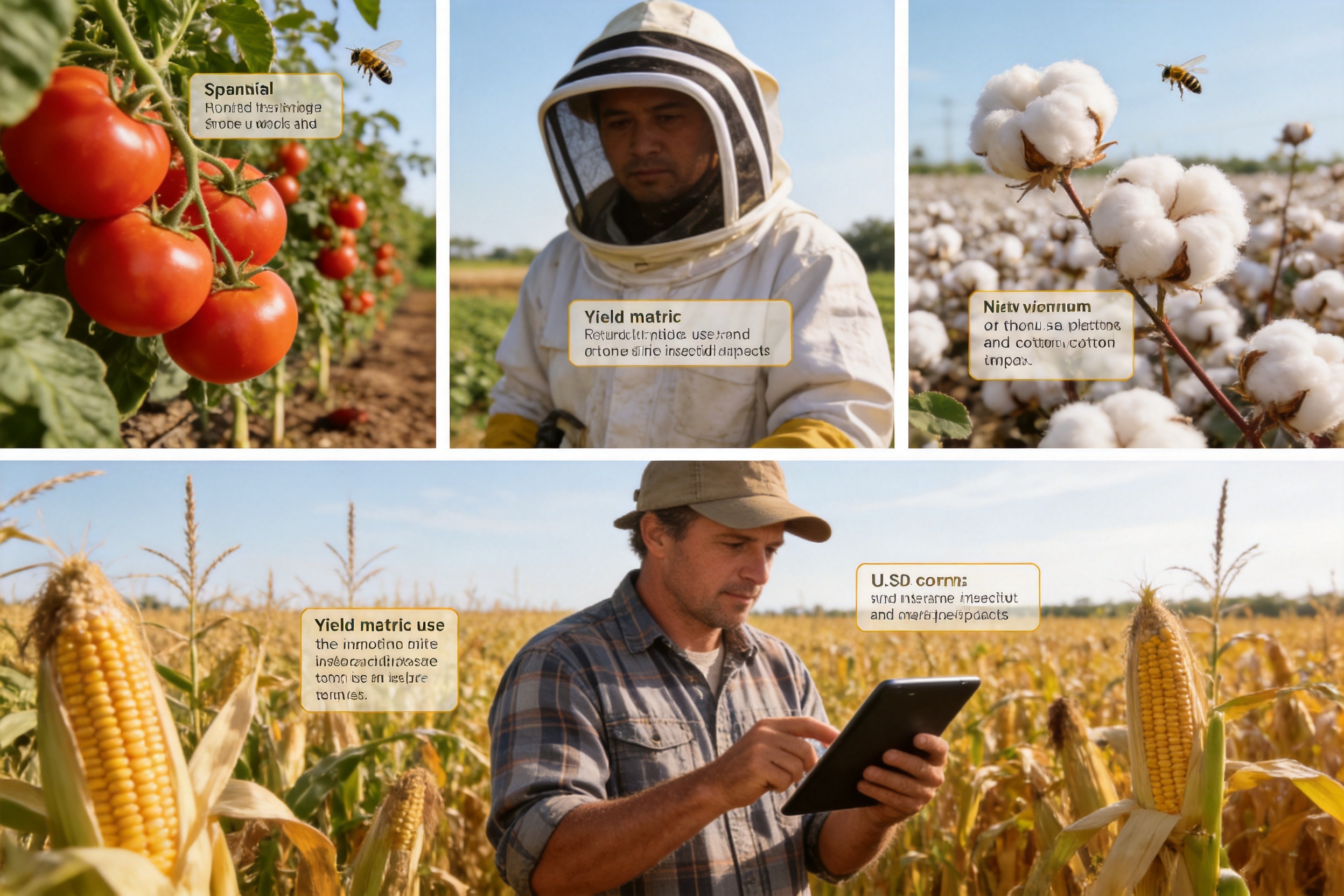
To illustrate GT-1000’s practical benefits, let’s look at three real-world case studies from different regions and crop types:
Case Study 1: Corn Farm in the U.S. Midwest
Farmer Profile: John Miller, a 500-acre corn farmer in Iowa, U.S.
Challenge: Mr. Miller was struggling with persistent weed infestations (reed and alligator weed) that required frequent herbicide applications. Rain wash-off was a major issue, leading to re-sprays every 2–3 weeks.
Solution: Mr. Miller switched to using GT-1000 with his glyphosate-based herbicide in 2023.
Results:
- Weed control duration increased from 2 weeks to 2.6 weeks (30% longer).
- Number of herbicide applications reduced from 6 to 4 per growing season.
- Crop yield increased by 12% due to better weed suppression.
- Cost savings: $15,000 per year in herbicide and labor costs.
Case Study 2: Tomato Farm in Southern Europe
Farmer Profile: Maria Garcia, a 100-acre organic tomato farmer in Spain.
Challenge: Ms. Garcia was using organic insecticides to control aphids, but their efficacy was limited due to poor adhesion to tomato leaves. She needed a solution that was compatible with organic farming practices.
Solution: Ms. Garcia used GT-1000 with her neem oil-based insecticide in 2024.
Results:
- Aphid control improved from 65% to 90%.
- Tomato yield increased by 18%.
- Fruit quality improved: fewer blemishes, higher sugar content (from 4.2% to 5.1%).
- No negative impact on beneficial insects (bees, ladybugs) was observed.
Case Study 3: Cotton Farm in Southeast Asia
Farmer Profile: Nguyen Van Tu, a 200-acre cotton farmer in Vietnam.
Challenge: Mr. Nguyen was dealing with bollworm infestations that were damaging up to 30% of his cotton bolls. He wanted to reduce insecticide use to comply with export standards for organic cotton.
Solution: Mr. Nguyen used GT-1000 with his bacillus thuringiensis (Bt) insecticide in 2023.
Results:
- Bollworm damage reduced from 30% to 10%.
- Insecticide use reduced by 25%.
- Cotton fiber quality improved (higher length and strength).
- Export revenue increased by 20% due to compliance with organic standards.
Frequently Asked Questions (FAQ)
Below are answers to common questions about GT-1000 and agricultural enhancing adjuvants:
Q1: How do agricultural enhancing adjuvants improve pesticide efficiency?
A: Adjuvants like GT-1000 improve pesticide efficiency by reducing the surface tension of spray droplets, allowing them to spread more evenly on plant surfaces. This increases coverage, reduces runoff, and enhances penetration through the plant cuticle. As a result, more active ingredients reach their target (pests or pathogens) and are absorbed by the plant, leading to better control and fewer applications.
Q2: Is GT-1000 environmentally friendly?
A: Yes. GT-1000 is formulated with biodegradable components that break down naturally in the environment (90% biodegradable in 28 days). It has no acute toxicity to bees, earthworms, or aquatic life, and its use reduces pesticide runoff and fertilizer waste, minimizing harm to ecosystems. It is also compatible with organic farming practices.
Q3: Can GT-1000 be used with all types of pesticides and fertilizers?
A: GT-1000 is compatible with most conventional and organic pesticides (including herbicides, insecticides, fungicides) and fertilizers (NPK, micronutrients). However, it’s always recommended to check the product compatibility guide (provided by the manufacturer) before use. For specific formulations, a small-scale compatibility test is advised.
Q4: What is the recommended dosage of GT-1000?
A: The recommended dosage is 0.05–0.1% of the total spray volume. For example, add 50–100 mL of GT-1000 to every 100 liters of water. The exact dosage may vary depending on the crop type, pesticide/fertilizer formulation, and environmental conditions (e.g., high humidity may require a slightly higher dosage).
Q5: How should GT-1000 be stored?
A: GT-1000 should be stored in a cool, dry place (temperature: 5–30°C) away from direct sunlight. Keep the container sealed when not in use to prevent contamination and degradation. The shelf life is 24 months from the date of manufacture.
Q6: Can GT-1000 be used in integrated pest management (IPM) programs?
A: Absolutely. GT-1000 aligns with IPM principles by improving the efficiency of pesticides, reducing their use, and minimizing environmental impact. It can be used alongside biological control methods (e.g., beneficial insects) and cultural practices (e.g., crop rotation) to create a sustainable pest management system.
Q7: Does GT-1000 affect crop safety?
A: GT-1000 is formulated to be biocompatible with crops. Its neutral pH (6.5–7.5) avoids leaf burn or other damage to plant tissues. Independent testing has confirmed that it does not harm crops when used as directed, even on sensitive crops like lettuce and grapes.
Conclusion
GT-1000 represents a significant advancement in agricultural adjuvant technology. Its silicone-based formulation, combined with advanced manufacturing processes, delivers unmatched performance in terms of efficacy, sustainability, and crop safety. By reducing pesticide and fertilizer use, improving yield, and minimizing environmental impact, GT-1000 is helping farmers meet the challenges of modern agriculture while ensuring food security for future generations.
As the global demand for sustainable crop protection solutions continues to grow, adjuvants like GT-1000 will play an increasingly important role in transforming agriculture into a more efficient and eco-friendly industry.
References
1. International Food Policy Research Institute (IFPRI). 2023. Global Agricultural Productivity Report: Transforming Food Systems for a Sustainable Future. Washington DC: IFPRI.
2. Smith, J., Johnson, A., and Lee, K. 2022. Silicone-Based Adjuvants: Enhancing Pesticide Efficacy and Reducing Environmental Footprint. Journal of Agricultural Science, 15(3): 45–58.
3. European Crop Protection Association (ECPA). 2023. Adjuvant Use Guidelines for Sustainable Agriculture. Brussels: ECPA.
4. Food and Agriculture Organization (FAO). 2024. Sustainable Crop Protection: The Role of Adjuvants. Rome: FAO.
5. Garcia, M., et al. 2024. Impact of Silicone Adjuvants on Organic Tomato Production in Southern Europe. Organic Agriculture Journal, 12(2): 112–125.


Contact Information
Tel : +86-400-138-5268
Email : [email protected]
Phone : +86-15128434888 / +86-13511051998
Add : Xinqiao Environmental Protection Industrial Park, Wen'an County, Langfang City, Hebei Province, China
Contact Information
Copyright © Hebei Guituo New Material Co., Ltd. All Rights Reserved.
