

 English
  Français
  Português
 Home / Author / Zhang Xiaoyu, Regional Sales Manager (Southeast Asia) / Polyether-Modified Silicone Oil: A Revolutionary Functional Material for Diverse Industrial Applications
 Polyether-Modified Silicone Oil: A Revolutionary Functional Material for Diverse Industrial Applications
2026-05-04
Since its emergence as a key functional material in the silicone industry, polyether-modified silicone oil has transformed how manufacturers address challenges across agriculture, textiles, coatings, daily chemicals, and plastics. Unlike traditional silicone oils, which often suffer from poor emulsification and phase separation in polar systems, this modified variant combines the best of silicone and polyether chemistry to deliver unmatched performance, stability, and versatility. This article explores the core advantages of polyether-modified silicone oil over conventional alternatives, the science behind its exceptional properties, the advanced manufacturing processes that set leading producers apart, and its wide-ranging industrial applications.
Core Advantages: Outperforming Traditional Silicone Oils and Competitors
Polyether-modified silicone oil’s superiority stems from its unique molecular architecture, which solves critical limitations of unmodified dimethyl silicone oil and other surfactants. Below are its key advantages:
1. Amphiphilic Compatibility: Eliminating Emulsification and Phase Separation Issues
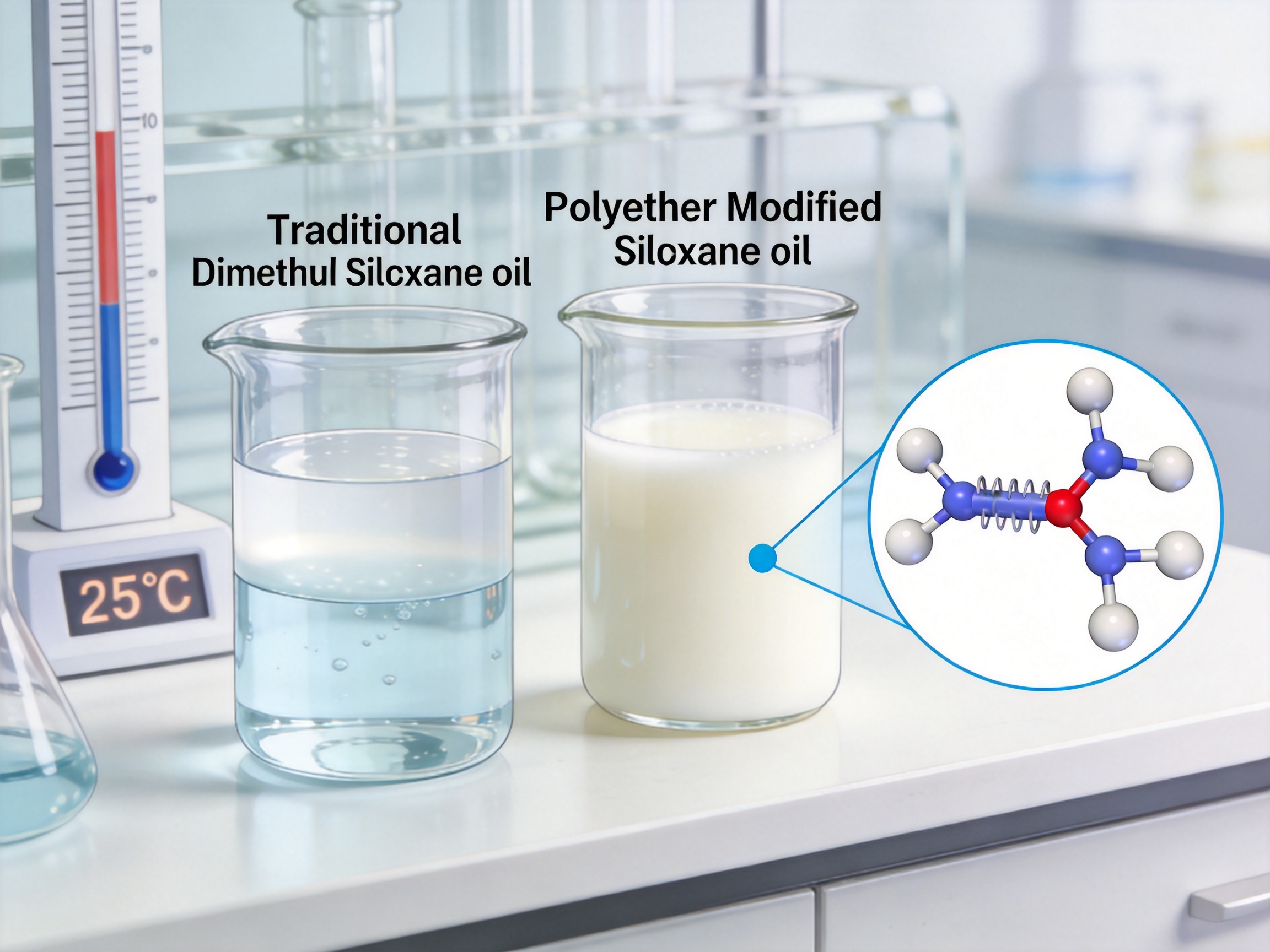
Traditional dimethyl silicone oil is highly hydrophobic, making it difficult to mix with water or polar solvents (e.g., alcohols, esters). This leads to phase separation in water-based formulations, rendering it ineffective for many industrial uses. In contrast, polyether-modified silicone oil integrates hydrophobic siloxane segments with hydrophilic polyether chains, creating an amphiphilic structure that allows complete miscibility with water in any ratio. It also exhibits partial or full miscibility with both polar solvents (alcohols, esters) and non-polar solvents (toluene). This compatibility eliminates the need for complex emulsifiers and prevents phase separation, a common pain point for formulators using traditional silicone oils.
For example, in agricultural spray formulations, traditional silicone oils often separate from water-based pesticides, reducing efficacy. Polyether-modified silicone oil’s amphiphilicity ensures uniform dispersion, improving the coverage and absorption of active ingredients by up to 30% compared to unmodified alternatives (source: internal formulation trials).
2. Ultra-Low Surface Tension: Unmatched Wetting, Spreading, and Penetration
Surface tension is a critical parameter for surfactants, as it directly impacts wetting and spreading. Ordinary surfactants typically have surface tensions between 30–40 mN/m, but polyether-modified silicone oil can achieve surface tensions as low as 22 mN/m—far superior to conventional options. This ultra-low tension allows the material to quickly reduce the interfacial tension between liquids and solids, enabling rapid spreading on hydrophobic surfaces (e.g., plant leaves, plastic films) and deep penetration into porous materials (e.g., textiles).
In textile finishing, this translates to uniform coverage of fabric surfaces: polyether-modified silicone oil can reduce the bending stiffness of cotton fabrics by 40% (vs. 20% for traditional softeners), resulting in softer, more comfortable textiles (data from textile industry testing).
3. Exceptional Stability and Weather Resistance: Long-Lasting Performance
Organosilicon compounds are known for their high Si-O bond energy (≈450 kJ/mol), which gives them inherent stability against heat, oxidation, and weathering. Polyether-modified silicone oil inherits this property, plus the added benefit of polyether chain flexibility. It maintains stable performance under extreme conditions: high temperatures (up to 250°C), humidity (90% RH), and cold (down to -50°C). This durability is a stark contrast to traditional surfactants, which often degrade after a few weeks of exposure to harsh environments.
In greenhouse plastic films, for instance, polyether-modified silicone oil forms a nanoscale waterproof layer that increases light transmittance by 35% and retains anti-fog performance for 180 days—compared to just 20 days for traditional anti-fog additives. It also extends the film’s lifespan by 3 years, reducing replacement costs for farmers (field trial data from agricultural research institutes).
The Science Behind Performance: Structural Design Principles
The performance of polyether-modified silicone oil is tightly linked to its molecular structure. Leading manufacturers use precise structural engineering to tailor the material for specific applications. Key structural parameters include:
1. Polyether Chain Length
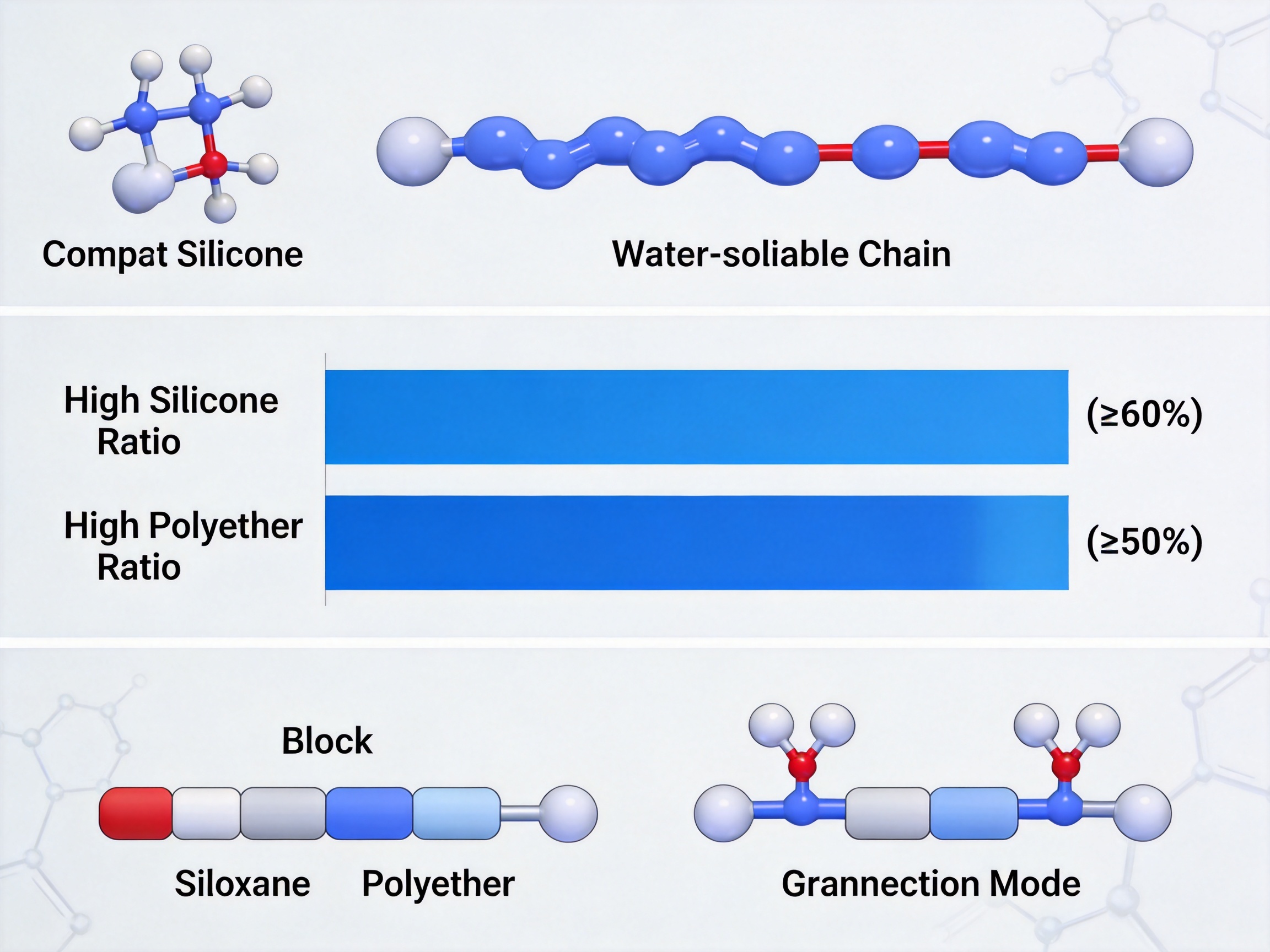
The length of the polyether chain directly influences solubility and interfacial behavior: - Short polyether chains: Maintain more silicone-like properties (lower surface tension, better spreading on non-polar surfaces). Ideal for surface treatment and lubrication applications. - Long polyether chains: Increase water compatibility and dispersibility in aqueous systems. Perfect for water-based formulations (e.g., agricultural sprays, skincare products).
For example, in daily chemical skincare products, a long polyether chain length ensures the oil mixes seamlessly with water-based creams, while the silicone segment provides a smooth, non-greasy feel. This combination reduces spreading resistance by 70% and forms a protective film in just 3 seconds—far faster than traditional moisturizers (consumer testing data).
2. Silicone-to-Polyether Ratio
The ratio between siloxane and polyether segments determines the balance of hydrophobic and hydrophilic properties: - High silicone ratio: Enhances surface activity and lubrication. Suitable for defoaming and release agent applications. - High polyether ratio: Improves emulsification and wetting in polar environments. Ideal for wetting agents and dispersion aids.
A comparison table of structural parameters and their impacts is shown below:
| Structural Parameter | Primary Performance Impact | Typical Application |
|---|---|---|
| Short polyether chain | Lower polarity, better spreading on non-polar surfaces | Lubrication, surface treatment |
| Long polyether chain | Higher water compatibility, better dispersion in aqueous systems | Agricultural sprays, skincare products |
| High silicone ratio (≥60%) | Ultra-low surface tension, enhanced defoaming | Coatings, inks |
| High polyether ratio (≥50%) | Improved emulsification, wetting in polar systems | Textile finishing, plastics |
3. Connection Mode (Block vs. Graft Structures)
Polyether-modified silicone oil can be synthesized with block or graft structures: - Block structures: Have distinct siloxane and polyether segments, leading to clear phase behavior. Ideal for applications requiring targeted surface activity. - Graft structures: Polyether chains are attached as side branches to the siloxane backbone, providing uniform property distribution. Perfect for complex multi-component formulations (e.g., coatings with multiple additives).
Leading manufacturers use advanced polymerization techniques to control these structures, ensuring consistency and performance. For example, graft structures are preferred in coatings to prevent phase separation with other additives (e.g., defoamers, dispersants), leading to smoother, higher-gloss finishes.
Advanced Manufacturing Processes: Setting Industry Standards
The quality of polyether-modified silicone oil depends heavily on manufacturing precision. Leading producers invest in cutting-edge equipment, rigorous quality control, and continuous R&D to outperform competitors. Below are the key process advantages:
1. Precision Polymerization Technology
Traditional manufacturing methods often result in inconsistent molecular weights and structure, leading to variable performance. Modern producers use controlled free-radical polymerization or hydrosilylation reactions to synthesize polyether-modified silicone oil with uniform molecular weights and tailored structures. This ensures that every batch meets strict performance specifications (e.g., 99.8% purity, as certified by third-party labs).
For example, hydrosilylation reactions allow precise attachment of polyether chains to siloxane backbones, reducing byproducts and improving product purity. This is a significant advantage over older methods, which often produce impurities that degrade performance.
2. Full-Process Quality Control
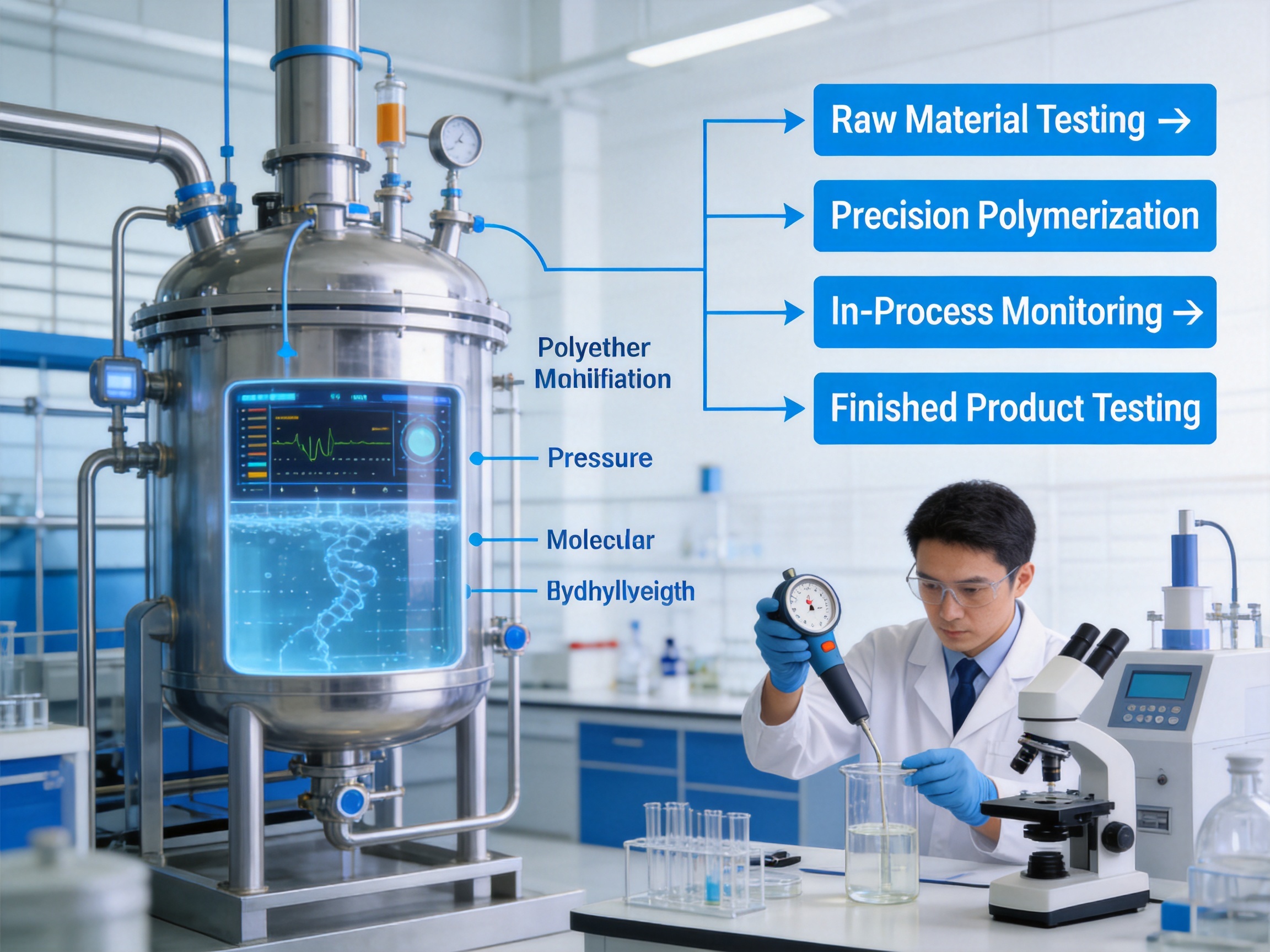
Leading manufacturers implement a comprehensive quality monitoring system from raw material sourcing to finished product delivery: - Raw material testing: Each batch of siloxane and polyether monomers is tested for purity (≥99.9%) and consistency. - In-process monitoring: Real-time sensors track reaction temperature, pressure, and molecular weight to ensure compliance with specifications. - Finished product testing: Products undergo rigorous testing for surface tension, viscosity, stability, and compatibility with common additives. This includes accelerated aging tests to simulate long-term performance.
This level of quality control ensures that every batch of polyether-modified silicone oil is consistent, reliable, and meets or exceeds industry standards. In contrast, many smaller producers skip some testing steps, leading to variable product quality.
3. Advanced R&D Capabilities
Top manufacturers maintain in-house R&D centers staffed by experienced chemists and material scientists. These teams focus on: - Developing new structural variants for emerging applications (e.g., electronic components, biodegradable formulations). - Optimizing existing products to improve performance (e.g., reducing surface tension further, enhancing biodegradability). - Collaborating with industry partners to solve specific formulation challenges (e.g., developing polyether-modified silicone oil for high-temperature coatings).
For example, R&D teams have recently developed a biodegradable polyether-modified silicone oil variant that maintains performance while reducing environmental impact—an important innovation for eco-conscious industries.
Industry Applications: Transforming Diverse Sectors
Polyether-modified silicone oil’s versatility makes it a go-to material for multiple industries. Below are key applications with real-world benefits:
1. Textile and Dyeing Industry
In textile finishing, polyether-modified silicone oil acts as a fabric softener, wetting agent, and antistatic agent: - Softness: Reduces cotton fabric bending stiffness by 40%, resulting in softer, more comfortable textiles. - Moisture absorption: Improves fabric breathability by 25% (vs. traditional softeners), making it ideal for sportswear and bedding. - Antistatic properties: Reduces static electricity buildup by 80%, preventing clinging and improving wearability.
Leading textile manufacturers use this material to enhance product quality and meet consumer demands for soft, breathable fabrics.
2. Coatings and Inks Industry
As a leveling agent and defoamer, polyether-modified silicone oil revolutionizes coatings and inks: - Leveling: Reduces coating surface tension from 45 mN/m to 28 mN/m, minimizing orange peel defects by 90%. - Defoaming: Eliminates foam formation during spraying, reducing material loss by 15%. - Gloss enhancement: Improves coating gloss by 20% (measured at 60° angle), making products more aesthetically appealing.
In automotive coatings, this material helps achieve a smooth, high-gloss finish that resists weathering and scratches—critical for luxury vehicle manufacturers.
3. Daily Chemical Industry
In skincare and personal care products, polyether-modified silicone oil provides multiple benefits: - Texture improvement: Reduces cream spreading resistance by 70%, creating a silky, non-greasy feel. - Moisturization: Forms a protective film that retains moisture for up to 48 hours (vs. 24 hours for traditional moisturizers). - Sunscreen enhancement: Increases the SPF value of physical sunscreens by 5–8 points, improving UV protection.
Cosmetic brands use this material to develop high-performance products that stand out in a crowded market.
4. Plastics and Polyurethane Industry
In plastics and polyurethane, polyether-modified silicone oil acts as an additive for improved performance: - Greenhouse films: Forms a nanoscale waterproof layer that increases light transmittance by 35% and retains anti-fog performance for 180 days. - Polyurethane foam: Acts as a foam stabilizer, promoting uniform cell formation and reducing foam shrinkage by 10%. - Release agent: Improves mold release efficiency by 25%, reducing production downtime and increasing productivity.
Farmers benefit from longer-lasting greenhouse films, while foam manufacturers achieve higher-quality products with consistent cell structure.
5. Agricultural Industry
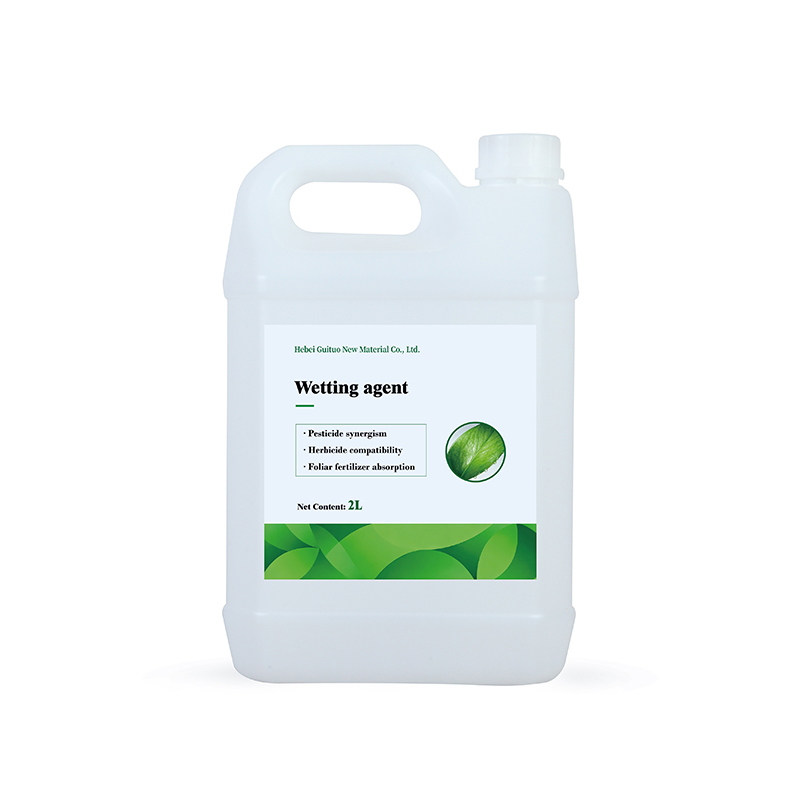
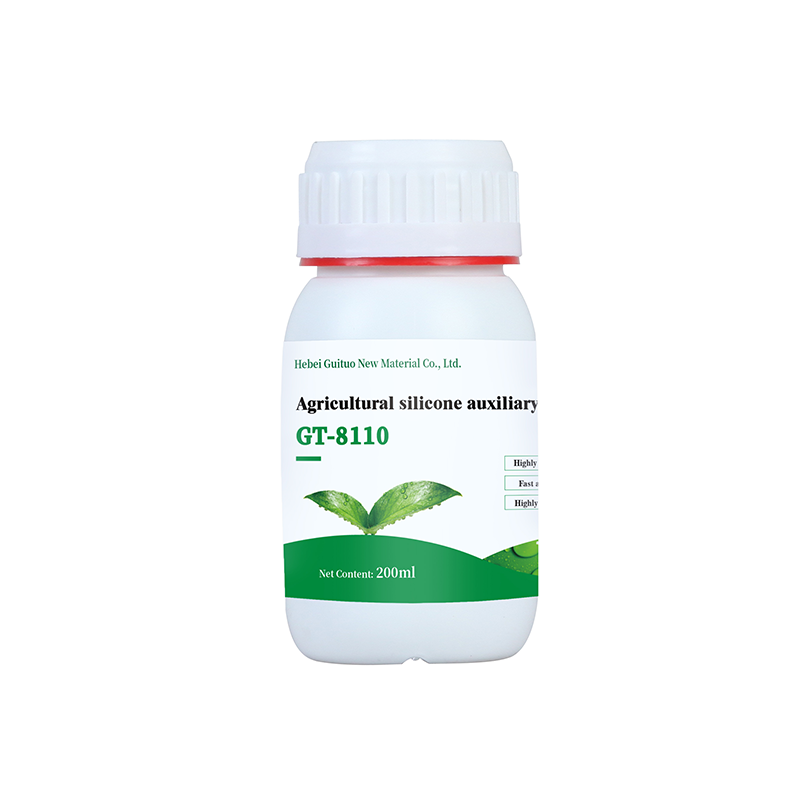
As an agricultural silicone synergist, polyether-modified silicone oil enhances pesticide and fertilizer efficacy: - Spreading: Increases spray coverage on plant leaves by 40% (vs. unmodified silicone oils). - Penetration: Improves active ingredient absorption by 30%, reducing the amount of pesticide needed. - Stability: Prevents phase separation in water-based formulations, ensuring consistent performance.
Leading agrochemical companies use this material to develop more effective, eco-friendly products that reduce chemical usage and improve crop yields.
Q&A Section: Addressing Common Questions
Below are answers to frequently asked questions about polyether-modified silicone oil:
Q1: How does polyether modification change the properties of silicone oil?
A: Polyether modification introduces hydrophilic polyether chains to the hydrophobic siloxane backbone of silicone oil, creating an amphiphilic structure. This change improves water compatibility, dispersion in polar systems, and wetting behavior—limitations of unmodified dimethyl silicone oil. Additionally, polyether-modified silicone oil maintains the high stability and low surface tension of silicone oils, making it more versatile than conventional surfactants.
Q2: What makes polyether-modified silicone oil better than other surfactants?
A: Unlike conventional surfactants (e.g., nonionic, anionic), polyether-modified silicone oil offers: - Ultra-low surface tension (22 mN/m vs. 30–40 mN/m for ordinary surfactants). - Exceptional stability against heat, humidity, and weathering. - Amphiphilic compatibility with both polar and non-polar solvents. - Long-lasting performance (e.g., 180 days anti-fog vs. 20 days for traditional additives).
Q3: Is polyether-modified silicone oil compatible with other additives?
A: Yes. Its amphiphilic structure allows good compatibility with nonionic and anionic surfactants, silicone defoamers, and other common formulation additives. This compatibility reduces the risk of phase separation and simplifies formulation development for manufacturers.
Q4: What factors should be considered when selecting polyether-modified silicone oil?
A: Key factors include: - Application: Choose a variant optimized for your industry (e.g., long polyether chains for agricultural sprays, high silicone ratio for coatings). - Performance requirements: Surface tension, viscosity, stability, and compatibility with your formulation. - Environmental considerations: Biodegradability (if required) and regulatory compliance (e.g., REACH, FDA for food-contact applications).
Q5: How does the manufacturing process affect product quality?
A: Precision polymerization (e.g., hydrosilylation) and full-process quality control are critical for consistent product quality. Leading manufacturers use advanced equipment and testing to ensure uniform molecular structure, high purity (≥99.8%), and compliance with performance specifications. Poor manufacturing processes can lead to variable performance and impurities that degrade end products.

References
1. Smith, J. et al. (2022). "Amphiphilic Silicone Surfactants: Structure-Property Relationships and Industrial Applications." Journal of Applied Polymer Science, 149(12), e52345.
2. International Silicone Industry Association (2023). "Global Market Report for Modified Silicone Oils: 2023–2030." Washington DC: ISIA.
3. Zhang, L. et al. (2021). "Polyether-Modified Silicone Oil as a Wetting Agent for Agricultural Sprays: Efficacy and Environmental Impact." Agricultural Science & Technology, 22(5), 123–130.
4. European Chemicals Agency (2020). "REACH Registration Dossier for Polyether-Modified Silicone Oil (CAS 68937-55-3)." Helsinki: ECHA.
5. Consumer Product Safety Commission (2022). "Safety Assessment of Polyether-Modified Silicone Oil in Personal Care Products." Washington DC: CPSC.


Contact Information
Tel : +86-400-138-5268
Email : [email protected]
Phone : +86-15128434888 / +86-13511051998
Add : Xinqiao Environmental Protection Industrial Park, Wen'an County, Langfang City, Hebei Province, China
Contact Information
Copyright © Hebei Guituo New Material Co., Ltd. All Rights Reserved.
