

 English
  Français
  Português
 Home / Author / Zhang Xiaoyu, Regional Sales Manager (Southeast Asia) / Polyether-Modified Silicone Oil: Advanced Performance for Agricultural, Industrial, and Formulation Applications
 Polyether-Modified Silicone Oil: Advanced Performance for Agricultural, Industrial, and Formulation Applications
2026-09-01
Polyether-modified silicone oil is a multifunctional organosilicon material designed to improve wetting, spreading, emulsification, leveling, lubrication, release, and surface control. By combining a low-surface-energy silicone structure with hydrophilic polyether segments, it addresses several limitations associated with conventional silicone oils and ordinary organic surfactants. The result is a highly active additive that can be adapted to water-based, solvent-based, and multi-component formulations.
Product model LD-810 is a polyether-modified silicone oil supplied for applications including agricultural silicone synergists, paint additives, chemical raw materials, and release agents. It is identified by CAS No. 68937-55-3 and EINECS No. 614-823-3. With a stated purity of 99.8%, the product is intended for customers requiring stable formulation behavior, rapid surface spreading, broad compatibility, and consistent performance in demanding processing environments.
The material is manufactured and supplied by Hebei Guituo New Material Co., Ltd., a high-tech enterprise focused on the research, production, and sales of high-end silicone materials. Through specialized production equipment, testing facilities, process monitoring, and an experienced technical team, the company develops silicone additives for agriculture, textiles, daily chemicals, electronics, coatings, plastics, polyurethane, and other industries.
1. Product Overview
Polyether-modified silicone oil is produced by introducing polyether chains into the backbone or side-chain structure of silicone oil. Silicone segments contribute flexibility, low surface energy, thermal stability, chemical resistance, and rapid spreading. Polyether segments contribute polarity, hydrophilicity, water compatibility, and improved interaction with polar ingredients.
This molecular combination creates an amphiphilic material. One part of the molecule has strong affinity for hydrophobic surfaces and low-polarity materials, while another part interacts effectively with water and polar solvents. Because of this dual character, polyether-modified silicone oil can act at interfaces where conventional silicone oils, hydrocarbon surfactants, or single-function additives may have limited effectiveness.
LD-810 is suitable for use as a wetting agent, spreading agent, leveling additive, foam stabilizer, formulation modifier, release-control component, and performance-enhancing synergist. Its final function depends on dosage, formulation composition, processing conditions, and the target substrate.
| Item | Specification |
|---|---|
| Product model | LD-810 |
| Product name | Polyether-Modified Silicone Oil |
| CAS number | 68937-55-3 |
| EINECS number | 614-823-3 |
| Purity | 99.8% |
| Synonym | Polyether Silicone Surfactant |
| Primary functions | Wetting, spreading, emulsification, leveling, foam stabilization, release control, and surface modification |
The product can be incorporated into formulations through direct addition, premixing, dilution, or post-addition, depending on the application. Before commercial production, users should evaluate compatibility with active ingredients, resins, solvents, surfactants, pigments, fillers, catalysts, and other formulation components.
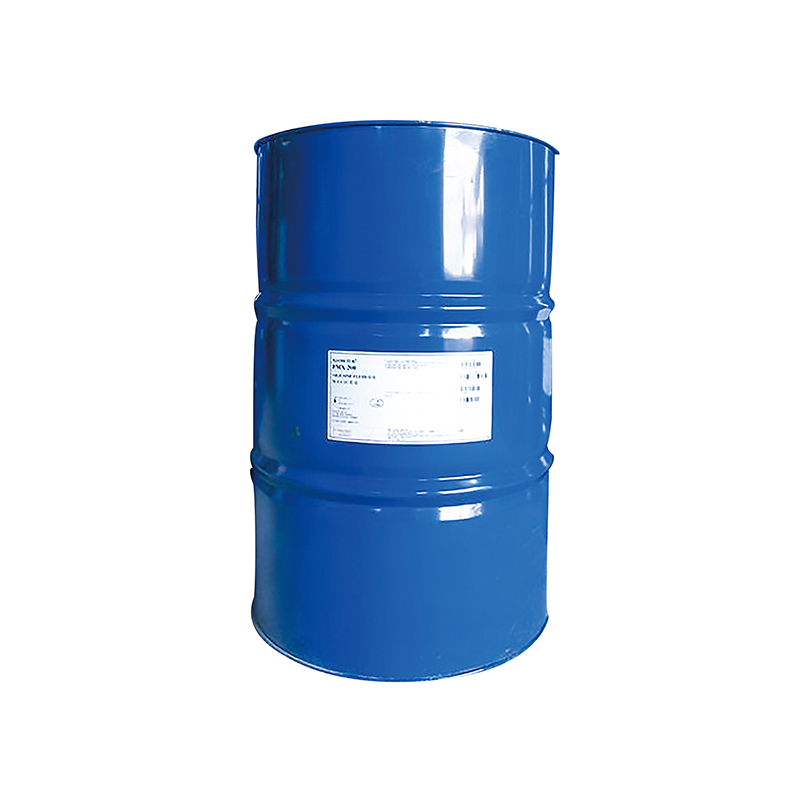
Polyether-Modified Silicone Oil
2. Molecular Structure and Performance Mechanism
2.1 Silicone Segments
The silicone portion of the molecule is responsible for many of the properties that distinguish organosilicon materials from conventional organic additives. The siloxane structure provides a flexible molecular chain, low surface energy, good temperature resistance, and strong ability to migrate toward interfaces.
When the material is applied to a liquid-solid or liquid-liquid interface, the silicone segments tend to orient toward low-energy or hydrophobic regions. This orientation reduces interfacial resistance and supports rapid spreading. In coatings, the effect can improve surface leveling. In agricultural formulations, it can assist droplet spreading on waxy or difficult-to-wet plant surfaces. In release applications, the low surface energy can help reduce adhesion between a processed material and a mold or tool.
2.2 Polyether Segments
The polyether portion introduces polar groups and improves interaction with water and other polar components. This improves dispersibility in aqueous systems and can reduce the phase-separation problems that may occur when conventional silicone oils are added to water-based products.
Polyether chain length, molecular weight, and proportion have a direct effect on water compatibility, viscosity, cloud point, surface activity, and formulation stability. Longer or more abundant polyether segments generally promote water compatibility, while a higher silicone proportion usually supports stronger surface activity, lower surface tension, lubrication, and rapid spreading.
2.3 Amphiphilic Behavior
The amphiphilic character of polyether-modified silicone oil allows the material to interact with both hydrophilic and hydrophobic phases. This is especially valuable in formulations containing water, oils, solvents, resins, pigments, active ingredients, and inorganic materials.
According to the supplied product information, the material can be completely miscible with water in any ratio and can show partial or full miscibility with polar solvents such as alcohols and esters, as well as non-polar solvents such as toluene. Actual compatibility depends on formulation conditions and should be confirmed through laboratory testing. Nevertheless, this broad compatibility provides a significant practical advantage over traditional silicone oils that may be difficult to emulsify or may separate during storage.
2.4 Interfacial Activity
Surface tension can be reduced to approximately 22 mN/m under suitable conditions. This very low surface tension enables the additive to reduce the energy barrier between a liquid and a solid surface. As a result, droplets can spread more quickly, coatings can level more evenly, and liquid formulations can penetrate textured or partially hydrophobic substrates more effectively.
The material does not merely act as a conventional surfactant. Its silicone and polyether segments work together to influence the entire interface. This can improve the balance between rapid spreading, formulation compatibility, surface uniformity, and persistence.
3. Main Advantages Compared with Conventional Additives
3.1 Broad Compatibility
One of the most important advantages of polyether-modified silicone oil is its compatibility with a wide range of formulation systems. Conventional dimethyl silicone oils may provide excellent slip and spreading but can be difficult to incorporate into water-based systems. Some organic surfactants may disperse readily in water but provide less efficient spreading on low-energy surfaces. Polyether-modified silicone oil is designed to bridge this gap.
The material can support formulations containing water, alcohols, esters, aromatic solvents, resins, surfactants, pigments, and other additives. Its structure helps reduce the likelihood of visible separation, uneven distribution, or localized concentration. Better compatibility can also simplify manufacturing by reducing the number of separate compatibilizers required.
3.2 Ultra-Low Surface Tension
A surface tension of approximately 22 mN/m gives the product strong wetting and spreading activity. Lower surface tension generally allows a liquid to cover a larger surface area at the same dosage. This can be especially valuable when a formulation must provide uniform coverage with limited liquid volume.
In agricultural spraying, stronger spreading can improve the distribution of droplets over plant leaves. In coatings, it can minimize surface defects caused by poor leveling or uneven flow. In textile processing, it can promote more uniform contact between the finishing bath and fabric fibers. In release applications, it can improve the formation of a continuous low-energy surface layer.
3.3 Improved Emulsification and Reduced Phase Separation
Traditional silicone oils may form separate layers in water-based formulations. This can lead to inconsistent dosing, blocked spray equipment, unstable storage, or variable end-use performance. The polyether modification improves interaction with water and polar materials, making it easier to prepare stable blends.
Improved emulsification is not only a storage benefit. It also supports uniform application. When an additive remains evenly distributed, each portion of the formulation is more likely to contain the intended level of active material. This helps manufacturers improve batch-to-batch consistency and reduce rework.
3.4 Stable Performance under Variable Conditions
The siloxane structure has strong chemical bonds and offers resistance to heat, aging, and shear. This helps the product maintain functional behavior during mixing, pumping, spraying, coating, and other high-shear operations.
The material is also designed for use under changing environmental conditions, including hot and humid or cold and dry environments. The actual service life depends on the complete formulation and exposure conditions, but the organosilicon structure provides a strong foundation for long-lasting surface activity.
3.5 Multifunctionality
Polyether-modified silicone oil can perform several functions within the same formulation. It may act as a wetting agent, leveling agent, foam stabilizer, emulsification aid, spreading additive, release modifier, or surface-conditioner component.
This multifunctionality may reduce the need for multiple separate additives. Fewer components can simplify inventory management, shorten formulation development, reduce compatibility risks, and make production more efficient. However, the ideal dosage and function must be determined for each application.
| Performance Feature | Practical Benefit | Competitive Significance |
|---|---|---|
| Low surface tension | Rapid wetting and spreading | More efficient surface coverage |
| Hydrophilic polyether segments | Improved water compatibility | Better performance in aqueous systems |
| Silicone segments | Low surface energy and thermal stability | Strong spreading, slip, and durability |
| Amphiphilic structure | Interaction with polar and non-polar phases | Broad formulation flexibility |
| Shear resistance | Stable behavior during processing | Reduced performance loss in manufacturing |
| Multi-functionality | Wetting, leveling, stabilization, and release control | Potentially fewer formulation additives |
4. Agricultural Applications
4.1 Agricultural Silicone Synergist
Modern agricultural formulations often require more than a biologically active ingredient. The formulation must also spread across plant surfaces, resist uneven deposition, penetrate textured surfaces, and remain stable during storage and application. Polyether-modified silicone oil can serve as an agricultural silicone synergist by improving the physical behavior of spray droplets.
Plant leaves may have waxy, rough, hairy, or highly water-repellent surfaces. Ordinary water-based droplets can remain spherical, bounce from the leaf, or collect in isolated areas. A low-surface-tension silicone additive helps droplets flatten and spread, increasing the area of contact between the spray and the target surface.
This can support more uniform distribution of crop protection products, foliar nutrients, plant growth regulators, and other agricultural formulations. The product does not replace the active ingredient; rather, it improves the delivery environment in which the active ingredient is applied.
4.2 Wetting and Spreading on Plant Surfaces
The silicone segment promotes rapid spreading, while the polyether segment supports compatibility with water-based formulations. This combination is valuable in spray tanks where the formulation may contain water, salts, emulsifiers, solvents, dispersants, and active ingredients.
Better spreading may help reduce untreated gaps on the leaf surface. It can also improve the use of spray liquid by allowing a more uniform film to form at an appropriate dosage. Because excessive spreading or runoff can be undesirable, application testing should consider droplet size, nozzle type, spray pressure, leaf characteristics, weather, and dosage.
4.3 Compatibility with Agrochemical Formulations
Agricultural formulations can be chemically and physically complex. They may include suspension concentrates, emulsifiable concentrates, soluble liquids, wettable powders, water-dispersible granules, and tank mixtures. Polyether-modified silicone oil is suitable for evaluation in these systems because it is designed to interact with both aqueous and non-aqueous components.
Before use, formulators should evaluate emulsion stability, foam generation, viscosity, storage stability, pH tolerance, compatibility with active ingredients, and spray performance. Jar tests, accelerated storage tests, and field-oriented application tests are recommended for product development.
4.4 Advantages in Agricultural Use
The principal agricultural advantages include rapid wetting, uniform spreading, improved surface coverage, support for stable dispersion, and compatibility with water-based formulations. The product may also help formulators reduce the amount of conventional surfactant needed, depending on the formulation design.
Its value is particularly apparent when the target surface is difficult to wet or when a formulation must cover a large area with a relatively small spray volume. The best performance is achieved when the additive level is matched to the active ingredient, formulation type, water quality, and intended crop application.
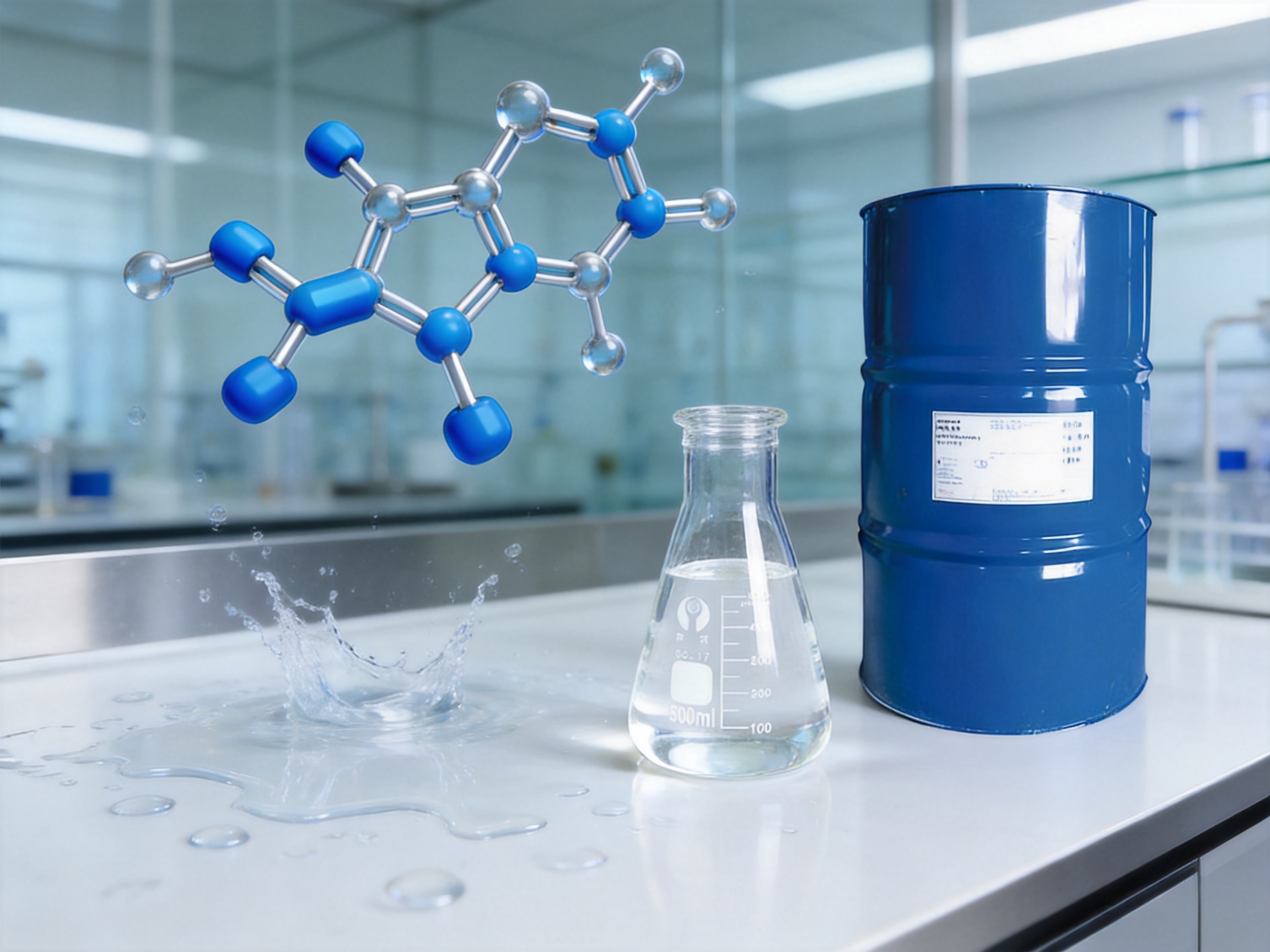
5. Coatings, Paints, and Inks
5.1 Leveling Improvement
In coatings, paint additives, and inks, surface defects may arise from uneven flow, insufficient wetting, rapid solvent evaporation, substrate contamination, or differences in surface tension. Polyether-modified silicone oil can migrate to the coating interface and help balance surface forces during film formation.
As a leveling additive, it can reduce surface tension and improve flow across the substrate. The supplied product information indicates that it may reduce coating surface tension from approximately 45 mN/m to 28 mN/m under representative conditions. The exact result depends on resin type, solvent system, pigment concentration, application method, and dosage.
5.2 Reduction of Orange Peel and Surface Irregularities
Orange peel is a textured appearance caused by uneven flow and surface tension gradients. By improving leveling, polyether-modified silicone oil can help minimize this defect. The supplied application data indicates a potential reduction in orange peel defects of up to 90% in a representative coating system.
Better leveling can improve smoothness, gloss, visual uniformity, and perceived quality. It may also reduce the need for repeated coating or polishing operations. Formulators should balance leveling activity carefully because excessive surface migration can affect intercoat adhesion, recoating, printing, or overcoat compatibility.
5.3 Defoaming and Foam Control
Foam can be introduced during high-speed mixing, pigment dispersion, pumping, filling, and spraying. In selected coating systems, polyether-modified silicone oil can contribute to foam reduction or defoaming performance while also improving leveling.
Its foam-control effect depends strongly on molecular architecture and formulation compatibility. A product that is highly effective in one resin or solvent system may behave differently in another. For this reason, coating manufacturers should test gloss, cratering, recoatability, adhesion, transparency, and storage stability alongside foam performance.
5.4 Benefits for Inks
Inks require controlled wetting, stable pigment distribution, good flow, and consistent print quality. Polyether-modified silicone oil can help improve substrate wetting and reduce uneven flow. In some systems, this may contribute to more uniform printed areas, smoother appearance, and improved gloss.
The product may also reduce spraying or application loss. Representative information indicates a possible reduction in spraying loss of approximately 15%, although the actual result will depend on equipment, viscosity, atomization conditions, and substrate characteristics.
6. Textile and Dyeing Applications
6.1 Fabric Finishing
Polyether-modified silicone oil can be used as a fabric finishing agent to modify the hand feel and surface behavior of textile materials. Silicone segments provide softness and smoothness, while polyether segments can improve moisture interaction and antistatic performance.
When applied to cotton and other fibers, the material can form a thin functional layer that reduces friction between fibers. This can improve softness without requiring a heavy coating. The supplied information reports that the bending stiffness of cotton fabrics may be reduced by approximately 40% in a representative application.
6.2 Softness and Handle
Textile manufacturers commonly seek a balance between softness, smoothness, absorbency, whiteness, color appearance, and processability. Excessive silicone deposition may reduce absorbency or create an undesirable greasy feel. Polyether modification helps provide a more balanced performance profile by introducing hydrophilic character into the silicone structure.
The appropriate treatment level depends on fabric construction, fiber type, bath concentration, pH, temperature, curing conditions, and finishing equipment. Laboratory evaluation should include hand feel, absorbency, whiteness, shade change, yellowing, durability after washing, and antistatic behavior.
6.3 Moisture Absorption and Antistatic Properties
Polyether chains can improve the interaction between treated fibers and moisture. This may support better moisture management than highly hydrophobic silicone treatments. The material can also contribute to antistatic performance by assisting the dissipation of charge under suitable humidity conditions.
These characteristics are relevant to apparel, home textiles, technical fabrics, and synthetic fiber processing. They are especially useful when manufacturers require a soft finish without completely sacrificing moisture response.
7. Daily Chemical and Personal Care Formulations
7.1 Skin Care Texture
In personal care formulations, sensory performance is a major product attribute. Consumers often expect creams, lotions, sunscreens, and serums to spread easily, feel smooth, and form an even film without excessive drag or tackiness.
Polyether-modified silicone oil can reduce spreading resistance and improve glide. The supplied information indicates a potential reduction in spreading resistance of approximately 70% and film formation within about three seconds in a representative skincare formulation.
Because the product is intended as a chemical raw material, cosmetic formulators must confirm regulatory suitability, impurity profile, odor, skin compatibility, and compliance with the requirements of the target market before use in personal care products.
7.2 Moisturization and Sunscreen Formulation
A uniform film is important in creams and physical sunscreen products. Uneven application may cause inconsistent sensory properties and non-uniform distribution of functional solids. By improving spreading and film formation, polyether-modified silicone oil may help create a more continuous surface layer.
Representative product information indicates a possible moisturization duration of up to 48 hours and an increase in the SPF value of physical sunscreen formulations by approximately 5 to 8 points. These are application-specific results rather than universal guarantees. SPF, moisturization, and safety claims must be verified using appropriate standardized testing.
7.3 Formulation Stability
The amphiphilic structure may improve compatibility among oils, water, emulsifiers, and other formulation components. It can help produce a smoother texture and reduce the tendency of certain systems to separate. However, emulsions are sensitive to pH, ionic strength, temperature, mixing sequence, and preservative systems, so compatibility testing remains essential.
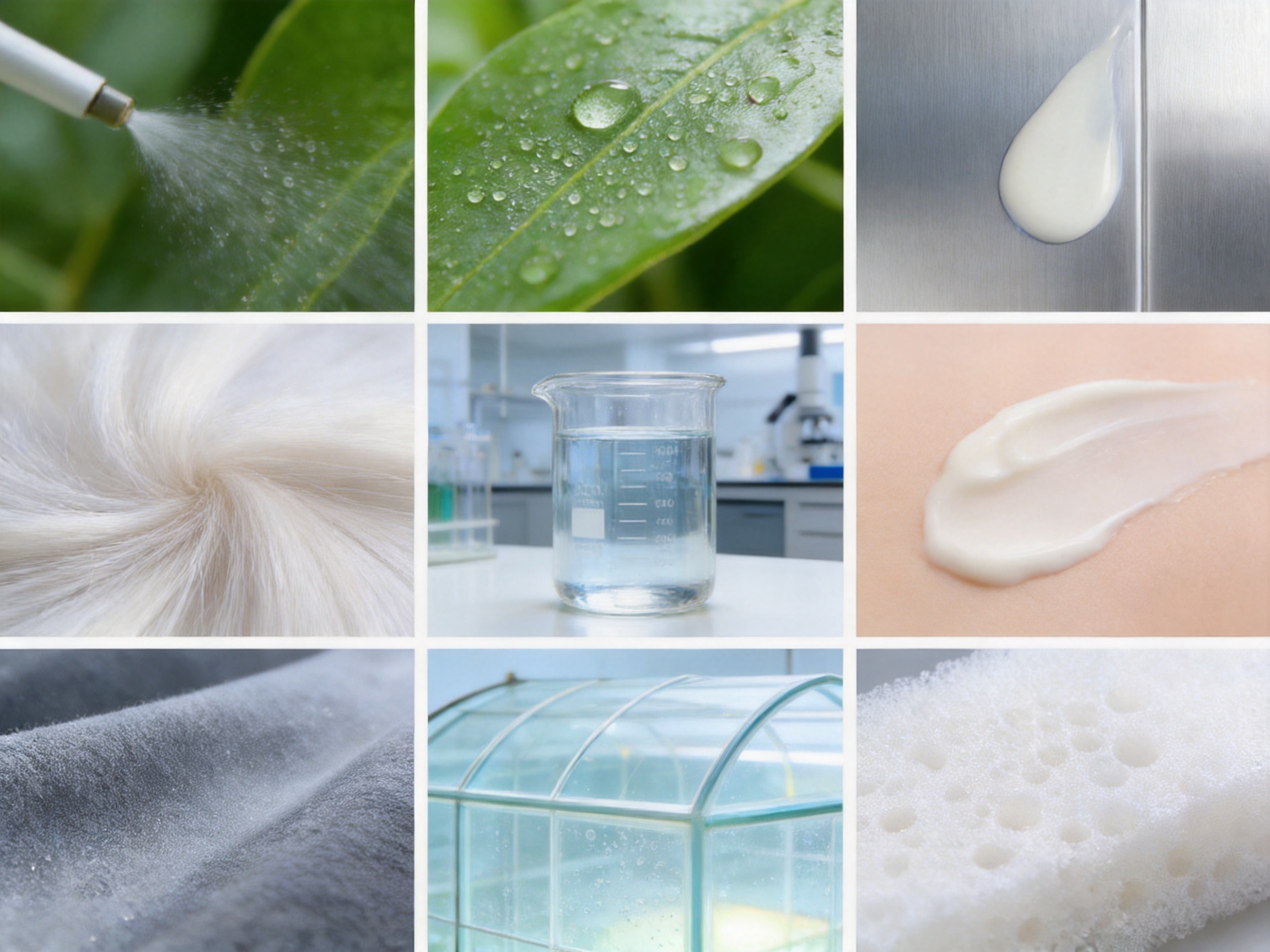
8. Greenhouse Films, Plastics, and Polyurethane
8.1 Greenhouse Plastic Films
Greenhouse films must manage light transmission, water behavior, fogging, weather exposure, and mechanical durability. Polyether-modified silicone oil can be used as an additive or surface-modifying component in selected plastic film systems.
The product may form a nanoscale water-repellent layer that changes the interaction between condensation and the film surface. The supplied information indicates a potential increase in light transmittance of approximately 35%, anti-fog performance for up to 180 days, and an extension of film service life by approximately three years in representative conditions.
Actual performance depends on polymer type, additive dispersion, extrusion temperature, film thickness, outdoor climate, ultraviolet exposure, condensation behavior, and compatibility with other stabilizers. Long-term weathering tests are necessary before making service-life claims.
8.2 Plastic Processing
In plastic processing, silicone-based additives can influence slip, release, surface energy, friction, and processing behavior. Polyether modification can improve the compatibility of the additive with polar polymers or compound systems that are difficult to modify using conventional silicone oils.
Potential benefits include improved processing flow, reduced adhesion to equipment, controlled surface migration, and more consistent surface properties. The additive level must be controlled because excessive migration may affect printing, bonding, painting, or lamination.
8.3 Polyurethane Foam Stabilization
Polyether-modified silicone oil is also relevant to polyurethane foam production. During foaming, the system must emulsify raw materials, generate bubbles, stabilize cell walls, control cell size, and support the formation of a uniform cellular structure.
As a foam stabilizer, the material can promote the emulsification of formulation components and stabilize bubbles during expansion. This helps produce fine and uniform cells. It can support control over bubble formation, stabilization, and interconnection throughout the foaming process.
Foam manufacturers should evaluate density, cell size, open-cell and closed-cell content, dimensional stability, hardness, resilience, thermal conductivity, airflow, and aging performance. The optimum silicone stabilizer depends on the polyol system, isocyanate index, catalyst package, blowing agent, water content, and processing equipment.
9. Release Agent and Surface Modification Functions
The low surface energy of silicone structures makes them useful in release applications. Polyether-modified silicone oil can be evaluated as a release-control additive where a thin, uniform, and compatible film is needed between a processed material and a tool or mold.
Compared with some conventional release agents, a polyether-modified structure may offer improved dispersibility in water-based or polar systems. It can also provide a balance between release performance and surface uniformity. Depending on the application, the additive may be used in mold-release formulations, rubber processing, plastic processing, composite manufacturing, or coated materials.
Release applications require careful testing because the additive must provide easy demolding without contaminating the released surface. Important evaluation criteria include release force, transfer, surface appearance, coating adhesion, paintability, printing performance, mold cleanliness, and repeated-release durability.
10. Manufacturing Strengths and Quality Assurance
10.1 Integrated Research, Production, and Sales
Hebei Guituo New Material Co., Ltd. integrates research and development, manufacturing, technical support, and sales. This integrated structure allows the company to respond to product requirements from different industries and coordinate technical adjustments with production capability.
Polyether-modified silicone oil is not a single universal material. Differences in molecular architecture, polyether content, viscosity, activity, compatibility, and application performance can significantly affect the final result. An integrated technical organization is therefore important for developing suitable grades and supporting customer trials.
10.2 Advanced Production Equipment
The company has established production facilities equipped with internationally advanced manufacturing equipment. Specialized equipment helps control raw-material charging, reaction conditions, mixing, temperature, pressure, and post-treatment operations.
Accurate control of these parameters is essential for modified silicone oils. Variations in reaction conversion, polyether incorporation, molecular distribution, residual components, or moisture content can influence viscosity, cloud point, surface tension, and compatibility.
10.3 Full-Process Quality Monitoring
A full-process quality-monitoring system is used from the production source through finished-product delivery. Such a system may include raw-material inspection, process monitoring, in-process testing, finished-product analysis, packaging checks, batch identification, and retained-sample management.
For customers, full-process control supports stable supply and helps reduce variation between batches. Consistent quality is particularly important in agricultural additives, coatings, polyurethane foam, and textile finishing, where relatively small changes in surface activity can influence production results.
10.4 Testing and Technical Evaluation
The company has precise testing facilities and an experienced technical and production team. Product evaluation can focus on parameters such as appearance, viscosity, purity, surface tension, water compatibility, emulsification stability, thermal behavior, and application performance.
Application testing may also include spreading area, contact angle, foam behavior, coating leveling, fabric softness, emulsion stability, release force, and foam-cell structure. These tests help connect chemical specifications with practical customer requirements.
10.5 Stable Supply and Customization
In addition to standard products, the company accepts OEM and ODM orders. Customization may involve adjustments to activity, compatibility, viscosity, hydrophilic-lipophilic balance, application focus, packaging, or product documentation.
Customized development should begin with a clear technical brief. Useful information includes the formulation base, target substrate, operating temperature, mixing equipment, desired dosage, storage conditions, performance objectives, and restrictions on solvents or other ingredients.
11. Product Development and Application Guidance
11.1 Selection of Molecular Architecture
Shorter polyether chains generally preserve more silicone-like characteristics, including low surface tension, strong spreading, and surface lubrication. Longer polyether chains generally improve water compatibility and dispersibility. A higher silicone-to-polyether ratio may be preferred when surface activity, slip, or release behavior is the main objective. A higher polyether ratio may be preferred when emulsification and aqueous compatibility are more important.
| Structural Direction | Expected Property Trend | Suitable Development Focus |
|---|---|---|
| Short polyether chain | Lower polarity and stronger spreading | Surface treatment, lubrication, and release control |
| Long polyether chain | Higher water compatibility | Water-based formulations and dispersion |
| Higher silicone proportion | Greater surface activity and slip | Defoaming, leveling, and release applications |
| Higher polyether proportion | Improved emulsification and wetting in polar systems | Agricultural, textile, and aqueous additives |
11.2 Dosage Optimization
More additive does not always produce better performance. At low dosage, the material may not cover the interface sufficiently. At excessive dosage, it may cause foam, cratering, recoatability problems, excessive slip, surface defects, or unwanted migration.
A recommended development method is to prepare a dosage ladder and compare surface tension, spreading, compatibility, storage stability, and final application properties. The dosage should be evaluated under realistic processing conditions rather than only in a simple laboratory solution.
11.3 Addition Sequence
Manufacturers should determine whether the product performs best when added to the water phase, oil phase, resin phase, premix, or final formulation. Addition sequence can affect dispersion, local concentration, foam, and emulsion stability.
For high-viscosity systems, pre-dilution may support more uniform distribution. For low-viscosity water-based systems, direct addition may be practical. The selected method should be validated through mixing-time studies and scale-up trials.
11.4 Compatibility Testing
Compatibility testing should include visual observation, centrifugation, freeze-thaw cycles, heat aging, storage at room temperature, and accelerated aging. The evaluation should look for haze, precipitation, oiling out, viscosity change, phase separation, odor change, color change, and loss of surface activity.
Where the product is used with active ingredients, pigments, catalysts, or preservatives, the complete formulation should be tested. A simple binary compatibility test may not predict behavior in a complex commercial product.
12. Environmental and Processing Considerations
Polyether-modified silicone oil can help improve formulation efficiency by increasing surface coverage and reducing the need for multiple additives. Better spreading may permit lower application volumes in selected systems, while improved compatibility can reduce waste caused by unstable batches or poor dispersion.
Its use should nevertheless be managed responsibly. Operators should review the current safety data sheet, follow workplace exposure controls, use suitable personal protective equipment, and prevent uncontrolled release into the environment. Storage should follow the supplier’s technical and safety recommendations.
Industrial users should also consider the full life cycle of the formulation, including raw-material sourcing, processing energy, packaging, application losses, wastewater, and end-of-life disposal. The product should be selected based on verified technical benefit rather than on an assumption that one additive is suitable for every system.
13. Why Choose a Specialized Silicone Material Supplier?
Working with a specialized manufacturer offers advantages beyond the purchase of a chemical raw material. Silicone additives often require application-specific interpretation because performance depends on molecular structure and formulation context.
A specialized supplier can help customers compare grades, determine compatibility, identify suitable addition methods, and design screening programs. Technical communication is also important when customers need customized viscosity, activity, water compatibility, solvent compatibility, or release behavior.
Hebei Guituo New Material Co., Ltd. has developed a product matrix covering silicone additives, wetting agents, modified silicone oils, dimethyl silicone oils, surfactants, defoamers, and related materials. This broad portfolio allows customers to evaluate products within a coordinated range instead of relying on isolated additives from unrelated sources.
The company serves agricultural, daily chemical, electronic, textile, coating, plastic, and polyurethane applications. Its agricultural silicone products are described as having strong performance in multiple core indicators and are used by leading domestic agrochemical enterprises. The company also exports products to markets including Europe and Southeast Asia, where stable quality and repeat purchasing are important indicators of customer acceptance.
14. Recommended Customer Evaluation Procedure
Step 1: Define the Performance Objective
Before selecting a grade, the customer should define whether the main target is wetting, spreading, emulsification, leveling, foam stabilization, release, softness, antistatic behavior, or a combination of functions.
Step 2: Characterize the Formulation
Important formulation information includes water content, solvent type, resin or polymer type, surfactant package, pH, ionic strength, solids content, viscosity, pigment or filler content, and processing temperature.
Step 3: Conduct Laboratory Screening
Screening should compare several dosage levels and addition methods. Test results should include visual compatibility, surface tension, contact angle, spreading area, foam, viscosity, and storage stability where relevant.
Step 4: Confirm Application Performance
For agricultural products, evaluate droplet spreading, leaf coverage, runoff, and spray stability. For coatings, evaluate leveling, gloss, cratering, adhesion, and recoatability. For textiles, evaluate softness, absorbency, antistatic behavior, and wash durability. For polyurethane foam, evaluate cell structure, density, dimensional stability, and mechanical properties.
Step 5: Conduct Scale-Up Trials
Laboratory performance should be confirmed on pilot or production equipment. Changes in mixing intensity, residence time, temperature, shear, and filling conditions may influence the final result.
Step 6: Establish Quality Specifications
After the product is approved, the customer and supplier should agree on key specifications, packaging, batch documentation, inspection requirements, storage conditions, and delivery schedules.
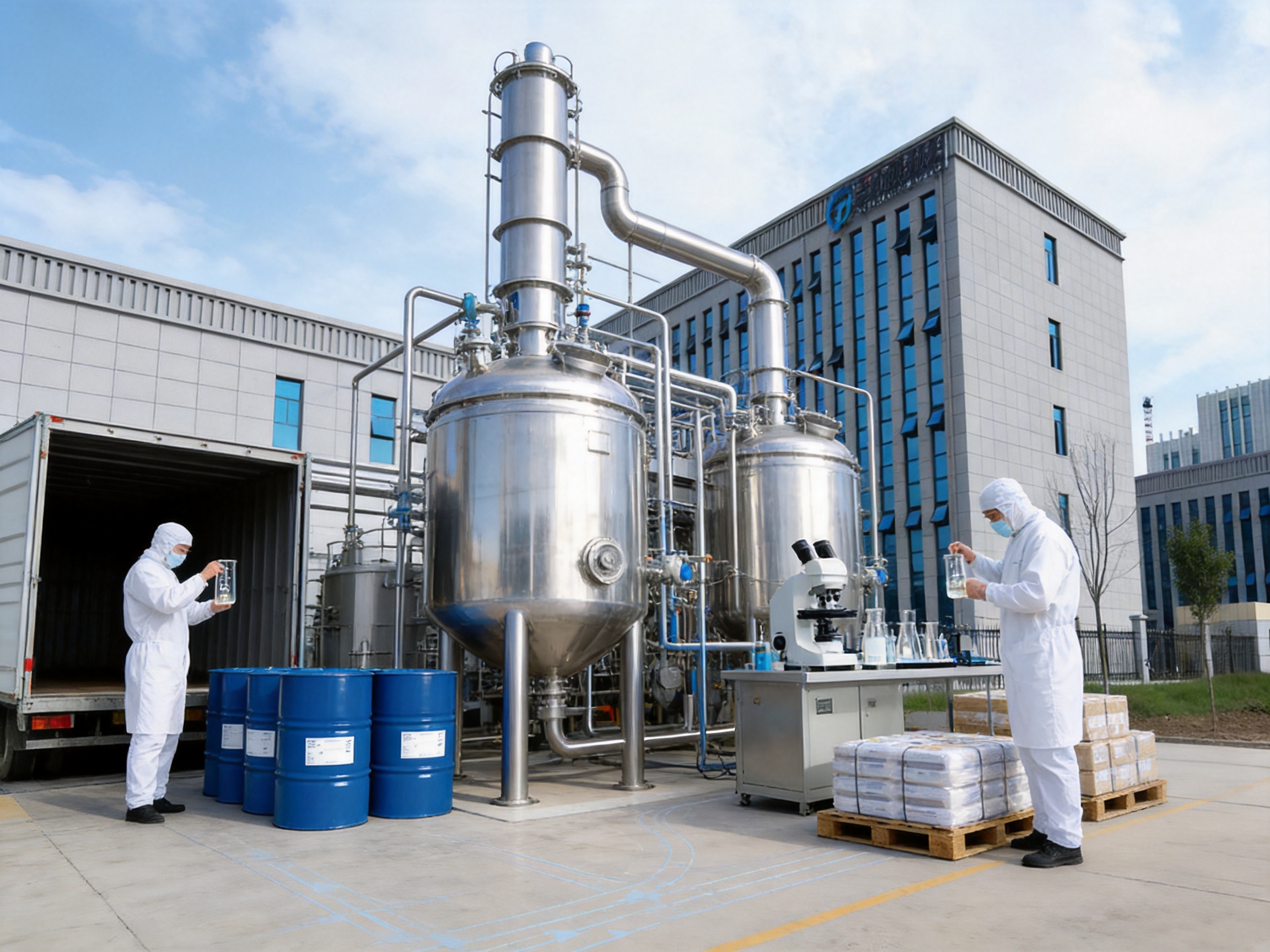
15. Frequently Asked Questions
Q1: What is polyether-modified silicone oil?
Polyether-modified silicone oil is a functional organosilicon material in which polyether chains are introduced into a silicone oil structure. The silicone segments provide low surface energy, flexibility, spreading, and thermal stability, while the polyether segments improve water compatibility, polarity, and emulsification.
Q2: What is the main advantage of LD-810?
Its main advantage is the combination of very low surface tension, broad compatibility, rapid spreading, and stable performance. It is designed to function in both water-based and selected solvent-based systems while providing surface activity that ordinary silicone oils or conventional organic surfactants may not provide together.
Q3: Can the product be used in agricultural formulations?
Yes. It can be evaluated as an agricultural silicone synergist, wetting agent, and spreading additive. It may improve droplet coverage on difficult-to-wet plant surfaces and support uniform distribution of water-based agrochemical formulations.
Q4: Is it compatible with water?
The supplied product information states that the material can be completely miscible with water in any ratio. Actual behavior depends on the grade, formulation composition, temperature, pH, salts, and other ingredients, so users should conduct compatibility testing before commercial use.
Q5: Can polyether-modified silicone oil be used in coatings and inks?
Yes. It can be used as a leveling agent, wetting additive, surface modifier, and, in selected systems, a defoaming component. It may reduce surface tension, improve smoothness and gloss, and reduce defects such as orange peel. Recoatability and intercoat adhesion should be tested carefully.
Q6: Can it be used in polyurethane foam?
It can be evaluated as a foam stabilizer. The product can promote emulsification, stabilize bubbles, and support the formation of fine and uniform cells. The correct grade and dosage depend on the polyol, isocyanate, catalysts, blowing agents, and target foam properties.
Q7: Does the product improve textile softness?
Yes. As a textile finishing agent, it can reduce fiber-to-fiber friction and improve softness. Polyether segments may also support moisture absorption and antistatic performance. Fabric type, treatment concentration, curing conditions, and wash durability should be considered during development.
Q8: How should the product be added to a formulation?
The addition method depends on the formulation. It may be added directly, pre-diluted, premixed with a compatible phase, or introduced during the final blending stage. A laboratory study should compare addition sequence, mixing time, dosage, and storage stability.
Q9: What factors affect product performance?
Important factors include polyether chain length, silicone-to-polyether ratio, molecular architecture, viscosity, dosage, solvent system, pH, temperature, shear, substrate type, and interaction with other additives. These factors determine the balance between water compatibility, spreading, emulsification, leveling, and release behavior.
Q10: Does the company provide customized products?
Yes. The company accepts OEM and ODM orders and can discuss product requirements related to application focus, compatibility, activity, viscosity, packaging, and other technical parameters. Customers should provide a detailed application brief to support efficient product matching.
Q11: What quality support is available?
The company maintains production equipment, testing facilities, process monitoring, and an experienced technical team. Customers can discuss technical specifications, quality requirements, sample evaluation, batch documentation, and application testing with the supplier.
Q12: What information should be supplied when requesting a quotation?
Useful information includes product model, estimated annual quantity, packaging preference, destination, intended application, required specifications, sample requirements, and delivery schedule. For customized products, the formulation type and target performance should also be provided.
16. Conclusion
Polyether-modified silicone oil combines the low surface energy and spreading ability of silicone with the water compatibility and polarity of polyether. This amphiphilic structure gives the material broad application value in agricultural formulations, coatings, inks, textiles, daily chemicals, greenhouse films, plastics, polyurethane foam, and release systems.
LD-810 offers a stated purity of 99.8%, surface tension as low as approximately 22 mN/m, broad miscibility characteristics, and resistance to heat, aging, and shear. Its multifunctional profile can help improve wetting, spreading, emulsification, leveling, foam stabilization, softness, antistatic behavior, release, and surface uniformity.
The performance advantage of this material is closely connected to its molecular design. Polyether chain length, silicone-to-polyether ratio, and molecular architecture allow the product to be adapted to different application priorities. This flexibility is supported by the manufacturer’s integrated research, production, testing, quality-control, customization, and technical-service capabilities.
For the best results, users should select the product according to the formulation environment, conduct compatibility and dosage testing, and confirm performance through pilot or production trials. With proper formulation design, polyether-modified silicone oil can provide a practical route to more efficient surface control and improved product quality.
References
1. Product technical information for LD-810 Polyether-Modified Silicone Oil, supplied by the manufacturer.
2. General principles of silicone-polyether surfactant structure, interfacial activity, and formulation compatibility.
3. Technical guidance on agricultural spray adjuvants, droplet spreading, wetting, and plant-surface coverage.
4. Coating and ink formulation principles related to surface tension, leveling, foam control, gloss, and defect reduction.
5. Textile finishing principles related to silicone softeners, moisture management, friction reduction, and antistatic treatment.
6. Polyurethane foam stabilization principles concerning bubble formation, cell-size control, emulsification, and dimensional stability.
7. General quality-control practices for modified silicone oils and specialty chemical additives.
8. General safety, storage, handling, and regulatory evaluation principles for industrial chemical raw materials.
For product samples, technical specifications, OEM or ODM development, and application consultation, customers may contact Hebei Guituo New Material Co., Ltd. by telephone at +86-400-138-5268, +86-15128434888, or +86-13511051998, by WhatsApp at +86-13722611888, or by email at [email protected].
Product: Polyether-Modified Silicone Oil


Contact Information
Tel : +86-400-138-5268
Email : [email protected]
Phone : +86-15128434888 / +86-13511051998
Add : Xinqiao Environmental Protection Industrial Park, Wen'an County, Langfang City, Hebei Province, China
Contact Information
Copyright © Hebei Guituo New Material Co., Ltd. All Rights Reserved.
