

 English
  Français
  Português
 Home / Author / Zhang Xiaoyu, Regional Sales Manager (Southeast Asia) / Organosilicone Defoamer: High-Performance Foam Control for Industrial and Agricultural Formulations
 Organosilicone Defoamer: High-Performance Foam Control for Industrial and Agricultural Formulations
2026-08-04
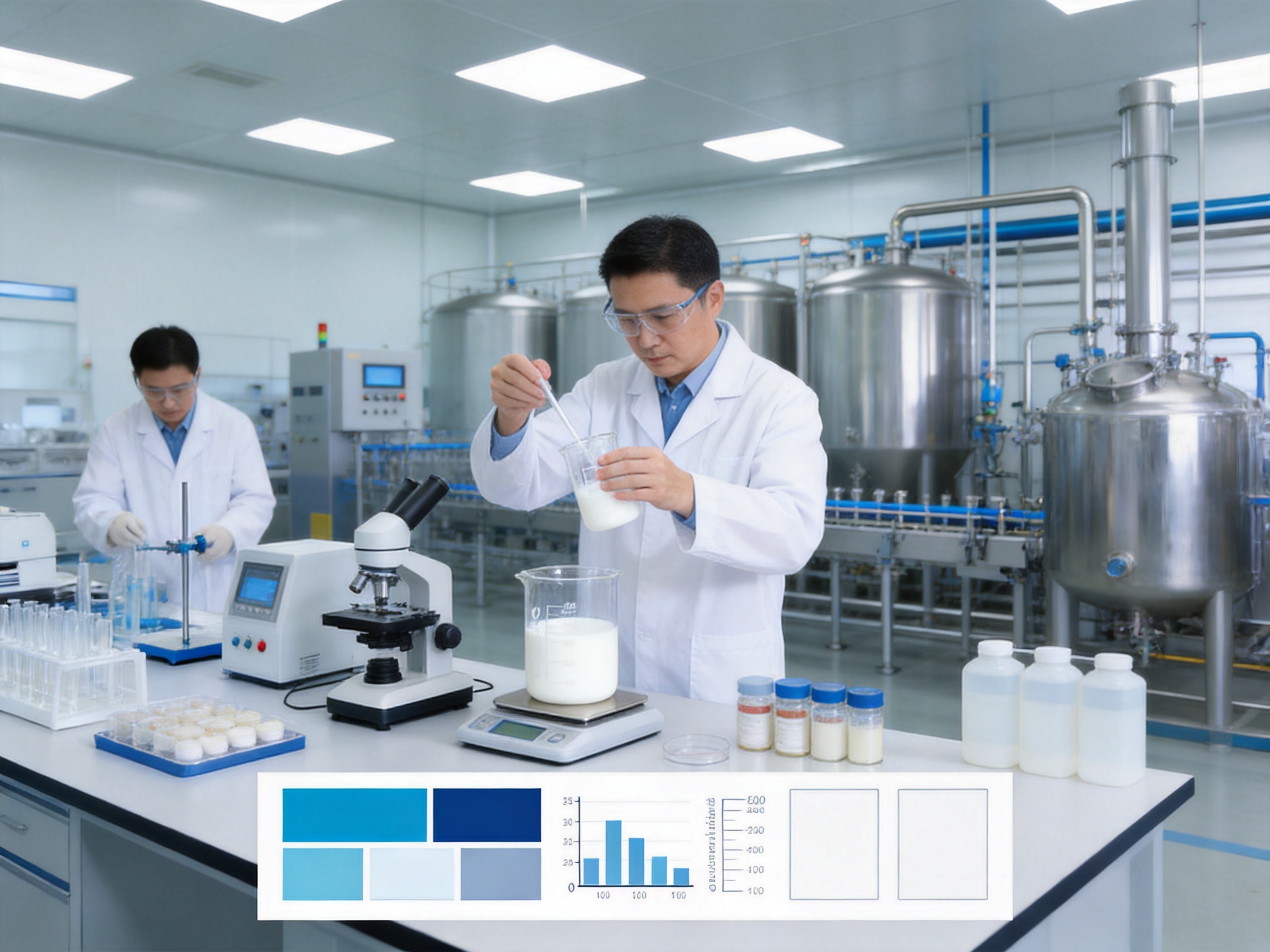
Foam is a common but often costly problem in industrial production. It can appear during mixing, agitation, filtration, washing, extraction, distillation, evaporation, dehydration, drying, filling, and transportation. Although foam may look harmless, excessive foam can reduce equipment capacity, slow production, interfere with accurate dosing, create overflow risks, damage product appearance, and reduce the efficiency of separation and discharge operations.
Organosilicone defoamer is a specialized foam-control additive developed to eliminate or suppress unwanted foam in a wide range of liquid systems. Based primarily on silicone oil, modified silicone oil, emulsifiers, wetting agents, and functional additives, this type of defoamer combines low surface tension with controlled spreading behavior. It can rapidly destabilize foam films while remaining compatible with carefully selected industrial formulations.
Model LD-610 is an organosilicon defoamer, also described as a polydimethylsiloxane emulsion, designed for applications that require reliable foam suppression and stable physical performance. Its reported purity is 99.8%, and its listed CAS number is 9016-00-6. The product is supplied by Hebei Guituo New Material Co., Ltd., a high-tech new materials enterprise focused on the research, production, and sale of silicone additives, surfactants, modified silicone oils, wetting agents, defoamers, and related materials.
This article explains the composition, operating mechanism, compatibility, application benefits, manufacturing strengths, quality-control approach, and customization potential of organosilicone defoamers. It also examines why a well-designed silicone defoamer can offer practical advantages over less specialized foam-control products in demanding agricultural, chemical, coating, textile, electronics, food-processing, pharmaceutical, paper, and daily chemical systems.
Understanding the Role of an Organosilicone Defoamer
An organosilicone defoamer is an additive used to reduce, destroy, or prevent foam in a liquid or semi-liquid process medium. Its main functional component is silicone oil containing silicon-oxygen bonds and organic groups. In many formulations, polydimethylsiloxane is used as a principal silicone phase because it has low surface tension, good thermal stability, chemical inertness, and a broad operating range.
The product is commonly presented as a white viscous emulsion. In an emulsion-based defoamer, silicone oil is dispersed into a water-containing carrier with the help of emulsifiers and other formulation aids. This format allows the defoamer to be introduced into water-based products and processes in a controlled manner. The final performance depends not only on the silicone oil itself, but also on particle size, viscosity, emulsification quality, storage stability, dispersion behavior, and the balance between spreading and compatibility.
Foam consists of gas bubbles surrounded by liquid films. Surfactants, proteins, polymers, pigments, fine particles, and other surface-active ingredients can stabilize these films. When a defoamer enters the system, its low surface tension enables it to migrate toward the foam interface. It spreads across or penetrates the liquid film, weakens the film structure, and encourages adjacent bubbles to merge or collapse. A suitable defoamer can also reduce the likelihood that new bubbles will remain stable during continued agitation.
The performance objective is not simply to create the lowest possible surface tension. Excessive spreading or poor compatibility can lead to oil spots, craters, haze, surface defects, separation, or other unwanted effects. The best defoamer is therefore one that balances rapid foam destruction with controlled dispersion and minimal influence on the final product.
Basic Composition and Functional Mechanism
Silicone Oil as the Active Foam-Control Component
Silicone oil is valued in defoamer design because it is generally non-volatile at room temperature, chemically stable, and resistant to both high and low temperatures. It is insoluble or only slightly soluble in water, animal and vegetable oils, and mineral oils, depending on the specific grade and formulation. These properties allow silicone oil to remain physically distinct from many process media while still interacting effectively with foam films.
Polydimethylsiloxane, often abbreviated as PDMS, is one of the most widely used silicone materials in foam-control technology. Its molecular structure contributes to low surface tension and a flexible, stable silicone backbone. By selecting an appropriate viscosity and combining the silicone oil with functional additives, formulators can adjust the speed of foam collapse, persistence of foam control, and compatibility with the host system.
Modified Silicone Oils and Functional Additives
Not every application can be served by a basic silicone oil. Oil-based coatings, solvent systems, high-surfactant agricultural formulations, textile baths, and electronic processing fluids may require different polarity, spreading behavior, or dispersion characteristics. Modified silicone oils can be used to improve solubility, compatibility, or surface control in these systems.
Functional additives may include hydrophobic particles, emulsifiers, wetting agents, stabilizers, carrier liquids, and other ingredients selected for a particular application. Their purpose is to help the silicone phase reach the foam interface, remain sufficiently stable during storage, and distribute consistently during use. A carefully designed combination can provide faster knockdown, longer-lasting suppression, or a lower tendency to cause surface defects.
Controlled Spreading and Foam-Film Rupture
The foam-control mechanism involves several related actions. First, the defoamer must enter or approach the foam film. Second, it must spread across the film or create a localized imbalance in surface tension. Third, the film must become thin or mechanically weak enough to rupture. Finally, the formulation should discourage the re-formation of stable bubbles under the same processing conditions.
Organosilicone materials are especially effective because they can spread rapidly at very low concentrations. However, the fastest spreading material is not always the most suitable. In a coating or electronic formulation, uncontrolled spreading may create craters or fisheyes. In a water-based agricultural product, insufficient emulsification may result in visible separation. For this reason, product development must consider both defoaming activity and system compatibility.
Key Advantages Over Less Specialized Defoamers
High Defoaming Efficiency
One of the main advantages of organosilicone defoamers is their strong foam-control activity. Silicone oil has a low surface tension compared with many aqueous process media. This allows a relatively small amount of product to act over a large interfacial area. In high-speed mixing or circulation systems, this characteristic can help control foam without requiring excessive additive levels.
Compared with some mineral-oil, vegetable-oil, or purely organic defoamers, silicone-based products may deliver faster foam knockdown and more consistent action under difficult conditions. Their performance is particularly valuable when foam is generated continuously rather than appearing as a one-time event.
Broad Temperature Resistance
Production conditions may expose additives to heating, cooling, steam, drying, or rapid temperature changes. Silicone oil is known for stable physical behavior across a broad temperature range. This can give organosilicone defoamers an advantage over materials that evaporate, oxidize, thicken excessively, or lose activity under thermal stress.
Temperature resistance is important in processes such as evaporation, dehydration, drying, distillation, textile treatment, chemical synthesis, and coating manufacture. The actual operating range must be confirmed for each formulation, but the silicone base provides a strong foundation for developing products suitable for both elevated and reduced temperatures.
Chemical Inertness and Physical Stability
Silicone oil is generally chemically inert in many industrial environments. It does not readily react with a wide variety of common formulation components, which helps reduce the risk of unwanted side reactions. Its physical stability also supports consistent performance during storage and processing.
In comparison, some conventional defoamers may be more sensitive to oxidation, hydrolysis, solvent interaction, or changes in acidity and alkalinity. An organosilicone defoamer is not universally compatible with every system, but its stable silicone structure can provide an advantage when the formulation is exposed to challenging chemical conditions.
Longer-Lasting Foam Suppression
Effective foam control requires more than immediate bubble collapse. In many applications, foam can return after additional agitation, pumping, filling, or circulation. Organosilicone defoamers can be formulated to remain active over repeated processing cycles, supporting persistent suppression rather than only short-term knockdown.
Persistence is influenced by silicone viscosity, emulsifier selection, particle size, dosage, shear conditions, and the chemistry of the host system. A properly matched product can remain sufficiently dispersed while retaining the ability to activate at the air-liquid interface whenever foam begins to form.
Low Dosage Potential
Because silicone materials are highly active at the foam interface, organosilicone defoamers may achieve the desired result at relatively low use levels. Lower dosage can help reduce the additive’s influence on other formulation properties and may support more efficient production economics.
Dosage should never be selected solely by general recommendation. Laboratory screening and pilot testing are necessary because foam behavior varies according to surfactant concentration, viscosity, temperature, pH, solids content, mixing speed, and equipment design. The practical advantage lies in the potential efficiency of the active silicone phase when the product is correctly matched to the system.
Compatibility in Water-Based Systems
Water-based formulations are among the most common environments for organosilicone defoamers. They include agricultural suspensions, emulsions, dispersible concentrates, water-based coatings, detergents, textile auxiliaries, paper chemicals, construction materials, and many industrial cleaning products.
The central compatibility challenge is to disperse the silicone phase evenly without causing oil spots, separation, sedimentation, excessive haze, or loss of product stability. The emulsifier system must be balanced carefully. If the silicone droplets are too unstable, the product may separate during storage. If the emulsion is excessively stable, the defoamer may be slow to reach the foam interface.
Wetting agents and surfactants also influence performance. They can improve distribution but may simultaneously stabilize foam films. An effective organosilicone formulation must therefore provide sufficient dispersion while preserving the ability of the silicone phase to destabilize foam.
In agricultural and daily chemical applications, uniformity is particularly important. A product may be stored for extended periods, transported through different climates, and diluted or mixed shortly before use. Stable dispersion helps ensure that each portion receives a consistent amount of defoamer.
| System Type | Primary Compatibility Requirement | Desired Performance |
|---|---|---|
| Water-based formulation | Stable dispersion and storage resistance | Uniform foam suppression without separation |
| High-surfactant system | Balanced interaction with foam stabilizers | Effective knockdown and repeat control |
| Low-surfactant system | Controlled spreading | Foam reduction with fewer surface defects |
| High-solids system | Resistance to adsorption and sedimentation | Reliable activity during mixing and filling |
Performance in High-Surfactant Formulations
High-surfactant formulations are especially difficult because surfactants are designed to stabilize interfaces. Detergents, wetting agents, emulsifiers, and some agrochemical products may generate large quantities of persistent foam during high-speed mixing. The same ingredients that improve wetting or dispersion can make foam films more elastic and resistant to collapse.
Organosilicone defoamers can be advantageous in these systems because their low surface tension and tailored molecular structure allow them to compete effectively at the air-liquid interface. The formulation must still be optimized to prevent the surfactant network from neutralizing the defoamer’s action.
The experience of a manufacturer that produces or works with both silicone additives and surfactants can be valuable in this area. Understanding how surfactant concentration, hydrophilic-lipophilic balance, emulsifier selection, and silicone structure interact enables more systematic product adjustment. Instead of treating defoaming as an isolated function, the manufacturer can evaluate it as part of the complete formulation.
For example, a detergent may require quick foam reduction during filling, while a spray formulation may require foam control during tank mixing without reducing wetting or spreading on the target surface. These are different performance objectives. A customized organosilicone defoamer can be selected or adjusted according to the process stage, dosage method, and final product requirements.
Compatibility in Oil-Based and Solvent-Based Systems
Oil-based and solvent-based formulations present a different set of challenges. The process medium may be nonpolar, semi-polar, or a combination of solvents and resins. A water-based silicone emulsion may not be appropriate for such an environment because it can introduce incompatibility or phase separation.
Modified silicone oils can improve the behavior of organosilicone defoamers in nonaqueous systems. Their structure may be adjusted to support solubility, controlled dispersion, or selective migration toward the foam interface. This is important in coatings, inks, adhesives, textile processing fluids, electronics, and other applications where surface appearance and film uniformity are critical.
In solvent-based coatings, the defoamer must control bubbles without producing craters, pinholes, fisheyes, gloss variation, or poor intercoat adhesion. In textile processing, it must function in the presence of dyes, auxiliaries, fibers, and elevated temperatures. In electronics, it may be necessary to control foam while maintaining strict requirements for cleanliness, coating uniformity, and surface properties.
The correct selection depends on the polarity of the medium, resin type, solvent blend, solids content, curing conditions, and application method. Modified silicone oil technology gives formulators more flexibility than a single universal defoamer grade.
Influence of Processing Conditions
Temperature
Temperature affects viscosity, interfacial tension, solubility, reaction speed, and bubble persistence. A defoamer that performs well at room temperature may behave differently during heating or cooling. Testing at the actual processing temperature is therefore important.
Silicone-based materials generally offer strong resistance to thermal change, but the complete emulsion or additive package may have its own limitations. The carrier, emulsifier, and stabilizer must remain sufficiently stable throughout the intended operating range.
Shear and Agitation
High shear can help distribute the defoamer, but excessive shear may break silicone droplets into particles that are too small or too stable to act efficiently at the foam interface. It can also alter the structure of the host formulation. Insufficient mixing, on the other hand, may leave concentrated pockets of defoamer and produce uneven foam control.
For large-scale agricultural or industrial mixing, the order of addition and the location of dosing can influence results. A defoamer may be added before strong agitation to prevent foam initiation, during the process to control developing foam, or near the end to address surface foam. These choices should be determined through process trials.
Mixing Sequence
The sequence in which silicone defoamer, surfactants, active ingredients, pigments, fillers, and solvents are added can affect compatibility. Adding the defoamer too early may expose it to prolonged high shear. Adding it too late may allow foam to become difficult to remove. In some systems, pre-dilution improves distribution; in others, direct addition provides better activity.
A professional technical evaluation should consider the actual production sequence instead of testing only a simple mixture in a laboratory beaker. Pilot-scale confirmation helps reveal problems associated with pump circulation, vessel geometry, filling speed, heat transfer, and storage conditions.
Applications Across Multiple Industries
Agricultural Formulations
Agricultural products often contain active ingredients, dispersants, emulsifiers, wetting agents, thickeners, salts, and other components. High-speed mixing and recirculation can create substantial foam. Excessive foam reduces tank capacity, increases filling time, and can cause inaccurate packaging.
Organosilicone defoamers are used to support foam control in pesticide formulations, plant-protection products, fertilizer systems, and other agricultural chemical preparations. Compatibility is essential because the defoamer should not reduce the activity of the active ingredient, interfere with dispersion, or cause separation during storage.
The agricultural silicone product portfolio associated with Hebei Guituo New Material Co., Ltd. is used by domestic agrochemical enterprises, and the company reports that its agricultural silicone materials have achieved an advanced domestic level. For agricultural customers, this industry experience can support the selection of a defoamer that works alongside wetting agents and other silicone additives.
Coatings and Paint Additives
Foam in coatings can lead to pinholes, craters, poor leveling, uneven gloss, and defects in the cured film. Foam may be introduced during grinding, dispersion, mixing, pumping, or application. A suitable organosilicone defoamer can improve processing efficiency and help produce a smoother surface.
However, coatings require careful control of spreading behavior. Excessive silicone migration may affect recoating, adhesion, printing, or surface appearance. The advantage of a customized product is that viscosity, emulsification, silicone modification, and dosage can be selected to balance foam suppression with coating quality.
Paper Production
Paper manufacturing involves aqueous suspensions, pulp processing, washing, coating, sizing, and wastewater treatment. Foam can interfere with formation, drainage, coating uniformity, and equipment operation. Organosilicone defoamers can help reduce foam in process water and improve the efficiency of liquid handling.
The product must be compatible with fibers, fillers, pigments, binders, and other paper chemicals. It should also be suitable for the temperature, pH, and shear conditions of the particular paper process.
Textile Processing
Textile production uses dye baths, washing systems, finishing agents, softeners, wetting agents, and other auxiliaries. Foam can cause uneven treatment, overflow, reduced bath capacity, and production interruptions. Silicone-based defoamers can assist in controlling foam while maintaining smooth processing.
Textile systems may be sensitive to surface-active materials because the final fabric can be affected by residues, uneven wetting, or changes in hand feel. For this reason, compatibility testing should include both foam performance and the appearance and performance of the treated textile.
Food and Pharmaceutical Processing
Food and pharmaceutical processes may include fermentation, mixing, washing, filtration, extraction, concentration, evaporation, and filling. Foam can reduce vessel capacity and complicate process control. In these fields, the suitability of any defoamer must be confirmed against applicable regulatory, purity, and process requirements.
Organosilicone defoamers may be technically useful in certain process environments because silicone oil is stable and non-volatile under ordinary conditions. Nevertheless, the exact grade, formulation, dosage, and intended use must be reviewed carefully before application in regulated industries. Technical performance alone does not establish regulatory approval.
Electronics and Industrial Processing
Electronics-related processes may involve solvent systems, cleaning fluids, coatings, encapsulation materials, and precision surface treatments. Foam can cause coating gaps, inconsistent deposition, and production defects. Modified silicone oils can provide foam control in systems where surface quality and cleanliness are important.
Each electronics application requires careful testing because even small changes in surface energy can affect coating behavior, adhesion, printing, or subsequent processing. A low-dose, compatible defoamer is generally preferred over a product that strongly alters the surface.
Daily Chemical Products
Detergents, cleaners, personal-care products, and household formulations often contain high concentrations of surfactants. Foam may be desirable during consumer use but undesirable during manufacturing, filling, and packaging. Organosilicone defoamers can be selected to control production foam while minimizing impact on the user experience.
The product form, storage stability, compatibility with fragrances and preservatives, and effect on visual appearance should all be examined before commercial adoption.
Manufacturing Strengths and Quality Assurance
The performance of a defoamer depends heavily on manufacturing consistency. Small changes in silicone viscosity, emulsifier concentration, particle-size distribution, mixing energy, or raw-material quality can affect foam-control behavior. A reliable supplier therefore requires more than a suitable formula; it needs controlled production equipment, accurate testing, experienced personnel, and a traceable quality system.
Hebei Guituo New Material Co., Ltd. integrates research and development, production, and sales. The company reports that it uses advanced production equipment and precise testing facilities, supported by a full-process quality-monitoring mechanism extending from raw-material input to finished-product delivery.
Such a quality system can include incoming inspection of silicone oils and additives, controlled weighing, mixing and emulsification under defined conditions, in-process viscosity and appearance checks, finished-product testing, packaging inspection, and batch documentation. Consistent process control is particularly important for emulsion-based defoamers because storage stability and application performance may be influenced by physical structure as well as chemical composition.
An experienced technical and production team also contributes to product reliability. Operators must understand how temperature, mixing speed, order of addition, residence time, and equipment design affect the final emulsion. Research personnel can evaluate changes in silicone structure, surfactant selection, and additive concentration to solve application-specific problems.
The company’s broader product matrix includes silicone additives, wetting agents, modified silicone oils, dimethyl silicone oils, surfactants, and defoamers. This integrated portfolio is a practical advantage when customers need more than one additive for a formulation. The supplier can consider the relationship between the defoamer and the other components instead of optimizing each material in isolation.
Why Integrated Silicone Expertise Matters
Foam is usually produced by the interaction of several ingredients. Surfactants stabilize bubbles, polymers increase film strength, pigments and particles affect drainage, and high viscosity slows bubble escape. A defoamer must work within this network. A manufacturer that understands silicone additives, surfactants, and wetting agents can evaluate these interactions more effectively.
Integrated expertise can also reduce the time required for product selection. Instead of testing a general-purpose defoamer through repeated trial and error, customers can begin with a technical discussion covering system polarity, solids content, pH, temperature, shear, dosage method, storage conditions, and final-product requirements.
Hebei Guituo New Material Co., Ltd. serves agriculture, daily chemicals, electronics, textiles, and other fields. Its products are reported to be exported to overseas markets including Europe and Southeast Asia, where stable performance and reliable quality have supported repeat purchasing. The company also accepts OEM and ODM orders, allowing customers to request products adjusted for their own formulation, packaging, labeling, or application requirements.
Customization Possibilities
No single defoamer is ideal for every system. Customization may involve adjusting silicone-oil viscosity, changing the modified silicone structure, selecting a different emulsifier package, controlling emulsion particle size, changing the carrier, or optimizing the concentration of functional additives.
For water-based products, the focus may be stable dispersion and resistance to separation. For high-surfactant systems, the formulation may need stronger foam-film penetration. For coatings, controlled spreading and reduced surface defects may be more important than maximum knockdown speed. For agricultural products, compatibility with active ingredients and wetting agents is a central concern.
Customization can also address processing conditions. A product used in a low-shear storage tank may require different physical behavior from one injected into a high-speed disperser. Similarly, a defoamer for a warm process may need a different emulsion structure from one stored and applied at low temperatures.
A successful customization program normally begins with a sample evaluation. The customer provides information about the formulation and process, and the supplier recommends one or more candidate grades. Laboratory tests are followed by pilot-scale trials and, when appropriate, a production validation. The final product should be evaluated not only for initial foam collapse, but also for repeated agitation, long-term storage, appearance, sedimentation, and influence on the finished product.
Recommended Evaluation Methods
Visual Stability Test
A visual stability test examines whether the defoamer or treated formulation develops oil spots, layering, sedimentation, haze, or other visible changes during storage. Samples may be observed at room temperature and under accelerated conditions, provided that the test method reflects the customer’s actual requirements.
Agitation and Foam-Decay Test
A controlled agitation test can measure foam height, foam-collapse time, residual foam, and foam recovery after repeated mixing. The test should use equipment and energy input that reasonably represent the production process. A product that performs well under gentle shaking may not behave similarly in a high-shear disperser.
Compatibility Test
Compatibility testing should examine the defoamer in the complete formulation rather than in water alone. Important observations include phase separation, changes in viscosity, color or clarity, sedimentation, surface defects, wetting behavior, and any loss of active-ingredient dispersion.
Long-Term Storage Test
Long-term storage testing helps determine whether the formulation maintains stable physical properties over time. Samples should be inspected for changes in appearance, viscosity, odor, foam-control activity, and redispersibility. For emulsions, the ability to return to a uniform state after gentle mixing may also be important.
| Evaluation Aspect | Typical Test Approach | Positive Compatibility Indicator |
|---|---|---|
| Visual stability | Storage observation at defined intervals | No significant oil spots, layering, or sedimentation |
| Foam suppression | Controlled agitation and foam-height measurement | Rapid collapse and consistent repeat control |
| Formulation integrity | Complete-formula compatibility test | Minimal change in viscosity, color, and dispersion |
| Processing performance | Pilot-scale mixing or circulation | Stable control under representative shear |
| Storage durability | Accelerated and real-time storage | Maintained physical properties and activity |
Use and Handling Considerations
The recommended use level depends on the system and should be determined through testing. Overdosing may increase the risk of surface defects, separation, or changes in final-product properties. Underdosing may fail to control foam during the most demanding production stage.
Before use, the product should be checked for uniformity and mixed according to the supplier’s technical guidance. Vigorous or prolonged agitation of an emulsion may not always improve performance and can sometimes alter its structure. Storage containers should be kept closed and protected from conditions that could affect the emulsion or carrier system.
Customers should review the product’s technical data sheet and safety documentation before handling. Industrial users should also confirm the suitability of the product for their intended application, especially in food, pharmaceutical, cosmetic, agricultural, or environmentally sensitive processes.
Because foam is affected by the complete process, the defoamer should be tested at the intended dosage point. A formulation may require addition during premixing, at the beginning of production, during circulation, or immediately before filling. The most effective addition point is determined by the source and timing of foam generation.
Product Profile: LD-610
LD-610 is identified as an organosilicon defoamer and polydimethylsiloxane emulsion. The available product information lists a purity of 99.8%, CAS No. 9016-00-6, and EINECS No. 618-493-1. It is described as a white viscous emulsion with stable physical properties and strong defoaming performance.
The product is intended for customers seeking foam control in chemical raw materials and related industrial applications. Depending on the formulation and process, it may be evaluated for use in agriculture, coatings, paints, paper, textiles, daily chemicals, electronics, and other systems where foam reduces production efficiency or affects final-product quality.
As with all specialty additives, the listed profile should be considered a starting point for technical evaluation. Actual performance depends on the host formulation and processing conditions. Customers should request current technical and safety information, confirm application suitability, and perform compatibility testing before commercial use.
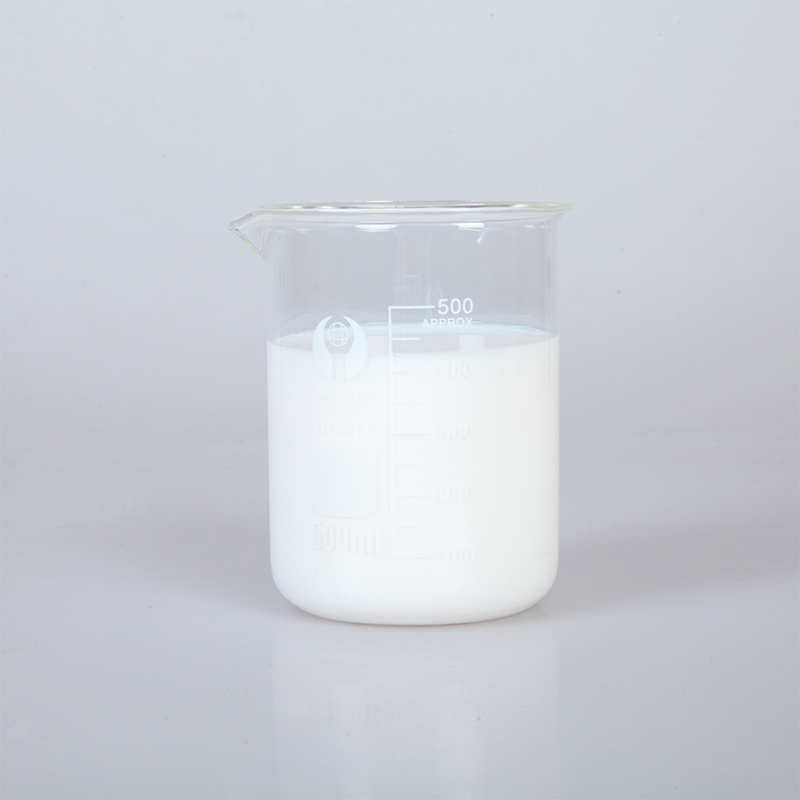
Organosilicone Defoamer
Advantages for Industrial Buyers
Industrial buyers generally require more than an additive with strong laboratory performance. They need stable supply, consistent batches, technical support, flexible packaging, and the ability to adapt products to changing formulations. A supplier’s manufacturing and service capabilities can therefore be as important as the nominal chemical specification.
Hebei Guituo New Material Co., Ltd. combines product development, manufacturing, quality monitoring, and sales support. Its product range covers several closely related silicone technologies, allowing customers to source defoamers and complementary additives from one technical network.
The company’s reported strengths include advanced production equipment, precise testing facilities, experienced technical and production personnel, and full-process quality control. Its agricultural silicone materials are used by domestic agrochemical enterprises, while its broader product range serves international customers in Europe, Southeast Asia, and other markets.
OEM and ODM capability provides additional flexibility. Customers may require a particular viscosity, emulsion format, concentration, packaging size, label, or private-brand presentation. Custom manufacturing can help companies maintain continuity between development samples and commercial production while aligning the additive with their internal quality standards.
Environmental and Process Efficiency Considerations
Foam control can contribute to process efficiency by improving the usable capacity of vessels and reducing interruptions caused by overflow. It may also support faster filtration, washing, extraction, evaporation, dehydration, and drying by minimizing foam-related limitations.
When foam is controlled at an appropriate dosage, production equipment can operate more efficiently and operators may spend less time correcting unstable process conditions. Better foam management can also support more accurate filling and reduce the amount of product lost through overflow or excessive headspace.
Environmental suitability must be evaluated for the specific product and application. Factors such as biodegradability, wastewater behavior, regulatory status, toxicity profile, and interaction with downstream treatment systems should be reviewed by the user. A technically effective defoamer still requires responsible selection and controlled use.
How to Select the Right Organosilicone Defoamer
The selection process should begin with a clear description of the system. Important information includes whether the medium is water-based, oil-based, solvent-based, or mixed; the approximate surfactant concentration; solids content; viscosity; pH; operating temperature; shear conditions; and the expected storage period.
The customer should also define the desired performance. Some processes require immediate foam knockdown. Others require long-term prevention, low residual foam, compatibility with a transparent product, or minimum influence on surface properties. A defoamer selected for rapid collapse may not be ideal for a clear coating or a high-gloss finish.
Testing should include both performance and appearance. A product that destroys foam quickly but creates oil spots or separation may be unsuitable. Conversely, a highly compatible product that does not provide sufficient foam suppression may not meet production needs.
Working with a supplier experienced in silicone oils, surfactants, wetting agents, and defoamers can make the selection process more efficient. The supplier can help compare candidate materials and suggest changes in dosage, addition point, or formulation structure.
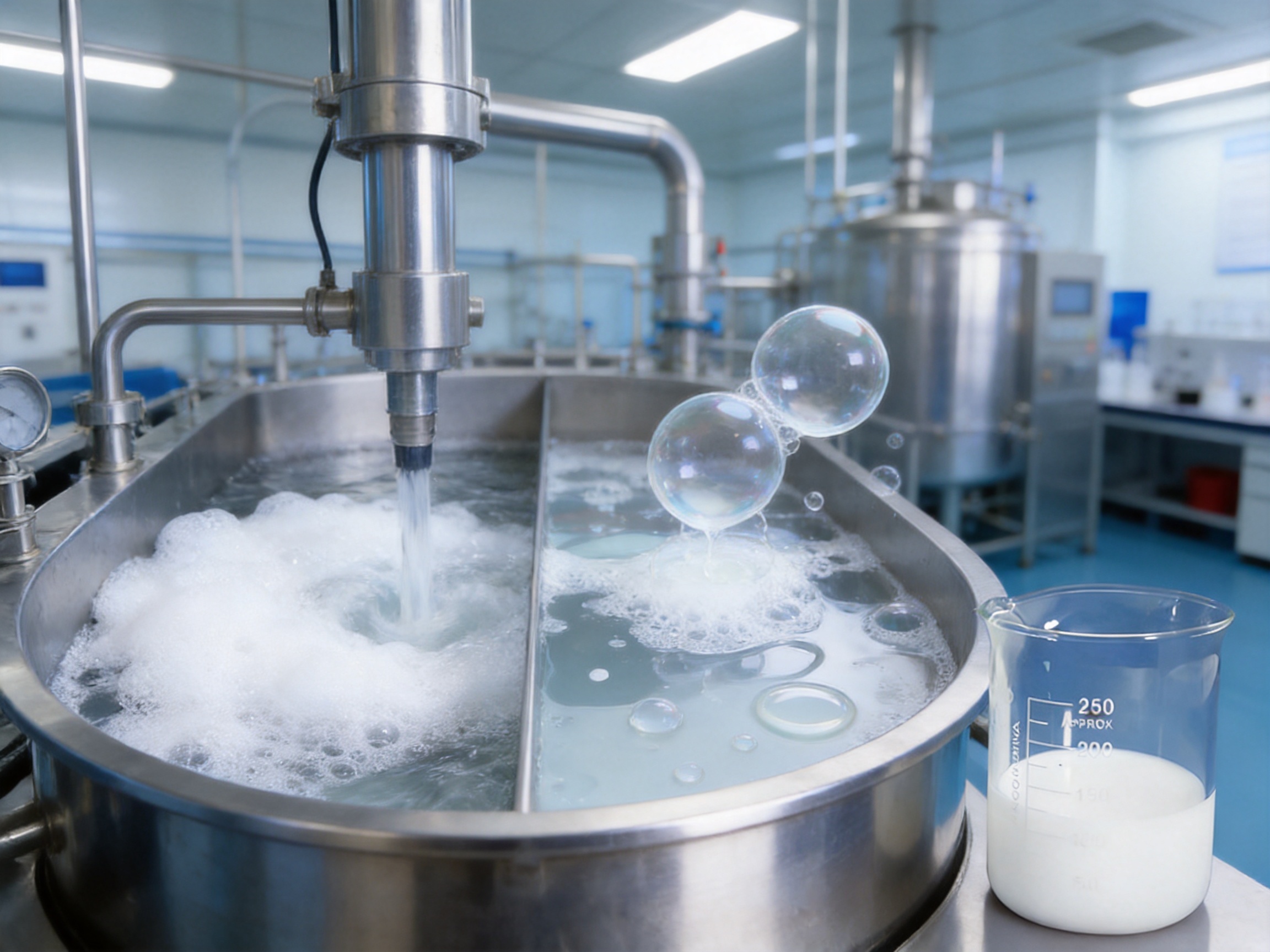
Frequently Asked Questions
What is an organosilicone defoamer?
An organosilicone defoamer is a foam-control additive based on silicone oil, modified silicone oil, emulsifiers, and functional additives. It is designed to reduce or eliminate foam generated during mixing, processing, circulation, filling, and application.
What is the main active material in this type of defoamer?
The main active material is generally silicone oil, often based on polydimethylsiloxane. The final product may also contain modified silicone oils, emulsifiers, wetting agents, carriers, stabilizers, and other functional components that control dispersion and compatibility.
What is LD-610?
LD-610 is identified as an organosilicon defoamer and polydimethylsiloxane emulsion. The available product information lists a purity of 99.8%, CAS No. 9016-00-6, and EINECS No. 618-493-1. Its appearance is described as a white viscous emulsion.
Can organosilicone defoamers be used in water-based products?
Yes. Many organosilicone defoamers are formulated for water-based systems. Their performance depends on the emulsifier package, droplet structure, dosage, mixing method, and compatibility with the other ingredients in the formulation.
Are organosilicone defoamers suitable for agricultural formulations?
They can be suitable for agricultural formulations containing active ingredients, dispersants, surfactants, wetting agents, and other components. Compatibility testing is necessary to confirm that the defoamer does not interfere with active-ingredient dispersion, storage stability, or application performance.
How do surfactants affect defoamer performance?
Surfactants can stabilize foam films and may therefore make foam more difficult to destroy. They can also influence the dispersion of the defoamer. The silicone structure, emulsifier system, dosage, and addition method should be adjusted so that foam suppression is achieved without destabilizing the formulation.
Can one defoamer be used in every industrial system?
No. Water-based, oil-based, solvent-based, high-surfactant, high-solids, and low-viscosity systems have different compatibility requirements. A defoamer should be selected through laboratory and pilot testing under conditions that represent the actual process.
What problems can result from overdosing?
Overdosing may cause oil spots, craters, fisheyes, haze, separation, surface defects, or changes in coating and wetting properties. It may also create unnecessary cost. The optimum dosage should be determined by testing rather than by assuming that more defoamer will always provide better results.
What factors influence compatibility?
Important factors include system polarity, surfactant concentration, silicone-oil viscosity, emulsifier selection, pH, temperature, shear, mixing sequence, solids content, storage conditions, and the nature of the final product.
How should an organosilicone defoamer be evaluated?
Evaluation should include foam-height reduction, foam-collapse time, repeated-agitation performance, visual stability, phase-separation resistance, viscosity change, sedimentation, surface appearance, and long-term storage behavior. Testing should be conducted in the complete formulation whenever possible.
What industries use organosilicone defoamers?
Applications include agriculture, chemical manufacturing, coatings, paints, paper, textiles, daily chemicals, electronics, food processing, pharmaceutical processing, filtration, extraction, distillation, evaporation, dehydration, and drying.
Does the manufacturer provide customized products?
Hebei Guituo New Material Co., Ltd. accepts OEM and ODM orders. Product customization may involve silicone-oil viscosity, modified silicone structure, emulsion design, concentration, packaging, labeling, and application-specific performance requirements.
What information should buyers provide when requesting a recommendation?
Buyers should provide the formulation type, main ingredients, surfactant level, viscosity, pH, temperature, mixing speed, foam-generation stage, desired dosage point, storage conditions, packaging requirements, and any restrictions related to appearance, regulatory compliance, or downstream processing.
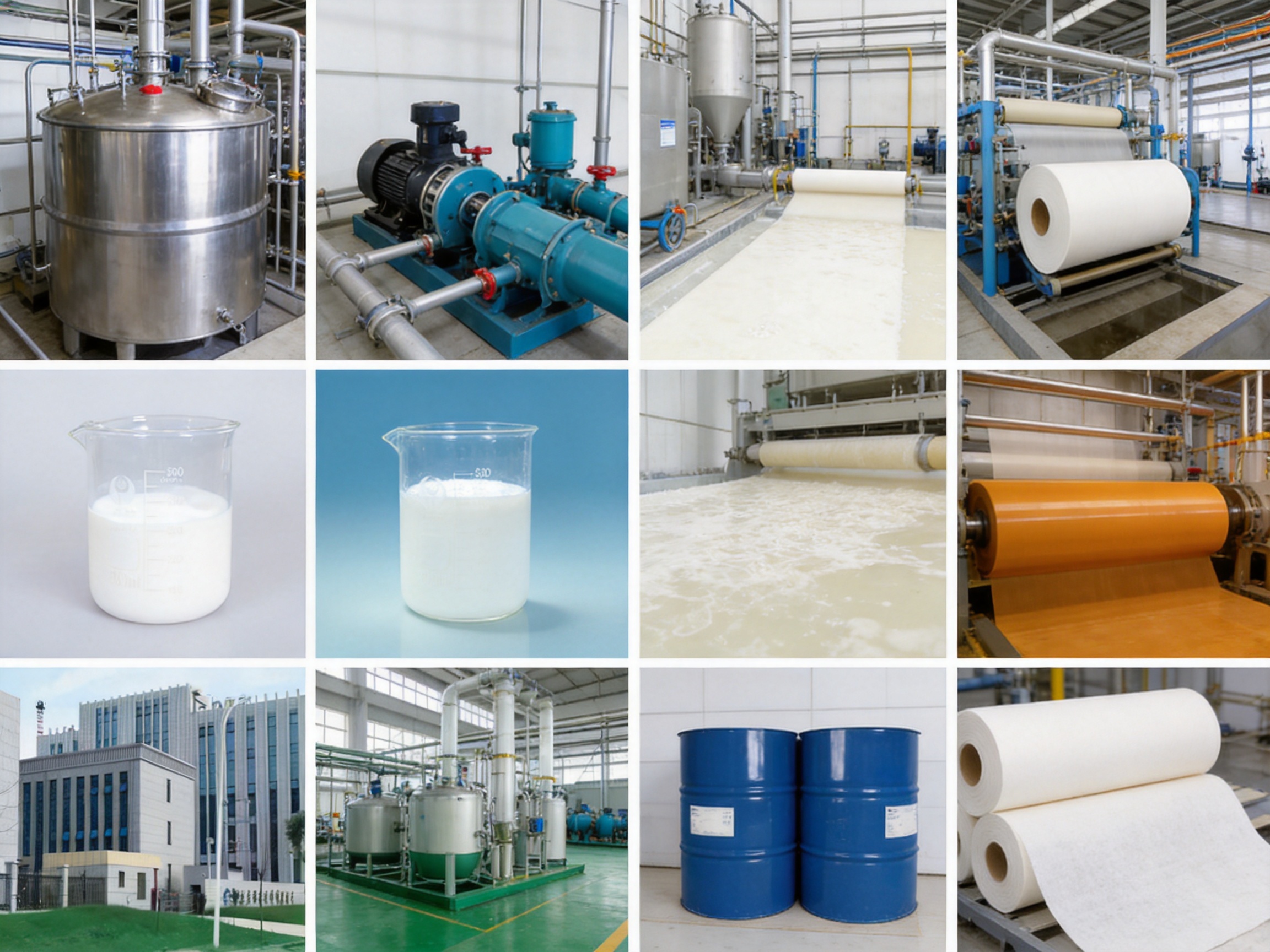
Conclusion
Organosilicone defoamers provide an efficient solution for foam control in complex industrial and agricultural systems. Their low surface tension, controlled spreading behavior, chemical stability, thermal resistance, and potential for low-dose use make them valuable in processes where foam affects capacity, separation, filling, surface quality, and production consistency.
The strongest performance comes from a balanced formulation rather than from silicone oil alone. Silicone viscosity, modified molecular structure, emulsifiers, wetting agents, functional additives, and processing conditions must be coordinated to achieve rapid foam collapse without sacrificing compatibility.
LD-610 offers a silicone-based emulsion option for customers seeking stable physical properties and strong defoaming action. Hebei Guituo New Material Co., Ltd. supports this product with research and development, advanced production equipment, testing facilities, experienced personnel, full-process quality monitoring, and a broader portfolio of related silicone materials.
For customers in agriculture, coatings, paper, textiles, electronics, daily chemicals, and other fields, the main advantage of working with an integrated silicone-material supplier is the ability to evaluate foam control as part of the complete formulation. Through application testing, customized formulation, OEM and ODM support, and consistent manufacturing, organosilicone defoamers can be adapted to demanding production environments and help improve process reliability.
References
1. Technical product information for LD-610 Organosilicon Defoamer, including product identification, composition description, and listed physical characteristics.
2. General principles of silicone-oil-based foam control and polydimethylsiloxane emulsion technology.
3. Industrial formulation practices for defoamer compatibility in water-based, solvent-based, oil-based, and high-surfactant systems.
4. Application guidance for foam control in agricultural formulations, coatings, paper processing, textile processing, electronics, daily chemicals, and chemical manufacturing.
5. Quality-control principles for silicone additives, emulsified products, modified silicone oils, surfactants, and specialty chemical raw materials.
Product: Organosilicone Defoamer


Contact Information
Tel : +86-400-138-5268
Email : [email protected]
Phone : +86-15128434888 / +86-13511051998
Add : Xinqiao Environmental Protection Industrial Park, Wen'an County, Langfang City, Hebei Province, China
Contact Information
Copyright © Hebei Guituo New Material Co., Ltd. All Rights Reserved.
