

 English
  Français
  Português
 Home / Author / Zhang Xiaoyu, Regional Sales Manager (Southeast Asia) / Advanced Mite-Killing Adjuvants for More Effective Acaricide Application
 Advanced Mite-Killing Adjuvants for More Effective Acaricide Application
2026-07-25
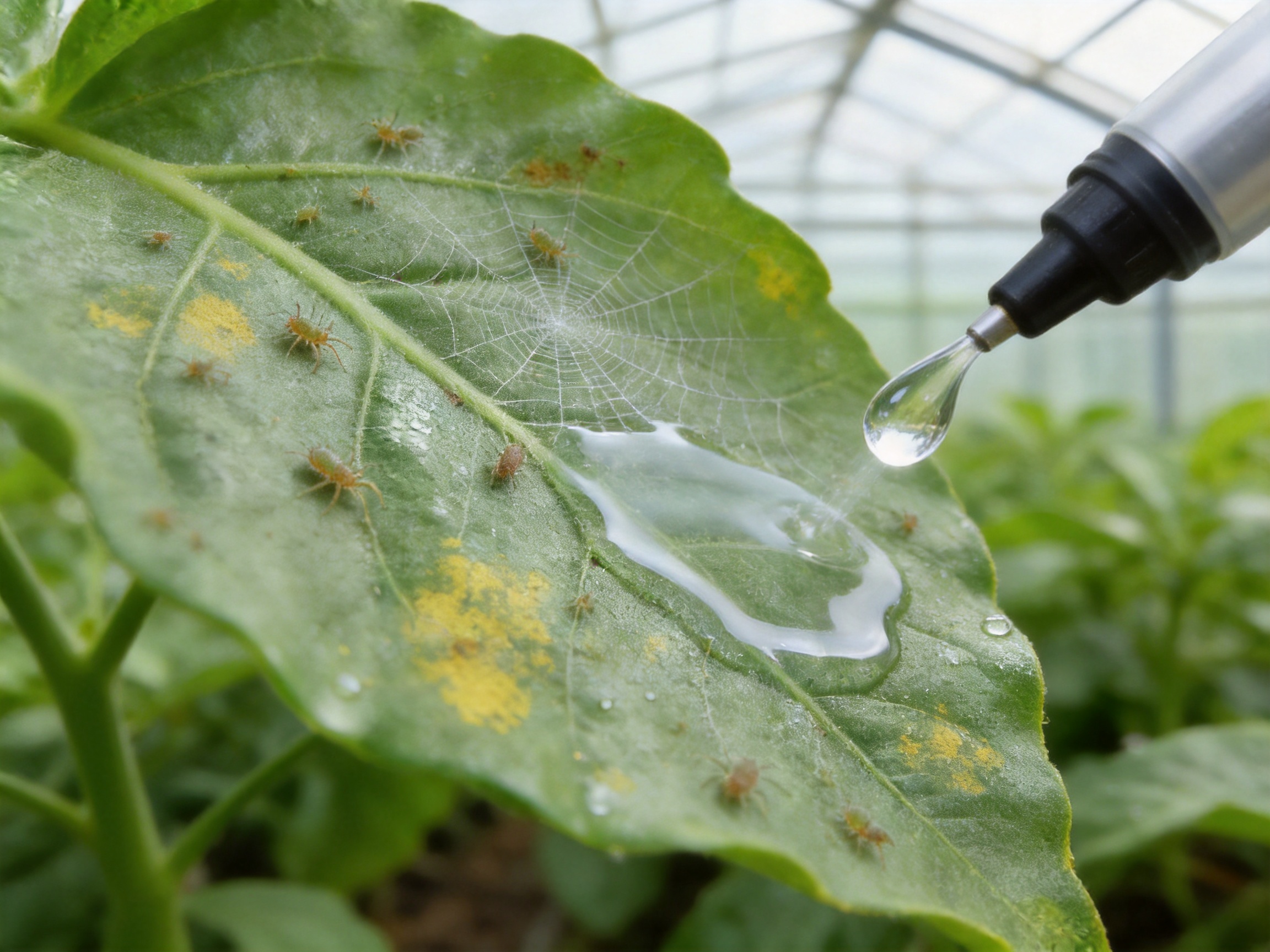
Mite infestations are among the most persistent challenges in modern crop protection. Spider mites, rust mites, broad mites, and other pest species can reproduce rapidly, colonize the undersides of leaves, and damage crops before visible symptoms become severe. Their small size, mobile behavior, waxy body surfaces, and protected feeding locations make them difficult to control with conventional spray applications. Even when an acaricide contains a highly effective active ingredient, poor wetting, incomplete coverage, spray runoff, and rapid environmental loss can reduce its practical performance.
GT-6000 Mite-Killing Adjuvants are designed to address these application challenges. This agricultural silicone synergist is used together with acaricides to improve wetting, spreading, adhesion, and penetration on crop surfaces and pest bodies. Its polyether-modified trisiloxane structure provides very low surface tension, enabling spray droplets to spread rapidly across leaves and reach difficult locations such as leaf undersides, leaf veins, folds, and sheltered plant surfaces.
Rather than replacing an acaricide, GT-6000 is formulated as a performance-enhancing partner. It helps the acaricide make better contact with target pests and remain effective for a longer period under suitable application conditions. By improving the efficiency of each spray, the product can support more precise pest management, better use of crop protection inputs, and more consistent field performance.
1. The Importance of Adjuvants in Mite Control
Acaricides are formulated to kill, suppress, repel, or disrupt mites. However, the biological activity of an acaricide can only be fully expressed when the spray reaches the target pest at an effective concentration and remains in contact for the required period. Application quality is therefore just as important as active-ingredient selection.
Many mites live on the underside of leaves, where spray droplets may have difficulty reaching. Plant surfaces can also contain natural waxes, hairs, ridges, and irregular structures that interfere with uniform coverage. A spray solution with relatively high surface tension may form isolated droplets rather than a continuous film. These droplets can bounce, roll away, or accumulate in limited areas, leaving untreated zones where mites remain active.
GT-6000 modifies the physical behavior of the spray solution. It lowers surface tension and promotes rapid spreading over hydrophobic plant surfaces. The resulting spray film can cover a larger area with the same volume of solution, improving the likelihood that acaricide deposits will contact mites or the locations where mites feed and reproduce.
Adjuvants can also improve the retention of spray deposits. When the solution adheres more effectively to leaves and pest surfaces, it is less likely to be lost immediately through runoff. Under appropriate conditions, a more persistent deposit may provide a longer period of exposure before the active ingredient is degraded or removed by environmental factors.
The value of an agricultural silicone synergist lies in this combination of physical and practical benefits. It does not simply make a spray “wetter.” It helps optimize the complete application process, from droplet impact and spreading to retention and penetration.
2. Product Overview: GT-6000 Mite-Killing Adjuvants
GT-6000 is a silicone-based agricultural adjuvant developed for use with acaricides and other crop protection formulations. Its principal chemical type is polyether-modified trisiloxane, also commonly described as a silicone surfactant. This structure combines the spreading ability of a silicone segment with the compatibility and formulation flexibility provided by a polyether segment.
The product is intended for professional agricultural applications in which improved spray coverage and pesticide performance are required. It may be evaluated for use with different acaricides, crop types, spray volumes, and application equipment. Because formulation compatibility and crop tolerance can vary, users should conduct a small-scale compatibility and phytotoxicity test before broad application.
| Property | GT-6000 Specification | Practical Significance |
|---|---|---|
| Product model | GT-6000 | Identifies the agricultural silicone synergist grade |
| Product name | Mite-Killing Adjuvants | Designed to support acaricide application and mite control |
| CAS number | 27306-78-1 | Product identification for technical and regulatory review |
| Purity | 99.8% | Indicates a high-purity product specification |
| EINECS number | 608-078-3 | European chemical inventory reference |
| Synonyms | Silicone surfactant; polyether-modified trisiloxane | Describes the product’s chemical and functional category |
| Viscosity at 25°C | 30–50 mm²/s | Supports convenient handling and blending |
| Surface tension at 0.1% by weight | Less than 20.5 mN/m | Promotes rapid wetting and spreading |
| Cloud point at 1.0% by weight | Not higher than 35°C | Important for formulation and temperature stability assessment |
| pH of 1% aqueous solution at 25°C | 6.5–7.5 | Near-neutral aqueous profile for formulation evaluation |
The combination of low surface tension, controlled viscosity, and near-neutral pH makes GT-6000 suitable for evaluation in water-based spray systems. The precise use level should be determined according to the acaricide label, crop conditions, water quality, spray equipment, and local regulatory requirements.
3. How GT-6000 Improves Acaricide Coverage
3.1 Rapid Wetting of Plant Surfaces
Wetting is the first stage of effective spray deposition. When a droplet contacts a leaf, its ability to remain on the surface and spread depends on surface tension, leaf surface energy, wax content, temperature, humidity, and droplet impact conditions. Many crop leaves are naturally difficult to wet because their cuticles contain hydrophobic waxes.
GT-6000 reduces the surface tension of the spray solution. As a result, droplets can flatten and spread more readily after contacting the leaf. This is especially valuable on waxy leaves, mature foliage, and other surfaces where untreated areas may occur with conventional spray mixtures.
Improved wetting helps distribute the acaricide over a wider area. Instead of remaining as isolated beads, droplets can form a more continuous film. This increases the chance of contacting mites located near veins, in leaf depressions, or around feeding sites.
3.2 Spreading on the Underside of Leaves
Mites frequently inhabit the underside of leaves because this location provides shelter from direct sunlight, wind, and some natural enemies. It can also offer a favorable microclimate for feeding and reproduction. Conventional overhead spraying may not adequately cover this area, particularly when droplets are large, spray pressure is low, or the crop canopy is dense.
A low-surface-tension silicone adjuvant can assist droplets in spreading across accessible portions of the underside. Through better wetting and more efficient surface distribution, GT-6000 helps improve the utilization of the spray volume. It does not eliminate the need for suitable nozzle selection, spray direction, canopy penetration, or adequate application volume, but it can make the spray deposit more effective after contact.
3.3 Better Adhesion and Reduced Immediate Runoff
Spray loss through runoff is a major cause of inefficient pesticide use. When a droplet is too large or the leaf surface becomes saturated quickly, excess liquid may flow away before the active ingredient has an opportunity to act. Runoff can reduce pest exposure and increase the risk of contamination outside the target area.
GT-6000 helps the spray solution distribute more evenly and adhere more effectively to suitable crop surfaces. A well-distributed deposit can reduce the formation of large, unstable pools of liquid. This may improve retention compared with an acaricide solution used without an appropriate adjuvant.
Adhesion is also relevant to direct contact with mites. Mites have a waxy external surface that can resist water-based droplets. A silicone surfactant can help the solution make closer contact with the body surface, improving the physical delivery of the acaricide to the target pest.
4. Penetration Enhancement and Pest Contact
Mite control depends on more than simply placing a chemical on a leaf. Many acaricides must contact the pest directly, enter the pest body, or move through plant tissues to reach mites feeding within or around the plant surface. A spray deposit that remains separated from the target by wax, air pockets, or an uneven surface may not provide the desired level of control.
GT-6000 assists penetration by improving the wetting of waxy surfaces. When the spray solution spreads more closely across the pest body or plant cuticle, the active ingredient may have a better opportunity to interact with the relevant surface. This can support faster and more uniform exposure, depending on the acaricide’s mode of action and formulation characteristics.
The adjuvant should not be interpreted as an independent pesticide or as a guarantee of biological control. Its role is to improve the delivery conditions under which the acaricide works. The final result depends on the active ingredient, target mite species, life stage, resistance status, crop, weather, spray equipment, and application timing.
For contact acaricides, improved coverage and pest-surface contact are particularly important. For translaminar or systemic products, better wetting may assist deposition and movement into the plant surface, although the degree of enhancement must be confirmed for the specific formulation. Product users should avoid assuming that all acaricides respond identically to the same adjuvant.
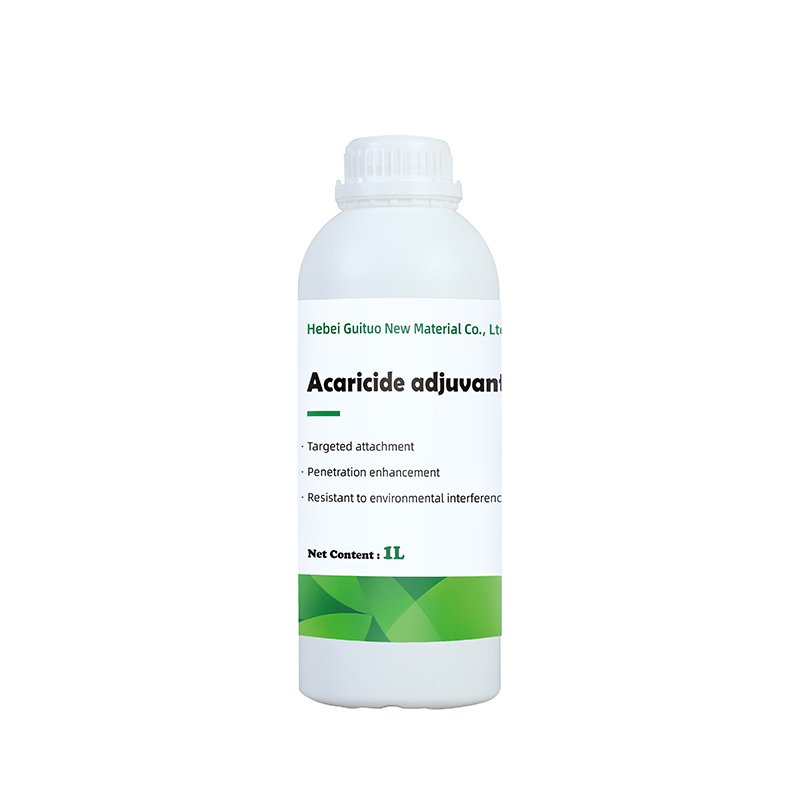
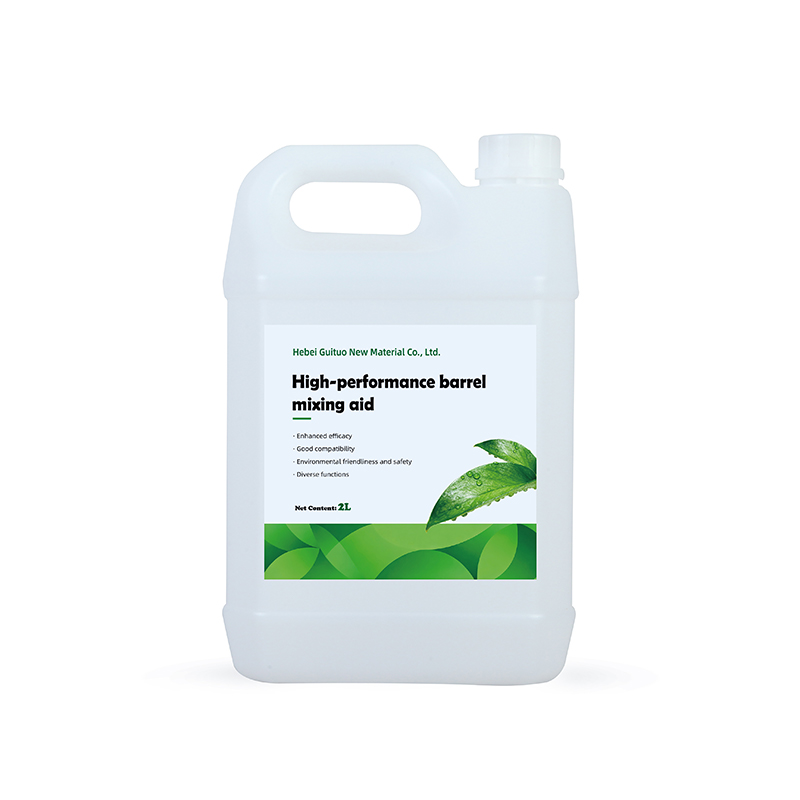
Mite-Killing Adjuvants
5. Environmental Resistance and Longer-Lasting Deposits
Agricultural spray deposits are exposed to many factors after application. Rainfall can wash active ingredients from leaves. High temperatures can accelerate evaporation or degradation. Strong sunlight may affect sensitive compounds, while wind can increase drift and uneven distribution. These factors can shorten the effective period of a treatment.
By helping the spray adhere to plant surfaces, GT-6000 may improve resistance to early wash-off under suitable conditions. A more stable deposit can extend the period during which the acaricide remains available to affect mites. The product can also support more uniform distribution, reducing areas with excessive deposit and areas with insufficient coverage.
Environmental resistance does not mean complete rainfastness or unlimited persistence. The performance of any adjuvant depends on rainfall intensity, rainfall timing, leaf characteristics, formulation chemistry, drying time, and application conditions. Spraying immediately before heavy rain may still result in significant loss, even when a silicone adjuvant is used.
For best results, applications should be planned around the local weather forecast. Allowing the spray to dry before rainfall, avoiding extreme heat, and selecting an appropriate spray volume can all contribute to better performance. GT-6000 is one part of an integrated application system rather than a substitute for sound agronomic practice.
6. Advantages Compared with Conventional Adjuvant Approaches
6.1 Extremely Low Surface Tension
One of the principal advantages of polyether-modified trisiloxanes is their ability to reduce surface tension at low use concentrations. GT-6000 has a specified surface tension below 20.5 mN/m at 0.1% by weight. This property supports rapid spreading on difficult-to-wet surfaces and can help improve the coverage achieved by a spray application.
Traditional nonionic surfactants may improve wetting, but they may not deliver the same spreading behavior at comparable concentrations. Silicone-based chemistry can provide a useful performance advantage where leaf waxes, dense canopies, or hidden pest locations limit conventional deposition.
6.2 Efficient Use of Spray Volume
When a spray solution spreads more effectively, a greater proportion of the applied volume can contribute to useful coverage. This may allow formulators and applicators to optimize water volume and active-ingredient distribution without relying solely on higher spray rates. Any reduction in pesticide dosage must be determined by product registration, label instructions, efficacy trials, and professional recommendations; it should not be made arbitrarily.
Improved coverage can also reduce the number of untreated locations where mites survive. This is important because incomplete exposure can contribute to continued infestation and may create conditions that favor the survival of less-sensitive individuals.
6.3 Balanced Formulation Characteristics
GT-6000 combines a relatively low viscosity range of 30–50 mm²/s at 25°C with a near-neutral pH in a 1% aqueous solution. These characteristics support practical handling, dilution, and compatibility evaluation in water-based spray systems. A controlled viscosity can help the product mix consistently without making metering unnecessarily difficult.
The specified cloud point of not higher than 35°C is also relevant to formulation work. Cloud point behavior can influence the appearance, stability, and performance of aqueous mixtures across temperature changes. Formulators should evaluate the complete tank mixture rather than relying only on the individual adjuvant specification.
6.4 Broad Agricultural Utility
Although GT-6000 is positioned as a mite-killing adjuvant, its functions—wetting, spreading, adhesion, and penetration enhancement—are useful in many agricultural spray programs. Depending on compatibility and local approval, silicone synergists may be considered for insecticides, fungicides, herbicides, plant nutrition products, and other crop protection applications.
This multifunctional profile can simplify product selection for agricultural chemical manufacturers and professional growers. Instead of using separate products for every spray objective, a carefully selected silicone adjuvant may support several application requirements. Nevertheless, performance should always be verified for the individual active ingredient and crop.
7. Application Areas and Crop Considerations
GT-6000 may be evaluated for use in orchards, vegetables, field crops, greenhouse production, ornamental plants, and other agricultural systems where mites are a concern. The ideal application method varies according to canopy structure, crop sensitivity, pest location, and equipment type.
7.1 Fruit Crops and Orchards
Apples, grapes, citrus, stone fruits, and other orchard crops may develop dense foliage that limits spray penetration. Mites can occupy the underside of leaves and protected canopy areas. A silicone synergist can improve the spreading and retention of acaricide deposits on suitable foliage.
Fruit crops may also be sensitive during particular growth stages. Applications should be evaluated carefully during flowering, fruit set, periods of high temperature, and periods of rapid tissue development. Growers should follow the acaricide label and conduct crop safety tests when the adjuvant has not previously been used on the variety.
7.2 Vegetable Crops
Vegetables such as tomatoes, peppers, cucumbers, eggplants, lettuce, and beans may have soft or thin leaves that respond differently to spray mixtures. Greenhouse humidity, high temperatures, and limited air movement can further influence drying and phytotoxicity risk.
GT-6000 should be applied at a rate appropriate for the crop protection formulation and local recommendations. Initial testing on a small number of plants can help identify potential leaf burn, spotting, discoloration, or growth effects before commercial-scale use.
7.3 Cereals and Broad-Acre Crops
Cereals and other broad-acre crops often have different leaf architecture and may tolerate a wider range of adjuvant systems. However, crop tolerance cannot be assumed solely from crop category. Growth stage, temperature, moisture stress, formulation chemistry, and spray concentration can all influence plant response.
Efficient wetting can be useful when crop leaves are narrow, upright, waxy, or difficult to cover uniformly. Correct nozzle selection and spray timing remain essential to achieving the desired deposit.
7.4 Greenhouse and Protected Cultivation
Protected cultivation can create favorable conditions for mite reproduction and rapid population growth. At the same time, greenhouses may have limited ventilation and higher humidity, which can change the behavior of spray droplets and increase drying time.
Adjuvant use in a greenhouse should be introduced cautiously. The user should assess crop sensitivity, worker safety, compatibility with biological control programs, and the possibility of excessive wetting. Spray applications should be coordinated with integrated pest management procedures and the requirements of beneficial insects or mites.
| Application Environment | Potential Benefit of GT-6000 | Important Evaluation Factors |
|---|---|---|
| Orchards | Improved spreading and canopy-surface retention | Leaf underside coverage, fruit sensitivity, canopy density, rainfall |
| Vegetable fields | More uniform wetting of foliage | Leaf tenderness, concentration, temperature, harvest interval |
| Greenhouses | Better contact with mites in protected foliage | Humidity, ventilation, beneficial organisms, drying time |
| Cereals | Improved deposition on narrow or waxy leaves | Growth stage, water volume, nozzle type, crop tolerance |
| Ornamental plants | Enhanced coverage on complex foliage | Varietal sensitivity, appearance standards, small-area testing |
8. Safe and Responsible Use
The performance of an adjuvant must always be balanced with crop safety and environmental responsibility. A product that spreads very efficiently can also increase the exposure of sensitive plant tissues if the concentration is too high or conditions are unsuitable. GT-6000 should therefore be used in accordance with the acaricide label, local agricultural regulations, and technical guidance.
Users should consider the following factors before application:
Crop sensitivity: Different species and varieties may respond differently to silicone surfactants. Young leaves, stressed plants, and plants with thin cuticles may be more sensitive.
Application concentration: Higher concentrations do not automatically provide better control. Excessive adjuvant may increase wetting, runoff, or phytotoxicity risk.
Weather: Applications during extreme heat, drought stress, strong sunlight, frost conditions, or immediately before heavy rainfall may reduce performance or increase plant injury.
Water quality: Hardness, alkalinity, suspended solids, and pH can influence tank-mixture stability. Water testing may be appropriate for large-scale operations.
Tank compatibility: GT-6000 should be evaluated with the intended acaricide, fertilizers, oils, fungicides, and other additives. Mixing order and agitation should follow technical recommendations.
Equipment: Nozzle type, pressure, droplet size, travel speed, and spray volume all influence coverage. An adjuvant cannot fully compensate for poor equipment setup.
Non-target organisms: Spray drift and runoff should be minimized. Particular care is required near water bodies, pollinator habitats, beneficial arthropods, and sensitive neighboring crops.
Before a new application program is introduced, a small compatibility and crop-safety test is recommended. Observe treated plants for several days under representative conditions. The test should include the intended concentration and, where possible, the actual water source and spray equipment.
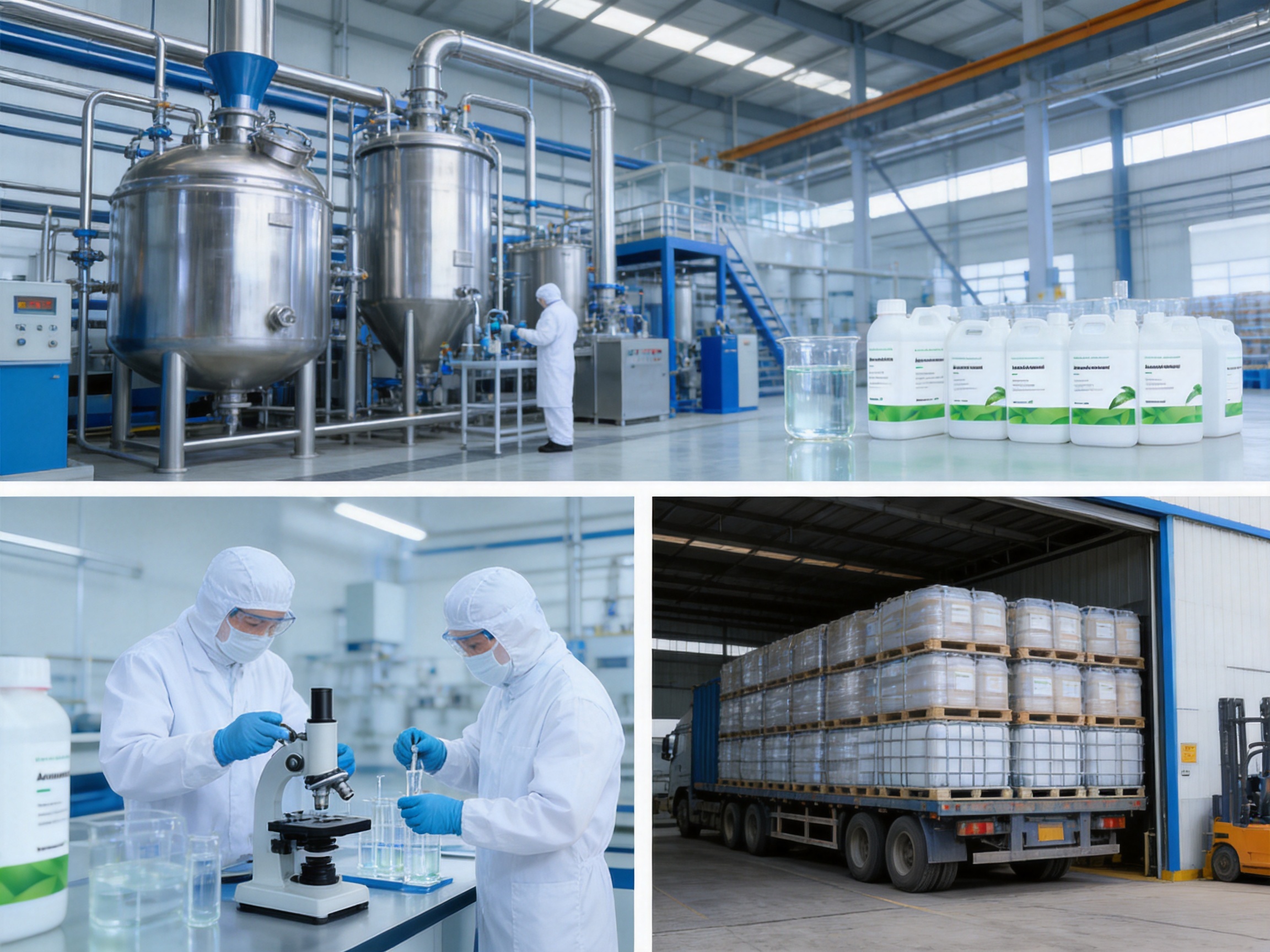
9. Manufacturing Strengths of Hebei Guituo New Material Co., Ltd.
Product performance begins with manufacturing consistency. Agricultural adjuvants must maintain stable chemical and physical characteristics from batch to batch because small changes in surfactant composition, viscosity, active content, or impurity profile can affect field performance. Hebei Guituo New Material Co., Ltd. focuses on silicone materials and related high-performance additives for industrial and agricultural applications.
The company integrates research and development, production, quality control, and sales. This integrated structure allows technical requirements from customers and end users to be communicated directly to product development and manufacturing teams. It also supports faster adjustment of product specifications for different application environments.
9.1 Advanced Production Equipment
Hebei Guituo New Material Co., Ltd. has established production capabilities supported by advanced equipment. Manufacturing silicone-based surfactants requires accurate control of raw-material charging, reaction conditions, mixing, temperature, and purification. Appropriate equipment helps ensure that these parameters remain within defined operating ranges.
Controlled production conditions are particularly important for polyether-modified trisiloxanes. The relationship between silicone structure and polyether modification influences water compatibility, surface activity, cloud point, spreading behavior, and formulation stability. Consistent processing helps preserve the intended balance of these properties.
Modern equipment also supports efficient scale-up. A product that performs well in laboratory trials must be manufactured reliably at commercial volume. Maintaining similar mixing and heat-transfer behavior during scale-up is essential to reducing batch variation.
9.2 Precise Testing Facilities
The company is equipped with testing facilities for monitoring key product indicators. These may include purity, viscosity, surface tension, pH, appearance, moisture, and other parameters relevant to product quality. Regular testing supports the release of material that conforms to established specifications.
For GT-6000, surface tension is a particularly important performance indicator because it is closely related to wetting and spreading behavior. Viscosity affects handling and dosing, while pH and cloud point influence formulation compatibility. Monitoring these parameters provides a technical foundation for consistent customer use.
9.3 Full-Process Quality Monitoring
Quality assurance begins before production. Raw materials must be selected and evaluated according to defined standards. During manufacturing, process conditions should be recorded and monitored. Finished products require testing before packaging and delivery. This full-process approach helps identify deviations early rather than relying solely on final inspection.
Traceability is also valuable for agricultural chemical customers. Batch records, testing data, packaging information, and delivery documentation allow customers to investigate performance questions and maintain their own quality systems. For distributors and formulators serving international markets, organized documentation can simplify purchasing and regulatory review.
9.4 Experienced Technical and Production Teams
Silicone materials require specialized knowledge because their performance depends on molecular structure, formulation conditions, and application method. Hebei Guituo New Material Co., Ltd. has assembled technical and production personnel with experience in silicone additives, wetting agents, modified silicone oils, surfactants, defoamers, and related materials.
This expertise enables the company to support customers beyond the supply of a standard product. Technical teams can help evaluate product selection, blending behavior, application conditions, and customized specifications. Where required, customers may work with the company on OEM or ODM projects.
10. Research, Product Development, and Customization
Agricultural chemical manufacturers do not all require the same adjuvant profile. One customer may prioritize rapid spreading, while another may require better compatibility with a concentrated suspension, emulsifiable concentrate, soluble liquid, or water-dispersible formulation. Crop type, climate, water quality, and application equipment can also create different technical requirements.
Hebei Guituo New Material Co., Ltd. supports customized development based on customer requirements. Potential development targets may include surface tension, viscosity, cloud point, water compatibility, foaming behavior, spreading speed, storage stability, or compatibility with a particular active ingredient.
Customization should be supported by laboratory evaluation, small-scale formulation trials, and, where appropriate, field testing. A successful customized product must perform consistently in the customer’s actual formulation and application system, not only in an isolated laboratory test.
The company’s product matrix includes silicone additives, wetting agents, modified silicone oils, dimethyl silicone oils, surfactants, defoamers, and other silicone-based materials. This broad range allows technical personnel to compare different material approaches and select a suitable solution for a specific application.
10.1 OEM and ODM Support
OEM and ODM services can be valuable for distributors, agrochemical formulators, and agricultural input brands that require a reliable manufacturing partner. Support may include product specification development, packaging coordination, documentation, private-label production, and delivery planning.
For customers purchasing GT-6000 or related products, customized packaging and labeling can help meet market requirements. Export-oriented customers may also require specific package sizes, technical data, safety documents, or quality certificates. These requirements should be agreed upon before production.
11. Why Silicone-Based Adjuvants Can Provide a Competitive Advantage
Silicone-based adjuvants occupy an important position in modern crop protection because they can deliver strong surface activity at relatively low concentrations. Their ability to reduce surface tension and improve spreading is useful when conventional surfactants cannot provide sufficient coverage on waxy or complex plant surfaces.
GT-6000 offers several characteristics that distinguish it from basic wetting agents. Its polyether-modified trisiloxane chemistry is designed for both strong surface activity and practical aqueous formulation. The specified low surface tension supports rapid spreading, while the controlled viscosity facilitates handling. The near-neutral pH provides a useful starting point for compatibility evaluation with a range of water-based systems.
Another advantage is application efficiency. Improved spreading can help distribute acaricide deposits more uniformly. This can be especially valuable when the target pest is small, mobile, and hidden in locations that are difficult to reach. Better coverage can contribute to more consistent results than an acaricide applied without a suitable adjuvant.
Competitive performance should always be confirmed through comparative testing. Useful tests may include contact-angle measurement, spreading-area measurement, leaf-retention studies, rainfastness evaluation, tank-mix stability, and controlled biological efficacy trials. Such testing provides objective evidence for product selection and helps determine the most appropriate use rate.
| Performance Attribute | GT-6000 Contribution | Recommended Verification Method |
|---|---|---|
| Wetting | Reduces surface tension and promotes droplet contact | Contact-angle and wetting-time tests |
| Spreading | Encourages broader distribution across waxy foliage | Leaf-spread-area comparison |
| Adhesion | Helps maintain a more uniform deposit | Retention and runoff observation |
| Penetration support | Improves interaction with plant cuticles and pest surfaces | Tracer or deposition studies |
| Formulation handling | Provides a defined viscosity and near-neutral pH profile | Mixing, storage, and compatibility testing |
| Field performance | Supports more complete acaricide exposure | Replicated crop and pest-control trials |
12. Integrated Pest Management and Resistance Management
Mite resistance to acaricides is a serious concern in intensive crop production. Mites can develop resistance through repeated exposure to the same mode of action, insufficient dosage, poor coverage, or survival of individuals that receive sublethal exposure. Resistance management therefore requires a coordinated strategy.
GT-6000 can support this strategy by improving the physical delivery of the acaricide. More uniform coverage may reduce the number of mites that escape treatment because they remain in untreated or lightly treated locations. Better deposition can also help the applied product achieve its intended biological effect.
However, an adjuvant is not a standalone resistance-management program. Responsible programs should rotate acaricides with different modes of action, avoid unnecessary repeated applications, monitor pest populations, protect beneficial organisms, and apply products at label-approved rates. Adjuvants should be used to improve application quality, not to justify unauthorized reductions in active-ingredient dosage.
Integrated pest management may also include field scouting, biological control, sanitation, resistant varieties, irrigation management, and removal of heavily infested plant material. The most effective role for GT-6000 is as part of a broader program that combines accurate pest diagnosis with well-timed and technically sound applications.
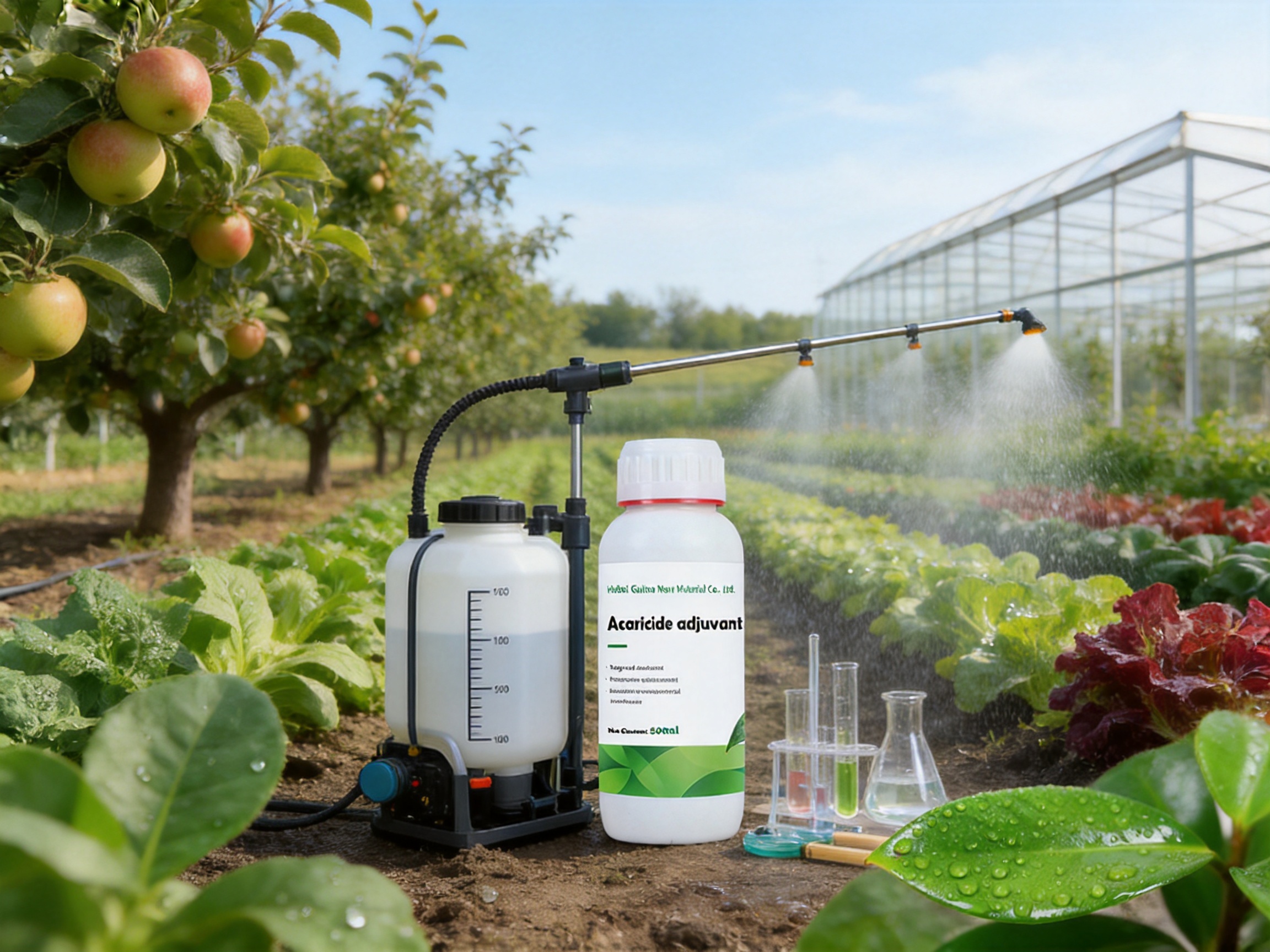
13. Recommended Evaluation Procedure for Formulators and Growers
Before commercial use, formulators and growers can evaluate GT-6000 through a staged process. The first stage is a laboratory compatibility test. Combine the adjuvant with the intended acaricide using the actual water source or a representative water sample. Observe the mixture for separation, precipitation, excessive foam, viscosity changes, color changes, or heat generation.
The second stage is a leaf-wetting evaluation. Apply the acaricide solution with and without GT-6000 to representative leaves. Compare droplet shape, spreading speed, coverage area, and visible runoff. Leaves should be selected from the crop and growth stage that will be treated commercially.
The third stage is a small crop-safety test. Apply the proposed mixture to a limited area using the planned concentration and equipment. Inspect plants for visible injury, including spotting, leaf burn, curling, discoloration, tissue collapse, or delayed growth. Observation should continue for several days because some symptoms may not appear immediately.
The fourth stage is a controlled efficacy trial. Compare the acaricide alone with the acaricide plus GT-6000 under similar conditions. Record mite population before treatment and at defined intervals afterward. Results should be evaluated across multiple plants and, preferably, repeated under more than one environmental condition.
The final stage is commercial implementation with monitoring. Application records should include date, crop stage, weather, water volume, product rates, equipment settings, and observed pest-control results. These records help optimize future programs and identify potential causes of inconsistent performance.
14. Storage, Handling, and Logistics
Proper storage helps preserve the quality of silicone-based adjuvants. GT-6000 should be stored in a clean, sealed container under conditions recommended by the supplier. Containers should be protected from contamination, excessive heat, freezing, and prolonged exposure to direct sunlight.
Before use, the product should be inspected for unusual separation, sediment, or changes in appearance. If a material has been stored outside recommended conditions, technical personnel should be consulted before it is introduced into a valuable spray program.
Packaging and logistics are important for both domestic and export customers. Stable packaging helps protect the product during transportation and storage. Hebei Guituo New Material Co., Ltd. and its associated trading operations can support customers with supply coordination, product documentation, and shipment arrangements based on order requirements.
For large-volume customers, supply reliability is a central purchasing consideration. A consistent production system, documented quality controls, and an experienced technical team help reduce the risk of variation between orders. These strengths are particularly important for agricultural chemical formulators that need dependable raw-material supply throughout a seasonal production cycle.
15. Environmental and Regulatory Considerations
Adjuvants are part of a larger crop protection system and should be managed responsibly. Even when an adjuvant is designed to improve application efficiency, improper use can lead to drift, runoff, over-application, or unintended exposure. Users should comply with local regulations governing pesticide tank additives, product labeling, worker protection, and environmental protection.
Applications should be made only to approved crops and target areas. Avoid spraying when wind may carry droplets toward water bodies, residential areas, pollinator habitats, or sensitive crops. Empty containers and residual mixtures should be handled according to local waste-management requirements.
The environmental profile of a complete spray mixture depends on every component, including the acaricide, solvents, co-formulants, and adjuvant. Claims concerning biodegradability, toxicity, or environmental safety should be supported by appropriate data for the specific product and market. Customers requiring regulatory submissions should request current technical and safety documentation from the supplier.
Responsible application also means avoiding unnecessary use. A well-designed monitoring program can help determine when mites have reached an economically important level. Applying only when justified can reduce input costs, protect beneficial organisms, and support long-term crop health.
16. Company Capabilities and Market Service
Hebei Guituo New Material Co., Ltd. is a high-technology enterprise focused on the research, production, and sales of high-end silicone materials. Its products serve agricultural, industrial, daily chemical, electronic, textile, and other applications.
The company has developed a diverse product portfolio that includes agricultural silicone products, wetting agents, modified silicone oils, dimethyl silicone oils, surfactants, defoamers, and related additives. This portfolio reflects an emphasis on practical material development and application-oriented innovation.
According to the company’s market experience, its agricultural silicone products have been adopted by domestic agrochemical enterprises and have received repeat orders from overseas customers. Products are supplied to markets including Europe and Southeast Asia, subject to applicable regulatory and import requirements.
The company’s strengths include production equipment, testing facilities, process monitoring, technical personnel, and customized service. By combining manufacturing with technical support, it can serve customers seeking standard products as well as customers requiring tailored specifications.
Ningbo Guituo Trading Co., Ltd. operates as a subsidiary and trading channel associated with Hebei Guituo New Materials Co., Ltd. Customers may contact the company to discuss product specifications, sample evaluation, packaging, OEM or ODM requirements, and international supply arrangements.
17. Purchasing Considerations for Mite-Killing Adjuvants
When selecting a mite-control adjuvant, buyers should evaluate more than price. Important factors include chemical identity, purity, surface tension, viscosity, pH, cloud point, storage stability, compatibility, technical support, and supply consistency.
Documentation is also important. A professional supplier should be able to provide relevant technical data, safety information, batch specifications, packaging details, and applicable compliance documents. Customers should confirm whether the product is permitted for the intended agricultural use in their target market.
Trial samples can help determine whether GT-6000 meets a specific formulation requirement. Testing should use the actual acaricide, crop surface, water quality, and application equipment whenever possible. Results from one crop or active ingredient should not automatically be transferred to another.
For manufacturers, the ability to customize the product may be as important as its standard specification. A supplier that can adjust product characteristics or support formulation development can provide greater long-term value than a supplier offering only a fixed commodity grade.
18. Frequently Asked Questions
What are GT-6000 Mite-Killing Adjuvants?
GT-6000 is an agricultural silicone synergist used together with acaricides. It is based on polyether-modified trisiloxane chemistry and is designed to improve spray wetting, spreading, adhesion, and penetration on crop surfaces and mite bodies.
Does GT-6000 kill mites by itself?
GT-6000 is an adjuvant rather than a conventional acaricide. Its main purpose is to improve the application and performance of an accompanying acaricide. The acaricide provides the primary pest-control activity unless a separate product label states otherwise.
What is the main performance advantage of GT-6000?
Its main advantage is very low surface tension. The specified surface tension is below 20.5 mN/m at 0.1% by weight, which supports rapid wetting and spreading on difficult-to-wet plant surfaces.
Can GT-6000 improve coverage on the underside of leaves?
It can help the spray solution spread and adhere more effectively to accessible portions of leaf undersides. Actual coverage still depends on nozzle selection, spray direction, canopy density, water volume, pressure, and application technique.
Can GT-6000 reduce acaricide dosage?
Improved coverage may allow more efficient use of the acaricide, but any change in dosage must follow the registered product label, local regulations, efficacy data, and professional recommendations. Users should not reduce the labeled rate without proper authorization and testing.
Is GT-6000 suitable for every crop?
Crop tolerance varies by species, variety, growth stage, environmental condition, and tank mixture. A small-scale compatibility and phytotoxicity test should be performed before broad application, especially on sensitive fruits, vegetables, ornamentals, or stressed plants.
Can GT-6000 be mixed with other pesticides?
It may be compatible with some insecticides, fungicides, herbicides, fertilizers, and acaricides, but compatibility must be verified for each combination. A jar test and small crop-safety trial are recommended before commercial use.
What is the pH of GT-6000 in water?
The pH value of a 1% aqueous solution at 25°C is specified as 6.5–7.5. The final pH of a tank mixture will depend on the water source and the other products in the formulation.
What is the viscosity of GT-6000?
The specified viscosity at 25°C is 30–50 mm²/s. This range supports practical handling and metering while maintaining a concentrated silicone-adjuvant profile.
What manufacturing advantages does the supplier provide?
Hebei Guituo New Material Co., Ltd. integrates research and development, production, testing, quality monitoring, and sales. The company uses advanced production equipment, precise testing facilities, documented process controls, and experienced technical and production personnel.
Does the company support customized products?
Yes. The company accepts OEM and ODM orders and can discuss customized specifications, packaging, and application requirements with customers. Development should be supported by formulation and performance testing.
How should GT-6000 be stored?
It should be kept in a sealed, clean container under supplier-recommended storage conditions. Protection from excessive heat, freezing, direct sunlight, and contamination is important. Customers should consult the current technical documentation for detailed storage guidance.
Can GT-6000 help delay mite resistance?
By improving spray coverage and reducing untreated areas, GT-6000 may support more complete exposure of mites to the acaricide. Resistance management also requires rotating modes of action, monitoring pest populations, following labeled rates, and using integrated pest-management practices.
19. Conclusion
Effective mite control requires more than selecting a powerful acaricide. The spray must reach difficult plant surfaces, contact the target pest, remain sufficiently stable, and provide uniform exposure. GT-6000 Mite-Killing Adjuvants are designed to support these requirements through low surface tension, improved wetting, rapid spreading, enhanced adhesion, and penetration assistance.
As a polyether-modified trisiloxane agricultural silicone synergist, GT-6000 offers a performance-oriented alternative to basic wetting agents. Its defined purity, viscosity, surface tension, cloud point, and pH specifications provide a clear foundation for formulation and application evaluation. It can be considered for orchards, vegetables, cereals, greenhouse crops, ornamentals, and other systems where mite-control sprays require improved coverage.
The value of the product is reinforced by the manufacturing capabilities of Hebei Guituo New Material Co., Ltd. The company combines advanced equipment, testing facilities, full-process quality monitoring, experienced technical teams, a broad silicone-material portfolio, and OEM or ODM service. These capabilities support both standard supply and customized development for agricultural chemical manufacturers and professional distributors.
For the best result, GT-6000 should be evaluated as part of a complete spray program. Correct acaricide selection, application timing, crop safety testing, equipment calibration, weather management, resistance prevention, and regulatory compliance remain essential. When these factors are properly coordinated, a high-performance silicone adjuvant can help agricultural users obtain more consistent, efficient, and precise mite-control applications.
References
1. International Organisation for Standardisation. General principles for surface tension, viscosity, and pH measurement of chemical products.
2. Food and Agriculture Organization of the United Nations. Integrated pest management principles for sustainable crop protection.
3. United States Environmental Protection Agency. General guidance concerning pesticide adjuvants, application safety, and environmental protection.
4. Insecticide Resistance Action Committee. Principles for resistance management in agricultural pest-control programs.
5. Agricultural spray technology literature. Droplet deposition, leaf wetting, spray retention, runoff, and adjuvant performance.
6. Technical product information for GT-6000 Mite-Killing Adjuvants. Product specifications supplied by Hebei Guituo New Material Co., Ltd.
7. Standard crop-protection evaluation practices. Laboratory compatibility testing, phytotoxicity screening, field efficacy trials, and spray-equipment assessment.
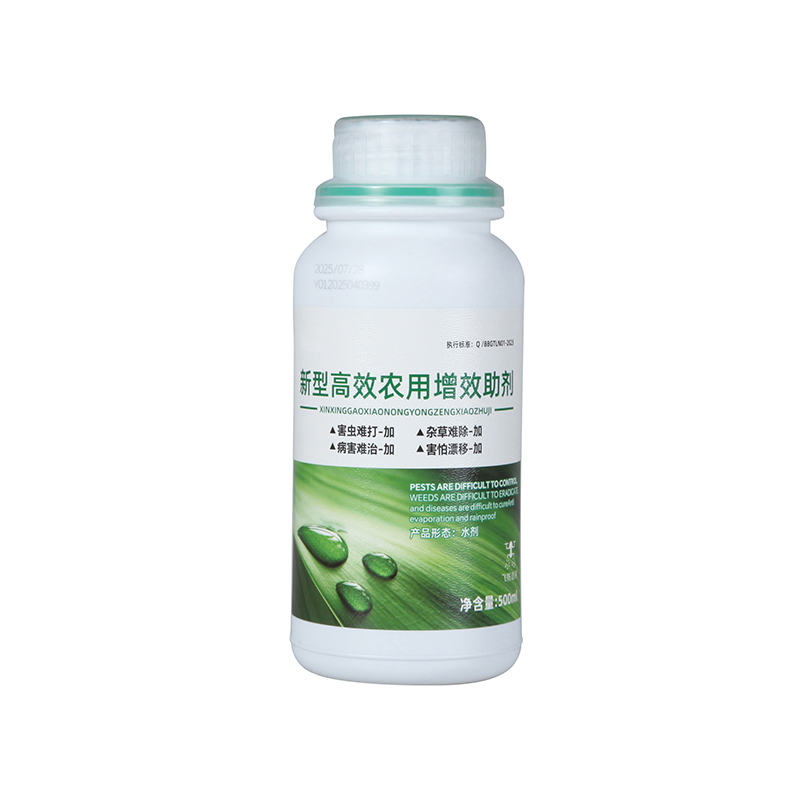
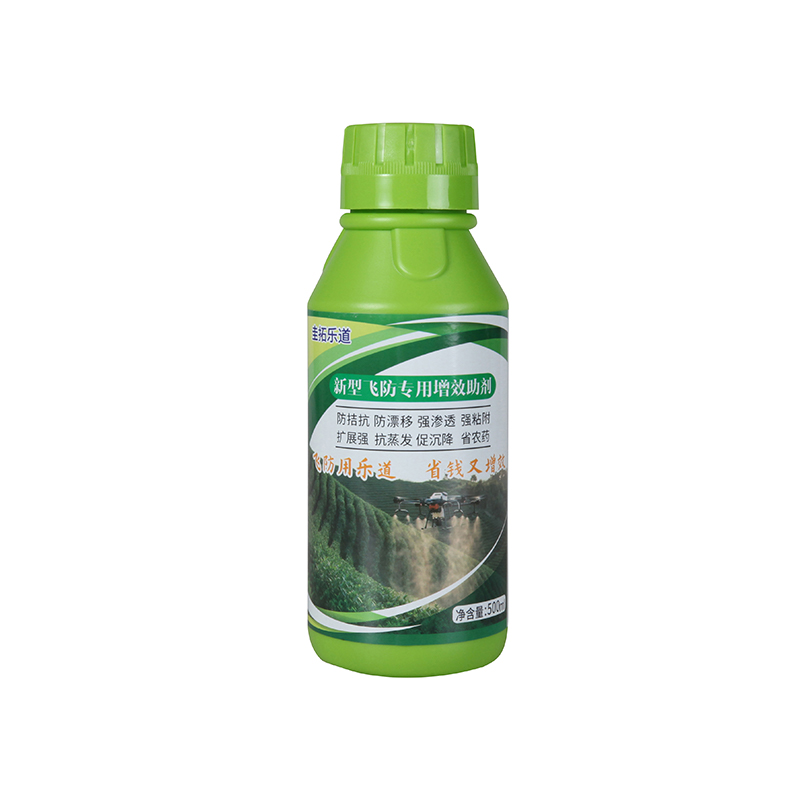
Product: Mite-Killing Adjuvants


Contact Information
Tel : +86-400-138-5268
Email : [email protected]
Phone : +86-15128434888 / +86-13511051998
Add : Xinqiao Environmental Protection Industrial Park, Wen'an County, Langfang City, Hebei Province, China
Contact Information
Copyright © Hebei Guituo New Material Co., Ltd. All Rights Reserved.
