

 English
  Français
  Português
 Home / Author / Zhang Xiaoyu, Regional Sales Manager (Southeast Asia) / Organosilicone Defoamer for Reliable Industrial Foam Control
 Organosilicone Defoamer for Reliable Industrial Foam Control
2026-06-07
Foam is a common but costly challenge in modern manufacturing. It appears during mixing, pumping, filtration, washing, extraction, evaporation, coating, fermentation, textile treatment, agrochemical formulation, and many other production steps. Although foam may seem harmless at first glance, uncontrolled foam can reduce vessel capacity, slow production speed, interfere with separation, create measurement errors, cause overflow, generate surface defects, and reduce the consistency of finished products. For manufacturers that depend on stable processing, a reliable defoaming solution is not merely an auxiliary material; it is a practical tool for improving productivity, process control, and final product quality.
Organosilicone Defoamer is designed to address these challenges with strong foam-breaking performance, broad compatibility, and stable physical behavior. As a silicone-based foam control agent, it is formulated with silicone oil, modified silicone components, emulsification systems, and functional additives. Its low surface tension allows it to spread rapidly on foam films, weaken the elastic structure of bubbles, and accelerate foam collapse. In applications where conventional mineral oil defoamers or simple surfactant-based foam suppressants may show limited durability, organosilicone defoamers often provide faster foam elimination, lower dosage demand, and better performance under demanding process conditions.
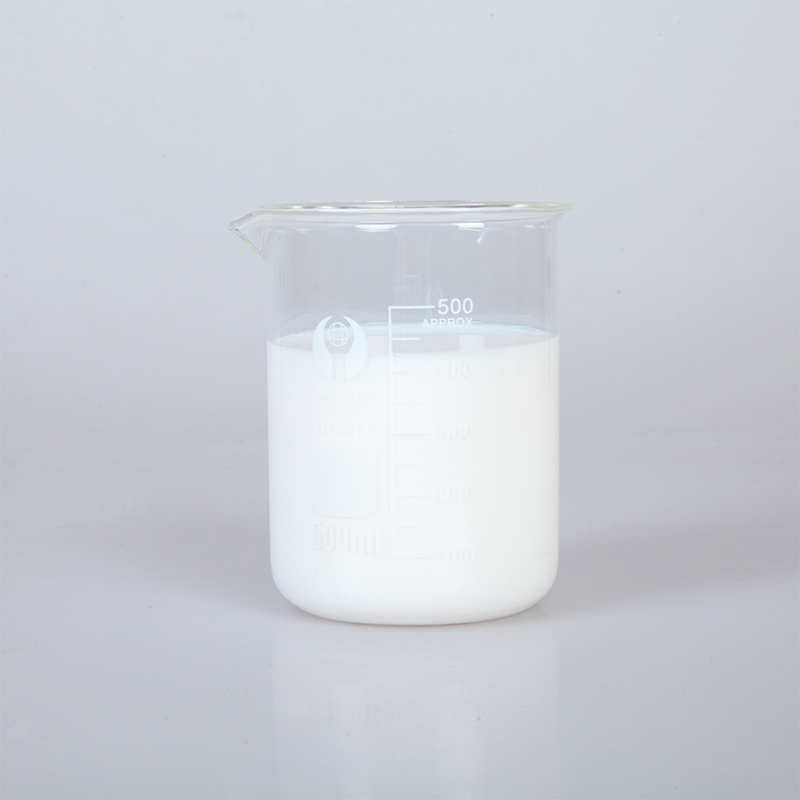
The product discussed here is LD-610 Organosilicone Defoamer, also identified as Organosilicon Defoamer, with CAS No. 9016-00-6, EINECS No. 618-493-1, and the synonym Polydimethylsiloxane Emulsion. It is positioned as a chemical raw material for industrial use and is supplied as a white viscous emulsion. Its main active component is silicone oil containing silicon, a non-volatile oily liquid at room temperature that is insoluble or slightly soluble in water, animal and vegetable oils, and mineral oils. Silicone oil is known for resistance to both high and low temperatures, chemical inertness, physical stability, and biological inactivity. These properties form the technical foundation of the product’s foam control ability.
Hebei Guituo New Material Co., Ltd. develops and supplies silicone additives, wetting agents, modified silicone oil, dimethyl silicone oil, surfactants, and defoamers for agriculture, daily chemicals, electronics, textiles, and other industrial sectors. Ningbo Guituo Trading Co., Ltd. serves as a subsidiary supporting market development and customer service. The company integrates research and development, production, and sales, and emphasizes quality control, stable supply, and customized formulation support. Its organosilicone defoamer reflects this broader technical platform, combining silicone chemistry expertise with practical knowledge of complex formulation systems.
Understanding the Role of Foam Control in Industrial Production
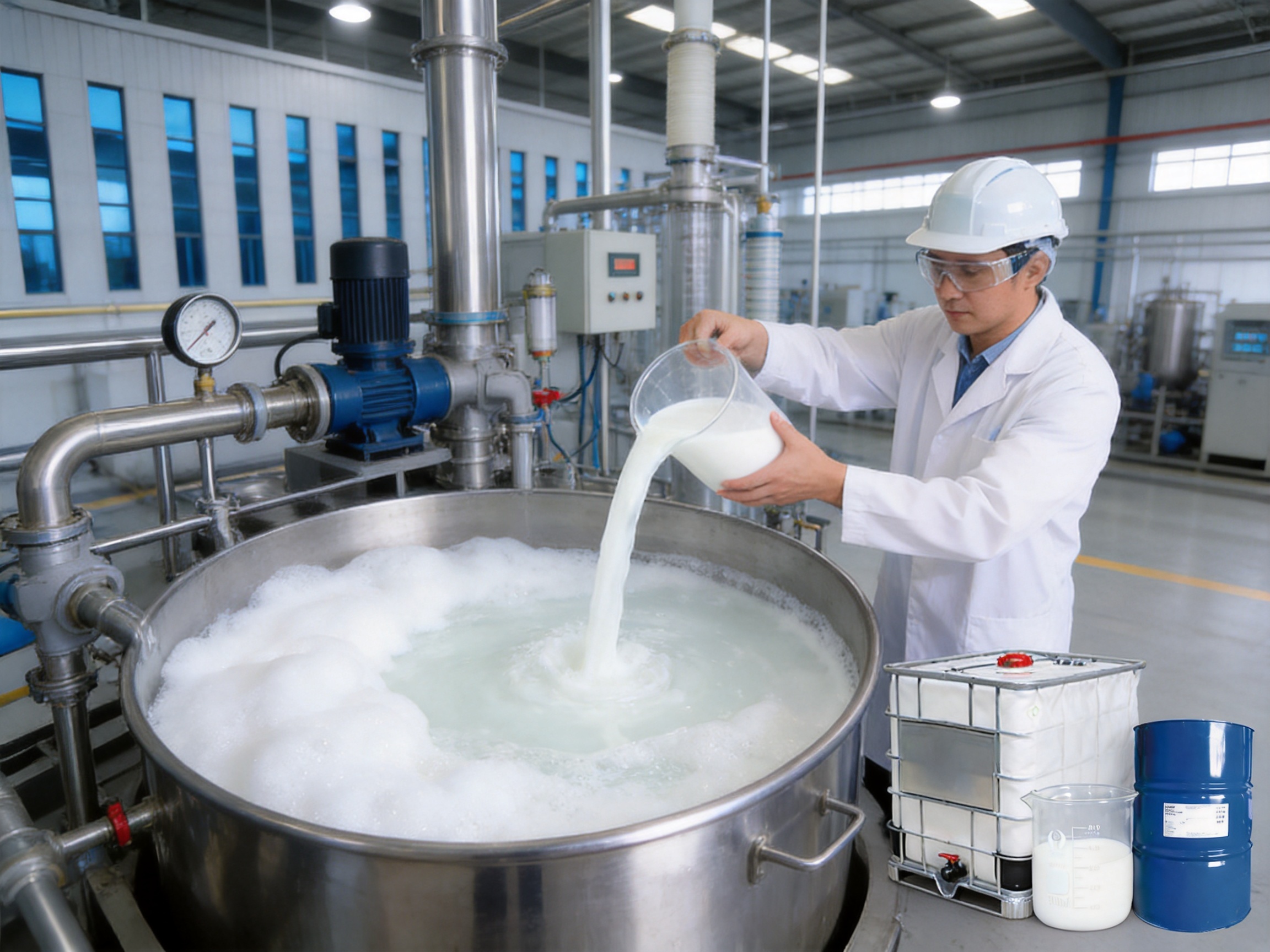
Foam is created when gas is dispersed into a liquid and stabilized by surface-active substances. Many industrial systems contain surfactants, dispersants, proteins, pigments, resins, wetting agents, fermentation components, or fine particles that strengthen bubble films. Once stabilized, foam can persist for long periods and become difficult to remove by simple mechanical action. In large-scale production, foam can also trap air, change liquid density, affect pump efficiency, and interfere with heat transfer.
In chemical production, foam may disturb reaction uniformity and cause overflow from reactors. In papermaking, foam can lead to pinholes, poor drainage, and uneven sheet quality. In coatings and paints, air entrapment may create craters, fisheyes, bubbles, and surface defects. In textile processing, foam can reduce penetration uniformity during scouring, dyeing, finishing, or washing. In agriculture, foam in pesticide or fertilizer formulations can complicate filling, mixing, spraying, and packaging. In pharmaceutical and food-related production, where cleanliness and process predictability are especially important, foam can affect separation, filtration, and liquid handling efficiency.
A defoamer must do more than simply destroy visible bubbles. It must work under the actual chemical and physical conditions of the system. It must be sufficiently incompatible with foam films to break them, yet compatible enough with the formulation to avoid separation, oil spots, haze, sedimentation, or performance loss. This balance is one of the main reasons organosilicone defoamers are valued. Their unique surface activity and controlled dispersion behavior allow them to work efficiently at the gas-liquid interface while remaining manageable in the host system.
Compared with many traditional defoaming agents, organosilicone defoamers generally provide excellent activity at low addition levels. Their strong spreading power allows small amounts to cover large foam surfaces. They can be effective in aqueous systems, high-surfactant systems, low-surfactant systems, certain solvent systems, and complex multi-component formulations. When properly formulated, they can suppress foam without significantly affecting viscosity, appearance, dispersion stability, or final application performance.
Product Profile of LD-610 Organosilicone Defoamer
LD-610 Organosilicone Defoamer is a silicone-based emulsion product developed for foam elimination and foam suppression across a wide range of industrial processes. It is particularly suitable for systems where foam forms during production, mixing, filtration, washing, extraction, distillation, evaporation, dehydration, drying, storage, or material transfer. The product helps improve separation efficiency, maintain usable vessel volume, reduce overflow risk, and support smoother manufacturing operations.
Its main component is silicone oil, especially polydimethylsiloxane-type material. Polydimethylsiloxane is widely used in industry because it combines low surface tension, thermal stability, chemical inertness, and high flexibility of the siloxane chain. These features allow the defoamer to penetrate and rupture foam films rapidly. When foam appears, the defoamer droplets migrate toward the bubble surface. Due to their low surface energy, they spread across the foam film, create local thinning, disrupt the stabilizing layer, and trigger bubble collapse.
The product is described as a white viscous emulsion. This form is important for practical application because many production systems are water-based or contain polar liquid phases. An emulsion format allows silicone oil to be dispersed into fine droplets, improving distribution and ease of addition. The formulation may include emulsifiers and functional additives that support storage stability, controlled particle size, and compatibility with various host systems.
LD-610 is identified with a stated purity of 99.8%, reflecting attention to material consistency. In industrial defoamer performance, purity and formulation control are important because impurities or inconsistent raw materials can cause unstable emulsion behavior, reduced defoaming efficiency, or unexpected interactions with downstream products. Reliable batch-to-batch consistency allows manufacturers to maintain stable dosage recommendations and predictable process performance.
| Product Item | Information | Practical Significance |
|---|---|---|
| Product Model | LD-610 | Supports clear product identification and repeat purchasing |
| Product Name | Organosilicon Defoamer | Indicates silicone-based foam control function |
| CAS No. | 9016-00-6 | Associated with polydimethylsiloxane-type silicone material |
| EINECS No. | 618-493-1 | Supports chemical identification and documentation |
| Synonym | Polydimethylsiloxane Emulsion | Describes the silicone emulsion nature of the product |
| Appearance | White viscous emulsion | Suitable for convenient dispersion in many liquid systems |
| Main Function | Foam elimination and suppression | Improves production efficiency and process stability |
Technical Advantages over Conventional Defoamers
One of the key advantages of an organosilicone defoamer is its low surface tension. Foam films are stabilized by surface-active layers. To break foam efficiently, a defoamer must enter the foam film, spread quickly, and create instability. Silicone oils are particularly effective because their surface tension is significantly lower than that of many organic oils and common process liquids. This gives them a strong tendency to spread at the foam interface and rupture bubbles rapidly.
Another advantage is high efficiency at low dosage. Conventional defoamers based on mineral oil, fatty alcohols, or waxes may require higher addition amounts to achieve similar foam control, especially in systems with strong surfactant stabilization. Higher dosage can increase the risk of residues, surface defects, turbidity, or changes in downstream properties. An efficient organosilicone defoamer can reduce these risks by delivering foam control with smaller quantities, which may also improve overall cost-effectiveness when evaluated by performance per unit of active effect rather than price per kilogram alone.
Organosilicone Defoamer also offers strong persistence. Some non-silicone defoamers break initial foam but lose effectiveness after repeated agitation or long processing times. Silicone-based droplets, when properly formulated, can continue to function through repeated foam generation cycles. This is especially valuable in processes involving recirculation, high-speed stirring, pump transfer, or spray application, where foam may be generated again and again.
Thermal stability is another important advantage. Silicone oil is resistant to high and low temperatures, and it remains physically stable in many conditions where organic foam control agents may thicken, volatilize, degrade, or lose activity. This makes organosilicone defoamers suitable for processes involving heating, cooling, evaporation, drying, and seasonal storage variations. In manufacturing environments where process temperature can change rapidly, stable foam control is a significant benefit.
Chemical inertness further distinguishes organosilicone defoamers from many alternatives. Silicone oil is generally not highly reactive under normal industrial use conditions. This reduces the risk of unwanted chemical reactions with active ingredients, resins, pigments, dispersants, wetting agents, or other formulation components. In agriculture, daily chemicals, electronics, and textile processing, where multi-component systems are common, this inertness supports formulation reliability.
In appearance-sensitive applications, the controlled formulation of an organosilicone defoamer can help reduce surface defects. Poorly selected defoamers may cause oil spots, craters, fisheyes, or haze. A carefully designed silicone emulsion can balance foam-breaking strength with dispersion control, enabling efficient action when foam forms while reducing negative impact on the final product. This balance is critical in coatings, textile finishing, electronics-related materials, and many consumer-facing liquid products.
Compatibility in Water-Based Systems
Water-based systems are among the most common environments for organosilicone defoamer use. These systems include agricultural formulations, cleaning products, paper process liquids, textile baths, coatings, waterborne adhesives, and many chemical intermediates. In such systems, the defoamer must disperse well enough to reach foam surfaces but not so completely that it becomes solubilized and loses defoaming ability. Effective defoaming requires controlled incompatibility.
LD-610 Organosilicone Defoamer is designed as an emulsion, which supports practical handling in water-rich media. The emulsion structure allows silicone droplets to be distributed through the liquid phase. When foam appears, these droplets can migrate to the air-liquid interface and destabilize bubbles. The emulsifier system is important because it influences droplet size, storage stability, and compatibility with the host formulation.
In agricultural water-based products, compatibility is especially important. Pesticide and fertilizer formulations often contain active ingredients, dispersants, emulsifiers, solvents, wetting agents, thickeners, and salts. These components may interact in complex ways. A poorly matched defoamer can separate, reduce suspension stability, or interfere with wetting performance. A well-formulated organosilicone defoamer provides foam control without disrupting active ingredient dispersion or spray behavior.
In daily chemical products such as detergents or cleaners, foam may be desired by consumers in some cases, but excessive foam during production can be problematic. The defoamer must control manufacturing foam without eliminating all functional foam in final use if some foam is part of the product experience. This requires careful dosage and compatibility testing. Silicone defoamers can be adjusted to suit these needs through changes in silicone oil viscosity, emulsifier balance, and active content.
In water-based coatings and paints, compatibility affects not only foam control but also film appearance. The defoamer must prevent bubbles during mixing and application while avoiding craters or other surface defects. Compared with less controlled defoamers, a silicone-based product with optimized dispersion can provide fast bubble release and better final surface quality when properly matched to the coating system.
Performance in High-Surfactant Formulations
High-surfactant formulations are among the most difficult environments for foam control. Surfactants reduce surface tension and stabilize foam films by forming elastic interfacial layers. This makes bubbles more resistant to collapse. Many agrochemical formulations, detergents, wetting agent blends, textile auxiliaries, and cleaning products contain substantial surfactant levels. In such systems, weak defoamers may be rapidly emulsified or absorbed into the formulation, losing their ability to break foam.
Organosilicone Defoamer offers an advantage because silicone materials maintain very low surface energy and strong spreading ability even in the presence of many surfactants. The defoamer can penetrate surfactant-stabilized films and create localized defects. However, formulation balance remains essential. If the silicone phase is dispersed too finely or made too compatible, it may not reach the foam film effectively. If it is too incompatible, it may create visible separation. The best performance comes from a controlled balance of dispersion and activity.
Hebei Guituo New Material Co., Ltd. produces not only defoamers but also surfactants, wetting agents, modified silicone oils, and agricultural silicone additives. This broader product matrix provides practical advantages when designing foam control solutions for high-surfactant systems. Understanding how surfactants stabilize foam helps the company adjust defoamer formulation to maintain effective foam suppression without causing instability.
In agrochemical production, high-surfactant formulations are common because wetting, spreading, penetration, and dispersion are necessary for field performance. During manufacturing, these same surfactants may create excessive foam in mixing tanks, milling systems, storage vessels, and filling lines. LD-610 can help reduce foam formation, maintain efficient tank use, and improve filling accuracy. By reducing foam during packaging, it can also help prevent underfilling, spillage, and production delays.
In textile processing, surfactants are used for wetting, scouring, dyeing, emulsification, and washing. Foam can reduce bath circulation efficiency and lead to uneven treatment. Silicone defoamers are valued because they can work quickly even in surfactant-rich baths. For textile producers, this can support more uniform fabric processing, lower downtime, and fewer quality issues associated with trapped air or uneven liquid contact.
Behavior in Oil-Based and Solvent-Based Systems
Although many organosilicone defoamers are used in water-based systems, silicone chemistry can also be adapted for oil-based or solvent-based environments. These systems may appear in coatings, inks, electronics-related materials, textile finishing products, release agents, lubricants, and specialty chemical formulations. In nonpolar or semi-polar media, compatibility depends on the type of silicone oil, degree of modification, solvent polarity, resin system, and processing conditions.
Modified silicone oils can improve compatibility with specific organic media. By adjusting molecular structure, formulators can influence solubility, dispersibility, surface migration, and interfacial behavior. A defoamer used in solvent-based coatings, for example, must reduce foam and entrained air without causing surface craters or affecting gloss. In electronics-related processing, it may need to avoid residues that interfere with coating uniformity or surface properties.
Hebei Guituo New Material Co., Ltd. has a product matrix that includes modified silicone oil and dimethyl silicone oil, providing a foundation for customized foam control solutions. This is an important manufacturing strength because customers in different industries rarely need a one-size-fits-all defoamer. A formulation that works well in a water-based agricultural suspension may not be ideal for a solventborne coating or an electronics process liquid. The ability to adjust silicone structure and supporting additives helps meet diverse application requirements.
For oil-based systems, excessive compatibility may reduce defoaming efficiency because the active silicone phase can dissolve into the medium and lose its ability to form foam-breaking droplets. Insufficient compatibility may cause separation or surface contamination. The technical challenge is to select a silicone phase that remains active at the interface while being sufficiently stable in the product. This is where experience in silicone additive formulation becomes a competitive advantage.
Advanced Manufacturing and Quality Control Strengths
High-performance defoamers depend on more than raw material selection. Manufacturing process control is essential. The particle size distribution of the emulsion, the stability of the silicone phase, the quality of emulsifiers, the mixing sequence, shear conditions, temperature control, filtration, packaging cleanliness, and storage conditions all influence final product performance. A defoamer with the same nominal ingredients may perform very differently if produced under inconsistent conditions.
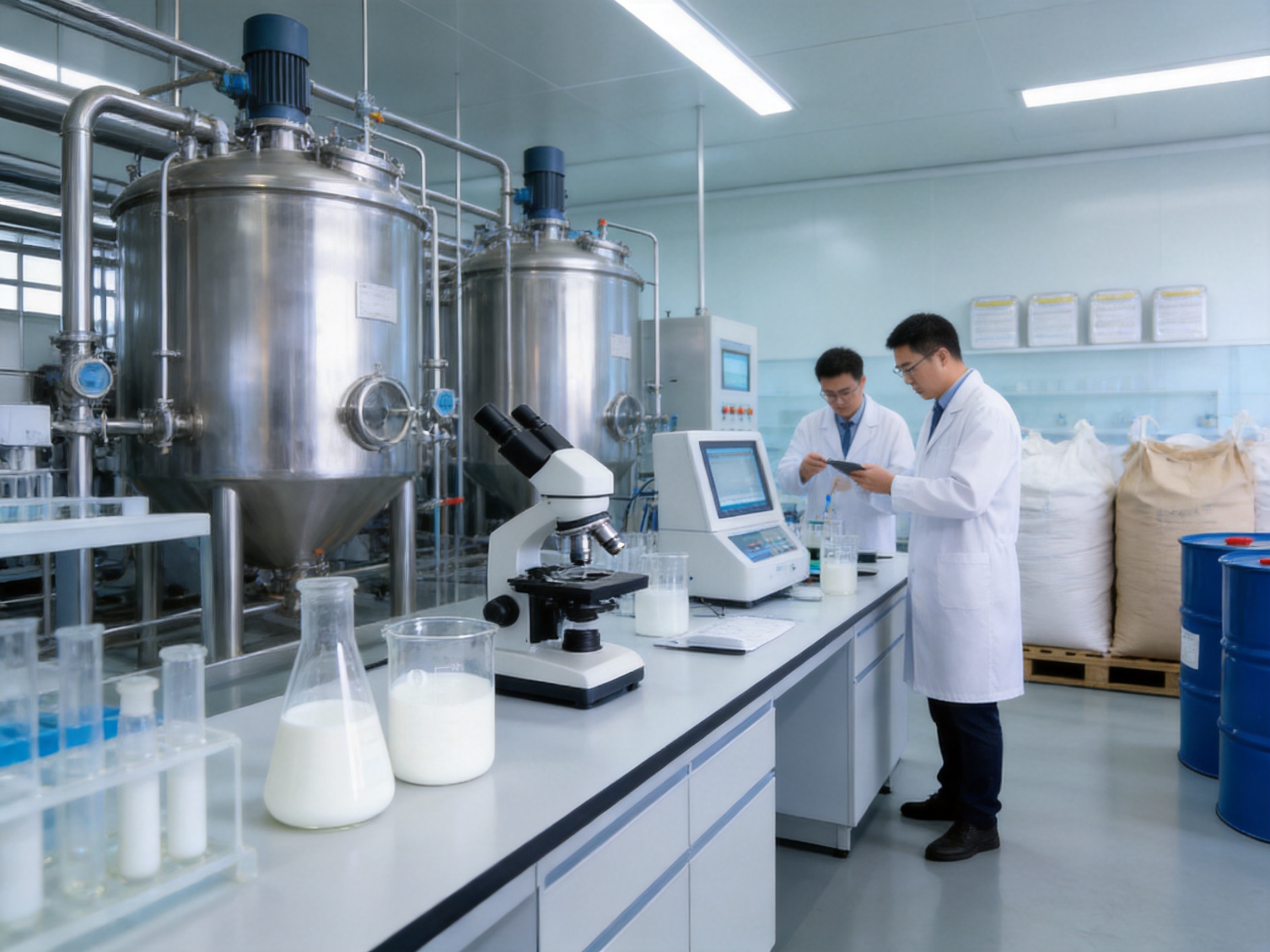
Hebei Guituo New Material Co., Ltd. positions technology as its core driving force and integrates research and development, production, and sales. The company is equipped with advanced production equipment and precise testing facilities. It has established a full-process quality monitoring mechanism from the production source to finished product delivery. This system helps ensure that raw materials are checked, process parameters are controlled, intermediate products are monitored, and finished goods are tested before shipment.
For an emulsion defoamer such as LD-610, production control is especially important. Emulsification quality determines whether silicone oil droplets are evenly distributed and stable during storage. If droplets are too large, the product may separate or show inconsistent dosing behavior. If droplets are too small or over-stabilized, defoaming power may decline because the silicone phase becomes too compatible with the liquid system. Controlled emulsification allows the product to maintain both storage stability and practical foam-breaking activity.
Precise testing facilities support this balance. Typical evaluation may include appearance inspection, viscosity measurement, pH assessment where relevant, active content confirmation, storage stability testing, heat and cold stability observation, dilution behavior, foam suppression tests, and compatibility trials in customer systems. Repeated agitation tests can be used to assess foam control persistence. Long-term storage observation can reveal whether oil spots, layering, sedimentation, or viscosity drift occur.
The company’s experienced technical and production team is another strength. Defoamer performance is application-dependent, so technical knowledge is needed to interpret customer problems. Foam may arise from surfactants, proteins, resins, pigments, fermentation byproducts, dissolved gases, high shear mixing, air leakage in pumps, or improper filling conditions. A supplier with formulation and process experience can help customers select appropriate dosage, addition point, dilution method, and compatibility evaluation procedure.
Stable supply is also a competitive factor. Industrial customers often rely on defoamers as critical auxiliary materials. A shortage or batch inconsistency can stop production or create quality defects. By establishing a comprehensive production and quality guarantee system, Hebei Guituo New Material Co., Ltd. supports reliable supply for domestic and overseas customers. Its products are exported to markets such as Europe and Southeast Asia, where stable performance and repeat purchasing reflect market acceptance.
Applications Across Key Industries
Agricultural Formulations
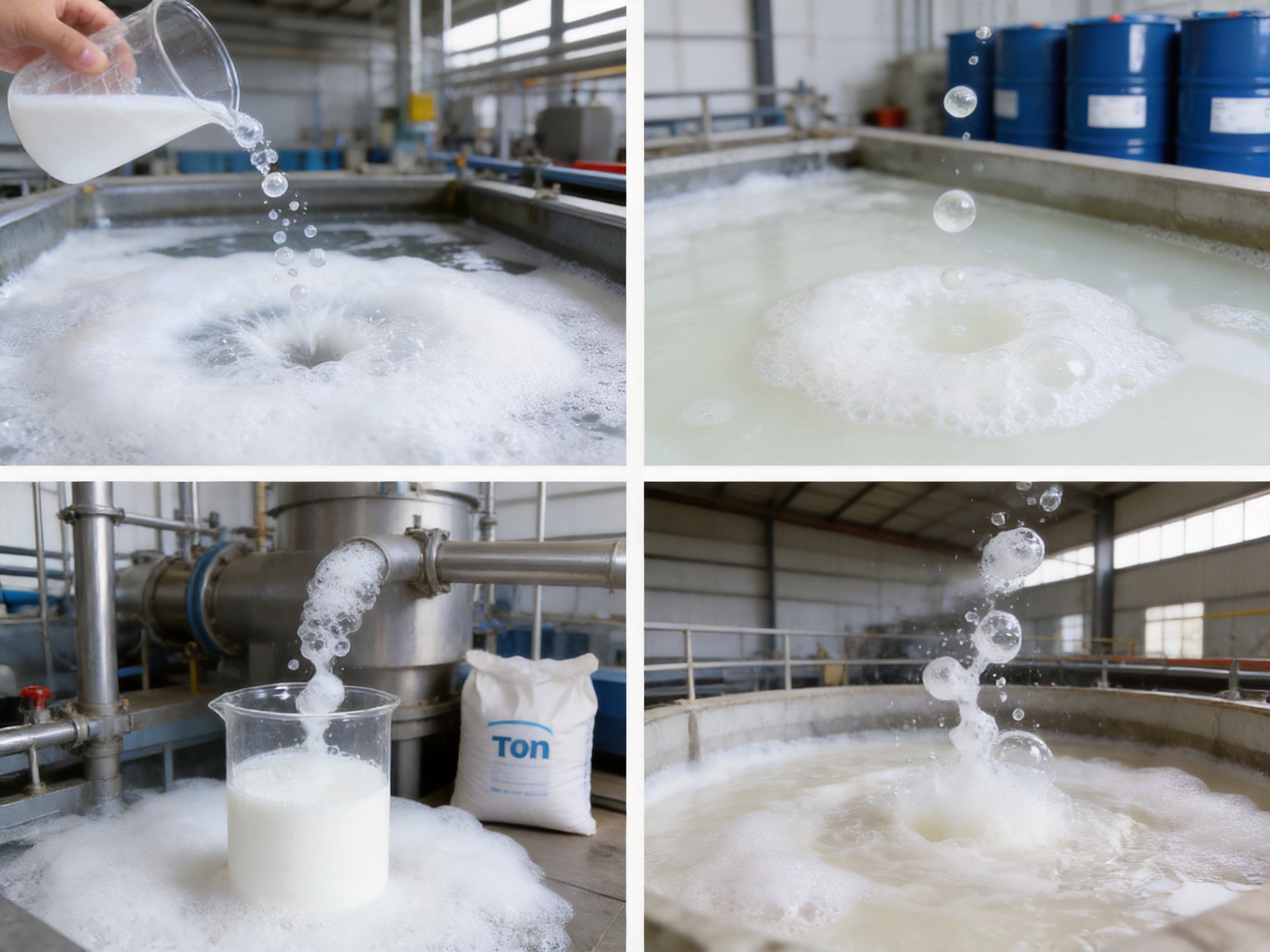
Agriculture is one of the most important fields for organosilicone additives. Agrochemical formulations often require wetting agents, dispersants, emulsifiers, penetrants, and spreading additives. These ingredients improve biological performance but also create foam during production and use. Foam can interfere with suspension preparation, emulsification, milling, tank mixing, filling, and spray application.
LD-610 Organosilicone Defoamer can support agricultural formulation stability by reducing foam during manufacturing and handling. It is especially useful in complex systems where high-speed mixing introduces air. By controlling foam, it helps maintain efficient tank volume, improve filling accuracy, reduce overflow, and support uniform product appearance. Because agricultural formulations may include sensitive active ingredients, the chemical inertness of silicone oil is a valuable advantage.
The company’s agricultural silicone products are widely used by domestic agrochemical enterprises and have reached an advanced domestic level in multiple performance indicators. This practical experience strengthens its ability to support customers developing pesticides, fertilizers, adjuvants, and related formulations. For agrochemical producers seeking both foam control and formulation reliability, a silicone-focused supplier can provide more targeted technical guidance than a general chemical distributor.
Paints, Coatings, and Surface Materials
Foam and entrapped air are major issues in paints and coatings. During pigment dispersion, resin mixing, letdown, filling, and application, bubbles can form and remain in the film. If not controlled, they may produce pinholes, craters, weak spots, gloss loss, or poor surface leveling. Defoamers are therefore essential additives in many waterborne and solventborne coatings.
Organosilicone defoamers offer rapid foam-breaking action, but they must be selected carefully to avoid surface defects. The advantage of a well-formulated product is its ability to eliminate foam without excessive incompatibility. LD-610 may be considered for suitable coating systems after compatibility testing. Its silicone base provides strong surface activity, while its emulsion form supports dispersion in water-based systems.
Compared with some mineral oil or polymeric defoamers, silicone defoamers can be more effective at lower levels and can handle surfactant-rich coating formulations. This can be useful in modern waterborne coatings that rely heavily on dispersants and wetting agents. However, dosage optimization is essential. Too little defoamer may leave bubbles; too much may affect film appearance. Technical support from the supplier helps customers find the right balance.
Chemical Processing
In chemical production, foam can appear in reactors, neutralization tanks, extraction systems, filtration units, evaporators, and distillation processes. Foam can reduce throughput, contaminate overhead streams, carry solids into unwanted areas, and complicate liquid-level measurement. Organosilicone Defoamer helps maintain process stability by breaking foam quickly and improving gas-liquid separation.
The product’s resistance to temperature variation and chemical inertness make it suitable for many chemical raw material systems. It can support operations such as filtration, washing, extraction, distillation, evaporation, dehydration, and drying. By reducing foam, it helps improve separation and liquid discharge effects, enabling more consistent production capacity.
Paper and Pulp Processes
Paper production involves large volumes of water, fibers, fillers, starches, sizing agents, retention aids, and other additives. Foam can interfere with drainage, sheet formation, vacuum efficiency, and surface quality. In some cases, foam can cause holes or uneven paper structure. Silicone defoamers are widely used because they act quickly and remain effective in turbulent systems.
A silicone emulsion defoamer can be added to process water, pulp slurry, or specific foam-generating points depending on the process design. The best addition point depends on where foam originates and how the defoamer is distributed. Consistent emulsion quality is important because paper processes are continuous and sensitive to additive fluctuations.
Textile Processing
Textile wet processing includes desizing, scouring, bleaching, dyeing, washing, softening, and finishing. Many of these steps use surfactants, alkalis, dyes, auxiliaries, and high mechanical agitation. Foam can reduce bath circulation, affect fabric-liquid contact, and cause uneven treatment. Organosilicone Defoamer can improve processing smoothness by suppressing foam under demanding conditions.
In textile dyeing, excessive foam may cause shade variation or processing inefficiency. In finishing, foam may interfere with padding or coating uniformity. Silicone-based foam control agents are valued for their strong activity and heat resistance, especially where process temperatures are elevated. Compatibility with dyes and auxiliaries should be checked to ensure there is no negative effect on shade, handle, or finish quality.
Daily Chemicals and Cleaning Products
Daily chemical production often uses surfactants that foam strongly during mixing. While foam may be desirable in final consumer use, excessive foam during manufacturing slows tank filling, causes overflow, and complicates packaging. Organosilicone defoamers can be used strategically to control production foam while preserving the intended user experience when properly dosed.
In cleaners, detergents, personal care intermediates, and household chemical products, compatibility and appearance are essential. A defoamer must not create visible separation, cloudiness, or deposits. The emulsion stability and dispersion behavior of LD-610 support its use in suitable water-based systems, subject to formulation trials.
Electronics and Specialty Materials
Electronics-related materials may include process fluids, cleaning solutions, coatings, encapsulants, or specialty chemical systems. Foam can affect coating uniformity, cleaning efficiency, and surface consistency. Silicone additives are often used in specialty materials because of their unique surface properties. However, electronics applications may have strict residue and compatibility requirements.
For these systems, customized defoamer selection is important. The company’s experience with modified silicone oils and silicone additives supports the development of solutions adapted to specific polarity, surface, and cleanliness requirements. Testing under real processing conditions is recommended before full-scale use.
Formulation Customization and OEM/ODM Capability
No defoamer can be universally ideal for every process. Foam chemistry differs widely among industries and even among products in the same factory. A highly alkaline textile bath, a pesticide suspension concentrate, a waterborne coating, a surfactant-rich detergent, and a solvent-based specialty material each require a different compatibility strategy. Customization is therefore a major advantage for customers seeking optimized performance.
Hebei Guituo New Material Co., Ltd. accepts OEM and ODM orders, allowing customers to request tailored silicone materials according to application needs. Customization may involve adjusting silicone oil viscosity, active content, emulsifier type, particle size distribution, appearance, dilution behavior, stability profile, and compatibility with specific surfactants or solvents. This flexibility helps customers move beyond generic defoamers and obtain products aligned with their process requirements.
For example, a customer using a high-surfactant agricultural formulation may require a defoamer with strong resistance to surfactant deactivation. A coating manufacturer may prioritize surface appearance and crater prevention. A textile processor may need heat resistance and rapid activity in alkaline baths. A daily chemical producer may need production foam control without destabilizing product clarity. By adjusting formulation design, the supplier can help address these different priorities.
OEM and ODM capability also supports private-label distribution and regional product adaptation. Customers in different markets may require specific packaging, performance standards, documentation, or regulatory support. A manufacturer with integrated R&D and production can respond more effectively to these needs than a supplier that only trades standard materials.
Practical Use Considerations
To obtain the best performance from Organosilicone Defoamer, users should evaluate dosage, addition point, dilution method, mixing intensity, temperature, and compatibility with the target system. Although silicone defoamers are efficient, excessive dosage can sometimes cause defects or instability. The ideal dosage is usually determined through small-scale trials followed by production verification.
In many systems, the defoamer can be added directly during mixing. In other cases, pre-dilution may improve distribution. If dilution is needed, clean water or a compatible process liquid should be used, and the diluted material should generally be used promptly to avoid stability changes. High shear should be controlled because over-dispersion can reduce defoaming effectiveness by making droplets too fine.
The addition point should be selected based on where foam is generated. Adding the defoamer before high-speed mixing can prevent foam formation, while adding it after foam appears can break existing foam. In continuous processes, metered addition may provide more stable control than occasional manual dosing. In batch processes, staged addition can be useful when foam appears at multiple production steps.
Compatibility testing should include short-term and long-term observations. Users should check for oil spots, layering, haze, sedimentation, viscosity changes, color changes, surface defects, and performance changes in the final product. Repeated agitation tests are useful for evaluating foam control persistence. Heat and cold storage tests can reveal stability under transport and warehouse conditions.
Safety and handling should follow the supplier’s technical documentation and safety data guidance. As with all chemical raw materials, users should apply appropriate workplace hygiene, personal protection, labeling, and storage management. Containers should be sealed when not in use, and the product should be stored under recommended conditions to preserve emulsion stability.
Why the Manufacturer’s Strength Matters
Selecting a defoamer is not only a chemical choice; it is also a supplier choice. Foam control problems often require communication, troubleshooting, testing, and adjustment. A strong manufacturer can provide consistent product quality, reliable delivery, technical support, and customized solutions. This reduces risk for customers and improves long-term production stability.
Hebei Guituo New Material Co., Ltd. has built a diverse silicone product matrix that includes silicone additives, wetting agents, modified silicone oil, dimethyl silicone oil, surfactants, and defoamers. This integrated portfolio is important because foam control is closely connected with wetting, dispersion, spreading, and surface modification. A supplier that understands these related technologies can provide more complete support.
The company’s production and testing capabilities contribute to stable quality. Advanced production equipment supports controlled manufacturing, while precise testing facilities allow performance verification. Full-process monitoring helps reduce batch variation. The experienced technical and production team provides professional judgment in formulation, process control, and customer application support.
The company’s market presence in domestic agrochemical enterprises and overseas markets such as Europe and Southeast Asia also reflects practical competitiveness. Repeat purchasing indicates that customers value stable performance and reliable quality. For buyers evaluating organosilicone defoamers, this experience can provide confidence that the product is supported by industrial-scale production rather than only laboratory development.
Competitive Value for Industrial Customers
The competitive value of LD-610 Organosilicone Defoamer can be summarized in several practical benefits. First, it provides strong foam elimination through silicone-based low surface tension and rapid spreading. Second, it supports process efficiency by reducing overflow, improving vessel utilization, and stabilizing filtration, washing, extraction, evaporation, and filling operations. Third, it can reduce total defoamer consumption due to high activity at relatively low dosage. Fourth, it offers broad application potential across chemical, paper, coatings, food-related, textile, pharmaceutical, agricultural, and daily chemical systems, subject to compatibility evaluation.
Compared with ordinary defoamers, LD-610 benefits from a silicone chemistry platform and controlled emulsion manufacturing. Traditional organic defoamers may be suitable in some systems, but they often face limitations in high-surfactant or high-temperature environments. Mineral oil defoamers may require higher dosage and may not spread as rapidly. Fatty alcohol products may be less persistent in repeated agitation. Some polymeric defoamers may be highly system-specific. Organosilicone Defoamer offers a strong balance of activity, persistence, stability, and adaptability.
The company’s customization ability further enhances competitiveness. Instead of forcing customers to adapt their processes to a fixed product, the manufacturer can adjust formulation direction for different industries. This creates value for customers with complex formulations, specialized process conditions, or strict appearance requirements. For many manufacturers, the cost of foam-related downtime, waste, and defects is far higher than the cost of using a high-quality defoamer.
Another competitive advantage is stable supply backed by full-process quality control. Customers need consistent defoamer performance from batch to batch. A product that performs well once but varies later can create serious production problems. By controlling raw material selection, production parameters, testing, and delivery, the manufacturer supports dependable use in continuous industrial operations.
Q&A Section
Q1: What is an organosilicone defoamer?
An organosilicone defoamer is a foam control agent formulated with silicone oil, modified silicone components, emulsifiers, and functional additives. It is designed to destroy existing foam and suppress new foam during industrial production, mixing, transfer, filtration, washing, extraction, evaporation, coating, and other processes.
Q2: What is the main function of LD-610 Organosilicone Defoamer?
The main function of LD-610 is to eliminate and suppress foam in industrial liquid systems. By reducing foam, it helps improve production capacity, separation efficiency, liquid discharge, filling accuracy, process stability, and final product quality.
Q3: Why does silicone chemistry provide strong defoaming performance?
Silicone oil has very low surface tension and strong spreading ability. When it reaches a foam film, it spreads rapidly, weakens the film structure, causes local thinning, and triggers bubble rupture. This allows silicone defoamers to work efficiently, often at low dosage levels.
Q4: How does this product compare with conventional mineral oil defoamers?
Compared with many mineral oil defoamers, organosilicone defoamers usually provide faster foam breaking, stronger activity at lower dosage, better temperature stability, and better performance in surfactant-rich systems. They can also offer more durable foam suppression during repeated agitation when properly formulated.
Q5: Can LD-610 be used in water-based systems?
Yes. LD-610 is supplied as a white viscous emulsion, which supports use in many water-based systems. It can disperse into aqueous media and migrate to foam surfaces when needed. Compatibility testing is recommended for each formulation to confirm stability and appearance.
Q6: Is the product suitable for agricultural formulations?
Yes, organosilicone defoamers are widely used in agricultural formulations where surfactants, dispersants, wetting agents, and high-speed mixing often generate foam. LD-610 can help reduce foam during manufacturing, filling, tank mixing, and handling while supporting formulation stability when properly selected and dosed.
Q7: What industries commonly use organosilicone defoamers?
Common industries include agriculture, chemical processing, paper production, coatings and paints, textile processing, daily chemicals, electronics-related materials, food-related processing, and pharmaceutical production. The product is especially useful where foam affects efficiency, appearance, or process control.
Q8: What factors influence defoamer compatibility?
Compatibility is influenced by system polarity, surfactant concentration, temperature, pH, salt level, resin type, active ingredients, mixing shear, and addition sequence. The defoamer must be active enough to break foam but stable enough to avoid separation, oil spots, haze, or surface defects.
Q9: How should users determine the correct dosage?
The correct dosage should be determined through laboratory trials and production verification. Users should begin with a low recommended level, evaluate foam reduction, observe product appearance, and adjust gradually. Overdosing should be avoided because excessive defoamer may cause defects in sensitive systems.
Q10: Why is manufacturing quality important for defoamer performance?
Manufacturing quality affects emulsion particle size, storage stability, active distribution, viscosity, and batch consistency. A well-controlled production process ensures that the defoamer performs reliably from batch to batch and remains stable during storage and use.
Q11: What strengths does Hebei Guituo New Material Co., Ltd. bring as a supplier?
The company integrates R&D, production, and sales, and has advanced production equipment, precise testing facilities, full-process quality monitoring, an experienced technical team, and a broad silicone product matrix. It also accepts OEM and ODM orders, supporting customized solutions for different industrial systems.
Q12: Can the product be customized for specific applications?
Yes. Customization may include adjustments to silicone oil type, viscosity, emulsion structure, active content, emulsifier system, compatibility profile, and application performance. This is useful for customers in agriculture, coatings, textiles, daily chemicals, electronics, and specialty chemical production.
Conclusion
LD-610 Organosilicone Defoamer is a practical and high-value foam control solution for manufacturers that need stable, efficient, and adaptable defoaming performance. Built on silicone oil chemistry, it offers low surface tension, rapid spreading, strong foam-breaking ability, chemical inertness, temperature resistance, and broad compatibility potential. These advantages make it suitable for demanding industrial environments where conventional defoamers may struggle, especially in high-surfactant, high-shear, or temperature-variable systems.
The product’s value is strengthened by the manufacturing capabilities of Hebei Guituo New Material Co., Ltd. The company’s integration of research and development, advanced production equipment, precise testing, full-process quality monitoring, and experienced technical teams supports consistent product quality and reliable supply. Its broader portfolio of silicone additives, wetting agents, modified silicone oils, surfactants, and defoamers allows it to understand foam control as part of a complete surface chemistry system rather than as a single isolated function.
For customers in agriculture, chemical processing, coatings, paper, textiles, daily chemicals, electronics, and other industries, foam control directly influences productivity, appearance, operational safety, and product consistency. A high-quality organosilicone defoamer can reduce downtime, improve vessel utilization, support smoother filling, enhance separation efficiency, and prevent foam-related defects. When supported by customized formulation service and reliable manufacturing, LD-610 Organosilicone Defoamer becomes not only an additive but a strategic process improvement tool.
References
1. Garrett, P. R. Defoaming: Theory and Industrial Applications. Surfactant Science Series.
2. Owen, M. J. Silicone Surface Chemistry and Its Industrial Applications. Journal of Coatings Technology.
3. Hill, R. M. Silicone Surfactants. Surfactant Science Series.
4. Rosen, M. J., and Kunjappu, J. T. Surfactants and Interfacial Phenomena.
5. Schramm, L. L. Emulsions, Foams, and Suspensions: Fundamentals and Applications.
6. Noll, W. Chemistry and Technology of Silicones.
7. Industrial Formulation Guide for Foam Control Agents in Water-Based Systems.
8. Technical Literature on Polydimethylsiloxane Emulsions and Silicone-Based Defoamers.
Product: Organosilicone Defoamer


Contact Information
Tel : +86-400-138-5268
Email : [email protected]
Phone : +86-15128434888 / +86-13511051998
Add : Xinqiao Environmental Protection Industrial Park, Wen'an County, Langfang City, Hebei Province, China
Contact Information
Copyright © Hebei Guituo New Material Co., Ltd. All Rights Reserved.
