

 English
  Français
  Português
 Home / Author / Zhang Xiaoyu, Regional Sales Manager (Southeast Asia) / Mite-Killing Adjuvants for High-Efficiency Acaricide Performance
 Mite-Killing Adjuvants for High-Efficiency Acaricide Performance
2026-06-13
Modern crop protection depends not only on the active ingredient in a pesticide, but also on the way that active ingredient is delivered to the target pest. Mites are among the most difficult crop pests to control because they are small, mobile, and frequently hidden on the underside of leaves. Their waxy body surface, the wax layer of plant leaves, and the tendency of spray droplets to bounce or run off all reduce the practical effectiveness of many acaricide applications. A high-performance mite-killing adjuvant is designed to solve these delivery problems by improving wetting, spreading, adhesion, and penetration.
GT-6000 Mite-Killing Adjuvants are agricultural silicone synergists developed for use with acaricides and other compatible crop protection formulations. The product is based on silicone surfactant technology, specifically polyether modified trisiloxane chemistry, which is widely recognized for its super-spreading capability and low surface tension. By lowering the surface tension of spray liquid to below 20.5 mN/m at 0.1% concentration, GT-6000 helps spray droplets spread across plant surfaces more efficiently, reach the hidden areas where mites gather, and adhere to the pest body and leaf surface with reduced runoff.
For growers, formulators, distributors, and agrochemical companies, the value of an adjuvant is measured by its ability to make pesticide applications more consistent and more economical. GT-6000 is designed to enhance acaricide performance, improve crop surface coverage, promote penetration through waxy barriers, and extend the functional contact time of the spray solution. These advantages can help reduce waste, improve field efficiency, and support more precise pest management programs.
Hebei Guituo New Material Co., Ltd. manufactures and supplies high-end silicone materials for agriculture, textiles, daily chemicals, electronics, and other industrial fields. Through advanced production equipment, precise testing facilities, experienced technical teams, and full-process quality monitoring, the company provides stable, high-purity silicone adjuvants for customers requiring reliable performance. As a specialized new materials enterprise, it also supports OEM and ODM cooperation for customized adjuvant solutions.
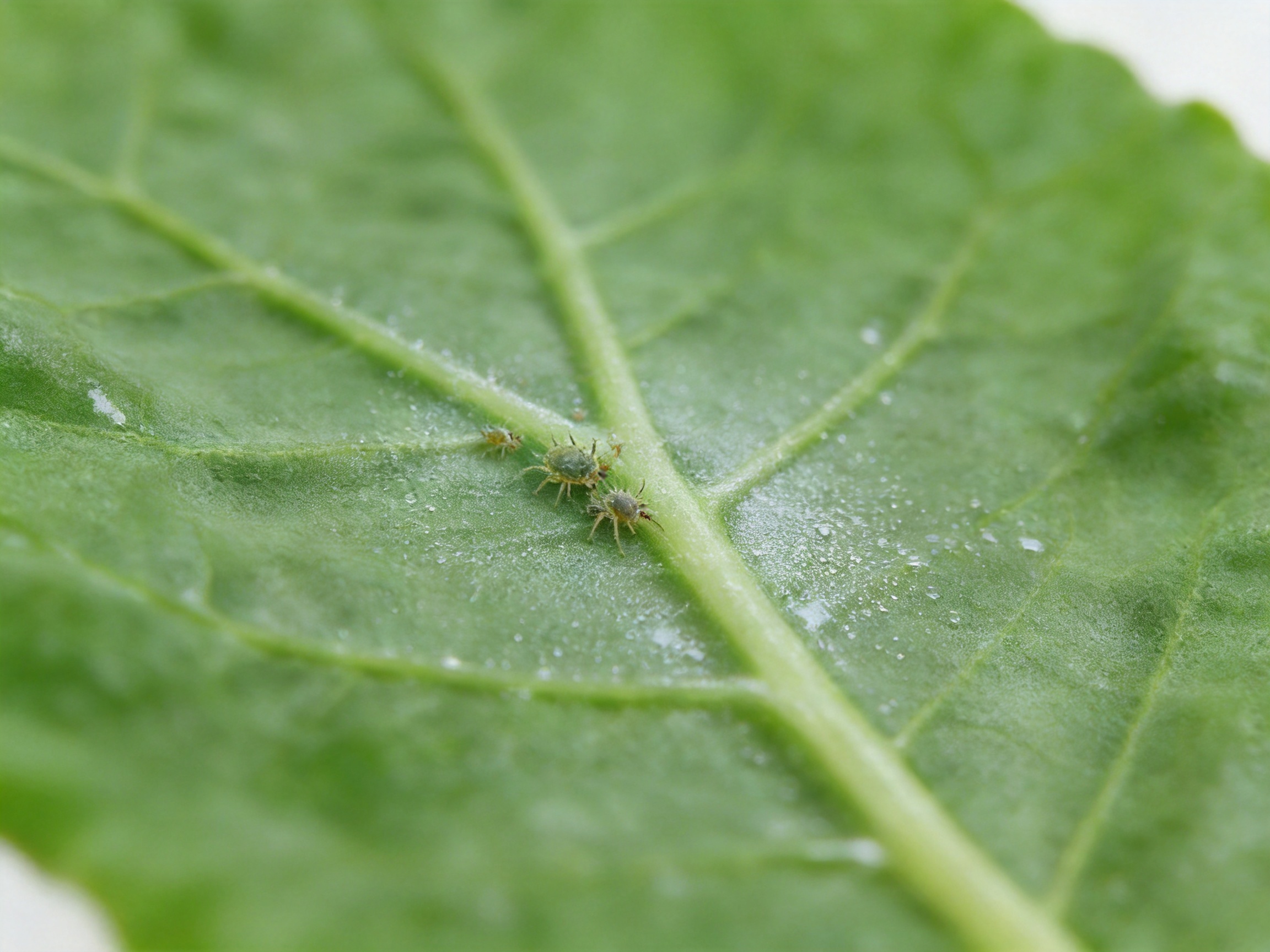
Understanding the Challenge of Mite Control
Mites are serious pests in many agricultural systems, including fruit orchards, vegetables, field crops, flowers, and protected cultivation. Spider mites and other mite species damage crops by puncturing plant cells and feeding on sap. This can lead to stippling, yellowing, leaf drop, reduced photosynthesis, fruit quality loss, and yield decline. Because mite populations can reproduce quickly, delayed or incomplete control often results in rapid resurgence.
One of the greatest difficulties in mite control is the pest’s location. Mites often live and feed on the underside of leaves, in dense canopies, or near leaf veins. Conventional spray droplets may not easily reach these locations, particularly when the spray solution has high surface tension. Droplets may remain spherical, roll off the leaf, or fail to spread into the small areas where mites are concentrated. Even if the acaricide lands near the pest, insufficient contact or weak penetration through the mite’s protective surface may reduce biological activity.
The waxy characteristics of both mite bodies and plant leaf surfaces create an additional barrier. Many crop leaves have hydrophobic cuticles that repel water-based sprays. Mites themselves also possess protective surface structures that can limit the speed at which active ingredients enter the body. If the acaricide does not spread well or remain in contact long enough, the effective dose received by the pest may be lower than expected.
Environmental factors further complicate control. Rain can wash away pesticide deposits, high temperatures can accelerate evaporation, and strong sunlight or wind can reduce the useful life of spray droplets. These factors mean that the actual field performance of an acaricide may differ significantly from its laboratory performance. A mite-killing adjuvant is therefore not merely a supplementary ingredient; it is a practical tool for improving the delivery and utilization of the active ingredient.
Product Overview: GT-6000 Mite-Killing Adjuvants
GT-6000 is an agricultural silicone synergist used as an auxiliary product alongside acaricides. Its core function is to enhance the adhesion and penetration of acaricides on the mite’s body surface while improving spray coverage on crop leaves, especially the underside of leaves. It is formulated to support precise pest control by increasing the likelihood that the active ingredient reaches the target pest in an effective form.
The product belongs to the category of agricultural silicone synergists and is associated with silicone surfactant and polyether modified trisiloxane chemistry. This type of adjuvant is known for rapid wetting and spreading. Compared with many conventional non-silicone surfactants, silicone-based adjuvants can reduce spray liquid surface tension to a much lower level, allowing the droplet to flatten and spread over hydrophobic surfaces quickly.
GT-6000 has a purity of 99.8%, a viscosity range of 30–50 mm²/s at 25°C, and a neutral pH range of 6.5–7.5 in a 1% aqueous solution at 25°C. Its low surface tension and suitable viscosity make it convenient for formulation and tank-mix applications where compatibility has been confirmed. The product is designed to improve wetting, penetration, and retention while supporting efficient use of acaricide active ingredients.
| Item | Specification | Practical Significance |
|---|---|---|
| Product Model | GT-6000 | Identifies the mite-killing adjuvant grade for agricultural use |
| Product Name | Mite-Killing Adjuvants | Designed for synergistic use with acaricides |
| CAS No. | 27306-78-1 | Associated with silicone surfactant chemistry |
| Purity | 99.8% | Supports stable performance and consistent formulation quality |
| EINECS No. | 608-078-3 | Reference identification for chemical management |
| Synonym | Silicone Surfactant, Polyether Modified Trisiloxane | Indicates super-spreading silicone adjuvant type |
| Viscosity at 25°C | 30–50 mm²/s | Helps maintain manageable handling and mixing properties |
| Surface Tension at 0.1% wt | <20.5 mN/m | Enables excellent wetting and spreading on waxy surfaces |
| Cloud Point at 1.0% wt | ≤35°C | Provides guidance for formulation and application conditions |
| pH Value in 1% Aqueous Solution at 25°C | 6.5–7.5 | Neutral range supports compatibility in many agricultural systems |
How the Adjuvant Works with Acaricides
The primary mechanism of GT-6000 is the reduction of surface tension. Water-based sprays naturally form droplets because the molecules at the surface attract each other. On waxy leaves, these droplets can bead up and cover only a small area. When a silicone surfactant is added, the interfacial behavior changes. The spray droplet spreads more easily, forming a thin film that covers a larger surface area. This is critical for mite control because mites are not always directly hit by droplets during spraying.
Improved wetting allows the acaricide solution to cover the underside of leaves more effectively. In practical field conditions, spray nozzles may not deliver perfect coverage to all leaf surfaces. When droplets land on an inclined or hydrophobic surface, they may run off before the active ingredient can act. GT-6000 helps droplets remain attached and spread, increasing the area that receives treatment and improving the probability of contact with mites and eggs.
Adhesion is another important function. Mites often cluster in protected zones, and a spray that cannot adhere to these surfaces will be less effective. By helping the spray solution attach firmly to the leaf surface and to the mite’s waxy outer layer, GT-6000 reduces waste caused by runoff. This can be especially valuable in orchards and dense vegetable canopies where spray coverage is difficult and product loss can be high.
Penetration enhancement is also central to the product’s value. The wax layer on leaves and the protective surface of mites may slow the movement of acaricide active ingredients. GT-6000 helps the active ingredient overcome these surface barriers by increasing contact and improving the interaction between the liquid formulation and the target surface. Faster and more complete penetration can contribute to better biological effect, particularly when the acaricide mode of action depends on contact or translaminar movement.
Some adjuvant systems may also improve environmental resistance by forming a more uniform deposit on the treated surface. When spray deposits are better distributed and adhere more tightly, they may be less vulnerable to rain wash-off or rapid evaporation. This does not replace proper timing and label-compliant application, but it can help extend the useful action period of acaricides under variable field conditions.
Key Advantages Over Conventional Adjuvants
GT-6000 offers several advantages when compared with many traditional wetting agents or general-purpose surfactants. The most important advantage is extremely low surface tension. Conventional surfactants may reduce surface tension to a moderate degree, but many cannot achieve the super-spreading effect associated with polyether modified trisiloxane. For mite control, this difference matters because the target areas are small, hidden, and waxy.
A second advantage is rapid spreading. Faster spreading means the spray liquid can cover more surface area shortly after droplet impact. This is valuable when working under conditions where evaporation may occur quickly. A droplet that spreads promptly can distribute the active ingredient before water loss reduces mobility. In high-temperature field environments, this can improve the reliability of application.
A third advantage is improved coverage of difficult plant surfaces. Leaves of many crops have cuticular waxes, hairs, or uneven textures that prevent uniform coverage. Mite infestations are often worst on the underside of leaves, where spray access is limited. GT-6000 helps the acaricide solution move into these challenging micro-areas, increasing the chance that pests are exposed to the treatment.
A fourth advantage is potential dose efficiency. Because the adjuvant improves delivery, the acaricide active ingredient may be used more efficiently. Better coverage and penetration can help achieve the desired control effect with less wasted spray. Any dosage adjustment must always follow local regulations and pesticide label instructions, but improved utilization of the active ingredient is one of the main reasons agricultural adjuvants are used.
A fifth advantage is resistance management support. Mite resistance develops more quickly when pest populations are repeatedly exposed to sublethal doses. Incomplete coverage, poor adhesion, and weak penetration can allow some mites to survive treatment. By improving the probability that mites receive an effective dose, GT-6000 contributes to more consistent control and can support integrated resistance management strategies when used with rotation of acaricide modes of action.
A sixth advantage is formulation flexibility. As a silicone surfactant with defined viscosity, neutral pH, high purity, and strong spreading performance, GT-6000 can be considered for different formulation and tank-mix requirements after compatibility testing. This makes it useful for agrochemical manufacturers seeking to enhance premium acaricide products and for distributors serving growers who require reliable field performance.
Advantages for Growers and Applicators
For growers, the most visible benefit of GT-6000 is improved spray coverage. In crop protection, coverage is often the difference between success and failure. A high-quality acaricide may perform poorly if it cannot reach the mite population. By improving the ability of the spray to wet and spread across leaf surfaces, GT-6000 helps growers obtain more complete treatment from each application.
Better coverage can also improve labor and equipment efficiency. When spray material is used more effectively, growers can reduce the risk of repeated corrective applications caused by poor initial performance. This is especially important in high-value crops such as apples, grapes, tomatoes, ornamentals, and protected vegetables, where mite outbreaks can cause significant economic losses in a short period.
GT-6000 can help improve consistency across variable canopy conditions. In dense crop canopies, inner and lower leaves are harder to reach. In orchards, leaf angles and canopy structure create uneven deposition. In greenhouse crops, dense growth and high humidity may complicate spray behavior. A super-spreading adjuvant can help the spray solution flow into smaller spaces and cover more irregular surfaces.
The product also supports more precise pest control. Precision does not only mean using advanced equipment; it also means ensuring that every droplet performs efficiently after it leaves the nozzle. When droplets adhere, spread, and penetrate more effectively, the grower obtains greater value from the active ingredient. This can reduce chemical waste and support more sustainable crop protection practices.
Another advantage is reduced runoff. Runoff is both an economic and environmental problem. Product that runs off the leaf does not control mites, and it may increase residue in soil or nearby areas. By helping spray liquid remain on the intended surface, GT-6000 supports responsible application and improved utilization of crop protection inputs.
Advantages for Agrochemical Formulators
Agrochemical formulators require adjuvants that provide reliable performance, consistent specifications, and compatibility with modern formulation systems. GT-6000 is valuable because it is a high-purity silicone surfactant with defined physical and chemical parameters. Its purity of 99.8% supports formulation consistency, while its viscosity range provides manageable handling during production.
In formulation development, surface tension reduction is a key performance indicator. A surfactant capable of reducing surface tension below 20.5 mN/m at 0.1% concentration can create a distinct performance advantage in premium agricultural products. This allows formulators to position their acaricide systems as higher-efficiency solutions with improved wetting and coverage.
The neutral pH range of GT-6000 is another benefit. Strongly acidic or alkaline adjuvants may create compatibility challenges with certain active ingredients or formulation components. A pH range of 6.5–7.5 in a 1% aqueous solution helps reduce unnecessary chemical stress in many systems, although each formulation still requires proper stability and compatibility testing.
GT-6000 also supports product differentiation. In a competitive agrochemical market, many formulations contain similar active ingredients. Performance can therefore depend heavily on delivery technology. A formulation enhanced with a high-quality silicone adjuvant may offer improved spreading, better rainfastness potential, stronger pest contact, and more dependable field performance. These qualities can help manufacturers build premium product lines.
Hebei Guituo New Material Co., Ltd. offers OEM and ODM services, making it suitable for customers that require customized adjuvant packages. Formulators may need specific concentration ranges, packaging sizes, labeling support, or performance optimization for different crops and regions. The company’s technical and production teams can support collaborative development based on customer requirements.
Advanced Manufacturing Strengths
The performance of a silicone adjuvant depends strongly on manufacturing quality. Small variations in raw material purity, reaction control, residual impurities, moisture content, or filtration can influence spreading behavior and storage stability. Hebei Guituo New Material Co., Ltd. has built its strength around advanced equipment, precise testing, and full-process quality control to ensure stable product quality.
The company focuses on the in-depth development and innovative application of high-end silicone materials. This specialization gives it a strong technical foundation in silicone additives, wetting agents, modified silicone oil, dimethyl silicone oil, surfactants, defoamers, and related product series. For agricultural silicone products such as GT-6000, this knowledge is essential because performance depends on both chemical structure and application behavior.
Manufacturing begins with raw material selection and inspection. Silicone intermediates and polyether components must meet strict quality requirements before production. Parameters such as purity, moisture, acid value, viscosity, and impurity profile may be checked to prevent unstable reactions or inconsistent final product performance. This front-end control is important because defects introduced at the raw material stage are difficult to correct later.
During synthesis, reaction conditions must be carefully controlled. Polyether modified trisiloxane products require precise management of temperature, catalyst activity, reaction time, and material ratios. If the reaction is incomplete or side reactions occur, the final surfactant may show unstable surface tension, unwanted odor, poor compatibility, or reduced spreading performance. Advanced production equipment allows better control of these process variables.
After synthesis, purification and finishing processes help ensure that the product meets required specifications. Filtration removes particulate impurities, while controlled processing can help reduce residual substances that may affect appearance or performance. Finished product testing confirms key indicators such as viscosity, surface tension, pH, cloud point, purity, and appearance. Only batches meeting internal standards are released.
The company’s full-process quality monitoring mechanism extends from production source to finished product delivery. This means that quality is not treated as a final inspection step only. Instead, it is integrated into raw material control, production operation, intermediate sampling, final testing, packaging, storage, and shipment. Such a system helps ensure that customers receive consistent performance from batch to batch.
Stable supply is another manufacturing strength. Agricultural markets are seasonal, and demand for adjuvants can rise quickly during pest outbreaks. A manufacturer with advanced production capacity, experienced teams, and reliable quality systems can respond more effectively to customer demand. This is especially important for distributors and agrochemical companies that must maintain inventory during peak spraying periods.

Quality Control and Product Consistency
Product consistency is one of the most important factors when selecting an adjuvant supplier. If an adjuvant changes from batch to batch, formulators may face stability problems and growers may experience unpredictable field performance. GT-6000 is supported by defined specifications that help customers evaluate and control product quality.
Surface tension testing is a central quality control item. The ability to reduce surface tension to below 20.5 mN/m at 0.1% concentration is directly linked to the product’s wetting and spreading performance. By testing this parameter, the manufacturer ensures that each batch provides the expected super-spreading effect.
Viscosity testing at 25°C helps verify handling properties and batch uniformity. A viscosity range of 30–50 mm²/s indicates a liquid that can be managed in production, blending, and packaging. Significant viscosity deviations could indicate raw material variation, incomplete reaction, or other process issues.
pH testing in a 1% aqueous solution provides information about compatibility and chemical stability. A neutral range of 6.5–7.5 is generally favorable for many agricultural applications. While compatibility with each pesticide formulation must be tested, a stable pH profile helps reduce formulation risk.
Cloud point testing is useful for understanding behavior in aqueous systems and temperature-sensitive applications. The specification of ≤35°C at 1.0% concentration provides guidance for formulation development and storage considerations. This parameter can be important when products are used in different climates or mixed with other formulation components.
Purity testing supports both performance and customer confidence. A high purity level of 99.8% reflects careful production and finishing. For premium adjuvant applications, purity is not only a chemical number; it is associated with predictable performance, reduced unwanted residues, and improved reliability.
Safety Profile and Responsible Use on Crops
Acaricide adjuvants are used to enhance pesticide performance, but they must be applied responsibly. The safety of any adjuvant depends on crop species, growth stage, concentration, environmental conditions, tank-mix partners, and application method. GT-6000 is designed as an agricultural silicone adjuvant with a neutral pH range and high purity, but users should always conduct compatibility and phytotoxicity tests before large-scale application.
Crop sensitivity varies. Fruits and vegetables with tender leaves or delicate growth stages may be more sensitive to high concentrations of surfactants. Crops with thick waxy leaves or woody structures may tolerate adjuvants more easily, but excessive use can still cause injury. Therefore, application rates should follow local recommendations, pesticide label instructions, and technical guidance.
Environmental conditions are also important. Applications during high temperatures, strong sunlight, drought stress, or low humidity may increase the risk of leaf burn or other phytotoxic effects. Spraying in the early morning or late afternoon is often preferred because temperatures are lower and evaporation is slower. Avoiding strong wind also reduces drift and improves deposition on the intended crop.
Tank-mix compatibility must be confirmed. Acaricides, fungicides, insecticides, fertilizers, and micronutrients can interact in complex ways when mixed with an adjuvant. Before field application, users should conduct a jar test and, when necessary, a small-area crop safety test. This is especially important when mixing multiple products or treating sensitive crops.
Responsible use also includes environmental protection. Improved adhesion and reduced runoff can support more efficient use of pesticide solutions, but applicators must still avoid contamination of water bodies and non-target areas. Spray equipment should be calibrated, buffer zones should be observed where required, and all applicable regulations should be followed.
Role in Resistance Management
Mite resistance to acaricides is a major concern in modern agriculture. Mites reproduce rapidly and can develop resistance when populations are repeatedly exposed to the same mode of action or to sublethal doses. Poor coverage and weak penetration contribute to resistance risk because some mites survive treatment and pass resistant traits to future generations.
GT-6000 supports resistance management by improving the practical delivery of acaricide active ingredients. When droplets spread more effectively and reach hidden mite colonies, a greater proportion of the pest population is exposed to the intended treatment. Better adhesion and penetration further increase the likelihood that mites receive an effective dose.
The adjuvant should be used as part of an integrated pest management program. This includes monitoring mite populations, applying treatments at appropriate thresholds, rotating acaricides with different modes of action, protecting beneficial organisms where possible, and avoiding unnecessary applications. An adjuvant cannot replace good resistance management, but it can strengthen the performance of properly selected acaricides.
Improved efficacy may also reduce the need for emergency repeat spraying caused by inadequate initial coverage. Fewer poorly performing applications can reduce selection pressure and support more sustainable pest control. For growers facing recurring mite problems, this can be a valuable contribution to long-term crop protection planning.
Environmental and Economic Value
A high-performance adjuvant provides environmental value by helping more of the applied pesticide remain on the intended target. Runoff and drift are major causes of inefficiency in crop protection. When spray droplets fail to wet the leaf surface, part of the product may be lost to soil, non-target vegetation, or the surrounding environment. GT-6000 improves spreading and adhesion, helping the active ingredient remain where it is needed.
Economic value comes from better use of acaricide inputs. Agrochemical products represent a significant cost for growers, especially in high-value crops. If application efficiency is low, growers may need additional treatments or may suffer yield and quality losses. By enhancing coverage, penetration, and retention, GT-6000 helps maximize the value of each spray operation.
There is also value in operational reliability. Growers must often apply pesticides within narrow time windows determined by pest pressure, weather, labor availability, and crop stage. A spray system that performs consistently under field conditions reduces uncertainty. This reliability is particularly important when controlling fast-growing mite populations.
For agrochemical brands, the environmental and economic value of an adjuvant can strengthen product positioning. Formulations that deliver active ingredients more efficiently are better aligned with modern expectations for precision agriculture, resource conservation, and sustainable crop protection.
Applications Across Crop Types
GT-6000 can be considered for mite control programs across many crop systems where compatible acaricides are used. In fruit crops such as apples, grapes, citrus, and pears, mite infestations can damage leaf function and reduce fruit quality. Dense canopies and waxy leaf surfaces make coverage challenging. A silicone adjuvant can improve deposition and spreading on leaf surfaces.
In vegetables such as tomatoes, cucumbers, peppers, eggplants, and leafy greens, mites can spread rapidly, especially in warm and dry conditions. Greenhouse and protected cultivation systems are particularly vulnerable because populations can build quickly. Improved coverage on the underside of leaves is highly valuable in these environments.
In field crops such as cotton, corn, soybeans, and cereals, large application areas require efficient spray performance. Even small improvements in coverage can have meaningful economic impact across many hectares. GT-6000 can help improve spray uniformity when used according to technical recommendations and local regulations.
In ornamentals and nursery crops, aesthetic quality is critical. Mite damage can reduce market value even when yield loss is not the main concern. Effective and uniform spray coverage helps protect leaf appearance and plant health. However, ornamental species can vary widely in sensitivity, so small-scale testing is especially important.
Why Choose a Specialized Silicone Adjuvant Manufacturer
Choosing an adjuvant is not only a matter of choosing a chemical product. It is also a matter of choosing manufacturing reliability, technical expertise, and supply stability. Hebei Guituo New Material Co., Ltd. has developed a broad silicone product matrix covering agricultural silicone additives, wetting agents, modified silicone oils, dimethyl silicone oils, surfactants, and defoamers. This broad technical base supports deeper understanding of silicone chemistry and application performance.
The company emphasizes technology as its core driving force. Its production and testing systems are designed to deliver high-standard products, and its agricultural silicone products have achieved strong recognition in domestic and overseas markets. Stable performance, reliable quality, and repeat purchasing from customers reflect the practical value of its manufacturing approach.
Another strength is customization. Different customers may require different packaging, concentration, performance balance, or formulation support. OEM and ODM services allow the company to work with partners on customized product development. This is particularly useful for agrochemical companies that need differentiated solutions for specific crops, climates, or formulation systems.
International market experience also matters. Products exported to Europe, Southeast Asia, and other regions must meet diverse customer expectations. Consistent quality, documentation support, and stable delivery are essential for international cooperation. A manufacturer with proven export experience can help customers reduce procurement risk.

Practical Guidelines for Use
When using GT-6000 with acaricides, the first step is to confirm compatibility with the selected pesticide product. Users should read and follow the acaricide label, local agricultural regulations, and technical guidance. Because adjuvants can increase pesticide activity and penetration, improper use may increase crop injury risk.
A jar test is recommended before mixing at scale. Add water, pesticide, and adjuvant in the intended order and concentration, then observe for separation, precipitation, excessive foaming, heat generation, or other abnormalities. If the mixture remains uniform, a small-area crop test can provide further safety confirmation.
Application timing should be selected carefully. Spraying during cooler periods of the day can improve deposition and reduce phytotoxicity risk. Avoid spraying drought-stressed crops or crops under extreme heat. Do not apply before heavy rainfall unless the product system and pesticide label support such timing.
Spray equipment should be calibrated to provide proper droplet size and coverage. An adjuvant improves droplet behavior after impact, but it cannot fully compensate for poor equipment setup. Correct nozzle selection, pressure, spray volume, and travel speed remain essential.
Users should also consider crop stage. Young leaves, flowers, and newly transplanted crops may be more sensitive than mature foliage. When working with sensitive crops, lower rates and preliminary testing are recommended. Always follow professional agronomic advice for local conditions.
Q&A Section
What is GT-6000 Mite-Killing Adjuvant?
GT-6000 is an agricultural silicone synergist designed for use with acaricides. It improves wetting, spreading, adhesion, and penetration of spray solutions, helping acaricides reach mites more effectively, especially on the underside of leaves.
How does it improve acaricide performance?
It reduces spray surface tension, allowing droplets to spread more widely and adhere better to waxy leaf and mite surfaces. It also helps the active ingredient penetrate protective barriers, increasing the likelihood of effective mite control.
What makes it different from ordinary surfactants?
GT-6000 is based on polyether modified trisiloxane silicone surfactant technology. It can reduce surface tension to below 20.5 mN/m at 0.1% concentration, providing super-spreading performance that many conventional surfactants cannot achieve.
Can it help reduce pesticide waste?
Yes. By improving adhesion and reducing runoff, GT-6000 helps more spray material remain on the target surface. This improves utilization of the acaricide and can reduce waste when used properly.
Is it safe for all crops?
Crop safety depends on crop type, growth stage, concentration, environmental conditions, and tank-mix partners. Users should conduct compatibility and small-area phytotoxicity tests before large-scale application, especially on sensitive crops.
Does it replace acaricides?
No. GT-6000 is an adjuvant, not a standalone acaricide. It is used to enhance the delivery and performance of compatible acaricides.
Can it support resistance management?
Yes. Better coverage and penetration help expose more mites to effective doses of acaricide, reducing survival caused by poor application. It should be used together with mode-of-action rotation and integrated pest management practices.
Why is manufacturing quality important for this product?
Silicone adjuvant performance depends on precise chemical structure, purity, and consistency. Advanced production control and strict testing ensure stable surface tension, viscosity, pH, and overall performance from batch to batch.
Can the product be customized?
Hebei Guituo New Material Co., Ltd. accepts OEM and ODM orders and can support customized silicone adjuvant solutions for different customers, markets, and formulation requirements.
Conclusion
GT-6000 Mite-Killing Adjuvants provide a practical and advanced solution for improving acaricide performance in modern agriculture. Mites are difficult targets because they hide on leaf undersides, possess waxy protective surfaces, and often survive when spray coverage is incomplete. By reducing surface tension, improving spreading, increasing adhesion, and enhancing penetration, GT-6000 helps acaricides reach the target pest more effectively.
The product’s advantages over many conventional adjuvants include super-spreading capability, low surface tension, strong wetting performance, improved coverage of difficult plant surfaces, potential reduction in runoff, and support for more efficient pesticide utilization. These features make it valuable for growers, applicators, distributors, and agrochemical formulators seeking better mite control performance.
Behind the product is the manufacturing strength of Hebei Guituo New Material Co., Ltd., a specialized silicone new materials enterprise with advanced production equipment, precise testing facilities, experienced technical teams, and full-process quality monitoring. The company’s expertise in silicone additives, surfactants, wetting agents, modified silicone oils, and related materials supports the development of reliable agricultural adjuvant products for domestic and international markets.
As agriculture moves toward greater precision, efficiency, and sustainability, adjuvant technology will continue to play an important role in crop protection. GT-6000 represents a high-performance silicone-based approach to improving acaricide delivery, helping users achieve more consistent pest control while supporting responsible use of agrochemical inputs.
References
Green, J. M., and Beestman, G. B. “Recently Patented and Commercialized Formulation and Adjuvant Technology.” Crop Protection.
Hazen, J. L. “Adjuvants: Terminology, Classification, and Chemistry.” Weed Technology.
Knoche, M. “Effect of Droplet Size and Carrier Volume on Performance of Foliage-Applied Herbicides.” Crop Protection.
McMullan, P. M. “Utility Adjuvants.” Weed Technology.
Stevens, P. J. G. “Organosilicone Surfactants as Adjuvants for Agrochemicals.” Pesticide Science.
Yu, Y., Zhu, H., and Ozkan, H. E. “Evaporation and Deposition Coverage Area of Droplets Containing Insecticides and Spray Additives on Hydrophilic, Hydrophobic, and Crabapple Leaf Surfaces.” Transactions of the ASABE.
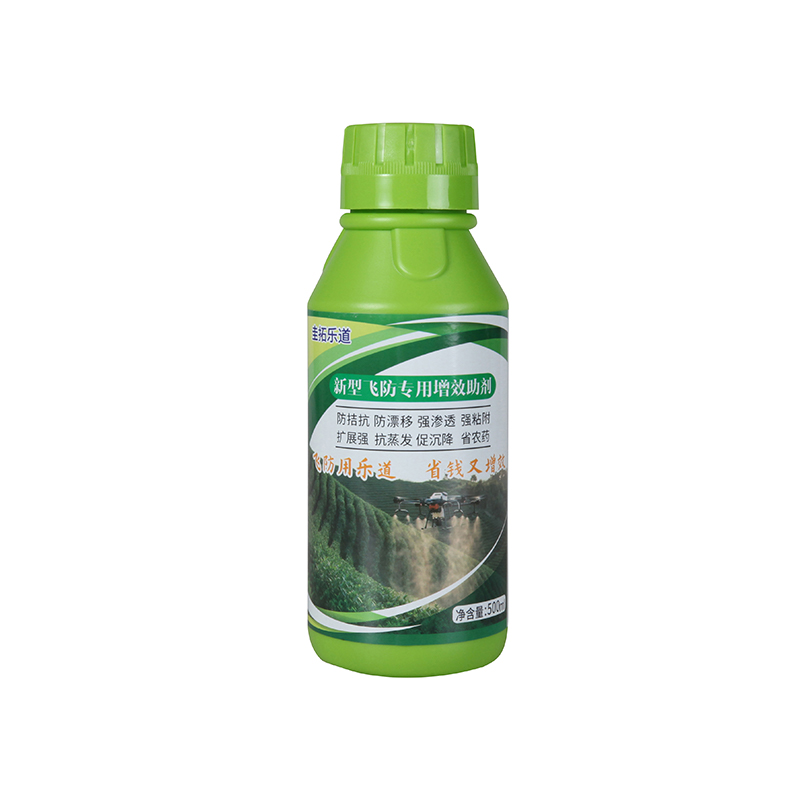
Product: Mite-Killing Adjuvants


Contact Information
Tel : +86-400-138-5268
Email : [email protected]
Phone : +86-15128434888 / +86-13511051998
Add : Xinqiao Environmental Protection Industrial Park, Wen'an County, Langfang City, Hebei Province, China
Contact Information
Copyright © Hebei Guituo New Material Co., Ltd. All Rights Reserved.
