

 English
  Français
  Português
 Home / Author / Zhang Xiaoyu, Regional Sales Manager (Southeast Asia) / High-Efficiency Aerial Spraying Enhancing Adjuvants for Precision Crop Protection
 High-Efficiency Aerial Spraying Enhancing Adjuvants for Precision Crop Protection
2026-05-30
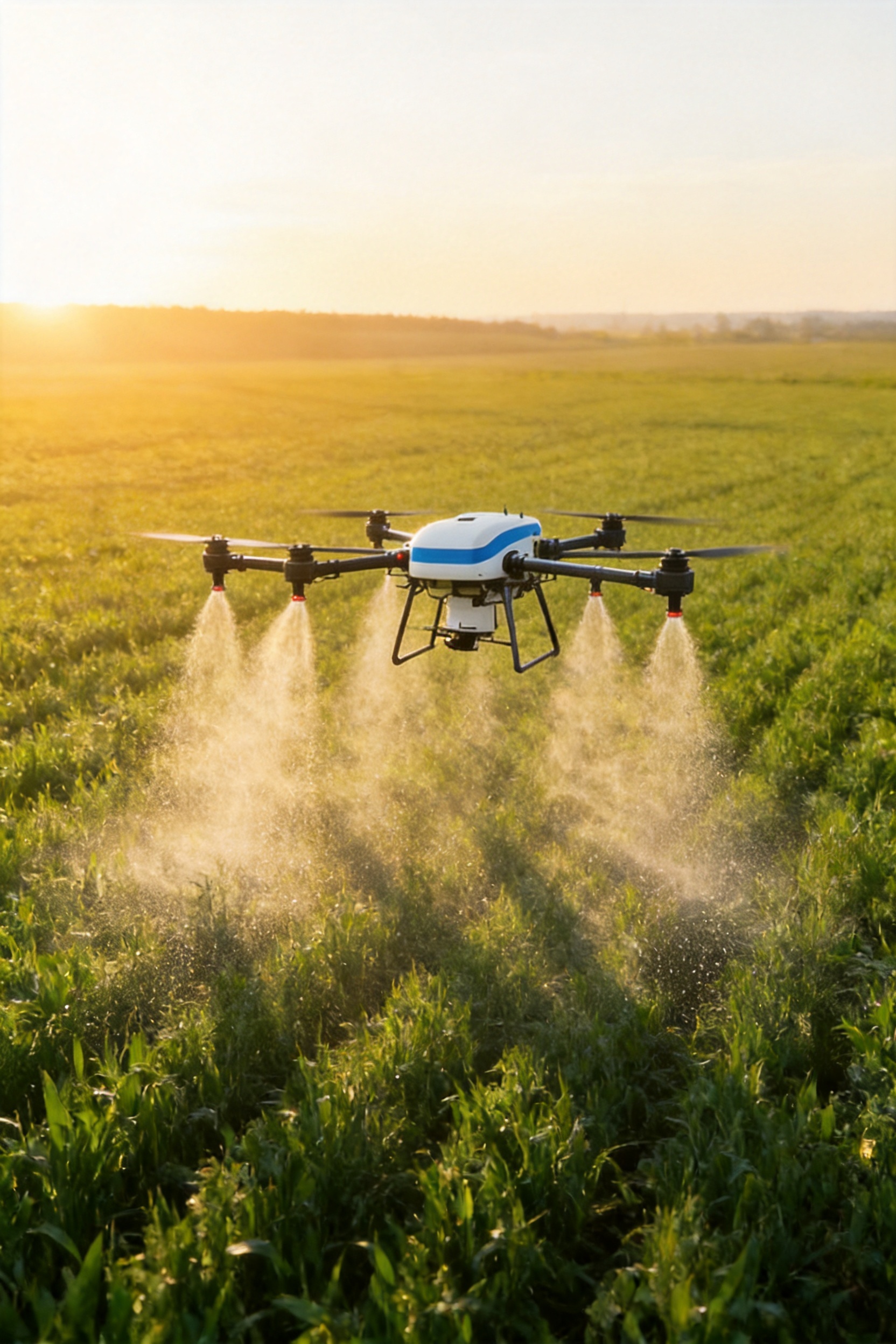
Modern crop protection is changing quickly. Farms are becoming larger, application windows are becoming shorter, labor costs are rising, and climate conditions are becoming less predictable. In this environment, aerial spraying by plant-protection drones and other aerial platforms has become an important method for applying pesticides, fungicides, herbicides, foliar nutrients, and other agricultural inputs. However, aerial spraying also brings technical challenges: droplets may evaporate before they reach the leaf surface, drift may carry active ingredients away from the target area, and poor adhesion may cause runoff after deposition. A high-performance spray adjuvant is therefore not an optional accessory; it is a key technology for improving the efficiency, reliability, and environmental responsibility of modern pesticide application.
New High-Efficiency Aerial Spraying Dedicated Enhancing Adjuvants, product model GT-9100, are designed specifically for aerial crop-protection spraying. Based on silicone surfactant technology and polyether modified trisiloxane chemistry, this product is formulated to improve spreading, wetting, adhesion, anti-evaporation performance, absorption, penetration, drift control, and formulation stability. It is particularly suitable for the requirements of low-volume and ultra-low-volume spraying, where every droplet must work efficiently and where the margin for waste is small.
The product is positioned for agricultural users, agrochemical formulators, distributors, drone service providers, and large-scale farming operations seeking higher pesticide utilization, improved pest and disease control, and more consistent spray performance. With excellent surface activity, a low surface tension value, controlled viscosity, neutral pH, and high purity, GT-9100 provides an integrated solution for improving spray deposition and biological efficacy.
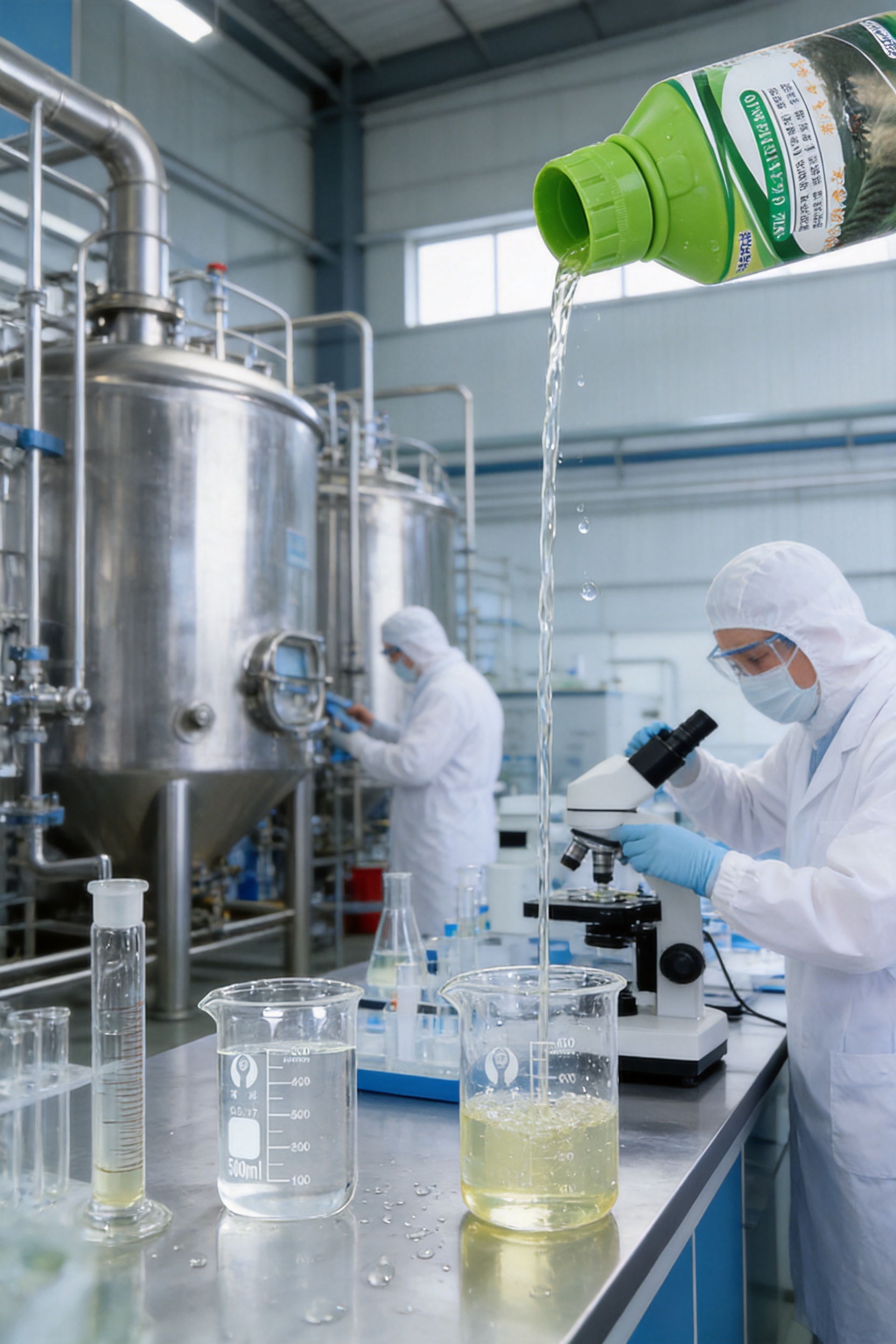
Hebei Guituo New Material Co., Ltd. develops and manufactures advanced organosilicon materials for industrial and agricultural applications. Its production system combines research and development, precise process control, quality monitoring, and stable supply capabilities. Through advanced equipment, testing facilities, experienced technical teams, and mature production management, the company provides a reliable manufacturing foundation for high-performance agricultural silicone adjuvants such as GT-9100.
New High-Efficiency Aerial Spraying Dedicated Enhancing Adjuvants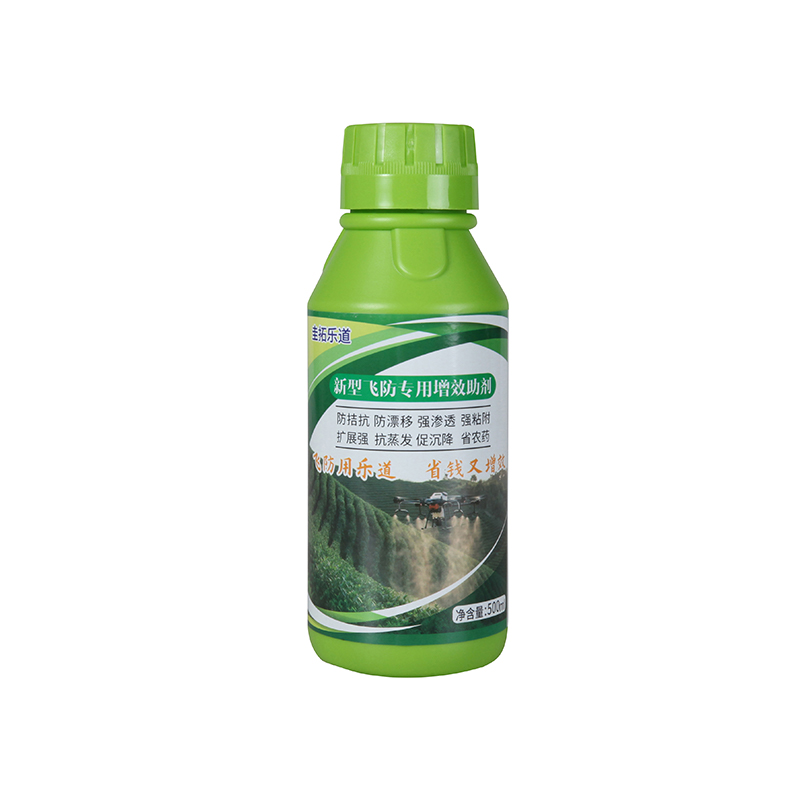
Product Overview
GT-9100 is a specialized aerial spraying enhancing adjuvant intended to improve the delivery and performance of crop protection products. Its core function is to modify the physical behavior of pesticide spray solutions so that droplets spread better, wet difficult leaf surfaces more effectively, adhere more strongly, resist rapid evaporation, and support improved uptake of active ingredients. These functions are especially important in aerial applications, where droplet size, spray height, wind, temperature, humidity, and leaf architecture can all affect final results.
The product belongs to the category of agricultural silicone synergists. It is described as a silicone surfactant and polyether modified trisiloxane, with CAS No. 27306-78-1 and EINECS No. 608-078-3. It is supplied with a stated purity of 99.8%, viscosity at 25°C of 30 to 50 mm²/s, surface tension at 0.1% wt below 20.5 mN/m, cloud point at 1.0% wt of not more than 35°C, and pH value of a 1% aqueous solution at 25°C between 6.5 and 7.5. These specifications indicate a product designed for high surface activity, user-friendly handling, and broad compatibility within practical agricultural spray systems.
The product’s main performance advantages include strong adhesion, anti-evaporation capability, enhanced absorption, drift reduction, and de-flocculation. In practical terms, this means the adjuvant can help more of the sprayed solution reach the target, remain on the target, spread across the target, and deliver active ingredients into plant tissues or pest contact zones. According to the provided product information, the adjuvant can increase spray utilization by approximately 30% to 50% and improve control efficacy by an average of about 20%, depending on application conditions, pesticide type, crop surface, equipment, and environmental factors.
Unlike general-purpose surfactants that may only improve wetting in simple conditions, an aerial spraying dedicated adjuvant must address multiple problems at once. Drone spraying often uses small volumes of water per hectare, which concentrates the importance of droplet behavior. A droplet that drifts away, dries too quickly, bounces off a leaf, or forms an uneven deposit represents lost pesticide value and reduced control performance. GT-9100 is designed to reduce these losses by helping the spray solution behave more predictably from nozzle to target surface.
Why Aerial Spraying Requires Specialized Adjuvant Technology
Aerial spraying differs from ground spraying in several important ways. The spray is released from an elevated platform, droplets travel through moving air, and application often occurs over broad areas at high operating speed. With plant-protection drones, spray volumes may be lower than in conventional boom spraying, and droplets must provide good coverage despite limited carrier water. The droplets also encounter air movement generated by rotors, natural wind, thermal currents, and crop canopy turbulence.
These conditions make droplet management essential. If droplets are too fine, they may drift away from the intended crop. If they are too large, they may provide poor coverage or roll off waxy leaves. If they dry too quickly, the active ingredient may not spread or penetrate sufficiently. If they do not adhere well, the pesticide may run off, especially on vertical leaves, smooth fruit surfaces, or dense canopies. A specialized adjuvant helps balance these variables by changing the spray solution’s surface tension, wetting behavior, spreading pattern, evaporation profile, and deposit stability.
GT-9100 addresses the unique demands of aerial spraying through a combination of silicone-based wetting and synergistic enhancement. Silicone surfactants are known for their ability to reduce surface tension much more effectively than many conventional nonionic surfactants. The low surface tension allows droplets to spread rapidly over hydrophobic plant surfaces, including leaves with wax layers, hairy surfaces, or complex microstructures. This rapid spreading can increase the contact area between pesticide and leaf tissue, giving active ingredients more opportunity to work.
At the same time, aerial spraying needs controlled performance rather than uncontrolled overspreading. A good adjuvant should not merely flatten droplets; it should help achieve useful deposition and improved retention. GT-9100’s formulation is designed for the balance required in crop protection: improved wetting, stronger adhesion, reduced runoff, more stable spray solution, and better delivery of active ingredients. This multi-functional approach gives it an advantage over basic wetting agents that may improve one parameter while ignoring drift, evaporation, or absorption.
Core Technical Specifications
The following table summarizes the key product data for GT-9100 and explains the practical meaning of each parameter in agricultural application.
| Parameter | Specification | Practical Significance |
|---|---|---|
| Product Model | GT-9100 | Identifies the dedicated aerial spraying enhancing adjuvant grade. |
| Product Type | Silicone surfactant; polyether modified trisiloxane | Provides strong wetting, spreading, and penetration support for pesticide solutions. |
| CAS No. | 27306-78-1 | Indicates the chemical identity associated with the organosilicon surfactant. |
| Purity | 99.8% | Supports stable performance, consistent formulation quality, and reliable field behavior. |
| Viscosity at 25°C | 30–50 mm²/s | Helps ensure manageable dosing, mixing, and flow properties during formulation and application. |
| Surface Tension at 0.1% wt | <20.5 mN/m | Shows strong surface activity for rapid wetting and spreading on plant surfaces. |
| Cloud Point at 1.0% wt | ≤35°C | Provides useful reference for solution behavior under temperature-related conditions. |
| pH Value of 1% Aqueous Solution at 25°C | 6.5–7.5 | Near-neutral profile helps compatibility with many agricultural spray systems. |
| Main Functional Benefits | Adhesion, anti-evaporation, absorption, drift reduction, de-flocculation | Improves pesticide utilization, spray uniformity, and biological control performance. |
These parameters are important because adjuvant performance depends on measurable physical properties. A low surface tension value, for example, is directly related to wetting and spreading. Viscosity influences handling and blending. pH affects compatibility and stability in mixed spray solutions. Purity affects consistency from batch to batch. Together, these characteristics allow GT-9100 to perform as a technical adjuvant rather than a simple additive.
Strong Adhesion for Better Leaf Retention
One of the most important advantages of GT-9100 is strong adhesion. After droplets reach the plant surface, they must remain there long enough to deliver active ingredients. Many crop leaves are naturally difficult to wet because they are covered by waxes, surface hairs, or microstructures that repel water. On such surfaces, conventional spray droplets can bead up, bounce away, or run off. This reduces the amount of pesticide available for pest and disease control.
GT-9100 improves adhesion by helping droplets establish closer contact with the plant surface. When the spray solution spreads and anchors more effectively, runoff loss is reduced. This is especially valuable in drone spraying, where droplet volume is limited and uniform coverage is harder to maintain than in high-volume ground spraying. Better adhesion means a higher proportion of active ingredient remains where it is needed, improving utilization and reducing waste.
The practical value of adhesion is visible in many field scenarios. On smooth leaves, the adjuvant helps prevent droplets from sliding away. On upright or narrow leaves, it helps the spray deposit remain in place. On fruit and vegetable surfaces, it can improve contact uniformity. In dense crop canopies, improved retention on outer leaves can help maintain effective coverage. Strong adhesion can also reduce the need for repeated application caused by poor initial deposit quality.
Compared with ordinary surfactants, a specialized silicone adjuvant can provide faster wetting and stronger spreading at low use levels. This gives GT-9100 a competitive advantage because it helps solve the actual retention problem in aerial spraying rather than simply lowering surface tension without application-specific benefits. The result is more efficient use of pesticide resources and potentially more stable control outcomes.
Anti-Evaporation Performance Under Hot and Dry Conditions
Evaporation is one of the biggest threats to aerial spray efficiency. Small droplets have a high surface area relative to volume, meaning they can lose water quickly in hot, dry, or windy conditions. If droplets dry before reaching the plant surface, the pesticide may not deposit properly. If they dry immediately after landing, spreading and absorption may be limited. In both cases, control performance can decline.
GT-9100 is designed to slow droplet drying and improve efficacy stability under challenging environmental conditions. Its anti-evaporation function helps extend the time during which droplets remain active on the leaf surface. This supports better spreading, more complete wetting, and improved contact between active ingredient and plant tissue. For pesticide products that require absorption through the leaf surface, extended wet contact time can be especially valuable.
The anti-evaporation advantage is particularly relevant for drone service providers and large farms that must operate within limited weather windows. In many regions, ideal spraying conditions may last only a few hours in the morning or evening. If an adjuvant improves spray stability during slightly warmer or drier conditions, it can increase operational flexibility while still supporting responsible application. This does not replace the need to follow label instructions and avoid unsuitable weather, but it helps make applications more robust within acceptable conditions.
Competitor products may provide wetting but may not address evaporation adequately. A droplet that spreads well but dries too quickly may still fail to deliver maximum biological effect. GT-9100’s combined wetting and anti-evaporation approach helps overcome this limitation, making it more suitable for modern aerial spraying systems than many single-function additives.
Enhanced Absorption and Faster Action
Pesticide performance often depends on how efficiently the active ingredient reaches its target. Contact pesticides must remain on the surface where pests or pathogens are present, while systemic and translaminar pesticides may need to penetrate the leaf cuticle and move into plant tissues. If absorption is slow or incomplete, efficacy can be reduced, especially if rain, irrigation, sunlight, or degradation occurs before the active ingredient has acted effectively.
GT-9100 enhances absorption by improving the interaction between pesticide droplets and the plant surface. Its strong surface activity allows the spray solution to spread across the leaf rather than remaining as isolated beads. A larger contact area increases the opportunity for active ingredients to enter the cuticle or reach pest contact points. Improved wetting also helps spray solution access small surface irregularities, stomatal regions, and protected micro-zones where pests or pathogens may be present.
Faster absorption can shorten the time to action. This is important for pest and disease control because delayed uptake may allow insects, mites, fungi, or bacteria to continue damaging crops. By helping active ingredients penetrate more efficiently, GT-9100 can contribute to stronger and more reliable control performance. The provided product information notes an average control efficacy improvement of about 20%, which reflects the practical value of improved delivery efficiency.
Compared with many conventional adjuvants, organosilicon surfactants can offer superior spreading and penetration enhancement at relatively low concentrations. This makes GT-9100 attractive for high-value crop protection programs where efficacy, crop quality, and input efficiency are all important. It helps farmers and applicators get more value from the pesticide products they already use, rather than simply increasing pesticide dosage.
Drift Reduction and More Responsible Application
Spray drift is a major concern in aerial application. Drift can reduce pesticide performance by moving active ingredients away from the target crop. It can also create environmental and regulatory risks if droplets move toward neighboring fields, waterways, residential areas, or sensitive habitats. Effective drift management is therefore both an economic and environmental priority.
GT-9100 helps lower the risk of droplet drift by improving droplet behavior and increasing pesticide utilization. By supporting more effective deposition and retention, the product reduces the proportion of spray material that is wasted. Better droplet performance means more pesticide reaches the intended surface and less is lost to the surrounding environment. This is particularly valuable in drone spraying, where rotor airflow and small droplets can complicate deposition.
Drift reduction should always be managed through a complete application strategy, including proper nozzle selection, suitable flight height, wind-speed monitoring, buffer zones, and label compliance. GT-9100 is not a substitute for good application practice; rather, it is a technical tool that strengthens the overall system. When used appropriately, it can help applicators achieve better target coverage while supporting cost reduction and environmental responsibility.
Some competitor products focus mainly on deposition aids or thickeners, which may reduce drift but can compromise wetting or compatibility. Others focus on spreading but may increase the risk of excessive movement on the leaf surface. GT-9100’s value lies in its balanced functionality: wetting, adhesion, anti-evaporation, absorption support, and drift reduction are integrated into one specialized product for aerial spraying.
De-Flocculation and Formulation Stability
Another important feature of GT-9100 is de-flocculation. In agricultural spray tanks, some pesticide formulations may form flocculants or unstable aggregates, especially when mixed with hard water, fertilizers, multiple active ingredients, or incompatible additives. Flocculation can lead to uneven spray concentration, nozzle blockage, poor coverage, and inconsistent biological performance. In aerial spraying, where flow rates and nozzle performance are critical, formulation instability can create serious operational problems.
GT-9100 helps break down existing pesticide flocculants and restore formulation stability. This supports more uniform spraying and improved efficacy. When the spray mixture remains stable, active ingredients are more evenly distributed across the treated area. Stable mixtures also reduce the risk of equipment interruption, which is especially important for drone spraying operations that depend on efficient refilling, short flight cycles, and reliable nozzle output.
The de-flocculation function provides a competitive advantage because many adjuvants do not address tank-mix stability. A product may spread well on leaves but still fail in the tank if it causes separation, precipitation, or nozzle clogging. GT-9100’s ability to support spray uniformity from mixing to application makes it a more complete aerial spraying solution.
Users should still follow proper mixing procedures, conduct compatibility checks when needed, and observe pesticide label requirements. The adjuvant improves stability, but responsible tank-mix management remains essential. In professional applications, a jar test before large-scale spraying is recommended when combining multiple products or working with unfamiliar water sources.
Advantages Over Conventional Competitor Products
The agricultural adjuvant market includes many types of products: nonionic surfactants, oils, stickers, spreaders, drift-control agents, humectants, compatibility agents, and multi-function blends. Each has value in certain situations, but many competitor products are limited by single-function performance. A basic surfactant may wet leaves but may not reduce drift. A sticker may improve adhesion but may not enhance penetration. An oil-based adjuvant may improve some pesticide performance but may be less suitable for certain low-volume aerial systems. A drift-control additive may improve droplet size but may reduce spreading or create mixing concerns.
GT-9100 offers a multi-functional performance profile designed specifically for aerial spraying. Its strong wetting ability reduces surface tension to below 20.5 mN/m at 0.1% wt, enabling rapid spreading. Its adhesion properties reduce runoff. Its anti-evaporation function helps droplets remain effective longer. Its absorption enhancement supports faster and more complete active ingredient uptake. Its drift reduction function improves target utilization. Its de-flocculation effect supports tank-mix stability and uniform spraying.
This integrated performance gives GT-9100 an advantage over competitors that require multiple separate additives to achieve similar results. Using one specialized adjuvant can simplify tank-mix decisions, reduce operational complexity, and improve consistency. For drone service providers, simplicity matters because application teams often work under time pressure and must complete many hectares within a limited window. A product that combines several functions can save time, reduce mixing errors, and support repeatable field performance.
Another competitive advantage is its high purity. A stated purity of 99.8% suggests a focus on refined production and consistent chemical quality. Lower-quality materials may contain impurities that affect performance, odor, stability, color, compatibility, or long-term storage. High-purity organosilicon additives can provide more predictable results, especially in professional agricultural formulations where consistency is essential.
GT-9100’s near-neutral pH profile also supports practical compatibility. Many pesticide products perform best within certain pH ranges, and strongly acidic or alkaline additives may create risks in some mixtures. A 1% aqueous solution pH of 6.5 to 7.5 gives GT-9100 a user-friendly profile for many crop protection systems. Although compatibility should always be verified for specific tank mixes, this neutral character is a meaningful advantage for broad agricultural use.
Manufacturing Strength Behind the Product
High-performance adjuvant technology depends not only on formulation design but also on manufacturing precision. Organosilicon surfactants require controlled synthesis, refined processing, and strict quality testing to ensure consistent molecular structure and stable performance. Small changes in raw material quality, reaction conditions, purification, or blending can affect surface tension, viscosity, cloud point, compatibility, and field behavior.
Hebei Guituo New Material Co., Ltd. is a high-tech enterprise integrating research and development, production, and sales. The company focuses on high-end silicone materials for agricultural and industrial applications. Its manufacturing capabilities are supported by advanced production equipment, precise testing facilities, and a full-process quality monitoring mechanism from production source to finished-product delivery. This systematic approach is essential for maintaining the high consistency required by agricultural adjuvant customers.
The company has assembled an experienced technical and production team with strong professional skills. This matters because organosilicon material production is not a simple blending operation. It requires understanding of reaction chemistry, process stability, raw material selection, impurity control, and application performance. A knowledgeable team can optimize production parameters, identify quality risks early, and provide technical support to customers using the product in different crops, climates, water conditions, and pesticide systems.
The company’s product matrix includes silicone additives, wetting agents, modified silicone oil, dimethyl silicone oil, surfactants, defoamers, and related materials. This broad product layout gives the manufacturer a deep understanding of silicone chemistry and application behavior across multiple fields, including agriculture, daily chemicals, electronics, and textiles. Experience in different industries strengthens technical capability because many performance challenges, such as wetting, defoaming, dispersion, compatibility, and surface modification, are shared across applications.
In agricultural silicone products, the company’s materials have reached an advanced domestic level and are favored by leading domestic agrochemical enterprises. This indicates practical market validation from professional users who require stable quality and dependable performance. The company also exports to markets such as Europe and Southeast Asia, where customers often demand consistent quality, documentation, and reliable supply. Repeated overseas purchases further support the product’s credibility.
Advanced Production and Quality Control Processes
The manufacturing of a high-efficiency aerial spraying adjuvant begins with raw material control. Silicone intermediates, polyether components, catalysts, solvents or processing aids, and other materials must meet strict requirements before entering production. Raw material inspection may include appearance, purity, moisture, acid value, viscosity, functional group content, and other relevant indicators. Strong raw material control reduces batch variation and prevents downstream quality issues.
During synthesis or modification, production conditions must be carefully managed. Temperature, reaction time, feeding sequence, mixing intensity, and process atmosphere can influence final molecular architecture. For polyether modified trisiloxane surfactants, the balance between silicone backbone and polyether groups is critical. This balance determines water compatibility, surface activity, cloud point, spreading ability, and stability. Advanced equipment allows more accurate control of these variables, resulting in a product that meets defined specifications.
After production, the product must be tested against key performance indicators. For GT-9100, important parameters include viscosity, surface tension, cloud point, pH value, purity, appearance, and possibly compatibility or application performance tests. Surface tension testing is particularly important because it directly reflects the product’s wetting strength. Viscosity testing ensures handling consistency. pH testing supports compatibility assessment. Cloud point testing provides information about temperature-related solution behavior.
A full-process quality monitoring mechanism means quality is not checked only at the end. Instead, control points are established throughout sourcing, production, intermediate processing, packaging, storage, and delivery. This reduces the risk of nonconforming material reaching customers and helps maintain stable performance across batches. For agricultural users and formulators, batch-to-batch consistency is essential because unexpected variation can affect field results, tank-mix behavior, and customer trust.
Packaging and storage are also important. Silicone adjuvants should be protected from contamination, excessive moisture, incompatible materials, and unsuitable temperatures. Proper packaging supports shelf stability and safe transportation. Reliable logistics and supply management ensure that distributors, formulators, and agricultural service providers can obtain product when application seasons begin. In agriculture, timing is critical; a high-quality product has limited value if supply is unstable during peak demand.

Application Value for Drone Crop Protection
Plant-protection drones have expanded rapidly because they offer flexibility, speed, reduced labor demand, and access to fields that may be difficult for ground machinery. They are especially useful in rice fields, hilly terrain, wet soil conditions, high-density crops, and fragmented farmland. However, drone spraying depends heavily on spray technology. Low-volume application can be efficient only when droplets deliver active ingredients effectively.
GT-9100 supports drone spraying by improving the performance of each droplet. In low-volume systems, the number of droplets and the total water carrier may be limited. The adjuvant helps each droplet cover more surface area, adhere better, resist quick drying, and support active ingredient uptake. This can improve biological efficacy without simply increasing pesticide dosage. Better utilization also means reduced input waste and improved economic return.
For drone service providers, product reliability is essential. A service provider may apply pesticides for many farmers and different crops in one season. The adjuvant must be easy to handle, consistent in performance, and compatible with professional workflow. GT-9100’s controlled viscosity and strong activity make it suitable for practical field operations. Its multi-functional benefits also reduce the need to carry and manage several different additive products.
For large-scale farms, the value lies in efficiency and risk reduction. If spray utilization increases by 30% to 50%, as indicated in the product information, the farm may achieve better pest control from the same pesticide input or maintain efficacy while optimizing application rates according to label and agronomic guidance. If average control efficacy improves by about 20%, crop quality and yield protection may improve, particularly during critical pest or disease pressure periods.
Compatibility With Crop Protection Programs
A professional adjuvant should fit into real agricultural programs. Farmers and applicators use many types of pesticides, including insecticides, fungicides, herbicides, acaricides, plant growth regulators, and foliar fertilizers. Each product has its own formulation type and performance requirements. GT-9100 is designed as a crop protection spray adjuvant compatible with a wide range of pesticide systems, but compatibility should always be confirmed with the specific product combination.
Because GT-9100 improves wetting and penetration, it can be especially useful with pesticides that benefit from improved leaf coverage or absorption. Fungicides used for leaf disease control, insecticides targeting pests on leaf surfaces, and systemic products requiring cuticular penetration may all benefit from enhanced deposition and uptake. However, as with all powerful adjuvants, users should avoid exceeding recommended use levels and should consider crop sensitivity, pesticide label restrictions, growth stage, and environmental conditions.
Some crops have delicate surfaces, and some pesticide formulations may become more active when penetration is enhanced. Therefore, professional use involves balancing efficacy and crop safety. A small-scale test is advisable when using a new combination on sensitive crops. This responsible approach ensures that the performance benefits of GT-9100 are achieved without unnecessary risk.
The product also supports integrated pest management. IPM aims to control pests effectively while minimizing unnecessary pesticide use. By improving pesticide delivery and utilization, GT-9100 can help reduce waste and may support fewer repeated applications when used correctly. Better efficacy from each application contributes to more rational pest management and improved environmental stewardship.
Environmental and Economic Benefits
Improved spray efficiency has both economic and environmental significance. From an economic perspective, pesticide products represent a major input cost. If a portion of the spray is lost through drift, evaporation, runoff, or poor absorption, the farmer pays for active ingredient that does not contribute to crop protection. By increasing utilization, GT-9100 helps improve return on investment for pesticide applications.
From an environmental perspective, wasted pesticide can become a source of contamination. Drift may affect non-target plants or sensitive areas. Runoff may contribute to soil or water residues. Excessive reapplication increases chemical load. A high-efficiency adjuvant helps address these concerns by keeping more of the spray on the intended target and improving the effectiveness of the applied dose. This supports more responsible agriculture.
The environmental value of GT-9100 is not based on reducing pesticide need alone, but on improving the precision of delivery. Precision agriculture is not only about GPS, sensors, and drones; it is also about chemistry and droplet behavior. If the liquid applied by advanced equipment does not wet, adhere, or penetrate effectively, the precision of the platform is weakened. GT-9100 helps connect aerial application technology with actual biological performance on the crop surface.
Economic benefits also include labor and operational savings. Better efficacy may reduce the need for repeat applications. Improved stability may reduce nozzle clogging and downtime. Multi-functional performance may reduce the number of additives needed in inventory. For distributors and service providers, a reliable adjuvant can improve customer satisfaction because farmers judge application services by visible results in the field.
Performance in Challenging Field Conditions
Agricultural spraying rarely occurs under perfect laboratory conditions. Field conditions may include high temperatures, low humidity, uneven canopy structure, waxy leaves, pest hiding sites, dusty surfaces, and variable water quality. These challenges can reduce pesticide performance. GT-9100 is designed to improve stability and effectiveness under such practical conditions.
In hot and dry weather, anti-evaporation performance helps droplets remain active longer. On waxy crop leaves, low surface tension improves wetting. On vertical or narrow leaves, adhesion reduces runoff. In dense canopies, better spreading and penetration improve contact. In tank mixes prone to instability, de-flocculation supports uniform spraying. This multi-condition performance makes the product more versatile than basic adjuvants.
However, responsible use remains important. Spraying should not be performed under extreme wind, unsuitable heat, or conditions prohibited by pesticide labels. Adjuvants improve performance but cannot overcome all environmental limitations. Best results are achieved when GT-9100 is combined with correct equipment setup, appropriate nozzle selection, suitable droplet spectrum, proper flight parameters, good water quality, and trained operators.
Role in High-Value Agriculture
High-value crops require reliable pest and disease management because quality losses can be costly. Fruits, vegetables, specialty crops, and seed production systems often demand excellent coverage and consistent results. Aerial spraying may be used when fields are difficult to access or when rapid treatment is needed. GT-9100 can support these applications by improving droplet coverage and active ingredient delivery.
In fruit and vegetable production, leaf surface characteristics can vary widely. Some crops have smooth and waxy leaves; others have hairy or textured surfaces. Pests and pathogens may occupy undersides of leaves, growing points, or protected canopy zones. Improved spreading and wetting help increase the chance that pesticide reaches these difficult surfaces. Better adhesion helps deposits remain in place long enough to act.
For field crops such as rice, corn, wheat, cotton, and soybeans, aerial spraying is often used to cover large areas quickly. Disease or insect outbreaks can develop rapidly, and delayed treatment may lead to significant yield loss. A high-efficiency adjuvant can improve the effectiveness of rapid-response applications. When many hectares must be treated within a short window, the ability to improve spray utilization is highly valuable.
OEM and ODM Support for Formulators and Distributors
In addition to supplying finished adjuvant products, Hebei Guituo New Material Co., Ltd. accepts OEM and ODM orders. This is important for agrochemical brands, distributors, and regional partners who need customized solutions. Different markets may require different packaging, concentration, labeling, performance emphasis, or compatibility profiles. OEM and ODM capabilities allow the company to adapt its silicone material expertise to customer-specific requirements.
Customization may involve adjusting product specifications, developing blended adjuvant systems, creating private-label products, or optimizing performance for certain crops and pesticide types. A manufacturer with strong R&D capability and broad silicone chemistry experience can support these projects more effectively than a simple trading supplier. This gives customers access not only to product supply but also to technical collaboration.
Stable production capacity is equally important for partners. Agricultural demand is seasonal and can rise quickly during pest outbreaks. A supplier must be able to deliver consistent product volume without sacrificing quality. The company’s integrated production and quality-control system supports reliable supply, helping partners maintain market continuity and customer confidence.
Practical Use Considerations
When using GT-9100, applicators should follow pesticide label instructions, local agricultural regulations, and professional recommendations. Adjuvant rates may vary depending on crop, pesticide type, water volume, application equipment, and environmental conditions. Because GT-9100 is a high-efficiency silicone adjuvant with strong spreading capability, correct dosage is important. More is not always better; excessive adjuvant can cause over-spreading, runoff, or crop safety concerns in some situations.
Before large-scale use with a new pesticide mixture, a compatibility test is recommended. A simple jar test can help identify precipitation, separation, excessive foaming, or other mixing issues. Operators should add products in the correct sequence according to label guidance. Clean water, proper agitation, and timely application after mixing all contribute to better results.
Drone spraying parameters should also be optimized. Flight height, speed, nozzle type, droplet size, spray volume, and wind conditions affect deposition. GT-9100 improves spray solution performance, but it works best as part of a complete application system. Training operators and maintaining equipment are essential for consistent results.
Storage should be conducted according to supplier recommendations. Containers should remain sealed when not in use, protected from contamination, and stored away from incompatible materials. Proper storage helps maintain product performance and shelf stability.
Q&A Section
Q1: What is GT-9100?
GT-9100 is a new high-efficiency aerial spraying dedicated enhancing adjuvant. It is an agricultural silicone synergist based on silicone surfactant and polyether modified trisiloxane technology. It is designed to improve wetting, spreading, adhesion, absorption, drift reduction, anti-evaporation performance, and spray stability in crop protection applications.
Q2: Why is this adjuvant especially suitable for aerial spraying?
Aerial spraying, especially drone spraying, often uses lower water volumes and faces challenges such as drift, evaporation, uneven coverage, and limited droplet contact time. GT-9100 helps droplets spread more effectively, adhere to crop leaves, resist rapid drying, and deliver active ingredients more efficiently. These functions are particularly valuable in aerial application systems.
Q3: How does GT-9100 improve pesticide absorption?
GT-9100 reduces the surface tension of the spray solution, allowing droplets to spread across the leaf surface instead of forming beads. This increases contact area and helps active ingredients penetrate the waxy cuticle or reach target zones more effectively. Improved absorption can shorten the time to action and enhance pest or disease control.
Q4: Can GT-9100 reduce pesticide drift?
GT-9100 supports drift reduction by improving droplet deposition, retention, and utilization. It helps more of the spray reach and remain on the intended crop surface. However, drift management must also include correct nozzle choice, suitable weather conditions, proper flight height, and compliance with pesticide labels and local regulations.
Q5: What makes GT-9100 different from ordinary surfactants?
Ordinary surfactants may mainly improve wetting. GT-9100 provides multiple functions, including strong adhesion, anti-evaporation, enhanced absorption, drift reduction, and de-flocculation. It is designed specifically for aerial spraying rather than general-purpose wetting alone. Its low surface tension and high-purity organosilicon chemistry provide a stronger and more specialized performance profile.
Q6: What does de-flocculation mean in spray application?
De-flocculation means helping break down aggregates or flocculants that may form in pesticide mixtures. Flocculation can cause uneven spraying, nozzle blockage, and inconsistent performance. GT-9100 helps restore formulation stability so that the spray mixture remains more uniform during application.
Q7: Is GT-9100 compatible with all pesticides?
GT-9100 is designed for broad use with crop protection products, but no adjuvant should be assumed compatible with every pesticide or tank mix under all conditions. Users should follow product labels and conduct a compatibility test when using unfamiliar combinations, sensitive crops, or complex tank mixes.
Q8: Can this adjuvant help reduce pesticide costs?
By improving spray utilization and biological efficacy, GT-9100 can help users get more value from pesticide applications. The product information indicates that it can increase spray utilization by 30% to 50% and improve control efficacy by an average of about 20%, depending on field conditions and application practices. Better utilization may reduce waste and lower the need for repeat applications.
Q9: Is GT-9100 environmentally beneficial?
GT-9100 can support environmental responsibility by helping more pesticide remain on the intended target and reducing losses from drift, runoff, and poor deposition. Improved efficiency may also reduce unnecessary reapplication. It should still be used responsibly according to labels, regulations, and good agricultural practice.
Q10: What manufacturing strengths support the quality of GT-9100?
Hebei Guituo New Material Co., Ltd. uses advanced production equipment, precise testing facilities, full-process quality monitoring, and experienced technical teams. The company focuses on high-end silicone materials and supplies products for agriculture, daily chemicals, electronics, textiles, and other fields. Its manufacturing foundation supports consistent quality and reliable supply.
Conclusion
New High-Efficiency Aerial Spraying Dedicated Enhancing Adjuvants, product model GT-9100, represent an advanced solution for modern crop protection. As aerial spraying becomes more important, the quality of droplet performance becomes increasingly decisive. GT-9100 improves the key factors that determine application success: wetting, spreading, adhesion, anti-evaporation, absorption, drift reduction, and formulation stability.
The product offers clear advantages over many conventional competitor products because it is not limited to one function. It combines strong organosilicon surface activity with practical aerial spraying benefits. Its high purity, low surface tension, controlled viscosity, near-neutral pH, and de-flocculation capability provide a strong technical foundation for field performance. By increasing spray utilization and supporting improved control efficacy, it helps farmers, drone operators, and agrochemical partners achieve more efficient and responsible pesticide applications.
Behind the product is a manufacturer with advanced silicone material capabilities, integrated R&D and production, strict quality monitoring, and broad industry experience. Hebei Guituo New Material Co., Ltd. provides not only a product but also a reliable technical and manufacturing platform for agricultural adjuvant innovation. For users seeking improved aerial spraying performance, GT-9100 offers a high-efficiency pathway toward better coverage, stronger efficacy, reduced waste, and more sustainable crop protection.
References
Hazen, J. L. Adjuvants: Terminology, Classification, and Chemistry. Weed Technology.
Holloway, P. J. Physicochemical Factors Influencing the Adjuvant-Enhanced Spray Deposition and Coverage of Agrochemicals. Pesticide Science.
Green, J. M. The Benefits of Herbicide Adjuvants and Their Role in Weed Management. Weed Technology.
Matthews, G. A. Pesticide Application Methods. Wiley-Blackwell.
Knowles, A. Chemistry and Technology of Agrochemical Formulations. Springer.
ASTM International. Standard Methods for Evaluating Surface Tension, Viscosity, and Related Properties of Liquid Formulations.
Food and Agriculture Organization of the United Nations. Guidelines on Good Practice for Aerial Application of Pesticides.
International Organization for Standardization. Agricultural Spraying Equipment and Application Quality Standards.
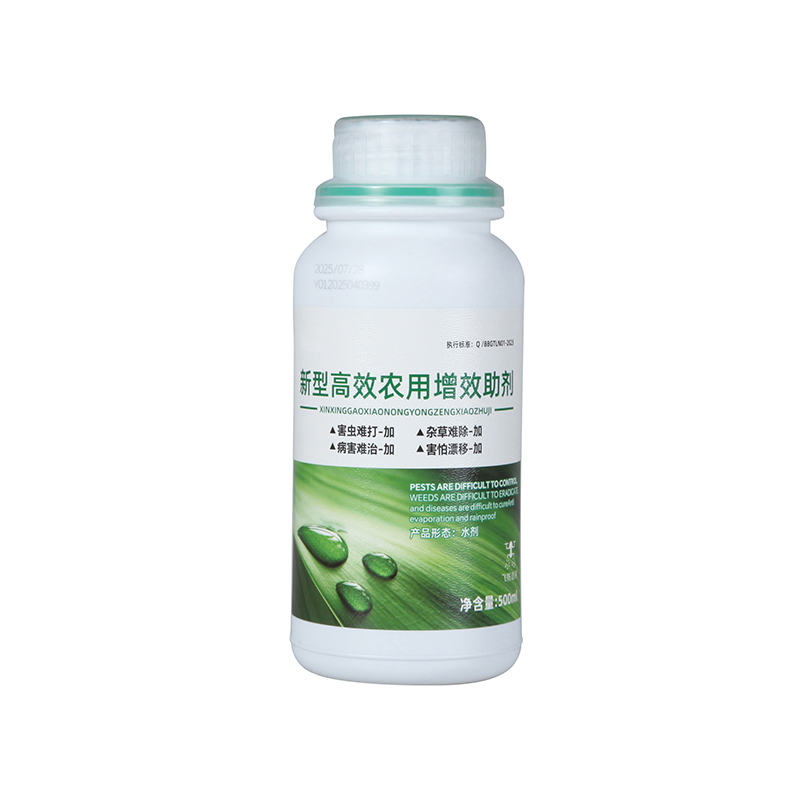
Product: New High-Efficiency Aerial Spraying Dedicated Enhancing Adjuvants


Contact Information
Tel : +86-400-138-5268
Email : [email protected]
Phone : +86-15128434888 / +86-13511051998
Add : Xinqiao Environmental Protection Industrial Park, Wen'an County, Langfang City, Hebei Province, China
Contact Information
Copyright © Hebei Guituo New Material Co., Ltd. All Rights Reserved.
