

 English
  Français
  Português
 Home / Author / Zhang Xiaoyu, Regional Sales Manager (Southeast Asia) / High-Performance Agricultural Silicone Wetting Synergist for Modern Spray Efficiency
 High-Performance Agricultural Silicone Wetting Synergist for Modern Spray Efficiency
2026-07-07
In modern agriculture and specialty chemical formulation, wetting performance is no longer a secondary feature; it is a decisive factor that influences coverage, absorption, dosage efficiency, field productivity, and user cost. An agricultural silicone wetting synergist is designed to solve one of the most common problems in spraying and liquid application: the inability of water-based mixtures to spread evenly across difficult surfaces. Leaves, stems, waxy cuticles, porous substrates, mineral surfaces, and many industrial materials often resist water because of high surface tension. When droplets bead up, active ingredients are concentrated in limited spots instead of forming a uniform film. This reduces effectiveness and may increase chemical waste. A high-quality silicone wetting agent changes this behavior by dramatically lowering surface tension, improving spreading, enhancing penetration, and helping active components contact the target surface more efficiently.
The product discussed in this article is a polyether modified trisiloxane type silicone surfactant with strong permeability, high ductility, excellent spreading behavior, and broad compatibility. It is commonly identified by functions such as wetting agent, spreading agent, silicone surfactant, and agricultural silicone synergist. Its molecular structure contains both hydrophilic and lipophilic groups, enabling it to reduce the contractive force at the liquid surface and promote rapid diffusion from the droplet contact point outward. In practical use, this means the spray liquid can move over the crop surface quickly, cover more area with less liquid, and reduce local accumulation. For porous solids, it can help the liquid overcome trapped air and penetrate into internal gaps more effectively.
Although the product is strongly associated with agricultural spray applications, its performance advantages also make it relevant to broader chemical raw material systems, paint additives, release agents, textile auxiliaries, daily chemical formulations, and other silicone-based additive fields. The same principle that improves the wetting of pesticide droplets on a waxy leaf may also help a coating wet a substrate, a release agent distribute evenly over a mold surface, or a functional liquid penetrate porous materials. Because of this versatility, advanced manufacturers treat the product not merely as a single-use adjuvant, but as a high-performance functional additive platform.
Hebei Guituo New Material Co., Ltd., together with Ningbo Guituo Trading Co., Ltd. as its trading subsidiary, focuses on high-end silicone materials for industrial and agricultural applications. The enterprise integrates research and development, production, quality testing, sales, OEM service, and ODM service. It has established a complete production and quality control system supported by advanced equipment, precise testing facilities, and an experienced technical team. This manufacturing foundation is important because silicone wetting synergists are highly sensitive to molecular structure, purity, viscosity, cloud point, pH, and surface tension performance. A small variation in synthesis or processing may affect spreading behavior, storage stability, compatibility, and field results. Stable production capability is therefore one of the major competitive advantages of a reliable supplier.
Agricultural Silicone Wetting Synergist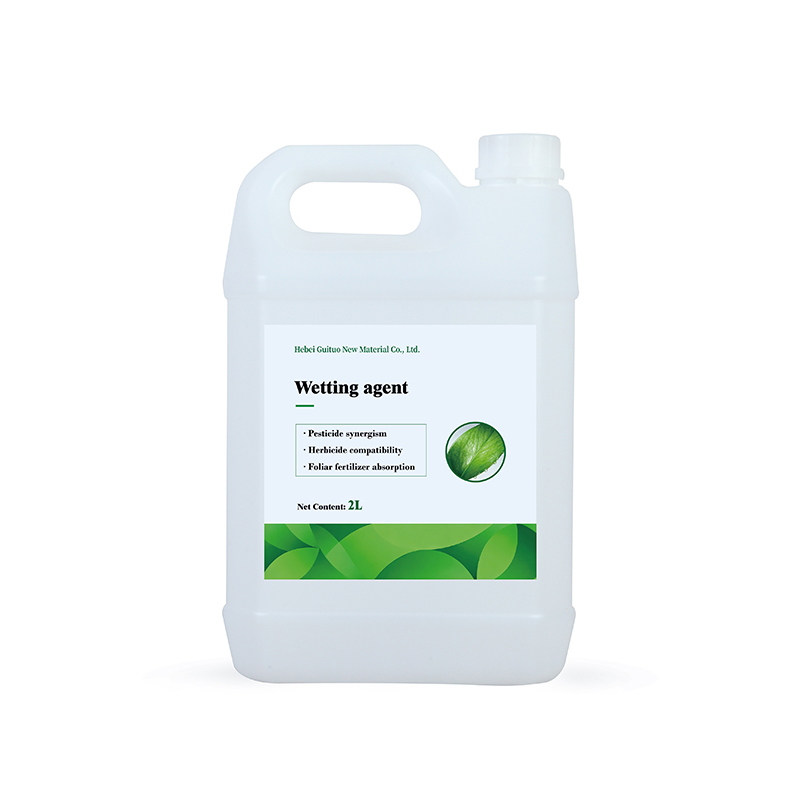
Product Identity and Core Technical Profile
The agricultural silicone wetting synergist is a silicone surfactant based on polyether modified trisiloxane chemistry. This type of molecule is known for its extraordinary ability to lower the surface tension of aqueous systems. Traditional nonionic or anionic surfactants can improve wetting to a certain degree, but many of them cannot reach the ultra-low surface tension required for rapid super-spreading. Silicone-based wetting agents, especially trisiloxane structures, are valued because they can reduce the surface tension of diluted spray solutions to very low levels, allowing liquid to spread across hydrophobic surfaces where ordinary surfactants may fail.
In the supplied technical profile, the product model is GT-7000, the product name is Wetting Agents, the CAS number is 27306-78-1, the EINECS number is 608-078-3, and common synonyms include silicone surfactant and polyether modified trisiloxane. The material is listed with a purity of 99.8%, viscosity at 25°C of 30 to 50 mm²/s, surface tension at 0.1% weight concentration of less than 20.5 mN/m, cloud point at 1.0% weight concentration of not more than 35°C, and pH value of a 1% aqueous solution at 25°C between 6.5 and 7.5. These indicators show that the product is designed for high activity, efficient dispersion, and near-neutral aqueous behavior.
| Technical Item | Typical Specification | Practical Meaning |
|---|---|---|
| Product Model | GT-7000 | Represents a high-performance silicone wetting synergist grade |
| Chemical Type | Polyether Modified Trisiloxane | Provides exceptional spreading and surface tension reduction |
| CAS No. | 27306-78-1 | Supports product identification and regulatory documentation |
| Purity | 99.8% | Helps ensure stable activity and reliable formulation behavior |
| Viscosity at 25°C | 30-50 mm²/s | Supports easy handling, blending, and dosing |
| Surface Tension at 0.1% wt | Less than 20.5 mN/m | Enables rapid spreading on hydrophobic surfaces |
| Cloud Point at 1.0% wt | Not more than 35°C | Provides useful formulation guidance under temperature variation |
| pH at 1% Aqueous Solution | 6.5-7.5 | Near-neutral behavior supports compatibility in many systems |
The low surface tension value is especially important. Pure water has a surface tension of about 72 mN/m at room temperature. Many conventional surfactants reduce this value into the 30 to 40 mN/m range. A silicone wetting agent capable of reducing surface tension below 20.5 mN/m at low concentration delivers a much stronger spreading effect. In spray applications, this may allow a droplet to flatten and expand quickly rather than staying round. In coatings or release agent applications, it can assist film continuity and reduce defects associated with poor wetting.
How the Molecular Structure Creates Superior Wetting
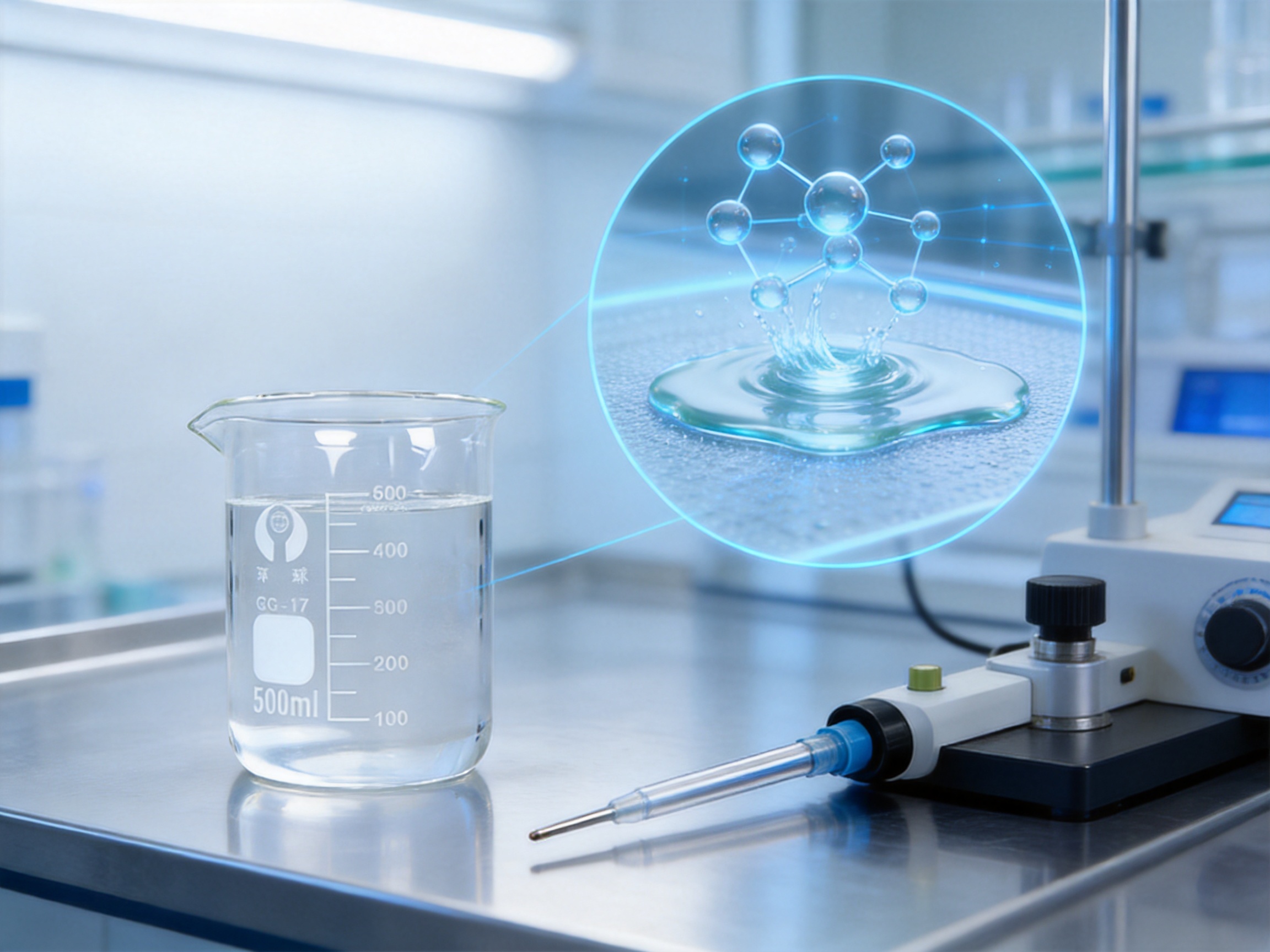
The performance of the product is closely related to its amphiphilic molecular design. The hydrophilic sections of the molecule have affinity for water-based systems, while the lipophilic and siloxane sections interact with low-energy surfaces and help orient the molecule at interfaces. When introduced into a liquid, the molecules migrate to the air-liquid interface or solid-liquid interface, weaken cohesive forces among liquid molecules, and reduce the energy required for the liquid to spread. This is the scientific basis of wetting.
The trisiloxane backbone gives the additive a distinctive advantage compared with many hydrocarbon surfactants. Silicone chains have flexible structures and very low surface energy. This feature allows them to align efficiently at interfaces and generate extremely low dynamic surface tension. Dynamic surface tension is critical during real spraying because droplets form, travel, impact, and spread within fractions of a second. A surfactant that lowers equilibrium surface tension slowly may perform well in a laboratory static test but fail to provide fast spreading in the field. A well-designed silicone wetting synergist can act rapidly, which helps it improve spray coverage during the short period after droplet impact.
The polyether modification provides water compatibility and formulation flexibility. Without proper modification, silicone oil structures may not disperse well in aqueous spray tanks or waterborne systems. By adjusting polyether segments, the manufacturer can balance hydrophilicity, cloud point, compatibility, and spreading behavior. This balance is one reason that advanced manufacturing and formulation know-how matter. A product with the same general chemical name may not produce the same field results if the molecular distribution, residual content, or modification ratio is not well controlled.
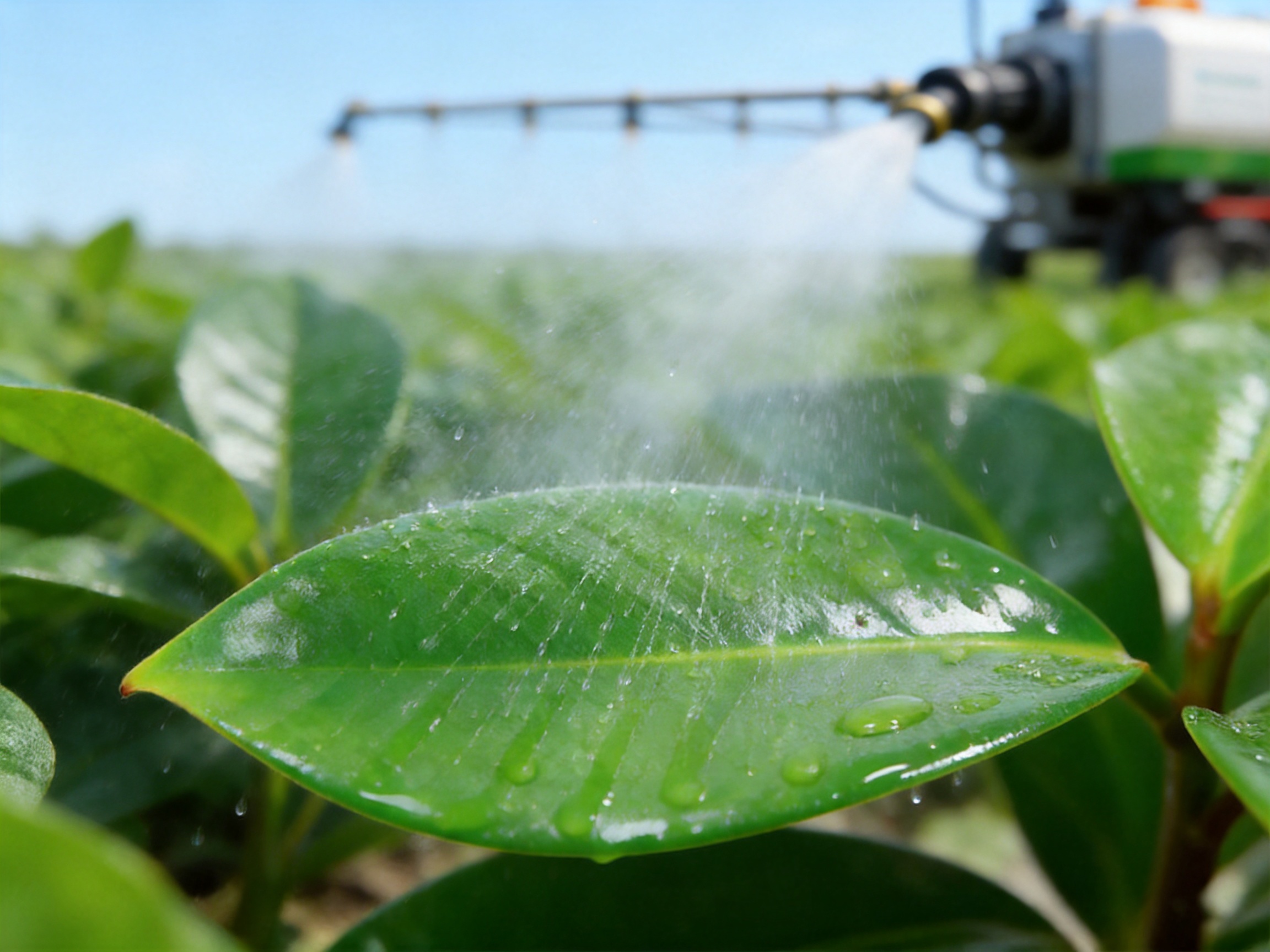
When the wetting synergist is added to an agrochemical solution, it can help droplets overcome the natural resistance of waxy plant cuticles. Many crops have leaf surfaces covered by wax layers, hairs, grooves, or microstructures. These features make water bead up and roll off. Poor retention causes chemical loss, uneven treatment, and reduced efficacy. By lowering the contact angle, the silicone wetting agent allows the liquid to contact a larger surface area. This can improve the performance of herbicides, insecticides, fungicides, foliar fertilizers, plant growth regulators, and other agricultural inputs when compatibility is confirmed and recommended rates are followed.
Main Functional Advantages
Ultra-Low Surface Tension
The first and most visible advantage is the ability to reduce surface tension to an ultra-low level. This is the foundation for all other performance benefits. When the spray solution has lower surface tension, it can spread across difficult plant surfaces rather than contracting into beads. Better spreading means the active ingredient has more contact opportunities with the target. In field conditions, where wind, leaf angle, droplet size, crop density, and application speed all affect spray success, this improved physical contact can make a significant difference.
Excellent Spreading and Film Formation
The product promotes outward diffusion from the contact point and helps form a more uniform liquid film. This is valuable because many agrochemicals require close contact with the pest, pathogen, or plant tissue. A droplet that stays in one location may create over-concentration at that spot while leaving nearby areas untreated. A spreading film distributes the solution more evenly. In foliar nutrition, this may support more uniform nutrient delivery. In pesticide application, it may help active ingredients reach hidden surface areas, leaf edges, and irregular textures more effectively.
Strong Penetration Ability
For porous solids and plant surfaces with microstructures, the wetting agent helps the liquid overcome trapped air and enter small gaps. This penetration function is especially useful when target surfaces are rough, dusty, porous, or difficult to wet. In agriculture, penetration can support better movement into leaf surface structures or pest habitats. In industrial applications, it can improve the ability of functional liquids to enter fibers, mineral pores, coating substrates, and textured surfaces. The strong permeability of the product is one of its defining characteristics.
Compatibility with Formulation Systems
The product generally mixes well with other adjuvants and base materials without causing phase separation, precipitation, or obvious adverse reactions when used appropriately. Compatibility is a practical advantage because agricultural spray tanks often contain complex combinations of water, pesticides, fertilizers, micronutrients, pH regulators, antifoams, dispersants, and other additives. A wetting synergist that disrupts formulation stability would be difficult to use. Near-neutral pH behavior and controlled viscosity also help support blending convenience.
Potential for Dose Efficiency
Because the product can help active ingredients spread and contact target surfaces more effectively, it may contribute to improved dose efficiency. This does not mean users should reduce pesticide rates without guidance, but it does mean that the applied product can be used more effectively within recommended practice. Better coverage can reduce waste caused by runoff, bouncing droplets, or poor wetting. In professional crop management, such improvements can support cost control and more responsible chemical use.
Advantages Over Conventional Competitors
Many conventional surfactants offer wetting benefits, but not all wetting agents deliver the same level of spreading, speed, or low-concentration performance. Hydrocarbon surfactants, such as common nonionic ethoxylates, may reduce surface tension moderately, but they often cannot achieve the extreme wetting needed on very hydrophobic crop leaves. Some traditional adjuvants improve retention but may not provide super-spreading. Others may require higher use levels, which can increase formulation cost, foaming tendency, residue load, or phytotoxicity risk.
The agricultural silicone wetting synergist has an advantage because its silicone-based molecular architecture provides highly efficient surface activity. At low addition levels, it can achieve surface tension reduction that many conventional products cannot match. This is particularly valuable in high-value agriculture, where accurate deposition, uniformity, and active ingredient performance matter. Growers and formulators want products that work predictably under practical use conditions. The combination of low surface tension, strong spreading, and penetration ability gives this silicone synergist a clear technical edge.
Another advantage is its versatility across different target surfaces. Conventional surfactants may perform adequately on moderately wettable leaves but struggle on waxy crops such as cabbage, lotus-like surfaces, citrus leaves, or certain weeds with heavy cuticular wax. Silicone wetting agents are specifically known for handling low-energy surfaces. This can make them useful in difficult spray programs, especially when the target crop or pest habitat presents wetting challenges.
Compared with lower-grade silicone surfactants, the product’s high purity and controlled technical parameters are important competitive strengths. Inconsistent silicone additives may show variable cloud point, viscosity, active content, or spreading behavior from batch to batch. Such inconsistency can create problems for agrochemical manufacturers, distributors, and end users. A stable product supported by full-process quality monitoring gives customers greater confidence. When a buyer formulates a pesticide adjuvant, tank-mix additive, or specialty formulation, the additive must perform consistently not only in one sample but across repeated production batches.
The product also provides competitive advantages in handling and formulation. A viscosity range of 30 to 50 mm²/s at 25°C supports practical pumping, measuring, and blending. A near-neutral pH range reduces the risk of compatibility problems with sensitive formulations. The listed purity of 99.8% suggests a focus on refined manufacturing and reliable functional content. These technical details separate professional-grade silicone wetting synergists from lower-cost materials that may contain more impurities, unstable by-products, or inconsistent molecular distribution.
Manufacturing Strengths Behind Product Reliability
High-performance silicone additives depend heavily on manufacturing control. The difference between an ordinary supplier and an advanced producer is not limited to equipment size; it includes process design, raw material selection, reaction control, purification, testing, packaging, and technical support. Hebei Guituo New Material Co., Ltd. is positioned as a high-tech enterprise integrating research and development, production, and sales. Its operations are supported by advanced production equipment, precise testing facilities, and a full-process quality monitoring mechanism from production source to finished product delivery.
In the production of polyether modified trisiloxane surfactants, reaction control is essential. The manufacturer must manage raw material purity, catalyst behavior, temperature, reaction time, feed ratio, and post-treatment conditions. If the reaction is incomplete or poorly controlled, residual materials may affect odor, stability, cloud point, or performance. If the molecular modification is not balanced, the final product may either lose spreading strength or become less compatible with water-based systems. Advanced equipment and experienced technicians help maintain the required balance.
Quality control begins before production. Incoming raw materials must be evaluated to confirm identity, purity, water content, and suitability. During production, process parameters are monitored to ensure repeatability. After production, finished products should be tested for viscosity, surface tension, pH, appearance, cloud point, and other indicators. For a wetting synergist, surface tension testing is especially important because it directly reflects functional performance. Cloud point testing provides guidance about temperature-related solubility behavior. Viscosity testing supports handling consistency. pH testing helps confirm compatibility in aqueous use.
The company’s technical and production team contributes practical value beyond routine manufacturing. Experienced personnel understand how silicone chemistry behaves in real formulations. They can adjust product specifications for different application demands, provide OEM and ODM services, and help customers develop suitable additive solutions. For distributors and formulators, this technical support can reduce development time and avoid costly compatibility problems.
Stable supply is another manufacturing strength. Agricultural seasons are time-sensitive, and agrochemical suppliers need reliable delivery before peak spray periods. Industrial users also require predictable supply for continuous production. A company with integrated production, quality control, and trading capacity can respond more efficiently to customer requirements. The presence of a trading subsidiary supports international communication, export service, documentation, and market feedback collection.
Applications in Agricultural Spray Systems
The most important application area for this wetting synergist is agricultural spraying. It can be used as an additive in pesticide, herbicide, fungicide, insecticide, plant growth regulator, and foliar fertilizer systems, subject to compatibility and label guidance. Its function is not to replace the active ingredient but to improve the physical behavior of the spray liquid. When the spray solution wets better, the active ingredient can contact the target surface more uniformly.
For herbicide applications, wetting is especially important because many weed leaves are waxy, hairy, or angled in ways that shed water. If herbicide droplets roll off, control may be reduced. A silicone spreading agent can improve droplet retention and surface coverage. Better coverage can help systemic herbicides enter plant tissue and help contact herbicides cover more leaf area. However, users must always follow the herbicide label because enhanced penetration may also increase crop sensitivity if misused.
For fungicides, uniform coverage is often critical. Many fungal diseases develop on leaf surfaces, stems, fruit surfaces, or hidden plant areas. A wetting synergist can help the spray film cover irregular surfaces and reduce untreated gaps. This is particularly useful for protective fungicides that need to remain on the surface as a barrier. Better spreading may improve distribution, although rainfall resistance and formulation characteristics also matter.
For insecticides, improved wetting can help the active ingredient reach insect habitats, eggs, larvae, or feeding areas. Some pests shelter on the underside of leaves or in textured plant zones. While a wetting agent cannot solve all coverage challenges, it can improve the ability of liquid to move across surfaces and into microspaces. Combined with proper nozzle selection, water volume, pressure, and timing, it can contribute to better spray performance.
For foliar fertilizers and micronutrients, wetting performance can support uniform nutrient contact with the leaf surface. Nutrient solutions that bead up may dry unevenly and leave concentrated deposits. A more uniform film may improve distribution and reduce localized stress. Again, proper concentration and crop safety testing are essential because some nutrient salts can cause leaf burn if misapplied.
Use in Paint Additives and Industrial Formulations
Although the product is named as an agricultural silicone wetting synergist, the supplied category includes paint additives, chemical raw materials, and release agent applications. The same wetting principles are useful in these industries. In waterborne coatings, poor wetting can cause defects such as craters, fisheyes, uneven film formation, poor substrate coverage, and pigment dispersion problems. A silicone surfactant can help reduce interfacial tension and improve the ability of the coating to spread over low-energy or contaminated surfaces.
In paint and coating systems, wetting agents are often used to improve substrate wetting and pigment wetting. Substrate wetting helps the coating lay down smoothly, while pigment wetting helps solid particles disperse more efficiently in the liquid medium. A polyether modified silicone surfactant may be useful when a formulation needs strong surface tension reduction at low dosage. However, coating formulators must carefully evaluate compatibility, recoatability, foam behavior, and surface defects because silicone additives are powerful and should be used precisely.
In release agent systems, uniform coverage is essential. A release film that is too thick in one area and too thin in another may cause poor release, surface defects, or residue. A wetting synergist can help the release formulation spread evenly over mold surfaces. Strong spreading can reduce material waste and improve film continuity. This is useful in applications involving rubber, plastics, composites, construction materials, and other molded products.
As a chemical raw material, the product can be used by formulators who develop specialty blends. It may serve as an active wetting component in custom adjuvants, cleaning agents, textile auxiliaries, surface treatment liquids, or functional fluids. The availability of OEM and ODM services further expands its potential because customers can request tailored performance, packaging, concentration, or formulation support.
Safety Considerations for Crops and Users
Silicone wetting synergists are generally considered to have low toxicity when used according to recommended guidelines, but responsible use is essential. Because these materials improve spreading and penetration, they can intensify the activity of agrochemicals in a tank mix. This is beneficial when properly managed, but it can increase the risk of phytotoxicity if the active ingredient concentration is too high, if the crop is sensitive, if environmental conditions are stressful, or if the wetting agent is overused.
Crop safety depends on several factors, including crop species, growth stage, leaf condition, temperature, humidity, tank-mix composition, water quality, and application rate. Young leaves, stressed plants, and crops under drought or heat stress may be more sensitive. Applications during high temperature or intense sunlight may increase the risk of leaf injury for certain formulations. Therefore, users should follow product labels, conduct small-scale compatibility and crop safety tests when needed, and avoid excessive dosage.
Worker safety also matters. As with most agricultural additives, users should avoid unnecessary skin contact, eye contact, or inhalation of mist. Protective gloves, goggles, long-sleeved clothing, and proper handling practices are recommended. The product should be stored sealed in a cool, dry place away from direct sunlight and extreme temperatures. Containers should remain properly labeled to prevent misuse. Good storage practices help maintain product integrity and reduce contamination risk.
From a formulation perspective, pH and compatibility should be checked before large-scale use. The product has a near-neutral pH in aqueous solution, but tank mixes may contain acidic or alkaline components. Some agrochemicals are sensitive to pH or surfactant type. A jar test is a practical method to identify visible incompatibility such as precipitation, separation, flocculation, excessive foaming, or heat generation before field application.
Environmental Responsibility and Runoff Management
Environmental performance is a major concern in modern agriculture. A wetting synergist can help improve spray efficiency, but improper use can still create risks. Because the product improves spreading and reduces runoff from leaves when used correctly, it may help reduce wasted spray solution. However, over-application, spraying before heavy rainfall, or application near water bodies can increase the chance of agrochemical movement into soil or water.
Silicone wetting agents are generally regarded as having lower environmental persistence than some problematic traditional surfactants, and they are designed to have minimal long-term impact when used responsibly. Nevertheless, users should follow best practices: avoid spraying during strong wind, avoid application before heavy rain, maintain buffer zones near waterways, calibrate equipment accurately, and use only recommended concentrations. Environmental safety is not determined by the additive alone; it is determined by the entire application system.
Soil health should also be protected. When used according to guidelines, agricultural silicone wetting synergists are not expected to accumulate in soil in harmful quantities. Excessive or repeated misuse, however, may affect soil surface behavior or microbial conditions indirectly through the chemicals carried in the spray. Responsible dosage and proper timing are therefore essential. The goal is to use the wetting agent as an efficiency tool, not as an uncontrolled extra input.
Water quality management is especially important. Even biodegradable or lower-impact materials should not be allowed to enter rivers, lakes, ponds, or groundwater through careless handling. Mixing and cleaning areas should be managed to prevent spills. Empty containers should be handled according to local regulations. Spray equipment should be rinsed responsibly, and rinse water should not be discharged into natural water systems.
Formulation and Application Guidance
The exact use rate of a silicone wetting synergist depends on the final application, crop, active ingredient, water volume, and formulation design. Because the material is highly efficient, it is commonly used at relatively low concentrations compared with many conventional surfactants. Excessive dosage is not recommended because more wetting agent does not always mean better performance. Too much spreading can increase runoff, reduce droplet retention on vertical surfaces, or increase crop injury risk in sensitive systems.
For tank-mix use, the wetting synergist is usually added after the main agrochemical product has been diluted and dispersed, unless the specific formulation instructions state otherwise. The tank should contain sufficient water for mixing, agitation should be active, and the additive should be measured accurately. If multiple products are combined, the recommended mixing order should be followed. A small jar test is useful when the combination has not been used before.
Water quality can influence performance. Hard water, high salinity, extreme pH, or suspended impurities may affect agrochemical stability and spray behavior. The wetting synergist may improve spreading, but it cannot correct all water quality problems. If water quality is poor, appropriate conditioning may be required. Users should also consider nozzle type and droplet size. Very fine droplets may drift, while very coarse droplets may provide poor coverage. Wetting agents work best as part of a complete spray strategy.
For industrial formulation, laboratory screening is recommended. The additive should be evaluated for wetting performance, foam tendency, compatibility, appearance, storage stability, temperature stability, and final film properties. In coatings, the correct dosage window can be narrow because silicone additives are very active. In release agents, evaluation should include release performance, surface residue, film uniformity, and mold compatibility. In textile or porous material treatment, penetration depth and drying behavior may be tested.
Quality Control as a Competitive Advantage
Customers often compare additives by price, but in high-performance silicone chemistry, quality consistency can be more valuable than a small price difference. A low-cost wetting agent that varies between batches can cause expensive failures: unstable formulations, reduced field performance, customer complaints, crop injury, coating defects, or production delays. A professional manufacturer reduces these risks through systematic quality control.
Hebei Guituo New Material Co., Ltd. emphasizes full-process quality monitoring from production source to finished product delivery. This means that quality is not inspected only at the end; it is built into each stage. Raw material control reduces the chance of impurities entering the process. Production monitoring ensures that reaction conditions remain within specification. Finished product testing verifies that the material meets required indicators. Packaging control protects the product during storage and transport.
Advanced testing facilities are essential because performance claims must be supported by measurement. Surface tension testing confirms wetting power. Viscosity testing confirms handling consistency. Cloud point testing helps assess water compatibility under temperature changes. pH testing supports formulation guidance. Appearance and stability tests can identify contamination or phase issues. For export customers, documentation and batch traceability may also be important.
The company’s experience with agricultural silicone products also strengthens its competitiveness. Its products are used by leading domestic agrochemical enterprises and exported to markets such as Europe and Southeast Asia. Repeated purchasing from overseas customers indicates confidence in stable performance and reliable quality. International market acceptance requires not only product performance but also communication, logistics, documentation, and after-sales support.
OEM and ODM Service Value
OEM and ODM capability is valuable for customers who want more than a standard raw material. Some customers need private-label wetting agents. Others need a customized silicone adjuvant compatible with a specific pesticide formulation. Some require adjusted packaging, concentration, viscosity, or technical documentation for a target market. An integrated manufacturer with research, production, and technical service can help meet these requirements.
For agrochemical companies, ODM service may support the development of complete adjuvant systems that include wetting, spreading, penetration, antifoaming, drift control, or compatibility functions. For industrial customers, customized wetting packages may be designed for coatings, release agents, cleaning formulations, or textile treatments. Technical collaboration can accelerate product development because the manufacturer understands both silicone chemistry and production feasibility.
OEM service also supports distributors who want a reliable product under their own market identity. The key requirement is consistent quality. A distributor’s reputation depends on whether the product performs the same in each shipment. The manufacturer’s production control, testing, and supply stability therefore become part of the distributor’s competitive strength.

Why This Product Fits Modern Sustainable Agriculture
Sustainable agriculture requires better efficiency, not simply lower input. Farmers and crop protection companies must apply products accurately, reduce waste, protect the environment, and maintain yield. A high-performance silicone wetting synergist supports these goals by improving the physical efficiency of spray applications. Better wetting can increase contact with the target and reduce wasted droplets. Better spreading can improve coverage uniformity. Better penetration can help active ingredients reach difficult surfaces. Together, these functions may support more effective use of approved agrochemicals.
The product also contributes to practical sustainability by improving operational efficiency. If spray coverage is more reliable, growers may reduce the need for repeated corrective applications caused by poor deposition. Fewer unnecessary passes can save labor, fuel, water, and time. However, sustainability depends on correct use. The additive should be applied according to technical recommendations, with attention to crop safety, weather, water protection, and compatibility.
In a broader industrial context, efficient wetting can reduce defects, improve film quality, and lower material waste. In coatings, fewer surface defects may mean less rework. In release agents, more uniform films may reduce excess application. In porous material treatment, better penetration may improve functional performance. These benefits align with modern manufacturing goals of quality improvement and resource efficiency.
Q&A
What is an agricultural silicone wetting synergist?
It is a silicone-based surfactant designed to reduce the surface tension of liquid systems, helping spray solutions spread quickly and evenly over plant surfaces or penetrate porous structures. The product discussed here is a polyether modified trisiloxane type wetting agent with strong spreading and permeability.
How does it improve pesticide performance?
It improves pesticide performance by helping droplets flatten, spread, and cover more of the target surface. This increases contact between the active ingredient and the plant, pest, or disease area. Better contact can support more efficient use of herbicides, insecticides, fungicides, and other agrochemical products when used correctly.
Is it safe for crops?
When used according to recommended rates and compatibility guidance, silicone wetting synergists are generally safe for many crops. However, excessive use or unsuitable tank mixes may increase the risk of phytotoxicity because the product enhances spreading and penetration. Small-scale testing is recommended for sensitive crops or new combinations.
Can it be used with all agrochemicals?
It is compatible with many agrochemicals, including herbicides, fungicides, insecticides, foliar fertilizers, and plant growth regulators, but universal compatibility should not be assumed. Users should consult formulation guidance, follow product labels, and perform a jar test before large-scale application.
What makes it better than conventional surfactants?
Its silicone trisiloxane structure can reduce surface tension to extremely low levels, often below what conventional hydrocarbon surfactants can achieve. This gives it faster spreading, better wetting on waxy surfaces, and strong penetration at low dosage. High purity and controlled specifications further improve reliability.
Why are manufacturing processes important for this product?
The performance of silicone wetting agents depends on precise molecular structure and consistent technical parameters. Advanced production equipment, controlled reaction processes, raw material inspection, and finished product testing help ensure stable surface tension, viscosity, cloud point, pH, and compatibility.
Can it be used outside agriculture?
Yes. Its wetting and spreading properties can be useful in paint additives, release agents, chemical raw material systems, textile auxiliaries, cleaning formulations, and other industrial applications. Formulators should test dosage and compatibility in each system.
How should it be stored?
It should be stored in a cool, dry place away from direct sunlight, high heat, and extreme temperature changes. Containers should remain sealed and properly labeled. Good storage helps protect product stability and prevent contamination.
Does it affect the environment?
When used responsibly, silicone wetting synergists are generally considered to have low environmental impact and limited persistence. However, users should avoid over-application, runoff, spraying before heavy rainfall, and contamination of waterways. Responsible application practices are essential.
Does the company provide customized service?
Yes. The manufacturer accepts OEM and ODM orders, allowing customers to request customized products, private-label supply, packaging options, and formulation support for agricultural or industrial applications.
Conclusion
A high-quality agricultural silicone wetting synergist is a powerful tool for improving the efficiency of spray and liquid application systems. By reducing surface tension, promoting fast spreading, enhancing penetration, and supporting compatibility, it helps solve the practical problem of poor wetting on waxy, porous, or low-energy surfaces. In agriculture, this can improve the performance of pesticides, fertilizers, and plant treatment products. In industry, it can support better coating, release, penetration, and surface treatment results.
The product’s technical profile, including 99.8% purity, viscosity of 30 to 50 mm²/s at 25°C, surface tension below 20.5 mN/m at 0.1% weight concentration, cloud point not more than 35°C, and near-neutral pH, reflects a professional-grade silicone surfactant designed for high performance and reliable use. Its advantages over conventional competitors come from its polyether modified trisiloxane structure, rapid surface activity, low dosage efficiency, and strong wetting of difficult surfaces.
Equally important is the manufacturing strength behind the product. Hebei Guituo New Material Co., Ltd. combines research and development, advanced production equipment, precise testing facilities, full-process quality monitoring, experienced technical teams, export capability, and OEM and ODM service. These strengths allow the company to deliver stable, customizable silicone additive solutions for agriculture, coatings, release agents, and other specialty chemical fields. For customers seeking a reliable wetting agent with strong permeability, high ductility, and consistent quality, this agricultural silicone wetting synergist offers a compelling combination of performance, manufacturing reliability, and application versatility.
References
Rosen, M. J., and Kunjappu, J. T. Surfactants and Interfacial Phenomena. John Wiley and Sons.
Hazen, J. L. Adjuvants: Terminology, Classification, and Chemistry. Weed Technology.
Holloway, P. J. Structure and Histochemistry of Plant Cuticular Membranes: An Overview. Plant Cuticles.
Knowles, A. Chemistry and Technology of Agrochemical Formulations. Springer.
ASTM International. Standard Test Methods for Surface and Interfacial Tension of Solutions of Surface-Active Agents.
Ware, G. W., and Whitacre, D. M. The Pesticide Book. MeisterPro Information Resources.
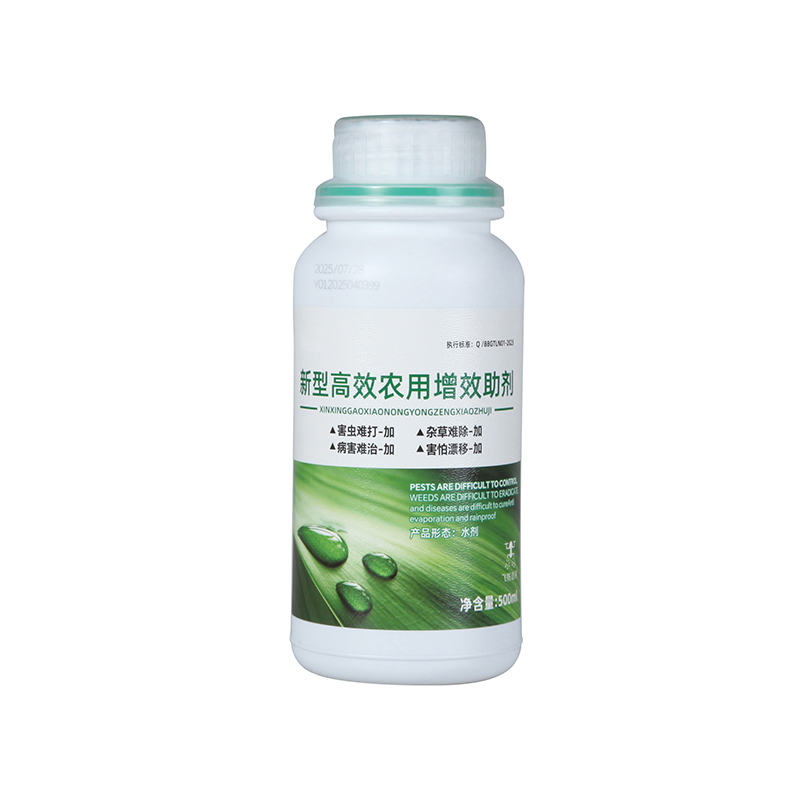
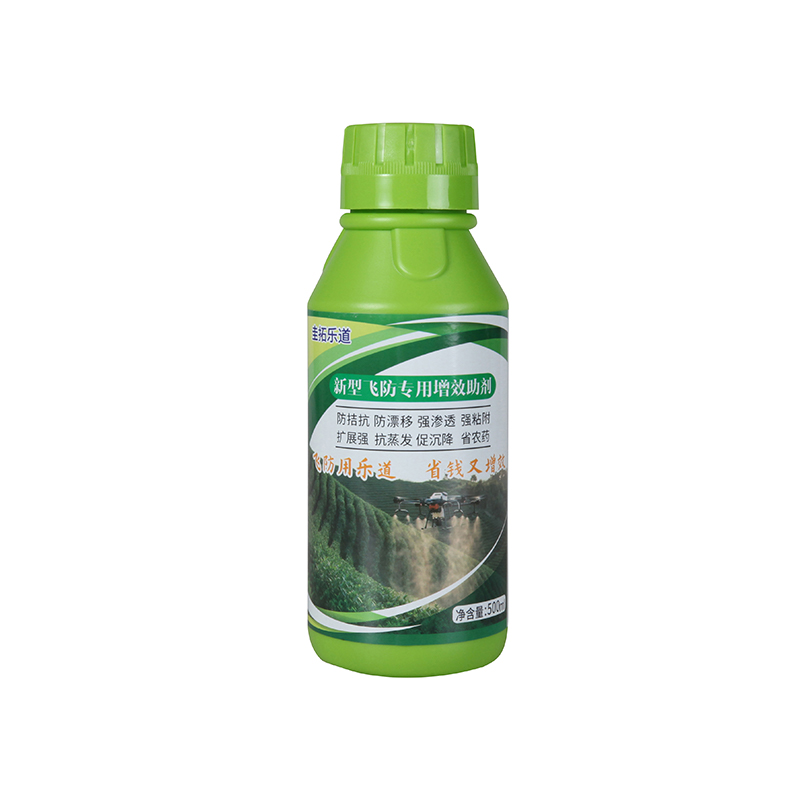
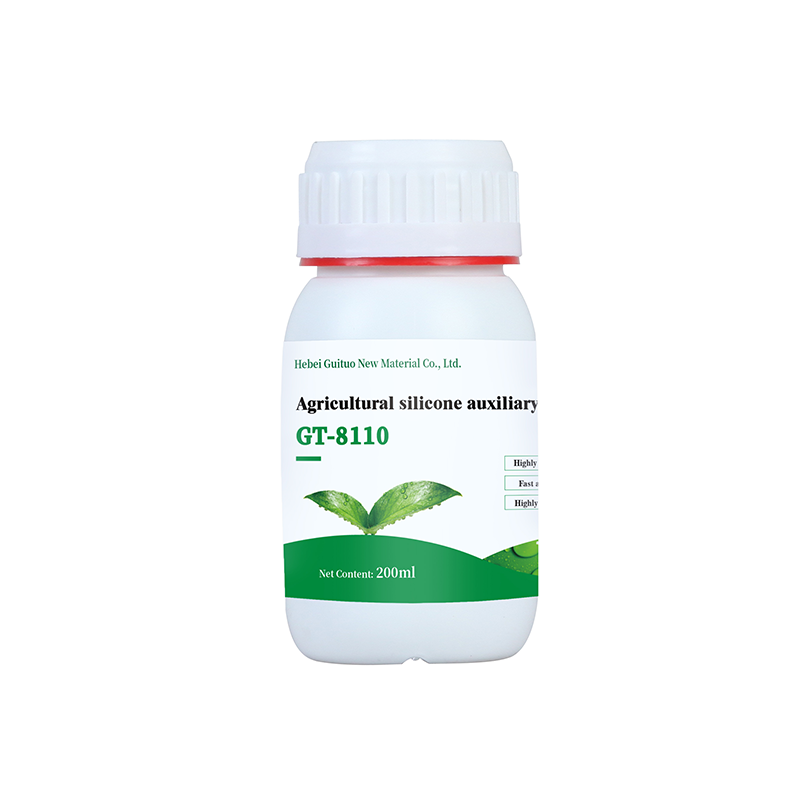
Product: Agricultural Silicone Wetting Synergist


Contact Information
Tel : +86-400-138-5268
Email : [email protected]
Phone : +86-15128434888 / +86-13511051998
Add : Xinqiao Environmental Protection Industrial Park, Wen'an County, Langfang City, Hebei Province, China
Contact Information
Copyright © Hebei Guituo New Material Co., Ltd. All Rights Reserved.
