

 English
  Français
  Português
 Home / Author / Zhang Xiaoyu, Regional Sales Manager (Southeast Asia) / High-Performance Agricultural Organosilicone Adjuvant for Modern Crop Protection
 High-Performance Agricultural Organosilicone Adjuvant for Modern Crop Protection
2026-07-09
Agricultural productivity depends not only on the active ingredients used in pesticides, herbicides, foliar fertilizers, and plant growth regulators, but also on how efficiently those active ingredients reach, spread across, adhere to, and penetrate plant surfaces. An advanced agricultural organosilicone adjuvant is designed to solve one of the most persistent challenges in crop protection: improving spray performance under real field conditions. By reducing surface tension, expanding droplet coverage, improving wetting, enhancing penetration, and increasing rainfastness, organosilicone technology helps growers obtain more value from every spray application.
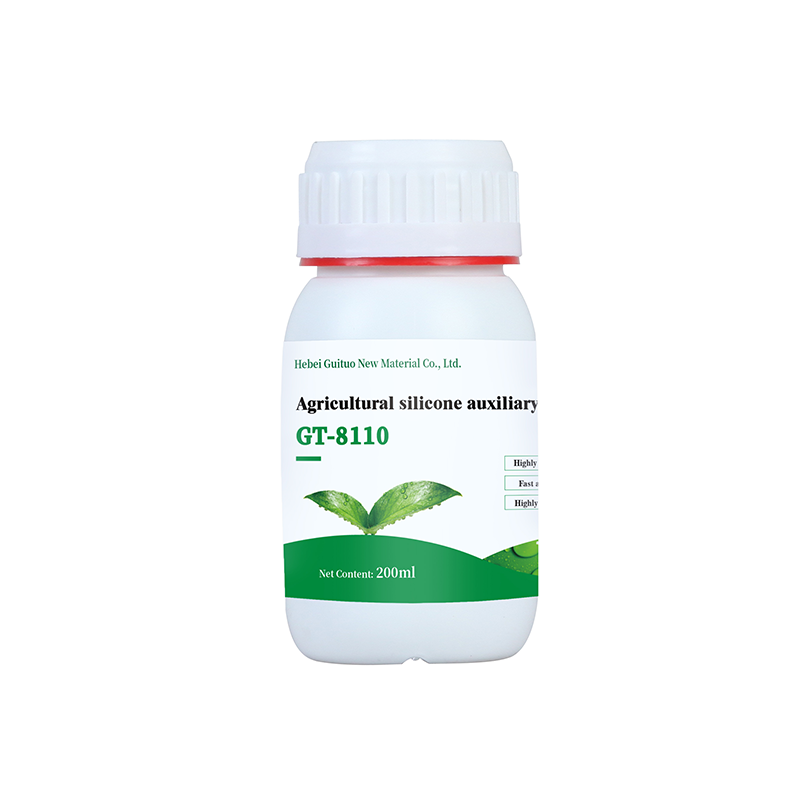
The Agricultural Organosilicone Adjuvant represented by models GT-8110, GT-8210, and GT-8310 is a high-purity polyether modified trisiloxane silicone surfactant developed for modern agricultural use. It functions as a spray modifier, foliar absorption enhancer, pesticide activator, spreading agent, wetting agent, and aerial-application aid. It is suitable for many crop protection systems, including herbicide programs, insecticide applications, foliar nutrient sprays, fungicide treatments, and plant growth regulation practices.
Compared with many conventional nonionic surfactants, mineral oil adjuvants, and ordinary wetting agents, this type of organosilicone adjuvant provides a much stronger spreading effect. In practical spraying, conventional adjuvants may improve wetting to a limited degree, but agricultural organosilicone adjuvants can reduce the surface tension of spray liquid to extremely low levels, allowing droplets to rapidly expand over waxy, hairy, or difficult-to-wet leaf surfaces. This super-spreading effect can increase the contact area dozens or even hundreds of times compared with untreated spray droplets, improving uniformity and reducing pesticide loss.
The product is also valued for its ability to improve pesticide efficacy by approximately 30% to 50% under appropriate use conditions. This improvement is achieved through enhanced coverage, stronger adhesion, reduced runoff, better stomatal-channel penetration, and increased contact activity. For growers and formulation companies, the result is a more efficient spray system that can reduce water consumption, reduce labor pressure, and support more sustainable crop protection strategies.
Agricultural Organosilicone Adjuvant
Product Overview
Agricultural Organosilicone Adjuvant, also known as agricultural organic silicon adjuvant, silicone surfactant, or polyether modified trisiloxane, is a multifunctional additive used in pesticide tank mixes and agricultural formulations. Its main function is to modify the physical behavior of the spray solution so that active ingredients can perform more effectively. In modern agriculture, the value of a pesticide is not determined only by its chemical activity; it is also determined by how well it reaches target pests, pathogens, weeds, or plant tissues. This is where an efficient adjuvant becomes essential.
The product models GT-8110, GT-8210, and GT-8310 are designed for applications requiring fast spreading, strong wetting, improved penetration, and reliable compatibility with agricultural spray systems. With a typical purity of 99%, low viscosity, neutral pH range, and surface tension below 20.5 mN/m at 0.1% concentration, the product delivers strong performance even at low addition rates. Its physical properties make it suitable for both formulation use and tank-mix use, depending on the specific agricultural practice and compatibility requirements.
The product can be used with herbicides to improve coverage on weed leaves, with insecticides to increase contact with pest habitats, with fungicides to enhance coating on plant surfaces, and with foliar fertilizers to improve nutrient absorption. It can also support plant growth regulators by improving deposition and absorption. In aerial applications and low-volume spraying, where droplet efficiency is especially important, a high-performance organosilicone adjuvant can help compensate for reduced spray volume by improving coverage and distribution.
The core value of this product is its ability to make spray droplets behave more intelligently after they land. Instead of remaining as isolated beads on hydrophobic leaf surfaces, droplets treated with organosilicone adjuvant spread quickly into thin films. This increases the contact interface between active ingredient and target surface. The effect is particularly important on crops with waxy leaves, weeds with difficult-to-wet surfaces, dense canopies, and pests located in protected plant structures.
Key Technical Specifications
| Item | Specification | Practical Significance |
|---|---|---|
| Product Models | GT-8110 / GT-8210 / GT-8310 | Multiple model options for different formulation and application needs |
| Chemical Type | Polyether Modified Trisiloxane | Advanced organosilicone surfactant structure for super-spreading performance |
| CAS No. | 27306-78-1 | Recognized chemical identity for technical and regulatory reference |
| EINECS No. | 608-078-3 | Useful for international documentation and product classification |
| Purity | 99% | High active content for stable and efficient performance |
| Viscosity at 25°C | 30–50 mm²/s | Easy handling, mixing, and formulation compatibility |
| Surface Tension at 0.1% wt | <20.5 mN/m | Excellent wetting and spreading ability on plant surfaces |
| Cloud Point at 1.0% wt | ≤35°C | Important indicator for solution behavior and formulation design |
| pH Value, 1% Aqueous Solution at 25°C | 6.5–7.5 | Near-neutral profile suitable for many agricultural spray systems |
| Main Functions | Wetting, spreading, penetration, adhesion support, spray modification | Improves practical pesticide utilization and field performance |
Why Organosilicone Adjuvant Technology Matters
Plant surfaces are not naturally designed to accept spray liquids. Many leaves are covered with waxy cuticles, microstructures, hairs, ridges, or water-repellent surfaces that cause droplets to bead, bounce, roll off, or accumulate unevenly. When droplets do not spread properly, a significant portion of the active ingredient may never contact the target area. This can lead to poor pest control, inconsistent weed suppression, uneven foliar feeding, and unnecessary chemical waste.
Traditional adjuvants can reduce surface tension to some degree, but they often do not reach the extremely low surface tension required for rapid super-spreading. Agricultural organosilicone adjuvants have a unique molecular architecture that allows them to migrate efficiently to the air-liquid interface and lower surface tension rapidly. This gives the droplet the ability to spread over surfaces that would otherwise resist wetting.
The difference is visible in the field. A spray droplet without an efficient adjuvant may remain rounded and cover only a small point on the leaf. A droplet containing a suitable amount of organosilicone adjuvant can flatten and expand quickly, creating a larger treated area. This allows more active ingredient to contact the target, increasing the probability of absorption or pest exposure. For systemic pesticides, improved spreading and penetration can enhance entry into plant tissues. For contact pesticides, improved coverage can increase the chance of direct pest or pathogen contact.
The product also contributes to better resource efficiency. If a spray solution spreads more effectively, the grower may achieve adequate coverage with less water. The product description indicates that spray volume may be reduced by 30% to 50% under suitable conditions. Reduced spray volume can help save water, shorten application time, reduce machine operation, and lower labor intensity. In large-scale farming systems, these benefits can translate into meaningful cost and time savings.
Super-Spreading Performance
One of the most important advantages of this agricultural organosilicone adjuvant is its super-spreading capability. Super-spreading means that a liquid droplet rapidly expands across a surface instead of remaining compact. The product can create spreading areas and spreading speeds far beyond those achieved by many conventional adjuvants. This feature is especially useful for crops with difficult-to-wet leaves and for spray programs requiring high coverage uniformity.
Super-spreading is not merely a visual effect; it directly affects biological performance. When a pesticide covers a larger surface area, it has more opportunity to interact with target organisms or penetrate plant tissue. For example, herbicides applied to weeds must contact enough leaf area to enter the plant effectively. Insecticides often need to reach hidden zones where insects feed or lay eggs. Fungicides benefit from uniform surface coverage because fungal spores and lesions may be distributed across the leaf. Foliar fertilizers require contact with absorptive surfaces to improve nutrient uptake.
In addition, improved spreading helps reduce the risk of localized overdosing. Without good spreading, spray droplets may concentrate active ingredient in small spots while leaving surrounding areas untreated. This uneven deposition can reduce efficacy and may increase the chance of phytotoxicity in sensitive crops. A more uniform film helps distribute the active ingredient more evenly, supporting safer and more consistent application.
Competitor products that rely on conventional surfactant chemistry often provide slower wetting and smaller spreading areas. Some oil-based adjuvants can improve retention but may not deliver the same rapid surface tension reduction. Certain low-cost wetting agents can foam excessively or show unstable behavior in complex formulations. In contrast, a well-manufactured polyether modified trisiloxane provides a combination of low surface tension, fast spreading, and efficient use at low concentration.

Penetration and the Stomatal-Channel Effect
Beyond spreading, the agricultural organosilicone adjuvant is valued for its penetration-enhancing capability. The product is described as having a unique stomatal-channel effect, which helps promote pesticide absorption and strengthen contact activity. Stomata are microscopic openings on plant surfaces that regulate gas exchange and transpiration. While pesticide absorption is influenced by many factors, including active ingredient chemistry, formulation type, temperature, humidity, and plant species, improved wetting and surface contact can help increase the chance that active ingredients reach entry pathways.
By reducing surface tension and creating thin films, organosilicone adjuvants can help spray liquid move into small surface structures and microchannels. This may improve the penetration of systemic pesticides and foliar nutrients. For active ingredients that rely on plant uptake, enhanced penetration can lead to faster action, stronger biological response, and better utilization of applied material.
The stomatal-channel effect is particularly useful in situations where rapid absorption is required before rainfall, irrigation, or evaporation can reduce spray performance. In hot or windy conditions, droplets may dry quickly. If the adjuvant helps the spray liquid spread and penetrate faster, more active ingredient can be retained and absorbed before environmental loss occurs. This is one reason organosilicone adjuvants are often used in professional agricultural systems where application windows are narrow and weather conditions can be unpredictable.
Compared with ordinary surfactants, the penetration advantage of organosilicone adjuvants comes from their exceptional interfacial activity. Conventional products may wet the leaf but still leave thicker droplets that dry slowly or unevenly. The organosilicone-treated spray forms a thinner, more extensive layer, improving contact with surface features. This creates a stronger foundation for absorption and biological activity.
Adhesion, Rainfastness, and Resistance to Loss
Rainfastness is a major concern in crop protection. A pesticide that washes away shortly after application wastes money, labor, water, and active ingredient. It may also increase environmental runoff. The agricultural organosilicone adjuvant helps improve adhesion by allowing spray solution to spread more completely and interact more closely with the plant surface. Better contact can reduce the tendency of droplets to roll off or remain vulnerable to wash-off.
Improved adhesion is valuable not only during rainfall but also during wind, irrigation, dew formation, and canopy movement. Leaves are dynamic surfaces. They expand, bend, vibrate, and interact with other plant parts. A spray deposit that spreads evenly and remains in close contact is more likely to persist than a large bead sitting on top of a waxy surface. By improving deposition quality, the adjuvant supports more durable pesticide performance.
Persistence is also improved through more uniform coverage. When pesticide deposits are distributed evenly, they are less likely to be removed as concentrated droplets. A thin film may also reduce the rate of runoff from sloped or vertical plant surfaces. In practical terms, this means growers may achieve longer-lasting pest control and may reduce the need for frequent reapplication. Fewer applications can lower operating costs and reduce chemical load in the environment.
Compared with competing adjuvants that provide only moderate wetting, an agricultural organosilicone adjuvant provides a broader performance package: spreading, wetting, penetration, and adhesion support. This combination is important because rainfastness is not controlled by one factor alone. A droplet must first reach the target, then remain on the surface, then spread and interact with the plant, and finally resist removal. The product improves multiple steps in this process.
Reduced Spray Volume and Labor Efficiency
Water is a critical resource in agriculture. In many regions, water availability is limited, and the cost of transporting or pumping water is significant. High-volume spraying also requires more frequent tank refilling, longer application time, more fuel consumption, and greater labor demand. The agricultural organosilicone adjuvant can support reduced spray volume by improving the efficiency of each droplet.
When spray droplets spread effectively, a lower volume of liquid can cover a larger plant surface area. The product description indicates that spray volume may be reduced by 30% to 50% in suitable application systems. This does not mean that every pesticide program should automatically reduce water volume; correct use depends on crop type, equipment, canopy density, active ingredient, and local recommendations. However, the potential is valuable for growers seeking efficient low-volume or aerial application programs.
Reduced spray volume can bring several operational advantages. First, it reduces the number of refilling stops, which improves field efficiency. Second, it lowers labor intensity, especially in orchards, greenhouses, and smallholder systems where manual spraying is common. Third, it may reduce soil compaction because equipment spends less time in the field. Fourth, it can improve timeliness, allowing growers to treat larger areas during narrow weather windows.
Many conventional adjuvants require higher use rates to achieve moderate results, and some cannot maintain adequate coverage when spray volume is reduced. In contrast, high-performance organosilicone adjuvants are designed to deliver strong wetting at relatively low concentrations. This makes them especially suitable for intensive farming systems, precision agriculture, and aerial spraying where droplet efficiency is essential.
Compatibility with Agricultural Applications
The product is widely applicable across multiple agricultural categories. In herbicide programs, it improves wetting of weed leaves, including leaves with waxy surfaces or vertical orientations. This can enhance herbicide uptake and improve control of difficult weeds. In insecticide programs, it helps spray solution spread into complex plant structures, improving contact with feeding zones and hidden pest habitats. In fungicide programs, it improves uniform leaf coating, which is essential for preventive and protective treatments. In foliar fertilizer programs, it supports nutrient absorption by increasing surface contact and reducing runoff.
Plant growth regulators also benefit from improved deposition and absorption. Because many plant growth regulators are used at low active ingredient rates, spray uniformity is essential. Uneven deposition can cause inconsistent crop response. An organosilicone adjuvant helps distribute the spray solution more evenly across the plant surface, supporting more predictable results.
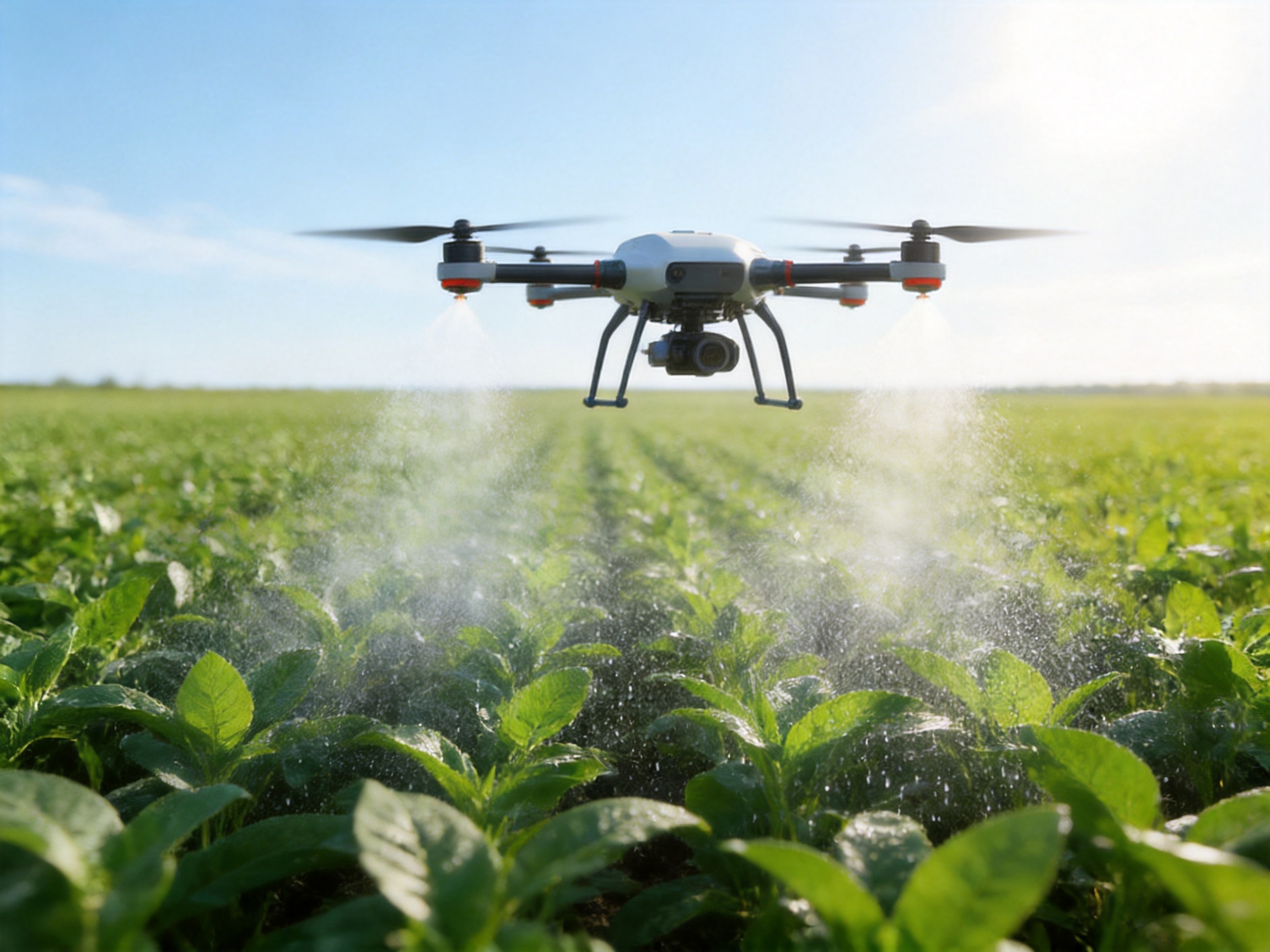
The product can also be useful in aerial applications, where spray droplets must perform efficiently after traveling through air and landing on plant surfaces. Aerial spraying often uses lower water volumes than ground spraying, which makes spreading and wetting even more important. The adjuvant helps maximize the effectiveness of each deposited droplet.
As with all adjuvants, compatibility testing is recommended before large-scale use. Some pesticide formulations may have specific restrictions, and certain crops or growth stages may be sensitive to enhanced penetration. Users should follow pesticide label instructions, conduct small-scale trials when necessary, and avoid excessive dosage. Proper use allows the adjuvant to deliver its benefits while maintaining crop safety.
Advantages Over Competitor Solutions
The agricultural adjuvant market includes many product types: conventional nonionic surfactants, anionic surfactants, crop oil concentrates, methylated seed oils, mineral oils, deposition aids, stickers, spreader-stickers, and silicone-based wetting agents. Each has its place, but advanced organosilicone adjuvants offer a unique performance profile that is difficult for ordinary products to match.
The first competitive advantage is extremely low surface tension. Many traditional surfactants can reduce water surface tension from approximately 72 mN/m to around 30–40 mN/m. This can improve wetting, but it may not be enough for super-spreading on difficult leaf surfaces. The agricultural organosilicone adjuvant can reduce surface tension below 20.5 mN/m at 0.1% concentration, providing a much more powerful wetting effect.
The second advantage is rapid spreading speed. Competitor products may require more time to wet the leaf, while organosilicone-treated droplets can spread quickly after contact. This is important under field conditions where evaporation, wind, and runoff can occur within seconds or minutes. Faster spreading means faster surface coverage and better opportunity for absorption.
The third advantage is multifunctionality. Some competitor products are mainly wetting agents; others are mainly stickers or oils. The organosilicone adjuvant combines wetting, spreading, penetration enhancement, adhesion support, and spray modification. This reduces the need for multiple additives and simplifies formulation design.
The fourth advantage is use efficiency. Because the product is highly active, it can deliver strong performance at low use rates when properly applied. This can reduce formulation burden and limit the amount of additive required in the spray tank. For agrochemical manufacturers, a high-efficiency adjuvant supports the development of premium formulations with improved field reliability.
The fifth advantage is environmental contribution. By improving pesticide utilization, reducing runoff, lowering spray volume, and potentially reducing the need for repeat applications, the product supports more responsible use of agricultural chemicals. This aligns with global trends toward sustainable agriculture, residue reduction, and resource conservation.
The sixth advantage is product consistency. Low-cost competitors may vary in active content, viscosity, impurity profile, or performance from batch to batch. In high-value agriculture, inconsistent adjuvant quality can create inconsistent field results. A manufacturer with advanced production control, precise testing, and stable raw material management can provide a more reliable product for professional users.
Manufacturing Strengths and Quality Control
Hebei Guituo New Material Co., Ltd. is a high-tech enterprise integrating research and development, production, and sales. The company focuses on the development and application of high-end silicone materials for industrial and agricultural fields. Its manufacturing strength is an important reason the Agricultural Organosilicone Adjuvant can deliver stable performance in demanding applications.
Advanced manufacturing of organosilicone adjuvants requires precise control of raw material quality, reaction conditions, molecular structure, purification, viscosity, activity, and final product stability. Polyether modified trisiloxane products depend on accurate molecular design. If the silicone backbone, polyether modification, or impurity level is poorly controlled, the product may show reduced spreading, poor stability, excessive cloudiness, inconsistent viscosity, or compatibility problems.
The company uses advanced production equipment and precise testing facilities to support full-process quality monitoring from production source to finished product delivery. This full-chain quality approach helps ensure that every batch meets high standards. For customers, this means reliable surface tension, stable viscosity, consistent pH, and dependable field performance.
Quality control begins with raw material inspection. Silicone intermediates, polyether components, catalysts, and auxiliary materials must meet strict specifications before entering production. During synthesis, reaction temperature, time, mixing efficiency, and process parameters must be controlled carefully. After reaction, the product must be tested for appearance, viscosity, surface tension, pH, cloud point, purity, and other relevant indicators. Packaging and storage conditions also matter because adjuvant performance can be affected by contamination or improper handling.
The company’s experienced technical and production team contributes to product consistency. Skilled operators and engineers can identify process deviations early, adjust parameters, and maintain stable output. This is especially important for OEM and ODM customers who require tailored products, consistent supply, and repeatable quality across multiple production batches.
Research, Development, and Customization Capability
Modern agriculture is diverse. A single adjuvant solution cannot meet every requirement in every crop, climate, and pesticide system. Therefore, research and development capability is essential. Hebei Guituo New Material Co., Ltd. has built a broad product matrix covering silicone additives, wetting agents, modified silicone oil, dimethyl silicone oil, surfactants, defoamers, and related series. This broad technical foundation allows the company to develop customized solutions for different customers and applications.
For agrochemical formulation companies, customization may involve adjusting spreading speed, cloud point, compatibility, viscosity, active content, or formulation stability. For agricultural distributors, customization may involve packaging, concentration, labeling, and regional application support. For OEM and ODM customers, customization may involve developing specialized adjuvant systems for herbicides, fungicides, insecticides, foliar fertilizers, or plant growth regulators.
The ability to accept OEM and ODM orders is a major competitive strength. Customers can work with the company to develop products that match local market requirements, crop systems, regulatory expectations, and application habits. This flexibility is particularly valuable in international markets where climatic conditions, crop varieties, equipment types, and farmer preferences vary widely.
Research and development also supports continuous improvement. As pesticide formulations become more complex and environmental requirements become stricter, adjuvant technology must evolve. Low-residue agriculture, drone spraying, precision spraying, greenhouse production, and high-efficiency foliar nutrition all create new technical requirements. A company with strong silicone chemistry expertise can respond to these trends by improving product performance and developing next-generation solutions.
Applications in Herbicide Programs
Herbicides are among the most common applications for agricultural organosilicone adjuvants. Many weeds have leaf surfaces that are difficult to wet, especially grasses, sedges, and broadleaf weeds with waxy cuticles. If herbicide droplets do not adhere and spread, the active ingredient may fail to enter the weed at sufficient levels. This can result in poor control, regrowth, or the need for repeat applications.
By improving droplet spreading and leaf coverage, the organosilicone adjuvant helps herbicides contact more of the weed surface. For systemic herbicides, improved absorption may support better translocation within the weed. For contact herbicides, broader coverage can increase tissue injury and improve visible control. The result can be stronger weed suppression and more consistent field performance.
In reduced-water herbicide programs, the adjuvant is especially useful. Low-volume spraying can increase efficiency but may also reduce coverage if droplets do not spread. The super-spreading effect helps compensate for lower spray volume by maximizing the area covered by each droplet. This is valuable for large farms, aerial application, and mechanized spraying systems.
However, herbicide use requires careful attention to label instructions and crop safety. Because organosilicone adjuvants can enhance penetration, they may increase herbicide activity on both target weeds and sensitive crops. Users should confirm compatibility and follow recommended dosage ranges.
Applications in Insecticide and Fungicide Programs
Insecticides often need to reach pests located on the underside of leaves, in growing points, inside curled leaves, or within dense canopies. Improved spreading helps the spray solution move across plant surfaces and into small spaces where pests may be present. This can increase the probability of contact and improve control, especially for contact insecticides.
For systemic or translaminar insecticides, improved absorption can support faster uptake into plant tissues. This may help protect new or hidden feeding zones and improve residual activity. In pest management programs where timing is critical, faster and more uniform deposition can make a meaningful difference.
Fungicides also benefit from improved coverage. Many fungal diseases begin as spores landing on leaf surfaces. Protective fungicides need uniform coverage to create a barrier against infection. Curative or systemic fungicides may require absorption into tissues. The organosilicone adjuvant supports both needs by improving spreading and helping active ingredients interact closely with plant surfaces.
In humid or rainy environments, improved adhesion and rainfastness are especially valuable for fungicide programs. Rain can remove poorly deposited fungicides, leaving crops vulnerable to infection. By improving surface contact and reducing wash-off, the adjuvant supports longer-lasting disease protection.
Applications in Foliar Fertilizers and Plant Growth Regulators
Foliar fertilization depends on nutrient contact and absorption through leaf surfaces. Nutrients that run off the leaf or dry in concentrated spots may be poorly utilized. An agricultural organosilicone adjuvant improves wetting and spreading, helping the nutrient solution form a more uniform film. This increases the opportunity for nutrient absorption and can improve the efficiency of foliar feeding programs.
Micronutrients such as zinc, boron, manganese, iron, and magnesium are often applied as foliar sprays to correct deficiencies or support critical growth stages. Uniform deposition is important because nutrient demand may vary across the canopy. Better spreading can improve contact with more leaf area, supporting more balanced nutrient delivery.
Plant growth regulators also require accurate and uniform application. Whether used for flowering regulation, fruit setting, vegetative control, ripening management, or stress response, uneven distribution may cause inconsistent crop effects. By improving spray uniformity, the organosilicone adjuvant supports more predictable plant response.
Because foliar fertilizers and plant growth regulators can be sensitive to concentration and crop stage, users should conduct compatibility and crop safety checks before widespread use. Proper dosage and timing help maximize benefits while minimizing risk.

Environmental and Sustainability Benefits
Sustainable agriculture requires more efficient use of inputs. Pesticides and fertilizers are valuable tools, but inefficient application can lead to waste, runoff, residues, and unnecessary cost. The agricultural organosilicone adjuvant contributes to sustainability by improving how efficiently spray-applied products are used.
First, better spreading and adhesion can reduce pesticide loss from runoff and wash-off. When more active ingredient remains on the target surface, less may enter soil or water systems. Second, improved efficacy may allow growers to reduce the frequency of applications under suitable conditions. Fewer applications mean less fuel use, lower labor demand, reduced equipment wear, and lower total chemical input.
Third, reduced spray volume can conserve water. In regions facing water scarcity, the ability to maintain coverage with lower water use is a major advantage. Fourth, improved pesticide performance can help reduce residues by allowing more precise and efficient application. The product description emphasizes reduced pesticide usage and lower pesticide residues, which are increasingly important for food safety and export agriculture.
Fifth, improved application efficiency supports integrated pest management. When pesticides perform more reliably, growers can use them strategically as part of broader programs that include monitoring, biological control, resistant varieties, and cultural practices. Efficient adjuvant use does not replace responsible pesticide management, but it strengthens the effectiveness of each treatment.
Field Use Considerations
Although agricultural organosilicone adjuvants offer strong advantages, correct use is essential. Because they significantly increase spreading and penetration, excessive dosage may cause over-wetting, runoff, or crop sensitivity in some situations. The appropriate use rate depends on crop type, pesticide formulation, water quality, application volume, environmental conditions, and target pest or disease.
Users should always follow pesticide label instructions. If the pesticide label prohibits certain adjuvants or specifies particular adjuvant types, those instructions must be followed. When using the product with a new pesticide, crop, or tank mix, a small compatibility test is recommended. This can include checking for separation, precipitation, excessive foam, heat generation, or changes in spray solution appearance.
Crop safety testing is also recommended for sensitive crops, young plants, greenhouse crops, or high-temperature conditions. Because organosilicone adjuvants improve penetration, they may increase the activity of pesticides or fertilizers. This is usually beneficial when properly managed, but it requires responsible dosage and timing.
Water quality can also affect spray performance. Hard water, high pH water, suspended solids, or contaminated tanks may influence pesticide behavior. Clean equipment and proper mixing order help maintain stable spray solutions. In many cases, the adjuvant should be added after the pesticide is dispersed or dissolved, but exact mixing order should follow formulation guidance.
Why Manufacturing Reliability Matters to Distributors and Formulators
For distributors and agrochemical formulators, product reliability is as important as field performance. A high-performance adjuvant must not only work well in a demonstration; it must perform consistently across batches, seasons, and markets. This requires stable manufacturing, quality control, documentation, and supply capability.
Hebei Guituo New Material Co., Ltd. offers these strengths through its advanced production system and comprehensive quality monitoring. The company has established a product matrix serving agriculture, daily chemicals, electronics, textiles, and other fields, demonstrating broad silicone material expertise. Its agricultural silicone products have reached an advanced domestic level and are recognized by leading agrochemical enterprises as designated procurement products.
Stable supply is another important advantage. Agricultural demand is seasonal, and delays can cause missed application windows. A manufacturer with established production capacity, testing facilities, experienced staff, and export experience can better support customers during peak demand periods. The company’s products are exported to overseas markets including Europe and Southeast Asia, where stable performance and reliable quality have helped earn repeat purchases.
For international customers, OEM and ODM support adds further value. Customers can develop market-specific products without building their own silicone synthesis capability. This reduces development time, improves supply confidence, and allows companies to focus on branding, registration, distribution, and customer service.
Storage, Handling, and Packaging Considerations
Like most specialty chemical additives, agricultural organosilicone adjuvants should be stored properly to maintain performance. Containers should be tightly sealed when not in use to prevent contamination and moisture exposure. Storage areas should be cool, dry, and well ventilated. The product should be kept away from incompatible materials and handled according to standard chemical safety practices.
Operators should use appropriate personal protective equipment when handling concentrated adjuvant, especially during formulation, transfer, or tank mixing. Gloves, eye protection, and protective clothing are commonly recommended for agricultural chemical handling. Any spills should be managed promptly to prevent slippery surfaces and environmental release.
Packaging options may vary depending on customer requirements, export conditions, and OEM or ODM specifications. For bulk users and formulation companies, larger packaging can improve logistics efficiency. For distributors and field users, smaller packaging may improve convenience and reduce waste. The company’s ability to support customized orders helps customers select suitable packaging and product forms.
Economic Value for Growers
The economic value of an adjuvant is measured by the improvement it brings to the total application system. A low-cost adjuvant may appear attractive at purchase, but if it does not improve coverage, reduce loss, or enhance efficacy, it may offer poor value. A high-performance agricultural organosilicone adjuvant can provide greater return by making pesticides and fertilizers work more efficiently.
Potential economic benefits include reduced pesticide waste, improved pest control, fewer repeat applications, lower water use, reduced labor, faster field operations, and better crop quality. In high-value crops such as fruits, vegetables, ornamentals, and greenhouse crops, improved spray performance can have a significant financial impact. In large field crops, even small improvements in application efficiency can translate into substantial savings across many hectares.
The product’s ability to enhance pesticide efficacy by 30% to 50% under appropriate conditions is particularly important. If better efficacy leads to fewer escapes, better disease suppression, or more reliable foliar feeding, the value can exceed the cost of the adjuvant. The key is correct product selection, proper dosage, and integration into a well-designed crop management program.
Q&A Section
Q1: What is an agricultural organosilicone adjuvant?
An agricultural organosilicone adjuvant is a silicone-based surfactant used to improve the performance of agricultural spray solutions. It reduces surface tension, improves wetting, increases spreading, enhances penetration, and supports better adhesion of pesticides, foliar fertilizers, and plant growth regulators on plant surfaces.
Q2: How does this product differ from conventional adjuvants?
Compared with many conventional wetting agents or surfactants, this product can reduce surface tension to a much lower level and create super-spreading behavior. This allows droplets to cover a larger area more quickly. It also provides multifunctional benefits, including penetration enhancement, adhesion support, and spray volume reduction potential.
Q3: Can it improve pesticide efficacy?
Yes. Under suitable use conditions, the product can improve pesticide efficacy by approximately 30% to 50% by enhancing coverage, contact, absorption, and resistance to loss. Actual results depend on pesticide type, crop, pest pressure, weather, dosage, and application method.
Q4: Can it reduce spray water volume?
The product can help reduce spray volume by 30% to 50% in appropriate systems because each droplet spreads more efficiently. However, water volume should be adjusted carefully according to crop canopy, sprayer type, pesticide label requirements, and local agronomic recommendations.
Q5: Is it suitable for herbicides?
Yes. It is widely used with herbicides because it improves wetting and spreading on weed leaves, including difficult-to-wet surfaces. It can support better herbicide uptake and more consistent weed control. Users should always follow herbicide label instructions and crop safety guidance.
Q6: Can it be used with insecticides and fungicides?
Yes. With insecticides, it improves contact with plant surfaces and pest habitats. With fungicides, it improves uniform coating and may enhance rainfastness. It is especially useful where coverage and persistence are critical.
Q7: Does the product help with rainfastness?
Yes. By improving spreading and adhesion, the adjuvant helps pesticides remain in closer contact with plant surfaces and reduces wash-off risk. This can extend pesticide persistence and reduce the need for repeat applications after light rain or irrigation, depending on the pesticide and conditions.
Q8: Is compatibility testing necessary?
Compatibility testing is recommended when using the product with a new pesticide, fertilizer, crop, or tank mix. A jar test and small-scale crop safety test can help confirm that the mixture remains stable and does not cause unwanted crop response.
Q9: Why is high-purity manufacturing important?
High purity and controlled manufacturing help ensure stable surface tension, viscosity, pH, cloud point, and field performance. Inconsistent low-quality products may cause variable spreading, compatibility issues, or reduced efficacy. Advanced quality control supports reliable results for formulators, distributors, and growers.
Q10: Can the product support sustainable agriculture?
Yes. By improving pesticide utilization, reducing runoff, lowering spray volume, reducing reapplication frequency, and helping lower residues, the product supports more efficient and responsible agricultural input use.
Conclusion
Agricultural Organosilicone Adjuvant technology represents a major advancement in spray application efficiency. The product models GT-8110, GT-8210, and GT-8310 provide super-spreading, strong wetting, enhanced penetration, improved adhesion, better rainfastness, reduced spray volume potential, and improved pesticide utilization. These advantages make the product valuable for herbicides, insecticides, fungicides, foliar fertilizers, plant growth regulators, and aerial applications.
Its competitive strength lies not only in its performance but also in the manufacturing capability behind it. Hebei Guituo New Material Co., Ltd. combines advanced production equipment, precise testing facilities, full-process quality monitoring, experienced technical teams, and OEM/ODM flexibility. This ensures that customers receive a stable, high-quality product suitable for demanding agricultural markets.
For growers, the product can help improve crop protection results while saving water, reducing labor, and supporting lower pesticide residues. For distributors and formulators, it offers a high-performance additive backed by reliable manufacturing and customization capability. As agriculture continues to move toward efficiency, sustainability, and precision, advanced organosilicone adjuvants will play an increasingly important role in helping every spray droplet achieve more.
References
1. Green, J. M., and Beestman, G. B. “Recently Patented and Commercialized Formulation and Adjuvant Technology.” Crop Protection, Elsevier.
2. Hazen, J. L. “Adjuvants: Terminology, Classification, and Chemistry.” Weed Technology, Cambridge University Press.
3. Stock, D., and Holloway, P. J. “Possible Mechanisms for Surfactant-Induced Foliar Uptake of Agrochemicals.” Pesticide Science, Wiley.
4. Schönherr, J., and Bukovac, M. J. “Penetration of Stomata by Liquids: Dependence on Surface Tension, Wettability, and Stomatal Morphology.” Plant Physiology.
5. ASTM International. Standard Test Methods for Surface and Interfacial Tension of Solutions of Surface-Active Agents.
6. Knowles, A. “Recent Developments of Safer Formulations of Agrochemicals.” The Environmentalist, Springer.
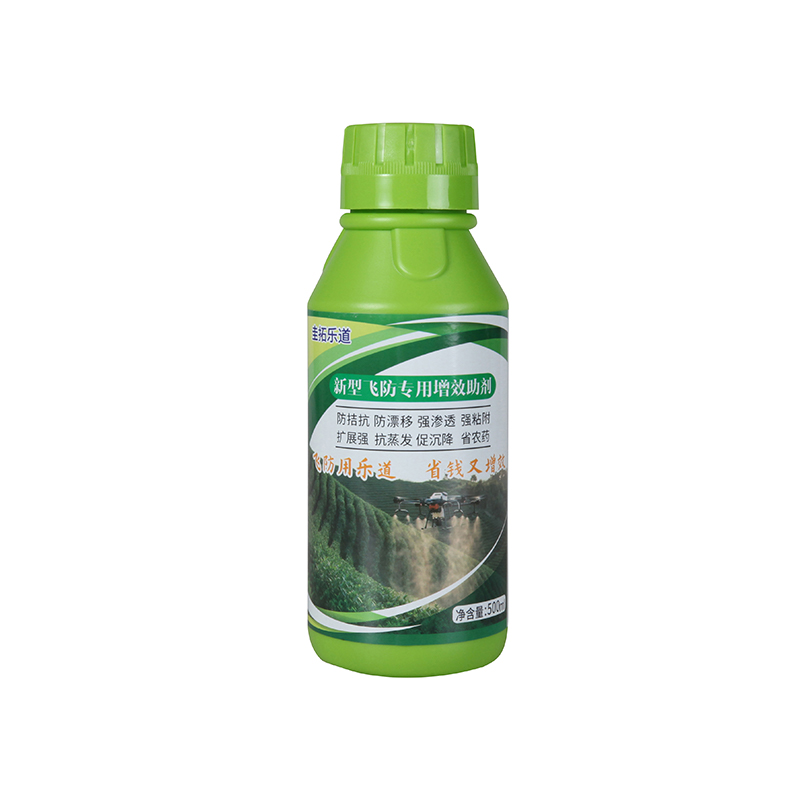
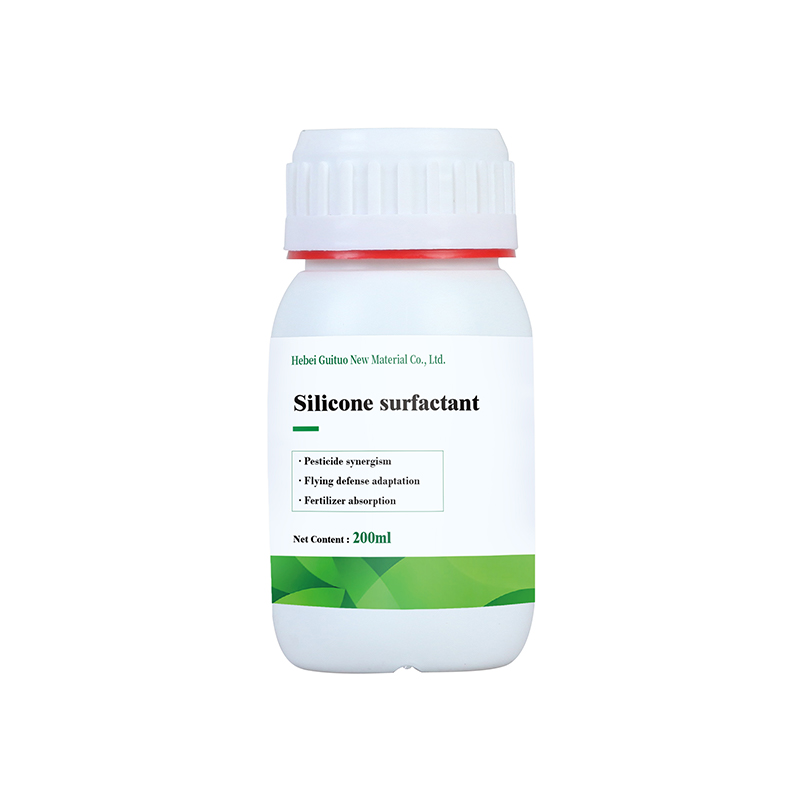
Product: Agricultural Organosilicone Adjuvant


Contact Information
Tel : +86-400-138-5268
Email : [email protected]
Phone : +86-15128434888 / +86-13511051998
Add : Xinqiao Environmental Protection Industrial Park, Wen'an County, Langfang City, Hebei Province, China
Contact Information
Copyright © Hebei Guituo New Material Co., Ltd. All Rights Reserved.
