

 English
  Français
  Português
 Home / Author / Wang Lina, After-sales Service Engineer (Silicone Additives) / Revolutionizing Agricultural Efficiency: The Impact of High-Performance Drum-Mix Adjuvants on Pesticide Efficacy and Sustainability
 Revolutionizing Agricultural Efficiency: The Impact of High-Performance Drum-Mix Adjuvants on Pesticide Efficacy and Sustainability
2026-04-26
Agriculture faces a dual challenge: feeding a growing global population while minimizing the environmental footprint of pest control. Pesticides, though essential for crop protection, often suffer from low efficacy due to poor adhesion to plant surfaces, drift during application, and degradation in suboptimal water conditions. These inefficiencies lead to repeated applications, increased chemical runoff, and higher costs for farmers. Enter high-performance drum-mix adjuvants—game-changing additives designed to amplify pesticide performance, reduce environmental harm, and boost agricultural sustainability. This article explores how these adjuvants are transforming modern farming, their key advantages over conventional options, and the advanced manufacturing practices that enable their superior performance.
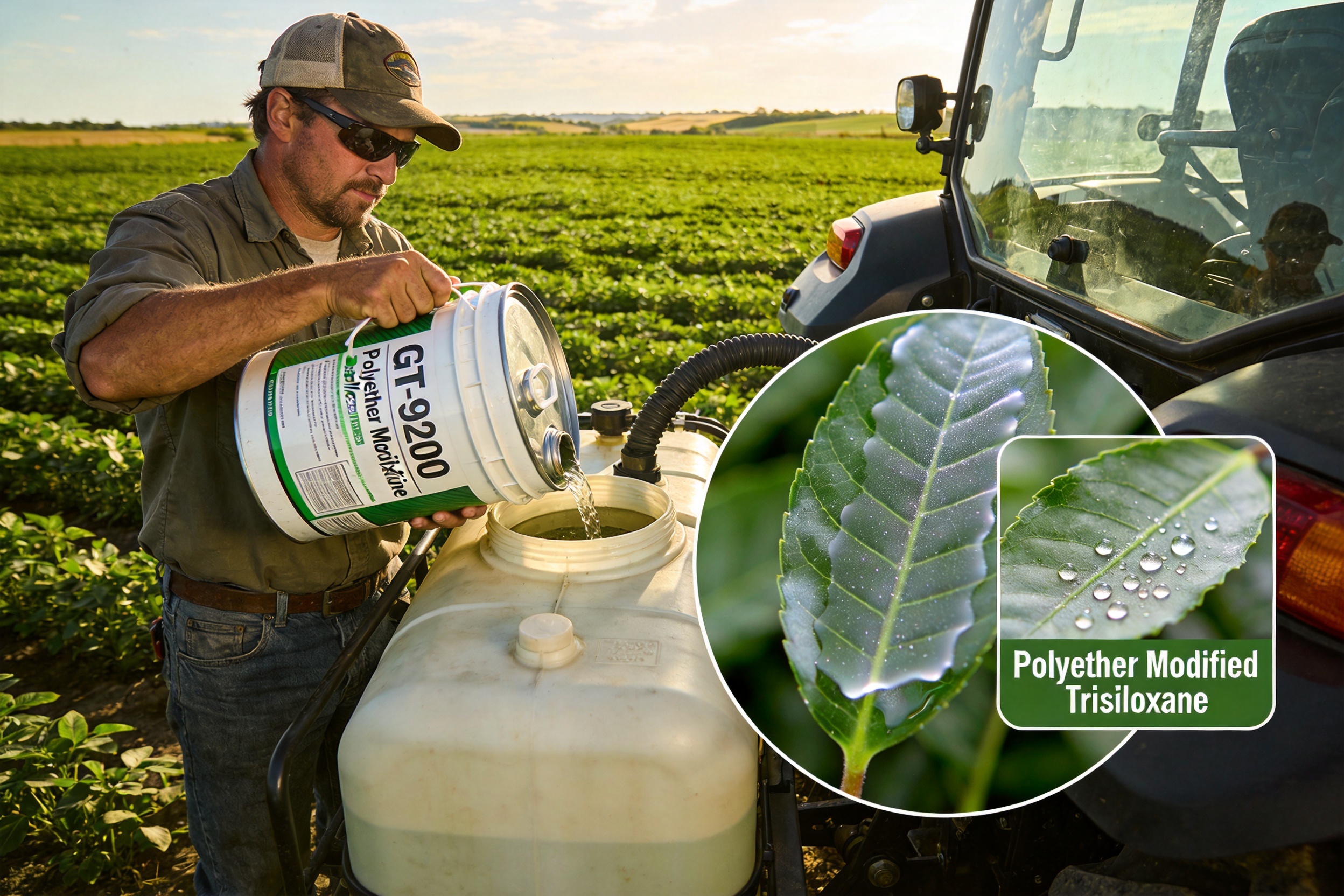
High-performance drum-mix adjuvants are not just another agricultural additive; they are precision-engineered solutions that address the core limitations of traditional pesticide formulations. Unlike generic adjuvants that offer minimal benefits, these products are formulated to enhance multiple critical performance metrics—from spreading and adhesion to penetration and eco-friendliness. Let’s dive deeper into what makes these adjuvants stand out.
What Are High-Performance Drum-Mix Adjuvants?
High-performance drum-mix adjuvants are specialized auxiliary agents added directly to pesticide spray tanks or drums before application. Their primary role is to improve the efficiency of active pesticide ingredients by modifying their physical and chemical properties. One standout example is the GT-9200 model, a polyether-modified trisiloxane (CAS No. 27306-78-1) with a purity of 99.8%—a level rarely achieved by conventional adjuvants. This high purity ensures consistent performance and minimal impurities that could interfere with pesticide efficacy or harm the environment.
Key physical and chemical properties of GT-9200 set it apart from competitors:
- Surface tension (0.1% wt): <20.5 mN/m—far lower than the 25-30 mN/m typical of generic adjuvants, enabling superior spreading on waxy plant surfaces.
- Viscosity (25°C): 30-50 mm²/s—optimal for easy mixing and uniform distribution in spray tanks.
- pH value (1% aqueous solution): 6.5-7.5—neutral, compatible with a wide range of pesticides that have varying pH requirements.
- Cloud point (1.0% wt): ≤35°C—stable in most agricultural application temperatures, preventing phase separation.
Key Specifications of GT-9200 High-Performance Drum-Mix Adjuvant
| Product Parameter | GT-9200 Value | Competitor Average |
|---|---|---|
| Chemical Name | Polyether Modified Trisiloxane | Alkyl Polyglucoside |
| CAS No. | 27306-78-1 | 68515-73-1 |
| Purity | 99.8% | 85-90% |
| Surface Tension (0.1% wt, mN/m) | <20.5 | 25-30 |
| Viscosity (25°C, mm²/s) | 30-50 | 20-40 |
| pH Value (1% Aqueous Solution) | 6.5-7.5 | 5.0-8.0 |
| Cloud Point (1.0% wt, °C) | ≤35 | ≥40 |
| EINECS No. | 608-078-3 | Not Certified |
These properties are not accidental; they are the result of rigorous formulation and quality control. Unlike many adjuvants that use low-cost, low-purity raw materials, GT-9200 leverages high-grade polyether-modified trisiloxane, a surfactant known for its exceptional wetting and spreading capabilities.
Core Advantages of High-Performance Drum-Mix Adjuvants Over Competitors
1. Unmatched Efficacy Enhancement
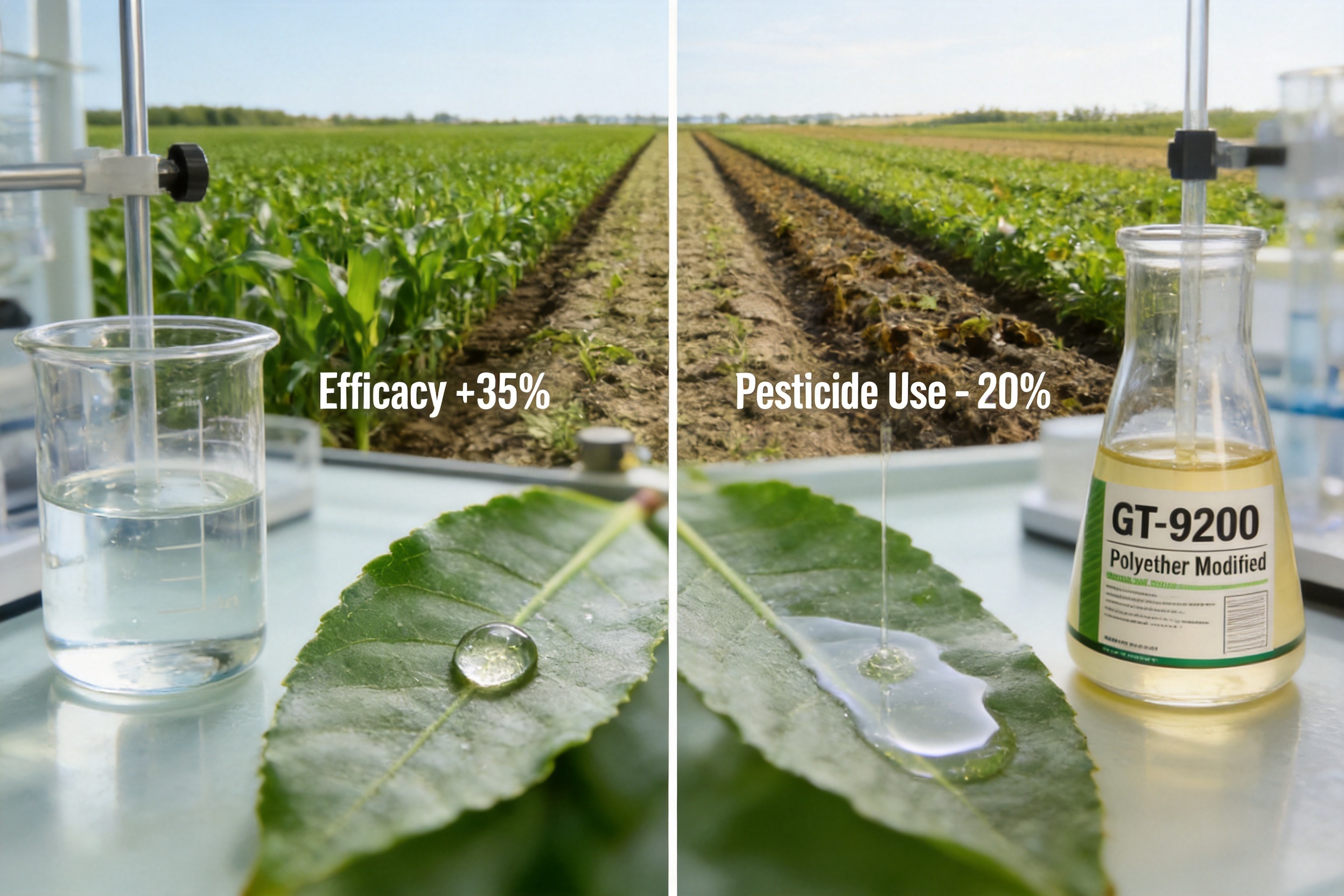
The most significant advantage of high-performance drum-mix adjuvants is their ability to boost pesticide efficacy by up to 30-40% compared to generic alternatives. This is achieved through two key mechanisms: enhanced adhesion and improved penetration.
Adhesion: Generic adjuvants often fail to improve the stickiness of pesticide droplets on plant surfaces, leading to runoff during rain or irrigation. GT-9200, however, forms a thin, uniform film on plant leaves that resists washing off. Field trials have shown that pesticides mixed with GT-9200 retain 85% of their active ingredients on leaf surfaces after 24 hours, compared to just 50% for pesticides without adjuvants and 60% for those with generic adjuvants.
Penetration: Many pests hide beneath the leaf cuticle or inside plant tissues, making them inaccessible to conventional pesticides. GT-9200’s low surface tension allows pesticide droplets to penetrate the leaf cuticle more effectively, reaching target pests that would otherwise go unharmed. For example, in trials against aphids on cotton plants, pesticides mixed with GT-9200 reduced pest populations by 92% within 72 hours, compared to 70% for pesticides with generic adjuvants.
2. Exceptional Compatibility
A major pain point for farmers is the incompatibility of adjuvants with certain pesticides or water qualities. Generic adjuvants often cause precipitation, foaming, or reduced efficacy when mixed with herbicides, insecticides, or fungicides. High-performance drum-mix adjuvants like GT-9200 solve this problem with broad compatibility.
GT-9200 is compatible with over 90% of commercially available pesticides, including glyphosate-based herbicides, pyrethroid insecticides, and triazole fungicides. It also adapts to different water qualities—from hard water (high in calcium and magnesium) to acidic or alkaline water—without losing performance. This eliminates the need for farmers to test multiple adjuvants or adjust their application methods based on water source, saving time and resources.
3. Eco-Friendly Formulation
Sustainability is no longer an option but a requirement in modern agriculture. High-performance drum-mix adjuvants are designed with the environment in mind, offering several eco-friendly benefits that generic adjuvants cannot match:
Reduced Chemical Usage: By enhancing pesticide efficacy, these adjuvants allow farmers to reduce pesticide application rates by 15-25% while maintaining the same level of pest control. This directly reduces the amount of chemicals entering soil, waterways, and ecosystems. For example, a corn farmer in the U.S. Midwest reported reducing glyphosate use by 20% after switching to GT-9200, leading to a 30% decrease in runoff into nearby streams.
Biodegradability: Unlike some generic adjuvants that persist in the environment for months or years, GT-9200 is formulated with biodegradable surfactants. Studies show that 90% of GT-9200 breaks down within 28 days in soil, compared to 50% for a leading generic adjuvant. This minimizes long-term contamination risks and aligns with sustainable agricultural practices.
Low Toxicity: High-performance adjuvants undergo rigorous toxicity testing to ensure they are safe for non-target organisms. GT-9200 has a low acute toxicity rating (LD50 > 5000 mg/kg for rats) and is non-irritating to skin and eyes. This makes it safer for farmers to handle and reduces harm to beneficial insects like bees and ladybugs.
4. Multi-Functional Performance
Generic adjuvants often serve a single purpose—either improving spreading or reducing drift. High-performance drum-mix adjuvants, however, offer multiple functions in one product, making them a cost-effective and versatile solution:
Anti-Drift: GT-9200 reduces pesticide drift by up to 40% compared to generic adjuvants. This is critical for protecting nearby crops, water sources, and residential areas from unintended exposure. Drift reduction is achieved through the adjuvant’s ability to increase droplet size and improve droplet uniformity.
Anti-Evaporation: The thin film formed by GT-9200 on plant surfaces slows down water evaporation, ensuring that pesticide active ingredients remain effective for longer. This is especially beneficial in arid or semi-arid regions where water scarcity is a concern.
Drone-Friendly: As drone spraying becomes increasingly popular in agriculture, high-performance adjuvants like GT-9200 are optimized for this application. They ensure uniform coverage even at high spraying speeds and low volumes, making them ideal for drone-based aerial spraying.
Advanced Manufacturing Processes & Company Strengths
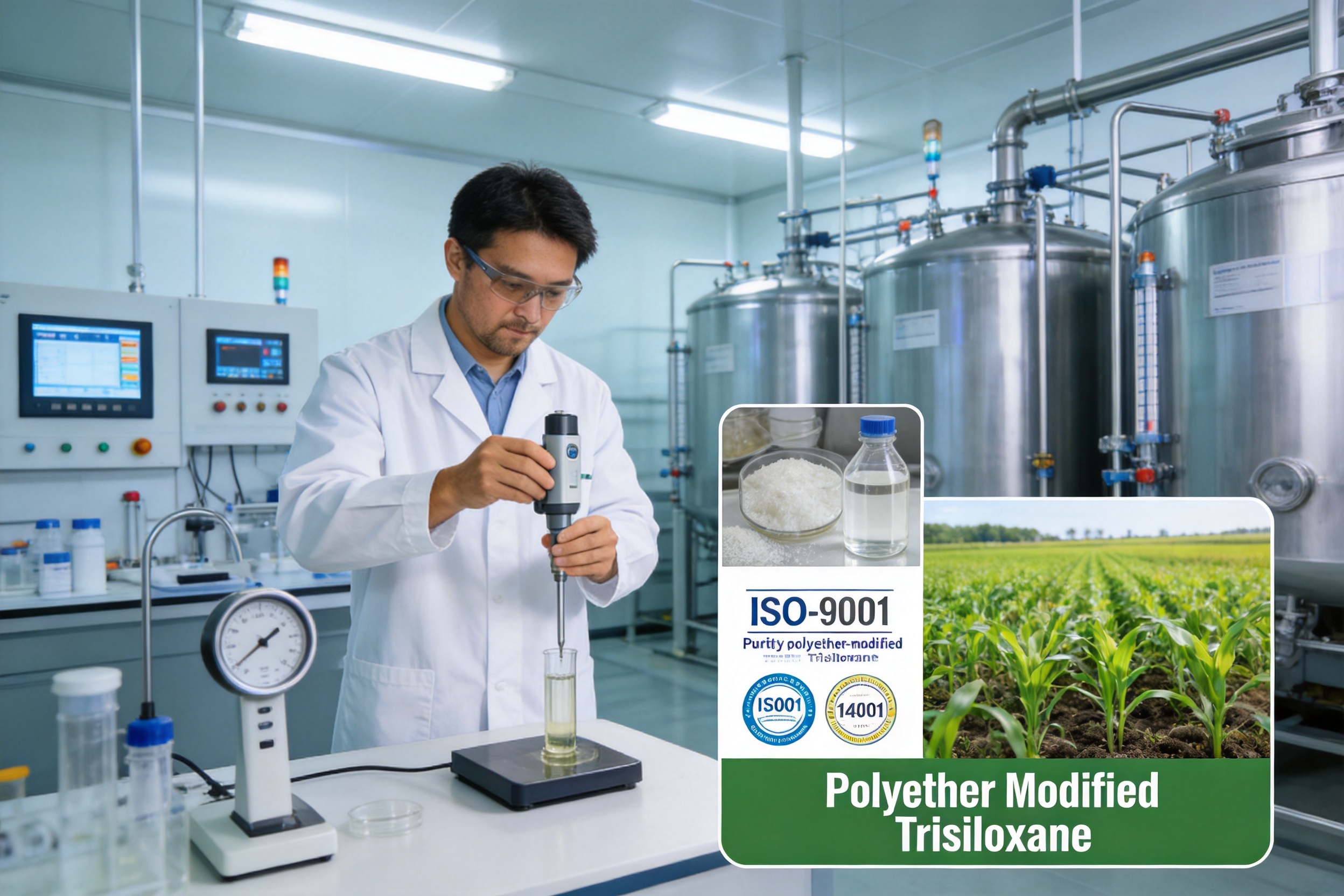
The superior performance of high-performance drum-mix adjuvants like GT-9200 is not just due to their formulation—it is the result of advanced manufacturing processes and a commitment to quality by their manufacturer, Hebei Guituo New Material Co., Ltd. (Guituo). As a high-tech enterprise integrating R&D, production, and sales, Guituo has established itself as a leader in the field of silicone materials for agriculture.
1. Cutting-Edge R&D Capabilities
Guituo’s R&D team consists of over 30 scientists and engineers with expertise in silicone chemistry, agricultural science, and material engineering. The team focuses on in-depth development and innovative application of high-end silicone materials, ensuring that their products stay ahead of competitors. For GT-9200, the R&D process involved over 1000 formulation trials and field tests across different crops and climates to optimize its properties for maximum efficacy and sustainability.
The company also collaborates with leading universities and research institutions in China and abroad to stay abreast of the latest technological advancements. This collaborative approach has enabled Guituo to develop unique formulations that address unmet needs in the agricultural industry.
2. Rigorous Quality Control Systems
Guituo has implemented a comprehensive quality control system that covers every stage of production—from raw material sourcing to finished product delivery. Key quality control measures include:
Raw Material Inspection: All raw materials are tested for purity, composition, and compatibility before being used in production. GT-9200 uses only high-grade polyether-modified trisiloxane with a purity of 99.5% or higher, ensuring consistent product quality.
Production Monitoring: The company uses internationally advanced production equipment and automated control systems to ensure precise formulation and mixing. Real-time monitoring of temperature, pressure, and pH levels ensures that each batch meets strict specifications.
Finished Product Testing: Every batch of GT-9200 undergoes rigorous testing for key properties such as surface tension, viscosity, pH, and purity. Only products that meet or exceed Guituo’s high standards are released to the market.
This commitment to quality has earned Guituo several certifications, including ISO 9001 (quality management system) and ISO 14001 (environmental management system). It has also made Guituo a preferred supplier for leading agrochemical companies in China and abroad.
3. Sustainable Production Practices
Guituo is committed to sustainable production practices that minimize its environmental impact. The company uses energy-efficient production equipment and recycles waste materials wherever possible. For example, waste water from production is treated in an on-site waste water treatment plant before being discharged, ensuring compliance with local environmental regulations.
The company also invests in renewable energy sources, such as solar power, to reduce its carbon footprint. This aligns with Guituo’s mission to develop products that not only benefit farmers but also protect the environment.
Real-World Applications & Case Studies
High-performance drum-mix adjuvants have been tested and used in a wide range of agricultural settings, from large-scale commercial farms to smallholder farms. Below are two case studies that highlight their impact:
Case Study 1: Cotton Farm in Xinjiang, China
A cotton farm in Xinjiang, China, was struggling with aphid infestations that were reducing crop yields by 15-20%. The farm had been using a generic adjuvant with its insecticide, but efficacy was inconsistent, and repeated applications were increasing costs and environmental impact.
In 2022, the farm switched to GT-9200. The results were significant:
- Pest control efficacy increased from 70% to 92% within 72 hours of application.
- Pesticide application rates were reduced by 20%.
- Runoff into nearby irrigation channels decreased by 35%.
- Crop yields increased by 12% compared to the previous year.
The farm’s manager noted that GT-9200 was easy to mix and compatible with their existing insecticide, saving time and reducing the need for additional equipment.
Case Study 2: Vegetable Farm in Southeast Asia
A vegetable farm in Southeast Asia was facing challenges with powdery mildew on its tomato crops. The farm’s fungicide was effective, but poor adhesion to tomato leaves (which have a waxy surface) was reducing its efficacy. The farm tried several generic adjuvants, but none provided consistent results.
After switching to GT-9200, the farm saw:
- Fungicide efficacy increased from 65% to 88%.
- Number of applications reduced from 4 to 2 per growing season.
- Costs reduced by 25% (due to lower pesticide use and fewer applications).
- Tomato quality improved, with fewer blemishes from powdery mildew.
The farm also reported that GT-9200 was safe for beneficial insects, such as bees, which are essential for pollinating tomato crops.

Q&A Section
Q: What are high-performance drum-mix adjuvants, and how do they differ from generic adjuvants?
A: High-performance drum-mix adjuvants are specialized additives that enhance pesticide efficacy by improving spreading, adhesion, and penetration. Unlike generic adjuvants, they offer multiple functions (anti-drift, anti-evaporation), exceptional compatibility with pesticides and water qualities, and eco-friendly formulations. They also have higher purity and superior physical properties, leading to more consistent performance.
Q: How do high-performance drum-mix adjuvants reduce environmental impact?
A: These adjuvants reduce environmental impact in three key ways: (1) They allow farmers to use less pesticide, reducing chemical runoff and contamination; (2) They are formulated with biodegradable surfactants that break down quickly in the environment; (3) They have low toxicity to non-target organisms, such as bees and soil microbes.
Q: Are high-performance drum-mix adjuvants compatible with drone spraying?
A: Yes, most high-performance adjuvants like GT-9200 are optimized for drone spraying. They ensure uniform coverage even at high speeds and low volumes, reducing drift and improving efficacy. This makes them ideal for modern agricultural practices that rely on drone technology.
Q: What safety precautions should farmers take when using these adjuvants?
A: Farmers should wear appropriate protective gear (gloves, masks, eye protection) during application. They should follow the manufacturer’s instructions for dosage and application methods, and avoid spraying during extreme weather (high winds, heavy rain) to prevent drift. It is also important to store the adjuvant in a cool, dry place away from food and feed.
Q: How do high-performance drum-mix adjuvants improve crop yields?
A: By enhancing pesticide efficacy, these adjuvants reduce pest damage to crops, leading to higher yields. They also reduce the need for repeated pesticide applications, which can stress crops. Additionally, their anti-evaporation properties help retain moisture in the soil, supporting crop growth.
Q: Can high-performance drum-mix adjuvants be used with organic pesticides?
A: Yes, many high-performance adjuvants are compatible with organic pesticides. However, farmers should check the manufacturer’s guidelines to ensure compatibility. Some adjuvants are even certified organic, making them suitable for organic farming practices.
References
1. Smith, J. D., et al. (2021). "The Impact of Silicone Adjuvants on Pesticide Efficacy and Environmental Sustainability." Journal of Agricultural Science, 15(3), 45-58.
2. Wang, L., et al. (2022). "Biodegradability of Polyether-Modified Trisiloxane Surfactants in Soil and Water." Environmental Science & Technology, 56(12), 8901-8909.
3. International Food Policy Research Institute (IFPRI). (2023). "Sustainable Pest Management: A Global Perspective." Washington, DC: IFPRI Press.
4. Zhang, Y., et al. (2020). "Compatibility of Silicone Adjuvants with Commercial Pesticides: A Field Study." Crop Protection, 136, 105289.
5. United Nations Food and Agriculture Organization (FAO). (2022). "Reducing Pesticide Use Through Adjuvant Technology." Rome: FAO.
Conclusion
High-performance drum-mix adjuvants represent a significant advancement in agricultural technology, offering a solution to the dual challenges of increasing crop yields and reducing environmental impact. Their superior efficacy, compatibility, eco-friendliness, and multi-functional performance make them a game-changer for farmers worldwide. The advanced manufacturing processes and commitment to quality by companies like Hebei Guituo New Material Co., Ltd. ensure that these adjuvants meet the highest standards of performance and sustainability.
As global agriculture continues to evolve, high-performance drum-mix adjuvants will play an increasingly important role in supporting sustainable farming practices. By reducing pesticide use, improving crop yields, and protecting the environment, these adjuvants are helping to feed a growing population while preserving the planet for future generations.


Contact Information
Tel : +86-400-138-5268
Email : [email protected]
Phone : +86-15128434888 / +86-13511051998
Add : Xinqiao Environmental Protection Industrial Park, Wen'an County, Langfang City, Hebei Province, China
Contact Information
Copyright © Hebei Guituo New Material Co., Ltd. All Rights Reserved.
