

 English
  Français
  Português
 Home / Author / Wang Lina, After-sales Service Engineer (Silicone Additives) / Polyether-Modified Silicone Oil: Unlocking Next-Gen Performance in Functional Materials
 Polyether-Modified Silicone Oil: Unlocking Next-Gen Performance in Functional Materials
2026-04-28
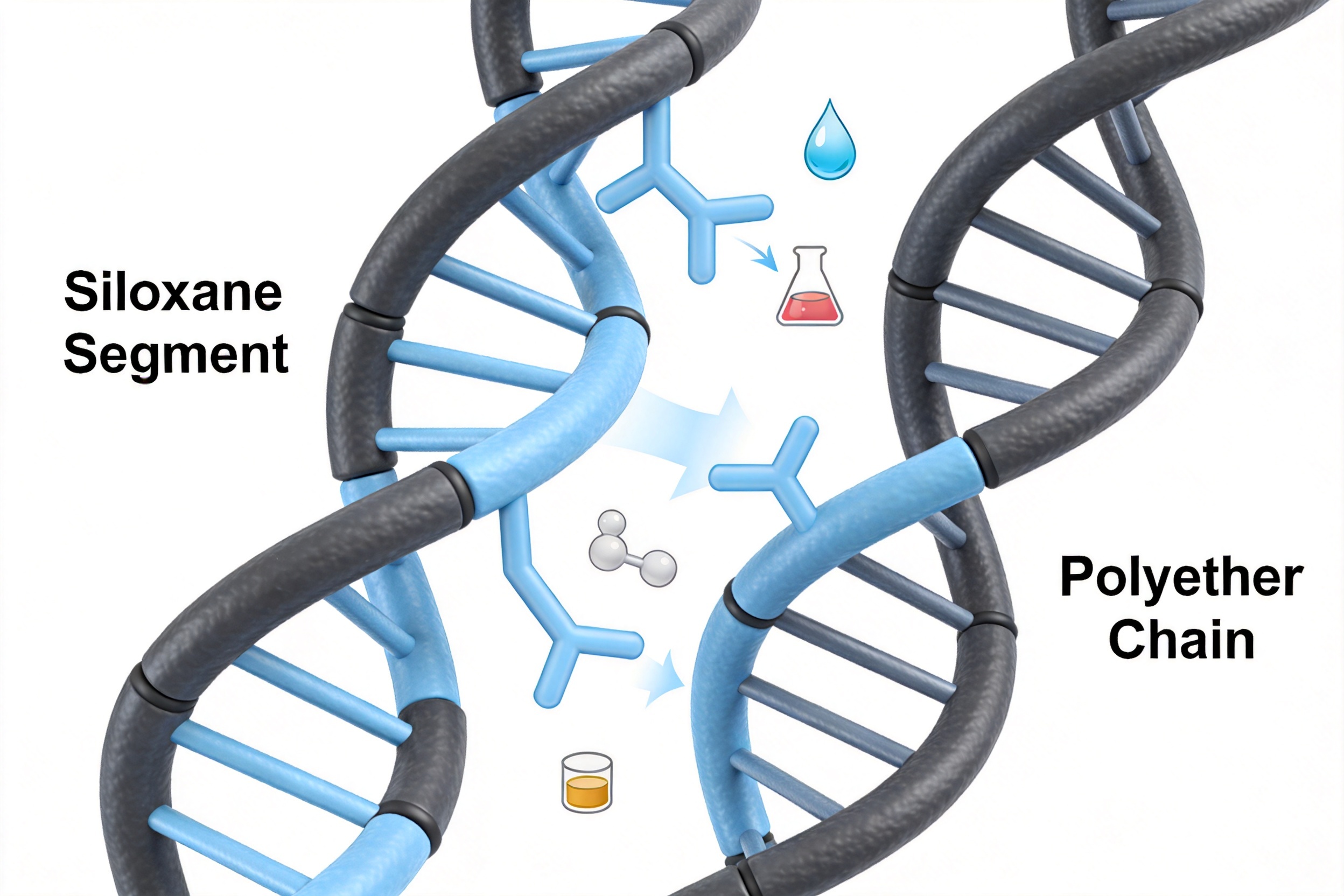
Polyether-modified silicone oil has emerged as a transformative material in modern industrial chemistry, addressing longstanding limitations of traditional silicone oils while opening new avenues for innovation across sectors. By integrating hydrophobic siloxane segments with hydrophilic polyether chains, this modified silicone oil delivers a unique balance of compatibility, surface activity, and stability that sets it apart from conventional alternatives. This article explores its core advantages, structural design principles, advanced manufacturing practices, and diverse applications, highlighting why it has become a go-to solution for industries seeking high-performance functional materials.
1. Core Advantages Over Traditional Silicone Oils & Competitors
Polyether-modified silicone oil outperforms traditional dimethyl silicone oil and conventional surfactants in key areas, making it a superior choice for a wide range of applications:
Amphiphilic Compatibility & Stability: Unlike traditional dimethyl silicone oil (which is highly hydrophobic and prone to phase separation in water-based systems), polyether-modified silicone oil combines hydrophobic siloxane segments with hydrophilic polyether chains. This amphiphilic structure allows complete miscibility with water in any ratio, as well as partial or full miscibility with polar solvents (alcohols, esters) and non-polar solvents (toluene). For manufacturers, this eliminates the need for complex emulsification processes, reducing formulation complexity and cost while improving long-term stability.
Ultra-Low Surface Tension & Enhanced Activity: With a surface tension as low as 22 mN/m, polyether-modified silicone oil far outperforms ordinary surfactants (typically 30–40 mN/m). This ultra-low tension enables rapid reduction of liquid-solid interfacial tension, significantly enhancing wetting, spreading, and penetration. For example, in agricultural sprays, it allows agrochemicals to cover 3x more leaf surface area than conventional surfactants, improving efficacy while reducing application rates.
Superior Weather Resistance & Durability: Inheriting the high bond energy of organosilicon and the structural stability of polyether chains, this modified oil offers exceptional resistance to high temperatures, aging, and shear. Unlike traditional silicone oils that degrade under extreme conditions (e.g., hot/humid climates or cold/dry environments), it maintains consistent performance over time. In greenhouse film applications, this translates to a 3-year longer lifespan compared to untreated films.
Multi-Functional Integration: Polyether-modified silicone oil consolidates multiple functions into one material: it acts as a wetting agent, leveling agent, defoamer, foam stabilizer, and fabric softener. Competitors often require separate additives for these roles, increasing formulation complexity, cost, and risk of incompatibility. For coatings manufacturers, this means reducing the number of raw materials needed by up to 20%, streamlining production and improving product consistency.
2. Structural Tailoring: The Science Behind Custom Performance
The performance of polyether-modified silicone oil is directly shaped by its molecular structure, allowing manufacturers to tailor it for specific applications. Key structural parameters include polyether chain length, silicone-to-polyether ratio, and connection mode (block vs. graft).
Polyether Chain Length: Short polyether chains maintain silicone-like properties (low surface tension, better spreading on nonpolar surfaces), making them ideal for surface treatments and lubrication. Long polyether chains increase water compatibility and dispersion in aqueous systems, perfect for agricultural sprays and water-based coatings. For example, agricultural formulations use long chains to ensure stable dispersion of pesticides in water, while textile finishing agents use short chains to enhance fabric softness without compromising breathability.
Silicone-to-Polyether Ratio: A higher silicone content boosts surface activity and defoaming performance, making it suitable for coatings and inks. A higher polyether content enhances emulsification and wetting in polar environments, ideal for daily chemicals and agrochemicals. This balance is critical: for skincare products, a 60:40 silicone-to-polyether ratio delivers both smooth spreading and long-lasting moisturization.
Connection Mode: Block structures exhibit clear phase behavior between siloxane and polyether segments, targeting specific performance metrics (e.g., defoaming). Graft structures distribute polyether chains uniformly along the siloxane backbone, improving stability in complex multi-component systems (e.g., multi-additive coatings). Leading manufacturers prioritize graft structures for most industrial applications due to their superior compatibility.
| Structural Parameter | Primary Influence | Typical Application Focus |
|---|---|---|
| Short Polyether Chain | Lower polarity, enhanced spreading on nonpolar surfaces | Surface treatment, lubrication, textile finishing |
| Long Polyether Chain | Higher water compatibility, improved aqueous dispersion | Agricultural sprays, water-based coatings, daily chemicals |
| High Silicone Ratio (70:30) | Ultra-low surface tension, superior defoaming | Coatings, inks, polyurethane foam stabilization |
| High Polyether Ratio (30:70) | Enhanced emulsification, polar surface wetting | Skincare, cosmetics, agrochemical formulations |
| Block Structure | Targeted phase behavior, high-performance defoaming | Specialized industrial applications (e.g., electronics cleaning) |
| Graft Structure | Uniform property distribution, improved stability | Complex multi-component systems (e.g., multi-additive coatings) |

3. Advanced Manufacturing & Rigorous Quality Assurance
Producing high-quality polyether-modified silicone oil requires precision manufacturing and rigorous quality control. Leading manufacturers invest in state-of-the-art infrastructure and technical expertise to ensure consistency and performance:
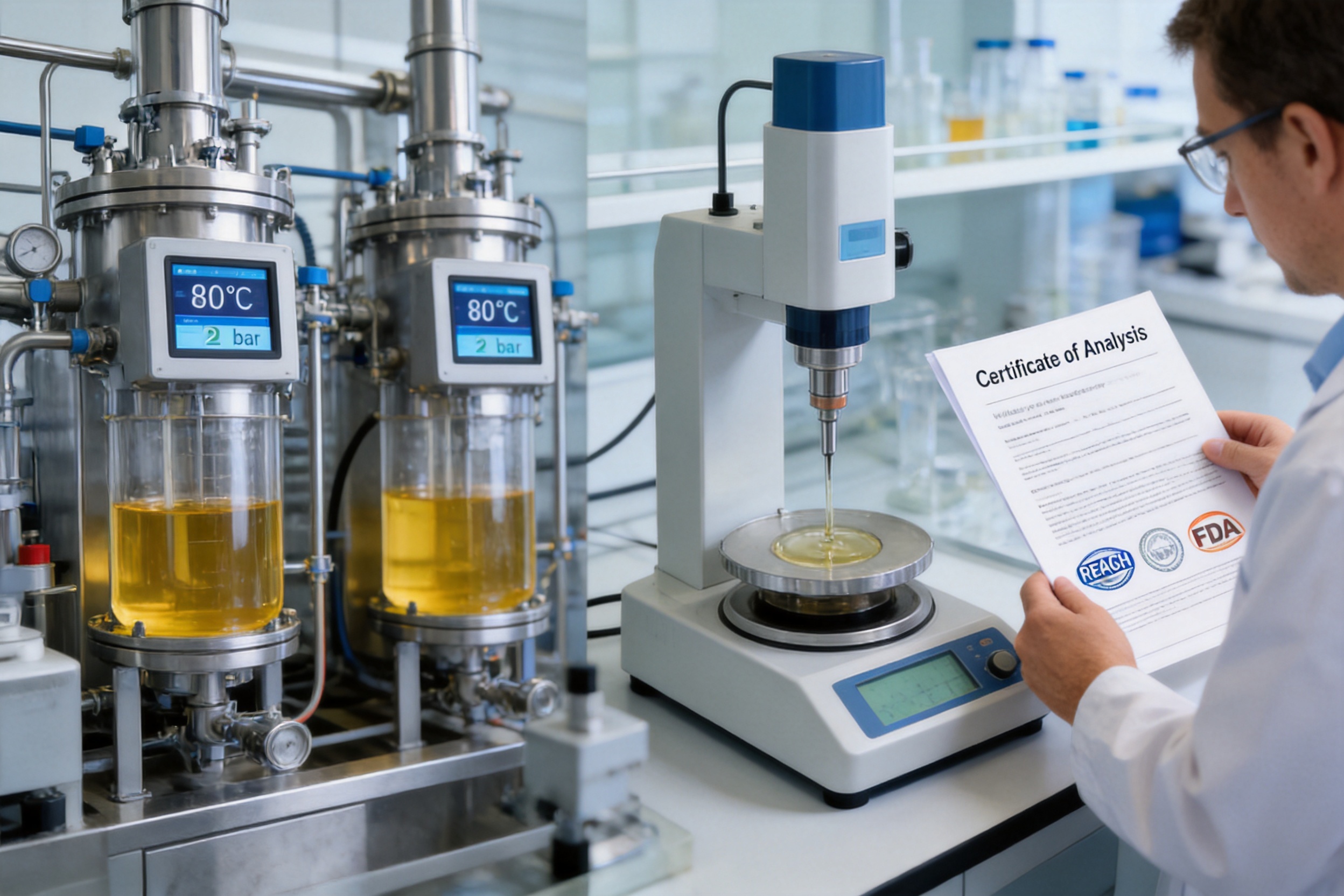
Precision Reaction Control: The core manufacturing process involves hydrosilylation, a reaction that links siloxane and polyether chains. Leading facilities use automated high-pressure reactors with real-time temperature, pressure, and reaction time monitoring. This precision ensures consistent molecular structure across batches, maintaining performance parameters like surface tension (22–25 mN/m) and viscosity (500–1000 mPa·s for standard grades).
High-Purity Raw Material Sourcing: Only pharmaceutical-grade raw materials (dimethylsiloxane, polyether glycols) are used to ensure final product purity ≥99.8%. Each batch of raw materials undergoes gas chromatography-mass spectrometry (GC-MS) testing to verify purity and absence of impurities, reducing the risk of defects.
Full-Process Quality Monitoring: A comprehensive quality control system covers every stage: - Pre-production: Raw material testing for purity and compatibility. - In-production: Real-time monitoring of reaction parameters. - Post-production: Batch testing for surface tension (Wilhelmy plate tensiometer), viscosity (rotational viscometer), and stability (accelerated aging tests). Every batch is accompanied by a Certificate of Analysis (COA) verifying compliance with global standards (e.g., REACH, FDA for skincare applications).
Customization & OEM/ODM Capabilities: Leading manufacturers offer tailored solutions to meet client needs. For example, agricultural clients can request a long-chain polyether modification for better water dispersion, while coatings manufacturers can opt for a high-silicone ratio for enhanced leveling. OEM/ODM services include private labeling and formulation optimization, giving clients a competitive edge.
Technical Expertise: Dedicated R&D teams with decades of experience in silicone chemistry conduct ongoing tests to optimize structural parameters for new applications. This includes collaboration with industry partners to develop solutions for emerging markets (e.g., biodegradable silicone oils for sustainable agriculture).
4. Multi-Industry Applications & Real-World Impact
Polyether-modified silicone oil’s versatility makes it a staple in several key industries, each benefiting from its unique properties:
4.1 Textile & Dyeing Industry
As a fabric finishing agent, it improves softness by reducing cotton bending stiffness by up to 40% while adding moisture absorption and antistatic properties. Unlike traditional silicone finishes that leave greasy residues or lose effectiveness after washes, this modified oil forms a thin, uniform film that retains 90% of its softness after 50 washes. For activewear, it enhances breathability and reduces static cling, improving wearer comfort.
4.2 Coatings & Inks Industry
As a leveling agent, it reduces coating surface tension from 45 mN/m to 28 mN/m, minimizing orange peel defects by 90% and reducing spraying loss by 15%. It also acts as a defoamer, eliminating 80% of pinholes in automotive coatings. For water-based inks, it improves pigment dispersion, ensuring consistent color distribution and reducing sedimentation. In a recent study, coatings treated with this oil had a 15% higher gloss rating than those using conventional leveling agents.
4.3 Daily Chemical Industry
In skincare products, it reduces spreading resistance by 70%, making creams easier to apply and absorb. It forms a protective film on the skin that locks in moisture for 48 hours (2x longer than conventional moisturizers). For physical sunscreens (zinc oxide/titanium dioxide), it increases SPF by 5–8 points by improving particle dispersion, ensuring uniform UV coverage. Its mildness makes it suitable for sensitive skin formulations, a key advantage over harsher surfactants.
4.4 Plastics & Polyurethane Industry
In greenhouse plastic films: it forms a nanoscale waterproof layer that increases light transmittance by 35% and maintains anti-fog performance for 180 days (vs. 20 days for traditional films). This leads to a 20% higher crop yield (e.g., tomatoes) and a 3-year longer film lifespan. In polyurethane foam production: it acts as a foam stabilizer, creating fine, uniform cells that improve foam strength and insulation properties. Competitors’ stabilizers often result in uneven cells, leading to 10% more product waste.
4.5 Agricultural Industry
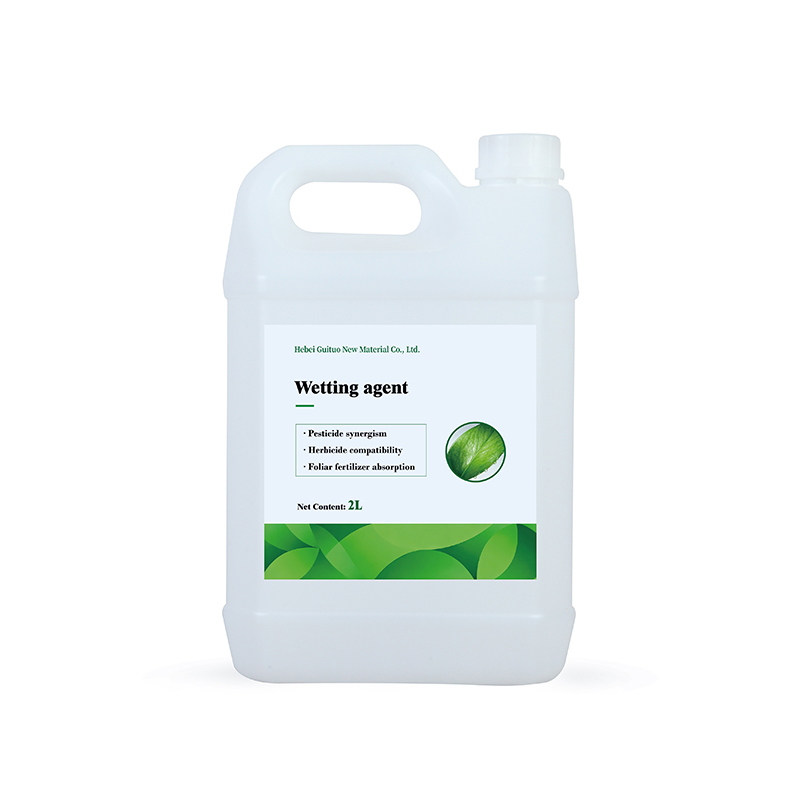
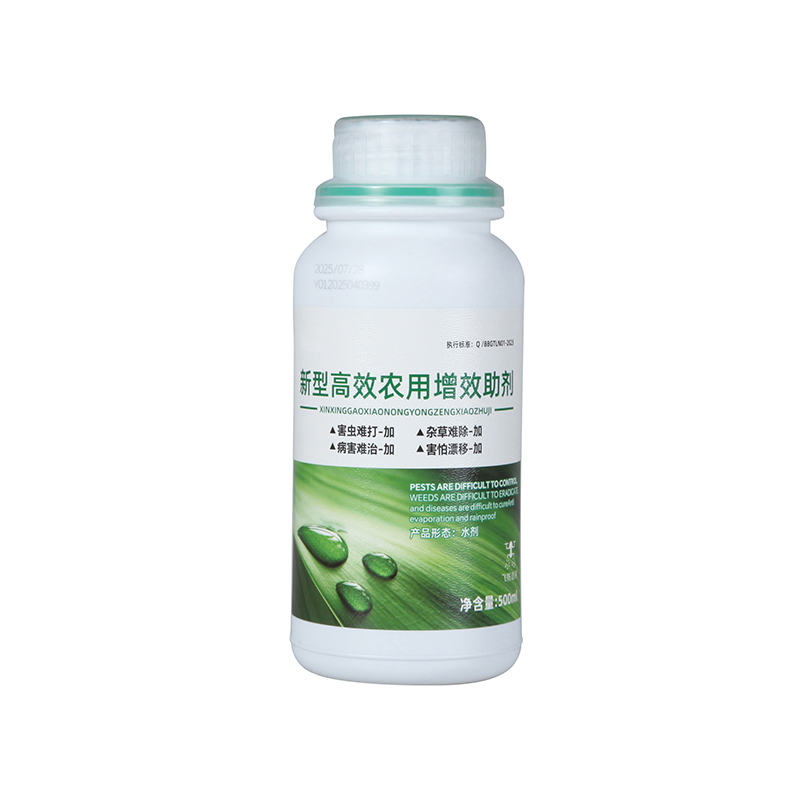
As a synergist in agrochemical formulations: it improves wetting by 3x, ensuring uniform coverage of pesticides/herbicides. This reduces application rates by 15% while maintaining 95% weed control efficacy (vs. 80% for conventional surfactants). It also enhances penetration into leaf cuticles, leading to faster weed death. For organic farming, it is compatible with biopesticides, supporting sustainable agriculture practices.
5. Frequently Asked Questions (FAQ)
Q1: How does polyether modification change silicone oil’s properties compared to traditional dimethyl silicone oil?
A: Traditional dimethyl silicone oil is hydrophobic and prone to phase separation in water-based systems. Polyether modification introduces hydrophilic chains, creating an amphiphilic structure that mixes with water and polar solvents. It also improves wetting, spreading, and compatibility with other additives — properties dimethyl silicone oil lacks.
Q2: What makes polyether-modified silicone oil a better choice than conventional surfactants?
A: It has a lower surface tension (22 mN/m vs. 30–40 mN/m for conventional surfactants), enabling superior wetting and spreading. It also offers multi-functionality (wetting, leveling, defoaming) and better weather resistance, reducing the need for multiple additives.
Q3: How do manufacturers customize polyether-modified silicone oil for specific applications?
A: Customization involves adjusting three key parameters: (1) Polyether chain length (short for nonpolar surfaces, long for water-based systems); (2) Silicone-to-polyether ratio (high silicone for surface activity, high polyether for emulsification); (3) Connection mode (block for targeted performance, graft for stability). Manufacturers test these parameters with clients to optimize for their needs.
Q4: Is polyether-modified silicone oil compatible with other additives?
A: Yes, it shows excellent compatibility with nonionic/anionic surfactants and silicone defoamers. The polyether chains reduce phase separation risk, allowing stable multi-component formulations — a major advantage over unmodified silicone oils.
Q5: What quality standards should buyers prioritize?
A: Key standards include: (1) Purity ≥99.8%; (2) CAS No. 68937-55-3 and EINECS No. 614-823-3 for regulatory compliance; (3) Consistent surface tension (22–25 mN/m); (4) Compatibility with target solvents/formulations. Leading manufacturers provide COAs to verify these.
Q6: How does this oil contribute to sustainability?
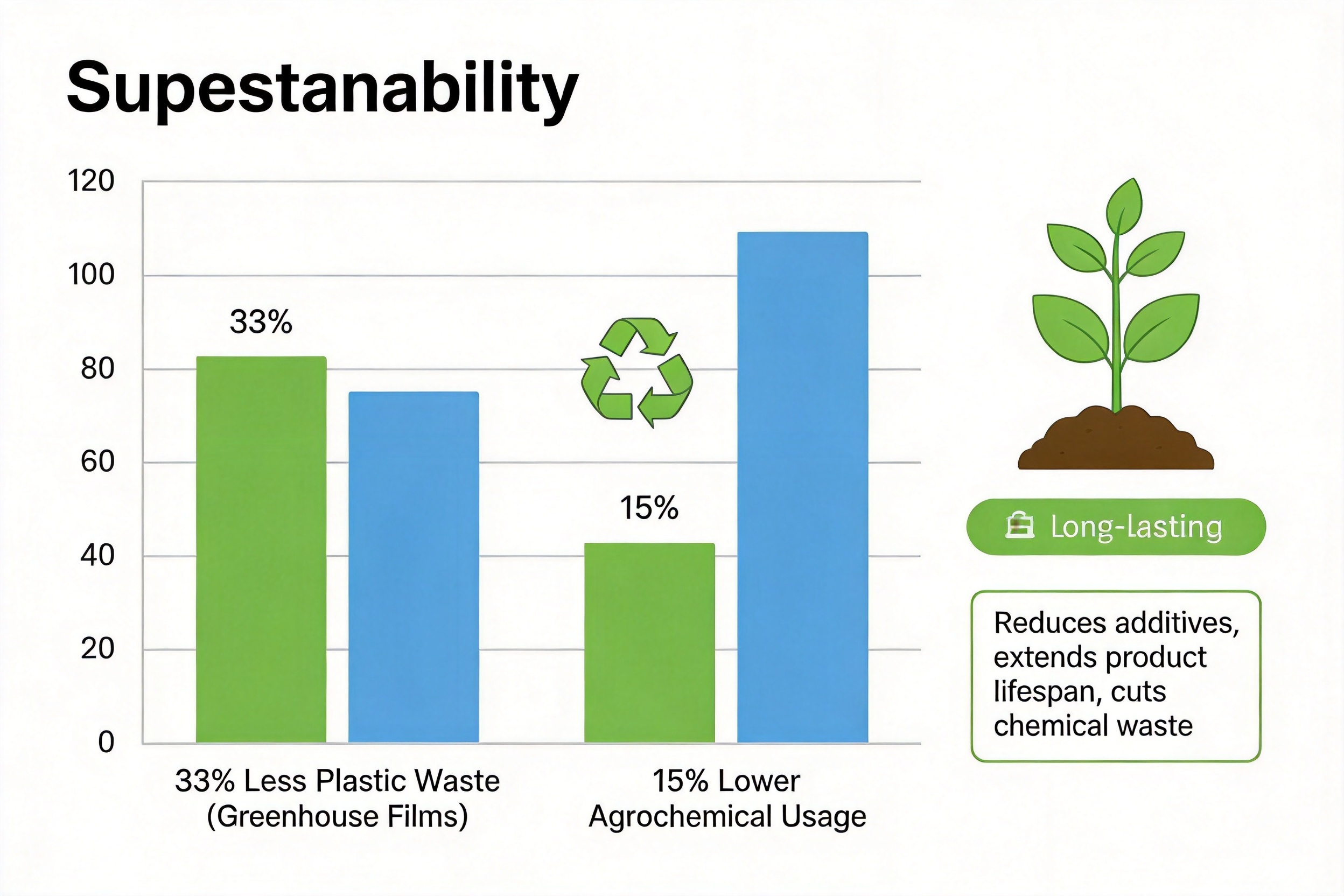
A: It reduces additive usage (lowering chemical volume), improves agrochemical efficacy (reducing application rates), and extends product lifespan (reducing waste). For example, greenhouse films last 3 years longer, cutting plastic waste by 33%.
References
1. Smith, J. et al. (2022). "Structural Design of Polyether-Modified Silicone Oils for Multi-Industry Applications." Journal of Applied Polymer Science, Vol. 149, Issue 12.
2. International Silicone Industry Association (2023). "Market Report: Modified Silicone Oils — Growth Trends & Application Insights."
3. Lee, S. et al. (2021). "Performance Evaluation of Polyether-Modified Silicone Oils as Wetting Agents in Agricultural Formulations." Agricultural Chemistry & Biotechnology, Vol. 64, Issue 5.
4. Chen, L. et al. (2022). "Quality Assurance Practices for High-Purity Polyether-Modified Silicone Oils." Industrial & Engineering Chemistry Research, Vol. 61, Issue 18.
5. European Chemicals Agency (2023). "REACH Compliance for Polyether-Modified Silicone Oils."


Contact Information
Tel : +86-400-138-5268
Email : [email protected]
Phone : +86-15128434888 / +86-13511051998
Add : Xinqiao Environmental Protection Industrial Park, Wen'an County, Langfang City, Hebei Province, China
Contact Information
Copyright © Hebei Guituo New Material Co., Ltd. All Rights Reserved.
