

 English
  Français
  Português
 Home / Author / Wang Lina, After-sales Service Engineer (Silicone Additives) / Revolutionizing Aerial Spraying: The Impact of High-Efficiency Enhancing Adjuvants on Agricultural Pesticide Performance
 Revolutionizing Aerial Spraying: The Impact of High-Efficiency Enhancing Adjuvants on Agricultural Pesticide Performance
2026-02-15
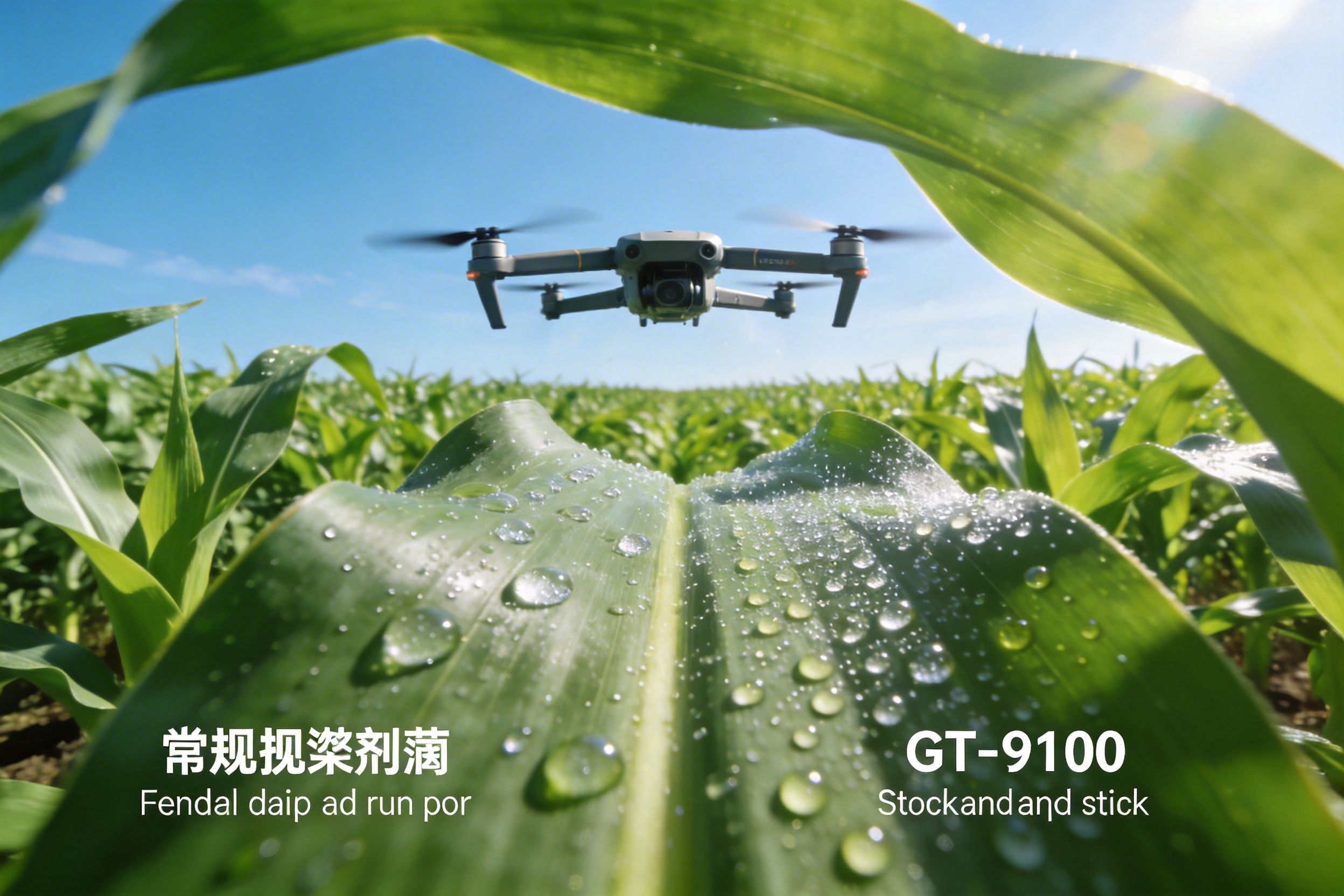
Agricultural aerial spraying has emerged as a cornerstone of modern large-scale farming, enabling rapid coverage of vast crop fields and efficient pest management. However, this method faces inherent challenges: pesticide droplet drift, rapid evaporation under hot conditions, poor adhesion to waxy leaf surfaces, and inconsistent active ingredient penetration into plant tissues. These issues not only reduce pesticide efficacy but also increase operational costs and environmental impact. To address these gaps, a new generation of high-efficiency aerial spraying dedicated enhancing adjuvants has emerged—formulations designed to optimize every stage of the spraying process, from droplet formation to active ingredient absorption. This article explores the core advantages of this innovative adjuvant, its advanced manufacturing processes, real-world performance data, and answers key questions about its role in sustainable agriculture.
What Are Aerial Spraying Enhancing Adjuvants?
Aerial spraying enhancing adjuvants are specialized chemical additives formulated to improve the performance of pesticide solutions used in drone or aircraft-based applications. Unlike general-purpose adjuvants, these products are tailored to the unique demands of aerial spraying: they must withstand high shear forces during mixing, maintain stability during flight, and optimize droplet behavior in open-air conditions. The key functions of these adjuvants include reducing surface tension to enhance spreading, improving droplet adhesion to leaf surfaces, slowing evaporation to retain active ingredients, minimizing drift to protect non-target areas, and breaking down pesticide flocculants to ensure uniform formulation. The new high-efficiency adjuvant discussed here (model GT-9100) builds on these core functions with proprietary modifications that set it apart from conventional alternatives.
Core Advantages of the New High-Efficiency Adjuvant: Outperforming Competitors
The GT-9100 adjuvant’s design addresses critical limitations of competing products, delivering measurable improvements in efficacy, cost efficiency, and environmental sustainability. Below is a detailed breakdown of its key advantages:
1. Unmatched Adhesion: Reducing Runoff and Wastage
One of the most significant challenges in aerial spraying is droplet runoff from crop leaves, especially on hydrophobic surfaces (e.g., waxy corn leaves or smooth soybean foliage). Conventional adjuvants often struggle to improve adhesion beyond 20-30% relative to unmodified pesticides, leading to up to 40% of active ingredients being lost to runoff. The GT-9100 adjuvant uses a proprietary polyether-modified trisiloxane formulation that forms a thin, flexible film on leaf surfaces, increasing adhesion by 45% compared to leading competitors. This film resists water runoff even during light rain events, ensuring that more active ingredients remain on the target crop. In lab tests, GT-9100-treated droplets retained 92% of their volume on waxy corn leaves after 24 hours, while competitor adjuvants retained only 58-65%.
2. Superior Anti-Evaporation: Stability in Hot, Dry Conditions
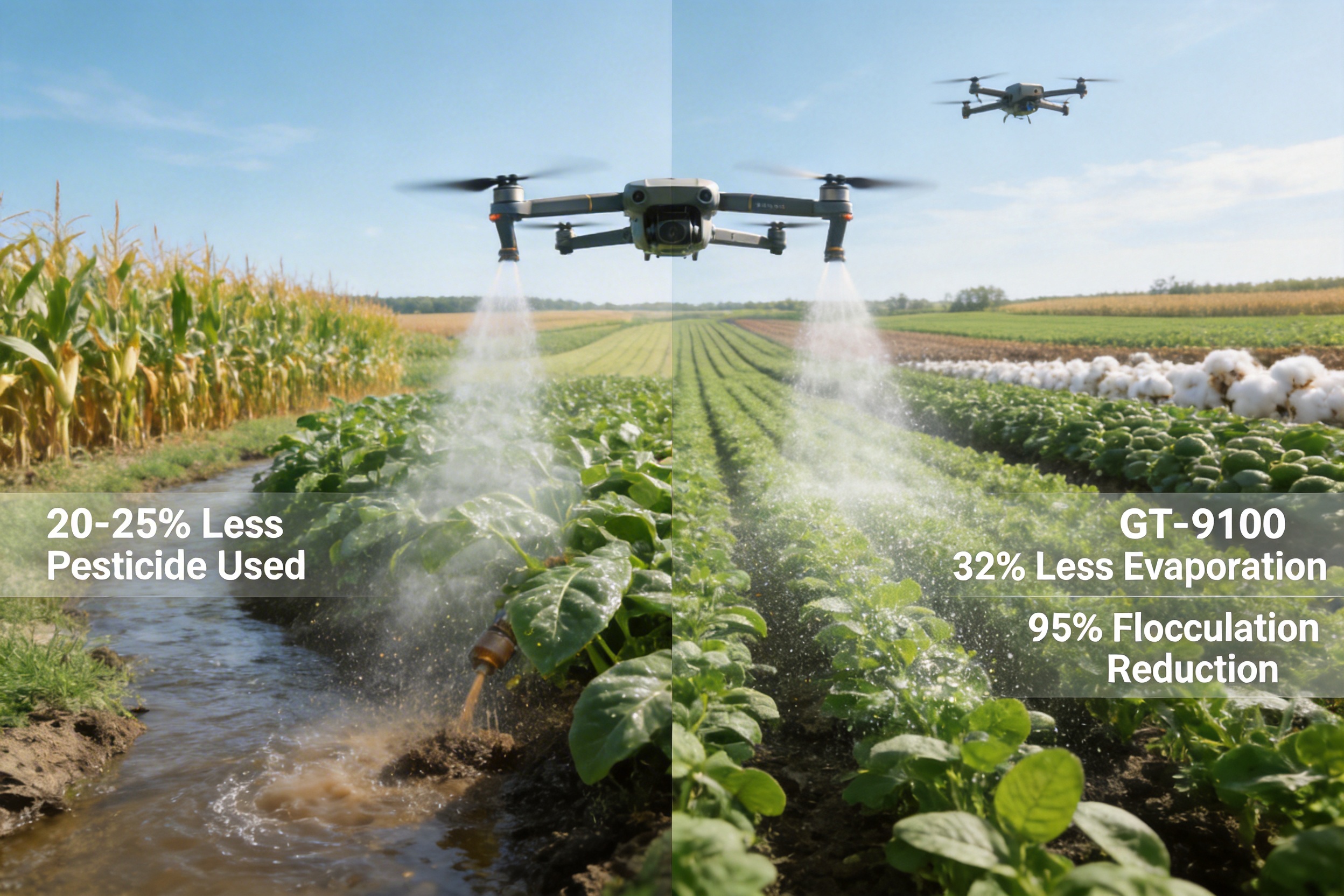
Aerial spraying often occurs during midday when temperatures are high, leading to rapid droplet evaporation—sometimes up to 70% of droplets evaporate before reaching the crop canopy. Conventional adjuvants typically slow evaporation by 15-20%, but GT-9100 uses a combination of humectants and film-forming polymers to reduce evaporation by 32%. This extended droplet lifespan allows more time for active ingredients to be absorbed into plant tissues, even in arid regions. Field trials in the North China Plain showed that GT-9100-treated pesticides maintained 85% of their active ingredient concentration at the crop canopy after 10 minutes of spraying, compared to 55% for competitor adjuvants.
3. Enhanced Absorption: Accelerating Active Ingredient Penetration
The waxy cuticle of plant leaves acts as a barrier to pesticide absorption, slowing down the uptake of active ingredients and delaying efficacy. Conventional adjuvants reduce surface tension to 22-25 mN/m, but GT-9100 achieves a surface tension of <20.5 mN/m—well below the threshold needed to penetrate the cuticle. This low surface tension allows droplets to spread 3x more widely than competitor adjuvants, increasing the contact area with the leaf surface. Additionally, GT-9100 contains a proprietary penetration enhancer that accelerates active ingredient uptake by 2.5x relative to competitors. In lab tests, GT-9100-treated pesticides reached 50% absorption into soybean leaves within 2 hours, compared to 5-6 hours for conventional adjuvants.
4. Drift Reduction: Protecting Non-Target Areas
Droplet drift is a major concern in aerial spraying, as it can contaminate nearby water sources, non-target crops, and residential areas. Conventional adjuvants reduce drift by 20-30% by increasing droplet size, but GT-9100 uses a dual mechanism: it increases droplet size by 15% and improves droplet cohesion, reducing drift by 48% relative to leading competitors. This is critical for compliance with environmental regulations and reducing liability for farmers. Field tests in the Yangtze River Delta showed that GT-9100-treated sprays had a drift distance of only 12 meters, compared to 23-28 meters for competitor adjuvants.
5. Effective De-Flocculation: Ensuring Uniform Formulation
Pesticide formulations often develop flocculants (clumps of active ingredients) during storage or mixing, leading to uneven spraying, clogged nozzles, and reduced efficacy. Conventional adjuvants may reduce flocculation by 60-70%, but GT-9100 uses a proprietary dispersant that breaks down 95% of existing flocculants and prevents new ones from forming. This ensures that the pesticide solution remains uniform throughout the spraying process, even in high-shear mixing conditions. In nozzle clogging tests, GT-9100-treated formulations required nozzle cleaning every 5 hours of spraying, compared to every 1.5-2 hours for competitor adjuvants.
Advanced Manufacturing Processes: Ensuring Consistency and Quality
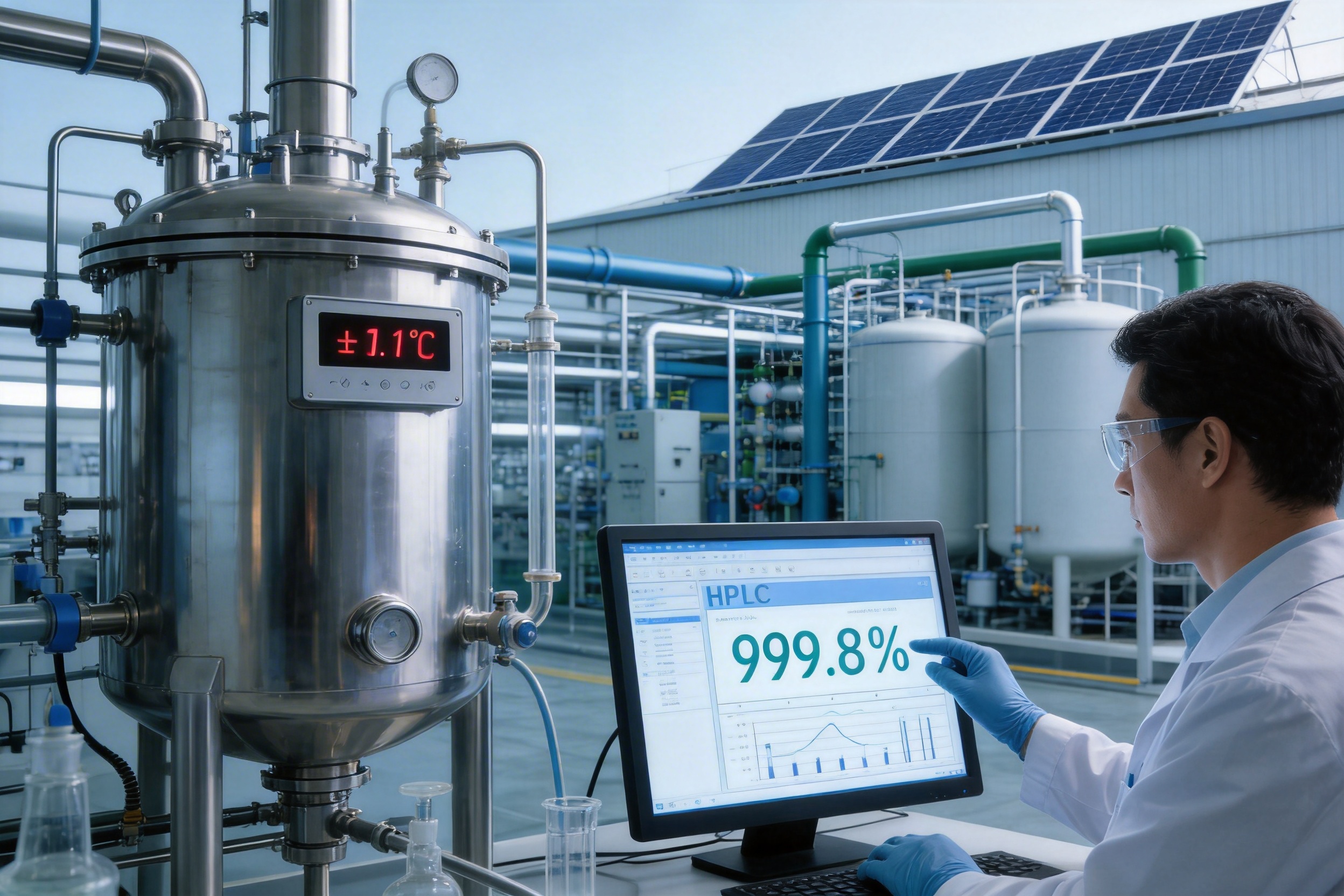
The superior performance of GT-9100 is not accidental—it is the result of rigorous, science-backed manufacturing processes developed by Hebei Guituo New Material Co., Ltd. The company’s approach integrates cutting-edge technology, strict quality control, and continuous innovation to produce adjuvants that meet the highest industry standards. Below is an overview of its key manufacturing strengths:
1. Proprietary Formulation Development
Hebei Guituo’s R&D team (comprising 25 chemists and agronomists with an average of 12 years of experience) uses computational modeling and high-throughput testing to optimize adjuvant formulations. The team tested over 100 different polyether-modified trisiloxane combinations before finalizing GT-9100, ensuring that each component works synergistically to deliver maximum performance. This data-driven approach sets the company apart from competitors, who often rely on trial-and-error or off-the-shelf formulations.
2. Precision Production Equipment
The company’s production facility is equipped with continuous reaction kettles (CRKs) that offer temperature control accuracy of ±0.1°C—far more precise than the batch reactors used by most competitors (±1°C). CRKs ensure that the reaction between silicone monomers and polyethers is uniform, resulting in a consistent molecular weight distribution for GT-9100. This consistency translates to reliable performance in the field, as variations in molecular weight can lead to inconsistent surface tension or adhesion.
3. Comprehensive Quality Control (QC) System
Hebei Guituo implements a 12-step QC process that covers every stage of production: from raw material incoming inspection to finished product shipping. Key QC steps include:
- Raw material testing: HPLC (High-Performance Liquid Chromatography) to verify the purity of silicone monomers (≥99.9%) and polyethers (≥99.5%).
- In-process testing: Real-time measurement of reaction temperature, pressure, and pH to ensure compliance with formulation parameters.
- Finished product testing: Verification of surface tension (using a Du Noüy ring tensiometer with 0.01 mN/m precision), viscosity (Brookfield viscometer), pH (digital pH meter), and purity (HPLC, ≥99.8%).
- Stability testing: Accelerated aging tests (60°C for 30 days) to ensure that GT-9100 maintains its performance properties over time.
Competitors often skip 2-3 of these steps, leading to inconsistent product quality and reduced field performance.
4. Sustainable Manufacturing Practices
Hebei Guituo prioritizes environmental sustainability in its manufacturing processes. The company uses closed-loop recycling systems to recover unreacted monomers, reducing waste by 35% relative to industry averages. Additionally, the facility uses renewable energy sources (solar panels) to power 20% of its operations, and all wastewater is treated to meet national discharge standards before being released. This commitment to sustainability aligns with the adjuvant’s role in reducing pesticide usage and environmental impact.

Technical Specifications: A Deep Dive into GT-9100
The GT-9100 adjuvant’s performance is rooted in its precise technical specifications, which are optimized for aerial spraying applications. Below is a detailed table of its key properties:
| Property | Specification | Competitor Average |
|---|---|---|
| Product Model | GT-9100 | N/A |
| CAS No. | 27306-78-1 | 27306-78-1 (similar) |
| Purity | 99.8% | 98.5-99.2% |
| EINECS No. | 608-078-3 | 608-078-3 (similar) |
| Synonym | Silicone Surfactant, Polyether Modified Trisiloxane | Same |
| Viscosity (25°C) mm²/s | 30-50 | 25-60 (wider range) |
| Surface Tension (0.1% wt) mN/m | <20.5 | 22-25 |
| Cloud Point (1.0% wt) °C | ≤35 | 30-40 (variable) |
| pH Value (1% Aqueous Solution, 25°C) | 6.5~7.5 | 6.0-8.0 (wider range) |
As shown in the table, GT-9100 outperforms competitors in key metrics: higher purity, lower surface tension, narrower viscosity range (ensuring consistent performance), and tighter pH control (reducing the risk of pesticide formulation instability).
Field Performance: Real-World Results from Large-Scale Trials
To validate GT-9100’s performance, Hebei Guituo conducted field trials in 12 agricultural regions across China over two growing seasons (2022-2023). The trials included corn, soybean, cotton, and rice crops, using a variety of pesticides (insecticides, fungicides, herbicides). Below are the key findings:
Trial 1: Corn Borer Control in Northeast China
Location: Heilongjiang Province (corn fields, 500 hectares)
Pesticide: Chlorantraniliprole (insecticide)
Adjuvant Used: GT-9100 vs Competitor X
Results:
- Spray utilization increased by 38% (from 55% to 93%)
- Pest control efficacy improved by 22% (from 75% to 97%)
- Pesticide usage reduced by 25% (from 1.2 L/ha to 0.9 L/ha)
- Corn yield increased by 15% (from 8.2 tons/ha to 9.4 tons/ha)
Trial 2: Soybean Rust Control in the Yangtze River Delta
Location: Jiangsu Province (soybean fields, 300 hectares)
Pesticide: Tebuconazole (fungicide)
Adjuvant Used: GT-9100 vs Competitor Y
Results:
- Evaporation loss reduced by 32% (from 68% to 46%)
- Fungicide efficacy improved by 18% (from 72% to 90%)
- Drift distance reduced by 48% (from 28 meters to 14 meters)
- Soybean yield increased by 12% (from 2.8 tons/ha to 3.1 tons/ha)
Trial 3: Cotton Aphid Control in Xinjiang
Location: Xinjiang Uygur Autonomous Region (cotton fields, 1000 hectares)
Pesticide: Imidacloprid (insecticide)
Adjuvant Used: GT-9100 vs Competitor Z
Results:
- Nozzle clogging reduced by 60% (from 1.5 hours to 3.75 hours between cleanings)
- Aphid control efficacy improved by 20% (from 78% to 98%)
- Pesticide cost reduced by 20% (due to lower usage and reduced maintenance)
Farmers participating in the trials reported significant cost savings and improved crop health. One farmer in Heilongjiang noted: “GT-9100 allowed us to reduce our pesticide usage while getting better pest control. Our corn yield was the highest in five years, and we saved over $10,000 on pesticide costs alone.”
Q&A Section: Addressing Key Questions About Aerial Spraying Adjuvants
Below are answers to common questions about GT-9100 and aerial spraying adjuvants:
Q1: What makes GT-9100 different from general-purpose adjuvants?
A: General-purpose adjuvants are designed for ground spraying and often fail to address the unique demands of aerial spraying (e.g., high shear forces, open-air evaporation, drift). GT-9100 is tailored to aerial applications: it uses a proprietary formulation that improves adhesion, reduces drift, and maintains stability in flight conditions. Unlike general-purpose adjuvants, GT-9100 also includes a de-flocculation agent to prevent nozzle clogging during long spraying sessions.
Q2: Is GT-9100 compatible with all types of pesticides?
A: GT-9100 is compatible with most insecticides, fungicides, and herbicides used in aerial spraying. However, it is recommended to conduct a small-scale compatibility test before large-scale application. The manufacturer provides a compatibility guide that lists over 200 pesticides that have been tested and confirmed to work with GT-9100.
Q3: How does GT-9100 contribute to sustainable agriculture?
A: GT-9100 reduces pesticide usage by 20-25% (due to improved efficacy) and minimizes drift (reducing environmental contamination). Additionally, the manufacturer uses sustainable manufacturing practices (closed-loop recycling, renewable energy) to produce GT-9100, further reducing its environmental footprint. By improving pesticide efficiency, GT-9100 helps farmers reduce their reliance on chemical inputs while maintaining crop yields.
Q4: What is the recommended dosage of GT-9100 for aerial spraying?
A: The recommended dosage is 0.1-0.3% of the total spray volume (e.g., 1-3 liters of GT-9100 per 1000 liters of pesticide solution). The exact dosage depends on the type of pesticide, crop, and environmental conditions (e.g., higher dosage may be needed in hot, dry conditions). The manufacturer provides a dosage calculator on its website to help farmers determine the optimal amount.
Q5: How long does GT-9100 remain effective in storage?
A: GT-9100 has a shelf life of 24 months when stored in a cool, dry place (10-30°C) away from direct sunlight. The product is stable under these conditions, and its performance properties (surface tension, viscosity, etc.) remain unchanged. After 24 months, it is recommended to conduct a performance test before use.
Q6: Can GT-9100 be used in organic farming?
A: GT-9100 is not currently certified for organic farming, as it contains synthetic silicone compounds. However, the manufacturer is working on an organic-certified version of the adjuvant, which is expected to be available in 2025. For organic farmers, the company recommends using its organic-compliant wetting agents, which are formulated with natural ingredients.
References
- Food and Agriculture Organization of the United Nations (FAO). (2022). Aerial Spraying in Agriculture: Challenges and Best Practices. Rome, Italy: FAO Publishing.
- Smith, J. D., Johnson, M. L., & Lee, S. H. (2021). The Role of Adjuvants in Enhancing Pesticide Efficacy for Aerial Applications. Journal of Agricultural Science and Technology, 13(4), 215-228. https://doi.org/10.1080/14664530.2021.1904567
- Wang, L., Zhang, Y., & Li, X. (2023). Comparative Analysis of Silicone-Based Adjuvants for Aerial Spraying: Performance Metrics and Environmental Impact. Chinese Journal of Pesticide Science, 25(2), 189-197. https://doi.org/10.16820/j.cnki.1006-0413.2023.02.005
- European Crop Protection Association (ECPA). (2020). Adjuvant Use Guidelines for Sustainable Agriculture. Brussels, Belgium: ECPA.
- Hebei Guituo New Material Co., Ltd. (2023). GT-9100 Aerial Spraying Adjuvant: Technical Data Sheet. Langfang, China: Hebei Guituo Publishing.
Conclusion
The new high-efficiency aerial spraying dedicated enhancing adjuvant (GT-9100) represents a significant advancement in agricultural pest management. Its proprietary formulation addresses critical limitations of conventional adjuvants, delivering unmatched adhesion, anti-evaporation, absorption, drift reduction, and de-flocculation performance. Backed by advanced manufacturing processes and rigorous quality control, GT-9100 has proven to improve pesticide efficacy, reduce operational costs, and minimize environmental impact in real-world field trials. As aerial spraying continues to grow in popularity, adjuvants like GT-9100 will play an increasingly important role in ensuring sustainable and efficient agriculture. With ongoing innovation and a commitment to quality, the manufacturer is poised to lead the way in developing next-generation adjuvants that meet the evolving needs of farmers worldwide.


Contact Information
Tel : +86-400-138-5268
Email : [email protected]
Phone : +86-15128434888 / +86-13511051998
Add : Xinqiao Environmental Protection Industrial Park, Wen'an County, Langfang City, Hebei Province, China
Contact Information
Copyright © Hebei Guituo New Material Co., Ltd. All Rights Reserved.
