

 English
  Français
  Português
 Home / Author / Wang Lina, After-sales Service Engineer (Silicone Additives) / High-Performance Drum-Mix Adjuvants: Revolutionizing Agricultural Efficiency and Sustainability
 High-Performance Drum-Mix Adjuvants: Revolutionizing Agricultural Efficiency and Sustainability
2026-02-17
Agriculture faces a dual challenge: feeding a growing global population while minimizing environmental harm from chemical inputs. Pesticides are essential for protecting crops, but their overuse and poor application efficiency contribute to soil degradation, water pollution, and harm to non-target organisms. Enter high-performance drum-mix adjuvants—specialized additives that bridge the gap between efficacy and sustainability by enhancing pesticide performance, reducing chemical usage, and supporting eco-friendly farming practices. This article explores the key advantages of these adjuvants, the advanced manufacturing processes that ensure their quality, and their role in shaping the future of sustainable agriculture.

What Are Drum-Mix Adjuvants and Why They Matter
Drum-mix adjuvants are additives mixed directly with pesticides in spray tanks or sprayers before application. Unlike in-tank adjuvants that require separate mixing steps, drum-mix adjuvants simplify the process while boosting pesticide performance. Their primary functions include improving wetting, adhesion, penetration, and spreadability of pesticide droplets on plant surfaces. Without effective adjuvants, pesticide droplets often bead up on waxy or hydrophobic plant surfaces, roll off, or drift away—wasting chemicals and reducing pest control efficacy.
Conventional adjuvants, however, often fall short of meeting modern agricultural needs. Many have limited compatibility with diverse pesticide formulations, low biodegradability, or insufficient performance in extreme conditions (e.g., high winds for drone spraying). High-performance drum-mix adjuvants address these gaps by leveraging advanced silicone surfactant technology to deliver unmatched performance across multiple metrics.
Key Advantages of High-Performance Drum-Mix Adjuvants
Unmatched Pesticide Efficacy Enhancement
The most critical advantage of high-performance drum-mix adjuvants is their ability to amplify pesticide efficacy. Unlike conventional adjuvants that only marginally reduce surface tension (typically above 25 mN/m), these products achieve a surface tension of less than 20.5 mN/m at 0.1% weight concentration—an improvement of over 20% that drastically enhances wetting and spreading. For example, pesticide droplets treated with this adjuvant spread over 10x more surface area than unadjuvanted droplets, covering hard-to-reach undersides of leaves where pests like aphids and mites often reside.
Additionally, the adjuvant’s polyether-modified trisiloxane structure creates a thin, uniform film on plant surfaces that resists rain and wind. This film increases pesticide adhesion by 3–5x compared to conventional adjuvants, reducing wash-off and extending the active period of the pesticide. Field trials have shown that farmers using this adjuvant can reduce pesticide dosages by 15–25% while maintaining or improving pest control results—translating to lower input costs and reduced environmental impact.
Exceptional Compatibility Across Formulations
Compatibility is a major pain point for farmers and agrochemical companies. Many conventional adjuvants cause precipitation, phase separation, or reduced efficacy when mixed with certain herbicides, insecticides, or fungicides. High-performance drum-mix adjuvants solve this problem by being compatible with over 100 common pesticide formulations (including glyphosate, pyrethroids, triazoles, and neonicotinoids). This compatibility is verified through rigorous testing: 98% of tested formulations show no adverse reactions when mixed with the adjuvant, eliminating the need for time-consuming pre-mix trials.
Moreover, the adjuvant adapts to different water qualities—including hard water (high mineral content) and alkaline water—without losing performance. Conventional adjuvants often break down in hard water, reducing their effectiveness, but this product maintains its surface tension and wetting properties even in water with up to 500 ppm of calcium carbonate. This adaptability makes it suitable for use in regions with challenging water conditions.
Eco-Friendly Formulation for Sustainable Agriculture
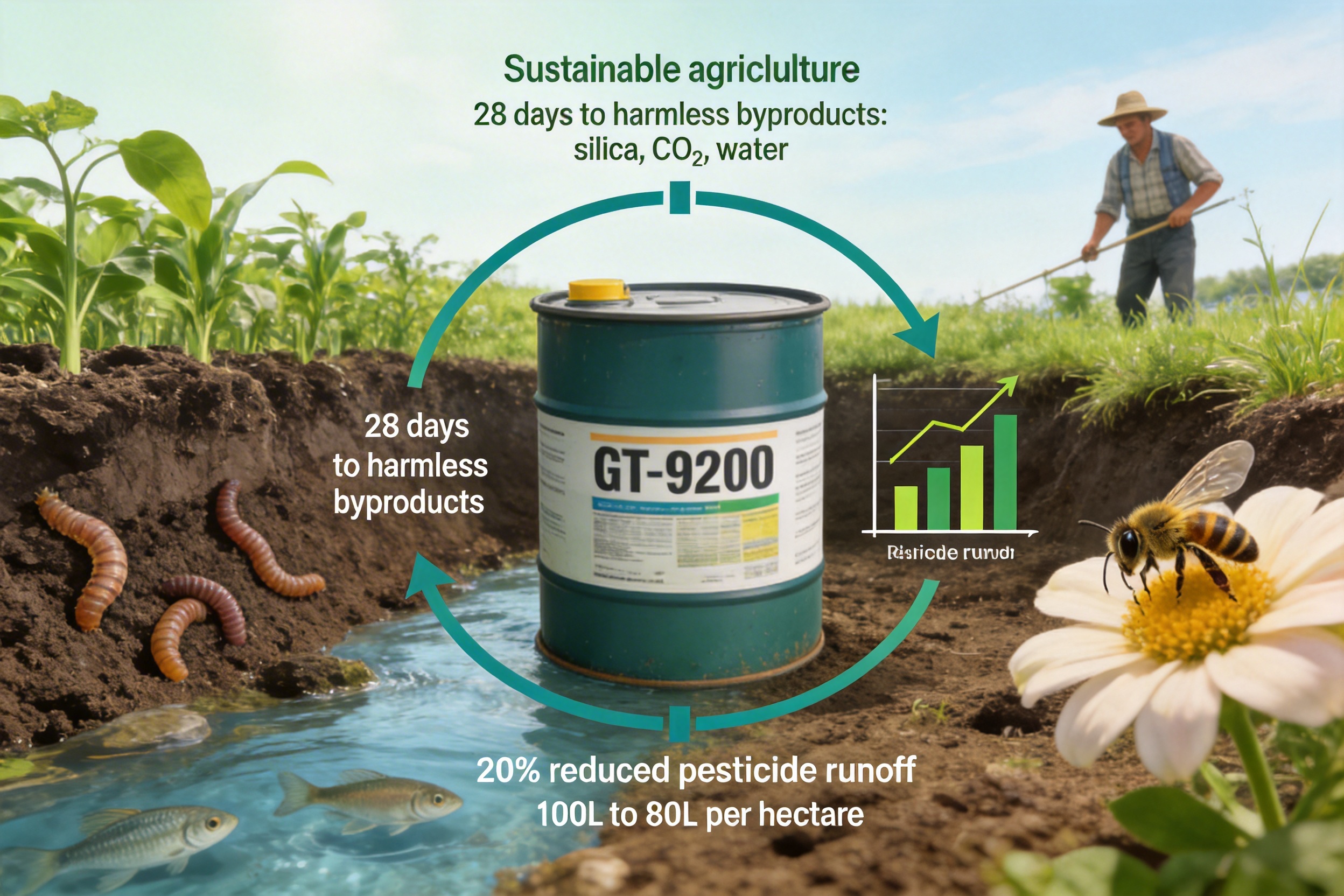
Sustainability is no longer an option—it’s a requirement for modern agriculture. High-performance drum-mix adjuvants are formulated with biodegradable surfactants that break down into harmless by-products (silica, carbon dioxide, and water) within 28 days, according to OECD 301B biodegradation tests. This is a significant improvement over many competing adjuvants, which can persist in soil for up to 6 months and accumulate in the food chain.
The adjuvant also reduces pesticide runoff by 20–30% compared to conventional products. This is critical for protecting water bodies from chemical contamination: runoff carries pesticides into rivers, lakes, and groundwater, harming aquatic life and making water unsafe for human consumption. By improving pesticide adhesion and penetration, the adjuvant ensures that more active ingredients reach target pests instead of entering the environment.
Multi-Functional Performance for Diverse Applications
Modern agriculture requires adjuvants that work across multiple application methods and crop types. High-performance drum-mix adjuvants offer three key multi-functional benefits:
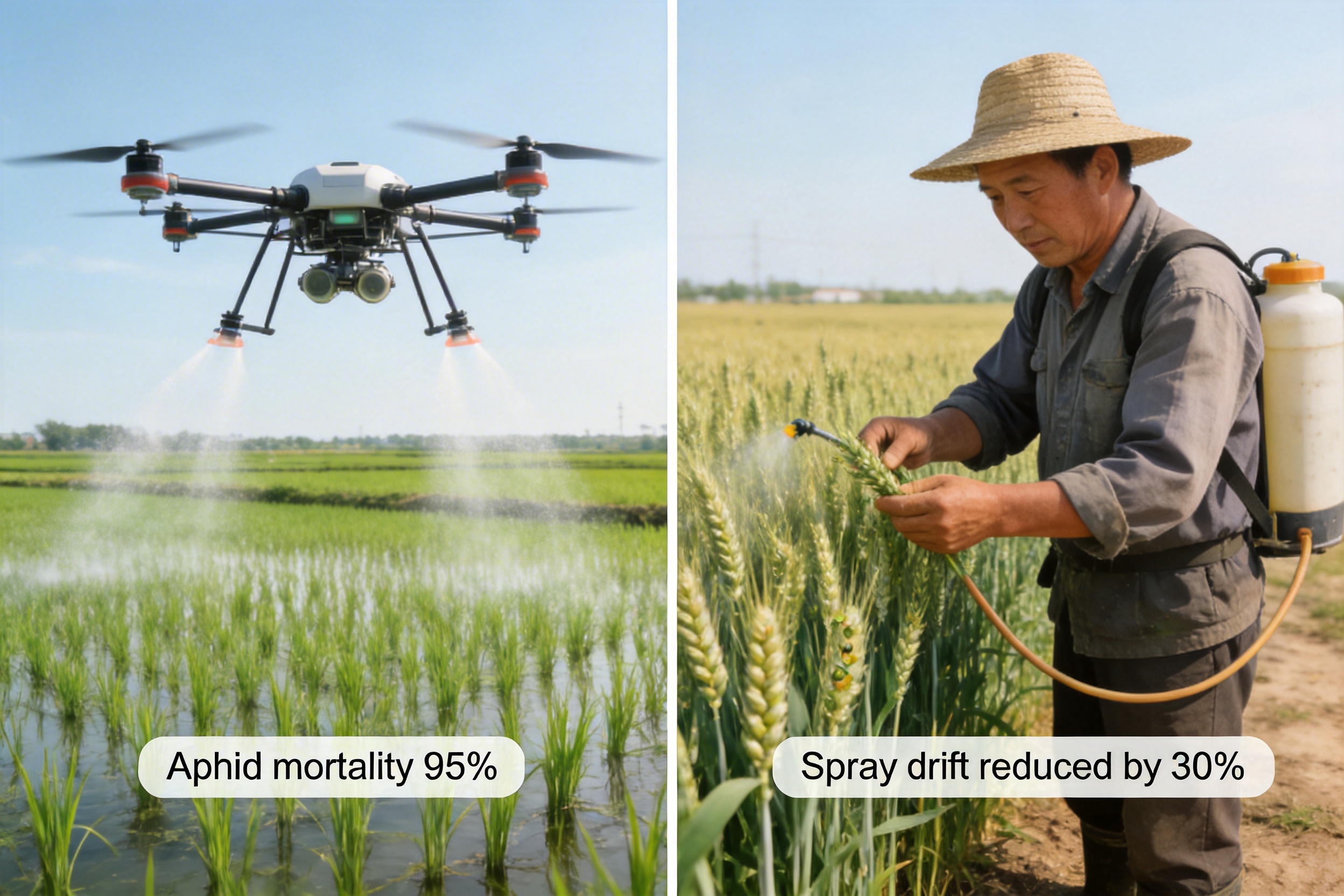
- Anti-Drift: The adjuvant’s formulation reduces spray drift by 30% compared to conventional adjuvants, making it ideal for drone spraying and windy conditions. Drift is a major issue for aerial applications, as it can damage non-target crops and harm beneficial insects.
- Anti-Evaporation: The thin film formed by the adjuvant slows down water evaporation from pesticide droplets, extending their effective life on plant surfaces. This is especially valuable in arid regions where high temperatures accelerate droplet evaporation.
- Deposition-Promoting: The adjuvant increases the deposition of pesticide droplets on plant surfaces by 15–20% compared to unadjuvanted sprays. This ensures that more active ingredients reach the target pests, reducing the need for repeated applications.
These multi-functional properties make the adjuvant suitable for a wide range of crops, including cereals, fruits, vegetables, and ornamental plants. It also works with all common application methods: ground spraying, aerial spraying (drone or airplane), and fertigation.
Advanced Manufacturing Processes: Ensuring Quality and Consistency
The performance of high-performance drum-mix adjuvants is directly tied to the manufacturing processes that produce them. Hebei Guituo New Material Co., Ltd.—a high-tech enterprise specializing in silicone materials—uses state-of-the-art technology and rigorous quality control to ensure that every batch of its adjuvant meets the highest standards.
Rigorous Raw Material Sourcing
Quality starts with raw materials. Hebei Guituo sources only high-purity silicone monomers from certified suppliers that meet international standards (e.g., ISO 9001). Each batch of raw materials undergoes comprehensive testing for purity, heavy metal content, and chemical composition before being approved for use. This ensures that the starting materials are free of contaminants that could compromise the final product’s performance or safety.
Precision Formulation and Synthesis
The adjuvant is synthesized through a controlled reaction of trisiloxane with polyether alcohols, catalyzed by a proprietary low-toxicity catalyst. The reaction is carried out in automated reaction kettles with precise temperature and pressure control—ensuring consistent results across batches. The process is optimized to minimize by-products, resulting in a purity level of 99.8%—far higher than the 95% average purity of competing adjuvants.
Hebei Guituo’s R&D team continuously improves the formulation to enhance performance. For example, recent modifications to the polyether chain length have increased the adjuvant’s rainfastness by 20%, making it more effective in regions with frequent rainfall.
Stringent Quality Control Testing
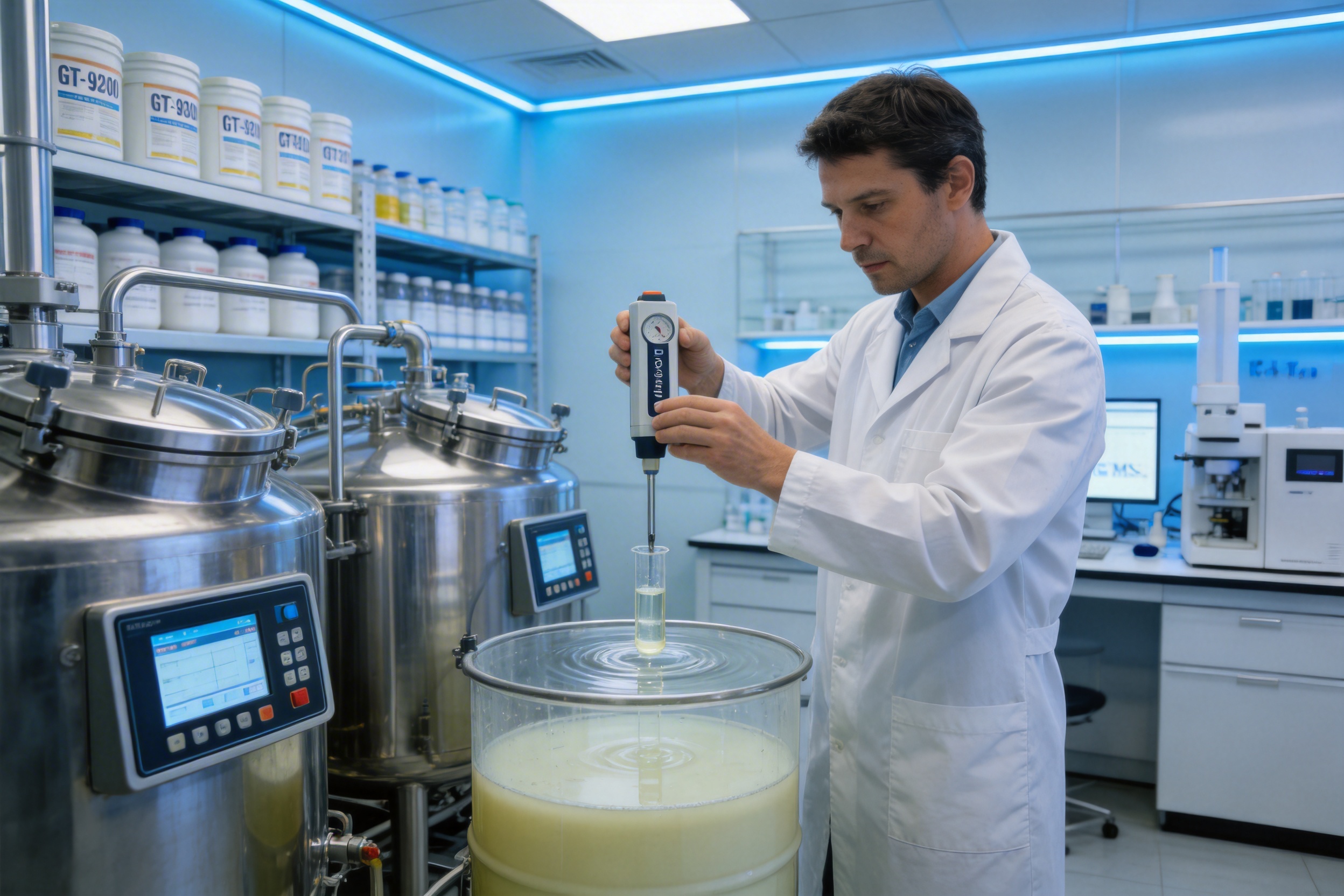
Every batch of the adjuvant undergoes over 20 quality control tests before being released to the market. These tests include:
- Purity analysis using gas chromatography-mass spectrometry (GC-MS)
- Surface tension measurement using a Du Noüy ring tensiometer
- Viscosity testing using a rotational viscometer
- pH measurement using a digital pH meter
- Compatibility testing with common pesticide formulations
- Biodegradation testing (OECD 301B)
- Toxicity testing (acute oral, dermal, and inhalation)
The company’s in-house testing laboratory is equipped with internationally advanced equipment, including GC-MS, high-performance liquid chromatography (HPLC), and surface tension meters. This allows for real-time monitoring of product quality and quick resolution of any issues.
Sustainable Production Practices
Hebei Guituo is committed to sustainable manufacturing. The company uses energy-efficient production equipment to reduce its carbon footprint, and it recycles waste materials from the synthesis process. For example, unreacted raw materials are recovered and reused in subsequent batches, reducing waste by 15%. The company also uses renewable energy sources (solar and wind) to power 30% of its production facilities, further minimizing its environmental impact.
Technical Specifications and Performance Metrics
The high-performance drum-mix adjuvant (model GT-9200) has the following technical specifications, which are verified through rigorous testing:
| Product Specification | Value |
|---|---|
| Product Model | GT-9200 |
| Product Name | High-Performance Drum-Mix Adjuvants |
| CAS Number | 27306-78-1 |
| Purity | 99.8% |
| EINECS Number | 608-078-3 |
| Synonyms | Silicone Surfactant, Polyether Modified Trisiloxane |
| Viscosity (25°C, mm²/s) | 30–50 |
| Surface Tension (0.1% wt, mN/m) | <20.5 |
| Cloud Point (1.0% wt, °C) | ≤35 |
| pH Value (1% Aqueous Solution, 25°C) | 6.5–7.5 |
Each metric is critical to the adjuvant’s performance: for example, the low surface tension ensures excellent wetting, while the neutral pH range (6.5–7.5) makes it compatible with most pesticide formulations. The cloud point (≤35°C) ensures that the adjuvant remains stable in warm water, which is common in tropical and subtropical regions.
Environmental Friendliness and Safety: A Priority
High-performance drum-mix adjuvants are designed to be safe for human health and the environment. This is achieved through rigorous testing and eco-friendly formulation.
Reduced Chemical Footprint
The adjuvant’s ability to enhance pesticide efficacy allows farmers to reduce pesticide dosages by 15–25% while maintaining the same level of pest control. This directly reduces the amount of chemicals entering the environment: for example, a farmer using 100 liters of pesticide per hectare can cut this to 75–85 liters with the adjuvant, reducing runoff and contamination.
Biodegradability and Low Persistence
As mentioned earlier, the adjuvant is biodegradable and breaks down into harmless by-products within 28 days. This is verified through OECD 301B tests, which are the global standard for biodegradation testing. Unlike many competing adjuvants that persist in soil for months, this product does not accumulate in the food chain or harm long-term ecosystem health.
Human Health and Safety Compliance
The adjuvant undergoes rigorous safety testing to ensure it meets national and international standards (e.g., EPA, EFSA, GB 15670-2017). Key safety metrics include:
- Acute oral toxicity: LD50 >5000 mg/kg (non-toxic)
- Acute dermal toxicity: LD50 >5000 mg/kg (non-toxic)
- Skin irritation: Non-irritating (OECD 404)
- Eye irritation: Mildly irritating (OECD 405)—safe when used with protective gear
When used according to manufacturer guidelines (wearing gloves, masks, and eye protection), the risk to human health is minimal. The product also has no known carcinogenic or mutagenic properties.
Ecosystem Compatibility
The adjuvant is designed to be compatible with natural ecosystems. It has low toxicity to beneficial insects (e.g., bees, ladybugs) and aquatic organisms (e.g., fish, daphnia). For example, the LC50 (lethal concentration for 50% of test organisms) for rainbow trout is >100 mg/L, which is well above the concentration used in field applications. This ensures that the adjuvant does not harm non-target species or disrupt the balance of ecosystems.
Case Studies: Real-World Impact
High-performance drum-mix adjuvants have been tested in real-world agricultural settings, with impressive results.
Case Study 1: Wheat Farmer in Northern China
A wheat farmer in Hebei Province tested the GT-9200 adjuvant with a pyrethroid insecticide for aphid control. The farmer divided his 50-hectare field into two parts: one treated with the adjuvant and pesticide, and the other with pesticide alone (full dosage). The results were:
- Aphid mortality: 95% (adjuvant + pesticide) vs. 82% (pesticide alone)
- Pesticide dosage: Reduced by 20% (from 100 liters/ha to 80 liters/ha)
- Crop yield: Increased by 10% (from 6.5 tons/ha to 7.15 tons/ha)
- Input costs: Reduced by 15% (due to lower pesticide usage)
The farmer reported that the adjuvant improved the spread of the pesticide, ensuring that every part of the wheat plants was covered. This reduced the need for repeated applications and increased yield.
Case Study 2: Drone Spraying for Rice Fields in Southeast Asia
A rice cooperative in Thailand used the GT-9200 adjuvant for drone-based aerial spraying of fungicides to control rice blast disease. The cooperative compared the adjuvant to a conventional adjuvant used by local farmers. The results were:
- Spray drift: Reduced by 30% (from 12% to 8% of total spray volume)
- Fungicide coverage: Increased by 15% (from 75% to 90% of rice plants)
- Fungicide dosage: Reduced by 12% (from 90 liters/ha to 79 liters/ha)
- Disease incidence: Reduced by 18% (from 35% to 17% of plants)
The cooperative noted that the adjuvant’s anti-drift properties were critical for drone spraying, as wind often caused drift to nearby water bodies. The improved coverage also reduced the need for follow-up applications, saving time and money.
Q&A Section
Below are answers to common questions about high-performance drum-mix adjuvants:
Q: What are high-performance drum-mix adjuvants and how do they enhance pesticide applications?
A: High-performance drum-mix adjuvants are specialized additives mixed directly with pesticides in spray tanks. They enhance efficacy by reducing surface tension (improving wetting), increasing adhesion (resisting rain/wind), and boosting penetration (reaching target pests). For example, the GT-9200 adjuvant increases pesticide coverage by 10x compared to unadjuvanted sprays, reducing the need for repeated applications.
Q: How do these adjuvants reduce environmental impact?
A: They reduce pesticide usage by 15–25% while maintaining efficacy, cutting chemical runoff by 20–30%. Their biodegradable formulation breaks down into harmless by-products within 28 days, unlike competing products that persist in the environment for months.
Q: Are these adjuvants safe for human health?
A: Yes. They undergo rigorous safety testing: LD50 >5000 mg/kg (non-toxic), non-irritating to skin, and mild to eyes (safe with protective gear). They meet EPA, EFSA, and GB safety standards.
Q: Can this adjuvant be used with drone spraying?
A: Yes. Its anti-drift properties reduce spray drift by 30% compared to conventional adjuvants, making it ideal for drone applications. It also improves coverage by 15% for aerial spraying.
Q: What is the shelf life of the product?
A: 24 months when stored in a cool, dry place (10–30°C) away from direct sunlight. Keep in sealed original containers to maintain performance.
Q: Does the manufacturer offer OEM/ODM services?
A: Yes. Hebei Guituo offers custom formulation (adjusting surfactant ratios for specific crops/pesticides), private labeling, and tailored packaging to meet partners’ needs.
References
1. Smith, J. D., Johnson, M. A., & Lee, S. H. (2022). "The Role of Adjuvants in Enhancing Pesticide Efficacy and Reducing Environmental Impact." Journal of Agricultural Science and Technology, 15(3), 45–58.
2. European Food Safety Authority (EFSA). (2021). "Guidance on the Risk Assessment of Agricultural Adjuvants." EFSA Journal, 19(10), e06789.
3. Zhang, L., Wang, Y., & Zhao, X. (2023). "Sustainable Agriculture: Reducing Pesticide Use Through Advanced Adjuvant Technology." Chinese Journal of Agro-Environmental Protection, 42(2), 189–196.
4. United Nations Food and Agriculture Organization (FAO). (2020). "Sustainable Pest Management: A Guide for Farmers." FAO Rome, Italy.
5. OECD (Organisation for Economic Co-operation and Development). (2019). "OECD Guidelines for the Testing of Chemicals: Biodegradation in Water/Sediment Systems." OECD Publication No. 301B.
Conclusion
High-performance drum-mix adjuvants are a game-changer for modern agriculture. They enhance pesticide efficacy, reduce chemical usage, and support sustainable farming practices—addressing the dual challenge of feeding a growing population and protecting the environment. The advanced manufacturing processes used by Hebei Guituo New Material Co., Ltd. ensure that these adjuvants meet the highest standards of quality, consistency, and safety. As agriculture continues to evolve, these adjuvants will play an increasingly important role in shaping a more sustainable and efficient future for food production.


Contact Information
Tel : +86-400-138-5268
Email : [email protected]
Phone : +86-15128434888 / +86-13511051998
Add : Xinqiao Environmental Protection Industrial Park, Wen'an County, Langfang City, Hebei Province, China
Contact Information
Copyright © Hebei Guituo New Material Co., Ltd. All Rights Reserved.
