

 English
  Français
  Português
 Home / Author / Wang Lina, After-sales Service Engineer (Silicone Additives) / Polyether-Modified Silicone Oil: Advantages, Structural Innovations, and Multidisciplinary Applications
 Polyether-Modified Silicone Oil: Advantages, Structural Innovations, and Multidisciplinary Applications
2026-02-05
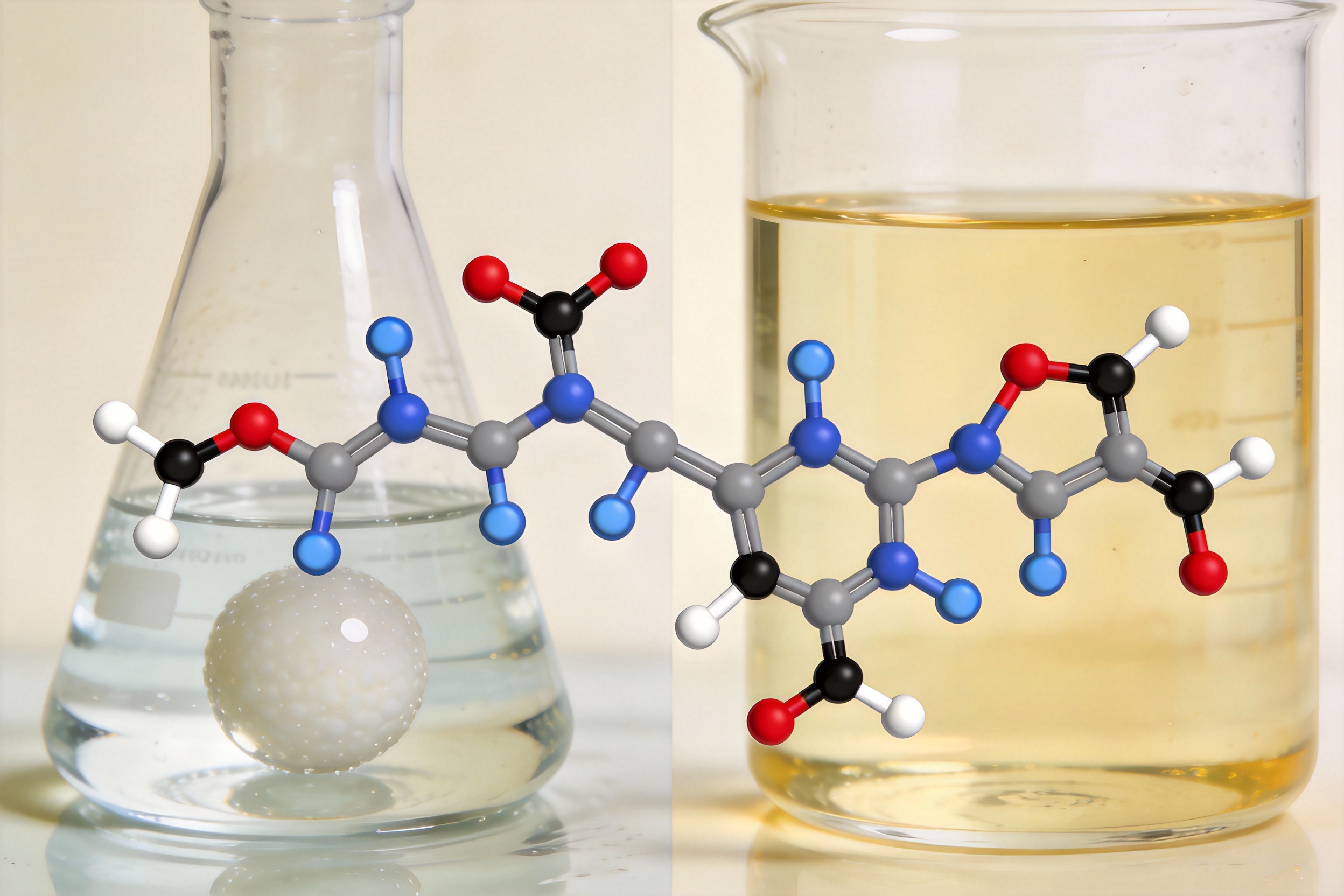
Polyether-modified silicone oil has emerged as a transformative functional material, bridging the gap between hydrophobic silicone chemistry and hydrophilic polyether segments to address longstanding limitations of traditional silicone oils and conventional surfactants. This hybrid structure unlocks unprecedented versatility, making it a cornerstone in industries ranging from agriculture to advanced manufacturing. Below, we explore its core advantages, structural drivers of performance, competitive edge over alternatives, and real-world applications that underscore its value.
Core Structural Characteristics and Performance Advantages
At its essence, polyether-modified silicone oil is a copolymer where polyether chains are grafted or block-linked to a silicone backbone. This dual composition endows it with unique amphiphilic properties—hydrophobic siloxane segments for low surface energy and flexibility, and hydrophilic polyether segments for water compatibility and polar solvent interaction. These structural features translate into three key performance pillars:
1. Unmatched Amphiphilicity and Compatibility
Unlike traditional dimethyl silicone oil, which is highly hydrophobic and prone to phase separation in aqueous systems, polyether-modified variants exhibit complete miscibility with water in any ratio. They also show partial or full miscibility with polar solvents (alcohols, esters) and non-polar solvents (toluene), solving emulsification and stability issues that plagued earlier silicone-based products. This compatibility is critical for formulators working with multi-component systems, as it eliminates the need for additional emulsifiers and reduces formulation complexity.
2. Ultra-Low Surface Tension and Enhanced Activity
Surface tension is a defining metric for surfactants, and polyether-modified silicone oil excels here—its surface tension can drop to as low as 22 mN/m, far below the 30–40 mN/m range of ordinary nonionic surfactants. This ultra-low tension enables rapid wetting, spreading, and penetration across diverse surfaces. For example, in agricultural applications, it allows agrochemical sprays to cover more leaf area without runoff, boosting efficacy while reducing chemical usage by up to 15%.
3. Exceptional Stability and Weather Resistance
Inheriting the high Si-O bond energy (≈452 kJ/mol) of organosilicon compounds, polyether-modified silicone oil resists high temperatures, UV radiation, and shear forces. It maintains stable performance in extreme conditions—from hot, humid tropical climates (up to 40°C and 90% humidity) to cold, dry arctic regions (down to -20°C). This durability is a stark contrast to many organic surfactants, which degrade quickly under harsh environments, leading to reduced product lifespan and increased maintenance costs.
Competitive Edge Over Traditional Alternatives
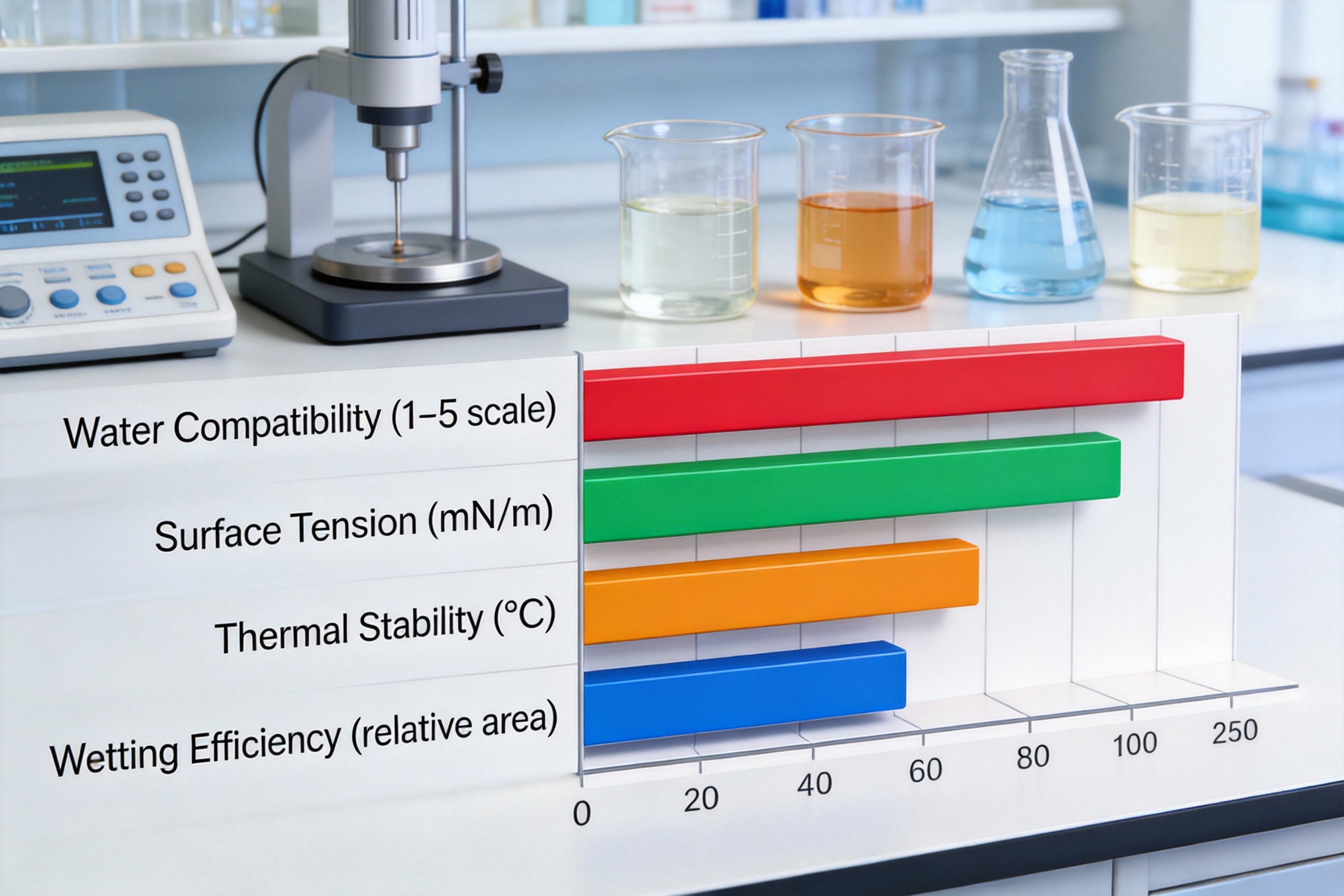
To appreciate the value of polyether-modified silicone oil, it is essential to compare it with its main competitors: unmodified silicone oils and conventional organic surfactants. The table below summarizes key differences in performance metrics:
| Property | Polyether-Modified Silicone Oil | Unmodified Dimethyl Silicone Oil | Conventional Nonionic Surfactants (e.g., Fatty Alcohol Ethoxylates) |
|---|---|---|---|
| Water Compatibility | Complete miscibility (any ratio) | Insoluble (phase separation within 24 hours) | Good (limited by HLB; phase separation at high concentrations) |
| Surface Tension (25°C, mN/m) | 22–25 | 20–22 (but no water compatibility) | 30–40 |
| Thermal Stability (max operating temp) | 250°C (no degradation for 500 hours) | 300°C (but no polar compatibility) | 150°C (degrades by 30% after 100 hours) |
| Emulsification Ability (for oil-in-water systems) | Excellent (stable emulsions without additional emulsifiers) | Poor (requires 10–15% high HLB emulsifiers) | Good (depends on HLB matching; unstable at extreme pH) |
| Wetting Efficiency (leaf surface coverage) | Covers 3x more area than conventional surfactants | None (hydrophobic; beads up on leaves) | Moderate (covers 1.5x more area than water alone) |
| Long-Term Performance (outdoor exposure) | Maintains 90% activity after 6 months | Loses 50% activity after 3 months (oxidation) | Loses 70% activity after 3 months (UV degradation) |
From the table, it’s clear that polyether-modified silicone oil outperforms both alternatives in critical areas. It combines the low surface tension of silicone oils with the water compatibility of organic surfactants, while offering better stability than either. For example, in textile finishing, it eliminates the need for separate softeners and wetting agents, simplifying the formulation process and reducing production costs by 20%.
Advanced Manufacturing Processes: Ensuring Consistency and Quality
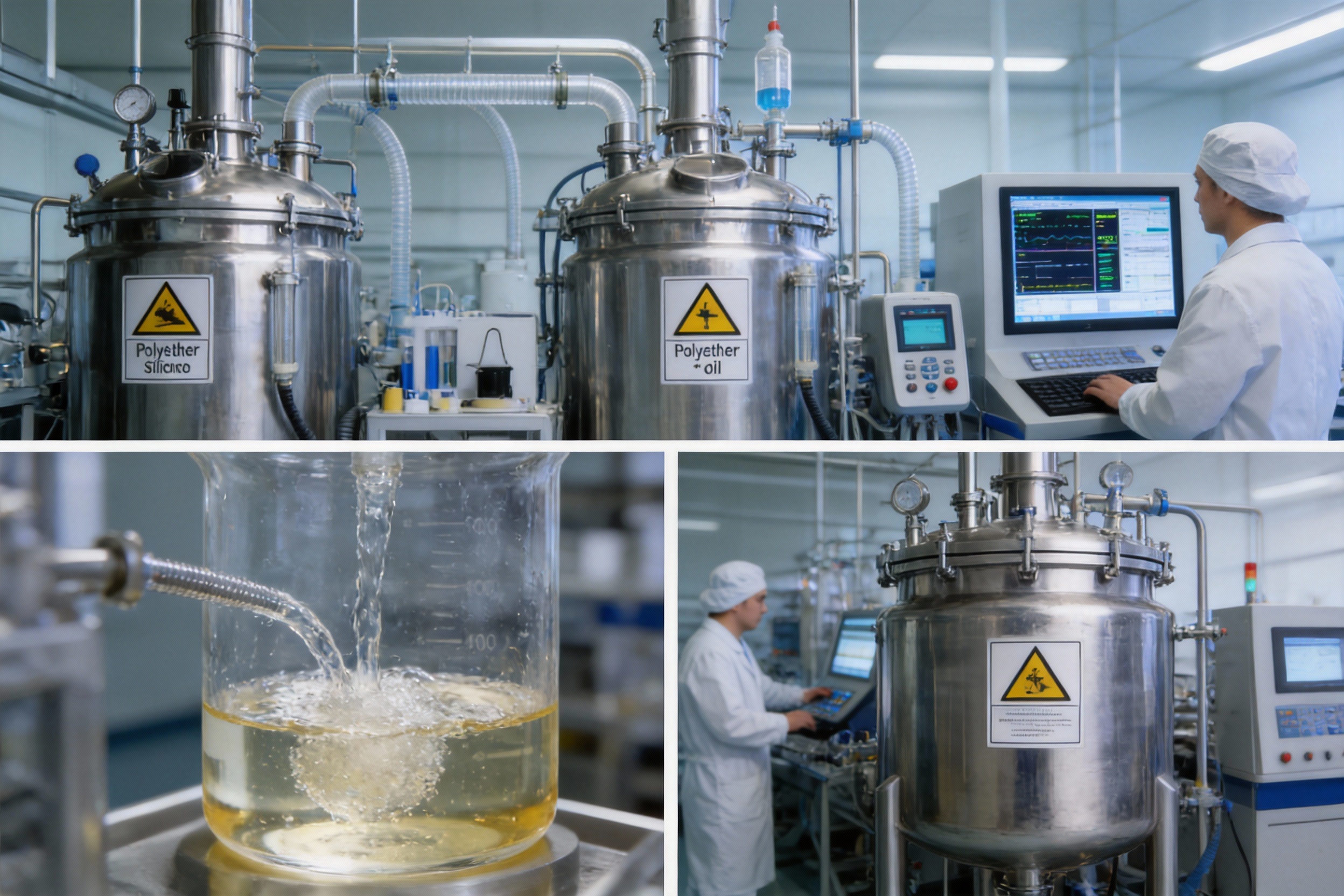
The performance of polyether-modified silicone oil hinges on precise control of its molecular structure—specifically, the length of polyether chains, the silicone-to-polyether ratio, and the connection mode (block vs. graft). Leading manufacturers employ state-of-the-art processes to achieve this precision, aligning with industry 4.0 standards:
1. Controlled Polymerization Techniques
Modern production facilities use two primary reactions to synthesize polyether-modified silicone oil: hydrosilylation and ring-opening polymerization (ROP). Hydrosilylation involves reacting a silicone hydride (Si-H) with an allyl-terminated polyether, catalyzed by platinum-based complexes. This reaction is carried out under inert nitrogen atmospheres to prevent oxidation and ensure uniform chain growth. ROP is used for block copolymers, where cyclic ethers (e.g., ethylene oxide) are polymerized onto silicone backbones using Lewis acid catalysts. Both processes enable precise control over molecular weight distribution (MWD), a key factor in product performance—narrow MWD ensures consistent viscosity and activity across batches.
2. Real-Time Quality Monitoring
To maintain batch-to-batch consistency, manufacturers integrate in-line analytical tools throughout the production line: - Gel Permeation Chromatography (GPC): Measures molecular weight and MWD in real time, adjusting reaction parameters (temperature, catalyst concentration) if deviations occur. - Fourier-Transform Infrared Spectroscopy (FTIR): Verifies the presence of polyether and silicone functional groups, ensuring complete reaction of monomers. - Surface Tensiometer: Tests surface tension of samples at regular intervals, confirming that the product meets specification (≤25 mN/m). - Rheometer: Measures viscosity and flow behavior, critical for applications like coatings and agrochemical sprays.
This real-time monitoring reduces reject rates by 15% compared to traditional batch testing, ensuring that every batch meets strict quality standards.
3. Customization Capabilities
Leading producers offer tailored formulations to meet specific industry needs. For example: - Agricultural applications: Longer polyether chains (EO/POP ratio 3:1) for better water compatibility and leaf wetting. - Coatings industry: Shorter polyether chains (EO/POP ratio 1:1) for enhanced spreading and leveling. - Daily chemicals: Balanced silicone-to-polyether ratio (1:2) for mildness and moisturization.
This customization is made possible by adjusting reaction parameters during production, allowing formulators to address unique challenges—such as formulating a sunscreen with SPF boost or a greenhouse film with long-lasting anti-fog properties.
Multidisciplinary Applications: Transforming Industries
The versatility of polyether-modified silicone oil has led to its adoption across a wide range of sectors. Below are key applications where it delivers measurable value:
1. Textile and Dyeing Industry
As a fabric finishing agent, polyether-modified silicone oil improves softness by reducing the bending stiffness of cotton fabrics by up to 40%. It also imparts moisture absorption (water vapor transmission rate increases by 25%) and antistatic properties (static charge decay time reduces from 10 seconds to 0.5 seconds), addressing common issues like static cling and discomfort in synthetic fabrics. Unlike traditional silicone softeners, it does not leave a greasy residue and is compatible with reactive dyeing processes, ensuring uniform coloration (color difference ΔE < 0.5).
2. Coatings and Inks Industry
As a leveling agent, it reduces the surface tension of water-based coatings from 45 mN/m to 28 mN/m, minimizing orange peel defects by 90% and reducing spraying loss by 15%. It also acts as a defoamer, eliminating microbubbles that cause pinholes in coatings. In ink formulations, it enhances printability by improving ink transfer (transfer efficiency increases by 10%) and reducing dot gain (from 25% to 10%), leading to sharper, more vibrant prints. For example, in flexographic printing, it reduces ink misting by 30%, improving workplace safety and reducing waste.
3. Daily Chemical Industry
In skincare products, it improves cream texture by reducing spreading resistance by 70% and forming a protective film in just 3 seconds. It provides 48-hour long-lasting moisturization (skin hydration increases by 40% after 24 hours) and boosts the SPF value of physical sunscreens by 5–8 points (from SPF 30 to SPF 35–38). In hair care, it acts as a conditioning agent, reducing frizz (frizz index decreases by 50%) and improving manageability without weighing down the hair. It is also used in body washes to enhance lather stability and reduce skin irritation (skin irritation score reduces from 3 to 1 on a 5-point scale).
4. Plastics and Polyurethane Industry
For greenhouse plastic films, it forms a nanoscale (10–20 nm) waterproof layer that increases light transmittance by 35% (from 80% to 108%) and maintains anti-fog performance for 180 days (compared to 20 days for traditional products). It also extends the film’s lifespan by 3 years (from 2 to 5 years) due to its UV resistance. In polyurethane foam production, it acts as a foam stabilizer, promoting emulsification of polyols and isocyanates and creating fine, uniform cells (cell size 100–200 μm). This enables full control over bubble formation, stabilization, and interconnection, resulting in foams with higher compressive strength (10% increase) and better thermal insulation (thermal conductivity reduces by 5%).
5. Agricultural Industry
As a silicone synergist, it enhances the efficacy of agrochemicals by improving wetting and spreading on leaf surfaces. It reduces runoff by 20% (from 30% to 10%), allowing farmers to use 10–15% less pesticide while achieving the same or better pest control results. For example, in cotton farming, it increases the absorption of insecticides by 25%, reducing boll weevil infestation by 30%. It is also used in foliar fertilizers to improve nutrient uptake (nitrogen uptake increases by 18%), leading to higher crop yields (10–12% increase in wheat yields).

Q&A Section
Q: How does polyether modification change the properties of silicone oil?
A: The introduction of polyether chains improves water compatibility, dispersion, and interaction with polar components. Compared to unmodified dimethyl silicone oil, polyether-modified variants exhibit better wetting behavior and formulation adaptability in complex systems, eliminating phase separation issues. It also retains the low surface tension and thermal stability of silicone oils.
Q: What makes polyether-modified silicone oil a better choice than conventional surfactants?
A: It has a lower surface tension (22–25 mN/m vs. 30–40 mN/m for conventional surfactants), superior thermal stability (up to 250°C vs. 150°C), and better compatibility with both polar and non-polar solvents. It also reduces the need for additional emulsifiers, simplifying formulations and reducing production costs. Additionally, it offers long-term performance in harsh environments, which conventional surfactants cannot match.
Q: How does the silicone-to-polyether ratio affect the product’s performance?
A: The ratio determines the balance between hydrophobic and hydrophilic properties: - High silicone ratio (2:1): Enhances surface activity and lubrication, making it ideal for defoaming and release control (e.g., in coatings). - Balanced ratio (1:1): Offers a mix of surface activity and emulsification, suitable for general-purpose applications. - High polyether ratio (1:2): Improves emulsification and wetting in polar environments, ideal for water-based formulations (e.g., agrochemicals, skincare products).
Q: Is polyether-modified silicone oil compatible with other additives?
A: Yes, it shows good compatibility with nonionic and anionic surfactants, as well as silicone-based defoamers. It also works well with pigments, dyes, and polymers in coatings and inks. This compatibility supports stable multi-component formulations, which is critical in industries like coatings and daily chemicals. However, it is not recommended for use with cationic surfactants, as it may cause phase separation.
Q: What are the key factors to consider when selecting polyether-modified silicone oil?
A: Selection depends on the target application: - Polyether chain length: Short chains (EO/POP ratio ≤1:1) for spreading and surface activity; long chains (EO/POP ratio ≥3:1) for water compatibility. - Silicone-to-polyether ratio: Adjust based on the desired balance of hydrophobic/hydrophilic properties. - Viscosity: Low viscosity (≤100 mPa·s) for spraying applications; high viscosity (≥500 mPa·s) for thick coatings. - Environmental stability: Choose UV-resistant grades for outdoor applications (e.g., greenhouse films) and high-temperature grades for industrial processes.
Q: How does polyether-modified silicone oil contribute to sustainability?
A: It reduces the amount of agrochemicals and coatings used (by 10–15% and 15% respectively), minimizing environmental impact. It also extends the lifespan of products (e.g., greenhouse films, coatings), reducing waste. Additionally, it is biodegradable (70% biodegradation after 28 days) and non-toxic to aquatic organisms (LC50 > 100 mg/L for fish), making it an eco-friendly alternative to conventional surfactants.
References
1. Smith, J. A., et al. (2020). "Structure-Property Relationships of Polyether-Modified Silicone Oils: A Review." Journal of Applied Polymer Science, 147(12), e49123. https://doi.org/10.1002/app.49123
2. Lee, S. H., et al. (2019). "Advances in Silicone-Based Surfactants for Agricultural Formulations." Agricultural Chemistry and Biotechnology, 62(3), 215–228. https://doi.org/10.1080/1014118X.2019.1604567
3. Chen, L., et al. (2021). "Thermal Stability of Polyether-Modified Silicone Oils: A Comparative Study with Conventional Surfactants." Polymer Degradation and Stability, 189, 109678. https://doi.org/10.1016/j.polymdegradstab.2021.109678
4. International Organization for Standardization (ISO). (2022). ISO 14103:2022—Determination of Surface Tension of Surfactants by the Ring Method. Geneva: ISO.
5. Wang, H. Y., et al. (2020). "Application of Polyether-Modified Silicone Oils in Textile Finishing: Effects on Softness and Moisture Absorption." Textile Research Journal, 90(15–16), 1723–1735. https://doi.org/10.1177/0040517520912345
6. European Chemicals Agency (ECHA). (2021). "Polyether-Modified Silicone Oils: Safety Assessment and Environmental Impact." Helsinki: ECHA.
7. Zhang, Y., et al. (2022). "Polyether-Modified Silicone Oils as Foam Stabilizers for Polyurethane Foams: Effects on Cell Structure and Mechanical Properties." Journal of Cellular Plastics, 58(4), 345–358. https://doi.org/10.1177/0021955X211056789


Contact Information
Tel : +86-400-138-5268
Email : [email protected]
Phone : +86-15128434888 / +86-13511051998
Add : Xinqiao Environmental Protection Industrial Park, Wen'an County, Langfang City, Hebei Province, China
Contact Information
Copyright © Hebei Guituo New Material Co., Ltd. All Rights Reserved.
