

 English
  Français
  Português
 Home / Author / Wang Lina, After-sales Service Engineer (Silicone Additives) / New High-Efficiency Agricultural Enhancing Adjuvants for Modern Crop Protection
 New High-Efficiency Agricultural Enhancing Adjuvants for Modern Crop Protection
2026-05-26
New high-efficiency agricultural enhancing adjuvants are becoming essential tools in modern agriculture because they help pesticide and fertilizer applications work more effectively, more consistently, and with less waste. As growers face rising input costs, unpredictable rainfall, resistant weeds, environmental pressure, and the need for higher-quality produce, a high-performance silicone-based adjuvant can deliver practical value in the field. The GT-1000 agricultural enhancing adjuvant is designed to improve wetting, spreading, penetration, adhesion, and absorption, helping active ingredients reach their intended targets with greater efficiency.
This product belongs to the category of agricultural silicone synergists and is based on polyether modified trisiloxane technology, also known as a silicone surfactant. It is engineered to reduce the surface tension of spray solutions, improve coverage on leaf surfaces, and enhance the uptake of pesticides or fertilizers. With a purity of 99.8%, low surface tension, near-neutral pH, and broad crop applicability, it offers a strong combination of performance and safety for agricultural users.
Compared with ordinary non-silicone surfactants or low-efficiency wetting agents, this type of organosilicon adjuvant provides faster spreading and better penetration at low dosage levels. It can help reduce droplet bounce, runoff, and uneven deposition, which are common causes of pesticide waste. When used properly, it supports longer-lasting pest and disease control, improved rain wash-off resistance, and more efficient nutrient delivery to roots and foliage.
Hebei Guituo New Material Co., Ltd. develops and manufactures advanced silicone materials for agricultural and industrial applications. The company integrates research and development, production, testing, and sales, with a product portfolio covering silicone additives, wetting agents, modified silicone oil, dimethyl silicone oil, surfactants, defoamers, and related chemical materials. Its agricultural silicone products are designed to meet high performance requirements and are widely used by agrochemical enterprises, agricultural distributors, and formulation customers seeking stable quality and reliable supply.
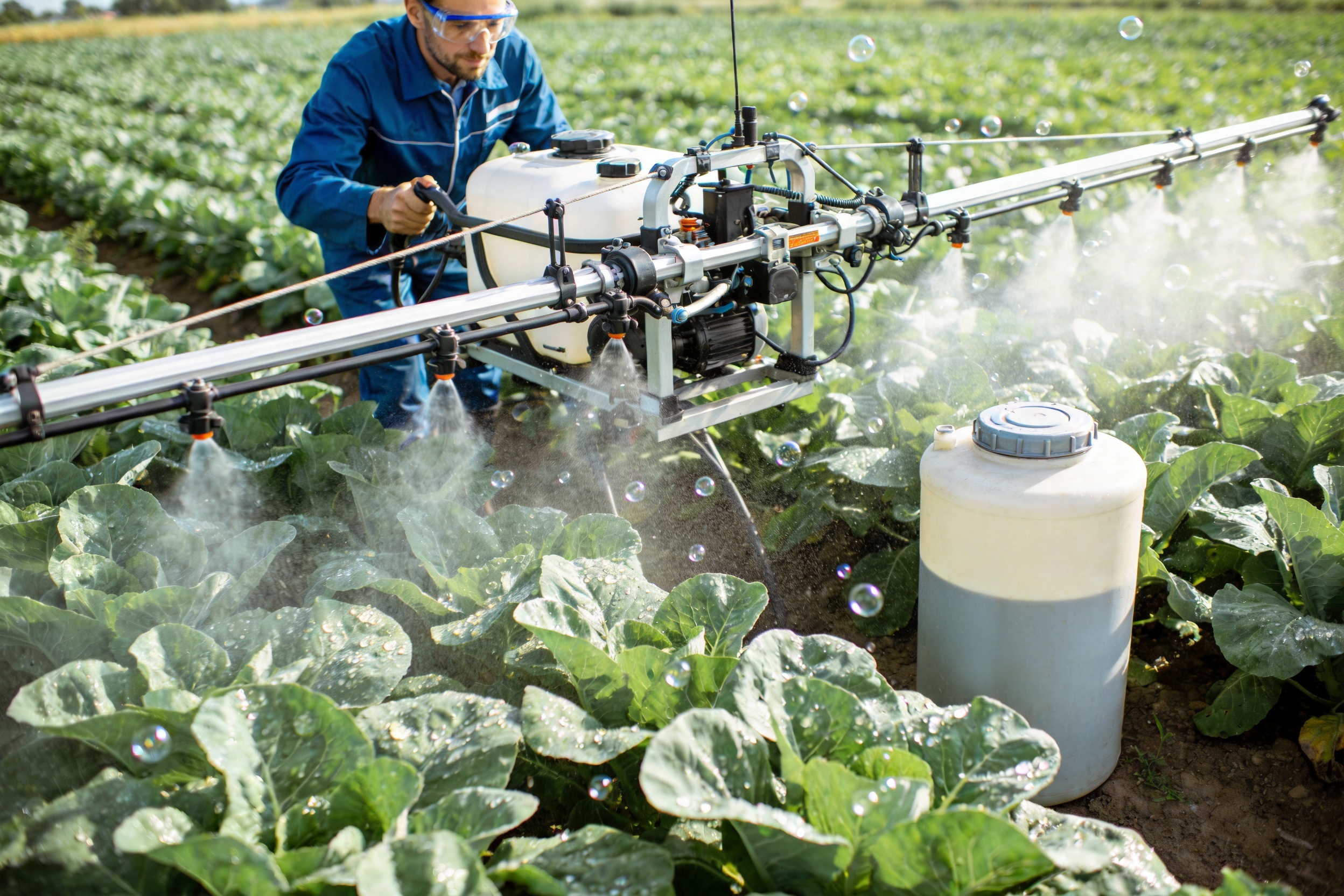
Product Overview: GT-1000 Agricultural Enhancing Adjuvant
GT-1000 is a new high-efficiency agricultural enhancing adjuvant intended for use with pesticides, herbicides, fungicides, insecticides, foliar fertilizers, and other agricultural spray solutions. Its main functional ingredient is a silicone surfactant, specifically polyether modified trisiloxane. This structure gives the product outstanding wetting and spreading capability, enabling spray droplets to rapidly cover difficult plant surfaces such as waxy leaves, dense crop canopies, and weed foliage.
In agricultural spraying, the performance of a pesticide does not depend only on the active ingredient. It also depends on whether the liquid can reach the target surface, remain there, penetrate the protective cuticle, and be absorbed or retained long enough to perform its function. Many crop leaves naturally repel water because of waxy surfaces, fine hairs, uneven textures, or vertical growth angles. Without an effective adjuvant, droplets may bead up, roll off, evaporate, or remain unevenly distributed. GT-1000 addresses these problems by reducing the surface tension of the spray mixture and improving the contact between liquid and plant tissue.
The product is especially useful when pesticide absorption is limited by surface barriers. By improving droplet spread and contact area, it helps active ingredients penetrate more effectively. In herbicide applications, it can enhance the control of persistent weeds such as reed and alligator weed when used according to proper application guidance. In fungicide and insecticide programs, it can improve leaf coverage and support longer control periods. In fertilizer applications, it helps nutrient solutions spread and contact plant or soil surfaces more efficiently, supporting better utilization of nitrogen, phosphorus, potassium, and other nutrients.
GT-1000 is also formulated with safety and sustainability in mind. Its near-neutral pH range of 6.5 to 7.5 in a 1% aqueous solution makes it suitable for many agricultural application systems. Its low viscosity supports easy mixing, pumping, and dosing. Its high purity helps ensure stable performance and reduces uncertainty in formulation development.
Key Technical Specifications
| Item | Specification | Practical Meaning |
|---|---|---|
| Product Model | GT-1000 | High-efficiency agricultural silicone enhancing adjuvant |
| Chemical Type | Polyether Modified Trisiloxane | Organosilicon surfactant with strong wetting and spreading ability |
| CAS No. | 27306-78-1 | Recognized chemical identification for product reference |
| EINECS No. | 608-078-3 | European inventory reference number |
| Purity | 99.8% | Supports stable quality and consistent field performance |
| Viscosity at 25°C | 30–50 mm²/s | Easy to handle, meter, mix, and incorporate into spray tanks |
| Surface Tension at 0.1% wt | <20.5 mN/m | Provides excellent wetting, spreading, and coverage |
| Cloud Point at 1.0% wt | ≤35°C | Important for formulation and storage considerations |
| pH Value | 6.5–7.5 | Near-neutral behavior in aqueous solution |
How the Adjuvant Improves Pesticide Performance
The main role of an agricultural enhancing adjuvant is to improve the physical behavior of a pesticide spray. When a pesticide is diluted in water and sprayed onto crops, the resulting droplets must overcome several barriers before the active ingredient can work. These barriers include surface tension, droplet size, leaf wax, rainfall, evaporation, and uneven distribution. GT-1000 is designed to address these barriers through several complementary mechanisms.
Lowering Surface Tension
Water naturally has relatively high surface tension. This causes droplets to form beads on hydrophobic plant surfaces. Beaded droplets have a small contact area, which limits uptake and increases the risk of runoff. GT-1000 reduces the surface tension of the spray solution to below 20.5 mN/m at 0.1% wt, which is much lower than ordinary water and many conventional surfactant systems. The lower the surface tension, the easier it is for the droplet to flatten, spread, and cover the leaf surface.
This property is particularly valuable for crops with waxy leaves, including many vegetables, fruit trees, field crops, and cash crops. It also benefits weed control programs because many difficult weeds have protective surfaces that reduce herbicide retention. By increasing the contact area between spray liquid and plant surface, the adjuvant helps the active ingredient reach more absorption sites.
Improving Wetting and Spreading
Wetting is the ability of a liquid to maintain contact with a solid surface, while spreading is the ability of that liquid to expand across the surface after contact. GT-1000 provides strong wetting and spreading performance, allowing the spray liquid to move across the leaf surface rather than remaining as isolated droplets. This improves coverage and helps reduce missed spots.
Better spreading is important for fungicides and insecticides because pathogens and pests often occupy hidden or uneven areas of the leaf. A spray solution that spreads evenly has a greater chance of reaching these target zones. In herbicide use, spreading improves the contact between the herbicide and weed foliage, which is essential for effective uptake.
Enhancing Penetration Through Plant Barriers
Plant leaves have a cuticle layer that protects them from water loss, pathogens, and environmental stress. This same protective layer can also limit pesticide entry. A silicone enhancing adjuvant helps active ingredients move across or through this barrier by improving contact, hydration, and surface modification. The result is faster and more complete penetration under suitable conditions.
Improved penetration can increase the effective amount of pesticide reaching the internal plant tissue or target site. This is one reason high-efficiency adjuvants may allow users to improve control while reducing waste. However, application instructions should always be followed, because overly aggressive penetration may not be suitable for every crop, pesticide, or growth stage.
Increasing Absorption Rate
Absorption refers to the uptake of active ingredients into plant tissue after the spray solution contacts the surface. GT-1000 improves absorption by increasing the surface contact area and making the plant surface more receptive to the spray solution. When a droplet spreads across a larger area and remains in better contact with the leaf, more active ingredient can be absorbed before drying, runoff, or rainfall occurs.
For systemic herbicides and some systemic fungicides or insecticides, absorption is a key factor in performance. If uptake is weak, the active ingredient may not move effectively within the plant. By improving absorption, GT-1000 can contribute to stronger and more reliable biological results.
Reducing Rain Wash-Off
Rainfall after spraying can wash pesticide residues from leaf surfaces, reducing control and forcing additional applications. GT-1000 improves adhesion and helps the spray solution form more intimate contact with the plant surface. This can improve resistance to rain wash-off and help extend the control duration of pest and disease management programs. Under suitable use conditions, it can contribute to an efficacy upgrade that extends control duration by over 30%, reducing the number of required applications.
This benefit is especially important in regions with unstable weather, frequent rainfall, or humid growing conditions. Better rainfastness supports more predictable crop protection outcomes and reduces the need for repeated spraying.

Advantages Over Conventional Adjuvants and Competitor Products
The agricultural adjuvant market includes many product types, such as mineral oils, vegetable oils, nonionic surfactants, spreaders, stickers, penetrants, drift control agents, and multifunctional tank-mix additives. Each product type has its own value, but high-quality silicone surfactants offer specific advantages that ordinary wetting agents often cannot match.
Superior Spreading at Low Dosage
One major advantage of GT-1000 is its extremely low surface tension performance. Many conventional surfactants improve wetting, but they may require higher use rates to achieve sufficient spreading. A high-efficiency polyether modified trisiloxane can deliver rapid spreading at relatively low concentrations. This gives formulators and growers a performance advantage because less additive can produce a stronger wetting effect.
Low-dosage effectiveness also improves cost efficiency. Even if a premium silicone adjuvant has a higher unit price than basic surfactants, the actual cost per treated area can be competitive because the use rate is low and the performance benefit is high. Better coverage, less runoff, and improved uptake can also reduce wasted pesticide and help lower the total cost of crop protection.
Better Performance on Difficult Leaf Surfaces
Many crops and weeds have surfaces that are difficult to wet. Leaves may be waxy, hairy, dusty, upright, narrow, or water-repellent. Ordinary spray solutions often fail to cover these surfaces properly. GT-1000 improves deposition and spreading on challenging surfaces, making it valuable for broad agricultural use.
This advantage is especially important for herbicide programs targeting persistent weeds. When spray droplets fail to adhere to weed leaves, control is poor even if the active ingredient is strong. By improving wetting and penetration, the adjuvant can help herbicides perform more consistently against tough weeds such as reed and alligator weed.
Improved Efficiency of Active Ingredients
Pesticide active ingredients are valuable inputs. When spray liquid runs off, evaporates, or fails to penetrate, a portion of the active ingredient is wasted. GT-1000 improves the delivery efficiency of pesticides by helping more active ingredient remain on and enter the target plant surface. This can improve control results and reduce unnecessary chemical loss.
Competitor products that only provide basic wetting may not offer the same level of penetration and spreading. Some additives may improve adhesion but not absorption, while others may increase spreading but lack compatibility or stability. GT-1000 is designed as a high-efficiency enhancing adjuvant that addresses multiple performance factors at once.
Neutral pH and Broad Applicability
The product’s pH value of 6.5 to 7.5 in a 1% aqueous solution supports broad agricultural compatibility. Extreme pH values can sometimes affect pesticide stability or crop safety. A near-neutral adjuvant is generally easier to integrate into many spray programs, although compatibility testing is still recommended before large-scale use.
GT-1000 is suitable for field crops, fruits, vegetables, and cash crops. It can be used in spraying or fertilization scenarios, depending on the crop protection or nutrient program. This broad applicability gives distributors and growers more flexibility and reduces the need to maintain many different adjuvant products for different uses.
High Purity and Consistent Quality
Purity is critical in agricultural adjuvants because impurities can affect performance, stability, odor, color, safety, and compatibility. GT-1000 has a stated purity of 99.8%, supporting predictable performance across batches. Consistent purity is particularly important for agrochemical manufacturers that incorporate adjuvants into finished formulations or supply professional users who require repeatable results.
Lower-grade competitor products may vary from batch to batch, leading to inconsistent spreading, cloudiness, compatibility issues, or unstable field performance. A controlled production and testing system reduces these risks and provides users with greater confidence.
Support for Sustainable Agriculture
A high-efficiency adjuvant can support greener farming by reducing waste and improving pesticide efficiency. When pesticides are applied more accurately and absorbed more effectively, growers may reduce the frequency of applications and limit unnecessary chemical runoff. Better fertilizer utilization can also reduce nutrient waste and support stronger crop growth.
GT-1000 is positioned as a biocompatible formulation that reduces damage to crops and soil when used correctly. By improving input efficiency, it supports modern sustainable agriculture goals: better yield, improved produce appearance, reduced waste, and responsible chemical use.
Benefits in Fertilizer and Nutrient Applications
Although agricultural silicone adjuvants are often discussed in connection with pesticides, GT-1000 also offers value in fertilizer programs. Fertilizer efficiency depends on nutrient availability, contact, movement, and uptake. Nutrients may be lost through runoff, leaching, fixation in soil, or poor contact with roots and leaf surfaces. An enhancing adjuvant helps improve the distribution and delivery of nutrient solutions.
When used during fertilization or foliar feeding, the adjuvant helps break surface absorption barriers and supports direct delivery of nutrients such as nitrogen, phosphorus, and potassium to the crop root zone or plant surface. This can reduce waste and help crops grow stronger and healthier. In foliar fertilizer applications, better wetting improves leaf coverage, allowing micronutrients and soluble fertilizers to remain in contact with the plant surface more effectively.
Improved nutrient utilization may also contribute to better produce quality. Crops that receive nutrients efficiently often show stronger growth, improved appearance, better fruit development, and enhanced harvest quality. The product description notes that harvested produce can become sweeter with better appearance when the adjuvant is used as part of a suitable crop management program.
Applications Across Crop Types
GT-1000 is designed for wide applicability across agricultural production systems. It can be used in field crops, fruits and vegetables, and cash crops. Its low viscosity and strong water-spreading ability make it convenient for tank mixing and spray application.
Field Crops
In field crops such as corn, wheat, rice, soybean, cotton, and oilseed crops, spray efficiency is essential because large areas must be treated quickly and economically. Adjuvants help reduce waste and improve uniformity. GT-1000 can support herbicide programs by improving weed leaf wetting, fungicide programs by improving canopy coverage, and foliar nutrient programs by enhancing contact with leaf surfaces.
Fruits and Vegetables
Fruits and vegetables often have high quality requirements and may be sensitive to disease, insects, and nutrient imbalance. Many fruit and vegetable leaves have waxy or irregular surfaces, which can make spraying difficult. A high-performance silicone adjuvant helps spray liquid spread evenly, improving contact with target surfaces. Better coverage can support disease prevention and pest control while helping reduce residue waste caused by runoff.
Cash Crops
Cash crops such as tea, tobacco, flowers, herbs, and specialty crops often require careful input management and high-value protection. GT-1000 can help improve the efficiency of crop protection and nutrient solutions, supporting better growth and higher market quality. Because specialty crops can vary in sensitivity, users should conduct small-scale testing before large-scale application.
Persistent Weed Control
One notable application is use with herbicides to enhance control of persistent weeds such as reed and alligator weed. These weeds may be difficult to control because of waxy surfaces, strong regrowth ability, or dense vegetation. Improved wetting, spreading, and penetration can help the herbicide contact and enter weed tissue more effectively.
Advanced Manufacturing Strengths
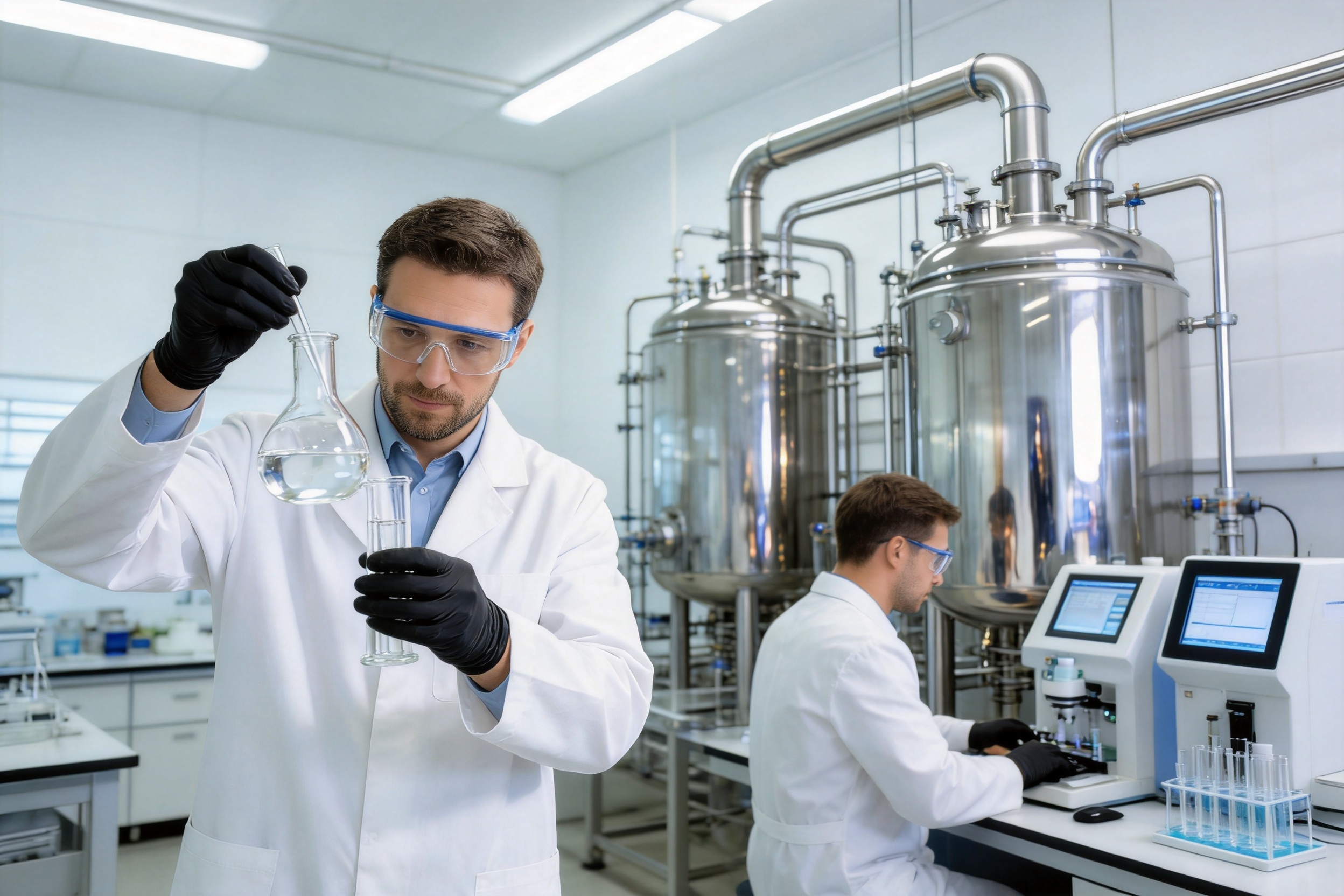
The performance of an agricultural enhancing adjuvant depends not only on the chemical concept, but also on manufacturing quality. High-efficiency silicone surfactants require precise production control, reliable raw material selection, advanced testing, and strict batch management. Hebei Guituo New Material Co., Ltd. has built a manufacturing system focused on quality, stability, and professional technical support.
Integrated Research, Production, and Sales
The company operates as a high-tech enterprise integrating research and development, production, and sales. This integrated structure allows technical feedback from customers and field applications to be quickly translated into formulation improvements and production optimization. For agricultural customers, this means the product is not merely a commodity chemical; it is supported by technical understanding of performance requirements in real farming conditions.
Research and development are especially important for organosilicon additives because small changes in molecular structure can significantly influence wetting, cloud point, compatibility, hydrolysis stability, viscosity, and biological performance. A company with dedicated R&D capability can adjust products for different markets, climatic conditions, formulation systems, and customer requirements.
Advanced Production Equipment
Stable production of polyether modified trisiloxane requires controlled reaction conditions, accurate metering, suitable temperature control, and clean processing systems. Advanced production equipment helps ensure that each batch reaches the intended specifications. Equipment quality also affects product purity, appearance, residual content, and long-term stability.
The company is equipped with internationally advanced production equipment and precise testing facilities. This supports a high level of process control from raw material input to finished product delivery. In competitive markets, this manufacturing strength is a major advantage because customers need not only strong performance but also dependable repeatability.
Full-Process Quality Monitoring
A full-process quality monitoring mechanism is essential for agricultural additives. Quality cannot be checked only at the end of production; it must be controlled from the production source. This includes raw material inspection, reaction monitoring, intermediate testing, finished product testing, packaging control, and batch traceability.
For GT-1000, important quality indicators include purity, viscosity, surface tension, cloud point, pH value, color, odor, and compatibility behavior. Monitoring these parameters helps ensure that the product performs consistently in real spray systems. Reliable testing also protects customers from quality fluctuation that could affect pesticide formulation stability or field performance.
Experienced Technical and Production Team
The company has assembled an experienced technical and production team with strong professional skills. Skilled operators and engineers are critical in silicone material manufacturing because process conditions must be carefully controlled. Technical experience helps identify potential problems before they affect product quality.
For customers, an experienced team also provides practical support. Agrochemical manufacturers may require guidance on formulation compatibility, dosage selection, blending process, or OEM and ODM development. Professional technical support helps customers shorten development cycles and reduce formulation risk.
Stable Supply Capability
Agricultural markets are seasonal, and supply interruptions can create serious problems for distributors and growers. Stable supply is therefore a major competitive advantage. The company has built a comprehensive guarantee system to support product quality and stable delivery. Its product matrix covers multiple silicone and surfactant categories, allowing it to serve different customer needs in agriculture, daily chemicals, electronics, textiles, and other fields.
Export experience in markets such as Europe and Southeast Asia further demonstrates the company’s ability to meet different customer standards and application requirements. Continuous repurchases from overseas customers indicate stable performance and market trust.
OEM and ODM Capabilities
In addition to supplying standard products such as GT-1000, the company accepts OEM and ODM orders. This is important for agrochemical companies, distributors, and private-label brands that require customized adjuvant solutions. Different customers may need variations in concentration, packaging, viscosity, compatibility, labeling, or application positioning.
OEM service allows customers to market products under their own brands while relying on an experienced manufacturer for production. ODM service goes further by supporting customized development according to target performance requirements. For example, a customer may need a silicone adjuvant optimized for herbicides, foliar fertilizers, fruit crop spraying, or a specific regional climate. The manufacturer’s R&D and production capabilities make such customization possible.
Customization is also valuable for formulation companies that need additives compatible with their own pesticide active ingredients. A strong supplier can provide technical evaluation, sample support, batch testing, and production scale-up. This reduces development uncertainty and helps customers bring products to market faster.
Practical Use Considerations
Although GT-1000 offers strong performance, proper use is essential. Agricultural adjuvants should always be used according to pesticide labels, local regulations, crop sensitivity, and agronomic guidance. Because silicone surfactants can greatly increase penetration, users should avoid excessive dosage and should test sensitive crops before large-scale application.
Compatibility Testing
Before mixing with pesticides or fertilizers, users should conduct a small compatibility test. This is often called a jar test. The test helps confirm whether the mixture remains uniform and stable without precipitation, separation, excessive foaming, or abnormal heat release. Compatibility can be affected by water hardness, pH, pesticide formulation type, fertilizer salts, temperature, and mixing order.
Mixing Order
In many spray systems, the tank is partially filled with water first, then pesticides or fertilizers are added under agitation, and the adjuvant is added later in the mixing process. However, users should follow the instructions of the pesticide label and the adjuvant supplier. Proper mixing helps ensure even distribution and prevents local over-concentration.
Application Timing
Weather conditions affect adjuvant performance. Spraying during very high temperatures, strong sunlight, drought stress, or windy conditions may increase crop stress or reduce deposition efficiency. Moderate conditions are generally preferred. Rainfall shortly after application can reduce pesticide performance, but GT-1000 helps improve rain wash-off resistance when the spray has sufficient time to interact with the plant surface.
Crop Safety
Because high-efficiency silicone adjuvants increase penetration, crop safety should be evaluated for sensitive crops, young leaves, stressed plants, and high-value specialty crops. Users should avoid untested combinations, excessive concentrations, or applications under severe stress conditions. Small-scale trials are recommended when using the product for a new crop or pesticide mixture.
Environmental and Economic Value
The environmental value of an agricultural enhancing adjuvant comes from improved input efficiency. If more active ingredient reaches the target and less is lost through runoff or wash-off, growers can reduce waste. This can help lower environmental loading and reduce unnecessary pesticide residues in non-target areas.
Economically, improved spray performance can reduce the need for repeated applications. Labor, fuel, water, machinery wear, and pesticide costs all contribute to the total cost of crop protection. By increasing the effectiveness of each application, GT-1000 supports better return on investment. In large-scale agriculture, even small improvements in application efficiency can generate significant savings.
The product also supports integrated pest management principles. IPM emphasizes efficient, targeted, and responsible pest control. A high-efficiency adjuvant helps maximize pesticide performance while minimizing unnecessary use. It does not replace sound agronomy, pest monitoring, resistance management, or correct pesticide selection, but it improves the delivery system that makes these strategies more effective.
Why This Product Stands Out
GT-1000 stands out because it combines high-efficiency silicone surfactant chemistry with strong manufacturing quality control. Its surface tension performance below 20.5 mN/m at 0.1% wt gives it excellent wetting and spreading ability. Its 99.8% purity supports batch consistency. Its low viscosity improves handling, while its near-neutral pH supports broad use in agricultural systems.
Compared with ordinary adjuvants, it offers faster spreading, better penetration, stronger adhesion, improved rain wash-off resistance, and broader field value. Compared with low-cost competitor products that may vary in quality, it is backed by an advanced production system, testing capability, experienced technical team, and stable supply chain.
The company’s broader silicone material expertise is another advantage. Because it produces multiple categories of organosilicon additives, surfactants, wetting agents, silicone oils, and defoamers, it has accumulated technical knowledge across industries. This cross-application experience strengthens its ability to solve performance problems and develop customized solutions.
For agrochemical manufacturers, GT-1000 can improve formulation value and end-user satisfaction. For distributors, it provides a performance-oriented product suitable for many crop scenarios. For growers, it helps make each spray application more effective, reducing waste and supporting healthier crop development.

Q&A Section
Q1: What is the main function of GT-1000 agricultural enhancing adjuvant?
GT-1000 is designed to improve the performance of agricultural spray solutions. It lowers surface tension, enhances wetting and spreading, improves penetration and absorption, reduces runoff, and supports better adhesion to plant surfaces. These functions help pesticides, herbicides, fungicides, insecticides, and foliar fertilizers work more effectively.
Q2: What makes this product different from ordinary surfactants?
Ordinary surfactants may provide basic wetting, but GT-1000 is based on polyether modified trisiloxane silicone surfactant technology. It can reduce surface tension to below 20.5 mN/m at 0.1% wt, allowing rapid spreading and excellent coverage at low dosage. This gives it stronger performance on waxy or difficult-to-wet plant surfaces.
Q3: Can the adjuvant improve herbicide performance?
Yes. When used with suitable herbicides, it can improve contact with weed foliage, enhance penetration, and support stronger control results. It is especially useful for persistent weeds such as reed and alligator weed, where poor wetting and limited penetration often reduce herbicide effectiveness.
Q4: Does the product help reduce pesticide use?
By improving delivery efficiency, absorption, and rain wash-off resistance, the product can help reduce waste and may reduce the frequency of applications in appropriate programs. However, pesticide rates should always follow label instructions and local regulations. The adjuvant improves performance but should not be used as a reason to ignore approved application guidelines.
Q5: Is GT-1000 suitable for fertilizer applications?
Yes. It can be used in fertilization or foliar nutrient programs to improve wetting, distribution, and nutrient contact. It helps deliver nutrients such as nitrogen, phosphorus, and potassium more efficiently, reducing waste and supporting stronger crop growth.
Q6: Is the product safe for crops?
The product is formulated for agricultural use and has a near-neutral pH of 6.5 to 7.5 in a 1% aqueous solution. It is intended to reduce damage to crops and soil when used correctly. However, because silicone adjuvants improve penetration, users should test sensitive crops, young plants, stressed plants, or new pesticide combinations before large-scale use.
Q7: What crops can use this adjuvant?
It is suitable for many field crops, fruits, vegetables, and cash crops. The exact performance and crop safety depend on crop type, growth stage, pesticide formulation, environmental conditions, and dosage. Small-scale testing is recommended for new crops or sensitive varieties.
Q8: What are the key technical advantages of the product?
Key advantages include 99.8% purity, viscosity of 30–50 mm²/s at 25°C, surface tension below 20.5 mN/m at 0.1% wt, cloud point of no more than 35°C at 1.0% wt, and near-neutral pH. These indicators support strong wetting, easy handling, formulation stability, and consistent field performance.
Q9: Why is manufacturing quality important for agricultural adjuvants?
Manufacturing quality determines purity, consistency, stability, and performance. If an adjuvant varies from batch to batch, pesticide formulations may behave unpredictably. Advanced production equipment, precise testing facilities, full-process quality monitoring, and an experienced technical team help ensure reliable product quality.
Q10: Can the product be customized for private-label or special formulation needs?
Yes. Hebei Guituo New Material Co., Ltd. accepts OEM and ODM orders. Customers can request customized solutions for specific applications, packaging, performance targets, or market positioning. The company’s R&D and production capabilities support flexible development for agrochemical customers.
Conclusion
GT-1000 new high-efficiency agricultural enhancing adjuvant is a practical and technically advanced solution for improving pesticide and fertilizer performance. As a polyether modified trisiloxane silicone surfactant, it provides excellent wetting, spreading, penetration, adhesion, and absorption enhancement. These properties help growers improve spray coverage, reduce runoff, resist rain wash-off, and make better use of active ingredients and nutrients.
The product’s specifications, including 99.8% purity, low viscosity, low surface tension, and near-neutral pH, make it a strong option for agricultural formulations and tank-mix use. Its broad applicability across field crops, fruits, vegetables, cash crops, and difficult weed control programs gives it strong commercial and agronomic value.
Beyond product performance, the manufacturer’s strengths in R&D, advanced production equipment, precise testing, full-process quality control, experienced teams, stable supply, and OEM/ODM service provide customers with a reliable long-term partner. In a market where agricultural efficiency, sustainability, and consistency are increasingly important, GT-1000 offers a competitive advantage for agrochemical manufacturers, distributors, and growers seeking better results from every application.
References
1. Green, J. M. “Adjuvant Outlook for Pesticides.” Pesticide Outlook, Royal Society of Chemistry.
2. Holloway, P. J. “Physicochemical Factors Influencing the Adjuvant-Enhanced Spray Deposition and Coverage of Agrochemicals.” Crop Protection.
3. Stevens, P. J. G. “Organosilicone Surfactants as Adjuvants for Agrochemicals.” Pesticide Science.
4. ASTM International. Standard Test Methods for Surface and Interfacial Tension of Solutions of Surface-Active Agents.
5. Hazen, J. L. “Adjuvants: Terminology, Classification, and Chemistry.” Weed Technology.
6. McMullan, P. M. “Utility Adjuvants.” Weed Technology.
7. Technical Data Information for Polyether Modified Trisiloxane Agricultural Silicone Surfactants.


Contact Information
Tel : +86-400-138-5268
Email : [email protected]
Phone : +86-15128434888 / +86-13511051998
Add : Xinqiao Environmental Protection Industrial Park, Wen'an County, Langfang City, Hebei Province, China
Contact Information
Copyright © Hebei Guituo New Material Co., Ltd. All Rights Reserved.
