

 English
  Français
  Português
 Home / Author / Wang Lina, After-sales Service Engineer (Silicone Additives) / 107 Silicone Rubber for High-Performance Silicone Formulation and Industrial Processing
 107 Silicone Rubber for High-Performance Silicone Formulation and Industrial Processing
2026-06-03
107 silicone rubber, chemically known as α,ω-dihydroxy polydimethylsiloxane or hydroxyl-terminated polydimethylsiloxane, is a key silicone raw material used in many industrial and agricultural formulations. It is typically described as a hydroxyl silicone polymer with relatively high viscosity, and grades above about 2500 mPa·s are conventionally classified as 107 silicone rubber. Because its molecular chain contains active hydroxyl end groups, it can be used not only as a stable silicone base polymer but also as a reactive material for crosslinking, film formation, elastomer preparation, and customized silicone compound development.
In modern silicone applications, the value of 107 silicone rubber lies in the balance between chemical stability and reactive functionality. It retains many general advantages of methyl silicone oil, including excellent thermal resistance, electrical insulation, low surface tension, water repellency, moisture resistance, chemical inertness, and physiological inertness. At the same time, its terminal hydroxyl groups provide opportunities for reaction with crosslinkers, fillers, catalysts, modified silicone oils, defoamers, wetting agents, and other additives. This makes it highly adaptable for agriculture, daily chemicals, electronics, textiles, coatings, release systems, and specialty industrial formulations.
Hebei Guituo New Material Co., Ltd. supplies 107 silicone rubber as part of a broad silicone material matrix that includes silicone additives, wetting agents, modified silicone oil, dimethyl silicone oil, surfactants, defoamers, and related products. The company combines production capability, quality control, technical formulation support, and OEM/ODM service to meet the needs of customers in different markets. For customers seeking reliable silicone raw materials, 107 silicone rubber offers a dependable foundation for developing stable, efficient, and performance-oriented products.
Product Identity and Core Technical Profile
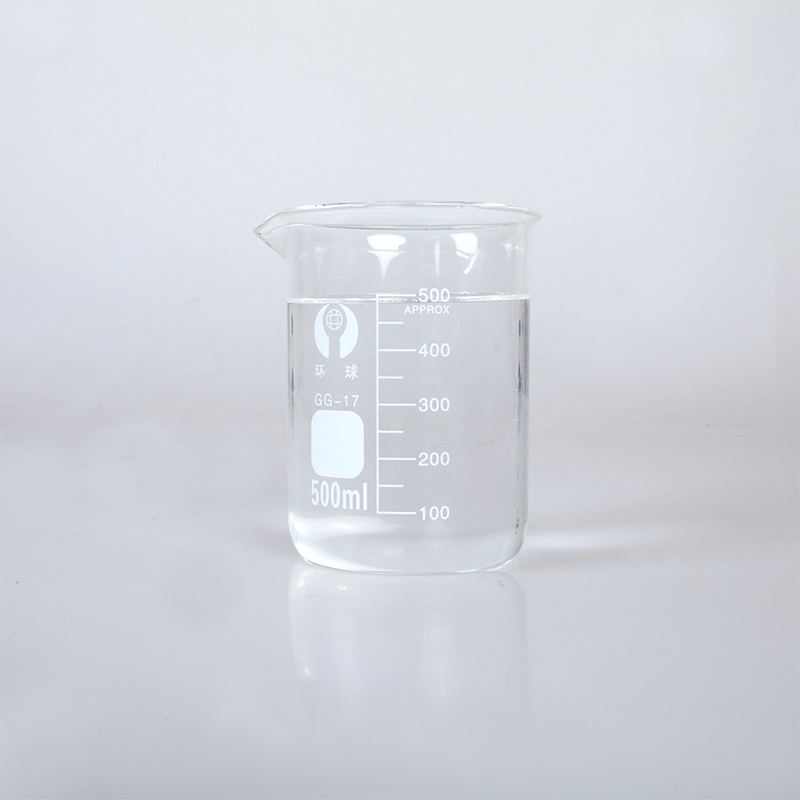
The product model LD-107 is identified as 107 silicone rubber, with CAS No. 63148-60-7 and EINECS No. 613-154-4. Its synonym, hydroxyl-terminated polydimethylsiloxane, accurately reflects its molecular structure. The material is generally supplied as a colorless and transparent liquid with high purity, commonly specified at 99.8%. This combination of clarity, purity, and controlled viscosity makes it suitable for demanding formulation systems where consistency is critical.
Unlike ordinary silicone oils used primarily as lubricating, release, or surface-modifying materials, 107 silicone rubber can function as a reactive base polymer. The hydroxyl end groups allow it to participate in condensation reactions and form elastomeric networks under appropriate curing conditions. This ability to transform from a fluid polymer into a crosslinked film or elastic material is one of its most important advantages over many non-reactive silicone fluids.
The material can operate over a wide temperature range, typically from approximately -50 °C to +250 °C for long-term use depending on formulation design. This wide operating window is especially valuable in electronics, industrial coatings, textile finishing, and release agent systems where materials may experience thermal cycling or exposure to elevated temperatures. Its high flash point and low freezing point also contribute to safer handling and broader processing flexibility.
| Item | Typical Description | Practical Significance |
|---|---|---|
| Product Name | 107 Silicone Rubber | Reactive silicone base polymer for industrial formulations |
| Chemical Name | α,ω-Dihydroxy Polydimethylsiloxane | Hydroxyl-terminated structure enables crosslinking |
| CAS No. | 63148-60-7 | Standard chemical identification |
| Purity | 99.8% | Supports stable formulation and consistent performance |
| Appearance | Colorless transparent liquid | Suitable for clean and controlled material systems |
| Key Properties | Thermal resistance, insulation, low surface tension, water repellency | Applicable in coatings, electronics, textiles, agriculture, and release systems |
Structural Advantages of Hydroxyl-Terminated Polydimethylsiloxane
The molecular structure of 107 silicone rubber is based on a polydimethylsiloxane backbone. This backbone consists of alternating silicon and oxygen atoms, with methyl groups attached to silicon. The Si-O bond has high bond energy and excellent flexibility, which explains why silicone materials can maintain stability under conditions that are difficult for many organic polymers. The flexible molecular chain provides low glass transition behavior, good low-temperature performance, and high conformational mobility.
The hydroxyl groups at both ends of the polymer chain distinguish 107 silicone rubber from non-reactive dimethyl silicone oil. These end groups can react with silane crosslinkers, fillers, catalysts, and other reactive ingredients. As a result, formulators can convert the liquid polymer into cured elastomers, flexible films, sealant-like networks, coating layers, or surface-functional materials. This reactive potential expands its value across industries.
Compared with many competitor materials, 107 silicone rubber offers a superior combination of fluid processing and final performance. Some polymers may have good elasticity but are difficult to process; others may flow well but lack stability after application. 107 silicone rubber bridges these needs. It can be pumped, mixed, blended, and dispersed in liquid form, then cured or modified to achieve stronger surface durability, flexibility, and long-term stability.
Another structural advantage is its low surface tension. This enables the material to spread more easily across many substrates, helping improve coverage and uniformity in coatings and surface treatments. In agricultural silicone systems, low surface tension can support better spreading behavior when the material is properly formulated with surfactants and wetting agents. In release agents and paint additives, it helps improve surface modification, leveling, and anti-sticking properties.
Performance Advantages Over Conventional Alternatives
In industrial purchasing, customers often compare 107 silicone rubber with ordinary silicone oil, organic polymers, acrylic resins, hydrocarbon-based release materials, and lower-grade silicone intermediates. Its competitive advantage comes from the combination of thermal durability, chemical inertness, reactive hydroxyl functionality, controllable viscosity, and compatibility with a wide range of additives.
Compared with ordinary dimethyl silicone oil, 107 silicone rubber offers better possibilities for crosslinking and film formation. Dimethyl silicone oil is useful as a lubricant, release aid, or surface modifier, but it generally lacks the same reactive end-group functionality. When a customer requires a coating, elastomer, sealant base, or durable film, 107 silicone rubber is often the more suitable option because it can become part of a more stable network.
Compared with many organic polymers, 107 silicone rubber has stronger resistance to high and low temperatures. Organic materials may become brittle at low temperature, soften at elevated temperature, oxidize, or lose flexibility after long-term exposure. The silicone backbone of 107 silicone rubber helps maintain flexibility and stability under wider conditions. This is particularly useful in electronics, textile finishing, and industrial environments where operational temperatures fluctuate.
Compared with lower-quality silicone raw materials, a high-purity and consistently manufactured 107 silicone rubber provides better batch-to-batch stability. Formulators depend on predictable viscosity, purity, hydroxyl activity, and appearance. Variations in raw material quality can lead to curing instability, poor dispersion, coating defects, or inconsistent final properties. A controlled manufacturing process reduces these risks and improves the reliability of downstream production.
Compared with hydrocarbon-based release agents, silicone-based systems built with 107 silicone rubber can offer stronger thermal stability and cleaner release behavior. The chemical inertness and low surface energy of silicone materials allow them to reduce adhesion between surfaces. In properly designed release formulations, 107 silicone rubber can contribute to longer service life, smoother release, and improved resistance to temperature-related degradation.
The Importance of Viscosity Control
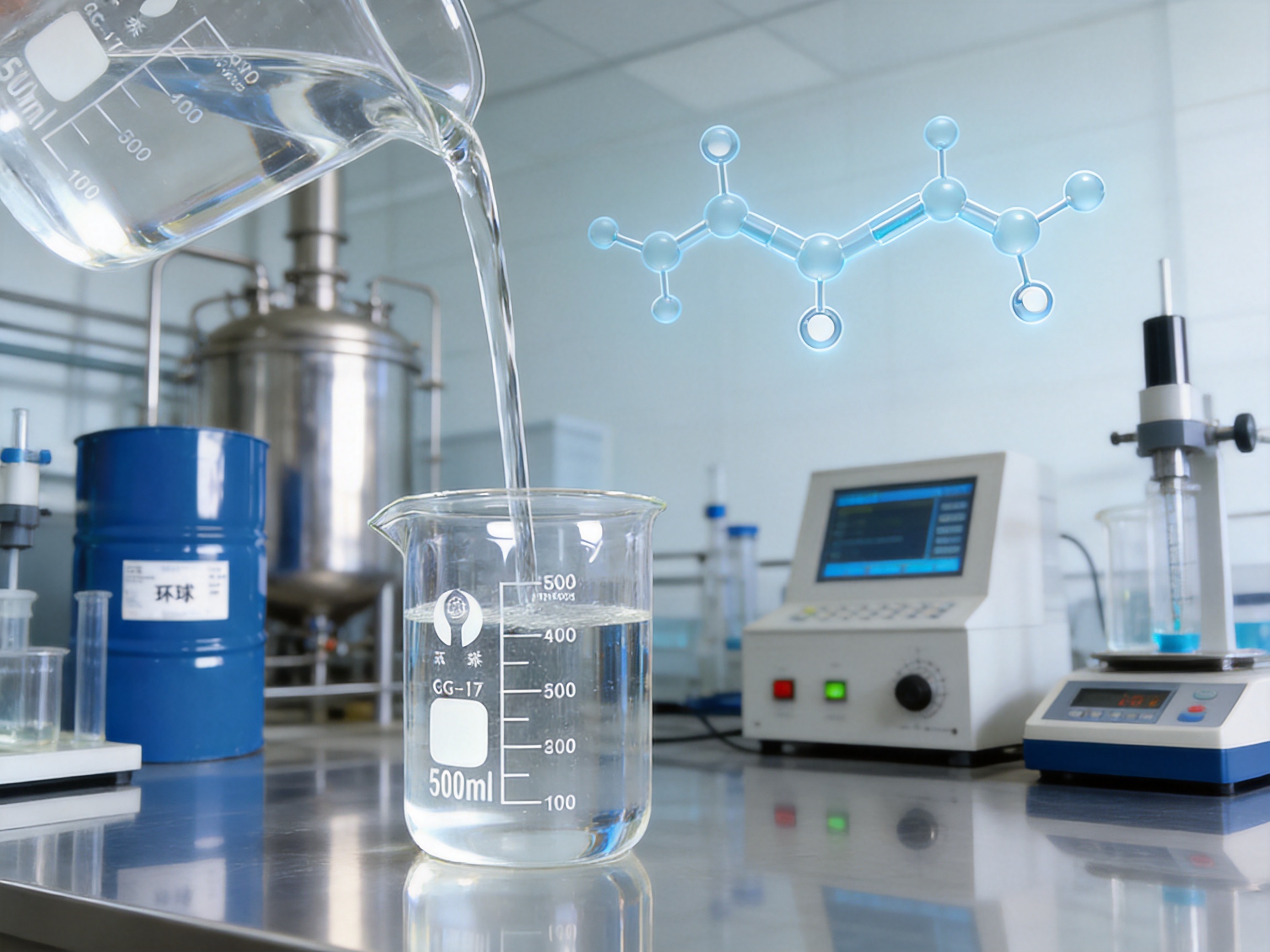
Viscosity is one of the most important parameters for 107 silicone rubber because it reflects molecular weight, polymer chain length, flow behavior, processing characteristics, and final performance. Lower-viscosity grades generally have shorter molecular chains, making them easier to pump, meter, and blend. Higher-viscosity grades contain longer chains and more molecular entanglement, improving film-forming ability and elasticity after curing but increasing processing resistance.
For agricultural formulations, daily chemical products, and systems requiring fast mixing, lower to medium viscosity may be preferred. These grades can disperse more efficiently and reduce energy consumption during production. They also help improve compatibility when used with wetting agents, surfactants, defoamers, and modified silicone oils. When production lines require automated dosing, smooth flow, and consistent blending, viscosity control becomes especially important.
For electronics, textile finishing, and durable coating systems, medium to high viscosity grades may provide better coating thickness, film integrity, and cured network strength. These applications often require material to remain on the surface, resist migration, and form a controlled layer. Higher viscosity supports these goals, provided that the formulation and equipment are properly selected.
Temperature also affects viscosity. As processing temperature increases, viscosity decreases, improving flow and reducing mixing resistance. However, excessive temperature or uncontrolled processing conditions may affect the stability of additives or catalysts. Therefore, successful use of 107 silicone rubber requires matching viscosity grade, processing temperature, mixing equipment, and application method.
| Viscosity Level | Processing Characteristics | Performance Direction | Typical Application Area |
|---|---|---|---|
| Low Viscosity | Easy flow, easy mixing, good metering | Fast dispersion and formulation flexibility | Agricultural additives, daily chemicals, blending systems |
| Medium Viscosity | Balanced flow and film formation | Good processing and stable surface performance | General silicone compounds, paint additives, coating systems |
| High Viscosity | Higher processing resistance, stronger body | Improved film thickness, elasticity, and durability | Electronics, textile finishing, elastomeric materials |
Advanced Manufacturing and Quality Control Strengths
Reliable 107 silicone rubber production requires more than basic polymerization. It requires careful control of raw material selection, reaction conditions, molecular weight distribution, terminal hydroxyl content, viscosity, purity, filtration, packaging, and storage. Hebei Guituo New Material Co., Ltd. emphasizes a full-process quality monitoring mechanism from production source to finished product delivery. This systematic approach is essential for customers who need consistent material behavior in high-volume industrial production.
The company is equipped with advanced production equipment and precise testing facilities, supporting stable manufacturing and quality verification. In silicone polymer production, small deviations in catalyst control, reaction temperature, moisture, or end-group regulation may affect viscosity and reactivity. By using controlled production systems and testing procedures, the company can supply materials that meet defined specifications and reduce uncertainty for downstream users.
Quality control for 107 silicone rubber generally includes appearance inspection, viscosity measurement, purity evaluation, volatile content control, and performance consistency assessment. For customers using the material in coatings or electronics, transparency and low impurity levels are important. For customers using it in reactive silicone systems, hydroxyl functionality and viscosity stability are essential. For agricultural and daily chemical applications, compatibility and dispersion behavior are also important.
The company’s technical and production team supports customers by aligning raw material selection with practical formulation needs. This is an important advantage over suppliers who only sell standard chemical materials. Because 107 silicone rubber is often used with other additives, professional support helps customers select the right viscosity, choose compatible wetting agents or surfactants, and adjust processing conditions to improve product stability.
Another manufacturing strength is the company’s product matrix. Since it supplies silicone additives, wetting agents, modified silicone oil, dimethyl silicone oil, surfactants, and defoamers, it can support formulation systems rather than only individual raw materials. This integrated capability helps customers reduce compatibility problems and improve development efficiency.
Application in Agricultural Silicone Formulations
Agricultural silicone products require excellent spreading, stability, and compatibility with complex agrochemical systems. 107 silicone rubber can serve as a silicone base component in formulations where low surface tension, water repellency, and stability are required. When combined with suitable surfactants and wetting agents, it can help improve distribution and surface interaction in agricultural formulations.
The agricultural market places high demands on consistency. Products may be exposed to water, active ingredients, salts, solvents, temperature changes, and long storage periods. A silicone raw material with stable viscosity and controlled purity helps reduce phase separation, sedimentation, or performance drift. The company’s experience in agricultural silicone products provides practical value for customers developing agrochemical auxiliaries and related materials.
In comparison with ordinary organic adjuvant materials, silicone-based systems often provide more efficient surface modification. The low surface tension of silicone materials allows them to spread over waxy or difficult-to-wet surfaces when formulated correctly. This can improve application uniformity. While final performance depends on the entire formula, the base quality of 107 silicone rubber is a key contributor to formulation stability and reliability.
For agricultural manufacturers, another advantage is customizable supply. Different formulations may require different viscosity ranges or compatibility profiles. OEM and ODM capability allows the supplier to support customer-specific requirements, helping agrochemical companies build differentiated products in competitive markets.
Application in Paint Additives and Coating Systems
In paint and coating systems, 107 silicone rubber contributes to leveling, surface smoothness, water repellency, film flexibility, and surface energy control. Coating formulations are sensitive to flow behavior and interfacial compatibility. A silicone material that spreads well and can participate in film formation helps improve final coating performance when used at appropriate levels.
Low-viscosity grades may improve leveling and dispersion, while higher-viscosity grades may help create more durable surface films. In some systems, 107 silicone rubber can be used with modified silicone oils or other silicone additives to optimize slip, anti-blocking, water resistance, or release behavior. The choice depends on resin type, solvent or waterborne system, curing method, and target surface properties.
Compared with non-reactive surface additives, hydroxyl-terminated silicone rubber can offer better anchoring or network participation under suitable curing conditions. This can reduce migration and improve durability. In coatings where long-term performance matters, this is a significant advantage. It helps reduce defects such as unstable surface bloom, uneven gloss, or inconsistent water resistance.
Paint manufacturers also benefit from predictable viscosity and purity. Impurities, gels, or uncontrolled molecular weight distribution can cause coating defects. A stable production process and precise testing help ensure that the silicone rubber performs consistently in formulation trials and large-scale production.
Application in Release Agents
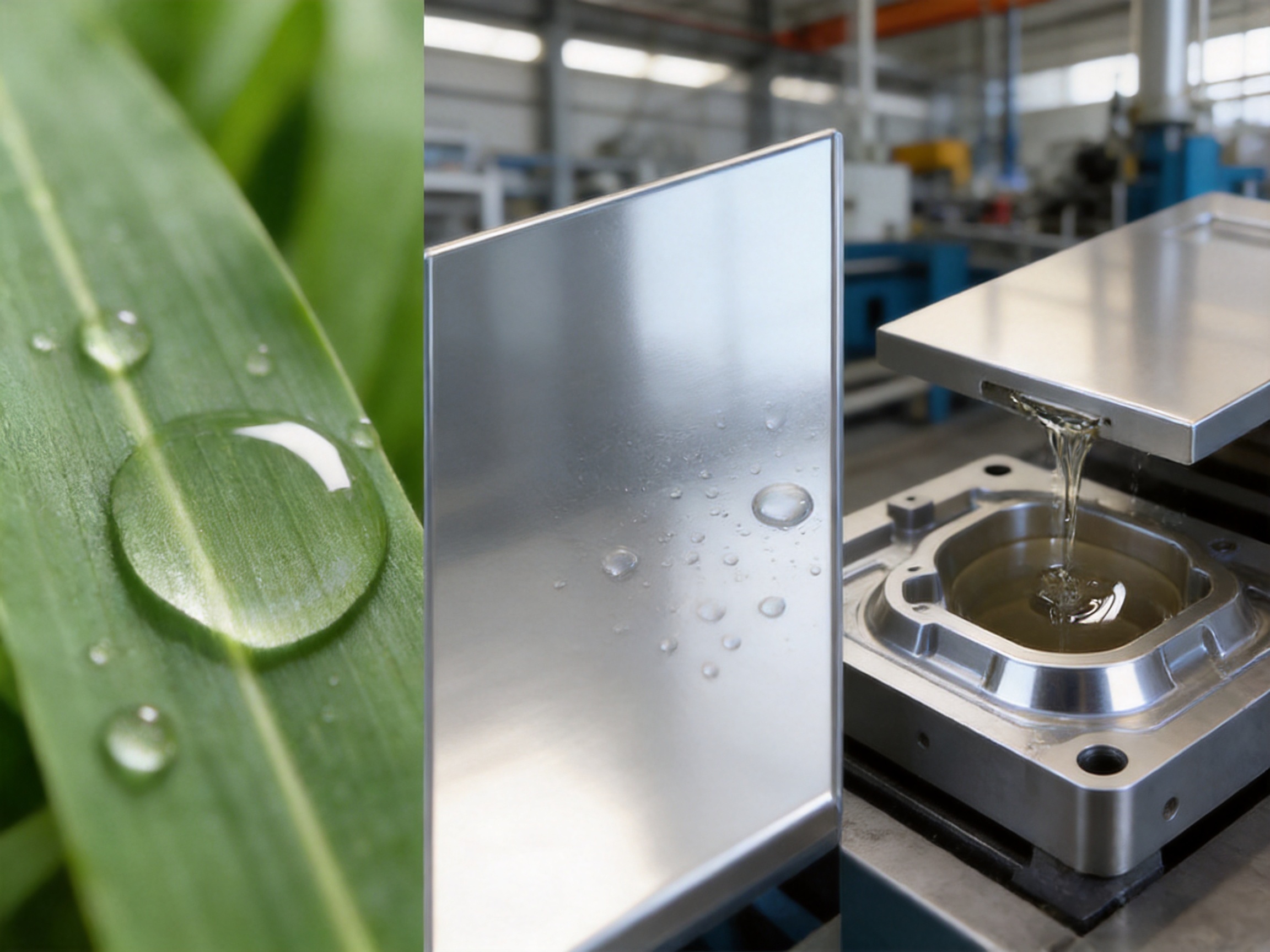
Release agents depend on low surface energy, heat resistance, and stable film formation. 107 silicone rubber is well suited for release applications because the polydimethylsiloxane backbone provides excellent anti-adhesion characteristics. When properly formulated and cured, it can create a silicone film that reduces sticking between surfaces.
In industrial processing, release agents may be exposed to pressure, heat, repeated contact, and mechanical stress. A silicone material with good thermal stability and chemical inertness supports longer-lasting release performance. Compared with hydrocarbon waxes or oils, silicone-based release systems generally maintain better performance at elevated temperatures and can provide cleaner separation in demanding processes.
107 silicone rubber’s hydroxyl end groups allow formulators to build cured or semi-cured release films. This provides greater durability than simple oil-based release layers. A crosslinked silicone surface is less likely to transfer excessively or degrade quickly under heat. This is valuable in rubber processing, plastics, packaging, mold release, and specialty industrial manufacturing.
Viscosity selection plays a key role in release agent design. Lower viscosity supports easier coating and thin film formation, while higher viscosity may improve coating body and film durability. The best selection depends on substrate, application equipment, curing system, and release requirements.
Application in Electronics and Electrical Insulation
107 silicone rubber has excellent electrical insulation properties, making it valuable in electronic and electrical applications. Silicone materials are widely used where insulation, moisture resistance, temperature resistance, and flexibility are required. The material’s chemical inertness and stable dielectric behavior help protect components from environmental stress.
In electronics, materials may need to resist heat generated by components, humidity from operating environments, and mechanical movement caused by thermal expansion. 107 silicone rubber can be used as a base polymer in potting, coating, sealing, and protective formulations when combined with appropriate crosslinkers, fillers, and catalysts.
Compared with many organic insulating materials, silicone systems maintain flexibility and performance across a wider temperature range. Organic materials may harden, crack, or lose insulating performance after thermal aging. Silicone materials, due to their Si-O backbone, often provide longer-term stability. This makes 107 silicone rubber a strong candidate for electronic materials that require reliability.
The purity of the raw material is particularly important in electronics. Ionic impurities, volatile residues, and inconsistent curing behavior can affect reliability. A manufacturer with precise testing facilities and controlled production procedures provides a competitive advantage for customers in this sector.
Application in Textile Finishing
Textile finishing uses silicone materials to improve softness, smoothness, elasticity, water repellency, and surface hand feel. 107 silicone rubber can be used as a base material or intermediate in silicone textile treatments, especially where durable surface modification is required. Its low surface tension allows it to interact effectively with fiber surfaces when properly emulsified or formulated.
High-viscosity grades may contribute to stronger film formation on fibers, while lower-viscosity grades may be easier to emulsify and distribute evenly. Textile processors must balance softness, durability, wash resistance, and processing convenience. 107 silicone rubber provides a flexible foundation for achieving these goals.
Compared with traditional softening agents, silicone-based finishing can provide a smoother, more elastic, and more durable hand feel. It may also improve water repellency and reduce friction. In technical textiles, silicone finishing can support specialized performance such as heat resistance, surface protection, and controlled slip.
Compatibility with surfactants and emulsifiers is important in textile applications. The company’s wider product range, including wetting agents and surfactants, supports the development of stable textile finishing formulations. This integrated approach helps reduce trial-and-error time for customers.
Compatibility with Additives and Formulation Design
107 silicone rubber is rarely used alone in its final industrial form. It is commonly combined with crosslinkers, catalysts, fillers, pigments, solvents, emulsifiers, wetting agents, surfactants, modified silicone oils, defoamers, and stabilizers. Compatibility determines whether the final product will remain uniform, process smoothly, and deliver stable performance.
Wetting agents and surfactants can improve dispersion and spreading. This is especially important in waterborne systems, agricultural formulations, and textile finishing emulsions. Modified silicone oils can adjust surface properties, flexibility, and compatibility. Defoamers can control foam generation during mixing and application, improving production efficiency and final appearance.
Viscosity affects additive compatibility. Low-viscosity 107 silicone rubber allows easier dispersion and faster blending. High-viscosity grades require stronger mixing and more careful additive introduction. Temperature control, mixing speed, and order of addition are all important. Proper formulation design prevents separation, fisheyes, coating defects, or inconsistent curing.
The company’s technical knowledge across silicone additives and surfactant systems is an advantage for customers who need more than raw material supply. Instead of selecting ingredients independently and facing compatibility uncertainty, customers can work with an integrated supplier to build balanced formulations.
Processing Guidelines for Industrial Users
Processing 107 silicone rubber begins with selecting the correct viscosity grade. Customers should define whether the priority is easy mixing, coating uniformity, film strength, elasticity, release performance, or electrical insulation. After the target performance is clear, viscosity, additive package, and curing system can be matched accordingly.
For low-viscosity materials, standard mixing equipment may be sufficient. These grades are easier to pump and meter, making them suitable for automated systems. For high-viscosity grades, stronger mixers, heating jackets, or vacuum degassing equipment may be required. Heating can reduce viscosity and improve flow, but temperatures should be controlled to avoid affecting reactive components.
Moisture control is important in some silicone systems. Because hydroxyl-terminated polymers may participate in condensation reactions, uncontrolled moisture can influence curing behavior. Packaging should be sealed after use, and storage conditions should be clean and dry. Customers should follow technical recommendations for storage temperature and shelf life.
When adding fillers or pigments, gradual addition and sufficient shear help prevent agglomeration. When using defoamers, dosage should be optimized because excessive defoamer can affect coating appearance or surface properties. When using surfactants, compatibility should be tested under realistic storage and application conditions.
Storage Stability and Transportation Reliability
Storage stability is a practical concern for customers purchasing silicone raw materials in bulk. 107 silicone rubber should maintain consistent viscosity, appearance, and reactivity during transportation and storage. A stable product reduces production interruptions and avoids reformulation problems.
Temperature fluctuations can affect apparent viscosity. At lower temperatures, the material becomes thicker; at higher temperatures, it flows more easily. These changes are usually physical and reversible within normal conditions, but extreme storage environments should be avoided. Proper packaging helps prevent contamination, moisture exposure, and dust introduction.
Because the product is colorless and transparent, visual inspection can quickly identify contamination or abnormal changes. However, professional quality control requires more than appearance. Viscosity testing, purity control, and batch records help ensure traceability and reliability. The company’s full-process quality monitoring supports this need.
For export markets, stable quality and reliable packaging are especially important. Products may pass through long shipping routes, different climates, and multiple handling stages. A supplier with experience in overseas markets such as Europe and Southeast Asia can better understand the practical requirements of international customers.
Customization, OEM, and ODM Support
One of the major advantages offered by Hebei Guituo New Material Co., Ltd. is the ability to accept OEM and ODM orders. This is important because silicone formulations often need to be tailored to the customer’s process, equipment, substrate, climate, regulatory requirements, and target market positioning.
Customization may include viscosity adjustment, packaging specification, additive compatibility support, formulation development, and product performance optimization. For example, an agricultural customer may need a lower-viscosity silicone system with excellent dispersion and storage stability. A release agent customer may need a material suitable for film formation and repeated release cycles. An electronics customer may need higher purity and controlled reactivity.
OEM and ODM service also helps customers build differentiated product lines. In competitive markets, standard raw materials may not be enough. A supplier with research, production, testing, and technical support can help customers develop unique formulations with improved performance and consistent supply.
This service capability is reinforced by the company’s broad silicone material portfolio. Since many formulation components can be sourced from the same technical platform, the risk of incompatibility is reduced. Customers can also simplify procurement and improve communication efficiency.
Why LD-107 Is a Strategic Raw Material for Modern Silicone Systems
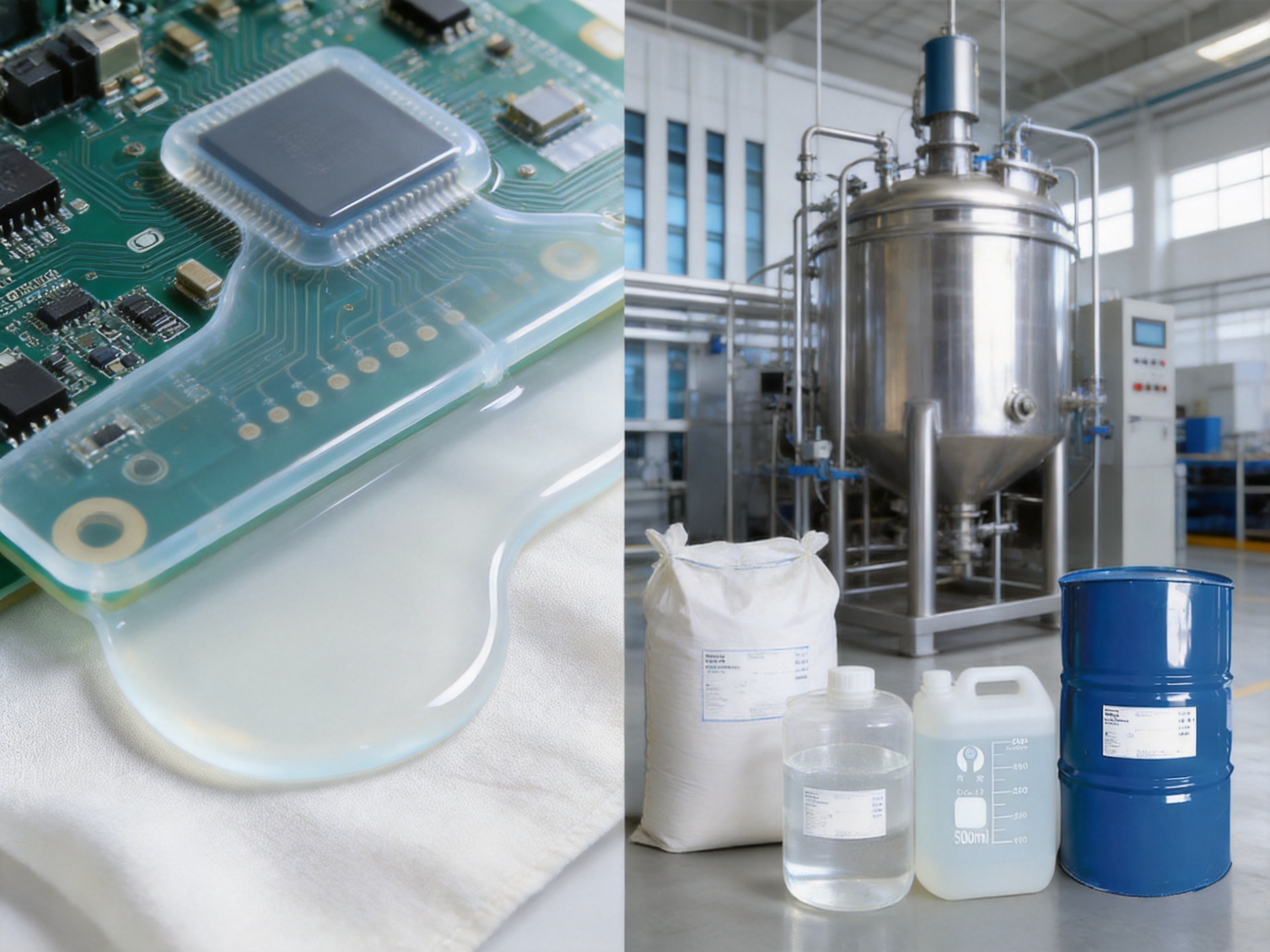
LD-107 107 silicone rubber is not merely a commodity chemical. It is a strategic raw material that affects the performance of downstream products. Its viscosity, purity, hydroxyl content, and compatibility determine how well a formulation can be processed and how reliably it performs after application.
For agricultural silicone products, it supports stable formulation design and surface behavior. For paint additives, it contributes to leveling, film performance, and surface modification. For release agents, it provides low surface energy and potential cured film durability. For electronics, it offers insulation, moisture resistance, and temperature stability. For textiles, it helps improve softness, smoothness, and functional finishing.
The product’s broad applicability is one of its greatest strengths. Instead of serving only a narrow market, 107 silicone rubber can be adapted across multiple sectors. This versatility allows customers to use one base technology in different product families, reducing development complexity and strengthening supply chain efficiency.
Compared with competing raw materials, its main advantages include reactive hydroxyl functionality, excellent thermal performance, wide viscosity flexibility, low surface tension, chemical inertness, and compatibility with diverse silicone additives. When supplied by a manufacturer with advanced equipment, strict testing, and technical support, these advantages become more reliable and commercially valuable.
Q&A Section
Q1: What is 107 silicone rubber?
107 silicone rubber is α,ω-dihydroxy polydimethylsiloxane, also known as hydroxyl-terminated polydimethylsiloxane. It is a reactive silicone polymer with hydroxyl groups at both chain ends and is commonly used as a base material for silicone elastomers, coatings, release agents, agricultural silicone formulations, textile finishing agents, and electronic materials.
Q2: How is 107 silicone rubber different from dimethyl silicone oil?
Dimethyl silicone oil is generally non-reactive and mainly used for lubrication, release, surface modification, or fluid performance. 107 silicone rubber has hydroxyl end groups that allow crosslinking and film formation. This makes it more suitable for products requiring cured networks, elastic films, or durable silicone layers.
Q3: Why is viscosity important when selecting 107 silicone rubber?
Viscosity reflects molecular weight and directly affects processing and final performance. Low-viscosity grades are easier to pump, mix, and disperse. High-viscosity grades provide stronger film formation and elasticity but require more controlled processing. The right viscosity depends on the intended application.
Q4: What are the main advantages of 107 silicone rubber over organic polymers?
107 silicone rubber offers better high- and low-temperature resistance, stronger moisture resistance, excellent electrical insulation, lower surface tension, and better chemical inertness. Organic polymers may degrade, harden, or lose flexibility under demanding conditions, while silicone materials often remain stable over a wider operating range.
Q5: Can 107 silicone rubber be used in agricultural formulations?
Yes. In agricultural silicone systems, 107 silicone rubber can support surface modification, formulation stability, and compatibility when combined with suitable wetting agents, surfactants, and other additives. Viscosity selection and formulation design are important for achieving stable performance.
Q6: Is 107 silicone rubber suitable for release agents?
Yes. Its low surface energy, heat resistance, and ability to form silicone films make it suitable for release agent formulations. When properly crosslinked or formulated, it can provide durable release performance and reduce adhesion between surfaces.
Q7: What role does 107 silicone rubber play in coatings and paint additives?
It can improve leveling, surface smoothness, water repellency, flexibility, and film formation. Because it has reactive hydroxyl groups, it may provide better durability than purely non-reactive silicone additives in suitable systems.
Q8: Why is manufacturer quality control important for this product?
Consistent viscosity, purity, appearance, and hydroxyl functionality are essential for stable downstream production. Poorly controlled raw materials can cause curing problems, coating defects, separation, or inconsistent performance. Advanced manufacturing and testing reduce these risks.
Q9: Can the product be customized?
Yes. Hebei Guituo New Material Co., Ltd. accepts OEM and ODM orders and can support customers with viscosity selection, compatibility guidance, formulation adjustment, and packaging requirements. This helps customers develop application-specific silicone products.
Q10: What industries commonly use 107 silicone rubber?
Common industries include agriculture, daily chemicals, electronics, textiles, coatings, paint additives, release agents, rubber processing, plastics, and specialty industrial materials. Its versatility comes from the combination of silicone backbone stability and reactive hydroxyl functionality.
Conclusion
107 silicone rubber is a high-value silicone raw material that combines the stability of polydimethylsiloxane with the reactivity of hydroxyl end groups. This combination gives it outstanding versatility in agricultural silicone formulations, paint additives, coatings, release agents, electronics, textile finishing, and other industrial applications. Its advantages include wide temperature resistance, excellent electrical insulation, low surface tension, water repellency, moisture resistance, chemical inertness, physiological inertness, and controllable viscosity.
For customers comparing raw material options, 107 silicone rubber offers significant advantages over ordinary silicone oils, organic polymers, and lower-grade silicone intermediates. It can be processed as a fluid while offering the potential to form cured films or elastomeric networks. Its viscosity can be selected according to processing and performance requirements, making it adaptable to different production systems.
Hebei Guituo New Material Co., Ltd. strengthens the value of this product through advanced production equipment, precise testing facilities, full-process quality monitoring, a skilled technical team, and a broad silicone product portfolio. The company’s ability to provide silicone additives, wetting agents, modified silicone oil, dimethyl silicone oil, surfactants, defoamers, and OEM/ODM support gives customers a more complete solution for formulation development.
As industrial and agricultural markets demand more stable, efficient, and customized silicone materials, LD-107 107 silicone rubber provides a dependable foundation for innovation. Its combination of performance, processability, and formulation flexibility makes it a strategic material for manufacturers seeking reliable silicone technology and long-term product competitiveness.
References
1. Noll, W. Chemistry and Technology of Silicones. Academic Press.
2. Brook, M. A. Silicon in Organic, Organometallic, and Polymer Chemistry. Wiley.
3. Owen, M. J., and Dvornic, P. R. Silicone Surface Science. Springer.
4. Clarson, S. J., and Semlyen, J. A. Siloxane Polymers. Prentice Hall.
5. Arkles, B. Silane Coupling Agents: Connecting Across Boundaries. Gelest Technical Literature.
6. Moretto, H. H., Schulze, M., and Wagner, G. Silicones. Ullmann’s Encyclopedia of Industrial Chemistry.
7. International standards and technical references on polydimethylsiloxane materials, silicone elastomers, and hydroxyl-terminated silicone polymers.
Product: 107 Silicone Rubber


Contact Information
Tel : +86-400-138-5268
Email : [email protected]
Phone : +86-15128434888 / +86-13511051998
Add : Xinqiao Environmental Protection Industrial Park, Wen'an County, Langfang City, Hebei Province, China
Contact Information
Copyright © Hebei Guituo New Material Co., Ltd. All Rights Reserved.
