

 English
  Français
  Português
 Home / Author / Wang Lina, After-sales Service Engineer (Silicone Additives) / 107 Silicone Rubber for High-Performance Silicone Formulation and Industrial Processing
 107 Silicone Rubber for High-Performance Silicone Formulation and Industrial Processing
2026-05-22
107 silicone rubber, chemically known as α,ω-dihydroxy polydimethylsiloxane, is a hydroxyl-terminated silicone polymer valued for its excellent stability, processability, and formulation flexibility. As a chemical raw material, it is widely used in silicone elastomers, sealants, coatings, release systems, agricultural silicone formulations, textile finishing, electronics materials, and other industrial applications. Its molecular structure gives it the combined advantages of silicone fluidity, hydroxyl reactivity, weather resistance, electrical insulation, water repellency, and long-term temperature tolerance. In modern silicone manufacturing, 107 silicone rubber is not only a base polymer but also a strategic material that determines the performance ceiling of downstream products.
Hebei Guituo New Material Co., Ltd. focuses on the development and application of high-end silicone materials in industrial and agricultural fields. With a product matrix covering silicone additives, wetting agents, modified silicone oil, dimethyl silicone oil, surfactants, defoamers, and related silicone raw materials, the company is positioned to provide customized formulation support for users who require stable quality, precise viscosity control, and reliable supply. For 107 silicone rubber, manufacturing consistency is especially important because viscosity, hydroxyl content, purity, and low volatile content directly influence curing behavior, coating quality, final elasticity, and storage stability.
Compared with ordinary silicone raw materials, high-quality 107 silicone rubber offers more predictable processing behavior and broader compatibility with functional additives. Its hydroxyl-terminated structure allows it to participate in crosslinking reactions, making it suitable for producing elastomers, films, sealants, coatings, and other cured silicone systems. At the same time, it retains the classic benefits of polydimethylsiloxane materials, including low surface tension, chemical inertness, physiological inertness, moisture resistance, high and low temperature resistance, and excellent electrical insulation. These features make it a core ingredient for manufacturers seeking dependable silicone performance in demanding operating environments.
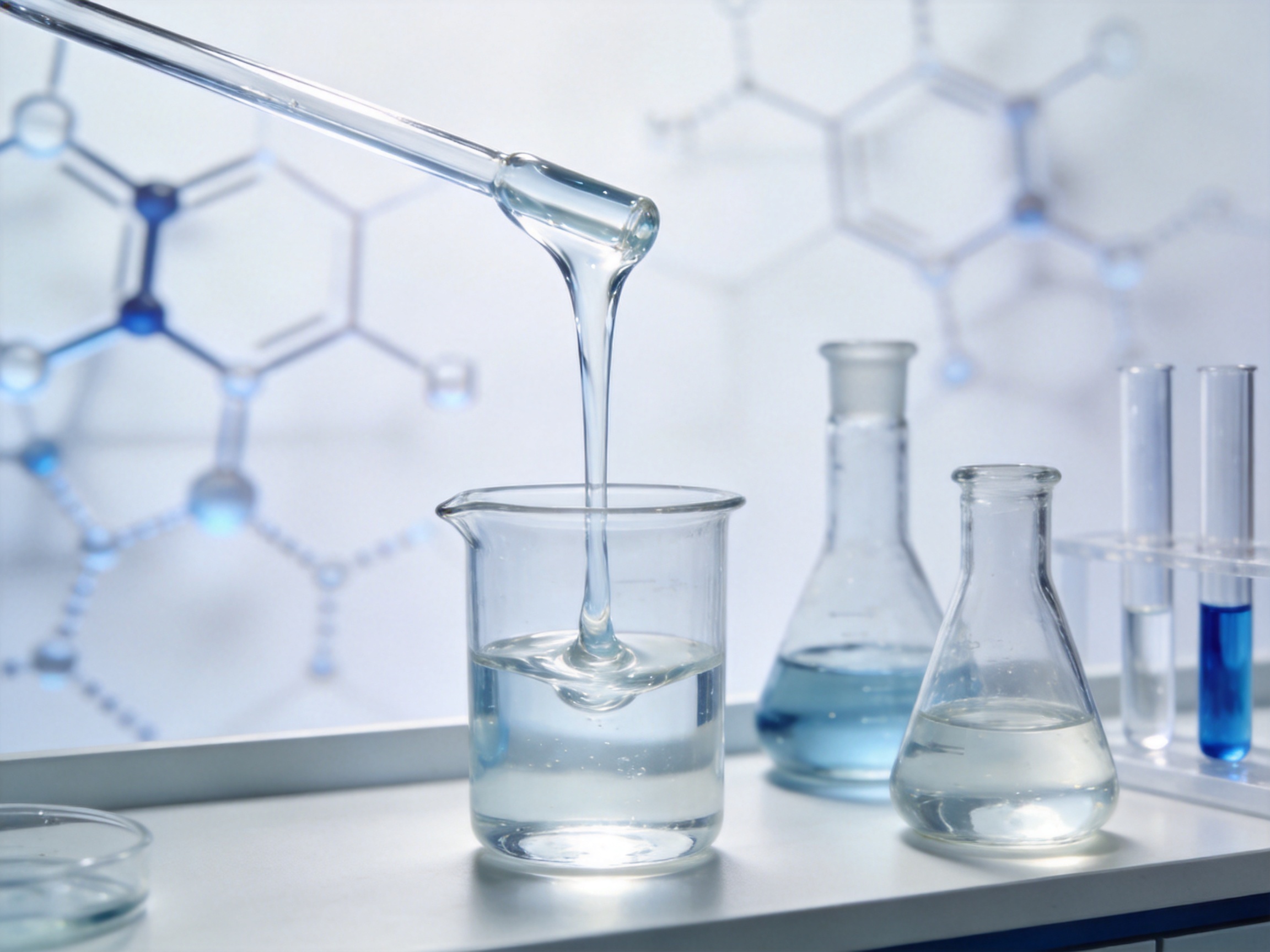
Product Identity and Core Technical Profile
107 silicone rubber is generally understood as hydroxyl silicone oil with a viscosity above 2500 mPa·s. Its molecular chain is based on polydimethylsiloxane, while both ends of the chain contain hydroxyl groups. These hydroxyl groups provide reactive activity and make the product different from non-reactive dimethyl silicone oil. Through reaction with crosslinking agents and catalysts, the material can be converted into elastomers or films. This balance between fluid-like processability and rubber-forming potential is the reason 107 silicone rubber is widely selected as a base polymer for room-temperature vulcanizing silicone systems and related industrial formulations.
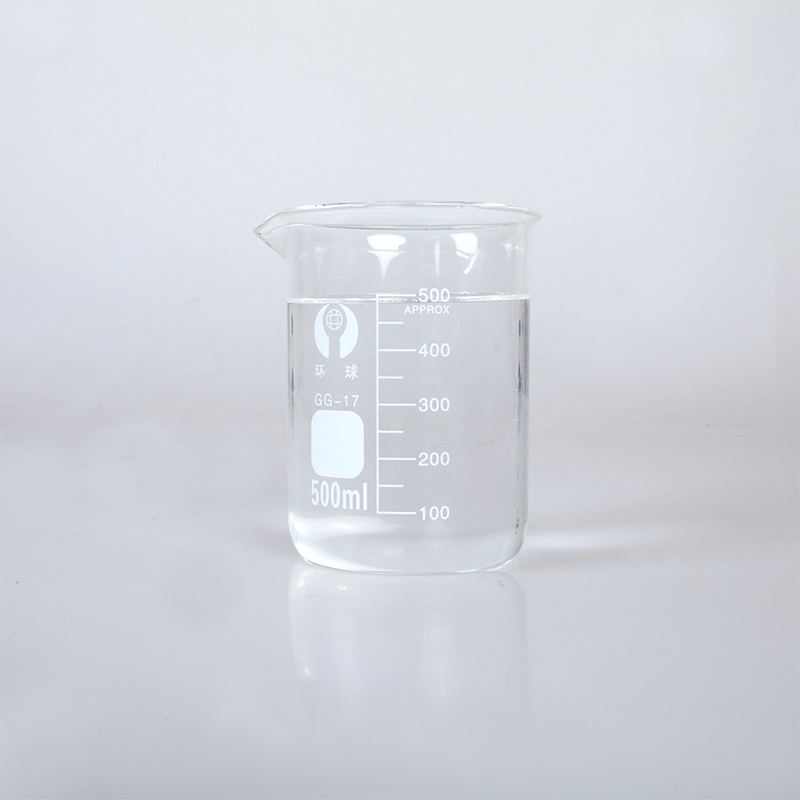
The product is typically a colorless and transparent liquid. It has a high flash point, low freezing point, low temperature-viscosity coefficient, high compressibility, low surface tension, water repellency, moisture resistance, and stable electrical properties. It can be used for long periods within a broad temperature range, commonly from approximately -50 °C to +250 °C, depending on formulation design and application conditions. Its chemical inertness helps reduce unwanted reactions with many substrates and additives, while its physiological inertness supports its use in applications requiring stable, non-aggressive silicone behavior.
| Item | Typical Information | Practical Meaning |
|---|---|---|
| Product Name | 107 Silicone Rubber | Hydroxyl-terminated silicone polymer used as a base material |
| Chemical Name | α,ω-Dihydroxy Polydimethylsiloxane | Reactive hydroxyl groups at both molecular chain ends |
| Common Synonym | Hydroxyl-Terminated Polydimethylsiloxane, OH-PDMS | Indicates the polymer structure and end-group functionality |
| CAS No. | 63148-60-7 | Standard chemical identification reference |
| EINECS No. | 613-154-4 | European chemical inventory identification |
| Purity | Up to 99.8% | Supports stable processing and reduced formulation interference |
| Appearance | Colorless transparent liquid | Suitable for applications where clarity and uniformity matter |
| Key Functional Feature | Hydroxyl reactivity | Enables crosslinking into elastomers, coatings, and films |
Molecular Structure and Performance Logic
The performance of 107 silicone rubber begins with its molecular structure. The backbone of polydimethylsiloxane contains alternating silicon and oxygen atoms, with methyl groups attached to silicon. This silicon-oxygen backbone has a relatively flexible bond angle and strong bond energy, giving the polymer excellent thermal stability, low glass transition behavior, and good flexibility at low temperatures. The methyl groups contribute hydrophobicity and low surface energy, helping the material spread on many surfaces while resisting water penetration.
The hydroxyl groups at the chain ends are equally important. They allow the polymer to react with crosslinkers, fillers, catalysts, and other formulation components. In a cured silicone system, these reactions can create a three-dimensional network that transforms the liquid polymer into a rubbery or elastic material. The density and uniformity of this network influence hardness, elongation, tensile strength, adhesion, resilience, and durability. Therefore, the quality of hydroxyl-terminated polydimethylsiloxane strongly affects the final quality of the finished silicone product.
In low-grade or inconsistent materials, variations in molecular weight distribution, residual small molecules, moisture, impurities, or hydroxyl content can cause unstable curing, bubbles, poor mechanical strength, oil bleeding, reduced storage stability, or inconsistent coating appearance. In contrast, a well-controlled 107 silicone rubber provides more reliable viscosity, clearer appearance, better additive compatibility, and more predictable reaction behavior. These qualities are especially valuable for users producing sealants, release agents, coating additives, agricultural silicone products, and other materials where batch-to-batch stability directly affects downstream efficiency.
Viscosity Control as a Key Competitive Advantage
Viscosity is one of the most important parameters of 107 silicone rubber because it reflects the molecular weight and chain length of the polymer. Lower-viscosity grades generally contain shorter molecular chains and offer better flow, easier pumping, faster mixing, and improved metering accuracy. Higher-viscosity grades contain longer chains, stronger chain entanglement, and better film-forming potential after curing. This means viscosity selection should not be treated as a simple number but as a formulation decision connected to processing equipment, application method, curing system, additive package, and final performance target.
Hebei Guituo New Material Co., Ltd. emphasizes viscosity control as part of its silicone material capability. For customers, this control brings several advantages over competitors that only provide broad or inconsistent viscosity ranges. First, stable viscosity allows users to maintain consistent mixing time and processing conditions. Second, it supports accurate dosing in automated production lines. Third, it helps formulators predict coating thickness, leveling, and film strength. Fourth, it reduces the risk of formulation failures caused by unexpected changes in flow behavior.
In agricultural silicone formulations, moderate or lower viscosity can help improve blending efficiency with surfactants, wetting agents, and agrochemical ingredients. In electronics and textile finishing, medium to high viscosity may be preferred when stable film formation, surface durability, and controlled coating thickness are required. In sealants and elastomers, viscosity affects filler loading, extrusion behavior, curing uniformity, and mechanical properties. Because applications differ widely, the ability to offer suitable viscosity grades and technical guidance becomes a significant competitive strength.
| Viscosity Direction | Processing Behavior | Performance Contribution | Common Application Focus |
|---|---|---|---|
| Low viscosity | Easy to pump, meter, mix, and disperse | Supports smooth blending and reduced processing energy | Agricultural formulations, daily chemical systems, additive blending |
| Medium viscosity | Balanced flow and body | Provides both handling convenience and film-forming capability | General industrial silicone formulations, coatings, release systems |
| High viscosity | Higher resistance during mixing and coating | Improves film thickness, elasticity, and network strength after curing | Sealants, electronic materials, textile finishing, elastomer systems |
Advantages Over Conventional Competing Materials
The competitive value of 107 silicone rubber lies in the combination of purity, hydroxyl reactivity, viscosity stability, thermal endurance, electrical insulation, and compatibility with a wide range of additives. Compared with general organic polymers, it offers much better resistance to temperature extremes and environmental aging. Many organic binders become brittle at low temperatures or degrade under heat, while silicone polymers maintain flexibility and stability across a broader operating range. This makes 107 silicone rubber suitable for products that must remain functional in outdoor, electrical, agricultural, and industrial environments.
Compared with non-reactive dimethyl silicone oil, 107 silicone rubber offers stronger formulation potential because its hydroxyl end groups can participate in crosslinking reactions. Dimethyl silicone oil is useful as a lubricant, release agent, or fluid additive, but it does not form an elastomer network by itself. 107 silicone rubber, on the other hand, can be transformed into cured silicone rubber or films when combined with appropriate crosslinking agents and catalysts. This makes it a more versatile base polymer for manufacturers developing higher-value silicone systems.
Compared with lower-quality hydroxyl silicone polymers, high-purity 107 silicone rubber provides better clarity, fewer impurities, and more stable processing. Excessive volatile content or inconsistent molecular weight can lead to odor, shrinkage, bubbles, surface defects, or unstable curing. Materials with poor viscosity control can create production interruptions because operators must adjust mixing speed, processing temperature, catalyst dosage, or filler ratio from batch to batch. A more consistent product reduces hidden production costs and improves overall manufacturing efficiency.
Another important advantage is surface performance. Because 107 silicone rubber has low surface tension and hydrophobic character, it can support spreading, water repellency, release behavior, and moisture resistance. In coating and release applications, these characteristics help produce surfaces with better leveling, lower adhesion to unwanted materials, and improved durability. In agricultural silicone systems, low surface tension and compatibility with wetting agents help improve dispersion and spreading behavior, supporting more efficient use of formulation ingredients.
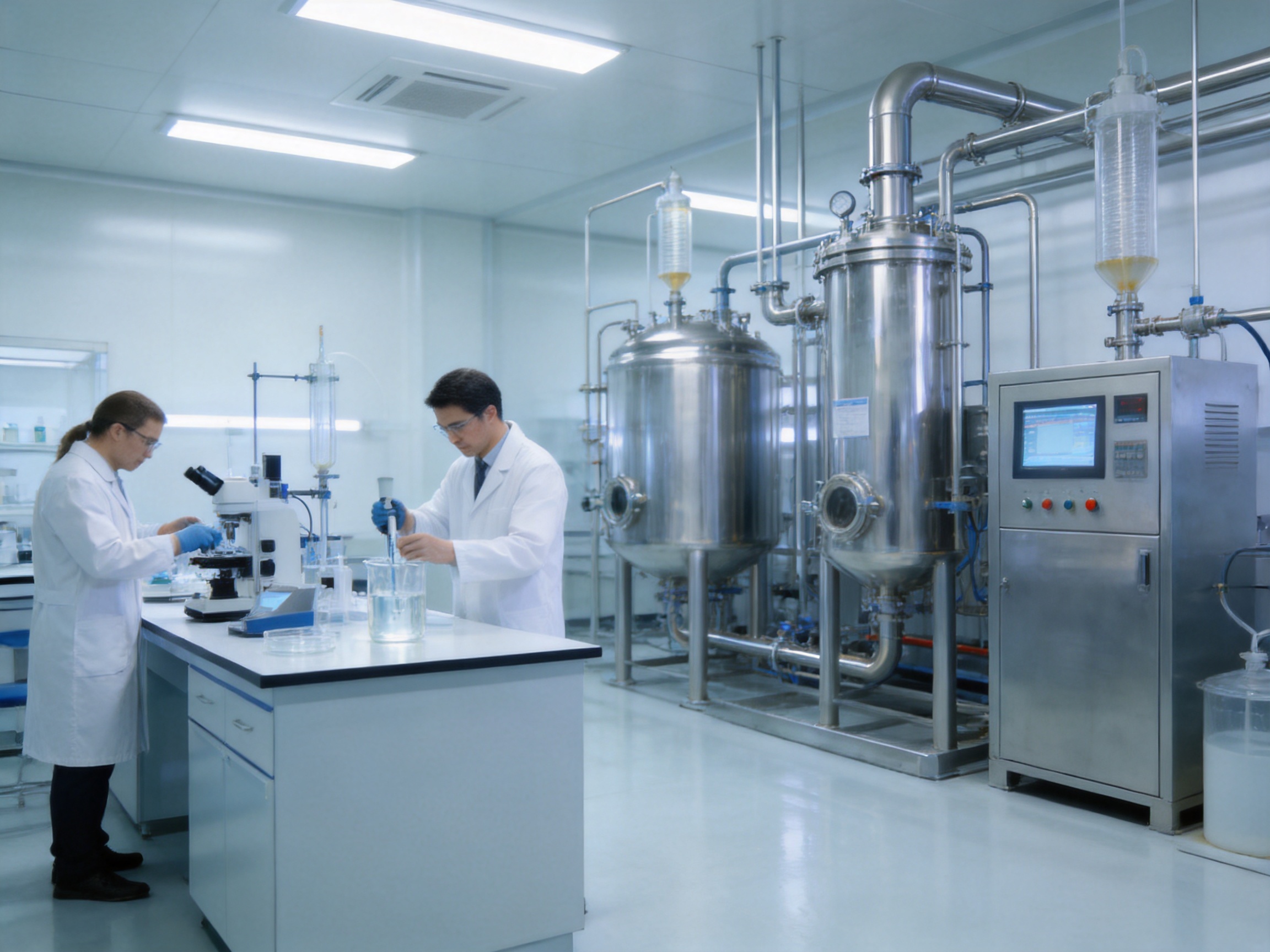
Advanced Manufacturing Process and Quality Control Strengths
Stable 107 silicone rubber cannot be produced by formulation knowledge alone. It requires controlled manufacturing, precise testing, and disciplined quality management throughout the production process. Hebei Guituo New Material Co., Ltd. has built a comprehensive guarantee system supported by advanced production equipment, precise testing facilities, and a full-process monitoring mechanism from raw material input to finished product delivery. This manufacturing philosophy is essential for silicone polymers because small variations in polymerization conditions may significantly influence viscosity, molecular weight distribution, hydroxyl content, and final product stability.
The production of hydroxyl-terminated polydimethylsiloxane generally involves controlled polymerization or equilibration of silicone intermediates, followed by end-group regulation, purification, devolatilization, filtration, and packaging. During this process, parameters such as temperature, reaction time, catalyst control, moisture content, and raw material purity must be managed carefully. If reaction conditions are not stable, the finished product may show broad viscosity fluctuation or unwanted residual components. Advanced process control helps maintain the targeted polymer structure and improves consistency for industrial users.
Raw material selection is the first control point. High-quality silicone intermediates and controlled auxiliaries help reduce impurities that could affect clarity, reactivity, odor, or electrical performance. The second control point is polymerization management. By controlling reaction conditions, the manufacturer can guide chain length and viscosity. The third control point is post-treatment, including removal of low-boiling substances and filtration to improve product cleanliness. The fourth control point is testing, where viscosity, appearance, purity, volatile content, and other indicators are evaluated before release.
The company’s experienced technical and production team contributes to process reliability. In practical silicone manufacturing, equipment alone is not enough. Operators and engineers must understand how process variables influence finished properties. Technical experience is needed to adjust production parameters, troubleshoot abnormal viscosity trends, prevent contamination, and maintain uniformity during scale-up. This combination of advanced equipment and professional know-how gives the company an advantage over suppliers that rely only on basic production capacity without strong quality control.
Purity, Transparency, and Low Volatile Content
Purity is a critical factor for 107 silicone rubber because the product often serves as the main polymer in sensitive formulations. A purity level up to 99.8% supports stable performance and reduces the risk of interference from unwanted components. High purity is especially important in electronics materials, coatings, sealants, and specialty industrial systems where contaminants can affect adhesion, dielectric properties, curing behavior, or appearance. A clean and transparent product also gives formulators confidence when producing light-colored or visually inspected silicone materials.
Transparency is not only an aesthetic feature. It can indicate good material uniformity and proper control of impurities or particulate matter. In coating and film applications, colorless and transparent 107 silicone rubber helps maintain the original appearance of substrates or pigments. In release agents and surface treatments, clarity supports uniform application and helps reduce visual defects. For industrial users, a clear material is easier to inspect during storage, mixing, and production.
Low volatile content is another performance advantage. Excessive volatiles may evaporate during processing or curing, causing bubbles, shrinkage, odor, or changes in mechanical properties. In closed or semi-closed industrial environments, volatiles may also create processing and safety concerns. By emphasizing controlled production and post-treatment, a manufacturer can provide 107 silicone rubber with more stable behavior during heating, curing, coating, and long-term storage. This improves the reliability of finished products and reduces waste caused by defects.
Compatibility with Additives and Formulation Systems
107 silicone rubber is rarely used alone in final commercial systems. It is commonly combined with fillers, catalysts, crosslinkers, defoamers, surfactants, wetting agents, modified silicone oils, pigments, adhesion promoters, and other functional materials. Therefore, compatibility is one of the most important practical requirements. A good grade of 107 silicone rubber should disperse uniformly, respond predictably to curing systems, and remain stable during storage before use.
Hebei Guituo New Material Co., Ltd. has an advantage because its product portfolio extends beyond a single raw material. The company supplies silicone additives, wetting agents, modified silicone oil, dimethyl silicone oil, surfactants, and defoamers. This broad product matrix enables more complete formulation support. For example, if a customer is developing an agricultural silicone product, the selection of 107 silicone rubber can be coordinated with suitable surfactants and wetting agents. If a customer is producing coatings or release systems, modified silicone oils and defoamers can be selected to improve leveling, reduce foam, and optimize surface properties.
In complex formulations, viscosity matching is essential. Low-viscosity 107 silicone rubber can make it easier to disperse additives and reduce mixing energy, while high-viscosity grades may require stronger mixing and careful addition sequence. Wetting agents may improve distribution of ingredients, while defoamers help control foam during high-speed mixing. Modified silicone oils may adjust surface performance, lubricity, release behavior, or compatibility. By understanding these interactions, the supplier can help customers reduce development time and avoid trial-and-error losses.
Application in Agricultural Silicone Formulations
Agricultural silicone products are an important field for high-performance organosilicon materials. In agricultural formulations, silicone materials are often used to improve wetting, spreading, penetration, compatibility, and formulation stability. Although 107 silicone rubber is mainly a chemical raw material, its silicone structure and adjustable viscosity make it useful in systems that require controlled flow, stable dispersion, and moisture resistance. When combined with suitable surfactants and wetting agents, it can support improved formulation performance and consistent application behavior.
The agricultural sector requires reliable material stability because products may be stored, transported, diluted, and applied under different environmental conditions. Temperature variation, water quality, formulation pH, and mixing sequence may all influence performance. A stable silicone raw material helps reduce the risk of separation, viscosity drift, or inconsistent spreading. Hebei Guituo New Material Co., Ltd. has developed agricultural silicone products that are recognized for strong quality and have reached an advanced domestic level. This experience strengthens the company’s ability to support agricultural customers using 107 silicone rubber and related silicone additives.
Compared with ordinary organic adjuvant materials, silicone-based ingredients can offer lower surface tension and better spreading behavior. In practical agricultural systems, efficient spreading can help active ingredients cover surfaces more uniformly. However, formulation design must be balanced carefully to avoid incompatibility or instability. The company’s integrated knowledge of silicone rubber, wetting agents, surfactants, and defoamers helps customers develop products with both performance and storage reliability.
Use in Paint Additives, Coatings, and Surface Modification
In coatings and paint additive systems, 107 silicone rubber contributes to surface control, film formation, water repellency, and durability. Its low surface tension helps influence leveling and substrate wetting, while its hydroxyl functionality enables reaction or interaction with other formulation components. Depending on viscosity and formulation design, it can support thin uniform films or thicker elastic layers. These properties are useful in industrial coatings, protective films, release coatings, and surface modification treatments.
Coating applications are sensitive to viscosity and compatibility. If the silicone polymer is too fluid, it may spread excessively or reduce film build. If it is too viscous, it may create processing challenges, poor leveling, or surface irregularities. A controlled viscosity range allows formulators to select the grade that matches their coating equipment and desired film thickness. For example, spray or roll coating processes may require lower to medium viscosity, while thicker protective layers may benefit from higher viscosity grades.
Compared with many conventional coating modifiers, 107 silicone rubber offers better high-temperature stability and moisture resistance. It can help improve surface hydrophobicity and reduce water absorption. In industrial environments, these properties support longer service life and more stable surface performance. When combined with modified silicone oils or compatible additives, the material can be used to fine-tune slip, anti-blocking behavior, release performance, and surface feel.

Role in Release Agents and Mold Release Systems
Release agents require materials that can form a controlled low-energy interface between a mold and the product being processed. Because 107 silicone rubber has low surface tension, hydrophobicity, thermal stability, and film-forming potential, it is suitable for release-related systems. After proper formulation and curing, it can create a flexible silicone layer that reduces adhesion and supports repeated release performance. This is valuable in rubber processing, plastics molding, composite manufacturing, paper release coatings, and other industrial operations.
The advantage of using a high-quality hydroxyl-terminated silicone polymer in release systems is consistency. A release coating must be uniform, stable, and resistant to mechanical and thermal stress. If the polymer quality is inconsistent, the coating may show uneven release, transfer, haze, poor adhesion to the backing substrate, or premature failure. Stable viscosity and purity help produce predictable coating thickness, controlled curing, and reliable release performance.
Compared with low-grade release ingredients, 107 silicone rubber offers a stronger basis for durable films because it can be crosslinked into an elastic network. This network can resist migration and provide more lasting release behavior. When combined with suitable catalysts and crosslinkers, the product helps create release layers that balance low adhesion with durability. The selection of viscosity depends on coating method, substrate type, curing system, and final release requirements.
Application in Electronics and Electrical Insulation
107 silicone rubber has excellent electrical insulation properties, making it useful in electronic and electrical applications. Silicone polymers are known for maintaining dielectric performance over a wide temperature range and under humid conditions. The product’s moisture resistance and chemical inertness help protect electronic components from environmental stress. When formulated into cured silicone elastomers, coatings, or encapsulation materials, it can contribute to insulation, flexibility, shock absorption, and surface protection.
Electronics applications require particularly high consistency because small defects can cause performance failure. Impurities, bubbles, inconsistent curing, or unstable viscosity can affect insulation quality and reliability. High-purity, transparent 107 silicone rubber helps reduce these risks. Its broad temperature tolerance is also valuable for components that may experience heating during operation or cold conditions during storage and transport.
Compared with conventional organic insulating materials, silicone-based materials usually provide better flexibility at low temperatures and better thermal resistance. Organic polymers may harden, crack, or degrade under challenging conditions, while silicone networks can remain more stable. This makes 107 silicone rubber an attractive base material for insulating coatings, potting systems, electronic sealants, and protective films, especially where long-term reliability is more important than the lowest raw material cost.
Application in Textile Finishing and Daily Chemical Systems
Textile finishing often requires materials that can improve softness, smoothness, hydrophobicity, and processing stability. Silicone materials are widely used because they can modify surface feel while maintaining flexibility. 107 silicone rubber can be part of textile treatment systems where film formation, durable surface modification, or compatibility with modified silicone oils is needed. Its adjustable viscosity allows formulators to design products for different application methods, such as padding, coating, or finishing blends.
In daily chemical systems, silicone raw materials may contribute to smoothness, spreading, conditioning, defoaming, or water resistance, depending on formulation type. The chemical inertness and physiological inertness of polydimethylsiloxane structures are beneficial in many applications where stable, non-reactive behavior is needed. However, the final suitability of any product depends on regulatory requirements, formulation composition, and end-use conditions.
The company’s broader portfolio of wetting agents, surfactants, dimethyl silicone oil, modified silicone oil, and defoamers supports development in these fields. Rather than supplying only a single ingredient, it can provide multiple silicone components that work together. This helps customers achieve balanced performance, such as softness without greasiness, water repellency without poor compatibility, or defoaming without surface defects.
Processing Guidance for Industrial Users
Processing 107 silicone rubber successfully requires attention to viscosity, temperature, mixing sequence, moisture control, and compatibility with additives. Because viscosity decreases as temperature increases, moderate warming may improve flow and mixing efficiency. However, overheating should be avoided unless the formulation and equipment are designed for it. Excessive temperature may influence catalyst activity, volatile behavior, or additive stability. Manufacturers should establish a stable processing window based on the selected grade and final product requirements.
Mixing equipment should be selected according to viscosity. Low-viscosity materials can usually be blended with standard mixers, while high-viscosity grades may require stronger agitation, vacuum mixing, or specialized dispersion equipment. When fillers are added, their moisture content and particle size can strongly influence the final system. Moisture may affect curing reactions, while poor filler dispersion can reduce mechanical properties and surface appearance. Vacuum degassing is often beneficial when producing elastomers, sealants, or coatings that require bubble-free performance.
For crosslinked systems, the choice of crosslinker and catalyst is critical. The hydroxyl groups in 107 silicone rubber allow curing, but the reaction rate, pot life, and final network structure depend on the full formulation. Users should carefully test catalyst dosage, environmental humidity, mixing time, and storage conditions. Good raw material consistency makes this work easier because once a formulation is optimized, it can be reproduced with fewer adjustments.
Storage Stability and Packaging Considerations
Storage stability is an important practical advantage of well-manufactured 107 silicone rubber. The material should be stored in sealed containers to prevent contamination, moisture absorption, and dust introduction. Although silicone polymers are chemically stable, exposure to incompatible substances or uncontrolled moisture may influence downstream curing systems. Storage in a cool, dry, ventilated environment is generally recommended. Containers should be closed tightly after use, and users should avoid mixing different batches without quality confirmation when strict performance consistency is required.
Viscosity stability during storage is especially important for industrial users. If a material shows significant viscosity drift, the customer may experience changes in pumping speed, dosing accuracy, mixing energy, and final product properties. Hebei Guituo New Material Co., Ltd. evaluates viscosity stability and related quality indicators through its process monitoring and testing system. This helps ensure that products maintain consistent performance during transportation and storage across different markets.
Packaging also affects product reliability. Clean, sealed packaging reduces contamination risk and supports safe delivery. For export customers in Europe, Southeast Asia, and other regions, stable packaging and supply capability are essential. The company’s export experience and repeated overseas customer recognition demonstrate its ability to meet practical international supply needs, not only laboratory specifications.
Customization, OEM, and ODM Capability
One of the strongest advantages offered by Hebei Guituo New Material Co., Ltd. is its acceptance of OEM and ODM orders. In the silicone industry, customization is often necessary because different customers have different equipment, formulations, regulatory requirements, performance targets, and cost structures. A standard grade may be suitable for general use, but optimized performance often requires viscosity adjustment, additive matching, packaging customization, or application-specific technical support.
For 107 silicone rubber, customization can focus on viscosity range, purity requirements, processing characteristics, compatibility with fillers, or suitability for specific curing systems. Customers producing agricultural silicone products may prioritize dispersibility and formulation stability. Customers producing coatings may prioritize leveling and film appearance. Customers producing sealants may prioritize curing uniformity, elasticity, and filler loading. Electronics customers may prioritize cleanliness, insulation properties, and low volatile content. A supplier with R&D, production, and testing capability can respond to these different requirements more effectively than a simple trading source.
Ningbo Guituo Trading Co., Ltd., as a subsidiary of Hebei Guituo New Material Co., Ltd., supports market communication and supply service, while the manufacturing foundation provides technical and quality assurance. This structure helps connect customer requirements with production execution. For buyers, the benefit is not only access to material but also access to a supplier that understands silicone systems, industrial applications, and long-term cooperation.
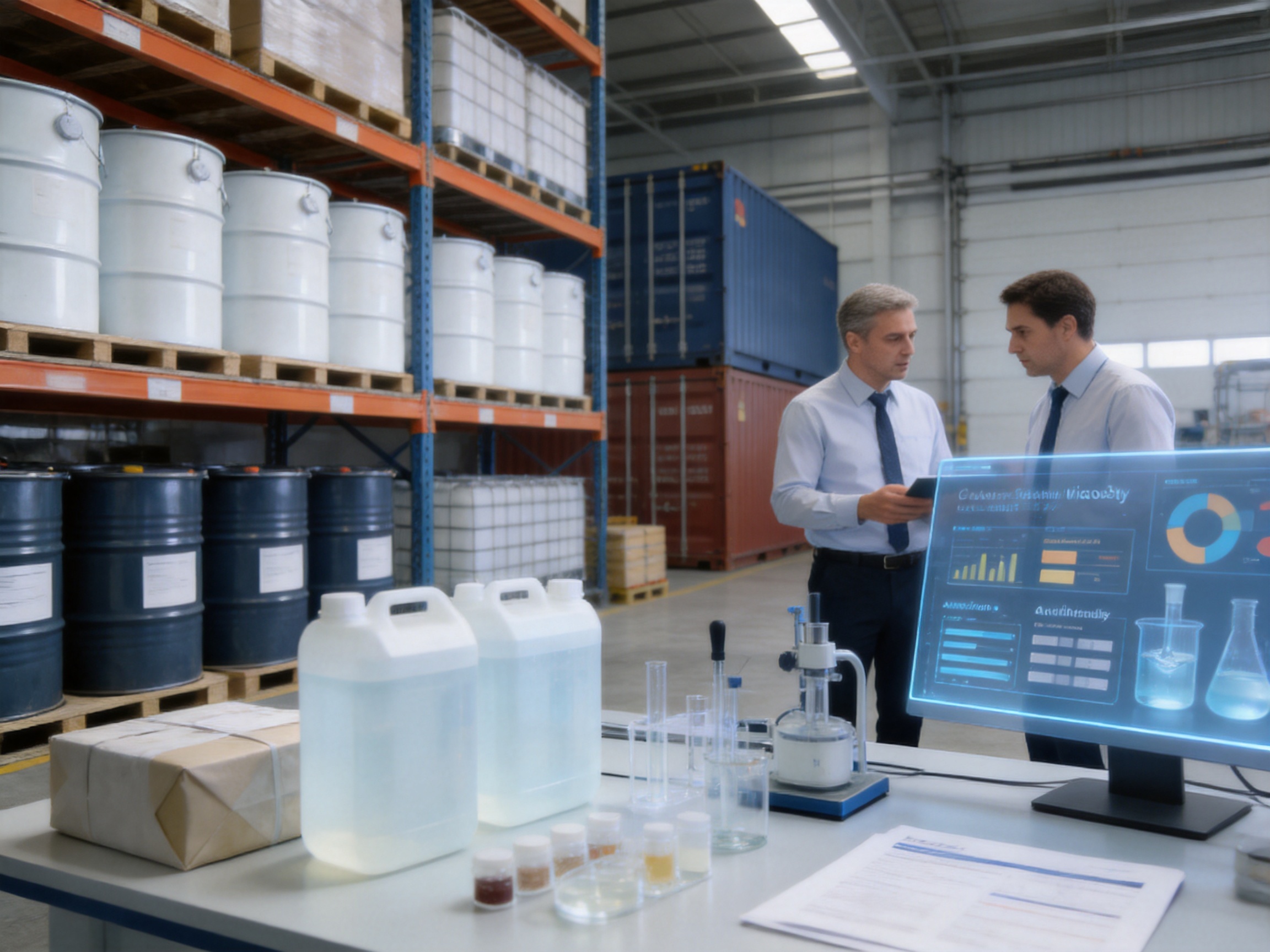
Why Manufacturing Strength Matters More Than Simple Price Comparison
When purchasing 107 silicone rubber, some buyers focus mainly on unit price. However, in industrial production, the lowest price is not always the lowest total cost. If a material causes curing instability, coating defects, viscosity variation, poor dispersion, odor, bubbles, or short shelf life, the hidden costs can exceed any initial savings. These costs may include production downtime, rejected batches, customer complaints, reformulation work, additional testing, and lost delivery time.
A high-quality supplier reduces these risks through stable manufacturing and quality control. Advanced equipment supports controlled production. Precise testing facilities confirm that product indicators meet requirements. Experienced technical teams understand how to prevent and solve process problems. Full-process monitoring creates traceability and consistency. These strengths give customers more confidence, especially when the material is used in large-scale production or exported finished goods.
The company’s broad silicone product matrix also reduces procurement complexity. Customers who need 107 silicone rubber may also need wetting agents, surfactants, defoamers, modified silicone oils, or dimethyl silicone oil. Sourcing these materials from a supplier with integrated silicone expertise can improve compatibility and communication. Instead of treating each ingredient separately, the customer can develop a more coherent formulation strategy.
Quality Indicators Buyers Should Evaluate
Professional buyers should evaluate 107 silicone rubber through both technical data and practical trial performance. Key indicators include appearance, viscosity, purity, volatile content, hydroxyl value or end-group activity, moisture content, storage stability, and compatibility with intended additives. For applications requiring electrical properties, dielectric behavior and cleanliness may also be important. For coating and release systems, film uniformity, curing behavior, and surface performance should be tested. For elastomers and sealants, tensile strength, elongation, hardness, adhesion, and aging resistance may be evaluated after formulation.
It is also important to assess batch-to-batch consistency. A single sample may perform well, but industrial users need repeatability. Suppliers should be able to maintain quality over multiple batches and provide technical communication when adjustments are required. The ability to customize and support development is particularly valuable when customers are scaling from laboratory trials to mass production.
Another evaluation factor is supply reliability. Silicone production depends on raw material availability, process capacity, packaging, logistics, and quality release timelines. A supplier with established manufacturing systems and export experience can help customers avoid interruptions. For industries such as agriculture, coatings, electronics, and textiles, timely supply can be as important as technical performance because production schedules are often tightly planned.
Sustainability and Responsible Use Considerations
Modern chemical raw material selection increasingly considers sustainability, efficiency, and responsible use. 107 silicone rubber contributes to product durability, which can reduce the need for frequent replacement or rework in many applications. Its thermal stability, weather resistance, and moisture resistance help extend service life in coatings, sealants, release systems, and protective materials. Longer service life can support more efficient material use over time.
Responsible processing is still necessary. Users should follow appropriate safety procedures, avoid contamination, manage waste according to local regulations, and select curing systems suitable for the intended application. The high flash point of 107 silicone rubber supports safer handling compared with many low-flash organic solvents, but normal industrial hygiene and storage practices remain important. Technical data and safety guidance should be reviewed before production use.
Manufacturers with controlled processes and testing systems also contribute to responsible supply by reducing off-specification batches and waste. Consistent quality means fewer rejected products and fewer unnecessary reformulation cycles. In this sense, advanced manufacturing is not only a commercial advantage but also a practical contribution to more efficient chemical use.
Future Development Potential of 107 Silicone Rubber
The demand for high-performance silicone materials continues to grow across agriculture, electronics, coatings, textiles, daily chemicals, and industrial manufacturing. 107 silicone rubber remains important because it is a flexible platform material. Through viscosity control, additive design, and crosslinking chemistry, it can be adapted to many different performance targets. As industries require better durability, more stable processing, and more specialized surface properties, high-quality hydroxyl-terminated silicone polymers will continue to play a central role.
Future development will likely focus on more precise molecular weight control, lower volatile content, better compatibility with specialty additives, improved environmental performance, and customized grades for specific industries. Agricultural silicone products may require stronger formulation stability and efficient spreading. Electronics materials may demand higher cleanliness and reliable insulation. Coatings may require improved leveling, low defect rates, and durable hydrophobic surfaces. Release systems may seek longer service life and reduced transfer. These trends favor suppliers with R&D capability, advanced manufacturing, and practical application experience.
Hebei Guituo New Material Co., Ltd. is well positioned for these trends because it combines production, research, quality control, and a diverse silicone product layout. Its experience in agricultural silicone products, industrial additives, modified silicone oils, surfactants, defoamers, and related materials allows it to support customers beyond a single product transaction. This integrated strength is a key reason why its 107 silicone rubber can serve as a reliable foundation for advanced silicone formulations.
Q&A Section
Q1: What is 107 silicone rubber?
107 silicone rubber is α,ω-dihydroxy polydimethylsiloxane, also known as hydroxyl-terminated polydimethylsiloxane or OH-PDMS. It is generally used to describe hydroxyl silicone oil with a viscosity above 2500 mPa·s. Because it contains hydroxyl groups at both ends of the molecular chain, it can react with crosslinking agents and form elastomers or films.
Q2: What are the main advantages of 107 silicone rubber?
Its main advantages include excellent high and low temperature resistance, electrical insulation, high flash point, low freezing point, low surface tension, water repellency, moisture resistance, chemical inertness, physiological inertness, and reactive hydroxyl functionality. These properties make it useful in coatings, sealants, release agents, agricultural silicone formulations, electronics materials, textile finishing, and other industrial systems.
Q3: Why is viscosity so important for this product?
Viscosity reflects molecular weight and chain length. Low-viscosity grades are easier to pump, mix, and disperse, while high-viscosity grades can provide stronger film formation and improved elasticity after curing. Correct viscosity selection helps balance processing convenience and final product performance.
Q4: How does 107 silicone rubber compare with dimethyl silicone oil?
Dimethyl silicone oil is generally non-reactive and is often used for lubrication, release, and surface modification. 107 silicone rubber has hydroxyl end groups, so it can participate in crosslinking reactions and form elastomers or films. This makes it more suitable as a base polymer for cured silicone systems.
Q5: What makes a high-quality 107 silicone rubber better than ordinary competing products?
High-quality material offers more stable viscosity, higher purity, better transparency, lower volatile content, more predictable curing, and better compatibility with additives. These features reduce production defects and improve batch-to-batch consistency, which is especially important for industrial-scale manufacturing.
Q6: What manufacturing strengths support stable product quality?
Stable quality depends on controlled raw materials, advanced production equipment, precise testing facilities, experienced technical teams, and full-process quality monitoring. Hebei Guituo New Material Co., Ltd. uses these strengths to manage polymerization, viscosity control, purification, filtration, and finished product inspection.
Q7: Can 107 silicone rubber be customized?
Yes. Customization may include viscosity range, packaging, compatibility requirements, and formulation direction. The company accepts OEM and ODM orders, allowing customers to develop materials suited to agricultural, coating, release, textile, electronics, and sealant applications.
Q8: Is 107 silicone rubber suitable for agricultural silicone products?
Yes, it can be used in agricultural silicone-related formulations where stable silicone behavior, controlled viscosity, and compatibility with wetting agents or surfactants are required. Proper formulation design is necessary to match agrochemical ingredients and application conditions.
Q9: What should users consider during processing?
Users should consider viscosity, processing temperature, mixing equipment, additive compatibility, moisture control, filler dispersion, crosslinker selection, catalyst dosage, and degassing requirements. Stable raw material quality makes processing easier and helps reproduce successful formulations.
Q10: How should 107 silicone rubber be stored?
It should be stored in sealed containers in a cool, dry, and ventilated environment. Containers should be closed after use to prevent contamination and moisture exposure. Proper storage helps maintain viscosity stability and downstream curing performance.
Conclusion
107 silicone rubber is a versatile and high-value silicone raw material that combines the stability of polydimethylsiloxane with the reactivity of hydroxyl end groups. Its performance advantages include thermal endurance, electrical insulation, low surface tension, hydrophobicity, moisture resistance, chemical inertness, and adjustable viscosity. These features allow it to serve as a base polymer for elastomers, coatings, release agents, agricultural silicone systems, electronics materials, textile finishing agents, and many other products.
The true value of 107 silicone rubber depends heavily on manufacturing quality. Stable viscosity, high purity, low volatile content, transparency, and batch consistency are essential for reliable industrial use. Hebei Guituo New Material Co., Ltd. strengthens these qualities through advanced production equipment, precise testing facilities, experienced teams, full-process quality control, and a broad silicone product portfolio. Its ability to provide related silicone additives, wetting agents, surfactants, modified silicone oils, dimethyl silicone oil, and defoamers further supports integrated formulation development.
For customers seeking a dependable silicone base polymer, 107 silicone rubber offers clear advantages over ordinary organic materials, non-reactive silicone oils, and inconsistent low-grade alternatives. With proper viscosity selection and formulation design, it can improve processing efficiency, final performance, storage stability, and product reliability. As industrial and agricultural markets continue to demand higher performance and more specialized silicone solutions, high-quality 107 silicone rubber will remain a key material for innovation and long-term value creation.
References
1. Noll, W. Chemistry and Technology of Silicones. Academic Press.
2. Brook, M. A. Silicon in Organic, Organometallic, and Polymer Chemistry. Wiley.
3. Owen, M. J., and Dvornic, P. R. Silicone Surface Science. Springer.
4. Clarson, S. J., and Semlyen, J. A. Siloxane Polymers. Prentice Hall.
5. Mark, J. E., Allcock, H. R., and West, R. Inorganic Polymers. Oxford University Press.
6. Zweifel, H., Maier, R. D., and Schiller, M. Plastics Additives Handbook. Hanser Publishers.
7. Wacker Chemie AG. Silicone Elastomers and Silicone Fluids Technical Literature.
8. Ullmann’s Encyclopedia of Industrial Chemistry. Silicone Oils and Silicone Elastomers.


Contact Information
Tel : +86-400-138-5268
Email : [email protected]
Phone : +86-15128434888 / +86-13511051998
Add : Xinqiao Environmental Protection Industrial Park, Wen'an County, Langfang City, Hebei Province, China
Contact Information
Copyright © Hebei Guituo New Material Co., Ltd. All Rights Reserved.
