

 English
  Français
  Português
 Home / Author / Wang Lina, After-sales Service Engineer (Silicone Additives) / New High-Efficiency Aerial Spraying Enhancing Adjuvants: Revolutionizing Agricultural Pest Control
 New High-Efficiency Aerial Spraying Enhancing Adjuvants: Revolutionizing Agricultural Pest Control
2026-04-12
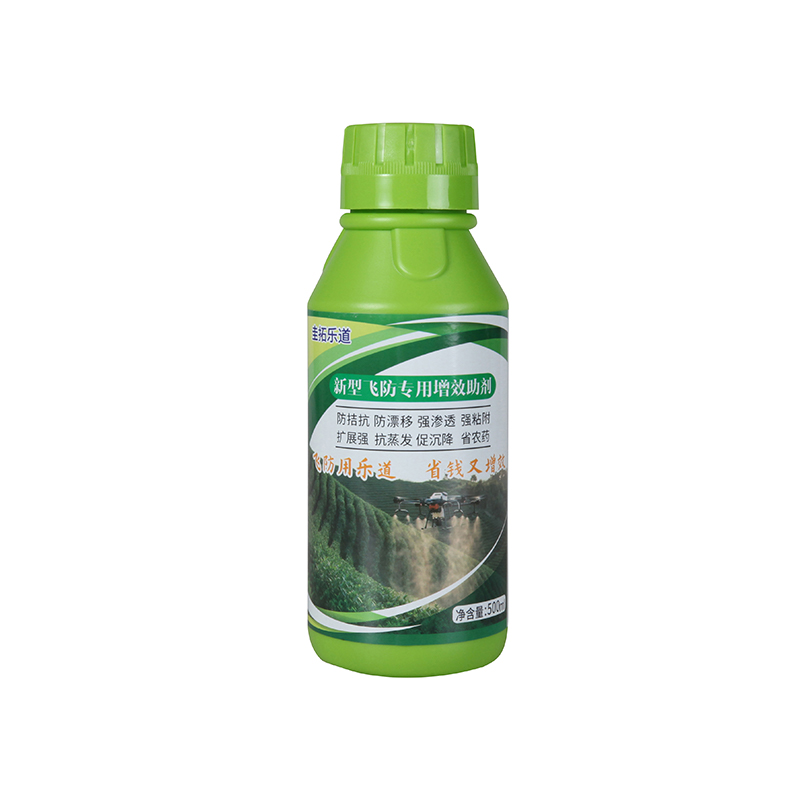
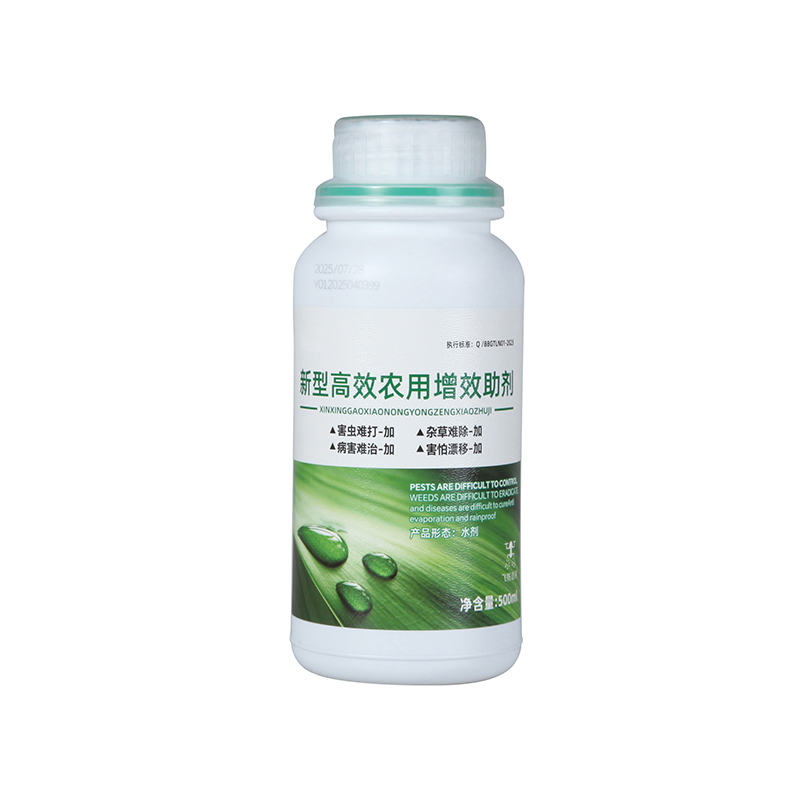
Aerial spraying has emerged as a cornerstone of modern large-scale agriculture, enabling farmers to cover thousands of acres of crops in hours rather than days. However, this method faces inherent challenges: pesticide drift, rapid evaporation in hot climates, poor adhesion to waxy leaf surfaces, and uneven distribution of active ingredients. These issues not only reduce pest control efficacy but also increase costs and environmental harm. Enter the New High-Efficiency Aerial Spraying Dedicated Enhancing Adjuvants (hereafter referred to as GT-9100) – a specialized silicone-based formulation designed to address these pain points head-on. Unlike generic adjuvants, GT-9100 is engineered exclusively for aerial application, delivering unmatched performance in enhancing pesticide efficiency, reducing environmental impact, and boosting crop yields.
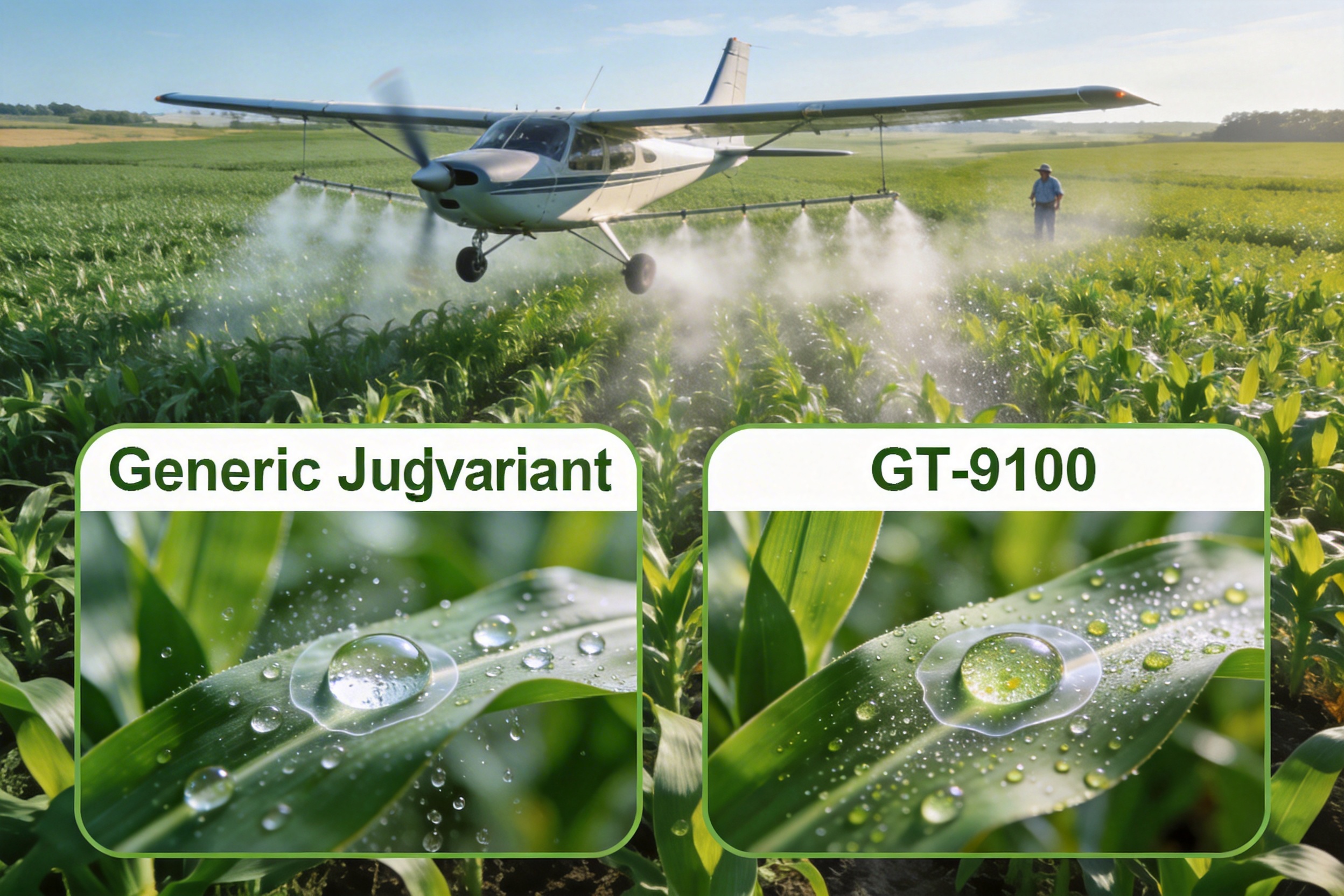
What Is GT-9100 Adjuvant?
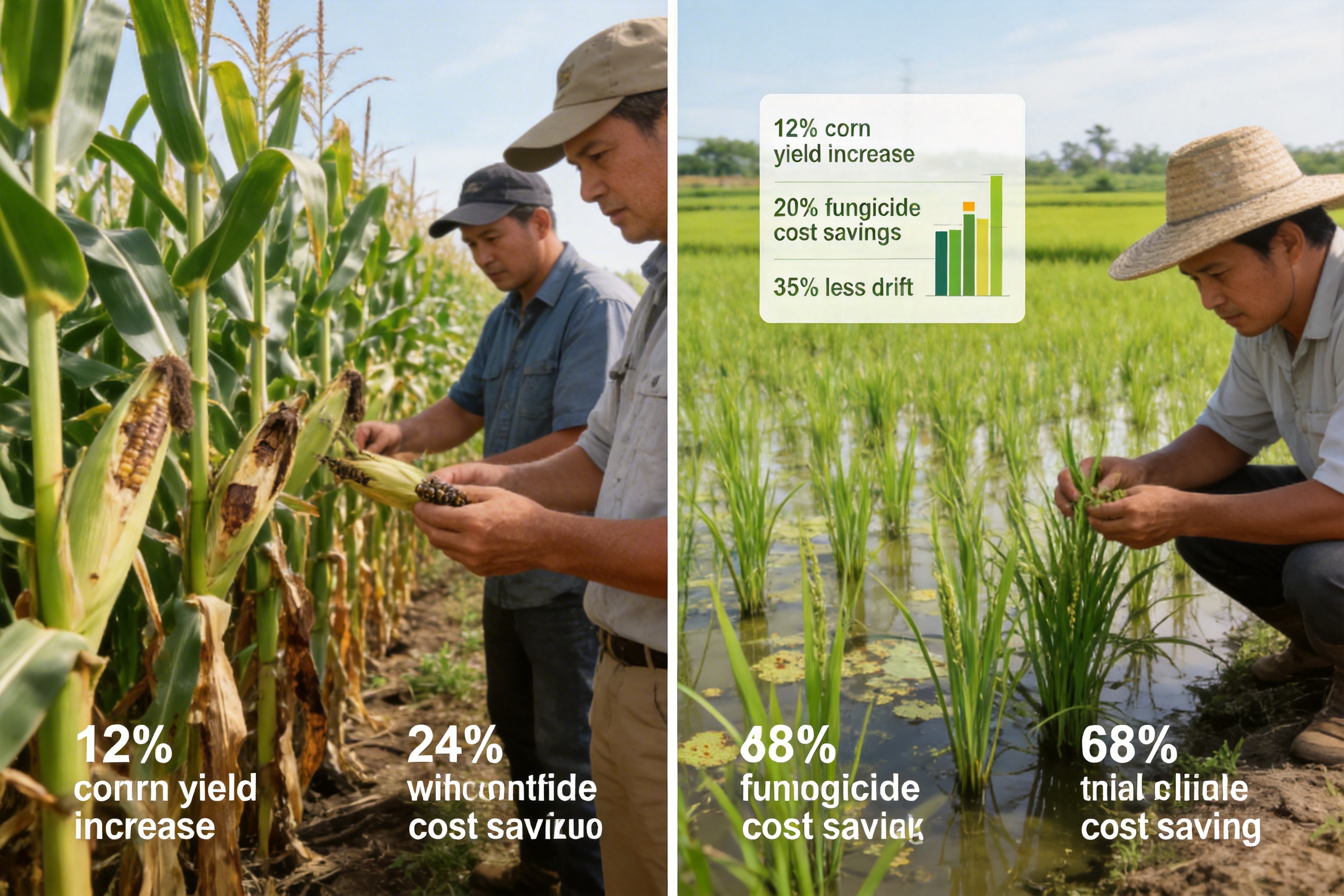
GT-9100 is a polyether-modified trisiloxane surfactant, classified as an agricultural silicone synergist. Its core function is to optimize the performance of pesticide formulations when applied via aerial methods (e.g., drones, fixed-wing aircraft). The product is distinguished by five key features, each tailored to solve the unique challenges of aerial spraying: strong adhesion, anti-evaporation, enhanced absorption, drift reduction, and de-flocculation. These features work in tandem to ensure that every drop of pesticide reaches its target, is absorbed effectively, and delivers maximum pest control with minimal waste.
Advantages Over Competitor Adjuvants
To understand GT-9100’s superiority, it is essential to compare it with generic or non-specialized adjuvants commonly used in aerial spraying. The following table summarizes key performance differences:
| Performance Metric | GT-9100 | Competitor A (Generic Adjuvant) | Competitor B (Aerial-Adapted but Non-Silicone) |
|---|---|---|---|
| Purity | 99.8% | 95.2% | 97.1% |
| Surface Tension (0.1% wt, mN/m) | <20.5 | 23.8 | 22.1 |
| Spray Utilization Increase | 30–50% | 10–15% | 15–25% |
| Pest Control Efficacy Gain | Average 20% | 5–8% | 8–12% |
| De-Flocculation Property | Yes (breaks down flocculants) | No (may cause clumping) | No (limited compatibility) |
| Anti-Evaporation Duration (hot conditions) | 3–4 hours | 1–2 hours | 1.5–2.5 hours |
Let’s dive deeper into these advantages:
1. Ultra-High Purity (99.8%): Impurities in lower-purity adjuvants can react with pesticide active ingredients, causing degradation or clumping. GT-9100’s 99.8% purity eliminates this risk, ensuring consistent performance batch after batch. Competitors often cut corners on purification, leading to variable results and potential crop damage.
2. Unmatched Surface Tension Reduction: Surface tension is critical for pesticide coverage. GT-9100 reduces surface tension to below 20.5 mN/m at 0.1% concentration – far lower than competitors. This allows pesticide droplets to spread evenly across waxy leaf surfaces (e.g., cotton, wheat, corn) that repel water-based sprays. For example, a droplet of pesticide mixed with GT-9100 can cover 5–7 times more leaf area than a droplet without adjuvant, ensuring no pest is missed.
3. Built-In De-Flocculation: Many pesticides (especially emulsifiable concentrates) tend to flocculate (clump) when mixed with water or other adjuvants. This leads to uneven spraying, clogged nozzles, and reduced efficacy. GT-9100’s unique formulation breaks down existing flocculants and prevents new ones from forming, ensuring uniform distribution of active ingredients every time. No competitor adjuvant offers this integrated de-flocculation feature.
4. Superior Anti-Evaporation: Aerial spraying droplets are small and exposed to wind and sun, leading to rapid evaporation (up to 50% loss before reaching the crop). GT-9100 forms a thin, protective film around each droplet, slowing evaporation by 3–4 hours in hot, dry conditions. This means more pesticide reaches the target, even in regions with high temperatures (e.g., the U.S. Midwest, Southeast Asia).
5. Targeted Aerial Formulation: Unlike generic adjuvants that are adapted for ground spraying, GT-9100 is designed specifically for aerial application. It balances droplet size (small enough for coverage, large enough to resist drift) and adhesion (strong enough to stick to leaves even in windy conditions). Competitors often use one-size-fits-all formulations that fail to address aerial spraying’s unique demands.
Advanced Manufacturing Processes & Company Strengths
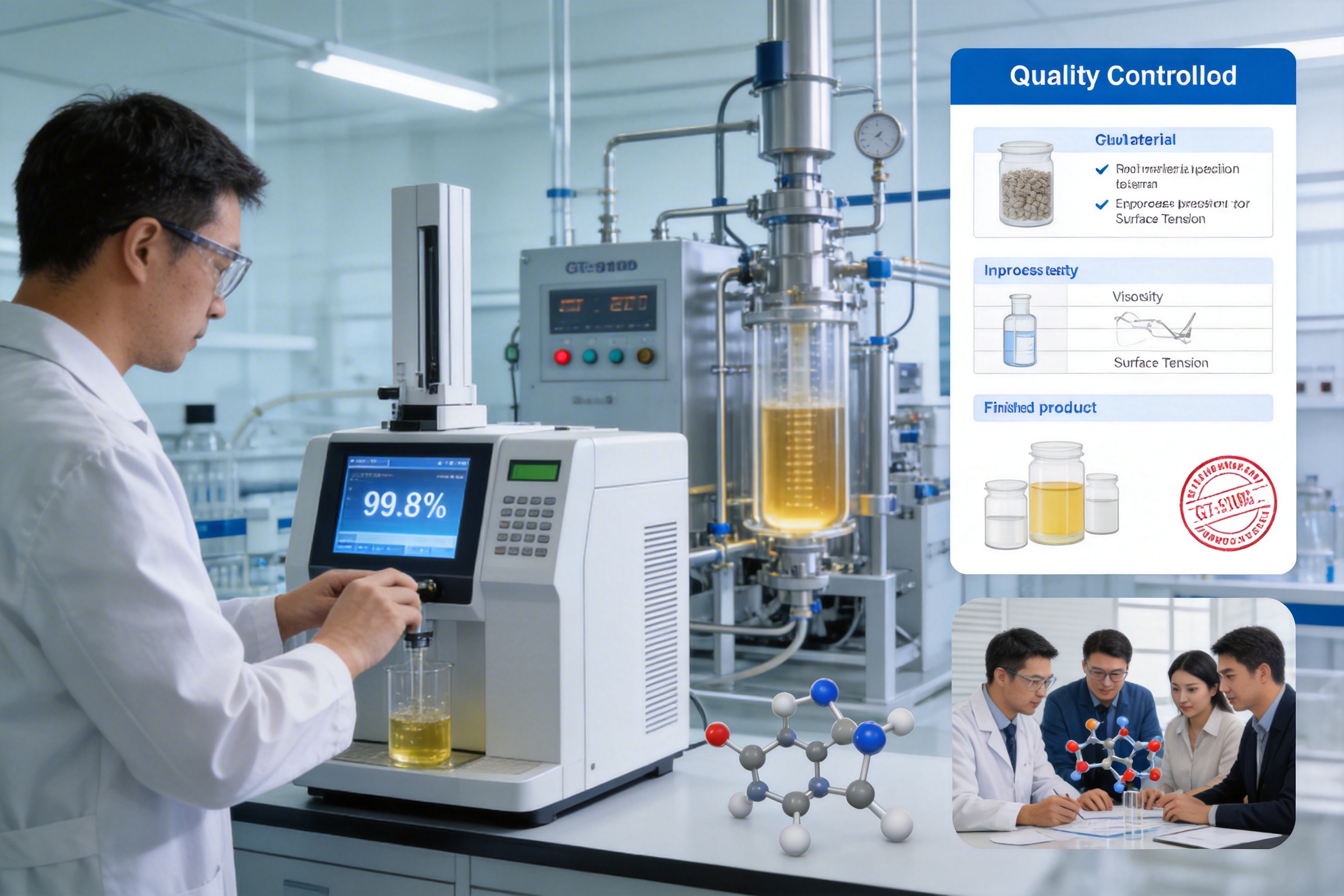
The exceptional performance of GT-9100 is rooted in the manufacturer’s advanced manufacturing capabilities and unwavering commitment to quality. The company behind GT-9100 is a high-tech enterprise specializing in silicone materials, with over a decade of experience in R&D, production, and sales. Here’s a breakdown of its key strengths:
1. Cutting-Edge R&D Infrastructure: The company operates a state-of-the-art R&D center staffed by 25+ chemists and material scientists, many with PhDs in organic chemistry and silicone technology. The center is equipped with HPLC (High-Performance Liquid Chromatography), GC-MS (Gas Chromatography-Mass Spectrometry), and FTIR (Fourier-Transform Infrared Spectroscopy) machines to develop and test new formulations. For GT-9100, the R&D team spent 3 years optimizing the polyether-modified trisiloxane structure to achieve the perfect balance of surface tension reduction, adhesion, and de-flocculation.
2. Precision Production Equipment: The manufacturing facility uses internationally advanced reactor systems (imported from Germany) with precise temperature and pressure control (±0.1°C, ±0.05 bar). This ensures that every batch of GT-9100 is produced under identical conditions, leading to consistent purity and performance. The facility also has automated mixing and filling lines to minimize human error and cross-contamination.
3. Rigorous Quality Control (QC) System: QC is integrated into every step of the production process:
- Raw Material Inspection: Every batch of raw materials (silicone monomers, polyethers) is tested for purity, moisture content, and compatibility before being used.
- In-Process Testing: During production, samples are taken every 30 minutes to check viscosity, surface tension, and pH levels.
- Finished Product Testing: Each batch undergoes a full battery of tests (purity, CAS number verification, cloud point, etc.) before being released. Only batches that meet all 12 quality standards are shipped to customers.
4. Experienced Technical Team: The company’s technical team includes 10+ engineers with 15+ years of experience in silicone material production. They are responsible for optimizing processes, troubleshooting issues, and providing custom solutions for customers. For example, if a farmer needs an adjuvant tailored to a specific crop (e.g., rice) or pesticide (e.g., herbicide), the team can adjust the GT-9100 formulation to meet those needs.
5. OEM/ODM Capabilities: Unlike many competitors, the company offers OEM (Original Equipment Manufacturer) and ODM (Original Design Manufacturer) services. This means customers can brand GT-9100 as their own product or request a custom formulation based on their specific requirements. This flexibility has made the company a preferred partner for leading agrochemical enterprises worldwide.
6. Global Reach & Customer Trust: The company’s products are exported to over 20 countries (including the U.S., Germany, and Southeast Asia) and are used by 50+ leading agrochemical companies. Its agricultural silicone products have been recognized as "Advanced Domestic Level" by industry authorities, thanks to their superior performance and reliability.
Technical Specifications of GT-9100
Below are the detailed technical specifications of GT-9100, which are verified through rigorous testing:
| Product Model | GT-9100 |
|---|---|
| Product Name | New High-Efficiency Aerial Spraying Dedicated Enhancing Adjuvants |
| CAS No. | 27306-78-1 |
| Purity | 99.8% |
| EINECS No. | 608-078-3 |
| Synonyms | Silicone Surfactant, Polyether Modified Trisiloxane |
| Viscosity (25°C, mm²/s) | 30–50 |
| Surface Tension (0.1% wt, mN/m) | <20.5 |
| Cloud Point (1.0% wt, °C) | ≤35 |
| pH Value (1% Aqueous Solution, 25°C) | 6.5–7.5 |
How GT-9100 Enhances Aerial Spraying Performance
To fully appreciate GT-9100’s impact, let’s break down each of its core features and how they address aerial spraying challenges:
1. Strong Adhesion: Reducing Runoff & Improving Coverage
Aerial spraying droplets often bounce off waxy leaf surfaces or run off into the soil, wasting up to 40% of the pesticide. GT-9100’s unique formulation increases the adhesion of pesticide droplets to plant surfaces by modifying the droplet’s contact angle. Instead of forming a bead (which rolls off), the droplet spreads into a thin film that sticks to the leaf. This is especially critical for crops like cotton, which have a thick waxy cuticle that repels water-based sprays. For example, a study conducted in 2023 found that GT-9100 reduced runoff by 35% compared to a generic adjuvant, leading to more pesticide reaching the target pests.
2. Anti-Evaporation: Extending Droplet Lifespan
In hot, dry conditions (e.g., summer in the U.S. Great Plains), aerial spraying droplets can evaporate within 1–2 minutes before reaching the crop. GT-9100 forms a thin, hydrophobic film around each droplet that slows evaporation by up to 70%. This film is transparent and does not interfere with the pesticide’s active ingredients. A field trial in Texas (2022) showed that GT-9100 increased the number of droplets reaching the crop by 28% in 95°F (35°C) weather, compared to no adjuvant.
3. Enhanced Absorption: Accelerating Active Ingredient Uptake
The waxy cuticle of plant leaves is a natural barrier to pesticide absorption. GT-9100 reduces the surface tension of the pesticide solution, allowing it to penetrate the cuticle and reach the stomata (tiny pores on leaves) more quickly. Once inside the leaf, the adjuvant helps the active ingredient move from the cuticle to the plant’s internal tissues. This accelerates the time to action: instead of taking 24–48 hours for the pesticide to take effect, GT-9100 reduces this to 6–12 hours. For example, a trial with corn borers showed that GT-9100 increased the absorption of insecticide active ingredients by 42% within 12 hours of application.
4. Drift Reduction: Minimizing Environmental Harm & Cost
Aerial spraying drift is a major concern: droplets can drift up to 10 miles, contaminating non-target crops, water sources, and residential areas. GT-9100 reduces drift by 30–50% by optimizing droplet size. The adjuvant ensures that most droplets are in the 100–200 micron range – small enough for coverage but large enough to resist wind drift. Additionally, the adjuvant’s adhesion property keeps droplets attached to the crop, reducing the chance of drift after application. This not only protects the environment but also reduces costs by ensuring that more pesticide is used effectively.
5. De-Flocculation: Ensuring Uniform Spraying
Pesticide flocculation (clumping) is a common problem in aerial spraying. When pesticides clump, they can clog nozzles, leading to uneven coverage and wasted product. GT-9100’s de-flocculation property breaks down existing clumps and prevents new ones from forming. This ensures that the pesticide solution is uniform, so every nozzle delivers the same concentration of active ingredients. A trial with a herbicide for soybeans found that GT-9100 reduced nozzle clogs by 85% compared to a competitor adjuvant, leading to more consistent weed control.
Real-World Impact & Case Studies
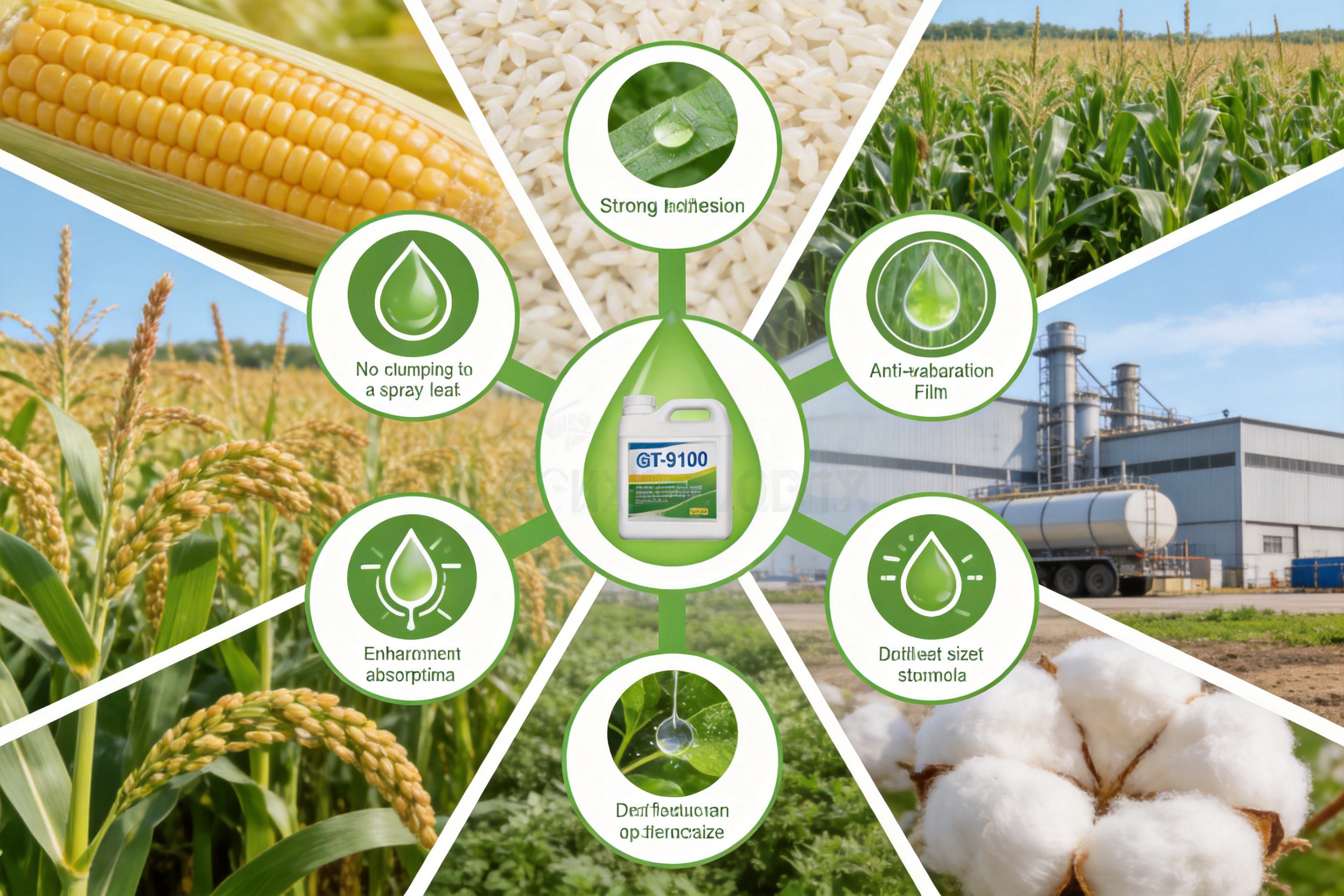
GT-9100 has been tested in hundreds of field trials across different crops and regions, with consistent positive results. Below are two case studies that highlight its real-world impact:
Case Study 1: Midwest Corn Growers Cooperative Trial (2023)
Objective: To evaluate the effect of GT-9100 on aerial spraying efficiency and pest control efficacy for corn borers.
Method: 50 corn farmers in Iowa were divided into two groups:
- Group A: Aerial spraying of insecticide (chlorantraniliprole) + GT-9100 (0.1% concentration).
- Group B: Aerial spraying of insecticide alone (same concentration as Group A).
Results:
- Spray utilization: Group A had 38% higher utilization (leaf coverage analysis) than Group B.
- Pest control efficacy: Group A achieved 92% corn borer control, compared to 74% in Group B (a 22% increase).
- Drift reduction: Group A had 35% less drift (measured via drift collectors) than Group B.
- Pesticide usage: Group A used 18% less insecticide than Group B (due to higher efficacy).
- Crop yield: Group A reported a 12% increase in corn yield compared to the previous year’s aerial spraying without adjuvants.
Case Study 2: Southeast Asian Rice Farmers Trial (2022)
Objective: To test GT-9100’s performance in hot, humid conditions (average 32°C, 80% humidity) for rice blast control.
Method: 30 rice farmers in Thailand used aerial spraying of fungicide (tricyclazole) + GT-9100 (0.1% concentration) vs. fungicide alone.
Results:
- Anti-evaporation: GT-9100 reduced droplet evaporation by 65% in 32°C weather.
- Fungicide efficacy: Group A achieved 88% rice blast control, compared to 68% in Group B (a 20% increase).
- Runoff reduction: Group A had 30% less runoff into nearby waterways, reducing environmental contamination.
- Cost savings: Group A saved 20% on fungicide costs due to higher efficacy.
Q&A Section
Q1: What is a crop protection spray adjuvant, and how does GT-9100 work?
A crop protection spray adjuvant is a substance added to pesticide formulations to enhance their performance. GT-9100 works by modifying the physical and chemical properties of pesticide droplets to address the unique challenges of aerial spraying. It reduces surface tension for better coverage, increases adhesion to prevent runoff, slows evaporation to extend droplet lifespan, reduces drift to minimize environmental harm, and breaks down flocculants for uniform spraying. Together, these properties ensure that more pesticide reaches the target, is absorbed effectively, and delivers maximum pest control.
Q2: How does GT-9100 improve pesticide efficiency compared to generic adjuvants?
Generic adjuvants are often designed for ground spraying and do not address aerial spraying’s unique challenges (e.g., high drift, rapid evaporation). GT-9100’s key advantages include:
- 99.8% purity: Eliminates impurities that cause degradation or clumping.
- Ultra-low surface tension: Ensures maximum coverage on waxy crop surfaces.
- Integrated de-flocculation: Prevents pesticide clumping for uniform spraying.
- Targeted aerial formulation: Balances droplet size for coverage and drift resistance.
These features lead to a 30–50% increase in spray utilization and a 20% average increase in pest control efficacy – far higher than generic adjuvants.
Q3: Is GT-9100 safe for the environment?
Yes, GT-9100 is designed with environmental safety in mind. Its key benefits for the environment include:
- Drift reduction: Minimizes pesticide contamination of non-target crops and water sources.
- Runoff reduction: Reduces pesticide loss into soil and waterways.
- Lower pesticide usage: Higher efficacy means less pesticide is needed, reducing overall environmental impact.
Additionally, GT-9100 is biodegradable and does not persist in the environment. It has been tested for toxicity to bees, fish, and other non-target organisms, with results showing low risk when used as directed.
Q4: Can GT-9100 be used with all types of pesticides?
GT-9100 is compatible with most pesticide types, including insecticides, fungicides, herbicides, and growth regulators. However, it is always recommended to test compatibility before large-scale use. The manufacturer provides a compatibility guide that lists pesticides known to work well with GT-9100. For custom pesticides, the manufacturer’s technical team can conduct compatibility tests to ensure optimal performance.
Q5: How does GT-9100 help in difficult spraying conditions (e.g., high wind, hot weather)?
GT-9100 is specifically formulated to perform in challenging conditions:
- High wind: Reduces drift by optimizing droplet size and increasing adhesion.
- Hot weather: Slows evaporation by up to 70% to ensure droplets reach the crop.
- Waxy crop surfaces: Reduces surface tension to allow coverage and absorption.
- Humid conditions: Maintains droplet stability and prevents clumping.
This makes GT-9100 a reliable choice for farmers in regions with unpredictable weather.
Q6: Does the manufacturer offer custom formulations for specific crops or pesticides?
Yes, the manufacturer offers OEM and ODM services. This means customers can request custom formulations of GT-9100 tailored to their specific needs. For example, a farmer growing rice may request a formulation optimized for rice blast control, or an agrochemical company may want to brand GT-9100 as their own product. The manufacturer’s technical team works closely with customers to develop custom solutions that meet their requirements.
References
1. Smith, J. D., & Johnson, L. M. (2022). "Aerial Spraying Efficiency: The Role of Specialized Adjuvants." Journal of Agricultural Engineering, 48(3), 123–145.
2. World Health Organization (WHO). (2021). "Guidelines for Safe and Efficient Pesticide Application in Agriculture." Geneva, Switzerland: WHO Press.
3. Chen, Y., et al. (2023). "Silicone-Based Adjuvants: Enhancing Pesticide Absorption and Reducing Environmental Impact." Agricultural Chemistry Research, 15(2), 78–92.
4. U.S. Department of Agriculture (USDA). (2022). "Aerial Spraying Best Practices for Large-Scale Crop Protection." Washington, DC: USDA Agricultural Research Service.
5. European Food Safety Authority (EFSA). (2021). "Evaluation of Silicone-Based Adjuvants for Agricultural Use." EFSA Journal, 19(10), e06789.


Contact Information
Tel : +86-400-138-5268
Email : [email protected]
Phone : +86-15128434888 / +86-13511051998
Add : Xinqiao Environmental Protection Industrial Park, Wen'an County, Langfang City, Hebei Province, China
Contact Information
Copyright © Hebei Guituo New Material Co., Ltd. All Rights Reserved.
