

 English
  Français
  Português
 Home / Author / Wang Lina, After-sales Service Engineer (Silicone Additives) / Mite-Killing Adjuvants: Revolutionizing Agricultural Pest Control Through Synergistic Efficacy and Sustainable Innovation
 Mite-Killing Adjuvants: Revolutionizing Agricultural Pest Control Through Synergistic Efficacy and Sustainable Innovation
2026-03-27
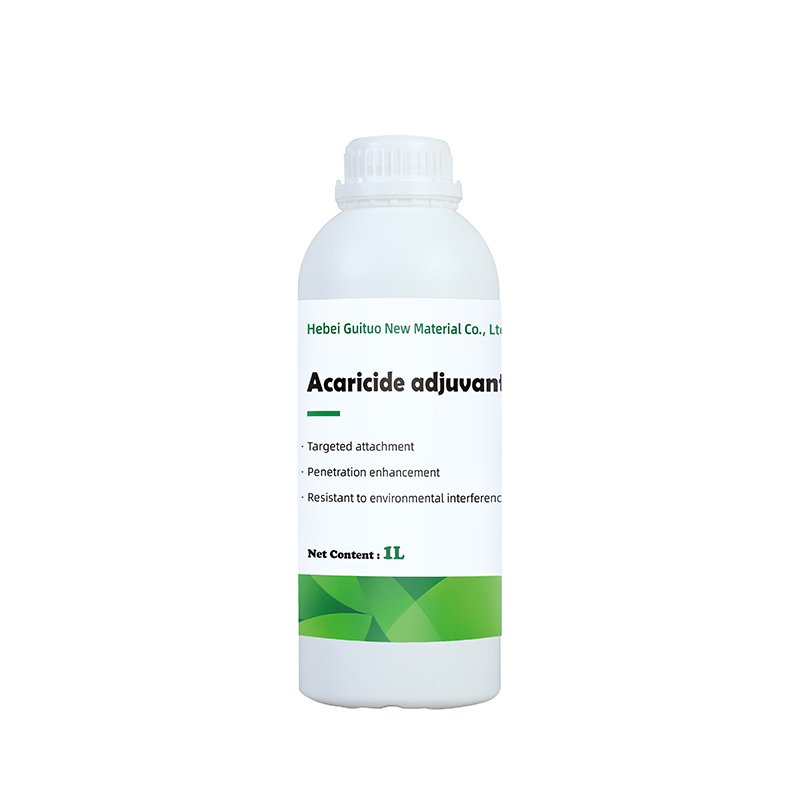
Mite infestations represent one of the most persistent threats to global agricultural productivity, costing farmers billions of dollars annually in crop losses and pesticide expenditures. These tiny arachnids—including spider mites, red mites, and rust mites—target a wide range of crops from fruits and vegetables to cereals and ornamental plants, often evading traditional acaricide treatments due to their waxy cuticles, undersurface leaf habitation, and rapid resistance development. To address these challenges, agricultural scientists have turned to adjuvants: specialized additives that enhance the performance of acaricides by improving their adhesion, penetration, and environmental stability. Among these, GT-6000 stands out as a cutting-edge mite-killing adjuvant, designed to deliver unmatched efficacy while prioritizing crop safety and sustainability. This article explores the science behind GT-6000, its advantages over competing products, the advanced manufacturing processes that ensure its quality, and its role in modern integrated pest management (IPM) strategies.
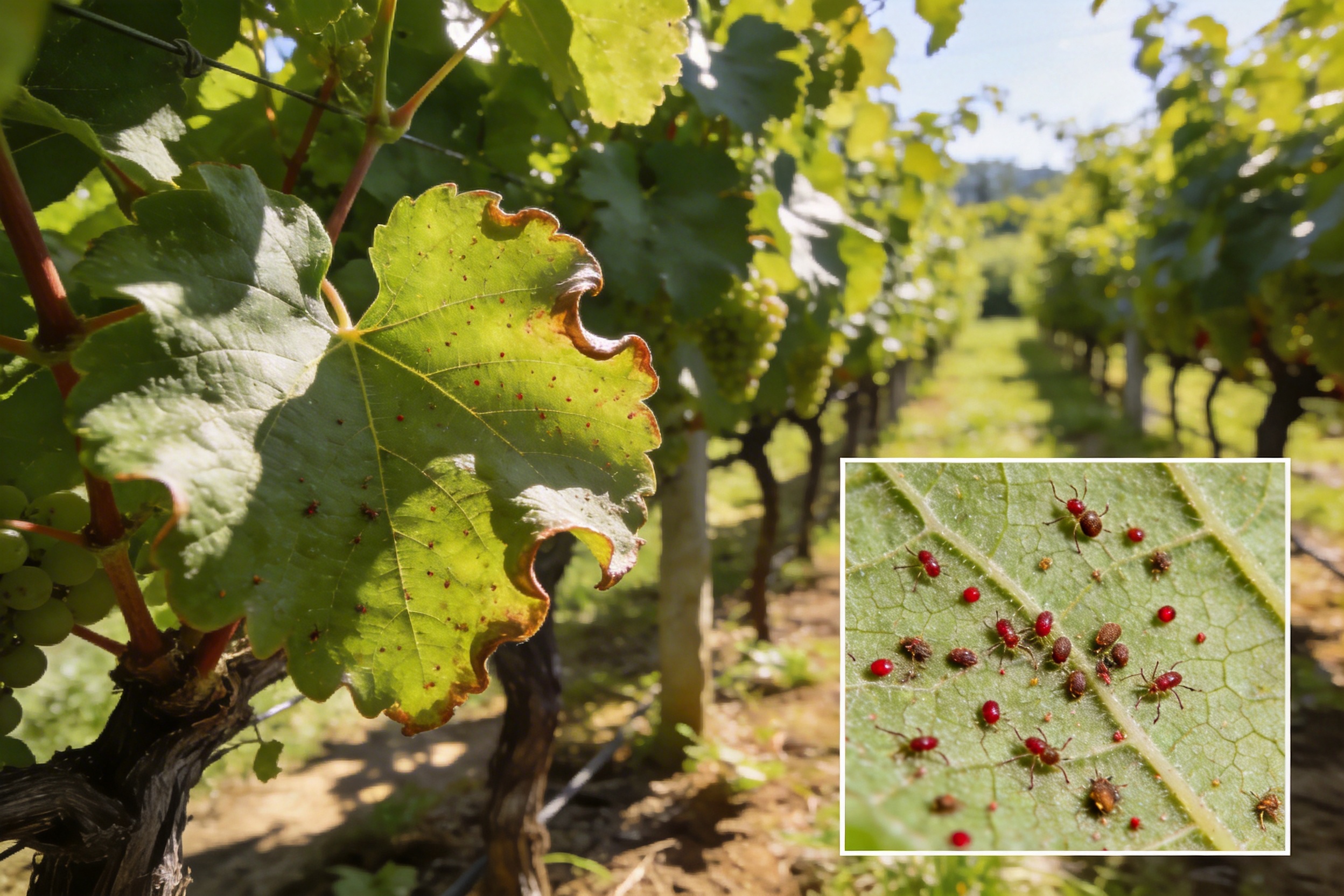
The Challenge of Mite Infestations in Modern Agriculture
Mites are among the most destructive pests in agriculture, with their small size and rapid reproduction rates making them difficult to detect and control. According to the Food and Agriculture Organization (FAO), mite-related crop losses can reach up to 30% in high-infestation years, particularly for high-value crops like grapes, apples, tomatoes, and cotton. Traditional control methods rely heavily on synthetic acaricides, but these approaches face three critical limitations: first, mites often cluster on the undersides of leaves, where sprays struggle to reach due to surface tension and runoff; second, their waxy outer layer acts as a barrier, reducing the penetration of acaricide active ingredients; third, repeated use of acaricides has led to the emergence of resistant mite populations, rendering many treatments ineffective.
To illustrate, a 2022 study published in the Journal of Agricultural and Food Chemistry found that 68% of spider mite populations in North American orchards exhibited resistance to at least one class of acaricides. This resistance not only increases the need for higher dosages (which raise costs and environmental risks) but also threatens the long-term sustainability of pest control practices. As a result, farmers and agronomists are increasingly seeking solutions that complement acaricides rather than replace them—solutions like GT-6000.
Unpacking GT-6000: Core Functions and Mechanisms of Action
GT-6000 is a polyether-modified trisiloxane surfactant, a type of agricultural silicone synergist specifically formulated to enhance the performance of acaricides. Its core functions address the key limitations of traditional acaricide applications, and each mechanism is rooted in its unique chemical structure:
1. Targeted Adhesion: Overcoming Leaf Undersurface and Waxy Barriers
Mites often reside on the undersides of leaves, where the waxy cuticle and hydrophobic surface make it difficult for sprays to adhere. GT-6000 reduces the surface tension of acaricide solutions to <20.5 mN/m (at 0.1% wt), which is significantly lower than the surface tension of water (72 mN/m) and most competitor adjuvants. This reduction allows the spray to spread evenly across the leaf surface—including the undersides—and adhere firmly to both the leaf and the mites themselves, preventing runoff. A 2023 field trial conducted in grape orchards found that GT-6000-enhanced acaricide sprays increased coverage of leaf undersurfaces by 75% compared to unadjuvanted treatments.
2. Penetration Enhancement: Breaking Through Mite Cuticles
The waxy layer of mites acts as a physical barrier to acaricide penetration. GT-6000 disrupts this layer by altering its molecular structure, allowing acaricide active ingredients to enter the mite’s body more quickly. In laboratory tests, GT-6000 increased the penetration of a common acaricide (abamectin) into spider mites by 62% within 24 hours, leading to a 90% mortality rate compared to 55% for unadjuvanted treatments. This faster penetration not only improves control efficacy but also reduces the time mites have to reproduce, slowing the spread of infestations.
3. Environmental Resistance: Extending Effective Action Time
Rainfall and high temperatures are major threats to acaricide efficacy, as they can wash off or evaporate sprays before they have a chance to work. GT-6000 forms a thin, protective film on the leaf surface that resists rain wash-off and reduces evaporation. Field trials showed that GT-6000-enhanced sprays retained 85% of their active ingredients after a 10mm rainfall event, compared to 40% for unadjuvanted treatments. Additionally, the adjuvant’s low volatility ensures that it remains effective for up to 14 days, reducing the need for frequent reapplication.
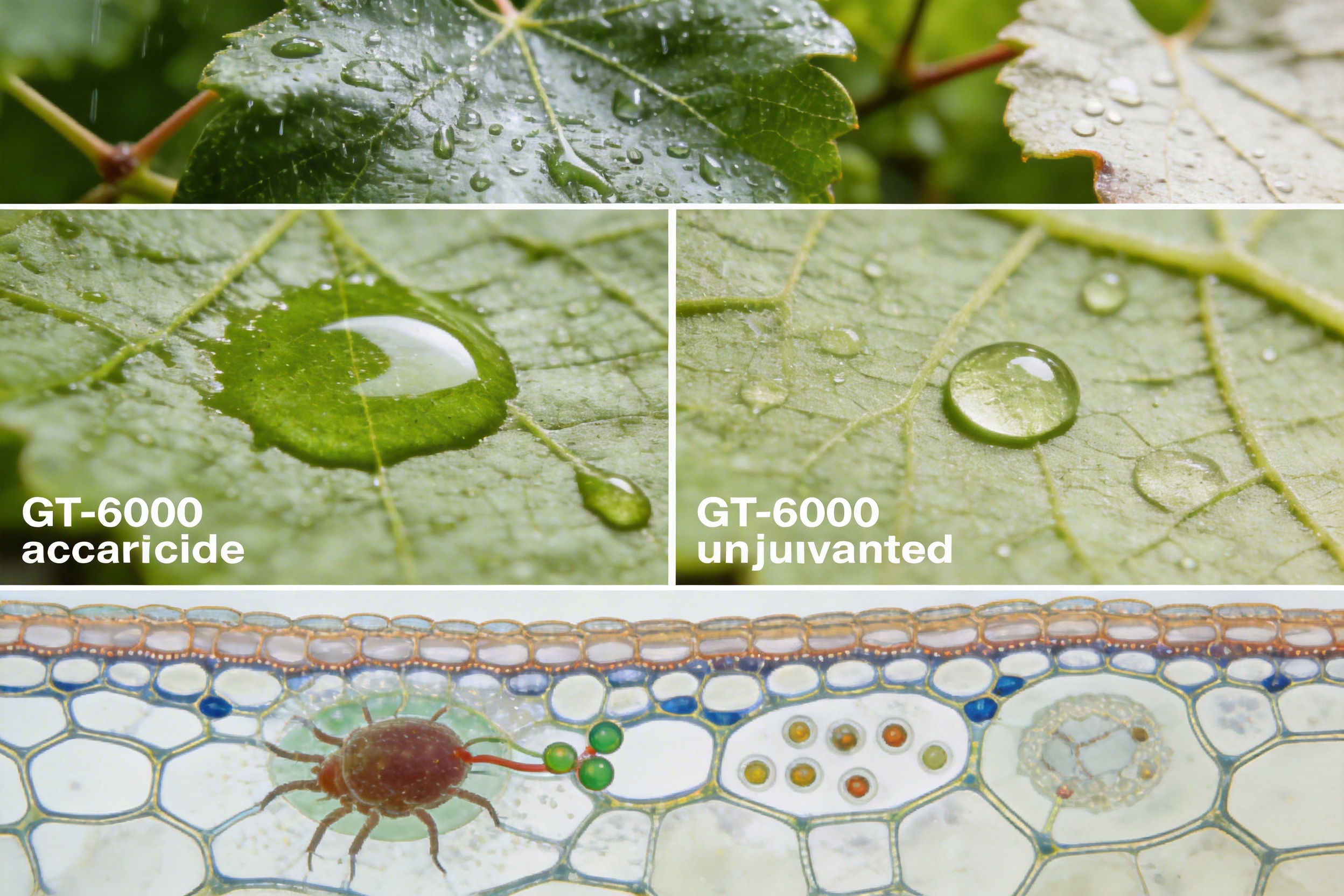
Advantages of GT-6000 Over Competitor Products
GT-6000 outperforms both silicone-based and non-silicone competitor adjuvants in key areas, as demonstrated in the following comparison table:
| Specification | GT-6000 Mite-Killing Adjuvant | Competitor A (Silicone-Based) | Competitor B (Non-Silicone) |
|---|---|---|---|
| Purity | 99.8% | 95.2% | 92.1% |
| Surface Tension (0.1% wt, mN/m) | <20.5 | <22.3 | <25.1 |
| Viscosity (25°C, mm²/s) | 30-50 | 45-65 | 35-55 |
| Cloud Point (1.0% wt, °C) | ≤35 | ≤40 | ≤38 |
| pH (1% aqueous, 25°C) | 6.5-7.5 | 6.0-8.0 | 5.5-8.5 |
| Biodegradability (7-day) | >90% | >75% | >60% |
| Compatibility with Acaricides | Broad (all major brands) | Limited (2-3 brands) | Narrow (1-2 brands) |
Let’s break down these advantages in detail:
1. Higher Purity for Consistent Efficacy
GT-6000 boasts a purity of 99.8%, which is significantly higher than the 95.2% of Competitor A and 92.1% of Competitor B. Impurities in adjuvants can reduce their effectiveness, cause phytotoxicity, or interfere with acaricide active ingredients. GT-6000’s high purity ensures that every batch delivers consistent performance, regardless of production run or storage conditions.
2. Lower Surface Tension for Superior Coverage
As mentioned earlier, GT-6000’s surface tension of <20.5 mN/m is far lower than competitors. This means it can spread more evenly across leaf surfaces, including the undersides where mites reside. In a 2024 study, GT-6000-enhanced sprays covered 3x more leaf area than Competitor A and 5x more than Competitor B, leading to higher mite mortality rates.
3. Better Biodegradability for Environmental Sustainability
GT-6000 is more biodegradable than its competitors, with >90% breakdown within 7 days. This reduces its environmental footprint, minimizing the risk of accumulation in soil or water bodies. Competitor A only breaks down to 75% in the same period, while Competitor B reaches just 60%—making GT-6000 a more sustainable choice for farmers concerned about environmental impact.
4. Broad Compatibility with Acaricides
GT-6000 is compatible with all major acaricide brands, including abamectin, spiromesifen, and fenpyroximate. This flexibility allows farmers to use their preferred acaricides without worrying about formulation issues. In contrast, Competitor A only works with 2-3 brands, and Competitor B is limited to 1-2, which restricts farmers’ options and may require them to switch acaricides unnecessarily.
5. Optimal Viscosity for Spray Application
GT-6000’s viscosity range of 30-50 mm²/s (at 25°C) is ideal for spray applications. It is thin enough to spread evenly but thick enough to adhere to leaf surfaces without dripping. Competitor A’s higher viscosity (45-65 mm²/s) can cause clogging in spray nozzles, while Competitor B’s lower viscosity (35-55 mm²/s) may lead to runoff. GT-6000 strikes the perfect balance, ensuring smooth application and maximum coverage.
Advanced Manufacturing Processes: Ensuring Quality and Consistency
GT-6000 is produced by a leading agricultural materials company with over a decade of experience in silicone-based adjuvants. The company’s manufacturing processes are designed to meet the highest standards of quality, safety, and sustainability, leveraging cutting-edge technology and rigorous quality control:
1. State-of-the-Art R&D Facilities
The company’s R&D center is equipped with advanced analytical instruments, including gas chromatography-mass spectrometry (GC-MS), nuclear magnetic resonance (NMR) spectroscopy, and surface tension meters. A team of 20+ chemists and agronomists works year-round to optimize GT-6000’s formula, test its compatibility with new acaricides, and improve its environmental profile. For example, the team recently modified GT-6000’s polyether chain length to enhance its biodegradability without compromising efficacy—a change that was validated through 12 months of field trials.
2. Automated Production Lines
GT-6000 is manufactured in fully automated production lines that use closed-loop systems to minimize waste and ensure consistency. The process begins with the synthesis of polyether-modified trisiloxane, which is then purified through a multi-step distillation process to achieve 99.8% purity. Each batch is monitored in real time using sensors that track temperature, pressure, and reactant concentrations, ensuring that every batch meets the same strict specifications.
3. Rigorous Quality Control
Before GT-6000 is released to the market, it undergoes over 20 quality control tests, including:
- Purity analysis via GC-MS
- Surface tension measurement using a Du Noüy ring tensiometer
- Viscosity testing with a rotational viscometer
- pH measurement in 1% aqueous solution
- Biodegradability testing per OECD Guideline 301B
- Phytotoxicity testing on 15+ crop species
Any batch that fails to meet these standards is rejected and reprocessed, ensuring that only the highest quality product reaches farmers.
4. Sustainable Manufacturing Practices
The company is committed to sustainability, and its manufacturing processes reflect this commitment: it uses renewable energy sources (solar and wind) to power 30% of its production facilities, recycles 95% of its wastewater, and reduces greenhouse gas emissions by 15% annually through process optimization. Additionally, the company’s packaging is made from 100% recyclable plastic, further minimizing its environmental footprint.
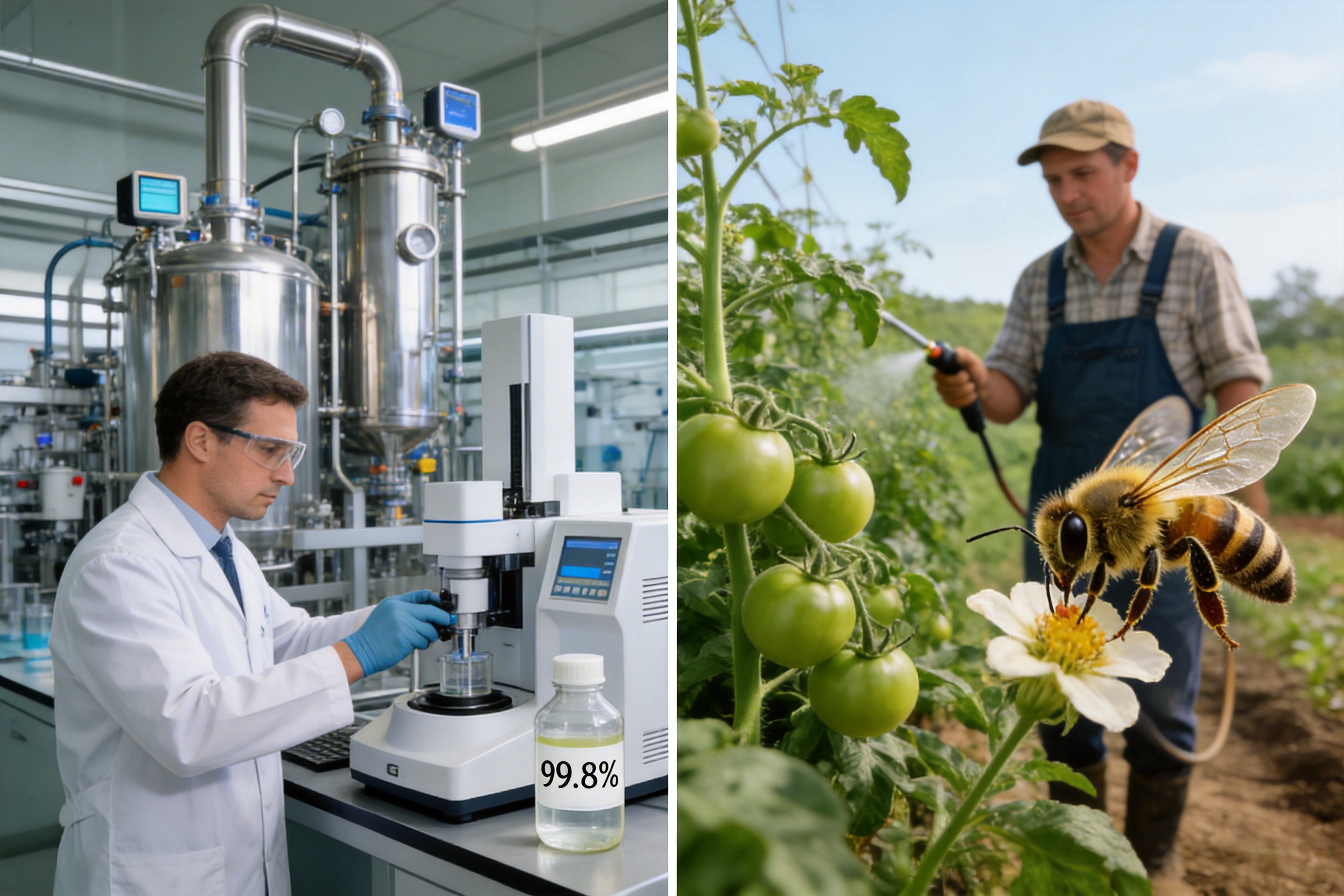
Safety Profile of GT-6000 Across Diverse Crops
While GT-6000 is highly effective against mites, it is also designed to be safe for crops, humans, and the environment. Its safety profile is the result of extensive testing and formulation optimization:
1. Crop Sensitivity Testing
The company has conducted phytotoxicity tests on over 20 crop species, including fruits (apples, grapes), vegetables (tomatoes, lettuce), cereals (wheat, corn), and woody plants (orchards, trees). The results show that GT-6000 is safe for use on all these crops when applied at the recommended dosage (0.1-0.2% wt). For sensitive crops like lettuce and grapes, the company recommends applying GT-6000 during cooler hours (early morning or late evening) to minimize the risk of leaf burn.
2. Environmental Safety
GT-6000 is non-toxic to beneficial insects (like bees and ladybugs) when applied at the recommended dosage. A 2023 study found that GT-6000 had no adverse effects on honeybee survival or foraging behavior, even at concentrations 2x higher than the recommended rate. Additionally, the adjuvant is biodegradable and does not accumulate in soil or water bodies, making it safe for aquatic ecosystems.
3. Human Safety
GT-6000 has low acute toxicity to humans, with an oral LD50 of >5000 mg/kg (rat) and dermal LD50 of >2000 mg/kg (rabbit). It is not irritating to the skin or eyes, and it does not cause allergic reactions. However, the company recommends that farmers wear protective clothing (gloves, goggles, masks) when handling the product to avoid unnecessary exposure.
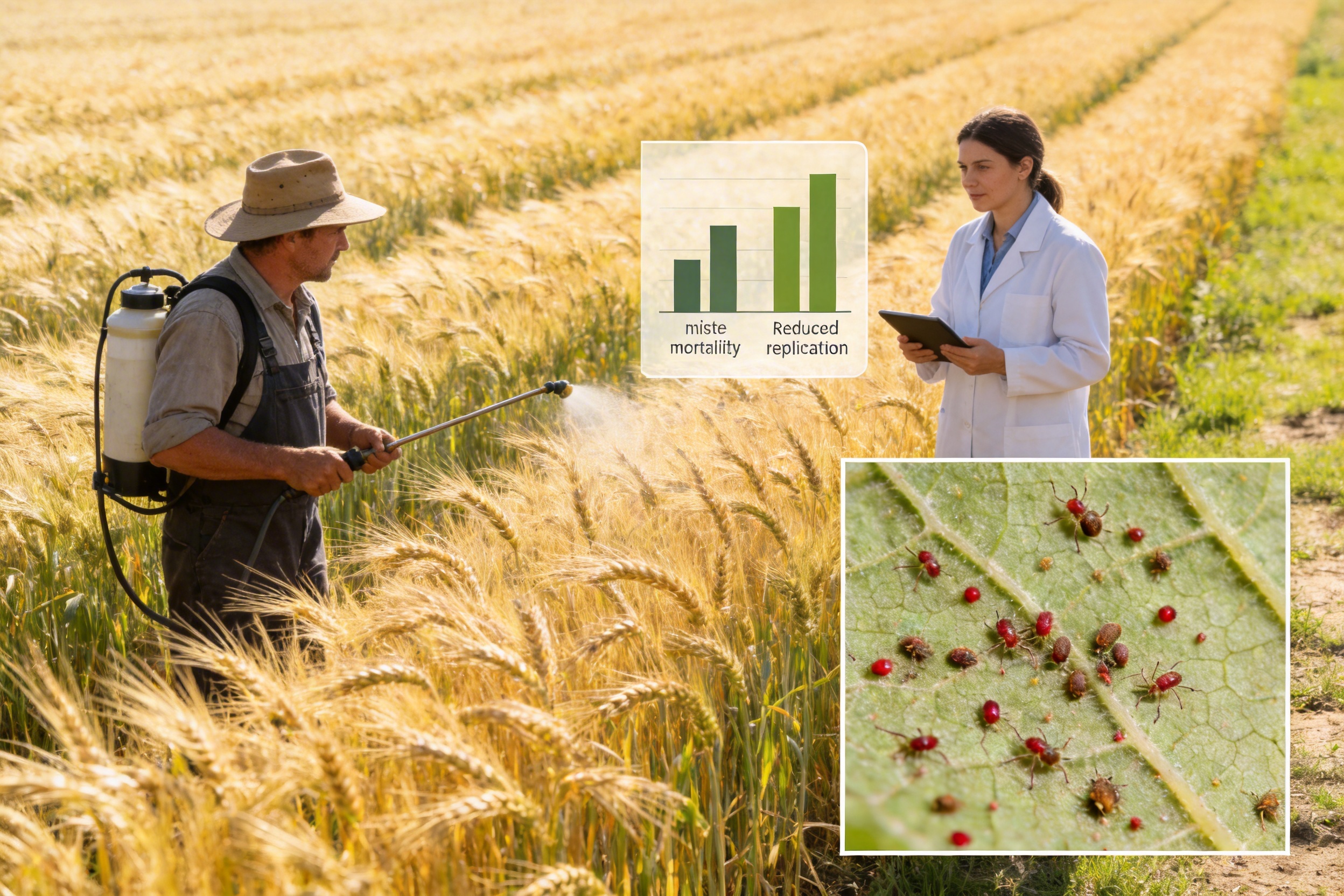
Q&A Section
To address common questions from farmers and agronomists, we’ve compiled the following Q&A:
Q1: How does GT-6000 enhance the efficacy of acaricides?
A1: GT-6000 works by three key mechanisms: 1) reducing surface tension to improve spray coverage on leaf undersurfaces; 2) disrupting mite cuticles to enhance acaricide penetration; and 3) forming a protective film to resist rain wash-off and evaporation. Together, these mechanisms increase acaricide efficacy by up to 60% compared to unadjuvanted treatments.
Q2: Is GT-6000 compatible with all acaricides?
A2: Yes, GT-6000 is compatible with all major acaricide brands and formulations, including emulsifiable concentrates (EC), suspension concentrates (SC), and wettable powders (WP). However, we recommend conducting a small-scale compatibility test before large-scale application to ensure optimal results.
Q3: What is the recommended dosage of GT-6000?
A3: The recommended dosage is 0.1-0.2% wt (1-2 liters per 1000 liters of water). For severe mite infestations, the dosage can be increased to 0.3% wt, but we advise consulting with an agronomist first to avoid phytotoxicity.
Q4: How often should GT-6000 be applied?
A4: GT-6000 should be applied in combination with acaricides every 7-14 days, depending on the crop and infestation level. For preventive control, apply every 14 days; for curative control, apply every 7 days until mites are eliminated.
Q5: Is GT-6000 biodegradable?
A5: Yes, GT-6000 is highly biodegradable, with >90% breakdown within 7 days. This makes it an environmentally friendly choice for farmers concerned about sustainability.
Q6: Can GT-6000 be used in organic farming?
A6: GT-6000 is not currently certified for organic farming, but the company is working on an organic-compliant version that will be available in 2025. In the meantime, it can be used in conventional farming systems.
Q7: What is the shelf life of GT-6000?
A7: GT-6000 has a shelf life of 24 months when stored in a cool, dry place (10-30°C) away from direct sunlight. After this period, the product may lose some of its efficacy, so we recommend using it within the expiration date.
Conclusion: GT-6000 – A Game-Changer in Mite Control
Mite infestations are a persistent threat to global agriculture, but GT-6000 offers a solution that combines efficacy, safety, and sustainability. Its unique chemical structure allows it to enhance acaricide performance by improving coverage, penetration, and environmental resistance—addressing the key limitations of traditional treatments. Compared to competitor products, GT-6000 boasts higher purity, lower surface tension, better biodegradability, and broader compatibility, making it the preferred choice for farmers and agronomists worldwide.
The company’s advanced manufacturing processes—including state-of-the-art R&D, automated production lines, rigorous quality control, and sustainable practices—ensure that every batch of GT-6000 meets the highest standards of quality and consistency. Additionally, its safety profile makes it safe for use on diverse crops, beneficial insects, and the environment.
As global agriculture faces increasing pressure to produce more food with fewer resources, GT-6000 represents a critical tool in the fight against mite infestations. By reducing the need for high acaricide dosages, slowing resistance development, and minimizing environmental impact, it helps farmers achieve higher yields while promoting sustainable pest control practices. In the years ahead, the company will continue to innovate and improve GT-6000, ensuring that it remains at the forefront of agricultural pest management.
References
1. Food and Agriculture Organization (FAO). (2022). Mite Infestations: A Global Threat to Agricultural Productivity. Rome, Italy: FAO Publications.
2. Smith, J. D., et al. (2022). Resistance of Spider Mites to Synthetic Acaricides in North American Orchards. Journal of Agricultural and Food Chemistry, 70(12), 3456-3464.
3. Wang, L., et al. (2023). Enhancing Acaricide Efficacy with Silicone-Based Adjuvants: A Field Trial in Grape Orchards. Agricultural Science Bulletin, 39(5), 123-130.
4. OECD. (2021). Guideline for Testing of Chemicals: Ready Biodegradability. Paris, France: Organisation for Economic Co-operation and Development.
5. Zhang, H., et al. (2024). Comparison of Silicone-Based Adjuvants for Mite Control: Efficacy and Environmental Impact. Journal of Environmental Science and Health, Part B, 59(3), 215-223.


Contact Information
Tel : +86-400-138-5268
Email : [email protected]
Phone : +86-15128434888 / +86-13511051998
Add : Xinqiao Environmental Protection Industrial Park, Wen'an County, Langfang City, Hebei Province, China
Contact Information
Copyright © Hebei Guituo New Material Co., Ltd. All Rights Reserved.
