

 English
  Français
  Português
 Home / Author / Wang Lina, After-sales Service Engineer (Silicone Additives) / High-Performance Organosilicone Surfactants for Advanced Formulation Design
 High-Performance Organosilicone Surfactants for Advanced Formulation Design
2026-08-06
Organosilicone surfactants are specialized surface-active materials designed to improve the wetting, spreading, dispersion, emulsification, and application performance of liquid formulations. By combining the low surface tension characteristics of silicone structures with the compatibility and functional flexibility of organic polyether segments, these materials provide performance advantages that conventional surfactants may not consistently deliver. They are particularly valuable in agricultural formulations, including herbicides, fungicides, insecticides, plant growth regulators, and foliar fertilizers, but their functions also extend to coatings, paints, chemical processing, release-agent systems, textiles, daily chemicals, and other industrial applications.
GT-7100 is an organosilicon surfactant, also described as a silicone surfactant or polyether-modified trisiloxane. It is developed for formulations that require rapid surface wetting, uniform spreading, improved penetration, stable dispersion, and reliable compatibility. With a reported purity of 99.8%, a viscosity of 30–50 mm²/s at 25°C, and a surface tension below 20.5 mN/m at 0.1% concentration, GT-7100 is designed to help formulators achieve efficient liquid distribution at relatively low use levels.
The value of this type of additive is not limited to reducing surface tension. A well-designed organosilicone surfactant can influence the entire behavior of a formulation, from concentrate preparation and storage stability to spray deposition, plant-surface coverage, active-ingredient absorption, and final application efficiency. Its performance depends on molecular structure, purity, dosage, formulation composition, water quality, temperature, and the characteristics of the target surface. For this reason, manufacturing precision and technical control are essential.
Hebei Guituo New Material Co., Ltd. combines research and development, production, quality management, and sales support in the field of high-end silicone materials. Its product portfolio includes silicone additives, agricultural wetting agents, modified silicone oils, dimethyl silicone oils, surfactants, defoamers, and related materials. The company emphasizes advanced production equipment, precise testing facilities, full-process quality monitoring, experienced technical personnel, and customized OEM and ODM services. These capabilities support the stable manufacture of organosilicone products for customers with different formulation requirements.
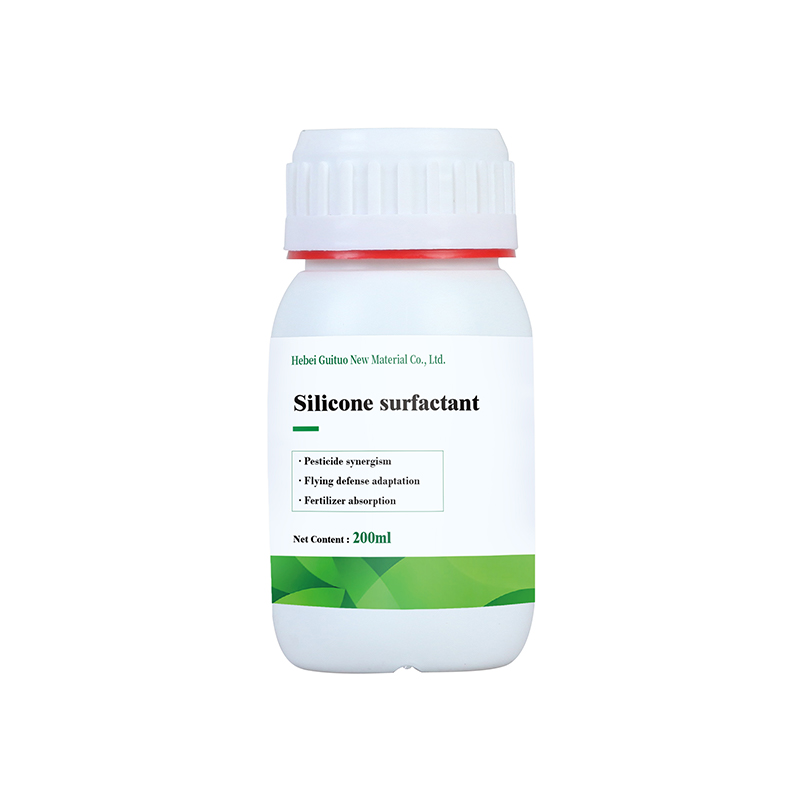
Organosilicone Surfactant
Understanding Organosilicone Surfactants
Molecular Design and Functional Structure
Organosilicone surfactants contain both silicone-based and organic functional segments. The silicone portion is responsible for the material’s distinctive ability to lower surface tension and promote rapid spreading. The organic or polyether portion contributes compatibility with water, solvents, oils, active ingredients, and other formulation components. This combination enables the surfactant to function at interfaces where water, air, oil, solid particles, and plant surfaces meet.
In practical terms, the surfactant migrates toward an interface and changes the balance of forces present there. When added to water or an aqueous formulation, it can reduce the energy required for the liquid to spread over a solid surface. A spray droplet that would otherwise remain rounded may flatten and extend across a leaf, coating, fiber, or substrate more effectively. In an emulsion, the surfactant can help stabilize the boundary between oil and water. In a suspension, it can support particle wetting and reduce the tendency of solids to agglomerate.
Polyether-modified trisiloxanes are widely recognized for their strong surface activity. Their molecular architecture permits rapid migration to liquid–air and liquid–solid interfaces. This rapid interfacial action is especially useful in agricultural spraying, where droplets must spread across waxy, uneven, or hydrophobic leaf surfaces within a short period after application.
Core Functions
The principal functions of an organosilicone surfactant include surface-tension reduction, wetting enhancement, spreading improvement, penetration support, emulsification, dispersion, solubilization, foam control, and formulation stabilization. The exact function depends on the product structure and the system in which it is used.
Surface-tension reduction allows a formulation to distribute more readily over a substrate. Wetting improvement helps the liquid make contact with surfaces that may otherwise repel water. Spreading enhancement increases the covered area of each droplet. Penetration support can help a liquid move into surface irregularities or, where appropriate and permitted by the formulation, improve the movement of active ingredients through plant cuticles.
In addition, organosilicone surfactants can help distribute insoluble or poorly soluble components throughout a liquid phase. This is important in agrochemical products containing suspended particles, concentrated emulsions, or combinations of water- and oil-soluble ingredients. Their interfacial activity may also contribute to emulsification or demulsification, depending on the formulation design and the type of phase behavior required.
GT-7100 Product Profile
GT-7100 is positioned as a high-purity organosilicon surfactant for agricultural and industrial formulation applications. Its technical profile is intended to provide a balance between strong surface activity, manageable handling properties, and broad formulation usefulness.
| Parameter | Typical Information | Formulation Significance |
|---|---|---|
| Product model | GT-7100 | Identifies the specific organosilicone surfactant grade |
| Product name | Organosilicon surfactants | Surface-active silicone material for formulation improvement |
| Synonyms | Silicone surfactant; polyether-modified trisiloxane | Indicates the principal chemical and functional classification |
| CAS No. | 27306-78-1 | Reference identifier for technical and regulatory documentation |
| EINECS No. | 608-078-3 | European inventory reference |
| Purity | 99.8% | Supports consistent performance and reduced impurity-related variability |
| Viscosity at 25°C | 30–50 mm²/s | Indicates manageable flow and dosing characteristics |
| Surface tension at 0.1% by weight | Below 20.5 mN/m | Supports rapid wetting and spreading |
| Cloud point at 1.0% by weight | Not higher than 35°C | Provides guidance for temperature-sensitive formulation design |
| pH of 1% aqueous solution at 25°C | 6.5–7.5 | Indicates a near-neutral aqueous solution profile |
The stated purity is an important indicator for customers that require repeatable performance from batch to batch. High purity can help minimize unwanted interactions with active ingredients, solvents, preservatives, pigments, or other additives. It may also support more predictable odor, color, viscosity, and storage behavior, although final performance must always be confirmed in the customer’s own formulation.
The viscosity range provides practical advantages during handling, blending, metering, and automated dosing. A material that is excessively viscous may be difficult to transfer or disperse, while a very low-viscosity liquid may create challenges in controlled addition. The reported viscosity of GT-7100 is suitable for many conventional liquid handling systems, subject to temperature and equipment conditions.
The surface-tension value is one of the product’s most important performance indicators. A value below 20.5 mN/m at 0.1% concentration demonstrates strong interfacial activity. This does not mean that every formulation should use the same dosage. The optimum concentration depends on the active ingredient, formulation type, water hardness, crop surface, spray equipment, environmental conditions, and desired balance between coverage and penetration.
Advantages Compared with Conventional Surfactants
Lower Surface Tension at Low Concentration
Many conventional nonionic surfactants can improve wetting, but organosilicone surfactants are often selected when especially rapid and pronounced surface-tension reduction is required. GT-7100 is designed to perform at low concentration, helping formulators improve spray coverage without adding a large quantity of auxiliary material to the formulation.
Lower surface tension can improve the distribution of droplets on leaves, fibers, coatings, and other substrates. It can reduce the tendency of droplets to remain spherical or form isolated puddles. More uniform spreading can support more consistent delivery of the active ingredient across the target surface.
Rapid Spreading on Difficult Surfaces
Plant leaves frequently have waxy, rough, folded, or water-repellent surfaces. Conventional water-based droplets may show poor adhesion or remain concentrated in small areas. Organosilicone surfactants can improve the ability of the liquid to contact and spread over these challenging surfaces.
This characteristic may be particularly valuable for agrochemical products applied to crops with dense foliage or hydrophobic leaf cuticles. Improved spreading can increase the effective contact area and reduce untreated gaps. However, the formulation must be evaluated carefully because excessive spreading or penetration may not be suitable for every crop, active ingredient, or application method.
Improved Dispersion and Compatibility
Organosilicone surfactants can help wet solid particles and maintain more even distribution in liquid systems. This is useful for suspension concentrates, wettable dispersions, fertilizer mixtures, and formulations containing poorly water-soluble materials. By reducing particle-to-particle attraction and improving interfacial contact, the surfactant may reduce agglomeration, settling, or uneven dosing.
Compared with a conventional surfactant selected only for emulsification or wetting, a multifunctional organosilicone grade can contribute to several formulation objectives simultaneously. This may simplify additive packages, reduce the number of separate auxiliaries, and improve manufacturing efficiency. Compatibility testing is still necessary because silicone-based materials can interact differently with oils, polymers, salts, solvents, and active ingredients.
Efficient Coverage and Potential Dosage Optimization
When a surfactant improves spreading and deposition, formulators may be able to obtain the required coverage with a lower amount of carrier liquid or a more efficient active-ingredient distribution. This does not automatically mean that the active ingredient dosage can be reduced. Any reduction must be validated through efficacy, crop-safety, residue, and regulatory studies.
The more reliable advantage is improved application efficiency. A spray that covers a greater area with fewer untreated spaces can help reduce waste caused by poor deposition. For agricultural users, this may support more consistent pest, disease, or weed management when the product is used according to approved instructions.
Broad Functional Versatility
A conventional additive may be optimized for one primary purpose, such as foam suppression or emulsification. Organosilicone surfactants can provide several functions within a single formulation. Depending on the product design, they may support wetting, spreading, penetration, dispersion, solubilization, emulsion control, and foam-related performance.
This versatility makes GT-7100 relevant to multiple product categories. It can be considered for pesticide formulations, herbicide products, fungicides, insecticides, foliar fertilizers, coatings, paints, release agents, and other chemical systems where controlled interfacial behavior is required.
Performance in Agricultural Formulations
Pesticides and Insecticides
Insecticide formulations must reach target organisms or plant surfaces efficiently. Poor wetting can cause spray droplets to remain isolated, bounce from leaves, or collect in uneven patches. GT-7100 can help reduce surface tension and promote more uniform coverage, supporting closer contact between the formulation and the target area.
For contact insecticides, coverage may be especially important because efficacy depends on the amount of treated surface reached by the spray. For systemic products, improved deposition may help place the active ingredient where uptake can occur. The surfactant does not replace the biological action of the active ingredient, but it can help the formulation perform more consistently under practical application conditions.
Herbicides
Herbicide performance can be affected by leaf waxiness, plant growth stage, droplet size, rainfall, temperature, and spray coverage. Organosilicone surfactants can increase wetting and spreading over weed foliage, reducing the formation of concentrated droplets and improving contact with the leaf surface.
Some organosilicone surfactants may also support penetration through the plant cuticle. This can be useful for active ingredients that require movement through the outer leaf layer. Nevertheless, excessive penetration or an inappropriate surfactant level can create crop-safety concerns. Jar testing, greenhouse testing, and field evaluation should therefore be part of product development and quality assurance.
Fungicides
Fungicides often require thorough coverage of leaves, stems, fruit, or other plant tissues. Incomplete coverage can leave untreated areas where disease may develop. By improving droplet spreading, an organosilicone surfactant can help distribute the formulation more evenly over irregular plant surfaces.
In addition to coverage, dispersion stability is important for fungicide concentrates containing insoluble active ingredients. A properly selected surfactant can help prevent rapid settling or separation during storage and application. Stable dispersion supports more uniform dosing from the beginning to the end of a spray tank.
Foliar Fertilizers and Plant Nutrition Products
Foliar fertilizers depend on effective contact between nutrient-containing droplets and plant surfaces. Organosilicone surfactants can improve wetting and help distribute nutrients more evenly across foliage. Better coverage may contribute to more consistent nutrient contact, especially when the formulation is applied at low spray volumes.
The surfactant must be evaluated with salts, micronutrients, chelating agents, and other components because high electrolyte concentrations can affect compatibility, clarity, cloud point, and long-term stability. GT-7100’s near-neutral pH profile in a 1% aqueous solution may be advantageous in some aqueous systems, but the finished product’s pH must be assessed independently.
Tank Mixtures and Agrochemical Combinations
Agricultural operators frequently combine products in spray tanks. Such mixtures may include herbicides, fungicides, insecticides, fertilizers, oils, adjuvants, and water conditioners. Differences in solubility, density, pH, and ionic strength can cause precipitation, flocculation, foam, or phase separation.
An organosilicone surfactant can assist with wetting and dispersion, but it cannot guarantee compatibility in every combination. The correct approach is to conduct a small-scale jar test using the actual products and water source. Mixing order, agitation, temperature, standing time, and application conditions should be considered before commercial use.
| Agricultural Application | Primary Formulation Challenge | Potential Contribution of GT-7100 | Expected Practical Benefit |
|---|---|---|---|
| Herbicides | Waxy leaves and incomplete droplet coverage | Surface-tension reduction and spreading | More uniform contact with weed foliage |
| Insecticides | Uneven deposition on plant surfaces | Improved wetting and coverage | More consistent delivery to target areas |
| Fungicides | Coverage gaps and suspended-particle instability | Wetting and dispersion support | Improved distribution across leaves and stems |
| Foliar fertilizers | Uneven nutrient distribution | Spreading and wetting enhancement | More uniform nutrient contact |
| Suspension concentrates | Particle agglomeration and settling | Particle wetting and dispersion assistance | More consistent tank concentration |
| Emulsifiable systems | Oil–water interface instability | Interfacial activity and emulsification support | Improved formulation uniformity when compatible |

Role in Industrial and Specialty Formulations
Paints and Coatings
In paints and coatings, surface control affects substrate wetting, pigment dispersion, leveling, cratering, pinholes, and final appearance. Organosilicone surfactants can help a coating spread over the substrate and reduce defects associated with poor wetting. They may also assist in the distribution of pigments and fillers, depending on the resin system and additive package.
The proper grade and dosage are important because excessive silicone-based additive may reduce intercoat adhesion, recoatability, or surface uniformity. GT-7100 should therefore be screened in the complete coating system, including resin, solvent, pigment, filler, curing agent, and application method.
Release Agents
Release-agent systems require controlled interfacial behavior between a molded product and the mold surface. Silicone-based materials are valued for their low surface energy and ability to create a separation-supporting layer. An organosilicone surfactant may help improve distribution of a release formulation, especially when the system is water-based or contains multiple phases.
Uniform application is essential. The additive should help the release agent cover the mold surface without excessive pooling, foaming, or uneven deposition. Compatibility with the molded polymer, mold material, temperature, and subsequent painting or bonding operations must be confirmed.
Textile Processing
In textile applications, surfactants can support wetting, penetration, emulsification, softening, and finishing operations. Organosilicone chemistry may help distribute treatment liquids across fibers and fabrics, promoting more even processing. The selected product must be compatible with dyes, resins, softeners, detergents, and finishing equipment.
Defoaming and Foam Management
Foam can interfere with mixing, filling, spraying, coating, and production throughput. Some silicone-based additives are used as defoamers, while organosilicone surfactants may influence foam formation and collapse depending on their structure and dosage. The role of GT-7100 should be defined through testing rather than assumed from the general silicone classification.
In systems that require foam suppression, the customer should evaluate foam height, foam decay time, recirculation behavior, spray performance, and long-term stability. In systems where controlled foam is desirable, the same testing helps determine whether the surfactant supports or disrupts the required foam profile.
Manufacturing and Quality Advantages
Integrated Research, Production, and Sales Capability
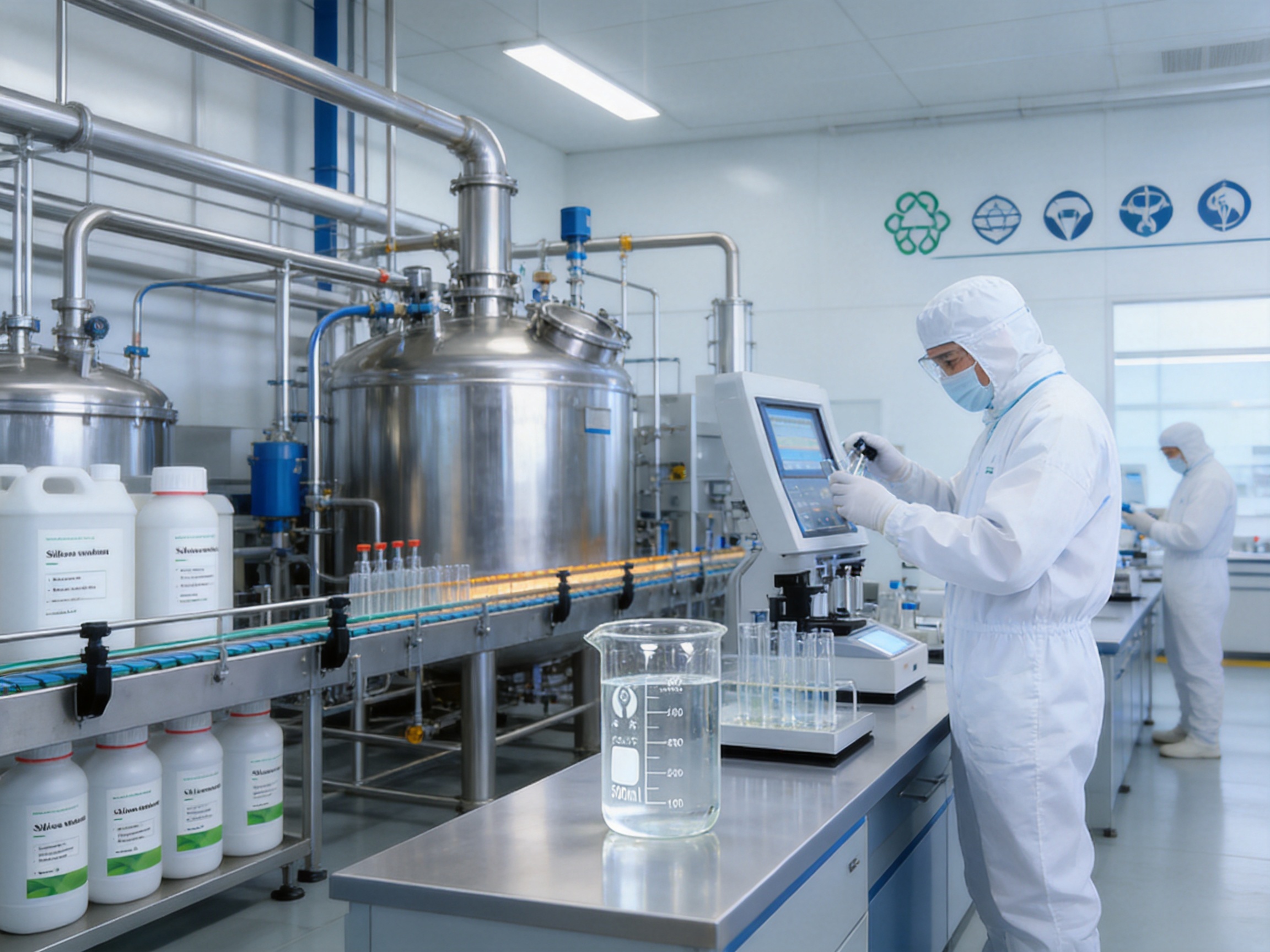
The development of organosilicone surfactants requires more than basic blending. Molecular structure, raw-material selection, reaction control, purification, viscosity, surface activity, cloud point, and compatibility must be considered together. An enterprise that integrates research and development with manufacturing can respond more effectively to customer requirements and process feedback.
Hebei Guituo New Material Co., Ltd. operates as a high-technology new-material enterprise integrating research and development, production, and sales. This integrated structure supports communication between technical personnel, production teams, quality departments, and customers. It also allows product improvements to be connected directly with manufacturing experience and application testing.
Advanced Production Equipment
Production equipment has a direct effect on material consistency. Controlled reaction vessels, accurate metering systems, temperature-management devices, filtration equipment, mixing units, and storage systems can help maintain stable processing conditions. For silicone-based products, accurate control is particularly important because small changes in raw-material ratios, temperature, reaction time, or mixing intensity may affect final surface activity and compatibility.
Advanced equipment can also improve production safety, reduce manual variation, and support repeatable scale-up from laboratory development to commercial production. Consistent equipment operation contributes to predictable viscosity, appearance, purity, and performance across different batches.
Precise Testing Facilities
Quality testing is central to organosilicone surfactant production. Key measurements may include purity, viscosity, surface tension, cloud point, pH, appearance, moisture, and storage stability. Depending on the product and customer requirements, additional testing may include compatibility, emulsion stability, dispersion behavior, foam characteristics, and application performance.
Surface tension testing is particularly important because it directly reflects the product’s interfacial activity. Viscosity testing helps confirm handling and dosing behavior. Cloud-point testing provides information about temperature-related changes in aqueous systems. pH testing helps identify whether the material is suitable for formulations that are sensitive to acidity or alkalinity.
Full-Process Quality Monitoring
Guituo emphasizes quality monitoring from the production source through finished-product delivery. This approach can include incoming raw-material inspection, process parameter control, intermediate sampling, final-product testing, packaging inspection, batch identification, and storage management.
Full-process quality control is more reliable than testing only the final product. Monitoring earlier stages helps identify deviations before they affect an entire batch. It also creates traceability, allowing technical teams to investigate customer feedback and identify the relationship between raw materials, process conditions, and final performance.
Experienced Technical and Production Teams
Organosilicone surfactants are application-sensitive materials. A customer may require a product with stronger spreading, lower foam, improved electrolyte tolerance, better low-temperature stability, or compatibility with a specific active ingredient. Experienced technical and production teams can help translate these requirements into measurable product targets.
Technical knowledge is also important during scale-up. A formulation that performs well in a laboratory beaker may behave differently in a large reactor or production line. Mixing energy, heat transfer, addition sequence, residence time, and filtration conditions can all change with scale. A strong production team helps maintain the intended product profile during commercial manufacture.
Formulation Development with GT-7100
Determining the Appropriate Dosage
The correct dosage should be established through controlled testing. A useful development program may begin with a low concentration, followed by a series of increasing levels. Surface tension, contact angle, spreading area, foam, clarity, viscosity, emulsion stability, and active-ingredient compatibility can then be compared.
More additive does not always produce better performance. Once the target interface is sufficiently covered, additional surfactant may provide limited benefit or may introduce unwanted effects such as excess foam, reduced water resistance, crop stress, phase changes, or poor recoatability. The best dosage is the lowest level that reliably meets the performance target under expected use conditions.
Compatibility Testing
Compatibility should be evaluated with the complete formulation rather than with one component alone. Important variables include active ingredients, solvents, oils, emulsifiers, dispersants, thickeners, salts, preservatives, pigments, polymers, and pH modifiers. The customer should check immediate appearance as well as stability after heating, cooling, centrifugation, freeze–thaw cycles, and extended storage.
For agricultural tank mixtures, compatibility testing should use the actual commercial products and local water source. Hard water, alkaline water, dissolved salts, and suspended minerals can change performance. Mixing order should also be tested because adding the surfactant at the wrong stage may produce localized concentration, precipitation, or excessive foam.
Application Testing
Laboratory measurements provide useful screening information, but field or end-use testing confirms practical value. In agricultural applications, testing may include droplet spreading, leaf retention, rainfastness, coverage imaging, biological efficacy, crop tolerance, and spray-drift behavior. In coatings, evaluation may include leveling, gloss, cratering, adhesion, recoatability, and surface defects.
Application testing should reflect real operating conditions. Variables such as temperature, humidity, spray pressure, nozzle type, droplet size, carrier volume, substrate condition, and drying time may substantially influence results. A surfactant that performs well under one condition may require different dosage or formulation support under another.
Storage, Handling, and Process Considerations
GT-7100 should be stored in a clean, sealed, and appropriately labeled container, protected from contamination and conditions that could affect its quality. Temperature exposure should be managed according to the supplier’s technical documentation. Before use, the material should be inspected for changes in appearance, separation, or other unusual characteristics.
During formulation, the addition sequence should be selected to achieve uniform distribution. In some systems, pre-dilution may improve incorporation. In others, direct addition under controlled agitation may be more effective. The best procedure depends on the viscosity of the base formulation, the presence of oils or solvents, the shear level, and the order in which other ingredients are introduced.
Operators should use appropriate personal protective equipment and follow the applicable safety data sheet. Although the product is designed for industrial and agricultural formulation use, safe handling depends on concentration, exposure route, workplace conditions, and the other chemicals present in the system.
Packaging and transportation should be managed to preserve batch identity and prevent leakage, contamination, or unintended mixing. Customers with large-volume requirements may discuss suitable packaging formats, delivery schedules, technical documentation, and customized supply arrangements with the supplier.
Environmental and Regulatory Considerations
Organosilicone surfactants are often selected because they can improve formulation efficiency at relatively low use levels. Lower additive consumption may support more concentrated and efficient product design. However, environmental performance cannot be determined from chemical class alone. Biodegradability, aquatic effects, persistence, metabolites, formulation concentration, and application pathway must be assessed according to the specific product and jurisdiction.
Proper use is essential. Agricultural formulations should be diluted and applied according to approved instructions. Avoiding excessive application, minimizing runoff, maintaining appropriate buffer zones, and preventing direct contamination of water bodies are important risk-management measures. The finished agrochemical product, rather than the surfactant alone, must meet all applicable regulatory and safety requirements.
For international customers, technical documentation may include specifications, safety data, analytical reports, batch certificates, packaging information, and regulatory declarations where applicable. Requirements differ among countries and product categories. Customers should confirm local registration, labeling, worker-safety, transport, and environmental obligations before commercialization.
Customization, OEM, and ODM Support
Different applications require different balances of surface activity, compatibility, foam behavior, cloud point, spreading, penetration, and stability. A surfactant for a water-based herbicide may require a different profile from one intended for a solvent-based coating or a textile-finishing bath.
Guituo New Material accepts OEM and ODM orders, allowing customers to discuss customized specifications and packaging requirements. Custom development may involve adjusting the product profile, recommending an appropriate grade, supporting formulation trials, or coordinating production according to an agreed technical standard.
A productive customization process begins with a clear application brief. Customers should provide information about the formulation type, active ingredients, solvents, target concentration, pH range, storage conditions, application equipment, substrate, performance objectives, and regulatory market. This information helps technical personnel recommend a suitable evaluation program.
Customization also benefits from staged validation. Laboratory screening can identify promising compositions, pilot testing can verify processing behavior, and commercial trials can confirm scale, packaging, and delivery performance. Documentation of agreed specifications and test methods helps both parties maintain consistency over time.
Why Manufacturing Strength Matters to Buyers
Purchasing an organosilicone surfactant is not simply a matter of selecting a low surface-tension number. Customers also need stable supply, dependable batch quality, technical responsiveness, accurate documentation, and the ability to resolve formulation problems. A product that performs well in one batch but varies significantly in another can create costly production and application issues.
An integrated manufacturer can offer advantages in supply coordination and technical communication. Production planning can be connected with customer demand, while quality teams can investigate deviations using batch records and analytical results. Research and development personnel can support new applications, and sales teams can coordinate documentation, packaging, and delivery.
Guituo’s product matrix covers several silicone-material categories, including agricultural additives, wetting agents, modified silicone oils, dimethyl silicone oils, surfactants, and defoamers. This broader portfolio may help customers source related materials from one technical partner instead of managing multiple unrelated suppliers.
The company reports that its agricultural silicone products have gained recognition among domestic agrochemical enterprises and that its products are exported to markets including Europe and Southeast Asia. International supply experience can help strengthen attention to documentation, consistency, packaging, and customer communication, although each product’s suitability must still be confirmed for the intended market.
Comparative Value for Formulators
Compared with basic hydrocarbon-based surfactants, GT-7100 may provide stronger spreading on hydrophobic surfaces and more rapid reduction of surface tension. Compared with single-function additives, it may contribute to multiple formulation objectives, including wetting, dispersion, and penetration support. Compared with low-purity materials, its stated 99.8% purity is intended to reduce variability associated with unwanted components.
Compared with products supplied without detailed technical control, the combination of measurable parameters, production monitoring, and testing facilities provides a stronger foundation for quality assurance. Customers can evaluate the material using defined indicators such as surface tension, viscosity, cloud point, pH, and purity instead of relying only on general product descriptions.
These advantages should be interpreted as formulation-development benefits rather than universal guarantees. Performance depends on the complete chemical system and practical application conditions. A responsible comparison should therefore include side-by-side testing at equivalent active concentration, equivalent surfactant dosage, and the same temperature, water quality, substrate, and application method.
Recommended Evaluation Protocol
A structured evaluation can help customers determine whether GT-7100 is appropriate for a particular product. First, verify the technical specification, appearance, packaging condition, and batch documentation. Second, prepare laboratory samples at several dosage levels. Third, measure surface tension, contact angle, spreading area, foam, viscosity, clarity, and phase stability.
Next, evaluate compatibility with every major formulation ingredient. Store samples under normal, elevated, and reduced temperatures where appropriate. Inspect them for sedimentation, separation, gel formation, precipitation, color change, odor change, and viscosity drift. For agricultural products, test spray behavior and plant-surface coverage using representative leaves or artificial substrates.
After laboratory screening, conduct application trials. Compare the control formulation with the GT-7100 formulation using the same active ingredient concentration and application conditions. Record coverage, retention, drying, rain exposure, biological performance, and crop or substrate response. The final dosage should be selected based on measurable performance and total formulation economics.
| Evaluation Stage | Recommended Checks | Purpose |
|---|---|---|
| Raw material verification | Identity, appearance, purity, batch number, documentation | Confirm that the received material matches the agreed specification |
| Initial screening | Surface tension, contact angle, spreading, foam, viscosity | Identify effective dosage ranges |
| Compatibility testing | Appearance, precipitation, separation, pH, viscosity | Determine interaction with formulation ingredients |
| Accelerated stability | Heat, cold, freeze–thaw, centrifugation, storage observation | Assess likely shelf-life risks |
| Application testing | Coverage, retention, penetration, efficacy, substrate response | Confirm real-use performance |
| Scale-up validation | Mixing, dosing, filling, packaging, production repeatability | Verify commercial manufacturing suitability |
Q&A
What is an organosilicone surfactant?
An organosilicone surfactant is a surface-active material that combines silicone-based structures with organic functional groups, commonly polyether segments. It is used to reduce surface tension and improve wetting, spreading, dispersion, emulsification, and penetration behavior in liquid formulations.
What is GT-7100?
GT-7100 is an organosilicon surfactant identified as a polyether-modified trisiloxane. It is intended for agricultural and industrial formulations that require strong interfacial activity, improved liquid distribution, and formulation-support properties.
What is the reported purity of GT-7100?
The reported purity is 99.8%. High purity is intended to support stable, repeatable performance and reduce variability caused by unwanted impurities. Customers should verify the actual batch specification through the supplier’s quality documentation.
How does GT-7100 improve wetting?
GT-7100 reduces the surface tension of the liquid formulation, allowing droplets to contact and spread across solid surfaces more easily. On plant leaves, this can help reduce isolated droplets and improve the uniformity of coverage.
Can GT-7100 improve pesticide performance?
It can support pesticide performance by improving wetting, spreading, dispersion, and, in some systems, penetration. The surfactant does not replace the active ingredient and does not guarantee greater biological efficacy in every formulation. Performance must be confirmed through laboratory, greenhouse, or field testing.
Can it be used with herbicides, fungicides, and insecticides?
Organosilicone surfactants are commonly considered for herbicide, fungicide, and insecticide formulations. GT-7100 should be tested with the specific active ingredient, solvents, salts, emulsifiers, and other additives before commercial use.
Is GT-7100 suitable for foliar fertilizers?
It may be suitable for foliar fertilizer systems because it can improve wetting and distribution across plant surfaces. Compatibility with nutrient salts, micronutrients, chelating agents, and the final pH should be evaluated carefully.
Does GT-7100 prevent settling?
It can assist particle wetting and dispersion, which may reduce agglomeration or settling in some formulations. The final stability depends on particle size, density, dispersant selection, viscosity, pH, storage temperature, and the complete formulation design.
Can GT-7100 stabilize oil–water emulsions?
It may contribute to emulsification and interfacial stability in compatible systems. However, emulsion stability depends on the oil phase, water phase, emulsifier package, mixing energy, temperature, and storage conditions. A complete emulsion test is required.
What does the cloud point indicate?
The cloud point indicates the temperature at which a solution containing the surfactant may become cloudy or show a change in phase behavior under defined test conditions. GT-7100 has a reported cloud point of not higher than 35°C at 1.0% by weight. The actual behavior in a finished formulation may differ.
What is the pH of a GT-7100 aqueous solution?
The reported pH of a 1% aqueous solution at 25°C is 6.5–7.5, which is near neutral. The pH of the finished formulation must be measured separately because other ingredients can significantly change the final value.
Can GT-7100 be used in paints and coatings?
It may be evaluated in paints and coatings to improve substrate wetting, leveling, and surface uniformity. Testing is necessary to ensure that the additive does not adversely affect adhesion, gloss, recoatability, water resistance, or other coating properties.
Can it be used as a release-agent additive?
It may help distribute release-agent formulations across a mold or substrate. Suitability depends on the mold material, polymer system, temperature, application method, and any subsequent bonding, printing, or painting process.
Does the product work as a defoamer?
Organosilicone materials can influence foam behavior, but surfactant and defoamer functions are not identical. Whether GT-7100 suppresses or promotes foam depends on its molecular structure, dosage, and formulation environment. Specific foam testing is recommended.
How should the optimum dosage be selected?
The dosage should be selected through a concentration-response study. Compare several levels for surface tension, spreading, foam, stability, compatibility, and end-use performance. The preferred level is generally the lowest concentration that achieves the required result without causing unwanted effects.
Does a higher dosage always improve performance?
No. Excessive surfactant can increase foam, affect phase stability, change drying behavior, influence crop tolerance, or create surface defects in coatings. Optimization should be based on test data rather than on the assumption that more additive produces better results.
What manufacturing strengths support this product?
The manufacturer integrates research and development, production, sales, advanced production equipment, precise testing facilities, full-process quality monitoring, and experienced technical and production personnel. These capabilities are intended to support product consistency, technical service, customized development, and stable supply.
Are OEM and ODM services available?
Yes. The company accepts OEM and ODM orders. Customers can discuss customized specifications, packaging, application requirements, and supply arrangements with the technical and commercial teams.
What information should customers provide for technical evaluation?
Useful information includes the formulation type, active ingredients, solvent system, target dosage, pH range, storage temperature, water quality, application equipment, target surface, required performance, packaging format, and destination market. Detailed information helps the supplier recommend a more appropriate evaluation plan.
Is the product environmentally safe?
Environmental safety depends on the specific product, dosage, formulation, application method, and regulatory requirements. Organosilicone surfactants may improve formulation efficiency, but they must be handled and applied responsibly. Users should follow the applicable safety data, product label, dilution instructions, and environmental precautions.
Conclusion
Organosilicone surfactants provide formulators with a powerful method for controlling interfacial behavior. GT-7100 is designed to reduce surface tension, improve wetting and spreading, support dispersion, assist penetration, and contribute to the stability of suitable formulations. Its reported high purity, low surface-tension performance, manageable viscosity, near-neutral aqueous pH, and multifunctional profile make it a candidate for agricultural and industrial applications.
Its greatest value is realized when the surfactant is integrated into a carefully designed formulation. Herbicides, fungicides, insecticides, foliar fertilizers, coatings, paints, release agents, textile products, and other chemical systems each require specific testing. Dosage, compatibility, storage stability, foam behavior, and end-use performance should be evaluated under realistic conditions.
The manufacturing foundation behind the product is equally important. Integrated research and development, advanced equipment, precise analytical testing, full-process quality control, experienced teams, international supply experience, and OEM or ODM support provide customers with more than a single additive. They provide a technical partnership for developing stable, efficient, and application-focused silicone-material solutions.
For customers seeking an organosilicone surfactant for agricultural wetting, spreading, dispersion, or formulation improvement, GT-7100 offers a practical starting point for laboratory screening and commercial product development. Final selection should be based on documented specifications, comparative testing, regulatory review, and demonstrated performance in the intended formulation.
References
1. Rosen, M. J., and Kunjappu, J. T. Surfactants and Interfacial Phenomena. General principles of surface tension, adsorption, wetting, emulsification, and dispersion.
2. Myers, D. Surfactant Science and Technology. Fundamentals of surfactant structure, interfacial activity, formulation behavior, and industrial applications.
3. Tadros, T. F. Emulsion Formation and Stability. Technical principles related to emulsification, phase behavior, droplet stabilization, and formulation testing.
4. Technical specification for GT-7100 organosilicon surfactant. Product parameters supplied for formulation evaluation, including purity, viscosity, surface tension, cloud point, and pH.
5. General agricultural adjuvant formulation principles. Considerations for spray wetting, droplet spreading, plant-surface coverage, penetration, compatibility, and application safety.
6. General industrial coating and release-agent formulation practices. Considerations for substrate wetting, leveling, dispersion, mold release, adhesion, and surface performance.
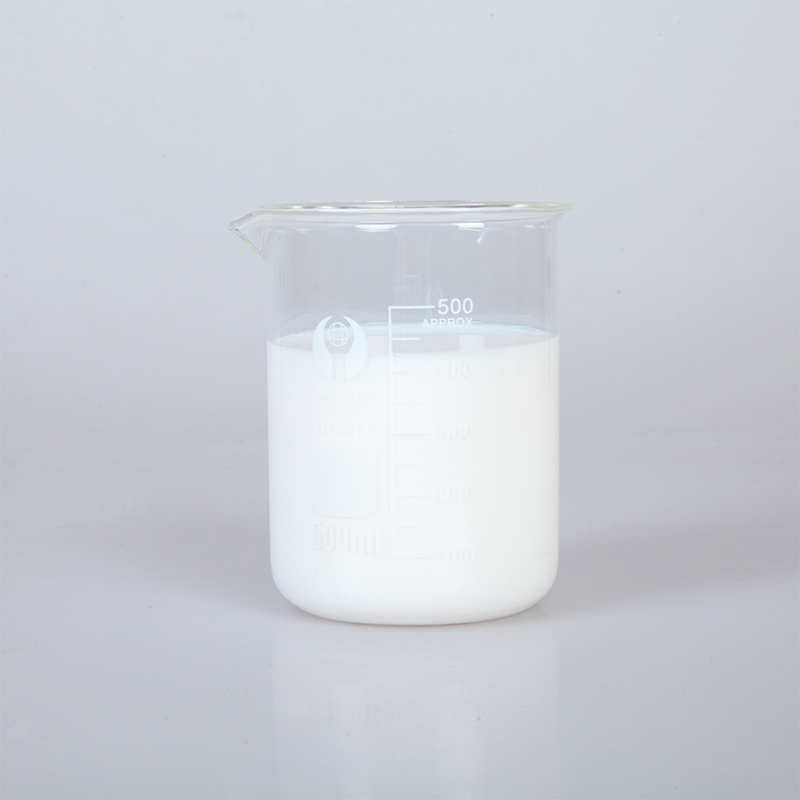
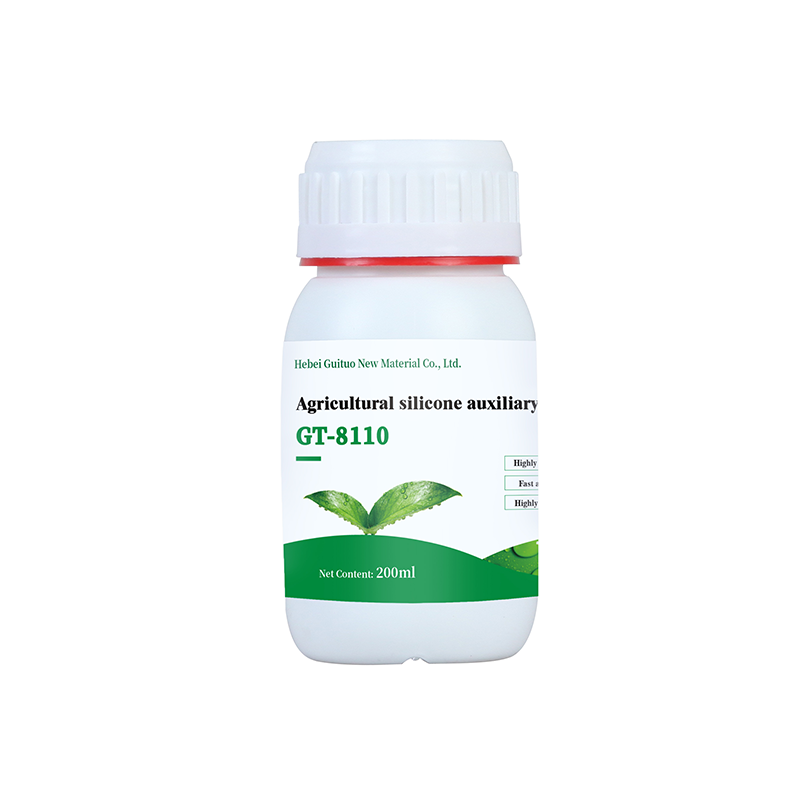
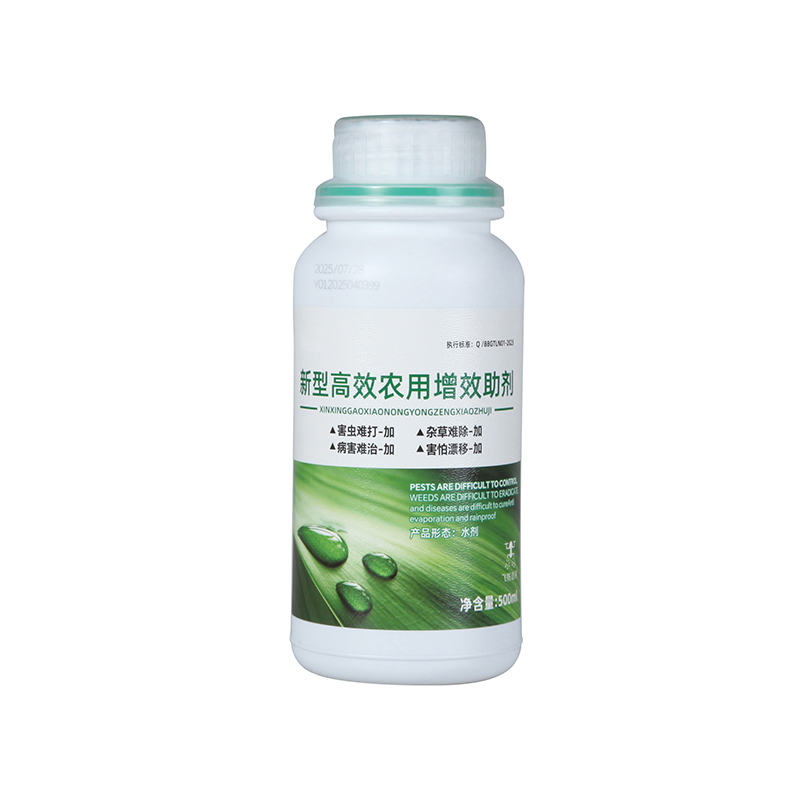
Product: Organosilicone Surfactant


Contact Information
Tel : +86-400-138-5268
Email : [email protected]
Phone : +86-15128434888 / +86-13511051998
Add : Xinqiao Environmental Protection Industrial Park, Wen'an County, Langfang City, Hebei Province, China
Contact Information
Copyright © Hebei Guituo New Material Co., Ltd. All Rights Reserved.
