

 English
  Français
  Português
 Home / Author / Wang Lina, After-sales Service Engineer (Silicone Additives) / Mite-Killing Adjuvants: Improving Acaricide Coverage, Penetration, and Crop Protection Performance
 Mite-Killing Adjuvants: Improving Acaricide Coverage, Penetration, and Crop Protection Performance
2026-08-02
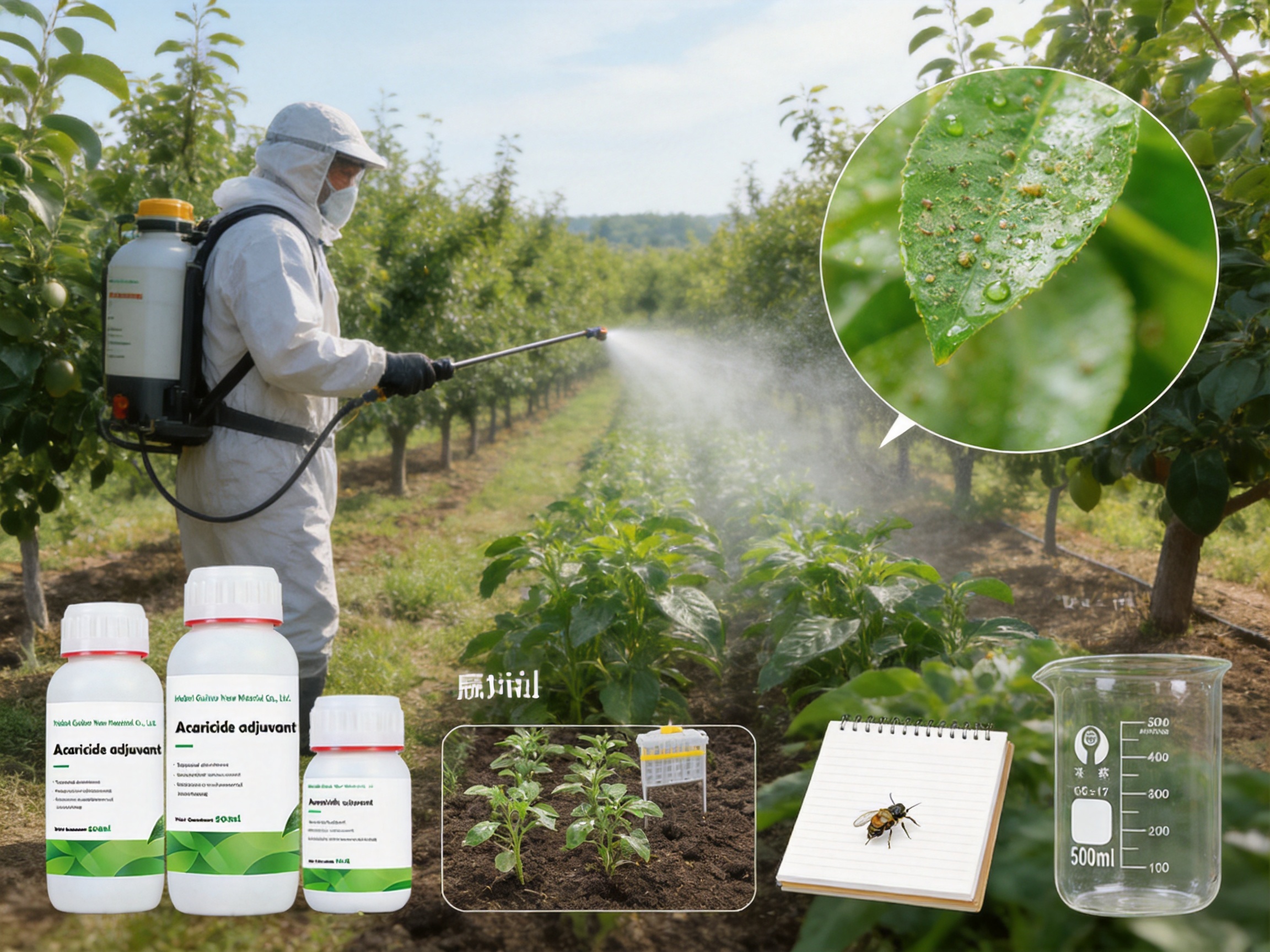
Mite infestations are among the most difficult pest-management challenges in modern agriculture. Spider mites, rust mites, broad mites, and other phytophagous mite species are small, highly reproductive, and frequently located in protected areas such as the undersides of leaves, leaf veins, buds, and fruit surfaces. Their position, size, waxy body coating, and ability to develop resistance can significantly reduce the performance of conventional spray programs. Even when an acaricide has strong biological activity, insufficient wetting, uneven coverage, rapid runoff, or poor contact with the target pest may limit the final result.
Mite-Killing Adjuvants GT-6000 are designed to address these application challenges. As a silicone-based agricultural synergist, GT-6000 helps improve the spreading, wetting, adhesion, and penetration behavior of acaricide spray solutions. Its key function is not to replace the active acaricide ingredient, but to help the active ingredient reach more target surfaces and remain in contact with them for a more effective period.
The product is based on a polyether-modified trisiloxane silicone surfactant. It is characterized by a low surface tension, a balanced viscosity range, a near-neutral pH in aqueous solution, and high stated purity. These characteristics make it suitable for formulation development and tank-mix applications where improved coverage and deposition are required. When used according to the directions of the relevant acaricide label and after crop-safety testing, GT-6000 can support more consistent mite-control performance across a wide range of agricultural conditions.
1. The Role of Adjuvants in Modern Mite Management
Acaricides are formulated to control mites through contact, ingestion, translaminar activity, or other biological mechanisms. However, the effectiveness of an acaricide depends on more than the toxicity of its active ingredient. The spray must first reach the crop surface, spread across the leaf, remain attached after application, and contact the pest or penetrate the relevant plant or pest surface.
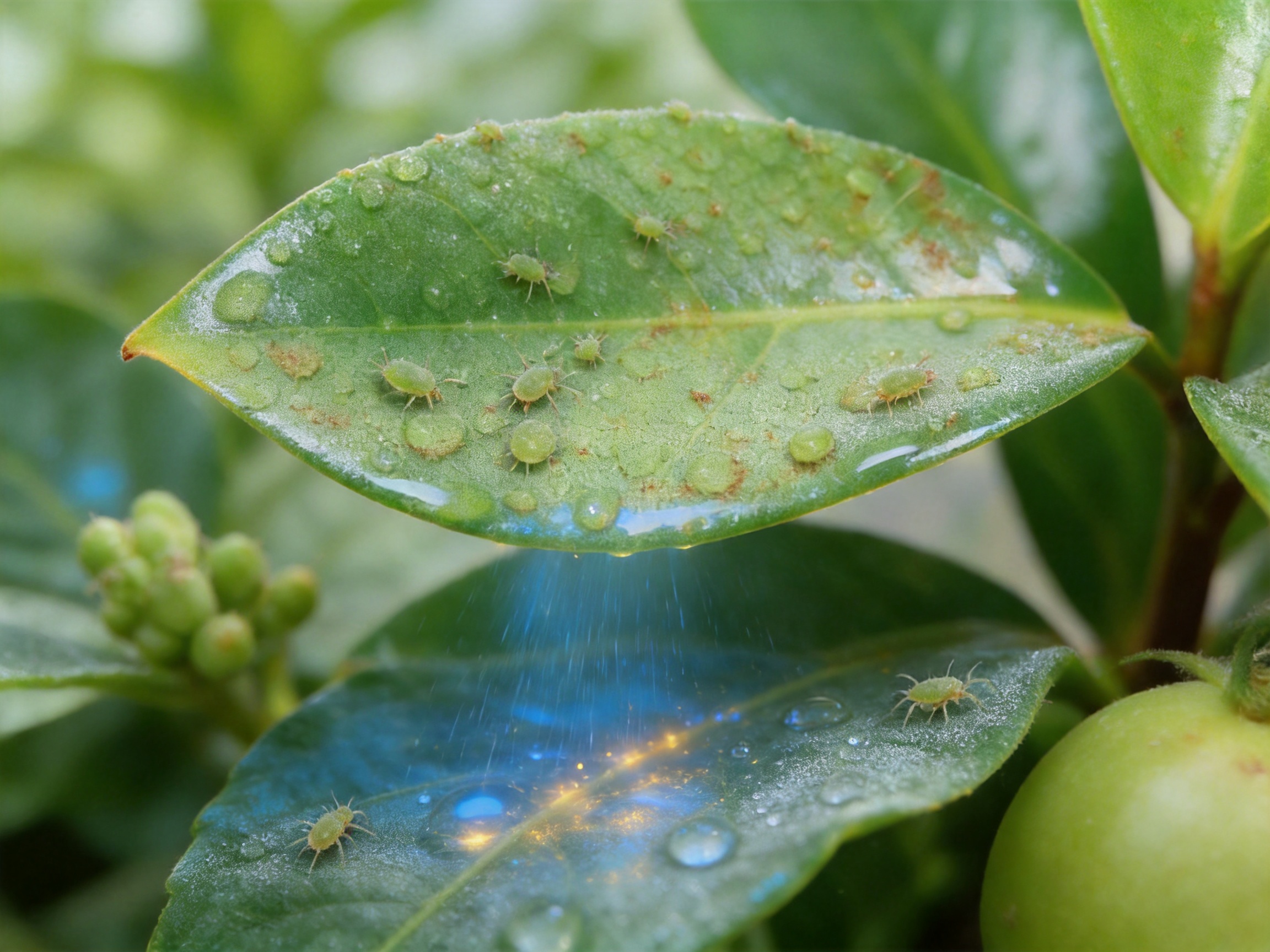
Many agricultural leaves have hydrophobic or wax-covered surfaces. Spray droplets may remain rounded, bounce away, run off, or collect in isolated locations. This is especially problematic when the target mites are concentrated on the underside of leaves, where ordinary spray patterns may provide incomplete coverage. The problem can become more severe under dry weather, high temperatures, dense foliage, or low-volume spraying conditions.
An effective adjuvant modifies the physical behavior of the spray solution. By lowering surface tension, it allows droplets to spread over a larger area. By improving wetting, it supports more uniform contact with the leaf surface. By strengthening deposition, it can reduce premature runoff. By supporting penetration through certain waxy layers, it may help the acaricide reach target areas that are difficult to treat through simple surface spraying.
These functions are particularly important in integrated mite management. The goal is not merely to apply a large amount of chemical, but to use the available acaricide more efficiently and distribute it more uniformly. Better deposition can help reduce untreated areas, improve consistency between applications, and support resistance-management programs when combined with appropriate active-ingredient rotation and other control methods.
2. Product Overview of GT-6000
GT-6000 is a mite-killing adjuvant developed for use with acaricides and other agricultural crop-protection formulations. It belongs to the agricultural silicone synergist category and can also be described as a silicone surfactant or polyether-modified trisiloxane.
| Item | Specification |
|---|---|
| Product model | GT-6000 |
| Product name | Mite-Killing Adjuvants |
| Primary category | Agricultural silicone synergist |
| Application | Adjuvant for acaricides and agricultural spray solutions |
| CAS number | 27306-78-1 |
| EINECS number | 608-078-3 |
| Synonyms | Silicone surfactant; polyether-modified trisiloxane |
| Stated purity | 99.8% |
| Viscosity at 25°C | 30–50 mm²/s |
| Surface tension at 0.1% by weight | Less than 20.5 mN/m |
| Cloud point at 1.0% by weight | Not more than 35°C |
| pH value of 1% aqueous solution at 25°C | 6.5–7.5 |
The combination of low surface tension and controlled flow properties is central to the product’s performance. A low surface tension allows water-based droplets to spread more readily on plant surfaces that would otherwise repel water. The viscosity range supports convenient handling and blending while helping the material retain the functional characteristics expected from a silicone surfactant.
The near-neutral pH range is also useful in formulation and tank-mix development. It may reduce the risk of unnecessary pH stress in compatible mixtures, although the pH of the complete spray tank must always be evaluated. Compatibility depends on the specific acaricide, water quality, formulation type, concentration, temperature, and mixing order.
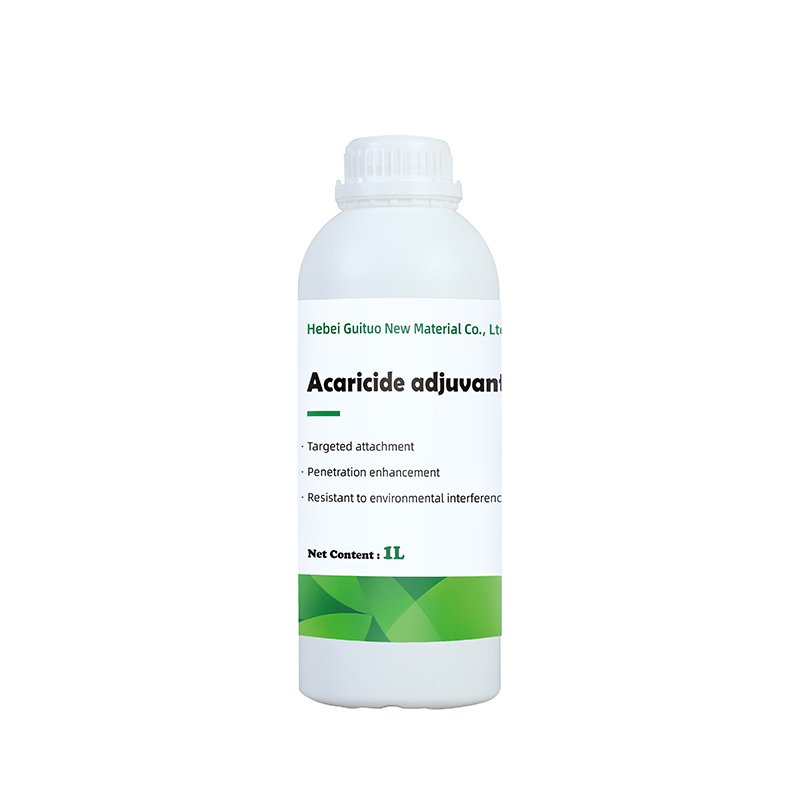
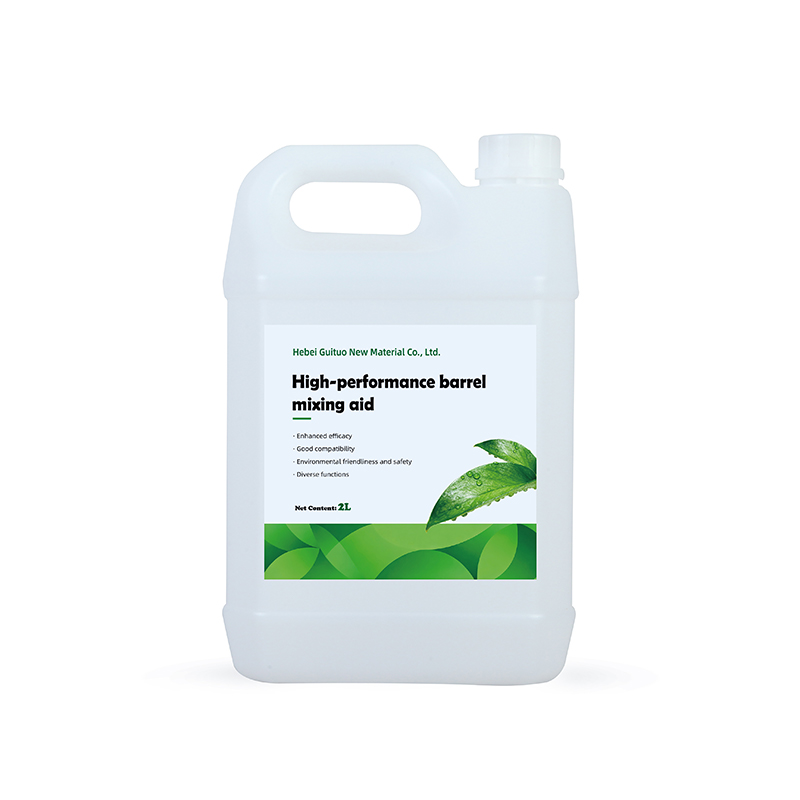
Mite-Killing Adjuvants
3. How GT-6000 Enhances Acaricide Application
3.1 Lowering Surface Tension
Surface tension determines how strongly a liquid droplet resists spreading. A spray solution with relatively high surface tension tends to form beads on a waxy leaf. These beads may cover only a small area, remain unstable, or slide away from the application site. This limits the amount of leaf and pest surface exposed to the acaricide.
GT-6000 lowers the surface tension of the diluted spray solution. At the stated test concentration of 0.1% by weight, its surface tension is below 20.5 mN/m. This property encourages droplets to flatten and spread across the leaf surface. Improved spreading can be especially valuable on leaves with a strong wax layer or on plant structures where the available contact area is limited.
Better spreading does not automatically guarantee biological control. The final result also depends on spray volume, nozzle selection, water quality, weather, active ingredient, pest species, and application timing. However, reducing surface tension helps create the physical conditions needed for more complete and uniform coverage.
3.2 Improving Wetting of Leaf Undersides
Mites commonly shelter on the underside of leaves. This location protects them from direct sunlight, reduces exposure to environmental stress, and may make them less accessible to a conventional spray pattern. If the droplet does not wet the underside effectively, a significant portion of the pest population may remain untreated.
A silicone synergist can support improved wetting and spreading when droplets reach difficult plant surfaces. GT-6000 helps the diluted acaricide solution move across the leaf rather than remaining concentrated in isolated droplets. This is valuable in crops with dense canopies, overlapping foliage, or leaves with hydrophobic surfaces.
Application technique remains essential. Operators should use suitable spray equipment, adequate water volume, and nozzle settings that promote penetration into the canopy. The adjuvant can improve the behavior of the spray, but it cannot compensate for insufficient coverage or incorrect equipment adjustment.
3.3 Supporting Adhesion and Deposition
After a droplet reaches a plant surface, it must remain there long enough for the acaricide to perform its intended function. Runoff reduces the amount of active ingredient left on the crop and can cause uneven distribution. GT-6000 helps the spray solution spread and adhere more effectively, which may improve deposition on leaves and target surfaces.
Improved adhesion is particularly important for contact acaricides. These products require direct exposure to the pest. If the spray runs off rapidly or fails to cover the underside of the leaf, the active ingredient may not reach the mites at a sufficient concentration. More stable deposition can therefore support more reliable contact between the acaricide and the target population.
Adhesion may also help reduce the effect of minor environmental disturbances. However, no adjuvant can make a spray completely resistant to heavy rainfall, irrigation, intense wind, or severe weather. Applications should be scheduled according to the acaricide label and local conditions, with appropriate rainfastness testing where necessary.
3.4 Facilitating Penetration Through Waxy Layers
Mites have a protective outer surface that can limit the entry of certain spray materials. Plants also possess waxy cuticles that influence how liquids spread and move over or through the leaf surface. A compatible silicone adjuvant can help modify the interaction between the spray solution and these surfaces.
GT-6000 is intended to support the penetration and distribution of acaricide spray solutions. By improving wetting and contact, it may help the active ingredient reach areas where mites are located. Depending on the chemistry and mode of action of the acaricide, improved deposition may be more important than actual penetration into plant tissue. Therefore, performance should be evaluated according to the biological characteristics of the selected acaricide.
It is important not to interpret penetration enhancement as permission to increase the application rate. The correct approach is to use the adjuvant within the recommended concentration range and evaluate efficacy, crop tolerance, and residue requirements through controlled trials.
4. Competitive Advantages of Silicone-Based Mite Adjuvants
4.1 Superior Spreading Efficiency
Traditional nonionic surfactants can improve wetting, but silicone surfactants are known for their ability to reduce surface tension rapidly and promote efficient spreading at relatively low use concentrations. This can help the spray solution cover a larger area with the same volume of water.
GT-6000’s stated low surface-tension performance is one of its main advantages over less efficient wetting agents. Greater spreading efficiency can support better use of spray liquid, particularly where the target pest occupies a broad leaf surface or where the crop canopy makes uniform coverage difficult.
4.2 Better Access to Difficult Target Sites
Many conventional adjuvants provide general wetting but may not be optimized for the complex surfaces encountered in mite control. GT-6000 is positioned specifically for applications where mites are found on leaf undersides and where the spray must overcome waxy surfaces and limited access.
Its silicone structure supports rapid wetting, while the polyether-modified design contributes to compatibility with water-based agricultural spray systems. This balance can make it more suitable for acaricide applications than a basic spreading agent that provides only one functional benefit.
4.3 Efficient Support for Reduced Chemical Waste
When spray droplets spread and remain on the target surface, a greater proportion of the applied solution can contribute to the intended treatment. This may reduce waste caused by runoff, poor deposition, or untreated areas. In some programs, improved application efficiency may allow formulators and growers to optimize the amount of acaricide used within legally approved label limits.
Any reduction in acaricide dosage must be supported by efficacy data and must comply with local regulations. GT-6000 should be viewed as a performance-enhancing tool rather than a basis for unauthorized rate reduction.
4.4 Balanced Physical Properties
The product combines a stated purity of 99.8%, a viscosity of 30–50 mm²/s at 25°C, surface tension below 20.5 mN/m at 0.1% concentration, and a pH value of 6.5–7.5 in a 1% aqueous solution. These specifications provide a practical starting point for quality control and formulation design.
A controlled viscosity can help with metering, blending, and handling. A near-neutral pH can be beneficial in mixtures that are sensitive to strong acidity or alkalinity. The low surface tension supports fast spreading. Together, these properties create a balanced profile for agricultural spray applications.
4.5 Application Versatility
Although GT-6000 is presented as a mite-killing adjuvant, its wetting and spreading functions may be relevant to other agricultural formulations where improved coverage is needed. Potential applications include insecticides, fungicides, herbicides, foliar nutrients, and plant-growth-regulator sprays, subject to compatibility and crop-safety testing.
This versatility can give formulators and distributors greater flexibility. One silicone synergist may support several product lines while maintaining a consistent supply and quality-control process. Nevertheless, every new application should be tested independently because the behavior of an adjuvant varies with the active ingredient, solvent system, formulation type, and target crop.
5. Manufacturing Strengths and Quality-Control Approach
The performance of a silicone agricultural adjuvant depends heavily on manufacturing consistency. Small variations in molecular structure, polyether modification, residual content, viscosity, or active concentration can affect wetting, spreading, compatibility, and crop safety. For this reason, a reliable supplier must combine controlled production with systematic testing.
Hebei Guituo New Material Co., Ltd. is described as a high-technology enterprise integrating research and development, production, and sales. Its product portfolio includes silicone additives, wetting agents, modified silicone oils, dimethyl silicone oils, surfactants, defoamers, and related materials. This broad product structure supports technical experience across industrial and agricultural applications.
5.1 Integrated Research and Development
An integrated research and development system allows the manufacturer to study the relationship between silicone chemistry and application performance. For agricultural adjuvants, this includes evaluating surface tension, wetting speed, spreading behavior, emulsion stability, dilution performance, compatibility, and crop response.
Technical development can also focus on adapting products to different climates and application methods. Agricultural customers may require adjuvants for low-volume spraying, high-water-volume applications, greenhouse crops, orchards, field crops, or specialty plants. A manufacturer with formulation knowledge can provide more targeted recommendations than a supplier that only distributes standard surfactants.
5.2 Advanced Production Equipment
The company reports the use of advanced production equipment and precise testing facilities. Controlled equipment is important for silicone materials because reaction conditions, feed ratios, temperature, pressure, mixing intensity, and processing time can influence final performance.
Production control begins with the selection and inspection of raw materials. Consistent raw materials help maintain the required molecular characteristics and reduce batch-to-batch variation. During manufacturing, process parameters should be monitored and recorded. After production, the finished material should be tested against defined specifications before release.
5.3 Full-Process Quality Monitoring
A full-process quality system extends from raw-material reception to finished-product delivery. This approach may include supplier qualification, incoming-material inspection, in-process monitoring, finished-product analysis, packaging inspection, storage control, and shipment documentation.
For GT-6000, relevant quality indicators include purity, viscosity, surface tension, cloud point, pH, appearance, and storage stability. Maintaining these parameters within the stated ranges helps customers achieve more predictable formulation and field performance.
| Quality-Control Stage | Typical Focus | Value to Customers |
|---|---|---|
| Raw-material inspection | Identity, purity, and consistency of incoming materials | Reduces variation before production begins |
| Process monitoring | Reaction conditions, mixing, temperature, and processing time | Supports stable molecular and physical properties |
| Finished-product testing | Purity, viscosity, surface tension, pH, cloud point, and appearance | Confirms compliance with technical specifications |
| Packaging inspection | Container integrity, labeling, and sealing | Protects product quality during transport and storage |
| Delivery control | Batch identification and shipment documentation | Improves traceability and supply reliability |
5.4 Technical and Production Personnel
Experienced technical and production teams contribute to stable output and practical customer support. Agricultural adjuvants are not evaluated only by laboratory specifications. Their success also depends on how they behave in real spray tanks, under different water qualities, and across different crops and environmental conditions.
A capable technical team can help customers investigate issues such as excessive foaming, poor emulsification, separation, nozzle blockage, uneven wetting, or crop sensitivity. It can also assist in selecting the right addition sequence and concentration for a particular formulation system.
5.5 Stable Domestic and International Supply
Supply stability is an important advantage for agrochemical manufacturers. Seasonal demand can increase sharply before major crop-protection periods. A supplier must be able to provide consistent quality and sufficient volume without compromising specifications.
The company serves domestic agrochemical enterprises and exports silicone materials to markets including Europe and Southeast Asia. Repeated purchases and international market feedback can help strengthen production planning, quality management, packaging systems, and customer-service procedures.
6. Formulation and Tank-Mix Considerations
GT-6000 may be used as a formulation ingredient or as a tank-mix adjuvant, depending on the product design and local regulatory requirements. Formulators should assess its compatibility with the selected acaricide, solvents, emulsifiers, preservatives, salts, oils, and other additives.
6.1 Compatibility Testing
A small-scale compatibility test should be completed before preparing a large batch or treating a commercial crop. The test should examine dilution behavior, clarity, separation, sedimentation, viscosity changes, foaming, odor, and container stability.
The recommended test sequence may include adding water to a clean container, introducing the acaricide according to its label instructions, adding GT-6000 at the planned concentration, and observing the mixture over time. The exact order may change depending on whether the acaricide is a suspension concentrate, emulsifiable concentrate, soluble concentrate, water-dispersible granule, or another formulation type.
Compatibility testing should use the same water source intended for field application. Hard water, alkaline water, high salt content, or suspended minerals can change the behavior of a spray mixture. Temperature should also be considered because cloud point and viscosity may change under different conditions.
6.2 Concentration Selection
The optimum concentration depends on the acaricide formulation, crop, pest, water volume, spray equipment, and environmental conditions. A higher concentration does not necessarily create better performance. Excessive silicone surfactant may increase the risk of runoff, foaming, unwanted penetration, or crop injury.
Users should follow the supplier’s technical recommendation and the acaricide label. Where no established rate exists, controlled trials should be conducted using several concentrations. Evaluation should include pest mortality, coverage quality, residue appearance, leaf condition, fruit condition, and any delayed phytotoxicity.
6.3 Mixing Procedure
Clean water should normally be placed in the spray tank first, with agitation started before the addition of products. Acaricides should be added according to their formulation requirements. GT-6000 may be added at the stage recommended by the technical supplier or product label.
The mixture should remain adequately agitated during preparation and application. Unused spray solution should not be stored unless the formulation supplier has confirmed its stability. Prolonged storage can lead to separation, concentration changes, or loss of performance.
7. Crop Safety and Responsible Use
Adjuvants can improve pesticide performance, but they can also increase the amount of active ingredient deposited on a plant surface. This is why crop safety must be evaluated carefully. Sensitive crops may show leaf burn, bronzing, spotting, discoloration, distortion, or growth inhibition if the mixture is too concentrated or applied under stressful conditions.
7.1 Crop Sensitivity
Fruits, vegetables, ornamental plants, young seedlings, and plants with thin or tender leaves may require more cautious testing. Grapes, apples, tomatoes, lettuce, cucumbers, peppers, and other specialty crops can respond differently to the same adjuvant and acaricide combination.
Cereals and mature woody plants may tolerate some spray mixtures more readily, but tolerance cannot be assumed. Cultivar, plant age, nutritional status, disease pressure, and environmental stress may influence the outcome.
7.2 Weather Conditions
Applications should generally avoid extreme heat, intense sunlight, drought stress, frost, heavy dew, strong wind, and imminent rainfall. High temperatures may accelerate evaporation and increase the concentration of the spray residue on the leaf. Strong sunlight can increase the risk of leaf injury in sensitive crops.
Early morning or late afternoon applications may reduce heat stress, provided that the leaves are not excessively wet and the product label permits application at those times. Wind conditions should be suitable to limit drift onto neighboring crops, waterways, workers, and non-target vegetation.
7.3 Small-Scale Crop Testing
Before broad application, users should treat a limited area representing the crop variety, growth stage, and field conditions. The treated area should be compared with an untreated or standard-treatment area. Observations should be made shortly after application and again several days later because some crop responses are delayed.
| Crop Group | Potential Concern | Recommended Precaution |
|---|---|---|
| Fruit crops | Leaf or fruit marking, especially at high concentration | Test on a small area and avoid sensitive flowering or heat-stressed periods |
| Vegetable crops | Leaf burn, discoloration, or residue visibility | Use label-compliant rates and apply under moderate conditions |
| Cereal crops | Generally broader tolerance, but injury is still possible | Confirm compatibility with the selected acaricide and crop stage |
| Woody plants | Varietal sensitivity and uneven canopy coverage | Adjust spray volume and verify performance on representative foliage |
| Greenhouse crops | High humidity, limited ventilation, and concentrated residues | Conduct controlled trials and monitor drying time and phytotoxicity |
8. Contribution to Resistance Management
Mites can develop resistance quickly because of their short generation time, high reproductive capacity, and repeated exposure to the same mode of action. Poor spray coverage can accelerate this process by allowing partially exposed mites to survive and reproduce.
GT-6000 can support resistance-management programs by helping improve the uniformity of acaricide coverage. When more of the target population receives an effective exposure, the number of survivors caused by application failure may be reduced. This is different from changing the biological mode of action; the adjuvant improves application efficiency rather than replacing the need for active-ingredient rotation.
Responsible resistance management should include rotating acaricides with different modes of action, applying products only when economically justified, monitoring mite populations, protecting beneficial organisms where possible, and following regional integrated pest-management recommendations. Adjuvants should be used as part of this strategy, not as a substitute for it.
9. Environmental and Operational Benefits
Improved spray deposition may reduce the amount of product lost through runoff or inadequate wetting. Better coverage can also reduce the temptation to repeat applications too soon because of visible untreated areas. These benefits can contribute to more efficient resource use when supported by field data.
Silicone-based adjuvants are often valued for their high efficiency at low use concentrations. This may reduce the volume of auxiliary material required for a given spray operation. Lower use volume can simplify storage, transport, and handling, although environmental safety still depends on the complete mixture and application method.
Users must prevent spray drift and runoff into ponds, streams, irrigation channels, and other sensitive areas. Product containers should be stored securely, handled according to the safety data sheet, and disposed of in accordance with local regulations. Protective equipment should be used during handling and mixing.
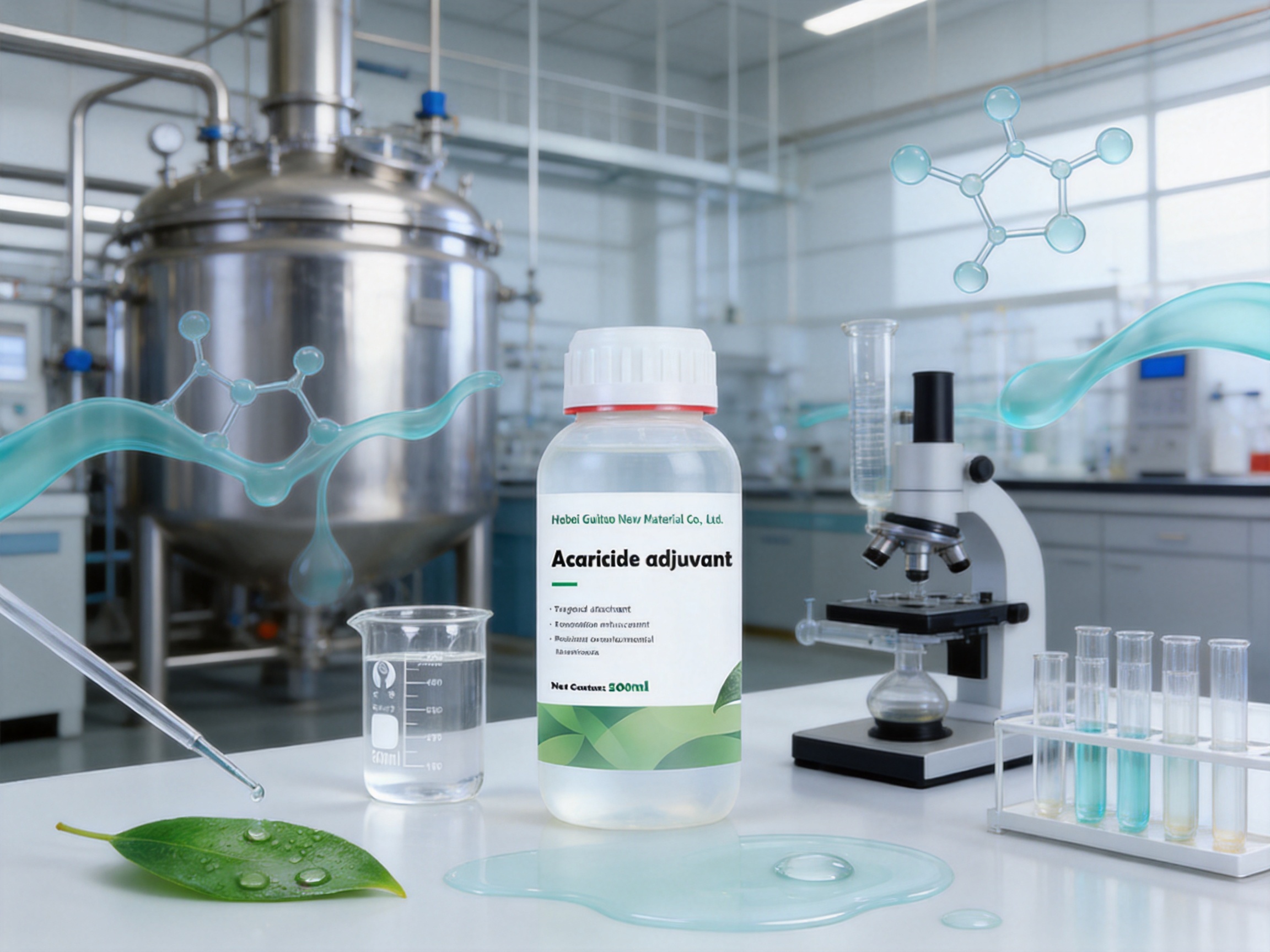
10. Customization, OEM, and ODM Support
Agricultural chemical manufacturers often require more than a standard product. They may need a specific active concentration, packaging format, viscosity, compatibility profile, labeling language, or delivery schedule. A supplier capable of OEM and ODM cooperation can help address these requirements.
Customization may include private-label packaging, customer-specific technical specifications, product naming, container sizes, documentation, and formulation adjustment. For large-scale customers, the supplier may also provide sample evaluation, pilot production, batch comparison, and technical communication during product qualification.
ODM cooperation can be valuable when a customer wants to develop an agricultural silicone synergist for a particular crop or pesticide system. Development work may focus on faster wetting, reduced foam, improved cold-weather performance, compatibility with oil-based formulations, or a specific cloud-point range.
Before finalizing a custom product, both parties should agree on measurable quality criteria. These may include surface tension, viscosity, active content, pH, appearance, storage stability, packaging integrity, and acceptable batch variation. Clear specifications improve communication and help ensure that commercial deliveries match the approved sample.
11. Recommended Evaluation Program for Professional Buyers
Professional buyers can evaluate GT-6000 through a staged qualification program. The first stage is document review, including the technical data sheet, safety data sheet, specification sheet, packaging information, and regulatory documentation required by the destination market.
The second stage is laboratory compatibility testing. The product should be mixed with representative acaricides and local water sources. Tests should evaluate dilution, separation, foaming, wetting time, spreading diameter, surface tension, and short-term storage stability.
The third stage is greenhouse or small-plot testing. A representative crop should be selected, together with a known mite population and a standard acaricide treatment. Treatments should compare the acaricide alone, the acaricide with GT-6000, and, where appropriate, a competing adjuvant.
The fourth stage is field validation. The trial should be conducted under commercial conditions, with measurements for spray coverage, pest reduction, crop tolerance, weather exposure, and application practicality. This information can help determine whether GT-6000 provides a meaningful improvement over the existing adjuvant program.
| Evaluation Area | Suggested Measurement | Purpose |
|---|---|---|
| Physical performance | Surface tension, wetting time, spreading area | Confirms the expected surfactant function |
| Tank compatibility | Separation, sedimentation, foaming, viscosity change | Identifies formulation or mixing problems |
| Crop safety | Leaf injury, discoloration, growth response | Determines tolerance under practical conditions |
| Pest control | Live mite counts and damage assessment | Measures biological improvement |
| Rainfastness | Performance after simulated or natural rainfall | Evaluates retention and weather resistance |
| Operational value | Mixing time, sprayability, nozzle behavior, handling | Assesses ease of commercial use |
12. Why Select GT-6000 for Acaricide Applications?
GT-6000 is designed around the specific application difficulties associated with mite control. Its low surface tension helps droplets spread over hydrophobic foliage. Its silicone-based structure supports rapid wetting and deposition. Its polyether modification is intended to provide a practical balance between agricultural performance and formulation compatibility.
The product also offers a defined technical specification profile. Purity, viscosity, surface tension, cloud point, and pH are identified parameters that can be monitored during purchasing and quality control. This is important for manufacturers that need reliable performance across repeated batches.
Compared with a basic surfactant, GT-6000 offers a more targeted approach to spray coverage and penetration. Compared with an uncharacterized additive, it provides measurable specifications and a clearer technical identity. Compared with a supplier focused only on trading, an integrated manufacturer can offer research support, production control, customization, and supply coordination.
The company’s broader silicone-material portfolio is another advantage. Experience with modified silicone oils, wetting agents, defoamers, and surfactants can support cross-functional problem solving. Customers may be able to source several related materials from one technical partner rather than managing multiple unrelated suppliers.
For international buyers, export experience and OEM/ODM capabilities can simplify cooperation. Product development, packaging, documentation, and shipment planning can be coordinated through one supplier. This can be particularly useful for distributors and agrochemical manufacturers seeking a stable long-term source.
13. Practical Application Principles
Use GT-6000 only with a compatible acaricide and in accordance with the relevant product label and local agricultural regulations. The adjuvant should not be considered an independent pest-control chemical unless separately registered and authorized for that purpose.
Before commercial use, conduct a jar test and a small crop-safety test. Confirm that the selected concentration provides adequate spreading without excessive runoff, foaming, or phytotoxicity. Use clean equipment and maintain consistent agitation during tank preparation.
Apply the spray with sufficient coverage of the upper and lower leaf surfaces. Adjust nozzle type, pressure, water volume, and travel speed to the crop canopy. Avoid relying on the adjuvant to compensate for inadequate spray penetration or an unsuitable application method.
Monitor the treated crop after application. Check mite populations, new feeding damage, leaf condition, and any signs of chemical stress. Record the application date, weather, water volume, acaricide rate, adjuvant rate, and observed results. These records can improve future treatment decisions.
14. Frequently Asked Questions
Q1. What is GT-6000?
GT-6000 is a silicone-based mite-killing adjuvant used with acaricides. It is identified as a polyether-modified trisiloxane and is intended to improve spray wetting, spreading, adhesion, and penetration on crop and pest surfaces.
Q2. Does GT-6000 kill mites by itself?
GT-6000 is an auxiliary adjuvant rather than a replacement for an acaricide active ingredient. Its primary role is to improve the physical application and performance of a compatible acaricide. Mite-control results depend on the selected acaricide, pest species, application rate, coverage, weather, and resistance status.
Q3. Why is low surface tension important?
Low surface tension helps spray droplets spread instead of remaining as rounded beads. This can increase contact with waxy leaves, leaf undersides, and other difficult surfaces. GT-6000 has a stated surface tension below 20.5 mN/m at 0.1% by weight.
Q4. Can GT-6000 improve acaricide penetration?
It is designed to support improved wetting and penetration of spray solutions through or across waxy plant and pest surfaces. The actual effect depends on the acaricide chemistry, plant species, pest biology, concentration, and environmental conditions. Field testing is recommended.
Q5. Is GT-6000 suitable for all crops?
No universal adjuvant should be assumed to be safe for every crop and condition. Sensitive fruits, vegetables, ornamentals, young plants, and stressed crops may require additional testing. Users should follow the acaricide label, conduct a small-scale crop-safety trial, and avoid extreme environmental conditions.
Q6. Can GT-6000 be used with other pesticides?
Its wetting and spreading functions may also be useful with insecticides, fungicides, herbicides, foliar fertilizers, or plant-growth regulators. Compatibility must be evaluated separately for each formulation and crop. A successful result with one pesticide does not guarantee compatibility with another.
Q7. What is the recommended mixing order?
The mixing order depends on the formulation type and the product label. In general, water is placed in the tank first with agitation, followed by the acaricide and then the adjuvant at the recommended stage. A jar test should be completed before large-scale mixing.
Q8. What quality specifications are available?
The supplied specifications include 99.8% purity, viscosity of 30–50 mm²/s at 25°C, surface tension below 20.5 mN/m at 0.1% by weight, cloud point not higher than 35°C at 1% by weight, and pH of 6.5–7.5 in a 1% aqueous solution at 25°C.
Q9. Does the product help prevent acaricide resistance?
Improved coverage may reduce survival caused by incomplete exposure, which can support resistance-management programs. However, GT-6000 does not replace active-ingredient rotation, monitoring, integrated pest management, or correct application timing.
Q10. Can the product be customized?
The manufacturer accepts OEM and ODM orders. Depending on project requirements, customization may involve packaging, labeling, technical parameters, product development, or formulation support. Specific arrangements should be confirmed with the supplier.
Q11. What information should buyers provide when requesting a quotation?
Buyers should provide the intended application, acaricide formulation, target crop, target market, required packaging, estimated annual volume, desired delivery schedule, and any special regulatory or technical requirements. This information allows the supplier to recommend the most suitable cooperation model.
Q12. How should GT-6000 be stored?
The product should be stored in its original sealed container in a cool, dry, well-ventilated area, away from direct sunlight and incompatible materials. Storage conditions, shelf life, and handling requirements should be confirmed through the current technical and safety documentation.
15. Supplier and Cooperation Information
Hebei Guituo New Material Co., Ltd. develops and manufactures silicone materials for agricultural and industrial applications. Its product range includes organosilicon additives, organosilicon surfactants, agricultural wetting agents, modified silicone oils, dimethyl silicone oils, defoamers, and related specialty materials.
The company emphasizes research and development, advanced production equipment, precise testing facilities, full-process quality monitoring, experienced technical personnel, and stable supply. Its products are used in agriculture, textiles, electronics, daily chemicals, and other fields. Agricultural silicone products are supplied to domestic agrochemical enterprises and international customers.
For product inquiries, technical evaluation, OEM, or ODM cooperation, customers may contact the company through the following details:
Company: Hebei Guituo New Material Co., Ltd.
Address: Xinqiao Environmental Protection Industrial Park, Wen'an County, Langfang City, Hebei Province, China.
Telephone: +86-400-138-5268.
Additional telephone contacts: +86-15128434888; +86-13511051998.
WhatsApp: +86-13722611888.
Email: [email protected].
Conclusion
Mite control depends on both chemical activity and application quality. Acaricides cannot perform to their full potential if the spray fails to wet the leaf, reach the underside, adhere to the target surface, or remain available long enough for effective contact. GT-6000 addresses these physical challenges through silicone-based wetting, spreading, adhesion, and penetration enhancement.
Its stated technical profile includes high purity, low surface tension, controlled viscosity, a defined cloud point, and a near-neutral pH in aqueous solution. These properties make it a useful candidate for acaricide formulation and tank-mix development. Its advantages over less specialized adjuvants include efficient spreading, improved access to difficult surfaces, measurable quality specifications, and application versatility.
The manufacturing strengths associated with Hebei Guituo New Material Co., Ltd.—including integrated research and development, advanced equipment, precise testing, process-wide quality control, experienced personnel, international supply capability, and OEM/ODM support—provide additional value for professional buyers.
As with all agricultural additives, product performance and crop safety depend on correct use. Compatibility testing, small-scale crop trials, label compliance, suitable weather, and integrated resistance management should form part of every application program. When used responsibly with a compatible acaricide, GT-6000 can help growers and formulators achieve more uniform spray coverage and more efficient mite-management performance.
References
1. Product technical specification for GT-6000 silicone agricultural adjuvant, including purity, viscosity, surface tension, cloud point, and pH data.
2. General principles of agricultural spray adjuvants, wetting agents, surfactants, and pesticide deposition.
3. Integrated pest-management principles for mite control in agricultural crops.
4. Resistance-management guidance for acaricides and agricultural pest-control programs.
5. Crop-safety evaluation procedures for pesticide adjuvants and tank-mix combinations.
6. General formulation principles for polyether-modified trisiloxane silicone surfactants.
7. Agricultural spray-application practices for improving canopy penetration and leaf-surface coverage.
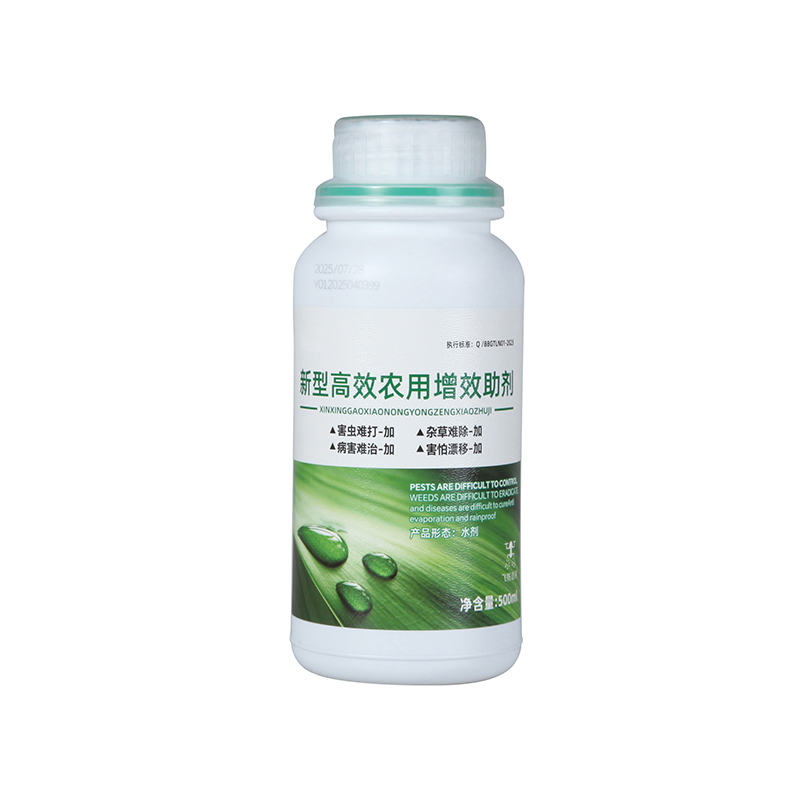
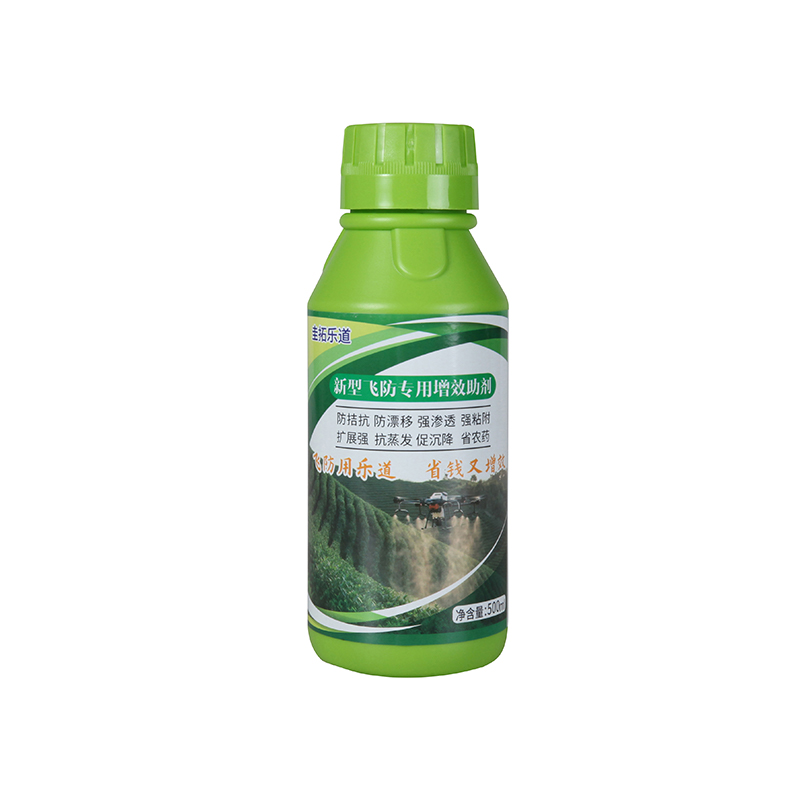
Product: Mite-Killing Adjuvants


Contact Information
Tel : +86-400-138-5268
Email : [email protected]
Phone : +86-15128434888 / +86-13511051998
Add : Xinqiao Environmental Protection Industrial Park, Wen'an County, Langfang City, Hebei Province, China
Contact Information
Copyright © Hebei Guituo New Material Co., Ltd. All Rights Reserved.
