

 English
  Français
  Português
 Home / Author / Wang Lina, After-sales Service Engineer (Silicone Additives) / Emulsified Silicone Oil: Performance, Applications, Manufacturing Quality, and Selection Guide
 Emulsified Silicone Oil: Performance, Applications, Manufacturing Quality, and Selection Guide
2026-08-14
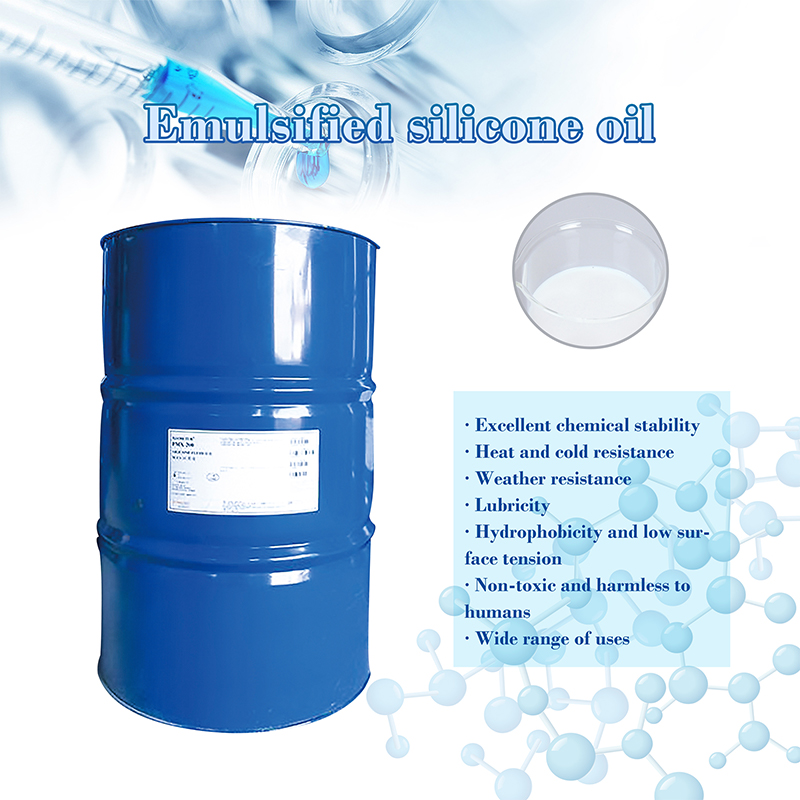
Emulsified silicone oil is a versatile silicone-based material designed to bring the characteristic properties of silicone oil into water-based and polar formulations. It combines low surface tension, lubricity, water repellency, chemical stability, heat resistance, cold resistance, weatherability, and smooth surface feel with the convenience of an aqueous dispersion. Because of this combination, emulsified silicone oil is used in agricultural formulations, personal care products, textiles, coatings, plastics, rubber, leather care, metal processing, automotive products, furniture polishes, paper, wood, glass, ceramics, stone, and many other industrial fields.
Among the available silicone emulsions, LD-620 emulsified silicone oil is designed for customers seeking stable performance, broad formulation compatibility, and dependable supply. Its product profile is based on polydimethylsiloxane emulsion technology and is supported by a wider portfolio of silicone additives, modified silicone oils, wetting agents, surfactants, defoamers, and related functional materials. This product structure allows formulation developers to select a suitable silicone solution for specific requirements rather than relying on a single general-purpose material.
The value of emulsified silicone oil is not limited to its chemical identity. Its practical performance depends on how the silicone phase is dispersed, how the droplets are stabilized, how the product interacts with other ingredients, and how the emulsion behaves during storage, transport, dilution, spraying, coating, or application. A well-designed emulsion can improve spreading, reduce friction, enhance surface protection, support water repellency, control foam, and provide a smooth finish without requiring direct handling of highly viscous silicone oil.
Emulsified Silicone Oil
What Is Emulsified Silicone Oil?
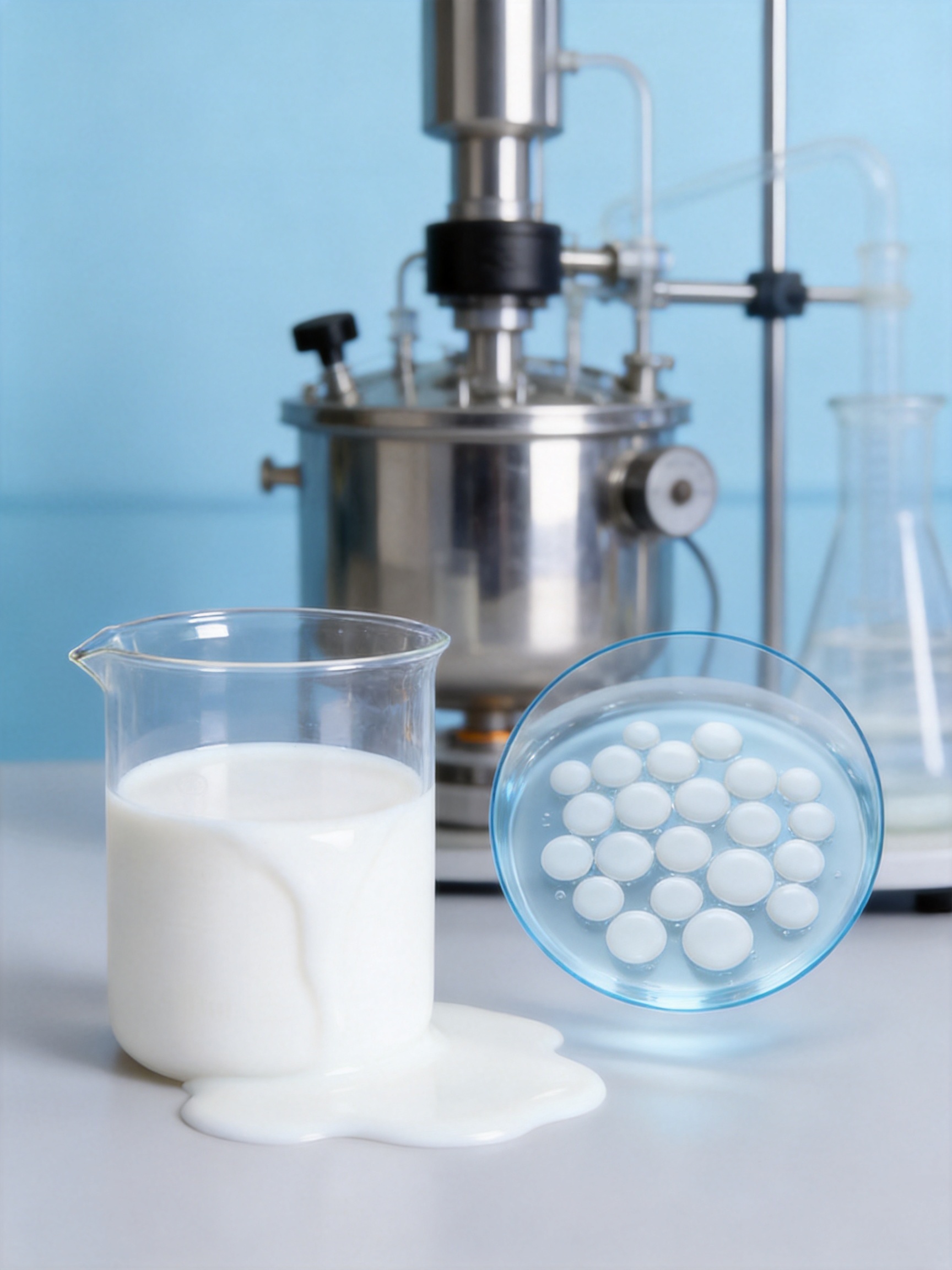
Emulsified silicone oil is a dispersion of silicone oil in water or another compatible polar medium. Since silicone oil and water are naturally immiscible, the silicone phase must be divided into small droplets and stabilized with suitable surfactants or emulsifying agents. The resulting formulation can be incorporated into water-based systems more conveniently than unmodified silicone oil.
The silicone component is commonly based on polydimethylsiloxane, also known as dimethicone or PDMS. Polydimethylsiloxane is valued for its low surface energy, chemical inertness, thermal stability, water repellency, lubricity, and smooth sensory characteristics. When it is converted into an emulsion, these properties can be delivered through a water-compatible product form.
LD-620 is described as a white viscous liquid. The product is insoluble in ethanol and methanol and soluble in aromatic hydrocarbons, aliphatic hydrocarbons, and chlorinated hydrocarbons such as benzene and carbon tetrachloride. These solubility characteristics reflect the silicone oil phase and should be considered when selecting solvents, additives, cleaning agents, or processing conditions.
In practical use, the performance of an emulsified silicone oil is influenced by several interconnected factors. These include the viscosity of the silicone oil, the concentration and type of emulsifier, droplet-size distribution, emulsion stability, pH, dilution water quality, temperature, shear conditions, and compatibility with other ingredients. A product that performs well in one application may require adjustment before use in another application.
Product Profile of LD-620
| Item | Information |
|---|---|
| Product model | LD-620 |
| Product name | Emulsified Silicone Oil |
| Synonym | Polydimethylsiloxane Emulsion |
| CAS number | 9016-00-6 |
| EINECS number | 618-493-1 |
| Reported purity | 99.8% |
| Physical appearance | White viscous liquid |
| Primary product function | Silicone-based wetting, lubricating, release, polishing, protective, and defoaming additive |
The stated purity of 99.8% provides an important reference for buyers, but technical users should always review the current specification sheet, certificate of analysis, and application requirements before commercial use. The appropriate evaluation should include appearance, viscosity, solids or active content, pH, emulsion stability, dilution behavior, particle or droplet characteristics, and compatibility with the complete formulation.
Because emulsions are multi-component systems, purity alone does not define performance. Two products with similar silicone content can behave differently if their emulsifier systems, droplet sizes, or stabilizing technologies differ. LD-620 is therefore best evaluated as a complete formulated material, with attention to both the silicone phase and the stability of the final dispersion.
Core Performance Advantages
Low Surface Tension and Improved Wetting
Silicone materials are recognized for their ability to reduce surface tension. When emulsified silicone oil is diluted or incorporated into a water-based formulation, it can help the liquid spread across surfaces that are difficult to wet. This is especially valuable on waxy leaves, coated substrates, plastics, polished metal, leather, glass, and other hydrophobic materials.
Improved wetting can help a formulation cover a larger area with a more uniform film. In agricultural applications, this may improve the distribution of spray droplets over plant surfaces. In coatings and polishes, it can reduce uneven coverage, crawling, pinholes, and visible streaking. In textile finishing, it can help the treatment spread along fibers and produce a more consistent hand feel.
Lubricity and Smooth Surface Feel
Polydimethylsiloxane provides a low-friction surface. After application and drying, the silicone phase can leave a smooth, lubricious film that reduces drag and improves tactile properties. This makes emulsified silicone oil useful in hair-care products, leather polishes, textile treatments, plastic processing, rubber release systems, furniture care products, and metalworking applications.
In personal care products, silicone-based materials can contribute to smoother combing, improved slip, reduced tangling, and a soft after-feel. In industrial applications, the same lubricating behavior can assist mold release, reduce sticking, and improve the processing behavior of selected polymeric materials.
Water Repellency and Surface Protection
The low surface energy of silicone can provide water-repellent characteristics after deposition on a compatible substrate. This property is useful for leather, textiles, wood, stone, ceramics, glass, paper, and selected coatings. The final level of water repellency depends on the substrate, concentration, drying conditions, film continuity, and any additional binders or protective ingredients in the formulation.
In metal care and industrial maintenance, silicone emulsions can also support surface protection by reducing water contact and improving the uniformity of a protective film. They should not automatically be considered a complete corrosion inhibitor, however. The formulation may require dedicated corrosion-control additives when long-term rust protection is needed.
Release and Anti-Stick Performance
Silicone oil has a low tendency to adhere strongly to many surfaces. This makes emulsified silicone oil useful as a release agent for plastics, rubber, polyurethane, composite materials, and selected molding operations. It can help reduce adhesion between a formed article and a mold or processing surface, supporting easier demolding and reducing surface defects.
In plastic-film production, silicone emulsions may also be used to improve anti-blocking or anti-stick behavior. The precise dosage is important. Excessive silicone can interfere with printing, lamination, bonding, painting, or downstream surface treatment. For this reason, release performance should be evaluated together with coating adhesion and the requirements of subsequent processing steps.
Thermal, Cold, and Weather Resistance
Silicone polymers are known for their broad service-temperature characteristics compared with many conventional organic oils. Emulsified silicone oil can retain useful lubricating and surface-modifying properties across changing temperature conditions, although the emulsion itself has its own storage and processing limits.
High temperature can accelerate water loss, destabilize the emulsion, or promote droplet coalescence if the formulation is not properly designed. Low temperature can increase viscosity and reduce flow. Freeze-thaw conditions may be particularly challenging for aqueous emulsions. Therefore, users should confirm the recommended storage temperature and conduct stability testing under the climate conditions expected during transportation and use.
Chemical Stability
Polydimethylsiloxane is generally chemically stable and has relatively low reactivity with many common formulation components. This stability supports its use in a wide variety of industrial and consumer products. Nevertheless, the complete emulsion may be sensitive to strong acids, strong bases, high electrolyte concentrations, incompatible surfactants, aggressive solvents, or excessive mechanical stress.
Compatibility should be checked in the finished formulation rather than assumed from the silicone oil alone. A jar test, accelerated aging test, dilution test, and application trial can reveal whether the product remains uniform and whether it delivers the expected surface effect.
Foam Control
Silicone-based materials can influence foam behavior because they have low surface tension and can disrupt the stability of air bubbles. Emulsified silicone oil may therefore contribute to foam suppression in water-based coatings, cleaning systems, industrial process liquids, and other formulations where unwanted foam is generated during mixing, filling, pumping, or application.
Defoaming performance depends on the silicone viscosity, droplet size, emulsion stability, dosage, and compatibility with the foaming system. A material optimized for spreading may not provide the same foam-control profile as a dedicated silicone defoamer. In demanding applications, emulsified silicone oil can be used alongside a compatible defoamer to balance surface coverage, appearance, and foam suppression.
Application Areas
Agricultural Silicone Synergist
In agricultural formulations, emulsified silicone oil can function as a spreading and wetting aid. Many active ingredients are applied in water-based spray systems, but plant leaves often have waxy or water-repellent surfaces. Without an effective wetting aid, spray droplets may remain rounded, bounce from the leaf, or dry in an uneven pattern.
By reducing surface tension and improving spreading, emulsified silicone oil can support more uniform leaf coverage. This may help distribute the active formulation over a larger surface area and improve deposition efficiency. The product can be considered for use with selected pesticides, foliar fertilizers, plant-growth products, and other agricultural spray formulations, subject to compatibility, regulatory, and crop-safety evaluation.
Important agricultural evaluation criteria include wetting time, spreading diameter, rainfastness, spray stability, dilution behavior, compatibility with active ingredients, and the possibility of phytotoxicity under specific conditions. The recommended dosage should be established through controlled trials rather than copied from an unrelated formulation.
The advantage of a stable silicone emulsion in agriculture is its ability to combine silicone spreading properties with convenient water-based handling. It can be easier to incorporate into a spray tank or formulated product than a highly viscous, non-emulsified silicone oil. A carefully designed emulsion also helps maintain a more uniform distribution during storage and application.
Personal Care and Hair-Care Products
Emulsified silicone oil is widely used in hair-care products because it can provide slip, softness, gloss, and improved combability. It may be incorporated into shampoos, conditioners, hair masks, styling products, and other rinse-off or leave-on formulations. The silicone film can reduce friction between hair fibers and improve the sensory quality of the finished product.
In shampoos and conditioners, the selection of emulsion type and droplet size affects deposition, wash-off behavior, visual appearance, and conditioning performance. The product must be compatible with surfactants, preservatives, fragrances, salts, thickeners, and other ingredients. A formulation can require adjustment of pH, mixing energy, or addition sequence to maintain stability.
For personal care use, manufacturers must confirm compliance with applicable cosmetic regulations and regional ingredient requirements. The product description indicates that the material is non-toxic and harmless to humans in its intended context, but finished-product manufacturers remain responsible for conducting their own safety assessment and regulatory review.
Leather Polishes and Surface Care
Leather requires a balance of conditioning, surface protection, gloss, and flexibility. Emulsified silicone oil can help spread a polish evenly and provide a smooth, water-repellent surface. It may also reduce the drag associated with application and improve the visual uniformity of the treated leather.
Performance depends on the leather finish, pigment system, wax content, and other oils or solvents in the polish. Testing should examine color change, gloss, rub resistance, flexibility, adhesion of later coatings, and long-term appearance. A silicone treatment that improves gloss may be unsuitable if the leather must later be painted, printed, or bonded.
Automotive and Furniture Products
Automotive interior and exterior care products often require smooth spreading, gloss control, water repellency, and resistance to repeated handling. Emulsified silicone oil can be incorporated into dashboards, trim-care products, tire treatments, plastic polishes, and selected exterior-care formulations.
In furniture and flooring products, the material can improve slip, gloss, cleaning behavior, and resistance to water spotting. For wood, the final appearance is influenced by the coating system, porosity, polish concentration, and drying conditions. Users should evaluate whether the treatment creates excessive slipperiness, attracts dust, or affects the adhesion of future refinishing layers.
Plastic, Rubber, and Polyurethane Processing
Plastics, rubber, and polyurethane processing frequently involves contact between a formed material and a mold or processing surface. Silicone emulsions can function as release agents or process aids by reducing adhesion and supporting clean demolding. They may also help reduce surface friction during selected operations.
The release system should be chosen according to mold temperature, material chemistry, cycle time, surface finish, and the requirements of post-molding operations. If the molded article will be painted, printed, bonded, or coated, residual silicone must be carefully controlled. A release agent that is excellent for demolding may create difficulties in later adhesion-sensitive processes.
Metal Processing and Rust-Reduction Support
In metal processing, emulsified silicone oil can provide lubrication, surface slip, and water-repellent behavior. It may be used in maintenance products, polishing systems, protective treatments, and selected process formulations. Its ability to form a smooth film can reduce friction and help improve surface appearance.
For rust protection, silicone emulsion may support water displacement or reduce direct water contact, but it should be evaluated as part of a complete corrosion-control strategy. Salt spray testing, humidity testing, immersion testing, and storage trials can help determine whether a formulation provides adequate protection for the intended environment.
Coatings, Paints, and Defoamers
Water-based paints and coatings can experience problems such as cratering, pinholes, uneven flow, surface foam, and poor substrate wetting. Silicone additives may help improve leveling and reduce surface tension, while the emulsion form makes incorporation into aqueous systems more practical.
At the same time, silicone must be carefully controlled in coating formulations. Excessive surface activity may create intercoat adhesion problems, fish eyes, or recoat defects. The correct balance depends on resin chemistry, pigment volume concentration, application method, drying speed, and the required surface energy of the finished coating.
In water-based coatings and industrial liquids, emulsified silicone oil may also contribute to foam control. The material can be evaluated in high-speed dispersion, filling, spraying, and roller-application processes. A test should measure foam height, foam decay time, surface appearance, gloss, and storage stability.
Textiles and Fibers
Textile processors use silicone emulsions to improve softness, smoothness, sewability, drape, and surface feel. The emulsion can be applied by padding, exhaustion, spraying, or other finishing techniques depending on the fiber and production line.
In textile finishing, the most important factors include penetration, distribution, drying, curing, hand feel, yellowing resistance, and wash durability. Low-viscosity silicone oils may produce finer droplets and faster dispersion, while higher-viscosity oils may offer a thicker and more durable surface effect. The appropriate product depends on whether the target is a soft hand, silky finish, lubrication, water repellency, or a combination of properties.
Paper, Wood, Glass, Ceramics, and Stone
Emulsified silicone oil can be used in selected paper and wood treatments where smoothness, release, water repellency, or surface protection is required. It can also be evaluated on glass, ceramic, and stone surfaces to improve cleaning behavior, gloss, and resistance to water spotting.
These applications require substrate-specific testing because porosity and surface chemistry vary significantly. Highly porous materials may absorb part of the treatment, while nonporous materials may retain a surface film. The final appearance, slip, durability, and compatibility with printing or bonding should be verified before scale-up.
Manufacturing Process and Quality Strengths
Controlled Raw-Material Selection
The quality of an emulsified silicone oil begins with the quality and consistency of its raw materials. Silicone oil viscosity, emulsifier quality, water quality, stabilizers, preservatives where applicable, and auxiliary additives all influence the final result. Consistent raw-material sourcing helps reduce batch-to-batch variation and supports predictable application performance.
Hebei Guituo New Material Co., Ltd. has established a product matrix covering silicone additives, wetting agents, modified silicone oils, dimethyl silicone oils, surfactants, and defoamers. This integrated portfolio provides a technical advantage because formulation development can be based on complementary materials rather than a single isolated product.
Precision Emulsification
The emulsification stage determines how the silicone phase is distributed through the aqueous phase. Mixing sequence, shear level, temperature, emulsifier ratio, and processing time can influence droplet size and stability. The objective is to produce a uniform dispersion that remains stable during storage and can be diluted or incorporated into a customer formulation without excessive separation.
Advanced production equipment supports more precise control of these variables. Consistent processing conditions help create repeatable droplet characteristics and reduce the risk of localized concentration, incomplete dispersion, or unstable batches. The exact process parameters may be adjusted according to the required viscosity, application area, and target performance.
Stabilization and Compatibility Design
An emulsion must resist coalescence, sedimentation, creaming, and phase separation. Stabilization is achieved through appropriate surfactants, emulsifiers, polymeric stabilizers, and process control. The best stabilizing system depends on the silicone oil, water phase, pH, electrolyte content, temperature range, and intended end use.
Because the company also develops surfactants and wetting agents, it can evaluate compatibility at the formulation level. This is valuable for customers who need an emulsified silicone oil to work alongside agricultural actives, textile auxiliaries, coating resins, cleaning agents, or personal-care surfactant systems.
Full-Process Quality Monitoring
A comprehensive quality system should monitor materials from production source through finished-product delivery. The company reports a full-process quality monitoring mechanism supported by testing facilities, experienced technical personnel, and production controls. This approach is important for emulsions because instability may arise from small changes in raw materials, temperature, mixing energy, or filling conditions.
Typical quality checks may include visual appearance, viscosity, pH, solids content, dilution stability, centrifuge stability, freeze-thaw behavior, heat aging, and storage compatibility. Application-specific tests can include wetting performance, surface tension reduction, foam control, release efficiency, lubricity, water repellency, and coating appearance.
Research and Development Capability
The company is described as a high-technology enterprise integrating research and development, production, and sales. Its technical focus includes the deeper development and innovative application of high-end silicone materials in industrial and agricultural fields. This integrated structure can shorten the path from laboratory formulation to production-scale supply.
For customers, research and development capability is particularly important when a standard product does not fully meet the application requirement. Adjustments may involve silicone viscosity, emulsion concentration, surfactant selection, droplet characteristics, polyether modification, dilution behavior, foam response, or compatibility with a customer’s existing system.

Why a Specialized Supplier Can Offer an Advantage
Emulsified silicone oil is available from many sources, but supplier capability can differ considerably. A specialized manufacturer with its own silicone and surfactant product matrix can offer several advantages over a distributor that only resells a limited range of materials.
First, technical support can be more direct. Application specialists can discuss the customer’s substrate, formulation, process temperature, mixing equipment, dosage range, and performance target. This helps avoid selecting an emulsion based only on a generic product name.
Second, a broad product portfolio supports more precise matching. Customers may need a low-viscosity spreading aid for agricultural sprays, a softening emulsion for textiles, a high-coverage product for protective layers, or a specialized defoaming solution for water-based coatings. A supplier with modified silicone oils, dimethyl silicone oils, wetting agents, and surfactants can compare several options.
Third, manufacturing integration can support more stable supply. The company operates production and testing facilities and serves both domestic and overseas markets, including Europe and Southeast Asia. Its products have reportedly received repeat orders from customers who value stable performance and reliable quality.
Fourth, OEM and ODM services allow customers to request customized materials or private-label solutions. This can be useful for formulators who need a defined appearance, concentration, packaging format, viscosity range, or application profile. Customization should be supported by a written technical specification and a validation program.
Performance Comparison with Conventional Alternatives
| Performance Requirement | Emulsified Silicone Oil | Conventional Mineral-Oil Emulsion | Unemulsified Silicone Oil |
|---|---|---|---|
| Water-based formulation compatibility | Generally convenient when properly stabilized | Depends strongly on emulsifier system | Usually requires separate emulsification |
| Surface tension reduction | Typically strong | Usually moderate | Strong, but difficult to disperse directly |
| Lubricity | High, depending on silicone viscosity | Moderate to high | High |
| Water repellency | Strong potential | Moderate and formulation-dependent | Strong |
| Release performance | Suitable for many applications | Application-dependent | Strong but may be difficult to dose |
| Ease of dilution | Good when compatible water and mixing are used | Variable | Limited without an emulsifying system |
| Risk of surface over-treatment | Controlled through dosage and formulation | Controlled through dosage | Can be higher due to concentrated oil phase |
This comparison is general rather than absolute. A conventional mineral-oil emulsion may be the better choice for certain lubrication or penetration requirements, while an unemulsified silicone oil may be preferred in solvent-based systems or high-temperature applications. The principal advantage of emulsified silicone oil is its ability to deliver silicone performance in a manageable water-based form.
Compared with lower-quality silicone emulsions, a well-controlled product can offer better storage stability, more consistent droplet distribution, improved dilution behavior, and more predictable application results. These differences are especially important in industrial production, where batch variation can lead to visible defects, uneven coverage, or additional processing costs.
Formulation and Processing Recommendations
Storage
Store emulsified silicone oil in a tightly closed container in a cool, dry, and well-ventilated area. Avoid prolonged exposure to excessive heat, direct sunlight, and freezing conditions. Containers should be protected from contamination, and the material should be inspected before use if it has been stored for an extended period.
Some settling or creaming may occur in certain emulsions, but severe separation, irreversible coagulation, strong odor change, or major viscosity change can indicate instability. Gentle agitation may restore a mildly separated product, but users should not assume that every separated emulsion can be recovered.
Mixing and Dilution
Use clean equipment and compatible water. Add the product gradually while applying moderate agitation. Excessive shear may damage some emulsion structures, while insufficient mixing may produce uneven distribution. The ideal addition order depends on the complete formulation.
When adding emulsified silicone oil to a concentrated formulation, a preliminary compatibility test is recommended. Evaluate the material at the intended use concentration and at a higher concentration to identify possible instability margins. Check the system immediately after mixing and again after aging.
Compatibility Testing
Compatibility should be evaluated with surfactants, pesticides, fertilizers, resins, pigments, preservatives, salts, fragrances, solvents, defoamers, and other additives used in the target formulation. Important observations include phase separation, flocculation, viscosity drift, pH change, foam generation, odor, color, and loss of wetting performance.
For coatings and adhesives, check recoat adhesion, printability, bonding strength, surface energy, gloss, and resistance to water or solvents. For textiles, assess hand feel, yellowing, wash durability, fiber penetration, and fabric shade. For agriculture, perform crop-safety and efficacy testing under the intended application conditions.
Application-Specific Selection Factors
| Application | Primary Target | Important Selection Factors |
|---|---|---|
| Agricultural spray | Wetting and spreading | Leaf coverage, active-ingredient compatibility, dilution stability, crop safety |
| Shampoo or conditioner | Slip and combability | Surfactant compatibility, deposition, sensory feel, regulatory compliance |
| Textile finishing | Softness and lubrication | Fiber type, penetration, wash durability, yellowing, drying conditions |
| Plastic release | Clean demolding | Mold temperature, transfer, cycle time, paintability, bonding compatibility |
| Water-based coating | Leveling and foam control | Resin compatibility, recoat adhesion, gloss, crater resistance, dosage |
| Leather polish | Gloss and water repellency | Leather finish, rub resistance, flexibility, color stability |
| Metal maintenance | Lubrication and surface protection | Corrosion requirements, film durability, solvent compatibility, residue |
| Paper or wood treatment | Release and water repellency | Porosity, absorption, surface appearance, printability, recoat behavior |
Low-viscosity silicone oils generally produce finer droplets and rapid dispersion. They are often considered for agricultural sprays, aqueous formulations, and applications where quick spreading is a priority. Medium-viscosity products can provide a balance between dispersion and surface coverage, making them suitable for textiles and general surface coatings. Higher-viscosity silicone oils may generate larger droplets and thicker films, which can be advantageous for lubrication, protective layers, and selected release applications.
These categories are not rigid specifications. Droplet behavior depends on the emulsification process and the complete formulation. Users should request technical data and test the product under actual operating conditions.
Safety, Handling, and Regulatory Considerations
Although silicone oil is widely used in consumer and industrial products, safe handling practices remain necessary. Operators should review the current safety data sheet before use, wear suitable protective equipment, avoid unnecessary contact with eyes and skin, and maintain good ventilation during processing. Spills should be managed according to site procedures because silicone-containing materials may create slippery surfaces.
The suitability of emulsified silicone oil for food-related, cosmetic, agricultural, or other regulated applications depends on the laws and standards of the destination market and the specific use condition. A statement that a product is non-toxic or harmless does not replace a formal regulatory evaluation for a particular finished product. Buyers should request relevant documentation, including technical specifications, safety information, and any available compliance statements.
Environmental release should also be controlled. Wastewater, rinsing water, packaging residues, and off-specification material should be handled according to local requirements. The customer is responsible for confirming the legal status and disposal route in the country or region where the product is used.
Quality Control from Purchase to Production
When purchasing emulsified silicone oil, buyers should define the required product grade and intended application. A clear technical inquiry may include the target silicone viscosity, active content, appearance, pH range, recommended dosage, storage life, packaging, dilution water, and application method.
Before placing a large order, request a representative sample and compare it with the approved reference batch. Conduct laboratory tests for appearance, odor, viscosity, dilution stability, emulsion stability, and application performance. If the product will be used in a high-volume process, a pilot trial is recommended before full-scale production.
Production records should include batch number, receipt date, storage conditions, addition sequence, mixing time, temperature, and any observed changes. These records help identify the cause of variation and support efficient technical communication with the supplier.
Hebei Guituo New Material Co., Ltd. supports this type of industrial purchasing process through its production, testing, technical, and sales structure. Its product portfolio and OEM/ODM capability can be useful for customers who need continued supply, application consultation, or a formulation adapted to a specific process.

Customized Emulsified Silicone Oil Solutions
Different industries often require different balances of spreading, lubrication, film formation, water repellency, release, and foam control. A standard product may be sufficient for general applications, but customized development can provide better performance when the formulation window is narrow.
Customization may involve adjustment of the silicone oil viscosity, emulsion concentration, droplet-size profile, emulsifier system, surfactant combination, polyether modification, pH range, dilution behavior, or compatibility with a specific active ingredient. Packaging and supply volume can also be discussed according to the customer’s production model.
For agricultural customers, the development target may be rapid leaf wetting, low foaming, rainfastness, or compatibility with a complex pesticide mixture. For textile customers, the target may be a soft hand, low yellowing, uniform penetration, or improved durability after washing. For coating manufacturers, the focus may be leveling, surface slip, foam suppression, or controlled recoat adhesion.
A professional customization program should include a defined technical brief, sample preparation, laboratory evaluation, pilot testing, specification approval, and production validation. This structured approach reduces uncertainty and helps ensure that the customized emulsion performs consistently after scale-up.
Frequently Asked Questions
What is emulsified silicone oil used for?
It is used for wetting, spreading, lubrication, water repellency, polishing, mold release, anti-stick performance, surface protection, hair conditioning, textile finishing, and foam control. Applications include agriculture, personal care, leather, automotive care, furniture, plastics, rubber, polyurethane, coatings, metal processing, textiles, paper, wood, glass, ceramics, and stone.
How does emulsified silicone oil improve agricultural sprays?
It can reduce surface tension and help spray droplets spread more evenly across hydrophobic plant surfaces. This may improve leaf coverage and active-ingredient deposition. Compatibility, dosage, crop safety, and regulatory requirements must be evaluated for each agricultural formulation.
What is the difference between silicone oil and emulsified silicone oil?
Silicone oil is the concentrated silicone phase, while emulsified silicone oil is a dispersion of silicone oil in water or another polar medium. The emulsion form is generally easier to dilute and incorporate into water-based formulations. Direct silicone oil may be more suitable for solvent-based systems or applications requiring a concentrated oil phase.
Can LD-620 be mixed with other additives?
It can generally be evaluated with surfactants, wetting agents, defoamers, active compounds, resins, and other formulation ingredients. However, compatibility depends on the complete system. A laboratory jar test and accelerated stability test should be completed before commercial production.
Does emulsified silicone oil control foam?
It can help reduce unwanted foam in some water-based systems because silicone materials can disrupt bubble stability. The actual defoaming effect depends on droplet size, viscosity, dosage, emulsion stability, and the chemistry of the foaming formulation. A dedicated defoamer may be required for severe foam problems.
How should emulsified silicone oil be stored?
Keep it in a sealed container in a cool, dry, and well-ventilated area. Protect it from freezing, excessive heat, direct sunlight, and contamination. Follow the supplier’s current technical and safety documentation for storage temperature, shelf life, and handling.
Can it be used in cosmetics?
Silicone emulsions are commonly used in hair-care and personal-care formulations for conditioning, slip, and smoothness. The finished product manufacturer must verify ingredient compliance, safety, product stability, and labeling requirements in the target market.
Can it be used as a mold-release agent?
Yes, it can be evaluated as a release agent for selected plastics, rubber, polyurethane, and other molding processes. The correct dosage and application method are important because silicone transfer may affect painting, printing, coating, or bonding after demolding.
What factors determine emulsion stability?
Key factors include silicone oil viscosity, emulsifier type and concentration, droplet-size distribution, pH, electrolyte content, temperature, water quality, mixing conditions, and storage time. A stable product should resist separation and remain suitable for dilution and application under the expected conditions.
Why choose a supplier with a broader silicone product portfolio?
A broader portfolio makes it easier to match the product to the application. The supplier can compare emulsified silicone oils with modified silicone oils, dimethyl silicone oils, wetting agents, surfactants, and defoamers. It may also provide more effective technical support and customized development.
Is OEM or ODM service available?
OEM and ODM orders are accepted. Customers can discuss customized specifications, packaging, application requirements, and development targets with the technical and sales teams. A written specification and sample approval should be completed before regular production.
Conclusion
Emulsified silicone oil is a multifunctional material that combines the surface performance of silicone oil with the processing convenience of a water-based dispersion. Its low surface tension, excellent wetting, lubricity, water repellency, chemical stability, temperature resistance, weatherability, release behavior, and foam-control potential make it suitable for a wide range of industrial and consumer applications.
LD-620 polydimethylsiloxane emulsion is positioned as a versatile solution for agriculture, daily chemicals, textiles, electronics, coatings, plastics, rubber, leather, automotive care, metal processing, and surface protection. Its practical value depends on stable emulsification, controlled droplet behavior, compatibility with other components, and consistent manufacturing quality.
Hebei Guituo New Material Co., Ltd. strengthens this product offering through integrated research and development, production, testing, technical support, and sales capabilities. Its portfolio of silicone additives, wetting agents, modified silicone oils, dimethyl silicone oils, surfactants, and defoamers supports application-specific selection and customized formulation development. With domestic and overseas supply experience, OEM and ODM capability, and a focus on full-process quality control, the company is equipped to serve customers seeking dependable silicone materials for demanding industrial and agricultural applications.
For the best results, users should select the emulsion according to the target substrate and formulation, conduct compatibility and stability testing, establish the appropriate dosage, and confirm regulatory requirements before commercial use.
References
1. Polydimethylsiloxane material data and general silicone polymer performance principles.
2. Technical information supplied for LD-620 Emulsified Silicone Oil.
3. General principles of emulsion stability, surfactant selection, droplet-size control, and dispersion processing.
4. Industrial formulation practices for agricultural adjuvants, water-based coatings, textile finishes, personal-care products, and release agents.
5. General safety, storage, handling, and compatibility evaluation practices for silicone-containing formulations.
6. Application development principles for silicone wetting agents, silicone emulsions, defoamers, and surface-modifying additives.
Product: Emulsified Silicone Oil


Contact Information
Tel : +86-400-138-5268
Email : [email protected]
Phone : +86-15128434888 / +86-13511051998
Add : Xinqiao Environmental Protection Industrial Park, Wen'an County, Langfang City, Hebei Province, China
Contact Information
Copyright © Hebei Guituo New Material Co., Ltd. All Rights Reserved.
