

 English
  Français
  Português
 Home / Author / Wang Lina, After-sales Service Engineer (Silicone Additives) / High-Performance Drum-Mix Adjuvants for Efficient, Sustainable Crop Protection
 High-Performance Drum-Mix Adjuvants for Efficient, Sustainable Crop Protection
2026-06-23
Modern agriculture depends on precise, efficient, and responsible crop protection. Growers face pressure to control weeds, insects, and diseases while reducing chemical waste, improving application consistency, and meeting stricter environmental expectations. High-performance drum-mix adjuvants answer this need by improving the way pesticide solutions spread, wet, adhere, and penetrate on plant and pest surfaces. Among advanced agricultural silicone synergists, GT-9200 represents a practical, high-value solution designed for direct mixing with pesticide spray solutions before application.
GT-9200 is a high-performance drum-mix adjuvant based on silicone surfactant technology, also described as polyether modified trisiloxane. It is designed to be blended directly with pesticides in a spray tank, sprayer, or larger mixing container before field use. Its purpose is not to replace the active ingredient, but to help that active ingredient work more effectively. By reducing surface tension, improving wetting, increasing adhesion, supporting deposition, and assisting penetration, the adjuvant helps pesticide droplets cover plant surfaces more uniformly and reach target organisms more efficiently.
The value of this product is especially clear in real-world spraying conditions. Many crop surfaces are naturally difficult to wet because of waxy leaves, fine hairs, curved structures, or uneven surface textures. Conventional pesticide solutions may bead up, roll off, evaporate quickly, or drift away before enough active ingredient reaches the target. GT-9200 helps reduce these problems by enabling better spreading and contact. This can improve utilization of pesticides and may support reduced waste when used according to proper agronomic recommendations and label directions.
As a product category, agricultural silicone synergists are often chosen when standard surfactants cannot deliver enough spreading power. Silicone-based wetting agents generally provide stronger surface tension reduction than many traditional nonionic surfactants. GT-9200 has a surface tension value of less than 20.5 mN/m at 0.1% wt, which indicates excellent wetting potential. For growers, formulators, and agrochemical distributors, this performance can translate into more reliable pesticide coverage, stronger deposition, and improved efficiency across a wide range of crop protection scenarios.
High-Performance Drum-Mix Adjuvants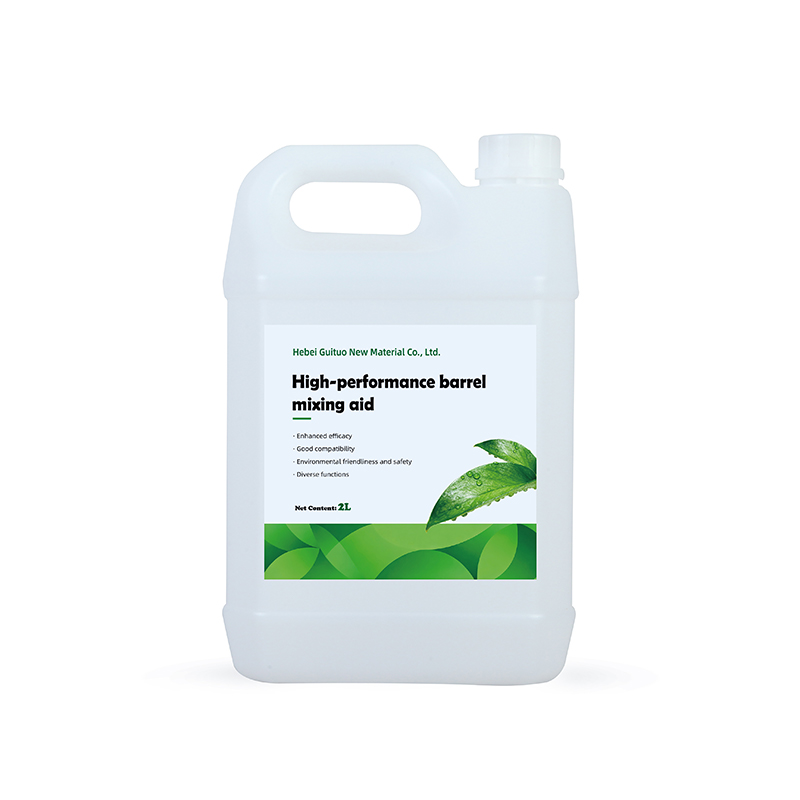
Product Overview and Core Identity
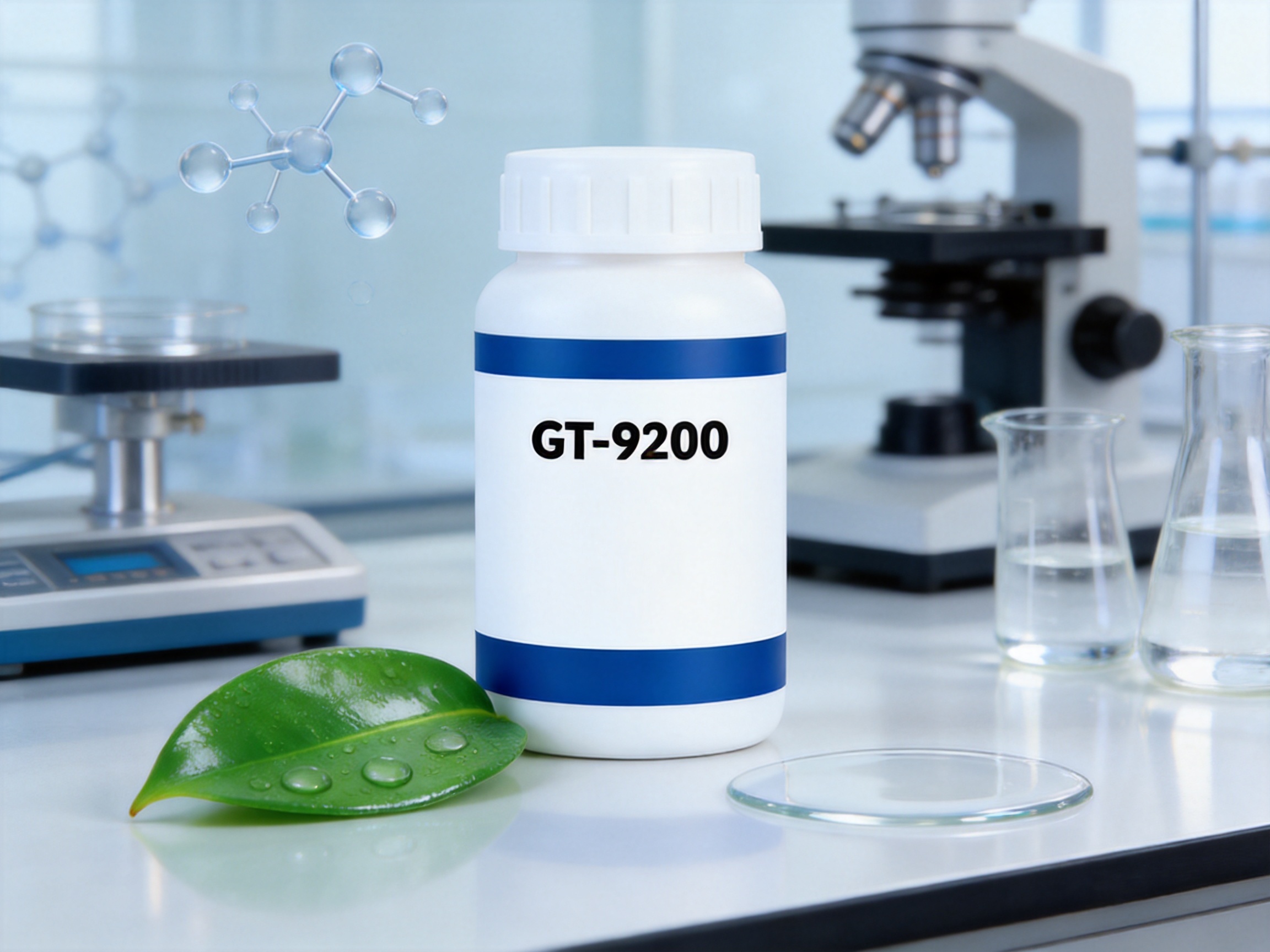
GT-9200 is positioned as a high-performance drum-mix adjuvant for agricultural pesticide application. It belongs to the agricultural silicone synergist category and is suitable for use with many herbicides, insecticides, fungicides, and related crop protection products. It can be mixed before application in the spray solution, making it convenient for field use and adaptable to different equipment systems, including traditional ground sprayers and drone-based aerial spraying.
The product is identified as a silicone surfactant and polyether modified trisiloxane, with CAS No. 27306-78-1 and EINECS No. 608-078-3. Its reported purity is 99.8%, which reflects a high degree of material consistency. In pesticide adjuvant applications, consistency is important because variable composition can lead to unpredictable performance, unstable foam behavior, compatibility issues, or inconsistent wetting. A high-purity product supports dependable performance for users who require stable field results.
The product’s viscosity at 25°C is 30–50 mm²/s. This relatively manageable viscosity range supports handling, measuring, and mixing. For field operators, easy dispersion into spray solutions is important because poorly mixed adjuvants can create uneven application and reduce performance. The pH value of a 1% aqueous solution at 25°C is 6.5–7.5, which is near neutral and can contribute to broader compatibility with many agricultural spray systems. The cloud point of a 1.0% wt solution is specified as ≤35°C, an important physical parameter for understanding solution behavior under different temperature conditions.
| Parameter | Specification | Practical Meaning |
|---|---|---|
| Product Model | GT-9200 | High-performance agricultural drum-mix adjuvant |
| Chemical Type | Silicone surfactant, polyether modified trisiloxane | Provides strong wetting and spreading performance |
| CAS No. | 27306-78-1 | Recognized chemical identification |
| Purity | 99.8% | Supports consistent quality and stable performance |
| Viscosity at 25°C | 30–50 mm²/s | Convenient handling and mixing characteristics |
| Surface Tension at 0.1% wt | <20.5 mN/m | Excellent wetting and spreading capability |
| Cloud Point at 1.0% wt | ≤35°C | Useful for evaluating solution behavior in field conditions |
| pH Value, 1% Aqueous Solution | 6.5–7.5 | Near-neutral profile for broad spray compatibility |
Why Drum-Mix Adjuvants Matter in Modern Crop Protection
Pesticide performance depends on much more than active ingredient strength. The journey from spray nozzle to biological target includes droplet formation, air movement, landing, spreading, retention, absorption, and weather exposure. If any stage is inefficient, a portion of the pesticide may be wasted. Leaves may repel droplets, waxy surfaces may prevent wetting, rain or irrigation may wash residues away, and high temperature or wind may increase evaporation and drift. A high-quality drum-mix adjuvant helps address these practical barriers.
Drum-mix adjuvants are especially useful because they can be added directly before application. This gives farmers, applicators, and agricultural service providers flexibility. Instead of relying only on pesticide formulations that may or may not include the ideal adjuvant package for every crop and condition, users can adjust the spray mixture to meet the field requirement. This is particularly valuable in regions where water quality, crop type, weather, pest pressure, and equipment vary from farm to farm.
GT-9200 is designed for this flexible role. Its main functions include improving pesticide adhesion, supporting penetration, promoting deposition, reducing drift, helping reduce evaporation, and improving overall spray efficiency. These functions are highly relevant to today’s agriculture, where precision application and resource efficiency are priorities. Better deposition means more of the spray reaches the intended area. Better wetting means more effective contact. Better adhesion means less loss from runoff. Better penetration can support improved activity of suitable pesticide systems.
Compared with ordinary wetting agents, a high-performance silicone synergist can provide stronger surface tension reduction at relatively low use levels. This is one of the key reasons silicone adjuvants are widely used in advanced crop protection programs. Many conventional surfactants improve wetting moderately, but they may not spread sufficiently on difficult leaf surfaces. GT-9200’s ultra-low surface tension profile helps droplets spread rapidly and evenly, improving the likelihood of complete coverage on target surfaces.
Key Performance Advantages Over Conventional Adjuvants
Superior Spreading and Wetting Ability
The most important advantage of GT-9200 is its excellent wetting and spreading capability. When droplets fall onto hydrophobic plant surfaces, they often form beads instead of spreading into a thin film. This limits the contact area between the active ingredient and the plant or pest target. GT-9200 reduces the surface tension of the spray solution, helping droplets flatten and spread. This can increase coverage area and improve uniformity without requiring excessive spray volume.
Compared with many conventional non-silicone surfactants, silicone-based adjuvants can deliver more dramatic reductions in surface tension. This is particularly valuable for crops with waxy leaves, such as certain vegetables, fruits, field crops, and ornamental plants. It is also useful for pest control when the target insect body has a water-repellent surface. Better wetting can help the pesticide solution maintain closer contact with the target, which may improve efficacy when used with compatible active ingredients.
Improved Adhesion and Retention
Pesticide loss from runoff is a common problem. When droplets do not adhere well, they may slide off leaf surfaces, especially on sloped or waxy leaves. This reduces the amount of active ingredient available for biological action and increases the risk of chemical loss into soil or nearby water systems. GT-9200 improves adhesion and deposition, helping more spray remain where it is needed.
Retention is especially important during low-volume or precision spraying. In drone-based aerial spraying, for example, droplet size, flight height, wind conditions, and canopy structure can all affect deposition. A drum-mix adjuvant that supports anti-drift and deposition-promoting behavior can help improve field application reliability. While correct equipment calibration and weather judgment remain essential, the adjuvant contributes to more stable spray performance.
Enhanced Penetration Potential
Some pesticides require penetration through plant surfaces or insect cuticles to reach their site of action. GT-9200 can enhance penetration by improving contact between the spray solution and the target surface. Better spreading creates a larger contact area, while strong wetting can reduce the barrier effect of waxy or hydrophobic surfaces. This does not mean that every pesticide will respond identically, but it can improve the performance potential of compatible formulations.
Penetration support is particularly important when pest pressure is high or when environmental conditions shorten the effective working time of the spray. A product that helps active ingredients reach their targets more efficiently can contribute to better control outcomes and may reduce the need for repeated applications in some programs. This supports both economic and environmental goals.
Broad Compatibility with Crop Protection Products
GT-9200 is designed for compatibility with most pesticide types, including herbicides, insecticides, and fungicides. This broad compatibility makes it useful for agricultural distributors and service providers who handle many crop protection programs. Farmers often need one reliable adjuvant that can support multiple applications instead of maintaining several specialized products for different crops and pests.
Compatibility also includes adaptability to different water qualities. Water hardness, pH, dissolved minerals, and suspended impurities can influence pesticide performance. A robust adjuvant system helps reduce the negative influence of variable water conditions. Although jar testing is still recommended before large-scale mixing, the product’s formulation profile is designed for reliable field usability.
Support for Reduced Chemical Waste
One of the environmental advantages of high-performance adjuvants is improved pesticide utilization. When active ingredients spread more effectively, remain on the target surface, and penetrate more efficiently, less material is wasted. In well-managed application programs, this can support lower environmental loading and more sustainable pest control. The goal is not careless reduction of pesticide rates, but smarter use of crop protection inputs according to label requirements, agronomic recommendations, and local regulations.
Compared with lower-grade adjuvants that provide limited wetting or inconsistent behavior, GT-9200 supports a more efficient application process. This can be particularly valuable in large-scale farming, where even small improvements in coverage and retention can have major economic and environmental effects across thousands of hectares.
Applications in Different Agricultural Scenarios
Herbicide Applications
In herbicide spraying, effective contact with weed foliage is essential. Many weeds have waxy, hairy, or upright leaves that make wetting difficult. If herbicide droplets bounce, bead, or run off, weed control may decline. GT-9200 helps improve coverage and adhesion, allowing herbicide solutions to spread more evenly across leaf surfaces. This can be especially useful for post-emergence herbicide applications, where the active ingredient must contact and enter the weed tissue.
Better spreading can also help herbicides reach small or irregularly shaped leaves. In dense weed stands, coverage uniformity becomes more difficult. A high-performance adjuvant improves the likelihood that droplets retained on exposed leaves will spread effectively. However, herbicide selectivity and crop safety must always be considered. Users should follow product labels and conduct compatibility checks when necessary.
Insecticide Applications
Insect pests often hide on the underside of leaves, inside curled foliage, or within dense canopy areas. They may also have waxy cuticles that resist water-based sprays. GT-9200 can improve wetting and penetration, helping insecticide solutions contact pest surfaces more effectively. This is important for both contact insecticides and certain systemic or translaminar products that benefit from improved leaf surface interaction.
Improved deposition is also valuable in insect management. If spray droplets drift away or fail to reach target zones, pest survival increases. A high-performance drum-mix adjuvant helps promote deposition and reduce loss, improving the chance that the insecticide reaches the intended site. This is particularly useful when using precision spraying technologies where spray volume may be limited.
Fungicide Applications
Fungicide performance often depends on thorough and uniform coverage. Many fungal diseases develop on leaf surfaces, stems, fruit, or other exposed plant tissues. Protective fungicides require surface coverage before infection, while systemic or penetrant fungicides may benefit from improved absorption. GT-9200 helps fungicide solutions spread into a more continuous film, improving contact across plant surfaces.
In crops with complex canopies, such as vegetables, orchards, vineyards, and ornamental plants, spray coverage can be difficult. While nozzle selection, pressure, and spray volume remain important, adjuvant technology can improve final droplet behavior after landing. This makes GT-9200 valuable as part of an integrated disease management strategy.
Drone-Based Aerial Spraying
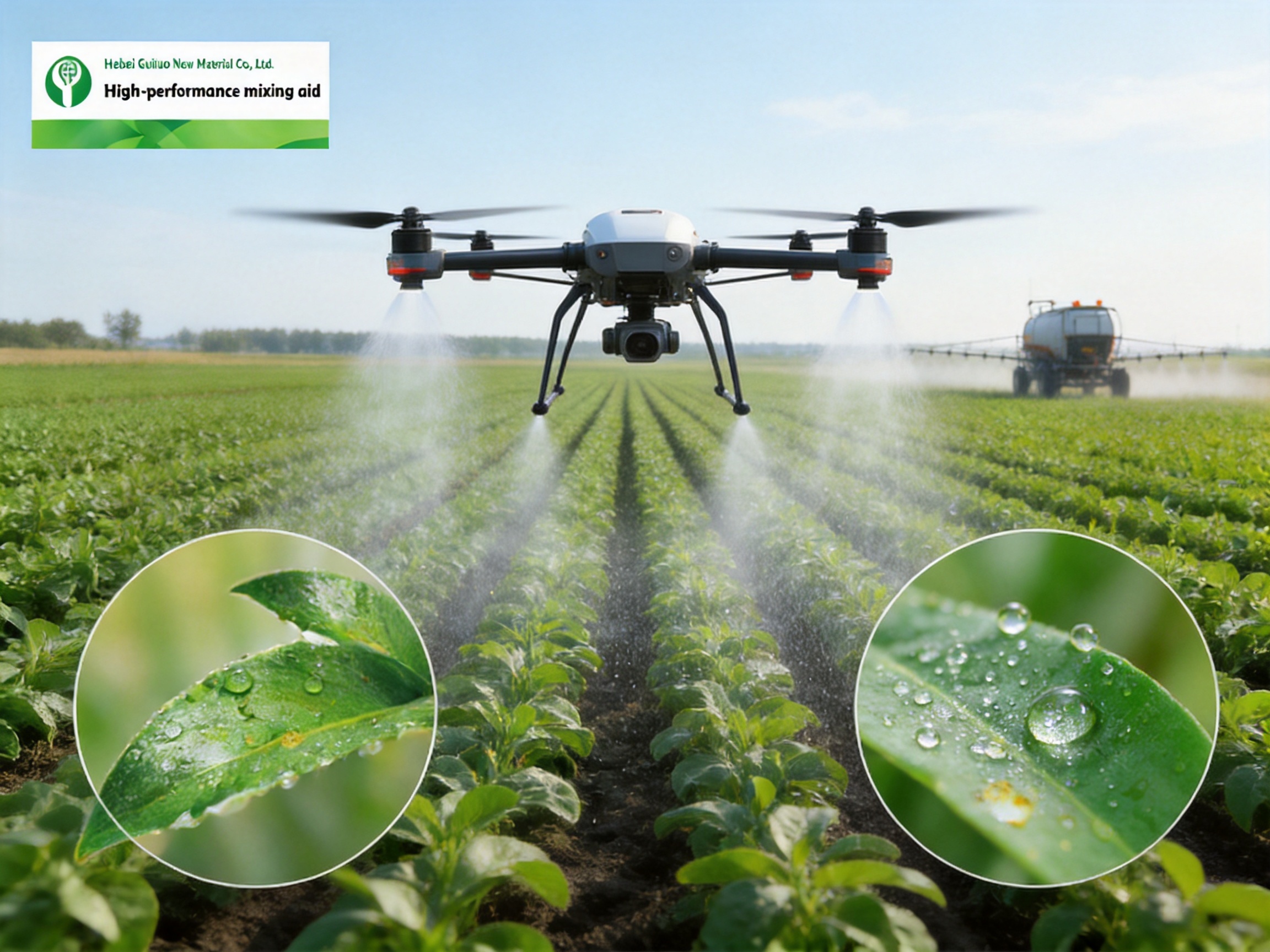
Drone application is expanding rapidly because it offers labor savings, access to difficult terrain, and flexible timing. However, drone spraying often uses lower spray volumes than conventional ground spraying. Low-volume application increases the importance of droplet performance. Each droplet must spread, adhere, and deposit effectively. GT-9200 supports anti-drift, anti-evaporation, and deposition-promoting functions, making it well suited for drone-based spraying systems.
In aerial spraying, drift control is a major concern. Droplets that are too fine may move away from the target under wind influence. Evaporation can further reduce droplet size before landing. While adjuvants cannot replace correct flight planning, nozzle selection, and weather monitoring, they can improve spray solution behavior and contribute to more responsible application. GT-9200’s multifunctional profile gives applicators a practical tool for improving field performance.
Environmental Friendliness and Sustainable Agriculture
Environmental responsibility is a central theme in modern crop protection. Farmers must protect yields, but they also need to reduce runoff, minimize unnecessary chemical use, and protect beneficial organisms and surrounding ecosystems. High-performance drum-mix adjuvants contribute to sustainability by improving the efficiency of pesticide applications. When more active ingredient reaches and remains on the intended target, less is wasted into the environment.
GT-9200 is formulated with environmental considerations in mind. Its function is to improve pesticide performance so that applications can be more efficient. Better wetting and adhesion reduce the tendency of spray material to run off leaves. Better deposition reduces off-target loss. Anti-drift and anti-evaporation support responsible spraying, especially under challenging conditions. These benefits align with the principles of sustainable modern agriculture.
Biodegradability and low-toxicity design are important considerations for advanced adjuvants. The product is described as using environmentally friendly surfactants and is intended to help reduce pesticide pollution. As with all agricultural inputs, safe use depends on following label directions, recommended dosages, personal protective equipment requirements, and local regulations. Responsible application is essential to maximize environmental benefits.
The environmental advantage of a high-performance adjuvant should be understood as part of a complete management system. Proper sprayer calibration, suitable weather conditions, buffer zones, correct pesticide selection, and integrated pest management all remain necessary. GT-9200 strengthens this system by improving spray behavior and pesticide utilization, but it should be used as a professional tool within a disciplined agricultural program.
Safety and Handling Considerations
Safety is essential when handling any agricultural chemical or adjuvant. GT-9200 is designed with a low-toxicity profile and practical usability, but users should still follow standard safety practices. Appropriate protective equipment may include chemical-resistant gloves, protective clothing, eye protection, and masks or respirators when required by the pesticide label or local regulation. Operators should avoid skin contact, eye contact, and inhalation of spray mist.
Before mixing, users should read all pesticide labels and adjuvant instructions. Since pesticide formulations vary, a small compatibility test is recommended when using a new combination. The recommended mixing sequence should be followed carefully. In many spray operations, the tank is partly filled with water first, agitation is started, pesticide products are added according to label instructions, and the adjuvant is added at the appropriate stage. The mixture should be applied soon after preparation to maintain uniformity and performance.
Spraying should be avoided during strong wind, excessive heat, or conditions that increase drift and evaporation. Even with anti-drift and anti-evaporation support, weather remains a critical factor. Operators should also avoid spraying when rain is expected unless the pesticide label allows it and rainfastness is adequate. Storage should be in a sealed container, away from strong oxidizers, incompatible chemicals, direct sunlight, and extreme temperatures.
Manufacturing Strengths Behind Consistent Performance
The performance of a silicone adjuvant depends not only on its formula but also on the manufacturing system behind it. Hebei Guituo New Material Co., Ltd. is a high-tech enterprise integrating research and development, production, and sales, with a focus on high-end silicone materials for industrial and agricultural applications. Its subsidiary, Ningbo Guituo Trading Co., Ltd., supports market development and service. The company’s production and quality system is an important reason GT-9200 can deliver stable performance in demanding agricultural use.
Advanced manufacturing begins with raw material selection. Silicone surfactants require controlled synthesis and careful balancing of molecular structure. The polyether modified trisiloxane structure must be produced with consistency because changes in molecular distribution can affect surface tension, cloud point, viscosity, and compatibility. By using precise production equipment and process control, the manufacturer can maintain product uniformity from batch to batch.
The company has established a full-process quality monitoring mechanism from the production source to finished product delivery. This means quality is not checked only at the end; it is managed throughout the entire production chain. Key parameters such as appearance, purity, viscosity, pH, cloud point, and surface tension can be monitored to ensure that the final product meets specification. This type of control is essential for customers who require dependable agricultural inputs for large-scale use.
Internationally advanced production equipment and precise testing facilities support the company’s product quality. In silicone additive production, accurate temperature control, reaction stability, purification, filtration, and packaging management all influence final performance. If the process is not controlled, products may show inconsistent wetting power, phase separation, odor issues, impurities, or storage instability. GT-9200 benefits from a manufacturing approach designed to prevent these problems.
The company’s experienced technical and production team also contributes to product reliability. Silicone chemistry requires both theoretical knowledge and practical production experience. Small changes in raw materials, processing conditions, or formulation balance can alter performance. A skilled team can identify issues quickly, optimize process parameters, and support customized product development. This is especially important for OEM and ODM customers who may need tailored adjuvant systems for specific markets or pesticide formulations.
Advantages for Agrochemical Formulators and Distributors
GT-9200 offers value not only to farmers but also to pesticide formulators, distributors, and agricultural service companies. For formulators, a reliable silicone adjuvant can improve the performance profile of crop protection programs. For distributors, it provides a versatile product that can be recommended across multiple crops and pesticide categories. For service providers, it supports consistent field performance and customer satisfaction.
One advantage is product versatility. A drum-mix adjuvant that can work with herbicides, insecticides, fungicides, and different water qualities simplifies inventory and technical recommendations. Instead of stocking many narrow-purpose wetting agents, distributors can offer a high-performance solution suitable for broad application scenarios. This reduces complexity and improves operational efficiency.
Another advantage is performance differentiation. In competitive agrochemical markets, users are increasingly aware that adjuvant quality matters. Low-cost, low-performance adjuvants may appear attractive initially, but inconsistent field results can cost more through reduced control, repeated spraying, crop losses, and customer complaints. GT-9200 positions itself as a high-performance solution for users who value reliability and efficiency.
The company’s ability to accept OEM and ODM orders adds further commercial value. Agrochemical brands may require customized packaging, private labeling, adjusted specifications, or specialized support for regional conditions. A manufacturer with R&D capability, production strength, and quality monitoring can support these needs more effectively than a simple trading supplier. This makes GT-9200 and related silicone additive products attractive for partners seeking long-term cooperation.
Comparison with Ordinary Market Alternatives
Adjuvants in the agricultural market vary widely. Some are basic wetting agents with limited spreading ability. Some are oil-based adjuvants designed for specific herbicide systems. Some are low-grade surfactant blends that may show inconsistent performance under different water qualities or temperatures. GT-9200 distinguishes itself through high-purity silicone surfactant chemistry, strong surface tension reduction, near-neutral pH, practical viscosity, and multifunctional field benefits.
Compared with conventional nonionic surfactants, GT-9200 can provide stronger wetting and spreading. This matters on hard-to-wet surfaces. Compared with simple deposition aids, it offers a broader functional profile, including adhesion, penetration support, anti-drift, anti-evaporation, and deposition promotion. Compared with inconsistent low-grade silicone products, its controlled specification and full-process quality monitoring support more reliable performance.
Another competitive strength is compatibility. A product that works with most pesticide categories and adapts to different water qualities is more useful in field practice. Farmers do not operate in laboratory conditions. They deal with changing weather, different tank mixes, local water sources, and diverse crop surfaces. GT-9200 is designed for this complexity, making it a practical product rather than only a technical concept.
The manufacturer’s industrial background also strengthens competitiveness. Companies with advanced production equipment, testing facilities, R&D capability, and export experience can deliver more stable supply and technical support. This is important for customers in domestic and overseas markets, including Europe and Southeast Asia, where quality expectations and regulatory awareness are high. Stable performance and reliable quality help build repeat purchasing and long-term trust.
Role in Integrated Pest Management
Integrated pest management, often called IPM, is based on combining multiple strategies to control pests efficiently and responsibly. Chemical pesticides remain important in many systems, but they should be used carefully and effectively. A high-performance adjuvant supports IPM by helping each pesticide application perform as intended. When spraying is more efficient, pest control can be more predictable and unnecessary repeat treatments may be reduced.
GT-9200 contributes to IPM by improving coverage, adhesion, and penetration. These properties help maximize the biological value of each application. Better coverage can reduce untreated zones where pests survive. Better adhesion can reduce losses from runoff. Better penetration can support activity of suitable products. Together, these effects can improve the reliability of chemical control within an IPM program.
At the same time, responsible users should protect beneficial insects and natural ecosystems. The adjuvant should be used according to recommended rates, and pesticide selection should consider pollinator safety, beneficial organism protection, and application timing. Adjuvant technology improves spray performance, but it does not remove the need for responsible pesticide stewardship. Used correctly, GT-9200 supports both productivity and environmental care.
Quality Control and Testing Focus
For high-performance agricultural adjuvants, quality control must be measurable. GT-9200’s specification includes multiple parameters that are relevant to practical performance. Surface tension is directly related to wetting. Viscosity affects handling and mixing. pH affects compatibility and solution behavior. Cloud point helps indicate thermal response and solubility behavior. Purity reflects production consistency and material quality.
Testing these parameters requires accurate instruments and trained personnel. Surface tension measurement, for example, must be performed carefully because small differences can indicate meaningful performance variation. Viscosity testing requires controlled temperature conditions. pH testing depends on proper solution preparation. Cloud point testing requires controlled observation and procedure. A professional manufacturing system ensures that these tests are reliable and repeatable.
Quality control also includes packaging and storage stability. Agricultural products may be transported over long distances and stored in different climates. Packaging must protect against leakage, contamination, moisture, and degradation. Clear labeling and batch traceability help customers manage inventory and address technical questions. These details are part of the product’s real-world value.
Practical Use Guidance
To obtain the best results from GT-9200, users should treat it as a professional agricultural input. The first step is to confirm compatibility with the intended pesticide and crop. Although the product is compatible with most pesticides, specific formulations can differ. A jar test is recommended when using unfamiliar combinations, especially in complex tank mixes.
The spray tank should be clean before mixing. Residues from previous applications may cause incompatibility or crop injury. Water should be added first, followed by agitation. Pesticides should be added according to their labels and recommended mixing order. GT-9200 should then be added at the recommended stage and mixed thoroughly. Continuous agitation helps maintain a uniform spray solution.
Application should be performed under suitable weather conditions. Avoid high winds to reduce drift. Avoid excessive heat and low humidity when evaporation risk is high. Use proper nozzle selection, pressure, and spray volume for the crop and target pest. In drone spraying, ensure correct flight height, speed, droplet size, and route planning. The adjuvant improves spray behavior, but equipment and operational discipline remain essential.
After spraying, equipment should be cleaned according to pesticide label requirements. Containers should be sealed tightly after use. Unused material should be stored in a cool, dry, ventilated place away from incompatible substances. Operators should follow local regulations for waste handling and container disposal.

Company Capabilities Supporting Global Customers
Hebei Guituo New Material Co., Ltd. has developed a broad product matrix covering silicone additives, wetting agents, modified silicone oil, dimethyl silicone oil, surfactants, defoamers, and related product series. These materials are used in agriculture, daily chemicals, electronics, textiles, and other fields. This broad silicone materials platform gives the company technical depth and manufacturing flexibility. Agricultural silicone products are a key strength, with quality reaching an advanced domestic level.
The company’s agricultural silicone products have been recognized by leading domestic agrochemical enterprises and have become designated procurement products for some customers. This indicates that the products have passed practical market evaluation, not only laboratory testing. Agrochemical enterprises typically require stable performance, reliable supply, documentation, and technical support. Meeting these requirements demonstrates strong manufacturing and service capability.
Overseas market presence in Europe and Southeast Asia further reflects product competitiveness. Export customers often evaluate performance, consistency, packaging, communication, and supply reliability. Continuous repurchases from overseas customers suggest that the products meet practical expectations in different climates and agricultural systems. This global experience benefits customers seeking a supplier familiar with international market needs.
OEM and ODM service capability is another strength. Some customers need standard GT-9200, while others may require customized solutions for specific pesticide systems, regional crops, or private-label brands. A company with R&D and production integration can support these needs more effectively. Custom development may include performance adjustment, packaging design, specification support, or technical consultation.
Economic Value for Farmers and Application Service Providers
The economic value of GT-9200 comes from efficiency. If a pesticide application performs better, the farmer may benefit from improved pest control, reduced crop loss, fewer repeat applications, and better use of purchased inputs. The cost of an adjuvant is usually small compared with the total value of the crop and the cost of failed pest control. Therefore, choosing a high-quality adjuvant is often a practical investment.
For application service providers, consistent spray performance supports customer trust. If a service provider applies pesticides over large areas, uneven coverage or drift problems can lead to complaints and rework. A reliable drum-mix adjuvant helps improve deposition and coverage, supporting professional service quality. This is especially relevant in drone spraying businesses, where performance expectations are high and operating conditions can be challenging.
For distributors, a premium adjuvant can strengthen product portfolios. Instead of competing only on pesticide active ingredients, distributors can offer complete application solutions. GT-9200 gives technical sales teams a product that directly addresses common field problems: poor wetting, runoff, drift, evaporation, and inconsistent coverage. This creates value through performance education and customer support.
Future Direction of Silicone Adjuvant Technology
Agriculture is moving toward more precise and sustainable input use. As pesticide regulations become stricter and environmental awareness increases, adjuvants will become more important. The goal is to apply the right product, at the right dose, in the right place, with maximum efficiency and minimum waste. Silicone synergists are well positioned to support this direction because of their strong wetting and spreading properties.
Future adjuvant development will likely focus on compatibility with new pesticide formulations, improved biodegradability, lower toxicity, drone spraying optimization, and climate-adaptive performance. Products like GT-9200 already reflect many of these priorities through multifunctional behavior, strong surface tension reduction, and broad application suitability. Continued R&D from manufacturers with silicone chemistry expertise will further improve performance and safety.
Digital agriculture may also increase the value of adjuvants. As drones, sensors, variable-rate spraying, and intelligent farm management systems become more common, spray efficiency will be measured more carefully. High-performance adjuvants will help ensure that advanced application equipment produces real biological results. In this context, GT-9200 is not merely an additive; it is part of a modern precision crop protection system.
Q&A Section
What is GT-9200?
GT-9200 is a high-performance drum-mix agricultural adjuvant based on silicone surfactant technology. It is designed to be mixed directly with pesticide spray solutions before application to improve wetting, spreading, adhesion, penetration, and deposition.
How does it improve pesticide efficacy?
It lowers the surface tension of the spray solution, allowing droplets to spread more effectively on plant and pest surfaces. Better spreading increases contact area, while improved adhesion and penetration help the pesticide remain on the target and interact more efficiently with the intended surface.
What types of pesticides can it be used with?
It is designed for broad compatibility with most pesticide categories, including herbicides, insecticides, and fungicides. However, because pesticide formulations vary, a jar test is recommended before large-scale use with unfamiliar tank mixes.
Why is silicone surfactant technology advantageous?
Silicone surfactants can reduce surface tension more strongly than many conventional surfactants. This provides superior wetting and spreading, especially on waxy, hairy, or water-repellent plant surfaces where ordinary wetting agents may not perform sufficiently.
Is GT-9200 suitable for drone spraying?
Yes. Its anti-drift, anti-evaporation, and deposition-promoting functions make it suitable for drone-based aerial spraying. Correct drone operation, nozzle selection, weather assessment, and spray volume remain essential for best results.
How does it support sustainable agriculture?
By improving pesticide utilization, GT-9200 helps reduce waste from runoff, drift, and poor coverage. More efficient applications can lower environmental burden when used according to label directions and integrated pest management principles.
What are its key technical specifications?
Key specifications include 99.8% purity, viscosity of 30–50 mm²/s at 25°C, surface tension below 20.5 mN/m at 0.1% wt, cloud point of ≤35°C at 1.0% wt, and pH of 6.5–7.5 in a 1% aqueous solution at 25°C.
What makes it different from ordinary adjuvants?
Compared with many ordinary adjuvants, GT-9200 offers stronger surface tension reduction, broader multifunctional performance, good compatibility, and reliable manufacturing consistency. It is designed not only for wetting but also for adhesion, penetration support, anti-drift, anti-evaporation, and deposition improvement.
What safety precautions should users follow?
Users should wear suitable protective equipment, avoid direct contact, follow pesticide label instructions, conduct compatibility tests when needed, avoid spraying in high wind or extreme heat, and store the product in sealed containers under appropriate conditions.
Can the product be customized for different markets?
Yes. The manufacturer accepts OEM and ODM orders, supporting customers who need customized packaging, private labeling, or tailored product solutions for specific pesticide systems and regional agricultural needs.
Conclusion
GT-9200 high-performance drum-mix adjuvant offers a strong combination of advanced silicone surfactant chemistry, practical field usability, and responsible agricultural value. Its ultra-low surface tension, excellent wetting, improved adhesion, penetration support, anti-drift behavior, anti-evaporation function, and deposition promotion make it a valuable tool for modern crop protection. It helps pesticides work more efficiently by improving the way spray droplets interact with plant and pest surfaces.
Compared with conventional adjuvants, GT-9200 provides stronger spreading performance and broader functional benefits. Compared with low-grade market alternatives, it offers controlled specifications, high purity, and reliable quality supported by advanced manufacturing and full-process monitoring. For farmers, it supports better pesticide utilization. For drone applicators, it improves low-volume spray performance. For distributors and formulators, it offers a versatile and commercially attractive solution.
Behind the product is a manufacturer with R&D capability, advanced equipment, precise testing facilities, experienced technical teams, and a broad silicone materials platform. These strengths support consistent quality, stable supply, and customization for global customers. As agriculture continues to move toward efficiency, sustainability, and precision application, high-performance silicone drum-mix adjuvants such as GT-9200 will play an increasingly important role in responsible crop protection.
References
Green, J. M., and Beestman, G. B. Adjuvant Technology for Agrochemicals: Principles and Practice. Agricultural Formulation Science Review.
Hazen, J. L. Adjuvants: Terminology, Classification, and Chemistry. Weed Technology.
Tu, M., Hurd, C., and Randall, J. M. Weed Control Methods Handbook: Tools and Techniques for Use in Natural Areas. The Nature Conservancy.
McMullan, P. M. Utility Adjuvants and Their Role in Agricultural Spray Applications. Crop Protection Journal.
Stock, D., and Holloway, P. J. Possible Mechanisms for Surfactant-Induced Foliar Uptake of Agrochemicals. Pesticide Science.
ASTM International. Standard Test Methods for Surface and Interfacial Tension of Solutions of Surface-Active Agents.
Knowles, A. Chemistry and Technology of Agrochemical Formulations. Springer.
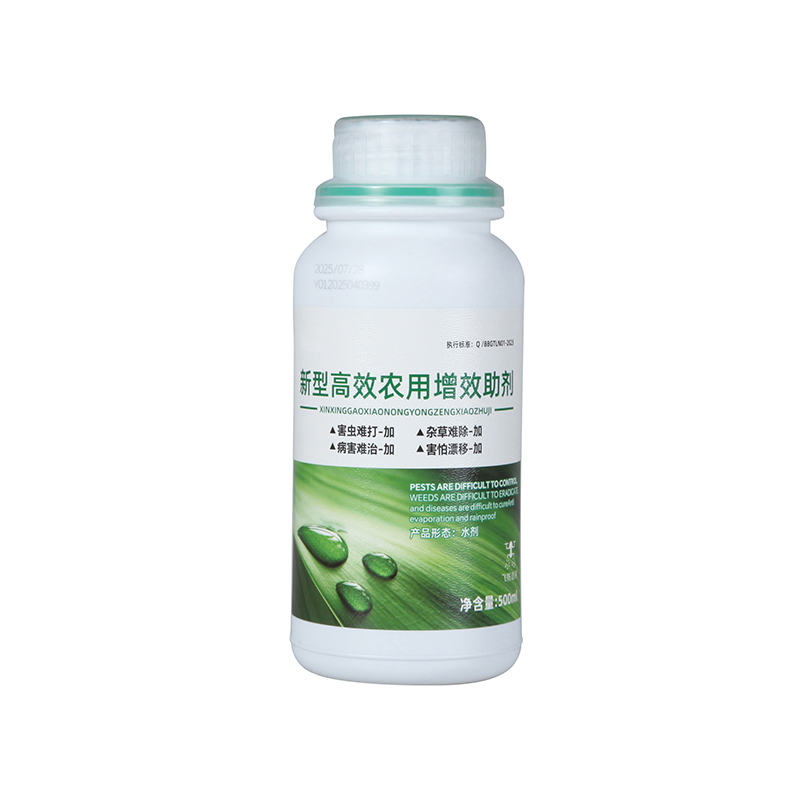
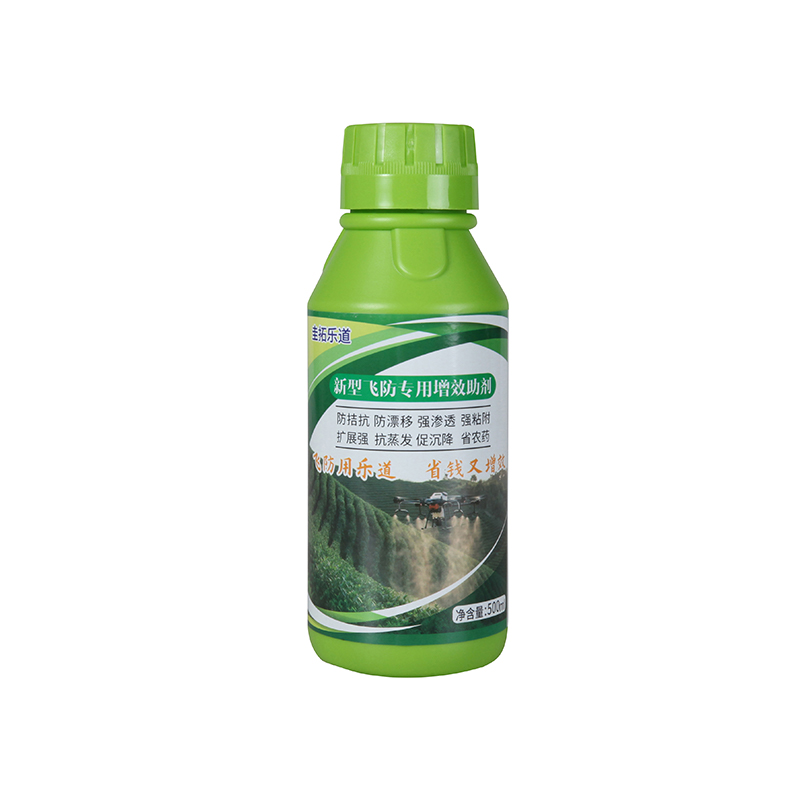
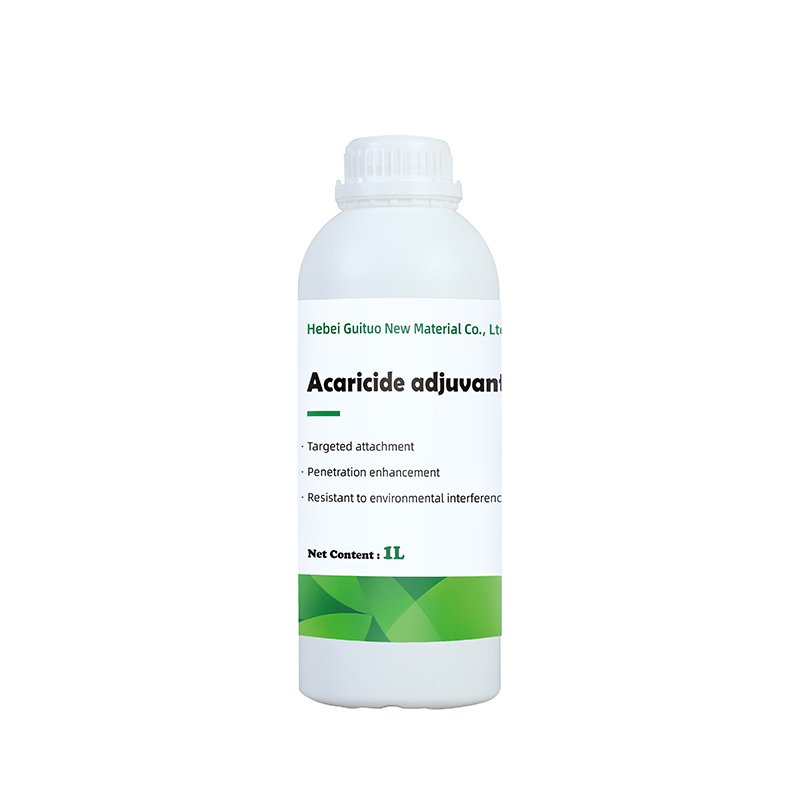
Product: High-Performance Drum-Mix Adjuvants


Contact Information
Tel : +86-400-138-5268
Email : [email protected]
Phone : +86-15128434888 / +86-13511051998
Add : Xinqiao Environmental Protection Industrial Park, Wen'an County, Langfang City, Hebei Province, China
Contact Information
Copyright © Hebei Guituo New Material Co., Ltd. All Rights Reserved.
