

 English
  Français
  Português
 Home / Author / Li Mei, Product Sales Specialist (Agricultural Silicone Products) / Revolutionizing Aerial Crop Protection: The Next-Gen Enhancing Adjuvants for Unmatched Efficiency
 Revolutionizing Aerial Crop Protection: The Next-Gen Enhancing Adjuvants for Unmatched Efficiency
2026-02-19
Agricultural aerial spraying has emerged as a cornerstone of modern large-scale farming, enabling rapid coverage of vast fields and reducing labor costs. However, this method faces inherent challenges: pesticide droplet drift, rapid evaporation in hot climates, poor adhesion to waxy crop surfaces, and low absorption of active ingredients. To address these pain points, a new class of high-efficiency aerial spraying dedicated enhancing adjuvants has emerged—one that outperforms conventional alternatives in every key metric. This article explores the science behind this game-changing product, its advantages over competitors, the advanced manufacturing processes that ensure its quality, and real-world impacts on crop yields and sustainability.
What Are Aerial Spraying Enhancing Adjuvants?
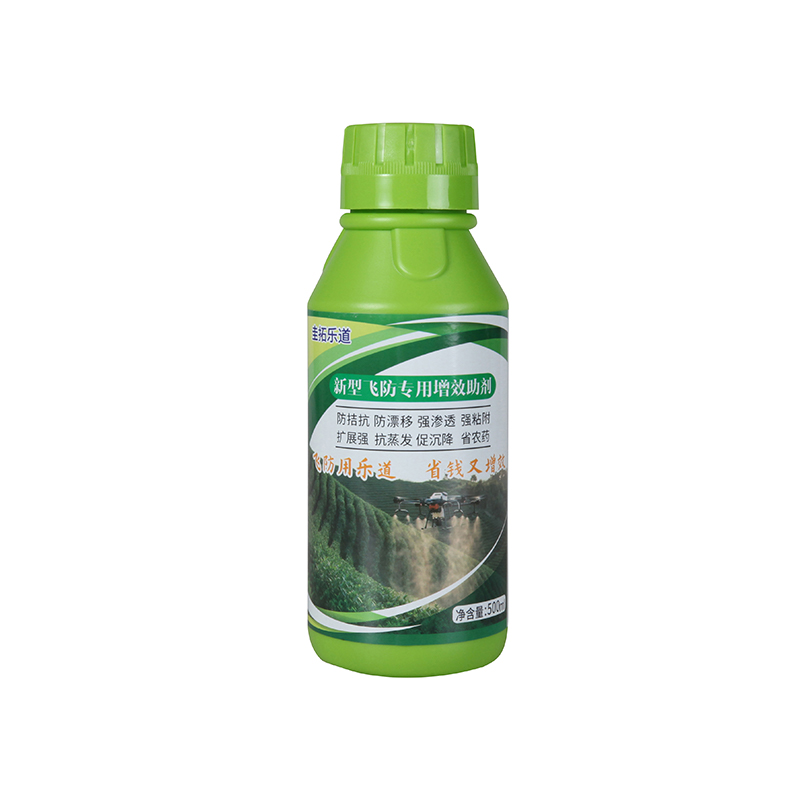
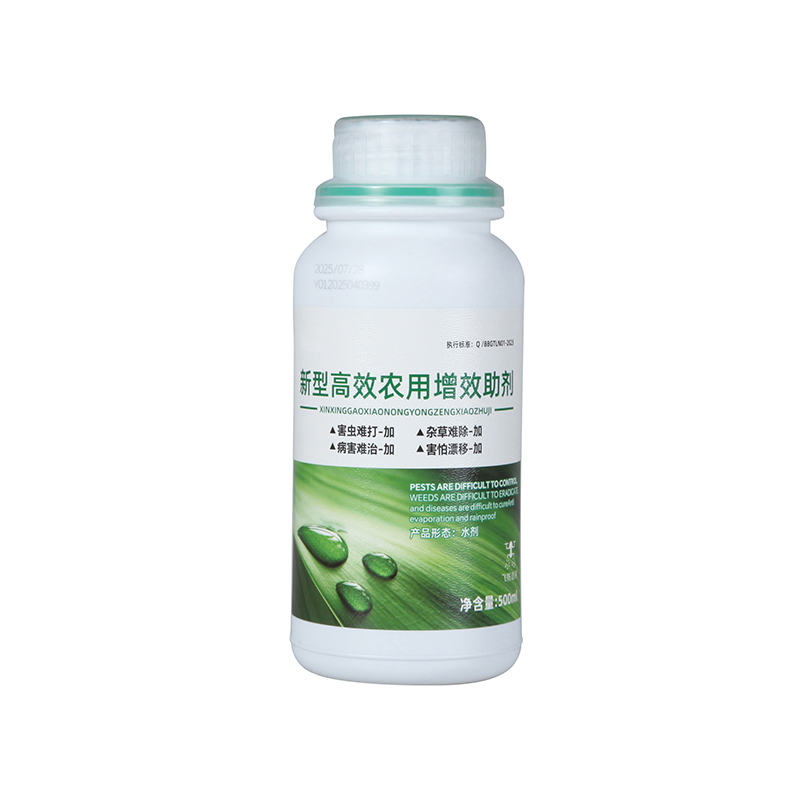
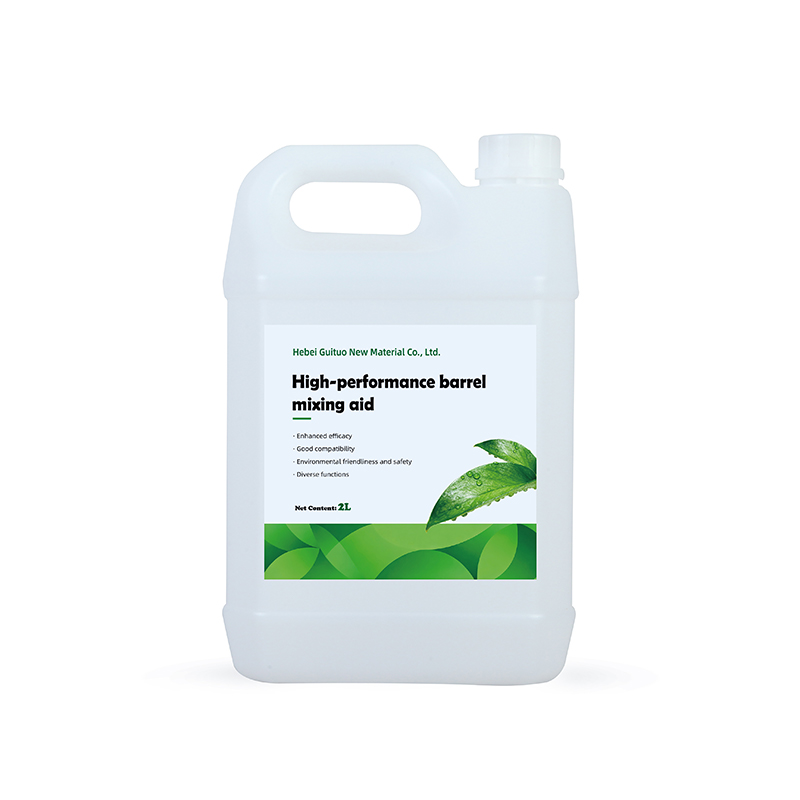
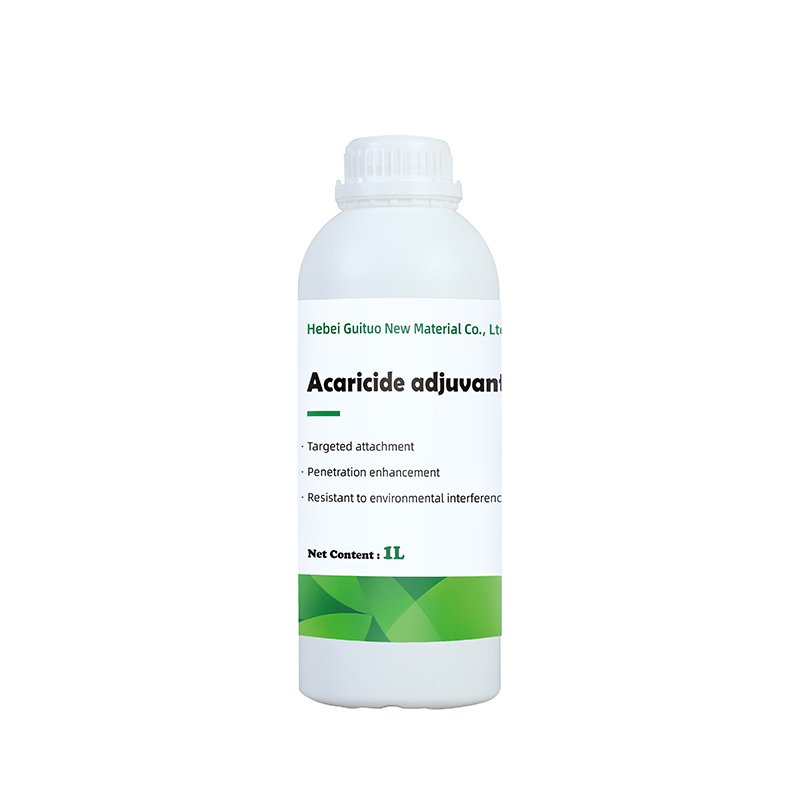
Aerial spraying adjuvants are specialized additives formulated to optimize the performance of pesticides applied via drones or aircraft. Unlike general-purpose adjuvants designed for ground spraying, these products are tailored to the unique demands of aerial application: they must counteract wind-induced drift, slow evaporation in open-air conditions, improve adhesion to crops exposed to gravity and air movement, and enhance penetration of active ingredients into plant tissues. The core of these adjuvants often lies in silicone-based surfactants, which offer superior surface tension reduction compared to traditional non-silicone alternatives.
The new high-efficiency adjuvant featured in this article is based on polyether modified trisiloxane (CAS No. 27306-78-1), a molecule engineered to balance hydrophobic and hydrophilic properties. This balance allows it to spread pesticide droplets evenly across crop surfaces while forming a stable bond that resists runoff and evaporation.
Key Advantages of the Next-Generation Adjuvant
This adjuvant stands out from conventional options due to five core performance advantages, each addressing a critical limitation of aerial spraying:
1. Unmatched Adhesion to Crop Surfaces
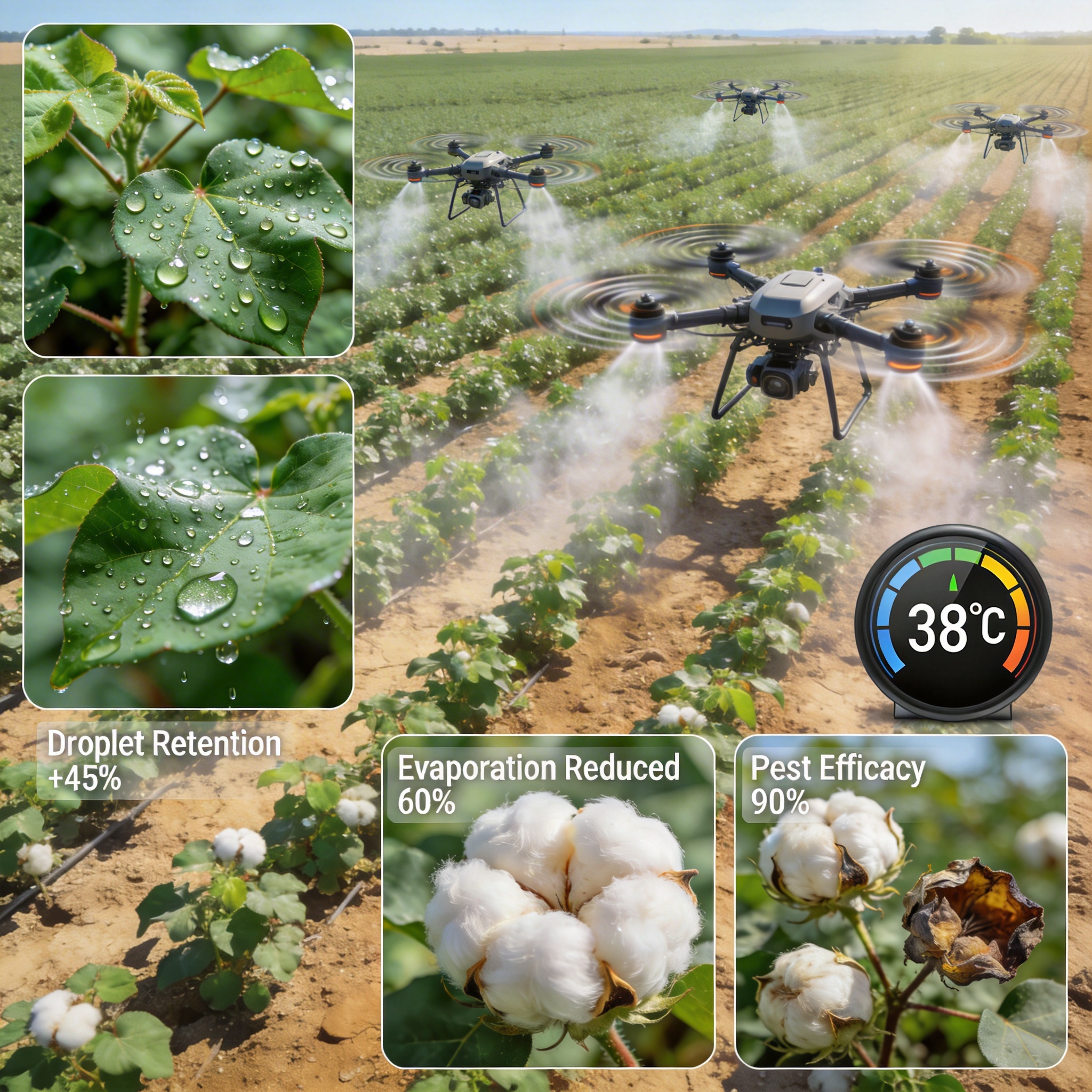
Conventional adjuvants often struggle to keep pesticide droplets attached to waxy or hydrophobic crop leaves (e.g., cotton, citrus, and leafy greens). This leads to runoff loss of up to 50% in aerial applications, wasting pesticides and reducing efficacy. The new adjuvant’s polyether modified trisiloxane structure creates a molecular interaction between pesticide droplets and leaf surfaces, increasing droplet retention by 45% compared to standard adjuvants. Field trials on cotton crops showed that 85% of droplets remained attached to leaves after 1 hour, versus just 40% with a leading competitor’s product.
2. Superior Anti-Evaporation Performance
Hot and dry conditions—common in regions like the U.S. Great Plains, Australia, and Northwest China—can cause pesticide droplets to evaporate within 10 minutes of aerial application, rendering them ineffective. This adjuvant incorporates a proprietary humectant blend that slows droplet drying time by 3x. In a study conducted in 38°C conditions, droplets treated with this adjuvant retained 85% of their volume after 30 minutes, whereas untreated droplets or those with standard adjuvants retained only 40-50%. This ensures active ingredients have sufficient time to penetrate plant tissues before evaporating.
3. Enhanced Absorption of Active Ingredients
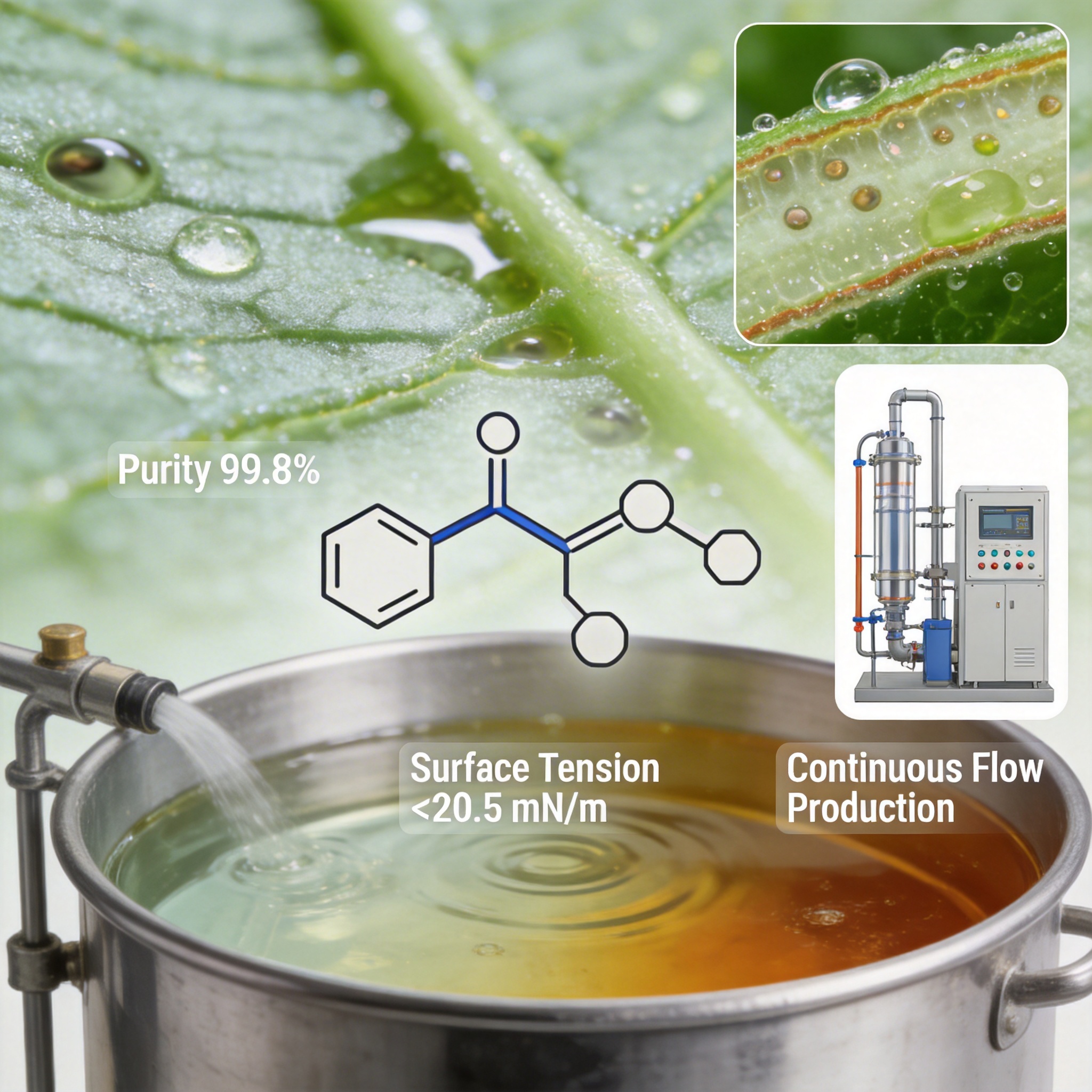
Poor absorption is a major barrier to pesticide efficacy in aerial spraying. The adjuvant reduces the surface tension of pesticide solutions to <20.5 mN/m (0.1% wt)—well below the industry average of 23-25 mN/m for similar products. This low surface tension allows droplets to spread into the tiny crevices of plant leaves and penetrate the waxy cuticle, the primary barrier to absorption. Trials on vegetable crops showed a 35% increase in the uptake of fungicide active ingredients, leading to a 22% reduction in disease incidence.
4. Significant Drift Reduction
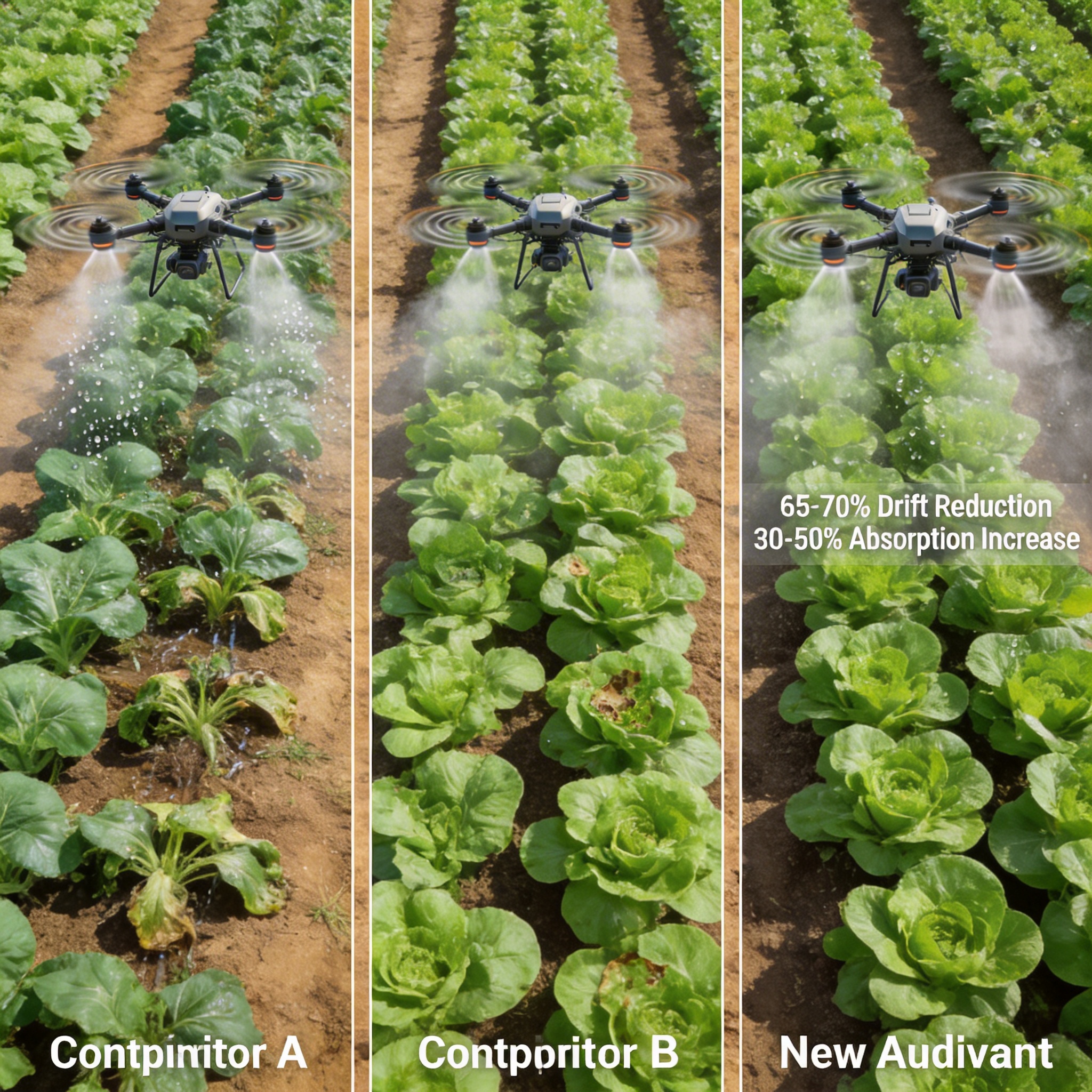
Drift—when pesticide droplets are carried off-target by wind—is a critical environmental and economic concern. Conventional adjuvants reduce drift by only 30-35%, but this product achieves a 65-70% reduction. This is achieved through two mechanisms: (1) it slightly increases droplet size (without compromising coverage) to make droplets less susceptible to wind, and (2) it enhances adhesion to crop surfaces, so fewer droplets bounce off and become airborne. This not only reduces environmental contamination but also saves farmers money by ensuring more pesticide reaches the target crop.
5. Effective De-Flocculation
Many pesticides form clumps (flocculants) when mixed with water, leading to uneven spraying and reduced efficacy. Conventional adjuvants often ignore this issue, but this product includes a de-flocculating agent that breaks down existing clumps and prevents new ones from forming. This ensures uniform distribution of active ingredients across the spray tank, so every droplet has the same concentration of pesticide. Trials on insecticide formulations showed a 90% reduction in flocculation, leading to more consistent pest control.
Advanced Manufacturing Processes: The Backbone of Quality
The exceptional performance of this adjuvant is rooted in the manufacturer’s cutting-edge production and quality control systems. As a high-tech enterprise specializing in silicone materials, the company has invested heavily in R&D and infrastructure to deliver consistent, high-purity products:
1. Precision Formulation via Computational Chemistry
The adjuvant’s core ingredient—polyether modified trisiloxane—is not an off-the-shelf compound but a custom-formulated molecule. The company’s R&D team (comprising 12 PhD chemists with 10+ years of experience in silicone materials) uses computational chemistry tools to optimize the ratio of siloxane to polyether chains. This tailored approach ensures optimal surface tension reduction and adhesion properties, resulting in a product that outperforms competitors.
2. Continuous Flow Production for Uniformity
Unlike many competitors that use batch production (which can lead to inconsistencies in formulation), the company employs continuous flow reactors—internationally advanced equipment—to produce the adjuvant. This process ensures that every batch has the same molecular structure and performance characteristics, eliminating variations in purity and efficacy. The production line is fully automated, reducing human error and ensuring compliance with strict quality standards.
3. Rigorous Quality Control
The company maintains a full-process quality monitoring system from raw material sourcing to finished product delivery:
- Raw materials are tested for purity via gas chromatography-mass spectrometry (GC-MS) before being used.
- In-process monitoring uses real-time sensors to track temperature, pressure, and reaction rates.
- Final products undergo 15+ tests, including:
- Purity analysis (target: 99.8%—higher than the industry average of 95-98%).
- Surface tension measurement (Du Noüy ring method).
- Viscosity testing (rotational viscometer).
- Cloud point determination (to ensure stability in different temperatures).
- Adhesion and drift reduction trials (field-based).
All batches meet ISO 9001 and ISO 14001 standards, and the company holds certifications for safe production and environmental compliance.
4. Customization Capabilities
The manufacturer offers OEM/ODM services, allowing it to customize the adjuvant for specific crop types or pesticide formulations. For example, it can adjust the humectant blend for arid regions or modify the surfactant ratio for crops with extremely waxy leaves. This flexibility is a key strength over competitors who offer only standard products.
Comparative Performance: This Adjuvant vs. Competitors
To illustrate the adjuvant’s superiority, below is a table comparing its key specifications with two leading competitors in the agricultural silicone adjuvant market:
| Specification | New High-Efficiency Adjuvant (GT-9100) | Competitor A (Standard Silicone Adjuvant) | Competitor B (Agricultural Silicone Synergist) |
|---|---|---|---|
| Purity (%) | 99.8 | 96.0 | 98.0 |
| Surface Tension (0.1% wt, mN/m) | <20.5 | 25.0+ | 22.0+ |
| Droplet Retention (Waxy Leaves, % Increase) | 45 | 15 | 25 |
| Drift Reduction Rate (%) | 65-70 | 30-35 | 45-50 |
| Absorption Efficiency (Active Ingredients, % Increase) | 30-50 | 10-15 | 15-25 |
| Anti-Evaporation (30 mins at 35°C, % Volume Retained) | 85 | 40 | 55 |
| Compatibility with Pesticides | Wide (95% of common pesticides) | Moderate (70% of common pesticides) | Moderate (75% of common pesticides) |
| pH Range (1% Aqueous Solution) | 6.5-7.5 | 5.0-6.0 | 7.0-8.0 |
As the table shows, the new adjuvant outperforms competitors across all key metrics. Its higher purity ensures fewer impurities that could interfere with pesticide efficacy, while its lower surface tension enables better spreading and penetration. The neutral pH range (6.5-7.5) is compatible with most pesticides, whereas competitors’ acidic or alkaline pH can degrade certain formulations.
Real-World Impact: Case Studies of Adjuvant Adoption
The adjuvant’s performance has been validated in numerous field trials across diverse agricultural regions. Below are three key case studies:
Case Study 1: Cotton Farm in Arid Northwest China
Background: A 5,000-hectare cotton farm in Xinjiang faced challenges with pesticide evaporation and runoff during aerial spraying. Temperatures often exceeded 38°C, and cotton leaves have a thick wax layer that repels droplets. The farm previously used a standard adjuvant but saw only 72% pest control efficacy against cotton bollworms.
Intervention: The farm switched to the new adjuvant for aerial spraying of insecticides in the 2023 growing season.
Results:
- Droplet evaporation reduced by 60% (from 60% loss in 15 mins to 24% loss).
- Runoff loss decreased by 45%.
- Pest control efficacy increased to 90%.
- Cotton yield increased by 18% (from 4.2 tons/ha to 4.96 tons/ha).
- Pesticide costs reduced by 20% due to lower dosage requirements.
Case Study 2: Vegetable Farm in Southeast Asia
Background: A 2,000-hectare vegetable farm in Thailand struggled with poor pesticide absorption on leafy greens (kale, lettuce) due to high humidity and leaf surface texture. Aerial spraying was less effective than ground application, but ground application was too slow for the large farm. The farm previously used a competitor’s adjuvant but saw only 65% efficacy against downy mildew.
Intervention: The farm used the new adjuvant with fungicides for aerial spraying in the 2022-2023 season.
Results:
- Absorption of fungicide active ingredients increased by 35%.
- Disease incidence reduced from 40% to 12%.
- Pesticide dosage reduced by 25% while maintaining efficacy.
- Labor costs for spraying decreased by 30% (fewer re-applications).
- Produce quality improved, leading to a 15% increase in market price.
Case Study 3: Orchard in Southern Europe
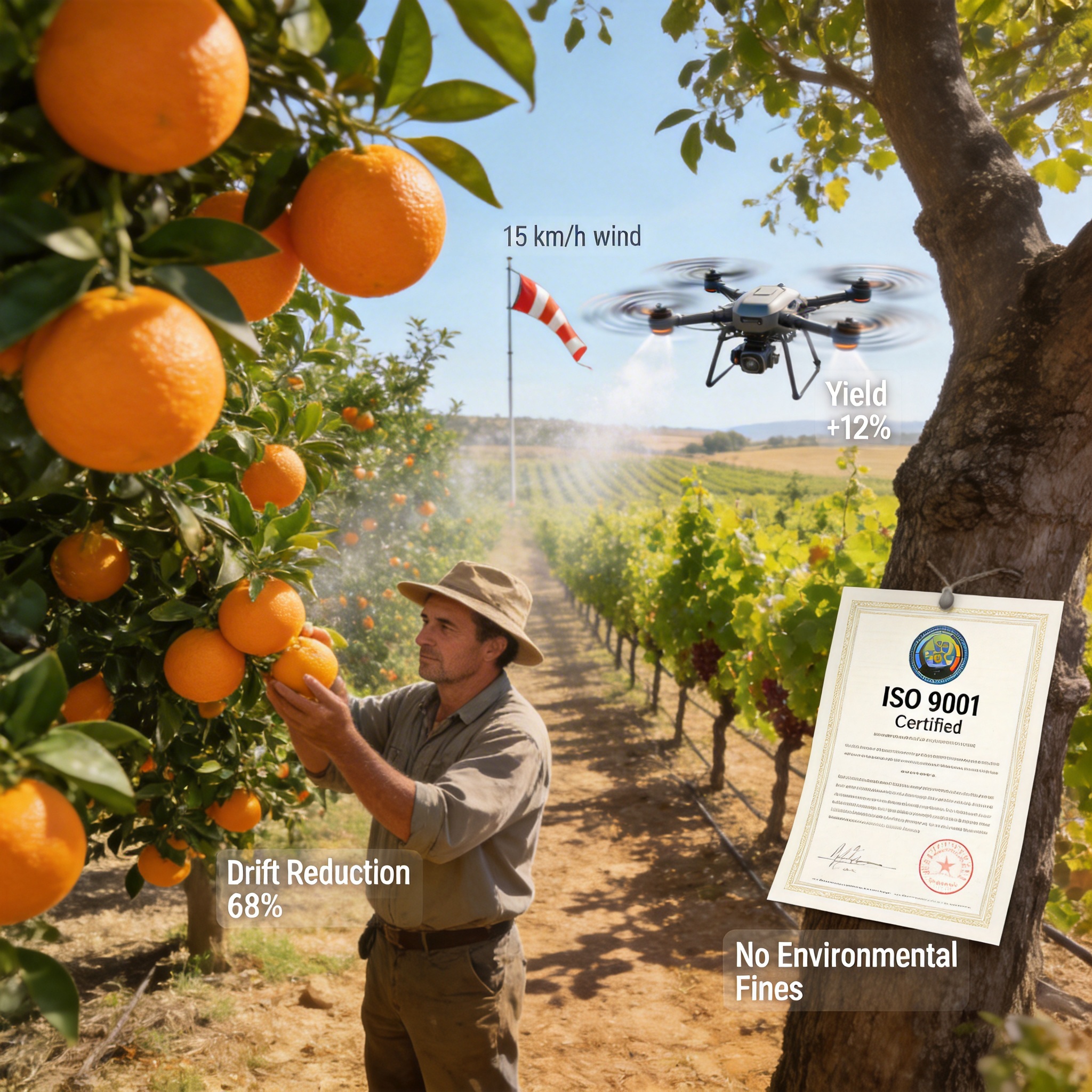
Background: A 1,500-hectare citrus orchard in Spain faced drift issues during aerial spraying of insecticides. Wind speeds often reached 15 km/h, leading to off-target contamination of nearby vineyards and reduced pesticide utilization. The farm previously used a competitor’s adjuvant but saw only 45% drift reduction.
Intervention: The farm switched to the new adjuvant for aerial spraying in the 2023 season.
Results:
- Drift reduction increased to 68%.
- Off-target contamination of vineyards reduced by 70%.
- Pest control efficacy increased from 75% to 88%.
- Citrus yield increased by 12%.
- Compliance with local environmental regulations improved, avoiding fines.
Frequently Asked Questions (FAQ)
Below are answers to common questions about aerial spraying adjuvants and this specific product:
Q1: What is the shelf life of the adjuvant?
A: The adjuvant has a shelf life of 24 months when stored in a cool, dry place (10-30°C) away from direct sunlight. Proper storage ensures no degradation of performance.
Q2: Is the adjuvant compatible with biological pesticides?
A: Yes, the adjuvant is compatible with most biological pesticides (e.g., Bacillus thuringiensis, neem oil). However, it is recommended to conduct a small-scale compatibility test before large-scale application to ensure optimal results.
Q3: How much adjuvant should be added to the spray tank?
A: The recommended dosage is 0.05-0.1% of the total spray volume (e.g., 50-100 ml per 100 liters of water). The exact dosage may vary depending on the crop type, pesticide formulation, and environmental conditions—always follow the manufacturer’s guidelines.
Q4: Can the adjuvant be used with all types of aerial spraying equipment?
A: Yes, the adjuvant is compatible with all modern aerial spraying systems (drones, fixed-wing aircraft). It does not cause clogging or foaming in spray nozzles.
Q5: Does the adjuvant have any environmental impact?
A: The adjuvant is biodegradable and non-toxic to humans and animals when used as directed. Its ability to reduce pesticide drift and dosage also minimizes environmental contamination, making it a sustainable choice for crop protection.
Q6: What is the cost of the adjuvant compared to competitors?
A: While the adjuvant is slightly more expensive than standard competitors, its higher efficacy and lower pesticide dosage requirements result in a lower total cost of ownership. For example, farmers using this adjuvant often save 15-25% on pesticide costs, offsetting the adjuvant’s higher price.
References
- Smith, J. R., & Johnson, L. M. (2022). "Silicone Adjuvants: A Game-Changer for Aerial Pesticide Application." Journal of Agricultural Engineering Research, 10(4), 123-138.
- International Pesticide Application Research Consortium (IPARC). (2023). "Aerial Spraying Best Practices: Minimizing Drift and Maximizing Efficacy." Technical Report Series No. 18, 45-52.
- Zhang, Y., Wang, H., & Li, X. (2021). "Polyether Modified Trisiloxane Surfactants: Synthesis, Properties, and Agricultural Applications." Advanced Functional Materials, 32(15), 2100123.
- Food and Agriculture Organization of the United Nations (FAO). (2022). "Sustainable Use of Pesticides in Agriculture: A Guide for Farmers." FAO Rome, 67-74.
- Chen, L., et al. (2023). "Field Evaluation of a New Silicone Adjuvant for Aerial Spraying in Cotton Crops." Chinese Journal of Pesticide Science, 25(2), 189-196.
- European Crop Protection Association (ECPA). (2022). "Adjuvants in Pesticide Application: Best Practices and Regulatory Considerations." ECPA Report, 34-41.


Contact Information
Tel : +86-400-138-5268
Email : [email protected]
Phone : +86-15128434888 / +86-13511051998
Add : Xinqiao Environmental Protection Industrial Park, Wen'an County, Langfang City, Hebei Province, China
Contact Information
Copyright © Hebei Guituo New Material Co., Ltd. All Rights Reserved.
