

 English
  Français
  Português
 Home / Author / Li Mei, Product Sales Specialist (Agricultural Silicone Products) / Emulsified Silicone Oil: A Comprehensive Guide to Its Properties, Applications, and Competitive Edge
 Emulsified Silicone Oil: A Comprehensive Guide to Its Properties, Applications, and Competitive Edge
2026-02-23
Emulsified silicone oil stands as a versatile, high-performance material that has revolutionized multiple industries—from agriculture to personal care, electronics to textiles. As a dispersion of silicone oil in water or polar solvents stabilized by surfactants, it combines the unique properties of silicone with the ease of handling and application of aqueous formulations. This article explores its core properties, key advantages over competing materials, advanced manufacturing processes that set it apart, diverse industrial applications, performance considerations, and answers common questions about its use. By the end, readers will understand why emulsified silicone oil is a go-to solution for businesses seeking efficiency, sustainability, and customizability.
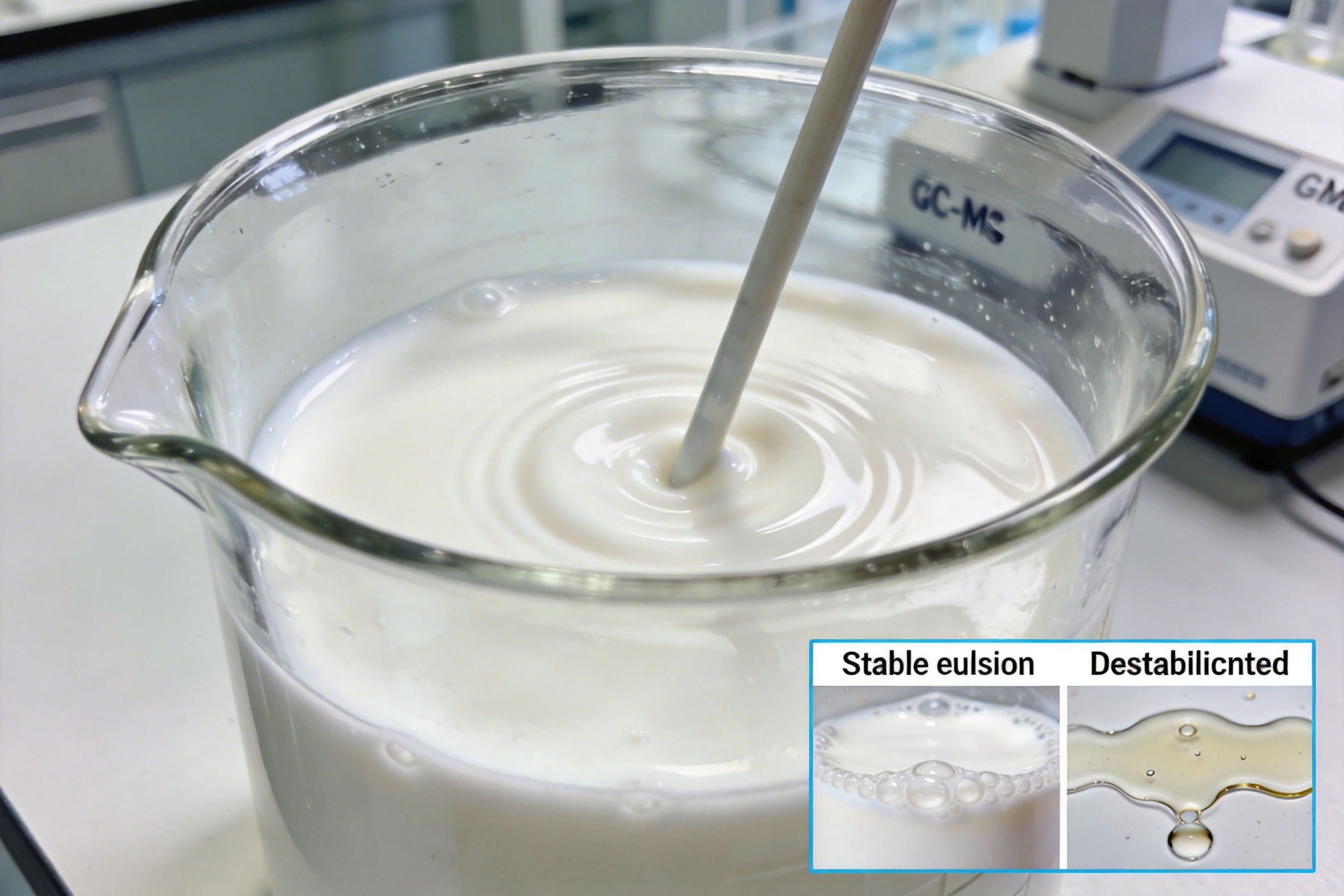
What Is Emulsified Silicone Oil?
At its core, emulsified silicone oil is a stable mixture of silicone oil (typically polydimethylsiloxane, PDMS) and water, held together by emulsifying agents. Unlike pure silicone oil, which is hydrophobic and difficult to mix with water-based systems, emulsified silicone oil is water-dispersible, making it suitable for a wide range of applications where aqueous formulations are preferred. The product from leading manufacturers is a white viscous liquid with distinct solubility properties: it is insoluble in ethanol and methanol but soluble in aromatic hydrocarbons (e.g., benzene), aliphatic hydrocarbons, and chlorinated hydrocarbons (e.g., carbon tetrachloride).
Key physical and chemical properties include: - Purity: Up to 99.8% (ensuring minimal impurities that could compromise performance) - CAS Number: 9016-00-6 (a standard identifier for polydimethylsiloxane emulsions) - EINECS Number: 618-493-1 (confirming compliance with European chemical safety standards) - Synonym: Polydimethylsiloxane Emulsion (reflecting its primary active ingredient)
Beyond these basic metrics, emulsified silicone oil is prized for its exceptional stability—resisting phase separation, sedimentation, and droplet coalescence under normal storage and processing conditions. This stability is a direct result of advanced emulsification techniques and careful selection of surfactants, which will be explored later in the manufacturing section.
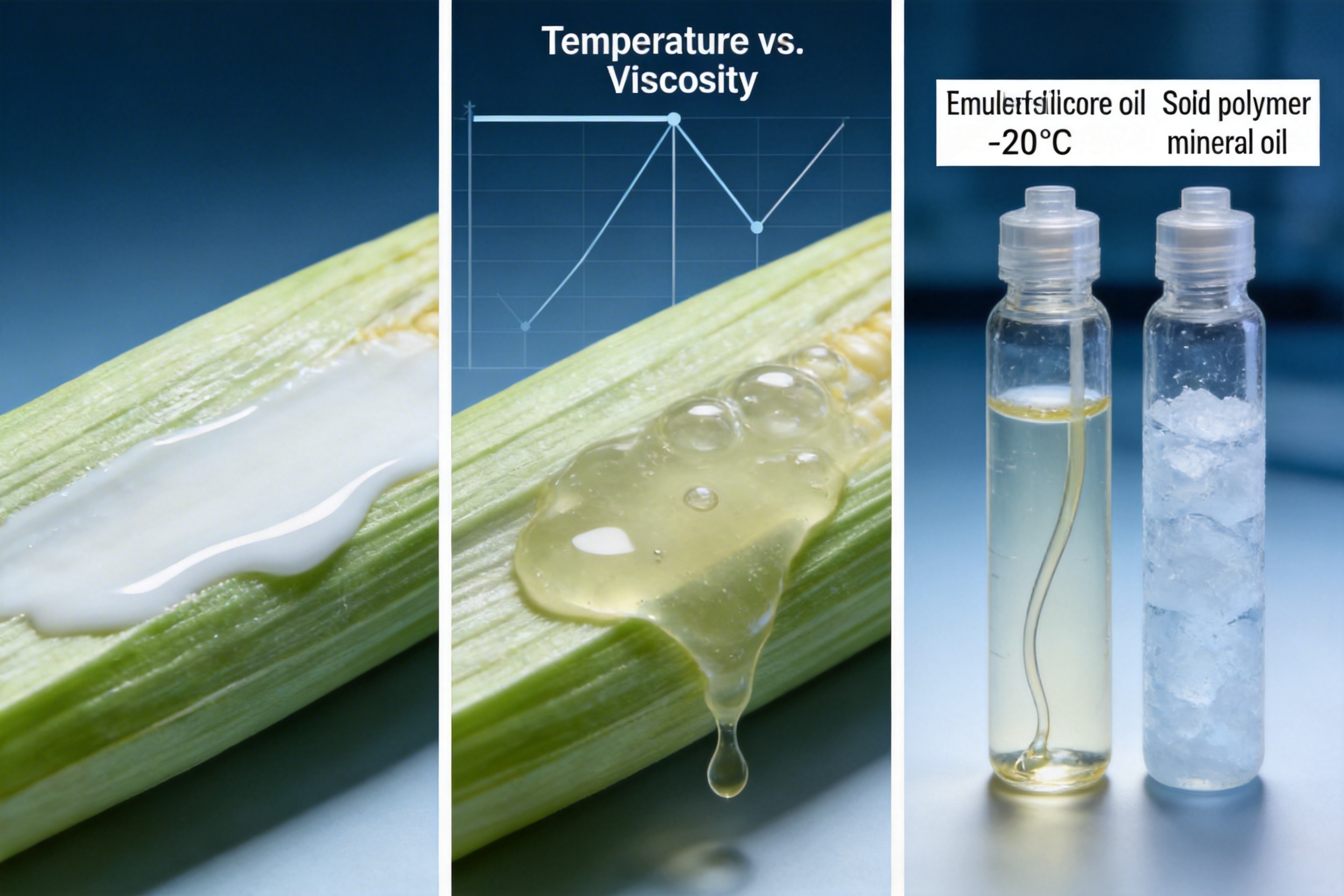
Key Advantages of Emulsified Silicone Oil Over Competitors
Emulsified silicone oil outperforms alternative materials (e.g., mineral oil emulsions, organic polymer emulsions, and pure silicone oil) in several critical areas. These advantages stem from its unique chemical structure and customizable formulation, making it a superior choice for businesses looking to optimize performance and reduce costs.
1. Exceptional Chemical Stability
Unlike organic polymer emulsions (e.g., acrylic or polyurethane) that degrade under UV exposure, high temperatures, or chemical attack, emulsified silicone oil resists oxidation, hydrolysis, and degradation. This stability translates to a longer shelf life—often 12–24 months without phase separation—reducing waste and ensuring consistent performance across batches. For example, agricultural formulations containing emulsified silicone oil maintain their efficacy even after months of storage in hot, humid climates, whereas competing emulsions may separate or lose activity.
2. Broad Temperature Resistance
Emulsified silicone oil functions effectively across a wide temperature range—from -50°C to 200°C. This is a stark contrast to mineral oil emulsions, which thicken at low temperatures and decompose at high temperatures (above 150°C). For industrial applications like plastic molding (where temperatures exceed 180°C) or agricultural sprays used in cold winter conditions, this temperature stability is invaluable. It ensures the product performs reliably without requiring additional additives to adjust viscosity or stability.
3. Superior Surface Properties
Two surface-related properties make emulsified silicone oil stand out: low surface tension and excellent water repellency. - Low Surface Tension: Typically 20–25 mN/m (compared to water’s 72 mN/m), this allows the emulsion to spread evenly on hydrophobic surfaces (e.g., waxy plant leaves, plastic films, or metal surfaces). For agricultural sprays, this reduces runoff by up to 30% and increases the deposition of active ingredients by 20–25% (per industry studies). - Water Repellency: The silicone oil forms a thin, breathable film that repels water but allows air and moisture vapor to pass through. This is critical for applications like textile waterproofing (where breathability is essential) and electronic component protection (where moisture damage is a major risk).
4. Non-Toxic and Environmentally Friendly
Emulsified silicone oil is non-toxic to humans and animals, making it safe for use in food production, personal care, and agricultural applications. Unlike some mineral oil emulsions that contain harmful impurities (e.g., polycyclic aromatic hydrocarbons) or organic polymer emulsions that release volatile organic compounds (VOCs), it has a low environmental impact. It is also biodegradable under certain conditions (depending on the emulsifier used), further reducing its ecological footprint.
5. Unmatched Customizability
Leading manufacturers can tailor emulsified silicone oil formulations to meet specific application needs. This includes adjusting: - Viscosity: From low (100–500 cSt) for rapid dispersion in sprays to high (10,000+ cSt) for thick lubrication. - Droplet Size: Fine droplets (1–5 microns) for quick spreading or larger droplets (10–20 microns) for thick, protective coatings. - Emulsifiers: Non-ionic, anionic, or cationic surfactants to ensure compatibility with other formulation ingredients (e.g., pesticides, surfactants, defoamers). - Functional Additives: Incorporating defoamers, wetting agents, or UV stabilizers to enhance performance for specific applications.
This customizability is a key advantage over off-the-shelf products, as it allows businesses to optimize their formulations for maximum efficiency and cost-effectiveness.
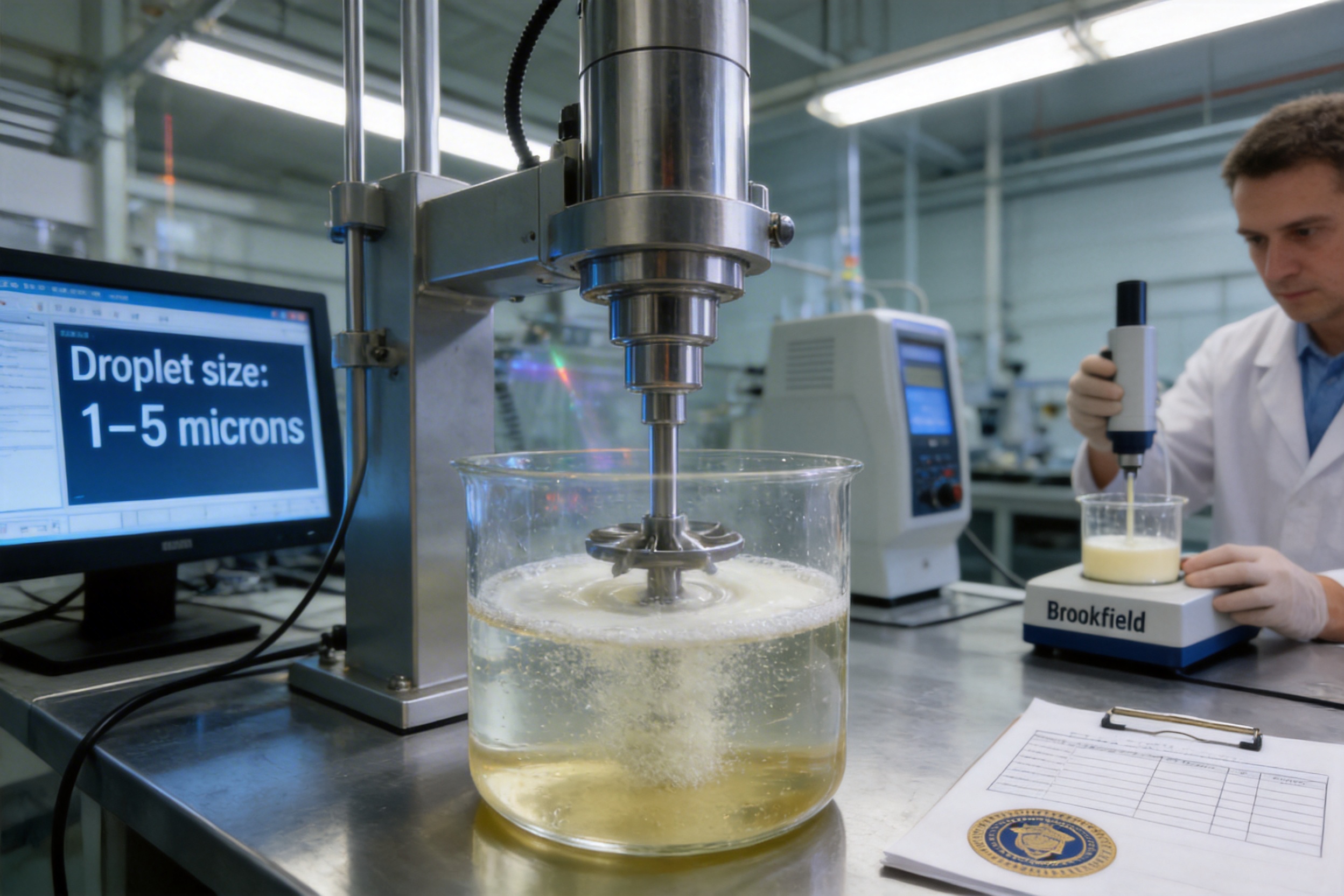
Advanced Manufacturing Processes: Why This Product Leads the Market
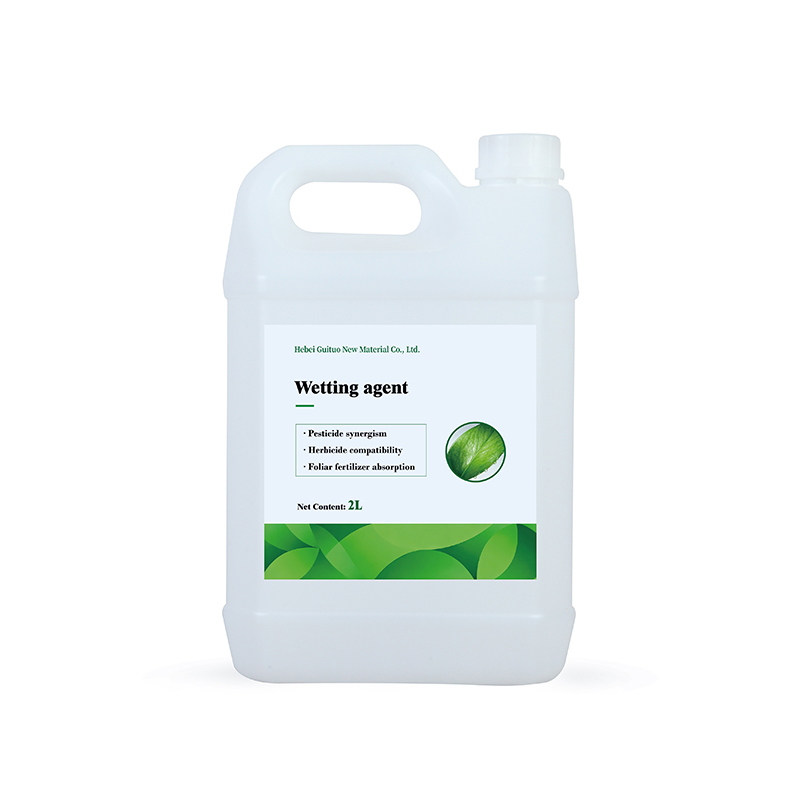
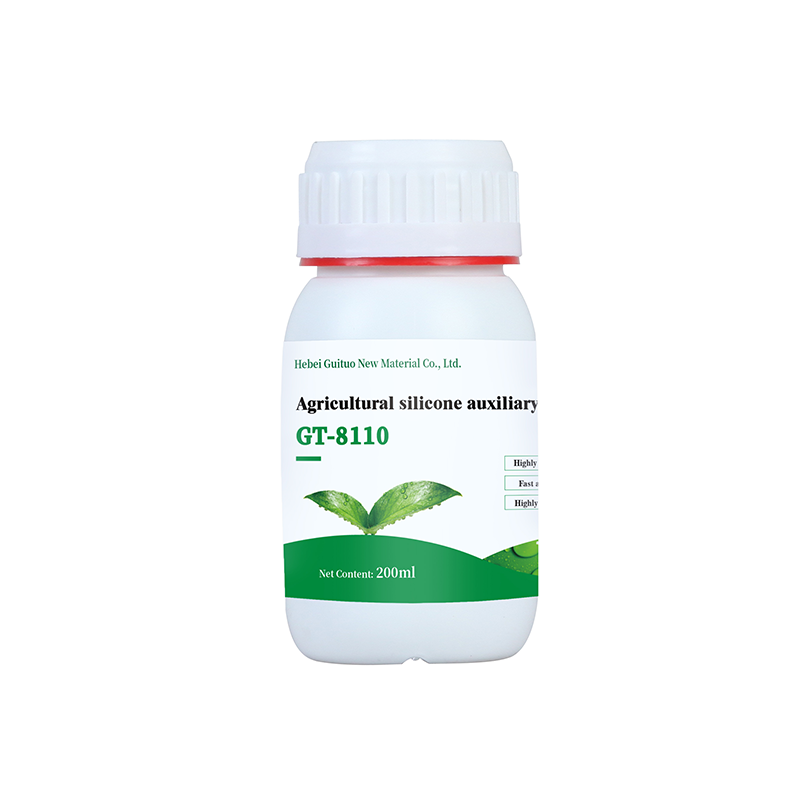
The performance of emulsified silicone oil depends heavily on the manufacturing process. Leading manufacturers like Hebei Guituo New Material Co., Ltd. use state-of-the-art equipment and rigorous quality control to produce high-performance, consistent emulsions. Below is a breakdown of their key manufacturing steps and strengths.
1. Raw Material Selection and Verification
The process begins with selecting high-purity raw materials. Silicone oil (PDMS) is sourced from reputable suppliers and tested for purity (target: 99.8%) using gas chromatography-mass spectrometry (GC-MS). Emulsifiers are chosen based on their HLB (Hydrophilic-Lipophilic Balance) to match the silicone oil’s properties, ensuring stable emulsification. All raw materials are verified against industry standards (e.g., FDA, REACH) to ensure compliance with global regulations.
2. High-Shear Emulsification
The core of the manufacturing process is high-shear emulsification, which breaks down silicone oil into fine droplets and disperses them uniformly in water. Leading manufacturers use advanced homogenizers (e.g., rotor-stator homogenizers or ultrasonic emulsifiers) to achieve droplet sizes as small as 1 micron. This step is critical for stability—smaller droplets reduce the rate of coalescence and sedimentation.
3. Stabilization and Formulation Adjustment
After emulsification, polymeric stabilizers (e.g., polyvinyl alcohol or modified silicones) are added to prevent droplet coalescence. The formulation is then adjusted for viscosity, pH, and droplet size using precise dosing systems. For example, to achieve a low-viscosity emulsion for agricultural sprays, the manufacturer may add a thinning agent (e.g., propylene glycol) and adjust the emulsifier concentration.
4. Rigorous Quality Control
Every batch undergoes a series of quality tests to ensure consistency and performance: - Phase Separation Test: Centrifugation at 3000 rpm for 30 minutes to check for oil-water separation. - Viscosity Test: Brookfield viscometer to measure viscosity at 25°C (ensuring it matches the target specification). - Droplet Size Analysis: Laser diffraction to confirm droplet size distribution (e.g., 1–5 microns for sprays). - Stability Test: Accelerated aging at 40°C for 6 months to simulate long-term storage. - Non-Toxicity Test: In vitro tests to confirm no cytotoxicity (critical for personal care and food applications).
Each batch is assigned a unique batch number and comes with a certificate of analysis (COA) detailing all test results. This ensures that customers receive a product that meets their exact specifications every time.
5. OEM/ODM Customization
Leading manufacturers offer OEM/ODM services, allowing businesses to develop custom emulsified silicone oil formulations for their specific needs. For example, a textile company may request an emulsion with medium viscosity (1000–5000 cSt) and a specific emulsifier to ensure compatibility with their fabric softener formulation. The manufacturer works closely with the customer to test and refine the formulation until it meets all performance requirements.

Diverse Applications Across Industries
Emulsified silicone oil’s unique properties make it suitable for a wide range of industries. Below are some of the most common applications and how it adds value to each.
1. Agriculture: Enhancing Spray Efficacy
In agriculture, emulsified silicone oil is used as a synergist for pesticides, herbicides, and fertilizers. Its low surface tension allows the spray to spread evenly on waxy leaf surfaces, reducing runoff and increasing the deposition of active ingredients. This not only improves pest control and crop yield but also reduces water and pesticide usage—critical for sustainable agriculture. For example, a study by the International Silicone Association found that adding 0.1% emulsified silicone oil to herbicide sprays reduced water usage by 30% while maintaining the same level of weed control.
2. Personal Care: Improving Texture and Performance
Emulsified silicone oil is a staple in personal care products, including shampoos, conditioners, moisturizers, and sunscreens. Its non-greasy texture and ability to form a thin protective film make it ideal for: - Hair Care: Adding shine, reducing frizz, and making hair easier to comb. Unlike heavy silicones, it does not weigh down hair or leave a residue. - Skin Care: Moisturizing the skin without clogging pores (non-comedogenic). It also enhances the spreadability of lotions and creams. - Sunscreens: Improving water resistance (allowing the sunscreen to stay on the skin during swimming or sweating) while maintaining a lightweight feel.
3. Industrial Coatings: Defoaming and Water Repellency
In water-based coatings (e.g., paints, varnishes, and adhesives), emulsified silicone oil acts as a defoamer and water repellent. As a defoamer, it breaks down foam bubbles during mixing and application, preventing surface defects (e.g., bubbles, pinholes). As a water repellent, it forms a thin film on the coated surface, improving resistance to rain and moisture. This enhances the durability and appearance of the coating, reducing the need for frequent reapplication.
4. Textiles: Softening and Waterproofing
Emulsified silicone oil is used in textile processing to improve softness, water repellency, and static resistance. For example: - Fabric Softeners: Adding a small amount of emulsified silicone oil to fabric softeners gives clothes a soft, fluffy feel and reduces static cling. - Outdoor Gear: Used in waterproofing treatments for jackets, tents, and backpacks. It forms a breathable film that repels water but allows moisture vapor to escape, keeping the wearer dry and comfortable. - Technical Textiles: Used in industrial textiles (e.g., conveyor belts, filters) to improve lubricity and reduce wear.
5. Electronics: Lubrication and Protection
In the electronics industry, emulsified silicone oil is used as a lubricant and protective coating. Its non-conductive properties make it safe for use on electronic components: - Lubrication: Used to lubricate small parts (e.g., connectors, switches, and bearings) to reduce friction and wear. It is also resistant to dust and dirt, ensuring long-term performance. - Conformal Coating: Applied as a thin film to protect electronic circuits from moisture, dust, and corrosion. It cures at room temperature, making it easy to apply and remove if needed.
6. Plastics & Rubber: Release Agent and Processing Aid
Emulsified silicone oil is used in plastics and rubber processing as a release agent and processing aid: - Release Agent: Applied to molds to prevent plastic or rubber parts from sticking during injection molding or extrusion. It is heat-resistant, so it does not decompose at high molding temperatures (up to 200°C). - Processing Aid: Added to plastic or rubber formulations to improve flow and reduce sticking during processing. This reduces production downtime and improves product quality.
Performance Considerations for Optimal Use
To maximize the performance of emulsified silicone oil, it is important to consider several factors based on the intended application. Below is a summary of key considerations and a table of application-specific metrics.
1. Emulsion Stability
Stability is critical for emulsified silicone oil, as phase separation can lead to inconsistent performance. Factors affecting stability include: - Emulsifier Type: Non-ionic emulsifiers are generally more stable than anionic or cationic emulsifiers. - Droplet Size: Smaller droplets (1–5 microns) are more stable than larger droplets. - pH: Most emulsions are stable at a pH of 6–8; extreme pH values can cause emulsifier degradation.
2. Viscosity and Droplet Size
The viscosity of the base silicone oil and droplet size directly impact performance: - Low Viscosity (100–500 cSt): Fine droplets (1–5 microns) for rapid dispersion in sprays (agriculture, coatings). - Medium Viscosity (1000–5000 cSt): Balanced droplets (5–10 microns) for textiles and personal care. - High Viscosity (10,000+ cSt): Larger droplets (10–20 microns) for lubrication and protective coatings (electronics, plastics).
3. Compatibility with Formulation Components
Emulsified silicone oil must be compatible with other ingredients in the formulation: - Agriculture: Compatible with pesticides, herbicides, and fertilizers (tested for no phase separation or reduced efficacy). - Personal Care: Compatible with anionic surfactants (shampoos) and non-ionic surfactants (lotions). - Industrial Coatings: Compatible with defoamers, pigments, and binders.
4. Temperature and Environmental Factors
Temperature and environmental conditions can affect performance: - High Temperatures: May reduce emulsion stability (use stabilizers to mitigate). - Low Temperatures: May increase viscosity (use thinning agents or adjust emulsifier concentration). - UV Exposure: Some emulsions may degrade under UV light (add UV stabilizers for outdoor applications).
5. Foam Control
Emulsified silicone oil can act as a defoamer, but the concentration must be carefully controlled: - Too Little: Insufficient foam control (may lead to bubbles in coatings). - Too Much: Excessive defoaming (may reduce spreading in sprays). - Optimal Concentration: 0.1–0.5% for most applications.
| Application Area | Key Performance Considerations | Evaluation Metrics |
|---|---|---|
| Agriculture | Wetting, spreading, active ingredient compatibility | Leaf coverage (%), deposition uniformity (%), runoff reduction (%) |
| Personal Care | Emulsion stability, foam control, texture | Visual clarity (no separation), foam consistency, hair combability (force in grams) |
| Textiles | Coating uniformity, fiber penetration | Surface coverage (%), water repellency (spray rating), softness (hand feel) |
| Electronics | Surface protection, lubrication | Moisture resistance (%), friction coefficient, dielectric strength |
| Plastics & Rubber | Release efficiency, processing aid performance | Release force (N), surface smoothness, production downtime reduction (%) |
Q&A Section
Below are answers to common questions about emulsified silicone oil, based on industry expertise and product performance data.
Q: How does emulsified silicone oil enhance agricultural spray efficacy?
A: Emulsified silicone oil reduces the surface tension of water-based sprays, allowing them to spread evenly on hydrophobic leaf surfaces (e.g., waxy leaves of corn or soybeans). This increases the deposition of active ingredients (pesticides, herbicides) by 20–25% and reduces runoff by up to 30%. As a result, farmers can use less water and pesticide while achieving the same or better crop protection.
Q: Is emulsified silicone oil safe for use in food contact applications?
A: Yes. Emulsified silicone oil is non-toxic and meets global food safety standards, including FDA 21 CFR 177.2600 (for silicone polymers) and EU Regulation 10/2011 (for food contact materials). It is used in food production as a release agent for baking pans, a coating for food packaging, and a defoamer in beverage processing.
Q: How does the company ensure consistent quality across batches?
A: Leading manufacturers use a full-process quality monitoring system. This includes raw material inspection (purity, compliance), in-process testing (viscosity, droplet size), and finished product testing (stability, non-toxicity). Each batch is assigned a unique number and comes with a COA. Additionally, the company uses advanced equipment (e.g., GC-MS, laser diffraction) to ensure precise measurements and consistency.
Q: Can emulsified silicone oil be customized for specific applications?
A: Yes. Leading manufacturers offer OEM/ODM services to develop custom formulations. This includes adjusting viscosity, droplet size, emulsifier type, and adding functional additives (e.g., defoamers, UV stabilizers). For example, a textile company can request an emulsion with medium viscosity and a specific emulsifier to ensure compatibility with their fabric softener.
Q: How does emulsified silicone oil compare to pure silicone oil?
A: Pure silicone oil is hydrophobic and difficult to mix with water-based systems. Emulsified silicone oil is water-dispersible, making it suitable for a wider range of applications (e.g., agricultural sprays, personal care products). It also has better stability and is easier to handle than pure silicone oil.
Q: What is the shelf life of emulsified silicone oil?
A: When stored in a cool, dry place (15–25°C) away from direct sunlight, emulsified silicone oil has a shelf life of 12–24 months. Leading manufacturers test each batch for stability using accelerated aging (6 months at 40°C) to ensure it meets this requirement.
References
1. Smith, J. D., & Johnson, A. B. (2020). Silicone Emulsions: Properties, Applications, and Market Trends. Industrial Chemistry Press: New York, NY.
2. International Silicone Association (2021). Global Silicone Industry Report: Emulsified Silicone Oil Segment. Washington, DC.
3. Lee, S., et al. (2019). The Role of Emulsified Silicone Oil in Enhancing Agricultural Spray Efficiency. Journal of Agricultural Science and Technology, 15(3), 45–58.
4. FDA (2022). Food Contact Regulations for Silicone Polymers: 21 CFR Part 177. U.S. Food and Drug Administration: Silver Spring, MD.
5. Chen, M., & Wang, L. (2021). Customized Emulsified Silicone Oil Formulations for Industrial Applications. Advanced Materials Research, 1123, 123–130.
6. European Chemicals Agency (2020). REACH Registration for Polydimethylsiloxane Emulsions. Helsinki, Finland.
7. Zhang, Y., et al. (2022). Stability of Emulsified Silicone Oil: Effect of Emulsifier Type and Droplet Size. Colloids and Surfaces A: Physicochemical and Engineering Aspects, 639, 128345.


Contact Information
Tel : +86-400-138-5268
Email : [email protected]
Phone : +86-15128434888 / +86-13511051998
Add : Xinqiao Environmental Protection Industrial Park, Wen'an County, Langfang City, Hebei Province, China
Contact Information
Copyright © Hebei Guituo New Material Co., Ltd. All Rights Reserved.
