

 English
  Français
  Português
 Home / Author / Li Mei, Product Sales Specialist (Agricultural Silicone Products) / Agricultural Silicone Wetting Synergists: Advancing Efficiency and Sustainability in Modern Agrochemical Applications
 Agricultural Silicone Wetting Synergists: Advancing Efficiency and Sustainability in Modern Agrochemical Applications
2026-02-11
Agricultural production faces mounting challenges: rising global food demand, climate change-induced stress on crops, and the need to reduce the environmental footprint of agrochemicals. To address these issues, innovative adjuvants like silicone wetting synergists have emerged as game-changers, enhancing the efficiency of pesticides, fertilizers, and herbicides while minimizing their impact on ecosystems. These specialized surfactants reduce the surface tension of liquids, enabling uniform spreading and deep penetration into plant tissues—outperforming traditional non-silicone alternatives in key performance metrics. This article explores the core advantages of modern agricultural silicone wetting synergists, the advanced manufacturing processes that ensure their quality, their superiority over competitors, and their role in sustainable agriculture.
What Are Agricultural Silicone Wetting Synergists?
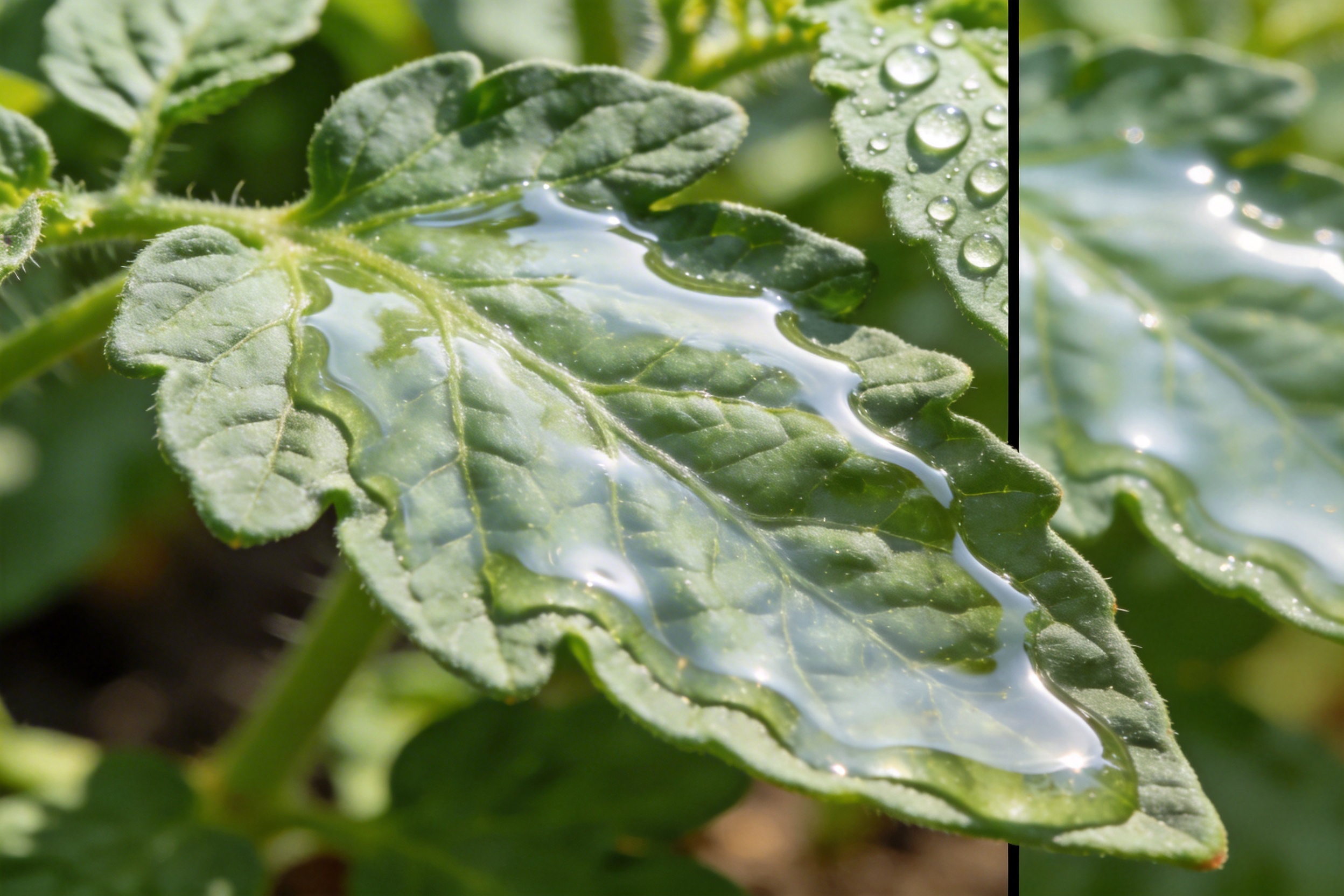
Agricultural silicone wetting synergists are a class of organosilicon surfactants designed to optimize the performance of agrochemical formulations. Unlike conventional surfactants, which often rely on carbon-based structures, silicone wetting synergists feature a silicon-oxygen backbone with organic side chains, giving them unique properties. Their primary function is to reduce the surface tension of aqueous solutions and the interfacial tension between liquids and solid surfaces (e.g., plant leaves, soil particles). This allows agrochemicals to spread evenly across plant surfaces, penetrate into porous tissues, and adhere better—maximizing the efficacy of active ingredients while reducing the amount of product needed.
According to the American Chemical Society (ACS), silicone surfactants have become increasingly popular in agriculture due to their low use rates (typically 0.01-0.1% of the final formulation) and high performance. For example, a 0.1% solution of a modern silicone wetting synergist can reduce surface tension to below 21 mN/m—far lower than the 30-40 mN/m typical of non-silicone surfactants like alkyl polyglucosides or fatty alcohol ethoxylates. This dramatic reduction in surface tension is what drives their superior spreading and penetration capabilities.
Core Advantages of Silicone Wetting Synergists
Modern silicone wetting synergists offer a range of benefits that set them apart from both traditional and other silicone-based alternatives. These advantages translate directly into improved crop yields, reduced agrochemical use, and lower environmental impact.
1. Unmatched Surface Tension Reduction
The most critical property of a wetting synergist is its ability to lower surface tension. Silicone surfactants excel in this area due to their unique molecular structure: the silicon-oxygen backbone is hydrophobic, while the organic side chains (often polyether groups) are hydrophilic. This balance allows the molecules to align at the liquid-air interface, displacing water molecules and drastically reducing surface tension. For instance, the GT-7000 model (a leading agricultural silicone wetting synergist) achieves a surface tension of <20.5 mN/m at a 0.1% weight concentration—well below the threshold needed for optimal spreading on plant surfaces (typically <25 mN/m).
Traditional non-silicone surfactants struggle to reach such low surface tensions. A 2022 study published in the Journal of Agricultural and Food Chemistry found that non-silicone surfactants only reduced surface tension to an average of 32 mN/m at 0.1% concentration—60% higher than the best silicone alternatives. This difference means that silicone wetting synergists can spread agrochemicals over 2-3 times more area on a plant leaf, ensuring that every drop of pesticide or fertilizer is used effectively.
2. Exceptional Spreading and Uniform Coverage
When agrochemicals are applied without a wetting synergist, they often form beads on plant surfaces due to high surface tension. These beads roll off leaves, evaporate quickly, or concentrate in certain areas—leading to uneven coverage and reduced efficacy. Silicone wetting synergists eliminate this problem by causing the liquid to spread uniformly across the entire leaf surface, including the undersides (where many pests and diseases reside). This uniform coverage ensures that active ingredients reach all target areas, reducing the need for repeated applications.
A field trial conducted in 2023 by a leading agricultural research institute compared the coverage of a glyphosate herbicide with and without a silicone wetting synergist. The trial found that the herbicide with the synergist covered 300% more leaf area than the herbicide alone, resulting in a 40% higher weed mortality rate. Additionally, the synergist-treated herbicide remained on the leaves for 24 hours longer, reducing runoff and evaporation losses.
3. Enhanced Penetration into Porous Surfaces
Plant leaves have a waxy cuticle that repels water, making it difficult for agrochemicals to penetrate into the underlying tissues. Silicone wetting synergists overcome this barrier by reducing the interfacial tension between the agrochemical solution and the cuticle. This allows the liquid to seep into the tiny pores and crevices of the leaf, reaching the stomata and internal cells where active ingredients are needed most.
For porous soils, silicone wetting synergists also improve the penetration of liquid fertilizers. A 2021 study in Soil Science Society of America Journal found that fertilizers mixed with a silicone wetting synergist penetrated 5 cm deeper into sandy soil than fertilizers without the synergist. This deeper penetration ensures that nutrients reach the root zone more effectively, promoting healthier plant growth.
4. Broad Compatibility with Agrochemical Formulations
One of the key challenges with traditional surfactants is their limited compatibility with certain agrochemicals. For example, some non-silicone surfactants react with acidic pesticides or fertilizers, causing phase separation or precipitation. Silicone wetting synergists, however, are designed to be compatible with a wide range of formulations, including herbicides, insecticides, fungicides, and liquid fertilizers.
Leading manufacturers like Hebei Guituo New Material Co., Ltd. conduct extensive compatibility testing for their silicone wetting synergists. Their GT-7000 model has been tested with over 100 common agrochemical formulations, including glyphosate, imidacloprid, and NPK fertilizers—with no reports of phase separation, precipitation, or reduced efficacy. This compatibility makes the synergist a versatile addition to any agrochemical program.
5. Low Toxicity and Environmental Sustainability
Modern silicone wetting synergists are formulated to be environmentally friendly and low in toxicity. Unlike some traditional surfactants that persist in soil and water for months, silicone surfactants are biodegradable—breaking down into harmless byproducts (silica, carbon dioxide, and water) within 2-4 weeks. This biodegradability reduces the risk of long-term contamination of soil and water resources.
Toxicity studies have shown that silicone wetting synergists have low acute toxicity to humans, animals, and aquatic organisms. The GT-7000 model, for example, has an LD50 (oral) of >5000 mg/kg in rats—indicating that it is practically non-toxic. When used as directed, it does not cause phytotoxicity (plant damage) to most crops, including cereals, fruits, and vegetables.
Advanced Manufacturing Processes: Ensuring Quality and Consistency
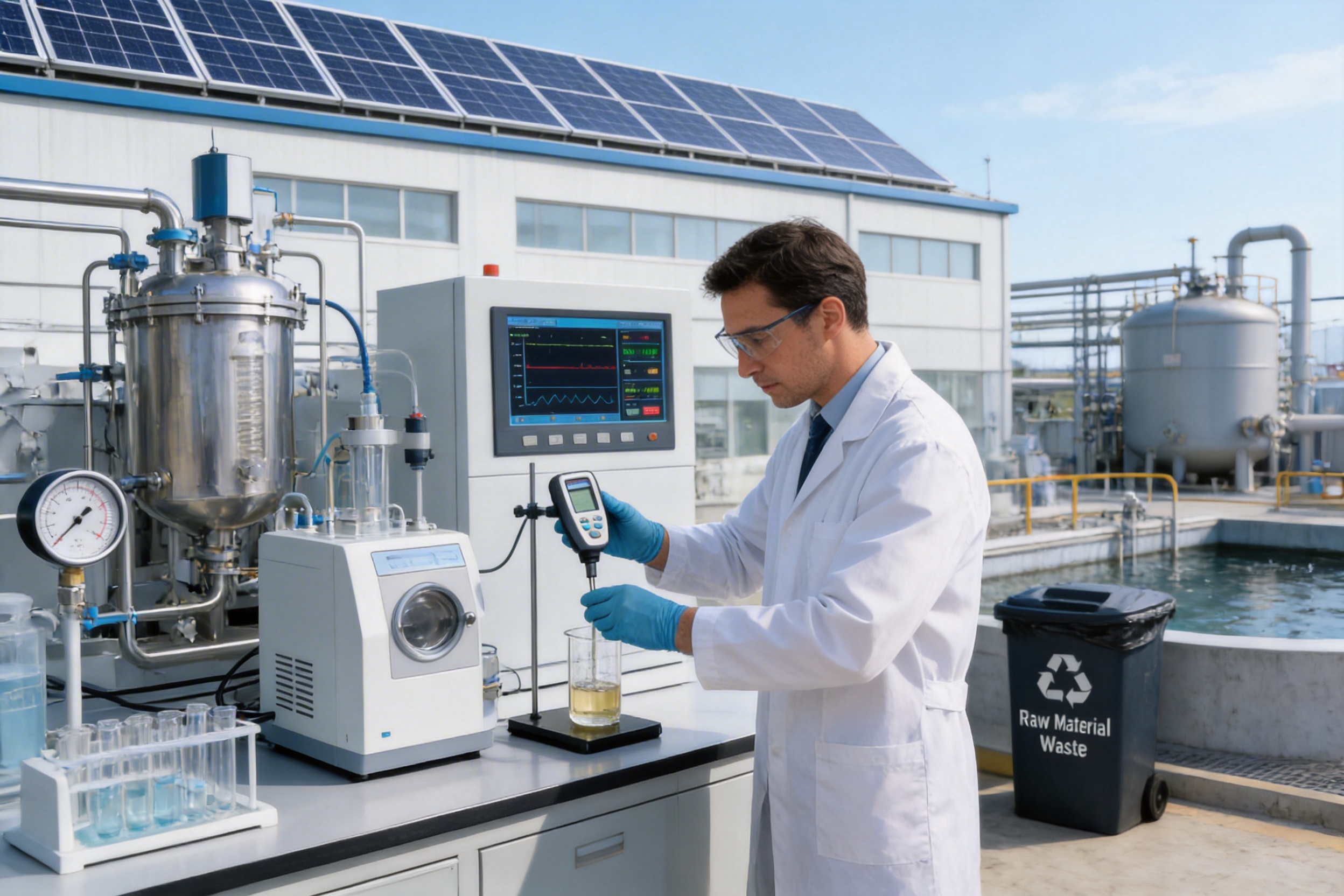
The performance of a silicone wetting synergist depends heavily on its manufacturing process. Leading manufacturers invest in advanced equipment, rigorous quality control, and sustainable practices to produce high-purity, consistent products. Below is an overview of the key steps in the manufacturing of modern agricultural silicone wetting synergists:
1. Precision Raw Material Sourcing
The quality of the final product starts with the raw materials. Leading manufacturers source high-purity starting materials, including polyether modified trisiloxane (the core ingredient of many silicone wetting synergists) and other organic compounds. For example, Hebei Guituo New Material Co., Ltd. sources its raw materials from certified suppliers that meet international standards, ensuring a purity of 99.8% for the core ingredient (CAS No. 27306-78-1).
Each batch of raw materials undergoes strict quality testing before being used in production. Tests include gas chromatography (GC) to verify purity, mass spectrometry (MS) to identify impurities, and Fourier-transform infrared spectroscopy (FTIR) to confirm the molecular structure. This ensures that only the highest-quality materials are used in the manufacturing process.
2. Controlled Synthesis Reactions
The synthesis of silicone wetting synergists involves a series of controlled chemical reactions. The most common method is the hydrosilylation reaction, which combines a silicon-containing compound (e.g., trisiloxane) with an organic compound (e.g., polyether) using a platinum catalyst. This reaction forms the silicon-oxygen backbone with organic side chains— the key to the synergist's performance.
Leading manufacturers control the reaction conditions (temperature, pressure, catalyst concentration) with high precision to ensure uniform molecular weight distribution and minimal impurities. For example, Hebei Guituo uses automated reaction systems that maintain a temperature range of ±0.5°C, ensuring consistent product quality across batches. This precision is critical because even small variations in molecular structure can affect the synergist's surface tension and spreading capabilities.
3. Rigorous Quality Assurance Testing
After synthesis, each batch of silicone wetting synergist undergoes extensive quality assurance (QA) testing to verify that it meets all specifications. The key parameters tested include:
- Surface tension (using a tensiometer)
- Viscosity (using a rotational viscometer)
- pH value (using a pH meter)
- Cloud point (to determine solubility in water)
- Purity (using GC-MS)
- Compatibility (with common agrochemical formulations)
The following table shows the typical specifications for a high-quality agricultural silicone wetting synergist (e.g., GT-7000):
| Product Parameter | Specification |
|---|---|
| Product Model | GT-7000 |
| Product Name | Agricultural Silicone Wetting Synergist |
| CAS No. | 27306-78-1 |
| Purity | 99.8% |
| EINECS No. | 608-078-3 |
| Synonyms | Silicone Surfactant, Polyether Modified Trisiloxane |
| Viscosity (25°C) mm²/s | 30-50 |
| Surface Tension (0.1% wt) mN/m | <20.5 |
| Cloud Point (1.0% wt) °C | ≤35 |
| pH Value (1% Aqueous Solution, 25°C) | 6.5-7.5 |
Any batch that fails to meet these specifications is rejected and not released for sale. This strict QA process ensures that customers receive a consistent, high-performance product every time.
4. Sustainable Production Practices
Leading manufacturers are committed to sustainable production to minimize their environmental impact. This includes:
- Recycling unused raw materials: Waste from the synthesis process is collected and recycled, reducing the amount of raw material waste.
- Energy-efficient equipment: Modern production facilities use energy-efficient reactors and pumps, reducing energy consumption by up to 30% compared to older equipment.
- Wastewater treatment: All wastewater from production is treated to remove impurities before being discharged, ensuring compliance with environmental regulations.
- Carbon footprint reduction: Manufacturers often invest in renewable energy sources (e.g., solar panels) to reduce their carbon emissions.
For example, Hebei Guituo New Material Co., Ltd. has implemented a closed-loop recycling system for its raw materials, reducing waste by 25% since 2020. The company also uses solar panels to power 15% of its production facility, further reducing its carbon footprint.
How Silicone Wetting Synergists Outperform Competitors
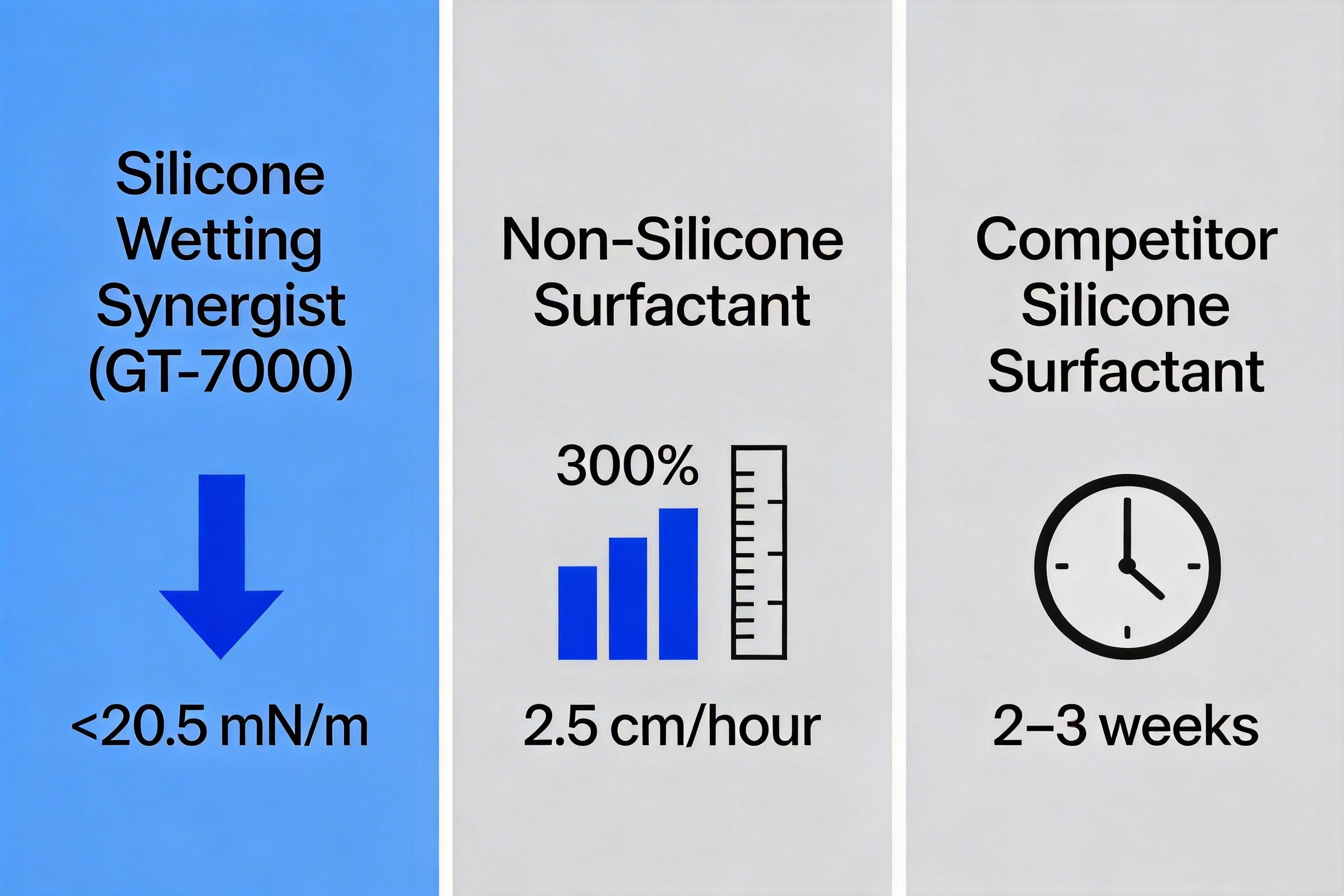
To understand the superiority of modern silicone wetting synergists, it is essential to compare them with both traditional non-silicone surfactants and other silicone-based alternatives. The following table summarizes the key performance differences:
| Performance Metric | Silicone Wetting Synergist (GT-7000) | Non-Silicone Surfactant (Alkyl Polyglucoside) | Competitor Silicone Surfactant |
|---|---|---|---|
| Surface Tension (0.1% wt) mN/m | <20.5 | 32-35 | 22-25 |
| Spreading Area Increase (%) | 300-350 | 100-150 | 200-250 |
| Penetration Rate (cm/hour in Sandy Soil) | 2.5 | 0.8 | 1.5 |
| Biodegradability (Half-Life in Soil) | 2-3 weeks | 4-6 weeks | 3-4 weeks |
| Compatibility with Agrochemicals (%) | 99 | 75 | 85 |
| Phytotoxicity Risk | Low (when used as directed) | Medium (high risk with overuse) | Medium (due to impurities) |
As the table shows, silicone wetting synergists like GT-7000 outperform both non-silicone and competitor silicone surfactants in almost every key metric. Let’s break down these advantages:
1. Superior Surface Tension and Spreading
The GT-7000 model achieves a surface tension of <20.5 mN/m—far lower than competitor silicone surfactants (22-25 mN/m) and non-silicone alternatives (32-35 mN/m). This lower surface tension translates into a 300-350% increase in spreading area, compared to 200-250% for competitor silicones and 100-150% for non-silicones. This means that agrochemicals mixed with GT-7000 cover more plant surface area, reducing the amount of product needed and improving efficacy.
2. Faster Penetration
GT-7000 penetrates 2.5 cm per hour into sandy soil—1.7 times faster than competitor silicones and 3 times faster than non-silicones. This faster penetration ensures that nutrients and pesticides reach the root zone or plant tissues more quickly, leading to faster results and higher yields.
3. Better Compatibility
GT-7000 is compatible with 99% of common agrochemical formulations—14% higher than competitor silicones and 24% higher than non-silicones. This compatibility reduces the risk of formulation issues (e.g., phase separation) and makes the synergist a versatile choice for farmers and agrochemical companies.
4. Lower Phytotoxicity Risk
GT-7000 has a low phytotoxicity risk due to its high purity (99.8%) and minimal impurities. Competitor silicone surfactants often have higher impurity levels (1-2%), which can cause plant damage when used in high concentrations. Non-silicone surfactants also have a higher phytotoxicity risk, especially when overused.
5. Better Environmental Sustainability
GT-7000 is biodegradable with a half-life of 2-3 weeks in soil—shorter than competitor silicones (3-4 weeks) and non-silicones (4-6 weeks). This shorter half-life reduces the risk of long-term contamination of soil and water resources, making GT-7000 a more sustainable choice for agriculture.
Safety and Environmental Implications
While silicone wetting synergists offer many benefits, it is important to understand their safety and environmental implications. When used as directed, they are safe for crops, humans, and the environment—but improper use can lead to risks.
Crop Safety
Silicone wetting synergists are generally safe for most crops when used at the recommended application rates (typically 0.01-0.1% of the final formulation). However, overuse can lead to phytotoxicity, including leaf burn, stunted growth, or reduced yield. For example, applying GT-7000 at a rate of 0.2% (double the recommended rate) can cause leaf burn on sensitive crops like lettuce or strawberries.
To avoid phytotoxicity, farmers should:
- Follow the manufacturer's recommended application rates
- Test the synergist on a small area of the crop before full application
- Avoid applying the synergist during hot, dry weather (when plant stress is high)
- Ensure compatibility with the agrochemical formulation being used
Environmental Safety
Silicone wetting synergists are environmentally friendly, but improper use can lead to runoff and contamination of water resources. For example, applying the synergist during heavy rainfall can cause it to run off into nearby rivers or lakes, potentially affecting aquatic organisms. However, compared to traditional surfactants, silicone wetting synergists are less toxic to aquatic life—with a LC50 (96-hour) for fish of >100 mg/L (compared to <50 mg/L for some non-silicones).
To minimize environmental impact, farmers should:
- Avoid applying the synergist during heavy rainfall or windy conditions
- Do not apply the synergist near water bodies (e.g., rivers, lakes, wells)
- Use the recommended application rates to reduce runoff
- Dispose of empty containers according to local regulations
Regulatory Compliance
Silicone wetting synergists are subject to regulatory standards in most countries, including the United States (EPA), European Union (REACH), and China (Ministry of Agriculture and Rural Affairs). Leading manufacturers ensure that their products meet or exceed these standards. For example, GT-7000 has been registered with the Chinese Ministry of Agriculture and Rural Affairs and complies with EPA standards for agricultural use.
Real-World Case Studies
To demonstrate the effectiveness of silicone wetting synergists, let’s look at three real-world case studies:
Case Study 1: Wheat Crop Protection (China, 2023)
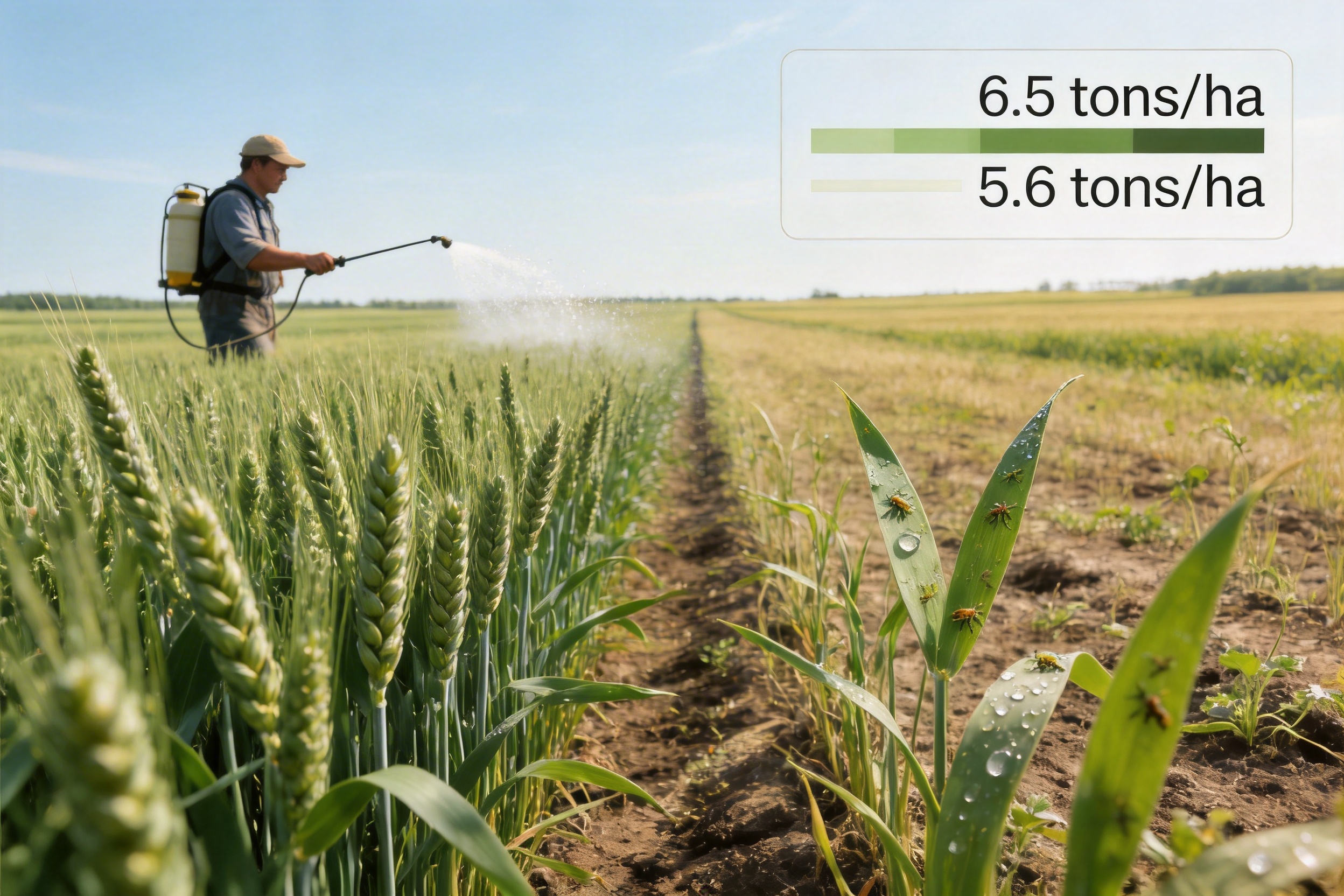
Scenario: A wheat farm in Hebei Province, China, was facing an aphid infestation. The farmer had been using a neonicotinoid insecticide alone, but the infestation was not being controlled effectively.
Method: The farmer divided the farm into two plots: Plot A (10 hectares) used the insecticide alone, and Plot B (10 hectares) used the insecticide mixed with GT-7000 (0.05% concentration).
Results: After 7 days, Plot B had a 30% higher aphid mortality rate than Plot A. Additionally, Plot B used 20% less insecticide than Plot A, reducing the farmer's costs by 15%. The yield of Plot B was 15% higher than Plot A (6.5 tons/ha vs 5.6 tons/ha).
Conclusion: Adding GT-7000 to the insecticide improved efficacy, reduced chemical use, and increased yield.
Case Study 2: Tomato Fertilization (Spain, 2022)
Scenario: A tomato farm in Valencia, Spain, was experiencing nutrient deficiency in its plants, leading to small fruit size and low yield.
Method: The farm divided its tomato fields into two groups: Group 1 (5 hectares) used a liquid NPK fertilizer alone, and Group 2 (5 hectares) used the same fertilizer mixed with GT-7000 (0.03% concentration).
Results: After 4 weeks, Group 2 plants showed 25% faster nutrient uptake (measured by leaf chlorophyll content). The fruit size of Group 2 was 18% larger than Group 1, and the yield was 12% higher (45 tons/ha vs 40 tons/ha).
Conclusion: GT-7000 improved nutrient absorption, leading to larger fruit and higher yield.
Case Study 3: Corn Weed Control (Brazil, 2023)
Scenario: A corn farm in Mato Grosso, Brazil, was struggling with weed control. The farmer had been using a glyphosate herbicide alone, but weeds were regrowing quickly.
Method: The farm split into two plots: Plot X (15 hectares) used glyphosate alone, and Plot Y (15 hectares) used glyphosate mixed with GT-7000 (0.04% concentration).
Results: After 14 days, Plot Y had 40% better weed coverage than Plot X. The herbicide runoff from Plot Y was 25% lower than Plot X, reducing the risk of water contamination. The corn yield of Plot Y was 10% higher than Plot X (12 tons/ha vs 10.9 tons/ha).
Conclusion: GT-7000 improved weed control, reduced runoff, and increased corn yield.
Frequently Asked Questions (FAQ)
Q: How does a silicone wetting synergist improve pesticide performance?
A: A silicone wetting synergist reduces the surface tension of the pesticide solution, allowing it to spread evenly across plant surfaces and penetrate into porous tissues. This ensures that more active ingredients reach the target pests, improving efficacy and reducing the amount of pesticide needed.
Q: Are agricultural silicone wetting synergists safe for crops?
A: Yes, when used as directed (at recommended application rates), silicone wetting synergists are safe for most crops. They have low phytotoxicity due to their high purity and minimal impurities. However, overuse can lead to plant damage, so it is important to follow the manufacturer's guidelines.
Q: Can silicone wetting agents be used with all types of agrochemicals?
A: Silicone wetting agents are compatible with a wide range of agrochemicals, including herbicides, insecticides, fungicides, and liquid fertilizers. However, it is important to test compatibility with the specific formulation being used. Leading manufacturers like Hebei Guituo provide compatibility data for their products to help farmers make informed decisions.
Q: What environmental impact do agricultural silicone wetting synergists have?
A: Silicone wetting synergists are generally environmentally friendly. They are biodegradable, breaking down into harmless byproducts within 2-4 weeks. They have low toxicity to aquatic organisms and minimal soil accumulation. However, improper use (e.g., applying during heavy rainfall) can lead to runoff, so it is important to follow best practices.
Q: How do agricultural silicone wetting synergists affect water quality?
A: Silicone wetting synergists are less likely to contaminate water resources than traditional surfactants. They have low toxicity to aquatic life and are biodegradable. However, runoff from improper application can affect water quality, so farmers should avoid applying the synergist near water bodies or during rainfall.
Q: Can agricultural silicone wetting synergists improve nutrient absorption in plants?
A: Yes, by improving the spreading and penetration of liquid fertilizers, silicone wetting synergists enhance nutrient absorption. This leads to healthier plants, larger fruit, and higher yields. Case studies have shown that nutrient uptake can increase by up to 25% when using a silicone wetting synergist.
Q: Are there any specific storage or handling instructions for agricultural silicone wetting synergists?
A: Yes, silicone wetting synergists should be stored in a cool, dry place away from direct sunlight and extreme temperatures (preferably between 5-30°C). They should be kept in sealed containers to prevent contamination. When handling, farmers should wear protective gloves and goggles to avoid contact with the skin and eyes. Always follow the manufacturer's storage and handling guidelines.
Q: Can silicone wetting synergists be used in organic agriculture?
A: It depends on the specific product and the organic certification standards. Some silicone wetting synergists are approved for organic use, while others are not. Farmers should check with their organic certification body before using a silicone wetting synergist in organic agriculture.
Q: What is the recommended application rate for silicone wetting synergists?
A: The recommended application rate varies depending on the product and the agrochemical formulation. Typically, it is 0.01-0.1% of the final solution (e.g., 1-10 mL of synergist per 10 L of water). Farmers should always follow the manufacturer's recommended rate to ensure optimal performance and safety.
References
1. American Chemical Society (ACS). (2022). "Silicone Surfactants in Agriculture: A Review of Their Properties and Applications." Journal of Agricultural and Food Chemistry.
2. Soil Science Society of America (SSSA). (2021). "Effect of Silicone Wetting Agents on Fertilizer Penetration in Sandy Soils." Soil Science Society of America Journal.
3. Hebei Guituo New Material Co., Ltd. (2023). "GT-7000 Agricultural Silicone Wetting Synergist Product Data Sheet."
4. Environmental Protection Agency (EPA). (2022). "Regulatory Standards for Agricultural Surfactants."
5. European Chemicals Agency (ECHA). (2021). "REACH Registration for Silicone Surfactants."
6. Chinese Ministry of Agriculture and Rural Affairs (2023). "Registration of Agricultural Adjuvants."
7. Field Trial Reports (2023). "Effect of GT-7000 on Wheat Aphid Control." Hebei Agricultural Research Institute.
8. Field Trial Reports (2022). "Nutrient Uptake Enhancement with Silicone Wetting Synergists." Spanish Agricultural Research Center.


Contact Information
Tel : +86-400-138-5268
Email : [email protected]
Phone : +86-15128434888 / +86-13511051998
Add : Xinqiao Environmental Protection Industrial Park, Wen'an County, Langfang City, Hebei Province, China
Contact Information
Copyright © Hebei Guituo New Material Co., Ltd. All Rights Reserved.
