

 English
  Français
  Português
 Home / Author / Li Mei, Product Sales Specialist (Agricultural Silicone Products) / Polyether-Modified Silicone Oil: High-Performance Wetting, Spreading, Compatibility, and Surface Control
 Polyether-Modified Silicone Oil: High-Performance Wetting, Spreading, Compatibility, and Surface Control
2026-08-08

Polyether-modified silicone oil is a multifunctional organosilicon material designed to combine the low surface energy, flexibility, and thermal stability of silicone with the polarity, water compatibility, and formulation adaptability of polyether segments. This combination enables the material to perform in applications where conventional silicone oils, ordinary surfactants, or single-function additives may show limitations.
With its amphiphilic molecular architecture, polyether-modified silicone oil can improve wetting, spreading, penetration, leveling, emulsification, release, lubrication, and foam control. It is suitable for water-based and solvent-based systems and can be adjusted for agricultural formulations, coatings, inks, textiles, daily chemicals, plastics, polyurethane, electronics, and other industrial applications.
Product model LD-810 is a polyether-modified silicone oil with a listed purity of 99.8%. Its reported surface tension can be as low as 22 mN/m, giving it strong interfacial activity and rapid spreading performance. The material is identified by CAS No. 68937-55-3 and EINECS No. 614-823-3, and it is also known as a polyether silicone surfactant.
1. The Basic Principle of Polyether-Modified Silicone Oil
Traditional silicone oil is generally valued for its low surface energy, lubricity, thermal resistance, chemical stability, and release performance. However, many conventional silicone oils have limited compatibility with water and polar formulation components. They may require additional emulsifiers, show phase separation, or provide insufficient stability in complex water-based systems.
Polyether modification addresses this limitation by incorporating polyether chains into the silicone molecular structure. The silicone portion contributes rapid spreading, low interfacial tension, smooth surface feel, and resistance to temperature and mechanical stress. The polyether portion contributes hydrophilicity, polarity, water dispersibility, and improved interaction with polar ingredients.
The resulting material is amphiphilic. One part of the molecule is attracted to hydrophobic surfaces and nonpolar phases, while another part interacts with water and polar substances. This dual affinity allows the material to position itself at interfaces and reduce the energy required for a liquid to spread over a surface.
In practical terms, this means that a small quantity of polyether-modified silicone oil can have a noticeable effect on the behavior of a formulation. It can help water-based products cover waxy leaves, smooth coating films, distribute textile finishes, stabilize polyurethane foam cells, or improve the spreading and sensory properties of personal-care formulations.
1.1 The Role of the Silicone Segment
The silicone segment is responsible for many of the product’s characteristic performance advantages. Silicone chains have low surface energy and high molecular flexibility. These features allow the material to spread rapidly across many solid surfaces and to reduce the resistance between a liquid formulation and a substrate.
The silicone structure also provides useful resistance to heat, aging, and shear. During blending, pumping, spraying, coating, or textile processing, the additive is exposed to mechanical forces. A well-designed silicone structure can retain its functional contribution under these conditions better than some less robust surface-active materials.
The silicone portion can additionally support lubrication, release, slip, gloss, and surface smoothness. These functions are particularly important in coatings, inks, plastics processing, mold release, textile finishing, and polyurethane applications.
1.2 The Role of the Polyether Segment
Polyether chains contain polar ether groups that improve interaction with water and other polar materials. Their presence increases the compatibility of the silicone derivative with aqueous formulations and can reduce the separation problems associated with hydrophobic silicone oils.
The polyether segment also helps the additive interact with nonionic and, in many systems, anionic surfactants. This makes polyether-modified silicone oil more suitable for formulations containing wetting agents, dispersants, defoamers, emulsifiers, polymers, salts, and active ingredients.
The exact behavior depends on the polyether chain length, molecular weight, end-group chemistry, silicone-to-polyether ratio, and connection method. These variables can be adjusted to produce a material with stronger water compatibility, greater spreading, improved emulsification, lower viscosity, or a more controlled balance of these properties.
2. Main Product Advantages
2.1 Amphiphilic Compatibility
One of the principal advantages of polyether-modified silicone oil is its broad compatibility. The product is designed to achieve complete miscibility with water in any ratio according to the supplied product description, while also offering partial or full miscibility with selected polar and nonpolar solvents.
This broad compatibility helps formulators overcome a common weakness of conventional silicone oils: poor integration into water-based systems. Instead of forming a separate oil layer or creating unstable dispersions, the modified material can distribute more evenly throughout the formulation when the appropriate grade and dosage are selected.
The product may also show compatibility with alcohols, esters, and aromatic solvents such as toluene. Actual compatibility should always be confirmed by laboratory testing because solvent purity, temperature, concentration, pH, ionic strength, and the presence of other additives can change the result.
Compared with ordinary surfactants, the product offers the additional benefits of a silicone backbone. This can provide faster surface spreading, greater slip, and improved resistance to temperature and mechanical stress. Compared with unmodified silicone oil, the polyether structure improves water interaction and formulation adaptability.
2.2 Ultra-Low Surface Tension
Polyether-modified silicone oil can reduce surface tension to approximately 22 mN/m under suitable test conditions. This is significantly lower than the surface tension of water and can be lower than that achieved by many conventional surfactant systems.
Low surface tension enables a liquid to spread over a larger area with less resistance. In agricultural spraying, this can support more uniform coverage of leaf surfaces. In coatings and inks, it can improve leveling and reduce localized film defects. In textile finishing, it can promote more consistent deposition of the treatment agent across fibers.
Low surface tension does not automatically guarantee the best result in every formulation. Excessive surface activity may sometimes create craters, crawling, foam, or intercoat adhesion problems in coatings. Therefore, the correct grade and dosage must be determined according to the substrate, application method, resin system, and drying conditions.
2.3 Rapid Wetting and Spreading
The product’s silicone-polyether structure promotes rapid wetting of both hydrophobic and polar surfaces. The silicone portion helps the liquid spread, while the polyether portion supports interaction with aqueous and polar phases.
This behavior is valuable when a formulation must cover a surface quickly and uniformly. It can help reduce dry spots, improve the distribution of active ingredients, and support better contact between the formulation and the substrate.
In agricultural formulations, rapid spreading can be especially important on leaves with waxy or water-repellent surfaces. A spray droplet that remains beaded may provide incomplete coverage. A droplet that spreads too aggressively, however, may increase runoff. The correct product design and application concentration should therefore be selected to balance coverage, retention, penetration, and environmental conditions.
2.4 Improved Emulsification and Phase Stability
Traditional silicone oils may be difficult to emulsify because their hydrophobic character is not well matched to water. Polyether modification introduces hydrophilic functionality and can help the silicone material distribute more evenly through water-based systems.
This does not mean that every formulation will remain permanently stable without testing. Stability depends on the complete formulation, including pH, electrolyte concentration, temperature, shear history, active ingredients, preservatives, pigments, polymers, and storage conditions. Nevertheless, the modified structure generally provides a more favorable starting point for developing stable emulsions and dispersions.
Improved phase stability can simplify manufacturing by reducing the need for excessive auxiliary emulsifiers. It may also help maintain more consistent performance during storage, transportation, and use.
2.5 Thermal, Shear, and Weather Resistance
Siloxane bonds have high bond energy and contribute to the thermal and environmental durability of organosilicon materials. Polyether-modified silicone oil can therefore maintain useful performance under a broad range of processing and service conditions.
The product is described as resistant to high temperature, aging, and shear. These characteristics are useful in industrial processes involving heating, pumping, mixing, spraying, coating, or mechanical agitation. They are also relevant to outdoor applications where formulations may face changes in humidity, temperature, and exposure time.
Performance under long-term weathering depends on the complete system. The additive should be evaluated alongside the resin, polymer, active ingredient, pigment, stabilizer, and substrate. Even so, the silicone backbone provides a strong basis for durable surface modification.
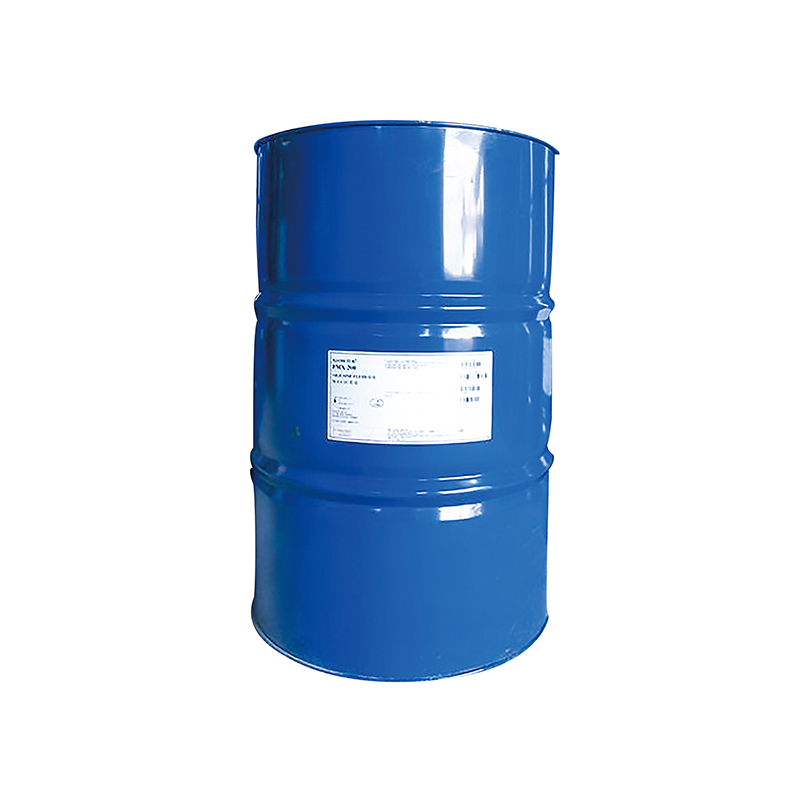
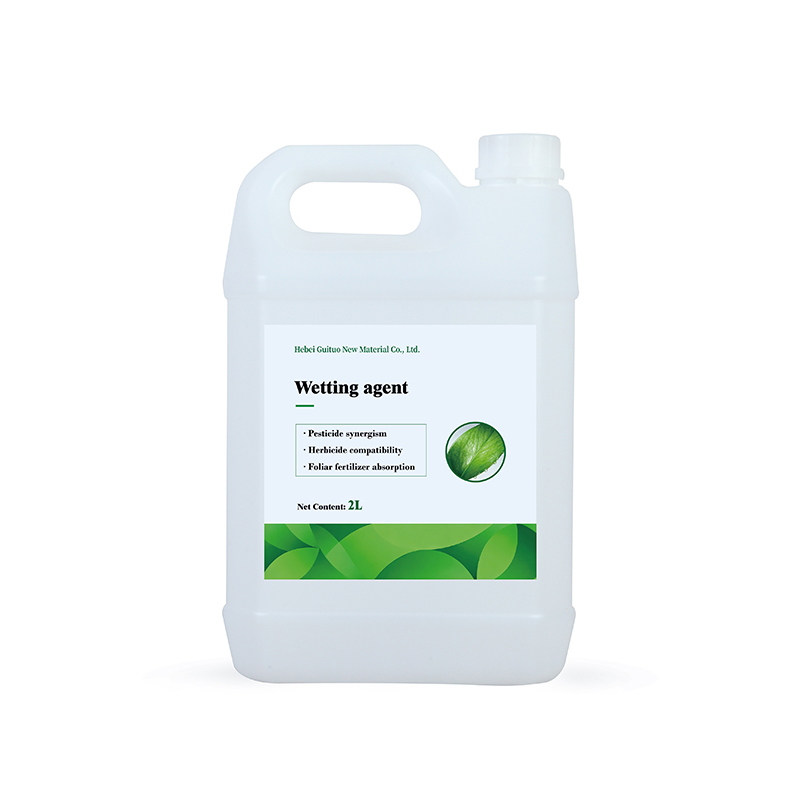
Polyether-Modified Silicone Oil
3. Product Specifications and Functional Profile
| Item | Product Information |
|---|---|
| Product model | LD-810 |
| Product name | Polyether-Modified Silicone Oil |
| Alternative name | Polyether Silicone Surfactant |
| CAS number | 68937-55-3 |
| EINECS number | 614-823-3 |
| Listed purity | 99.8% |
| Reported minimum surface tension | Approximately 22 mN/m |
| Main functions | Wetting, spreading, penetration, leveling, emulsification, release, lubrication, and foam stabilization |
| Primary application areas | Agriculture, coatings, inks, textiles, daily chemicals, plastics, polyurethane, electronics, and industrial formulations |
The specification table provides a general product profile. For commercial production, buyers should request the current technical data sheet, safety data sheet, certificate of analysis, recommended dosage, storage requirements, viscosity range, appearance, cloud point, pH compatibility, and packaging information.
Because polyether-modified silicone oils can be designed with different molecular architectures, two products with similar names may perform differently. A product intended for agricultural adjuvants may have a different balance of water compatibility and spreading than one designed for polyurethane foam stabilization or coating leveling.
4. Molecular Design and Performance Adjustment
4.1 Polyether Chain Length
Polyether chain length directly influences water compatibility, polarity, viscosity, and interfacial behavior. Shorter chains generally retain more silicone-like characteristics. They may provide strong spreading, low surface energy, and effective surface treatment.
Longer chains generally increase water compatibility, dispersibility, and interaction with polar components. They can be more suitable for water-based formulations requiring stable distribution and reduced separation.
The appropriate chain length depends on the application. Agricultural products commonly require good aqueous compatibility and fast spreading. Coatings may require a balance between leveling and recoating behavior. Textile finishes may require water dispersibility together with softness and antistatic performance. Polyurethane foam systems may require a structure that supports emulsification and cell stabilization without excessively interfering with foam rise.
4.2 Silicone-to-Polyether Ratio
The silicone-to-polyether ratio determines the balance between hydrophobic surface activity and hydrophilic formulation compatibility. A higher silicone ratio can increase spreading, slip, lubrication, and release behavior. A higher polyether ratio can improve emulsification, wetting in water, and dispersion in polar systems.
There is no universally ideal ratio. The best ratio depends on the desired performance and the surrounding formulation. A coating additive with excessive surface activity may create defects, while an agricultural adjuvant with insufficient water compatibility may separate during dilution.
| Structural Variable | General Performance Effect | Potential Application Direction |
|---|---|---|
| Shorter polyether chain | Lower polarity, strong spreading, more silicone-like surface behavior | Surface treatment, lubrication, release, controlled slip |
| Longer polyether chain | Higher water compatibility and dispersibility | Water-based formulations, wetting, emulsification |
| Higher silicone proportion | Greater surface activity, spreading, and release potential | Defoaming support, release control, leveling, surface modification |
| Higher polyether proportion | Improved polarity, dispersion, and aqueous compatibility | Wetting agents, agricultural adjuvants, textile and daily chemical systems |
4.3 Block and Graft Architectures
Polyether-modified silicone oils may be constructed using block or graft molecular arrangements. In a block structure, silicone and polyether segments are arranged in distinct sections. This can produce a recognizable balance between silicone-dominated and polyether-dominated behavior.
In a graft structure, polyether chains are attached along a silicone backbone. This may create a more distributed functional profile and can influence viscosity, cloud point, compatibility, and surface activity.
The connection method also affects how the product interacts with resins, polymers, surfactants, pigments, and active ingredients. For complex formulations, molecular architecture can be as important as nominal purity or viscosity.
4.4 Viscosity and Flow Behavior
Polyether content, molecular weight, branching, and temperature affect viscosity. A higher polyether content may increase viscosity because of stronger interactions with polar components. Silicone-rich structures often maintain smoother flow and lower resistance during dosing and mixing.
Viscosity affects pumping, metering, blending, spraying, and packaging. An additive that is highly effective but difficult to dose may create unnecessary production problems. For this reason, the material should be evaluated at the actual processing temperature and at the intended concentration.
Good manufacturing practice also requires controlled storage conditions. Extreme cold, heat, or contamination can affect appearance and flow. Users should follow the supplier’s technical recommendations rather than relying only on general silicone-oil handling practices.
5. Agricultural Applications
Agriculture is one of the most important application areas for polyether-modified silicone oil. Many agricultural formulations are water-based and must spread over plant surfaces that may be waxy, rough, or naturally water-repellent. The additive can improve droplet coverage, wetting, retention, and distribution.
5.1 Agricultural Silicone Synergist
As an agricultural silicone synergist, polyether-modified silicone oil can support the performance of pesticides, foliar nutrients, herbicides, fungicides, insecticides, and plant-growth products. Its primary function is generally physical rather than biological: it helps the spray solution contact and distribute across the target surface.
Improved coverage can help reduce untreated areas on leaves and may improve the uniformity of active ingredient deposition. Better wetting can also support the performance of low-dose formulations, although the biological result must be confirmed through application trials.
The product may be used in tank mixes or incorporated into formulated products, depending on regulatory requirements and compatibility. The user must verify crop safety, application rate, local registration requirements, and compatibility with the active ingredient before commercial use.
5.2 Wetting and Spreading on Plant Surfaces
Plant leaves often have complex surface characteristics. Their wax layers can repel water, while trichomes, veins, folds, and uneven textures can prevent uniform droplet distribution. A low-surface-tension adjuvant can reduce the tendency of water droplets to remain spherical.
When the droplet spreads more evenly, the formulation may cover a larger area with the same spray volume. This can support more consistent deposition and may reduce the need for excessive carrier volume. However, greater spreading can also increase the risk of runoff under heavy spray conditions, so nozzle selection, spray pressure, humidity, temperature, and dosage remain important.
5.3 Compatibility with Water-Based Agrochemical Systems
The polyether component supports compatibility with water and polar ingredients. This is advantageous for suspension concentrates, soluble concentrates, emulsifiable systems, water-dispersible products, and other aqueous agricultural formulations.
A suitable product can help reduce phase separation during dilution and improve the uniformity of the spray solution. It may also work alongside dispersants, emulsifiers, antifoaming agents, and other adjuvants. Jar testing and accelerated stability testing should be used before field application.
5.4 Practical Agricultural Formulation Considerations
Important factors include the active ingredient’s chemical nature, formulation pH, electrolyte content, water hardness, temperature, storage duration, and intended spray equipment. The additive should be introduced in the correct sequence to avoid excessive foam or localized overconcentration.
Users should begin with small-scale laboratory screening, followed by greenhouse and field evaluation. These tests should examine droplet spreading, drying time, rainfastness, crop tolerance, active ingredient distribution, and biological efficacy.
6. Coatings and Inks
Polyether-modified silicone oil is widely relevant to coatings and inks because surface tension strongly influences leveling, wetting, film appearance, and defect formation. The product can act as a leveling additive, wetting aid, surface modifier, and, in some systems, a defoaming-support component.
6.1 Leveling Improvement
In a coating, differences in surface tension can cause uneven flow, brush marks, roller marks, orange peel, craters, pinholes, and other surface defects. By reducing surface tension and improving flow, polyether-modified silicone oil can help the wet film level before solidification.
The supplied product information indicates that the additive can reduce coating surface tension from approximately 45 mN/m to 28 mN/m and reduce orange peel defects by up to 90% in a specified application context. Actual results depend on resin chemistry, pigment loading, solvent evaporation, film thickness, substrate energy, and dosage.
Improved leveling can contribute to smoother appearance, more uniform gloss, and better visual quality. In high-performance coatings, it may also support consistent film thickness and more predictable surface properties.
6.2 Ink Wetting and Printing Quality
Inks must wet the substrate rapidly and uniformly. Poor wetting can lead to discontinuous coverage, uneven color density, pinholes, and poor adhesion. Polyether-modified silicone oil can reduce interfacial resistance and help the ink spread over the substrate.
It may be used in water-based, solvent-based, or hybrid ink systems where compatibility is confirmed. The formulator should assess print sharpness, drying speed, rub resistance, adhesion, gloss, foam, and overprint behavior.
6.3 Defoaming Support
Mixing and application can introduce air into coatings and inks. The additive may provide defoaming functionality or work in combination with a dedicated defoamer. The exact result depends on the molecular structure and formulation environment.
Because excessive surface activity can sometimes stabilize foam rather than remove it, the additive should not automatically replace a purpose-designed defoamer. A balanced formulation may use polyether-modified silicone oil for wetting and leveling while using a compatible defoamer for bulk air release.
6.4 Controlling Coating Defects
Although the product can reduce orange peel and improve leveling, dosage control is essential. Overuse may cause cratering, crawling, recoat difficulty, intercoat adhesion problems, or surface contamination. Compatibility with the resin and subsequent layers should be tested under realistic production conditions.
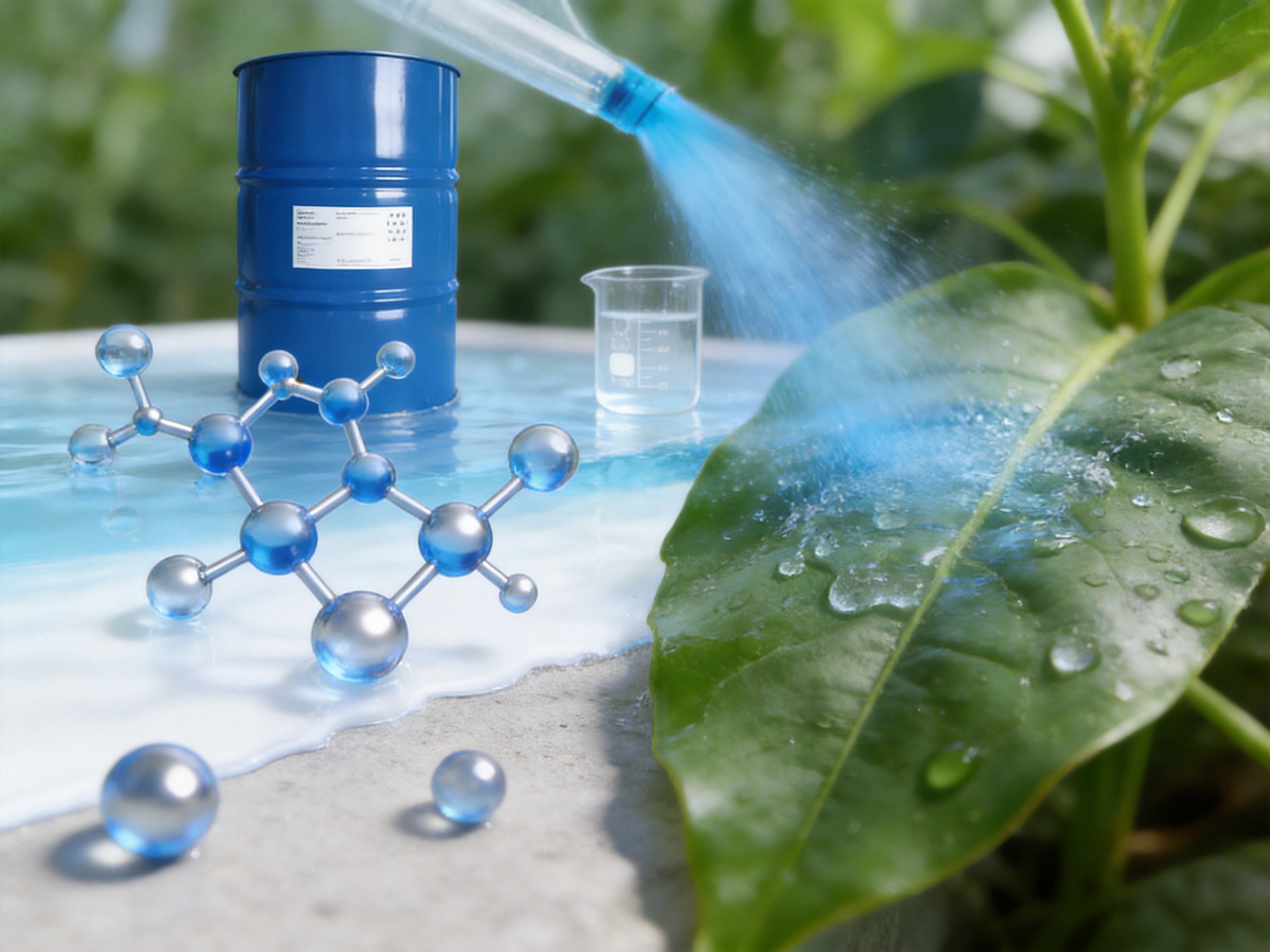
7. Textile and Dyeing Applications
In textile processing, polyether-modified silicone oil can serve as a fabric finishing agent, softener component, wetting aid, and antistatic-support additive. The silicone portion contributes smoothness and softness, while the polyether portion improves water interaction and processing compatibility.
7.1 Improved Softness and Hand Feel
Textile softness is influenced by fiber type, fabric construction, finish add-on, drying conditions, and the distribution of the treatment across the fabric. A silicone-based finishing agent can form a thin lubricating layer over fibers, reducing friction between fibers and improving hand feel.
The product information reports that the material can significantly improve fabric softness and reduce the bending stiffness of cotton fabrics by approximately 40% in a specified application. Such results should be interpreted as application-specific and verified using the customer’s fabric, process, and test method.
7.2 Moisture Absorption and Antistatic Properties
Some silicone finishes can make fabric surfaces feel smooth but may reduce moisture interaction if they are excessively hydrophobic. Polyether modification helps provide a better balance between softness and hydrophilicity.
This balance can support moisture absorption and antistatic behavior. Improved antistatic performance is useful in synthetic fibers and high-speed textile processing, where static charge can cause lint attraction, fabric handling problems, or processing instability.
7.3 Processing Compatibility
Textile finishing baths may contain dyes, salts, softeners, resins, wetting agents, and other auxiliaries. A polyether-modified silicone oil with suitable compatibility can distribute more evenly and reduce the risk of localized deposition or bath instability.
Before production use, the formulator should evaluate bath stability, foam tendency, fabric whiteness, shade change, softness retention after washing, yellowing, drying behavior, and compatibility with finishing equipment.
8. Daily Chemical and Personal-Care Applications
Polyether-modified silicone oil can improve texture, spreadability, slip, surface feel, and film formation in selected personal-care and daily chemical formulations. The material may be considered for creams, lotions, sunscreen products, hair-care products, skin-care products, and other formulations where sensory performance is important.
8.1 Cream Texture and Spreadability
Silicone-based materials are widely used to provide a smooth, silky, and lightweight skin feel. Polyether modification can improve the balance between silicone slip and compatibility with water-rich or emulsified systems.
The supplied information reports a reduction in spreading resistance of approximately 70% and film formation in about three seconds in a specified skincare application. It also indicates long-lasting moisturization for up to 48 hours. These performance values depend heavily on the complete formula, test protocol, application amount, humidity, skin condition, and measurement method.
In formulation development, the additive should be assessed for sensory profile, emulsion stability, pH range, preservative compatibility, viscosity, freeze-thaw stability, heat stability, and consumer acceptance.
8.2 Sunscreen and Film-Forming Systems
In physical sunscreen systems, uniform film formation is important because uneven distribution of mineral filters can reduce optical consistency and affect the apparent protection level. A suitable surface-active silicone additive may improve dispersion and spreading of inorganic particles.
The product information reports a possible SPF increase of 5 to 8 points in physical sunscreen systems. This should not be treated as a universal or regulatory claim. SPF must be established using an approved test method for the final commercial formula, and the additive must comply with applicable cosmetic regulations.
8.3 Formulation and Regulatory Requirements
Personal-care use requires special attention to purity, residual materials, toxicological evaluation, skin compatibility, regulatory status, and permitted use levels. Industrial-grade material should not be used in a cosmetic product unless it meets the relevant quality and regulatory requirements.
Manufacturers should request appropriate documentation and conduct compatibility and safety assessments before use in products intended for skin contact or consumer application.
9. Plastics, Greenhouse Films, and Polyurethane
9.1 Greenhouse Plastic Films
Polyether-modified silicone oil can be used as a functional additive in greenhouse plastic films. Its surface-active structure can help create a nanoscale water-repellent layer and improve the behavior of condensed moisture on the film surface.
The supplied information indicates that the additive may increase light transmittance by approximately 35%, maintain antifog performance for up to 180 days, and extend film service life by as much as three years in a specified product system. Actual results depend on polymer type, additive concentration, film thickness, extrusion conditions, weather exposure, dust accumulation, and mechanical damage.
Antifog performance is particularly important in protected cultivation. Condensation droplets can scatter light and fall onto plants, increasing disease risk and reducing optical efficiency. A more uniform moisture film or improved droplet control can help maintain transparency and crop-growing conditions.
9.2 Compatibility with Polymer Processing
When used in plastic films, the additive must be compatible with the polymer matrix and processing temperature. It should not cause excessive migration, surface blooming, loss of mechanical strength, odor problems, or interference with printing and sealing.
Laboratory extrusion trials should examine melt behavior, dispersion, film appearance, tensile strength, elongation, haze, light transmittance, antifog duration, weathering, and adhesion of subsequent treatments.
9.3 Polyurethane Foam Stabilization
In polyurethane foam production, silicone-based surfactants help control the formation, stabilization, and interconnection of cells. Polyether-modified silicone oil can promote emulsification between formulation components and help stabilize bubbles during foam rise.
Consistent cell structure is important for foam density, dimensional stability, thermal insulation, surface quality, mechanical strength, and processing yield. A well-selected foam stabilizer can help control the entire sequence from initial bubble formation through cell stabilization and final structure development.
Polyurethane systems are highly sensitive to catalyst concentration, isocyanate index, water content, polyol composition, blowing agent, temperature, mixing energy, and mold conditions. The silicone additive must therefore be selected as part of the complete polyurethane package rather than evaluated in isolation.
10. Release Agent and Surface-Control Functions
Polyether-modified silicone oil can contribute to release, slip, lubrication, and surface separation. Silicone materials have naturally low surface energy, which can reduce adhesion between a processed material and a mold or equipment surface.
In release applications, the additive may help reduce sticking, improve demolding, and support cleaner surfaces. The product’s polyether segment can improve compatibility with water-based release systems and certain polar formulations.
A release agent must be chosen carefully because transfer to the molded surface may affect painting, printing, bonding, lamination, or subsequent processing. The ideal product depends on the mold material, polymer type, processing temperature, demolding cycle, and downstream surface requirements.
In some situations, a permanent or reactive release system may be preferred. In others, a migratory additive is more practical. Testing should measure release force, mold buildup, surface transfer, cycle time, and compatibility with finishing operations.
11. Comparison with Conventional Materials
| Performance Area | Conventional Silicone Oil | Ordinary Surfactant | Polyether-Modified Silicone Oil |
|---|---|---|---|
| Water compatibility | Often limited without emulsification | Usually good, depending on type | Improved through polyether modification |
| Surface tension reduction | Generally strong | Moderate to strong | Very strong, with reported values as low as 22 mN/m |
| Spreading speed | Very good on many low-energy surfaces | Variable | Rapid spreading with improved aqueous interaction |
| Thermal and shear resistance | Generally strong | Depends on chemistry | Supported by the silicone backbone |
| Compatibility with polar systems | Often limited | Generally favorable | Improved through polyether segments |
| Release and slip behavior | Strong | Usually limited | Strong with improved formulation flexibility |
| Application range | Surface treatment and lubrication | Wetting and emulsification | Wetting, spreading, leveling, release, emulsification, and stabilization |
The main advantage of polyether-modified silicone oil is not that it replaces every other additive. Instead, it combines several functions in one molecular platform. This can simplify formulation design and reduce the need to balance a large number of separate ingredients.
Compared with conventional silicone oil, the product offers better compatibility with water and polar components. Compared with ordinary surfactants, it can provide stronger silicone-related surface activity, spreading, slip, thermal resistance, and release behavior.
However, performance should always be judged in the actual formulation. A specialized conventional surfactant may be preferable for a particular emulsification system, while a dedicated defoamer may be more effective for bulk foam removal. Polyether-modified silicone oil delivers the greatest value when its multifunctional behavior matches the application requirements.
12. Manufacturing Strengths and Quality Assurance
The performance of modified silicone oil depends not only on the molecular design but also on manufacturing control. Small variations in raw materials, reaction conditions, molecular weight distribution, residual content, and purification can influence compatibility, viscosity, surface tension, cloud point, and storage stability.
12.1 Integrated Research, Production, and Sales
Hebei Guituo New Material Co., Ltd. is described as a high-technology enterprise integrating research and development, production, and sales. This integrated structure allows technical requirements from end users to be connected with product design and manufacturing decisions.
For customers, an integrated supplier can provide more than a standard product catalog. It can support application screening, grade selection, process adjustment, formulation troubleshooting, and customized product development.
12.2 Advanced Production Equipment
The company states that it is equipped with internationally advanced production equipment. Modern equipment is important for controlling reaction temperature, feed rate, pressure, mixing efficiency, residence time, and material transfer.
Precise process control helps improve batch-to-batch consistency. It also supports the production of modified silicone oils with controlled molecular architecture and predictable application behavior.
In advanced silicone-material manufacturing, equipment design should minimize contamination, avoid uncontrolled moisture exposure where relevant, provide effective heat transfer, and support safe handling of reactive or volatile materials. Properly designed storage and transfer systems are also essential for maintaining product quality after production.
12.3 Full-Process Quality Monitoring
The company describes a full-process quality monitoring system extending from production-source control to finished-product delivery. This approach can include raw-material inspection, in-process testing, reaction monitoring, intermediate evaluation, final product analysis, packaging inspection, and shipment release.
Important quality indicators for polyether-modified silicone oil may include appearance, viscosity, water content, active content, purity, surface tension, cloud point, compatibility, acidity or alkalinity, residual solvent, and storage stability. The exact test list should be defined according to the product grade and end-use requirements.
Consistent quality control is particularly important for agricultural and industrial customers because a small change in additive performance can affect spray coverage, coating appearance, textile hand feel, foam cell structure, or film properties.
12.4 Experienced Technical and Production Team
The company has assembled an experienced technical and production team with professional skills in silicone materials and application development. Technical experience is valuable because modified silicone products must be evaluated in relation to the complete formulation rather than by isolated numerical specifications alone.
A knowledgeable technical team can help determine whether a customer needs stronger water compatibility, lower viscosity, faster spreading, better foam stabilization, improved release, or more controlled surface activity. It can also help identify the cause of compatibility problems and recommend changes in dosage or addition sequence.
12.5 Product Matrix and Supply Capability
The company’s product matrix covers silicone additives, wetting agents, modified silicone oils, dimethyl silicone oils, surfactants, defoamers, and related materials. This broad portfolio enables customers to source complementary additives from one technical supplier.
A diversified product matrix can also support system-level optimization. For example, a customer developing an agricultural formulation may need a wetting agent, a defoamer, a dispersant, and a silicone synergist. A coatings customer may require a leveling additive and a separate foam-control product. Access to related materials can simplify evaluation and improve compatibility management.
13. Customization, OEM, and ODM Support
Different customers require different performance profiles. A water-based agricultural adjuvant may prioritize rapid spreading and dilution stability, while a polyurethane foam stabilizer may prioritize cell control and processing consistency. A textile finish may emphasize softness and antistatic behavior, whereas a coating additive may focus on leveling without harming intercoat adhesion.
For this reason, the company accepts OEM and ODM orders. Custom development may involve adjusting molecular structure, viscosity, hydrophilic-lipophilic balance, concentration, packaging, labeling, or application recommendations.
A professional customization program should begin with a technical brief. The brief should define the target substrate, formulation type, active ingredients or resin system, processing temperature, desired performance, dosage range, storage conditions, regulatory requirements, and test methods.
After laboratory screening, the material should be tested in pilot production. Scale-up may reveal differences in mixing energy, residence time, heat transfer, or dosing accuracy. Close communication between the buyer and supplier helps reduce these risks.
14. Recommended Evaluation Procedure
14.1 Laboratory Compatibility Testing
Begin by preparing a series of samples at different concentrations. Observe clarity, haze, phase separation, viscosity change, color change, precipitation, and foam behavior immediately after mixing and after standing.
Samples should be stored at room temperature and under accelerated conditions where appropriate. Freeze-thaw testing, heat aging, and centrifugation can help identify instability that may not be visible during initial preparation.
14.2 Surface-Tension and Wetting Testing
Measure surface tension using a consistent method and temperature. Compare the untreated formulation with formulations containing different concentrations of polyether-modified silicone oil.
Contact-angle testing can help evaluate wetting on representative substrates. Spreading diameter, spreading time, droplet retention, drying pattern, and runoff can provide additional information, especially for agricultural and coating applications.
14.3 Application Performance Testing
Application testing should use the real substrate and realistic process conditions. For coatings, evaluate leveling, gloss, orange peel, cratering, adhesion, recoatability, and film appearance. For textiles, assess softness, whiteness, shade, moisture absorption, antistatic properties, and wash durability.
For agricultural products, evaluate coverage, droplet behavior, retention, rainfastness, crop tolerance, and biological efficacy. For polyurethane foam, examine cream time, rise time, density, cell size, dimensional stability, and mechanical properties.
14.4 Scale-Up and Quality Control
Once the laboratory formula is selected, conduct a pilot trial before full-scale production. Confirm that the additive can be dosed accurately and that the mixing sequence does not generate excessive foam or local concentration gradients.
Establish incoming inspection and finished-product specifications. Retain samples from each batch and maintain traceable records for raw materials, processing conditions, test results, packaging, and shipment.
15. Storage, Handling, and Formulation Guidance
Polyether-modified silicone oil should be stored in clean, sealed containers under the conditions specified by the supplier. Avoid contamination with water, dust, reactive chemicals, or incompatible additives. Containers should be clearly labeled and protected from excessive heat and prolonged direct sunlight.
Before use, the product should be inspected for unusual separation, gel formation, discoloration, or changes in viscosity. If the material has been stored for an extended period, gentle mixing may be appropriate, provided that the supplier’s instructions permit it.
The product should be added according to the recommended procedure. In many formulations, premixing with a compatible phase can help improve distribution. Addition directly into a high-foam system may produce unnecessary aeration. The optimum order of addition should be established through a small-scale trial.
Personnel should consult the current safety data sheet for information about personal protective equipment, ventilation, spill response, storage, transport, and disposal. Industrial chemicals should be handled by trained personnel in accordance with local regulations.
16. Why Select a Specialized Silicone Material Supplier?
Choosing a supplier for polyether-modified silicone oil involves more than comparing price per kilogram. The material’s value is determined by its consistency, application performance, technical support, delivery reliability, documentation, and ability to adapt to changing formulation requirements.
A specialized manufacturer with research, production, testing, and sales capabilities can provide technical continuity from the first laboratory sample through commercial production. This is particularly important when the product is used at low dosage and has a significant influence on surface behavior.
Hebei Guituo New Material Co., Ltd. focuses on high-end silicone materials for industrial and agricultural fields. Its product range, quality-monitoring system, production equipment, technical team, and export experience support applications in agriculture, daily chemicals, electronics, textiles, coatings, plastics, and related industries.
The company reports that its agricultural silicone products have reached an advanced domestic level and have been selected by leading agricultural chemical enterprises. It also exports products to overseas markets, including Europe and Southeast Asia, where stable performance and reliable quality are important purchasing considerations.
Customers seeking polyether-modified silicone oil can use the company’s technical resources to select an appropriate grade, develop a customized product, or combine the material with other silicone additives and surfactants.
17. Frequently Asked Questions
Q1: What is polyether-modified silicone oil?
Polyether-modified silicone oil is a silicone-based functional material in which polyether chains are introduced into the molecular structure. The silicone segments provide low surface energy, spreading, slip, thermal resistance, and release behavior, while the polyether segments improve water compatibility, polarity, emulsification, and dispersion.
Q2: How is it different from conventional dimethyl silicone oil?
Conventional dimethyl silicone oil is strongly hydrophobic and may have limited compatibility with water and polar components. Polyether modification improves the interaction between the silicone material and aqueous or polar systems, making the product more suitable for water-based formulations and complex multicomponent products.
Q3: What is the reported surface tension of LD-810?
The supplied product information reports that surface tension can be as low as approximately 22 mN/m. The actual value depends on the test method, concentration, temperature, substrate, and formulation environment.
Q4: Can it be completely mixed with water?
The product description states that the material can achieve complete miscibility with water in any ratio. Users should still conduct compatibility testing in the final formulation because salts, active ingredients, polymers, pH, temperature, and other additives may influence stability.
Q5: Is it suitable for agricultural formulations?
Yes. It is suitable for consideration as an agricultural silicone synergist, wetting agent, and spreading aid. It can help improve spray coverage and distribution on plant surfaces. Crop safety, formulation compatibility, dosage, local registration, and field efficacy must be verified before use.
Q6: Can it be used in coatings and inks?
Yes. It can function as a leveling agent, wetting additive, surface modifier, and defoaming-support component in selected coating and ink systems. Formulators should test gloss, adhesion, recoatability, cratering, crawling, foam, and substrate compatibility.
Q7: Can it replace a dedicated defoamer?
Not necessarily. Polyether-modified silicone oil may provide some defoaming functionality, but a dedicated defoamer may be required for rapid bulk air release. The best solution depends on the formulation and the relative importance of wetting, leveling, foam control, and surface appearance.
Q8: How does it improve textile finishing?
The silicone segment can reduce fiber-to-fiber friction and improve softness, while the polyether segment supports moisture interaction, antistatic behavior, and compatibility with aqueous finishing baths. The product can be evaluated for cotton, synthetic fibers, blends, and other textile substrates.
Q9: Can it be used in polyurethane foam?
Yes. It can act as a foam stabilizer and emulsification aid in polyurethane systems. It may help control bubble formation, stabilization, and cell interconnection. The grade must be matched to the polyol system, catalyst package, blowing agent, processing temperature, and target foam properties.
Q10: What information should be provided when requesting a customized product?
Customers should provide the formulation type, target application, substrate, desired functions, viscosity range, water or solvent compatibility requirements, processing temperature, dosage range, storage conditions, regulatory requirements, and current test results. This information helps the supplier recommend or develop a suitable grade.
Q11: Is LD-810 suitable for cosmetic products?
It may be considered for selected daily chemical or personal-care formulations, but the product must meet the quality, safety, purity, and regulatory requirements applicable to the intended cosmetic market. A technical or industrial grade should not be used for cosmetic applications without appropriate documentation and evaluation.
Q12: How should the product be tested before commercial use?
Begin with laboratory compatibility, surface-tension, wetting, and stability tests. Continue with application testing on the actual substrate, followed by pilot production and long-term storage evaluation. The final test program should reflect the product’s intended use and regulatory obligations.
18. Conclusion
Polyether-modified silicone oil is a versatile surface-active material that addresses the limitations of both conventional silicone oils and ordinary surfactants. Its amphiphilic structure combines low surface energy and rapid spreading with improved water compatibility, emulsification, and formulation adaptability.
Product model LD-810 offers a reported purity of 99.8% and surface tension as low as approximately 22 mN/m. Its functional profile supports applications in agricultural synergists, coatings, inks, textile finishing, daily chemicals, greenhouse films, polyurethane foams, release systems, and other industrial formulations.
The material’s performance can be adjusted through polyether chain length, silicone-to-polyether ratio, connection mode, molecular architecture, and viscosity control. This flexibility allows manufacturers to select a formulation balance suited to water-based systems, solvent-based systems, high-shear processing, outdoor exposure, or sensitive surface applications.
Reliable manufacturing is equally important. Hebei Guituo New Material Co., Ltd. combines research and development, production, sales, advanced equipment, full-process quality monitoring, experienced technical personnel, and a broad silicone-material product matrix. Its OEM and ODM capabilities further support customers seeking customized performance and stable long-term supply.
For the best result, polyether-modified silicone oil should be selected according to the complete formulation and evaluated under realistic processing and service conditions. With appropriate grade selection, dosage control, compatibility testing, and quality assurance, it can provide an effective route to improved wetting, spreading, leveling, release, softness, foam control, and surface performance.
References
1. Product technical information for LD-810 Polyether-Modified Silicone Oil, including listed product identification, purity, compatibility, surface-tension, and application data.
2. General principles of organosilicon chemistry, including siloxane flexibility, low surface energy, thermal stability, and interfacial activity.
3. General formulation principles for silicone surfactants, polyether-modified silicones, wetting agents, leveling additives, and release agents.
4. Technical literature on agricultural spray adjuvants, droplet spreading, plant-surface wetting, spray retention, and formulation compatibility.
5. Technical literature on coating leveling, ink wetting, surface-tension control, orange peel reduction, cratering, and intercoat adhesion.
6. Technical literature on silicone textile softeners, fiber lubrication, moisture management, and antistatic finishing.
7. Technical literature on polyurethane foam surfactants, bubble stabilization, cell structure, and foam processing control.
8. General quality-control practices for specialty chemicals, including raw-material inspection, in-process monitoring, finished-product testing, batch traceability, and stability evaluation.
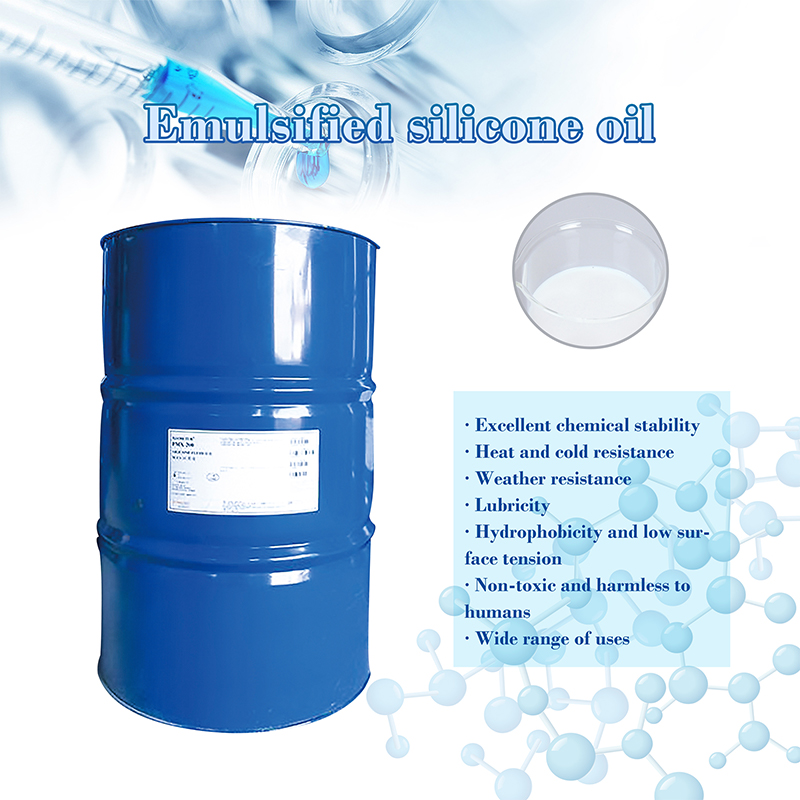
Product: Polyether-Modified Silicone Oil


Contact Information
Tel : +86-400-138-5268
Email : [email protected]
Phone : +86-15128434888 / +86-13511051998
Add : Xinqiao Environmental Protection Industrial Park, Wen'an County, Langfang City, Hebei Province, China
Contact Information
Copyright © Hebei Guituo New Material Co., Ltd. All Rights Reserved.
