

 English
  Français
  Português
 Home / Author / Li Mei, Product Sales Specialist (Agricultural Silicone Products) / Organosilicone Defoamer: High-Performance Foam Control for Modern Industrial Formulations
 Organosilicone Defoamer: High-Performance Foam Control for Modern Industrial Formulations
2026-07-29
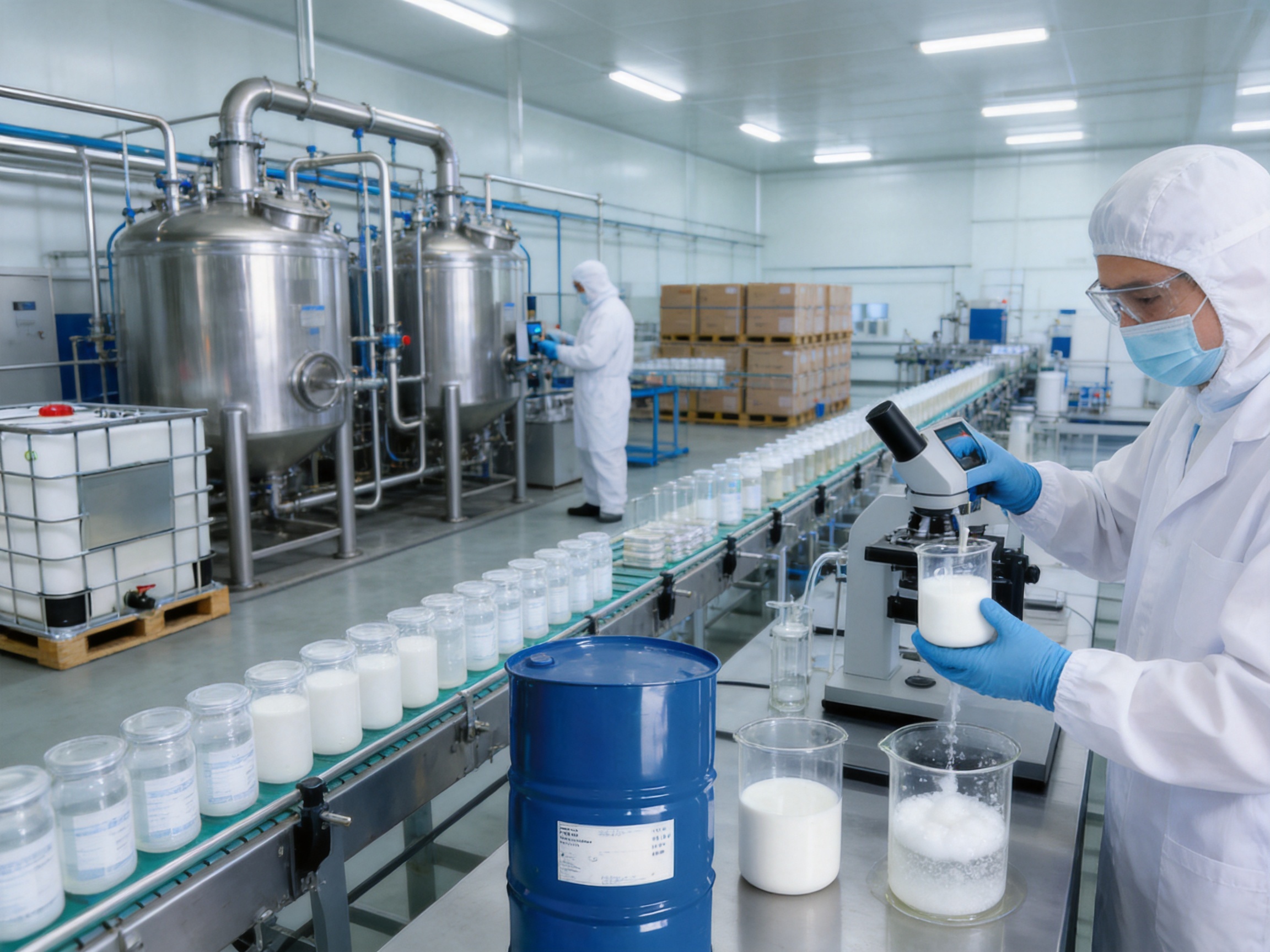
Foam is a common but often underestimated problem in industrial production. It can appear during mixing, pumping, dispersion, washing, filtration, extraction, distillation, evaporation, drying, filling, and other operations in which liquids, gases, and surface-active ingredients interact. Although foam may seem harmless, excessive foam can reduce equipment capacity, interrupt continuous production, cause overflow, delay processing, affect product uniformity, and increase cleaning and maintenance requirements. In sensitive formulations, uncontrolled foam can also lead to inaccurate filling, poor surface appearance, unstable dispersion, and inconsistent performance.
Organosilicone defoamer is a specialized foam-control additive developed to address these problems. Based primarily on silicone oil, modified silicone oil, emulsifiers, wetting agents, and functional additives, it combines low surface tension with controlled spreading and strong foam-breaking ability. The product is designed to destabilize foam films quickly while remaining compatible with the surrounding formulation when properly selected and applied.
Modern organosilicone defoamers are used across agriculture, daily chemicals, coatings, textiles, electronics, paper, food processing, pharmaceuticals, and general chemical manufacturing. Their broad applicability results from the unique physical and chemical properties of silicone materials. Silicone oil is generally non-volatile at room temperature, chemically inert, physically stable, biologically inactive, and resistant to both high and low temperatures. These characteristics help organosilicone defoamers perform under demanding processing conditions where conventional foam-control agents may lose effectiveness.
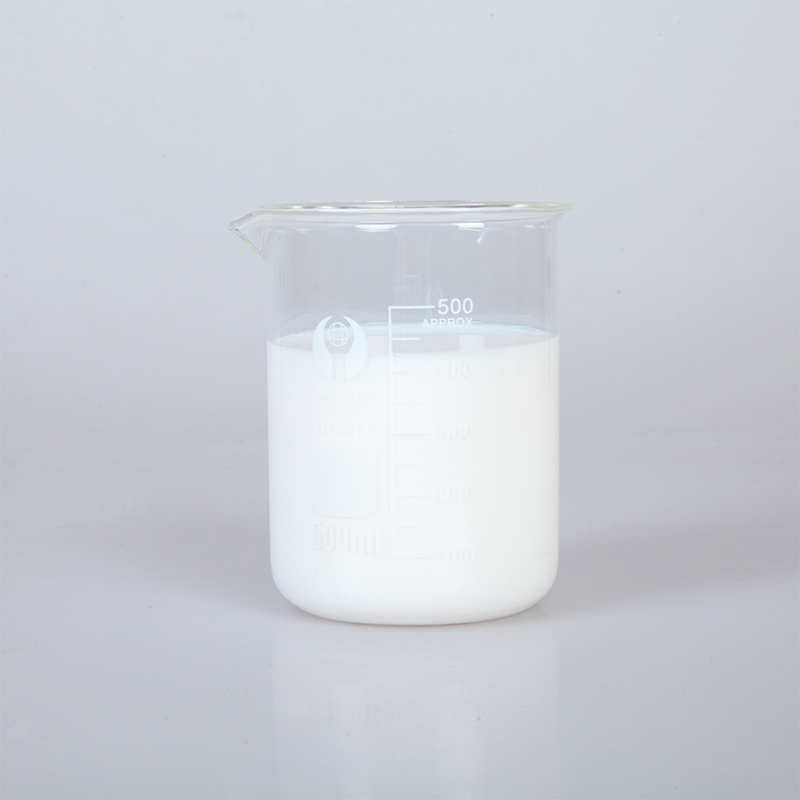
The LD-610 organosilicon defoamer is a white viscous emulsion designed for industrial foam suppression. It is identified by CAS No. 9016-00-6 and EINECS No. 618-493-1, with polydimethylsiloxane emulsion listed as a synonym. Its reported purity is 99.8%. The formulation is intended to provide stable physical properties, rapid foam reduction, and practical compatibility in water-based and multi-component systems.
Why Foam Control Matters in Industrial Production
Foam consists of gas bubbles surrounded by liquid films. These films may be stabilized by surfactants, polymers, proteins, fine particles, active ingredients, or other surface-active substances. Once foam becomes stable, it may occupy a large volume even though the actual amount of gas and liquid involved is relatively small. This creates a false reduction in available vessel capacity and can interfere with process control.
In a mixing tank, foam can prevent accurate level measurement and reduce the amount of material that can be safely charged into the vessel. During pumping, it may cause cavitation-like operating difficulties, irregular flow, or air entrainment. In filling operations, foam may result in underfilled containers, extended filling cycles, or inaccurate package weights. During filtration and separation, foam can reduce effective throughput by blocking contact between the process liquid and the working surface of the equipment.
Foam is especially troublesome in formulations containing surfactants and wetting agents. These ingredients are essential for dispersion, emulsification, spreading, and surface modification, but they can also create persistent foam during high-speed agitation. Agricultural formulations, detergents, textile auxiliaries, water-based coatings, and electronic cleaning systems are typical examples.
A suitable defoamer must therefore do more than simply collapse visible bubbles. It should provide rapid knockdown, maintain activity during repeated agitation, remain stable during storage, avoid excessive surface defects, and preserve the performance of other formulation ingredients. Organosilicone technology is valuable because silicone-based materials can enter and spread across foam films at very low concentrations when the formulation has been properly designed.
Product Profile of Organosilicone Defoamer LD-610
| Property | Product Information |
|---|---|
| Product name | Organosilicone Defoamer |
| Product model | LD-610 |
| Product type | Silicone-based foam-control emulsion |
| Primary component | Silicone oil and related modified silicone materials |
| Synonym | Polydimethylsiloxane Emulsion |
| Appearance | White viscous emulsion |
| CAS No. | 9016-00-6 |
| EINECS No. | 618-493-1 |
| Purity | 99.8% |
| Main function | Rapid foam suppression and long-lasting foam control |
| Typical application areas | Agriculture, chemicals, coatings, paper, textiles, food processing, pharmaceuticals, electronics, and daily chemicals |
LD-610 is supplied as a white viscous emulsion, making it suitable for applications in which controlled dispersion in a liquid system is required. The emulsion format helps distribute the silicone phase through aqueous or mixed formulations, while the silicone component provides the low surface tension required for foam-breaking activity.
The product can be considered where foam control must be combined with stable physical behavior. It is particularly relevant to systems containing water, surfactants, wetting agents, dispersants, active ingredients, pigments, polymers, or other formulation components that contribute to foam formation. Actual dosage and compatibility should always be established through application testing because the optimum performance depends on the composition and processing conditions of each system.
How Organosilicone Defoamer Works
Low Surface Tension and Rapid Spreading
The main functional advantage of silicone-based defoamers is their very low surface tension compared with many aqueous formulations. When a small amount of silicone defoamer reaches a foam film, it can spread across the film and create an area with different surface properties. This interrupts the uniformity of the liquid layer surrounding the gas bubble.
A stable foam bubble requires a sufficiently strong and elastic film. The entry and spreading of a silicone-based defoamer can reduce film strength, promote thinning, and create a point of rupture. As the film breaks, neighboring bubbles coalesce and the foam layer collapses. This mechanism supports both rapid knockdown of existing foam and prevention of additional foam accumulation.
Controlled Dispersion
While low surface tension is important, a defoamer should not simply spread uncontrollably throughout the entire formulation. Excessive dispersion may reduce the availability of active defoaming particles at the air-liquid interface. It may also create unwanted interactions with coatings, pigments, polymers, or other sensitive ingredients.
For this reason, organosilicone defoamers are formulated to balance dispersion and activity. Emulsifiers, wetting agents, silicone-oil viscosity, particle size, and modified molecular structures all influence how the product moves through the host system. A well-designed emulsion disperses sufficiently to reach foam sites but retains enough localized activity to destabilize the foam film efficiently.
Physical and Chemical Stability
Silicone oil is known for its resistance to temperature variation and its chemical inertness under many industrial conditions. These characteristics can support consistent foam-control performance during heating, cooling, circulation, and storage. Compared with certain volatile or chemically reactive defoaming materials, silicone-based products can offer a stable performance profile across a wider range of process conditions.
However, stability does not mean that every defoamer is automatically compatible with every formulation. The complete system, including the emulsion package and any modified silicone components, must be evaluated under actual storage and processing conditions. A professional product manufacturer therefore considers both silicone chemistry and application-specific compatibility during product development.
Organosilicone Defoamer
Major Advantages Compared with Conventional Defoamers
Strong Foam Knockdown
Organosilicone defoamers are capable of reducing foam quickly because silicone materials can penetrate and spread across foam films efficiently. This is valuable in high-speed mixing, transfer, filling, and circulation processes where foam may develop faster than conventional agents can control it.
Rapid foam knockdown can improve production continuity. Operators may be able to reduce stoppages caused by overflow, maintain more consistent vessel levels, and shorten the time required for deaeration or settling. In some processes, efficient foam control also reduces the need for repeated mechanical adjustments.
Effective Performance at Low Use Levels
Silicone-based defoamers are often effective at relatively low addition levels because of their strong interfacial activity. Lower use levels may help reduce formulation cost and minimize the risk of changing the characteristics of the finished product. Nevertheless, dosage should not be selected solely on the basis of concentration. The correct amount depends on the type of foam, surfactant level, mixing energy, temperature, viscosity, and required persistence.
Broad Temperature Resistance
Industrial processes may involve heating, cooling, drying, or temperature cycling. Silicone oil generally retains useful physical stability under both high- and low-temperature conditions. This makes organosilicone defoamers suitable for process environments in which water-based or organic formulations experience significant temperature variation.
Temperature resistance is also important during storage and transportation. A defoamer that undergoes severe separation, viscosity change, or loss of activity may cause inconsistent results at the point of use. Properly formulated silicone emulsions are designed to maintain their physical properties within the recommended storage range.
Compatibility with Diverse Formulation Types
Organosilicone defoamers can be tailored for water-based systems, high-surfactant systems, low-surfactant systems, oil-based formulations, solvent-containing systems, and complex multi-component mixtures. The compatibility strategy may involve changing the silicone-oil viscosity, modifying the silicone structure, adjusting emulsifier selection, or incorporating suitable wetting and dispersing components.
This adaptability gives silicone defoamers an important advantage over one-formula solutions. A product optimized for a low-viscosity detergent may not be ideal for a concentrated agricultural suspension or a solvent-based coating. Customization makes it possible to match foam-control behavior to the chemistry and processing requirements of a particular customer.
Stable Physical Properties
A high-quality defoamer should remain physically uniform enough to support consistent dosing and performance. Excessive separation, sedimentation, or irreversible thickening can make the product difficult to use. LD-610 is presented as a white viscous emulsion with stable physical properties, supporting practical handling in industrial applications.
Reduced Risk of Process Interruption
By controlling foam during production, organosilicone defoamers can help improve filtration, washing, extraction, distillation, evaporation, dehydration, drying, gasification, and liquid-discharge operations. Effective foam management can increase usable equipment capacity and reduce the time required for process recovery after foam accumulation.
Compatibility in Water-Based Systems
Water-based systems are among the most common application environments for organosilicone defoamers. They include agricultural suspensions and emulsions, detergents, textile auxiliaries, water-based coatings, paper chemicals, construction materials, and numerous chemical formulations.
In an aqueous system, the defoamer must disperse evenly without creating persistent oil spots, surface defects, phase separation, or visible instability. The emulsion structure is therefore critical. Emulsifiers and wetting agents help distribute the silicone phase through the water, while the silicone component remains available to attack foam when it forms.
Compatibility should be evaluated through both immediate and long-term observations. A sample may appear uniform immediately after addition but develop oil separation or sedimentation after storage. Conversely, a system may show a small amount of temporary surface activity during initial mixing but remain stable after the formulation reaches equilibrium. Testing should therefore include storage at different temperatures, repeated agitation, and observation of appearance over time.
In daily chemical products, appearance is especially important. Haze, floating oil, layering, or visible particles may be unacceptable even if foam control is technically effective. The defoamer must be selected to suppress foam without compromising the appearance, fragrance, viscosity, cleaning performance, or stability of the finished product.
Performance in High-Surfactant Formulations
Surfactants stabilize foam by lowering surface tension and forming protective layers around gas bubbles. This creates a challenging environment for defoamers because the same interfacial properties that help a surfactant perform its intended function can also make foam more persistent.
Organosilicone defoamers with controlled molecular structures can maintain foam-control activity in high-surfactant formulations. The objective is not to eliminate the function of the surfactant, but to introduce a controlled destabilizing effect when excessive foam develops. This balance is particularly important in detergents, agrochemical formulations, textile processing baths, and certain industrial cleaners.
A defoamer that is too incompatible may produce surface defects or separate from the formulation. A defoamer that is too compatible may become completely solubilized and lose its ability to break foam. The most effective formulation generally occupies a controlled middle position: it disperses sufficiently for application but retains enough interfacial activity to act at the foam boundary.
| System type | Primary compatibility concern | Desired behavior |
|---|---|---|
| Water-based formulation | Dispersion stability | Uniform distribution without separation |
| High-surfactant system | Balance between foam control and surfactant function | Persistent foam suppression without loss of formulation performance |
| Low-surfactant system | Excessive spreading or surface effects | Controlled activity with minimal surface defects |
| Oil-based system | Solubility and phase compatibility | Stable incorporation in nonpolar or semi-polar media |
| High-viscosity system | Distribution throughout the batch | Reliable foam control during mixing and transfer |
Compatibility in Oil-Based and Solvent Systems
Oil-based and solvent-containing systems present different compatibility requirements from aqueous formulations. The defoamer must interact appropriately with nonpolar or semi-polar media and should not cause unwanted turbidity, separation, coating defects, or changes in surface properties.
Modified silicone oils can be used to improve compatibility with selected organic media. By adjusting the molecular structure and polarity of the silicone component, formulators can influence solubility, dispersibility, and the tendency of the defoamer to migrate to the air-liquid interface.
In coatings, the choice of defoamer is closely connected to surface appearance. Excessive incompatibility may cause craters, pinholes, gloss variation, fish eyes, or uneven leveling. On the other hand, insufficient foam control may leave entrapped air and create visible defects after drying. A suitable organosilicone defoamer should be tested in the complete coating system, not only in the resin or solvent alone.
Textile processing and electronics-related applications may also use solvent systems or mixed aqueous-organic media. In these fields, compatibility can influence wetting, coating uniformity, cleaning efficiency, surface energy, and downstream processing. A customized silicone solution can help reduce foam while preserving the functional properties required by the application.
Use in Agricultural Formulations
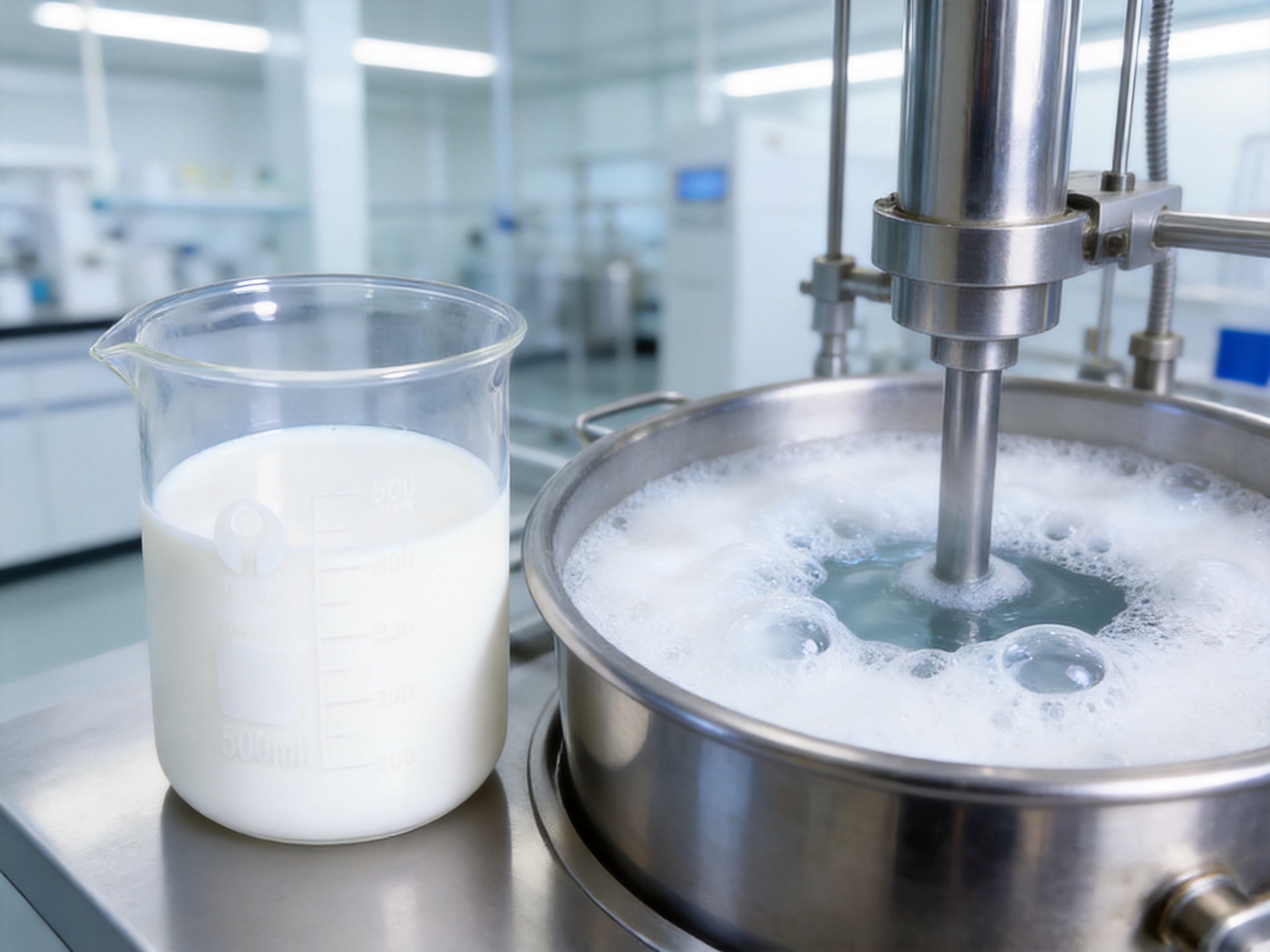
Agricultural formulations often contain active ingredients, dispersants, emulsifiers, wetting agents, solvents, polymers, salts, and other additives. These components may generate foam during manufacturing, dilution, tank mixing, spraying, and circulation. Excessive foam can slow filling operations, interfere with accurate dosing, and make it difficult to prepare a uniform spray mixture.
Organosilicone defoamers can help control foam during the production of suspension concentrates, emulsifiable systems, water-dispersible products, foliar formulations, and other agrochemical preparations. Compatibility is essential because the defoamer should not reduce the activity of the agricultural ingredient or disrupt the intended dispersion, wetting, spreading, or deposition behavior.
In agricultural applications, the silicone product must be selected carefully. Some agricultural silicone additives are designed primarily to improve spreading and wetting, while a defoamer is intended to suppress excessive foam. These functions may overlap at the interface but are not identical. A defoamer formulation should be matched to the process stage and the performance objective.
For example, a manufacturing-stage defoamer may be optimized for strong foam knockdown during high-speed agitation, while a product used in a final spray mixture may require a different compatibility profile. Testing should examine foam generation during dilution, agitation, recirculation, and application. It should also confirm that the defoamer does not cause sedimentation, nozzle blockage, separation, or undesirable changes in spray behavior.
The manufacturer’s experience with agricultural silicone products, surfactants, wetting agents, modified silicone oil, and defoamers provides an important advantage in this field. An integrated product portfolio allows technical personnel to consider the relationship between foam control and other formulation requirements rather than treating the defoamer as an isolated additive.
Applications in Coatings, Paper, Textiles, and Chemicals
Coatings
Foam in coatings can lead to pinholes, craters, poor leveling, inconsistent gloss, and reduced protective performance. Foam may be introduced during pigment dispersion, high-speed mixing, pumping, filtration, and application. An organosilicone defoamer can help release entrapped air and reduce surface foam before the coating is applied or cured.
The correct product must balance foam suppression with surface appearance. Silicone migration, compatibility with the binder, and influence on recoatability should be considered during testing. The objective is a smooth, uniform film rather than simply the fastest visible collapse of foam.
Paper Processing
Paper production involves large volumes of water, pulping, fillers, coatings, sizing agents, and process chemicals. Foam can interfere with drainage, coating application, vacuum systems, and production speed. Organosilicone defoamers can support stable operation by reducing foam in process water and chemical treatment stages.
Application requirements vary according to the paper grade, process location, temperature, pH, and chemical composition. A defoamer used in a coating preparation may require a different compatibility profile from one used in wastewater or pulp processing.
Textile Processing
Textile operations often involve wetting agents, detergents, dyes, softeners, lubricants, and silicone finishing products. These materials can generate foam during desizing, scouring, dyeing, washing, finishing, and high-speed circulation. Foam control helps maintain even fabric treatment and reduces interruptions in continuous equipment.
Because textile surfaces are sensitive to deposits and uneven treatment, the defoamer should be evaluated for residue, compatibility, and influence on fabric hand, absorbency, color, and finishing performance. Modified silicone technology can be useful where conventional oil-based defoamers are not sufficiently compatible.
General Chemical Processing
In chemical manufacturing, foam may appear during neutralization, reaction, agitation, extraction, evaporation, filtration, and separation. It can reduce reactor capacity and interfere with the accuracy of process measurements. Organosilicone defoamers can be selected for their chemical inertness, temperature resistance, and rapid action in a range of process environments.
Applications in Daily Chemicals, Food, and Pharmaceuticals
Daily chemical products frequently contain surfactants and polymers that produce stable foam. Examples include detergents, cleaners, personal-care formulations, and household chemical products. In some products, foam is desirable during consumer use, but excessive foam during manufacturing is not. A process defoamer can control production foam while allowing the final product to retain its intended user experience when the formulation is properly designed.
Appearance, odor, storage stability, and regulatory suitability are important considerations in these applications. The defoamer must be evaluated in the finished formulation and under the expected manufacturing conditions. Addition sequence and dosage may significantly affect the final result.
Food and pharmaceutical processing require particularly careful product selection and compliance review. The use of a defoamer must be consistent with the relevant application requirements, internal quality procedures, and applicable regulations. Organosilicone technology may offer useful physical performance, but the suitability of a specific grade must be confirmed for the intended process and market.
Potential process operations include washing, filtration, fermentation-related handling, liquid transfer, separation, and drying. In each case, the defoamer can help improve process efficiency by reducing foam-related capacity loss and improving liquid discharge. The product should be selected and validated according to the specific requirements of the food or pharmaceutical application.
Advanced Manufacturing and Quality-Control Strengths
Integrated Research and Development
Hebei Guituo New Material Co., Ltd. is a high-technology enterprise integrating research and development, production, and sales. Its product development approach focuses on high-end silicone materials and their industrial and agricultural applications. This integrated structure allows formulation knowledge, manufacturing experience, and customer feedback to be connected in a continuous development cycle.
Organosilicone defoamers require more than the selection of a silicone oil. The final performance depends on the relationship between silicone viscosity, modified molecular structure, emulsifier system, wetting behavior, particle distribution, and host formulation. An internal research and development capability supports systematic adjustment of these variables.
Modern Production Equipment
Stable production requires suitable mixing, emulsification, dispersion, storage, and filling equipment. The company has established production facilities equipped with internationally advanced equipment and precise testing facilities. Controlled manufacturing conditions help improve batch uniformity and support reliable physical properties from one production lot to the next.
For emulsion-based defoamers, process control is particularly important. Mixing energy, order of addition, temperature, residence time, and shear history can influence particle distribution and storage stability. Consistent equipment and documented operating procedures help reduce variation in the finished product.
Full-Process Quality Monitoring
Quality monitoring begins with raw-material selection and continues through production, intermediate inspection, finished-product testing, packaging, and delivery. This full-process approach is important because a defoamer’s performance depends on both chemical composition and physical structure.
Typical evaluation areas may include appearance, viscosity, dispersion stability, storage behavior, foam knockdown, foam persistence, and compatibility with representative customer formulations. The exact test program should be adapted to product specifications and application requirements. By monitoring the process from source materials to finished products, the manufacturer can support stable supply and consistent quality.
Experienced Technical and Production Team
An experienced technical team is valuable when customers require more than a standard product. Foam behavior can vary considerably between two formulations that appear chemically similar. Technical personnel must understand the effects of surfactant concentration, pH, temperature, viscosity, shear, mixing order, and storage conditions.
The company has assembled a professional technical and production team with experience in silicone additives, surfactants, modified silicone oil, agricultural products, and defoamers. This knowledge supports product selection, application testing, troubleshooting, and customized formulation development.
Broad Product Matrix
The company’s product portfolio includes silicone additives, wetting agents, modified silicone oil, dimethyl silicone oil, surfactants, defoamers, and related materials. This broad matrix is an advantage because many foam problems are connected to the overall additive package. A supplier that understands several related product categories can help customers evaluate compatibility more comprehensively.
For example, a customer may need to balance foam control with wetting, spreading, emulsification, or dispersion. Adjusting one component may affect the behavior of another. Access to related silicone and surfactant technologies can make technical communication more efficient and support a more coordinated solution.
Customization, OEM, and ODM Support
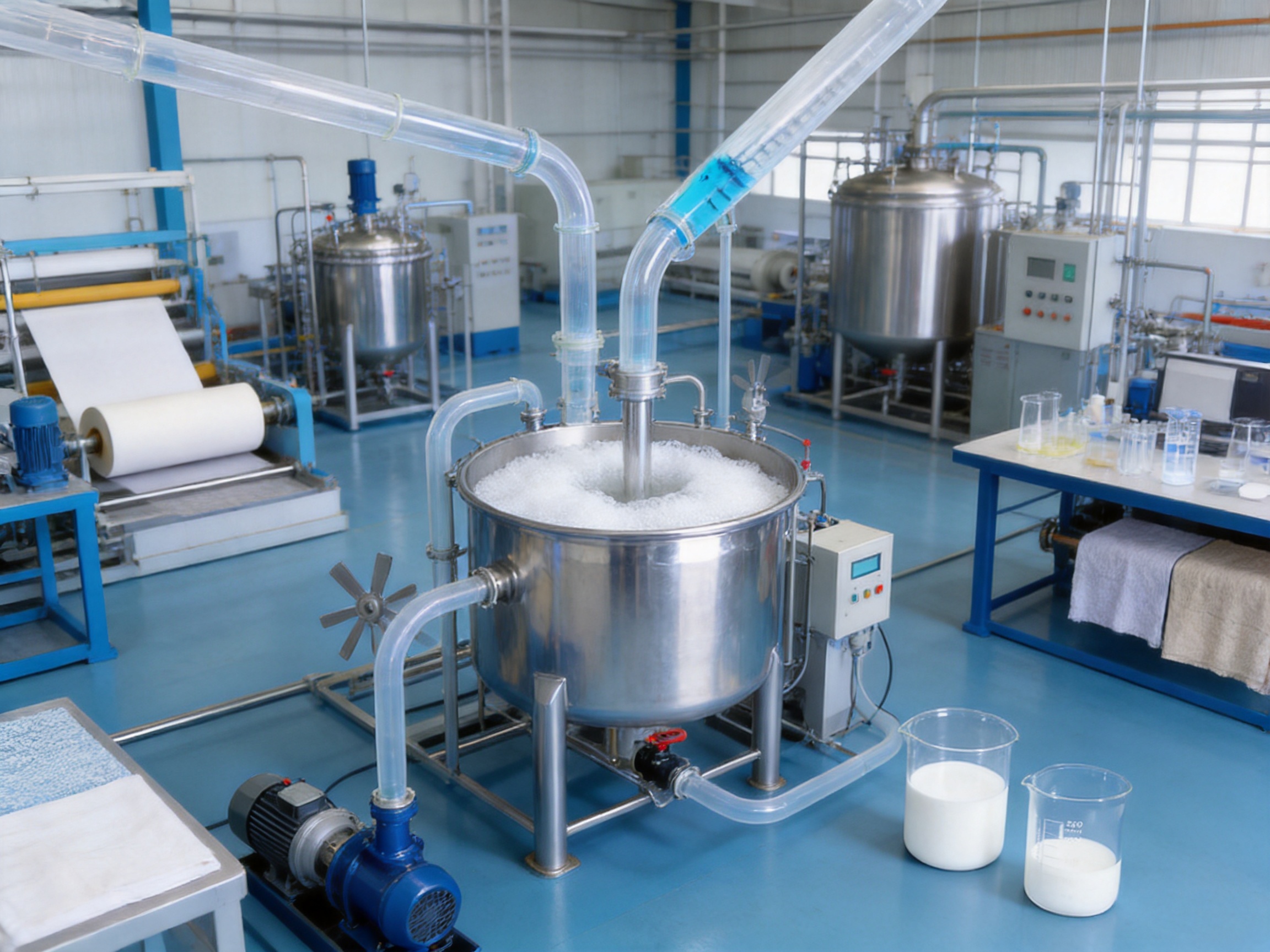
Different industries require different foam-control characteristics. Some customers prioritize immediate foam knockdown, while others need long-term persistence under recirculation. Certain systems require a water-compatible emulsion, whereas others need an oil-compatible or solvent-compatible silicone structure. Viscosity, concentration, packaging, addition method, and storage conditions may also vary.
Customized formulation can involve adjustment of silicone-oil viscosity, modification of molecular structure, selection of emulsifiers, optimization of the dispersion system, and refinement of the active silicone content. The goal is to achieve an appropriate balance between rapid foam control, compatibility, stability, and ease of use.
OEM and ODM services allow customers to develop products under their own specifications or brands. Such cooperation may include private labeling, packaging customization, specification adjustment, application-oriented formulation, and production according to agreed quality requirements. The precise scope depends on the technical project, order volume, packaging needs, and commercial agreement.
A structured customization process normally begins with collection of application information. Important details include the host formulation, foam source, process temperature, mixing speed, pH, viscosity, surfactant concentration, addition point, desired dosage, storage conditions, and performance criteria. Laboratory screening can then be followed by pilot-scale verification and production evaluation.
Recommended Application and Handling Approach
Before using an organosilicone defoamer in full-scale production, a small compatibility test should be completed. The test should use the actual formulation or a representative laboratory batch. The defoamer may be evaluated at several dosage levels to identify the minimum effective concentration and the point at which additional product provides little further benefit.
Addition location can influence performance. In some processes, the defoamer is added at the beginning of mixing to prevent foam accumulation. In others, it is added after foam appears or introduced at a high-foam processing point. A concentrated product may be pre-diluted if recommended for the system, but dilution water quality and dilution stability should be considered.
Mixing should be sufficient to distribute the defoamer but not so aggressive that the product is excessively dispersed and loses interfacial activity. The ideal mixing procedure depends on the viscosity and composition of the host formulation. Customers should follow the product’s technical instructions and verify the procedure under actual operating conditions.
Storage containers should be clean, closed, and suitable for the product. The material should be protected from contamination, extreme temperatures, and prolonged exposure to conditions outside the recommended storage range. Before use, the product may require gentle homogenization if permitted by the technical specification. Strong or uncontrolled agitation should be avoided when it could introduce additional air or damage the emulsion structure.
Performance Evaluation and Compatibility Testing
A complete evaluation should measure more than immediate foam collapse. A useful test program can include initial knockdown, foam height after defined agitation, foam recovery after repeated mixing, storage stability, appearance, viscosity, and interaction with the finished product.
| Evaluation area | Suggested observation | Positive indicator |
|---|---|---|
| Initial foam control | Measure foam height shortly after addition | Rapid reduction in foam volume |
| Persistence | Repeat agitation or circulation cycles | Consistent control over time |
| Visual stability | Observe samples during storage | No unacceptable oil spots, layering, or sedimentation |
| Formulation integrity | Check viscosity, color, odor, and dispersion | Minimal change from the control batch |
| Process compatibility | Run the material under actual temperature and shear conditions | No interference with production or final quality |
| Dosage efficiency | Compare several addition levels | Effective performance at a practical use level |
Compatibility testing should include both short-term and long-term observations. A sample can be tested immediately after addition, after several hours, and after storage at room temperature or elevated temperature. Freeze-thaw or temperature-cycle testing may be appropriate for products that will be transported or stored under variable conditions.
For agricultural products, testing may also include dilution water, tank-mix partners, active ingredient stability, nozzle behavior, spray pattern, and residue evaluation. For coatings, film appearance, gloss, leveling, recoatability, and crater formation may be examined. For textiles, absorbency, color, handle, and finishing uniformity may be relevant. The test method should reflect the actual performance objective.
Advantages of a Specialized Silicone-Material Supplier
Purchasing an organosilicone defoamer from a specialized silicone-material supplier can provide advantages beyond the product itself. Technical understanding of silicone oil, modified silicone structures, emulsifiers, surfactants, and agricultural additives allows more precise troubleshooting when a formulation produces unexpected foam or compatibility problems.
A specialized supplier can also support supply continuity by maintaining production capabilities, testing facilities, technical personnel, and a defined quality-management process. This is important for customers who need consistent material across multiple production sites or long-term purchasing cycles.
Hebei Guituo New Material Co., Ltd. serves domestic and overseas customers and has developed a product matrix for agriculture, daily chemicals, electronics, textiles, and other fields. Its agricultural silicone products have been adopted by domestic agrochemical enterprises, while its broader silicone materials have been exported to markets including Europe and Southeast Asia. Continued customer repurchase reflects the importance of stable performance and reliable supply in industrial additive purchasing.
The company’s connection with Ningbo Guituo Trading Co., Ltd. supports commercial communication and international market service. Customers can discuss standard products, customized materials, OEM projects, ODM development, packaging requirements, and application-specific technical needs through the company’s sales and technical teams.
Environmental and Operational Considerations
Foam control can contribute to more efficient use of equipment and process resources. When foam is reduced, vessels may operate closer to their usable capacity, filling and transfer operations may become more stable, and fewer interruptions may be required for cleaning or manual adjustment. These benefits can support improved productivity and more predictable production scheduling.
Organosilicone defoamers should still be handled responsibly. The environmental and regulatory status of a specific product depends on its complete composition, application, dosage, and local requirements. Customers should review the relevant safety documentation and confirm suitability for their intended industry and market.
Safe handling includes appropriate personal protective equipment, good ventilation where necessary, prevention of eye and prolonged skin contact, and proper spill management. Product containers should be labeled and stored according to the supplier’s safety instructions. Waste and empty packaging should be managed in accordance with local regulations and site procedures.
Why LD-610 Is a Practical Choice
LD-610 combines the functional advantages of silicone oil with the handling characteristics of a white viscous emulsion. Its primary value lies in the ability to control foam efficiently while supporting stable physical behavior in industrial systems. The product is relevant to manufacturers seeking a reliable defoamer for water-based, surfactant-containing, and multi-component formulations.
Its main advantages can be summarized as rapid foam suppression, strong interfacial activity, resistance to temperature variation, broad application potential, and compatibility that can be further optimized through formulation design. These characteristics make it a practical option for chemical processing, agricultural formulations, coatings, paper, textiles, daily chemicals, food-related processing, pharmaceuticals, and electronics-related applications.
The product is supported by a manufacturer with experience in silicone additives, wetting agents, modified silicone oil, dimethyl silicone oil, surfactants, and defoamers. Advanced equipment, precise testing facilities, full-process quality monitoring, and an experienced technical team provide a foundation for consistent production and customer support.
When customers require a more specific balance of defoaming speed, persistence, dispersion, and compatibility, customization, OEM, and ODM services can provide a path beyond standard material selection. This application-focused approach helps ensure that the defoamer is matched to the actual process rather than selected only by product name.
Frequently Asked Questions
What is an organosilicone defoamer?
An organosilicone defoamer is a silicone-based foam-control additive formulated with silicone oil, modified silicone oil, emulsifiers, wetting agents, and functional additives. It reduces or suppresses foam generated during mixing, production, transfer, filling, washing, filtration, separation, and other industrial operations.
What is the main component of LD-610?
LD-610 is primarily based on silicone oil and related silicone materials and is supplied as a white viscous emulsion. Polydimethylsiloxane emulsion is listed as a synonym. The exact formulation should be confirmed through the supplier’s technical and safety documentation.
Where can organosilicone defoamers be used?
They can be used in agricultural formulations, chemical processing, coatings, paper production, textile processing, daily chemicals, food-related processing, pharmaceutical manufacturing, electronics, and other industrial systems where foam must be controlled.
Can LD-610 be used in water-based systems?
Yes. The emulsion format is suitable for evaluation in water-based systems. The actual compatibility depends on the host formulation, surfactant level, pH, viscosity, temperature, mixing conditions, and addition procedure. A laboratory compatibility test is recommended before commercial use.
How does a silicone defoamer break foam?
The silicone phase has low surface tension and can spread across foam films. This disrupts the film structure, promotes thinning and rupture, and causes bubbles to coalesce and collapse. The formulation must maintain a balance between dispersion and interfacial activity for effective performance.
Will a defoamer affect surfactant performance?
A properly selected defoamer is intended to control excessive foam while preserving the main function of surfactants and wetting agents. However, compatibility varies among formulations. Testing should confirm that wetting, dispersion, cleaning, emulsification, or spreading performance remains acceptable.
How should the correct dosage be determined?
The correct dosage should be established through comparative testing at several addition levels. Important factors include foam severity, surfactant concentration, temperature, viscosity, mixing speed, process residence time, and whether the product is used during manufacturing or in the final application mixture.
Can the product be customized?
Customization may be possible through adjustment of silicone-oil viscosity, molecular structure, emulsifier selection, active concentration, and dispersion characteristics. The supplier also accepts OEM and ODM orders, subject to technical evaluation, order requirements, and commercial agreement.
What should be checked during storage testing?
Storage testing should examine separation, sedimentation, viscosity change, odor, color, emulsion uniformity, and continued defoaming performance. Testing at different temperatures and after repeated agitation can provide a more complete understanding of product stability.
What information should be provided when requesting technical support?
Useful information includes the complete formulation or major ingredients, foam source, process temperature, pH, viscosity, mixing speed, equipment type, addition point, current defoamer, target dosage, storage conditions, and the specific performance problem. This information helps technical personnel recommend a more suitable solution.
Why choose a supplier with a broad silicone product portfolio?
Foam control is often connected to the behavior of surfactants, wetting agents, modified silicone oil, and other additives. A supplier with experience across these product categories can evaluate compatibility more broadly and help customers optimize the complete additive system.
Conclusion
Organosilicone defoamer is an essential process additive for industries that need reliable foam control without sacrificing formulation stability or production efficiency. Its silicone-based chemistry provides low surface tension, rapid spreading, effective foam-film disruption, and useful resistance to temperature variation. When formulated correctly, it can perform in water-based, high-surfactant, oil-based, solvent-containing, and complex multi-component systems.
LD-610 offers a practical combination of strong defoaming performance, stable physical properties, and broad application potential. Its suitability for agriculture, chemicals, coatings, paper, textiles, daily chemicals, food-related processes, pharmaceuticals, electronics, and other fields makes it a versatile option for industrial users.
The product’s value is reinforced by integrated research and development, advanced manufacturing equipment, precise testing facilities, full-process quality monitoring, an experienced technical team, and a broad silicone-material portfolio. Through standard supply, customization, OEM, and ODM support, customers can obtain foam-control solutions aligned with their specific formulations and production conditions.
Before commercial implementation, users should conduct application-specific compatibility and performance testing. With appropriate selection, dosage, addition method, and process control, organosilicone defoamer can help improve capacity utilization, reduce production interruptions, support consistent product quality, and make industrial operations more efficient.
References
1. Product technical information for Organosilicone Defoamer LD-610, including product model, appearance, CAS number, EINECS number, purity, and synonym.
2. General principles of silicone-oil-based foam control in aqueous and nonaqueous industrial systems.
3. Industrial formulation practices for the evaluation of defoamer compatibility, dispersion stability, and storage performance.
4. Technical literature concerning polydimethylsiloxane emulsions and interfacial foam-film destabilization.
5. Application guidance for silicone additives, surfactants, wetting agents, modified silicone oil, and agricultural formulation auxiliaries.
6. Quality-control principles for emulsified chemical additives, including appearance, viscosity, storage stability, and batch consistency.
7. Manufacturer-provided information regarding silicone-material research, production capabilities, application fields, OEM services, and ODM support.
Product: Organosilicone Defoamer


Contact Information
Tel : +86-400-138-5268
Email : [email protected]
Phone : +86-15128434888 / +86-13511051998
Add : Xinqiao Environmental Protection Industrial Park, Wen'an County, Langfang City, Hebei Province, China
Contact Information
Copyright © Hebei Guituo New Material Co., Ltd. All Rights Reserved.
