

 English
  Français
  Português
 Home / Author / Li Mei, Product Sales Specialist (Agricultural Silicone Products) / Plastic & Rubber Mold Release Agent (Anionic Type): Stable, Clean, and Efficient Demolding
 Plastic & Rubber Mold Release Agent (Anionic Type): Stable, Clean, and Efficient Demolding
2026-09-03
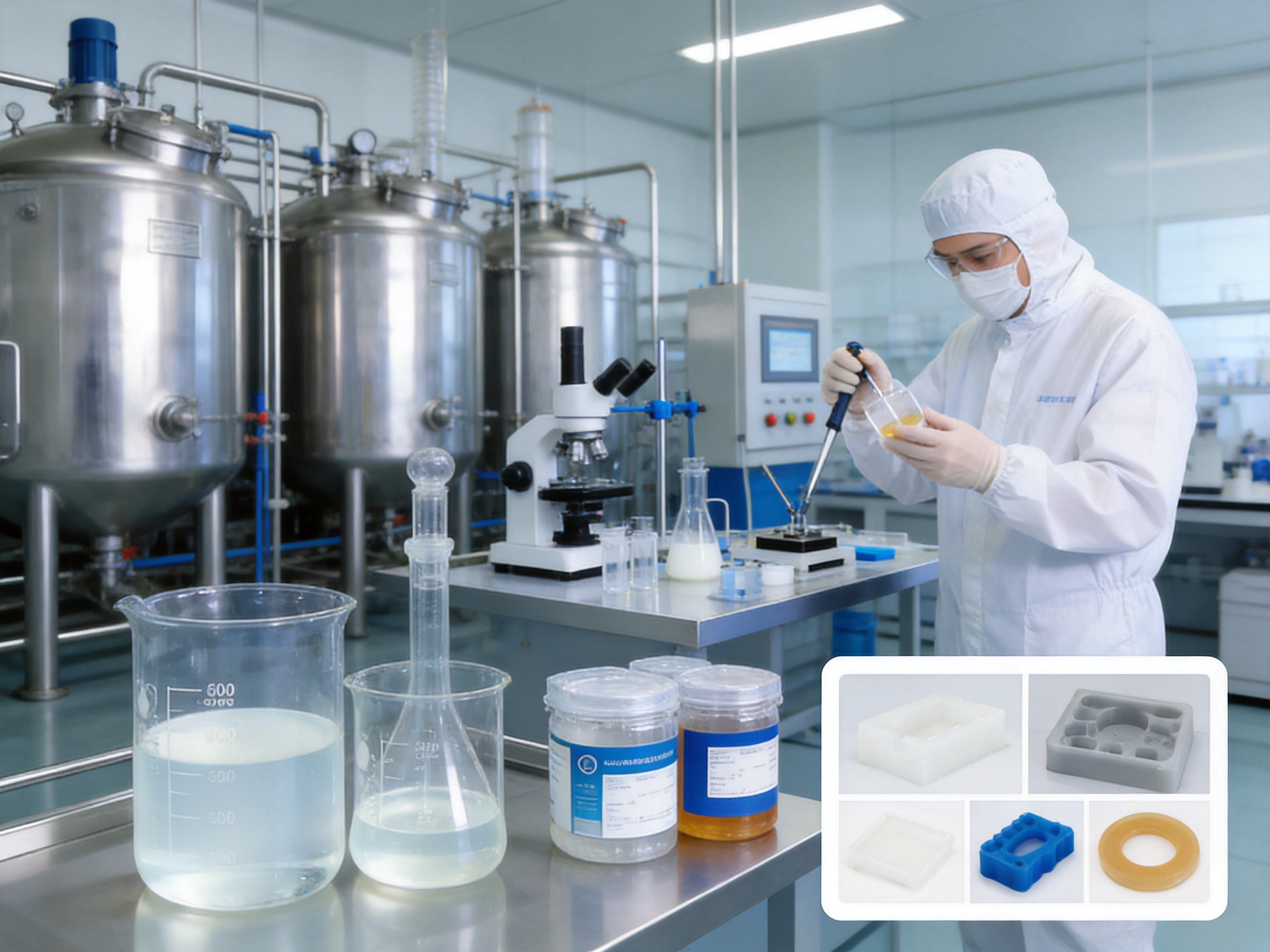
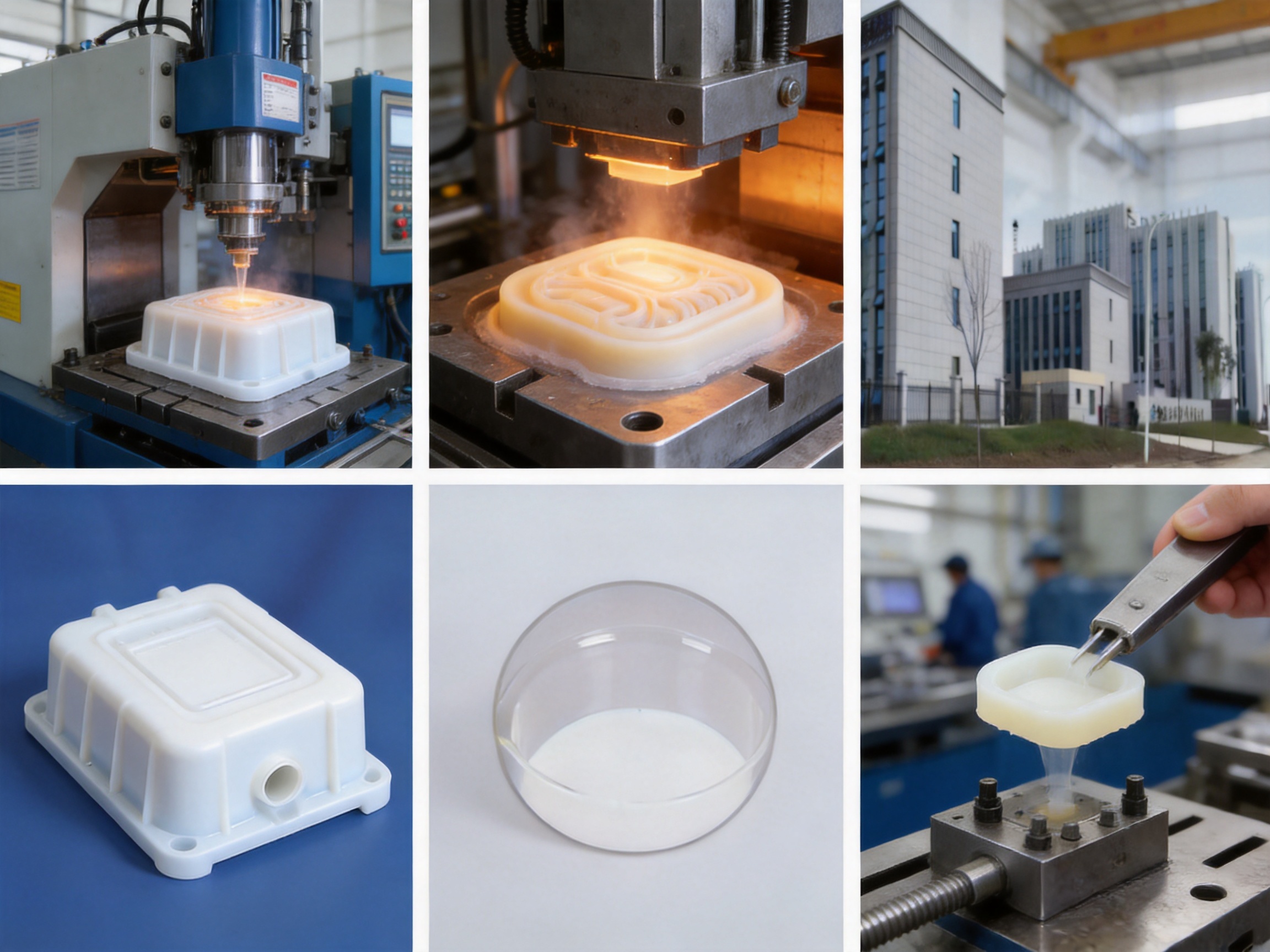
Plastic and rubber molding operations depend on reliable separation between the mold surface and the finished component. When adhesion occurs, manufacturers may experience incomplete demolding, surface defects, damaged parts, longer cycle times, excessive mold cleaning, and premature tool wear. A properly selected release agent helps establish a controlled interface between the mold and the processed material, allowing the molded product to be removed smoothly while preserving the mold surface for repeated production.
Plastic & Rubber Mold Release Agent (Anionic Type), product model LD-300, is a silicone-based release material developed for industrial plastic and rubber molding applications. It is also identified as an anionic silicone surfactant and is designed to combine release efficiency, chemical resistance, thermal stability, and compatibility with demanding processing environments. The product can be used where manufacturers require consistent mold coverage, easy demolding, low surface interference, and dependable performance across repeated molding cycles.
Unlike a simple lubricant, a mold release agent must perform several functions at the same time. It must spread over the mold surface, create an effective barrier against adhesion, remain stable during heating and cooling, resist interaction with resin or rubber compounds, and avoid causing unacceptable contamination of the finished part. LD-300 is formulated to address these requirements through silicone-based chemistry and anionic surfactant technology.
This article explains the product’s working principles, key performance advantages, suitability for plastic and rubber processing, stability under different temperatures and environments, manufacturing strengths, quality-control approach, application considerations, and common customer questions.
1. Product Overview
LD-300 is a Plastic and Rubber Release Agent of the anionic type. Its silicone-based structure provides a low-energy surface that helps reduce the force required to separate a molded product from the mold. The material can form a thin and relatively uniform film, supporting smooth release without requiring a thick coating that could interfere with product appearance or later processing.
| Item | Specification |
|---|---|
| Product model | LD-300 |
| Product name | Plastic and Rubber Release Agent (Anionic Type) |
| Product type | Anionic silicone surfactant and silicone-based mold release agent |
| CAS number | 9016-00-6 |
| EINECS number | 618-493-1 |
| Reported purity | 99.8% |
| Primary applications | Plastic molding, rubber molding, composite processing, and related industrial demolding operations |
| Typical performance goals | Easy demolding, smooth surfaces, mold protection, chemical resistance, and stable repeated use |
The product is intended for manufacturers that need a release solution suitable for injection molding, extrusion-related operations, compression molding, transfer molding, lamination, calendaring, and other processes in which adhesion between a mold and a polymeric material must be controlled.
The exact application method, dilution ratio, coating frequency, and compatibility requirements should be confirmed through production trials. Processing conditions vary according to the mold material, polymer formulation, mold temperature, pressure, cycle time, and required surface finish.
2. Why Mold Release Performance Matters
During molding, the processed plastic or rubber compound can contact mold cavities under pressure and at elevated temperatures. As the material cools or cures, it may mechanically lock into fine surface features or chemically interact with the mold. Without an effective release layer, the operator may need excessive force to remove the part. This can deform flexible products, damage delicate edges, mark glossy surfaces, or create stress in the mold.
A reliable release agent supports more than simple part removal. It can improve production consistency by reducing sticking-related interruptions. It may also help manufacturers shorten demolding time, reduce manual cleaning, decrease scrap, and preserve the surface condition of molds. In high-volume production, even a small improvement in cycle reliability can create significant economic value.
Release performance is particularly important for complex molds. Deep cavities, narrow ribs, textured surfaces, undercuts, and intricate geometries create more opportunities for mechanical adhesion. Rubber products can present additional challenges because uncured compounds may be tacky, while cured elastomers can grip fine mold textures. Plastics processed at high temperature may also spread into small surface imperfections and become difficult to remove after cooling.
LD-300 is intended to create a controlled interface that reduces direct contact between the mold and the processed material. Its silicone-based composition supports low surface friction and release behavior, while its surfactant characteristics help promote spreading and coverage when the product is applied correctly.
3. Working Principle of the Anionic Silicone Release Agent
A mold release agent works by forming a boundary layer on the mold surface. This layer reduces the tendency of the plastic, rubber, resin, or composite material to adhere directly to the mold. In practical terms, the agent lowers interfacial attraction and helps the finished product separate with less force.
Silicone materials are widely used for release applications because their molecular structure provides low surface energy, good spreading behavior, and resistance to many processing conditions. The silicon-oxygen backbone is also associated with strong thermal stability compared with many organic materials that may degrade, evaporate, or lose functionality more rapidly at elevated temperatures.
The anionic surfactant component can support wetting and distribution across the mold surface. Uniform coverage is important because uncoated areas can become local adhesion points. A well-balanced formulation helps the product form a consistent film rather than collecting excessively in certain areas while leaving other sections poorly protected.
The release layer should generally be thin, continuous, and compatible with the molding process. An excessively heavy film can create residue, affect surface appearance, interfere with painting or bonding, or increase cleaning requirements. A coating that is too thin or uneven may fail to prevent sticking. Therefore, correct application and process adjustment are as important as the chemical composition of the agent.
4. Main Advantages Compared with Conventional Release Solutions
4.1 Stable Release Efficiency
LD-300 is designed to provide reliable release behavior over repeated production cycles. Stable demolding helps reduce the need for frequent corrective spraying or manual intervention. When the mold surface remains adequately protected, production operators can maintain more consistent cycle conditions and reduce variations caused by local sticking.
In comparison with less stable release products, silicone-based formulations can offer better resistance to heat-related performance loss. Some conventional organic release materials may soften, oxidize, volatilize, or decompose when repeatedly exposed to high mold temperatures. A silicone-based release layer is generally better suited to applications in which the mold is heated and cooled many times during a production shift.
4.2 Resistance to Chemical Interaction
Molding compounds may contain resins, plasticizers, catalysts, curing agents, pigments, fillers, and other additives. Certain chemicals can attack or disturb an unsuitable release film. The product information for LD-300 emphasizes resistance to different resin chemical components, including challenging substances such as styrene and amines.
This chemical resistance helps the release layer remain functional when it contacts chemically active plastic or rubber formulations. It also reduces the possibility that the release agent will be rapidly consumed or altered by the compound during molding. Compatibility must still be evaluated with the specific formulation, but chemical resistance is an important advantage for industrial use.
4.3 Low Tendency to Decompose or Wear
A release agent that rapidly decomposes or is physically removed from the mold will require frequent reapplication. This increases material consumption and may introduce production variation. LD-300 is described as not easily decomposed or worn, supporting longer-lasting mold protection under suitable processing conditions.
Lower wear can be especially valuable in rubber compression molding, transfer molding, and other processes where the mold experiences repeated pressure and friction. A durable release film may help reduce direct contact between the mold and the compound, contributing to better preservation of the cavity surface.
4.4 Improved Surface Quality
The final surface of a molded product can be affected by the release material. Poorly selected products may leave heavy residue, create uneven gloss, produce marks, or interfere with fine surface details. LD-300 is intended to support smooth and flat molded surfaces when applied under appropriate conditions.
Consistent surface release can help maintain appearance across production batches. This is relevant to plastic housings, rubber components, technical parts, decorative pieces, composite products, and other applications where surface uniformity is important. The required finish should be confirmed by testing because the final result depends on the mold texture, polymer composition, coating amount, and curing conditions.
4.5 Support for Secondary Processing
Many molded parts undergo painting, printing, bonding, coating, welding, or assembly after demolding. A release agent that transfers excessively to the product can interfere with adhesion or create additional cleaning steps. LD-300 is designed to remain on the mold rather than transferring readily to the processed part, helping reduce interference with painting and other secondary operations.
Post-processing compatibility is application-specific. Manufacturers should perform adhesion tests using the actual paint, adhesive, ink, or coating system. Nevertheless, the low-transfer design objective is an important advantage over release products that leave oily or visibly contaminated surfaces.
4.6 Broad Material Compatibility
Silicone-based release agents are commonly considered for a wide range of polymers. The supplied product information identifies compatibility with materials including polyethylene, polypropylene, PVC, and engineering plastics. It is also intended for natural rubber, synthetic rubber, elastomers, and related compounds.
Broad compatibility allows one product family to be evaluated across multiple production lines. This can simplify purchasing, operator training, inventory management, and process standardization. Each combination of mold, material, temperature, and finish should nevertheless be validated before full-scale adoption.
5. Performance in Plastic Molding Applications
Plastic molding can involve high temperatures, high injection pressure, rapid filling, cooling, and frequent mold opening. These conditions place considerable demands on a release agent. The product must spread effectively before molding and remain functional while the polymer contacts the cavity surface.
In injection molding, release performance can influence cycle time and part integrity. If the part sticks during ejection, ejector pins may leave marks or the component may deform. In severe cases, the mold can be damaged by forced removal. A suitable release layer can help the part leave the cavity more smoothly and reduce stress on the ejection system.
In extrusion and calendaring-related applications, the material may contact heated metal surfaces continuously or semi-continuously. Thermal stability and controlled surface coverage are important because excessive buildup can affect dimensions, appearance, or downstream handling. The release system should be selected according to the exact equipment and contact conditions.
For thermoplastics such as polyethylene, polypropylene, PVC, and selected engineering plastics, the release agent should be evaluated for wetting, transfer, residue, and compatibility with the final surface requirements. Engineering plastics may require special attention because they are often processed at elevated temperatures and may contain reinforcing fibers, flame retardants, or mineral fillers.
LD-300 can be considered where manufacturers seek a silicone-based solution that supports stable coverage and reduced adhesion. Its resistance to heat and chemical components may offer an advantage over products that lose performance during extended high-temperature operation.
6. Performance in Rubber Molding Applications
Rubber molding involves distinctive challenges. Natural rubber, synthetic rubber, thermoplastic elastomers, silicone-free elastomers, and specialty compounds can differ significantly in tackiness, curing chemistry, filler content, and release behavior. The mold may also operate under pressure and heat for extended periods.
In compression molding, the compound is placed into a heated cavity and compressed until curing is complete. Adhesion can occur around parting lines, textured features, and narrow recesses. A release agent must protect the mold while allowing the cured part to be removed without tearing or distortion.
Transfer molding introduces additional flow and pressure conditions. The compound travels through a runner system or transfer cavity before filling the mold. Release performance must remain consistent across the mold area without contributing excessive deposits that could obstruct details or require frequent maintenance.
Injection molding of rubber and elastomeric materials can combine high temperature, high pressure, rapid filling, and short cycle times. In this environment, the release agent should offer thermal stability and minimal residue. A product that volatilizes or breaks down may lose effectiveness and could contribute to deposits in the mold or around the injection area.
LD-300 is intended to support efficient demolding of natural rubber, synthetic rubber, and elastomeric products. Its silicone-based film can help reduce adhesion while protecting the mold from direct contact with the rubber compound. The result may include easier part removal, cleaner surfaces, and more consistent production cycles.
7. Thermal Stability Under Different Processing Temperatures
7.1 High-Temperature Processing
High-temperature processing is one of the most important tests for a mold release agent. Injection molding, extrusion, rubber curing, and compression molding can expose the release film to sustained heat. At elevated temperatures, unsuitable materials may evaporate, oxidize, lose viscosity, or decompose.
Silicone-based release products are valued for the thermal stability associated with their silicon-oxygen backbone. This structure can help the film retain its release characteristics during repeated heating cycles. For manufacturers, improved thermal stability may reduce the frequency of reapplication and help maintain consistent coverage throughout the production run.
High-temperature performance does not mean that every formulation is suitable for every temperature. Mold temperature, residence time, ventilation, pressure, and the chemical composition of the polymer all affect results. A production trial should verify that the agent remains stable and does not produce unacceptable smoke, deposits, odor, or surface transfer.
7.2 Low-Temperature Processing
Low-temperature conditions create a different set of challenges. Viscosity may increase, spreading may become less uniform, and a release film may fail to cover the mold evenly. If the product forms discontinuous areas, localized adhesion can occur during demolding.
Low-viscosity silicone oils and stable formulations can help maintain consistent distribution under cooler conditions. LD-300 may be evaluated for applications involving cooled molds, lower-temperature plastics, or processes in which the release layer must remain uniform during temperature transitions.
Storage temperature should also be considered. The product should be kept in suitable conditions recommended by the supplier, and operators should inspect the material before use if it has been exposed to freezing, excessive heat, or long-term storage. Any change in appearance, phase separation, or viscosity should be investigated before production use.
8. Environmental Stability and Chemical Resistance
8.1 Humidity and Moisture
Humidity can influence water-containing formulations, mold surfaces, and the wetting behavior of a release agent. Excess moisture may contribute to phase separation, poor spreading, or inconsistent film formation. Mold surfaces should be clean and dry before application, particularly in operations where a continuous barrier is required.
Anionic surfactant technology can support wetting and distribution, while a balanced formulation can help maintain emulsion stability. However, storage containers should remain closed when not in use, and contamination by water, dust, or other chemicals should be prevented.
8.2 Air Exposure and Evaporation
Exposure to air may cause volatile components to evaporate or may gradually alter the material through oxidation or contamination. This is more significant in solvent-based systems, but all release products benefit from correct storage and handling. Containers should be sealed after dispensing, and production areas should provide adequate ventilation.
8.3 Contact with Other Chemicals
Plastic and rubber compounds can contain amines, styrene, catalysts, plasticizers, pigments, fillers, and curing agents. These components may interact with the release film. LD-300 is intended to resist contact with different resin chemical components and maintain its functional barrier under challenging conditions.
Compatibility testing should include the complete production formulation rather than only the base polymer. Additives can change surface energy, cure behavior, and residue formation. A release agent that works well with an unfilled polymer may behave differently when used with a highly filled or flame-retardant compound.
| Processing or Environmental Condition | Potential Problem | Recommended Stability Focus |
|---|---|---|
| High mold temperature | Decomposition, evaporation, or loss of release efficiency | Evaluate thermal stability, residue, and reapplication interval |
| Low processing temperature | Increased viscosity and uneven spreading | Confirm wetting, film uniformity, and coating method |
| High humidity | Phase separation or reduced surface wetting | Maintain sealed storage and verify emulsion stability |
| Reactive resin components | Chemical attack or reduced film life | Test compatibility with the complete formulation |
| Repeated mechanical contact | Film wear and localized sticking | Monitor release force and mold condition over multiple cycles |
9. Mold Protection and Service-Life Benefits
A mold is a precision tool, and its condition directly affects part quality. Repeated contact with abrasive fillers, curing compounds, pigments, and high-pressure polymer flow can gradually damage the surface. Forced demolding can increase this damage by placing stress on cavities, parting lines, ejectors, and inserts.
A release agent creates a protective interface that reduces direct contact between the molded material and the mold. This may help limit friction, reduce buildup, and lower the risk of corrosion or surface deterioration caused by aggressive compounds. The protective effect is especially useful when molds are expensive, complex, or difficult to clean.
LD-300 is designed not only to assist demolding but also to support mold protection. By reducing adhesion, it can help minimize the need for scraping or aggressive cleaning. Less mechanical cleaning may help preserve polished, textured, or precision-machined surfaces.
Mold protection benefits should be evaluated over an appropriate production period. Important indicators include cavity appearance, release force, cleaning frequency, part rejection rate, and the number of cycles between applications. The correct release agent can contribute to longer operating intervals and more predictable maintenance planning.
10. Surface Finish, Residue, and Secondary Operations
Manufacturers often select a release agent according to the desired appearance and downstream processing requirements of the finished part. Glossy parts, transparent components, textured rubber products, and painted housings may all respond differently to the same release film.
A release agent should provide sufficient protection without leaving excessive deposits. Heavy residue can accumulate in fine mold details, alter the appearance of the molded surface, or require frequent cleaning. LD-300 is intended to support a clean and smooth surface when applied at a controlled level.
The product information also indicates that the agent adheres to the mold without readily transferring to the processed part and does not interfere with painting or other secondary processing operations. This feature can be valuable for manufacturers that need to paint, print, bond, or coat components after demolding.
For critical applications, surface testing should be performed after molding. Useful tests may include contact-angle observation, paint adhesion testing, adhesive bonding tests, surface-energy measurement, visual inspection, and residue analysis. The results should be compared with parts produced without the release agent and with parts made using alternative products.
11. Application Methods and Process Optimization
11.1 Mold Preparation
Before applying LD-300, the mold should be clean, dry, and free from old deposits, rust, dust, polishing compounds, and incompatible release products. Existing buildup can prevent the new film from spreading evenly and may create local defects.
In a new or thoroughly cleaned mold, a conditioning application may be required. The operator should apply the product evenly to the cavity, parting line, inserts, and other areas where sticking is likely. Excess material should be avoided because a heavy film may affect surface appearance or create transfer.
11.2 Coating Uniformity
Uniformity is usually more important than coating thickness. Spray, wipe, brush, or other application methods may be used depending on the product form and production equipment. The selected method should provide repeatable coverage across complex geometries.
For automated production, controlled dispensing can improve consistency and reduce material waste. Application parameters may include spray pressure, nozzle distance, number of passes, drying time, and interval between applications. These parameters should be developed through practical trials rather than assumed to be identical for every mold.
11.3 Reapplication Control
Reapplication frequency depends on the material being molded, mold temperature, cycle time, pressure, cavity geometry, and cleaning method. Operators should monitor release force, part appearance, mold cleanliness, and signs of localized sticking.
Applying too frequently may increase residue and cost, while applying too infrequently may result in adhesion and part damage. A controlled maintenance schedule based on production observations can provide better results than using a fixed application interval without evaluation.
11.4 Dilution and Compatibility
If dilution or blending is required for a specific process, the diluent and mixing procedure should be approved by the supplier or validated by technical personnel. Incompatible water quality, solvents, emulsifiers, or additives may cause separation or reduce performance.
Trial batches should be observed for appearance, viscosity, phase stability, wetting, drying behavior, and release force. Any custom formulation should be documented so that production operators can reproduce the same conditions consistently.
12. Quality Control and Evaluation Methods
Reliable mold release performance depends on controlled raw materials, consistent formulation, and systematic testing. The supplied company information describes a full-process quality-monitoring mechanism that extends from production source through finished-product delivery. This approach is important because variation in silicone material, surfactant balance, viscosity, or purity can affect release behavior.
Thermal aging tests can be used to examine how the product behaves after exposure to representative temperatures for a defined period. The material can then be evaluated for appearance, viscosity change, odor, residue, wetting, and release performance.
Low-temperature storage tests help determine whether the product remains uniform after exposure to cooler conditions. Where the product is an emulsion or contains multiple components, phase separation and re-dispersion behavior should be examined.
Chemical resistance assessments can expose the release film to selected resin components, rubber additives, cleaning agents, or other process chemicals. The objective is to identify changes in film integrity, adhesion prevention, and surface transfer.
Application tests on actual molds are also essential. Laboratory measurements provide useful screening data, but production molds contain real surface textures, inserts, vents, parting lines, and ejection systems. A complete evaluation should include multiple molding cycles and should measure both immediate performance and durability over time.
13. Advanced Manufacturing and Technical Strengths
The manufacturer behind LD-300 operates within a broader high-technology new-materials organization focused on research, production, and sales. Its product portfolio includes silicone additives, wetting agents, modified silicone oils, dimethyl silicone oils, surfactants, defoamers, and other silicone-based materials.
This product diversity provides an important technical advantage. Mold release performance often depends on the interaction of several formulation elements rather than on one raw material alone. Experience with silicone oils, surfactants, emulsifiers, and functional additives can support more precise adjustment of viscosity, wetting, spreading, film strength, stability, and compatibility.
The company reports the use of advanced production equipment and precision testing facilities. Modern equipment can improve mixing uniformity, temperature control, dosing accuracy, and batch-to-batch consistency. These factors are especially important for silicone formulations because relatively small differences in component balance may influence film formation and application behavior.
Process control begins with raw-material selection. Consistent starting materials help reduce variation in viscosity, active content, purity, and surface performance. During production, controlled addition sequences, mixing conditions, temperature management, and filtration can help protect product uniformity.
Quality monitoring should continue through filling, packaging, storage, and delivery. Proper packaging helps protect the material from moisture, contamination, and unnecessary air exposure. Batch identification and inspection records can also support traceability and customer-service responsiveness.
The manufacturer’s experienced technical and production teams provide another strength. Technical knowledge is valuable when a customer needs to adapt a release system to a specific rubber compound, mold temperature, production speed, or secondary-processing requirement. Instead of treating every application as identical, a technically capable supplier can help identify the variables that control performance.
14. Customization, OEM, and ODM Support
Different industries require different release characteristics. One customer may prioritize high-temperature stability for rubber compression molding. Another may require low transfer for painting or bonding. A third may need a low-viscosity formulation for a complex plastic mold or an automated spray system.
Formulation adjustments can include changes in silicone-oil viscosity, surfactant selection, emulsifier balance, additive concentration, and application format. High-temperature applications may require greater thermal robustness, while low-temperature processes may benefit from a lower-viscosity system with improved spreading.
The supplier accepts OEM and ODM orders, allowing customers to explore customized products or private-label supply arrangements. Such cooperation may include packaging specifications, labeling, product concentration, application requirements, and technical documentation, subject to agreement between the parties.
A successful customization project should begin with detailed process information. Useful data includes the polymer or rubber type, fillers and additives, mold material, mold temperature, cycle time, desired surface finish, current release problems, application equipment, and secondary operations. The more complete the process information, the more effectively the formulation can be adjusted.
15. Advantages for Industrial Buyers
For industrial buyers, product performance is only one part of supplier evaluation. Stable supply, technical support, quality consistency, product range, export experience, and communication efficiency are also important.
The company has established production and testing resources intended to support stable supply. Its range of silicone-related products may allow customers to consolidate sourcing for release agents, silicone oils, surfactants, wetting agents, defoamers, and other additives.
The company reports that its products are supplied to domestic agrochemical enterprises and exported to overseas markets including Europe and Southeast Asia. International market experience can support awareness of documentation, packaging, shipment coordination, and customer quality requirements.
For buyers evaluating LD-300, several commercial advantages may be relevant:
First, the product is focused on both plastic and rubber applications, which may reduce the need to manage separate release-agent suppliers for different production departments.
Second, the silicone-based chemistry is suitable for demanding thermal and chemical environments when validated for the specific process.
Third, the product is intended to reduce transfer and preserve surface quality, which may help lower downstream cleaning or preparation work.
Fourth, formulation customization can support customers with specialized molds, polymer systems, or application equipment.
Finally, the broader product matrix and technical resources may create opportunities for integrated materials development rather than one-time product purchasing.
16. Recommended Evaluation Plan for New Users
Before introducing LD-300 into full production, users should establish a controlled trial. The first step is to record the current process conditions, including mold temperature, material type, cycle time, pressure, ejection method, and existing release-agent application.
The second step is to clean a representative mold and apply the product using a defined method. The operator should record the amount applied, coverage pattern, drying or waiting time, and number of molding cycles before reapplication.
The third step is to inspect the molded parts. Important observations include ease of demolding, surface gloss, texture reproduction, edge integrity, dimensional stability, visible residue, odor, and any deformation caused by ejection.
The fourth step is to assess the mold. Check for deposits, discoloration, corrosion, blocked vents, buildup in fine details, and changes in the condition of parting lines or inserts.
The fifth step is to test secondary operations. If the parts are painted, printed, bonded, welded, or coated, the appropriate adhesion and appearance tests should be completed after demolding.
The final step is to compare the results against the existing product or process. The evaluation should consider not only release force but also total operating cost, material consumption, cleaning frequency, rejection rate, cycle time, mold maintenance, and worker handling requirements.
17. Safety, Storage, and Handling Considerations
Industrial chemicals should be handled according to the current safety data sheet, product label, and applicable workplace regulations. Operators should use suitable protective equipment and avoid unnecessary skin or eye contact. Production areas should provide appropriate ventilation, particularly when the material is applied by spraying or used in heated environments.
Containers should be kept closed when the product is not being used. Storage should protect the material from excessive heat, freezing, direct sunlight, moisture, and contamination. The product should be stored in its original, clearly identified container whenever possible.
Before use, operators should inspect the material for unexpected separation, sediment, gel formation, discoloration, or unusual odor. If any abnormality is observed, the batch should be isolated and reviewed by qualified technical personnel.
Spills should be managed according to site procedures. The material should not be discharged into drains or waterways. Empty packaging should be handled in accordance with local waste requirements and the relevant safety documentation.
18. Typical Application Areas
LD-300 can be evaluated in a variety of industrial applications where polymeric materials must be separated from molds or forming surfaces.
Plastic injection molding is one important area. The product may be considered for housings, technical components, industrial parts, consumer products, and other molded plastic items where surface quality and efficient ejection are required.
Rubber compression molding is another key application. The agent can help reduce adhesion between rubber compounds and heated mold cavities, particularly when the product geometry includes fine details or difficult release areas.
Rubber transfer and injection molding may also benefit from a thermally stable, low-transfer release system. In these processes, mold cleanliness and consistent release behavior are important for maintaining cycle reliability.
Composite molding and lamination can involve resins that contain chemically active components. A chemically resistant release layer can help prevent sticking while supporting smooth product separation.
Calendaring, extrusion-related forming, and other processes involving contact between polymeric materials and metal surfaces may also be considered, provided that the application method and temperature range are validated.
19. Product Positioning
LD-300 is positioned as an industrial anionic silicone release agent for manufacturers that require more than temporary lubrication. Its intended value lies in the combination of release performance, mold protection, thermal stability, chemical resistance, compatibility, and support for repeatable production.
Compared with release materials that are easily worn away or decomposed, the product is designed for greater durability under suitable conditions. Compared with heavy-transfer products, its low-transfer objective may support cleaner molded surfaces and easier secondary processing. Compared with narrow-purpose release agents, its suitability for both plastic and rubber processing provides broader application potential.
The product should not be selected solely by its chemical name or reported purity. Actual performance depends on the complete processing system. A technically responsible selection process considers the polymer, mold, temperature, pressure, application technique, surface requirements, and downstream operations together.
When evaluated in this way, LD-300 can become part of a broader process-improvement strategy. It may help manufacturers reduce defects, stabilize demolding, protect expensive tooling, simplify maintenance, and improve production efficiency.
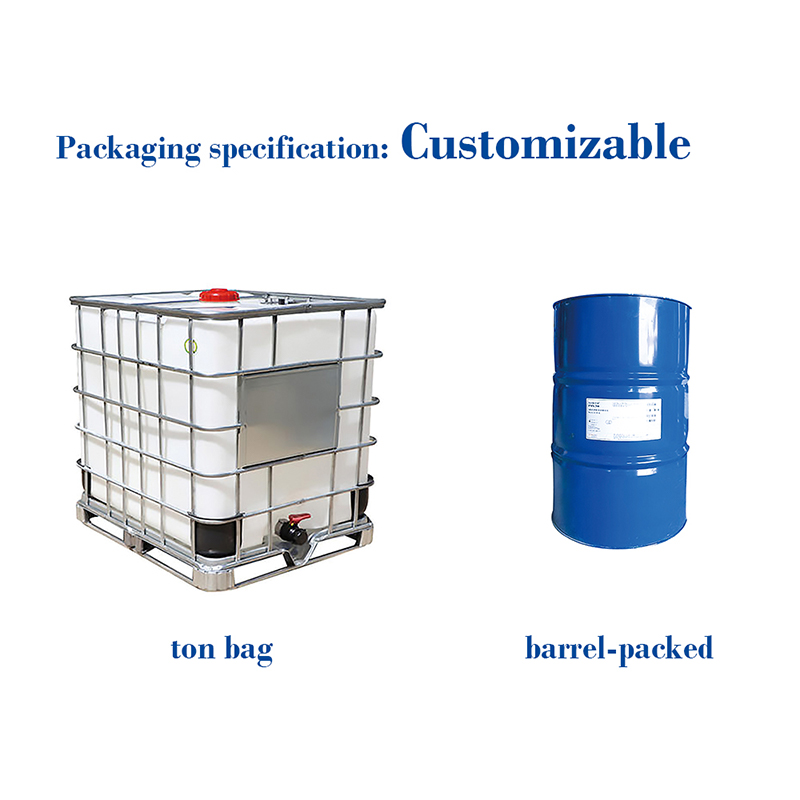
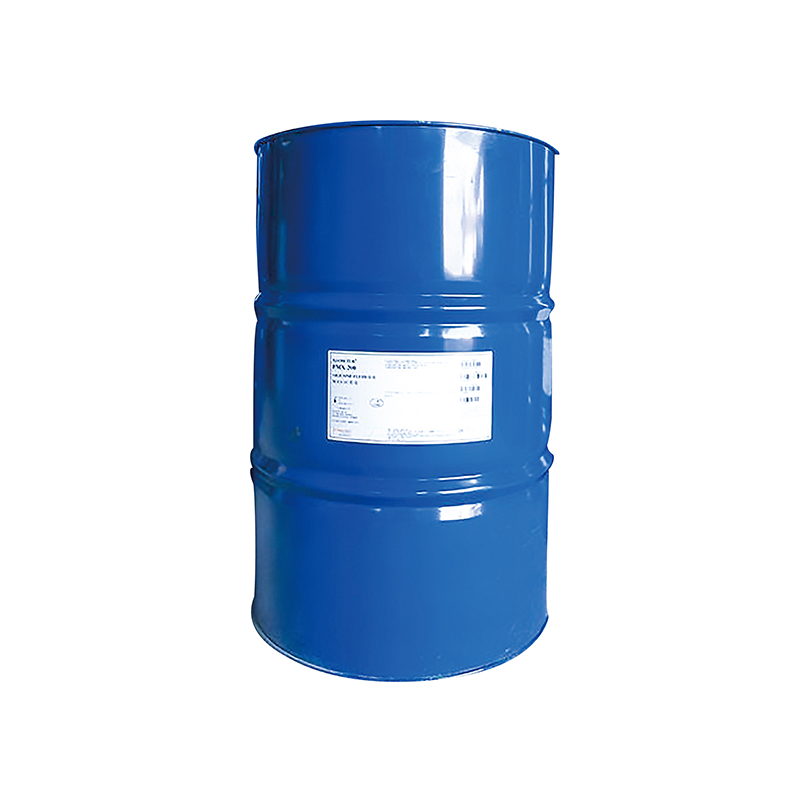
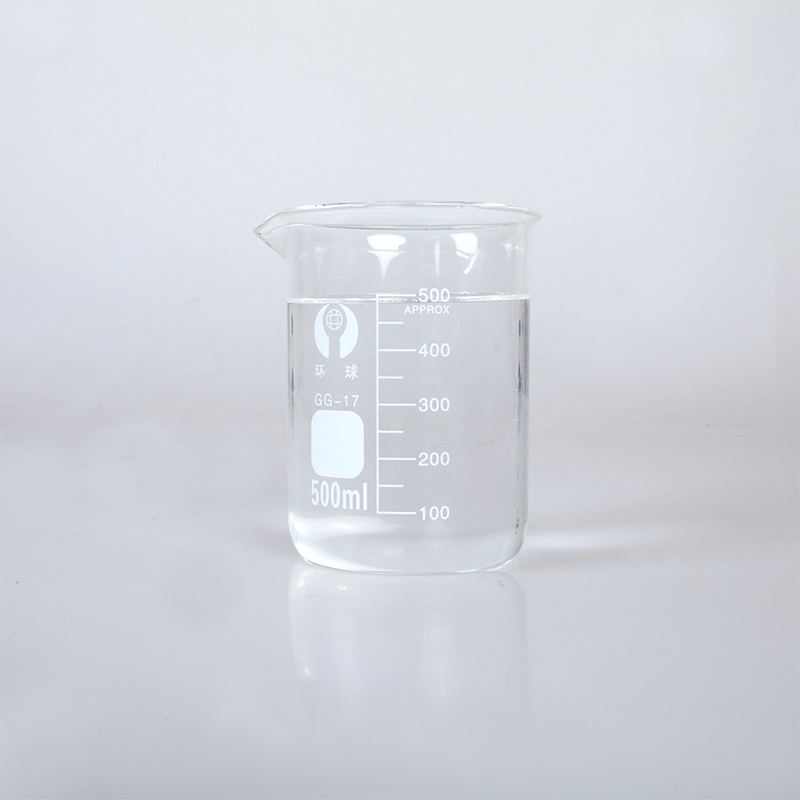
Plastic & Rubber Mold Release Agent (Anionic Type)
20. Frequently Asked Questions
Q1: What is LD-300?
LD-300 is a Plastic and Rubber Release Agent of the anionic type. It is also described as an anionic silicone surfactant and is intended for plastic molding, rubber molding, composite processing, and related industrial demolding applications.
Q2: What is the main function of the product?
Its main function is to reduce adhesion between a mold surface and a cured or formed plastic, rubber, resin, or composite product. This helps the finished part separate smoothly while supporting mold protection and surface quality.
Q3: Can LD-300 be used for both plastic and rubber?
Yes. The product is developed for both plastic and rubber applications. It may be evaluated for polyethylene, polypropylene, PVC, engineering plastics, natural rubber, synthetic rubber, elastomers, and related materials. Compatibility should be confirmed with the exact formulation and processing conditions.
Q4: Is the product suitable for high-temperature molding?
The silicone-based composition is intended to provide thermal stability in elevated-temperature operations such as injection molding, extrusion-related processing, compression molding, and rubber curing. Users should conduct a trial at the actual mold temperature and cycle time before full-scale production.
Q5: Does the release agent affect painting or bonding?
LD-300 is designed to remain on the mold and reduce transfer to the molded product, helping minimize interference with painting and other secondary operations. Because paints and adhesives vary widely, users should perform adhesion tests with the complete production system.
Q6: Can the product protect the mold?
By creating a barrier between the mold and the processed material, the release agent can help reduce direct friction, sticking, scraping, and chemical contact. This may support lower wear and longer mold service life when the product is correctly applied.
Q7: How often should LD-300 be reapplied?
There is no universal reapplication interval. Frequency depends on mold temperature, polymer type, cycle time, pressure, cavity geometry, coating amount, and cleaning conditions. Operators should establish the interval by monitoring release force, surface quality, mold cleanliness, and evidence of localized sticking.
Q8: Can the formulation be customized?
Customization may be available through adjustments to silicone-oil viscosity, surfactant balance, emulsifier selection, additive concentration, packaging, or other agreed specifications. Customers should provide detailed information about their mold, material, temperature, application equipment, and performance targets.
Q9: What tests should be performed before purchase?
Recommended tests include release-force comparison, repeated-cycle durability, surface-finish inspection, residue assessment, mold-cleanliness evaluation, thermal aging, low-temperature storage, chemical compatibility, and adhesion testing for any subsequent painting, printing, or bonding operation.
Q10: What is the reported purity of LD-300?
The supplied product information reports a purity of 99.8%. Buyers should request the current technical data sheet, certificate of analysis, and safety documentation for the specific batch and intended application.
Q11: What is the CAS number?
The listed CAS number is 9016-00-6, and the listed EINECS number is 618-493-1. Regulatory requirements may differ by country, so importers should confirm the current compliance documentation before shipment.
Q12: How should the product be stored?
The product should be stored in a sealed, clearly labeled container under conditions recommended by the supplier. It should be protected from excessive heat, freezing, direct sunlight, moisture, and contamination. The container should be closed promptly after use.
Q13: Is LD-300 appropriate for automated application?
It may be suitable for automated application if its viscosity, delivery format, and spray or dispensing characteristics match the equipment. Nozzle selection, pressure, coverage rate, and drying time should be optimized through trials on the actual mold.
Q14: Why is uniform coating important?
Uncoated areas can become localized adhesion points, while excessive coating may cause residue, surface defects, or transfer. A thin and continuous film generally provides a better balance between release efficiency and product cleanliness.
Q15: What technical information should a buyer provide for a quotation?
A buyer should provide the product being molded, plastic or rubber type, additives and fillers, mold material, mold temperature, cycle time, current release problem, application method, desired surface finish, secondary processing requirements, packaging preference, and estimated annual consumption.
21. Conclusion
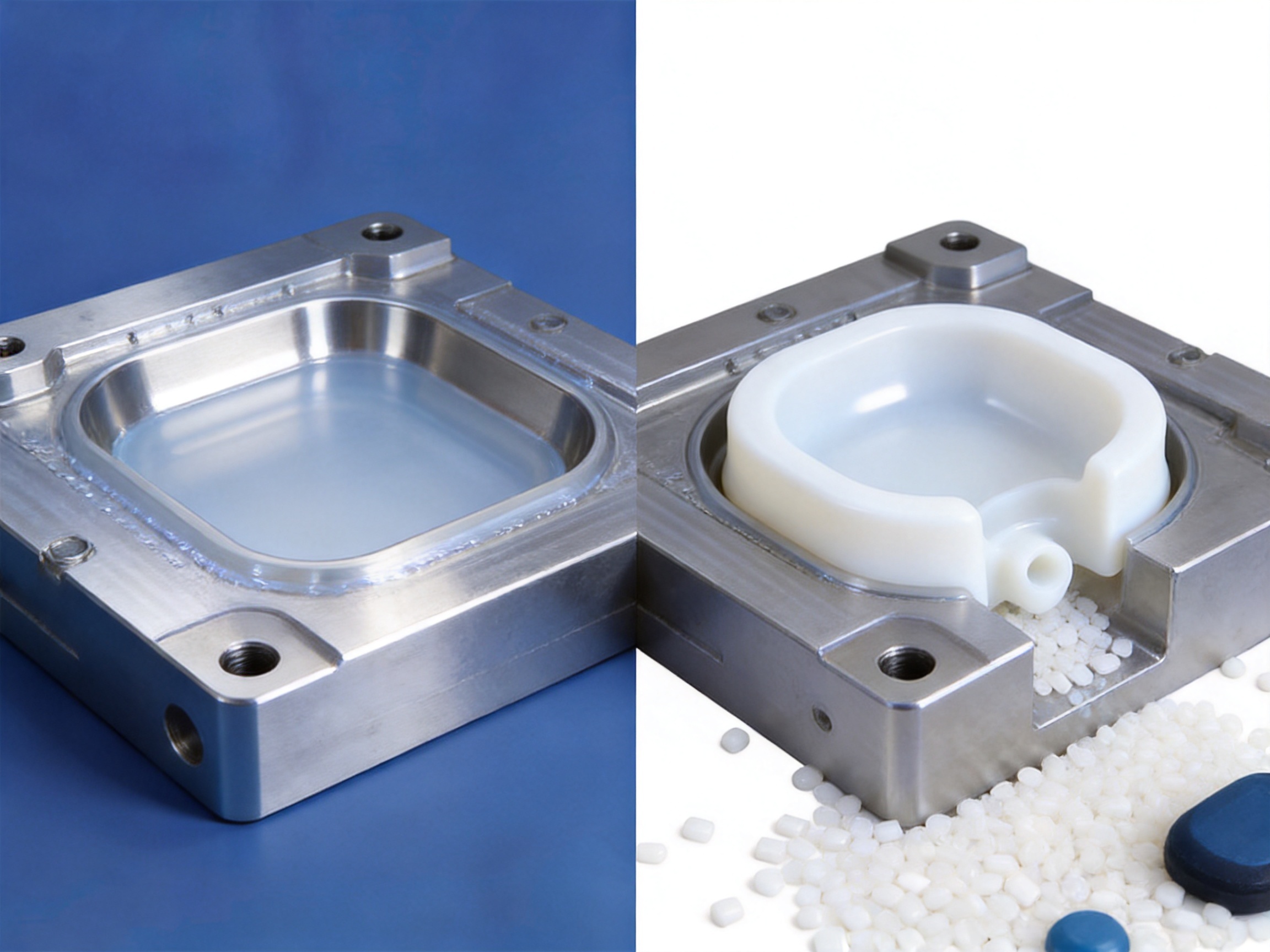
Plastic & Rubber Mold Release Agent (Anionic Type), model LD-300, is designed to address the central challenges of industrial demolding: adhesion, heat exposure, chemical contact, mold wear, surface defects, and inconsistent production cycles. Its silicone-based and anionic surfactant characteristics support spreading, barrier formation, low-friction release, and stable performance across a broad range of plastic and rubber applications.
The product’s principal advantages include resistance to decomposition and wear, suitability for high-temperature processing, compatibility with various polymers and elastomers, low-transfer positioning, support for smooth surfaces, and potential protection of mold cavities. These properties can provide practical benefits over less durable or less compatible release systems.
The manufacturer strengthens this product offering through silicone-material expertise, advanced production and testing facilities, full-process quality monitoring, an extensive product matrix, experienced technical teams, international market experience, and OEM and ODM capabilities. Together, these resources support both standard supply and customized development.
For best results, LD-300 should be introduced through a structured technical evaluation. Mold preparation, application uniformity, coating quantity, reapplication interval, thermal conditions, chemical compatibility, surface requirements, and downstream processing should all be considered. With appropriate validation, the product can support cleaner demolding, more stable production, reduced maintenance, improved mold protection, and consistent plastic and rubber product quality.
References
1. Product technical information for Plastic and Rubber Mold Release Agent (Anionic Type), model LD-300.
2. General principles of silicone-based release-agent chemistry and interfacial surface control.
3. Industrial guidelines for injection molding, compression molding, transfer molding, and rubber molding process evaluation.
4. Standard practices for thermal aging, low-temperature storage, chemical compatibility, and surface-transfer testing.
5. General safety, storage, handling, and workplace control principles for industrial chemical materials.
6. Technical considerations for mold maintenance, surface protection, demolding efficiency, and secondary-processing compatibility.
Product: Plastic & Rubber Mold Release Agent (Anionic Type)


Contact Information
Tel : +86-400-138-5268
Email : [email protected]
Phone : +86-15128434888 / +86-13511051998
Add : Xinqiao Environmental Protection Industrial Park, Wen'an County, Langfang City, Hebei Province, China
Contact Information
Copyright © Hebei Guituo New Material Co., Ltd. All Rights Reserved.
