

 English
  Français
  Português
 Home / Author / Li Mei, Product Sales Specialist (Agricultural Silicone Products) / Advanced Mite-Killing Adjuvants for More Effective Crop Protection
 Advanced Mite-Killing Adjuvants for More Effective Crop Protection
2026-08-30
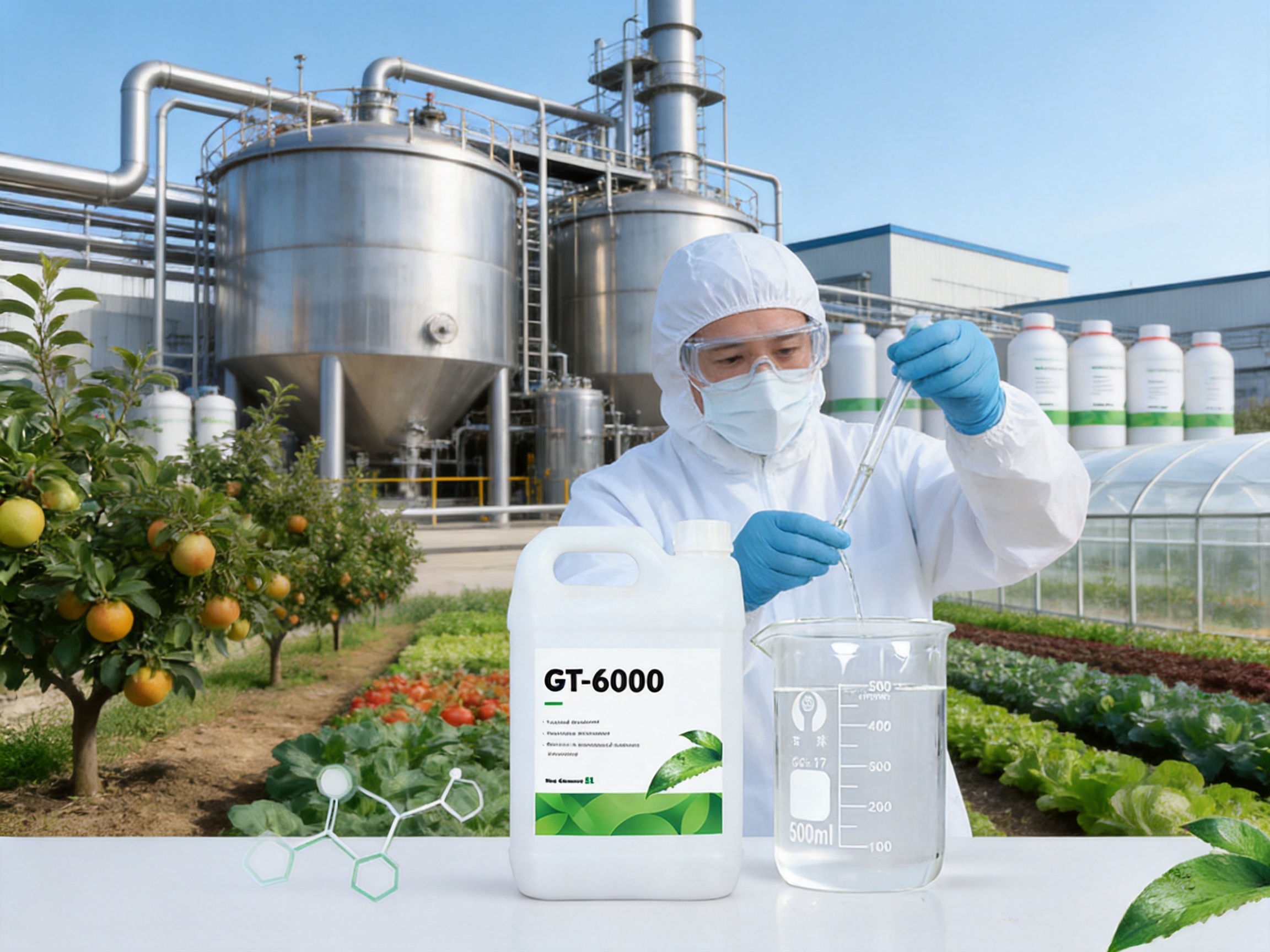
Mite infestations are among the most persistent challenges in modern crop production. These small pests can reproduce rapidly, spread across plant surfaces, and cause serious damage before visible symptoms become widespread. Their preferred locations, including the undersides of leaves, growing points, and protected plant tissues, often make them difficult to reach with conventional spray applications. In addition, many mite species have body surfaces covered by waxy layers that can limit the wetting and penetration of acaricide solutions.
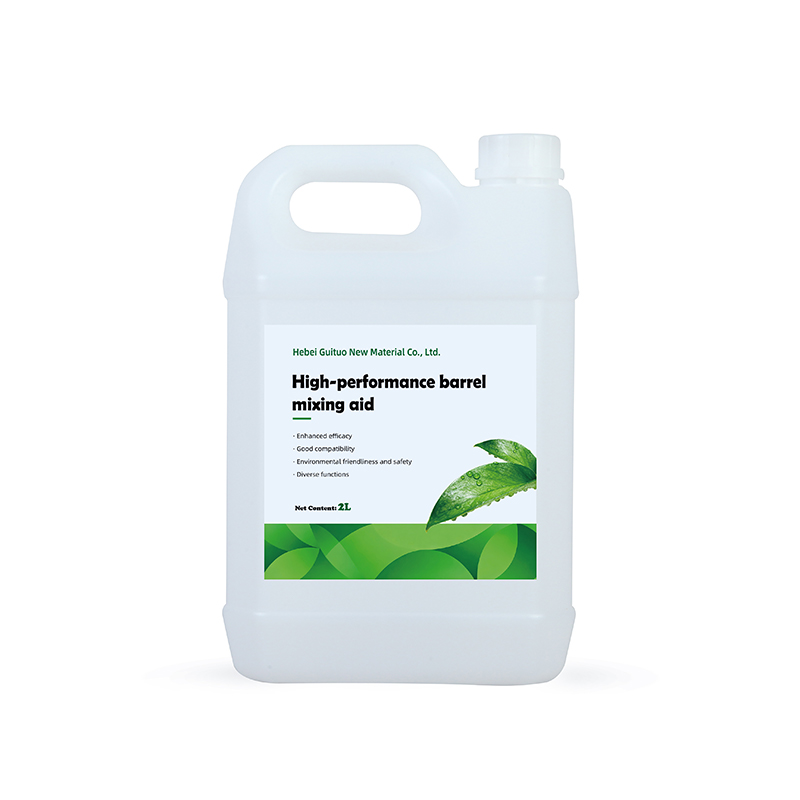
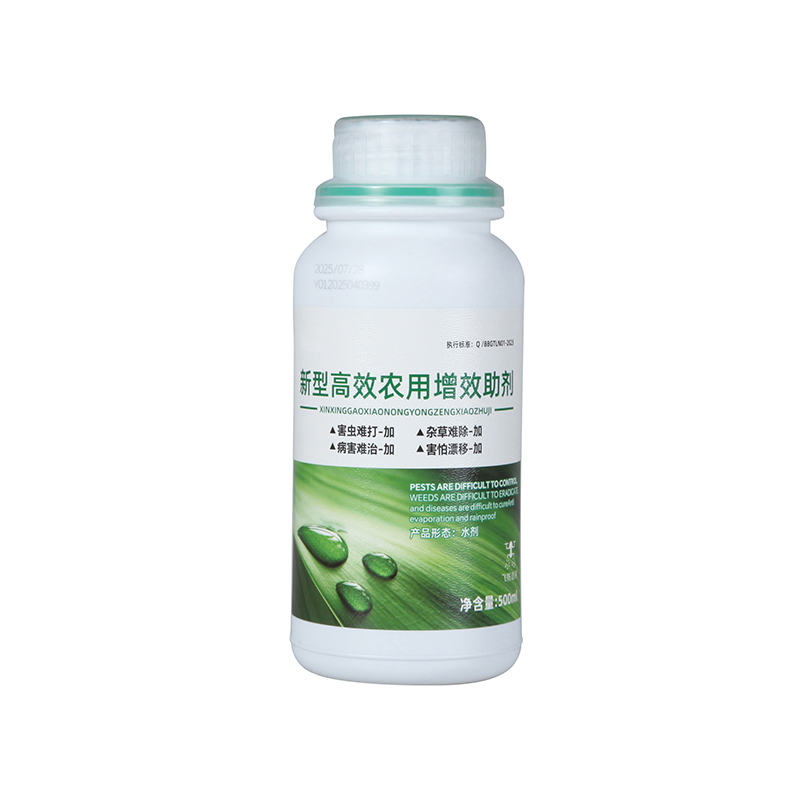
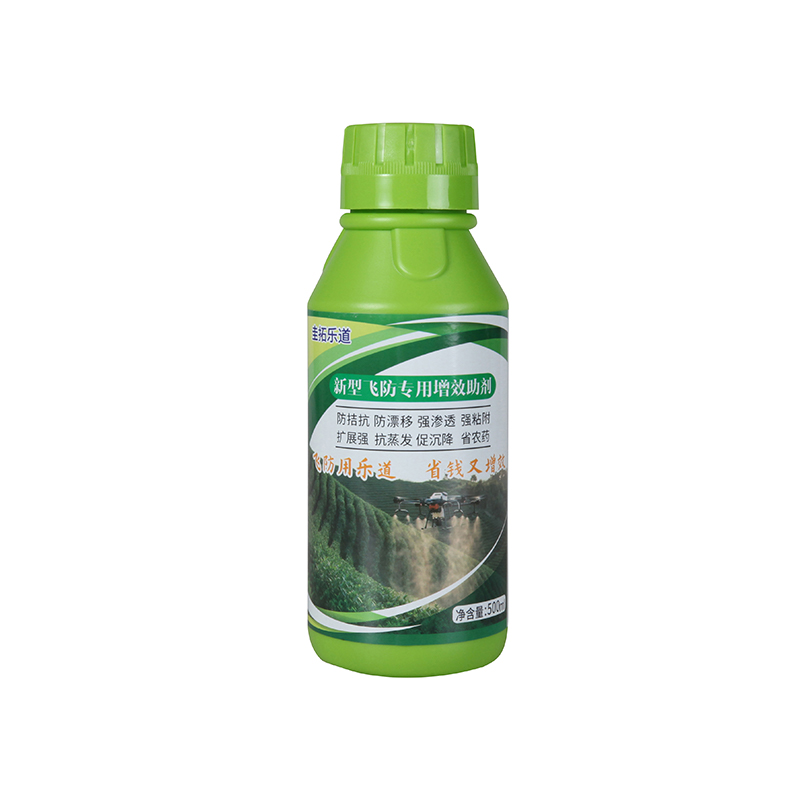
GT-6000 Mite-Killing Adjuvants are designed to address these application challenges. As an agricultural silicone synergist, GT-6000 is used together with acaricides to improve wetting, spreading, adhesion, coverage, and penetration. The product is based on polyether-modified trisiloxane technology, a class of high-performance silicone surfactants known for their ability to reduce surface tension significantly at low use concentrations.
By improving how an acaricide spray behaves on both crop surfaces and mite bodies, GT-6000 can help make pest-control applications more uniform and efficient. The adjuvant does not replace the registered acaricide active ingredient. Instead, it supports the active ingredient by helping the spray reach more target surfaces, remain in place longer, and interact more effectively with difficult-to-wet areas.
Manufactured by Hebei Guituo New Material Co., Ltd., GT-6000 reflects the company’s focus on high-end silicone materials for agricultural and industrial applications. The company combines research and development, production, quality control, and technical service to supply silicone additives for customers seeking stable performance, consistent quality, and customized product support.
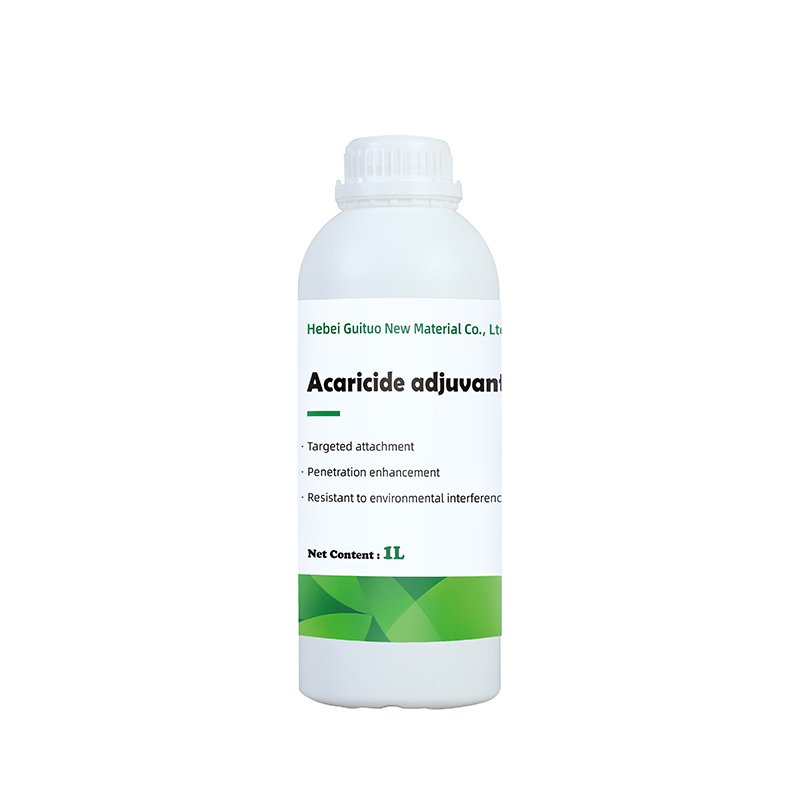
Mite-Killing Adjuvants
Why Mite Control Requires More Than an Acaricide Alone
Acaricides are formulated to control mites through contact, ingestion, respiratory action, or other biological mechanisms. However, the chemical effectiveness of an acaricide can be limited if the spray does not reach the pest in a sufficient quantity. A product may have strong laboratory activity but deliver weaker field performance when droplets bounce off leaves, run off rapidly, evaporate too soon, or fail to contact mites hidden on the lower leaf surface.
Mites present several physical and biological obstacles to successful treatment. First, their small size allows them to occupy narrow spaces and protected plant locations. Second, their populations may be distributed unevenly, creating clusters that are not always reached by a conventional spray pattern. Third, the waxy layer on their bodies and the cuticle of plant leaves can resist water-based droplets. These factors may reduce the amount of acaricide deposited on the target.
Spray water also has a relatively high surface tension. When a high-surface-tension droplet lands on a waxy leaf, it may remain rounded instead of spreading across the surface. On vertical, curved, or downward-facing surfaces, the droplet may move away before the active ingredient can act. This problem is particularly important when mites are concentrated on the underside of leaves, where spray coverage is often less complete.
An effective adjuvant helps overcome these limitations by modifying the physical properties of the spray solution. Silicone surfactants are especially useful because they can reduce surface tension rapidly and promote spreading at very low concentrations. This allows the spray to form a more continuous film over irregular surfaces and increases the probability that the acaricide will contact the pest.
GT-6000 is designed for this purpose. Its role is to improve the delivery system surrounding the acaricide. Through better spreading and wetting, it helps use the active ingredient more effectively. Through improved adhesion, it can reduce premature loss caused by runoff. Through suitable formulation and application, it may also support more consistent performance under changing field conditions.
Product Overview of GT-6000
GT-6000 Mite-Killing Adjuvants are agricultural silicone-based additives intended for use with acaricides and other crop-protection formulations where improved surface coverage is required. The product is supplied as a polyether-modified trisiloxane, also commonly described as a silicone surfactant or agricultural organosilicon additive.
| Item | Specification |
|---|---|
| Product model | GT-6000 |
| Product name | Mite-Killing Adjuvants |
| Product category | Agricultural silicone synergist |
| CAS number | 27306-78-1 |
| EINECS number | 608-078-3 |
| Purity | 99.8% |
| Synonyms | Silicone surfactant; polyether-modified trisiloxane |
| Viscosity at 25°C | 30–50 mm²/s |
| Surface tension at 0.1% by weight | Less than 20.5 mN/m |
| Cloud point at 1.0% by weight | Not more than 35°C |
| pH of 1% aqueous solution at 25°C | 6.5–7.5 |
The specification profile is important because adjuvant performance depends on more than the product name. Purity affects formulation consistency, viscosity influences handling and blending, surface tension indicates wetting capability, cloud point provides information about temperature-related behavior in aqueous systems, and pH can influence compatibility with other spray components.
GT-6000 has a reported surface tension below 20.5 mN/m at a 0.1% concentration. This low value demonstrates its ability to improve the spreading behavior of dilute spray solutions. In agricultural applications, strong surface-tension reduction can be valuable because it allows droplets to cover plant surfaces more efficiently without requiring a large quantity of additive.
The pH range of 6.5 to 7.5 for a 1% aqueous solution is close to neutral. This characteristic can be advantageous when compatibility with a broad range of crop-protection formulations is required. Nevertheless, compatibility must always be assessed with the specific acaricide, water quality, tank mixture, crop, and application conditions.
How GT-6000 Improves Acaricide Application
Targeted Adhesion to Leaves and Mites
One of the primary functions of GT-6000 is to improve the adhesion of spray droplets to plant and pest surfaces. When a conventional water-based droplet encounters a waxy leaf, it may remain as a rounded bead or slide away quickly. This can result in uneven deposits and untreated areas.
GT-6000 lowers the surface tension of the spray solution, allowing droplets to spread over a larger area after contact. The resulting film can follow the contours of the leaf and occupy small surface irregularities. This is particularly useful on smooth, wax-coated, or difficult-to-wet leaves.
The same principle applies to mite bodies. Acaricide droplets that contact mites may spread more effectively across their external surface instead of remaining as isolated droplets. More uniform contact can support the activity of contact-based acaricides and increase the likelihood that the pest will receive an effective exposure.
Improved adhesion also helps reduce the risk of immediate runoff. This does not make a spray completely rainproof, and it does not eliminate the need to observe appropriate rainfastness intervals. However, better deposition can help retain more of the spray on the intended target before environmental conditions affect the treatment.
Better Coverage of Leaf Undersides
Mites frequently gather on the undersides of leaves, where they are protected from direct sunlight, wind, and some spray trajectories. Reaching these locations is a major practical challenge. The problem is not always the amount of spray applied; it is often the lack of uniform coverage in the areas where the pests are concentrated.
A silicone synergist can improve the ability of droplets to spread after contact with a leaf. Depending on the equipment, spray volume, nozzle selection, pressure, and canopy structure, the solution may move across a portion of the leaf surface and reach areas that would otherwise remain poorly covered.
GT-6000 therefore supports a more complete treatment pattern. It can be particularly useful when used in integrated spray programs designed to improve canopy penetration and contact with hidden pest populations. Correct application technique remains essential. Operators should use suitable nozzles, adequate agitation, appropriate spray volume, and equipment settings that encourage penetration into the crop canopy.
Penetration Through Waxy Barriers
Mites and plant leaves both possess surface structures that may resist water-based formulations. The waxy layer on the pest’s body can reduce the ability of an active ingredient to move across the surface. Similarly, the plant cuticle can limit the passage of certain compounds into or across plant tissues.
GT-6000 helps modify the interface between the spray and the target surface. By increasing wetting and spreading, it creates closer contact between the acaricide solution and the waxy barrier. This may facilitate the movement of the active ingredient toward the target and improve the speed or completeness of exposure.
Penetration enhancement should be understood as a formulation and application benefit rather than an independent pesticidal action. The performance of the final treatment depends on the acaricide’s chemistry, concentration, formulation type, crop species, environmental conditions, and pest stage. GT-6000 is intended to support these factors by improving delivery.
More Consistent Deposits Under Field Conditions
Field applications are affected by temperature, humidity, wind, sunlight, leaf orientation, water hardness, spray volume, and canopy density. These variables can cause significant differences between the theoretical performance of an acaricide and its actual performance in the field.
By improving wetting and deposition, GT-6000 can help reduce one source of variability: poor contact between the spray and the target surface. A more uniform spray film may also help reduce the number of untreated patches where mites can survive and reproduce.
Some adjuvant systems can contribute to the formation of a protective deposit that is less vulnerable to immediate wash-off or evaporation. The degree of protection depends on the complete tank mixture and environmental conditions. Growers should therefore conduct practical evaluations and follow the instructions associated with the registered acaricide.
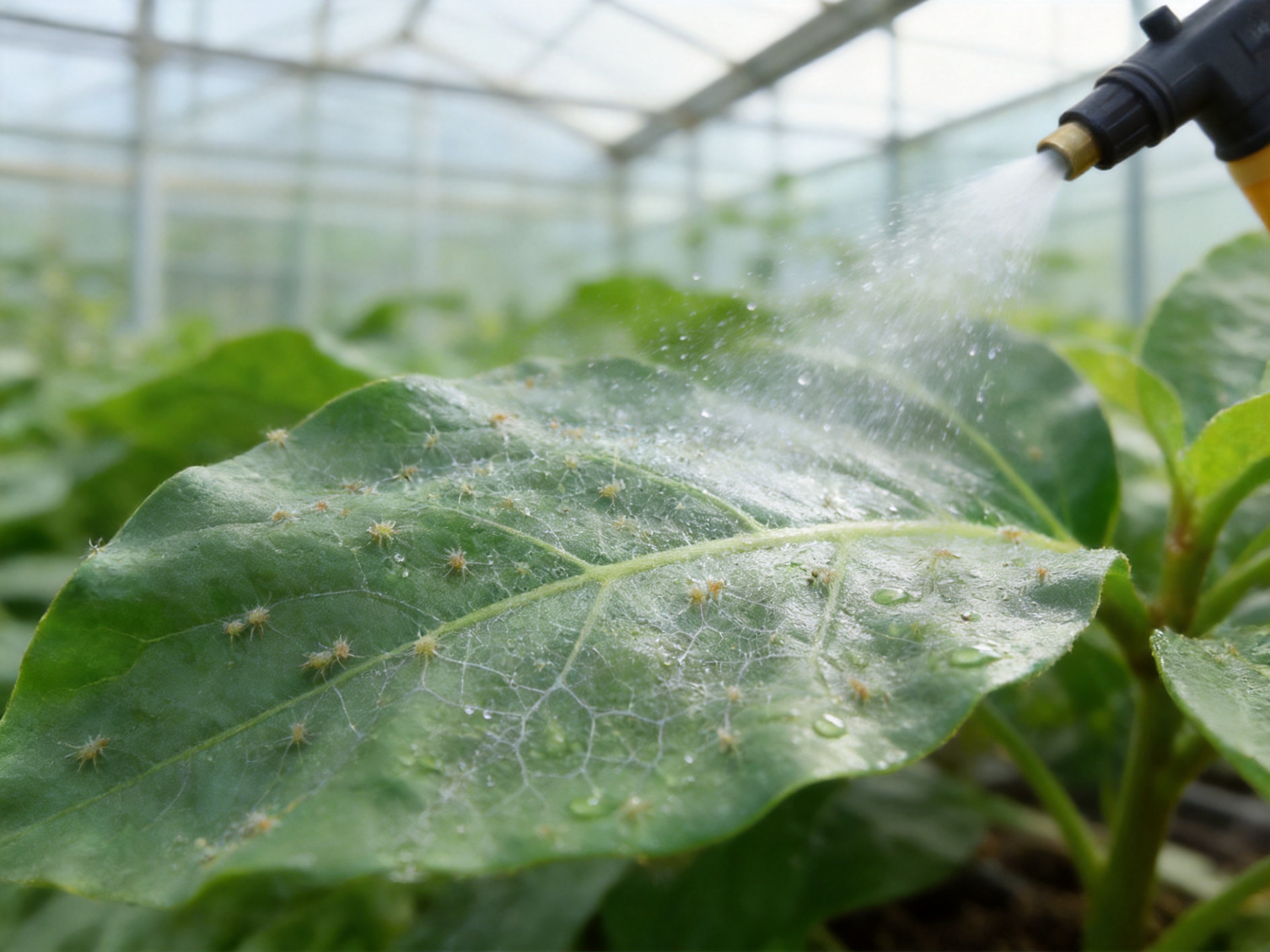
Competitive Advantages of Silicone-Based Mite-Killing Adjuvants
Traditional surfactants may improve wetting, but silicone-based adjuvants can offer a stronger reduction in surface tension at low dosage. This creates several potential advantages in high-value agricultural applications, especially where pests are located on smooth or difficult-to-wet surfaces.
| Performance factor | Conventional spray without a specialized adjuvant | Silicone-based system with GT-6000 |
|---|---|---|
| Surface tension | Typically remains relatively high | Strongly reduced at a low concentration |
| Droplet spreading | May be limited on waxy leaves | Improved spreading and surface contact |
| Leaf coverage | Potential for uneven deposits | More uniform coverage when correctly applied |
| Underside targeting | Dependent mainly on spray trajectory | Improved spreading after contact can support coverage |
| Adhesion | Greater risk of runoff on smooth surfaces | Enhanced deposition and retention potential |
| Use efficiency | May require higher spray volumes or repeated correction | Can support efficient delivery at a low additive rate |
| Formulation versatility | Varies according to surfactant chemistry | Suitable for evaluation with many aqueous agricultural mixtures |
The most important competitive advantage of a silicone adjuvant is not simply that it is a surfactant. Its value lies in the combination of rapid wetting, strong spreading, low use concentration, and compatibility with modern crop-protection programs. These properties can help formulators and growers address difficult application problems without substantially increasing the spray volume.
Another advantage is the potential to improve active-ingredient utilization. If the acaricide reaches a larger portion of the leaf and pest surface, the same nominal application can produce more useful contact. In some programs, improved application efficiency may allow technical specialists to optimize the amount of active ingredient required. Any reduction in acaricide dosage must be based on efficacy trials, product labels, local regulations, and professional agronomic recommendations. The adjuvant should never be used to justify unapproved under-dosing.
Silicone-based adjuvants can also support resistance-management strategies indirectly. Poor coverage and inadequate exposure may allow partially affected mites to survive. More complete deposition can improve the probability that susceptible individuals receive an effective dose. However, adjuvants do not replace rotation of modes of action, threshold-based treatment, biological control, or other integrated pest-management practices.
Manufacturing Strengths and Quality Assurance
The performance of a silicone adjuvant depends heavily on manufacturing discipline. Small changes in polymer structure, polyether modification, molecular distribution, residual materials, or blending conditions can affect surface tension, cloud point, viscosity, storage stability, and compatibility. For this reason, agricultural customers require more than a product specification sheet. They need a dependable supply system supported by process control and technical knowledge.
Hebei Guituo New Material Co., Ltd. is a high-technology enterprise integrating research and development, production, and sales. The company focuses on high-end silicone materials and their applications in agricultural and industrial fields. Its product portfolio includes silicone additives, wetting agents, modified silicone oils, dimethyl silicone oils, surfactants, defoamers, and related material series.
The company’s manufacturing strength begins with dedicated production equipment. Advanced equipment supports accurate dosing, controlled reaction conditions, effective mixing, and repeatable batch production. For silicone-based products, stable temperature control and precise raw-material addition are especially important because they influence the uniformity of the final molecular structure and functional performance.
A controlled production process generally includes raw-material inspection, formula verification, metered addition, reaction or modification, mixing, intermediate testing, filtration where appropriate, filling, labeling, and final release. Each stage provides an opportunity to identify deviations before the product reaches the customer.
Precise testing facilities are another important part of the company’s quality system. Tests for viscosity, surface tension, pH, appearance, purity, cloud point, and other relevant characteristics help verify that each batch conforms to established requirements. These measurements are not merely administrative data. They provide practical indicators of how the product is likely to behave during formulation and field use.
Full-process quality monitoring extends from the production source to finished-product delivery. This approach helps reduce variation between batches and supports traceability. Stable quality is particularly important for agrochemical formulators, because a change in adjuvant performance can influence emulsion stability, spray behavior, biological efficacy, and crop safety.
The company also maintains an experienced technical and production team. Technical personnel can assist customers in selecting suitable silicone materials, evaluating tank-mix compatibility, adjusting formulation ratios, and developing application solutions. This service-oriented capability distinguishes a materials manufacturer from a simple commodity supplier.
For customers operating in different climates and regulatory environments, supply reliability is equally important. Consistent production capacity, standardized testing, professional packaging, and organized delivery help support long-term procurement programs. The company’s products are supplied to domestic agrochemical enterprises and exported to overseas markets, including Europe and Southeast Asia, where stable performance and repeat purchasing reflect customer acceptance.
Process Control from Raw Materials to Finished Product
High-quality GT-6000 begins with the selection and verification of raw materials. Raw materials should meet defined identity, purity, and performance requirements before entering production. Incoming inspection helps prevent variations caused by inconsistent feedstocks.
During production, accurate weighing and controlled addition are essential. Silicone materials can be sensitive to formulation ratios, mixing intensity, temperature, and reaction time. Automated or carefully monitored dosing systems support repeatability and reduce operator-dependent variation.
Mixing must be sufficient to achieve uniformity without introducing excessive air or causing unnecessary shear. The finished adjuvant should present consistent appearance and performance throughout the batch. Where filtration is applied, the process can help remove unwanted particles that might interfere with downstream formulation or spray equipment.
Laboratory testing verifies key release parameters. Surface tension testing confirms the product’s wetting capability, while viscosity testing supports handling and dosing control. Cloud-point testing provides information about behavior in aqueous systems at different temperatures. pH testing helps assess the suitability of the product for tank mixing and formulation development.
Finished-product packaging is selected to protect the material during storage and transportation. Proper sealing, labeling, batch identification, and storage guidance support product integrity and traceability. Customers can use batch information to connect their formulation results with the corresponding manufacturing record when technical analysis is required.
Formulation and Application Considerations
GT-6000 can be considered for use in aqueous acaricide spray systems where improved wetting and spreading are needed. Before commercial-scale application, users should conduct a compatibility test with the selected acaricide, water source, buffering agents, fertilizers, fungicides, insecticides, and other tank-mix components.
A practical jar test can help identify visible incompatibility. The test should use the same water quality and approximate mixing order planned for field use. Separation, excessive foaming, precipitation, gel formation, heat generation, or unusual viscosity changes may indicate that further technical evaluation is required.
The order of addition can affect final spray stability. In general, the formulation label and technical instructions for the pesticide should be followed first. The adjuvant is commonly added after water and other required components have been introduced, but the correct sequence depends on the specific formulation. Continuous agitation may be necessary to maintain uniformity during application.
The proper use concentration should be determined by product guidance, crop sensitivity, acaricide formulation, spray equipment, and local agronomic conditions. More adjuvant does not always mean better performance. Excessive surfactant may increase the risk of crop injury, undesirable penetration, foaming, or incompatibility.
Application timing is also important. Spraying during extreme heat, intense sunlight, drought stress, or very low humidity can increase the risk of phytotoxicity. Early morning or late afternoon applications may be preferable in some conditions, provided that dew, rain, and local label requirements are considered. High winds should be avoided because drift can expose non-target crops, beneficial organisms, and nearby water bodies.
Operators should calibrate equipment before treatment. Nozzle type, pressure, droplet size, travel speed, spray volume, and canopy density all affect coverage. GT-6000 can improve the behavior of a spray droplet, but it cannot compensate for severely inadequate spray volume or poor equipment adjustment.
Crop Safety and Responsible Use
The safety profile of an adjuvant depends on its chemistry, concentration, crop species, plant growth stage, environmental conditions, and interaction with the pesticide. Some crops, including certain fruits, vegetables, ornamentals, and young plants, may be more sensitive to surfactants than mature or more tolerant crops.
Potential symptoms of phytotoxicity may include leaf spotting, marginal burn, discoloration, curling, surface damage, or temporary growth suppression. These symptoms can occur when the adjuvant rate is too high, when the crop is stressed, or when the tank mixture contains several components that increase penetration.
Small-scale testing is recommended before broad use on a new crop, variety, or formulation. A test area should be observed over an appropriate period for both crop response and pest-control performance. Testing is especially important when GT-6000 is combined with oils, fertilizers, penetrants, strong solvents, or multiple pesticide products.
Silicone-based adjuvants are often selected because they can deliver strong wetting performance at low concentrations. This may reduce the need for excessive surfactant loading. Nevertheless, environmental responsibility requires careful handling. Spray drift and runoff should be minimized, and applications should be kept away from sensitive aquatic environments unless permitted by the relevant product label and regulations.
Claims concerning biodegradability, environmental fate, crop safety, and regulatory status should be evaluated according to the specific market, formulation, and registration requirements. The use of GT-6000 must comply with the label of the acaricide and the agricultural regulations applicable in the country of use.
Role in Integrated Mite Management
Mite-killing adjuvants are most effective when incorporated into an integrated pest-management program. Mite control should begin with monitoring. Regular inspection of leaves, especially the undersides, can reveal early populations before they become difficult to manage.
Threshold-based decisions can help avoid unnecessary applications. Treatment timing should consider the mite species, life stage, crop development, weather forecast, natural enemies, and the mode of action of the selected acaricide. GT-6000 can improve spray delivery, but the overall program must still use appropriate active ingredients and application intervals.
Resistance management is particularly important because mite populations can develop resistance rapidly under repeated exposure. Growers should rotate acaricides with different modes of action, avoid repeated use of the same chemistry, and apply products at effective labeled rates. Better coverage supported by GT-6000 may help reduce survival caused by inadequate deposition, but it cannot prevent resistance by itself.
Biological control can also be considered where compatible. Beneficial predatory mites and other natural enemies may contribute to suppression. The impact of the complete spray program on beneficial organisms should be evaluated before application. Responsible adjuvant use supports precision rather than indiscriminate treatment.
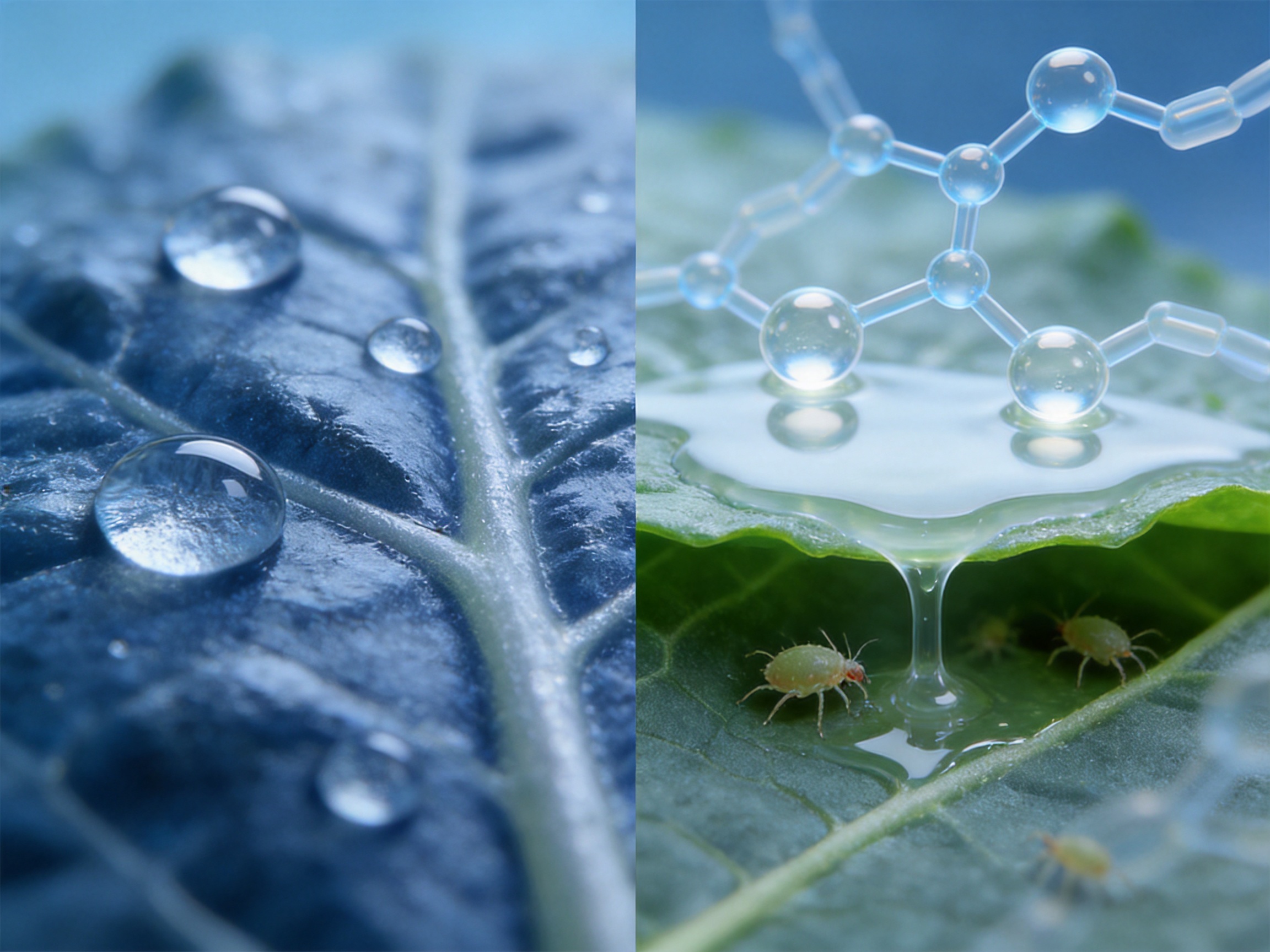
Applications Across Agricultural Crops
GT-6000 may be evaluated for use in a wide range of crop-protection programs, including orchards, vineyards, vegetables, field crops, greenhouse crops, ornamentals, and nursery plants. The greatest value is often seen where crop surfaces are waxy, foliage is dense, or pests occupy difficult-to-reach locations.
Fruit Crops and Orchards
Fruit crops may develop dense canopies that reduce spray penetration. Mites can establish on interior leaves and protected branches, making thorough coverage essential. An adjuvant that improves spreading and deposition can support more consistent treatment across the canopy.
However, fruit trees and vines may have sensitive growth stages, including flowering and fruit development. The compatibility of GT-6000 with the selected acaricide and any other tank-mix components should be confirmed before use. Applications should follow crop-specific directions and avoid conditions that increase the risk of fruit marking or leaf injury.
Vegetable Crops
Vegetables such as tomatoes, peppers, cucumbers, beans, and leafy crops can be vulnerable to mite pressure. Their leaves may be thin or soft, and some varieties can respond sensitively to concentrated surfactant systems. A carefully selected rate and a preliminary crop-safety test are recommended.
Good coverage is important because mites may colonize the lower leaf surface while remaining difficult to detect from above. GT-6000 can help improve contact when the spray reaches the canopy, but nozzle orientation and spray penetration remain essential parts of the application strategy.
Greenhouse and Protected Crops
Greenhouse crops often have high humidity, dense foliage, and repeated production cycles. These conditions can favor mite development and make spray coverage difficult. Because environmental conditions are controlled but enclosed, operators should pay close attention to drying time, ventilation, plant stress, and worker protection.
Any adjuvant used in protected cultivation should be tested under the actual greenhouse conditions. A formulation that performs well outdoors may behave differently in an enclosed environment, particularly when humidity is high or drying is slow.
Cereals and Field Crops
Cereals and other field crops may generally tolerate a wider range of agricultural additives, but crop safety cannot be assumed. Growth stage, weather, water volume, and tank-mix composition still influence the result. GT-6000 can be evaluated where improved leaf wetting and pesticide distribution are required.
Ornamentals and Nursery Plants
Ornamental plants often include many species and varieties with different leaf textures and chemical sensitivities. Surface appearance is also commercially important. For this reason, a small test application is strongly recommended before treating a large group of plants.
Performance Benefits for Agrochemical Formulators
GT-6000 is not limited to direct farm use. It can also serve as a functional raw material for agrochemical formulators developing acaricide suspension concentrates, emulsifiable systems, soluble concentrates, water-dispersible products, and other sprayable formulations.
The product’s low surface-tension performance can help formulators design systems with improved wetting on plant surfaces. Its near-neutral aqueous pH may support development work where strong acidity or alkalinity would create compatibility concerns. Its defined viscosity range can also assist in selecting pumps, filling systems, and dosing methods.
Formulators may evaluate GT-6000 for its influence on emulsion stability, dispersion, foam behavior, droplet spreading, rainfastness, plant penetration, and biological efficacy. These studies should be performed using the complete commercial formulation rather than the adjuvant alone, because interactions among active ingredients, solvents, emulsifiers, water, and co-adjuvants determine final performance.
The company’s OEM and ODM capabilities provide additional value for customers with specific formulation requirements. Customized product development may involve changes to concentration, carrier system, packaging, performance targets, or application field. Technical discussions can help define the required balance between spreading, penetration, persistence, crop safety, and formulation stability.
Storage, Handling, and Transportation
GT-6000 should be stored in its original, properly sealed container in a cool, dry, and well-ventilated area. Direct sunlight, excessive heat, freezing conditions, and contamination should be avoided. Storage conditions should follow the technical documentation and safety information supplied for the product.
Containers should be handled carefully to prevent damage and leakage. Before use, the material should be inspected for unusual separation, contamination, or changes in appearance. If the product has been stored for an extended period, a compatibility and performance check may be appropriate before use in a commercial formulation.
Personal protective equipment should be selected according to the product safety data and the requirements of the complete tank mixture. Workers should avoid unnecessary contact with concentrated material and should follow local procedures for spill management, disposal, and emergency response.
Company Capabilities and Global Supply Strength
Hebei Guituo New Material Co., Ltd. is supported by a broad silicone-material product matrix and a technical team experienced in agricultural and industrial applications. The company’s approach combines material development with practical application research, allowing it to address both standardized procurement and customized customer requirements.
The company emphasizes advanced production equipment, precise testing facilities, and full-process quality control. These capabilities support the repeatability required by agrochemical manufacturers, distributors, and professional agricultural users. Stable raw-material management, controlled production, finished-product testing, and organized logistics form a complete supply chain rather than an isolated manufacturing step.
Its agricultural silicone products have been adopted by leading domestic agrochemical enterprises and have achieved recognition in overseas markets. Customers in Europe, Southeast Asia, and other regions require dependable quality, technical documentation, responsive communication, and stable delivery. Continued repeat purchases indicate that the company’s products are positioned for long-term cooperation rather than one-time transactions.
Ningbo Guituo Trading Co., Ltd. serves as a related trading and international business platform for the broader Guituo organization. The group’s product range covers silicone additives, wetting agents, modified silicone oil, dimethyl silicone oil, surfactants, defoamers, and other specialty materials. This broader portfolio allows customers to source complementary products from an experienced silicone-material supplier.
Customers seeking OEM or ODM cooperation can discuss target performance, packaging requirements, application conditions, and market-specific needs with the company. Such cooperation can be valuable for distributors and formulation companies that require a differentiated product or a customized technical solution.
For product inquiries, customers may contact the company through its sales channels. The listed contact details include the telephone numbers +86-400-138-5268, +86-15128434888, and +86-13511051998, as well as WhatsApp at +86-13722611888 and email at [email protected].
The company address is Xinqiao Environmental Protection Industrial Park, Wen'an County, Langfang City, Hebei Province, China. Buyers should request the latest technical data sheet, safety data sheet, packaging information, certificate documentation, and market-specific compliance materials before placing an order.
Frequently Asked Questions
What is GT-6000 Mite-Killing Adjuvant?
GT-6000 is an agricultural silicone synergist based on polyether-modified trisiloxane. It is used with acaricides to improve spray wetting, spreading, adhesion, coverage, and penetration on crop and mite surfaces.
Does GT-6000 kill mites by itself?
GT-6000 is an adjuvant, not a standalone acaricide. Its purpose is to improve the delivery and performance of a registered acaricide. It should be used only according to the instructions and legal requirements associated with the complete crop-protection program.
Why is silicone chemistry useful for mite control?
Silicone surfactants can reduce surface tension strongly at low concentrations. This allows droplets to spread more effectively over waxy leaves and pest surfaces, potentially improving contact with mites located on the undersides of leaves or in other difficult-to-reach areas.
Can GT-6000 reduce the amount of acaricide required?
Improved spray efficiency may allow formulators or agronomists to optimize active-ingredient use, but dosage changes must never be made without efficacy data, label authorization, and professional guidance. The labeled rate of the acaricide should be followed unless an approved recommendation states otherwise.
Is GT-6000 suitable for all crops?
Crop tolerance varies. Fruits, vegetables, ornamentals, young plants, and stressed crops may be more sensitive to surfactants or tank mixtures. A small-scale crop-safety test should be conducted before broad application, and all label directions should be followed.
Can GT-6000 be mixed with other pesticides?
It may be compatible with many aqueous agricultural formulations, but compatibility depends on the specific products and water quality. A jar test and, where necessary, a controlled field test should be performed before commercial use.
What is the reported surface tension of GT-6000?
The reported surface tension is less than 20.5 mN/m at a concentration of 0.1% by weight. This specification indicates strong wetting and spreading capability in dilute aqueous systems.
What are the main quality specifications?
Key specifications include 99.8% purity, a viscosity of 30–50 mm²/s at 25°C, a cloud point of not more than 35°C at 1.0% by weight, and a pH of 6.5–7.5 for a 1% aqueous solution at 25°C.
How does GT-6000 support resistance management?
By improving coverage and contact, GT-6000 may reduce survival caused by untreated or poorly treated areas. It does not replace resistance-management practices such as rotating modes of action, using effective labeled rates, monitoring pest populations, and integrating biological or cultural controls.
What manufacturing advantages does the supplier provide?
The supplier integrates research and development, production, sales, testing, and technical service. It uses advanced production equipment, precise testing facilities, full-process quality monitoring, and an experienced technical team. The company also provides OEM and ODM cooperation for qualified projects.
Where can customers obtain technical information?
Customers should contact the supplier for the latest technical data sheet, safety data sheet, certificate of analysis, packaging details, application recommendations, and regulatory documentation for the intended market.
Conclusion
Effective mite control depends on reaching the pest, not merely applying an acaricide to the crop. Mites often occupy protected areas and possess surface characteristics that limit spray contact. GT-6000 Mite-Killing Adjuvants address these challenges by reducing surface tension and improving wetting, spreading, adhesion, coverage, and penetration.
Compared with conventional non-specialized spray systems, a silicone-based synergist can provide stronger surface-tension reduction at a low concentration and support more efficient use of the acaricide. It can help improve coverage of waxy leaves and leaf undersides, increase contact with mite bodies, and promote more consistent spray deposits under practical field conditions.
The product’s value is strengthened by the manufacturing and service capabilities of Hebei Guituo New Material Co., Ltd. Advanced production equipment, precise testing facilities, full-process quality monitoring, experienced personnel, a broad silicone-material portfolio, and OEM and ODM services provide a solid foundation for agricultural customers and agrochemical formulators.
At the same time, responsible use remains essential. GT-6000 should be evaluated with the selected acaricide, applied at an appropriate concentration, tested for crop safety, and incorporated into an integrated pest-management program. When used correctly, it can serve as a practical tool for improving spray efficiency and supporting more precise, reliable, and sustainable mite-control programs.
References
1. Agricultural Spray Adjuvants: Principles and Applications. Technical literature on surfactants, wetting agents, spreading behavior, and pesticide delivery.
2. Silicone Surfactants in Crop Protection Formulations. Reference material concerning organosilicon chemistry, surface-tension reduction, and spray deposition.
3. Integrated Pest Management Guidelines for Mites. Agricultural extension resources covering monitoring, treatment thresholds, biological control, and resistance management.
4. Pesticide Application Technology and Spray Coverage. Professional guidance on nozzle selection, droplet behavior, canopy penetration, and field calibration.
5. Crop Safety Evaluation Procedures for Agricultural Adjuvants. Technical guidance on phytotoxicity testing, tank-mix compatibility, and environmental application conditions.
6. GT-6000 Product Specification Information. Manufacturer-provided data concerning composition, physical properties, quality parameters, and intended agricultural applications.
Product: Mite-Killing Adjuvants


Contact Information
Tel : +86-400-138-5268
Email : [email protected]
Phone : +86-15128434888 / +86-13511051998
Add : Xinqiao Environmental Protection Industrial Park, Wen'an County, Langfang City, Hebei Province, China
Contact Information
Copyright © Hebei Guituo New Material Co., Ltd. All Rights Reserved.
