

 English
  Français
  Português
 Home / Author / Li Mei, Product Sales Specialist (Agricultural Silicone Products) / Emulsified Silicone Oil: Performance, Applications, and Manufacturing Excellence
 Emulsified Silicone Oil: Performance, Applications, and Manufacturing Excellence
2026-09-07
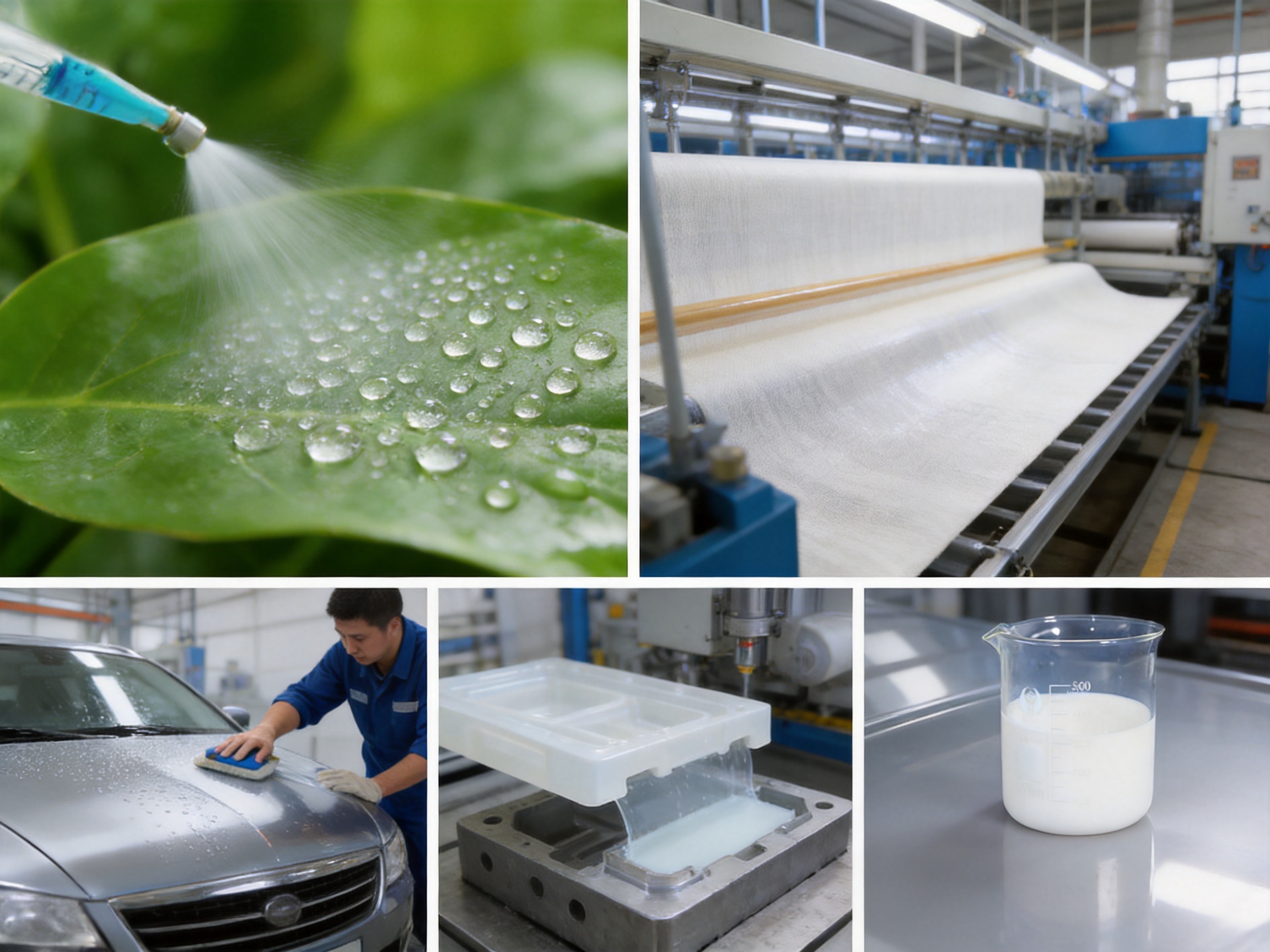
Emulsified silicone oil is a versatile silicone-based material designed to bring the distinctive properties of silicone oil into water-based and polar formulation systems. By dispersing silicone oil into a continuous aqueous phase with suitable surfactants or emulsifying agents, manufacturers can create a product that is easier to dilute, apply, and distribute across a wide variety of surfaces. The resulting emulsion can provide lubrication, water repellency, low surface tension, smoothness, gloss, release performance, foam control, and surface protection.
Emulsified silicone oil is used in agricultural formulations, personal care products, textiles, leather care, automotive products, furniture polishes, metal processing, polyurethane, plastics, rubber, glass, ceramics, stone, paper, wood, and water-based coatings. Its broad application range comes from the combined performance of silicone oil and emulsion technology. Silicone oil contributes chemical stability, thermal resistance, weather resistance, lubricity, and low surface tension, while the emulsion format promotes convenient incorporation into water-based systems.
LD-620 emulsified silicone oil is developed for customers seeking a stable, multifunctional, and adaptable silicone emulsion for industrial and agricultural use. It is associated with polydimethylsiloxane emulsion technology and is offered with a stated purity of 99.8%. The formulation can be selected or adjusted according to viscosity, droplet size, wetting behavior, compatibility, spreading requirements, and foam-control objectives.
Product Overview
Emulsified silicone oil is a white viscous liquid with excellent chemical stability and resistance to temperature variation. It is insoluble in ethanol and methanol and is soluble in aromatic hydrocarbons, aliphatic hydrocarbons, and chlorinated hydrocarbons such as benzene and carbon tetrachloride. These solubility characteristics should always be considered when selecting solvents, additives, packaging materials, and processing conditions for a final formulation.
In practical applications, emulsified silicone oil is valued for its ability to form a smooth and uniform film on many substrates. This film may reduce friction, improve surface feel, provide water repellency, enhance gloss, reduce sticking, or facilitate release from molds and processing equipment. Depending on the formulation, it may also assist with defoaming or foam moderation in water-based systems.
The product is identified by the following general information:
| Property | Specification or Description |
|---|---|
| Product model | LD-620 |
| Product name | Emulsified Silicone Oil |
| Common chemical description | Polydimethylsiloxane emulsion |
| CAS number | 9016-00-6 |
| EINECS number | 618-493-1 |
| Stated purity | 99.8% |
| Physical appearance | White viscous liquid |
| Primary formulation function | Silicone oil dispersed in water or another compatible polar phase |
| Typical performance functions | Lubrication, release, polishing, water repellency, wetting, spreading, surface protection, and foam control |
Actual application performance depends on the silicone oil viscosity, emulsifier system, droplet-size distribution, concentration, dilution water, pH, temperature, shear conditions, and compatibility with other ingredients. For this reason, product selection should be based not only on the product name but also on the customer’s processing conditions and end-use requirements.
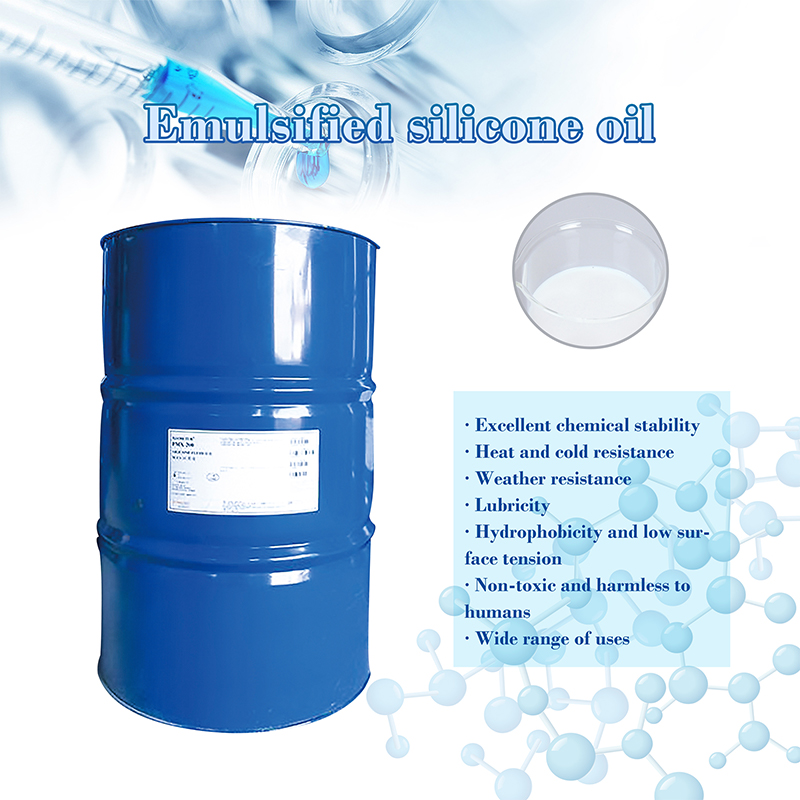
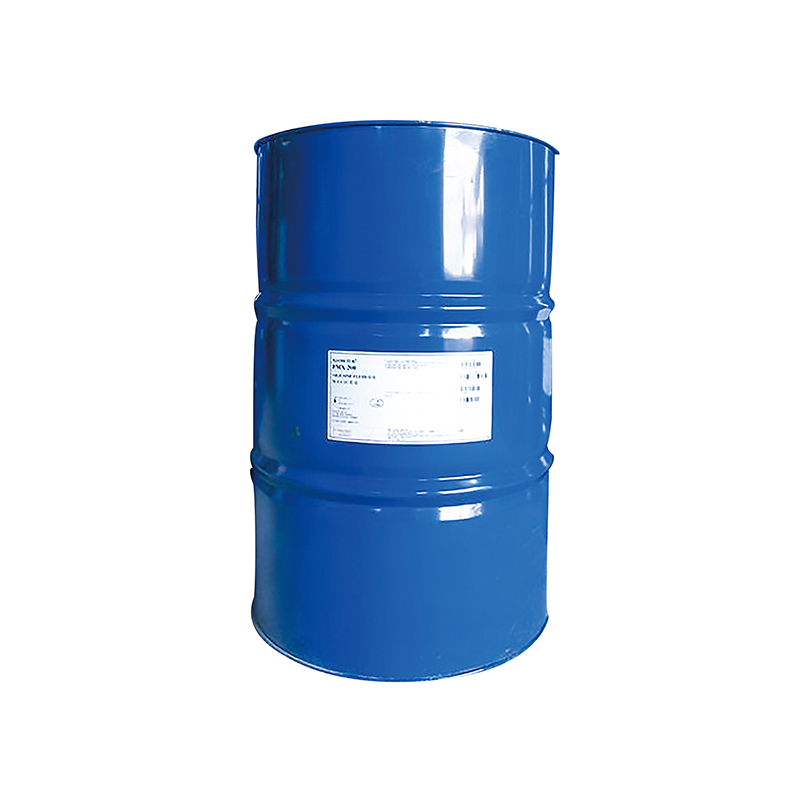
Emulsified Silicone Oil
Why Emulsified Silicone Oil Is Technically Valuable
Silicone oil has a low surface tension compared with many conventional organic oils. When properly emulsified, this characteristic can help the product spread over hydrophobic or low-energy surfaces. A small amount may cover a relatively large area, helping formulators achieve efficient surface treatment while maintaining a light and uniform finish.
The silicone structure also provides a high degree of chemical stability. It generally resists degradation under many ordinary processing conditions and retains useful properties across a broad temperature range. This is particularly important in applications exposed to heat, cold, sunlight, moisture, or repeated washing and handling.
Another advantage is lubricity. An appropriately selected silicone emulsion can reduce friction between surfaces, improve slip, reduce drag, and promote a smoother tactile effect. In textile processing, this may support softer handling and improved fiber lubricity. In personal care products, it may contribute to easier combing and a smooth after-feel. In plastics and rubber processing, it may improve mold release and reduce surface adhesion.
Water repellency is another important benefit. After application and drying, the silicone component can create a hydrophobic surface layer. This can help reduce water penetration, improve resistance to water spotting, and support the development of protective polishes for leather, furniture, wood, stone, automotive surfaces, and selected construction materials.
Emulsified silicone oil is also useful where a formulator needs silicone performance in a water-based system. Neat silicone oils may be difficult to disperse uniformly in water without specialized equipment or additional compatibility agents. An optimized emulsion is easier to incorporate into many aqueous formulations and can support more consistent application.
Advantages Compared with Conventional Surface Additives
Conventional mineral oils, waxes, and organic release agents can provide lubrication or gloss, but they may not offer the same combination of low surface tension, weather resistance, thermal stability, and water repellency. Some organic materials can oxidize, yellow, evaporate, or lose performance more quickly under heat and ultraviolet exposure. Silicone-based materials are often selected when a longer-lasting and more stable surface effect is required.
Compared with a non-emulsified silicone oil, emulsified silicone oil offers a significant processing advantage in water-based formulations. The emulsion format enables the silicone phase to be distributed through an aqueous medium, making it suitable for sprayable, brushable, wipe-on, or dip-application products. This can simplify manufacturing and improve dosing accuracy.
Compared with many conventional surfactant-only wetting agents, emulsified silicone oil can provide more than surface-tension reduction. It may also deliver lubrication, gloss, water repellency, anti-stick performance, and a protective film. The combination of functions can help reduce the number of separate additives required in a formulation.
Compared with some low-cost emulsions, a professionally engineered silicone emulsion can offer better stability, more consistent droplet size, improved dilution behavior, and more predictable performance. These factors are especially valuable in large-scale production, where batch-to-batch variation can affect coating appearance, agricultural deposition, textile hand feel, or release performance.
Its advantages over competing products should not be understood as universal or automatic. The best product depends on the application, and a different additive may be preferable in a particular system. However, emulsified silicone oil is competitive because it combines several useful functions in one material and can be customized to match the operating requirements of different industries.
Formulation Science and Emulsion Stability
An emulsion is a dispersed system in which one liquid phase is distributed as droplets within another liquid phase. In emulsified silicone oil, silicone oil is commonly dispersed in water or another polar continuous phase. Because silicone oil and water are naturally immiscible, surfactants, emulsifiers, and sometimes polymeric stabilizers are required to maintain a stable dispersion.
Emulsion stability is one of the most important quality characteristics. An unstable product may exhibit creaming, sedimentation, phase separation, droplet coalescence, viscosity changes, or irreversible breakdown. These defects can make a product difficult to process and may lead to uneven performance on the final substrate.
A stable emulsion should maintain its appearance and function during transportation, storage, dilution, and application. Stability does not necessarily mean that no change occurs under any condition. Rather, it means that the product remains within acceptable performance limits under the conditions for which it has been designed.
The emulsifier system must be selected carefully. Too little emulsifier may result in rapid separation, while excessive or unsuitable surfactant may create excessive foam, interfere with other formulation components, or alter the final surface effect. The hydrophilic-lipophilic balance, ionic character, compatibility, concentration, and processing temperature can all influence the final emulsion.
Droplet size is also important. Fine droplets can disperse quickly and provide rapid wetting, while larger droplets may create a heavier or more lubricating surface film. The ideal droplet size depends on whether the application prioritizes fast spreading, thick coverage, lubrication, gloss, protective performance, or controlled release.
| Silicone Oil Viscosity | Typical Droplet Behavior | Potential Performance Focus | Representative Applications |
|---|---|---|---|
| Low viscosity | Fine droplets and rapid dispersion | Fast wetting and broad coverage | Agricultural sprays and aqueous formulations |
| Medium viscosity | Balanced droplet distribution | Uniform coating and controlled spreading | Textile finishing and surface coatings |
| High viscosity | Larger droplets and heavier film formation | Lubrication and protective coverage | Electronics, release systems, and protective layers |
Emulsion preparation requires controlled shear. Insufficient shear may produce large and uneven droplets, while excessive shear can damage the emulsion structure or generate unnecessary heat and foam. A controlled manufacturing process balances mixing intensity, addition rate, temperature, and residence time.
Advanced Manufacturing Process
The quality of emulsified silicone oil begins with raw-material selection. Silicone oil viscosity, purity, moisture content, emulsifier quality, stabilizer performance, and water quality all influence the final product. Consistent raw materials help reduce variation between production batches and make application testing more reliable.
A typical manufacturing process begins with preparation of the aqueous phase. Purified or suitably treated water is combined with selected emulsifiers, stabilizers, and other functional ingredients. The temperature and mixing speed are controlled to promote complete dissolution or dispersion of the water-phase components.
The silicone oil phase is prepared separately or added under controlled conditions, depending on the formulation design. The addition rate must be carefully managed. Rapid addition may create localized overloading of the emulsifier system, while slow and controlled addition can support a more uniform droplet structure.
High-shear mixing or homogenization is then used to reduce the silicone oil into dispersed droplets. Equipment selection and operating parameters are adjusted according to the desired viscosity and particle or droplet distribution. The objective is not simply to produce a white liquid, but to create a stable and functional dispersion with predictable behavior during dilution and application.
After emulsification, the batch may undergo a stabilization and maturation period. During this stage, the manufacturing team evaluates viscosity, appearance, pH, dilution behavior, separation resistance, and other relevant characteristics. Adjustments may be made when necessary to achieve the specified product profile.
Filtration or controlled transfer may be used to remove foreign particles and protect product uniformity. Filling equipment is selected to minimize contamination and excessive air incorporation. Packaging containers must be compatible with the emulsion and should protect the product from extreme temperature, contamination, and prolonged exposure to unsuitable storage conditions.
Advanced manufacturing is not limited to equipment. It also includes process documentation, operator training, batch traceability, preventive maintenance, cleaning procedures, and systematic quality control. A complete production system helps ensure that every stage, from raw-material receipt to finished-product delivery, is managed consistently.
Hebei Guituo New Material Co., Ltd. combines production equipment, testing facilities, technical personnel, and process monitoring to support stable product quality. Its manufacturing approach is designed to connect research and development with practical production. This enables the company to adjust formulations for different industries instead of relying on a single universal emulsion.
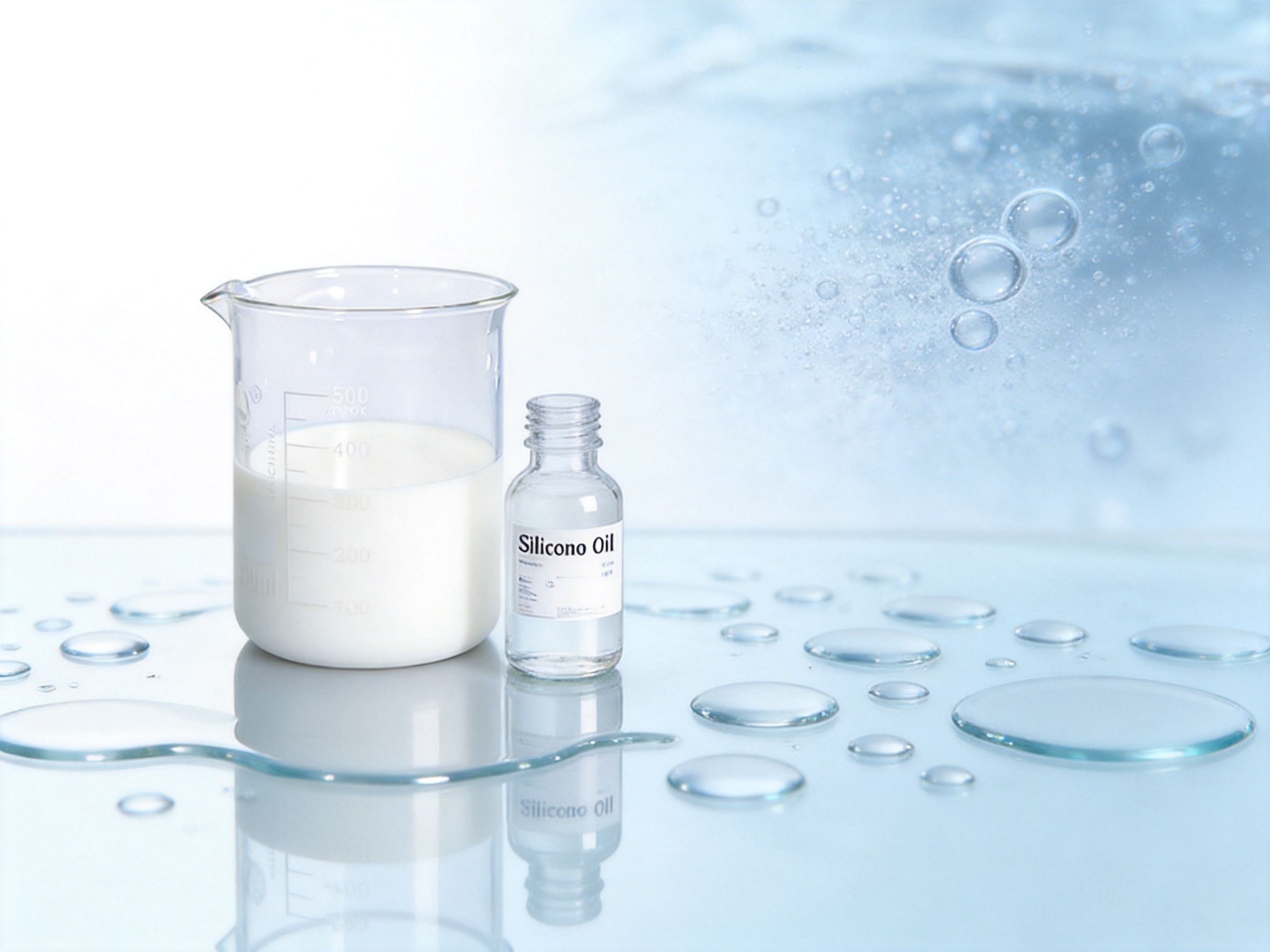
Quality Control and Product Consistency
Quality control for emulsified silicone oil should cover both the physical characteristics of the product and its performance in representative applications. Appearance is usually checked first. A consistent white viscous liquid with no unusual particles, severe separation, or unacceptable odor provides an initial indication of batch uniformity.
Viscosity testing helps monitor flow behavior and supports consistency during pumping, dilution, filling, and application. A significant viscosity change may indicate raw-material variation, incorrect processing conditions, emulsion instability, or storage damage. The acceptable range should be established according to the intended grade and customer requirements.
pH can affect emulsion stability and compatibility with other formulation components. It should be measured using a suitable method and controlled within the product specification. Dilution tests are also important because some emulsions appear stable in the original package but may separate when mixed with hard water, acidic solutions, alkaline systems, electrolytes, pesticides, fertilizers, detergents, or other additives.
Storage stability testing may include elevated-temperature exposure, low-temperature exposure, freeze-thaw evaluation, centrifugation, and extended observation. These tests help identify possible creaming, sedimentation, coalescence, viscosity drift, or irreversible separation.
Application testing should be tailored to the customer’s industry. For agricultural use, evaluators may examine leaf coverage, contact angle, deposition uniformity, rainfastness, and compatibility with active ingredients. For textile use, they may assess fiber penetration, surface smoothness, softness, sewability, and durability after washing.
For coatings and polishes, gloss, leveling, water repellency, slip, recoatability, and visual uniformity may be measured. For release applications, the number of successful release cycles, surface cleanliness, mold fouling, and ease of demolding may be considered. These practical tests are essential because laboratory appearance alone cannot predict every end-use result.
A strong quality system also includes retained samples and batch records. Retained samples allow manufacturers and customers to compare current products with previous deliveries. Batch records provide traceability for raw materials, production conditions, testing results, and packaging information.
Agricultural Applications
In agricultural formulations, emulsified silicone oil is mainly valued for wetting, spreading, coverage, and deposition. Plant leaves often have waxy or hydrophobic surfaces that cause water-based droplets to bead up or roll away. A suitable silicone emulsion can reduce surface tension and help spray droplets spread more evenly across the leaf.
Improved coverage may support more uniform distribution of pesticides, foliar nutrients, plant growth regulators, and other water-based agricultural products. Better spreading can be especially useful when the active ingredient must contact a large leaf area or when the spray volume is relatively low.
Compatibility is a critical consideration in agricultural use. The emulsified silicone oil should not destabilize the pesticide or fertilizer formulation, cause excessive foaming, block spray equipment, or adversely affect the intended biological performance. Jar testing and small-scale field testing are recommended before commercial application.
Water quality can significantly influence performance. Hard water, dissolved salts, extreme pH, and suspended solids may affect emulsion stability. Formulators should evaluate the product using the actual water source and tank-mix conditions expected in the field.
Weather conditions must also be considered. Temperature, humidity, wind, rainfall, and sunlight can influence drying, spreading, and retention on plant surfaces. A formulation designed for agricultural use should be evaluated under representative climatic conditions rather than only under controlled indoor conditions.
The advantage of a professionally developed agricultural silicone emulsion is the ability to balance rapid wetting with controlled deposition. Extremely fast spreading is not always ideal if it causes excessive runoff. The formulation should promote useful coverage while maintaining adequate retention and compatibility with the spray system.
Personal Care and Daily Chemical Products
Emulsified silicone oil can be used in hair care products, shampoos, conditioners, skin-care preparations, cleaning products, and other daily chemical formulations. In hair care, silicone deposition can improve smoothness, reduce friction, support easier combing, and provide a soft, conditioned feel.
In shampoos and conditioners, compatibility with surfactants, salts, fragrances, preservatives, thickeners, and active ingredients must be reviewed. The emulsion should remain stable during mixing, filling, storage, and consumer use. Excessive silicone deposition may produce an unwanted heavy feel, so dosage and viscosity should be selected carefully.
In cleaning products and polishes, emulsified silicone oil can provide gloss, slip, water repellency, and a smoother surface appearance. It may be used for automotive interiors, furniture, flooring, leather, plastics, and selected metal surfaces. A suitable formulation can help reduce fingerprints, improve tactile quality, and support easier cleaning.
Foam behavior is another important factor. Some applications require rich and stable foam, while others require rapid foam suppression. Emulsified silicone oil and compatible defoaming technologies can be selected according to the desired foam profile. The product should not be assumed to act identically in every detergent or personal-care system.
Textile and Leather Processing
In textile processing, emulsified silicone oil is used as a finishing and lubricating additive. It can help improve fiber smoothness, reduce surface friction, enhance hand feel, and support more uniform treatment. The emulsion format assists dispersion in aqueous finishing baths and may be compatible with padding, spraying, exhaustion, or other application methods.
Fiber type, fabric construction, finishing temperature, bath pH, drying conditions, and curing conditions all affect final performance. Cotton, polyester, nylon, wool, blends, and technical textiles may require different silicone viscosity and emulsifier systems.
Uniform penetration is important for avoiding patchy appearance or inconsistent hand feel. Droplet size, bath agitation, fabric absorbency, and application concentration should be optimized together. A stable emulsion can help reduce the risk of localized deposition and improve reproducibility across production lots.
For leather polishes and leather finishing products, emulsified silicone oil may provide softness, gloss, water repellency, and a pleasant surface feel. The formulation should be tested on the specific leather type because coatings, dyes, waxes, and finishing layers can respond differently to silicone materials.
Plastics, Rubber, and Mold Release
Silicone emulsions are widely considered for mold-release applications because silicone surfaces generally have low adhesion and good thermal stability. When applied correctly, emulsified silicone oil can help separate molded parts from metal or polymer molds, reduce sticking, and improve production efficiency.
Release performance depends on mold temperature, material type, injection or compression conditions, application concentration, and the required number of release cycles. Too much product may transfer to the molded part, interfere with painting or bonding, or create surface defects. Too little product may fail to provide adequate release.
In plastics and rubber processing, emulsified silicone oil can also function as a processing aid or surface lubricant. It may reduce friction, improve demolding, assist surface gloss, or provide an anti-stick effect for plastic films. Testing is necessary where subsequent printing, coating, welding, adhesive bonding, or metallization is required.
A key advantage is the possibility of water-based application. Water-based release systems may help reduce the use of high levels of volatile organic solvents and can be convenient for automated spraying or wipe-on operations. The final selection should consider drying time, residue, ventilation, and worker-safety requirements.
Metal, Glass, Ceramic, Stone, and Wood Applications
On metal surfaces, emulsified silicone oil can provide lubrication, water repellency, polishing, and temporary corrosion protection. It may be used in maintenance products, metal-processing systems, and surface-care formulations. The product should be evaluated for compatibility with the metal substrate and any subsequent coating or assembly process.
For glass and ceramics, silicone emulsions can improve surface gloss, smoothness, and water resistance. In some applications, the product helps reduce the adhesion of dirt or moisture. Because glass and ceramic surfaces are often used in visible products, uniform application and residue control are particularly important.
Stone-care formulations may use emulsified silicone oil to support water repellency and surface enhancement. The effect depends on porosity, mineral composition, surface finish, and pretreatment. Highly porous stone may require a different concentration or application method from polished stone.
Wood and furniture products can benefit from improved gloss, smoothness, water resistance, and tactile quality. Emulsified silicone oil may be incorporated into furniture polishes, floor-care products, and wood-treatment systems. Compatibility with stains, lacquers, waxes, paints, and future refinishing operations should be assessed before commercial use.

Water-Based Coatings and Foam Control
Water-based coatings can generate foam during high-speed mixing, pumping, filling, spraying, and application. Excessive foam may cause pinholes, craters, poor leveling, inaccurate filling, and inconsistent coating thickness. Emulsified silicone oil may contribute to foam moderation when its formulation and dosage are suitable for the coating system.
Defoaming performance depends on droplet size, silicone oil viscosity, surface activity, emulsion stability, and compatibility with the binder. The most effective product is not necessarily the one that produces the strongest immediate foam collapse. Long-term control, refoam resistance, surface appearance, and recoating performance may be more important.
When used in a coating, the silicone emulsion must be carefully balanced. Excessive silicone migration can reduce intercoat adhesion, cause surface defects, or create problems during printing and overcoating. Laboratory screening should include drawdowns, drying, gloss measurement, adhesion testing, and inspection for craters or fish eyes.
Electronics and Technical Surface Protection
In electronics and technical manufacturing, emulsified silicone oil may be considered for lubrication, surface protection, release, and controlled film formation. The product can help reduce friction on selected surfaces and may provide a thin hydrophobic layer against moisture.
Electronic applications require especially careful compatibility evaluation. Residues, ionic contamination, outgassing, dielectric behavior, adhesion, and thermal aging may be important depending on the component and process. A product that performs well in a general polish may not be appropriate for a sensitive electronic assembly.
Medium- or higher-viscosity silicone oil systems may be selected when a more substantial lubricating or protective layer is needed. However, the final choice should be based on measured film thickness, surface energy, operating temperature, and the requirements of any subsequent bonding or coating process.
Customization and Application Development
Different customers may use the same general product category for very different purposes. An agricultural spray adjuvant requires rapid wetting and spreading, while a textile finish may prioritize softness and uniform deposition. A release agent may require repeated release cycles, while a furniture polish may prioritize gloss and water repellency.
Customization can involve silicone oil viscosity, emulsifier selection, stabilizer type, droplet-size distribution, solids content, pH, dilution behavior, foam profile, and compatibility with other additives. Polyether modification or the use of additional functional silicone materials may also be considered for specialized wetting or spreading requirements.
Hebei Guituo New Material Co., Ltd. has developed a broad product matrix that includes silicone additives, wetting agents, modified silicone oils, dimethyl silicone oil, surfactants, defoamers, and related materials. This range supports formulation development because customers can evaluate complementary products from a coordinated technical source.
The customization process should begin with a clear application brief. Important information includes the substrate, operating temperature, application method, dilution ratio, pH, water quality, mixing equipment, storage conditions, desired surface effect, and any downstream processes. The more complete the technical information, the more accurately a formulation can be selected.
Laboratory samples can then be evaluated through a structured screening process. Compatibility testing should be followed by application testing, accelerated storage, and performance comparison against the customer’s current product. Scale-up trials are important because mixing conditions in a production tank may differ significantly from those in a laboratory beaker.
OEM and ODM services provide additional flexibility for customers that require private-label products, specific packaging, customized specifications, or application-specific formulation support. These services can help customers shorten development time and create products aligned with their own market positioning.
Company Manufacturing Strengths
Hebei Guituo New Material Co., Ltd. is a high-technology enterprise integrating research and development, production, and sales. Its technical focus is the development and practical application of high-end silicone materials for industrial and agricultural fields.
The company has established production and testing capabilities intended to support product quality and supply stability. Internationally advanced production equipment, precise testing facilities, and full-process quality monitoring are used to manage the transition from raw-material preparation to finished-product delivery.
An experienced technical and production team supports formulation development, process control, troubleshooting, and customer service. This combination of technical expertise and manufacturing organization is important for silicone emulsions because small changes in emulsifier concentration, shear, temperature, or addition sequence can affect stability and application performance.
The company’s product matrix covers agriculture, daily chemicals, electronics, textiles, and other industrial fields. Agricultural silicone products are positioned as a particular strength, with performance in core indicators recognized by leading domestic agrochemical enterprises. Products are also supplied to overseas markets including Europe and Southeast Asia, where stable performance and reliable quality are important factors in repeat purchasing.
The manufacturing strength of the company is therefore based on more than production capacity. It includes product diversity, technical control, testing capability, quality monitoring, customization, and experience with different end-use industries. These capabilities help customers select a silicone emulsion that is appropriate for their formulation rather than adapting their entire process to a generic material.
Storage, Handling, and Formulation Recommendations
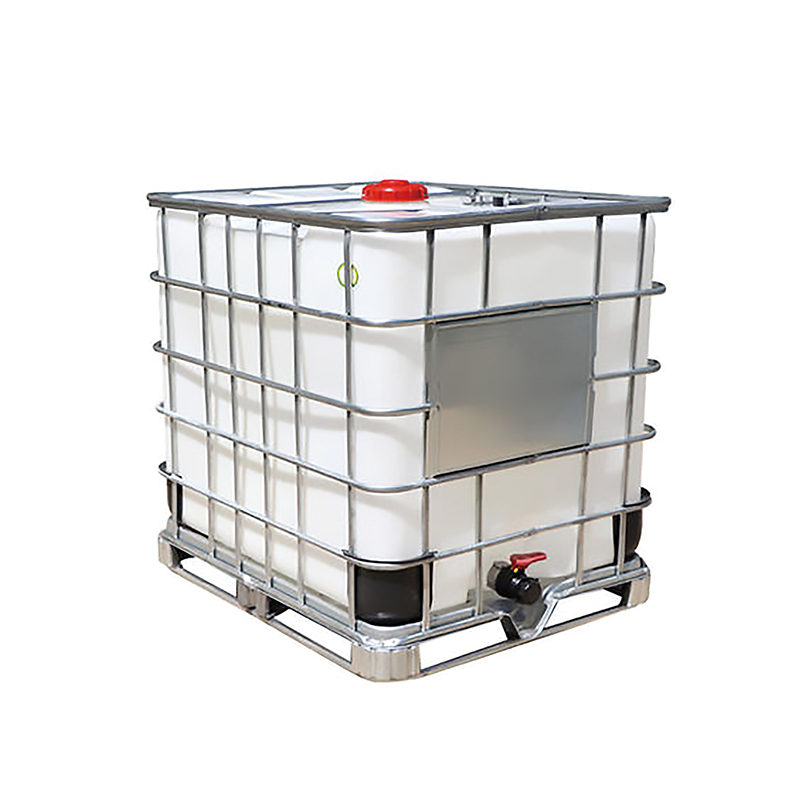
Emulsified silicone oil should be stored in clean, sealed, compatible containers. Exposure to extreme heat, freezing conditions, direct sunlight, and contamination should be avoided. Storage conditions should follow the supplier’s technical documentation and the requirements of the specific grade.
The product should be gently mixed before use if recommended by the supplier. Excessive high-speed agitation may introduce air and generate foam. When dilution is required, the emulsion should normally be added under controlled stirring, and compatibility should be verified with the selected dilution water.
Formulators should avoid combining the product directly with concentrated acids, strong alkalis, high electrolyte loads, or incompatible solvents without preliminary testing. The order of addition can influence stability. In many systems, the silicone emulsion is added after the main aqueous phase has been prepared and mixed, but the best sequence depends on the formulation.
Personal protective equipment and good industrial hygiene practices should be used during handling. Although the product is described as non-toxic and harmless to humans for its intended applications, the complete formulation, concentration, aerosol exposure, and workplace conditions must be considered. Safety data and local regulatory requirements should always guide industrial use.
Selection Guide for Buyers
Buyers should first define the primary function required from the product. If rapid wetting is the priority, a lower-viscosity emulsion with fine droplets may be appropriate. If lubrication and thicker coverage are more important, a medium- or higher-viscosity formulation may provide a better result.
The second consideration is compatibility. The emulsion should be tested with the complete formulation rather than with only one ingredient. Surfactants, defoamers, pigments, resins, salts, active ingredients, solvents, preservatives, and fragrances can all affect performance.
The third consideration is process stability. A product that performs well immediately after mixing may not remain stable after several weeks of storage. Customers should evaluate the product under actual storage temperatures and with the intended packaging.
The fourth consideration is application efficiency. Low surface tension and good spreading may allow a lower dosage, but dosage reduction should be supported by measured performance. Agricultural users should assess deposition and coverage; coating users should examine film quality; textile users should measure hand feel and durability; and release-agent users should test repeated production cycles.
Finally, buyers should consider technical support and supply reliability. A supplier with manufacturing, testing, customization, and export experience may provide more value than a supplier offering only a standard material without application assistance.
Environmental and Operational Considerations
Water-based emulsified silicone oil can support the development of formulations with reduced reliance on high levels of organic solvents. This may simplify handling, reduce solvent odor, and support water-based application methods. However, environmental performance depends on the entire formulation, including surfactants, preservatives, packaging, application losses, and disposal procedures.
Efficient spreading can also improve material utilization. When the product produces uniform coverage at a suitable dosage, less excess material may be needed to obtain the desired surface effect. In agricultural use, improved deposition may help reduce losses caused by poor wetting or runoff, although application rates must always follow the requirements for the complete agrochemical formulation.
Operationally, a stable emulsion can reduce production interruptions associated with blocked equipment, separated batches, inconsistent coating, or repeated rework. Consistent quality is therefore connected not only to product performance but also to manufacturing efficiency and total process cost.
Frequently Asked Questions
What is emulsified silicone oil?
Emulsified silicone oil is a dispersion of silicone oil in water or another compatible polar phase. Surfactants or emulsifying agents stabilize the dispersed silicone droplets and make the material easier to incorporate into many water-based formulations.
What is the main chemical type associated with LD-620?
LD-620 is described as a polydimethylsiloxane emulsion. Its listed CAS number is 9016-00-6, and its stated purity is 99.8%. The final performance depends on the complete emulsion system, including silicone oil viscosity, emulsifiers, stabilizers, and processing conditions.
What are the principal benefits of emulsified silicone oil?
The principal benefits include chemical stability, heat and cold resistance, weather resistance, lubricity, water repellency, low surface tension, smoothness, gloss, release performance, anti-stick behavior, and potential foam-control performance.
How does it improve agricultural sprays?
It can reduce surface tension and improve wetting and spreading on hydrophobic plant surfaces. This may promote more uniform leaf coverage and active-ingredient deposition. Compatibility with the pesticide, fertilizer, water source, and application equipment must be confirmed before use.
Can emulsified silicone oil be used in shampoos?
It can be used in selected hair-care formulations to improve smoothness, conditioning, and combing. Compatibility with surfactants, salts, preservatives, fragrances, thickeners, and other ingredients should be tested, and the dosage should be adjusted to achieve the desired hair feel.
Does emulsified silicone oil act as a defoamer?
It can contribute to foam control in certain water-based systems, but performance depends on droplet size, silicone viscosity, emulsion stability, and binder or surfactant compatibility. A dedicated silicone defoamer may be combined with the emulsion when stronger foam suppression is required.
How does viscosity influence application performance?
Lower-viscosity silicone oils generally support fine droplets, rapid dispersion, and fast wetting. Medium-viscosity oils can balance spreading and coating uniformity. Higher-viscosity oils may create heavier coverage and stronger lubrication. The correct choice depends on the substrate and intended surface effect.
Can the product be customized?
Yes. Customization may include viscosity, emulsifier system, droplet size, stabilizer selection, solids content, pH, dilution behavior, wetting performance, foam profile, and packaging. OEM and ODM services may also be available for customers requiring private-label or application-specific products.
What should be checked before adding it to a formulation?
Users should check compatibility, dilution stability, pH tolerance, water quality, mixing order, foam behavior, storage stability, and the effect on the final surface. A laboratory jar test followed by a small production trial is recommended.
How should it be stored?
It should be stored in a clean, sealed, compatible container and protected from freezing, extreme heat, direct sunlight, and contamination. The supplier’s technical and safety documentation should be followed for the specific product grade.
Which industries commonly use emulsified silicone oil?
Common industries include agriculture, personal care, daily chemicals, textiles, leather care, automotive products, furniture care, flooring, metal processing, polyurethane, plastics, rubber, glass, ceramics, stone, paper, wood, electronics, and water-based coatings.
Why is supplier technical support important?
Silicone emulsions are sensitive to formulation conditions. Technical support can help customers select the appropriate viscosity and emulsifier system, determine dosage, optimize mixing order, evaluate compatibility, and scale laboratory results to commercial production.
Conclusion
Emulsified silicone oil provides a practical way to introduce silicone performance into water-based and polar formulations. Its combination of low surface tension, chemical stability, thermal resistance, weather resistance, lubrication, water repellency, gloss, release ability, and surface protection makes it useful across a broad range of industries.
LD-620 is positioned as a versatile polydimethylsiloxane emulsion for agricultural, industrial, personal-care, textile, coating, plastic, rubber, and surface-treatment applications. Its performance can be optimized by controlling silicone oil viscosity, droplet size, emulsifier selection, stability, compatibility, and processing conditions.
The principal advantage of working with an experienced manufacturer is access to more than a standard product. Research and development capability, modern production equipment, testing facilities, process monitoring, product diversity, OEM and ODM support, and export experience can all contribute to a more reliable supply and a better application result.
For customers seeking a silicone emulsion with adaptable performance and broad formulation potential, emulsified silicone oil is a strong candidate. The best outcome comes from matching the product design to the actual application, validating compatibility through testing, and working with a supplier capable of providing both consistent manufacturing and practical technical support.
References
1. General principles of silicone oil chemistry and polydimethylsiloxane-based materials.
2. Industrial guidelines for emulsion preparation, stabilization, droplet-size control, and high-shear homogenization.
3. Technical literature on agricultural spray adjuvants, wetting agents, spreading agents, and foliar deposition.
4. Technical literature on silicone-based textile softeners, fiber lubricants, and fabric finishing systems.
5. Industrial references concerning mold-release agents for plastics, rubber, polyurethane, and composite processing.
6. Standard quality-control practices for viscosity, pH, appearance, dilution stability, freeze-thaw resistance, and accelerated storage testing.
7. Application data and product information supplied for LD-620 emulsified silicone oil.
Product: Emulsified Silicone Oil


Contact Information
Tel : +86-400-138-5268
Email : [email protected]
Phone : +86-15128434888 / +86-13511051998
Add : Xinqiao Environmental Protection Industrial Park, Wen'an County, Langfang City, Hebei Province, China
Contact Information
Copyright © Hebei Guituo New Material Co., Ltd. All Rights Reserved.
