

 English
  Français
  Português
 Home / Author / Li Mei, Product Sales Specialist (Agricultural Silicone Products) / Organosilicone Surfactant for High-Performance Wetting, Spreading, and Agricultural Formulation Efficiency
 Organosilicone Surfactant for High-Performance Wetting, Spreading, and Agricultural Formulation Efficiency
2026-05-20
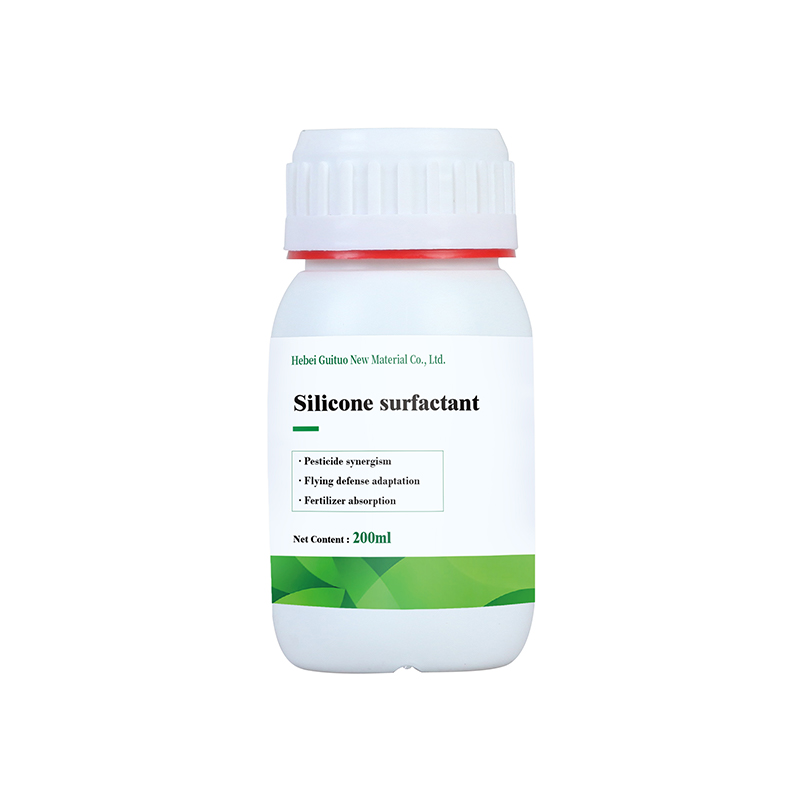
Organosilicone surfactant is a high-performance silicone-based surface-active material designed to reduce surface tension, improve wetting, enhance spreading, support dispersion, and increase the practical efficiency of agricultural and industrial formulations. In modern agriculture and specialty chemical manufacturing, the success of a formulation depends not only on the active ingredient but also on how effectively that ingredient reaches, covers, adheres to, and interacts with the target surface. An active pesticide, herbicide, fungicide, foliar fertilizer, paint additive, release system, or chemical raw material may have excellent intrinsic performance, yet its practical value can be limited if the liquid droplets bead up, run off, separate, foam excessively, or fail to penetrate the intended surface. Organosilicone surfactant addresses these problems by providing strong wetting and spreading performance at low use levels.
This article focuses on the organosilicone surfactant represented by model GT-7100, an organosilicon surfactant also known as silicone surfactant or polyether modified trisiloxane. With a CAS number of 27306-78-1, high stated purity of 99.8%, a viscosity range of 30 to 50 mm²/s at 25°C, surface tension below 20.5 mN/m at 0.1% weight concentration, and a near-neutral pH of 6.5 to 7.5 in 1% aqueous solution, this material is engineered for demanding wetting, penetration, dispersion, and compatibility requirements. Its cloud point at 1.0% weight is not higher than 35°C, which is an important characteristic for formulation behavior and field-use conditions.
Compared with many conventional non-silicone surfactants, an organosilicone surfactant can deliver much lower surface tension, faster substrate coverage, improved wetting of waxy leaf surfaces, better distribution of active components, and more efficient use of spray liquid. These advantages are especially valuable in agricultural applications, where leaf surfaces often possess waxy, hairy, uneven, or hydrophobic characteristics. When droplets do not spread well, application becomes inconsistent and may require more water, higher spray volume, or repeated treatment. By improving liquid behavior, organosilicone surfactant helps formulations perform with greater precision and efficiency.
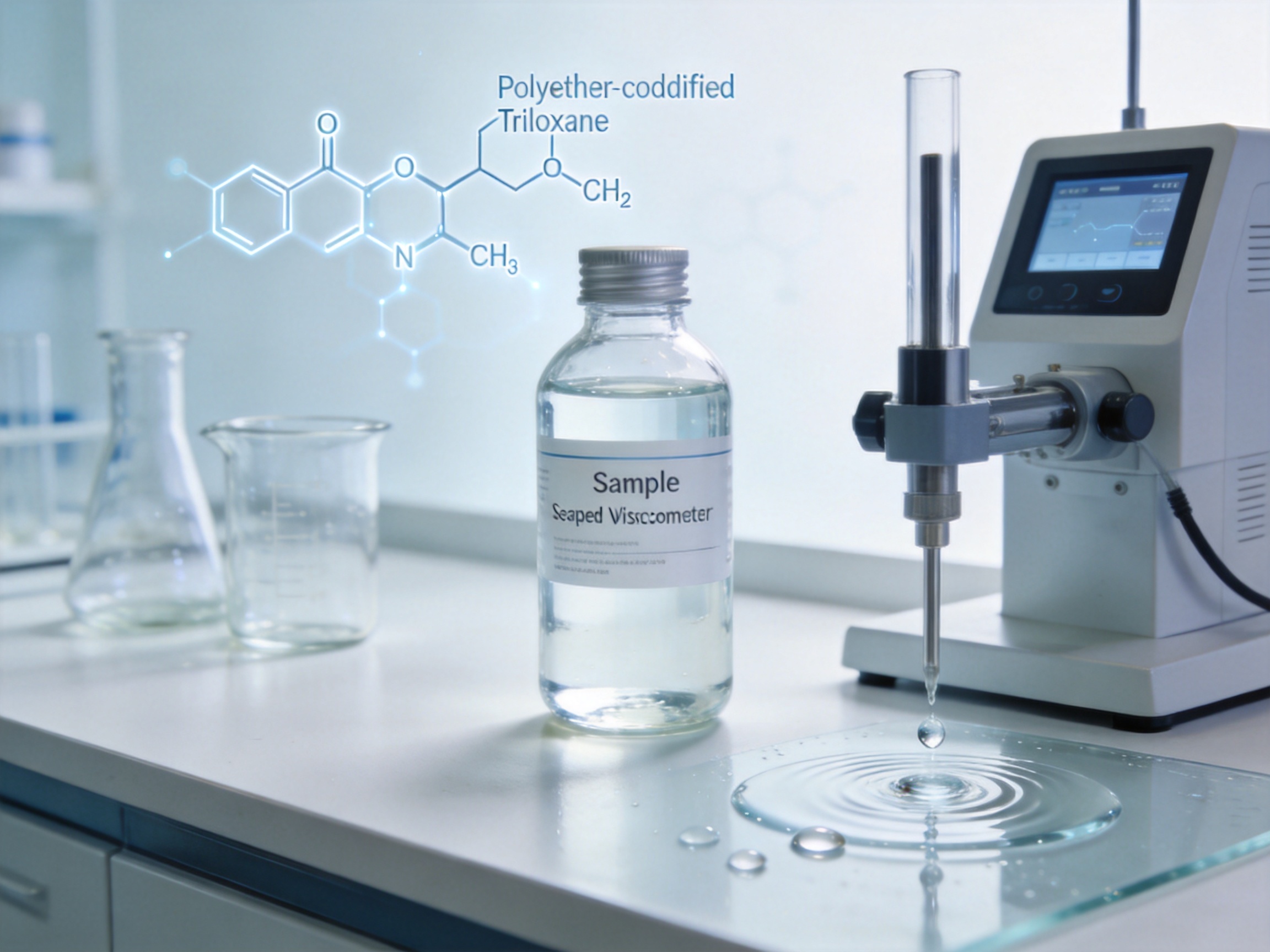
Product Identity and Core Performance Profile
The product belongs to the agricultural silicone synergist category, while its functional value also extends into paint additives, chemical raw materials, release agents, and other silicone-based performance systems. Its core function is to modify the interaction between liquids and surfaces. It reduces the energy barrier that prevents a liquid from spreading over a solid surface or mixing efficiently with another phase. Because of this, the material is widely useful in formulations that require wetting, leveling, penetration, emulsification, demulsification, dispersion, solubilization, foam control, or improved surface contact.
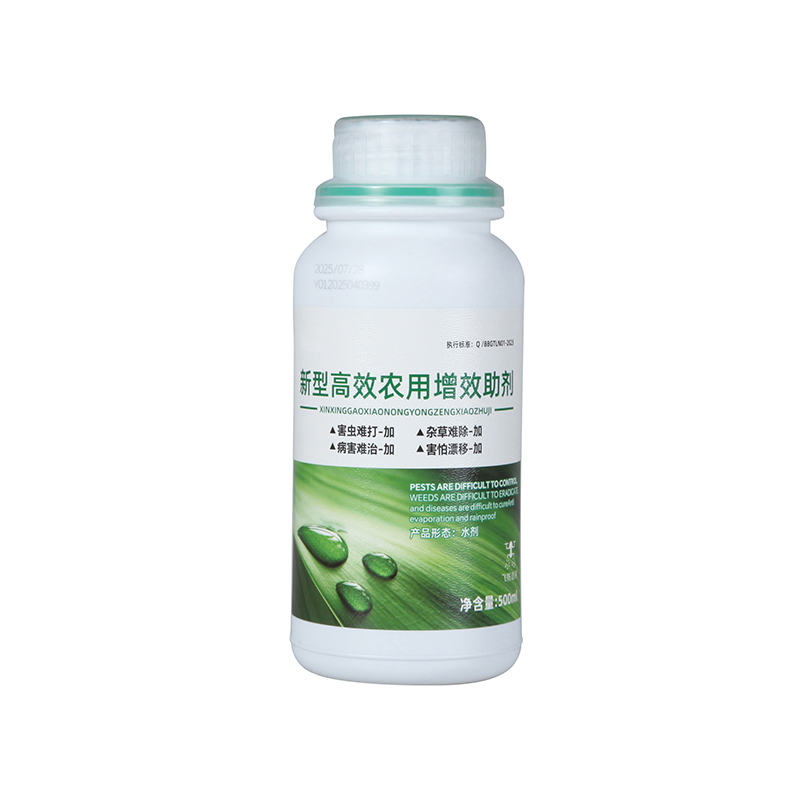
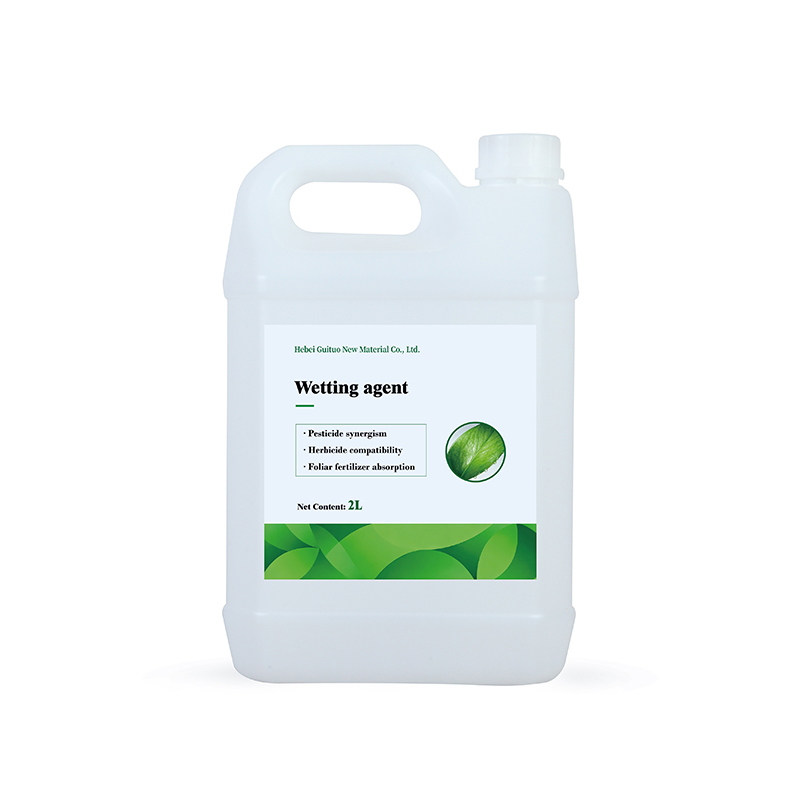
In agricultural formulations, the product is commonly used as an agricultural silicone wetting synergist. Its role is to help pesticides, herbicides, fungicides, and foliar fertilizers cover plant surfaces more evenly. In many field situations, poor wetting causes droplets to remain spherical, which leads to rolling, bouncing, uneven deposits, or runoff. Organosilicone surfactant lowers surface tension so the liquid spreads into a thin film, increasing contact area and improving the probability that active ingredients reach their intended biological target.
The material is also valuable because it can improve dispersion. Many agrochemical formulations contain active ingredients that are not naturally easy to disperse in water. Particles can settle, agglomerate, separate, or cause inconsistent dosage during application. A surfactant that supports dispersion helps maintain more uniform distribution, which improves product reliability and reduces performance variation. In industrial systems such as coatings, paints, and release agents, improved dispersion can contribute to smoother films, better additive distribution, and more consistent processing behavior.
Another important aspect is compatibility. The product is designed to work with a range of agrochemical and industrial formulation systems. Compatibility does not mean that it should be added blindly to every formulation; rather, it indicates that the surfactant has a broad functional window and can be tested effectively with many active ingredients and formulation types. Proper formulation evaluation, jar testing, stability testing, and field validation remain essential, especially when combining surfactants with herbicides or sensitive crops.
| Parameter | Typical Information | Practical Meaning |
|---|---|---|
| Product Model | GT-7100 | Identifies the organosilicone surfactant grade for formulation selection |
| Name | Organosilicon Surfactants | Silicone-based surface-active material for wetting and spreading |
| CAS No. | 27306-78-1 | Reference identification for chemical documentation |
| Purity | 99.8% | High stated purity for stable and consistent formulation performance |
| EINECS No. | 608-078-3 | Regulatory and chemical inventory reference |
| Synonym | Silicone Surfactant, Polyether Modified Trisiloxane | Common names used in agricultural and industrial markets |
| Viscosity at 25°C | 30 to 50 mm²/s | Low-to-moderate viscosity supports handling, dosing, and blending |
| Surface Tension at 0.1% Weight | Below 20.5 mN/m | Indicates excellent spreading and wetting capability |
| Cloud Point at 1.0% Weight | Not higher than 35°C | Important for formulation clarity and temperature-related behavior |
| pH Value in 1% Aqueous Solution at 25°C | 6.5 to 7.5 | Near-neutral character supports broad formulation compatibility |
How Organosilicone Surfactant Works
The performance of organosilicone surfactant begins with surface tension reduction. Water has relatively high surface tension, which is why droplets tend to form beads on hydrophobic surfaces. Many plant leaves are protected by waxy cuticles that repel water. When a water-based spray contacts such a surface, the droplet may remain round and touch only a small portion of the leaf. This limits the contact between the active ingredient and the target surface. Organosilicone surfactant changes the surface behavior of the spray solution, allowing the droplet to flatten and spread rapidly.
The silicone backbone contributes extremely low surface energy, while the polyether modification provides compatibility with aqueous systems. This combination creates a molecule that can align at interfaces and reduce interfacial tension efficiently. As the surfactant migrates to the air-liquid, liquid-solid, or oil-water interface, it lowers the resistance to spreading and improves interaction among formulation components. This is why the product can be effective in wetting, penetration, emulsification, dispersion, and foam-related applications.
In agricultural spraying, spreading is not merely a visual effect. A larger contact area can produce more uniform active ingredient distribution. If the active ingredient is a contact pesticide or fungicide, broader surface coverage may increase efficacy. If the active ingredient is systemic, better wetting and penetration may improve uptake. For foliar fertilizers, better coverage can help nutrient contact and absorption. For herbicides, improved wetting may increase contact with target weed surfaces, though dosage and crop safety must be managed carefully according to product instructions and agronomic recommendations.
The material can also help liquid penetrate microstructures. Leaves, stems, soil particles, and industrial substrates often have surface pores, folds, hairs, or irregular textures. A high-surface-tension liquid may not enter these small structures effectively. By reducing surface tension, organosilicone surfactant helps the liquid reach difficult areas. This is beneficial in agricultural treatments where pests, fungal spores, or nutritional deficiencies may be associated with complex plant surfaces.
Dispersion improvement is another important mechanism. Solid particles in suspension tend to attract one another and settle unless they are properly stabilized. Surfactants can adsorb onto particle surfaces, reduce attractive forces, and improve wetting of particles by the liquid phase. This leads to better suspension uniformity and more reliable application. In emulsifiable concentrates or oil-water systems, the surfactant can also assist emulsion formation or, depending on formulation design, support demulsification when phase separation is desired.
Advantages Over Conventional Surfactants
One of the clearest advantages of organosilicone surfactant is its ability to reduce surface tension to very low levels. Conventional nonionic or anionic surfactants can lower surface tension, but many cannot achieve the same ultra-spreading behavior at similarly low concentrations. The reported surface tension below 20.5 mN/m at 0.1% weight reflects strong spreading ability. This performance enables rapid wetting of difficult substrates such as waxy leaves, hydrophobic coatings, plastic films, and other low-energy surfaces.
Another advantage is efficiency. Because the surfactant is highly active at interfaces, a relatively small addition can significantly change spray behavior. This can help reduce waste caused by runoff and uneven droplet distribution. In agriculture, better coverage can improve the value of every liter of spray solution. In industrial applications, efficient wetting can reduce processing defects, improve uniformity, and support stable product quality.
The product also offers multifunctionality. Some surfactants are designed mainly for wetting, others for emulsification, others for dispersion, and others for foam control. Organosilicone surfactant can support several of these functions depending on system conditions and formulation design. It can help liquids wet solid surfaces, help particles disperse, support oil-water interaction, improve penetration, and influence foam behavior. This multifunctional character can simplify formulation development and reduce the need for multiple additives.
Compared with traditional agricultural adjuvants, organosilicone surfactant can be especially valuable for difficult-to-wet crops and field conditions. Many leaf surfaces are naturally water-repellent as a defense mechanism. Crops such as cabbage, onion, citrus, rice, and some fruit trees can present challenging surface properties. Weeds with waxy or hairy leaves may also resist spray coverage. A high-performance silicone wetting synergist can help overcome these obstacles and make application more consistent.
Another competitive advantage is consistency. In professional formulation production, performance variation from batch to batch can create serious problems. If viscosity, active content, pH, surface tension, or impurity levels fluctuate, downstream users may experience instability, separation, poor wetting, or unexpected crop response. The stated product profile, supported by advanced manufacturing and testing systems, is designed to deliver stable quality and predictable behavior.
The near-neutral pH range of 6.5 to 7.5 is also beneficial for broad application. Highly acidic or alkaline additives can create compatibility problems in certain formulations. A near-neutral aqueous behavior may reduce the risk of unwanted reactions, although each formulation still requires compatibility testing. The moderate viscosity range supports easier pumping, weighing, metering, and blending compared with highly viscous additives.
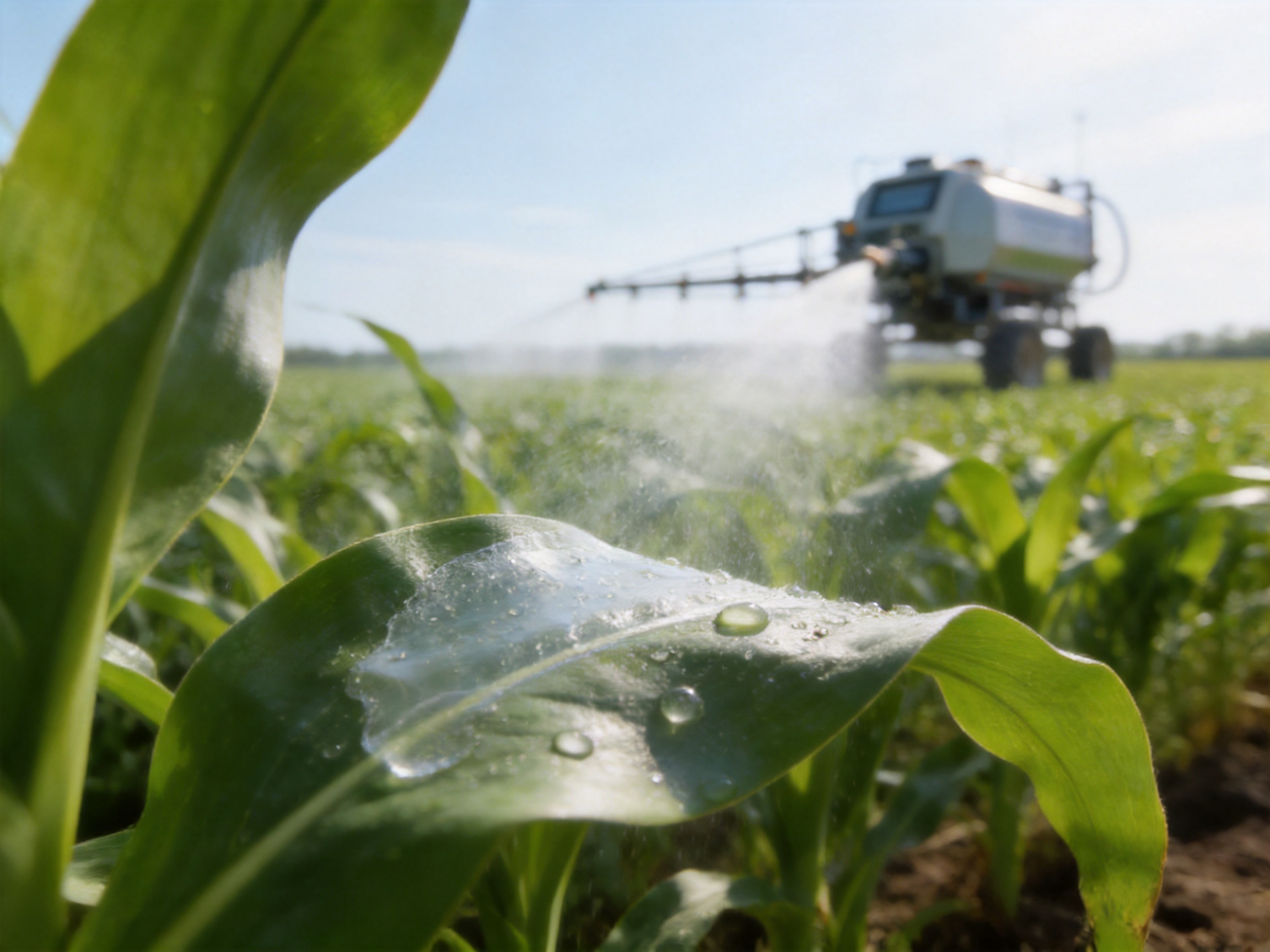
Applications in Agricultural Formulations
Agriculture is one of the most important fields for organosilicone surfactant. Modern crop protection relies on precision application, efficient active ingredient delivery, and reduced waste. Spraying is a common method for applying pesticides, herbicides, fungicides, and foliar nutrients, but spraying efficiency depends on droplet retention, spreading, penetration, and uniformity. Organosilicone surfactant helps improve each of these performance factors.
Pesticide Formulations
In pesticide formulations, the surfactant improves wetting and spreading on plant surfaces where insects or disease vectors may be present. Better coverage can increase the likelihood that the active ingredient reaches pest habitats, leaf undersides, stems, or dense canopy surfaces. In contact pesticides, where direct surface contact is essential, spreading performance is particularly important. A droplet that remains spherical covers only a limited area, while a droplet modified with organosilicone surfactant can spread into a larger film and increase contact efficiency.
Improved pesticide distribution can also support more uniform field results. Uneven coverage may leave untreated zones where pests survive and reproduce. A surfactant that improves coverage helps reduce these gaps. This does not replace correct nozzle selection, spray pressure, water quality management, or application timing, but it strengthens the formulation’s ability to perform under real field conditions.
Herbicide Products
Herbicide efficacy is often influenced by wetting and penetration. Many weeds have hydrophobic surfaces, thick cuticles, leaf hairs, or upright leaf angles that make droplet retention difficult. Organosilicone surfactant helps spray solutions spread across these surfaces and may enhance penetration through the cuticle. This can improve the delivery of systemic herbicides to plant tissues. However, because improved penetration can also increase biological activity, users must follow herbicide label recommendations and avoid excessive surfactant levels, especially near sensitive crops.
When used properly, the surfactant can help herbicide formulations achieve more reliable weed control. It can be especially useful in conditions where water droplets otherwise bounce or roll off leaves. Better leaf retention and spreading mean the active ingredient has more time and surface area to act. This improves application quality and may support more efficient weed management programs.
Fungicide and Disease-Control Formulations
Fungal diseases often develop on leaf surfaces, stems, fruits, or other plant tissues where moisture and spores accumulate. Fungicides require good surface coverage to protect new growth or treat existing infection sites. Organosilicone surfactant can improve the uniform distribution of fungicide deposits, helping the active ingredient reach surface irregularities and hidden areas. In protective fungicide programs, uniform film formation is essential for disease prevention.
For crops with dense canopies, consistent wetting helps improve treatment quality. Although canopy penetration also depends on spray equipment and droplet size, a surfactant that improves wetting can contribute to more complete coverage on contacted surfaces. This can be valuable in fruit, vegetable, field crop, and ornamental production systems.
Foliar Fertilizers and Nutrient Solutions
Foliar nutrition requires the nutrient solution to wet the leaf surface and remain long enough for absorption. Many nutrient formulations contain salts or micronutrients that may crystallize or distribute unevenly. Organosilicone surfactant can improve solution spreading, allowing nutrients to cover a larger surface area. Better wetting may support more uniform nutrient contact and improve the practical efficiency of foliar feeding programs.
Because some crops may be sensitive to concentrated nutrients or aggressive wetting agents, formulation developers and growers should follow appropriate dilution and crop-safety guidance. The surfactant’s role is to improve delivery, but the nutrient composition, application timing, weather conditions, and crop growth stage all remain important.
Applications Beyond Agriculture
Although agricultural silicone synergist use is a major focus, the product’s surface-active properties are also valuable in industrial systems. In paints and coatings, wetting and dispersion strongly influence pigment distribution, film smoothness, leveling, and substrate adhesion. A surfactant that lowers surface tension can help the coating wet difficult surfaces and reduce defects caused by poor flow. When particles are more evenly dispersed, the coating can show more consistent color, gloss, opacity, and mechanical performance.
In release agent systems, organosilicone surfactant can contribute to uniform spreading of active release components. Release agents are used to prevent adhesion between surfaces, such as molds and molded materials. Uniform film formation is important because thin or uncovered areas may cause sticking, while overly thick areas may create residue or surface defects. Improved wetting helps the release system form a more consistent barrier.
As a chemical raw material, the surfactant can be incorporated into specialty formulations where interface control is required. These may include cleaning agents, textile auxiliaries, daily chemical systems, electronic materials, and other silicone additive blends. Its combination of silicone character and polyether compatibility makes it useful where formulators need performance beyond standard hydrocarbon-based surfactants.
In defoaming or foam management applications, the product may help suppress or eliminate foam depending on the formulation structure. Foam can create processing problems such as inaccurate filling, reduced mixing efficiency, surface defects, and unstable product appearance. In some systems, surfactants stabilize foam; in others, silicone-based additives can help break it. The exact effect depends on the formulation, concentration, and process conditions, so technical testing is essential.
Manufacturing Strengths Behind Product Reliability
High-performance organosilicone surfactant requires more than a good molecular concept. It requires advanced manufacturing, strict raw material selection, precise process control, and careful quality testing. Hebei Guituo New Material Co., Ltd. operates as a high-tech enterprise integrating research and development, production, and sales, with Ningbo Guituo Trading Co., Ltd. serving as a subsidiary for market and customer support. The company focuses on the development and application of high-end silicone materials in industrial and agricultural fields.
The company’s manufacturing strength is based on a full-process quality monitoring mechanism. This means quality is not checked only at the end of production; it is controlled from the production source to finished product delivery. Raw materials must be evaluated, reaction or blending conditions must be monitored, intermediate parameters must be checked, and finished products must be tested before release. This approach helps reduce batch variation and ensures that customers receive material with consistent performance.
Internationally advanced production equipment and precise testing facilities provide another foundation for reliability. Organosilicone surfactants require accurate control of composition, viscosity, surface tension, pH, and other key parameters. Advanced equipment supports stable processing, while testing instruments confirm that each batch meets defined standards. This is important for customers who incorporate the surfactant into formulated products that must remain stable during storage, shipping, and application.
The company has also assembled an experienced technical and production team with strong professional skills. In specialty chemicals, human expertise remains essential even when equipment is advanced. Experienced engineers and production specialists understand how process variables affect product behavior. They can identify potential issues, optimize production conditions, and support customers in formulation troubleshooting. This technical depth gives the company an advantage over suppliers that focus only on low-cost production without strong application understanding.
The product matrix is broad and includes silicone additives, wetting agents, modified silicone oil, dimethyl silicone oil, surfactants, defoamers, and related series. This broad capability matters because customers often need more than one additive. A supplier with a diverse silicone product platform can provide complementary materials, recommend compatible combinations, and support custom formulation development. It also reflects accumulated experience in silicone chemistry and interface control.

Quality Control and Testing Considerations
Quality control for organosilicone surfactant must cover both chemical and application-related properties. Chemical identity and purity are important, but performance indicators such as surface tension, viscosity, cloud point, pH, and compatibility are equally critical. A surfactant may appear chemically acceptable but still fail if it does not reduce surface tension sufficiently or if it causes instability in a customer’s formulation.
Surface tension testing is one of the most direct performance evaluations. The reported value below 20.5 mN/m at 0.1% weight indicates strong wetting power. Maintaining this performance requires consistent production control. If surface tension rises too high, the material may not deliver the desired spreading effect. Customers using the surfactant in high-value agrochemical formulations depend on reliable wetting behavior.
Viscosity testing supports handling and process planning. A viscosity range of 30 to 50 mm²/s at 25°C indicates that the material can be relatively easy to pump and mix under normal conditions. If viscosity changes outside specification, dosing accuracy and blending behavior may be affected. For large-scale formulation plants, predictable viscosity improves production efficiency.
Cloud point testing helps evaluate temperature-related behavior in aqueous systems. Since agricultural formulations may be stored or applied under varying temperature conditions, understanding cloud point is important. A cloud point not higher than 35°C at 1.0% weight should be considered during formulation design. Formulators may need to test clarity, stability, and performance across the temperatures expected in their supply chain and application environment.
pH testing provides information about compatibility and potential interaction with active ingredients. A 1% aqueous solution pH of 6.5 to 7.5 suggests a near-neutral profile, which may support use in many systems. However, formulation pH can be influenced by other components, including salts, solvents, acids, bases, and active ingredients. Therefore, complete formulation testing remains necessary.
Customization, OEM, and ODM Capability
One important strength of the manufacturer is the ability to accept OEM and ODM orders. In the specialty chemical market, customers often need customized products rather than only standard materials. A pesticide manufacturer may require a surfactant with a specific wetting profile, a paint producer may need a balance between wetting and foam control, and a release agent manufacturer may need a material optimized for film uniformity. OEM and ODM capability allows the supplier to work with customers on tailored solutions.
Customization may involve adjusting the product form, packaging, concentration, compatibility profile, labeling, or performance balance. It may also involve technical support for integrating the surfactant into a customer’s existing formulation. This is particularly valuable for agrochemical companies that must meet regulatory, stability, crop-safety, and efficacy requirements. A supplier with R&D and manufacturing integration can shorten development cycles and improve the chance of successful commercialization.
OEM cooperation can help customers build private-label products backed by stable production capacity. ODM cooperation can go further by involving product design, formulation support, and performance optimization. For overseas customers, this can be especially important because local market requirements, climate conditions, crop types, and application practices may differ. A flexible manufacturer can adapt to these needs while maintaining quality control.
Environmental and Safety Considerations
Organosilicone surfactants are designed to improve the efficiency of agrochemical use. By enhancing wetting and spreading, they may reduce waste caused by poor coverage and runoff from treated surfaces. More efficient application can support responsible agriculture when combined with proper dosage, correct timing, suitable equipment, and label-compliant use. However, as with all surfactants and agrochemical additives, responsible handling is essential.
The product should be used according to manufacturer recommendations and the requirements of the active formulation. Overuse may cause excessive spreading, unwanted penetration, crop stress, or increased movement of chemicals beyond the intended target. In agriculture, weather conditions such as wind, rain, high temperature, and strong sunlight can influence performance and safety. Users should avoid application near sensitive water bodies unless permitted by the relevant product label and local regulations.
Environmental responsibility also depends on formulation design. A surfactant that is effective at low use levels can help reduce additive load, but compatibility and biodegradation should be evaluated in the context of the complete formulation. The company’s focus on high-end silicone materials and advanced production processes supports the development of products with stable quality, which helps users apply materials predictably and avoid accidental overuse due to inconsistent performance.
Why This Product Is Competitive in Global Markets
The product’s competitiveness comes from the combination of performance, manufacturing reliability, technical support, and application versatility. Many suppliers can offer generic surfactants, but not every supplier can deliver a high-performance organosilicone wetting synergist with consistent quality and a strong application background. For agricultural and industrial customers, the cost of product failure can be much higher than the cost of the additive itself. Poor wetting can reduce pesticide efficacy, unstable dispersion can cause formulation complaints, and inconsistent batches can disrupt production.
The surfactant’s low surface tension performance gives it a measurable technical advantage. Its multifunctionality gives formulators flexibility. Its near-neutral pH and manageable viscosity support practical handling. Its use across agriculture, coatings, release agents, and specialty chemicals broadens its commercial value. These characteristics allow it to compete not only on price but also on total formulation performance.
The company’s products have gained recognition in domestic and overseas markets, including Europe and Southeast Asia. Stable performance and reliable quality are key reasons for repeated purchases. In global trade, customers need confidence that each shipment will match agreed standards. Advanced testing, full-process monitoring, experienced production teams, and custom order capability all contribute to that confidence.
Another advantage is the company’s focus on both industrial and agricultural silicone applications. This dual experience can promote innovation. Knowledge gained from coatings, textiles, daily chemicals, electronics, or defoaming systems can inform agricultural additive development, and agricultural wetting experience can improve other interface-control applications. Such cross-field expertise helps the company respond to complex customer requirements.
Formulation Guidance and Best-Practice Use
For agricultural use, organosilicone surfactant should be added at the recommended rate for the specific formulation and application scenario. The ideal dosage depends on the active ingredient, crop type, target pest or weed, spray water quality, application volume, and equipment. Excessive dosage is not necessarily better. Ultra-spreading behavior can be highly powerful, so correct concentration is important for both efficacy and crop safety.
Compatibility testing should be conducted before large-scale use. A simple jar test can reveal obvious incompatibility such as separation, precipitation, excessive foaming, or viscosity change. More advanced testing should include storage stability, thermal cycling, field performance, and crop-safety evaluation. For commercial agrochemical products, regulatory and label requirements must be followed.
In industrial formulations, the surfactant should be evaluated for wetting speed, foam influence, coating appearance, dispersion stability, and interaction with resins, solvents, pigments, fillers, or release components. Because surfactants operate at interfaces, small changes in concentration can create significant changes in performance. Formulators should optimize dosage experimentally rather than relying only on theoretical assumptions.
When blending, the order of addition may matter. In some systems, adding the surfactant after primary dispersion can improve final wetting without interfering with initial mixing. In other systems, early addition may help wet powders or active ingredients. Temperature, agitation speed, and water hardness can also influence results. Technical support from the supplier can help customers identify the best process.
Storage, Handling, and Packaging Considerations
Organosilicone surfactant should be stored in sealed containers to prevent contamination and unnecessary exposure to moisture, dust, or incompatible materials. Storage conditions should avoid extreme heat, freezing, and direct sunlight unless the product documentation confirms suitability. Containers should be closed promptly after use to maintain product quality.
Operators should use appropriate personal protective equipment according to the safety data sheet and workplace requirements. Although the material is designed for professional formulation use, direct contact with skin, eyes, or clothing should be minimized. Spills should be managed promptly using suitable absorbent materials and disposal methods consistent with local regulations.
For international customers, packaging flexibility can support different production scales and logistics needs. Smaller packages may suit research, development, or specialty formulation work, while larger drums or bulk supply may be appropriate for commercial manufacturing. OEM and ODM cooperation can include packaging and labeling arrangements according to customer requirements.
Q&A: Common Questions About Organosilicone Surfactant
What is an organosilicone surfactant?
An organosilicone surfactant is a silicone-based surface-active agent that combines silicone chemistry with organic polyether functionality. It is used to reduce surface tension, improve wetting, enhance spreading, support dispersion, and improve the performance of agricultural and industrial formulations.
Why is low surface tension important?
Low surface tension allows a liquid to spread over surfaces that would normally repel water. In agriculture, this means better coverage on waxy or hydrophobic leaves. In coatings and release agents, it means more uniform film formation and improved contact with the substrate.
How does this product improve pesticide effectiveness?
It helps pesticide spray droplets spread more evenly across plant surfaces, increasing contact area and reducing beading or runoff. Better coverage can improve the chance that the active ingredient reaches the target pest or infection site.
Can it be used with herbicides?
Yes, organosilicone surfactant can be used with many herbicide systems to improve wetting and penetration. However, dosage must be carefully controlled, and users should follow herbicide label instructions because increased penetration can also increase crop sensitivity in some situations.
Is the product useful for foliar fertilizers?
Yes. It can help foliar nutrient solutions spread more uniformly on leaf surfaces, improving contact between nutrients and plant tissue. Crop safety and nutrient concentration should still be evaluated before broad application.
What makes it different from conventional surfactants?
Its silicone-based structure can achieve very low surface tension and strong spreading performance at relatively low concentrations. It also offers multifunctional benefits, including wetting, penetration, dispersion, and interface control.
What are the main technical specifications?
The product model is GT-7100. It is identified as an organosilicon surfactant with CAS number 27306-78-1, stated purity of 99.8%, viscosity of 30 to 50 mm²/s at 25°C, surface tension below 20.5 mN/m at 0.1% weight, cloud point not higher than 35°C at 1.0% weight, and pH of 6.5 to 7.5 in 1% aqueous solution.
Can it be used in paints and coatings?
Yes. In paints and coatings, the surfactant can improve substrate wetting, pigment dispersion, leveling, and film uniformity. Formulators should test foam behavior, compatibility, and coating appearance at different dosage levels.
Does the manufacturer support customized orders?
Yes. Hebei Guituo New Material Co., Ltd. accepts OEM and ODM orders, allowing customers to develop customized silicone additive solutions for agricultural, industrial, and specialty chemical applications.
Why is manufacturing process control important?
Surfactant performance depends on consistent chemical and physical properties. Advanced equipment, precise testing, and full-process quality monitoring help ensure that each batch provides stable surface tension, viscosity, pH, and application behavior.

Conclusion
Organosilicone surfactant is a high-value additive for modern formulations that require excellent wetting, spreading, dispersion, penetration, and interface control. In agriculture, it helps pesticides, herbicides, fungicides, and foliar fertilizers cover plant surfaces more effectively, improving the practical delivery of active ingredients. In industrial applications, it supports coatings, release agents, chemical raw materials, and specialty systems where liquid-surface interaction determines product quality.
The product’s advantages over conventional surfactants include ultra-low surface tension, efficient spreading, multifunctionality, practical handling properties, and broad compatibility potential. Its technical profile, including low surface tension at 0.1% weight, moderate viscosity, near-neutral pH, and high stated purity, makes it a strong choice for professional formulators seeking reliable performance.
Behind the product is the manufacturing strength of Hebei Guituo New Material Co., Ltd., supported by advanced production equipment, precise testing facilities, full-process quality monitoring, experienced technical teams, and a broad silicone materials platform. The company’s ability to provide OEM and ODM services further increases its value for customers who require customized solutions. For users seeking a dependable agricultural silicone wetting synergist or a versatile organosilicone additive for industrial formulations, this surfactant offers a compelling combination of performance, reliability, and technical support.
References
1. Rosen, M. J., and Kunjappu, J. T. Surfactants and Interfacial Phenomena. Wiley.
2. Tadros, T. F. Applied Surfactants: Principles and Applications. Wiley-VCH.
3. Knowles, D. A. Chemistry and Technology of Agrochemical Formulations. Springer.
4. Hazen, J. L. Adjuvants: Terminology, Classification, and Chemistry. Weed Technology.
5. McMullan, P. M. Utility Adjuvants. Weed Technology.
6. ASTM International. Standard Test Methods for Surface and Interfacial Tension of Solutions.
7. Technical data and product information provided for organosilicone surfactant GT-7100.


Contact Information
Tel : +86-400-138-5268
Email : [email protected]
Phone : +86-15128434888 / +86-13511051998
Add : Xinqiao Environmental Protection Industrial Park, Wen'an County, Langfang City, Hebei Province, China
Contact Information
Copyright © Hebei Guituo New Material Co., Ltd. All Rights Reserved.
