

 English
  Français
  Português
 Home / Author / Li Mei, Product Sales Specialist (Agricultural Silicone Products) / High-Efficiency Aerial Spraying Enhancing Adjuvants for Precision Crop Protection
 High-Efficiency Aerial Spraying Enhancing Adjuvants for Precision Crop Protection
2026-06-01
Modern agriculture is moving rapidly toward precision, efficiency, and lower environmental impact. In large-scale crop protection, aerial spraying by plant-protection drones and aircraft has become an important application method because it can cover wide areas quickly, reduce labor intensity, and help farmers respond to pest and disease pressure at the right time. However, aerial spraying also creates technical challenges: spray droplets may drift away from the target, evaporate before reaching the leaf, bounce off waxy surfaces, or fail to penetrate plant tissues efficiently. New High-Efficiency Aerial Spraying Dedicated Enhancing Adjuvants, represented by product model GT-9100, are designed to solve these practical problems by improving adhesion, anti-evaporation performance, absorption, penetration, drift control, and spray liquid stability.
GT-9100 is a silicone-based crop protection spray adjuvant, also known as a silicone surfactant or polyether modified trisiloxane. It is developed for agricultural aerial spraying systems where every droplet must be used more effectively. With a very low surface tension, stable pH, suitable viscosity, and high purity, this adjuvant helps pesticide solutions spread rapidly and uniformly across plant surfaces. By increasing the contact area between active ingredients and crop leaves, it supports better biological efficacy while helping growers improve pesticide utilization. In typical aerial spraying conditions, such adjuvant technology can help increase spray utilization by 30% to 50% and improve control efficacy by an average of about 20%, depending on the pesticide, crop, weather, application volume, and field conditions.
New High-Efficiency Aerial Spraying Dedicated Enhancing Adjuvants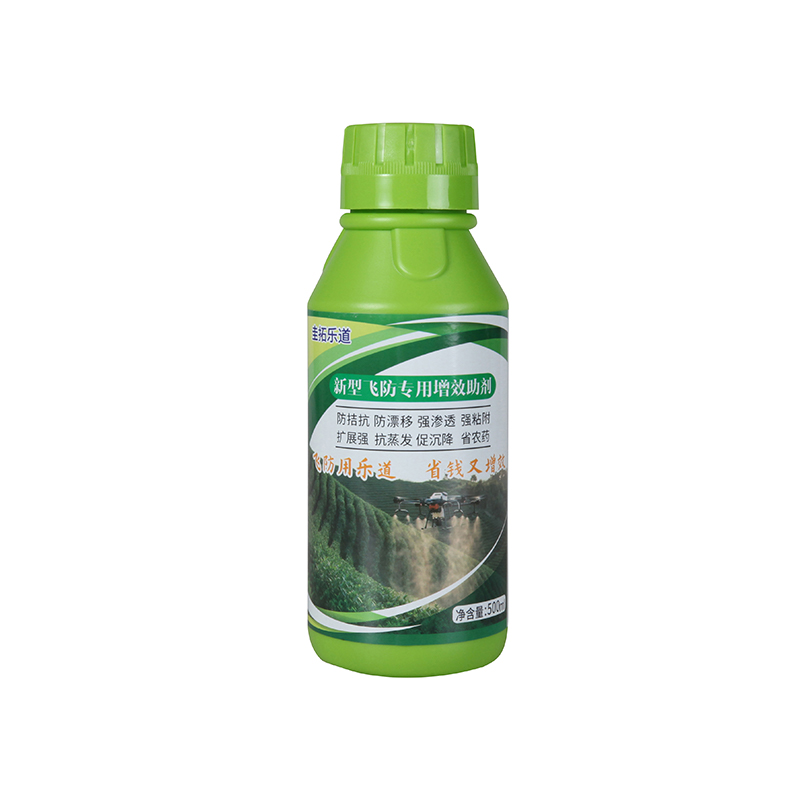
Why Aerial Spraying Needs a Dedicated Enhancing Adjuvant
Aerial spraying is different from traditional ground spraying. Drone spraying often uses low spray volumes, fine droplets, high operating efficiency, and short application windows. These features are beneficial for productivity, but they also make the spray system more sensitive to droplet behavior. Fine droplets can drift in wind, lose water quickly in hot and dry environments, and provide uneven deposition on leaves. Low-volume solutions also concentrate the formulation components, making compatibility and dispersion more important. A dedicated enhancing adjuvant must therefore do more than simply reduce surface tension; it must improve overall spray behavior from tank mixing to droplet deposition and biological uptake.
One of the most important requirements is strong adhesion. When droplets strike leaves, especially leaves with waxy, hairy, or upright surfaces, they may rebound or run off. This leads to wasted pesticide and inconsistent pest control. GT-9100 improves adhesion by helping droplets wet the surface quickly and remain attached to the target. Better adhesion means more active ingredient stays where it is needed, which is particularly valuable when spraying crops with complex canopy structures or when weather conditions are not ideal.
Another essential requirement is anti-evaporation performance. In aerial spraying, droplets travel through the air before landing on the plant. Under high temperature, strong sunlight, or low humidity, droplets may shrink rapidly. If a droplet becomes too small, it is more likely to drift and less likely to deposit effectively. GT-9100 helps slow droplet drying and maintains effective wetting time on the leaf surface, giving the pesticide more opportunity to spread and penetrate. This feature is especially important in regions where field operations must be carried out during warm seasons or short spraying windows.
Drift reduction is also a core value. Drift not only wastes pesticide but can create risks to nearby crops, water bodies, non-target plants, and sensitive areas. Aerial spraying naturally involves movement of droplets through the air, so reducing drift is a major technical priority. GT-9100 contributes to more efficient deposition and lower drift risk by improving droplet behavior and target adhesion. When used correctly with suitable nozzles, pressure, flight height, droplet spectrum, and weather conditions, it can help growers achieve safer and more accurate application.
Product Identity and Key Technical Characteristics
GT-9100 belongs to the agricultural silicone synergist category. Its synonym descriptions include silicone surfactant and polyether modified trisiloxane. This chemistry is widely recognized for exceptional wetting and spreading ability. Compared with many conventional nonionic surfactants, organosilicone surfactants can reduce the surface tension of aqueous solutions to a much lower level. This ultra-low surface tension allows spray droplets to spread over difficult leaf surfaces and form a thin, uniform liquid film, increasing contact between the pesticide and the plant surface.
The product has a CAS number of 27306-78-1 and an EINECS number of 608-078-3. Its listed purity is 99.8%, reflecting high product consistency and supporting stable field performance. At 25°C, its viscosity is 30 to 50 mm²/s, which is practical for handling, metering, blending, and formulation use. At 0.1% weight concentration, its surface tension is less than 20.5 mN/m, indicating powerful wetting performance. The cloud point of a 1.0% solution is no higher than 35°C, and the pH value of a 1% aqueous solution at 25°C is between 6.5 and 7.5, close to neutral and suitable for many agricultural spray systems.
| Parameter | GT-9100 Specification | Practical Meaning in Aerial Spraying |
|---|---|---|
| Product Type | Agricultural silicone synergist | Designed to enhance pesticide wetting, spreading, absorption, and utilization |
| Synonym | Silicone surfactant; polyether modified trisiloxane | Indicates organosilicone-based high-spreading chemistry |
| Purity | 99.8% | Supports consistent quality, reliable mixing, and stable performance |
| Viscosity at 25°C | 30-50 mm²/s | Provides manageable flow behavior for production, packaging, and application |
| Surface Tension at 0.1% wt | Less than 20.5 mN/m | Enables fast wetting and broad spreading on crop leaf surfaces |
| Cloud Point at 1.0% wt | Not higher than 35°C | Helps users understand temperature-related solution behavior |
| pH of 1% Aqueous Solution at 25°C | 6.5-7.5 | Near-neutral profile suitable for many pesticide tank-mix systems |
| Main Functional Benefits | Adhesion, anti-evaporation, absorption enhancement, drift reduction, de-flocculation | Improves field efficiency and supports more uniform crop protection |
Core Advantage: Ultra-Low Surface Tension for Superior Wetting
The most visible performance advantage of GT-9100 is its ability to reduce surface tension dramatically. Water alone has high surface tension, so droplets tend to bead up on hydrophobic leaves. Many crop leaves, including leaves with wax layers, fine hairs, or rough surfaces, naturally repel water. When pesticide droplets bead up, only a small part of the droplet contacts the leaf, limiting absorption and increasing the risk of runoff. By reducing surface tension to below 20.5 mN/m at low concentration, GT-9100 helps droplets flatten and spread quickly after contact.
This spreading effect is especially important for aerial spraying because each droplet carries a limited amount of active ingredient. If the droplet remains as a bead, the active ingredient is concentrated in a small spot. If it spreads evenly, the active ingredient covers a larger surface area and has more opportunities to reach pest habitats, fungal infection sites, stomatal areas, and leaf microstructures. Better coverage is not simply a cosmetic improvement; it directly influences biological performance, especially for contact pesticides, protective fungicides, insecticides targeting small pests, and herbicides requiring leaf absorption.
Compared with ordinary adjuvants, a high-quality organosilicone adjuvant can deliver faster wetting at lower use levels. Conventional surfactants may improve spreading gradually, but they often cannot achieve the same degree of super-spreading on difficult surfaces. This gives GT-9100 a competitive advantage in drone spraying, where low water volumes make spreading efficiency critical. Growers can obtain more uniform leaf coverage without greatly increasing spray volume, helping preserve the operational speed and efficiency that make aerial spraying attractive.
Strong Adhesion Reduces Runoff and Improves Retention
Adhesion is the foundation of effective crop protection. A pesticide cannot work efficiently if it does not remain on the target. During aerial spraying, droplets may hit leaves at different angles and velocities. Some droplets land on upper leaf surfaces, while others reach vertical stems, leaf edges, or the lower canopy. Without suitable adjuvant support, droplets can bounce, roll, or merge and run off. This is one reason why pesticide performance can vary even when the correct active ingredient is used.
GT-9100 improves retention by encouraging immediate contact and spreading. When a droplet spreads rapidly, its kinetic energy is dissipated over a wider surface area, reducing bounce. The increased contact area also helps the spray liquid cling to the leaf. Strong adhesion is valuable during early morning or evening applications when dew, humidity, or leaf angle may influence deposition. It is also beneficial for crops with smooth or waxy leaves, where ordinary sprays may have poor retention.
Improved adhesion also contributes to cost efficiency. Runoff is lost product. It represents pesticide that was purchased, mixed, transported, and applied but did not remain available for pest control. By reducing runoff, GT-9100 helps improve the return on every liter of spray solution. It can support lower waste, more reliable results, and fewer corrective applications. For commercial farms, agricultural service providers, and drone spraying operators, these advantages translate into better customer satisfaction and improved operational credibility.
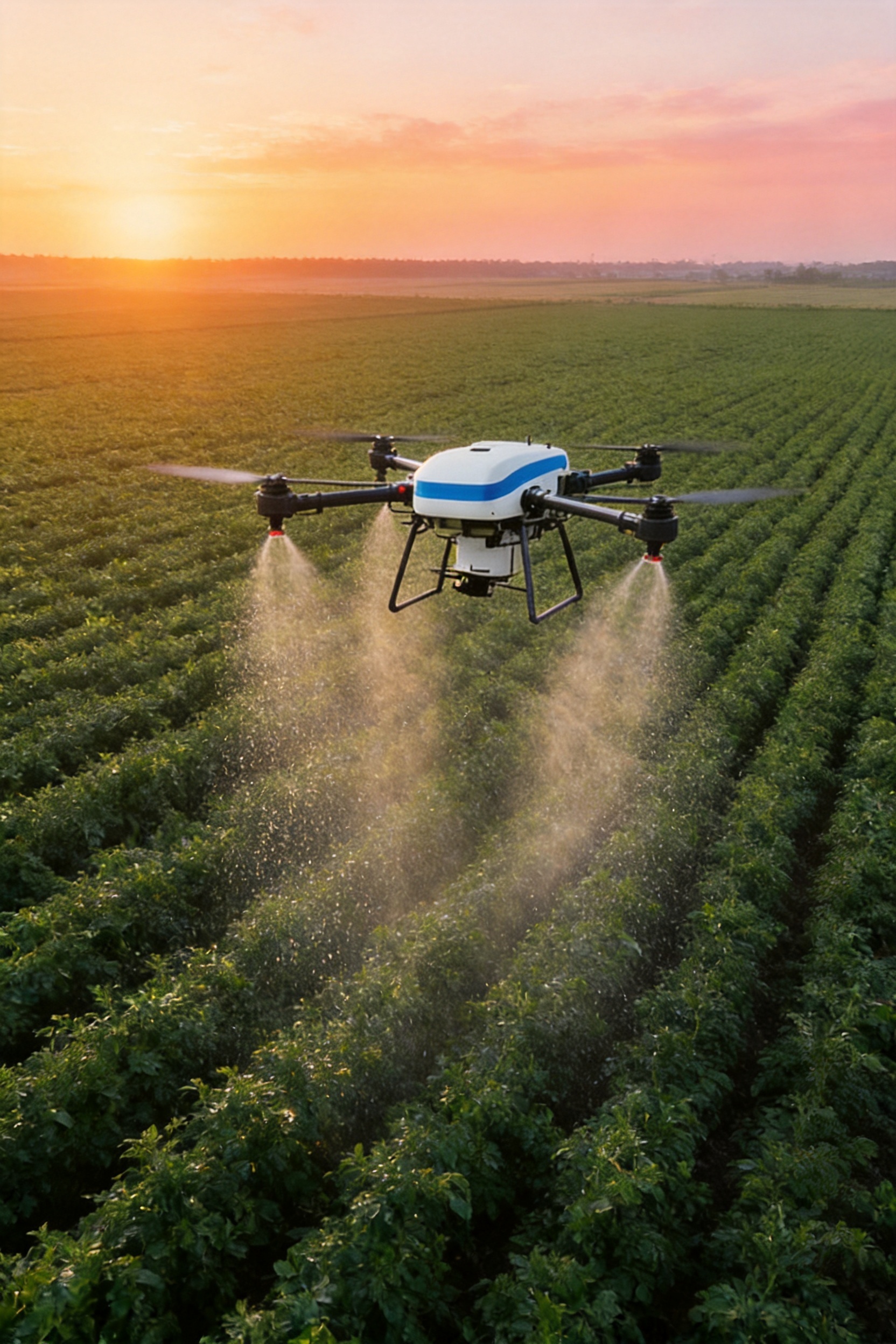
Anti-Evaporation Performance for Hot and Dry Conditions
Environmental conditions strongly affect aerial spraying results. High temperature, low relative humidity, and wind can cause droplet evaporation before and after deposition. As droplets evaporate, their size decreases, and smaller droplets drift more easily. Once on the leaf, rapid drying can shorten the wet contact time needed for active ingredients to dissolve, move, and penetrate. This can reduce the effectiveness of systemic pesticides and some translaminar products.
GT-9100 is designed to slow droplet drying and enhance spray stability under challenging conditions. By improving wetting and spreading, it helps the liquid film remain active over the leaf surface long enough to support absorption. This does not mean spraying should be conducted under unsafe or unsuitable weather conditions. Operators must still follow label requirements, avoid strong wind, and observe best-practice application windows. However, when conditions are within acceptable ranges but still stressful, an anti-evaporation enhancing adjuvant provides an important performance buffer.
The anti-evaporation function is particularly relevant to drone spraying because drones commonly apply lower volumes than ground sprayers. Low-volume applications are efficient, but the droplets contain less water overall. Maintaining droplet quality and wetting time is therefore more difficult. GT-9100 helps compensate by making each deposited droplet more functional. Instead of relying only on high carrier volume, the system improves the quality of deposition and surface interaction.
Enhanced Absorption and Penetration of Active Ingredients
Many pesticides must be absorbed into plant tissues to perform well. Systemic herbicides, some insecticides, plant growth regulators, and certain fungicides require movement through the cuticle or into leaf structures. The plant cuticle is a protective barrier made of waxes and cutin, and it can limit the movement of water-based pesticide solutions. If an active ingredient remains on the surface and dries too quickly, absorption may be incomplete. GT-9100 helps address this limitation by increasing contact area, improving wetting of the cuticular surface, and encouraging more efficient penetration.
Enhanced absorption can shorten the time to action. When active ingredients enter plant tissues more quickly, pest and disease control may become more reliable, especially when rain, irrigation, or environmental stress threatens to remove residues from the surface. Faster uptake is also useful when treating fast-moving pest outbreaks or disease pressure that requires timely intervention. In addition, better absorption may support effective control at optimized application rates, reducing unnecessary chemical load when used in accordance with pesticide labels and local regulations.
Compared with competitor products that offer only basic wetting, GT-9100 provides a broader synergistic effect. Its value is not limited to spreading; it also supports the delivery pathway from droplet to leaf surface and from surface to tissue. This multi-stage enhancement is why dedicated aerial spraying adjuvants can outperform general-purpose wetting agents. A formulation that spreads well but does not improve retention or absorption may still produce inconsistent results. GT-9100 is designed to balance these functions for aerial crop protection.
Drift Reduction and Improved Spray Utilization
Drift is one of the most discussed issues in aerial application. It reduces pesticide utilization, increases input waste, and may create environmental or regulatory concerns. Drift risk depends on droplet size, wind speed, flight height, nozzle type, pressure, temperature inversion, formulation, and operator skill. An adjuvant cannot replace good application management, but it can support better spray behavior as part of an integrated drift-control strategy.
GT-9100 helps lower drift-related losses by promoting effective deposition and adhesion. When droplets have better wetting and retention properties, more of the applied pesticide remains on the crop canopy rather than moving away from the target. This contributes to the reported improvement in spray utilization, which may reach 30% to 50% under suitable conditions. Such improvement is important because pesticide cost is a major part of crop protection budgets. Higher utilization means a greater percentage of the applied active ingredient contributes to the intended biological effect.
Improved utilization also supports sustainability. If growers can achieve target control with more efficient delivery, they may reduce repeated applications, lower chemical waste, and minimize contamination from runoff and off-target movement. This aligns with the direction of integrated pest management, precision agriculture, and environmentally responsible farming. In markets where growers face increasing pressure to reduce residues and improve traceability, efficient adjuvant technology becomes a practical tool for both agronomic and environmental management.
De-Flocculation for Spray Liquid Stability
Tank-mix stability is a practical concern in agricultural spraying. Pesticide formulations may contain emulsifiers, dispersants, suspending agents, salts, solvents, and active ingredients with different chemical properties. When multiple products are mixed, flocculation or aggregation can occur. Flocculants may block filters and nozzles, cause uneven application, reduce active ingredient availability, and create inconsistent field results. This problem can be more serious in low-volume aerial spraying because the concentration of formulation components is higher.
GT-9100 provides de-flocculation support by helping break down existing pesticide flocculants and restoring formulation stability. A more uniform spray liquid helps ensure that each droplet contains a consistent concentration of active ingredient. This is vital for aerial spraying, where uneven distribution can quickly translate into visible streaking, missed areas, or variable pest control. Stable spray liquid also protects equipment, reduces downtime for cleaning, and improves operator efficiency.
Competitor adjuvants may focus primarily on wetting or spreading while ignoring tank stability. In real field operations, however, compatibility and dispersion are just as important as leaf surface behavior. A premium aerial spraying adjuvant must perform from the tank to the target. GT-9100’s de-flocculation function strengthens its competitive position by addressing the complete application process rather than only the final deposition stage.
Advantages Over Conventional and Competing Adjuvants
The agricultural adjuvant market includes many product types: nonionic surfactants, crop oil concentrates, methylated seed oils, stickers, spreaders, buffers, humectants, drift-control agents, and organosilicone surfactants. Each type has advantages, but not every product is suitable for low-volume aerial application. GT-9100 stands out because it combines multiple performance benefits in one specialized solution: strong adhesion, anti-evaporation, enhanced absorption, drift reduction, and de-flocculation.
Compared with general nonionic surfactants, GT-9100 offers significantly stronger spreading due to its organosilicone structure. This enables rapid coverage of hydrophobic leaf surfaces and improves performance where ordinary surfactants may leave droplets beaded. Compared with simple stickers, it does more than increase adhesion; it also enhances wetting and penetration. Compared with basic humectants, it offers anti-evaporation benefits while also improving deposition and absorption. Compared with adjuvants designed only for ground spraying, it is more aligned with aerial spraying conditions, including low water volume, fine droplet behavior, and the need for rapid, efficient leaf coverage.
Another advantage is consistency. The listed purity of 99.8% and controlled physical properties indicate a product designed for predictable performance. In adjuvant use, inconsistency can be costly. If surface tension reduction varies from batch to batch, growers may experience uneven results. If viscosity or pH is unstable, formulation and tank-mix behavior may change. GT-9100’s specification profile supports reliable use by pesticide formulators, distributors, service providers, and large farming operations.
Manufacturing Strength Behind Product Performance
High-performance agricultural silicone adjuvants require more than a good formula. They depend on advanced manufacturing, precise raw material control, reliable process management, and strict quality testing. Hebei Guituo New Material Co., Ltd. is a high-tech enterprise integrating research and development, production, and sales, with Ningbo Guituo Trading Co., Ltd. serving as its trading subsidiary. The company focuses on high-end silicone materials for industrial and agricultural applications, building a product matrix that includes silicone additives, wetting agents, modified silicone oil, dimethyl silicone oil, surfactants, defoamers, and related specialty materials.
The company’s manufacturing strength begins with advanced production equipment. Organosilicone products require accurate reaction control, stable temperature management, precise dosing, and careful post-treatment. Small deviations can affect molecular structure and final performance. Modern equipment helps maintain controlled production conditions, supporting consistent viscosity, surface tension, purity, and appearance. For agricultural customers, this means the adjuvant performs consistently across different batches and seasons.
Quality testing is equally important. The company has built a full-process quality monitoring mechanism from production source to finished product delivery. This includes raw material inspection, in-process control, and final product testing. Key indicators such as purity, viscosity, pH, cloud point, and surface tension are directly related to field performance. By testing these parameters systematically, the company reduces the risk of unstable or off-specification products entering the market.
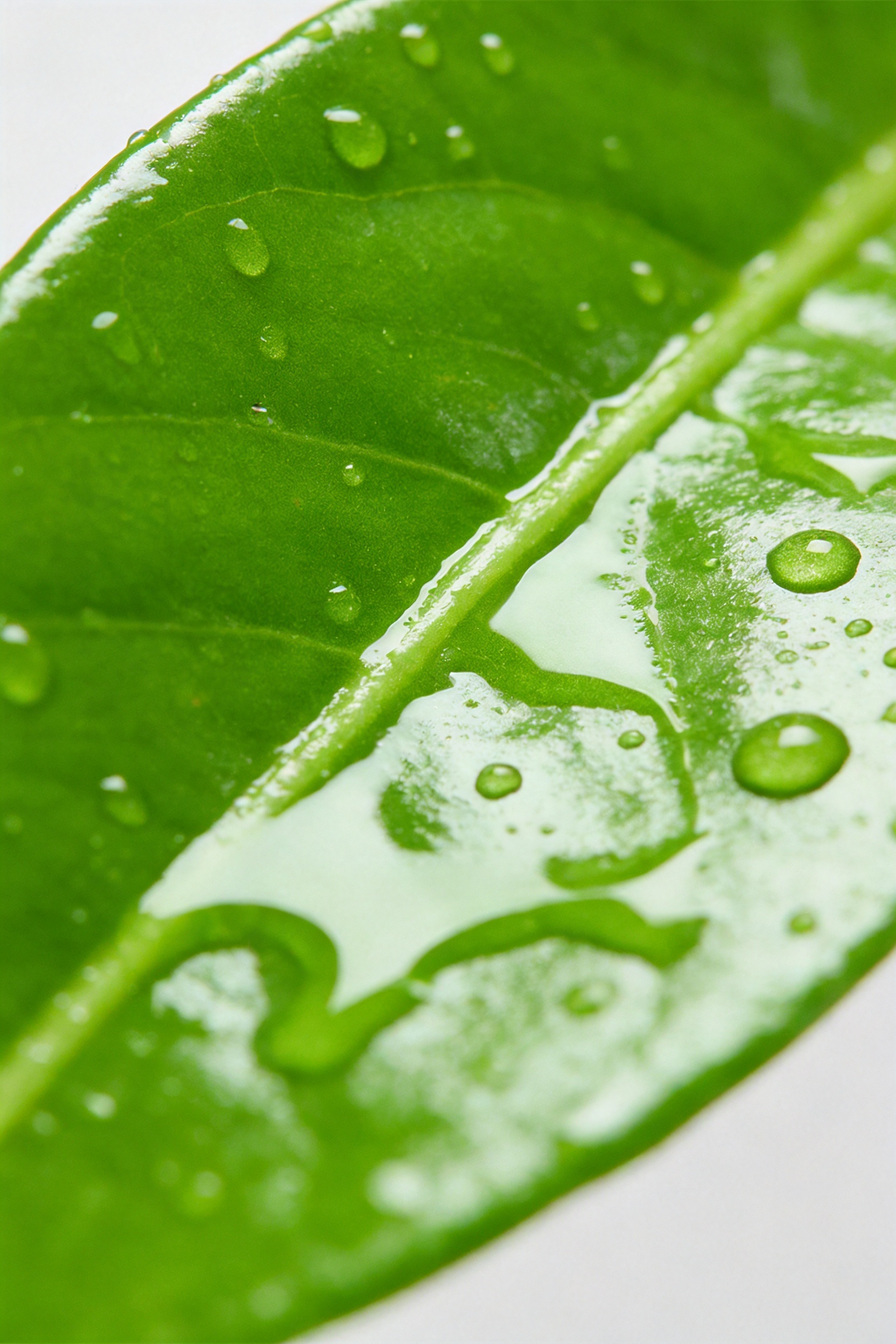
Research, Development, and Application Expertise
Silicone adjuvant technology is not only a production challenge but also an application science. A successful aerial spraying adjuvant must be compatible with real farming practices. It must work with different pesticide categories, water qualities, crops, spray volumes, and environmental conditions. The company’s technical and production teams have accumulated experience in silicone material development and field-oriented product optimization. This expertise supports both standard product supply and customized solutions for different customers.
R&D capability is particularly valuable for OEM and ODM cooperation. Agrochemical companies may need adjuvant systems tailored to specific formulations, target crops, or regional application habits. For example, a pesticide manufacturer developing a drone-spraying package may require a specific spreading profile, compatibility with emulsifiable concentrates or suspension concentrates, or controlled foam behavior. A company with strong silicone chemistry knowledge and production flexibility can help customers develop more competitive end-use solutions.
Application expertise also supports safer and more responsible use. Adjuvants are powerful tools, but their performance must be matched to pesticide labels and crop tolerance. Excessive spreading, incorrect dosage, or incompatible tank mixes may cause undesirable effects. Professional technical guidance helps customers select suitable use rates, perform jar tests, evaluate crop safety, and optimize spraying parameters. This combination of product performance and technical support creates value beyond the material itself.
Quality Control From Raw Materials to Delivery
For a product like GT-9100, quality control starts before production. Raw materials must meet defined standards for identity, purity, moisture, and reactive components. Inconsistent raw materials can produce unstable surface activity or unwanted byproducts. Supplier qualification and incoming inspection are therefore important parts of the quality system. Once production begins, process parameters must be controlled carefully to ensure that the desired polyether modified trisiloxane structure is achieved.
During production, in-process sampling can detect deviations early. If viscosity, reaction progress, or intermediate properties move outside the target range, operators can make timely adjustments. After production, finished products are tested against specification. Surface tension testing confirms wetting power. Viscosity testing confirms handling consistency. pH testing confirms solution suitability. Cloud point testing helps characterize temperature behavior. Purity testing supports product reliability. Only after the product meets requirements should it be packaged and delivered.
Packaging and logistics also matter. Agricultural adjuvants may be stored and transported across regions with different temperatures. Proper containers, sealing, labeling, batch tracking, and storage guidance help preserve quality. A complete quality system gives distributors and end users confidence that the product they receive will match the technical data and perform as expected in the field.
Applications in Crop Protection Programs
GT-9100 can be used as a crop protection spray adjuvant in aerial spraying programs involving insecticides, fungicides, herbicides, and other agricultural inputs, subject to compatibility and label guidance. Its role is to enhance the delivery of active ingredients rather than replace them. In insect control, better wetting and penetration can improve contact with pests hiding on leaf surfaces, stems, or canopy interiors. For fungicide applications, improved coverage can strengthen protective films and support movement into infection-prone tissues. For herbicides, enhanced wetting and absorption can improve uptake through leaf surfaces, especially on weeds with waxy cuticles.
The adjuvant is also useful in drone-based plant protection services. Service providers must deliver consistent results across many fields and crops. A reliable enhancing adjuvant helps reduce variability caused by leaf surface differences, low spray volumes, and environmental stress. Improved deposition and utilization may allow service providers to achieve better control with fewer complaints and less rework. For large farms, it helps improve operational efficiency by making each aerial application more effective.
Because different pesticides and crops vary in sensitivity, users should always follow label instructions and conduct small-scale compatibility and crop safety tests when needed. The correct adjuvant dosage may depend on pesticide formulation, spray volume, target pest, crop stage, and environmental conditions. Responsible use ensures that the benefits of GT-9100 are realized without unnecessary risk.
Economic Value for Growers and Service Providers
The economic value of an adjuvant should be measured by total application performance, not only by product cost per liter. A low-cost adjuvant that provides weak spreading, poor stability, or inconsistent retention may ultimately increase costs through wasted pesticide, repeated spraying, or unsatisfactory pest control. GT-9100 is positioned as a high-efficiency solution that improves the effectiveness of the entire spray operation. By increasing pesticide utilization and control efficacy, it can help growers obtain more value from their crop protection investment.
Cost savings may appear in several ways. First, better deposition means less pesticide is lost to runoff or drift. Second, improved absorption may reduce the need for repeated applications when weather and pest pressure are managed properly. Third, stable spray liquid can reduce equipment blockage and downtime. Fourth, more reliable control can protect yield potential and crop quality. These benefits are especially meaningful in high-value crops, large-scale grain production, and professional aerial spraying services.
For drone operators, efficiency is a competitive advantage. Customers expect visible results and timely service. If an adjuvant helps improve coverage and reduce drift complaints, it strengthens the service provider’s reputation. Better tank stability also supports smoother operations, allowing more hectares to be covered in a working day. In this way, GT-9100 contributes not only to agronomic performance but also to business performance.
Environmental and Sustainability Benefits
Agriculture must balance productivity with environmental responsibility. Crop protection products are necessary tools, but they must be used efficiently and carefully. Enhancing adjuvants contribute to sustainability by improving delivery efficiency. When more pesticide reaches the target and performs effectively, less is wasted. Reduced runoff helps protect soil and water resources. Lower drift risk helps protect neighboring crops and non-target vegetation. Improved efficacy may reduce the number of corrective applications, lowering fuel use, labor, and total chemical load.
GT-9100 supports these goals through its combination of wetting, adhesion, anti-evaporation, and drift-reduction functions. It helps growers move from simply applying pesticide to delivering pesticide accurately. This distinction is central to modern precision agriculture. The goal is not merely to spray a field; the goal is to place the right active ingredient on the right target at the right time with minimal waste.
In integrated pest management programs, adjuvants can improve the performance of selected pesticide applications while allowing growers to use monitoring, biological control, resistant varieties, and cultural practices as part of a broader strategy. By making chemical interventions more efficient, GT-9100 can support a more balanced and responsible crop protection system.
How GT-9100 Supports Formulators and Distributors
In addition to direct field use, GT-9100 offers value to agrochemical formulators and distributors. Formulators can use high-quality silicone surfactant technology to develop more competitive pesticide products or tank-mix recommendations for aerial application. The product’s strong spreading ability and defined technical specifications make it suitable for customers seeking consistent performance in professional formulations.
Distributors benefit from offering an adjuvant with clear, practical advantages. Farmers and service providers often ask for solutions to specific problems: drift, poor wetting, runoff, uneven control, hot-weather evaporation, or tank instability. GT-9100 addresses these pain points directly. Its multifunctional profile makes it easier to explain and position in the market. Instead of selling a generic surfactant, distributors can offer a dedicated aerial spraying enhancing adjuvant designed for modern plant protection technology.
OEM and ODM capabilities further expand business opportunities. Customers can request customized packaging, formulation adjustments, or private-label solutions according to market needs. This flexibility is supported by the company’s production capacity, technical team, and quality control system. For international customers, stable supply and repeatable quality are essential, and the company’s experience in overseas markets such as Europe and Southeast Asia provides an additional foundation for cooperation.
Best-Practice Considerations for Use
To achieve the best results with GT-9100, users should treat it as part of an integrated application system. The pesticide label remains the primary authority. Operators should confirm whether an adjuvant is recommended, allowed, or restricted for the selected product and crop. Before large-scale use, a jar test is recommended when mixing multiple pesticides, fertilizers, or water conditioners. If the crop is sensitive or the mixture is new, a small-area crop safety test is also advisable.
Spraying conditions should be carefully managed. Avoid strong wind, temperature inversions, extreme heat, or very low humidity when these conditions exceed safe application limits. Select nozzles and droplet sizes appropriate for the pesticide and target. Maintain suitable flight height and speed for drone spraying. Ensure tank agitation is adequate and that the spray solution is used within a practical time after mixing. These practices help maximize the benefits of the adjuvant and reduce risks.
Dosage should be optimized rather than excessive. Because organosilicone adjuvants are highly active, more is not always better. Overuse may cause excessive spreading or increase crop sensitivity in certain situations. Professional recommendations, label guidance, and technical support should be followed. When used correctly, GT-9100 provides a strong balance between efficacy enhancement and practical safety.
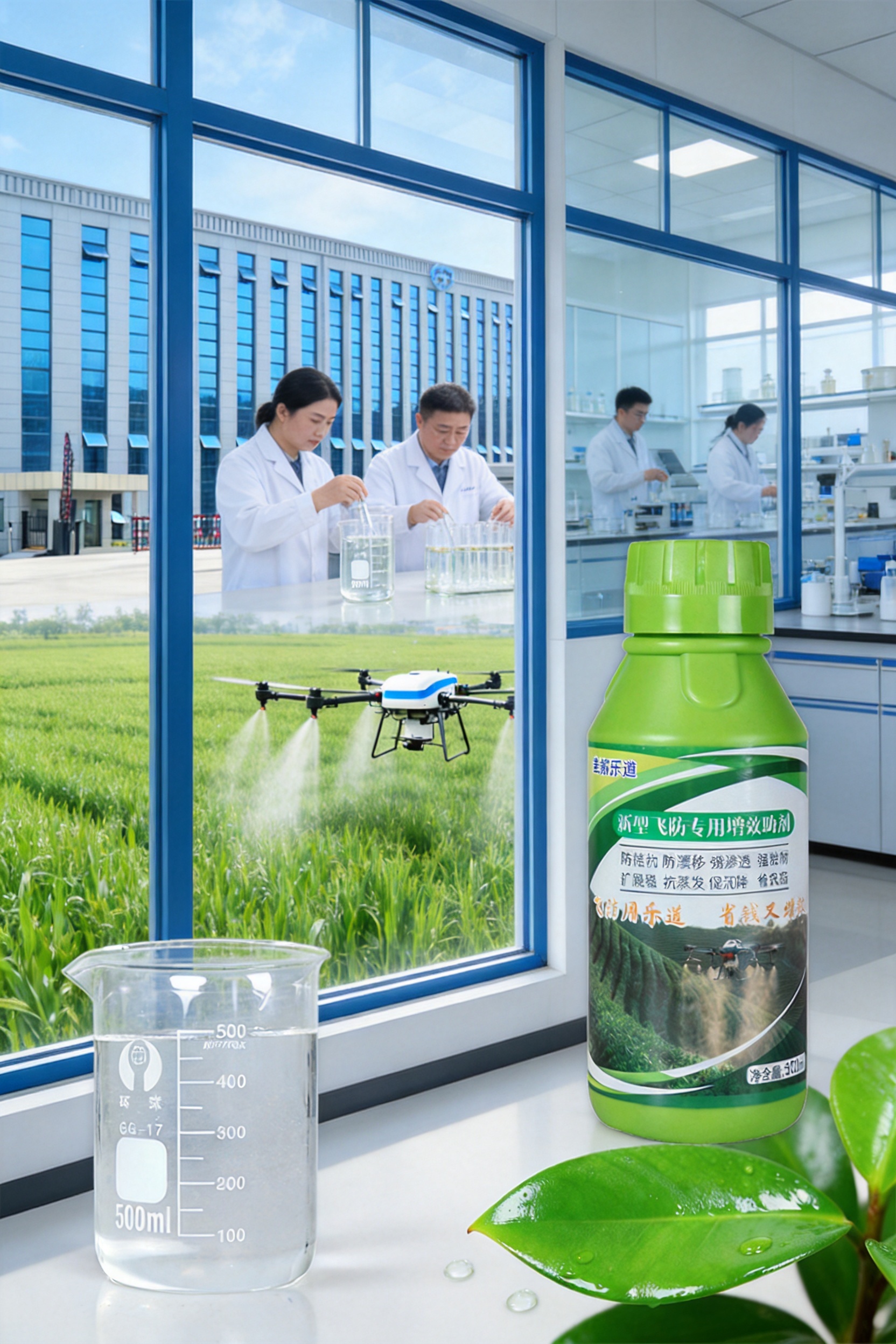
Company Strength and Market Reliability
Hebei Guituo New Material Co., Ltd. has developed a strong position in silicone materials by combining technology, production, and market service. Its agricultural silicone products have reached an advanced domestic level and are favored by leading agrochemical enterprises. This recognition is important because professional pesticide companies evaluate suppliers carefully. They require consistent quality, technical support, stable delivery, and reliable performance. Becoming a designated procurement product for major customers reflects trust earned through product quality and service capability.
The company’s product range also demonstrates broad silicone expertise. Beyond agricultural adjuvants, it manufactures materials for daily chemicals, electronics, textiles, and other fields. Cross-industry experience strengthens process understanding and quality management. Technologies developed for one application can support improvements in another, while diversified production experience helps the company respond to changing market demands.
Export experience adds another layer of reliability. Products supplied to overseas markets must meet customer expectations across different climates, regulations, and application habits. Continuous repurchases from overseas customers indicate stable performance and dependable supply. For buyers seeking long-term cooperation, this reliability is often as important as the product specification itself.
Future Role of Aerial Spraying Adjuvants in Agriculture
The use of drones and other aerial spraying platforms will continue to grow as agriculture becomes more mechanized and data-driven. Future crop protection will likely involve variable-rate spraying, remote sensing, field mapping, and more targeted applications. In such systems, adjuvants will become increasingly important because precision application requires precision droplet behavior. If a drone identifies a pest hotspot and applies pesticide accurately, the formulation must still deposit, spread, and penetrate effectively. Without the right adjuvant, digital precision may not translate into biological precision.
GT-9100 represents the direction of advanced adjuvant development: multifunctional, high-efficiency, application-specific, and compatible with modern spraying technology. Its benefits align with the needs of professional agriculture: higher utilization, reduced waste, improved efficacy, and better operational efficiency. As growers face rising input costs and stricter environmental expectations, such products will become essential tools rather than optional additives.
Q&A Section
What is GT-9100?
GT-9100 is a new high-efficiency aerial spraying dedicated enhancing adjuvant used in crop protection spray systems. It is an agricultural silicone synergist, also described as a silicone surfactant or polyether modified trisiloxane. It is designed to improve wetting, adhesion, absorption, penetration, drift control, anti-evaporation performance, and spray liquid stability.
Why is this adjuvant especially suitable for aerial spraying?
Aerial spraying often uses low water volumes and fine droplets, which can increase challenges such as drift, evaporation, poor leaf retention, and uneven coverage. GT-9100 is designed to make each droplet more effective by helping it spread rapidly, adhere to the leaf, resist fast drying, and deliver active ingredients more efficiently.
How does GT-9100 improve pesticide absorption?
GT-9100 reduces surface tension and improves contact between the spray liquid and the leaf surface. This helps droplets spread across waxy or difficult surfaces and increases the opportunity for active ingredients to move through the plant cuticle. As a result, pesticides that require uptake can act more efficiently when used correctly.
Can GT-9100 reduce pesticide drift?
GT-9100 can help reduce drift-related losses by improving deposition and adhesion on the crop canopy. However, drift control also depends on nozzle choice, droplet size, wind speed, flight height, pressure, and operator practice. The adjuvant should be used as part of a complete drift-management strategy.
What makes GT-9100 different from ordinary surfactants?
Ordinary surfactants may provide basic wetting, but GT-9100 offers ultra-low surface tension and multifunctional performance. It combines strong spreading with adhesion, anti-evaporation, absorption enhancement, drift reduction, and de-flocculation. This makes it better suited for demanding aerial spraying conditions than general-purpose wetting agents.
Does GT-9100 help with tank-mix stability?
Yes. GT-9100 has de-flocculation benefits that can help break down pesticide flocculants and improve spray liquid uniformity. This helps reduce nozzle blockage, uneven application, and inconsistent field performance, especially in concentrated low-volume aerial spraying systems.
Is the product compatible with all pesticides?
It may be compatible with many pesticide systems, but compatibility should never be assumed for every mixture. Users should follow pesticide label directions, consult technical guidance, and conduct jar tests before mixing multiple products. Crop safety testing is recommended for sensitive crops or new application programs.
How does the manufacturer ensure quality?
The manufacturer uses advanced production equipment, precise testing facilities, and a full-process quality monitoring system from raw materials to finished product delivery. Key indicators such as purity, viscosity, surface tension, cloud point, and pH are controlled to support stable product performance.
Can GT-9100 help reduce crop protection costs?
By improving pesticide utilization, reducing runoff, supporting better absorption, and helping avoid repeated applications, GT-9100 can contribute to lower total application costs. The economic benefit depends on crop type, pesticide program, pest pressure, weather, and correct use.
Is GT-9100 useful in sustainable agriculture?
Yes. More efficient pesticide delivery can reduce waste, runoff, and off-target movement. When used responsibly within integrated pest management and label requirements, GT-9100 can help improve the environmental efficiency of crop protection applications.
Conclusion
New High-Efficiency Aerial Spraying Dedicated Enhancing Adjuvants such as GT-9100 are designed for the realities of modern crop protection. They address the main limitations of aerial spraying: poor wetting, droplet evaporation, runoff, drift, incomplete absorption, and tank instability. With ultra-low surface tension, strong adhesion, anti-evaporation performance, enhanced penetration, drift-reduction support, and de-flocculation capability, GT-9100 helps improve pesticide utilization and field efficacy.
The product’s advantages over conventional adjuvants come from its multifunctional organosilicone technology and its dedicated focus on aerial spraying. It is not merely a wetting agent but a performance enhancer for the complete spray process, from tank mixing to leaf deposition and active ingredient uptake. Supported by advanced manufacturing processes, strict quality control, experienced technical teams, and OEM/ODM service capability, the product offers value to growers, drone service providers, formulators, and distributors.
As agriculture continues to adopt drones, precision application, and more sustainable crop protection strategies, high-efficiency adjuvants will play a larger role in achieving reliable results with lower waste. GT-9100 provides a practical and technically advanced solution for users seeking better coverage, stronger retention, improved absorption, and more efficient aerial pesticide application.
References
Hazen, J. L. “Adjuvants: Terminology, Classification, and Chemistry.” Weed Technology, Weed Science Society of America.
Green, J. M., and Beestman, G. B. “Recently Patented and Commercialized Formulation and Adjuvant Technology.” Crop Protection.
Holloway, P. J. “Surface Factors Affecting the Wetting of Leaves.” Pesticide Science.
Matthews, G. A. Pesticide Application Methods. Wiley-Blackwell.
Knowles, A. Chemistry and Technology of Agrochemical Formulations. Springer.
ASTM International. Standard Practices Related to Agricultural Spray Adjuvant Evaluation.
Food and Agriculture Organization of the United Nations. Guidelines on Good Practice for Aerial Application of Pesticides.
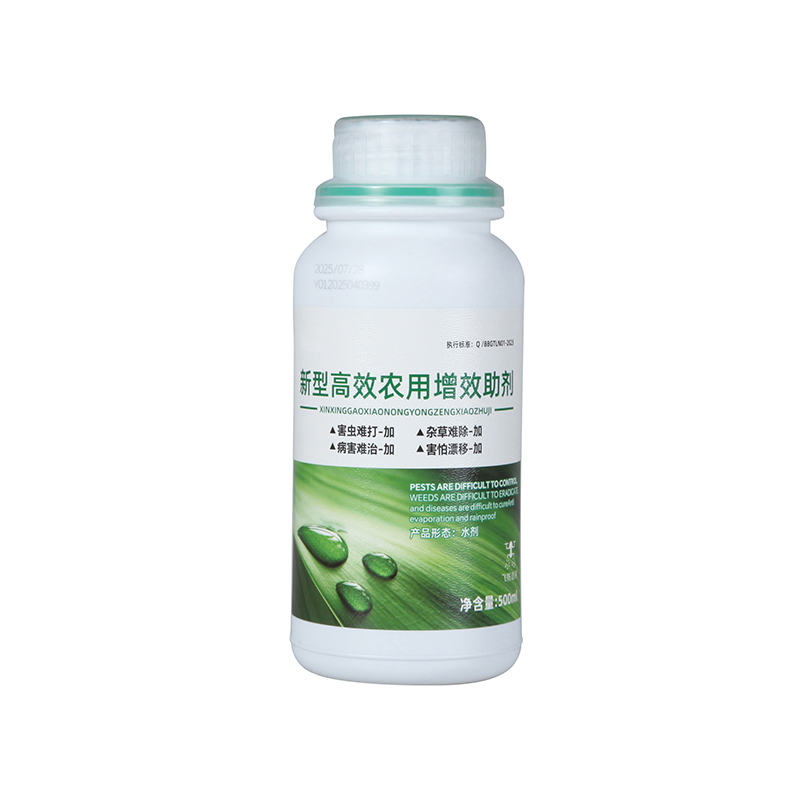
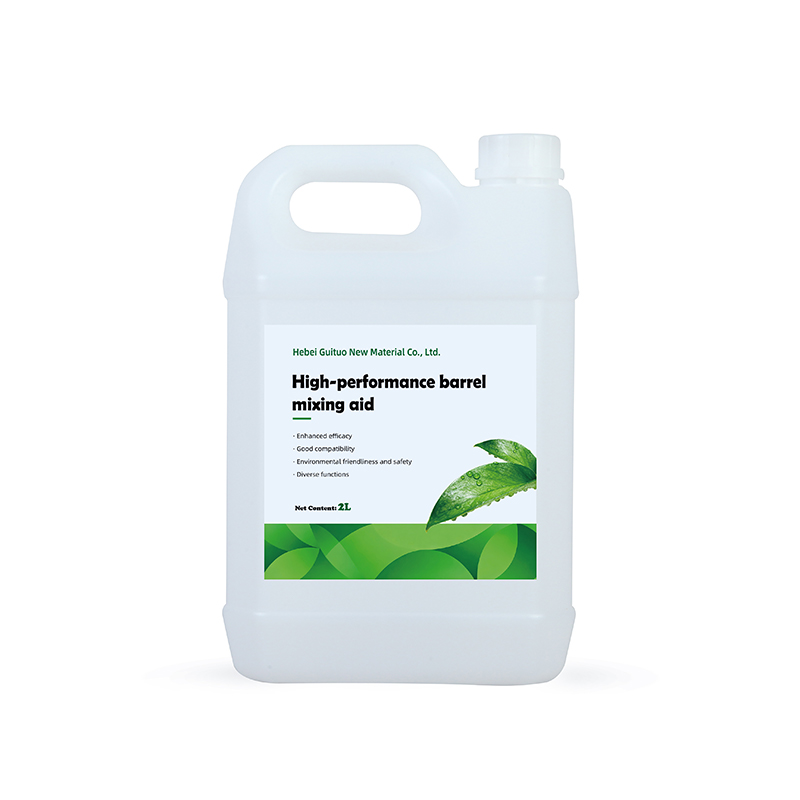
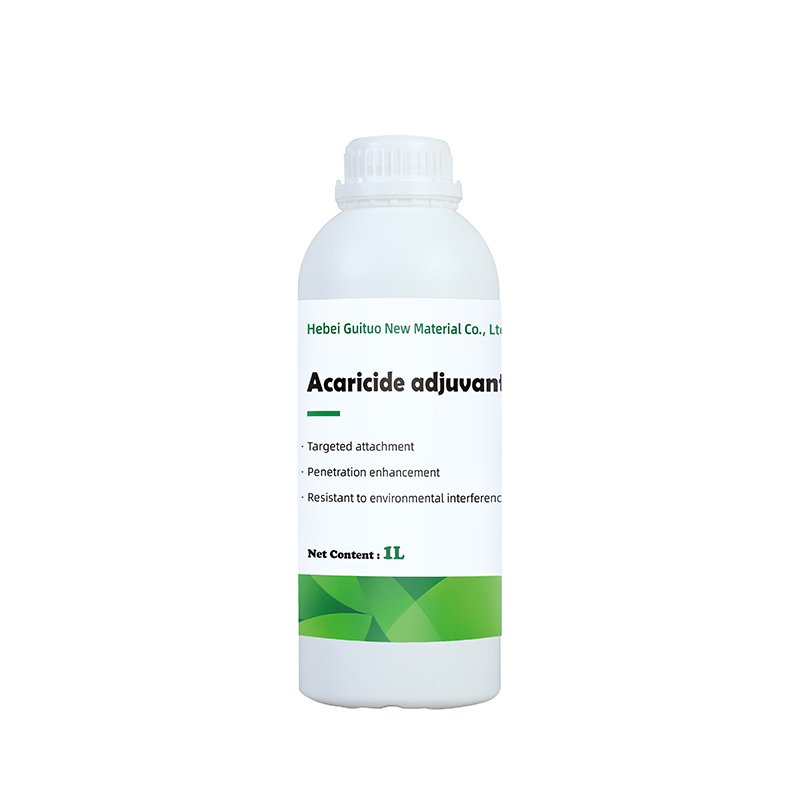
Product: New High-Efficiency Aerial Spraying Dedicated Enhancing Adjuvants


Contact Information
Tel : +86-400-138-5268
Email : [email protected]
Phone : +86-15128434888 / +86-13511051998
Add : Xinqiao Environmental Protection Industrial Park, Wen'an County, Langfang City, Hebei Province, China
Contact Information
Copyright © Hebei Guituo New Material Co., Ltd. All Rights Reserved.
