

 English
  Français
  Português
 Home / Author / Li Mei, Product Sales Specialist (Agricultural Silicone Products) / High-Performance Emulsified Silicone Oil for Advanced Industrial Formulations
 High-Performance Emulsified Silicone Oil for Advanced Industrial Formulations
2026-06-09
Emulsified silicone oil is a versatile silicone-based material designed to deliver lubrication, water repellency, surface smoothness, release performance, foam control, and wetting support in water-based and multi-component systems. As industries continue to move toward safer, cleaner, and more efficient formulations, emulsified silicone oil has become an important additive in agriculture, personal care, textiles, coatings, plastics, rubber, leather care, paper processing, metal treatment, and many other sectors.
Among silicone additives, emulsified silicone oil offers a valuable balance between the performance of silicone oil and the processing convenience of an aqueous emulsion. Traditional silicone oils are often difficult to disperse directly into water-based systems because of their hydrophobic nature. Through emulsification, silicone oil is dispersed into fine droplets and stabilized with suitable surfactants or emulsifying agents, making it easier to blend, dose, transport, and apply in water-compatible formulations.
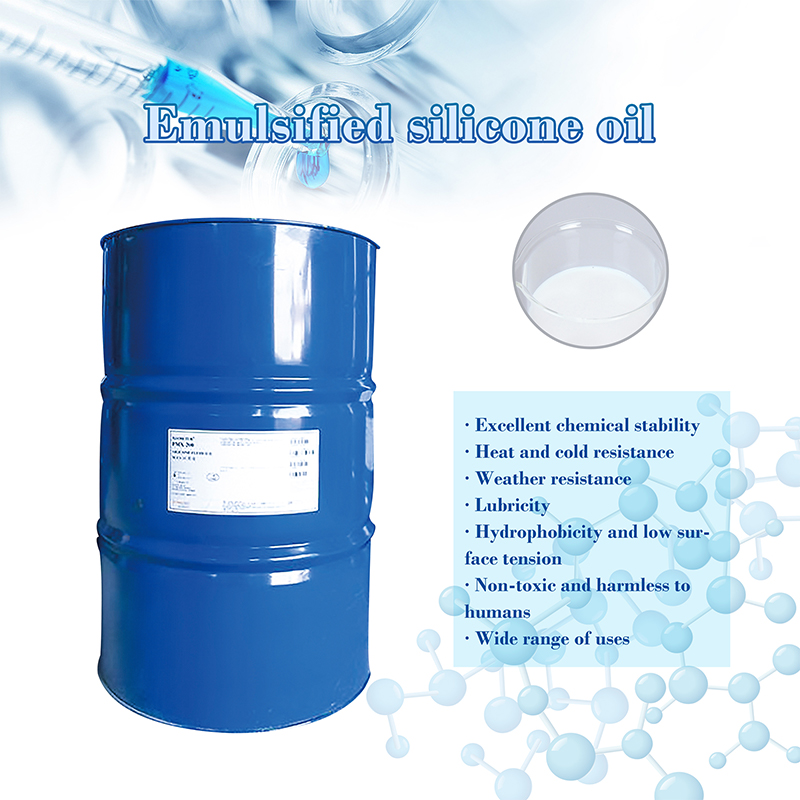
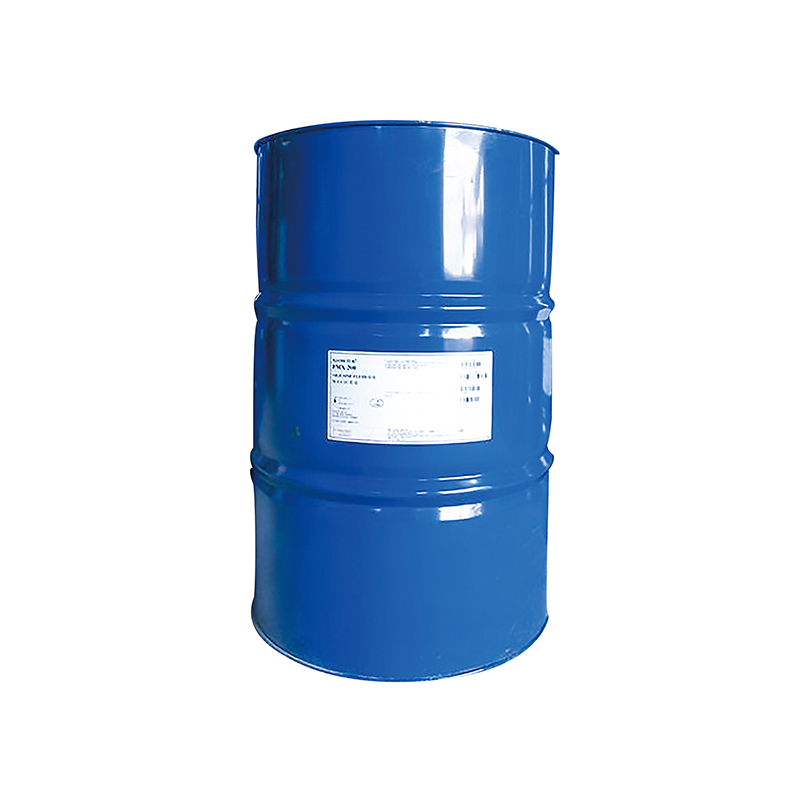
The product discussed in this article is Emulsified Silicone Oil, model LD-620, with CAS No. 9016-00-6, EINECS No. 618-493-1, and the synonym Polydimethylsiloxane Emulsion. It is described as a white viscous liquid with excellent chemical stability, heat resistance, cold resistance, weather resistance, lubricity, water repellency, low surface tension, and broad industrial applicability. Its purity is listed as 99.8%, indicating a high-quality silicone raw material foundation for demanding applications.
Hebei Guituo New Material Co., Ltd. supplies this emulsified silicone oil as part of a broader product matrix that includes silicone additives, wetting agents, modified silicone oils, dimethyl silicone oils, surfactants, defoamers, and related high-end silicone materials. The company focuses on research, production, quality control, and customized solutions for industrial and agricultural customers, offering OEM and ODM services for formulation development and market-specific requirements.
Product Identity and Core Characteristics
Emulsified silicone oil is fundamentally a dispersion of silicone oil in water or another polar medium. Because silicone oil itself is hydrophobic, the emulsification process is essential for making the oil compatible with aqueous systems. Proper emulsification allows the silicone phase to remain evenly distributed, helping the product perform reliably during storage, processing, and application.
LD-620 Emulsified Silicone Oil is presented as a white viscous liquid. It is insoluble in ethanol and methanol, while being soluble in aromatic hydrocarbons, aliphatic hydrocarbons, and chlorinated hydrocarbons such as benzene and carbon tetrachloride. This solubility profile reflects the hydrophobic backbone of polydimethylsiloxane and helps explain why emulsification is so valuable for use in water-based products.
The material demonstrates outstanding chemical stability. In practical terms, this means it can remain effective in many formulation environments without rapid decomposition or reaction with other ingredients. This is important in applications such as coatings, agriculture, daily chemical products, and industrial processing, where additives are often exposed to surfactants, salts, active compounds, pigments, resins, or temperature changes.
Heat and cold resistance are also central advantages. Many industrial additives lose effectiveness when temperatures fluctuate during transportation, storage, or processing. Emulsified silicone oil can maintain useful performance under a wide range of thermal conditions, making it suitable for customers who need consistency across seasons, climates, and production environments.
Weather resistance is another essential property. When applied to surfaces such as leaves, fibers, leather, plastic films, glass, ceramics, or coated substrates, silicone-based materials can help resist environmental stress. This is particularly valuable in agriculture, outdoor coatings, construction materials, textiles, automotive care, and surface protection systems.
Low surface tension is one of the most important reasons emulsified silicone oil is selected over many non-silicone alternatives. By lowering surface tension, it can improve spreading, wetting, film uniformity, and contact with difficult surfaces. Hydrophobic leaves, plastics, coated metals, rubber parts, and synthetic fibers often require additives that can overcome poor wettability. Emulsified silicone oil provides this advantage in a convenient liquid form.
Technical Information
| Item | Information |
|---|---|
| Product Model | LD-620 |
| Product Name | Emulsified Silicone Oil |
| CAS No. | 9016-00-6 |
| EINECS No. | 618-493-1 |
| Purity | 99.8% |
| Synonym | Polydimethylsiloxane Emulsion |
| Appearance | White viscous liquid |
| Main Performance Features | Chemical stability, heat resistance, cold resistance, lubricity, water repellency, low surface tension, weather resistance |
| Typical Application Fields | Agriculture, textiles, personal care, coatings, plastics, rubber, leather, metal processing, paper, wood, glass, ceramics, release agents |
Why Emulsified Silicone Oil Performs Better Than Conventional Additives
Many competing products used for lubrication, wetting, release, polishing, or anti-stick performance are based on mineral oils, waxes, fatty acid derivatives, non-silicone surfactants, or conventional organic polymers. While these materials can be useful, they often have limitations in temperature stability, surface tension reduction, oxidation resistance, compatibility, long-term smoothness, or film durability.
Emulsified silicone oil has a molecular structure that provides a distinctive combination of flexibility, low intermolecular force, hydrophobicity, and thermal stability. This allows it to spread efficiently and form thin, smooth layers on many surfaces. Compared with ordinary oils, silicone oil generally has better oxidation resistance and maintains performance over a broader temperature range.
In applications requiring surface smoothness, emulsified silicone oil often delivers a more refined touch than traditional wax emulsions or hydrocarbon lubricants. For hair care, textile finishing, leather polishing, and surface treatment, the resulting feel can be smoother, softer, and less sticky. This is a major advantage when the final product must meet user expectations for premium performance.
In release-agent applications, emulsified silicone oil can outperform many conventional release materials because it creates a low-energy surface. This reduces adhesion between molds and finished products in polyurethane, plastics, rubber, glass, ceramics, stone, textiles, paper, and wood processing. Better release performance can reduce defects, improve productivity, lower cleaning frequency, and extend mold service life.
In water-based coatings, emulsified silicone oil can contribute defoaming and surface improvement functions. Non-silicone additives may require higher use levels or may compromise gloss, compatibility, or film appearance. A carefully formulated silicone emulsion can provide strong performance at relatively low dosage, helping formulators optimize cost and performance.
In agriculture, conventional wetting agents can improve spreading, but silicone-based materials often provide superior coverage on difficult leaf surfaces. Many plant leaves have waxy, hydrophobic coatings that cause spray droplets to bead and roll away. Emulsified silicone oil can help reduce droplet surface tension, increase leaf contact, and support more uniform deposition of active ingredients.
Compared with direct silicone oil addition, emulsified silicone oil is much easier to use in water-based systems. Direct silicone oil can float, separate, or create localized defects if not properly dispersed. Emulsified silicone oil is pre-dispersed and stabilized, enabling simpler mixing and more uniform performance. This gives it a practical advantage over raw silicone oil for many manufacturers.
Advanced Manufacturing and Quality Strengths
High-quality emulsified silicone oil depends not only on the silicone oil raw material but also on emulsification technology, surfactant selection, process control, particle-size management, and stability testing. A silicone emulsion that separates during storage or loses uniformity during application may fail even if the base silicone oil is excellent. Therefore, manufacturing expertise is critical.
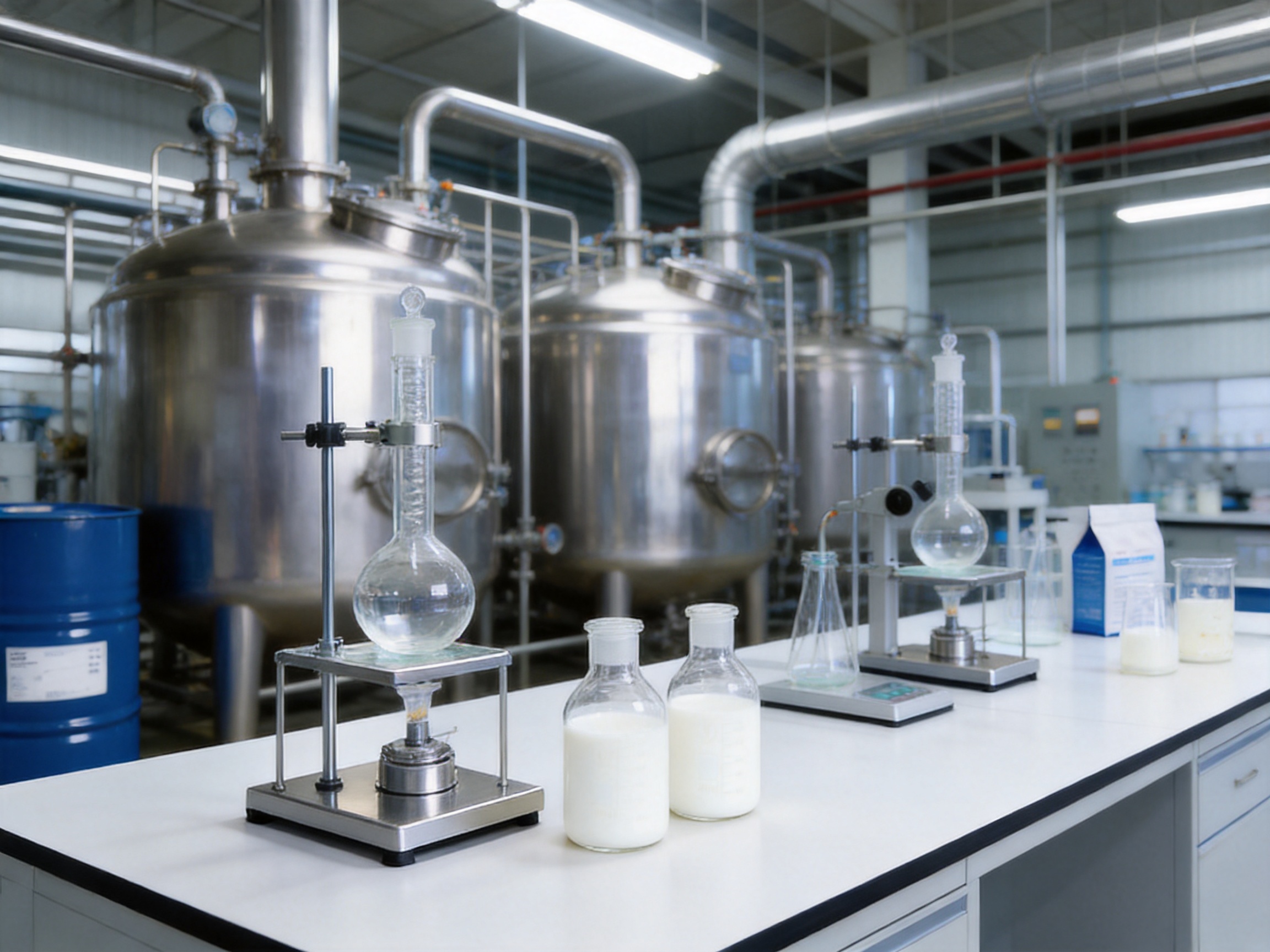
Hebei Guituo New Material Co., Ltd. operates as a high-tech enterprise integrating research and development, production, and sales. Its production system is supported by advanced equipment, precise testing facilities, and a full-process quality monitoring mechanism. This structure allows the company to control product quality from raw material intake through production, inspection, packaging, and delivery.
The company’s technical team focuses on the development and innovative application of high-end silicone materials in industrial and agricultural fields. This is especially important for emulsified silicone oil because different industries require different emulsion properties. For example, an agricultural spray additive may require rapid spreading and good dilution stability, while a textile finishing agent may require softness, uniform fiber penetration, and durable hand feel.
Manufacturing strength is reflected in the ability to adjust silicone oil viscosity, emulsifier type, droplet size, solid content, stability profile, and compatibility with other additives. Through these adjustments, the company can tailor emulsified silicone oil to match the requirements of coatings, agriculture, daily chemicals, release agents, textiles, electronics, and processing aids.
Precision testing plays a major role in ensuring consistent batches. Key test indicators may include appearance, pH, viscosity, active content, particle size, emulsion stability, dilution behavior, thermal stability, and compatibility with customer formulations. Stable quality is crucial for industrial users because even small variations can affect downstream production, final product appearance, or application performance.
The company’s production and technical personnel bring industry experience and professional process knowledge. This combination supports the development of reliable emulsions and helps customers solve practical formulation problems. Instead of supplying only a standard material, the company can support application matching, formulation modification, OEM production, and ODM cooperation.
Importance of Emulsion Stability
Emulsion stability is one of the most important performance considerations for emulsified silicone oil. A stable emulsion resists phase separation, sedimentation, floating oil, droplet coalescence, and viscosity drift during storage and processing. If an emulsion is unstable, the silicone oil phase may separate, leading to inconsistent dosing and unreliable application results.
In agricultural formulations, stability ensures that silicone oil remains evenly dispersed in the spray solution. Uniform dispersion helps produce consistent spreading and leaf coverage. If the product separates, some parts of the spray tank may contain too little silicone while others may contain too much, resulting in uneven performance or crop-surface residue.
In daily chemical products such as shampoos, detergents, polishes, and cleaning formulations, emulsion stability helps preserve product appearance, texture, and performance. Consumers and industrial users expect uniform liquids without visible separation. A stable silicone emulsion supports smooth processing and consistent quality in finished products.
In coatings and industrial systems, emulsion stability can affect film formation, foam behavior, surface appearance, and defect control. Poorly stabilized silicone droplets may cause craters, fisheyes, or uneven surface effects. Proper emulsification helps ensure that the silicone component contributes beneficial performance without creating unwanted defects.
Hebei Guituo New Material Co., Ltd. emphasizes suitable surfactant selection and formulation balancing to support long-term emulsion integrity. The company’s broader product matrix, including surfactants, wetting agents, modified silicone oils, and defoamers, gives it practical advantages in designing stable and compatible silicone emulsions.
Role of Viscosity and Droplet Size
The viscosity of the base silicone oil influences how the emulsion behaves and how it performs on surfaces. Lower viscosity silicone oils generally create finer droplets that disperse easily and spread rapidly. This can be beneficial for agricultural sprays, cleaning formulations, and other systems that require fast wetting and uniform coverage.
Medium viscosity silicone oils often provide a balance between spreading, lubrication, and surface coverage. They may be suitable for textile finishing, surface coating, paper treatment, leather polishing, and general industrial applications where both processing ease and functional surface properties are required.
Higher viscosity silicone oils may produce larger droplets and thicker surface films. These can be advantageous when the goal is stronger lubrication, mold release, anti-stick performance, or protective surface coverage. However, higher viscosity systems require careful emulsification to maintain stability and avoid separation.
Droplet size is equally important. Smaller droplets usually improve dispersion and storage stability, while larger droplets may enhance certain surface effects such as lubricity or release. The ideal droplet size depends on the application. An agricultural wetting additive may benefit from fine droplets, while a release agent may require a different balance for stronger surface presence.
One advantage of a technically capable manufacturer is the ability to control these parameters rather than offering only a generic emulsion. By adjusting processing conditions, emulsifier systems, and silicone oil properties, emulsified silicone oil can be optimized for specific customer requirements.
Application in Agriculture
Agriculture is one of the most important fields for silicone-based additives. Crop protection products, foliar fertilizers, biological formulations, and plant nutrition systems often need improved wetting and spreading. Many leaf surfaces are naturally waxy and water-repellent, causing ordinary spray droplets to remain spherical or slide off. This reduces the effective contact between active ingredients and target surfaces.
Emulsified silicone oil can improve spray coverage by reducing surface tension and promoting spreading. Better coverage helps active ingredients distribute more uniformly over leaf surfaces. This can improve the efficiency of pesticides, herbicides, fungicides, fertilizers, and other agricultural inputs when used appropriately in compatible formulations.
Compared with many conventional agricultural surfactants, silicone-based products can provide stronger spreading at low dosage. This may reduce waste and improve deposition. It can also help reduce runoff, especially on difficult-to-wet crops. The result is more efficient use of agricultural chemicals and potentially better field performance.
Compatibility remains a key concern in agriculture. Emulsified silicone oil must work with active ingredients, salts, solvents, dispersants, and other adjuvants. A poorly matched additive can destabilize the formulation or interfere with active ingredient performance. Hebei Guituo New Material Co., Ltd. supports agricultural silicone product development through its knowledge of silicone additives, wetting agents, and surfactant systems.
The company’s agricultural silicone products are described as reaching an advanced domestic level and being favored by leading agrochemical enterprises. This indicates that the company has practical experience in meeting the performance and quality requirements of professional agricultural users.
Application in Personal Care and Daily Chemicals
Emulsified silicone oil is widely used in hair care and personal care products because it can improve smoothness, combability, shine, and softness. In shampoos and conditioners, silicone emulsions can help reduce friction between hair fibers, making hair easier to comb and improving the sensory experience.
In hair care systems, direct addition of silicone oil can be difficult because the oil does not naturally mix with water-based surfactant systems. Emulsified silicone oil solves this problem by delivering silicone in a dispersed form. This improves processing convenience and helps ensure uniform distribution in the final product.
For cleaning products and polishes, emulsified silicone oil can contribute water repellency, surface shine, anti-stick behavior, and a pleasant smooth feel. Furniture polishes, leather care products, automotive care products, floor treatments, and household cleaning products can all benefit from silicone emulsion technology.
Compared with wax-based or mineral-oil-based polish ingredients, silicone emulsions often provide a cleaner, less greasy finish and stronger water-repellent effect. This can improve product quality and user satisfaction, especially in premium care formulations.
Foam behavior is another important factor in daily chemical systems. Silicone oils can help control excessive foam, but the effect must be balanced carefully. In shampoos, excessive defoaming may be undesirable, while in detergents or industrial cleaners it may be helpful. The ability to adjust formulation compatibility and droplet behavior gives emulsified silicone oil flexibility in different daily chemical products.

Application in Mold Release and Processing
Release performance is one of the classic advantages of silicone materials. Emulsified silicone oil can be used as a release agent in polyurethane, plastics, rubber, glass, ceramics, stone, textiles, paper, and wood industries. It helps reduce adhesion between the processed material and mold surfaces, rollers, plates, or other contact equipment.
In plastics and rubber processing, release efficiency can directly affect productivity. Poor release may cause sticking, tearing, surface damage, longer cycle time, higher defect rates, and more frequent mold cleaning. A silicone-based release emulsion can create a thin, low-surface-energy layer that supports easier demolding.
In polyurethane applications, release agents must provide consistent separation while avoiding surface contamination that interferes with downstream coating or bonding. Properly formulated emulsified silicone oil can help maintain release performance while reducing excessive buildup.
In glass, ceramics, and stone processing, surface protection and release behavior can reduce abrasion and improve handling. In paper and wood industries, silicone emulsions can help reduce sticking, improve surface slip, and support smoother processing.
Compared with solvent-based release agents, emulsified silicone oil offers a more convenient water-based approach. Water-based emulsions can reduce reliance on volatile organic solvents, improve workplace handling, and support more environmentally conscious production systems.
Application in Textiles and Fibers
Textile processing requires additives that can improve softness, smoothness, sewing performance, anti-friction behavior, and fiber handling. Emulsified silicone oil can be applied during textile finishing to create a smoother hand feel and improve fiber surface properties.
Its low surface tension supports uniform coating and penetration into fibers. The result can be improved softness, better drape, reduced fiber-to-fiber friction, and enhanced processing performance. For synthetic fibers, which are often hydrophobic, silicone emulsions can provide especially useful surface modification.
Compared with traditional softeners, silicone emulsions may provide longer-lasting smoothness and a more premium tactile effect. They can also help reduce abrasion during processing and improve fabric handling in later manufacturing steps.
Textile formulations must be carefully balanced to avoid yellowing, staining, instability, or uneven finish. Emulsion stability and compatibility with other textile auxiliaries are essential. A manufacturer with experience in silicone additives and surfactants can adjust emulsified silicone oil to support textile-specific requirements.
Application in Coatings, Paint Additives, and Foam Control
Emulsified silicone oil can be used in water-based coatings for defoaming, surface control, anti-cratering support, leveling assistance, and water repellency. Coatings often generate foam during mixing, pumping, grinding, or application. Excessive foam can cause pinholes, poor film appearance, reduced coating density, and production inefficiency.
Silicone-based materials are effective foam-control agents because they can disrupt foam films and reduce bubble stability. Emulsified silicone oil can contribute to foam suppression while remaining easier to incorporate into water-based systems than pure silicone oil.
In addition to foam control, emulsified silicone oil may improve coating surface properties. It can help create smoother films, reduce tack, improve slip, and enhance water resistance. However, silicone additives must be used carefully because excessive or incompatible silicone can cause surface defects. This is why controlled droplet size, proper emulsification, and compatibility testing are important.
Compared with non-silicone defoamers, silicone emulsions can offer stronger defoaming efficiency at lower levels. Compared with raw silicone oil, emulsified silicone oil is easier to disperse and less likely to create localized defects when properly formulated.
Application in Metal Processing and Anti-Rust Systems
Metal processing often requires lubrication, anti-rust performance, water repellency, and surface protection. Emulsified silicone oil can support these needs by forming a hydrophobic film that reduces moisture contact and improves surface slip. It can be used in metal processing fluids, polishing systems, and protective treatments.
In anti-rust applications, water repellency is particularly important. Moisture is a major cause of corrosion, and a silicone-containing layer can help reduce water contact with metal surfaces. While emulsified silicone oil is not always used as the only corrosion inhibitor, it can support anti-rust formulations by improving surface coverage and hydrophobicity.
Lubricity is also valuable in metalworking. Reduced friction can improve processing efficiency and reduce wear on tools or workpieces. Compared with some hydrocarbon lubricants, silicone-based emulsions may offer better thermal stability and cleaner surface behavior in selected systems.
Application in Leather, Furniture, Automotive, and Floor Care
Emulsified silicone oil is suitable for leather polishes, furniture care products, automotive care products, and floor treatments. In these applications, customers often seek shine, smoothness, water repellency, anti-dust behavior, and a pleasant touch. Silicone emulsions can help create a uniform surface film that improves appearance and protection.
In leather polishing, emulsified silicone oil can improve gloss and softness without excessive greasiness. It can also help protect the surface against moisture and improve handling. In furniture care, it can produce a smooth and clean surface effect while helping reduce adhesion of dust and dirt.
Automotive care products benefit from silicone’s ability to improve shine and water beading. Dashboards, trims, tires, and exterior surfaces may use silicone-containing emulsions for visual enhancement and surface protection. Floor care products can use silicone emulsions to improve gloss, slip control, and maintenance performance.
Compared with traditional oil-based polish additives, emulsified silicone oil can be easier to formulate in water-based products and can provide a more refined finish. This supports the development of modern care products with lower solvent content and improved user convenience.
Safety and Handling Considerations
The product is described as non-toxic and harmless to humans under appropriate use conditions. This contributes to its broad application in personal care, food production-related processing, fermentation industries, and daily-use products. However, as with all chemical raw materials, proper handling practices should be followed.
Manufacturers and users should consult the relevant technical data sheet and safety data sheet before use. Recommended practices include avoiding unnecessary skin or eye contact, using suitable protective equipment during industrial handling, preventing contamination, and storing the product under appropriate conditions to preserve emulsion stability.
Because emulsified silicone oil is a formulated emulsion, freezing, overheating, strong shear, contamination, or incompatible additives may affect stability. Storage in sealed containers, away from extreme temperatures and direct contamination, is recommended for maintaining product quality.
For specialized uses such as food-related processing, personal care, agriculture, or regulated industrial sectors, users should verify regulatory suitability, purity requirements, and compatibility with local standards.

Customization, OEM, and ODM Capabilities
One of the competitive strengths of Hebei Guituo New Material Co., Ltd. is its ability to accept OEM and ODM orders. This is especially valuable for emulsified silicone oil because different customers often need different specifications. A single standard emulsion cannot perfectly meet all industrial requirements.
Customization may involve adjusting active silicone content, viscosity, emulsion particle size, surfactant system, dilution stability, pH range, defoaming behavior, spreading strength, release performance, or compatibility with specific customer formulations. By providing tailored solutions, the company can help customers improve final product performance and market differentiation.
OEM cooperation allows customers to source stable products under their own brands or market systems, while ODM cooperation can involve more in-depth formulation development. For customers in agriculture, coatings, textiles, personal care, or industrial processing, this support can shorten development cycles and reduce formulation risk.
The company’s broad product matrix is an advantage in customization. Because it supplies silicone additives, wetting agents, modified silicone oils, dimethyl silicone oils, surfactants, and defoamers, it can combine related materials to create more complete solutions. This is more flexible than competitors that supply only one product category.
Advantages Over Competitors
Emulsified Silicone Oil LD-620 offers several advantages over many competing materials and suppliers. First, the product is based on a high-purity silicone raw material foundation, with listed purity of 99.8%. This supports stable performance and reliable application in demanding industries.
Second, the product combines multiple functions in one material. It can contribute lubrication, release, polishing, anti-stick behavior, water repellency, smoothing, combing support, cleaning performance, wetting assistance, and defoaming in water-based coatings. Multifunctionality can reduce the number of additives required in a formulation and simplify product design.
Third, it offers excellent environmental and thermal adaptability. Heat resistance, cold resistance, weather resistance, and chemical stability help the product maintain usefulness across diverse storage and application environments. This is especially important for export markets and outdoor applications.
Fourth, its emulsified form gives it a practical advantage over raw silicone oil. It can be more easily incorporated into water-based systems, reducing the need for intensive dispersion processes. This improves manufacturing convenience and reduces the risk of separation or uneven dosing.
Fifth, Hebei Guituo New Material Co., Ltd. provides production and technical support rather than simply selling a commodity. Its advanced production equipment, precise testing facilities, full-process quality monitoring, experienced team, and customization services help customers obtain consistent and application-matched products.
Sixth, the company’s products have gained recognition in domestic and overseas markets, including Europe and Southeast Asia. Continuous repurchases from customers indicate stable performance and reliable quality, which are important indicators for industrial buyers seeking long-term supply partners.
Selection Guidance for Formulators
When selecting emulsified silicone oil, formulators should consider the final application first. A product designed for agricultural spreading may not be identical to one optimized for mold release or textile finishing. The required balance of spreading, lubrication, defoaming, stability, and surface film formation varies by industry.
Silicone oil viscosity is one key factor. Lower viscosity grades may be preferred for rapid spreading and fine dispersion. Higher viscosity systems may be better for stronger lubrication or release. Medium viscosity products can offer balanced performance for general surface treatment and textile applications.
Emulsion stability should always be tested in the customer’s own system. Even a stable emulsion can behave differently when mixed with salts, solvents, acids, alkalis, pigments, resins, or active ingredients. Compatibility testing should include storage stability, dilution behavior, temperature exposure, and end-use performance.
Dosage should be optimized through trials. Silicone materials often perform effectively at low levels, but excessive dosage may cause defects, over-slipperiness, foam collapse, or surface issues. The best dosage depends on the formulation and application method.
Processing order can also matter. Some emulsified silicone oils should be added during the final stage of mixing to reduce excessive shear or interaction with incompatible components. Others may tolerate stronger processing. Technical guidance from the supplier can help determine the best addition method.
Quality Control from Production to Delivery
Reliable industrial use requires reliable supply. Hebei Guituo New Material Co., Ltd. has established a comprehensive guarantee system to ensure product quality and stable supply. This includes advanced production equipment, precise testing facilities, and a full-process quality monitoring mechanism.
Raw material control is the first step. High-quality silicone oil, emulsifiers, and auxiliary materials are necessary for stable emulsion performance. Incoming material inspection helps reduce batch variation and prevent defects before production begins.
Process control is the second step. Emulsification requires controlled mixing, shear, temperature, addition sequence, and stabilization conditions. If these parameters are inconsistent, droplet size and emulsion stability may vary. Advanced equipment and trained personnel help maintain batch-to-batch consistency.
Finished product inspection is the third step. Appearance, viscosity, stability, active content, and other indicators can be checked before release. This helps ensure that customers receive product that meets expected specifications.
Packaging and delivery control are also important. Emulsions must be protected from contamination, extreme temperatures, and mechanical damage. Proper packaging supports stability during transportation and storage, especially for export shipments.
Market Relevance and Future Development
The demand for emulsified silicone oil is expected to remain strong as industries continue shifting toward water-based, high-performance, and multifunctional additives. In coatings, personal care, agriculture, and industrial processing, formulators want additives that deliver strong performance without creating processing difficulties.
Water-based systems are increasingly favored because they can reduce reliance on organic solvents and improve handling convenience. Emulsified silicone oil fits this trend by providing silicone performance in a water-compatible form. This makes it relevant for modern environmental and production goals.
Agricultural efficiency will also continue to drive demand for high-performance spreading and wetting additives. Better spray coverage can help improve the use efficiency of crop protection products and plant nutrition formulations. Silicone-based emulsions are well positioned in this market because of their low surface tension and strong wetting ability.
In personal care and daily chemicals, consumer expectations for smoothness, softness, shine, and pleasant touch continue to increase. Silicone emulsions remain important ingredients for delivering these sensory benefits in water-based formulations.
In industrial manufacturing, productivity and defect reduction are key priorities. Release agents, lubricants, anti-stick additives, and surface modifiers based on emulsified silicone oil can support smoother processing and improved finished product quality.
Q&A
Q1: What is emulsified silicone oil?
Emulsified silicone oil is a dispersion of silicone oil in water or another polar medium, stabilized by emulsifiers or surfactants. It provides the performance benefits of silicone oil while being easier to use in water-based formulations.
Q2: What are the main advantages of LD-620 Emulsified Silicone Oil?
Its main advantages include chemical stability, heat resistance, cold resistance, weather resistance, lubricity, water repellency, low surface tension, and broad compatibility with applications such as agriculture, textiles, coatings, personal care, release agents, and surface treatment.
Q3: Why is emulsified silicone oil easier to use than direct silicone oil?
Direct silicone oil is hydrophobic and difficult to disperse in water-based systems. Emulsified silicone oil is already dispersed into fine droplets, making it easier to blend, dose, and apply in aqueous formulations.
Q4: How does emulsified silicone oil help agricultural formulations?
It improves wetting and spreading on hydrophobic plant surfaces, helping spray solutions cover leaves more uniformly. This can support better deposition of pesticides, fertilizers, and other agricultural active ingredients when used in compatible formulations.
Q5: Can emulsified silicone oil be used as a release agent?
Yes. It can be used for mold release and anti-stick functions in polyurethane, plastics, rubber, glass, ceramics, stone, textiles, paper, and wood industries. Its low surface energy helps reduce adhesion and improve processing efficiency.
Q6: What role does droplet size play in product performance?
Droplet size affects emulsion stability, spreading behavior, surface coverage, lubrication, and defoaming performance. Smaller droplets often disperse quickly, while larger droplets may provide stronger surface film effects. The best droplet size depends on the application.
Q7: Is emulsified silicone oil suitable for personal care products?
Yes. It can be used in hair care products to improve smoothness, combability, softness, and shine. It is also useful in polishes, cleaning products, and daily chemical formulations where water repellency and surface feel are important.
Q8: How does the company ensure product quality?
Hebei Guituo New Material Co., Ltd. uses advanced production equipment, precise testing facilities, experienced technical personnel, and a full-process quality monitoring system from raw material control to finished product delivery.
Q9: Can the product be customized?
Yes. The company accepts OEM and ODM orders and can tailor emulsified silicone oil formulations by adjusting viscosity, emulsion stability, droplet size, surfactant system, spreading performance, defoaming behavior, and application compatibility.
Q10: What industries commonly use emulsified silicone oil?
Common industries include agriculture, personal care, daily chemicals, textiles, coatings, metal processing, rubber, plastics, polyurethane, leather care, automotive care, furniture care, paper, wood, glass, ceramics, and release-agent manufacturing.
Conclusion
Emulsified Silicone Oil LD-620 is a high-performance silicone emulsion designed for customers who require reliable lubrication, water repellency, release performance, wetting, spreading, polishing, anti-stick behavior, and foam-control support. Its white viscous liquid form, high purity, chemical stability, thermal resistance, weather resistance, and low surface tension make it suitable for a wide range of industrial and agricultural applications.
Compared with many conventional additives, emulsified silicone oil provides stronger surface activity, better temperature resistance, smoother tactile properties, improved release efficiency, and easier incorporation into water-based systems. Compared with raw silicone oil, it offers major processing advantages because it is already dispersed and stabilized for formulation use.
The manufacturing and technical strengths of Hebei Guituo New Material Co., Ltd. further enhance the product’s value. With advanced equipment, precise testing facilities, full-process quality control, experienced teams, and OEM and ODM capabilities, the company can provide both standard products and customized silicone solutions for demanding customers.
As industries continue to demand efficient, stable, and multifunctional materials, emulsified silicone oil will remain an important additive for agriculture, coatings, textiles, personal care, release agents, and industrial processing. LD-620 offers a practical and competitive solution for manufacturers seeking dependable silicone performance in a convenient emulsion form.
References
1. Noll, W. Chemistry and Technology of Silicones. Academic Press.
2. Owen, M. J., and Dvornic, P. R. Silicone Surface Science. Springer.
3. Karsa, D. R. Industrial Applications of Surfactants. Royal Society of Chemistry.
4. Rosen, M. J., and Kunjappu, J. T. Surfactants and Interfacial Phenomena. Wiley.
5. Flick, E. W. Industrial Surfactants: An Industrial Guide. William Andrew Publishing.
6. Technical literature on polydimethylsiloxane emulsions, silicone additives, agricultural wetting agents, and water-based release systems.
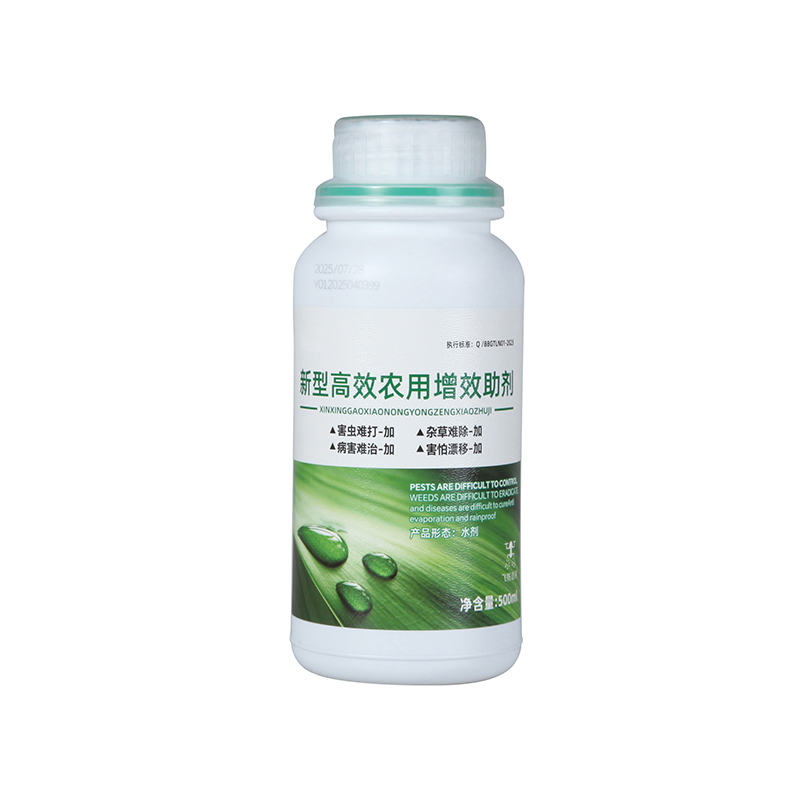
Product: Emulsified Silicone Oil


Contact Information
Tel : +86-400-138-5268
Email : [email protected]
Phone : +86-15128434888 / +86-13511051998
Add : Xinqiao Environmental Protection Industrial Park, Wen'an County, Langfang City, Hebei Province, China
Contact Information
Copyright © Hebei Guituo New Material Co., Ltd. All Rights Reserved.
