

 English
  Français
  Português
 Home / Author / Li Mei, Product Sales Specialist (Agricultural Silicone Products) / Emulsified Silicone Oil for High-Performance Industrial and Agricultural Formulations
 Emulsified Silicone Oil for High-Performance Industrial and Agricultural Formulations
2026-06-21
Emulsified silicone oil is a versatile silicone-based raw material designed to deliver lubrication, water repellency, surface smoothing, wetting support, release performance, and formulation stability in a wide range of industrial and agricultural systems. As modern manufacturers seek additives that can perform reliably in water-based products, emulsified silicone oil has become an important solution because it combines the unique properties of polydimethylsiloxane with the practical handling benefits of an aqueous emulsion.
Unlike conventional silicone oil that may be difficult to disperse directly into water-based formulations, emulsified silicone oil is prepared as a stable dispersion. This allows formulators to incorporate silicone functionality into shampoos, textile finishing agents, leather polishes, mold release systems, agricultural sprays, water-based coatings, paper treatments, metalworking fluids, and many other applications. The product offers excellent chemical stability, heat resistance, cold resistance, weather resistance, lubricity, water repellency, and low surface tension. These properties make it highly valuable for industries that require smooth surface effects, uniform spreading, anti-stick performance, and consistent process efficiency.
Hebei Guituo New Material Co., Ltd. produces emulsified silicone oil through a manufacturing system supported by advanced equipment, precise testing facilities, and full-process quality monitoring. The company’s product matrix includes silicone additives, wetting agents, modified silicone oil, dimethyl silicone oil, surfactants, and defoamers, enabling it to develop emulsified silicone oil solutions that fit demanding formulation environments. With technical expertise in both industrial and agricultural silicone materials, the company provides a reliable supply of customized products for customers seeking stable performance and professional formulation support.
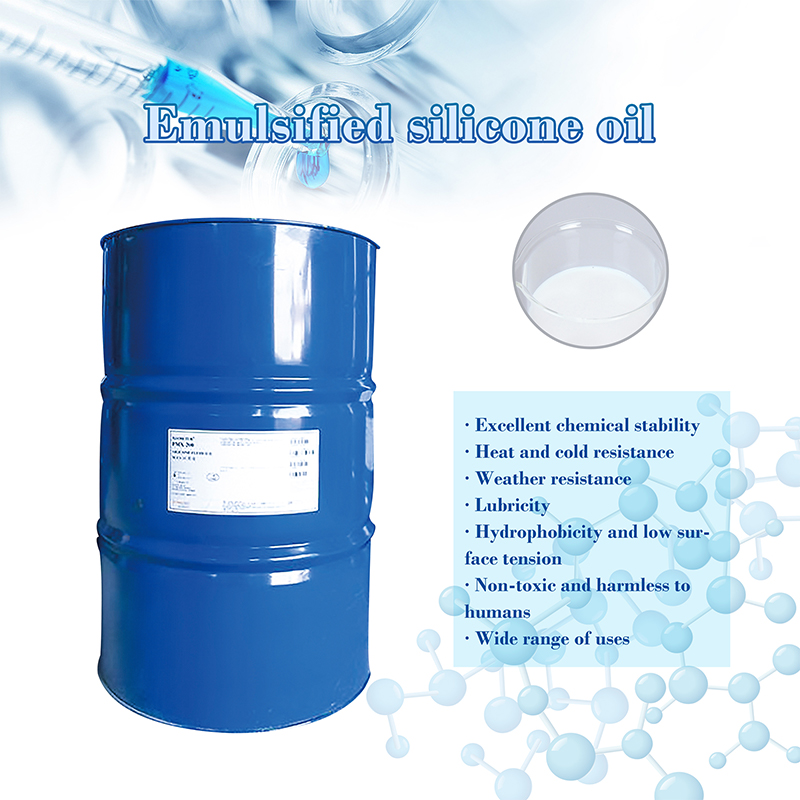
Emulsified Silicone Oil
Product Overview
Emulsified silicone oil is typically a white viscous liquid based on silicone oil dispersed in water with the assistance of surfactants or emulsifying agents. The product described here is associated with the model LD-620 and is also known as polydimethylsiloxane emulsion. Its CAS number is 9016-00-6, and it is designed for applications requiring silicone performance in an easily dispersible form.
In its general chemical behavior, emulsified silicone oil is insoluble in ethanol and methanol, while silicone oil itself can be soluble in aromatic hydrocarbons, aliphatic hydrocarbons, and chlorinated hydrocarbons. However, the important practical feature of the emulsion is its convenient compatibility with many water-based processing systems. This makes it especially useful where pure silicone oil would be difficult to mix or apply evenly.
The product has a broad performance profile. It is chemically stable under normal industrial conditions, resists temperature variation, maintains performance in outdoor exposure, provides excellent lubrication, and contributes to water repellency. It also has low surface tension, which supports spreading and surface coverage. These characteristics allow it to serve not only as a release agent and lubricant but also as a finishing additive, anti-stick aid, polishing agent, conditioning component, and defoaming support material.
Its non-toxic and harmless nature under appropriate usage conditions also expands its applicability in fields such as personal care, food-related production environments, fermentation processes, and daily chemical products. In practice, customers value emulsified silicone oil because it can deliver silicone benefits without requiring complex handling, high-solvent systems, or difficult dispersion procedures.
Key Technical Characteristics
The value of emulsified silicone oil depends on several interconnected performance factors. These include the viscosity of the base silicone oil, emulsion stability, droplet size distribution, surfactant system, compatibility with other ingredients, and resistance to temperature and storage changes. A well-designed product balances these factors so that it remains stable in storage and performs consistently during use.
One of the most important characteristics is emulsion stability. A stable emulsion resists phase separation, creaming, sedimentation, and droplet coalescence. In practical terms, this means customers can store and transport the product with greater confidence, and production teams can dose it into formulations without repeated correction or reprocessing. This is a major advantage over lower-quality emulsions that may separate during storage or produce inconsistent silicone distribution in the final product.
Another important characteristic is droplet size. Smaller droplets generally disperse rapidly and support fast wetting and spreading. Larger droplets may provide stronger lubrication, richer surface coverage, or more durable release effects. Medium droplet ranges can offer balanced performance for textiles, coatings, and surface treatment systems. Hebei Guituo New Material Co., Ltd. can tailor emulsified silicone oil by adjusting silicone oil viscosity, emulsifier selection, processing conditions, and stabilization methods to match customer requirements.
Low surface tension is also a core advantage. This allows emulsified silicone oil to improve spreading on difficult surfaces such as plant leaves, polymer films, fibers, leather, wood, and metal. In agricultural sprays, improved spreading can help active ingredients distribute more uniformly across plant surfaces. In textiles, better wetting supports more even fiber treatment. In release applications, uniform surface coverage contributes to smoother demolding and reduced adhesion.
The product also provides heat and cold resistance. Temperature variations can challenge many emulsions, especially during storage, transportation, or outdoor use. High-quality emulsified silicone oil is designed to maintain functional stability across a practical temperature range, helping customers reduce performance variation in real-world conditions.
Advantages Compared with Ordinary Silicone Emulsions
In competitive markets, customers often compare emulsified silicone oil products based on stability, ease of incorporation, surface effect, consistency, compatibility, and supplier capability. High-quality emulsified silicone oil from a technically capable manufacturer can offer clear advantages over generic or low-cost alternatives.
First, superior emulsion stability helps reduce waste and quality risk. Low-grade silicone emulsions may separate after storage, produce floating oil layers, or show uneven viscosity. Such problems can lead to inconsistent dosing and unstable final products. A stable emulsified silicone oil supports more predictable production and reduces the need for additional mixing, filtration, or troubleshooting.
Second, controlled droplet behavior improves application performance. Competitor products with poorly controlled droplet size may spread unevenly, cause surface defects, or lose activity in complex formulations. By controlling emulsification conditions and using suitable surfactants, the product can be optimized for wetting, polishing, release, defoaming, or lubrication functions.
Third, strong compatibility with formulation components makes the product easier to use. Many modern formulations contain surfactants, solvents, polymers, active ingredients, defoamers, preservatives, pigments, or salts. An incompatible silicone emulsion may break, form deposits, or reduce product appearance. Hebei Guituo New Material Co., Ltd. benefits from a broad silicone and surfactant product matrix, allowing its technical team to consider compatibility from the beginning of product design.
Fourth, the product delivers multifunctional benefits. Instead of providing only one narrow effect, emulsified silicone oil can support lubrication, release, water repellency, anti-stick behavior, smoothness, polishing, wetting, and foam control. This multifunctionality can reduce the number of additives required in a formulation, simplify production, and improve cost efficiency.
Fifth, the company’s manufacturing and testing strengths support batch-to-batch consistency. Customers in agriculture, textiles, daily chemicals, coatings, plastics, rubber, and electronics need stable supply and predictable specifications. Advanced production equipment, precise testing facilities, and process monitoring allow the company to maintain quality control from raw material selection to final delivery.
Manufacturing Excellence and Process Control
The performance of emulsified silicone oil is not created by chemistry alone. It depends heavily on manufacturing process control. A silicone emulsion requires careful selection of raw materials, controlled mixing, precise emulsification, droplet size adjustment, stabilization, filtration where applicable, and final testing. Each step affects storage stability, appearance, viscosity, pH behavior, active content, and application performance.
Hebei Guituo New Material Co., Ltd. has established a comprehensive production and quality assurance system. The company uses advanced production equipment and precise testing facilities to monitor quality throughout the process. This full-process approach helps identify potential variation early and ensures that finished products meet high standards before shipment.
Raw material control is the first foundation. Silicone oil quality, emulsifier purity, water quality, and auxiliary additive selection all influence the final emulsion. By applying strict incoming material checks, the company reduces the risk of contamination, unstable emulsification, or inconsistent performance.
During emulsification, mechanical energy and process conditions must be carefully managed. If shear is too low, droplet size may be too large and the emulsion may separate. If shear is excessive or temperature control is poor, the surfactant system may become unstable or viscosity may drift. A professional production team understands these relationships and adjusts process conditions according to product model and intended use.
Stabilization is another critical stage. The product must maintain a uniform dispersion after production, storage, transportation, and customer use. Stabilizers, surfactants, and processing parameters are selected to minimize coalescence and phase separation. This is particularly important for customers that use emulsified silicone oil in water-based agrochemicals, coatings, textile auxiliaries, shampoos, detergents, and mold release agents.
Final quality testing may include checks related to appearance, viscosity, active content, emulsion stability, pH range, dilution stability, droplet distribution, and application-specific performance. This testing supports customer confidence and helps ensure that the product performs consistently across different batches.
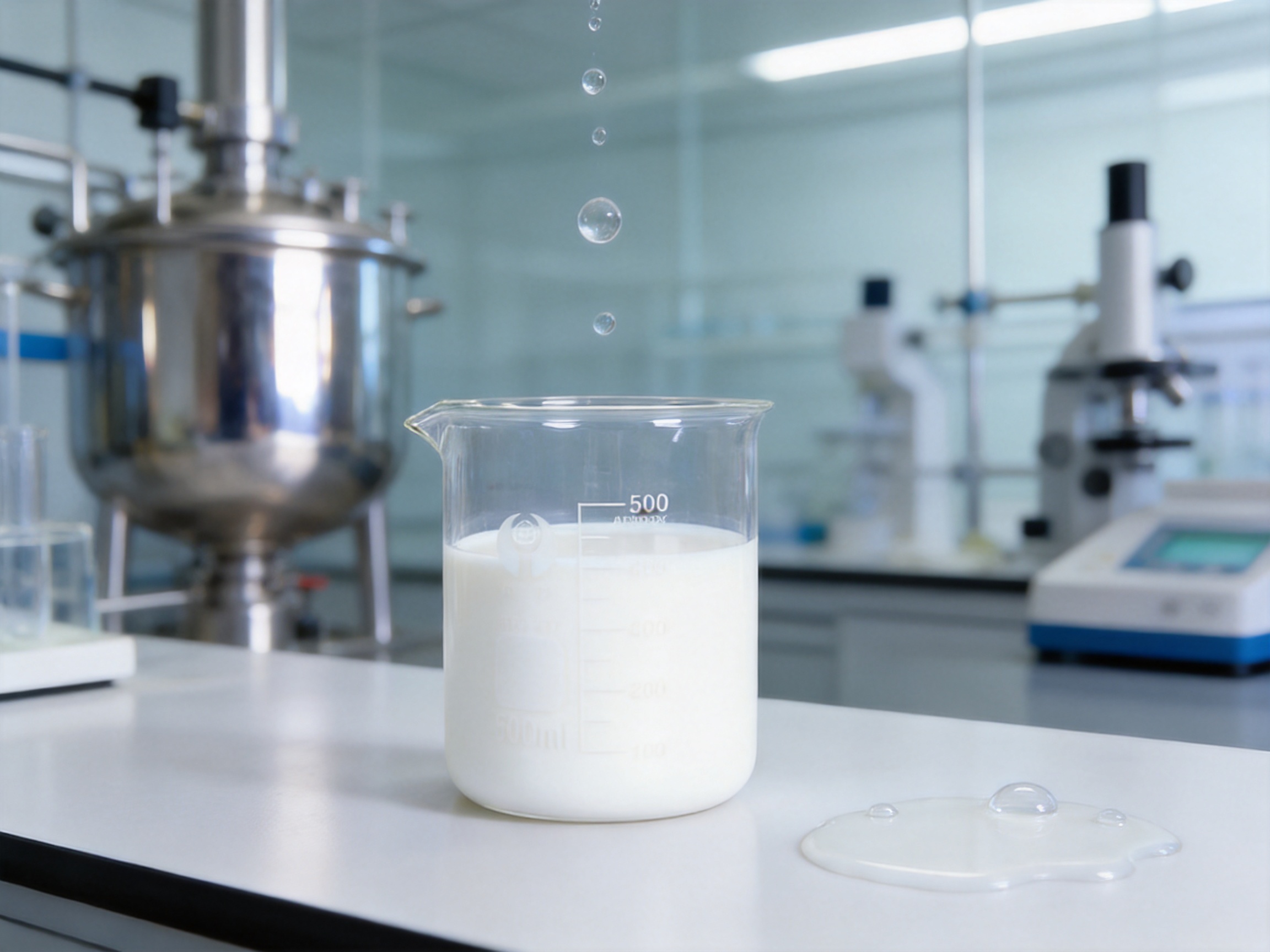
Application in Agricultural Formulations
Agriculture is one of the important fields for silicone-based additives. Many agrochemical formulations require excellent wetting and spreading on plant surfaces. Leaves often have waxy, hydrophobic surfaces that resist water-based spray solutions. Without proper wetting support, droplets may bead up, roll off, or form uneven deposits. Emulsified silicone oil can help improve surface coverage and deposition uniformity.
When used in agricultural formulations, emulsified silicone oil can reduce surface tension and promote spreading across leaf surfaces. Better spreading may help active ingredients contact more of the target area. This is useful for pesticides, herbicides, foliar nutrients, and other water-based agricultural treatments. Uniform coverage can improve the efficiency of application and reduce unnecessary waste.
Emulsion stability is essential in agriculture because products may be diluted in water, mixed with other additives, and applied under variable field conditions. A poor-quality emulsion may separate in the tank, interact negatively with active ingredients, or clog equipment. A high-quality emulsified silicone oil should maintain dispersion and compatibility with common formulation components.
Hebei Guituo New Material Co., Ltd. has strong experience in agricultural silicone products. Its agricultural silicone materials have reached an advanced domestic level and are favored by leading agrochemical enterprises. This experience supports the development of emulsified silicone oil solutions that address practical field needs such as wetting, spreading, dilution stability, active ingredient compatibility, and storage reliability.
Compared with conventional wetting agents, silicone-based emulsions can offer enhanced spreading on hydrophobic surfaces. Compared with ordinary silicone oils, emulsified products are easier to incorporate into water-based systems. This combination makes emulsified silicone oil especially attractive for agricultural formulation developers seeking both performance and processing convenience.
Application in Personal Care and Daily Chemicals
In personal care and daily chemical products, emulsified silicone oil is commonly valued for smoothness, conditioning, lubricity, shine, and texture improvement. It can be used in hair care products, shampoos, conditioners, skin care formulations, detergents, and cleaning products. Because it is already emulsified, it is easier to disperse in aqueous systems than non-emulsified silicone oil.
In hair care products, emulsified silicone oil can improve smoothing and combing properties. It helps create a softer feel and can reduce friction between hair fibers. This makes hair easier to manage and improves the sensory profile of the final product. In shampoos, it may contribute to conditioning performance while remaining compatible with the water-based nature of the formulation.
In cleaning and polishing systems, emulsified silicone oil can support gloss, water repellency, and surface protection. For leather polishes, furniture care products, automotive surface treatments, and floor maintenance products, it can help create a smooth and bright surface. Its lubricating properties also assist in easy application and buffing.
Daily chemical formulations often contain surfactants, fragrances, preservatives, thickeners, salts, and other additives. Compatibility is therefore critical. A poorly designed silicone emulsion can destabilize the formulation, cause cloudiness, or separate during storage. The company’s knowledge of surfactants and silicone additives helps it develop emulsified silicone oil products that integrate more reliably into complex daily chemical systems.
Application in Textiles, Leather, and Paper
Textile processing requires additives that can spread evenly, penetrate fibers, reduce friction, and create desirable hand feel. Emulsified silicone oil can be used as a textile finishing aid to improve softness, smoothness, lubricity, and coating uniformity. Because it can be dispersed in water-based finishing baths, it fits well into common textile processing methods.
Droplet size and viscosity selection are important for textiles. Fine droplets may penetrate fibers more easily and provide uniform treatment, while higher-viscosity silicone droplets may offer stronger surface smoothness or a more pronounced soft handle. The right product design depends on fiber type, treatment method, desired hand feel, and compatibility with other textile auxiliaries.
In leather treatment, emulsified silicone oil can provide polishing, softness, water repellency, and surface smoothness. It helps improve the finish and handling properties of leather goods. It may also support anti-stick behavior during processing and improve final product appearance.
Paper and wood industries can benefit from silicone emulsion properties such as release, water repellency, and surface lubrication. In paper applications, it can help reduce sticking and improve processing behavior. In wood surface treatment, it may improve water resistance and polish effects. The ability to apply silicone performance through an emulsion makes the product practical for many water-based processing lines.
Application in Mold Release, Plastics, Rubber, and Polyurethane
One of the classical uses of silicone oil technology is mold release. Emulsified silicone oil is widely used for mold release in polyurethane, plastics, rubber, glass, ceramics, stone, textiles, paper, and wood industries. It forms a thin lubricating layer that reduces adhesion between the molded material and the mold surface.
In polyurethane processing, mold release performance must be consistent. Poor release can damage finished parts, slow production, and increase cleaning frequency. Emulsified silicone oil can provide a uniform release layer when properly applied. Its water-based nature may also reduce reliance on solvent-based release agents, supporting safer and more convenient handling in certain production environments.
For plastics and rubber, anti-stick behavior is important during manufacturing, storage, and film handling. Emulsified silicone oil can provide surface slip and reduce blocking. In plastic films, it can contribute to anti-stick performance and smoother unwinding or handling. In rubber processing, it can reduce adhesion to equipment and improve process flow.
Compared with ordinary release agents, high-quality emulsified silicone oil offers a combination of easy dilution, uniform spreading, low surface tension, and stable silicone deposition. These properties can improve release consistency and reduce defects caused by uneven application. This is a meaningful advantage for manufacturers that require high repeatability.
Application in Metal Processing, Coatings, Glass, Ceramics, and Stone
In metal processing, emulsified silicone oil may be used for lubrication, anti-rust support, and surface treatment. Its lubricity helps reduce friction during certain processing steps, while its water-repellent nature can support temporary protection against moisture. Metal surfaces often require clean and uniform application, and a stable emulsion can help distribute silicone more evenly.
In water-based coatings, emulsified silicone oil can contribute to defoaming, surface slip, and water repellency. Foam is a common issue during mixing, pumping, and application of coatings. Silicone-based materials can help disrupt foam and improve film quality when formulated correctly. However, compatibility and dosage must be carefully controlled to avoid surface defects. A technically supported product helps coating formulators balance foam control with appearance and film performance.
Glass, ceramics, and stone applications often require polishing, release, surface protection, and water repellency. Emulsified silicone oil can create a smooth surface effect and reduce adhesion of contaminants. In ceramic or stone processing, it may assist in release and surface finishing. For glass surfaces, it can improve cleaning behavior and water beading in appropriate formulations.
Because these applications can differ greatly in substrate chemistry and processing conditions, customized product selection is important. The company’s ability to provide tailored emulsified silicone oil formulations helps customers choose the right viscosity, droplet behavior, and compatibility profile.

Performance Factors That Determine Product Selection
Selecting the right emulsified silicone oil requires careful evaluation of the customer’s formulation and application method. The same product may not be ideal for every use. Important selection factors include base silicone oil viscosity, emulsion stability, droplet size, active content, surfactant type, compatibility, temperature resistance, and final surface effect.
Low-viscosity silicone oil emulsions often produce fine droplets and rapid dispersion. They are useful in agricultural sprays, aqueous formulations, and systems where fast spreading is desired. Medium-viscosity emulsions provide balanced wetting, surface coverage, and lubricity. They are often suitable for textile finishing, surface coating, and daily chemical products. High-viscosity emulsions may provide stronger lubrication, thicker coverage, and improved release or protective effects, making them useful in mold release, electronics lubrication, or protective layers.
Emulsion stability should be tested under storage conditions relevant to the customer. This may include high-temperature storage, low-temperature exposure, dilution stability, freeze-thaw assessment, and compatibility testing with other formulation ingredients. A product that appears stable at room temperature may still fail under field or factory conditions if not properly designed.
Surface tension reduction is another important parameter, especially in agriculture and coating applications. Improved spreading can increase coverage, but excessive spreading may not always be desirable. In some applications, controlled spreading is preferred over maximum spreading. Therefore, technical support is valuable in determining the best dosage and formulation approach.
| Selection Factor | Practical Importance | Typical Application Impact |
|---|---|---|
| Base silicone oil viscosity | Controls lubrication, coating thickness, and droplet behavior | Low viscosity supports fast spreading; high viscosity supports stronger release and protection |
| Emulsion stability | Prevents separation, sedimentation, and inconsistent dosing | Improves storage reliability and production consistency |
| Droplet size | Influences dispersion, wetting, surface coverage, and foam control | Fine droplets favor rapid wetting; larger droplets may enhance lubrication |
| Surfactant system | Determines compatibility and stability in complex formulations | Supports use in agrochemicals, daily chemicals, textiles, and coatings |
| Temperature resistance | Maintains product behavior during storage and application | Reduces failures in outdoor, seasonal, or heated processing environments |
| Compatibility | Ensures the silicone emulsion works with other additives | Prevents phase separation, deposits, foam issues, and surface defects |
Why Customization Matters
One of the strongest advantages of emulsified silicone oil is that it can be customized. Customers in different industries do not always need the same emulsion design. An agricultural spray additive may require rapid wetting and dilution stability. A textile finishing agent may need soft hand feel and fiber penetration. A mold release product may require durable lubrication and controlled surface deposition. A shampoo ingredient may need sensory smoothness and compatibility with surfactants.
Hebei Guituo New Material Co., Ltd. accepts OEM and ODM orders, allowing customers to request product adjustments based on specific application goals. Customization may involve changing the silicone oil viscosity, modifying the emulsifier system, adjusting active content, improving dilution behavior, selecting different stabilizers, or optimizing the product for a particular process.
This capability is especially important for customers who face technical problems with competitor products. Common issues include separation after storage, poor spreading, excessive foam, weak release, unstable viscosity, incompatibility with active ingredients, surface defects in coatings, or inconsistent batch behavior. A manufacturer with strong R&D and production expertise can investigate these problems and adjust the formulation accordingly.
Customization also supports supply chain efficiency. Instead of purchasing multiple additives from different suppliers and attempting to make them compatible, customers may work with a supplier that understands silicone oils, surfactants, wetting agents, and defoamers together. This integrated knowledge can reduce development time and improve final formulation performance.
Company Strengths Supporting Reliable Supply
Hebei Guituo New Material Co., Ltd. is a high-tech enterprise integrating research and development, production, and sales. Ningbo Guituo Trading Co., Ltd. serves as a subsidiary, supporting business development and market service. The company focuses on high-end silicone materials used in industrial and agricultural fields and has built a professional position in the new materials industry.
The company’s strength begins with its technology-driven approach. Silicone materials require precise control of molecular structure, emulsion behavior, surface activity, and application compatibility. The company has assembled an experienced technical and production team with strong professional skills. This team supports product development, production management, quality analysis, and customer application guidance.
Production reliability is supported by advanced equipment and precise testing facilities. These resources allow the company to maintain quality monitoring from production source to finished product delivery. For customers, this means more consistent products, fewer quality disputes, and greater confidence in long-term supply.
The company’s product matrix is another important strength. It covers silicone additives, wetting agents, modified silicone oil, dimethyl silicone oil, surfactants, defoamers, and related materials. This broad portfolio creates technical synergy. For example, when developing emulsified silicone oil, the company can draw on its knowledge of dimethyl silicone oil, surfactants, wetting agents, and defoamers to create balanced formulations.
The company’s products are used in agriculture, daily chemicals, electronics, textiles, and other fields. Agricultural silicone products are particularly notable for their strong quality and advanced domestic performance level. These products are recognized by leading domestic agrochemical enterprises and have become designated procurement products for some customers. The company also exports to Europe and Southeast Asia, earning recognition from overseas customers through stable performance, reliable quality, and repeat purchases.
Quality Assurance from Raw Material to Delivery
Quality assurance is essential for chemical raw materials because small variations can lead to large production consequences for customers. A silicone emulsion with unstable active content, inconsistent viscosity, or poor dilution stability can disrupt entire production batches. Hebei Guituo New Material Co., Ltd. addresses this through a full-process quality monitoring mechanism.
At the raw material stage, the company controls the quality of silicone oil, emulsifiers, water, and auxiliary ingredients. Consistent raw materials help ensure predictable emulsification and final product performance. During production, process parameters are monitored to maintain emulsion uniformity. Mixing intensity, temperature, addition sequence, and processing time all influence the final result.
After production, the finished product is evaluated through appropriate quality checks. Appearance should remain uniform and free from abnormal separation. Viscosity should meet product requirements. Stability should be sufficient for storage and transportation. If the product is intended for a specific application, additional testing may be performed to evaluate spreading, compatibility, release behavior, lubrication, or foam control.
This quality system gives the product an advantage over competitors that may rely only on basic inspection or lack precise process control. In industrial supply chains, consistency is often as important as peak performance. Customers need a product that works not only once in the laboratory but repeatedly in large-scale manufacturing.
Environmental and Handling Considerations
Emulsified silicone oil offers practical handling advantages because it is supplied as an aqueous emulsion. In many applications, this can reduce the need for strong solvent systems and make incorporation easier. Water-based processing is increasingly preferred in many industries because it can improve workplace convenience and align with cleaner formulation trends.
The product is described as non-toxic and harmless to humans under appropriate use conditions, which supports its use in personal care, food production-related environments, fermentation industry applications, and daily chemical systems. However, as with all chemical raw materials, proper handling, storage, and formulation evaluation are necessary. Users should follow safety data guidance, avoid contamination, and confirm regulatory suitability for their specific end market.
Storage conditions should be controlled to protect emulsion stability. Extreme heat, freezing, contamination, or prolonged exposure to unsuitable conditions may affect product performance. Before large-scale use, customers should test dilution behavior, compatibility, and final product stability under their own processing conditions.
Practical Formulation Guidance
When incorporating emulsified silicone oil into a formulation, the best addition method depends on the system. In many water-based products, it can be added during the final mixing stage under moderate agitation. Excessive shear after addition may not always be necessary and could sometimes affect emulsion behavior. For complex formulations, pre-dilution may help improve distribution.
Dosage should be determined according to the target effect. A low dosage may be sufficient for surface slip, polishing, or wetting assistance, while higher dosages may be needed for release, lubrication, or water repellency. Overuse may cause surface defects, excess slipperiness, or compatibility issues in certain systems. Therefore, laboratory screening is recommended before full-scale production.
Compatibility testing should include all major formulation components. In agrochemical systems, this may include active ingredients, salts, solvents, dispersants, and other adjuvants. In daily chemicals, surfactants, thickeners, fragrances, and preservatives should be evaluated. In coatings, pigments, binders, defoamers, and rheology modifiers may influence silicone emulsion behavior. In textile finishing, other softeners, resins, and finishing auxiliaries should be considered.
Customers should also evaluate performance after storage. A formulation may look good immediately after production but become unstable after several weeks. High-temperature storage tests, low-temperature storage tests, and repeated dilution tests can reveal potential problems. The technical team of Hebei Guituo New Material Co., Ltd. can support customers in selecting or customizing suitable emulsified silicone oil products for these requirements.

Competitive Value for Industrial Buyers
For industrial buyers, the value of emulsified silicone oil is not limited to its unit price. True value depends on total performance, production reliability, technical support, and reduction of downstream problems. A lower-cost competitor product may appear attractive at first but can become expensive if it causes separation, equipment fouling, weak release, coating defects, poor wetting, or customer complaints.
A high-quality emulsified silicone oil can reduce production risk. Stable dispersion supports accurate dosing. Consistent viscosity improves processing. Reliable surface performance reduces rework. Good compatibility prevents formulation failures. Strong supplier support shortens development time. These factors contribute to a lower total cost of use even when the product is positioned as a higher-performance material.
Hebei Guituo New Material Co., Ltd. offers additional competitive value through its ability to serve multiple industries. Customers involved in agriculture, textiles, coatings, daily chemicals, rubber, plastics, or electronics can benefit from a supplier that understands cross-industry silicone applications. This broad experience helps the company anticipate performance requirements and recommend appropriate solutions.
Export experience is another advantage. Products supplied to overseas markets such as Europe and Southeast Asia must meet expectations for stable quality and reliable performance. Continuous repurchases from overseas customers indicate that the company’s products can perform in different market environments and meet practical customer needs.
Future Development Trends
The demand for emulsified silicone oil is expected to continue growing as industries move toward water-based, multifunctional, and efficient additive systems. Agriculture will continue to require adjuvants that improve spray coverage and active ingredient efficiency. Textiles will require finishing agents that provide softness and durability while fitting modern processing systems. Daily chemicals will continue to demand sensory improvement and stable formulation appearance. Coatings and industrial processing will need foam control, release performance, and surface modification.
Future development will likely focus on improved emulsion stability, narrower droplet size control, enhanced compatibility with complex formulations, lower dosage efficiency, and customized silicone modification. Polyether-modified silicone structures and advanced surfactant systems may further improve wetting, dispersibility, and formulation stability.
Manufacturers with strong R&D capability, advanced production equipment, and broad product portfolios will be better positioned to serve these trends. Hebei Guituo New Material Co., Ltd. is well aligned with this direction because it combines silicone oil production knowledge, surfactant expertise, modified silicone technology, and application experience across agriculture and industry.
Q&A Section
Q1: What is emulsified silicone oil?
Emulsified silicone oil is a stable dispersion of silicone oil in water or another polar medium, usually supported by surfactants or emulsifying agents. It allows silicone oil properties such as lubricity, water repellency, low surface tension, smoothness, and release performance to be used more easily in water-based formulations.
Q2: What are the main advantages of this product?
The main advantages include excellent chemical stability, heat and cold resistance, weather resistance, lubrication, water repellency, low surface tension, and broad compatibility. It is also convenient to use in water-based systems and can serve multiple functions, including release, polishing, anti-stick support, smoothing, wetting, and foam control.
Q3: How does emulsified silicone oil differ from ordinary silicone oil?
Ordinary silicone oil may be difficult to disperse directly into water-based systems. Emulsified silicone oil is already dispersed with the help of an emulsifier system, making it easier to incorporate into aqueous products such as agricultural sprays, shampoos, textile finishing baths, coatings, and cleaning formulations.
Q4: Why is emulsion stability important?
Emulsion stability prevents separation, creaming, sedimentation, and inconsistent silicone distribution. A stable emulsion improves storage reliability, production consistency, and final product performance. Poor stability can cause waste, defects, and unpredictable results.
Q5: What industries commonly use emulsified silicone oil?
It is commonly used in agriculture, personal care, daily chemicals, textiles, leather, automotive care, furniture polish, flooring treatment, metal processing, polyurethane, plastics, rubber, glass, ceramics, stone, paper, wood processing, and water-based coatings.
Q6: How does it help agricultural formulations?
In agricultural formulations, emulsified silicone oil improves wetting and spreading on plant surfaces. This helps spray solutions cover waxy leaves more evenly and supports more uniform deposition of active ingredients. Stable emulsions also reduce the risk of tank-mix problems.
Q7: Can it be used in hair care products?
Yes. In hair care products such as shampoos and conditioners, emulsified silicone oil can improve smoothness, softness, combing performance, and sensory feel. Its emulsified form helps it disperse more conveniently in water-based personal care systems.
Q8: What role does droplet size play?
Droplet size affects dispersion, spreading, lubrication, and surface coverage. Smaller droplets usually provide faster dispersion and wetting, while larger droplets may provide stronger lubrication or thicker surface coverage. The best droplet size depends on the application.
Q9: Is customization available?
Yes. Hebei Guituo New Material Co., Ltd. accepts OEM and ODM orders and can customize emulsified silicone oil according to customer needs. Adjustments may include silicone oil viscosity, emulsion stability, active content, droplet behavior, surfactant system, and application-specific performance.
Q10: Why choose a technically advanced manufacturer?
A technically advanced manufacturer can provide better process control, more stable quality, stronger compatibility support, and reliable batch-to-batch consistency. Advanced equipment, precise testing, and experienced technical teams reduce production risk and help customers solve formulation challenges.
Conclusion
Emulsified silicone oil is a high-value chemical raw material that brings silicone performance into water-based and multi-component systems. Its advantages include chemical stability, temperature resistance, weather resistance, lubricity, water repellency, low surface tension, release performance, polishing ability, anti-stick behavior, smoothing effect, and foam control support. These properties make it useful across agriculture, daily chemicals, personal care, textiles, leather, coatings, metal processing, polyurethane, plastics, rubber, glass, ceramics, stone, paper, and wood industries.
Compared with ordinary or low-grade competitor products, a high-quality emulsified silicone oil provides stronger stability, more controlled droplet behavior, better compatibility, and more predictable application performance. These advantages reduce downstream problems and improve total value for industrial users.
Hebei Guituo New Material Co., Ltd. supports this product with advanced manufacturing equipment, precise testing facilities, full-process quality monitoring, experienced technical personnel, and a broad silicone materials portfolio. Its capabilities in silicone additives, wetting agents, modified silicone oil, dimethyl silicone oil, surfactants, and defoamers allow it to develop customized emulsified silicone oil solutions for demanding industrial and agricultural applications. For customers seeking stable supply, professional technical support, and high-performance silicone emulsion technology, emulsified silicone oil offers a practical and competitive solution.
References
1. Noll, W. Chemistry and Technology of Silicones. Academic Press.
2. Brook, M. A. Silicon in Organic, Organometallic, and Polymer Chemistry. Wiley.
3. Owen, M. J. Siloxane Surface Activity and Silicone Surfactants. Journal of Coatings Technology.
4. Hill, R. M. Silicone Surfactants. CRC Press.
5. Tadros, T. F. Emulsion Formation and Stability. Wiley-VCH.
6. Rosen, M. J., and Kunjappu, J. T. Surfactants and Interfacial Phenomena. Wiley.
7. Technical literature on polydimethylsiloxane emulsions, silicone additives, agricultural adjuvants, and industrial release agents.
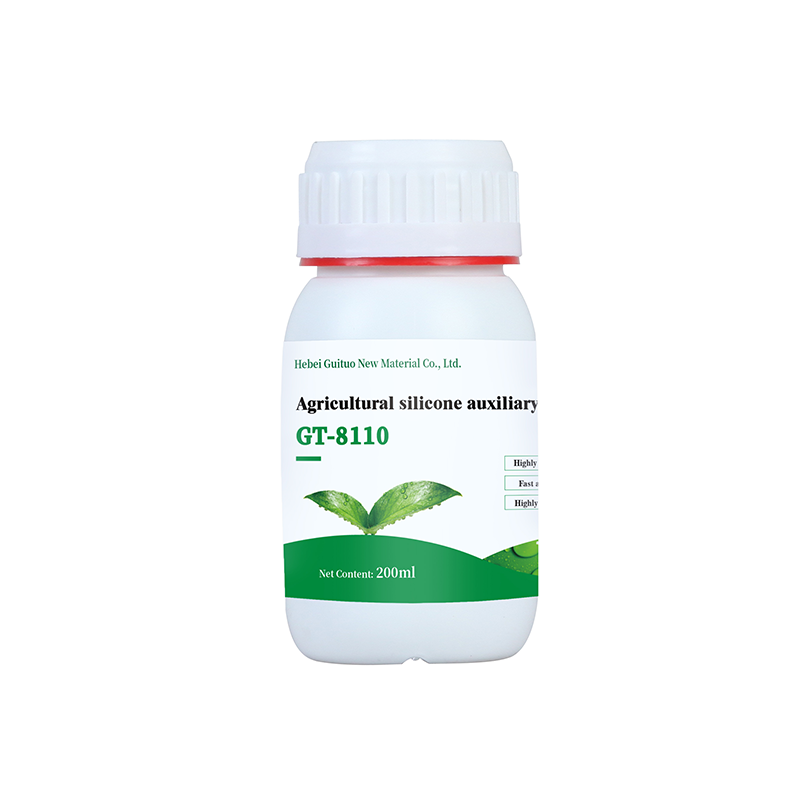
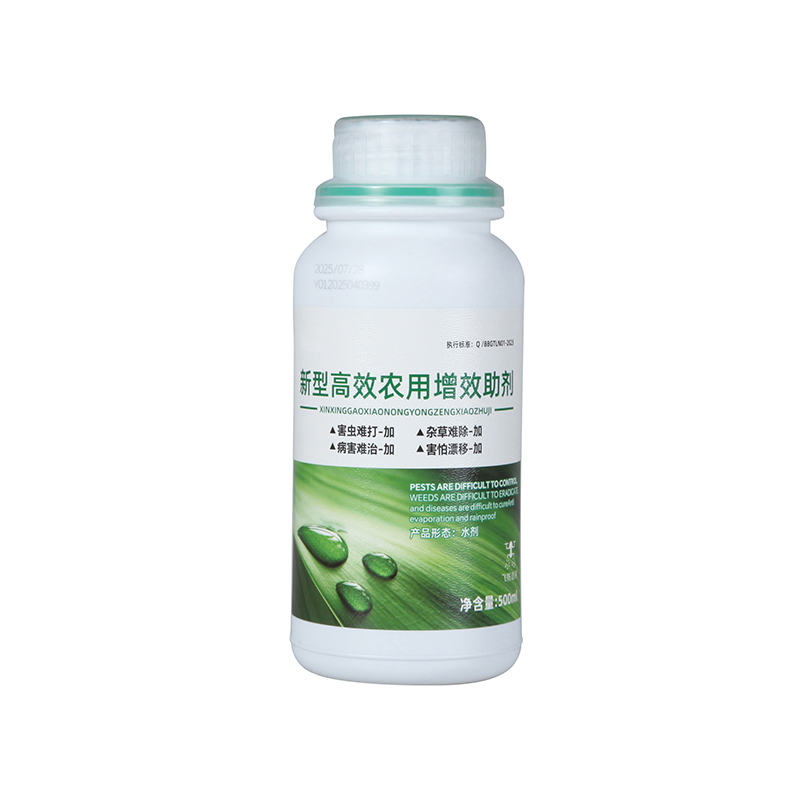
Product: Emulsified Silicone Oil


Contact Information
Tel : +86-400-138-5268
Email : [email protected]
Phone : +86-15128434888 / +86-13511051998
Add : Xinqiao Environmental Protection Industrial Park, Wen'an County, Langfang City, Hebei Province, China
Contact Information
Copyright © Hebei Guituo New Material Co., Ltd. All Rights Reserved.
