

 English
  Français
  Português
 Home / Author / Li Mei, Product Sales Specialist (Agricultural Silicone Products) / High-Performance Drum-Mix Adjuvants for Efficient, Precise, and Sustainable Crop Protection
 High-Performance Drum-Mix Adjuvants for Efficient, Precise, and Sustainable Crop Protection
2026-07-03
Modern agriculture is under constant pressure to achieve higher yields, improve pest and disease control, reduce input waste, and meet increasingly strict environmental expectations. In this context, high-performance drum-mix adjuvants have become essential tools for professional crop protection. They are not pesticides themselves, but they can significantly influence how pesticides perform after dilution, mixing, spraying, spreading, adhesion, and deposition on plant surfaces. A well-designed adjuvant can help each droplet do more work, allowing the active ingredients in herbicides, insecticides, fungicides, and other agricultural formulations to contact the target more effectively.
GT-9200 High-Performance Drum-Mix Adjuvant is an agricultural silicone synergist based on polyether modified trisiloxane technology. It is designed to be mixed directly with pesticides in the spray tank, drum, or sprayer before field application. Its key function is to enhance pesticide efficacy by improving wetting, spreading, adhesion, penetration, deposition, and spray utilization. With a surface tension of less than 20.5 mN/m at 0.1% concentration, a neutral pH range, strong compatibility, and a low-viscosity liquid profile, it is engineered for efficient and convenient use in a wide range of crop protection programs.
The product is supplied by Hebei Guituo New Material Co., Ltd., a high-tech enterprise specializing in silicone materials, agricultural organosilicon additives, surfactants, wetting agents, modified silicone oils, defoamers, and other functional chemical materials. Through advanced production equipment, precise testing facilities, strict quality control, experienced technical teams, and strong OEM and ODM service capability, the company provides stable, high-quality adjuvant solutions for agricultural and industrial customers. Its agricultural silicone products are recognized for strong performance and stable quality, and they are used by agrochemical customers in domestic and overseas markets.
High-Performance Drum-Mix Adjuvants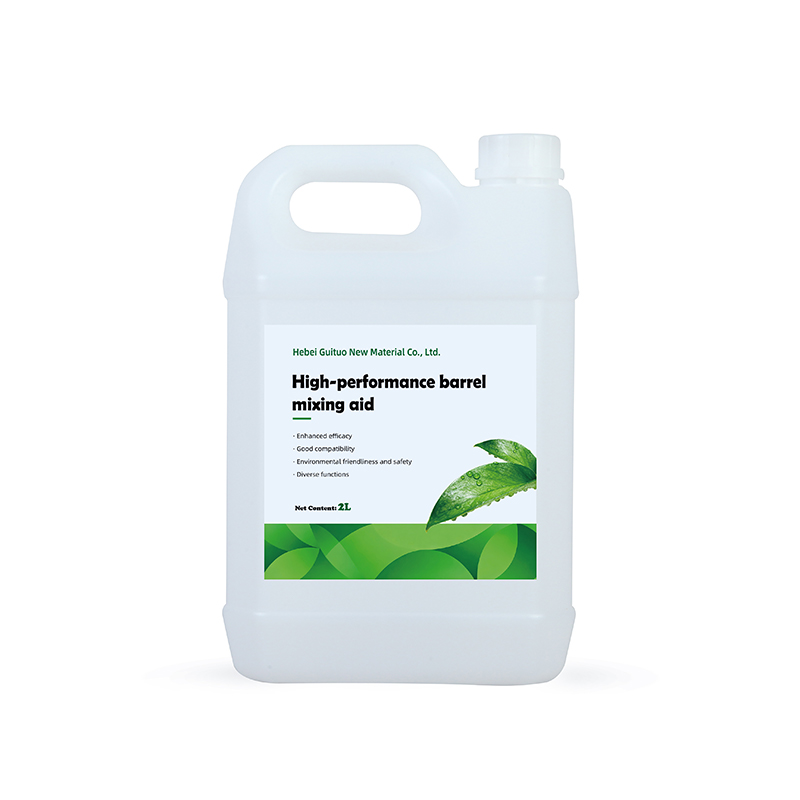
Product Overview: What Is GT-9200 High-Performance Drum-Mix Adjuvant?
GT-9200 is a high-performance agricultural silicone synergist designed for drum-mix or tank-mix use. It is added to pesticide solutions before spraying to improve the physical behavior of spray droplets and increase the biological effectiveness of the active ingredient. Its chemical identity is associated with silicone surfactant technology, specifically polyether modified trisiloxane. This class of surfactants is widely valued in agriculture because it can dramatically reduce surface tension, enabling spray droplets to spread rapidly over hydrophobic leaf surfaces that would otherwise repel water-based formulations.
Many crops have waxy, hairy, or uneven surfaces that prevent ordinary spray droplets from spreading evenly. Water droplets can bead up, bounce off, roll away, evaporate quickly, or fail to reach hidden pest habitats. GT-9200 helps overcome these problems by reducing droplet surface tension and improving contact between the pesticide solution and the plant surface. Better spreading means broader coverage, better adhesion means less waste, and improved penetration can help certain active ingredients reach their intended target more efficiently.
The product is especially suitable for use with herbicides, insecticides, fungicides, foliar fertilizers, and other agricultural spray formulations where improved wetting and deposition are needed. It can also be adapted to diverse application environments, including conventional ground spraying and drone-based aerial spraying. Its combination of wetting, spreading, anti-drift support, anti-evaporation support, and deposition-promoting functions makes it a practical tool for farmers, distributors, formulation companies, and agricultural service providers.
Core Technical Specifications
The technical parameters of GT-9200 reflect its role as a high-efficiency silicone surfactant for agricultural applications. The following table summarizes the main product information and performance indicators.
| Item | Specification |
|---|---|
| Product Model | GT-9200 |
| Product Name | High-Performance Drum-Mix Adjuvant |
| Category | Agricultural Silicone Synergist |
| CAS No. | 27306-78-1 |
| EINECS No. | 608-078-3 |
| Synonyms | Silicone Surfactant, Polyether Modified Trisiloxane |
| Purity | 99.8% |
| Viscosity at 25°C | 30–50 mm²/s |
| Surface Tension at 0.1% wt | <20.5 mN/m |
| Cloud Point at 1.0% wt | ≤35°C |
| pH Value, 1% Aqueous Solution at 25°C | 6.5–7.5 |
These specifications are important because they define how the product behaves during storage, dilution, mixing, and field application. The low surface tension is especially valuable, as it enables rapid spreading on plant surfaces. The viscosity range supports easy measuring, pumping, and blending. The neutral pH helps reduce compatibility risks with many pesticide systems, while the high purity contributes to consistent performance from batch to batch.
Why Surface Tension Matters in Pesticide Performance
Surface tension is one of the most important physical factors in spray performance. Ordinary water has relatively high surface tension, which causes droplets to remain rounded on many leaf surfaces. When droplets are rounded, their actual contact area with the plant is limited. This can reduce pesticide coverage, increase runoff, and leave untreated micro-areas where pests, fungal spores, or weeds can survive.
GT-9200 lowers the surface tension of the spray solution to less than 20.5 mN/m at 0.1% concentration. This allows droplets to flatten and spread across the target surface. The result is better coverage per unit volume of spray liquid. Improved coverage is especially important when treating crops with complex canopies, rough leaf textures, waxy surfaces, or dense growth patterns. It can also be useful when spraying at lower water volumes, where each droplet must cover more surface area.
Compared with many conventional non-silicone adjuvants, silicone-based super-spreading agents can achieve stronger wetting at lower use concentrations. This is one of the major advantages of GT-9200 over many general-purpose surfactants. While ordinary wetting agents may provide moderate spreading, polyether modified trisiloxane technology can deliver ultra-low surface tension and rapid spreading performance. This helps the pesticide reach more of the intended target and can support improved control performance under suitable use conditions.
Enhanced Adhesion and Penetration
For crop protection products to work well, they must first remain on the target surface long enough to act. Wind, runoff, irrigation, rainfall, leaf movement, and evaporation can reduce pesticide retention. GT-9200 improves adhesion by helping the spray solution maintain contact with plant surfaces. Better adhesion reduces waste and supports more consistent pesticide performance.
Penetration is another valuable feature. Some pests are protected by waxy layers, hidden body surfaces, or hard-to-wet habitats. Some plant surfaces also limit the movement of pesticide droplets into tissues or surface structures. By improving wetting and contact, GT-9200 can help active ingredients interact more efficiently with target organisms and plant surfaces. This does not replace proper pesticide selection or correct application timing, but it can make the spray system more effective when used according to label recommendations.
The enhanced adhesion and penetration properties of GT-9200 are particularly useful for applications involving insecticides, fungicides, and herbicides where target contact is critical. In insect control, better spreading may help reach insect bodies or feeding zones. In disease control, better coverage can help protect leaf surfaces more evenly. In weed control, improved wetting can help herbicide droplets cover difficult-to-wet weed leaves more effectively.
Compatibility with Multiple Pesticide Types
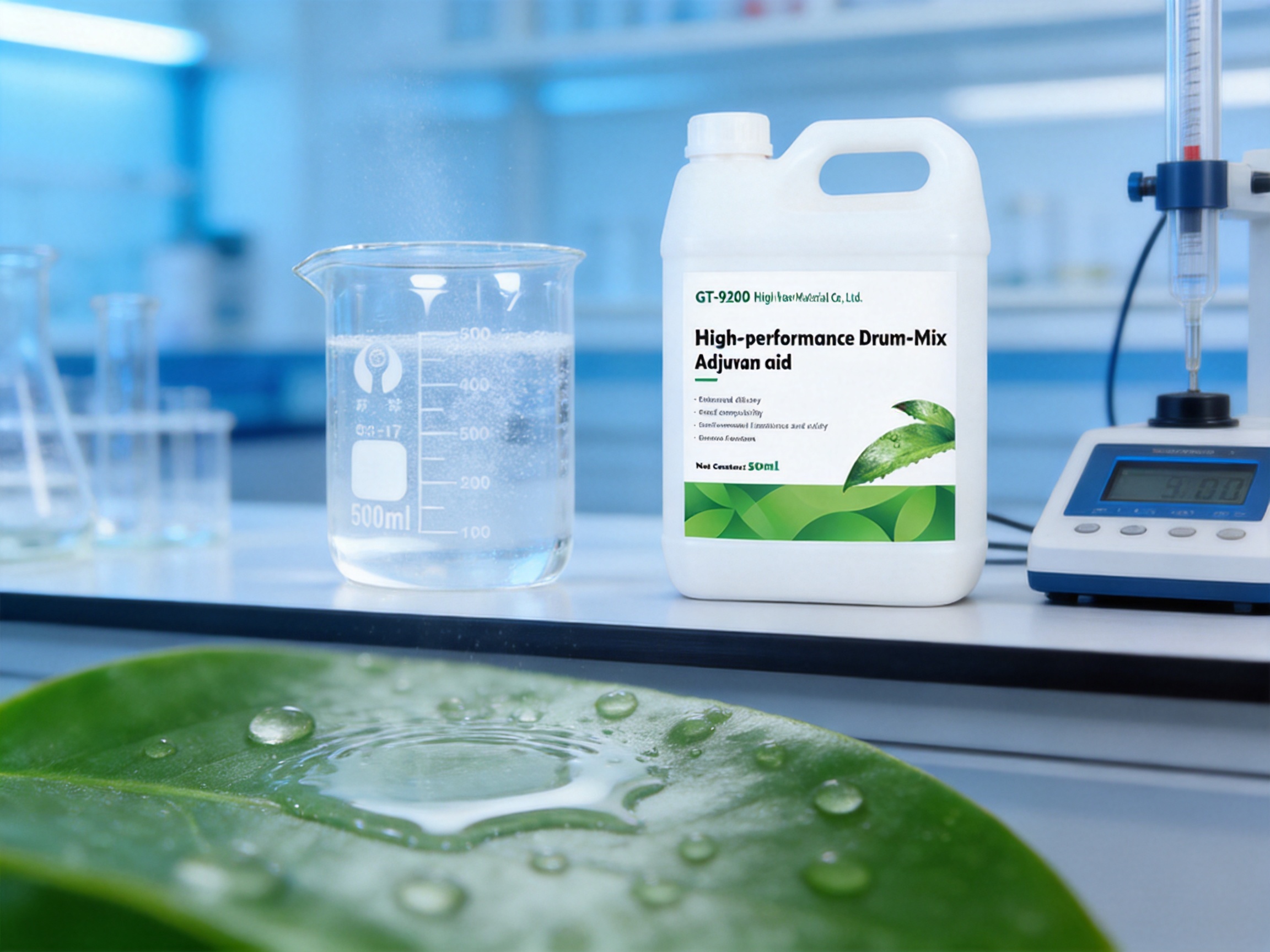
A key advantage of GT-9200 is its broad compatibility. It can be mixed with most commonly used pesticides, including herbicides, insecticides, fungicides, and other crop protection products. Compatibility is critical because farmers often need flexible adjuvant solutions that can work across different crops, seasons, pests, and spray programs. A highly specialized adjuvant that works only in limited situations may create operational complexity, while a broadly compatible adjuvant improves convenience and efficiency.
The product is designed to adapt to different water qualities, helping reduce the negative effects of water conditions on pesticide performance. Water hardness, pH variation, dissolved minerals, and impurities can influence spray behavior and pesticide efficacy. While no adjuvant can solve every water quality issue, a stable and compatible silicone synergist can help maintain more predictable spray performance across different field conditions.
Before large-scale application, users should always conduct a jar compatibility test when combining unfamiliar pesticide mixtures. Local regulations, pesticide labels, crop sensitivity, water conditions, and weather conditions should also be considered. When used responsibly, GT-9200 offers the flexibility needed for modern agricultural operations that rely on multiple active ingredients and application methods.
Advantages Over Conventional Adjuvants and Competing Products
GT-9200 offers several practical advantages compared with many conventional adjuvants and competing wetting agents. The first advantage is ultra-low surface tension. Many traditional surfactants reduce surface tension only moderately, while silicone-based trisiloxane adjuvants can create rapid spreading and very low contact angles on leaf surfaces. This helps improve the practical coverage of pesticide droplets and can reduce droplet waste.
The second advantage is multi-functionality. GT-9200 is not limited to simple wetting. It also supports adhesion, penetration, deposition, anti-drift performance, and anti-evaporation performance. In real field conditions, spray success depends on multiple factors at the same time. A droplet must travel to the target, deposit effectively, spread across the surface, remain attached, and allow the pesticide to perform. A multi-functional adjuvant is therefore more valuable than a single-function additive.
The third advantage is compatibility. GT-9200 is suitable for many pesticide systems and water qualities. This reduces the need to stock multiple adjuvants for different applications. For distributors and agricultural service providers, broad compatibility can simplify product recommendations and inventory management. For growers, it can reduce confusion and support more consistent field operations.
The fourth advantage is environmental efficiency. By improving pesticide utilization, GT-9200 can help reduce waste and support lower chemical burden when used as part of optimized spray programs. Better deposition and spreading mean more active ingredient reaches the target rather than being lost through runoff, bounce, drift, or poor wetting. This supports sustainable agriculture goals and aligns with the need to improve input efficiency.
The fifth advantage is quality consistency. Hebei Guituo New Material Co., Ltd. uses advanced production equipment, precise testing systems, and full-process quality monitoring to support stable product performance. In the adjuvant market, consistency is extremely important. A product that performs well in one batch but not in another can create uncertainty for formulators and growers. Stable manufacturing and strict quality control help reduce this risk.
Role in Reducing Pesticide Waste
Pesticide waste is a major concern in agriculture. Waste can occur when spray droplets drift away from the target, bounce off leaves, evaporate before effective deposition, run off waxy surfaces, or remain unevenly distributed. These losses reduce control performance and may require repeated applications. Repeated spraying increases cost, labor, fuel use, and environmental pressure.
GT-9200 helps reduce pesticide waste by improving spray droplet behavior. Better wetting increases the chance that droplets remain on the leaf rather than rolling away. Better spreading increases the area covered by each droplet. Better deposition supports more efficient target contact. Anti-drift and anti-evaporation functions help improve spray utilization under suitable operating conditions. Together, these features can support more efficient use of pesticides.
Reducing waste does not mean ignoring recommended pesticide doses. Users must follow pesticide labels and local agricultural guidance. However, when spray performance is improved, the active ingredient is used more effectively. This can help farmers achieve better value from every application and may reduce the need for unnecessary repeat treatments caused by poor coverage or weak adhesion.
Support for Drone-Based Aerial Spraying
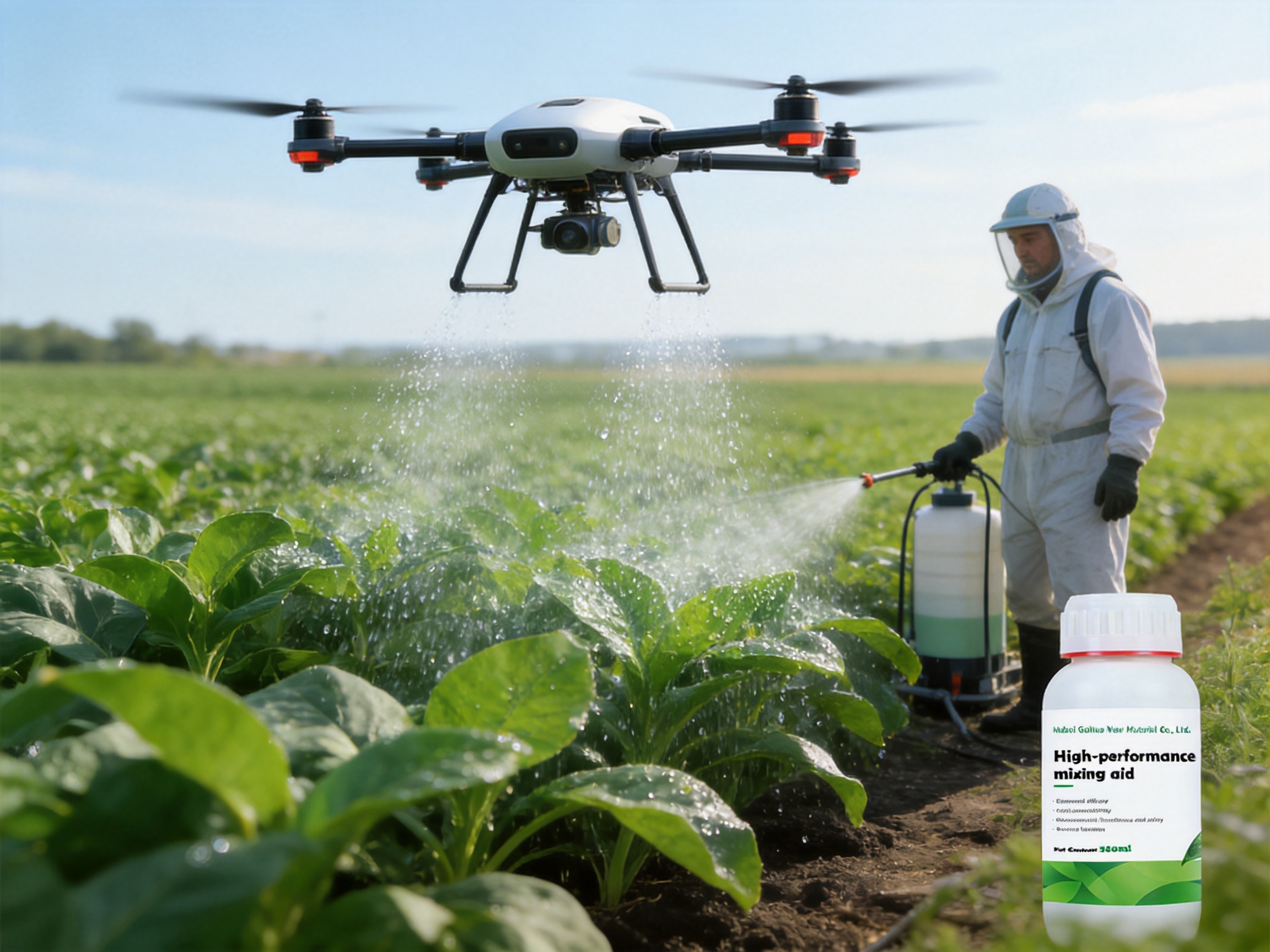
Drone-based spraying is expanding rapidly in modern agriculture. Drones can treat fields quickly, reduce labor requirements, access difficult terrain, and support precision agriculture. However, drone spraying often uses lower water volumes than conventional ground spraying, which places higher demands on droplet performance. When each liter of spray solution must cover a larger area, wetting, spreading, and deposition become even more important.
GT-9200 is suitable for diverse application environments, including drone-based aerial spraying. Its strong wetting and deposition-promoting performance can help improve coverage under low-volume application conditions. Anti-drift support is also important because drone droplets can be affected by rotor airflow, wind, height, speed, and nozzle selection. An effective adjuvant can contribute to improved spray behavior as part of a well-designed drone application system.
For drone spraying, operators should pay attention to droplet size, flight height, wind speed, temperature, humidity, crop canopy, water volume, and pesticide label restrictions. GT-9200 can improve the physical performance of the spray solution, but responsible application technique remains essential. When combined with proper drone operation, it can help enhance pesticide utilization and support efficient field coverage.
Environmental Friendliness and Sustainable Agriculture
Sustainable agriculture requires solutions that improve productivity while reducing unnecessary chemical pressure on ecosystems. GT-9200 contributes to this goal by improving the performance of pesticide applications. When pesticides adhere, spread, and deposit more effectively, less product is wasted. Reduced waste means lower risk of excess chemical runoff, lower risk of off-target movement, and improved use efficiency.
The product is formulated with environmentally conscious surfactant technology and is designed to support reduced pesticide pollution. By improving the effectiveness of active ingredients, it can help farmers achieve better results from their spray programs. This aligns with the broader direction of modern agriculture, where efficient input use is increasingly important for both economic and environmental reasons.
Environmental safety also depends on correct handling and application. Users should follow pesticide labels, adjuvant recommendations, local regulations, buffer zone requirements, and protective equipment guidelines. They should avoid spraying during strong winds, extreme heat, or unsuitable weather conditions. Used properly, GT-9200 can be part of a responsible crop protection strategy that balances performance, cost, and environmental stewardship.
Human Health and Application Safety
Safety is essential when working with any agricultural chemical or additive. GT-9200 is designed with a low-toxicity profile and is intended to minimize risks when used according to recommended practices. Nevertheless, adjuvants are functional chemical materials and should be handled professionally. Applicators should wear suitable protective equipment such as gloves, eye protection, protective clothing, and respiratory protection when necessary.
Users should avoid direct skin and eye contact, prevent inhalation of spray mist, and wash hands after handling. Mixing should be performed in a well-ventilated area, and containers should be sealed when not in use. If the product is used in combination with pesticides, the safety instructions of the pesticide label must also be followed. In most cases, the pesticide label will determine the strictest safety requirements for the final spray solution.
Safe storage is also important. The product should be stored in a cool, dry, ventilated location away from incompatible materials and direct sunlight. Containers should be kept tightly closed to prevent contamination. Good storage and handling practices help maintain product quality and protect workers.
Manufacturing Strength Behind the Product
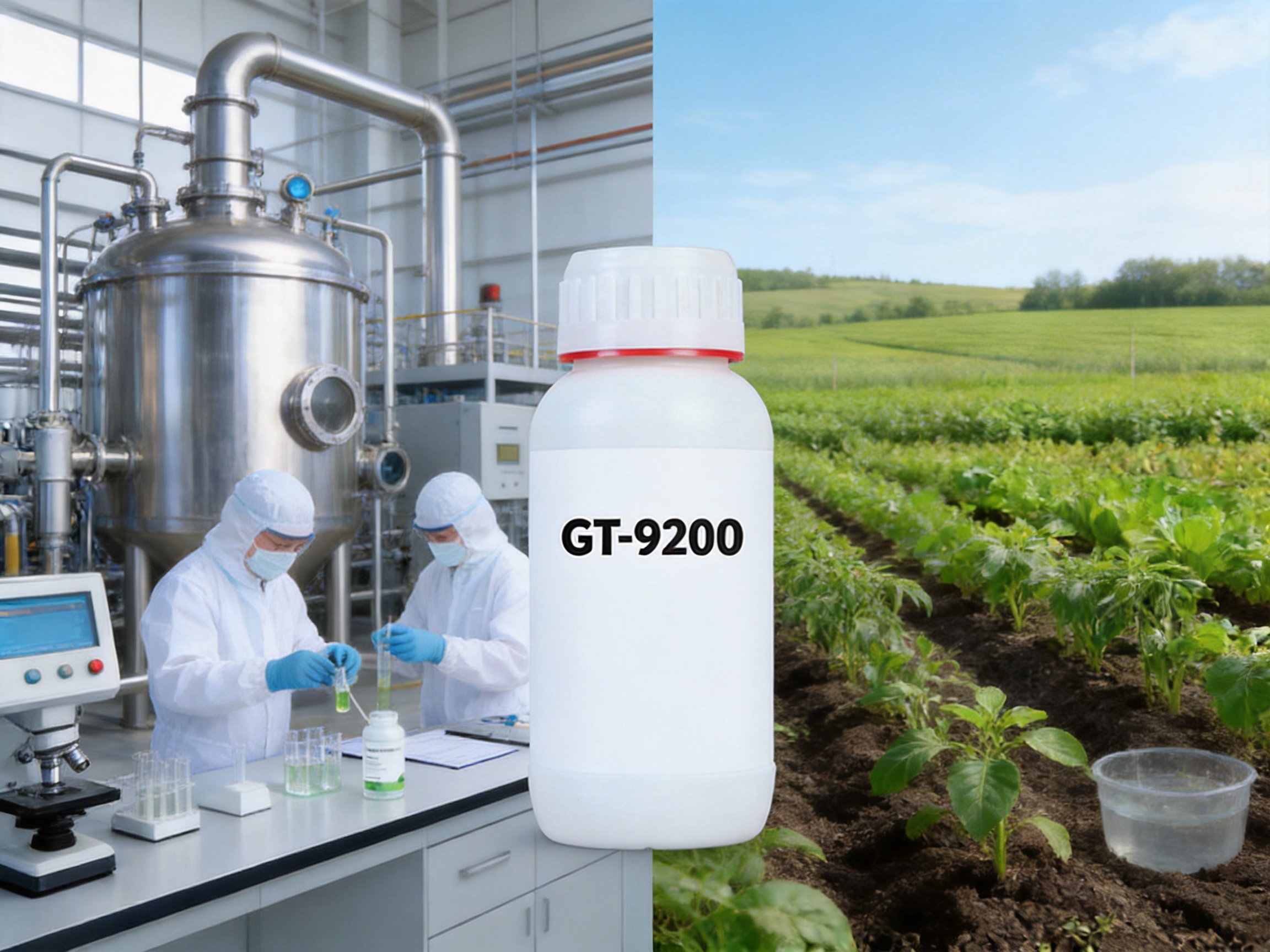
The performance of an adjuvant depends not only on its chemical design but also on the quality of its manufacturing process. Hebei Guituo New Material Co., Ltd. has established a comprehensive production and quality assurance system to support stable supply and consistent product quality. The company is a high-tech enterprise integrating research and development, production, and sales, with a focus on high-end silicone materials for industrial and agricultural fields.
Advanced production equipment is a key strength. Silicone surfactants require precise control of reaction conditions, raw material quality, process stability, and purification. Modern equipment helps maintain stable temperature, pressure, mixing, and process parameters. This reduces batch variation and supports consistent performance indicators such as purity, viscosity, surface tension, pH, and cloud point.
Precise testing facilities are equally important. GT-9200 is evaluated through product quality indicators that directly affect field performance. Surface tension testing confirms wetting power. Viscosity testing confirms handling and blending behavior. pH testing supports compatibility assessment. Cloud point testing helps evaluate temperature-related solution behavior. Purity testing supports product consistency and reliability.
The company also maintains a full-process quality monitoring mechanism from production source to finished product delivery. This includes raw material inspection, in-process monitoring, finished product testing, and delivery quality control. Such a system helps ensure that every batch meets established standards before reaching customers. For agricultural users and formulation companies, this level of control is essential because field performance depends on dependable product quality.
Research, Development, and Technical Expertise
GT-9200 is described as a newly developed product by Guituo, reflecting the company’s focus on innovation in agricultural silicone adjuvants. The development of a high-performance drum-mix adjuvant requires more than simple blending. It requires understanding of organosilicon chemistry, surfactant behavior, pesticide compatibility, agricultural application conditions, and market needs.
The company’s experienced technical and production team supports this development process. Technical expertise allows the company to optimize molecular structure, performance balance, formulation stability, and application suitability. Production expertise ensures that laboratory results can be scaled into stable industrial manufacturing. This combination of R&D and manufacturing capability is one of the reasons the company can provide competitive products for demanding agricultural markets.
In addition to standard products, the company accepts OEM and ODM orders. This is important for agrochemical companies, distributors, and brand owners that require customized performance, packaging, concentration, or application positioning. OEM and ODM service capability demonstrates flexibility and technical depth. It allows customers to develop differentiated adjuvant solutions based on crop type, pesticide system, climate, application method, or regional market requirements.
Stable Supply and Product Matrix
Stable supply is a major concern for agricultural input companies. Crop protection demand is seasonal, and delays can affect sales opportunities and field results. Hebei Guituo New Material Co., Ltd. supports stable supply through its production foundation, quality system, and diversified product matrix. Its product range includes silicone additives, wetting agents, modified silicone oils, dimethyl silicone oils, surfactants, defoamers, and related series.
This broad product layout provides manufacturing and technical synergy. Experience in silicone additives and surfactants supports the development of high-quality agricultural adjuvants. Experience in industrial and daily chemical fields strengthens understanding of stability, emulsification, compatibility, foam control, and material performance. Such cross-field expertise can improve product design and troubleshooting capability.
The company’s agricultural silicone products have reached an advanced domestic level and are favored by leading domestic agrochemical enterprises. They are also exported to markets such as Europe and Southeast Asia, where stable performance and reliable quality have supported repeat customer recognition. This market acceptance indicates that the company’s manufacturing and quality systems are capable of meeting diverse customer expectations.
Practical Application Considerations
When using GT-9200, applicators should add the adjuvant according to the pesticide label, local agronomic guidance, and recommended use practices. In general, drum-mix adjuvants are added to the spray tank after water and pesticide components have been properly introduced, but exact mixing order may vary depending on the pesticide formulation. A jar test is recommended when using a new combination.
Good agitation is important to ensure uniform distribution of the adjuvant in the spray solution. Uneven mixing can lead to inconsistent spray performance. Operators should also avoid excessive foaming, contamination, or incompatible combinations. The use of clean water, calibrated equipment, and appropriate nozzles will further improve application results.
Weather conditions strongly influence spray performance. Strong wind increases drift risk. High temperature and low humidity increase evaporation. Rainfall shortly after application can reduce effectiveness depending on the pesticide type. Very wet leaf surfaces may also influence retention. GT-9200 helps improve spray behavior, but it should be used as part of an integrated application plan that considers timing, equipment, crop stage, pest pressure, and environmental conditions.
Crop and Use Scenario Flexibility
GT-9200 can be used across many crop types, including field crops, fruits, vegetables, cereals, and ornamental plants, provided that pesticide labels and crop-specific guidance are followed. Its versatility makes it valuable for growers managing multiple crops or service providers operating across different farms. However, crop sensitivity should always be considered, especially for tender leaves, young plants, high temperatures, or stressed crops.
In herbicide applications, improved wetting can help droplets cover difficult weed surfaces. Some weeds have waxy or vertical leaves that reduce ordinary spray retention. Better spreading can increase herbicide contact with the leaf. In insecticide applications, the adjuvant can help improve coverage on leaf undersides, stems, and insect contact zones. In fungicide applications, more uniform surface coverage can support protective performance against disease infection sites.
In foliar nutrition, wetting and adhesion can help fertilizer solutions contact plant surfaces more effectively. However, care must be taken to avoid concentration-related phytotoxicity, especially under hot or dry conditions. As with pesticides, foliar fertilizers should be used according to label guidance and local agronomic recommendations.
Comparison of Key Performance Advantages
The following table outlines how GT-9200 compares with typical conventional adjuvant expectations in important performance areas.
| Performance Area | GT-9200 Advantage | Practical Benefit |
|---|---|---|
| Surface Tension Reduction | Less than 20.5 mN/m at 0.1% wt | Rapid spreading and improved coverage on difficult plant surfaces |
| Compatibility | Suitable for most herbicides, insecticides, and fungicides | Flexible use across crop protection programs |
| Application Function | Wetting, adhesion, penetration, deposition, anti-drift, and anti-evaporation support | Improved spray utilization under diverse field conditions |
| pH Profile | Neutral pH range of 6.5–7.5 in 1% aqueous solution | Helps reduce compatibility concerns in many systems |
| Handling | Viscosity of 30–50 mm²/s at 25°C | Easy measuring, mixing, and pumping |
| Manufacturing Control | Advanced equipment and full-process quality monitoring | Stable batch quality and reliable performance |
| Sustainability Support | Improves pesticide utilization and reduces waste | Supports efficient and environmentally responsible agriculture |
Integration into Integrated Pest Management
Integrated Pest Management, often known as IPM, emphasizes the combined use of monitoring, thresholds, biological understanding, cultural practices, resistant varieties, and targeted chemical control. Adjuvants such as GT-9200 fit into IPM by helping chemical treatments work more efficiently when they are necessary. Improved spray coverage can support more effective interventions and reduce the likelihood of poor control caused by application failure.
Good adjuvant use does not replace pest scouting, correct pesticide selection, resistance management, or proper application timing. Instead, it strengthens the execution of a well-planned treatment. When farmers apply pesticides at the right time and under the right conditions, GT-9200 can help the spray solution reach and remain on the target more effectively.
In resistance management, reliable coverage is important. Poor coverage may expose pests to sublethal doses, potentially contributing to resistance pressure over time. By improving deposition and wetting, a high-performance adjuvant can help support more uniform exposure when chemical control is used. This makes it a practical supporting tool within responsible pesticide stewardship.
Quality Control from Raw Materials to Delivery
Agricultural adjuvant quality begins with raw material selection. Impurities, inconsistent feedstocks, and unstable intermediate materials can affect final product performance. Hebei Guituo New Material Co., Ltd. emphasizes quality control from the production source. Raw materials are evaluated before use to support stable reaction outcomes and consistent finished product properties.
During production, process parameters must be controlled carefully. Silicone surfactant production can be sensitive to reaction conditions, molecular structure distribution, and purification steps. The company’s advanced equipment and experienced production team help maintain process precision. This reduces the risk of inconsistent viscosity, unstable surface tension performance, or unwanted impurities.
Finished products are tested before delivery. Key indicators such as appearance, purity, viscosity, surface tension, cloud point, and pH help verify that the product meets specification. Packaging and storage conditions are also managed to protect product quality during transportation. This full-process approach gives customers confidence that the adjuvant they receive will perform consistently in formulation and field use.
Why Manufacturing Reliability Matters to Customers
For agrochemical formulators, distributors, and large farms, product reliability is not optional. A small variation in adjuvant quality can affect spray performance, compatibility, user experience, and customer satisfaction. If an adjuvant separates, foams excessively, loses wetting performance, or behaves unpredictably with pesticides, it can create serious operational problems.
GT-9200 is supported by a manufacturing system designed to minimize these risks. Stable production and testing allow customers to build spray recommendations, product labels, and distribution plans around dependable performance. This is especially important for customers that require private label, OEM, or ODM solutions. Consistency helps protect brand reputation and reduces after-sales technical issues.
The company’s export experience also strengthens its competitiveness. Serving overseas markets requires attention to packaging, documentation, regulatory expectations, logistics, and customer communication. The ability to maintain repeat purchases from international customers suggests that the company understands the importance of stable quality and professional service.
Economic Value for Farmers and Distributors
The economic value of GT-9200 comes from better pesticide utilization, operational flexibility, and potential reduction of application inefficiency. When spray droplets spread and adhere better, farmers can obtain more effective coverage from the same spray operation. This can help improve control performance and reduce losses caused by poor deposition or runoff.
For farmers, better application efficiency may translate into improved crop protection outcomes, fewer missed target areas, better use of labor and machinery, and stronger confidence in spray programs. For distributors, a high-performance adjuvant offers a value-added product that can be recommended alongside pesticides. For agrochemical companies, it can enhance formulation performance and support differentiated crop protection solutions.
Because GT-9200 is compatible with many pesticide types, it can reduce the need for multiple specialized adjuvants. This simplifies inventory and field decision-making. Its use in conventional and drone spraying also supports modern agricultural service models. As precision agriculture and low-volume spraying continue to develop, adjuvants with strong wetting and deposition performance will become increasingly valuable.
Responsible Use Guidelines
To obtain the best results from GT-9200, users should observe several responsible use principles. First, follow the pesticide label and local regulations. The pesticide label remains the primary source of legal and safety instructions. Second, conduct a jar test when mixing with unfamiliar products. This helps identify visible incompatibility before full-tank mixing.
Third, use clean water and maintain proper agitation. Poor water quality or inadequate mixing can affect spray uniformity. Fourth, avoid spraying under unsuitable weather conditions such as strong wind, extreme heat, or very low humidity. Fifth, calibrate equipment and choose nozzles appropriate for the crop, target, and application method. The adjuvant improves spray behavior, but equipment setup remains critical.
Sixth, wear appropriate protective equipment during handling and spraying. Seventh, avoid excessive use. More adjuvant does not always mean better performance, and overuse may increase the risk of crop injury or compatibility issues. Eighth, store the product properly and keep containers sealed. These practices support both safety and performance.
Q&A Section
Q1: What is GT-9200 High-Performance Drum-Mix Adjuvant?
GT-9200 is an agricultural silicone synergist designed to be mixed directly with pesticides in a spray tank, drum, or sprayer before application. It is based on polyether modified trisiloxane technology and helps improve wetting, spreading, adhesion, penetration, deposition, and overall pesticide utilization.
Q2: How does it improve pesticide efficacy?
It lowers the surface tension of the spray solution, allowing droplets to spread more evenly across plant surfaces. It also improves adhesion and penetration, helping pesticides remain on the target and interact more effectively with plant surfaces, insects, weeds, or disease infection sites.
Q3: What types of pesticides can it be used with?
It can be used with most herbicides, insecticides, fungicides, and related agricultural spray products. However, users should follow pesticide labels and perform a jar compatibility test when combining unfamiliar products.
Q4: What makes it different from ordinary wetting agents?
GT-9200 is based on silicone surfactant technology and provides ultra-low surface tension, with a value of less than 20.5 mN/m at 0.1% concentration. Compared with many conventional adjuvants, it offers stronger spreading, multi-functional performance, and broader application flexibility.
Q5: Can it help reduce pesticide waste?
Yes. By improving spreading, adhesion, and deposition, it helps more spray solution reach and remain on the target surface. This can reduce losses caused by runoff, poor wetting, evaporation, or inefficient coverage, supporting more efficient pesticide use.
Q6: Is it suitable for drone spraying?
Yes. GT-9200 is suitable for diverse application environments, including drone-based aerial spraying. Its wetting and deposition-promoting functions are useful in low-volume spray systems, but operators must still manage wind speed, droplet size, flight height, and label requirements.
Q7: Is the product environmentally friendly?
The product supports environmentally responsible agriculture by improving pesticide utilization and helping reduce unnecessary chemical waste. It is formulated with environmentally conscious surfactant technology and should be used according to recommended practices to minimize environmental impact.
Q8: What safety precautions should users follow?
Users should wear appropriate protective equipment, avoid direct contact, prevent inhalation of spray mist, follow pesticide label instructions, mix in ventilated areas, and avoid spraying in unsuitable weather. Proper storage and handling are also important.
Q9: Why is the manufacturer’s production capability important?
Adjuvant performance depends on consistent chemistry and quality. Hebei Guituo New Material Co., Ltd. uses advanced production equipment, precise testing facilities, and full-process quality monitoring to support stable product quality from raw materials to finished delivery.
Q10: Does the company provide customized solutions?
Yes. The company accepts OEM and ODM orders, allowing customers to develop customized adjuvant solutions based on market requirements, application scenarios, packaging needs, or performance goals.
Conclusion
GT-9200 High-Performance Drum-Mix Adjuvant represents a practical and advanced solution for modern crop protection. As a polyether modified trisiloxane silicone surfactant, it provides powerful wetting, spreading, adhesion, penetration, deposition, anti-drift support, and anti-evaporation support. Its low surface tension, neutral pH, suitable viscosity, high purity, and broad compatibility make it suitable for many pesticide systems and agricultural application methods.
Compared with conventional adjuvants, GT-9200 offers stronger surface activity, multi-functional field value, and better support for efficient pesticide utilization. It can help farmers improve spray coverage, reduce waste, and support more sustainable crop protection programs. Its suitability for drone-based spraying also makes it relevant to the future of precision agriculture and low-volume application systems.
The product’s value is further strengthened by the manufacturing capabilities of Hebei Guituo New Material Co., Ltd. With advanced equipment, precise testing, full-process quality monitoring, experienced technical teams, strong R&D capability, stable supply, and OEM and ODM services, the company provides more than a single adjuvant product. It provides a dependable technical and manufacturing foundation for agricultural customers seeking high-quality silicone additive solutions.
As agriculture continues to demand better efficiency, stronger sustainability, and more reliable application performance, high-performance drum-mix adjuvants such as GT-9200 will play an increasingly important role. Used responsibly and in accordance with pesticide labels and local guidance, they can help make crop protection more precise, economical, and environmentally aligned.
References
1. Green, J. M., and Beestman, G. B. “Recently Patented and Commercialized Formulation and Adjuvant Technology.” Crop Protection.
2. Knowles, A. “Recent Developments of Safer Formulations of Agrochemicals.” The Environmentalist.
3. Hazen, J. L. “Adjuvants: Terminology, Classification, and Chemistry.” Weed Technology.
4. McMullan, P. M. “Utility Adjuvants.” Weed Technology.
5. Holloway, P. J. “Surface Factors Affecting the Wetting of Leaves.” Pesticide Science.
6. ASTM International. Standard Test Methods for Surface and Interfacial Tension of Solutions of Surface-Active Agents.
7. Food and Agriculture Organization of the United Nations. Guidelines on Good Practice for Ground Application of Pesticides.
8. Food and Agriculture Organization of the United Nations. Guidelines on Good Practice for Aerial Application of Pesticides.
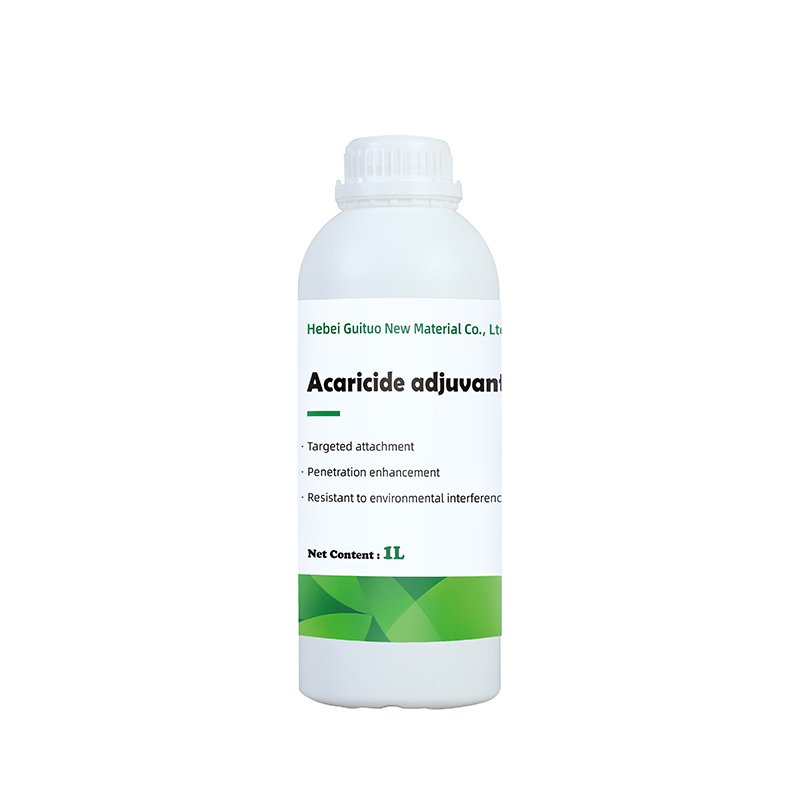
Product: High-Performance Drum-Mix Adjuvants


Contact Information
Tel : +86-400-138-5268
Email : [email protected]
Phone : +86-15128434888 / +86-13511051998
Add : Xinqiao Environmental Protection Industrial Park, Wen'an County, Langfang City, Hebei Province, China
Contact Information
Copyright © Hebei Guituo New Material Co., Ltd. All Rights Reserved.
