

 English
  Français
  Português
 Home / Author / Li Mei, Product Sales Specialist (Agricultural Silicone Products) / Emulsified Silicone Oil for Stable Wetting, Release, Lubrication, and Surface Protection
 Emulsified Silicone Oil for Stable Wetting, Release, Lubrication, and Surface Protection
2026-07-19
Emulsified silicone oil is a versatile water-dispersible silicone material designed to bring the benefits of polydimethylsiloxane into aqueous systems. It combines the low surface tension, chemical stability, heat resistance, cold resistance, lubricity, water repellency, and non-toxic characteristics of silicone oil with the convenience of an emulsion that can be blended into water-based formulations. In industries where uniform spreading, mold release, polishing, anti-sticking, foam control, smoothing, and surface protection are essential, emulsified silicone oil provides a practical and high-performance solution.
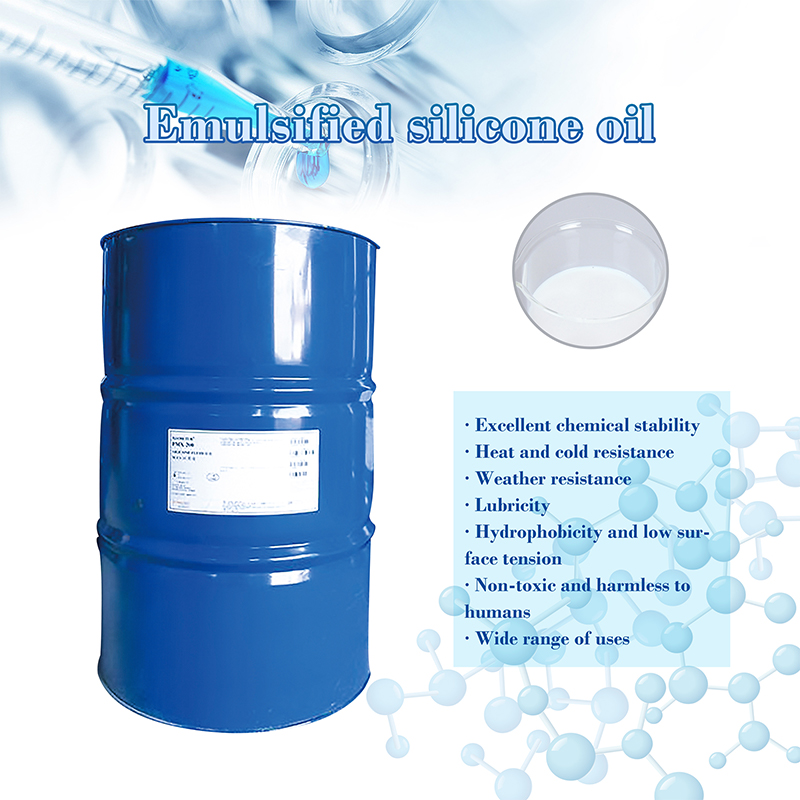
The product discussed here is a white viscous liquid identified as Emulsified Silicone Oil, product model LD-620, with CAS No. 9016-00-6 and the synonym Polydimethylsiloxane Emulsion. It is designed for broad industrial use in chemical raw materials, release agents, paint additives, agricultural silicone synergists, daily chemical formulations, textiles, leather finishing, plastics, rubber, glass, ceramics, stone, paper, wood, metal processing, and water-based coating systems. Its adaptability comes from the stable dispersion of silicone oil droplets in a polar medium, supported by carefully selected emulsifiers and controlled production conditions.
Compared with many conventional oils, waxes, mineral oil emulsions, and general-purpose release agents, emulsified silicone oil offers a stronger combination of surface activity, durability, temperature tolerance, and formulation flexibility. It can deliver excellent slip and release effects at low addition levels, help improve coverage on difficult surfaces, reduce adhesion in processing, and support consistent performance across a wide range of operating conditions. These advantages make it valuable for manufacturers seeking higher efficiency, cleaner processing, and more stable end-product quality.
Hebei Guituo New Material Co., Ltd. supports this product with a complete silicone additive system, advanced production equipment, precise testing facilities, and full-process quality monitoring. The company’s product matrix includes silicone additives, wetting agents, modified silicone oil, dimethyl silicone oil, surfactants, defoamers, and related functional materials. This broad technical base allows emulsified silicone oil to be adjusted for different industries, rather than supplied as a one-size-fits-all material. The result is a product platform that can be matched to real formulation requirements, including viscosity, droplet size, emulsion stability, wetting behavior, foam control, and compatibility.
Product Identity and Technical Profile
Emulsified silicone oil is commonly understood as a silicone oil-in-water or silicone oil-in-polar-medium dispersion. The silicone phase is typically based on polydimethylsiloxane, a polymer known for its flexible siloxane backbone, hydrophobic methyl groups, low glass transition temperature, high thermal stability, and low surface energy. When properly emulsified, the silicone oil can be introduced into aqueous formulations without the handling limitations of pure hydrophobic oil.
The LD-620 product model is presented as a high-purity emulsified silicone oil with a purity of 99.8%, EINECS No. 618-493-1, and the name Polydimethylsiloxane Emulsion. It appears as a white viscous liquid. The silicone oil component is insoluble in ethanol and methanol but soluble in aromatic hydrocarbons, aliphatic hydrocarbons, and chlorinated hydrocarbons such as benzene and carbon tetrachloride. In emulsion form, however, the product becomes easier to incorporate into water-based or polar systems where pure silicone oil would otherwise separate.
Key performance properties include outstanding chemical stability, strong resistance to heat and cold, weather resistance, lubricity, hydrophobicity, low surface tension, and human safety when used appropriately according to application requirements. These features explain why emulsified silicone oil is widely applied in personal care products, food production support processes, fermentation systems, textile processing, leather polishing, automotive care, furniture care, flooring, mold release, metal anti-rust treatment, and water-based coatings.
The product’s value is not limited to one function. It can serve as a release aid, lubricant, polish additive, anti-stick agent, smoothing additive, combing aid in shampoos, water-repellent agent, cleaning enhancer, and defoaming component. This multifunctionality is one of its strongest competitive advantages. In many production systems, replacing several single-purpose additives with a properly selected emulsified silicone oil can simplify formulation design and improve process consistency.
Core Performance Advantages
One of the most important advantages of emulsified silicone oil is its low surface tension. Silicone materials spread readily over many surfaces, including substrates that are difficult for ordinary hydrocarbon-based materials to wet. This property is essential for agricultural sprays, coatings, textile finishing, leather care, and polishing systems. By improving contact between the formulation and the target surface, emulsified silicone oil can support better coverage, more uniform films, and more efficient active ingredient deposition.
Another major advantage is excellent lubricity. Silicone oil creates a smooth, low-friction boundary layer that can reduce wear, sticking, and drag. In textile processing, this can improve hand feel and fiber movement. In plastics and rubber processing, it can assist demolding and reduce surface defects. In metal processing, it can contribute to smoother tool-workpiece interaction and temporary surface protection. In personal care, it can improve combability and softness in hair care formulations.
The product also provides strong release and anti-stick performance. Conventional release agents may leave heavy residues, discolor surfaces, or fail under temperature stress. Emulsified silicone oil can form a thin, uniform, low-energy surface layer that discourages adhesion. This makes it useful for polyurethane, plastic, rubber, glass, ceramic, stone, paper, wood, and other molding or finishing operations. Because it can be dispersed in water-based systems, it also supports cleaner application and reduced solvent dependence.
Water repellency is another defining benefit. Polydimethylsiloxane has hydrophobic methyl groups that orient at the surface and reduce water interaction. When applied to textiles, leather, wood, stone, paper, or other porous or semi-porous materials, emulsified silicone oil can improve resistance to moisture uptake. This benefit is valuable in protective finishes, surface care products, and industrial treatment processes where durability and cleanliness matter.
Chemical stability gives the product broad compatibility with many industrial environments. Silicone oil is resistant to oxidation, weathering, and many chemical influences that can degrade organic oils. This stability supports longer service life, predictable performance, and reduced risk of formulation breakdown. In harsh storage conditions, transportation, and processing environments, a stable silicone emulsion can offer better reliability than less robust additive systems.
The product also performs across a wide temperature range. Heat resistance and cold resistance allow it to remain useful in applications exposed to seasonal outdoor conditions, elevated processing temperatures, or cold storage. For agricultural products, stable performance under changing climates is important. For coatings, industrial processing, and surface treatments, temperature stability reduces production variability and helps maintain consistent product behavior.
Advantages Over Competing Materials
Emulsified silicone oil competes with mineral oil emulsions, wax emulsions, fatty acid derivatives, ordinary surfactant blends, fluorochemical treatments, and non-emulsified silicone oils. Its advantages can be understood through the balance of performance, safety, processability, and cost-effectiveness. While each competing material may perform well in a narrow area, emulsified silicone oil provides a broader range of benefits in a single additive platform.
Compared with mineral oil emulsions, emulsified silicone oil generally offers lower surface tension, better spreading, superior temperature stability, and cleaner release behavior. Mineral oils can be useful lubricants, but they may lack the strong hydrophobic surface orientation and low-energy film formation of silicone. They may also oxidize more readily or produce heavier residues. Emulsified silicone oil can provide excellent slip and release at relatively low use levels, reducing the risk of greasy buildup.
Compared with wax emulsions, emulsified silicone oil offers better flexibility and smoother surface modification. Wax emulsions are often used for water repellency, gloss, and abrasion resistance, but they can be sensitive to film brittleness, whitening, or uneven deposition. Silicone emulsions form highly flexible surface films and are less likely to create a hard, waxy feel. In textiles, hair care, leather, and polishing applications, this flexibility contributes to a more refined finish.
Compared with fatty acid or fatty alcohol derivatives, emulsified silicone oil has greater resistance to hydrolysis, oxidation, and thermal stress. Fat-based additives may be economical, but they often have odor, discoloration, or compatibility limitations. Silicone oil provides a more stable and neutral performance profile. In high-quality daily chemical, industrial coating, and precision processing systems, this stability can be a major advantage.
Compared with pure, non-emulsified silicone oil, emulsified silicone oil is much easier to incorporate into water-based formulations. Pure silicone oil is hydrophobic and can separate if not properly dispersed. Formulators may need intensive mixing, special solvents, or additional surfactants to make it usable. Emulsified silicone oil already contains the dispersion structure required for convenient blending, reducing processing complexity and improving batch-to-batch consistency.
Compared with fluorochemical repellents, emulsified silicone oil can offer a more balanced sustainability and safety profile for many applications. Fluorochemicals may provide extreme oil and water repellency, but they are increasingly scrutinized in various markets. Silicone-based systems can provide effective hydrophobicity, release, and surface protection without relying on fluorinated chemistry. This makes emulsified silicone oil attractive where manufacturers are seeking practical alternatives for water repellency and surface modification.
| Material Type | Typical Strength | Typical Limitation | Advantage of Emulsified Silicone Oil |
|---|---|---|---|
| Mineral oil emulsion | Basic lubrication | Possible greasy residue and lower thermal stability | Cleaner slip, stronger spreading, better stability |
| Wax emulsion | Gloss and water resistance | Can create hard or uneven films | Flexible, smooth, low-energy surface layer |
| Fatty acid derivative | Economical softening | Oxidation, odor, or compatibility limits | Higher chemical and thermal stability |
| Pure silicone oil | High silicone performance | Difficult dispersion in water systems | Convenient blending into aqueous formulations |
| Fluorochemical additive | Strong repellency | Regulatory and sustainability concerns | Effective non-fluorinated hydrophobic performance |
Importance of Emulsion Stability
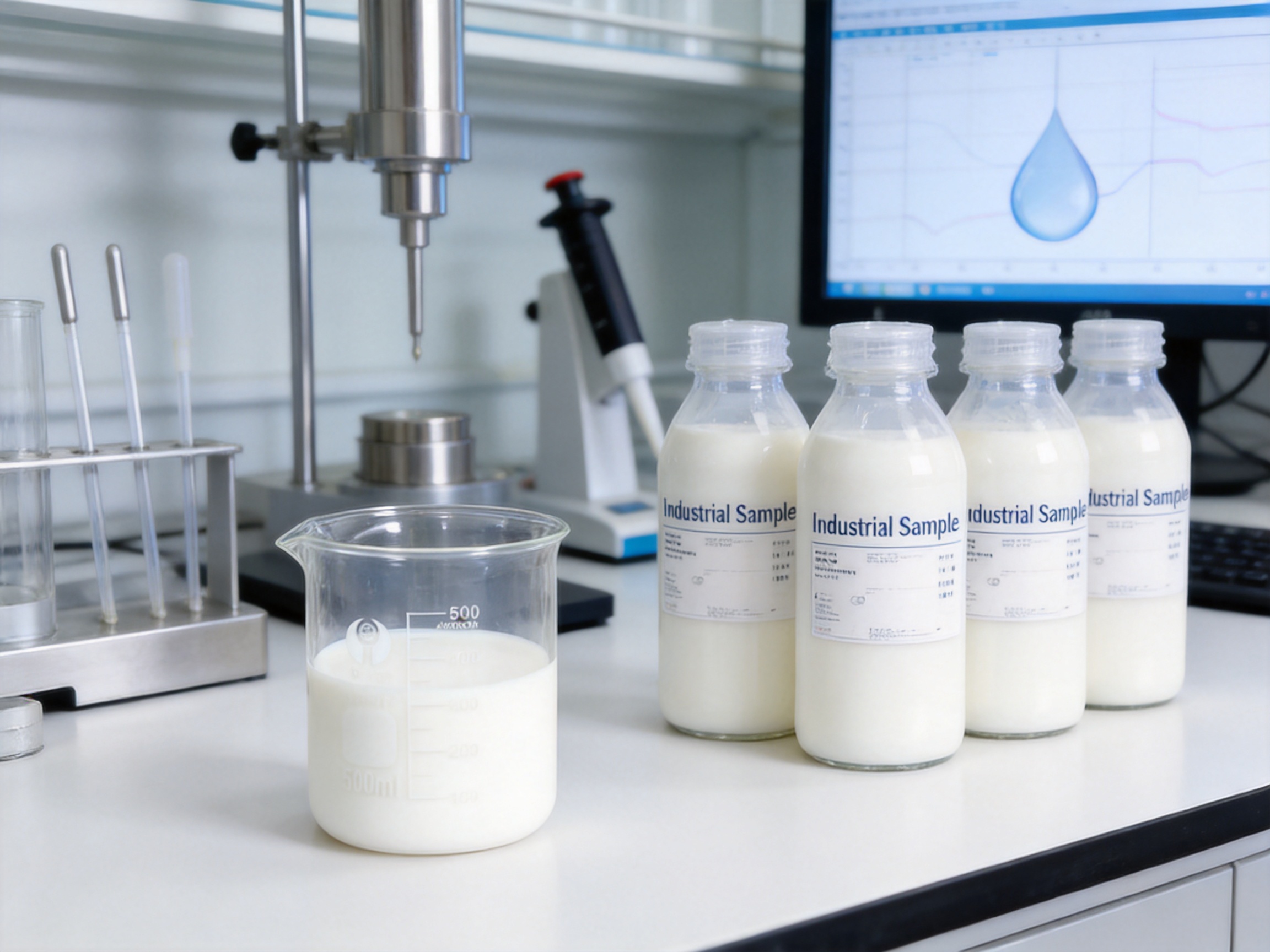
Emulsion stability is central to the success of emulsified silicone oil. A high-quality product must resist phase separation, sedimentation, creaming, and droplet coalescence during storage, shipping, dilution, and application. If the silicone phase separates, performance becomes inconsistent and users may experience defects such as uneven coating, poor spreading, unstable foam behavior, or clogged application equipment.
Stable emulsions are created through careful control of surfactant selection, mixing energy, emulsification sequence, temperature, droplet size distribution, and quality testing. The emulsifier must provide sufficient interfacial protection around silicone droplets while remaining compatible with the final application system. For example, an agricultural spray adjuvant may require strong dilution stability and rapid wetting, while a textile softener may require a balance of fiber affinity, softness, and emulsion stability.
Hebei Guituo New Material Co., Ltd. places emphasis on full-process quality monitoring from raw material selection to finished product delivery. Advanced production equipment and precise testing facilities help control droplet characteristics, viscosity, appearance, pH, stability, and application performance. This level of manufacturing discipline is important because emulsified silicone oil is not merely a mixture; it is a structured dispersion whose performance depends on microscopic consistency.
In storage, stable emulsified silicone oil helps reduce waste and user complaints. Manufacturers can hold inventory with greater confidence, and downstream formulators can dose the product reliably. In application, stable emulsions support uniform film formation, predictable release behavior, and consistent wetting. Stability also reduces the need for excessive agitation or corrective additives, saving time in production.
For customers comparing suppliers, emulsion stability is often a decisive factor. A low-priced emulsion that separates quickly may increase total production costs through rework, quality defects, downtime, and inconsistent product performance. A technically controlled emulsion provides better value because it protects the entire manufacturing process. This is one of the key areas where a specialized silicone material producer can outperform general chemical suppliers.
Viscosity and Droplet Size Engineering
The performance of emulsified silicone oil depends strongly on the viscosity of the silicone oil phase and the size of the dispersed droplets. Lower viscosity silicone oils tend to form finer droplets more easily, improving rapid dispersion, wetting, and spreading. Higher viscosity silicone oils may form larger droplets, but they can enhance lubricity, film thickness, and surface coverage. Medium viscosity systems often provide a balance between spreading and protective film formation.
Droplet size affects how the product behaves during dilution, coating, deposition, and drying. Fine droplets can distribute quickly throughout a formulation and reach surfaces more evenly. This is valuable for agricultural spray systems, water-based coatings, and cleaning formulations. Larger or more controlled droplets can deliver stronger local silicone effects, such as release, slip, and lubrication. In release agents and polishing products, the right droplet structure can influence gloss, smoothness, and durability.
Manufacturing expertise is required to achieve the correct droplet size distribution. Excessive mixing energy may damage emulsion balance or introduce unwanted foam, while insufficient energy may create unstable coarse droplets. Emulsifier choice must also match the silicone viscosity and target application. A textile finishing emulsion may require different droplet behavior than an agricultural wetting additive or a metal anti-rust formulation.
The company’s broad product matrix gives it an advantage in droplet size engineering. Because Hebei Guituo New Material Co., Ltd. works with modified silicone oil, dimethyl silicone oil, surfactants, wetting agents, and defoamers, it can adjust multiple variables simultaneously. Rather than relying only on a standard silicone oil, it can combine silicone phase design with emulsifier design and performance testing. This creates a more application-specific material.
For customers, this means that emulsified silicone oil can be selected according to performance priority. If rapid wetting is required, a finer and lower-viscosity emulsion may be preferred. If mold release or lubrication is the main goal, a medium-to-high viscosity silicone phase may be more suitable. If foam control is needed in a coating or industrial process, droplet size and stability must be aligned with defoaming performance. This flexibility gives the product an advantage over simpler additives.
Applications in Agriculture
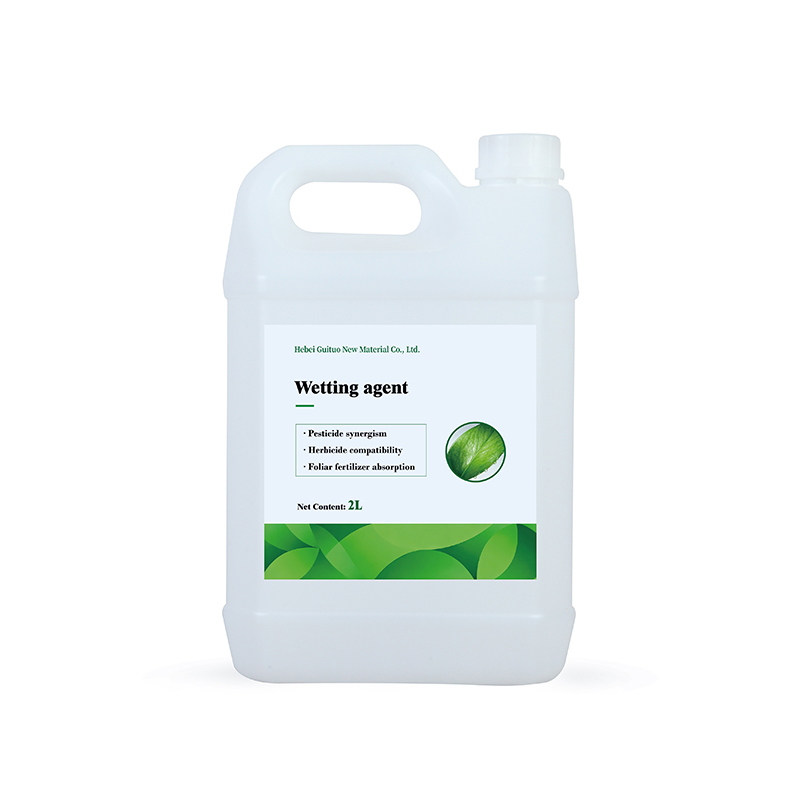
In agriculture, emulsified silicone oil can function as a silicone synergist or spray adjuvant component. Plant leaves often have waxy, hydrophobic surfaces that are difficult for water-based pesticide or fertilizer solutions to wet. When spray droplets bead up or roll off, active ingredient deposition is reduced and treatment efficiency declines. Emulsified silicone oil helps lower surface tension and improve spreading on plant surfaces, supporting more uniform coverage.
Improved wetting can help agricultural formulations contact leaf surfaces more effectively. Better spreading may reduce untreated areas and increase the chance that active ingredients remain where they are needed. In some systems, more efficient deposition can allow users to optimize spray volume or improve consistency under variable field conditions. The result is not simply better surface appearance; it can contribute to more reliable agrochemical performance.
Stability is especially important in agricultural applications because formulations may be diluted in water of varying hardness, mixed with pesticides, fertilizers, surfactants, or other adjuvants, and sprayed under outdoor temperature changes. A well-designed emulsified silicone oil must remain stable in these conditions and should not interfere with the active ingredients. Compatibility testing is therefore a major part of product development.
Hebei Guituo New Material Co., Ltd. has notable strength in agricultural silicone products, which have reached an advanced domestic level and are used by leading agrochemical enterprises. This background gives the company practical insight into the needs of pesticide, fertilizer, and adjuvant formulations. The company’s ability to integrate silicone oil, surfactants, and wetting agents supports customized solutions for agricultural systems.
Compared with conventional non-silicone surfactants, emulsified silicone oil can provide superior spreading on hydrophobic plant surfaces and better low-surface-tension performance. While ordinary surfactants may reduce surface tension to a moderate level, silicone-based additives can often achieve stronger wetting effects. This makes emulsified silicone oil valuable in high-performance agricultural formulations where coverage efficiency is a priority.
Applications in Personal Care and Daily Chemical Products
Emulsified silicone oil is widely used in personal care and daily chemical products because it can improve softness, smoothness, combability, water repellency, and texture. In hair care products such as shampoos and conditioners, silicone oil can deposit on hair fibers to reduce friction, improve wet combing, increase shine, and create a soft touch. The emulsion format makes it easier to incorporate the silicone into aqueous surfactant systems.
In shampoos, the challenge is to balance silicone deposition with foam quality and product stability. Too much poorly dispersed silicone can cause separation, reduce foam excessively, or create a heavy feel on hair. A carefully engineered emulsified silicone oil helps maintain a stable formulation while delivering smoothing benefits. The droplet size, emulsifier system, and silicone viscosity all influence the final sensory performance.
In detergents and cleaning products, emulsified silicone oil can contribute to surface protection, gloss, anti-sticking behavior, and controlled foam. It may help treated surfaces resist water marks, reduce dust adhesion, or improve polish effects. In furniture care, flooring products, and automotive care, it supports shine, smoothness, and protective surface films. Because it can be used in water-based systems, it aligns with modern formulation trends that reduce solvent content.
The non-toxic and harmless characteristics of silicone oil, when properly selected and used, make it attractive for daily chemical applications. Manufacturers still need to follow relevant regulatory and safety requirements, but silicone emulsions have a long history of use in personal care and household formulations. Consistent quality and purity are important because consumer products require stable appearance, odor control, and reliable performance.
Compared with lower-grade conditioning oils or waxes, emulsified silicone oil can provide a smoother, lighter, and more durable feel. It does not readily become rancid like some natural oils, and it has excellent temperature and oxidation stability. This makes it suitable for products that must remain visually and functionally stable during storage and consumer use.
Applications in Textiles, Leather, and Surface Finishing
Textile processing benefits greatly from silicone emulsion technology. Emulsified silicone oil can improve fabric softness, smoothness, sewing performance, fiber mobility, and water repellency. It can help finishing agents distribute uniformly through fibers and create a pleasant hand feel without excessive stiffness. For synthetic and natural fibers, the correct silicone emulsion can enhance surface characteristics while preserving fabric comfort.
Droplet size is particularly important in textile applications. Fine droplets may penetrate more effectively into fiber assemblies, while larger droplets may remain more on the surface and provide a stronger slick feel. A balanced emulsion can combine penetration with surface smoothness. Textile manufacturers often require precise performance because small changes in softener behavior can affect shade, absorbency, hand feel, and downstream processing.
In leather polishing and finishing, emulsified silicone oil can improve gloss, slip, softness, and water resistance. Leather surfaces are complex, porous, and sensitive to uneven deposition. A stable silicone emulsion can help produce a more uniform finish and reduce tackiness. It can also improve the tactile quality of leather goods, making them smoother and more attractive to consumers.
In wood, paper, stone, glass, and ceramics, emulsified silicone oil can serve as a polishing, protective, or anti-stick additive. It reduces surface energy, provides water repellency, and helps create a smoother feel. These benefits are especially useful in maintenance products, protective coatings, and finishing formulations. Compared with wax-heavy systems, silicone emulsions can provide a cleaner and less bulky surface effect.
For surface finishing industries, consistency is essential. If an additive creates streaks, oil spots, uneven gloss, or adhesion problems, the cost of rework can be high. A high-quality emulsified silicone oil produced under strict process control helps reduce these risks. The ability of Hebei Guituo New Material Co., Ltd. to customize silicone and surfactant systems supports the development of finishing additives that fit specific substrate requirements.
Applications in Mold Release and Anti-Stick Processing
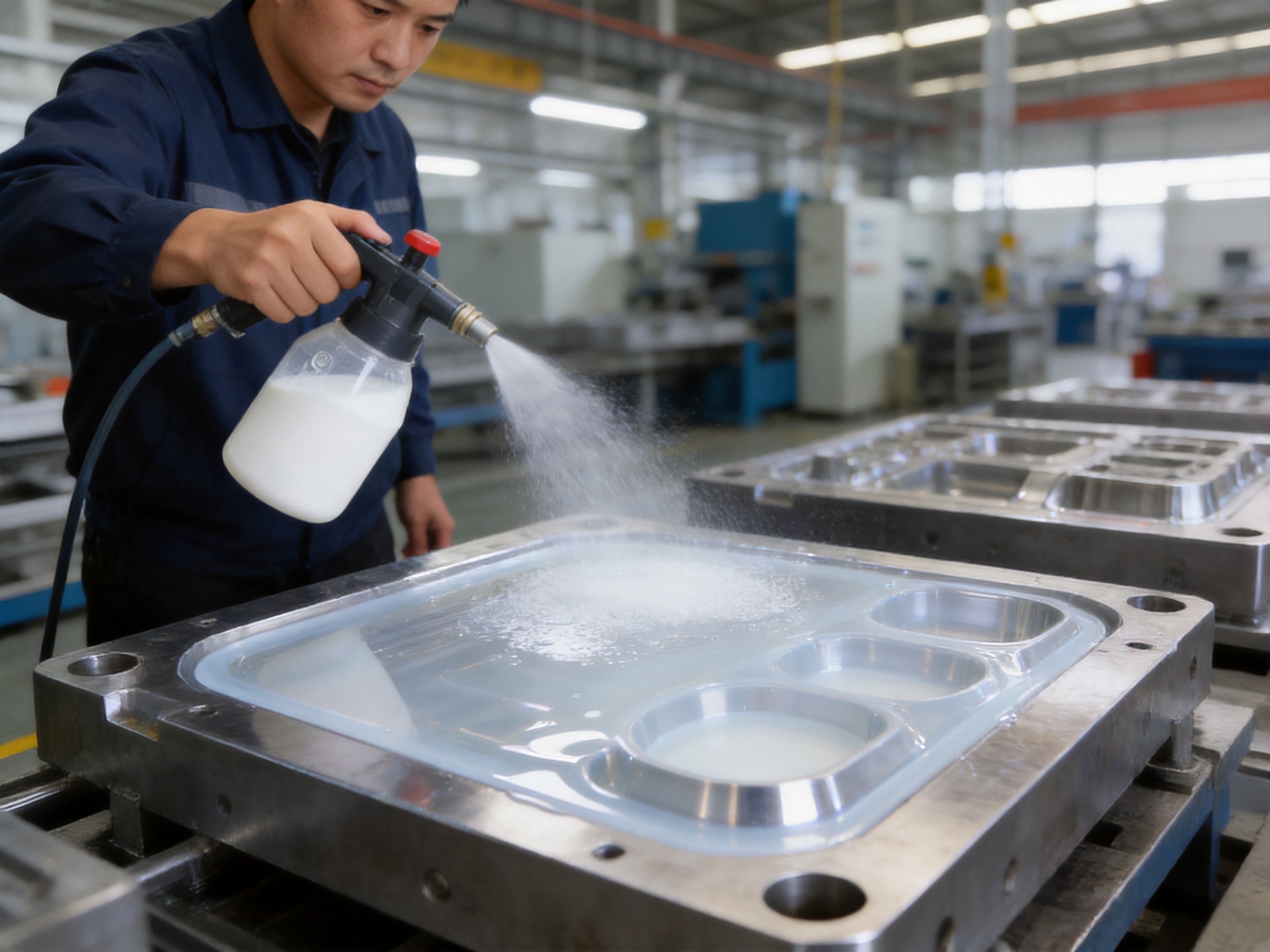
Mold release is one of the classic uses of silicone oil. Emulsified silicone oil can form a thin, low-energy film on mold surfaces, helping finished parts separate cleanly. It is applicable to polyurethane, plastics, rubber, glass, ceramics, stone, paper, wood, and other materials. Because it can be applied from water-based systems, it can reduce reliance on solvent-based release agents and support cleaner operating conditions.
In plastics and rubber processing, release performance directly affects productivity and surface quality. Poor release can cause tearing, deformation, residue buildup, or longer cycle times. Emulsified silicone oil helps reduce adhesion between the molded article and mold surface. The lubricity of silicone also supports smoother movement and easier demolding. In many cases, only a thin application is needed, making it efficient in use.
In polyurethane applications, release agents must withstand reactive components and processing temperatures while maintaining surface quality. Silicone emulsions can provide strong release without excessive transfer when properly formulated. The correct droplet size and silicone viscosity help create a uniform film that does not flood the surface or create defects. This is a key advantage over less controlled release systems.
Anti-stick performance is also useful in plastic films, packaging, and processing aids. Silicone oil can reduce blocking, improve slip, and help prevent layers from adhering. In water-based anti-stick formulations, emulsified silicone oil offers a practical method for delivering silicone functionality without complicated dispersion steps. This can improve manufacturing efficiency and reduce defect rates.
Compared with traditional release oils, emulsified silicone oil often provides better thermal resistance, lower surface energy, and cleaner film formation. It can also reduce smoke, odor, and residue in some applications, depending on formulation and use conditions. These benefits improve the working environment and product consistency, making it a strong choice for manufacturers focused on quality and productivity.
Applications in Paints, Coatings, and Foam Control
In paints and water-based coatings, emulsified silicone oil can contribute to defoaming, surface slip, water repellency, and improved application behavior. Coating systems are sensitive to surface tension, foam formation, leveling, wetting, and compatibility. A suitable silicone emulsion can help manage these properties, but formulation balance is essential. Poorly selected silicone additives can cause craters, fisheyes, or adhesion issues, so technical control matters.
Foam is a common problem in water-based coatings during manufacturing, mixing, pumping, and application. Silicone oils are known for their foam-breaking ability because they can enter foam films and destabilize bubbles. Emulsified silicone oil can be used alone or combined with compatible defoamers to control foam levels. The defoaming effect depends on silicone viscosity, droplet size, dispersibility, and interaction with other coating components.
Surface slip and anti-blocking are also important in coatings. A silicone-modified surface can resist sticking, improve scratch feel, and enhance water resistance. In some applications, emulsified silicone oil helps create a smooth surface that is easier to clean. This can be valuable for industrial coatings, architectural coatings, wood coatings, and specialty finishes.
The product’s chemical stability and weather resistance support coating durability. Outdoor coatings may face ultraviolet exposure, temperature changes, humidity, and pollutants. While emulsified silicone oil is only one component of the formulation, its stable silicone backbone contributes to long-lasting surface properties. The low surface tension also assists in wetting certain substrates when properly formulated.
Hebei Guituo New Material Co., Ltd. has experience with silicone additives, surfactants, wetting agents, and defoamers, allowing it to design integrated solutions for coatings rather than isolated additives. This is an important competitive strength. Coating formulators often require a combination of defoaming, leveling, wetting, and surface protection, and a supplier with a broad additive portfolio can provide better compatibility guidance.
Applications in Metal Processing, Electronics, and Industrial Protection
Emulsified silicone oil can be used in metal processing as a lubricating, anti-rust, and surface-smoothing additive. Metal surfaces benefit from thin protective films that reduce friction and limit moisture contact. Although silicone oil is not a complete corrosion inhibitor by itself in all systems, it can support water repellency and surface protection when combined with suitable anti-rust components. Its lubricity can also improve handling and processing.
In metal cleaning and finishing, water-based formulations often require additives that improve surface wetting while preventing excessive foam or residue. Emulsified silicone oil can help balance these demands. Its low surface tension assists wetting, while its silicone phase provides slip and water repellency. The final performance depends on proper formulation, including compatibility with surfactants, alkaline builders, corrosion inhibitors, and defoamers.
In electronics-related uses, silicone oils are valued for thermal stability, low volatility in suitable grades, and surface protection. Emulsified silicone oil may be used in certain cleaning, lubrication, or protective coating processes where water-based delivery is desired. Careful selection is important because electronics applications may require strict control of ionic contamination, residue, and dielectric properties. A supplier with precise testing and quality monitoring is essential for such applications.
Industrial protection applications also include glass, ceramics, stone, paper, and wood. Emulsified silicone oil can help protect surfaces from moisture, improve cleaning behavior, and reduce adhesion. The ability to apply silicone properties from an aqueous system makes it convenient for factories seeking safer and more environmentally practical processes.
Compared with conventional hydrocarbon protectants, silicone emulsions are more resistant to oxidation and weathering. They can maintain surface effects for longer periods under many conditions. This durability improves value for users because reapplication frequency may be reduced and product performance remains more consistent.

Advanced Manufacturing Processes and Quality Strengths
The performance of emulsified silicone oil depends heavily on manufacturing quality. A high-performance emulsion requires controlled raw materials, precise emulsification, stable surfactant systems, appropriate viscosity management, and strict testing. Hebei Guituo New Material Co., Ltd. has established a comprehensive guarantee system supported by internationally advanced production equipment, precise testing facilities, and a full-process quality monitoring mechanism from production source to finished product delivery.
Raw material selection is the first step. The silicone oil phase must meet defined requirements for viscosity, purity, appearance, and performance. Surfactants and emulsifiers must be selected for compatibility, stability, and end-use safety. Water quality and auxiliary components also influence emulsion stability. Poor raw materials can cause odor, instability, contamination, or inconsistent performance, so rigorous supplier and incoming inspection controls are essential.
The emulsification process requires careful control of temperature, mixing speed, addition order, shear force, and processing time. Silicone oil must be dispersed into droplets and protected by the emulsifier system. If the process is not controlled, the product may have broad droplet size distribution, unstable viscosity, or poor storage stability. Advanced production equipment allows better repeatability and enables the production of emulsions tailored for different industrial demands.
Quality testing is equally important. Typical evaluations may include appearance, viscosity, pH, solid content or active content, droplet size behavior, dilution stability, centrifuge stability, freeze-thaw stability, heat storage stability, compatibility testing, wetting performance, release performance, and foam control behavior. Application-oriented testing is especially valuable because laboratory specifications alone do not always predict real use performance.
The company’s technical and production teams have industry experience and strong professional skills. This human expertise supports problem solving, formulation adjustment, and OEM or ODM collaboration. Customers do not only need a chemical material; they need a reliable supply partner capable of understanding process challenges and adapting materials accordingly.
Stable supply is another strength. The company’s integrated R&D, production, and sales structure helps connect customer requirements with manufacturing execution. This reduces communication gaps and supports faster customization. Products are used in domestic markets and exported to Europe and Southeast Asia, where stable performance and reliable quality have earned repeat purchases. International market acceptance is a meaningful indicator of product reliability.
Customization Through OEM and ODM Services
Different industries require different emulsified silicone oil profiles. A release agent for polyurethane may not be ideal for an agricultural spray adjuvant. A shampoo silicone emulsion may not fit a water-based coating defoaming system. For this reason, customization is a major advantage. Hebei Guituo New Material Co., Ltd. accepts OEM and ODM orders and can tailor silicone emulsions to specific performance targets.
Customization may involve adjusting silicone oil viscosity, emulsion concentration, droplet size, emulsifier type, pH range, dilution behavior, compatibility with other additives, and functional emphasis. For agricultural customers, wetting and spreading may be the priority. For textile customers, softness and hand feel may matter most. For coating customers, foam control and surface compatibility may dominate. For release applications, low transfer and clean demolding may be critical.
OEM and ODM capability also supports brand owners and formulators who need consistent private-label products. A reliable manufacturing partner can help develop a formulation, scale it up, test its stability, and deliver it under agreed specifications. This reduces development burden for customers and accelerates market introduction.
Customization is especially important in silicone emulsions because small formulation changes can significantly affect performance. The balance between emulsifier and silicone phase influences deposition, foam, compatibility, and stability. A supplier with in-house silicone additive knowledge is better positioned to optimize this balance than a distributor with limited technical control.
For customers seeking competitive differentiation, customized emulsified silicone oil can improve final product performance and market positioning. Better wetting, smoother feel, cleaner release, or more stable foam control can become selling points in agricultural chemicals, personal care, coatings, textiles, and industrial processing products.
Formulation Compatibility Considerations
Compatibility is a key consideration when selecting emulsified silicone oil. In real formulations, the product may be combined with surfactants, salts, solvents, active ingredients, polymers, thickeners, defoamers, preservatives, pigments, fillers, corrosion inhibitors, or fragrances. Each component can affect emulsion stability and silicone performance. Therefore, compatibility testing should be performed before full-scale production.
In agricultural formulations, water hardness, pesticide actives, fertilizers, and tank-mix partners can influence emulsion behavior. The silicone emulsion should not precipitate, separate, or reduce the intended activity of the agrochemical system. It should maintain wetting and spreading after dilution. For this reason, agricultural users often evaluate leaf coverage, spray retention, dilution clarity or uniformity, and storage stability.
In daily chemical products, surfactant concentration and electrolyte level can affect silicone deposition and emulsion stability. Shampoos, conditioners, detergents, and cleaning products require stable appearance, suitable viscosity, and consistent user experience. A silicone emulsion must be selected so it does not create separation, excessive defoaming, or unpleasant texture.
In coatings, compatibility is even more sensitive. Silicone additives can strongly affect surface tension, and excessive or incompatible silicone may cause defects. Proper selection and dosage are essential. The emulsion should provide the desired foam control, slip, or water repellency without harming leveling, adhesion, or film appearance. Technical guidance from the supplier can reduce trial-and-error time.
In textile finishing, compatibility with softeners, resins, dyes, and finishing auxiliaries is important. The silicone emulsion should not cause spots, shade changes, or bath instability. Testing under actual processing conditions is recommended, including temperature, pH, mechanical agitation, and drying conditions.
Practical Selection Guide
When selecting emulsified silicone oil, users should begin by defining the main performance objective. Is the goal wetting, release, lubrication, polishing, water repellency, anti-stick performance, smoothing, or foam control? Each objective may require a different balance of silicone viscosity, droplet size, concentration, and emulsifier system. Clear performance priorities help identify the most suitable product profile.
The second consideration is the application medium. A product used in a water-based coating may require different compatibility than one used in a shampoo or agricultural spray. Users should evaluate pH, electrolyte concentration, solvent content, surfactant type, and temperature. The emulsion must remain stable under the actual manufacturing and use conditions.
The third consideration is dosage. Silicone additives are often effective at low levels, but excessive dosage can cause unwanted effects such as reduced adhesion, surface defects, excessive hydrophobicity, or foam suppression beyond the desired level. Small-scale trials should be used to identify the optimal addition range. Incremental testing is usually more reliable than adding a large amount at once.
The fourth consideration is processing sequence. In many formulations, emulsified silicone oil should be added under moderate agitation after the base system is formed. Excessive shear or incompatible solvents may destabilize the emulsion. Users should follow technical recommendations and adjust the process according to batch behavior.
The fifth consideration is storage. Emulsified silicone oil should be stored according to supplier guidance, protected from extreme temperatures when possible, and mixed gently before use if recommended. Although high-quality emulsions are designed for stability, proper handling helps preserve performance and extend shelf life.
Environmental and Safety Considerations
Emulsified silicone oil supports the development of water-based systems, which can reduce reliance on organic solvents in many applications. This is important for manufacturers seeking safer handling, lower odor, and more environmentally practical processes. Water-based delivery also makes the product easier to apply in many industrial and consumer formulations.
Silicone oil is generally known for chemical inertness and low toxicity in many applications, but safe use still requires attention to product specifications, regulatory requirements, and intended use. Personal care, food-related, agricultural, and industrial applications may have different compliance standards. Users should consult safety data, technical documentation, and applicable regulations before use.
The product’s stability can also reduce waste. A stable emulsion that resists separation is less likely to be discarded or reworked. Efficient performance at low addition levels can reduce material consumption. In release and lubrication applications, cleaner processing may reduce downtime and cleaning chemicals.
Compared with some fluorinated or solvent-heavy alternatives, silicone emulsions can offer a practical balance of performance and responsible formulation design. While no additive is universally suitable for every environmental requirement, emulsified silicone oil is an important option for companies moving toward water-based, efficient, and durable surface treatment technologies.
Q&A Section
Q1: What is emulsified silicone oil?
Emulsified silicone oil is a stable dispersion of silicone oil, typically polydimethylsiloxane, in water or another polar medium. It is supported by emulsifiers that keep the silicone droplets distributed. This allows the performance of silicone oil to be used conveniently in water-based formulations.
Q2: What are the main advantages of this product?
The main advantages include low surface tension, excellent wetting and spreading, lubricity, mold release, anti-stick performance, water repellency, chemical stability, heat resistance, cold resistance, weather resistance, and broad compatibility when properly formulated. It can serve multiple functions in one additive platform.
Q3: How does it compare with mineral oil or wax emulsions?
Compared with mineral oil or wax emulsions, emulsified silicone oil usually provides stronger spreading, cleaner release, better thermal stability, more flexible film formation, and lower surface energy. It can often achieve the required effect at relatively low addition levels.
Q4: Why is emulsion stability important?
Emulsion stability ensures that silicone droplets remain uniformly dispersed during storage, dilution, and application. Stable emulsions provide consistent wetting, release, lubrication, and foam control. Unstable emulsions may separate and cause defects or inconsistent performance.
Q5: What industries commonly use emulsified silicone oil?
Common industries include agriculture, personal care, daily chemicals, textiles, leather, automotive care, furniture care, flooring, metal processing, polyurethane, plastics, rubber, glass, ceramics, stone, paper, wood, paints, and water-based coatings.
Q6: How does it help agricultural formulations?
In agricultural formulations, emulsified silicone oil improves wetting and spreading on waxy plant surfaces. This helps spray droplets cover leaves more uniformly and supports better deposition of active ingredients. Compatibility with pesticides, fertilizers, and water conditions should be tested.
Q7: Can it be used in shampoos and personal care products?
Yes. It can be used in hair care and personal care formulations to improve smoothness, softness, combability, and shine. The emulsion format makes it easier to incorporate silicone oil into water-based surfactant systems.
Q8: What role does droplet size play?
Droplet size affects dispersion, surface coverage, deposition, wetting, release, and lubrication. Fine droplets generally support rapid spreading and uniform distribution, while larger or more controlled droplets may enhance film thickness, slip, and release performance.
Q9: Can the product be customized?
Yes. Hebei Guituo New Material Co., Ltd. accepts OEM and ODM orders and can adjust parameters such as silicone viscosity, emulsion concentration, droplet behavior, emulsifier system, stability, and application performance according to customer needs.
Q10: What should users test before full-scale production?
Users should test compatibility, dosage, emulsion stability, dilution behavior, pH tolerance, temperature stability, wetting performance, release effect, foam control, and final product appearance under actual processing and application conditions.
Conclusion
Emulsified silicone oil is a high-value functional material that brings silicone performance into water-based and polar systems. Its combination of low surface tension, wetting, spreading, lubricity, release, anti-stick behavior, water repellency, chemical stability, and temperature resistance makes it suitable for a wide variety of modern industrial and consumer applications. From agriculture and personal care to textiles, coatings, mold release, metal processing, and surface protection, it provides practical performance advantages that many conventional additives cannot match.
The product’s competitive strength lies not only in the inherent properties of silicone oil but also in the quality of emulsion design. Stability, droplet size, viscosity, emulsifier compatibility, and application-specific performance determine whether the material succeeds in real production environments. Hebei Guituo New Material Co., Ltd. supports these requirements through advanced manufacturing equipment, precise testing facilities, full-process quality monitoring, experienced technical teams, and a broad silicone additive product matrix.
For manufacturers seeking cleaner release, better spreading, smoother surfaces, improved water repellency, stable foam control, and reliable formulation performance, emulsified silicone oil offers a flexible and efficient solution. With OEM and ODM support, it can be tailored to specific industries and processing needs, helping customers create differentiated products and improve production quality.
References
1. Noll, W. Chemistry and Technology of Silicones. Academic Press.
2. Owen, M. J., and Dvornic, P. R. Silicone Surface Science. Springer.
3. Rosen, M. J., and Kunjappu, J. T. Surfactants and Interfacial Phenomena. Wiley.
4. Tadros, T. F. Emulsion Formation and Stability. Wiley-VCH.
5. Schramm, L. L. Emulsions, Foams, and Suspensions: Fundamentals and Applications. Wiley-VCH.
6. Brook, M. A. Silicon in Organic, Organometallic, and Polymer Chemistry. Wiley.
7. Flick, E. W. Industrial Surfactants: An Industrial Guide. William Andrew Publishing.
8. Technical documentation and product information for Emulsified Silicone Oil LD-620, Hebei Guituo New Material Co., Ltd.
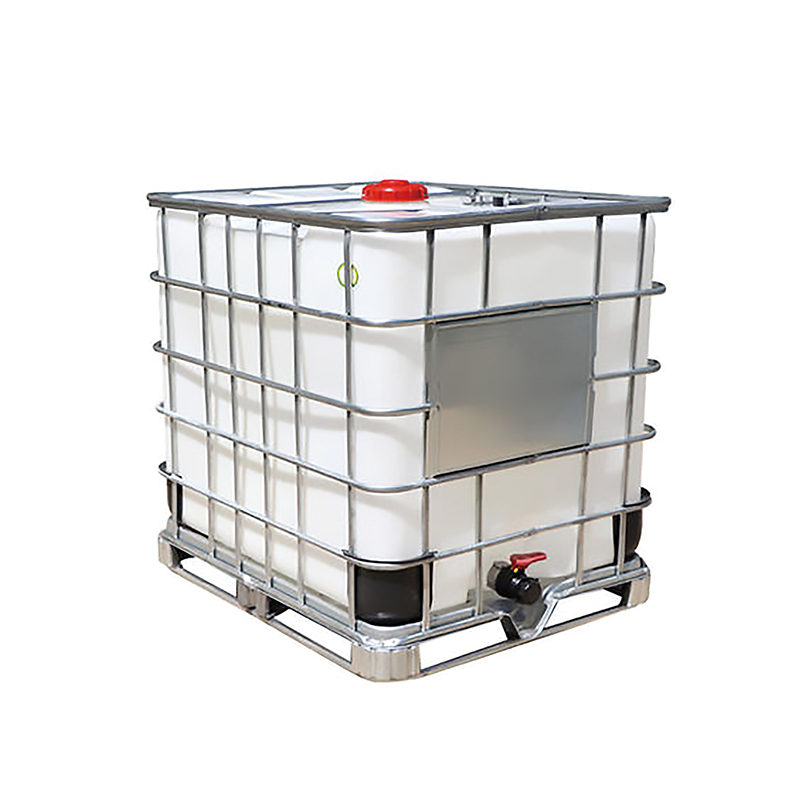
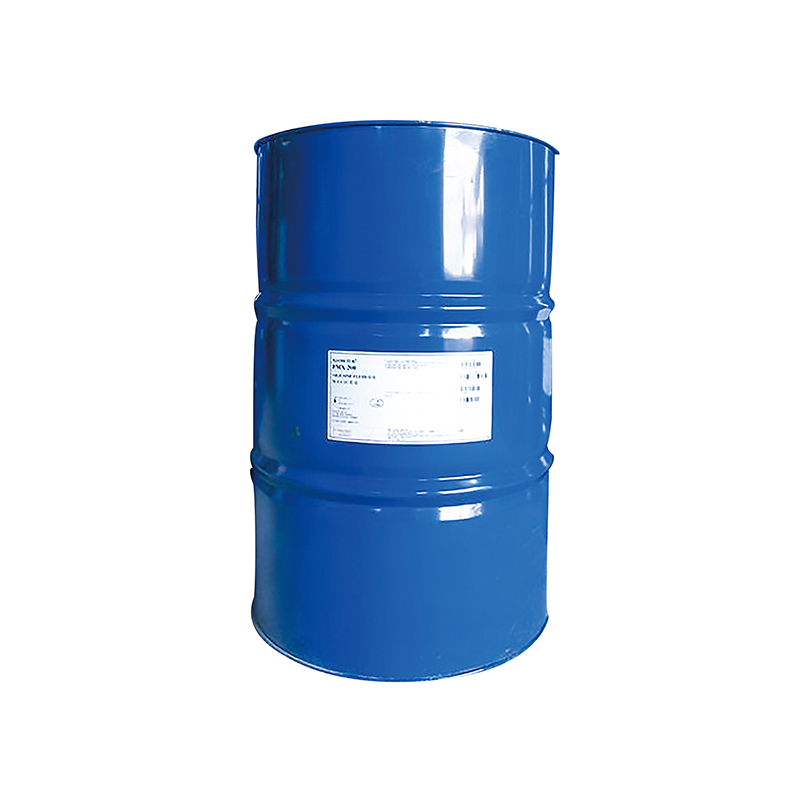
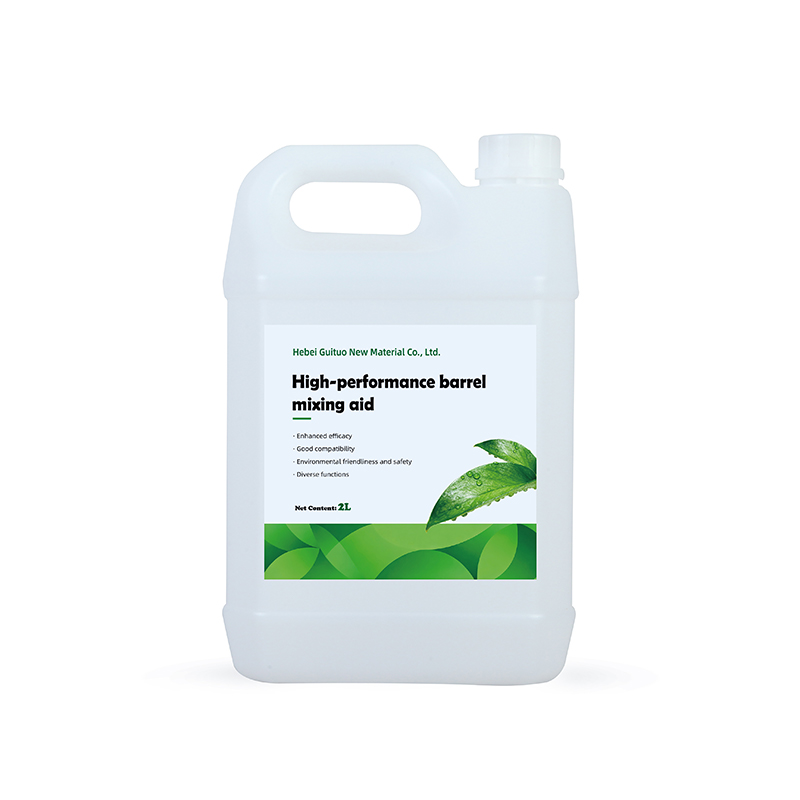
Product: Emulsified Silicone Oil


Contact Information
Tel : +86-400-138-5268
Email : [email protected]
Phone : +86-15128434888 / +86-13511051998
Add : Xinqiao Environmental Protection Industrial Park, Wen'an County, Langfang City, Hebei Province, China
Contact Information
Copyright © Hebei Guituo New Material Co., Ltd. All Rights Reserved.
