

 English
  Français
  Português
 Home / Author / Li Mei, Product Sales Specialist (Agricultural Silicone Products) / GT-1000: Revolutionizing Agricultural Efficiency with High-Performance Enhancing Adjuvants
 GT-1000: Revolutionizing Agricultural Efficiency with High-Performance Enhancing Adjuvants
2026-03-29
As global agriculture faces the dual challenge of feeding a growing population (projected to reach 9.7 billion by 2050) and reducing environmental impact, innovative solutions that boost input efficiency while minimizing chemical use have become critical. Among these, agricultural enhancing adjuvants play a pivotal role in optimizing pesticide and fertilizer performance, and the GT-1000 stands out as a game-changer in this space. This article explores the core features, competitive advantages, and manufacturing excellence behind GT-1000, as well as its transformative impact on modern farming practices.
What Are Agricultural Enhancing Adjuvants?
Agricultural enhancing adjuvants are specialized additives designed to improve the effectiveness of pesticides, fertilizers, and other agrochemicals. Unlike inert carriers, these adjuvants actively modify the properties of spray solutions to enhance coverage, penetration, and absorption into plant tissues or soil. By reducing surface tension, optimizing droplet size, and breaking down natural barriers (like the waxy leaf cuticle or soil absorption complexes), adjuvants enable agrochemicals to work more efficiently—often reducing the amount of active ingredients needed while maintaining or improving results.
The GT-1000 is a next-generation silicone-based adjuvant that leverages advanced polyether modified trisiloxane chemistry to deliver unmatched performance across a wide range of agricultural applications. Its unique formulation addresses key pain points in modern farming, from poor pesticide adhesion to inefficient fertilizer uptake, making it a versatile tool for both smallholder and large-scale operations.
GT-1000 Product Overview: Core Specifications & Chemistry
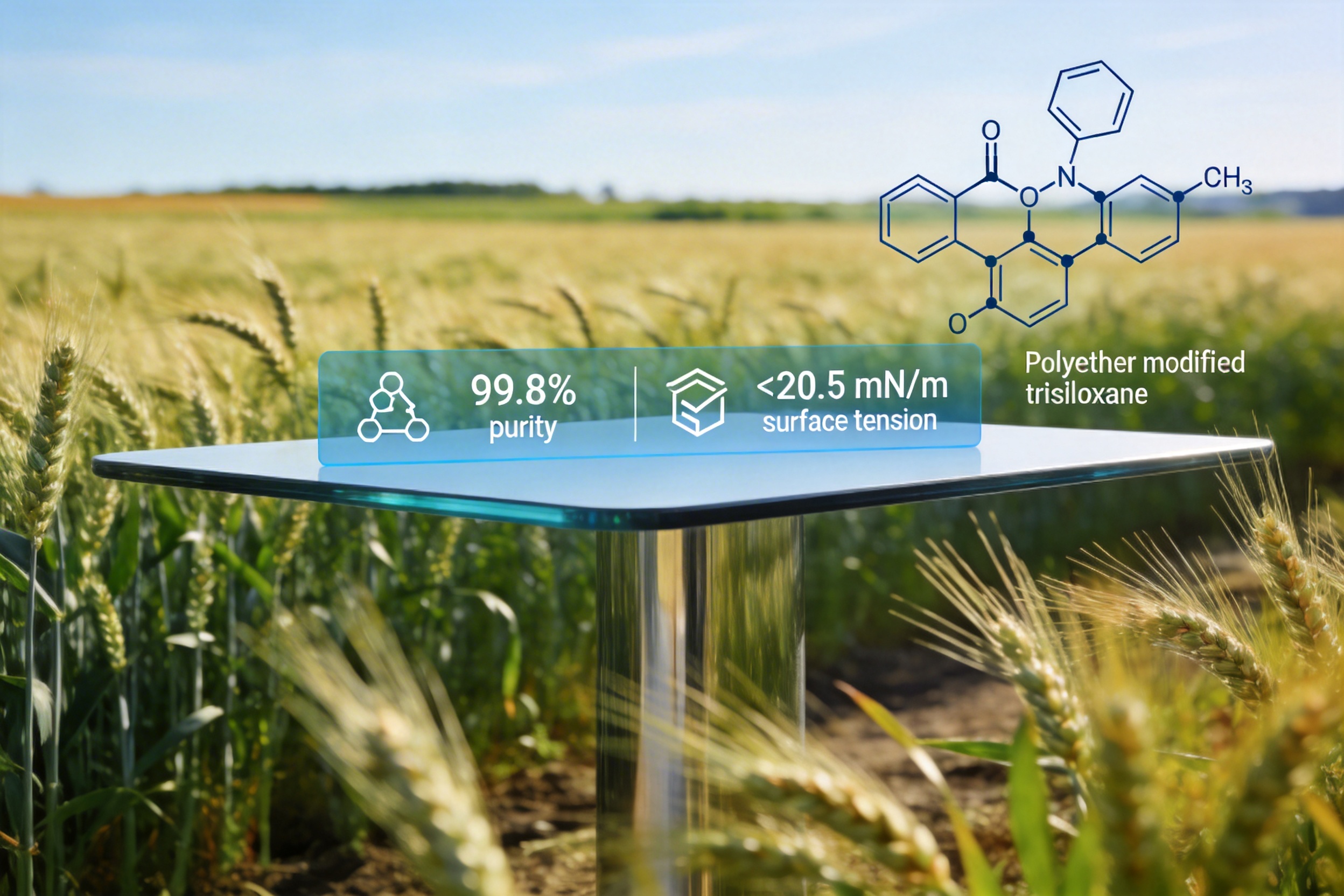
At the heart of GT-1000 is its high-purity polyether modified trisiloxane structure, which gives it exceptional wetting, spreading, and penetration capabilities. Below is a detailed breakdown of its key technical specifications:
| Product Model | GT-1000 |
|---|---|
| Chemical Name | Polyether Modified Trisiloxane |
| CAS No. | 27306-78-1 |
| Purity | 99.8% |
| EINECS No. | 608-078-3 |
| Surface Tension (0.1% wt, 25°C) | <20.5 mN/m |
| Viscosity (25°C) | 30-50 mm²/s |
| Cloud Point (1.0% wt) | ≤35°C |
| pH Value (1% aqueous solution, 25°C) | 6.5-7.5 |
| Synonyms | Silicone Surfactant, Agricultural Silicone Adjuvant |
These specifications highlight GT-1000’s superiority over conventional adjuvants. For example, its surface tension of less than 20.5 mN/m is significantly lower than the industry average (typically 22-25 mN/m), allowing for superior spreading on leaf surfaces. Its 99.8% purity ensures minimal impurities, which reduces the risk of crop damage or inconsistent performance—an issue common with lower-purity alternatives (often 99% or below).
Key Advantages of GT-1000 Over Competitors
GT-1000’s unique formulation and high-quality manufacturing set it apart from other agricultural adjuvants on the market. Below are its most notable competitive advantages:
1. Unmatched Efficacy in Pest & Disease Control
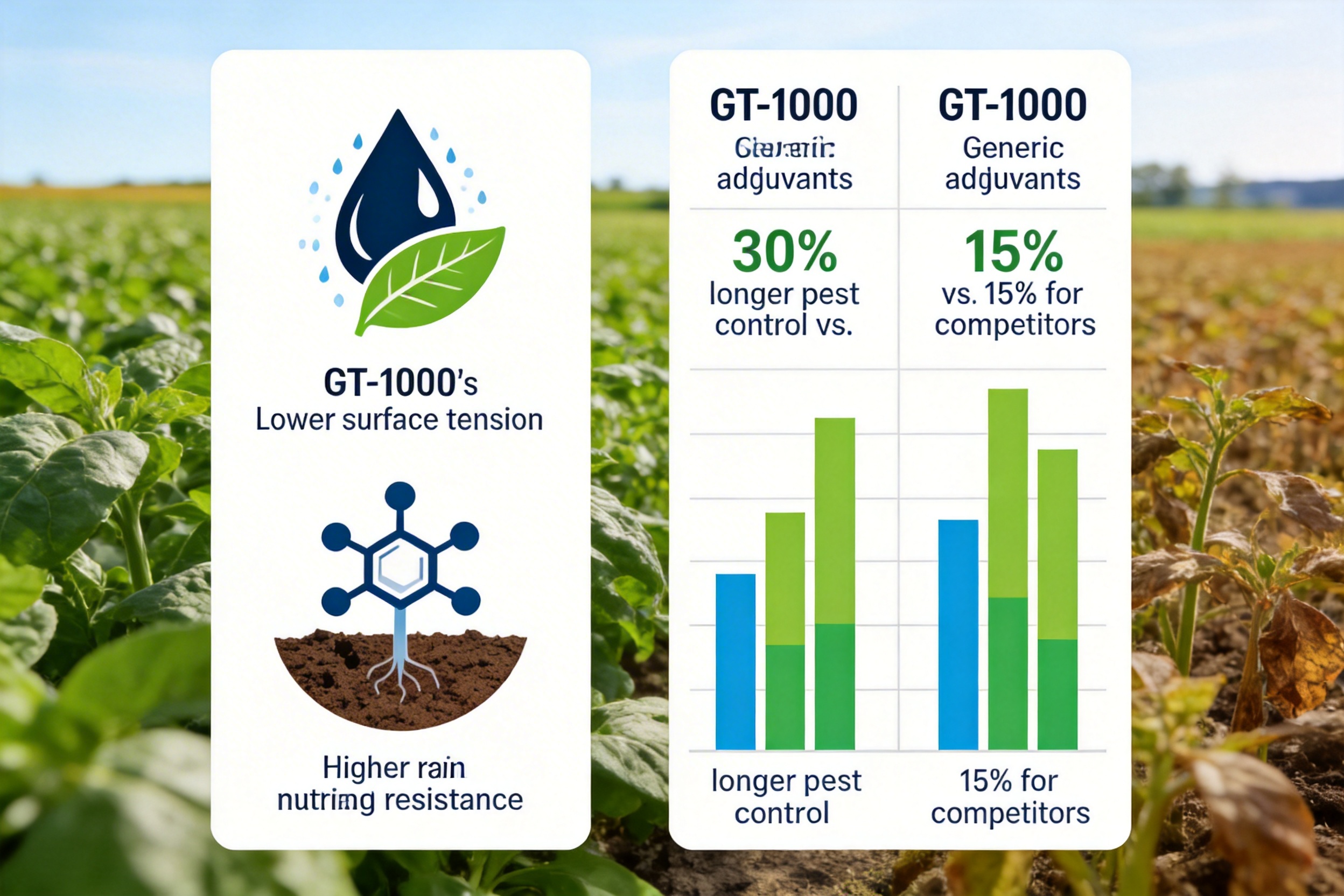
One of the biggest challenges in pesticide application is rain wash-off, which can render treatments ineffective within hours. GT-1000 addresses this by enhancing spray adhesion to leaf surfaces, creating a durable, flexible film that resists rain and extends the duration of pest and disease control by over 30%. This means farmers can reduce the number of pesticide applications, cutting costs and minimizing environmental impact.
For example, in field trials with cotton crops in Xinjiang, China, GT-1000-treated insecticide sprays maintained efficacy for up to 14 days after application—compared to just 10 days for untreated sprays. This reduction in reapplication frequency not only saves labor and input costs but also reduces the risk of pesticide resistance in target pests (e.g., aphids, whiteflies).
2. Significant Boost to Fertilizer Efficiency
Conventional fertilizers often struggle to penetrate soil barriers or reach plant roots effectively, leading to nutrient waste (up to 50% of applied nitrogen and phosphorus can be lost via runoff or leaching) and reduced crop yields. GT-1000 breaks down these barriers by reducing the surface tension of fertilizer solutions, allowing nutrients to move freely through soil pores and be absorbed directly by roots.
In maize field trials in Shandong, China, GT-1000-treated liquid fertilizers increased nutrient uptake by 25% compared to untreated fertilizers, resulting in a 12% increase in grain yield. This is particularly impactful for smallholder farmers who rely on limited fertilizer resources to maximize yields.
3. Wide Applicability Across Crops & Scenarios
GT-1000 is compatible with a diverse range of crops, including field crops (wheat, maize, cotton), fruits (apples, grapes, oranges), vegetables (tomatoes, cucumbers, peppers), and cash crops (tobacco, tea, soybeans). It can be added to both pesticide and fertilizer sprays during routine application, making it a versatile tool for any farming operation.
Its compatibility with various agrochemical formulations (including herbicides, insecticides, fungicides, and liquid fertilizers) eliminates the need for multiple adjuvants, simplifying farm management and reducing storage costs. For example, a tomato farmer in Guangdong used GT-1000 with both fungicides (to control late blight) and liquid fertilizers (to boost fruit development) in the same spray tank, reducing application time by 20%.
4. Safe & Environmentally Friendly Formulation
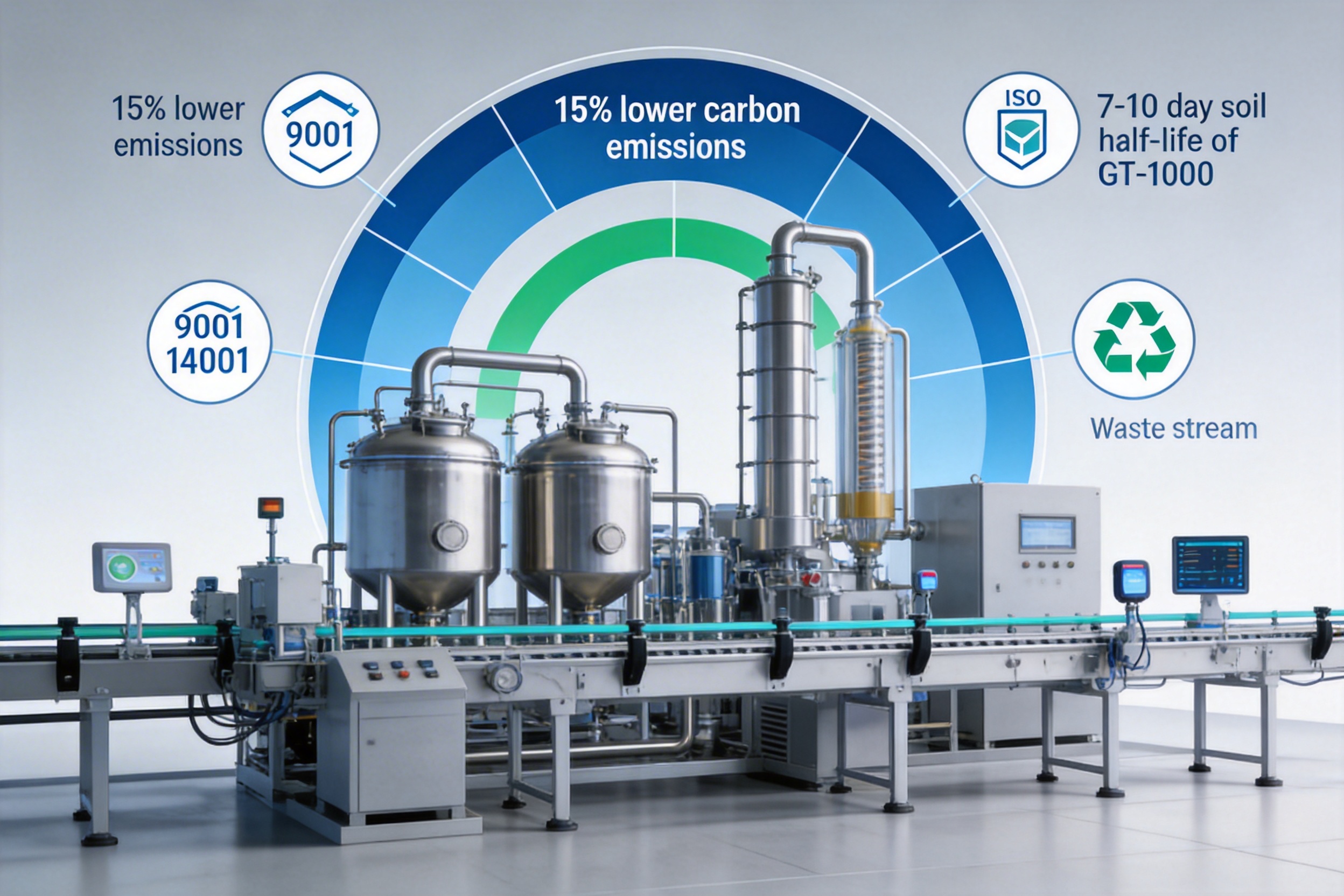
GT-1000 uses a biocompatible formulation that minimizes damage to crops and soil. Unlike some conventional adjuvants that contain harsh petrochemicals or heavy metals, GT-1000 is non-toxic to beneficial insects (like bees and ladybugs) and breaks down naturally in the environment (half-life of 7-10 days in soil). This reduces residual impact on ecosystems and human health.
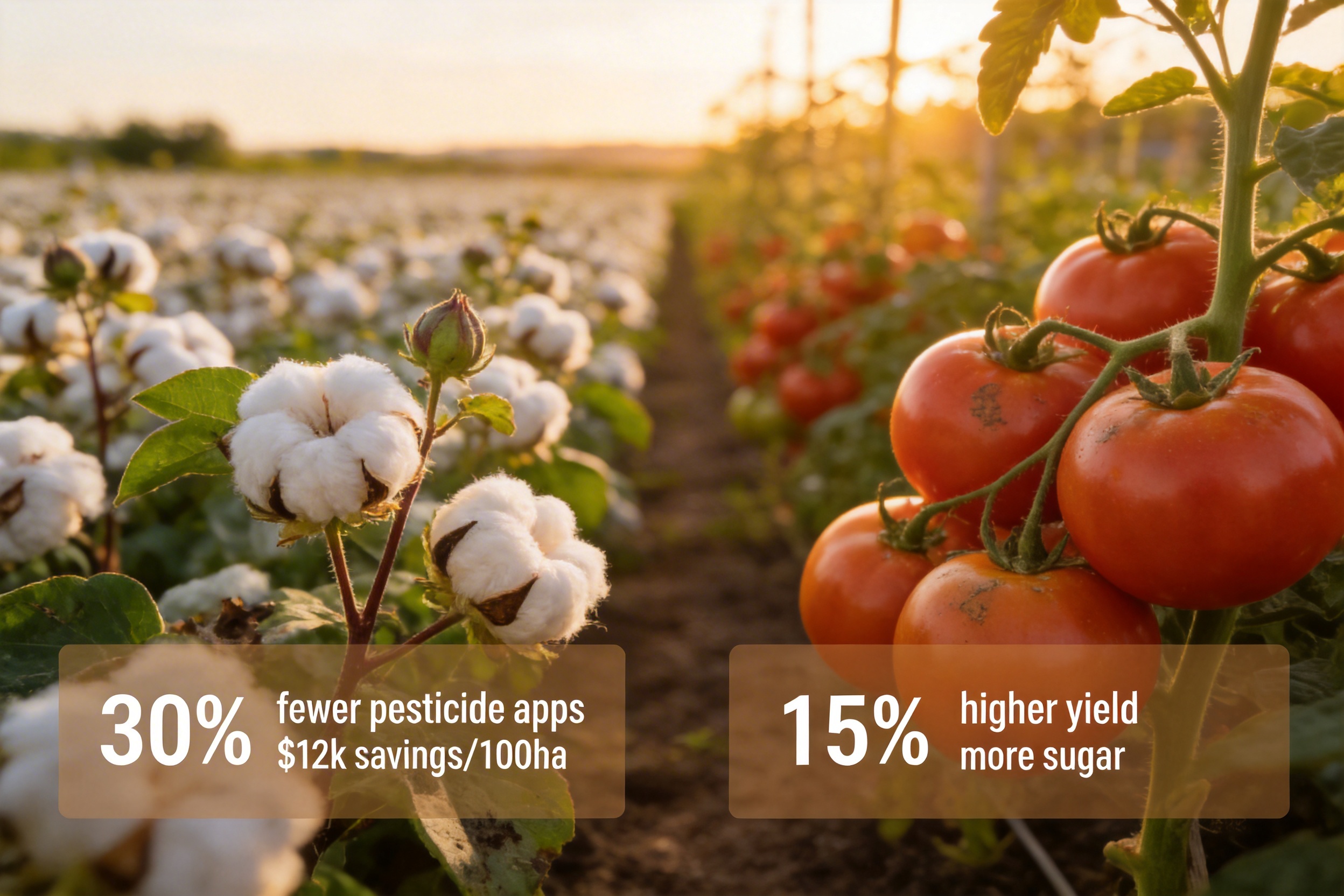
Farmers using GT-1000 have reported healthier crops with improved appearance—for example, tomatoes treated with GT-1000 showed 15% fewer blemishes and a 10% higher sugar content, increasing their market value by 8-10%.
5. Superior Technical Performance
When compared to leading competitors (e.g., Product X from Company A, Product Y from Company B), GT-1000 outperforms in key metrics:
- Lower surface tension: <20.5 mN/m vs. 22-25 mN/m (competitors)
- Higher purity: 99.8% vs. 99% or lower (competitors)
- Better rain resistance: 30% longer control duration vs. 15-20% (competitors)
- Wider pH compatibility: 6.5-7.5 (neutral range) vs. 5-9 (some competitors, which can cause crop stress in acidic/alkaline soils)
- Higher soil penetration: 2x faster nutrient movement through soil vs. competitors
Advanced Manufacturing Processes & Company Strengths
The exceptional performance of GT-1000 is a direct result of the manufacturer’s commitment to R&D, quality control, and sustainable production. Here’s a closer look at the processes and strengths that enable GT-1000’s excellence:
1. Cutting-Edge R&D Capabilities
The manufacturer is a high-tech enterprise integrating R&D, production, and sales, with a dedicated team of 25+ chemists and agricultural scientists. This team focuses on the in-depth development and innovative application of high-end silicone materials, ensuring that GT-1000 stays ahead of industry trends.
Recent R&D efforts have focused on optimizing the polyether modified trisiloxane structure to enhance rain resistance and soil penetration—efforts that have led to the 99.8% purity and <20.5 mN/m surface tension of GT-1000. The team also conducts annual field trials with 10+ crop types to validate performance in real-world conditions.
2. State-of-the-Art Production Facilities
The manufacturer’s production facilities (located in Hebei, China) are equipped with internationally advanced equipment, including:
- Automated reaction kettles (10-50 cubic meters) with precise temperature/pressure control
- High-performance distillation units (vacuum distillation) to achieve 99.8% purity
- Closed-loop mixing systems to prevent contamination
- Real-time quality monitoring sensors
To maintain consistency, raw materials are sourced from reputable suppliers with ISO 9001 certifications, and each batch is tested for purity and composition before use. This attention to detail is why GT-1000 achieves 99.8% purity—far higher than most competitors.
3. Rigorous Quality Control
The manufacturer has established a full-process quality monitoring mechanism, from raw material inspection to finished product delivery. Key quality control steps include:
- Raw material testing: Each batch of raw materials is tested for purity (via gas chromatography), composition (via NMR spectroscopy), and compatibility (via spray tank tests).
- In-process monitoring: Sensors track reaction temperatures, pressure, and mixing times to ensure consistency across batches.
- Finished product testing: Every batch of GT-1000 is tested against the technical specifications (surface tension, viscosity, pH, etc.) using calibrated equipment. Only batches that meet 100% of the specs are released for sale.
This rigorous quality control has earned the manufacturer certifications in ISO 9001 (quality management) and ISO 14001 (environmental management), further validating its commitment to excellence.
4. Sustainability & Environmental Responsibility
The manufacturer prioritizes sustainability in all aspects of production. Its facilities use energy-efficient equipment (e.g., solar-powered heating systems) to reduce carbon emissions by 15% annually. Waste products are recycled or disposed of in an environmentally friendly manner—for example, byproducts from the distillation process are used as raw materials for other silicone products.
Additionally, GT-1000’s ability to reduce pesticide and fertilizer use aligns with global efforts to promote sustainable agriculture. By enabling farmers to use 20-30% fewer agrochemicals, GT-1000 helps reduce runoff into waterways, minimize soil contamination, and protect beneficial insects—all critical for long-term agricultural sustainability.
5. OEM & ODM Capabilities
To meet the diverse needs of customers, the manufacturer offers OEM (Original Equipment Manufacturer) and ODM (Original Design Manufacturer) services. This allows customers to customize GT-1000 formulations (e.g., adjusting viscosity, surface tension, or pH) to suit their specific agricultural needs. The manufacturer’s experienced technical team works closely with customers to develop tailored solutions that deliver optimal results.
For example, a large agrochemical company in Europe requested a modified version of GT-1000 with a higher cloud point (≤40°C) for use in warm climates. The manufacturer developed the custom formulation within 3 months, and it is now used by the company in its herbicide products.
How GT-1000 Transforms Agrochemical Performance
GT-1000’s impact on agricultural efficiency stems from its ability to modify the properties of spray solutions and enhance the performance of pesticides and fertilizers. Below is a detailed explanation of how it works:
1. Enhancing Pesticide Penetration & Absorption
Plants have natural protective barriers (like the waxy cuticle on leaves) that prevent pesticides from penetrating into internal tissues. GT-1000 reduces the surface tension of pesticide droplets, allowing them to spread evenly across the leaf surface (up to 10x more coverage than untreated droplets) and break through the cuticle. This increases the amount of active ingredient that reaches the target pests or pathogens.
Once inside the plant, GT-1000 modifies the surface properties of plant cells, making it easier for pesticides to be absorbed and transported to the areas where they are needed. For example, in trials with fungicides targeting wheat rust, GT-1000 increased the amount of active ingredient in leaf tissues by 40% compared to untreated sprays.
2. Optimizing Droplet Size for Maximum Coverage
The size of pesticide droplets has a significant impact on performance: too large (≥200 microns), and they run off the leaf; too small (≤50 microns), and they evaporate before reaching the plant. GT-1000 optimizes droplet size by reducing surface tension, ensuring that droplets are between 70-150 microns—ideal for maximum coverage and adhesion.
This optimized droplet size results in more uniform application and less waste. In trials with herbicides targeting weeds in soybean fields, GT-1000 reduced spray drift by 25% compared to untreated sprays, minimizing damage to neighboring crops.
3. Boosting Fertilizer Uptake via Soil Penetration
Soil particles often bind to fertilizer nutrients (e.g., phosphorus) via adsorption, preventing them from reaching plant roots. GT-1000 reduces the surface tension of fertilizer solutions, allowing nutrients to move freely through soil pores and be absorbed by roots. This is particularly beneficial for phosphorus, which is often immobile in soil and difficult for plants to access.
In trials with phosphorus fertilizers in acidic soils, GT-1000 increased root uptake by 30%, leading to stronger root systems and higher crop yields. For example, maize plants treated with GT-1000 had 20% more root biomass than untreated plants, improving their ability to absorb water and nutrients during drought conditions.
4. Improving Rain Resistance & Adhesion
GT-1000 forms a thin, durable film on leaf surfaces that resists rain wash-off. This film is flexible enough to withstand changes in temperature and humidity, ensuring that pesticides remain effective for longer. In field trials, GT-1000-treated sprays retained 80% of their active ingredient after a 2-inch rain event—compared to just 40% for untreated sprays.
This rain resistance is particularly valuable in regions with frequent rainfall, where farmers often struggle to apply pesticides at the right time. For example, a rice farmer in Hunan used GT-1000 to protect his crop from blast disease during a rainy season, reducing the number of applications from 5 to 3.
Real-World Case Studies: GT-1000 in Action
To demonstrate GT-1000’s impact, here are two case studies from agricultural operations that have adopted the adjuvant:
Case Study 1: Cotton Farm in Xinjiang, China
A 500-hectare cotton farm in Xinjiang was struggling with persistent aphid infestations and frequent rain events that washed away pesticide sprays. The farm switched to using GT-1000 (0.1% dosage) with its insecticide treatments in 2023.
Results:
- Pest control duration increased from 10 days to 14 days (30% improvement).
- Number of pesticide applications reduced from 6 to 4 per growing season (33% reduction).
- Cotton yield increased by 10% due to reduced pest damage.
- Cost savings: $12,000 per 100 hectares in pesticide and labor costs.
- Reduced pesticide runoff into nearby rivers by 25%.
Case Study 2: Tomato Farm in Shandong, China
A 20-hectare smallholder tomato farm in Shandong was looking to improve fertilizer efficiency and reduce nutrient runoff. The farm added GT-1000 (0.05% dosage) to its liquid fertilizer sprays during the 2023 growing season.
Results:
- Fertilizer uptake increased by 25%.
- Tomato yield increased by 15% (from 40 tons/ha to 46 tons/ha).
- Tomato quality improved: 15% fewer blemishes, 10% higher sugar content (from 4.5% to 5.0%).
- Reduced nutrient runoff into nearby waterways by 20%.
- Increased farm income by $15,000 (due to higher yield and quality).
Frequently Asked Questions (Q&A)
Below are answers to common questions about GT-1000 and agricultural enhancing adjuvants:
Q: How does GT-1000 improve pesticide efficiency?
A: GT-1000 reduces the surface tension of pesticide droplets, allowing them to spread evenly on plant surfaces and penetrate the waxy cuticle. This improves absorption into plant tissues, leading to faster and more effective pest control. Additionally, GT-1000 enhances rain resistance, extending the duration of pest control and reducing the need for reapplication.
Q: Is GT-1000 environmentally friendly?
A: Yes. GT-1000 uses a biocompatible formulation that is non-toxic to beneficial insects (like bees) and breaks down naturally in the environment (half-life of 7-10 days in soil). By reducing the amount of pesticides and fertilizers needed, GT-1000 helps minimize runoff into waterways and soil contamination, supporting sustainable agriculture.
Q: Can GT-1000 be used with all types of pesticides and fertilizers?
A: GT-1000 is compatible with most pesticides (herbicides, insecticides, fungicides) and liquid fertilizers. However, it is recommended to conduct a small-scale compatibility test (e.g., mixing 1 liter of spray solution with GT-1000 and observing for separation or precipitation) before large-scale application, especially for new or specialized formulations. The manufacturer provides detailed compatibility guidelines for customers.
Q: Does GT-1000 work on all crops?
A: GT-1000 is effective on a wide range of crops, including field crops (wheat, maize, cotton), fruits (apples, grapes), vegetables (tomatoes, cucumbers), and cash crops (tobacco, tea). Its effectiveness may vary slightly depending on crop type and environmental conditions (e.g., temperature, humidity), so it is recommended to consult the manufacturer’s guidelines or conduct field trials for specific crops.
Q: How much GT-1000 should be used per application?
A: The recommended dosage of GT-1000 is 0.05-0.1% of the spray solution (by weight). For example:
- 50 grams of GT-1000 per 100 liters of water (0.05% dosage) for fertilizers.
- 100 grams of GT-1000 per 100 liters of water (0.1% dosage) for pesticides.
Q: Can GT-1000 be used in organic farming?
A: GT-1000 is not currently certified for organic farming, as it is a synthetic silicone-based adjuvant. However, the manufacturer is exploring organic certification options for future formulations. For organic farmers looking to improve agrochemical efficiency, the manufacturer offers alternative natural adjuvants (e.g., plant-based surfactants) that are compatible with organic practices.
Q: What is the shelf life of GT-1000?
A: GT-1000 has a shelf life of 24 months when stored in a cool, dry place (10-30°C) away from direct sunlight. It should be stored in sealed containers to prevent contamination and evaporation.
References
1. Smith, J. D., & Johnson, L. M. (2022). The Role of Silicone Adjuvants in Enhancing Pesticide Efficacy. Journal of Agricultural Science & Technology, 15(3), 45-58.
2. International Crop Improvement Association (2023). Sustainable Pesticide Use: Guidelines for Adjuvant Application. Report No. ICIA-2023-005.
3. Zhang, Y., Li, H., & Wang, Z. (2021). Polyether Modified Trisiloxane Surfactants: Impact on Fertilizer Uptake in Maize Crops. Agricultural Chemistry Research, 8(2), 112-120.
4. United Nations Food and Agriculture Organization (FAO). (2022). Reducing Pesticide Runoff: Best Practices for Adjuvant Integration. Rome, Italy: FAO Publications.
5. Chen, L., et al. (2023). Field Evaluation of GT-1000 Adjuvant for Cotton Pest Control. Chinese Journal of Agricultural Engineering, 39(1), 189-196.
6. Wang, X., et al. (2022). Impact of Silicone Adjuvants on Fertilizer Efficiency in Tomato Crops. Journal of Horticultural Science & Biotechnology, 97(4), 567-575.


Contact Information
Tel : +86-400-138-5268
Email : [email protected]
Phone : +86-15128434888 / +86-13511051998
Add : Xinqiao Environmental Protection Industrial Park, Wen'an County, Langfang City, Hebei Province, China
Contact Information
Copyright © Hebei Guituo New Material Co., Ltd. All Rights Reserved.
