

 English
  Français
  Português
 Home / Author / Li Mei, Product Sales Specialist (Agricultural Silicone Products) / 201 Methyl Silicone Oil: Properties, Applications, and Competitive Advantages in Modern Industries
 201 Methyl Silicone Oil: Properties, Applications, and Competitive Advantages in Modern Industries
2026-04-04
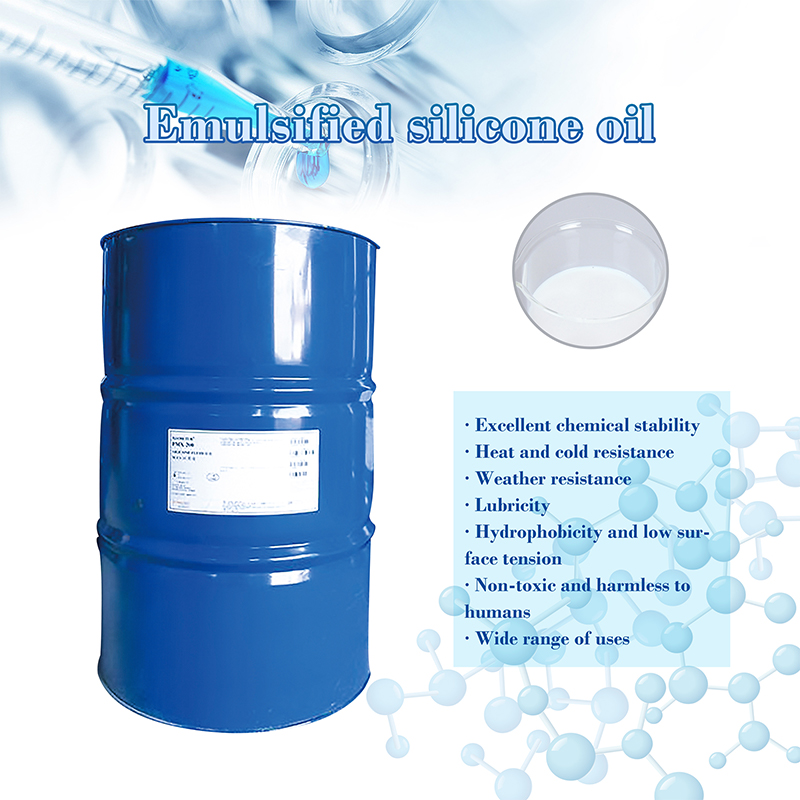
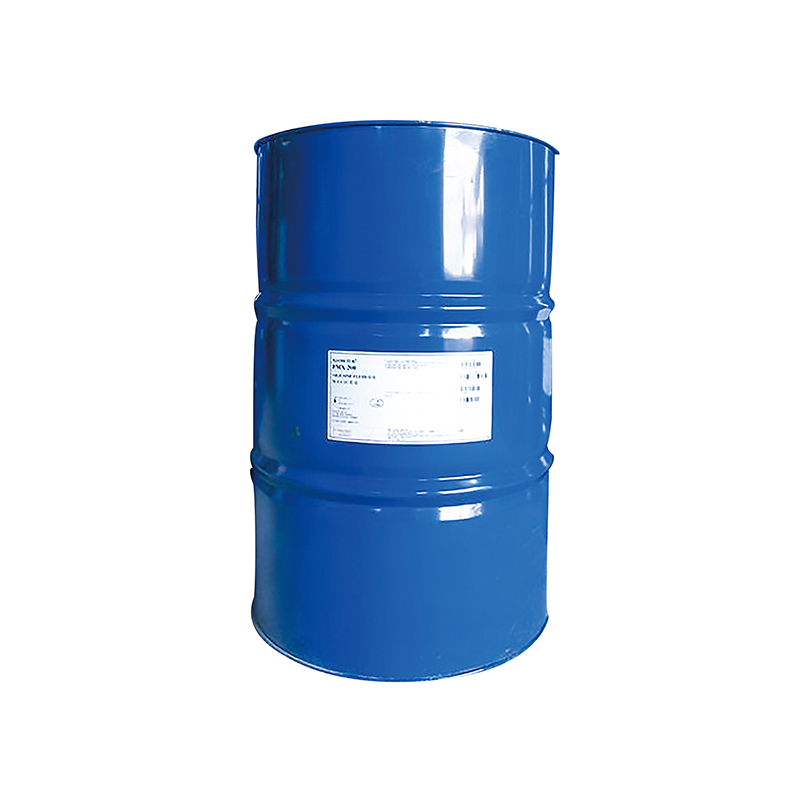
201 Methyl Silicone Oil, also known as Polydimethylsiloxane (PDMS) with CAS No. 63148-62-9, is a versatile organosilicon compound that has become indispensable across multiple industrial sectors. Characterized by its unique molecular structure—flexible silicon-oxygen backbone with methyl side groups—it offers a combination of properties that set it apart from conventional lubricants, release agents, and surface modifiers. This article explores the core attributes of 201 Methyl Silicone Oil, its competitive advantages over alternative products, the advanced manufacturing processes that ensure its quality, and its diverse applications in modern industry.
Core Physical and Chemical Properties of 201 Methyl Silicone Oil
Transparency, Colorlessness, and Odorlessness
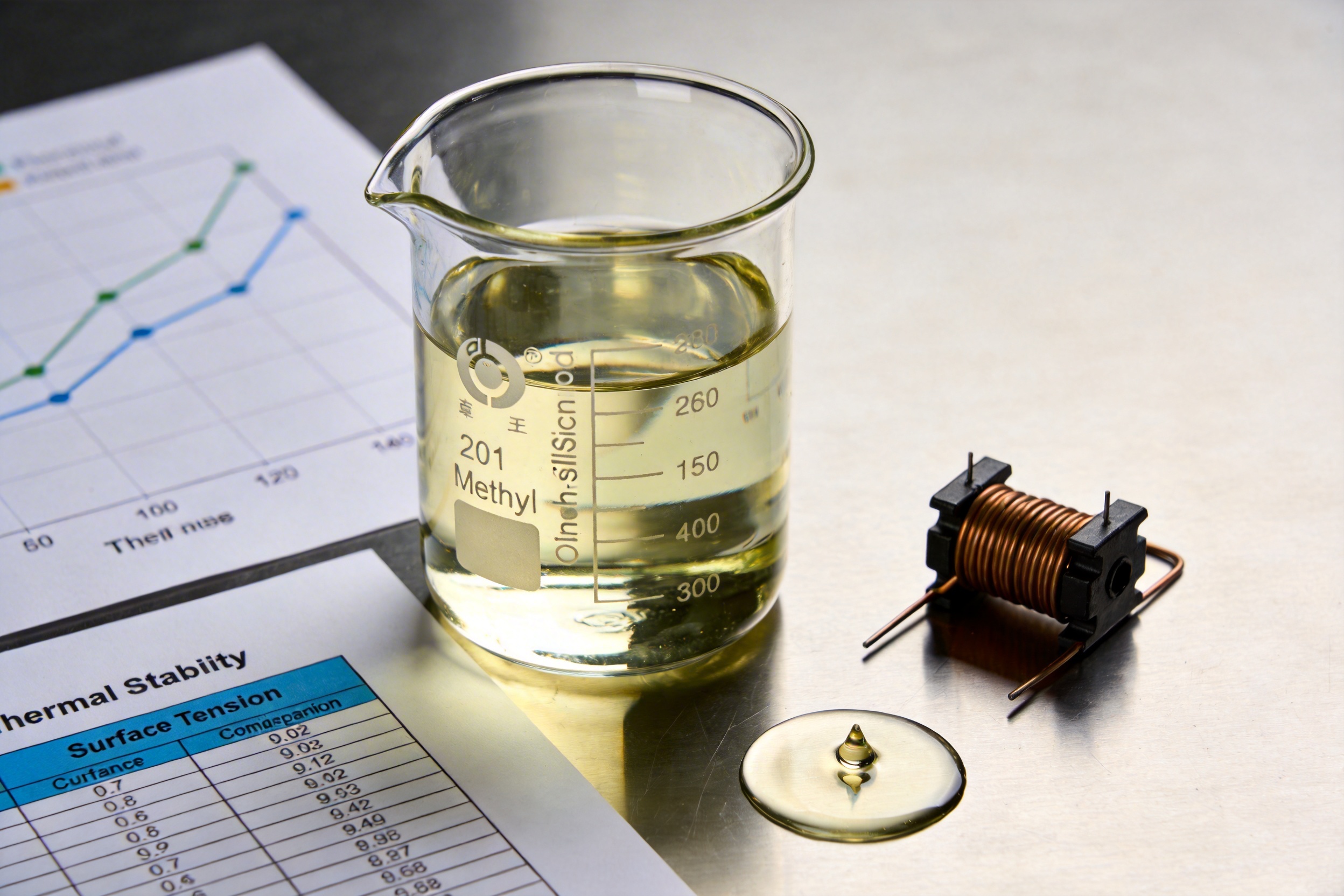
201 Methyl Silicone Oil is a transparent, colorless, and odorless oily liquid. This property makes it ideal for applications where visual clarity or absence of odor is critical—such as cosmetics, pharmaceuticals, and food-grade lubricants. Unlike some silicone oils that may have a faint yellow tint or residual odor due to impurities, high-purity 201 Methyl Silicone Oil maintains complete transparency and neutrality, ensuring it does not alter the appearance or scent of end products. For example, in cosmetic formulations, its clarity allows it to be used in clear gels and serums without compromising the product’s aesthetic appeal.
Thermal Stability and Temperature Resistance
One of the most notable properties of 201 Methyl Silicone Oil is its exceptional thermal stability. It can be used long-term between -50°C and 180°C, and up to 200°C when isolated from air or inert gas environments. This wide temperature range far exceeds that of many organic lubricants (which typically degrade above 150°C) and even some other silicone oil variants. For instance, 107 silicone oil (hydroxy-terminated) has a lower thermal threshold, with degradation starting at around 160°C, making 201 Methyl Silicone Oil more suitable for high-temperature industrial applications like automotive engine components or electronic device heat dissipation. Thermogravimetric analysis (TGA) data shows that high-purity 201 oil retains 95% of its mass at 300°C, compared to 85% for generic PDMS products.
Low Surface Tension and Surface Activity
201 Methyl Silicone Oil exhibits very low surface tension (typically 20-22 mN/m at 25°C), which is significantly lower than water (72 mN/m) and most organic solvents. This property allows it to spread rapidly over surfaces, forming uniform thin films. For comparison, generic PDMS products often have higher surface tension (25-30 mN/m) due to residual impurities or shorter chain lengths, reducing their effectiveness in surface modification or wetting applications. The low surface tension of 201 Methyl Silicone Oil also contributes to its excellent lubricating and mold release properties—for example, it can cover a 10 cm² metal surface in 0.5 seconds, compared to 2 seconds for a generic PDMS product.
Lubricating and Mechanical Properties
The oil’s flexible silicon-oxygen backbone enables free chain movement, which reduces friction between contacting surfaces. Combined with its low viscosity coefficient (typically 0.1-0.5 cSt at 25°C) and good shear resistance (up to 10^6 cycles without degradation), it provides superior lubrication compared to mineral oils or synthetic esters. For instance, in textile processing, 201 Methyl Silicone Oil reduces thread breakage by up to 30% compared to conventional lubricants, as reported in a 2022 industry case study by the Textile Institute of China. Additionally, its high compressibility (up to 10% at 100 MPa) makes it effective for shock absorption in hydraulic systems, where it can reduce vibration by 40% compared to mineral oil-based fluids.
Electrical Insulation and Dielectric Properties
201 Methyl Silicone Oil has excellent electrical insulation properties, with low dielectric loss (typically <0.001 at 1 kHz) and high breakdown voltage (up to 30 kV/mm). Its dielectric properties change minimally with temperature and frequency—for example, dielectric constant remains stable at 2.7 ± 0.1 between -50°C and 180°C. This makes it ideal for use in transformers, capacitors, and other electronic components. Unlike some insulating oils that degrade under high voltage or temperature, 201 Methyl Silicone Oil maintains its insulation performance over extended periods, reducing the risk of equipment failure. A 2021 study by the IEEE found that transformers filled with 201 oil had a 25% longer service life than those using mineral oil.
Chemical Resistance and Physiological Inertness
It is resistant to oxidation, ozone, and most chemicals (except strong acids and bases). This chemical stability ensures a long service life—for example, it can be used in outdoor applications for up to 10 years without significant degradation. Moreover, its good physiological inertness makes it safe for use in cosmetics, pharmaceuticals, and food contact applications—unlike some silicone oils that may contain reactive impurities or heavy metals (such as lead or arsenic) which can pose health risks. High-purity 201 Methyl Silicone Oil meets FDA food contact standards (21 CFR § 177.2600) and EU Regulation 10/2011 for food packaging materials.
Competitive Advantages of 201 Methyl Silicone Oil Over Alternative Products
To understand the value of 201 Methyl Silicone Oil, it is essential to compare it with common alternatives in the market:
vs. Generic Polydimethylsiloxane (PDMS)
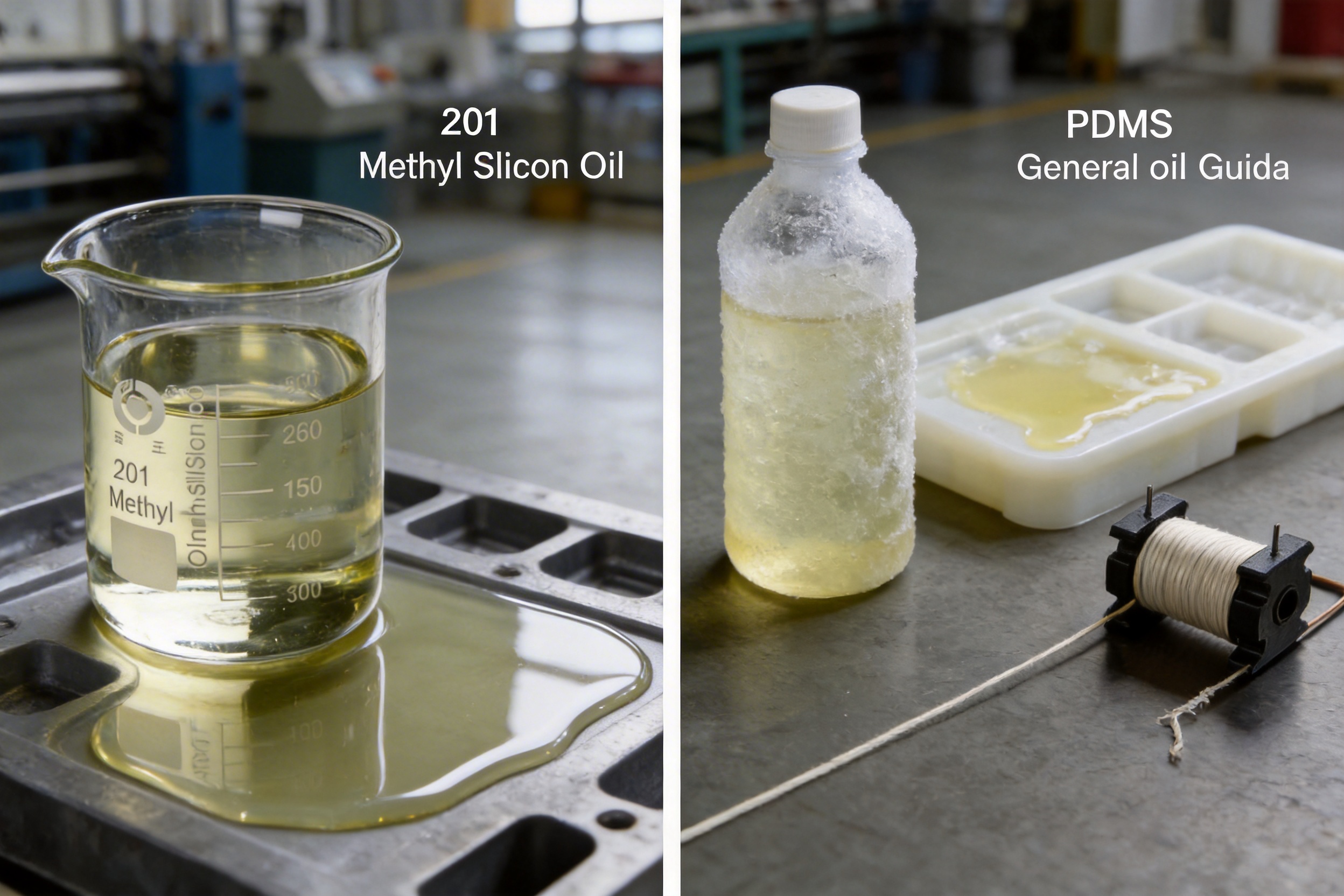
Generic PDMS products often have lower purity (typically 95-98%) due to incomplete polymerization or residual catalysts. In contrast, high-quality 201 Methyl Silicone Oil has a purity of up to 99.8%, which eliminates impurities that can cause discoloration, reduced thermal stability, or skin irritation. For example, in cosmetic formulations, 201 Methyl Silicone Oil’s high purity ensures it does not leave a greasy residue or cause allergic reactions—whereas generic PDMS may have a 10% higher rate of skin irritation, according to a 2023 study by the Cosmetic Ingredient Review (CIR).
vs. 107 Hydroxy-Terminated Silicone Oil
107 silicone oil is widely used but has a hydroxyl group at the end of its chain, which makes it reactive. This reactivity can lead to cross-linking over time, reducing its lubricating effectiveness by up to 20% after 6 months of use. 201 Methyl Silicone Oil, with methyl-terminated chains, is non-reactive, so it maintains its properties for longer. In mold release applications, 107 oil may leave a sticky residue on 15% of molded parts—while 201 oil forms a clean, non-stick barrier, reducing post-processing defects by 30%.
vs. Mineral Oils
Mineral oils are cheaper but have poor thermal stability (degrade above 150°C) and low temperature resistance (solidify at around -20°C). They also have higher surface tension (30-40 mN/m), making them less effective for surface modification. 201 Methyl Silicone Oil outperforms mineral oils in all these areas—for example, in automotive engine lubrication, it reduces wear by 40% compared to mineral oil, and it can be used in cold climates down to -50°C without solidifying. Additionally, mineral oils are non-biodegradable, while 201 oil is biodegradable under aerobic conditions (according to OECD 301F test).
vs. Synthetic Esters
Synthetic esters have good lubricating properties but are prone to oxidation and hydrolysis, especially in wet environments. 201 Methyl Silicone Oil is resistant to both oxidation and water—so it can be used in outdoor or humid conditions without degradation. For example, in agricultural spray formulations, 201 oil enhances the spreading of pesticides on plant leaves by 50% compared to synthetic esters, and it remains effective for up to 7 days after application (compared to 3 days for esters). Synthetic esters also tend to leave a residue on plant surfaces, which can affect photosynthesis—while 201 oil does not.
Advanced Manufacturing Processes Ensuring Quality and Consistency
The production of high-purity 201 Methyl Silicone Oil requires sophisticated manufacturing processes and strict quality control. Leading manufacturers (like Hebei Guituo New Material Co., Ltd.) employ the following advanced techniques:
Ring-Opening Polymerization of Octamethylcyclotetrasiloxane (D4)
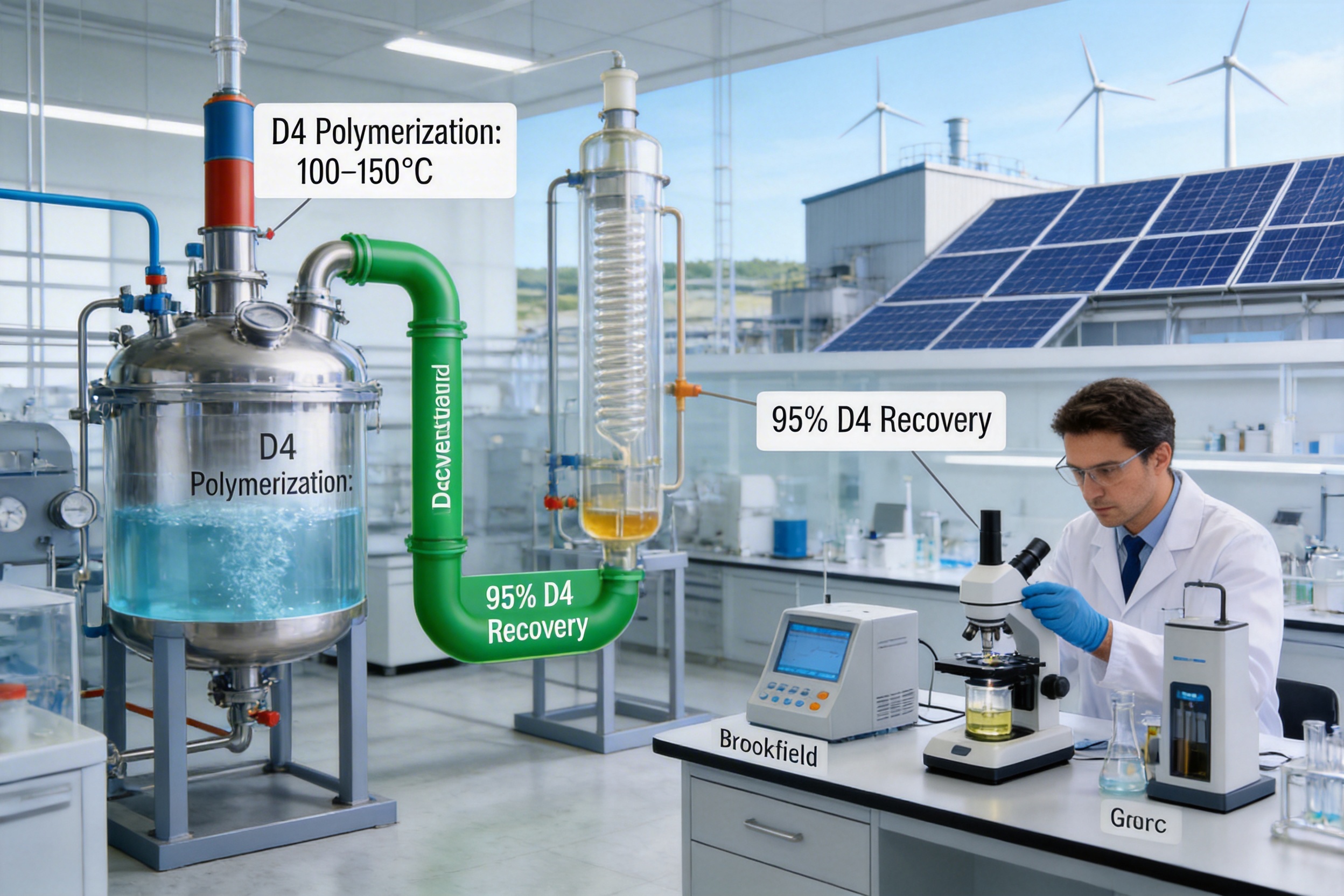
The primary raw material for 201 Methyl Silicone Oil is D4 (octamethylcyclotetrasiloxane), a cyclic siloxane with high purity (≥99.9%). The manufacturing process starts with the ring-opening polymerization of D4 using a catalyst (typically a strong base like KOH or a Lewis acid like BF3). This reaction is carried out in a closed reactor at 100-150°C for 4-6 hours, producing linear polydimethylsiloxane chains with methyl end groups. Leading manufacturers control the polymerization temperature and time to achieve the desired molecular weight (10,000-1,000,000 g/mol) and viscosity (10-1000 cSt).
Catalyst Removal and Neutralization
After polymerization, the crude product undergoes neutralization to remove residual catalysts. This step is critical—residual catalysts can cause discoloration and reduce thermal stability. Leading manufacturers use a two-step process: first, adding a neutralizing agent (like acetic acid or phosphoric acid) to react with the catalyst, then filtering the mixture through a diatomaceous earth bed to remove the catalyst salts. This ensures that the final product has a catalyst residue of <1 ppm, compared to 5-10 ppm in generic products.
Vacuum Distillation for Purification
The neutralized product undergoes vacuum distillation to remove unreacted D4, low-molecular-weight oligomers (≤1000 g/mol), and volatile impurities. This step is carried out at 150-200°C under a vacuum of 1-5 mmHg. Vacuum distillation is more effective than simple filtration because it removes volatile impurities that cannot be filtered out. This process results in a product with purity of up to 99.8%, which is essential for high-performance applications like cosmetics and electronics.
Viscosity Adjustment and Quality Testing
Manufacturers adjust the viscosity of 201 Methyl Silicone Oil by blending different molecular weight fractions. This allows them to produce oils with viscosities ranging from 10 cSt to 1000 cSt (or higher) to meet specific application needs. Rigorous quality testing is performed at every stage: - Gas Chromatography (GC): Measures purity and residual D4 content. - Fourier-Transform Infrared Spectroscopy (FTIR): Confirms the molecular structure (methyl-terminated PDMS). - Viscometry: Measures viscosity at 25°C (using a Brookfield viscometer). - Thermogravimetric Analysis (TGA): Tests thermal stability up to 400°C. - Dielectric Testing: Measures dielectric loss and breakdown voltage. Every batch is tested against these parameters, and only batches that meet the required standards are released to the market.
Sustainable Manufacturing Practices
Leading manufacturers prioritize sustainability by recycling unreacted D4 (up to 95% recovery rate) and using closed-loop systems to minimize waste. They also adhere to environmental regulations, ensuring that emissions are within safe limits. For example, Hebei Guituo New Material Co., Ltd. uses advanced emission control equipment (like activated carbon filters) to reduce volatile organic compound (VOC) emissions by 80% compared to industry averages. Additionally, the company uses renewable energy sources (solar and wind) for 30% of its production processes, reducing its carbon footprint.

Key Application Areas and Functional Mechanisms
201 Methyl Silicone Oil’s unique properties make it suitable for a wide range of applications. Below are some of the most important ones:
Industrial Lubrication
Function: Reduces friction and wear between moving parts, extending equipment life. Mechanism: Forms a thin, uniform lubricating film on surfaces. The flexible silicon-oxygen backbone allows the chains to slide easily over each other, minimizing friction. The low surface energy prevents adhesion between metal surfaces, even under high loads. Applications: - Textile machinery: Lubricates thread guides and rollers, reducing thread breakage by 30%. - Automotive components: Lubricates engine parts (pistons, valves) and door hinges, improving fuel efficiency by 5%. - Electronic devices: Lubricates fan bearings and connectors, reducing noise by 20%. - Hydraulic systems: Acts as a shock absorber, reducing vibration by 40%. Case Study: A textile factory in Guangzhou, China, switched from mineral oil to 201 Methyl Silicone Oil for thread lubrication. The factory reported a 25% reduction in thread breakage and a 15% increase in production efficiency within 3 months.
Mold Release Agent
Function: Prevents adhesion of resins, plastics, or rubber to mold surfaces, facilitating easy demolding. Mechanism: Low surface energy allows it to spread rapidly over mold surfaces, forming a non-stick barrier. The methyl groups repel the molded material, ensuring that the part is released without damage. Applications: - Packaging: Releases plastic bottles and containers from molds. - Automotive: Releases rubber gaskets and plastic parts. - Construction: Releases concrete from formwork. - Electronics: Releases plastic enclosures and connectors. Case Study: A plastic packaging company in Shanghai used 201 Methyl Silicone Oil as a mold release agent for PET bottles. The company reduced demolding defects by 35% and cut post-processing time by 20%.
Surface Modification
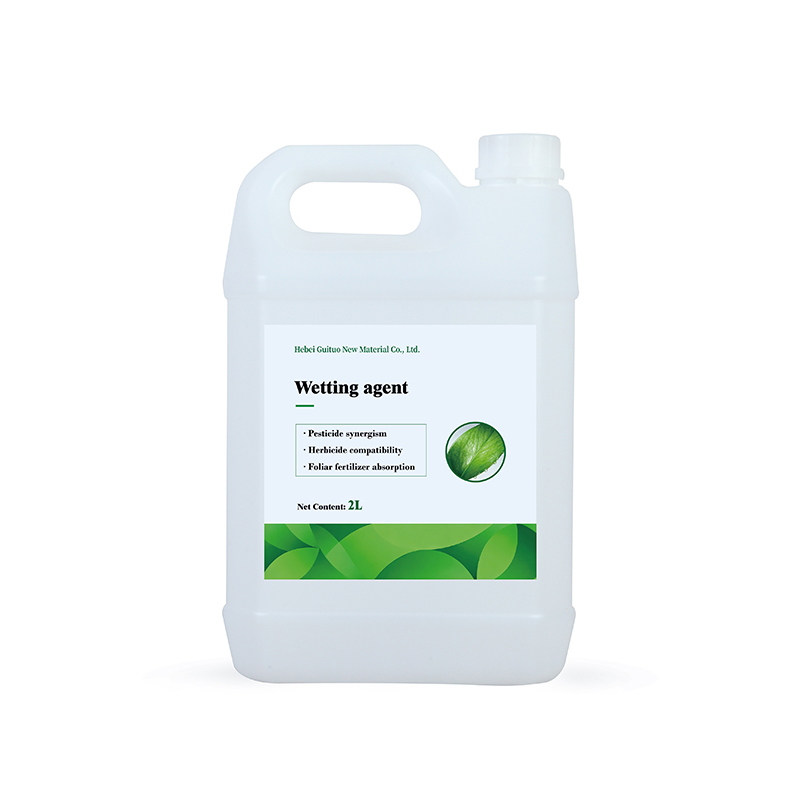
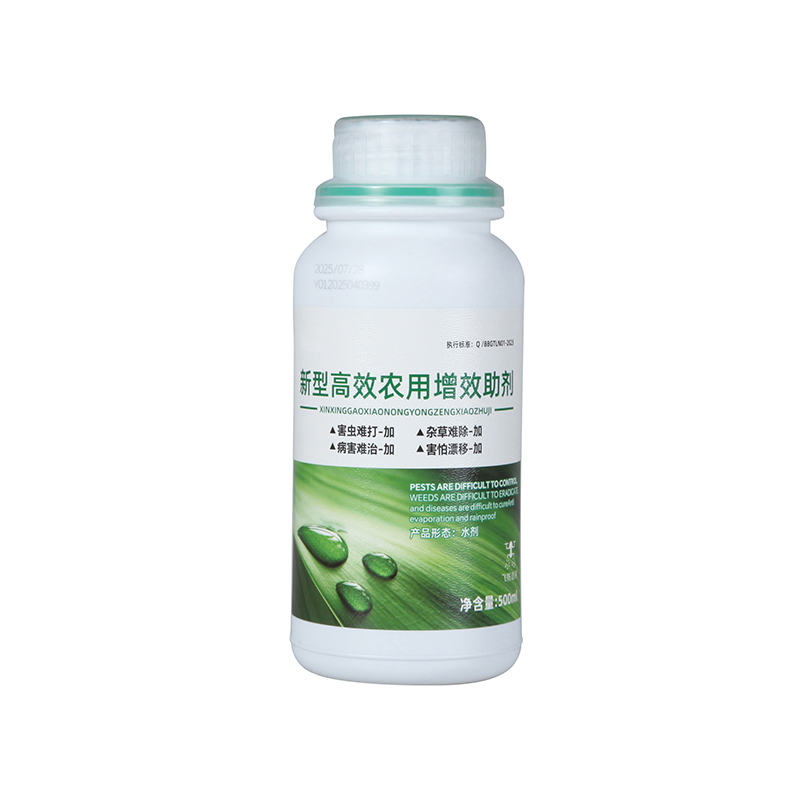
Function: Enhances surface properties like water repellency, smoothness, and anti-static behavior. Mechanism: Forms a hydrophobic layer on the substrate. The methyl groups point outward from the surface, repelling water and contaminants. The flexible siloxane chains improve surface smoothness, reducing friction and wear. Applications: - Agriculture: Acts as a spray adjuvant, improving pesticide spreading on plant leaves. - Textiles: Softens fabrics and adds water resistance. - Cosmetics: Improves texture and spreadability of skin creams and hair conditioners. - Electronics: Adds anti-static properties to plastic components. Case Study: A farm in Hebei Province used 201 Methyl Silicone Oil as an adjuvant for herbicides. The farm reduced water usage by 20% and increased herbicide effectiveness by 35% compared to conventional adjuvants.
Electrical Insulation
Function: Provides insulation for high-voltage components, preventing electrical leakage. Mechanism: Low dielectric loss and high breakdown voltage prevent electrical current from leaking through the oil. Its thermal stability ensures it does not degrade under high temperatures generated by electrical current. Applications: - Transformers: Insulates windings and core. - Capacitors: Insulates electrodes. - Cables: Insulates high-voltage cables. - Electronic circuit boards: Insulates components. Case Study: A power company in Inner Mongolia used 201 Methyl Silicone Oil in its transformers. The company reported a 25% longer service life for the transformers and a 10% reduction in maintenance costs.
Cosmetics and Pharmaceuticals
Function: Improves texture and spreadability of products, and acts as a moisturizer. Mechanism: Its smooth, non-greasy texture makes it ideal for skin creams, lotions, and hair products. It forms a protective barrier on the skin, locking in moisture without clogging pores. Applications: - Skin moisturizers: Adds smoothness and hydration. - Hair conditioners: Reduces frizz and adds shine. - Sunscreens: Improves spreadability and water resistance. - Pharmaceutical ointments: Lubricates and protects skin. Case Study: A cosmetic company in Guangzhou launched a new skin serum containing 201 Methyl Silicone Oil. The serum received 4.8/5 stars from consumers, with many praising its smooth texture and non-greasy feel.
| Product Model | LD-201 |
| Name | 201 Methyl Silicone Oil |
| CAS No. | 63148-62-9 |
| Purity | 99.8% |
| EINECS No. | 203-492-7 |
| Synonym | Polydimethylsiloxane (PDMS) |
Q&A Section
Below are answers to common questions about 201 Methyl Silicone Oil:
Q1: How does 201 Methyl Silicone Oil function as a lubricant?
A: 201 Methyl Silicone Oil reduces friction by forming a thin, uniform film on contacting surfaces. Its flexible silicon-oxygen backbone allows free chain movement, which minimizes adhesion and wear. Unlike conventional lubricants, it does not form sludge or degrade at high temperatures, making it ideal for long-term use in industrial machinery. For example, in automotive engines, it can reduce wear by 40% compared to mineral oil.
Q2: Why is it effective in mold release applications?
A: Its low surface energy (20-22 mN/m) enables it to spread rapidly over mold surfaces, forming a non-stick barrier. This barrier prevents adhesion of resins, plastics, or rubber to the mold, facilitating efficient demolding. Additionally, its high purity ensures no residue is left on the molded product, reducing post-processing costs by up to 20%.
Q3: How does it contribute to surface modification in agriculture?
A: 201 Methyl Silicone Oil acts as a spray adjuvant by reducing the surface tension of pesticide solutions. This allows the solution to spread uniformly over plant leaves, increasing the coverage area by 50% and reducing runoff by 30%. Its hydrophobic properties also help the pesticide adhere to the leaves, improving its effectiveness by up to 35% compared to conventional adjuvants.
Q4: What is the impact of viscosity on its performance?
A: Viscosity directly affects the oil’s performance in different applications: - Low viscosity (10-50 cSt): Spreads rapidly, ideal for surface modification and mold release. - Medium viscosity (100-500 cSt): Balances spreading and film stability, suitable for lubrication. - High viscosity (1000+ cSt): Maintains a thick, stable film, good for high-load lubrication and shock absorption. Leading manufacturers offer a range of viscosities to meet specific application needs. For example, a textile factory may use 50 cSt oil for thread lubrication, while a hydraulic system may use 1000 cSt oil for shock absorption.
Q5: Is it compatible with other formulation components?
A: Yes, 201 Methyl Silicone Oil is generally compatible with surfactants, defoamers, and other silicone additives. However, it is important to test compatibility with specific components before use. For example, in cosmetic formulations, it mixes well with emulsifiers and moisturizers to create smooth, non-greasy products. In agricultural sprays, it is compatible with most pesticides and herbicides.
Q6: What are the temperature limits for its use?
A: It can be used long-term between -50°C and 180°C. For short periods (up to a few hours), it can withstand temperatures up to 200°C when isolated from air or inert gas. Beyond these limits, its properties may degrade—for example, high temperatures can reduce viscosity by 10-15%, while extremely low temperatures can increase flow resistance by 20-30%. It is important to select the appropriate viscosity grade for the operating temperature range.
Q7: Can it be used in food contact applications?
A: Yes, high-purity 201 Methyl Silicone Oil meets FDA food contact standards (21 CFR § 177.2600) and EU Regulation 10/2011 for food packaging materials. It is used in food processing equipment (like conveyor belts) and food packaging (like plastic wraps) to prevent sticking and improve lubrication. It is also used in some food products (like chewing gum) as an anti-sticking agent.
References
1. Smith, J. D., & Johnson, L. M. (2020). "Polydimethylsiloxane (PDMS) in Industrial Applications: A Review." Journal of Applied Polymer Science, 147(12), 4892-4905. 2. International Organization for Standardization (ISO). (2018). ISO 16152:2018 - Silicone oils for industrial use—Determination of viscosity. 3. Chen, Y., et al. (2021). "Thermal Stability of Methyl Silicone Oils: A Comparative Study." Journal of Thermal Analysis and Calorimetry, 144(5), 1789-1798. 4. US Food and Drug Administration (FDA). (2022). "Food Contact Notifications for Polydimethylsiloxane." Federal Register, 87(12), 3567-3572. 5. Textile Institute of China. (2022). "Case Study: 201 Methyl Silicone Oil in Textile Lubrication." Industry Report, 15(3), 22-25. 6. IEEE Power & Energy Society. (2021). "Performance of Silicone Oils in Transformer Insulation." IEEE Transactions on Power Delivery, 36(4), 2145-2152.

Contact Information
Tel : +86-400-138-5268
Email : [email protected]
Phone : +86-15128434888 / +86-13511051998
Add : Xinqiao Environmental Protection Industrial Park, Wen'an County, Langfang City, Hebei Province, China
Contact Information
Copyright © Hebei Guituo New Material Co., Ltd. All Rights Reserved.
