

 English
  Français
  Português
 Home / Author / Li Mei, Product Sales Specialist (Agricultural Silicone Products) / Advanced Silicone Flow Leveling Agent for High-Performance Coatings and Inks
 Advanced Silicone Flow Leveling Agent for High-Performance Coatings and Inks
2026-09-13
Surface appearance is one of the most visible indicators of coating quality. Whether the finished material is an automotive panel, a wooden furniture component, a printed package, a wall, a metal part, an electronic housing, or a composite product, the final surface must be smooth, uniform, and free from defects. Brush marks, orange peel, pinholes, craters, bubbles, streaks, edge shrinkage, uneven gloss, and poor color distribution can reduce the visual value and functional performance of an otherwise well-formulated coating.
Leveling agents are designed to address these problems at the interface between the coating and the substrate. By modifying surface tension, improving wetting, supporting flow, and encouraging uniform film formation, they help a liquid coating spread naturally after application. The result is a smoother surface with improved appearance, more consistent gloss, and fewer application-related defects.
LD-820 Flow Leveling Agent is a polyether-modified polysiloxane designed for use in coatings, inks, adhesives, sealants, resins, composites, and related formulations. It is identified by CAS No. 67674-67-3 and EINECS No. 614-100-2, with a stated purity of 99.8%. Its silicone-based structure enables rapid surface migration and effective surface-tension control, while its polyether modification supports compatibility with a broad range of resin and additive systems.
Produced and supplied by Hebei Guituo New Material Co., Ltd., LD-820 is positioned as a versatile solution for formulators seeking improved flow, leveling, wetting, surface smoothness, and appearance. The product is supported by the company’s silicone-material research capabilities, modern production equipment, precision testing facilities, and full-process quality-control system.
In addition to providing a standard product, the company supports customized development, OEM, and ODM cooperation. This allows customers to select a suitable additive for a specific resin, solvent system, application method, substrate, curing condition, and target surface effect.
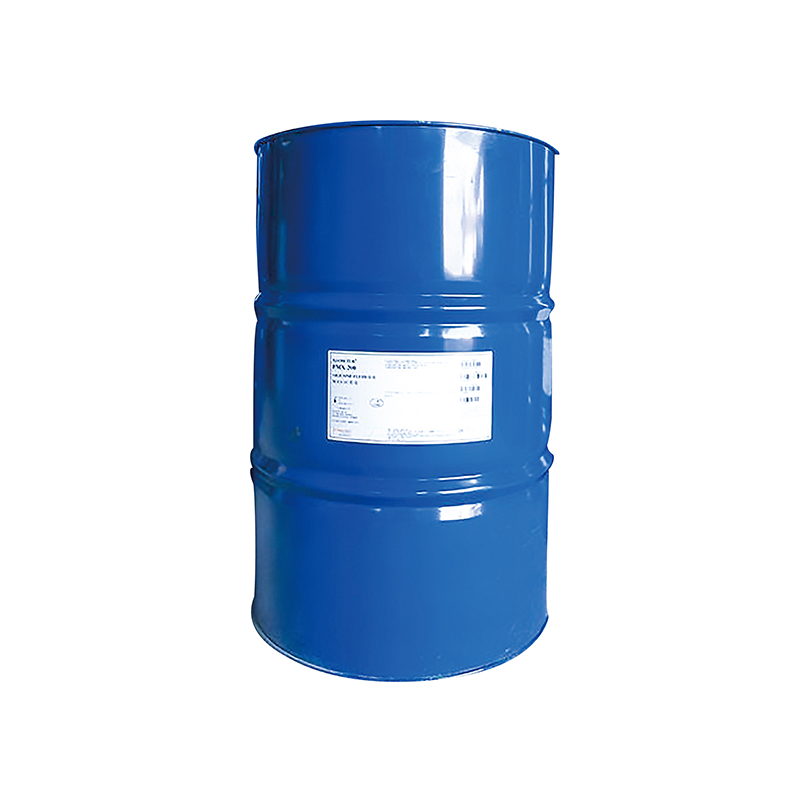
Leveling Agent
1. Product Overview
LD-820 is a flow leveling agent based on polyether-modified polysiloxane. It is formulated to influence the surface and interfacial behavior of liquid coatings and other chemical formulations. The additive can help a coating spread over the substrate, reduce differences in surface tension, improve wetting, and encourage the formation of a more even film.
| Item | Specification |
|---|---|
| Product Model | LD-820 |
| Product Name | Flow Leveling Agent |
| Chemical Type | Polyether Modified Polysiloxane |
| CAS Number | 67674-67-3 |
| EINECS Number | 614-100-2 |
| Purity | 99.8% |
| Primary Function | Flow, leveling, wetting, and surface-tension adjustment |
| Suitable Fields | Paints, coatings, printing inks, adhesives, sealants, resins, and composites |
The performance of a leveling agent depends on more than its chemical identity. The dosage, resin type, pigment concentration, solvent balance, viscosity, substrate energy, application method, drying rate, temperature, humidity, and compatibility with other additives all influence the final effect. Therefore, LD-820 should be evaluated in the customer’s complete formulation rather than considered as an isolated ingredient.
When properly selected and dosed, a leveling agent can provide a noticeable improvement in the visual and physical quality of the coating. It does not replace good formulation design, proper substrate preparation, or suitable application conditions. Instead, it works as a performance additive that helps the formulation reach a higher level of surface quality.
2. How Leveling Agents Work
2.1 Surface-Tension Regulation
Liquid coatings naturally seek to minimize their surface energy. However, the surface tension of the coating may not be well matched with the surface energy of the substrate. Differences in surface tension can result in poor wetting, uneven spreading, craters, crawling, pinholes, or localized film withdrawal.
LD-820 helps regulate the surface tension of the formulation. By lowering and balancing surface-tension differences within the system, it can promote a more controlled spreading process. This allows the coating to cover the substrate more uniformly and reduces the possibility of visible surface defects caused by uneven interfacial forces.
Surface-tension control is especially important when a coating is applied over a substrate contaminated by trace oil, dust, release-agent residue, or other low-energy materials. Even a small contamination spot can cause the wet coating to retract. A suitable leveling agent can improve the coating’s ability to wet the surrounding area and reduce the visual impact of such defects.
2.2 Interfacial Migration
Silicone-based additives are known for their ability to migrate toward interfaces. After application, the active molecules in a leveling agent may move toward the coating-air interface or the coating-substrate interface. This migration can form a thin, functionally active layer that changes the local surface properties of the coating.
The rapid interfacial activity of LD-820 allows it to act during the critical period immediately after application. At this stage, the coating is still fluid enough to respond to changes in surface tension. By occupying the surface and improving interfacial uniformity, the additive can help suppress surface anomalies caused by substrate irregularities, material contamination, or differences in formulation composition.
This mechanism is valuable in applications where the substrate is not perfectly uniform. Wood, metal, plastic, fabric, composite panels, and previously coated surfaces can all present different surface-energy conditions. A surface-active leveling agent helps the coating respond more consistently across these variations.
2.3 Flow and Film Formation
After a coating has been applied, the liquid film must redistribute itself before it becomes too viscous or cures completely. If drying or curing occurs too quickly, application marks may remain. The coating may not have enough time to fill brush marks, spray patterns, roller textures, or minor surface depressions.
LD-820 supports the flow and leveling process by improving the movement of the wet film. It can help extend the effective open time of the coating, giving the material additional opportunity to smooth itself before solidification. The additive may also influence the apparent viscosity or flow behavior of the system, depending on the formulation and dosage.
The objective is not unlimited thinning. Excessive reduction in viscosity can cause sagging, runs, poor edge coverage, or inadequate film build. Effective leveling requires a balance between flow and resistance to sag. For this reason, dosage optimization is essential, particularly in high-build coatings and vertical applications.
2.4 Defect Reduction
Several common coating defects are associated with poor wetting, uneven surface tension, insufficient flow, or rapid drying. These include orange peel, craters, pinholes, fish eyes, crawling, brush marks, roller marks, spray streaks, gloss variation, and edge shrinkage.
A leveling agent may reduce the occurrence or severity of these defects by improving the uniformity of the wet film. However, the exact result depends on the cause of the defect. For example, severe pinholing may also be caused by trapped air, excessive substrate porosity, solvent release, or inadequate defoaming. Similarly, orange peel may be related to atomization, solvent evaporation, viscosity, temperature, or application distance.
LD-820 is therefore most effective when integrated into a complete formulation and process-control strategy. It can work together with defoamers, wetting agents, dispersants, rheology modifiers, and other coating additives, provided that their combined effects are evaluated through laboratory testing.
3. Key Advantages of LD-820
3.1 Fast Surface-Tension Response
One of the important advantages of a silicone-based leveling agent is its strong surface activity. LD-820 can quickly influence the surface tension of a coating, helping the wet film spread more evenly during the early stage of application.
Fast response is particularly useful in spray applications, where the coating droplets must merge rapidly to form a continuous film. It is also valuable in printing inks, where the ink must spread across the printing surface without causing uncontrolled dot enlargement, streaking, or uneven color density.
3.2 Improved Surface Smoothness
The most direct benefit of a leveling agent is a smoother surface. LD-820 helps the coating move into a more uniform layer, reducing visible texture caused by application marks or uneven flow. A smooth surface can improve both appearance and touch, which is important in furniture, consumer products, decorative panels, and high-end industrial components.
A smoother coating may also provide more consistent reflection of light. This improves gloss uniformity and reduces the visual contrast between different sections of the coated object. In applications requiring a premium appearance, uniform reflection can be as important as high gloss itself.
3.3 Better Wetting of Difficult Substrates
Some substrates are difficult to coat because they have low surface energy or contain uneven areas. Plastics, oily metals, composite surfaces, previously coated materials, and certain wood substrates may not accept a coating evenly. LD-820 can improve the wetting and spreading behavior of the coating, helping it maintain more continuous coverage.
Better wetting can reduce localized retraction and improve the continuity of the film. It may also support improved pigment distribution at the surface and reduce areas of inconsistent color. Substrate cleaning, pretreatment, and adhesion testing remain necessary, but the leveling agent can improve the coating’s ability to respond to the substrate.
3.4 Compatibility with Diverse Formulations
A leveling agent must function without causing turbidity, phase separation, precipitation, excessive foam, or loss of adhesion. LD-820 is designed as a polyether-modified polysiloxane, a structure that combines silicone surface activity with polyether-related formulation compatibility.
This balance can make the additive suitable for a variety of resin and solvent environments. Nevertheless, compatibility should always be confirmed through practical testing. The final result can vary according to the polarity of the resin, the type of solvent or water phase, pigment loading, additive package, and curing chemistry.
3.5 Efficient Use at Low Addition Levels
Silicone leveling agents are generally highly active materials. A relatively small addition can produce a substantial change in surface behavior. This can help formulators control cost, minimize changes to the original formulation, and preserve the main properties of the coating.
Low addition levels also make it easier to adjust performance gradually. A formulator can begin with a small dosage, evaluate surface smoothness and intercoat adhesion, and then increase the level if necessary. This approach reduces the risk of over-treatment, which may result in recoat difficulties, excessive slip, cratering, or adhesion problems.
3.6 Support for Appearance and Durability
Uniform film formation can contribute to the long-term quality of a coating. A surface with fewer weak points, localized thin areas, bubbles, or defects may show improved resistance to wear and environmental exposure. Even film distribution can also support more consistent chemical and mechanical performance.
LD-820 is intended to improve immediate appearance while supporting the formation of a more uniform coating layer. It should not be regarded as a substitute for a durable resin, suitable curing conditions, or proper weathering design. Instead, it complements the main coating components by helping them form a more consistent film.
4. Applications in Architectural Coatings
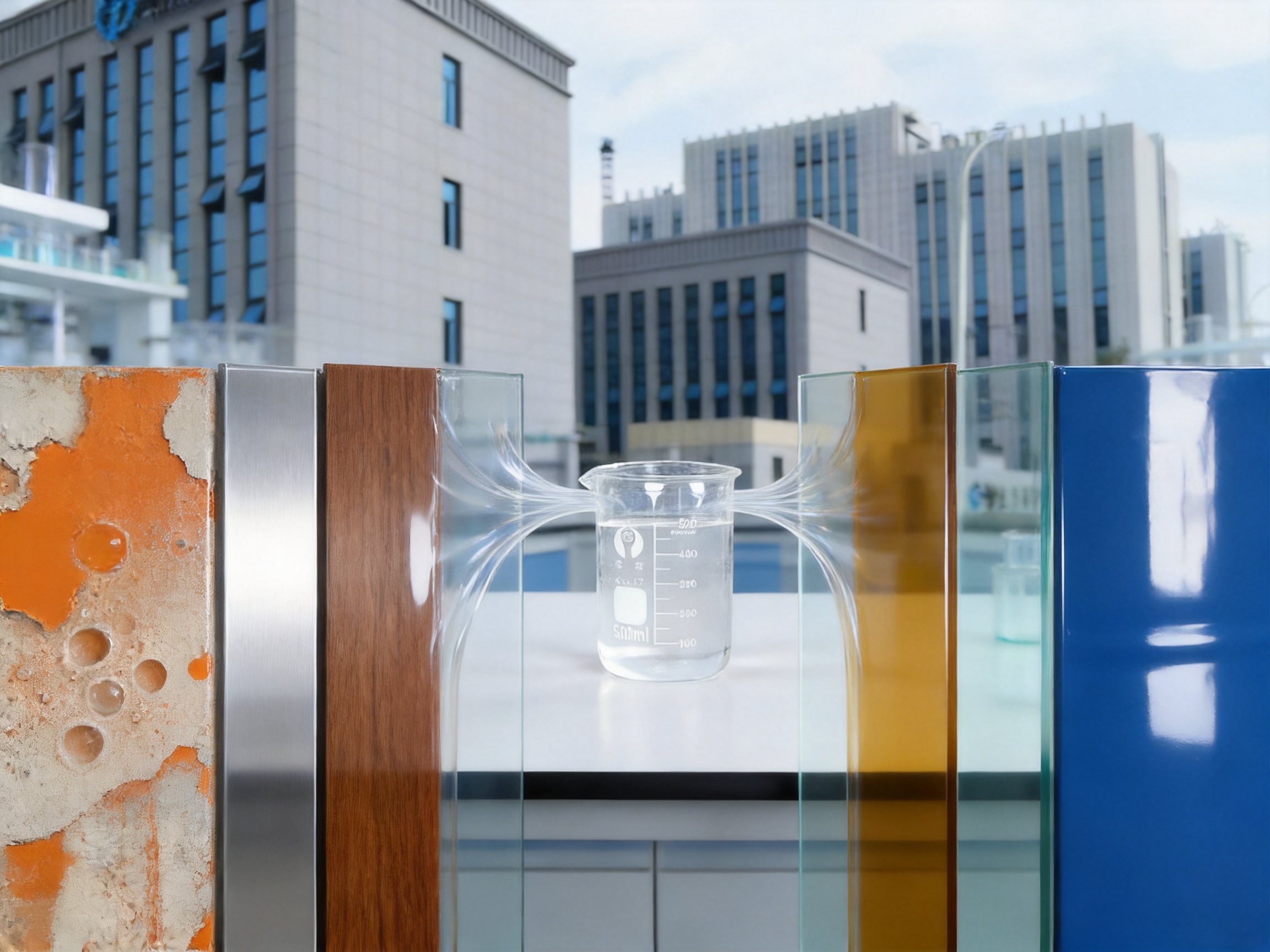
Architectural coatings must provide both decorative and protective performance. Interior wall paints are judged by smoothness, color uniformity, low marking, and ease of application. Exterior coatings must also withstand rain, sunlight, temperature changes, and repeated wetting and drying.
In latex paints, LD-820 can help reduce brush marks and roller marks by promoting more even flow after application. This is valuable for both professional and general-purpose products, especially when the coating is applied across large wall areas where inconsistent texture can become clearly visible.
In matte and low-sheen coatings, uneven film formation may produce blotchy areas with different levels of light reflection. By improving the distribution of the wet film, a leveling agent can help provide a more consistent appearance across the wall surface.
For exterior wall coatings, a suitable leveling effect may improve surface continuity and reduce localized weaknesses. The additive can also help control sagging when the formulation is properly balanced with rheology modifiers and applied at the recommended film thickness.
Because architectural coatings are frequently water-based and contain high levels of pigments, fillers, thickeners, and surfactants, compatibility testing is particularly important. The additive should be evaluated for storage stability, foam behavior, color acceptance, gloss, scrub resistance, recoatability, and adhesion.
5. Applications in Industrial and Automotive Coatings
5.1 Automotive Coatings
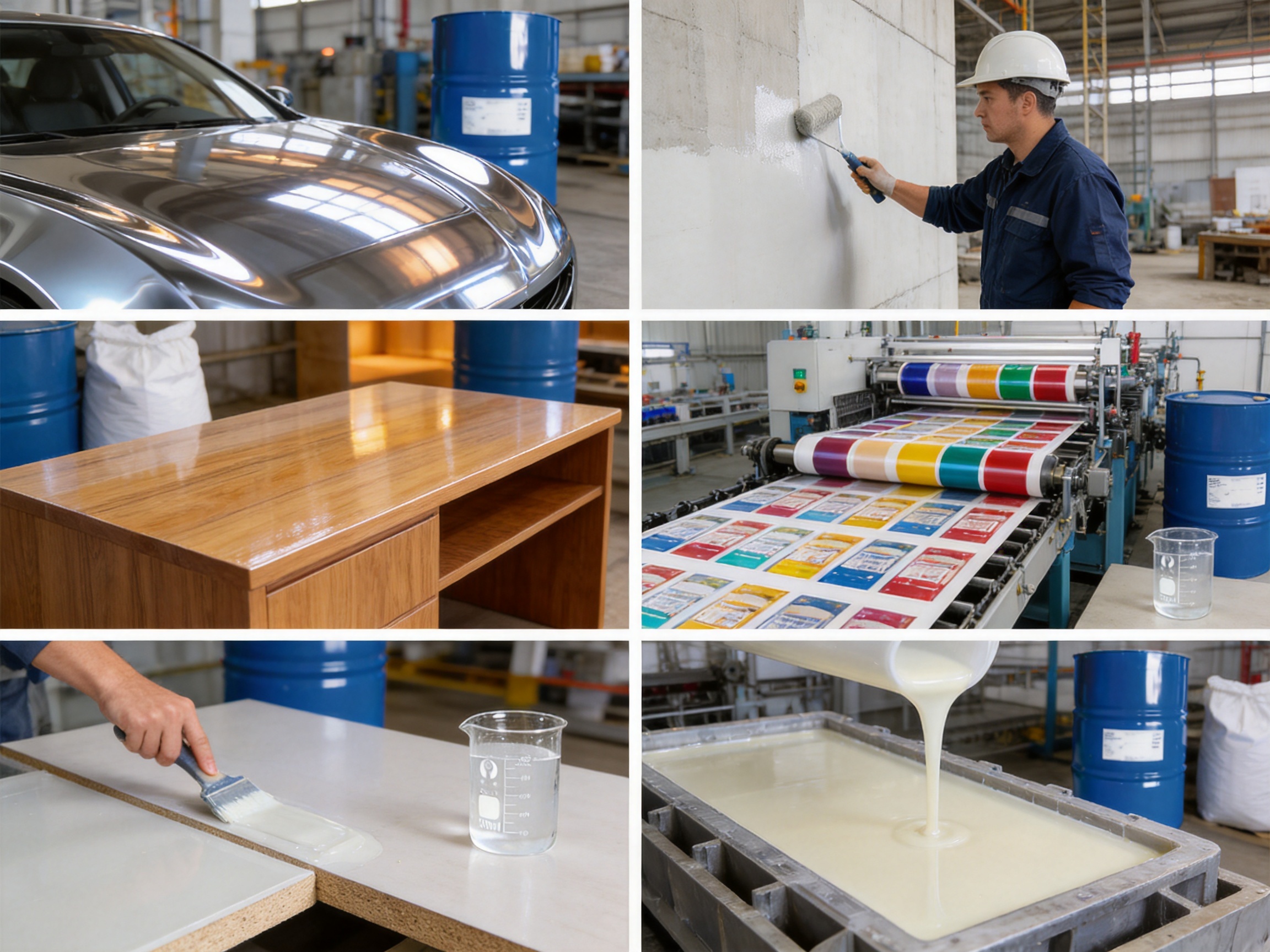
Automotive surfaces require a high level of visual consistency. Small surface defects can be visible under strong lighting, and uneven gloss can reduce the perceived quality of the finished vehicle. Coatings used on vehicle bodies, components, wheels, interior trim, and aftermarket parts must therefore provide smooth application and reliable appearance.
LD-820 can improve the spreading and leveling of automotive coating systems. It may help reduce orange peel, spray marks, surface streaks, and uneven gloss. In high-quality finishes, the additive can support a smooth, reflective surface that contributes to a mirror-like appearance.
Automotive coating systems often include primers, basecoats, clearcoats, and specialized protective layers. The additive level must be selected according to the particular layer. A product that is effective in a clearcoat may not be suitable at the same concentration in a pigmented basecoat. Intercoat adhesion, recoatability, sanding, polishing, and surface slip should all be included in the evaluation.
5.2 Metal and General Industrial Coatings
Metal coatings are commonly applied by spray, dip, curtain, roll, or other industrial methods. Their performance may be affected by surface oils, pretreatment residues, high application speed, and rapid solvent evaporation. These factors can create craters, crawling, pinholes, uneven edges, and poor visual uniformity.
By improving wetting and regulating surface tension, LD-820 can help the coating cover metal substrates more evenly. It may also support improved flow around edges, corners, and small surface irregularities. In protective coatings, continuous film formation is important because weak or thin areas may become starting points for corrosion or mechanical damage.
The additive is suitable for consideration in machinery coatings, appliance coatings, equipment finishes, metal furniture, tools, containers, and other industrial products where appearance and protection are both important.
5.3 Furniture and Wood Coatings
Wood surfaces are naturally variable. Differences in grain, porosity, resin content, sanding quality, and absorbency can influence the final appearance. Furniture manufacturers often require a smooth hand-feel, attractive gloss, even color, and good resistance to scratching and abrasion.
LD-820 can help furniture coatings flow across the wood surface and reduce visible brush or spray marks. It may also help create a more delicate surface feel by contributing to smooth film formation. In transparent or semi-transparent finishes, leveling must be carefully balanced so that the coating enhances the appearance of the wood rather than obscuring the desired grain effect.
Wood coatings may include waterborne polyurethane, solventborne polyurethane, acrylic, alkyd, polyester, or other resin systems. The recommended dosage and incorporation method should be established separately for each system.
6. Applications in Printing Inks
Printing inks must spread in a controlled way. Excessive spreading can lead to dot gain and loss of image sharpness, while insufficient spreading can cause incomplete coverage, streaks, poor color density, or uneven gloss. The ideal ink must wet the printing surface and form a continuous, uniform layer without losing image definition.
In offset inks, LD-820 can support more even ink-layer spreading and improved surface uniformity. This may help reduce visual irregularities in solid areas and improve the consistency of printed images.
In gravure and flexographic inks, the additive can help reduce streaks, air-mark patterns, and uneven coverage. It can also support smooth ink transfer across packaging films, paper, foil, and other substrates, provided that the ink’s viscosity and drying behavior are properly controlled.
Printing systems are highly sensitive to surface tension. Ink, substrate, plate, anilox roll, and overprint varnish may all have different interfacial properties. A leveling agent can help balance these interactions, but excessive addition may produce unwanted slip, poor adhesion, or reduced printability. Testing should include rub resistance, blocking, drying speed, color strength, gloss, dot reproduction, and overprint behavior.
7. Applications in Adhesives and Sealants
Adhesive and sealant layers must cover the substrate continuously and evenly. Bubbles, streaks, craters, and local thickness differences can reduce bonding quality or create visible defects after curing.
LD-820 can improve the flow of adhesive formulations during application. This may help the material spread over the bonding area, fill small surface irregularities, and reduce visible streaks. In sealants used for windows, doors, panels, and construction components, improved surface uniformity can contribute to a cleaner appearance after curing.
Adhesive formulations often contain polymers, fillers, plasticizers, tackifiers, moisture scavengers, catalysts, and rheology modifiers. Each component can affect the action of a leveling agent. The additive must therefore be assessed for storage stability, adhesion, cure speed, cohesive strength, surface energy, and compatibility with the final application environment.
For pressure-sensitive adhesives and specialty laminating adhesives, the balance between flow and cohesive strength is especially important. A leveling agent should improve coating quality without creating excessive surface migration that could interfere with lamination or subsequent bonding.
8. Applications in Resins and Composites
Resin and composite manufacturing often requires the liquid resin to move efficiently through a mold or across a reinforcement structure. Poor flow can result in incomplete filling, internal voids, surface pinholes, and uneven distribution of fillers or fibers.
LD-820 can help improve compatibility between resin and fillers and promote material flow during processing. In fiberglass production, engineered stone, filled resin panels, and other composite systems, this may support better mold filling and a more attractive surface.
Improved flow can help reduce internal bubbles and surface defects, but air removal and processing conditions remain critical. Vacuum level, mixing speed, filler moisture, resin temperature, mold design, curing profile, and demolding time can all influence the result.
For engineered stone and mineral-filled composites, the additive should be tested for filler dispersion, viscosity, mold release behavior, surface hardness, gloss, color stability, and mechanical properties. The correct dosage can vary significantly according to the filler type and resin chemistry.
9. Comparison with Conventional Leveling Approaches
Coating formulators may choose among silicone-based leveling agents, acrylic leveling agents, fluorocarbon-based surfactants, polymeric flow modifiers, and general-purpose wetting agents. Each chemistry has its own performance profile, compatibility range, cost structure, and limitations.
| Technology | Typical Strength | Formulation Consideration |
|---|---|---|
| Silicone-based leveling agent | Rapid surface-tension reduction, strong flow, excellent surface smoothness | Overdose may affect recoatability, intercoat adhesion, or surface slip |
| Polyether-modified polysiloxane | Balance of silicone activity and formulation compatibility | Dosage should be optimized for resin polarity and application method |
| Acrylic leveling agent | Good compatibility and controlled flow in many resin systems | May provide a different degree of surface migration and slip |
| Fluorocarbon-based additive | Very strong surface-energy reduction and specialty wetting | Cost, regulatory, and compatibility factors may require attention |
| Conventional wetting agent | Improved substrate wetting and pigment or filler interaction | May not provide sufficient flow or final surface smoothness alone |
The advantage of LD-820 lies in its combination of rapid surface activity, flow improvement, and polyether-modified compatibility. Compared with a conventional wetting agent, it is designed to contribute more directly to final surface smoothness and appearance. Compared with highly specialized fluorocarbon products, it may offer a practical balance for broader industrial and commercial applications.
Compared with some strongly surface-active silicone products, a polyether-modified structure may provide a more manageable compatibility profile in selected formulations. This can be useful when the formulator wants improved leveling without excessively changing the surface properties of the finished coating.
These comparisons are general and should not be treated as a substitute for a side-by-side formulation trial. Product performance depends on the exact chemistry and dosage of the competing materials. LD-820 should be evaluated using the customer’s own resin, pigment, substrate, application equipment, and curing process.
10. Manufacturing and Quality-Control Strengths
10.1 Silicone-Material Research and Development
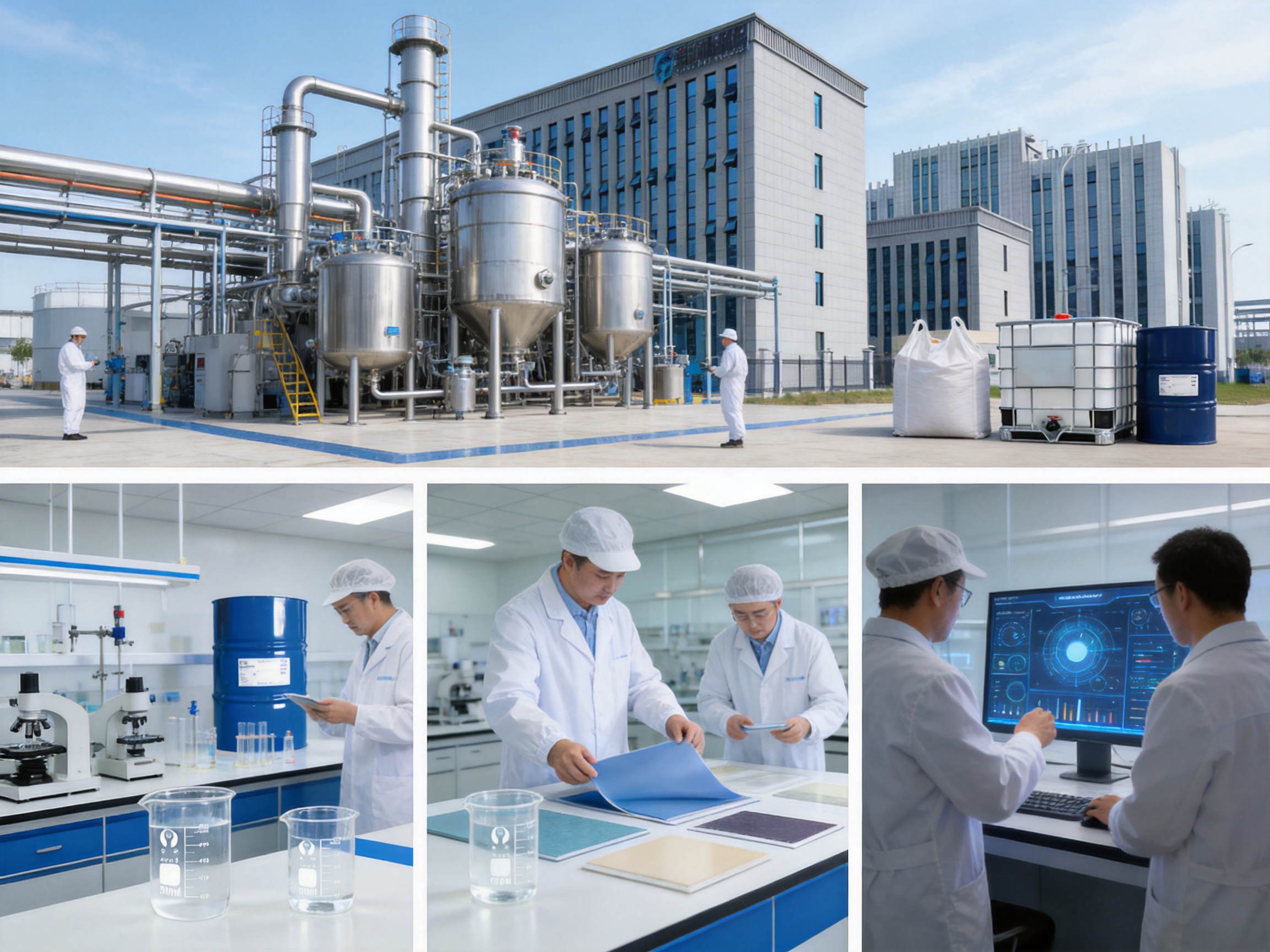
Hebei Guituo New Material Co., Ltd. is a high-technology enterprise integrating research and development, production, and sales. The company focuses on the development and innovative application of high-end silicone materials for industrial and agricultural fields.
This technical orientation is important for leveling-agent production because performance depends on molecular structure, modification chemistry, active content, distribution, and compatibility. Developing a reliable additive requires more than simple blending. It involves selecting suitable raw materials, controlling reaction conditions, optimizing modification ratios, and verifying the behavior of the final product in practical formulations.
The company’s product matrix includes silicone additives, wetting agents, modified silicone oils, dimethyl silicone oils, surfactants, defoamers, and other specialty materials. This broad portfolio allows technical personnel to understand how leveling agents interact with related additives in complete formulation systems.
10.2 Advanced Production Equipment
Reliable production depends on accurate control of temperature, pressure, mixing, feeding, reaction time, and purification. The company has established production capabilities supported by internationally advanced equipment. Such equipment helps improve process repeatability and supports stable production at commercial scale.
For a polyether-modified polysiloxane, process consistency is essential. Variations in the modification process can influence viscosity, surface activity, compatibility, appearance, and storage behavior. Controlled equipment and standardized operating procedures help reduce batch-to-batch variation.
10.3 Precision Testing Facilities
Testing is a central part of specialty-additive manufacturing. A product may meet a basic purity requirement but still perform inconsistently if its functional properties are not monitored. The company has established precise testing facilities to support quality evaluation from raw materials through finished products.
Depending on the product and customer requirement, quality evaluation may include appearance, purity, viscosity, active content, density, moisture, surface tension, compatibility, storage stability, and application performance. Coating tests may include gloss, leveling, wetting, recoatability, adhesion, foam behavior, and defect reduction.
10.4 Full-Process Quality Monitoring
The company operates a quality-monitoring mechanism that covers the production source through delivery of finished products. This approach helps identify potential variation at different stages rather than relying only on final inspection.
Raw materials can be checked before use. Production parameters can be monitored during processing. Intermediate materials can be evaluated before the next stage. Finished batches can be tested before release. Packaging, labeling, storage, and shipment can also be included in the quality process.
Full-process control is particularly valuable for international customers who require stable supply and predictable performance. A coating manufacturer may use the same additive across multiple production lines or facilities. Consistent material quality helps reduce the need for repeated reformulation.
10.5 Experienced Technical and Production Team
Specialty additives require practical experience because a product’s performance cannot be judged by a single laboratory parameter. The company has assembled an experienced technical and production team with professional skills in silicone materials and formulation applications.
Technical support can help customers select a starting dosage, determine the best incorporation stage, identify compatibility risks, and establish an evaluation method. This service is valuable when customers are changing from another additive, developing a new waterborne system, or attempting to solve a specific surface defect.
11. Formulation and Incorporation Guidance
11.1 Starting with Laboratory Screening
A laboratory screening program should begin with a control sample that does not contain a leveling agent. The control provides a baseline for surface appearance, gloss, wetting, drying, and adhesion. LD-820 can then be added at several low concentration levels to identify the useful performance range.
The testing sequence should be consistent. The same resin batch, pigment dispersion, substrate, film thickness, application method, drying time, and environmental conditions should be used for all samples. This makes it easier to identify the actual contribution of the additive.
11.2 Dosage Optimization
The optimum dosage depends on the formulation. A low-viscosity coating may require a different level from a high-solid or high-viscosity coating. Pigmented systems, clearcoats, waterborne products, solventborne products, UV-curable coatings, and adhesive formulations may all respond differently.
Starting at a low dosage is generally advisable because silicone additives are highly active. The concentration can then be increased step by step until the desired balance of leveling, gloss, wetting, slip, adhesion, and recoatability is reached.
Overdosing may produce negative effects. Possible symptoms include cratering, excessive surface slip, intercoat adhesion loss, poor recoating, reduced print adhesion, fish-eye formation, or unstable appearance. If the coating shows a sudden decline in performance at higher levels, the additive concentration should be reduced and the entire additive package reviewed.
11.3 Addition Stage
LD-820 may be incorporated during let-down or added during the final formulation stage, depending on the system. It should be dispersed uniformly throughout the coating. Localized high concentrations can create inconsistent surface behavior.
In some formulations, pre-dilution may improve ease of addition and distribution. The choice of dilution medium must be compatible with the resin and solvent or water phase. Customers should confirm the recommended incorporation procedure through technical testing before full-scale production.
11.4 Application Conditions
Temperature and humidity can significantly influence leveling performance. High humidity may slow water evaporation or solvent release, while low temperature can increase viscosity and restrict flow. Very high temperature may accelerate drying and reduce the time available for leveling.
Application equipment also matters. Spray pressure, nozzle selection, atomization, coating speed, roller hardness, brush type, and film thickness all affect the final surface. A leveling agent can improve the formulation’s tolerance, but it cannot completely compensate for unsuitable equipment or poor application technique.
12. Compatibility with Other Additives
Coatings frequently contain several additives that influence one another. Dispersants control pigment distribution, defoamers manage entrained air, thickeners adjust rheology, wetting agents improve substrate contact, and curing additives control film formation. A leveling agent must be selected as part of this complete package.
LD-820 can be evaluated alongside surfactants, thickeners, defoamers, dispersants, and other silicone additives. Compatibility testing should examine whether the final formulation remains clear or uniformly dispersed, whether viscosity changes during storage, and whether any sedimentation, separation, or surface defects appear after aging.
| Evaluation | Purpose |
|---|---|
| Appearance after mixing | Check clarity, haze, color change, and visible instability |
| Storage stability | Observe separation, precipitation, viscosity change, and odor change |
| Wet-film leveling | Measure brush marks, spray texture, orange peel, and flow behavior |
| Surface tension | Determine whether the additive produces the intended interfacial effect |
| Gloss uniformity | Compare reflection and gloss variation across the coated panel |
| Adhesion and recoatability | Confirm that surface migration does not interfere with subsequent layers |
| Foam behavior | Check whether mixing or application creates persistent foam |
| Curing and drying | Verify that the additive does not cause unacceptable delay or inhibition |
When a coating already contains a strong wetting agent or silicone defoamer, the total surface activity may be high. In this situation, the formulator should avoid adding multiple surface-active materials without testing their combined effect. A balanced additive package often performs better than a high concentration of a single additive.
13. Application-Specific Performance Considerations
13.1 Waterborne Systems
Waterborne coatings contain water, polymer dispersions or emulsions, pigments, fillers, coalescents, thickeners, preservatives, and other additives. Their performance can be strongly influenced by evaporation rate, humidity, substrate absorption, and surfactant balance.
LD-820 can help improve wetting and flow in selected waterborne systems. The formulator should evaluate the effect on foam, gloss, surface slip, blocking, adhesion, and early water resistance. Waterborne coatings may require careful addition procedures to prevent localized incompatibility.
13.2 Solventborne Systems
Solventborne coatings often provide good flow because of their solvent balance, but they may still experience orange peel, craters, retraction, or uneven gloss. Solvent evaporation and resin compatibility determine how long the coating remains fluid.
In these systems, LD-820 can contribute to surface-tension regulation and film smoothness. The formulator should confirm its behavior in the selected solvent blend and evaluate whether the additive changes drying, polishing, recoating, or adhesion.
13.3 High-Solid Systems
High-solid coatings contain a high proportion of nonvolatile material and often have relatively high viscosity. They are designed to achieve strong film build with reduced solvent emissions, but their flow and leveling can be challenging.
LD-820 may improve the movement of the high-solid wet film, but the dosage must be carefully controlled. Too much flow can result in sagging, particularly on vertical surfaces. Rheology, application thickness, flash-off time, and curing temperature should be optimized together.
13.4 UV-Curable Systems
UV-curable coatings must level before rapid radiation-induced curing. The time available for flow may be short, so surface-tension control can be important. However, the additive must not interfere with curing, surface hardness, adhesion, or subsequent printing and bonding.
Testing should include cure speed, tack-free condition, surface hardness, gloss, shrinkage, recoatability, and adhesion to the selected substrate. The correct level of LD-820 should be determined through controlled trials.
14. Company Supply and Customization Capabilities
Hebei Guituo New Material Co., Ltd. provides silicone materials for industrial and agricultural applications and supports customers in domestic and international markets. Its product range includes agricultural silicone additives, silicone surfactants, modified silicone oils, dimethyl silicone oils, wetting agents, defoamers, and other specialty products.
The company’s agricultural silicone products have been adopted by leading domestic agrochemical enterprises, and its products are also exported to overseas markets including Europe and Southeast Asia. Stable performance, reliable quality, and repeat purchasing support the company’s role as a long-term supplier.
For coating and ink manufacturers, supply stability is an important consideration. A leveling agent may be incorporated into a standard production recipe, so unexpected changes in quality can affect viscosity, surface appearance, defect rates, and customer acceptance. A supplier with production facilities, testing capability, and process monitoring can help reduce this risk.
The company accepts OEM and ODM orders. Customization may involve product activity, compatibility, carrier selection, viscosity, packaging, application focus, or other performance requirements. Customers can provide information about resin type, solvent or water phase, pigment loading, application method, target gloss, curing conditions, and current defects. This information allows the technical team to recommend a more suitable solution.
15. Quality and Performance Benefits for Manufacturers
The use of an effective leveling agent can generate benefits throughout the manufacturing process. Better wetting may reduce rejected panels and printed materials. Improved flow can reduce rework, sanding, polishing, or manual correction. More consistent surface appearance can improve product acceptance and reduce customer complaints.
In automated production lines, surface quality is closely connected with process efficiency. A coating that levels more reliably may be more tolerant of small variations in spray pattern, substrate condition, or environmental conditions. This does not eliminate the need for process control, but it may expand the operating window of the formulation.
Improved appearance also supports product differentiation. Automotive parts, furniture, appliances, electronics, and decorative materials are often compared visually. A clean, uniform, smooth finish can create a perception of higher value and better manufacturing quality.
In packaging and printing, consistent ink spreading can improve color reproduction and reduce visual variation between batches. In adhesives and composites, more uniform coverage can support the appearance and functional reliability of the finished part.
16. Storage, Handling, and Technical Evaluation
Like other specialty chemical additives, LD-820 should be stored in a clean, dry, and well-ventilated location. Containers should remain sealed when not in use to reduce contamination and prevent unnecessary exposure to moisture or other environmental factors.
Before use, the product should be inspected for changes in appearance, sedimentation, or phase separation. If unusual changes are observed, the material should be evaluated before addition to production. Customers should follow the supplier’s technical documentation and safety recommendations for handling, storage, and disposal.
Laboratory evaluations should be conducted using representative substrates and realistic application conditions. The test program should include both immediate appearance and longer-term properties. A coating that looks smooth immediately after application must still be checked for adhesion, recoatability, chemical resistance, abrasion resistance, water resistance, and weathering behavior.
The final selection should be based on the total performance balance rather than on leveling alone. In some applications, the best product is not the one that produces the highest immediate gloss, but the one that provides reliable smoothness while preserving adhesion, durability, curing, printability, and production stability.
17. Why Polyether-Modified Polysiloxane Is a Practical Choice
Purely silicone-based materials can provide strong surface activity, but their compatibility and surface-migration behavior may be difficult to control in some formulations. Polyether modification is used to adjust the balance between silicone performance and compatibility with other coating components.
For formulators, this balance can be advantageous. The silicone segment contributes low surface tension and rapid interfacial activity, while the polyether segment can support better interaction with polar components and improve the handling of the additive in selected systems.
LD-820 is therefore suitable for customers who need more than basic wetting. It is designed to provide a combination of surface-tension regulation, flow improvement, surface smoothness, and appearance enhancement. Its use can be considered in both decorative and functional coatings where surface quality is a major performance requirement.
18. Recommended Evaluation Workflow
A structured evaluation workflow helps customers obtain reliable results from LD-820. The first step is to identify the main defect or performance target. The objective may be reducing orange peel, improving substrate wetting, eliminating brush marks, increasing gloss uniformity, reducing ink streaks, or improving composite mold filling.
The second step is to review the formulation. Resin type, solvent or water phase, pigment and filler loading, viscosity, existing surfactants, defoamers, rheology modifiers, and curing conditions should be recorded.
The third step is to prepare a series of samples using different additive concentrations. At least one control sample without the additive should be included. The samples should be applied at the same film thickness and under the same conditions.
The fourth step is to assess both visual and measurable properties. Visual inspection can identify brush marks, orange peel, craters, pinholes, crawling, and gloss variation. Instrumental measurements may include gloss, contact angle, surface tension, viscosity, leveling ratings, adhesion, hardness, and abrasion resistance.
The fifth step is to conduct aging and compatibility tests. Samples should be stored under appropriate conditions and checked for separation, sedimentation, viscosity change, and performance loss. Coated panels should be evaluated after curing and, where appropriate, after water immersion, chemical exposure, abrasion, heat aging, or accelerated weathering.
The final step is scale-up. A dosage that performs well in a laboratory batch should be confirmed in a pilot or production batch. Mixing order, shear, residence time, temperature, application speed, and substrate preparation may all change during scale-up.
19. Q&A
Q1: What is a leveling agent?
A leveling agent is a coating additive that improves the flow and spreading of a liquid formulation. It helps regulate surface tension, improve wetting, reduce application marks, and create a smoother and more uniform film.
Q2: What type of product is LD-820?
LD-820 is a flow leveling agent based on polyether-modified polysiloxane. Its listed CAS Number is 67674-67-3, its EINECS Number is 614-100-2, and its stated purity is 99.8%.
Q3: Which defects can LD-820 help reduce?
Depending on the formulation and application conditions, LD-820 can help reduce orange peel, brush marks, roller marks, spray streaks, craters, pinholes, crawling, uneven gloss, poor wetting, and edge shrinkage. The cause of each defect should be identified before selecting the additive level.
Q4: Can LD-820 be used in waterborne coatings?
It can be evaluated in suitable waterborne formulations. The formulator should test compatibility, foam behavior, storage stability, gloss, adhesion, recoatability, and early water resistance before commercial use.
Q5: Can LD-820 be used in solventborne coatings?
Yes, it can be considered for solventborne coating systems. The appropriate level depends on the resin, solvent blend, viscosity, pigment concentration, and application method. Compatibility and drying behavior should be confirmed through laboratory trials.
Q6: Does LD-820 improve gloss?
LD-820 is primarily used to improve flow, leveling, wetting, and surface uniformity. By helping form a smoother and more even film, it may improve gloss uniformity and visual appearance. The final gloss level still depends on resin, pigment, surface roughness, film thickness, and curing conditions.
Q7: Can it eliminate all orange peel?
No additive can guarantee the elimination of every coating defect. Orange peel may be caused by atomization, viscosity, solvent evaporation, film thickness, temperature, humidity, or substrate conditions. LD-820 can support better flow and leveling, but the entire application process must also be optimized.
Q8: Can LD-820 be used with defoamers and wetting agents?
It can be evaluated together with defoamers, wetting agents, dispersants, thickeners, and other additives. Because these materials may influence one another, the complete additive package should be tested for compatibility, foam, storage stability, surface appearance, adhesion, and recoatability.
Q9: What happens if too much leveling agent is added?
Overdosing may cause excessive surface slip, cratering, poor recoating, intercoat adhesion loss, fish-eye defects, or changes in drying and curing behavior. The recommended approach is to start at a low concentration and increase gradually during laboratory screening.
Q10: How does coating viscosity affect leveling?
High viscosity can restrict flow and prevent the coating from filling application marks. Very low viscosity can increase the risk of sagging and runs. LD-820 should be balanced with the rheology of the formulation so that the coating flows sufficiently without losing film-build control.
Q11: Can LD-820 affect drying or curing time?
It may influence drying or curing behavior in some formulations because it changes surface and flow characteristics. The effect should be checked through dry-time, cure, hardness, adhesion, and recoatability tests. Dosage and the interaction with other ingredients can influence the result.
Q12: Is LD-820 suitable for printing inks?
It can be considered for offset, gravure, and flexographic ink systems where controlled spreading, reduced streaking, and improved surface uniformity are required. Printing performance should be tested through color strength, dot reproduction, rub resistance, drying, gloss, and substrate adhesion.
Q13: Can it be used in furniture coatings?
Yes. LD-820 can help reduce brush marks and spray marks and may contribute to a smoother hand-feel and more uniform appearance in wood and furniture coatings. Testing should include clarity, grain appearance, hardness, abrasion resistance, adhesion, and recoatability.
Q14: What support does the supplier provide?
Hebei Guituo New Material Co., Ltd. provides silicone-material products, technical support, customization, OEM, and ODM services. Customers can discuss their resin system, application method, surface defects, target performance, and production requirements with the technical team.
Q15: Why is supplier quality control important?
Leveling agents are active additives, and small changes in material quality can influence surface tension, compatibility, viscosity, and final appearance. Production equipment, precision testing, full-process monitoring, and controlled supply help support consistent product performance from batch to batch.
20. Conclusion
LD-820 Flow Leveling Agent is a polyether-modified polysiloxane designed to improve the flow, wetting, leveling, and appearance of coatings and related formulations. By regulating surface tension and promoting interfacial migration, it helps liquid films spread more evenly and form smoother surfaces.
The product can be considered for architectural coatings, automotive finishes, industrial coatings, furniture and wood coatings, printing inks, adhesives, sealants, resins, and composites. Its main advantages include rapid surface response, improved smoothness, better wetting of challenging substrates, broad formulation potential, and efficient performance at controlled addition levels.
Its value is strengthened by the supplier’s integrated research, production, testing, and quality-control capabilities. Advanced production equipment, precision testing facilities, full-process monitoring, experienced technical personnel, and OEM and ODM support provide a foundation for stable supply and application-specific service.
For best results, LD-820 should be selected and optimized through controlled laboratory testing. Dosage, incorporation method, resin compatibility, viscosity, application conditions, curing, and interaction with other additives must all be considered. When properly integrated into the formulation, the product can help manufacturers reduce surface defects, improve visual quality, increase process consistency, and develop coatings with a more professional and durable finish.
References
1. ASTM International. Standard Practices for Evaluating Coating Appearance, Gloss, Adhesion, and Surface Defects.
2. American Coatings Association. Principles of Coating Formulation and Additive Selection.
3. European Coatings Journal. Surface Tension, Wetting, and Flow Control in Modern Coating Systems.
4. Paint and Coating Testing Manual. Methods for Evaluating Leveling, Orange Peel, Cratering, Gloss, and Film Uniformity.
5. Technical Information for LD-820 Flow Leveling Agent. Product specification and application information supplied by Hebei Guituo New Material Co., Ltd.
6. Handbook of Silicone Chemistry and Technology. Polyorganosiloxanes, Modified Silicone Materials, and Industrial Applications.
7. Printing Ink Technology References. Wetting, Flow, Dot Reproduction, and Surface Performance in Offset, Gravure, and Flexographic Inks.
Product: Leveling Agent


Contact Information
Tel : +86-400-138-5268
Email : [email protected]
Phone : +86-15128434888 / +86-13511051998
Add : Xinqiao Environmental Protection Industrial Park, Wen'an County, Langfang City, Hebei Province, China
Contact Information
Copyright © Hebei Guituo New Material Co., Ltd. All Rights Reserved.
