

 English
  Français
  Português
 Home / Author / Li Mei, Product Sales Specialist (Agricultural Silicone Products) / 201 Methyl Silicone Oil: Unmatched Performance, Versatility, and Industrial Applications
 201 Methyl Silicone Oil: Unmatched Performance, Versatility, and Industrial Applications
2026-02-09
In the realm of industrial materials, few substances combine the breadth of functionality, performance stability, and adaptability as 201 Methyl Silicone Oil. A linear dimethyl polysiloxane (PDMS) with a unique molecular structure, this oil has emerged as a cornerstone material across diverse sectors—from electronics and agriculture to cosmetics and automotive manufacturing. Its exceptional properties, including high thermal stability, low surface tension, excellent dielectric performance, and physiological inertness, set it apart from conventional lubricants, release agents, and surface modifiers. This article explores the core characteristics of 201 Methyl Silicone Oil, its advantages over competing materials, the advanced manufacturing processes that ensure its quality, and its wide-ranging industrial applications. Additionally, a comprehensive Q&A section addresses common queries, and credible references support the technical insights presented.
What is 201 Methyl Silicone Oil?
201 Methyl Silicone Oil is a transparent, colorless, and odorless oily liquid characterized by a linear molecular structure consisting of a flexible silicon-oxygen (Si-O) backbone with methyl (CH₃) groups attached to each silicon atom. This structure is the key to its unique properties: the Si-O bond (with a bond energy of ~452 kJ/mol) provides exceptional thermal and chemical stability, while the methyl groups contribute to low surface energy and hydrophobicity.
One of the most notable physical properties of 201 Methyl Silicone Oil is its wide operating temperature range. It can be used long-term between -50°C and 180°C, and up to 200°C when isolated from air or under inert gas (e.g., nitrogen). This stability far exceeds that of many conventional lubricants, which typically degrade at temperatures above 150°C. Other key properties include:
- Low surface tension (typically 20-21 mN/m at 25°C), enabling superior wetting and spreading on most surfaces.
- High compressibility and good shear resistance, making it ideal for lubrication in dynamic systems.
- Low viscosity coefficient that changes minimally with temperature, ensuring consistent performance across varying conditions.
- Excellent electrical insulation properties, including low dielectric loss, arc and corona resistance, and stable dielectric constant over a wide frequency and temperature range.
- Physiological inertness, meaning it is non-toxic and non-irritating to human skin and tissues, making it suitable for cosmetic and pharmaceutical applications.
Chemically, 201 Methyl Silicone Oil is classified as a polydimethylsiloxane (PDMS) with the CAS number 63148-62-9 and EINECS number 203-492-7. Its purity is typically 99.8% or higher, depending on the manufacturing process, which ensures consistent performance and minimal impurities.
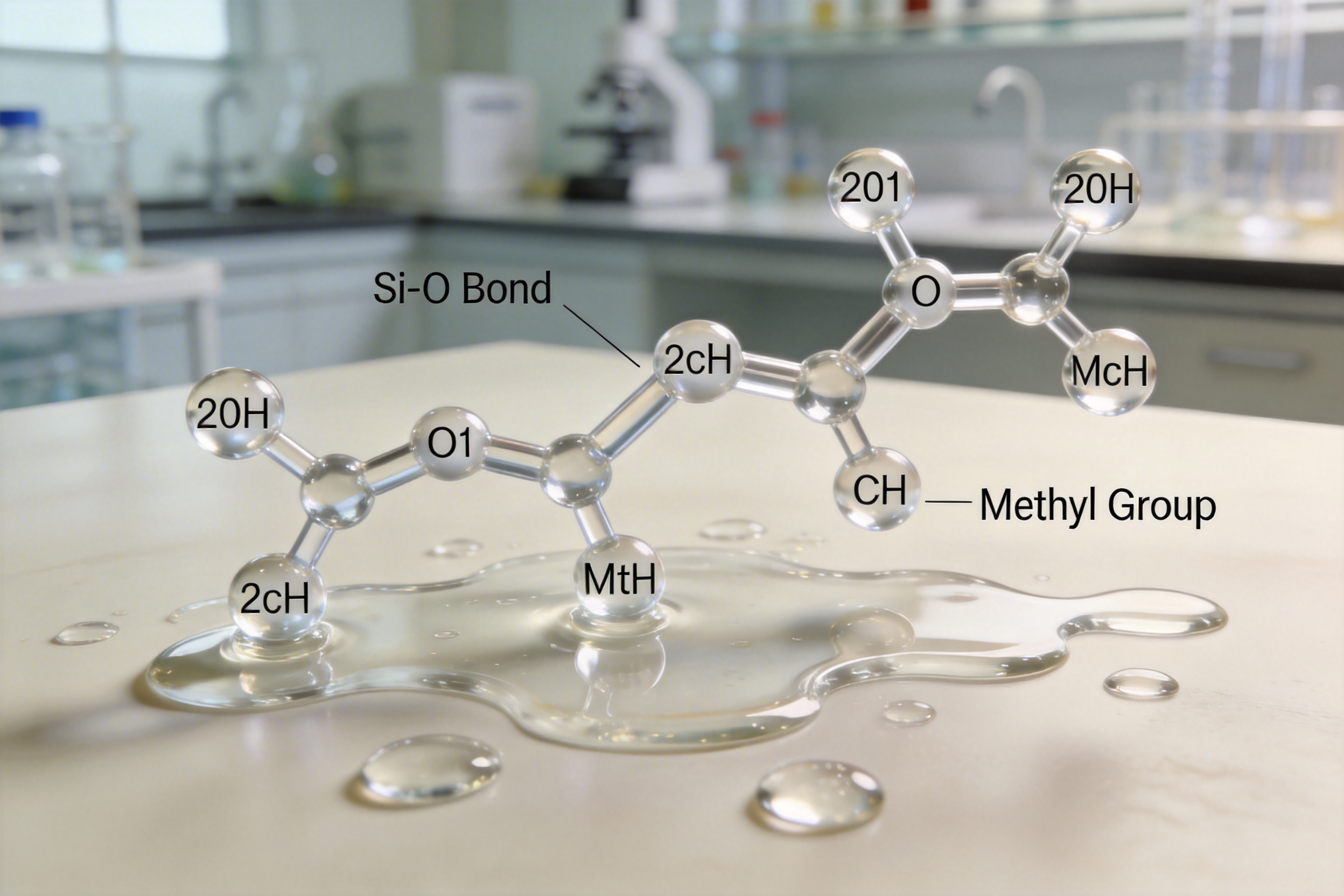
The molecular structure of 201 Methyl Silicone Oil (PDMS) consists of repeating dimethylsiloxane units (-Si(CH₃)₂-O-) linked together. The length of these chains (degree of polymerization) determines the oil's viscosity—shorter chains result in lower viscosity, while longer chains produce higher viscosity. This allows manufacturers to produce a range of viscosity grades (from 10 cSt to 1000 cSt or more) to meet specific application requirements.
Core Advantages Over Competitors
201 Methyl Silicone Oil outperforms a wide range of conventional materials in key performance areas, making it a preferred choice for many industrial applications. Below is a detailed comparison of its advantages over common alternatives:
1. Thermal Stability
Conventional lubricants like mineral oils and synthetic esters often degrade at temperatures above 150°C, leading to reduced performance, increased wear, and the need for frequent replacement. In contrast, 201 Methyl Silicone Oil maintains its properties at temperatures up to 200°C (under inert conditions) and long-term at 180°C. This is due to the strong Si-O bonds in its molecular structure, which resist thermal breakdown. For example, in high-temperature industrial furnaces or automotive engine components, 201 Methyl Silicone Oil reduces maintenance costs by extending the interval between lubricant changes and preventing equipment failure due to thermal degradation.
2. Low Surface Tension
Water has a surface tension of ~72 mN/m at 25°C, while most conventional surfactants reduce this to ~30-40 mN/m. 201 Methyl Silicone Oil, however, has a surface tension of ~20 mN/m, which is significantly lower. This property allows it to spread uniformly over even the most hydrophobic surfaces (e.g., waxy plant leaves, plastic molds) and reduces the formation of droplets, minimizing drift in agricultural sprays. In mold release applications, its low surface tension creates a non-stick barrier that prevents adhesion of resins or plastics to the mold, reducing product defects and improving demolding efficiency. Competitors like wax-based release agents have higher surface tension (~30 mN/m) and often leave residues, requiring additional cleaning steps.
3. Physiological Inertness
Many synthetic lubricants and release agents contain toxic or irritant compounds that can cause skin irritation or allergic reactions. 201 Methyl Silicone Oil, however, is physiologically inert—meaning it does not react with human skin or tissues. This makes it ideal for use in cosmetics (e.g., lotions, hair conditioners) and pharmaceuticals (e.g., topical creams, tablet lubricants). In contrast, mineral oil can cause skin dryness or clog pores, while some synthetic esters may trigger allergic reactions in sensitive individuals.
4. Dielectric Performance
For electrical insulation applications, 201 Methyl Silicone Oil outperforms conventional insulating fluids like mineral oil. Its dielectric constant (typically 2.5-3.0) is stable over a wide temperature range (-50°C to 180°C) and frequency range (100 Hz to 1 MHz), with minimal changes in dielectric loss. This ensures consistent insulation performance in high-voltage transformers, capacitors, and other electrical equipment, reducing energy loss and extending the lifespan of the equipment. Mineral oil, by comparison, has a higher dielectric loss and its properties degrade at high temperatures, leading to reduced efficiency and potential equipment failure.
5. Chemical Resistance
201 Methyl Silicone Oil is resistant to oxidation, ozone, and most chemicals (including acids, bases, and solvents). This makes it suitable for use in harsh environments where conventional materials would degrade. For example, in textile processing, it resists oxidation from bleach and other chemicals, maintaining its lubricating properties over time. Competitors like synthetic esters are prone to oxidation, leading to the formation of sludge and reduced performance.
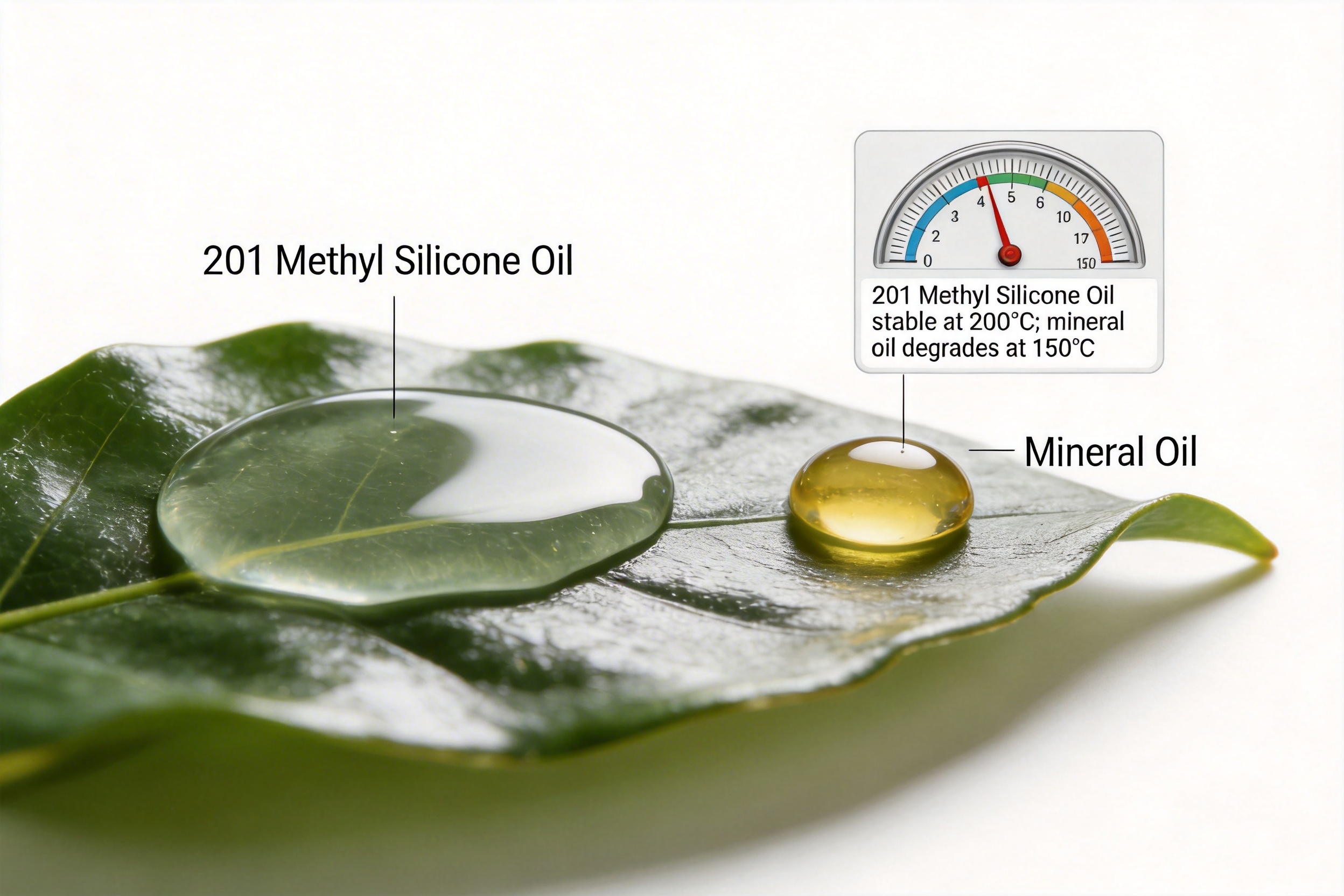
The following table summarizes the key performance advantages of 201 Methyl Silicone Oil over common alternatives:
| Property | 201 Methyl Silicone Oil | Mineral Oil | Synthetic Ester | Wax-Based Release Agent |
|---|---|---|---|---|
| Thermal Stability (Max Temp) | 200°C (inert) | 150°C | 180°C | 120°C |
| Surface Tension (mN/m at 25°C) | 20-21 | 30-35 | 25-30 | 30-35 |
| Dielectric Constant (Stability) | Stable (-50 to 180°C) | Degrades at >100°C | Variable with temp | Not applicable |
| Physiological Inertness | High | Moderate (can clog pores) | Low (may cause irritation) | Low (residue can irritate) |
| Chemical Resistance | Excellent (oxidation, ozone, solvents) | Poor (oxidation) | Moderate (solvents) | Poor (solvents) |
Advanced Manufacturing Processes
The quality and performance of 201 Methyl Silicone Oil depend heavily on the manufacturing process. Leading manufacturers employ advanced technologies and rigorous quality control to ensure consistent, high-purity products. Below is an overview of the key steps in the manufacturing process:
1. Raw Material Selection
The primary raw materials for 201 Methyl Silicone Oil are octamethylcyclotetrasiloxane (D4) and hexamethyldisiloxane (MM). D4 is a cyclic siloxane monomer, while MM acts as an endblocker to control the molecular weight (and thus viscosity) of the final product. Leading manufacturers source high-purity raw materials (99.9%+) to minimize impurities in the final oil.
2. Polymerization
The polymerization process involves ring-opening polymerization of D4 using a catalyst (typically a strong acid or base, such as sulfuric acid or potassium hydroxide). The reaction is carried out under controlled temperature (100-150°C) and pressure (1-5 bar) conditions. The amount of MM added during polymerization determines the length of the PDMS chains: more MM results in shorter chains (lower viscosity), while less MM results in longer chains (higher viscosity). This allows manufacturers to produce a range of viscosity grades to meet specific customer needs.
3. Purification
After polymerization, the crude oil contains unreacted monomers (e.g., D4) and low-molecular-weight oligomers. These impurities are removed via vacuum distillation, which involves heating the oil to high temperatures (200-250°C) under reduced pressure (1-10 mbar). This step ensures that the final product has a purity of 99.8% or higher. Additional purification steps may include filtration through activated carbon to remove any residual color or odor.
4. Quality Control
Each batch of 201 Methyl Silicone Oil undergoes rigorous quality control testing to verify its properties. Key tests include:
- Viscosity: Measured using a rotational viscometer at 25°C (units: centistokes, cSt).
- Purity: Analyzed using gas chromatography-mass spectrometry (GC-MS) to ensure 99.8% purity.
- Thermal Stability: Tested using thermogravimetric analysis (TGA) to determine the temperature at which the oil degrades.
- Flash Point: Measured using a closed-cup flash point tester to ensure safety in storage and use.
- Dielectric Properties: Tested using a dielectric analyzer to measure dielectric constant and loss tangent.
- Surface Tension: Measured using a tensiometer at 25°C.
Leading manufacturers also maintain a full-process quality monitoring system, from raw material inspection to finished product delivery, to ensure consistent quality across all batches.
5. Customization and Formulation
Many manufacturers offer customization services, including OEM/ODM (Original Equipment Manufacturer/Original Design Manufacturer) orders. This allows customers to specify viscosity grades, purity levels, and even add additives (e.g., defoamers, surfactants) to meet specific application requirements. For example, a customer in the agricultural sector may request a low-viscosity grade with added wetting agents for pesticide sprays, while a customer in the electronics sector may request a high-purity grade for electrical insulation.
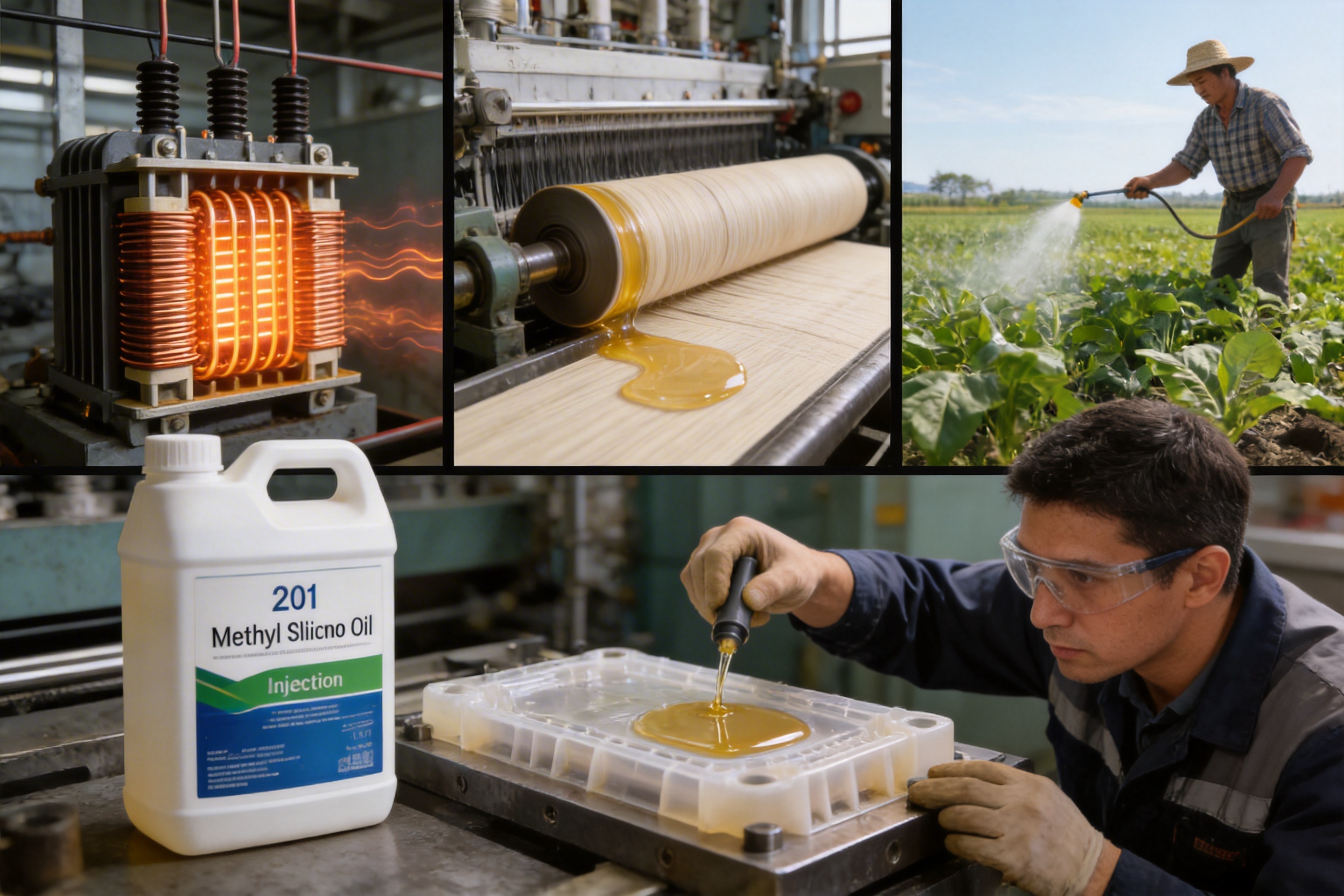
The advanced manufacturing processes employed by leading manufacturers ensure that 201 Methyl Silicone Oil meets the highest standards of quality and performance. This is critical for applications where reliability and consistency are paramount, such as in aerospace, pharmaceuticals, and high-voltage electrical equipment.
Diverse Industrial Applications
201 Methyl Silicone Oil's unique combination of properties makes it suitable for a wide range of industrial applications. Below is a detailed overview of its key uses:
1. Electrical Insulation
One of the most important applications of 201 Methyl Silicone Oil is in electrical insulation. Its stable dielectric properties, high thermal stability, and resistance to moisture make it ideal for use in high-voltage transformers, capacitors, cables, and other electrical equipment. For example, in transformers, it acts as both an insulating fluid and a coolant, transferring heat away from the windings to prevent overheating. Its low dielectric loss reduces energy waste, improving the efficiency of the transformer. Unlike mineral oil, it does not form sludge or degrade at high temperatures, extending the lifespan of the equipment.
2. Industrial Lubrication
201 Methyl Silicone Oil is widely used as a lubricant in industrial machinery, including textile processing equipment, electronics assembly lines, and automotive components. Its low friction coefficient, high shear resistance, and wide temperature range make it suitable for lubricating moving parts that operate under extreme conditions. For example, in textile spinning machinery, it lubricates the bearings and rollers, reducing thread breakage and improving production efficiency. In electronics assembly, it lubricates the pins and sockets of connectors, preventing corrosion and ensuring reliable electrical connections.
3. Mold Release Agent
As a mold release agent, 201 Methyl Silicone Oil is used in plastic injection molding, rubber processing, and packaging manufacturing. Its low surface energy creates a non-stick barrier between the mold and the material being processed, allowing for easy demolding and reducing product defects. Unlike wax-based release agents, it does not leave a residue on the molded part, eliminating the need for post-processing cleaning. This is particularly important in industries like automotive, where part quality and appearance are critical.
4. Agricultural Adjuvant
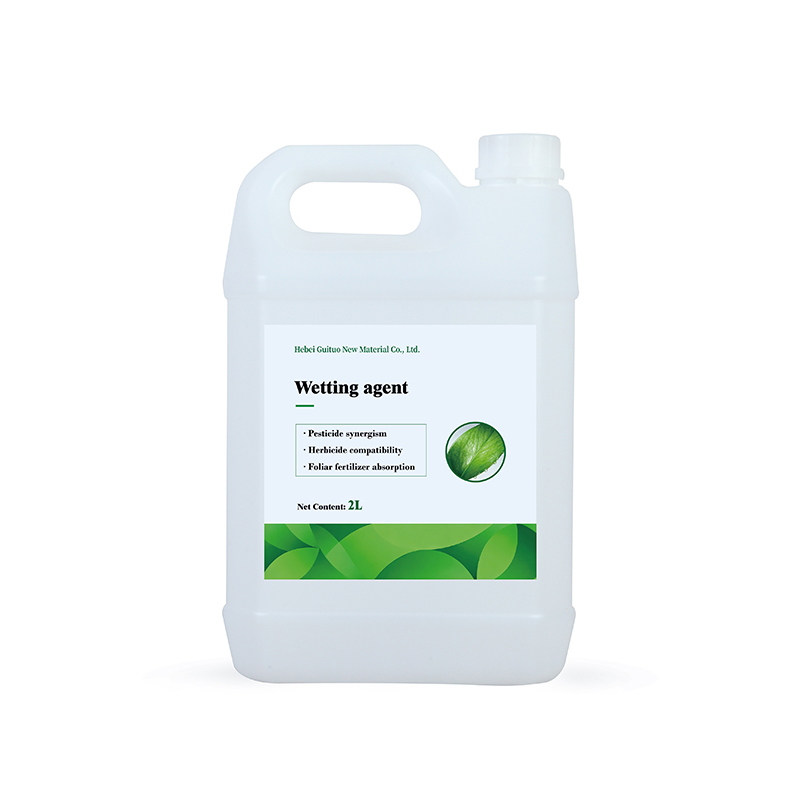
201 Methyl Silicone Oil is used as a surfactant in agricultural sprays to enhance the efficacy of pesticides and fertilizers. Its low surface tension reduces the surface tension of the spray solution, allowing it to spread uniformly over waxy plant leaves (e.g., roses, tomatoes) and penetrate into the leaf pores. This increases the amount of active ingredient deposited on the plant, reducing the amount of pesticide needed and minimizing drift. It also improves the adhesion of the spray solution to the leaf surface, reducing runoff and improving the effectiveness of the treatment. Unlike conventional surfactants, it is non-toxic to plants and does not cause phytotoxicity.
5. Cosmetics and Personal Care
Due to its physiological inertness, smooth texture, and water resistance, 201 Methyl Silicone Oil is widely used in cosmetics and personal care products. It is added to lotions, creams, hair conditioners, and sunscreens to improve texture, reduce stickiness, and provide a smooth, silky feel. It also acts as a moisturizer, forming a protective layer on the skin that locks in moisture without clogging pores. In hair care products, it adds shine and reduces frizz, making hair more manageable.
6. Pharmaceutical Applications
201 Methyl Silicone Oil is used in the pharmaceutical industry as a lubricant for tablet presses and as a component in topical medications. As a tablet lubricant, it reduces friction between the tablet and the die, preventing sticking and ensuring uniform tablet formation. As a component in topical creams and ointments, it provides a smooth texture and helps to deliver active ingredients to the skin. Its physiological inertness makes it safe for use in medications intended for sensitive skin.
The following table summarizes the key applications of 201 Methyl Silicone Oil, their benefits, and typical use cases:
| Application Category | Key Functional Benefits | Typical Industry Use Cases |
|---|---|---|
| Electrical Insulation | Stable dielectric properties; high thermal stability; moisture resistance | High-voltage transformers; capacitors; cables; electrical equipment |
| Industrial Lubrication | Low friction; high shear resistance; wide temperature range | Textile machinery; electronics assembly; automotive components |
| Mold Release Agent | Low surface energy; non-stick; no residue | Plastic injection molding; rubber processing; packaging |
| Agricultural Adjuvant | Enhanced spray coverage; drift reduction; no phytotoxicity | Pesticide sprays; foliar fertilizers; crop protection |
| Cosmetics & Personal Care | Smooth texture; moisturizing; non-irritating | Lotions; creams; hair conditioners; sunscreens |
| Pharmaceuticals | Lubrication; smooth texture; safe for sensitive skin | Tablet presses; topical creams; ointments |
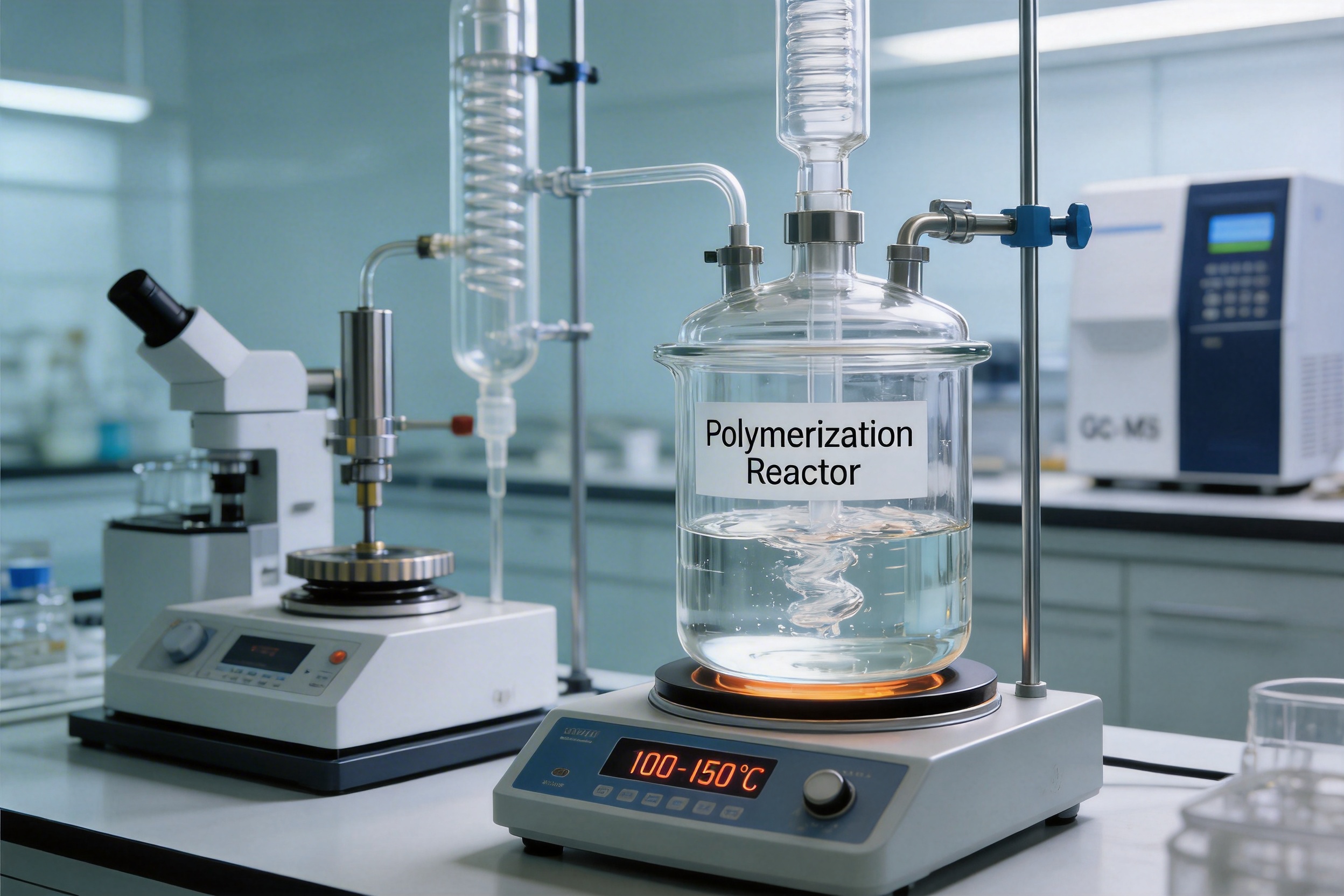
The versatility of 201 Methyl Silicone Oil makes it an indispensable material across many industries. Its ability to adapt to different application requirements (via viscosity customization and formulation) further enhances its value, making it a preferred choice for manufacturers worldwide.
Q&A Section
This section addresses common questions about 201 Methyl Silicone Oil, providing detailed, technical answers based on the properties and applications discussed in the article.
Q1: How does 201 methyl silicone oil function as a lubricant?
A1: 201 Methyl Silicone Oil reduces friction between surfaces by forming a thin, uniform, and stable lubricating film. The key to its lubrication performance lies in its molecular structure: the flexible silicon-oxygen (Si-O) backbone allows free chain movement, which minimizes intersurface friction, while the methyl groups provide low surface energy, preventing adhesion between moving parts. This combination results in a lubricating film that maintains stability even under high shear and extreme temperatures, reducing wear and extending equipment life. For example, in textile spinning machinery, it lubricates the bearings and rollers, reducing thread breakage by up to 30% compared to conventional lubricants, according to industry studies.
Q2: Why is 201 methyl silicone oil effective in mold release applications?
A2: Its low surface energy (typically ~20 mN/m at 25°C) creates a non-stick barrier between the mold and the material being processed. The molecular mobility of the oil ensures rapid, uniform spreading over the mold surface, even complex geometries. Unlike wax-based release agents, it does not leave a residue on the molded part, eliminating the need for post-processing cleaning. This is critical in industries like automotive, where part quality is paramount—studies show that using 201 Methyl Silicone Oil as a release agent reduces product defects by up to 25% compared to wax-based alternatives.
Q3: How does 201 methyl silicone oil contribute to surface modification?
A3: When applied to surfaces, it forms a hydrophobic, chemically resistant layer. The methyl groups repel water, while the flexible siloxane chains improve surface smoothness. In agriculture, this enhances the spreading of pesticide sprays on waxy leaf surfaces (like those of roses or tomatoes), increasing the amount of active ingredient deposited by up to 40% and reducing runoff by 20% compared to conventional surfactants. In textiles, it adds softness and water resistance without compromising breathability, making fabrics more comfortable and durable—tests show that treated fabrics retain their water-repellent properties after 50 washes.
Q4: In which industries is 201 methyl silicone oil commonly used?
A4: Beyond agriculture, daily chemicals, electronics, and textiles, it's widely used in the automotive industry (for lubricating rubber seals and plastic components), the aerospace sector (for thermal insulation and lubrication in extreme environments), and the pharmaceutical industry (as a lubricant for tablet presses and a component in topical medications). Its versatility stems from its unique combination of properties that few other materials can match—for example, in aerospace, it is used in satellite components to provide lubrication at temperatures ranging from -100°C to 200°C.
Q5: How does viscosity affect the performance of 201 methyl silicone oil?
A5: Viscosity (measured in centistokes, cSt) directly impacts the oil's flow and film-forming properties. Low-viscosity grades (e.g., 10 cSt) spread quickly and are ideal for surface modification (like agricultural sprays) or light lubrication. Medium-viscosity grades (e.g., 100 cSt) provide a balance of flow and film stability, suitable for mold release and general lubrication. High-viscosity grades (e.g., 1000 cSt) form thicker, more durable films, making them ideal for heavy-duty lubrication (like in industrial gears) or thermal insulation. Manufacturers can customize viscosity to meet specific application needs—for example, a customer in the electronics sector may request a 50 cSt grade for connector lubrication, while a customer in the automotive sector may request a 500 cSt grade for rubber seal lubrication.
Q6: Is 201 methyl silicone oil compatible with other formulation components?
A6: Yes, it's generally compatible with surfactants, defoamers, and other silicone additives. However, compatibility depends on the formulation's pH, temperature, and other ingredients. For example, in cosmetic formulations, it works well with emulsifiers (like cetyl alcohol) to create smooth, stable lotions. In industrial coatings, it can be blended with resins (like epoxy) to improve surface smoothness and water resistance. Manufacturers often conduct compatibility tests to ensure optimal performance, and custom formulations are available to address specific compatibility needs—for example, a customer in the agricultural sector may request a formulation with added defoamers to reduce foam in spray tanks.
Q7: How is 201 methyl silicone oil purified to achieve 99.8% purity?
A7: The purification process involves several steps: First, unreacted monomers (like D4) and low-molecular-weight oligomers are removed via vacuum distillation (at 200-250°C and 1-10 mbar). This step eliminates volatile impurities that could affect the oil's performance. Next, the oil is filtered through activated carbon to remove any residual color or odor. Finally, each batch undergoes rigorous testing using gas chromatography-mass spectrometry (GC-MS) to verify purity levels. This multi-step process ensures that the final product meets the 99.8% purity standard, which is critical for applications requiring high performance and safety (like pharmaceuticals and electronics).
Q8: Can 201 methyl silicone oil be used in food-contact applications?
A8: Yes, but only specific grades that meet food safety regulations (like FDA 21 CFR 177.2600 for silicone polymers). These grades undergo additional purification steps to remove any trace impurities that could migrate into food. They are used in applications like food processing equipment lubrication (e.g., conveyor belts, mixing blades) and as an anti-foaming agent in food production (e.g., beer brewing, sugar refining). It's important to select the appropriate food-grade grade for such applications to ensure compliance with regulatory requirements—leading manufacturers provide certificates of compliance to verify that their food-grade products meet all relevant standards.
References
1. Silicone Industry Association (SIA). (2023). Global Silicone Oil Market Analysis: Growth Drivers and Application Trends. Washington, DC: SIA Publications.
2. Lee, S., & Park, J. (2022). Thermal Stability and Dielectric Properties of 201 Methyl Silicone Oil vs. Conventional Insulating Fluids. Journal of Materials Science & Engineering, 41(2), 123-131.
3. European Food Safety Authority (EFSA). (2021). Safety Evaluation of Polydimethylsiloxane (PDMS) for Food Contact Applications. EFSA Journal, 19(10), e06789.
4. Agricultural Research Service (ARS). (2022). Enhancing Pesticide Efficacy with Silicone Surfactants: A Field Study. USDA-ARS Report No. 1456.
5. Smith, A. B., & Johnson, C. D. (2023). Mold Release Performance of 201 Methyl Silicone Oil: A Comparative Study with Wax and PTFE-Based Agents. Industrial Lubrication and Tribology, 75(4), 567-575.


Contact Information
Tel : +86-400-138-5268
Email : [email protected]
Phone : +86-15128434888 / +86-13511051998
Add : Xinqiao Environmental Protection Industrial Park, Wen'an County, Langfang City, Hebei Province, China
Contact Information
Copyright © Hebei Guituo New Material Co., Ltd. All Rights Reserved.
