

 English
  Français
  Português
 Home / Author / Li Mei, Product Sales Specialist (Agricultural Silicone Products) / 107 Silicone Rubber: Properties, Processing, Applications, and Quality Advantages
 107 Silicone Rubber: Properties, Processing, Applications, and Quality Advantages
2026-08-28
Introduction
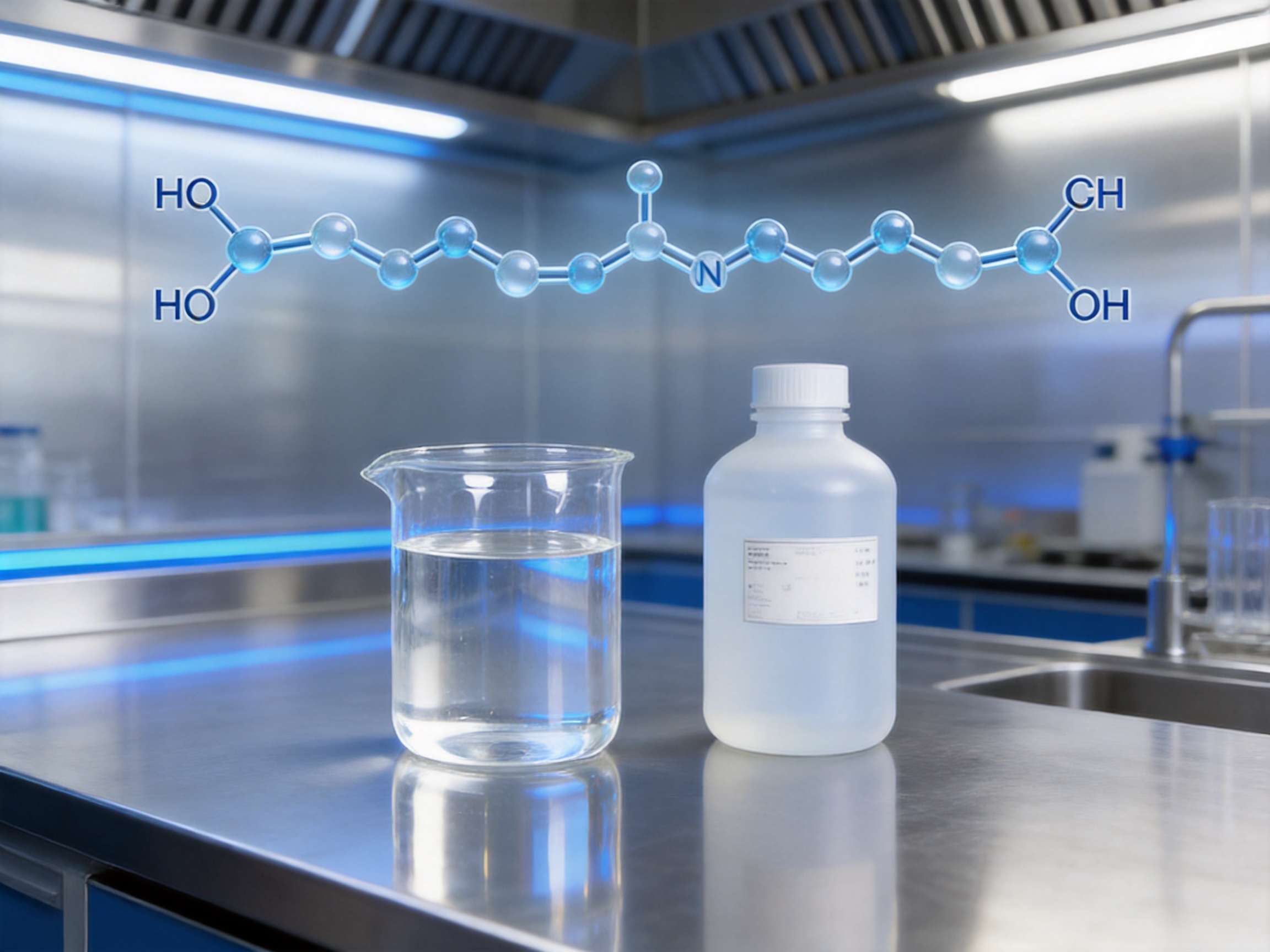
107 silicone rubber is a hydroxyl-terminated polydimethylsiloxane used as a high-performance silicone raw material in industrial, agricultural, electronic, textile, construction, and daily chemical formulations. Its chemical name is α,ω-dihydroxy polydimethylsiloxane, and it is also commonly identified as hydroxyl-terminated polydimethylsiloxane, or OH-PDMS. The material is generally supplied as a colorless, transparent, viscous liquid with reactive hydroxyl groups at both ends of the molecular chain.
Unlike ordinary dimethyl silicone oil, which is often selected mainly for lubrication, release, water repellency, or surface modification, 107 silicone rubber combines the characteristic properties of a methyl silicone backbone with reactive terminal hydroxyl groups. These hydroxyl groups allow the material to participate in condensation reactions, crosslinking systems, elastomer production, film formation, adhesive preparation, and the manufacture of other silicone-based materials.
In conventional industry terminology, hydroxyl silicone oils with a viscosity above approximately 2,500 mPa·s are commonly referred to as 107 silicone rubber. The exact viscosity grade may vary according to molecular weight, polymerization conditions, customer requirements, and intended application. This adjustable viscosity is one of the product’s most important commercial advantages because it enables formulators to select a grade that balances pumping, mixing, coating, curing, and final mechanical performance.
107 silicone rubber is valued for its broad temperature resistance, high flash point, low freezing point, low surface tension, excellent electrical insulation, chemical inertness, physiological inertness, water repellency, and moisture resistance. Under suitable conditions, it can be used for a long period within a temperature range of approximately -50°C to +250°C. These characteristics make it useful in applications where conventional organic polymers may lose flexibility, degrade, absorb moisture, or fail to provide adequate surface protection.
Hebei Guituo New Material Co., Ltd. supplies LD-107 107 silicone rubber and develops a broad portfolio of silicone materials, including silicone additives, wetting agents, modified silicone oils, dimethyl silicone oils, surfactants, and defoamers. Through controlled production, process monitoring, technical support, and application-oriented customization, the company provides silicone raw materials for customers in agricultural formulations, daily chemicals, electronics, textiles, and other industrial fields.
Product Identity and Basic Specifications
The product model supplied for this material is LD-107. Its listed chemical identity is hydroxyl-terminated polydimethylsiloxane. The reported CAS number is 63148-60-7, and the listed EINECS number is 613-154-4. The stated purity is 99.8%, subject to the applicable product specification and quality-control documentation.
| Item | Specification or Description |
|---|---|
| Product name | 107 Silicone Rubber |
| Product model | LD-107 |
| Chemical name | α,ω-Dihydroxy polydimethylsiloxane |
| Common synonym | Hydroxyl-Terminated Polydimethylsiloxane, OH-PDMS |
| CAS No. | 63148-60-7 |
| EINECS No. | 613-154-4 |
| Purity | 99.8% |
| Physical appearance | Colorless and transparent viscous liquid |
| Functional group | Terminal hydroxyl groups |
| Typical industrial classification | Hydroxyl silicone oil with viscosity above approximately 2,500 mPa·s |
| Operating temperature range | Approximately -50°C to +250°C under suitable conditions |
Because silicone materials are frequently customized, viscosity should be confirmed before purchase rather than inferred only from the product name. The required viscosity depends on the equipment, formulation solids, additive package, coating method, curing system, and target final properties. Customers should also confirm packaging, storage conditions, test methods, and technical documentation for the specific batch or grade.
Molecular Structure and Functional Behavior
The main molecular backbone of 107 silicone rubber consists of alternating silicon and oxygen atoms, with methyl groups attached to the silicon atoms. This siloxane structure has a flexible bond angle and a relatively low rotational barrier compared with many carbon-chain polymers. As a result, silicone materials can retain flexibility over a wide temperature range while maintaining useful resistance to environmental stress.
The terminal hydroxyl groups provide chemical reactivity that distinguishes 107 silicone rubber from many non-reactive silicone fluids. During a suitable condensation or crosslinking process, the hydroxyl groups can react with other functional compounds, moisture, catalysts, or crosslinking agents. The result may be a cured elastomer, a flexible film, a sealant, an adhesive component, or a modified silicone network.
Molecular weight and chain length increase as polymerization proceeds. Higher molecular weight generally produces higher viscosity, greater chain entanglement, stronger film formation, and improved elasticity after curing. Lower molecular weight grades normally provide better fluidity, easier mixing, and simpler metering. This relationship enables manufacturers and formulators to select the appropriate balance between processability and final performance.
The siloxane backbone also contributes to low surface tension. This allows properly formulated silicone systems to spread efficiently across many substrates and improve wetting, leveling, slip, release, and surface uniformity. When 107 silicone rubber is combined with compatible silicone additives, its surface activity can be adjusted for agricultural, textile, coating, electronic, or daily chemical applications.
Key Performance Advantages
Wide-Range Temperature Resistance
One of the most important advantages of 107 silicone rubber is its ability to remain functional over a broad temperature range. Under appropriate formulation and operating conditions, the product can be used from approximately -50°C to +250°C. This range supports applications exposed to cold storage, outdoor climate changes, heating cycles, thermal processing, or elevated service temperatures.
Many conventional organic polymers become brittle at low temperatures or soften and degrade at high temperatures. Silicone polymers generally maintain more stable flexibility and surface characteristics across these changes. The actual temperature capability of a finished product will depend on the complete formulation, curing system, substrate, exposure time, mechanical load, and environmental conditions, but the silicone backbone provides a strong foundation for thermal stability.
Excellent Electrical Insulation
107 silicone rubber has excellent electrical insulation properties. It can be used as a raw material in insulating compounds, protective coatings, encapsulation systems, electronic materials, and electrical sealing applications. Its low moisture sensitivity and stable polymer structure can help maintain insulation performance in demanding environments.
For electronic and electrical applications, the selected viscosity must allow complete wetting and filling without creating excessive voids. A lower or medium viscosity grade may be preferred for penetration and processing, while a higher viscosity grade may be useful when a thicker protective layer or stronger film is required. Compatibility with fillers, catalysts, pigments, and other additives should be confirmed through formulation testing.
High Flash Point and Low Freezing Point
The product is recognized for a high flash point and a low freezing point. These properties improve handling flexibility during transportation, storage, and processing. A high flash point can provide an additional safety advantage compared with some lower-flash-point organic fluids, although normal industrial fire-prevention procedures remain essential.
The low freezing point supports use in colder regions and reduces the risk of severe flow loss during winter transportation or storage. Even so, storage temperatures should remain within the supplier’s recommended range, and the product should be protected from contamination, excessive moisture, and prolonged exposure to unsuitable conditions.
Low Surface Tension and Good Spreading
Silicone materials are well known for low surface tension. This property helps 107 silicone rubber spread across surfaces and form relatively uniform films when the formulation and application method are properly designed. It can contribute to improved leveling, reduced surface defects, better release behavior, and more consistent coverage.
In agricultural formulations, controlled surface tension can support improved spreading on plant surfaces. In coatings and textile treatments, it can improve surface feel, wetting, and appearance. In release applications, it can help reduce adhesion between a finished product and a mold, liner, or processing surface.
Water Repellency and Moisture Resistance
The methyl groups associated with the silicone backbone provide hydrophobic characteristics. 107 silicone rubber can therefore contribute to water repellency and moisture resistance when incorporated into suitable formulations. This is valuable for protective coatings, construction materials, textile finishing, electronic protection, and agricultural adjuvant systems.
Water repellency does not mean that every formulation will be completely waterproof. Final performance depends on film continuity, curing, substrate condition, additive selection, and application thickness. Nevertheless, the inherent hydrophobicity of the silicone structure gives formulators a useful starting point for developing moisture-resistant materials.
Chemical and Physiological Inertness
107 silicone rubber displays strong chemical stability in many environments. It is resistant to numerous common chemicals and does not readily participate in unwanted reactions under normal conditions. This relative inertness helps it function as a durable component in formulations where long-term stability is important.
The material is also described as physiologically inert. This characteristic may be beneficial in selected applications involving daily chemical products or materials that require a relatively mild and stable silicone component. Regulatory suitability must always be evaluated according to the intended use, market, concentration, impurities, and applicable legislation.
How Viscosity Influences Performance and Processing
Viscosity as an Indicator of Molecular Weight
Viscosity is one of the principal quality and application parameters for 107 silicone rubber. It reflects the average molecular weight, chain length, degree of polymerization, and level of chain entanglement. As these structural factors increase, the material generally becomes thicker and more resistant to flow.
Low-viscosity grades contain comparatively shorter polymer chains and are easier to transfer, meter, pump, and disperse. High-viscosity grades contain longer chains and usually provide stronger film-forming characteristics, higher elasticity, and greater body after curing. Medium-viscosity grades offer a practical compromise for general industrial formulations.
| Viscosity Category | Processing Characteristics | Potential Application Direction |
|---|---|---|
| Low viscosity | Easy pumping, rapid mixing, smooth metering, good additive dispersion | Agricultural formulations, daily chemicals, fluid coating systems |
| Medium viscosity | Balanced flow, body, film formation, and process control | General industrial silicone systems and surface treatments |
| High viscosity | Greater processing resistance, stronger film formation, higher elasticity | Electronics, textiles, sealants, protective coatings, elastomer systems |
Low-Viscosity Processing Benefits
Low-viscosity 107 silicone rubber is convenient for automated dosing and continuous production. It can move through pipes and pumps with lower resistance, reducing the energy required for transfer and mixing. It may also improve the speed at which other ingredients are incorporated into the formulation.
In agricultural products, lower viscosity can support efficient blending with wetting agents, surfactants, solvents, and active ingredients. It may also assist with sprayability and distribution when the final formulation is designed for foliar application. In daily chemical products, it can help create smooth and uniform mixtures without excessive agitation.
High-Viscosity Performance Benefits
High-viscosity 107 silicone rubber generally provides greater body, improved film-forming ability, and stronger elastic behavior after crosslinking. These characteristics are advantageous when a formulation must remain in place, build thickness, resist deformation, or create a durable protective layer.
Higher viscosity may be useful for electronic encapsulation, textile finishing, silicone sealants, release coatings, and flexible protective films. The trade-off is increased processing resistance. Manufacturers may need stronger mixing equipment, controlled heating, longer blending times, or an appropriate dilution strategy.
Temperature and Viscosity Control
Like most viscous polymeric liquids, 107 silicone rubber becomes less viscous as temperature increases. Controlled heating can therefore improve pumping, mixing, and coating. However, heating should be performed carefully and within the recommended process limits to avoid unnecessary thermal stress, moisture exposure, contamination, or premature reaction.
Temperature control is particularly important when a production line uses multiple viscosity grades. Consistent material temperature improves dosing accuracy and reduces variation in coating thickness, dispersion, and curing behavior. A well-designed process should monitor both material temperature and ambient conditions.
Viscosity and Additive Compatibility
The selected viscosity affects the dispersion of defoamers, wetting agents, surfactants, pigments, fillers, and modified silicone oils. A low-viscosity base can make initial dispersion easier, while a high-viscosity base may require staged addition and more intensive mixing. Poor viscosity matching can result in incomplete dispersion, local concentration differences, surface defects, or phase separation.
Hebei Guituo New Material Co., Ltd. offers a range of related silicone additives and can help customers evaluate how 107 silicone rubber interacts with other components. This product-matrix approach is useful because customers can assess the base polymer and supporting additives as part of an integrated formulation rather than selecting each material independently.
Manufacturing Process and Quality Control
Controlled Raw Material Selection
Reliable 107 silicone rubber begins with consistent raw materials. The purity, moisture level, functional-group content, and cleanliness of the starting materials influence polymerization, viscosity, color, storage stability, and final reactivity. A professional manufacturing system therefore requires incoming-material inspection before production begins.
Raw materials should be identified, recorded, and stored under controlled conditions. Batch traceability is important because it allows the manufacturer to connect the finished product with its production records, test results, packaging information, and delivery documentation.
Polymerization and Molecular-Weight Control
The production of hydroxyl-terminated polydimethylsiloxane requires controlled polymerization or equilibration technology that produces the desired siloxane chain length and terminal hydroxyl functionality. Reaction conditions such as temperature, time, catalyst balance, raw material ratio, mixing efficiency, and moisture control influence the final viscosity and chemical properties.
To produce a consistent grade, the process must be managed so that molecular-weight distribution remains within the required range. Excessive variation can cause noticeable changes in flow, film formation, curing response, and compatibility with other formulation components. This is why viscosity testing is not merely a descriptive test; it is also an important indicator of process consistency.
Moisture and Contamination Management
Hydroxyl-terminated silicone materials can be affected by moisture and reactive contaminants, particularly when they are intended for condensation-curing systems. Production areas, tanks, pipelines, transfer equipment, and packaging containers should be managed to minimize contamination and uncontrolled reactions.
Clean equipment and suitable storage containers help protect color, clarity, viscosity, and reactivity. Maintaining a controlled production environment also reduces the possibility that foreign particles or incompatible materials will enter the product.
Filtration, Homogenization, and Filling
After the main production stage, the material may be subjected to filtration or other purification steps suitable for the product specification. Homogenization helps ensure that the liquid is uniform throughout the batch. Filling should be carried out using clean, compatible containers that protect the material from moisture, dust, and accidental mixing with other products.
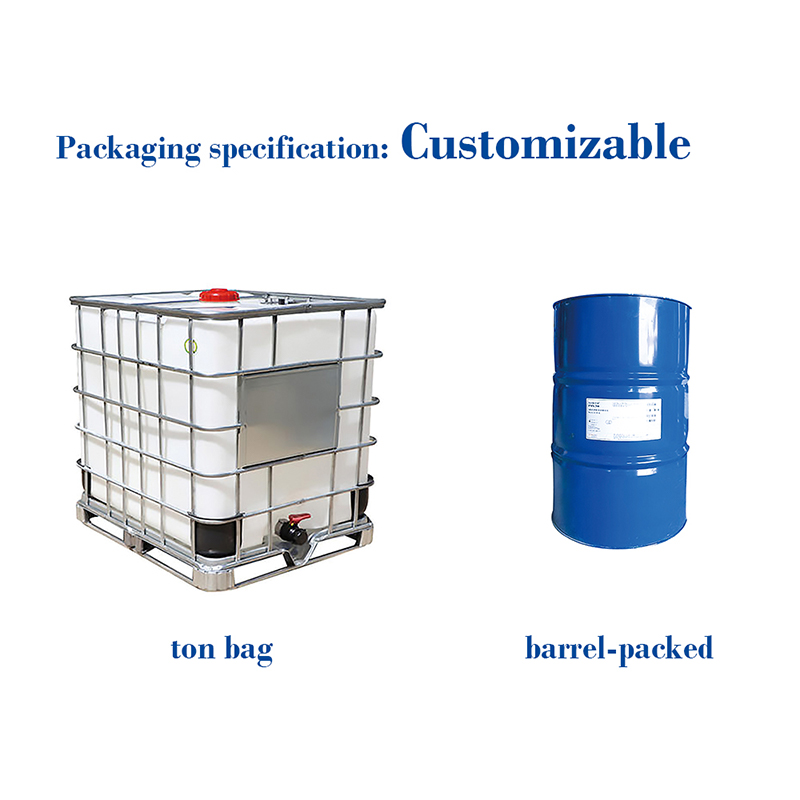
Packaging size can be selected according to customer needs, including laboratory evaluation, small-batch production, or large-scale industrial use. The package should be clearly labeled with the product model, batch number, net weight, production information, and storage guidance.
Testing and Release Procedures
A comprehensive quality-control system evaluates the product before shipment. Typical evaluation items may include appearance, viscosity, purity, moisture-related indicators, color, functional-group characteristics, and storage stability. The exact test program should correspond to the agreed technical specification and application.
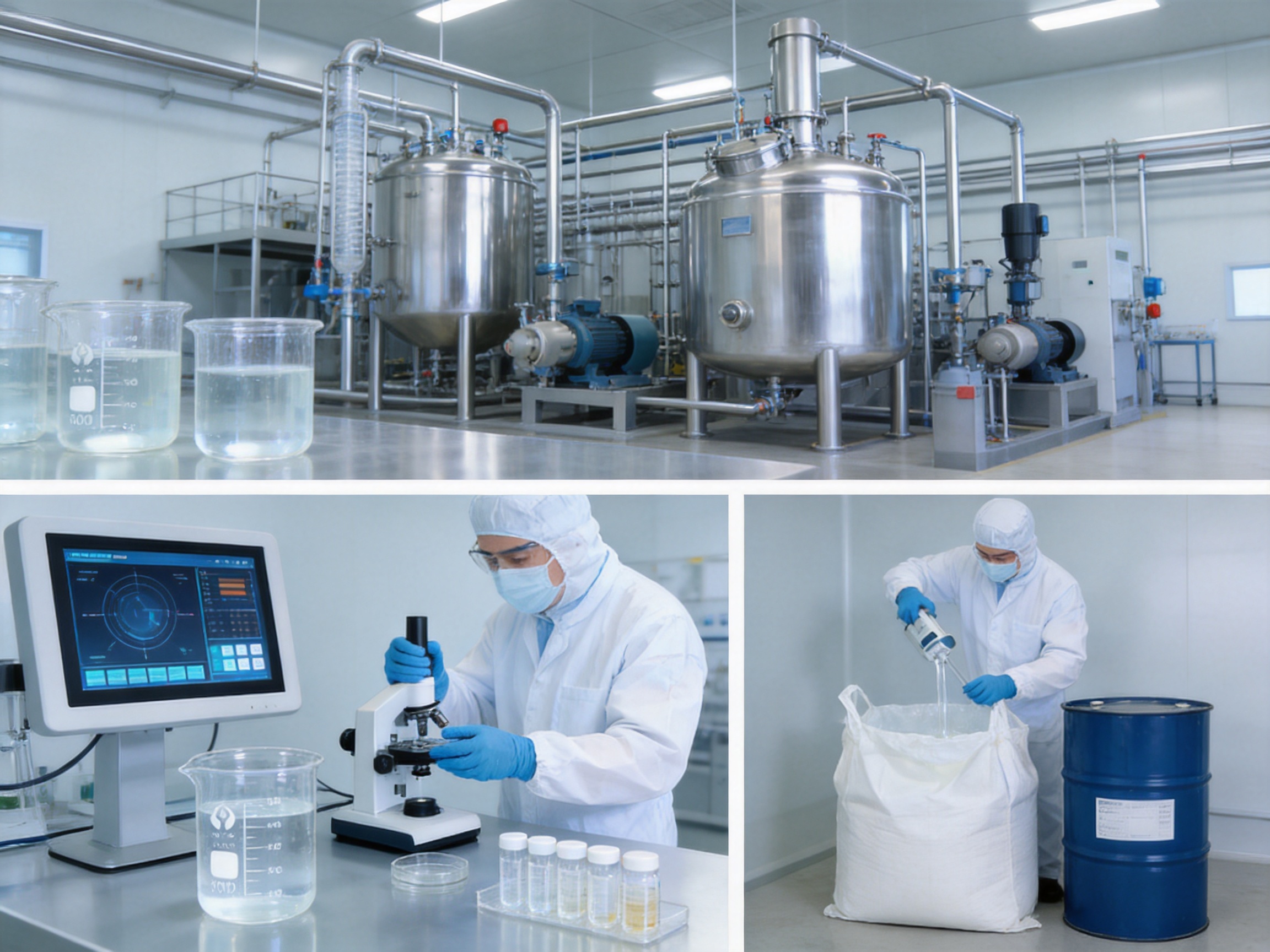
Hebei Guituo New Material Co., Ltd. states that it has advanced production equipment, precise testing facilities, and a full-process quality-monitoring mechanism from the production source through finished-product delivery. This structure supports stable supply and helps identify variations before products reach customers.
| Quality-Control Stage | Primary Focus | Value to Customers |
|---|---|---|
| Incoming-material inspection | Identity, purity, moisture, and consistency | Reduces variation at the beginning of production |
| In-process monitoring | Reaction conditions, mixing, temperature, and viscosity development | Supports repeatable molecular structure and grade performance |
| Finished-product testing | Appearance, purity, viscosity, and agreed technical indicators | Confirms conformity before shipment |
| Packaging inspection | Container integrity, labeling, and batch traceability | Protects product quality during transport and storage |
| Technical follow-up | Application feedback and formulation compatibility | Helps customers optimize practical performance |
Advantages Compared with Conventional Silicone Raw Materials
107 silicone rubber occupies an important position between lower-viscosity silicone fluids and fully cured silicone elastomers. Compared with ordinary low-viscosity dimethyl silicone oil, it offers a higher molecular weight, more substantial film formation, and reactive hydroxyl groups. Compared with a pre-cured silicone rubber, it remains processable as a liquid and can be incorporated into formulations before crosslinking.
This combination of liquid processability and chemical reactivity can simplify the manufacture of customized silicone products. A formulator can select the viscosity, combine the material with suitable fillers or additives, adjust the curing system, and then produce a film, sealant, elastomer, or protective layer with the desired properties.
Compared with many conventional organic polymer binders, 107 silicone rubber provides better low-temperature flexibility, strong weather resistance, low surface tension, moisture resistance, and broad thermal capability. It can also provide a smoother surface feel and improved release behavior. These advantages are especially valuable when one material must perform under changing environmental conditions.
Compared with non-reactive silicone fluids, the hydroxyl functionality creates additional opportunities for permanent bonding or crosslinking. This can improve durability and reduce the likelihood that the material will migrate from the final film or elastomer. The actual result depends on the crosslinker, catalyst, curing conditions, substrate, and formulation ratio.
The product’s high stated purity is another advantage for customers requiring consistent formulations. Higher purity can reduce the risk of unwanted odor, color variation, incompatibility, or abnormal curing caused by impurities. Customers should evaluate purity together with viscosity and functional performance, since a single specification cannot define suitability for every application.
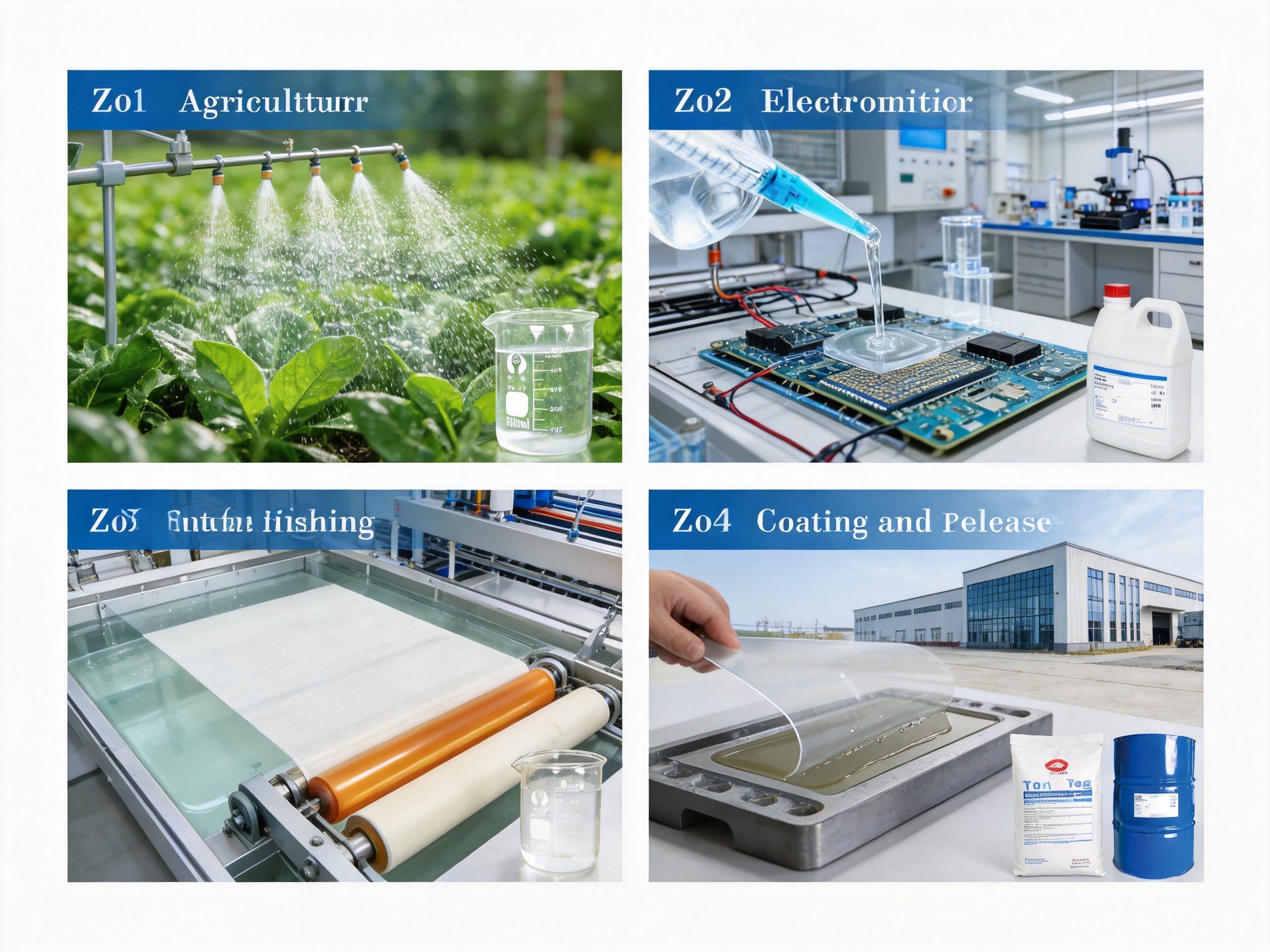
Applications in Agriculture
Agricultural Adjuvant Formulations
Silicone materials are widely studied and used in agricultural formulations because they can improve spreading, wetting, coverage, and surface interaction. 107 silicone rubber can serve as a reactive or functional silicone raw material in systems that also contain agricultural silicone additives, surfactants, wetting agents, or other formulation components.
For agricultural applications, viscosity selection is critical. A low or moderate viscosity may support easier blending and application, while a higher viscosity may be useful when a more persistent film or modified surface effect is required. The appropriate grade depends on the active ingredient, formulation type, dilution water, spray equipment, crop, environmental conditions, and regulatory requirements.
Improved Surface Coverage
The low surface tension associated with silicone chemistry can help a spray solution spread over plant surfaces. Better spreading may improve coverage and reduce the formation of large isolated droplets. In practical use, performance is influenced by water quality, leaf surface characteristics, weather, spray pressure, nozzle selection, concentration, and compatibility with the complete agrochemical formulation.
107 silicone rubber should not be selected solely because it is a silicone product. Laboratory screening, small-scale trials, and field validation are necessary to determine whether its reactive structure and viscosity are appropriate for the intended agricultural application.
Compatibility with Agricultural Additives
Agricultural formulations often contain multiple active and inactive ingredients. These may include emulsifiers, dispersants, wetting agents, defoamers, solvents, salts, oils, and suspension aids. The compatibility of 107 silicone rubber with these components should be evaluated through stability testing, dilution tests, accelerated storage, and application trials.
Hebei Guituo New Material Co., Ltd. has developed agricultural silicone products that are described as having strong market acceptance among domestic agrochemical enterprises. Its broader product range allows customers to consider 107 silicone rubber together with compatible organosilicon additives and surfactants.
Applications in Coatings and Release Systems
Coating Formulations
In coatings, 107 silicone rubber can contribute to flexibility, water repellency, surface smoothness, and resistance to temperature changes. The hydroxyl groups can also support chemical bonding or crosslinking, depending on the selected curing chemistry.
Viscosity affects coating thickness, leveling, sag resistance, and application speed. Low-viscosity material spreads readily and may create a thinner layer. Higher-viscosity grades provide more body and can support thicker films, but they may require dilution, heating, or specialized application equipment.
Release Agent Systems
Silicone chemistry is widely associated with release performance because of its low surface energy and low adhesion to many materials. 107 silicone rubber can be incorporated into release systems where a durable silicone film is required. It may be used in combination with catalysts, crosslinkers, solvents, emulsifiers, or other silicone additives according to the substrate and processing conditions.
Release performance depends on uniform coverage, curing, film thickness, surface cleanliness, and the nature of the material being released. A well-designed system can help reduce sticking, improve demolding efficiency, protect processing surfaces, and increase production consistency.
107 Silicone Rubber
Applications in Electronics and Electrical Materials
The combination of electrical insulation, moisture resistance, thermal stability, and flexible film formation makes 107 silicone rubber suitable for selected electronic and electrical formulations. It may be used as a component in encapsulating materials, protective coatings, insulating compounds, sealing systems, and other silicone-based electronic materials.
Electronic production often requires strict control of contamination, viscosity, bubbles, curing speed, and adhesion. A lower viscosity can improve penetration into narrow spaces, while a higher viscosity may prevent excessive flow and provide a thicker protective layer. Defoamer selection and vacuum treatment may be necessary when the formulation is sensitive to entrained air.
Electrical performance should be evaluated using the relevant test methods for the finished formulation. Important considerations may include dielectric strength, volume resistivity, moisture absorption, thermal aging, adhesion, hardness, flexibility, and resistance to repeated temperature cycling.
Applications in Textile Finishing
Silicone materials are used in textile finishing to improve softness, smoothness, lubricity, flexibility, surface feel, and processing behavior. 107 silicone rubber can serve as a base or reactive component in selected textile treatment systems, particularly when a durable silicone film or controlled surface modification is desired.
Higher-viscosity grades may support more substantial film formation, while lower-viscosity grades can facilitate uniform dilution and application. The final effect depends on fiber type, fabric construction, bath composition, curing temperature, drying conditions, add-on level, and the presence of other textile auxiliaries.
Compatibility testing is important because textile formulations may include emulsifiers, softeners, anti-foaming agents, wetting agents, and reactive resins. The goal is to achieve a uniform treatment without oil spots, uneven hand, yellowing, excessive hydrophobicity, or reduced dyeability.
Applications in Daily Chemicals and Industrial Formulations
In daily chemical and industrial systems, 107 silicone rubber can be used as a functional silicone ingredient in products requiring smoothness, slip, water repellency, spreading, film formation, or a modified surface feel. It may be considered for selected polishes, protective preparations, surface treatments, and silicone-based blends.
The product’s chemical stability and low surface tension can help create smooth application characteristics. However, the finished product must be evaluated for appearance, odor, skin-contact requirements, regulatory status, emulsion stability, and long-term compatibility.
In industrial formulations, the material can be combined with modified silicone oils, dimethyl silicone oils, wetting agents, surfactants, and defoamers. Such combinations allow the formulator to adjust flow, spreading, foam control, surface slip, and film durability more precisely than would be possible with a single raw material.
Formulation and Processing Recommendations
Material Preparation
Before use, the container should be inspected for damage, contamination, or leakage. The material should be brought to a suitable processing temperature if necessary and mixed gently enough to achieve uniformity without introducing excessive air. High-viscosity grades may require longer conditioning before accurate metering.
Order of Addition
The order of addition should be determined through laboratory testing. In some systems, 107 silicone rubber is added to the main liquid phase before other additives. In other systems, it may be pre-blended with a compatible silicone oil, surfactant, or solvent. A staged addition can improve dispersion and reduce local over-concentration.
When using defoamers, formulators should avoid excessive dosage. Too much defoamer may cause surface defects, craters, fisheyes, or reduced intercoat adhesion. The optimum dosage depends on the mixing speed, equipment geometry, formulation viscosity, and application process.
Mixing and Shear
Low-viscosity grades can usually be mixed with moderate agitation. High-viscosity grades may require stronger equipment or controlled heating to reduce resistance. Excessive shear can introduce air or generate heat, so mixing conditions should be optimized rather than maximized.
For sensitive systems, vacuum mixing or a separate deaeration stage may be useful. The selected process should preserve the chemical functionality of the hydroxyl-terminated polymer and avoid premature reaction with moisture or incompatible ingredients.
Curing and Crosslinking
The hydroxyl groups of 107 silicone rubber can participate in condensation or other crosslinking reactions when the appropriate curing components are present. Curing performance depends on the crosslinker type, catalyst, moisture level, temperature, humidity, film thickness, and substrate.
Customers should establish the curing profile through controlled testing. Important measurements may include tack-free time, full-cure time, hardness, tensile strength, elongation, adhesion, tear resistance, thermal aging, and water resistance. A formulation that cures quickly may not necessarily provide the best long-term performance if internal stress, brittleness, or poor adhesion develops.
Storage, Packaging, and Handling
107 silicone rubber should be stored in tightly closed, clean, compatible containers. The product should be protected from direct sunlight, excessive heat, freezing conditions, moisture, dust, and contact with incompatible chemicals. Storage areas should be dry, ventilated, and managed according to applicable chemical-handling procedures.
Because the material contains reactive hydroxyl groups, unnecessary exposure to moisture and reactive contaminants should be avoided. Containers should be opened only when needed and resealed promptly after dispensing. Tools used for transfer should be clean and dedicated or thoroughly cleaned before use.
Before production use, the material should be visually inspected for unusual haze, particles, phase separation, or unexpected color. If the product has been stored for an extended period, customers should retest viscosity and other critical properties before incorporating it into a high-value formulation.
Personnel should consult the current safety data sheet, product specification, and local regulations before handling the product. Appropriate personal protective equipment, spill-control measures, ventilation, and waste-disposal procedures should be established according to the specific workplace assessment.
Why Choose a Specialized Supplier
The performance of 107 silicone rubber depends not only on its chemical name but also on manufacturing consistency, viscosity control, packaging quality, documentation, and technical support. A specialized supplier can help customers reduce the risks associated with variable raw materials and unsuitable additive combinations.
Hebei Guituo New Material Co., Ltd. is a high-technology enterprise integrating research and development, production, and sales. Its product strategy focuses on the development and application of high-end silicone materials in industrial and agricultural fields. The company has established production and testing capabilities designed to support consistent quality and stable supply.
The company’s product matrix includes silicone additives, wetting agents, modified silicone oils, dimethyl silicone oils, surfactants, defoamers, and related materials. This broad portfolio is an advantage for customers who need more than one silicone component. Instead of sourcing the base polymer and supporting additives from unrelated suppliers, customers can discuss compatibility and formulation requirements with one technical organization.
The company also reports that its agricultural silicone products have achieved strong acceptance among leading domestic agrochemical enterprises and have become designated procurement products for some customers. Its products are exported to overseas markets, including Europe and Southeast Asia, where repeat purchasing and market feedback indicate demand for stable performance and reliable quality.
In addition to standard supply, the company accepts OEM and ODM orders. This can be valuable for customers requiring customized viscosity, packaging, product labeling, application-specific development, or integration with an existing silicone additive system.
Customization Capability
Customization of 107 silicone rubber may involve viscosity adjustment, packaging selection, delivery quantity, documentation, or formulation support. The most important technical customization normally concerns viscosity because this parameter affects nearly every stage of downstream processing.
A customer seeking customization should provide information about the application, target viscosity, mixing equipment, curing system, operating temperature, storage period, substrate, expected film properties, and regulatory market. The more complete the application information, the easier it is for the supplier to recommend a suitable grade.
For agricultural applications, information about the active ingredient, formulation type, dilution ratio, crop, spray method, water quality, and intended environmental conditions is especially important. For electronic applications, customers should describe the required insulation properties, cure schedule, substrate, filler package, and thermal-aging conditions.
For textile applications, the fiber composition, bath process, application concentration, drying and curing conditions, softness target, and resistance requirements should be considered. For release agents, the substrate, molding temperature, release frequency, and desired transfer level are key factors.
Technical Evaluation Before Commercial Use
A structured evaluation program helps confirm whether 107 silicone rubber is suitable for a specific product. The first stage is usually a laboratory compatibility test. The silicone material is blended with the intended ingredients and observed for clarity, phase separation, viscosity change, sedimentation, gel formation, and odor.
The second stage evaluates processing. The customer should test pumping, mixing, dosing, coating, spraying, curing, and cleaning behavior using production-representative equipment. Small laboratory results may not fully predict performance in large tanks or high-speed production lines.
The third stage evaluates final performance. Depending on the application, this may include spreading, wetting, release force, electrical insulation, water repellency, adhesion, tensile properties, elongation, hardness, thermal aging, surface feel, or storage stability.
The fourth stage is accelerated aging and field or production validation. Samples may be exposed to temperature changes, humidity, freeze-thaw cycles, sunlight, chemicals, mechanical stress, or repeated processing. These tests help identify delayed incompatibility or long-term viscosity drift.
| Evaluation Phase | Recommended Questions | Expected Outcome |
|---|---|---|
| Compatibility screening | Does the material remain uniform with the intended ingredients? | No unacceptable separation, gelation, or rapid viscosity change |
| Process testing | Can the system be pumped, mixed, coated, sprayed, or metered efficiently? | Stable and repeatable production behavior |
| Curing evaluation | Does the material cure at the required speed and temperature? | Suitable tack-free time and final properties |
| Performance testing | Does the finished product meet application requirements? | Required insulation, release, spreading, elasticity, or protection |
| Storage testing | Does the formulation remain stable over time? | Acceptable viscosity, appearance, and performance retention |
Sustainability and Production Efficiency Considerations
Efficient viscosity selection can reduce energy consumption during pumping and mixing. Using a grade that is unnecessarily viscous may require additional heat, stronger agitation, and longer processing time. Conversely, selecting a grade that is too fluid may reduce film thickness or final body and require additional formulation adjustments.
Accurate dosing and stable quality can also reduce waste. Batch-to-batch consistency helps minimize rejected material, rework, and off-specification production. A full-process monitoring system contributes to resource efficiency by identifying deviations earlier in the manufacturing cycle.
Silicone materials can contribute to longer service life in coatings, seals, electrical protection, and textile finishes. Longer-lasting products may require less frequent replacement, although the overall environmental profile must be evaluated across raw-material production, formulation, use, and disposal.
Customers should consider the complete life cycle of the final product and comply with local environmental, occupational health, transport, and waste regulations. Sustainability claims should be based on verified data for the specific formulation rather than on the presence of silicone alone.
Commercial and Supply Advantages
Stable supply is essential for industrial customers because a change in silicone raw material can affect viscosity, curing, surface properties, and production yield. Hebei Guituo New Material Co., Ltd. combines manufacturing, testing, sales, and technical support to serve customers requiring repeatable supply.
The company’s experience across agricultural, industrial, textile, electronic, and daily chemical fields allows it to understand different application priorities. An agricultural customer may focus on spreading and compatibility. An electronic customer may prioritize insulation and low moisture absorption. A textile customer may need softness and uniform application. A release-coating customer may emphasize demolding efficiency and film durability.
This application-oriented approach supports more practical product selection. Rather than treating 107 silicone rubber as a generic commodity, the supplier can consider the relationship between viscosity, additive compatibility, processing temperature, curing conditions, storage stability, and final performance.
Frequently Asked Questions
What is 107 silicone rubber?
107 silicone rubber is a hydroxyl-terminated polydimethylsiloxane, also called α,ω-dihydroxy polydimethylsiloxane or OH-PDMS. It is a colorless, transparent, viscous silicone polymer that can be used as a base material in silicone formulations and can participate in crosslinking or condensation reactions.
Why is it called 107 silicone rubber if it is a liquid?
The term is an industry classification. Hydroxyl silicone oils with a viscosity above approximately 2,500 mPa·s are commonly called 107 silicone rubber. Although the uncured product is supplied as a liquid, its higher molecular weight and reactive structure allow it to form rubber-like elastomers or films after curing.
What is the difference between 107 silicone rubber and dimethyl silicone oil?
107 silicone rubber generally has a higher molecular weight and terminal hydroxyl groups, while many dimethyl silicone oils are lower-viscosity and non-reactive or less reactive fluids. 107 silicone rubber can provide stronger film formation and can participate in crosslinking, whereas dimethyl silicone oil is often selected for lubrication, release, surface modification, or flow control.
What viscosity should be selected?
The correct viscosity depends on the application and equipment. Lower viscosity supports pumping, mixing, dosing, and additive dispersion. Higher viscosity provides greater body, stronger film formation, and increased elasticity after curing. Customers should provide their application details so the supplier can recommend or customize a suitable grade.
Can 107 silicone rubber be used in agricultural formulations?
Yes, it can be considered for agricultural silicone formulations, especially systems requiring spreading, wetting, surface modification, or a reactive silicone component. Compatibility with active ingredients, surfactants, wetting agents, solvents, and defoamers must be confirmed through laboratory and field testing.
Can it be used with surfactants and wetting agents?
Yes. Surfactants and wetting agents can help improve dispersion, spreading, and compatibility in complex formulations. The selection and dosage should be optimized because incompatible additives may cause haze, separation, excessive foam, or changes in curing behavior.
Can defoamers be added to formulations containing 107 silicone rubber?
Yes. Defoamers may be used to control foam during mixing, transfer, and application. The defoamer should be selected according to the formulation and used at the minimum effective dosage to avoid surface defects or reduced adhesion.
Is 107 silicone rubber suitable for electronic materials?
It may be suitable for selected electronic and electrical formulations requiring insulation, moisture resistance, flexibility, and thermal stability. The finished system must be tested for dielectric performance, adhesion, curing, thermal aging, moisture resistance, and compatibility with fillers and substrates.
Is the product suitable for textile finishing?
It can be used in selected textile finishing systems to help provide softness, smoothness, lubricity, flexibility, or durable silicone surface modification. Application results depend on the fiber, fabric construction, bath composition, curing process, and dosage.
How should 107 silicone rubber be stored?
Store it in a tightly closed, clean, compatible container in a dry, ventilated area protected from direct sunlight, excessive heat, freezing temperatures, moisture, and contamination. The current safety data sheet and supplier storage instructions should always be followed.
Does higher viscosity always mean better performance?
No. Higher viscosity may improve film formation, elasticity, and body, but it can also increase mixing resistance and complicate pumping or dosing. The best grade is the one that provides the required final performance while remaining practical for the customer’s process.
Can the product be customized?
Customization may be available for viscosity, packaging, order quantity, documentation, and application support. Hebei Guituo New Material Co., Ltd. also accepts OEM and ODM orders. Customers should provide detailed technical and commercial requirements for evaluation.
What information should be requested before purchasing?
Customers should request the product specification, viscosity value and test method, purity information, packaging details, safety data sheet, certificate of analysis, recommended storage conditions, shelf-life information, and any application-specific guidance relevant to their market.
Conclusion
107 silicone rubber is a versatile hydroxyl-terminated silicone polymer that combines liquid processability with reactive functionality. Its broad temperature resistance, electrical insulation, high flash point, low freezing point, low surface tension, water repellency, chemical stability, and moisture resistance make it a valuable raw material for many industrial formulations.
Its viscosity range provides flexibility in product design. Lower-viscosity grades support efficient pumping, mixing, and additive dispersion, while higher-viscosity grades provide stronger film formation, greater body, and improved elastic potential after curing. Selecting the correct grade is therefore central to achieving reliable processing and final performance.
Hebei Guituo New Material Co., Ltd. strengthens the value of LD-107 through controlled manufacturing, testing facilities, full-process quality monitoring, application experience, a broad silicone product portfolio, stable supply, and OEM and ODM capability. These strengths allow the company to serve customers seeking more than a standard raw material and to support the development of customized silicone solutions for agriculture, coatings, release systems, electronics, textiles, daily chemicals, and other fields.
For technical inquiries, customers may contact Hebei Guituo New Material Co., Ltd. by telephone at +86-400-138-5268, +86-15128434888, or +86-13511051998. WhatsApp contact is available at +86-13722611888, and email inquiries may be sent to [email protected].
References
1. Product specification information for LD-107 107 Silicone Rubber, Hebei Guituo New Material Co., Ltd.
2. Technical information on hydroxyl-terminated polydimethylsiloxane and silicone polymer chemistry.
3. General industrial guidance for silicone elastomer formulation, condensation curing, and crosslinking.
4. General references on silicone fluids, surface tension, wetting, release behavior, and moisture resistance.
5. General references on polymer viscosity, molecular weight, chain entanglement, and processing behavior.
6. Safety data and handling principles for silicone raw materials and reactive polymer systems.
Product: 107 Silicone Rubber


Contact Information
Tel : +86-400-138-5268
Email : [email protected]
Phone : +86-15128434888 / +86-13511051998
Add : Xinqiao Environmental Protection Industrial Park, Wen'an County, Langfang City, Hebei Province, China
Contact Information
Copyright © Hebei Guituo New Material Co., Ltd. All Rights Reserved.
