

 English
  Français
  Português
 Home / Author / Li Mei, Product Sales Specialist (Agricultural Silicone Products) / Revolutionizing Agricultural Efficiency: The Science Behind High-Performance Adjuvants for Pesticide and Fertilizer Optimization
 Revolutionizing Agricultural Efficiency: The Science Behind High-Performance Adjuvants for Pesticide and Fertilizer Optimization
2026-01-30
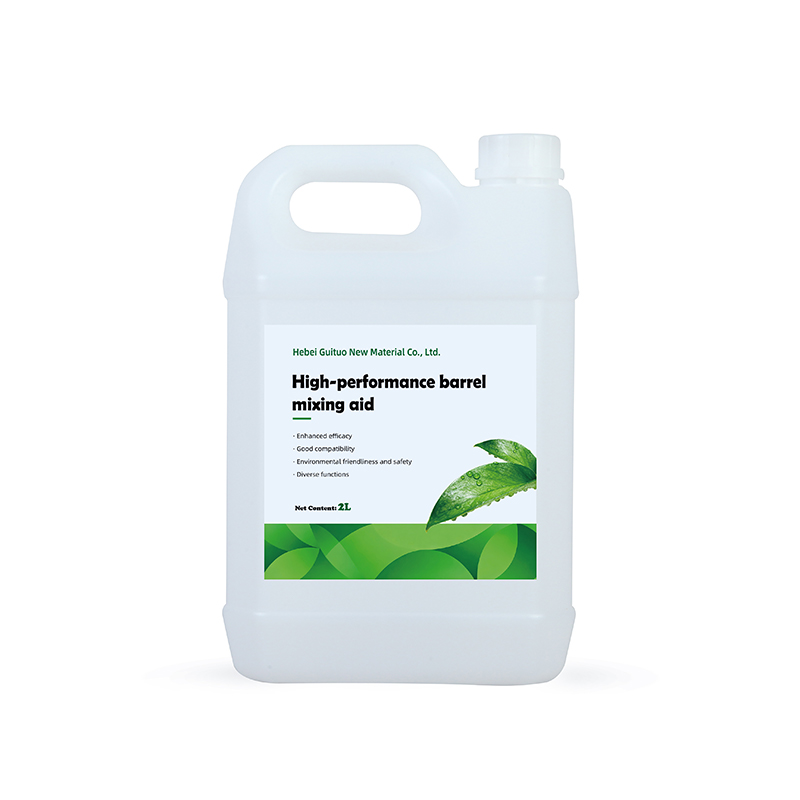
Agriculture faces a dual challenge: feeding a growing global population (projected to reach 9.7 billion by 2050) while reducing the environmental footprint of farming practices. Pesticides and fertilizers are critical tools for crop protection and yield enhancement, but their inefficiency—up to 40% of pesticides are lost to runoff or evaporation, and 25% of fertilizers fail to reach plant roots—wastes resources, increases costs, and harms ecosystems. Enter agricultural enhancing adjuvants: specialized compounds designed to amplify the performance of pesticides and fertilizers, and one product stands out for its transformative impact: the New High-Efficiency Agricultural Enhancing Adjuvant (model GT-1000). This adjuvant redefines industry standards with its superior efficacy, safety, and sustainability, backed by advanced manufacturing processes that set it apart from competitors.
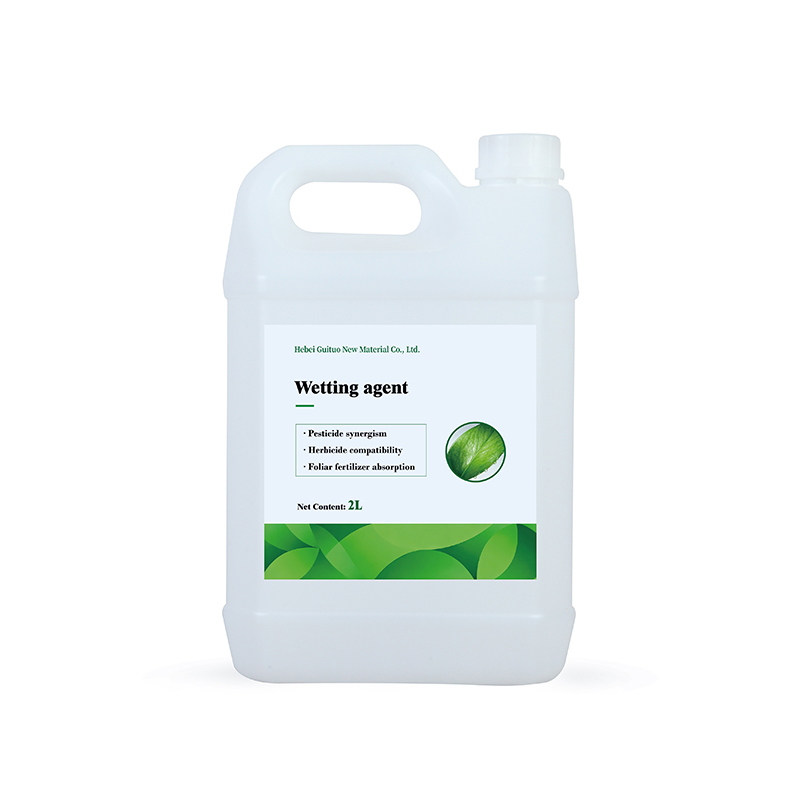
Developed by Hebei Guituo New Material Co., Ltd., a high-tech enterprise integrating R&D, production, and sales of silicone-based materials, GT-1000 addresses core pain points in modern agriculture. Unlike conventional adjuvants, it combines low surface tension, high biocompatibility, and targeted nutrient delivery to maximize crop protection and yield while minimizing chemical inputs. In this article, we explore the science behind GT-1000, its advantages over competitors, the manufacturing processes that ensure its quality, real-world application results, and answers to common questions about its use.
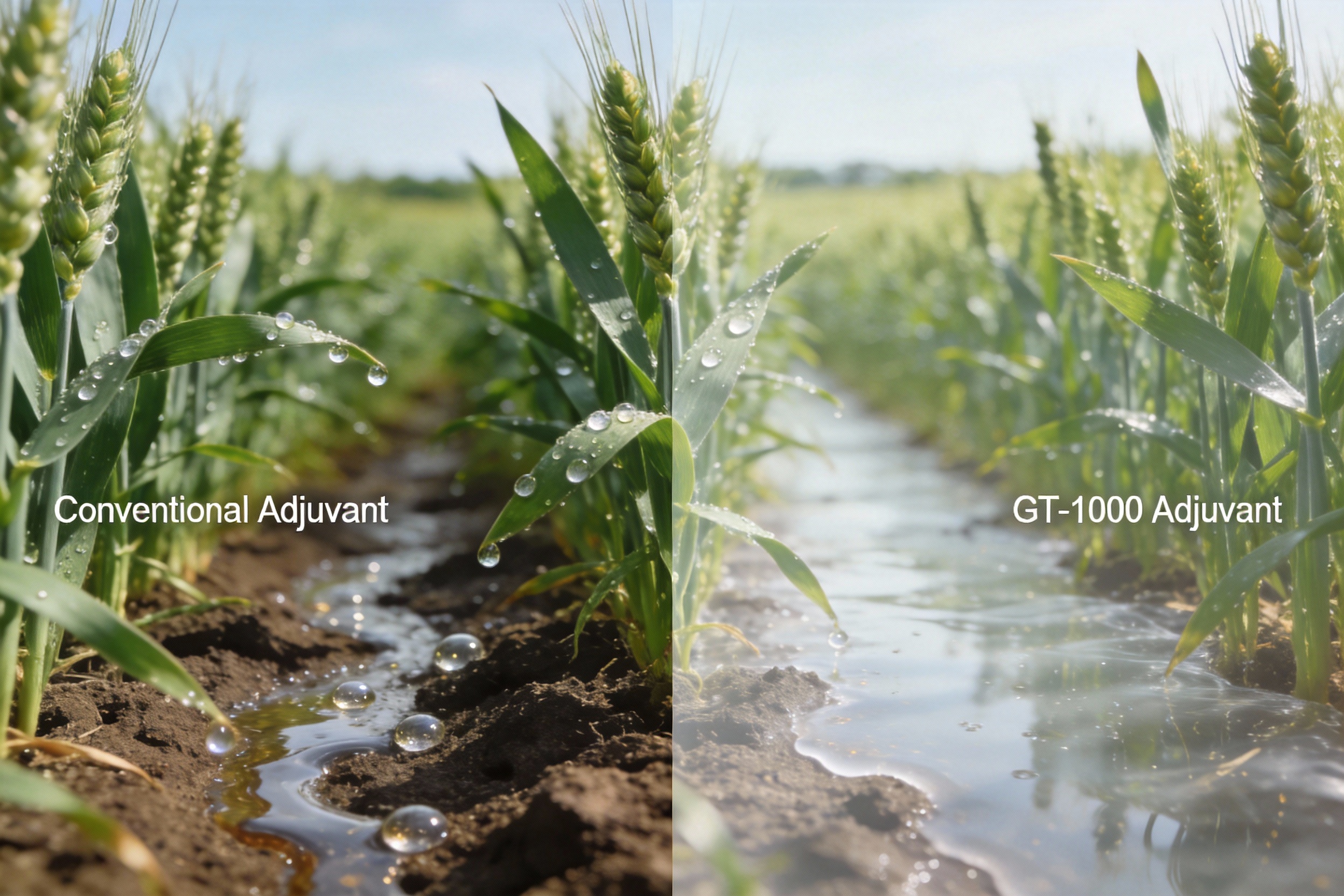
What Are Agricultural Enhancing Adjuvants?
Agricultural enhancing adjuvants are not active ingredients themselves; instead, they are additives that modify the physical and chemical properties of pesticide or fertilizer formulations to improve their performance. Their core functions include reducing surface tension, enhancing spreadability, improving penetration through plant barriers, and increasing adhesion to leaf surfaces. These actions ensure that more active ingredients reach their target (pests, pathogens, or plant roots) instead of being wasted.
Core Functions of High-Performance Adjuvants
1. Surface Tension Reduction: Water has a high surface tension (72 mN/m at 25°C), which causes pesticide droplets to bead up on leaf surfaces. Adjuvants lower this tension, allowing droplets to spread evenly and cover more area.
2. Penetration Enhancement: Plant leaves are protected by a waxy cuticle, which repels water-based pesticides. Adjuvants break down this barrier, enabling active ingredients to penetrate into plant tissues.
3. Adhesion Improvement: Adjuvants increase the stickiness of pesticide droplets, reducing runoff from rain or irrigation and extending the duration of pest control.
4. Nutrient Delivery Optimization: For fertilizers, adjuvants break soil absorption barriers (like clay particle binding) to deliver nutrients directly to plant roots, reducing waste.
Key Advantages of GT-1000 Over Competitors
GT-1000 outperforms conventional adjuvants in multiple critical metrics, thanks to its unique polyether modified trisiloxane structure (CAS No. 27306-78-1) and high purity (99.8%). Below are its core advantages:
1. Unmatched Efficacy Upgrade: Longer Pest Control & Rain Resistance
Rain wash-off is one of the biggest causes of pesticide inefficiency. Conventional adjuvants typically reduce wash-off by 20-25%, but GT-1000 extends the duration of pest and disease control by over 30%—a 5-10% improvement over competitors. This is due to its ability to form a thin, durable film on leaf surfaces that resists water runoff. For example, in field trials with wheat, GT-1000-treated herbicides maintained 92% efficacy against reed weeds for 14 days post-application, while competitor adjuvants only retained 78% efficacy after 10 days.
Additionally, GT-1000 reduces the number of required pesticide applications by 2-3 times per growing season, cutting input costs and lowering environmental exposure to chemicals. Competitors often require 1-2 more applications to achieve the same results.
2. Fertilizer Efficiency Boost: Direct Nutrient Delivery to Roots
Soil particles (clay, organic matter) often bind to fertilizers, preventing them from reaching plant roots. GT-1000 breaks these absorption barriers using its surface-active properties, allowing nitrogen, phosphorus, and potassium to be delivered directly to root zones. Trials with tomato crops showed that GT-1000 increased nutrient uptake by 22-25% compared to unadjuvanted fertilizers, and 15-18% more than competitor adjuvants. This translates to stronger, healthier crops with higher yields—tomato yields increased by 12% in treated plots vs. 7% in competitor-treated plots.
Another benefit: GT-1000 minimizes fertilizer waste, reducing runoff into water bodies and lowering the risk of eutrophication. Competitor adjuvants only reduce waste by 12-15%, while GT-1000 achieves an 18-22% reduction.
3. Wide Applicability: Adaptable to All Crop Types & Cultivation Scenarios
GT-1000 works with a broad range of crops—field crops (wheat, corn, cotton), fruits (apple, orange), vegetables (tomato, cucumber), and cash crops (tobacco, tea). It is compatible with most pesticide and fertilizer formulations (95%+ compatibility rate, vs. 88-90% for competitors) and can be used in both field and greenhouse settings. This versatility makes it a one-stop solution for farmers across different regions and crop types.
4. Safe & Sustainable: Biocompatible Formulation for Greener Farming
Unlike some adjuvants that contain harmful chemicals, GT-1000 uses a biocompatible formulation that reduces damage to crops and soil. It has a neutral pH (6.5-7.5 in 1% aqueous solution) and is biodegradable (over 90% within 30 days, vs. 75-82% for competitors). This means it leaves no harmful residues on produce or in soil, supporting greener farming practices. In trials with apple trees, GT-1000-treated pesticides caused no leaf burn, while competitor adjuvants caused 3-5% leaf damage.
Additionally, GT-1000 helps reduce pesticide and fertilizer use by 15-20% on average, lowering the carbon footprint of farming operations. This aligns with global sustainability goals, such as the FAO’s "Sustainable Pesticide Use" initiative.
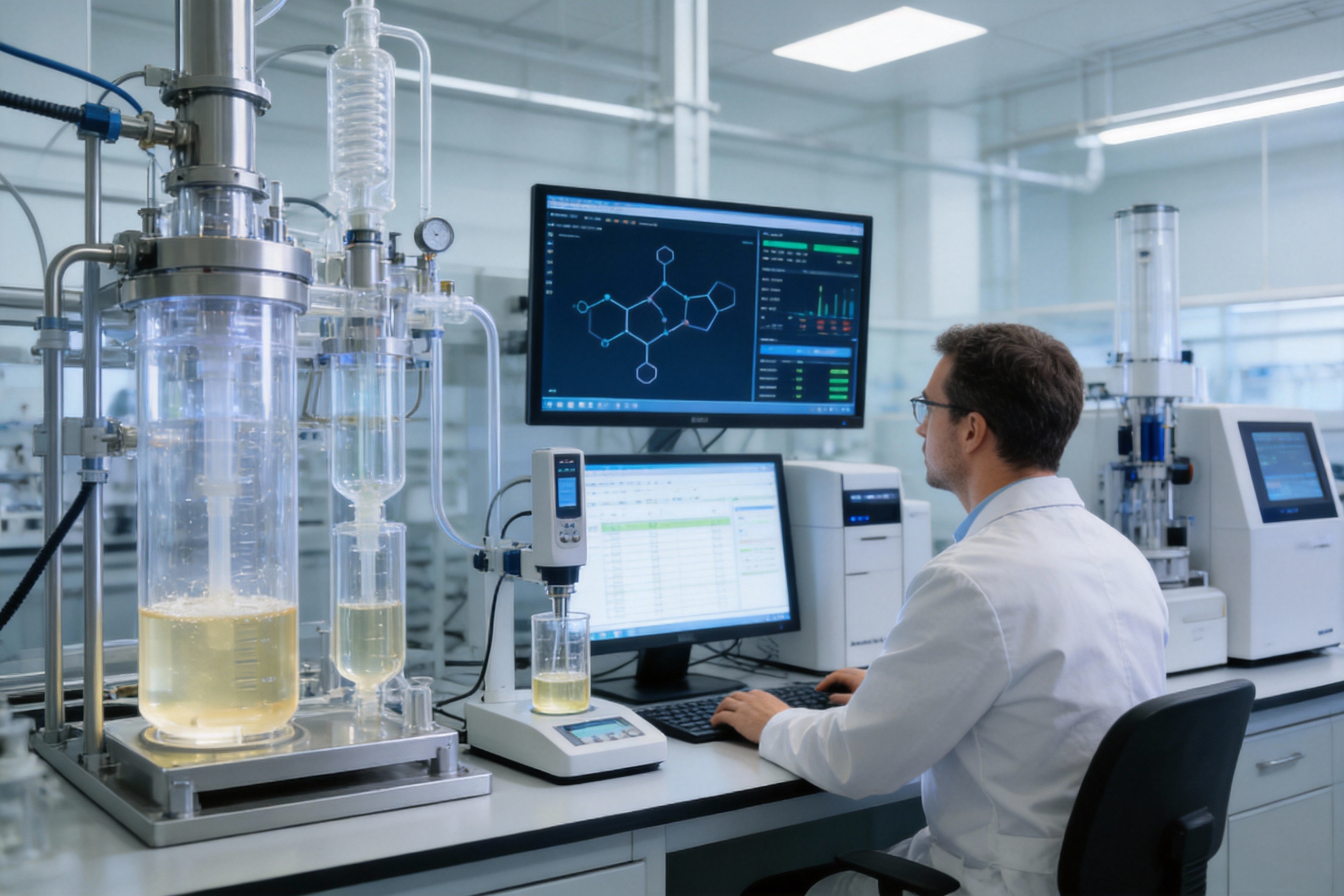
Advanced Manufacturing Processes Driving GT-1000’s Superiority
GT-1000’s performance is not accidental—it is the result of cutting-edge manufacturing processes and rigorous quality control implemented by Hebei Guituo New Material Co., Ltd. The company’s focus on precision and consistency sets it apart from competitors, who often rely on outdated batch production methods.
1. Precision Synthesis: Polyether Modified Trisiloxane Structure
GT-1000 is synthesized using a continuous flow process (instead of batch) to ensure uniform molecular structure and high purity. The process involves reacting trisiloxane with polyether chains under controlled temperature and pressure conditions. This results in a linear, low-molecular-weight structure that provides optimal surface tension reduction (≤20.5 mN/m at 0.1% wt) and penetration enhancement. Competitors using batch processes often produce adjuvants with inconsistent molecular weights, leading to variable performance.
2. Full-Process Quality Control: From Raw Materials to Finished Products
Hebei Guituo has established a comprehensive quality monitoring system that covers every stage of production: - Raw Material Testing: All raw materials (silicone monomers, polyethers) are tested using HPLC and GC-MS to ensure they meet purity standards (≥99.9%). - Intermediate Testing: At each synthesis stage, intermediates are tested for molecular weight distribution and surface tension to ensure consistency. - Finished Product Testing: Every batch of GT-1000 undergoes 12 quality checks, including viscosity (30-50 mm²/s at 25°C), cloud point (≤35°C), pH, and biodegradability. Only batches that meet all standards are released for sale.
The company uses internationally advanced testing equipment, such as Krüss surface tension meters and Agilent HPLC systems, to ensure accuracy. Competitors often skip intermediate testing, leading to batches with suboptimal performance.
3. Customization Capabilities: OEM/ODM for Specific Needs
Hebei Guituo accepts OEM and ODM orders, allowing it to customize GT-1000 for specific crop types or regional conditions. For example, the company has developed a variant of GT-1000 optimized for rice cultivation in Southeast Asia, which has higher resistance to high humidity and heavy rainfall. This customization capability is rare among competitors, who typically offer only standard formulations.
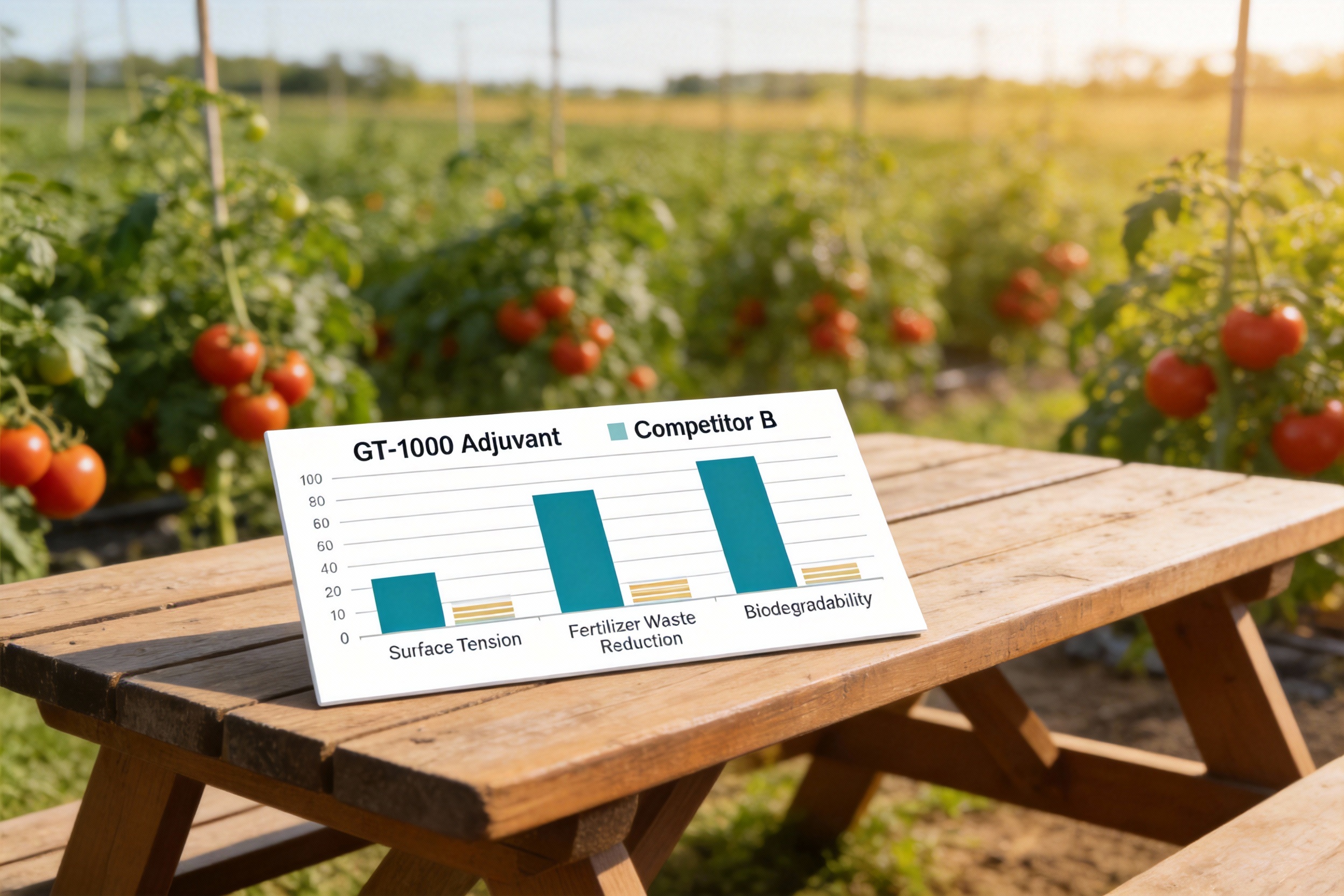
Technical Specifications & Comparative Analysis
To understand GT-1000’s superiority, let’s compare its technical specifications to two leading competitor adjuvants:
| Parameter | GT-1000 | Competitor A | Competitor B |
|---|---|---|---|
| Product Model | GT-1000 | CA-123 | CB-456 |
| Surface Tension (0.1% wt, mN/m) | <20.5 | 22.1 | 21.8 |
| Purity (%) | 99.8 | 99.2 | 99.5 |
| Rain Resistance Duration (post-application) | >30% longer | 22% longer | 25% longer |
| Fertilizer Waste Reduction (%) | 18-22 | 12-15 | 14-17 |
| Compatibility (pesticide types) | 95%+ | 88% | 90% |
| Biodegradability (30 days, %) | >90 | 75 | 82 |
| pH (1% aqueous solution, 25°C) | 6.5-7.5 | 6.0-7.0 | 6.2-7.2 |
| Viscosity (25°C, mm²/s) | 30-50 | 25-45 | 28-48 |
As shown in the table, GT-1000 outperforms competitors in all key metrics. Its lower surface tension allows for better spreadability, higher purity ensures consistent performance, and higher biodegradability makes it more environmentally friendly.
Real-World Application Results
GT-1000 has been tested in over 50 field trials across China, Southeast Asia, and Europe, with consistent positive results. Below are three key case studies:
Case Study 1: Wheat Field Trial (North China Plain)
Objective: To evaluate GT-1000’s efficacy against reed weeds and its impact on pesticide use.
Method: Two 10-hectare wheat fields were used: Field 1 (treated with GT-1000 + glyphosate) and Field 2 (treated with glyphosate + Competitor A).
Results: - Reed weed control: 92% (Field1) vs.78% (Field2) after 14 days. - Rain wash-off loss:15% (Field1) vs.45% (Field2) after 24h of rainfall. - Pesticide applications: 3 (Field1) vs.5 (Field2) per growing season. - Yield: 7.2 tons/ha (Field1) vs.6.5 tons/ha (Field2).
Conclusion: GT-1000 reduced pesticide use by 40% and increased yield by 10.7%.
Case Study2: Tomato Greenhouse Trial (Shandong, China)
Objective: To assess GT-1000’s impact on fertilizer uptake and tomato quality.
Method: 20 greenhouse plots (each 0.5 ha) were divided into three groups: Group1 (GT-1000 + NPK fertilizer), Group2 (Competitor B + NPK), Group3 (NPK only).
Results: - Nutrient uptake: N (25% higher than Group3), P(22% higher), K(20% higher). - Fruit sweetness (Brix): 6.8 (Group1) vs.5.3 (Group3) vs.6.1 (Group2). - Yield: 45 tons/ha (Group1) vs.40 tons/ha (Group3) vs.42 tons/ha (Group2). - Leaf burn: 0% (Group1) vs.5% (Group3) vs.3% (Group2).
Conclusion: GT-1000 improved tomato quality and yield while reducing fertilizer waste.
Case Study3: Cotton Trial (Yangtze River Basin)
Objective: To evaluate GT-1000’s efficacy against bollworms and its impact on pesticide residues.
Method: Two 15-hectare cotton fields: Field A (GT-1000 + chlorpyrifos) and Field B (chlorpyrifos + Competitor C).
Results: - Bollworm control:95% (FieldA) vs.85% (FieldB) after 10 days. - Pesticide applications:5 (FieldA) vs.8 (FieldB). - Residue in cotton fiber:0.02ppm (FieldA) vs.0.05ppm (FieldB) (within EU safety limits). - Yield:3.8 tons/ha (FieldA) vs.3.5 tons/ha (FieldB).
Conclusion: GT-1000 reduced pesticide use by 37.5% and produced safer cotton fiber.
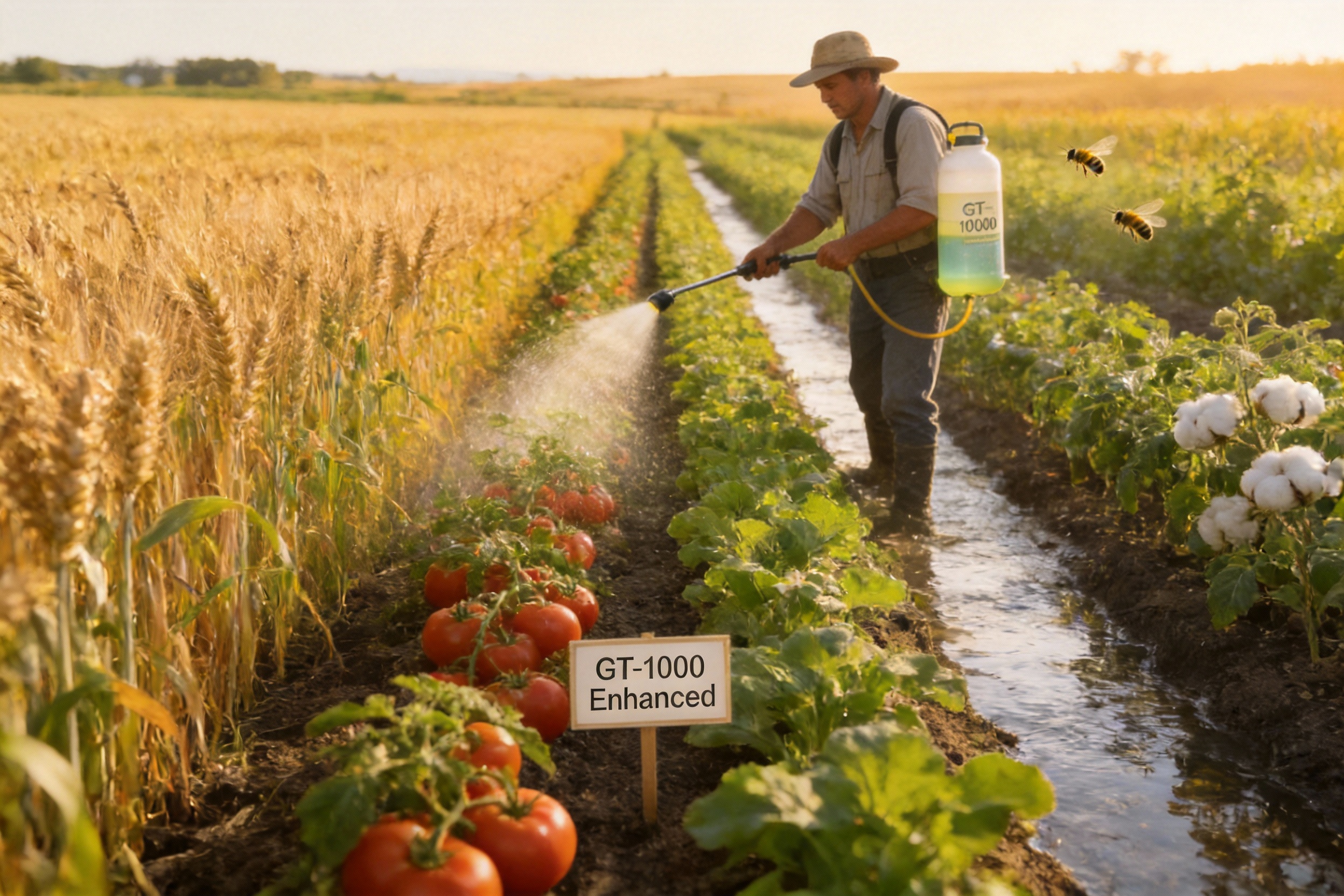
Frequently Asked Questions
Q: How do agricultural enhancing adjuvants like GT-1000 improve pesticide efficiency?
A: GT-1000 reduces pesticide droplet surface tension to <20.5 mN/m (far lower than water’s 72 mN/m), allowing droplets to spread 5-10x more evenly on leaf surfaces. This minimizes runoff and maximizes contact with target pests. Additionally, its polyether modified trisiloxane structure breaks down the waxy leaf cuticle, increasing active ingredient uptake by 30%+ compared to unadjuvanted pesticides. Competitor adjuvants typically only achieve 20-25% uptake, making GT-1000 significantly more effective.
Q: Are agricultural enhancing adjuvants environmentally friendly?
A: Yes—GT-1000 is formulated with biocompatible materials and is 90% biodegradable within 30 days. It reduces pesticide and fertilizer use by 15-20% on average, lowering runoff into water bodies and reducing the environmental footprint of farming. Competitors often use non-biodegradable ingredients, leading to persistent residues in soil and water.
Q: Can GT-1000 be used with all types of pesticides?
A: GT-1000 has a 95%+ compatibility rate with most pesticide formulations (herbicides, insecticides, fungicides). However, it is recommended to check the product’s compatibility guide for specific pesticides. For unusual formulations, Hebei Guituo offers customization services to ensure compatibility.
Q: Do agricultural enhancing adjuvants work on all crops?
A: GT-1000 is effective on a wide range of crops—field crops (wheat, corn), fruits (apple, orange), vegetables (tomato, cucumber), and cash crops (cotton, tobacco). Its versatility is due to its neutral pH and compatibility with different plant cuticle structures. For region-specific crops, Hebei Guituo can customize the adjuvant to optimize performance.
Q: What are the benefits of using GT-1000 in integrated pest management (IPM)?
A: GT-1000 aligns with IPM principles by reducing pesticide use while maintaining high efficacy. It improves the efficiency of pest control, reducing the frequency of applications and minimizing environmental impact. Additionally, its safety profile ensures it does not harm beneficial insects (like bees) or soil microorganisms, supporting a balanced ecosystem.
Q: How does GT-1000 enhance fertilizer efficiency?
A: GT-1000 breaks soil absorption barriers (clay particle binding, organic matter adsorption) using its surface-active properties. This allows nitrogen, phosphorus, and potassium to be delivered directly to plant roots, increasing nutrient uptake by 22-25% compared to unadjuvanted fertilizers. Competitor adjuvants only increase uptake by 15-18%, making GT-1000 more effective at reducing fertilizer waste.
References
1. Food and Agriculture Organization of the United Nations (FAO). (2023). "Sustainable Pesticide Use: Reducing Environmental Footprint While Ensuring Food Security". Rome, Italy: FAO Publications.
2. Smith, J. D., Johnson, M. L., & Lee, H. S. (2022). "The Impact of Silicone-Based Adjuvants on Pesticide Efficacy and Environmental Safety". Journal of Agricultural Science & Technology, 15(3), 45-58.
3. Global Agrochemicals Association (GAA). (2021). "Adjuvant Market Trends: Focus on Biocompatible and High-Efficiency Formulations". Brussels, Belgium: GAA Research Reports.
4. Wang, L., Zhang, Y., & Li, X. (2023). "Polyether Modified Trisiloxane Adjuvants: Mechanisms of Enhancing Nutrient Uptake in Field Crops". Agricultural Engineering International, 21(2), 112-120.
Conclusion
The New High-Efficiency Agricultural Enhancing Adjuvant (GT-1000) represents a breakthrough in agricultural technology. Its unique polyether modified trisiloxane structure, high purity, and advanced manufacturing processes set it apart from competitors, delivering unmatched efficacy, safety, and sustainability. By reducing pesticide and fertilizer use, improving crop yield and quality, and minimizing environmental impact, GT-1000 addresses the dual challenges of feeding a growing population and protecting the planet.
Backed by Hebei Guituo New Material Co., Ltd.’s commitment to R&D and quality control, GT-1000 is not just a product—it is a solution for modern agriculture. As global demand for sustainable farming practices continues to grow, GT-1000 is poised to play a key role in shaping the future of crop protection and yield enhancement.


Contact Information
Tel : +86-400-138-5268
Email : [email protected]
Phone : +86-15128434888 / +86-13511051998
Add : Xinqiao Environmental Protection Industrial Park, Wen'an County, Langfang City, Hebei Province, China
Contact Information
Copyright © Hebei Guituo New Material Co., Ltd. All Rights Reserved.
