

 English
  Français
  Português
 Home / Author / Chen Yuhan, After-sales Coordinator (OEM/ODM Silicone Products) / Polyether-Modified Silicone Oil: Structure, Performance, Applications, and Manufacturing Excellence
 Polyether-Modified Silicone Oil: Structure, Performance, Applications, and Manufacturing Excellence
2026-08-18
Polyether-modified silicone oil is a high-performance functional material designed to combine the distinctive properties of silicone with the compatibility and polarity of polyether chains. This molecular combination gives the product a broad performance profile that conventional silicone oils or ordinary organic surfactants cannot easily provide. It can reduce surface tension, improve wetting and spreading, support emulsification, enhance dispersion, control foam, and contribute to stable surface modification in water-based and solvent-based systems.
Modern formulators increasingly require additives that can perform reliably in complex systems containing water, organic solvents, pigments, active ingredients, resins, polymers, and other surfactants. Traditional silicone oils may offer excellent spreading and low surface energy, but they can show limited compatibility with water or polar ingredients. Conventional organic surfactants may provide emulsification, but they may not deliver the same rapid spreading, thermal resistance, weather resistance, or surface activity. Polyether-modified silicone oil addresses this performance gap by integrating hydrophobic siloxane segments with hydrophilic polyether segments in one functional molecule.
Product model LD-810 is a polyether-modified silicone oil intended for applications including agricultural formulations, coatings, inks, textiles, dyeing, daily chemicals, plastics, polyurethane foams, release systems, and industrial surface treatment. With a reported purity of 99.8%, CAS No. 68937-55-3, and EINECS No. 614-823-3, it is also known as a polyether silicone surfactant. Its molecular design allows it to operate as a wetting agent, spreading agent, formulation modifier, leveling additive, foam-control component, release aid, and surface-performance enhancer.
Hebei Guituo New Material Co., Ltd. manufactures and supplies this class of organosilicon material as part of a broader product matrix that includes silicone additives, agricultural synergists, modified silicone oils, dimethyl silicone oils, surfactants, wetting agents, and defoamers. The company combines research and development, production, quality control, and technical service to provide materials for industrial and agricultural customers in China and overseas markets.
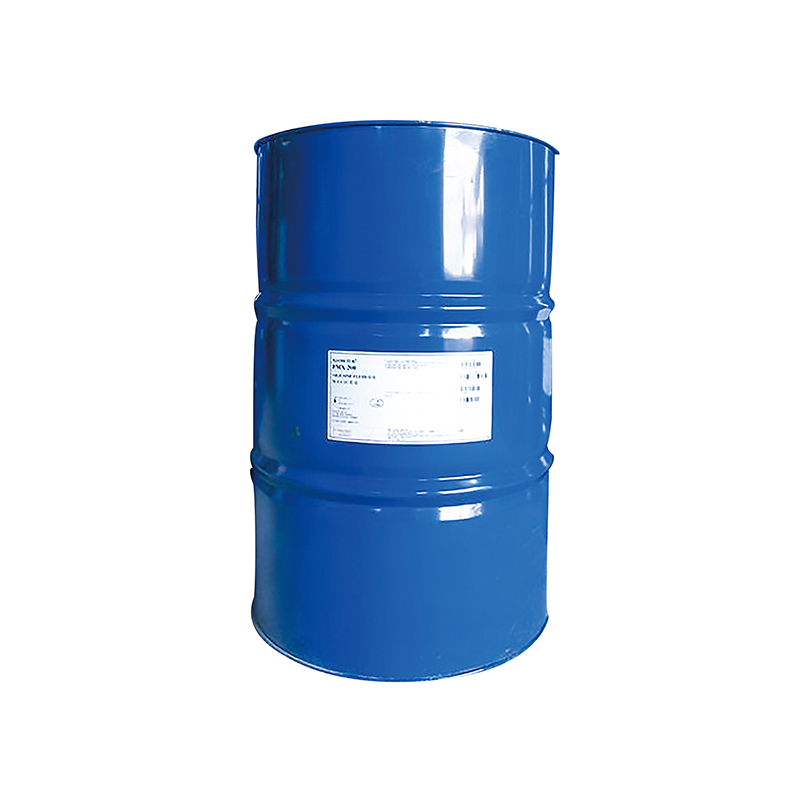
Polyether-Modified Silicone Oil
What Is Polyether-Modified Silicone Oil?
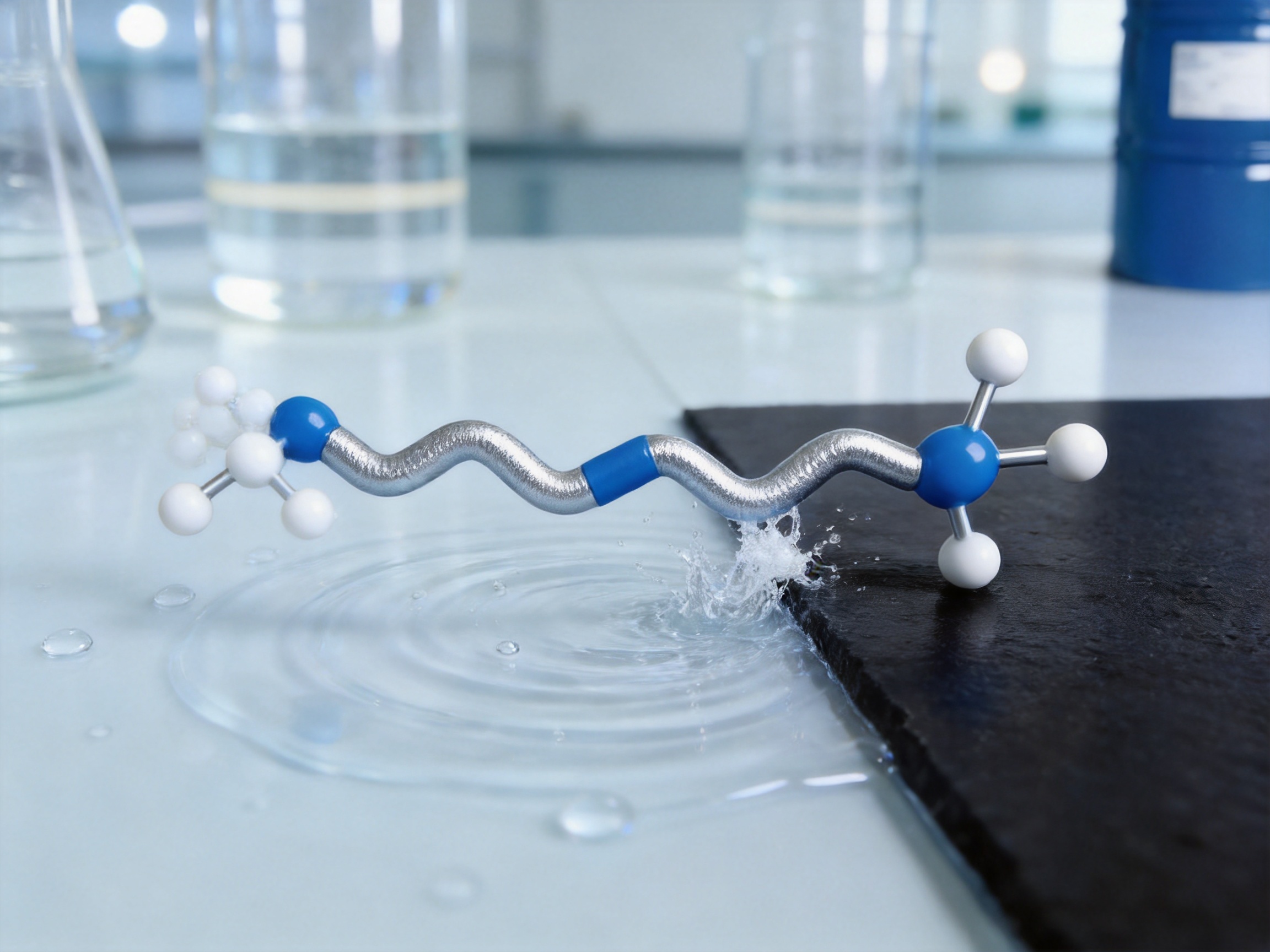
Polyether-modified silicone oil is a silicone-based functional material in which polyether chains are introduced into the main structure or attached as side chains. The silicone portion generally contributes low surface energy, flexibility, spreading ability, lubrication, thermal stability, and resistance to aging. The polyether portion contributes polarity, water compatibility, dispersibility, and improved interaction with hydrophilic ingredients.
The resulting molecule is amphiphilic. One part of the molecule has a strong affinity for hydrophobic surfaces or nonpolar phases, while another part interacts favorably with water and polar substances. This amphiphilic behavior enables the material to position itself at interfaces and reduce the energy between two otherwise difficult-to-mix phases. In practical formulations, this can improve the contact of a liquid with a solid surface, help distribute an active ingredient, reduce coating defects, and minimize the risk of phase separation.
Unlike ordinary dimethyl silicone oil, polyether-modified silicone oil is not limited to applications where a hydrophobic silicone phase is acceptable. Its polyether component improves its adaptability to aqueous formulations and polar solvent systems. Depending on its molecular architecture, chain length, silicone-to-polyether ratio, and viscosity, the material may be completely miscible with water in different ratios or show strong compatibility with selected organic solvents.
The product can also be compatible with alcohols, esters, toluene, and other formulation media, although the exact compatibility profile should always be confirmed through application testing. This broad compatibility is particularly important in modern formulations, where a single product may contain water, solvent, resin, pigment, surfactant, active ingredient, and performance additives.
Molecular Structure and Its Influence on Performance
Siloxane Segments
The siloxane segment forms the main foundation of the product’s surface activity. Organosilicon bonds provide a flexible molecular structure and low surface energy. These characteristics allow the material to spread rapidly across many surfaces and to form a thin, continuous layer. The silicone segment also supports performance under temperature variation, mechanical shear, and long-term environmental exposure.
Low surface energy is a major reason silicone-based additives can outperform many conventional organic materials in spreading and wetting applications. Once applied to a surface, the silicone portion can rapidly migrate toward the interface, reducing the resistance to liquid movement. This effect is valuable when a formulation must cover a large area with a small amount of additive.
Polyether Segments
Polyether chains introduce polar ether groups that interact with water and other polar components. These groups increase the hydrophilic character of the product and improve its dispersibility in aqueous systems. They also help reduce the incompatibility commonly observed between hydrophobic silicone oils and water-based formulations.
The polyether segment can influence cloud point, viscosity, emulsification, wetting, foam behavior, and the stability of the final formulation. A longer or more hydrophilic polyether chain generally improves water compatibility, while a shorter chain may preserve more of the silicone-like spreading and surface-modifying behavior. Therefore, the appropriate structure depends on the target application and the desired balance between water compatibility and surface activity.
Silicone-to-Polyether Balance
The ratio between silicone and polyether components is one of the most important design variables. A higher silicone ratio generally provides strong surface activity, rapid spreading, lubrication, and release behavior. A higher polyether ratio generally improves emulsification, water compatibility, and dispersion in polar systems.
Neither extreme is ideal for every application. Excessive silicone character may create formulation instability in highly aqueous systems, while excessive polyether character may reduce the ability to spread quickly across hydrophobic surfaces. Product design therefore requires a controlled balance based on the intended use, processing conditions, dosage, and compatibility requirements.
| Structural Feature | Primary Effect | Typical Performance Benefit |
|---|---|---|
| Flexible siloxane backbone | Low surface energy and molecular mobility | Rapid spreading and surface coverage |
| Hydrophilic polyether chains | Improved polarity and water interaction | Better dispersion and emulsification |
| Short polyether chains | More silicone-dominant behavior | Strong spreading and surface treatment |
| Long polyether chains | Higher water compatibility | Improved performance in aqueous formulations |
| Higher silicone ratio | Greater surface activity | Wetting, release, leveling, and lubrication |
| Higher polyether ratio | Greater hydrophilic interaction | Emulsification, dispersion, and formulation stability |
Key Performance Advantages
Amphiphilic Compatibility
One of the primary advantages of polyether-modified silicone oil is its amphiphilic compatibility. It can interact with both hydrophobic and hydrophilic components, helping formulators manage systems that contain several different chemical phases. Compared with traditional silicone oils, the product is less likely to remain isolated as a separate silicone phase when incorporated into water-based systems.
This compatibility can simplify production by reducing the need for multiple auxiliary emulsifiers or excessive mechanical mixing. It may also help improve storage stability and reduce the risk of visible separation. In formulations containing polar solvents such as alcohols and esters, the polyether component supports interaction with the solvent phase, while the silicone component retains surface activity.
Ultra-Low Surface Tension
Polyether-modified silicone oil can reduce surface tension to approximately 22 mN/m, depending on product grade, concentration, and test conditions. This is significantly lower than the surface tension of water and can be lower than that achieved by many conventional surfactants. The result is faster wetting of difficult surfaces and improved spreading of liquid droplets.
In agricultural applications, low surface tension helps spray droplets spread across waxy, uneven, or low-energy plant surfaces. In coatings and inks, it helps the liquid distribute more evenly over substrates and can reduce surface defects. In textile processing, it supports uniform penetration and finishing. In release applications, it assists the formation of a thin, continuous separating layer.
Improved Wetting and Penetration
The product reduces the interfacial tension between liquids and solids, allowing a formulation to make closer contact with the target surface. Better contact can improve penetration into surface irregularities, improve coverage, and reduce the formation of uncovered areas. This is useful when the performance of a formulation depends on uniform deposition.
Wetting performance is affected by substrate chemistry, surface roughness, temperature, formulation viscosity, additive concentration, and drying conditions. Polyether-modified silicone oil provides a strong starting point for improving wetting, but the final dosage should be optimized in the complete formulation rather than selected solely from a general recommendation.
Weather Resistance and Durability
The organosilicon structure provides high bond energy and supports resistance to heat, aging, and mechanical shear. This allows the material to maintain functional performance during processing and under changing environmental conditions. Applications exposed to hot and humid environments or cold and dry conditions can benefit from this stability.
Durability is particularly relevant in agricultural films, coatings, textile finishing, and industrial processing. An additive that performs well only during initial mixing may not provide sufficient value if its effect disappears during storage, transportation, application, or outdoor exposure. Polyether-modified silicone oil is designed to provide a more durable balance between surface activity and formulation compatibility.
Broad Formulation Adaptability
The material can be used in water-based, solvent-based, and mixed systems. Its compatibility with water and selected polar and nonpolar solvents gives formulators greater flexibility when developing products for different industries. It can also work alongside nonionic and anionic surfactants, dispersants, defoamers, resins, and other additives, subject to compatibility testing.
This adaptability is a practical advantage over single-function additives. A manufacturer may use the same product family in several formulations while adjusting dosage, dilution method, or grade selection. Such flexibility can simplify procurement, inventory management, and technical development.
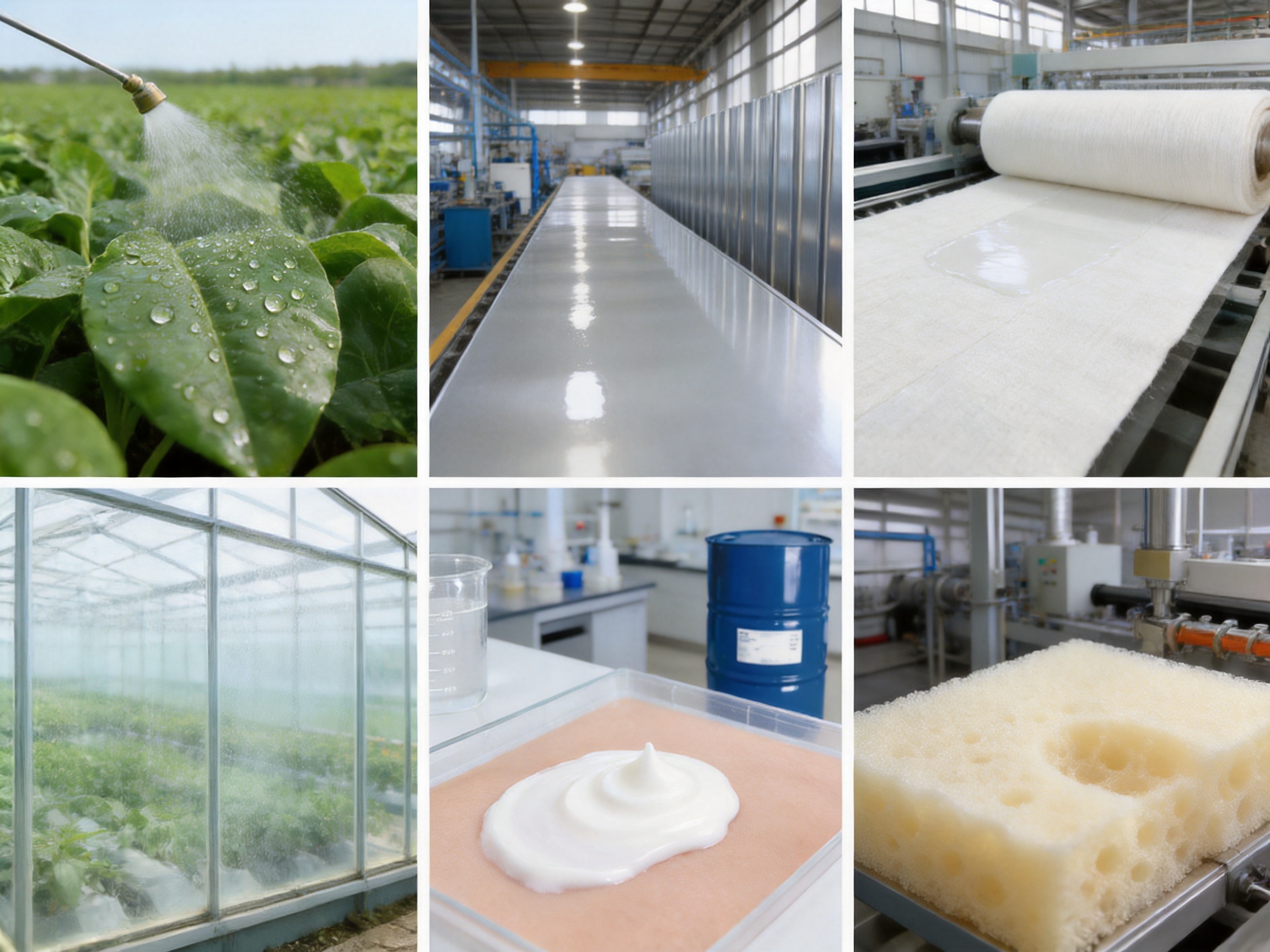
Applications in the Agricultural Industry
Wetting and Spreading of Agrochemical Sprays
Agricultural sprays must overcome several challenges, including waxy leaf surfaces, uneven plant morphology, low humidity, rapid evaporation, and limited droplet contact. Polyether-modified silicone oil improves the interaction between the spray solution and the plant surface by lowering surface tension and promoting rapid spreading.
Improved spreading can increase the effective coverage of a spray without requiring a proportional increase in liquid volume. More uniform coverage may support better contact between the formulation and the target surface. In foliar applications, this can be valuable for products whose effectiveness depends on even distribution across leaves, stems, or other plant parts.
The product also supports penetration and dispersion in water-based agricultural systems. Its polyether segment improves interaction with water and polar ingredients, while the silicone segment helps the spray spread across hydrophobic surfaces. This dual action makes it suitable for use as an agricultural silicone synergist, wetting agent, or formulation aid.
Compatibility with Agricultural Formulations
Many agrochemical formulations contain active ingredients with limited water solubility, emulsifiable concentrates, suspension concentrates, soluble liquids, or complex mixtures of surfactants and solvents. Polyether-modified silicone oil can help improve the interface between these components and the spray medium.
Formulators should consider the active ingredient, pH, ionic strength, solvent system, temperature, storage time, and intended application method. A laboratory jar test, dilution stability test, spray pattern evaluation, and plant-surface wetting test can help determine the appropriate grade and concentration.
Advantages Over Conventional Wetting Agents
Ordinary organic surfactants can improve wetting but may require relatively high dosage levels or may not deliver rapid spreading on low-energy surfaces. Traditional silicone oils may spread efficiently but can be difficult to incorporate into water-based systems. Polyether-modified silicone oil combines the main advantages of both categories.
Its low surface tension, water compatibility, and resistance to environmental changes can help reduce formulation limitations. The material may also provide more consistent performance across different water qualities and application conditions, although compatibility should be verified for each specific agrochemical system.
Applications in Coatings and Inks
Leveling and Surface Appearance
In coatings and inks, surface tension differences can cause craters, fish eyes, orange peel, uneven gloss, pinholes, and poor substrate wetting. Polyether-modified silicone oil acts at the coating-air and coating-substrate interfaces, helping the liquid level more uniformly during application and drying.
In one reported application example, the additive reduced coating surface tension from approximately 45 mN/m to 28 mN/m. It also significantly reduced orange peel defects and lowered spraying loss. Actual results depend on resin type, pigment concentration, application equipment, curing temperature, and dosage, but the example demonstrates the potential value of controlled surface modification.
Ink Transfer and Print Quality
Printing inks require controlled wetting, leveling, and flow to achieve consistent color density and smooth image quality. An additive that is too active may cause cratering or adhesion problems, while an additive with insufficient activity may fail to control surface defects. Polyether-modified silicone oil allows formulators to adjust surface tension and flow behavior while maintaining compatibility with many water-based and solvent-based systems.
It can improve the uniformity of ink coverage on paper, films, coated substrates, and other materials. Its defoaming contribution may also help reduce entrained air during high-speed mixing or application. The recommended level should be determined through drawdown tests, gloss testing, surface defect evaluation, and adhesion testing.
Defoaming and Process Optimization
In addition to leveling, polyether-modified silicone oil may contribute to foam control. Foam can interfere with mixing, pumping, filling, spraying, and coating appearance. The silicone portion provides surface activity, while the polyether portion helps the additive distribute within the formulation.
Foam-control performance depends strongly on the type of foam, resin chemistry, pigment package, shear conditions, and processing temperature. The product should therefore be assessed in both laboratory and production-scale conditions. A balance must be maintained between foam reduction and surface quality, because excessive additive can sometimes affect intercoat adhesion or recoatability.
Applications in Textiles and Dyeing
Softening and Fabric Handle
Polyether-modified silicone oil can be used as a fabric finishing agent to improve softness and hand feel. The silicone segment deposits on or interacts with the fiber surface, reducing friction and improving smoothness. The polyether segment contributes compatibility with aqueous finishing baths and supports more uniform distribution.
In a reported cotton-fabric application, the additive reduced bending stiffness by approximately 40%. This indicates a meaningful improvement in flexibility and softness. Final performance depends on fabric construction, fiber type, pretreatment, bath concentration, drying conditions, curing temperature, and the presence of other finishing agents.
Moisture Absorption and Antistatic Properties
Unlike strongly hydrophobic silicone finishes that may reduce moisture interaction, polyether-modified structures can provide a better balance between softness and moisture-related performance. The hydrophilic chains help maintain interaction with water, supporting moisture absorption and reducing the risk of an excessively sealed fiber surface.
The product may also contribute to antistatic performance by improving the ability of the finished textile to dissipate accumulated charge. This is useful in apparel, household textiles, synthetic fibers, and technical fabrics where static electricity can affect comfort, handling, or processing.
Uniformity in Textile Processing
Textile finishing baths often contain water, dyes, softeners, penetrants, and other auxiliaries. Poor compatibility can result in uneven deposition, spots, bath instability, or inconsistent fabric handle. The amphiphilic structure of polyether-modified silicone oil helps it disperse more evenly and interact with both aqueous and fiber-associated phases.
For industrial use, bath stability, dilution procedure, shear conditions, and storage time should be controlled. Pre-dilution and gradual addition may improve incorporation, especially when the finishing bath contains multiple additives.
Applications in Daily Chemicals and Personal Care
Polyether-modified silicone oil can improve the sensory profile and spreading behavior of creams, lotions, sunscreens, serums, and other personal-care formulations. Its low surface energy allows products to spread smoothly over the skin, while its compatibility with water and polar components supports incorporation into emulsion systems.
In one reported skincare application, the material reduced spreading resistance by approximately 70% and supported film formation within about three seconds. It also contributed to long-lasting moisturization over a 48-hour evaluation period. When used in physical sunscreen systems, it was reported to increase SPF values by approximately 5 to 8 points. Such results depend on the complete formulation, test method, dosage, and regulatory requirements.
The product can help improve cream texture, reduce drag during application, and create a smooth after-feel. However, cosmetic formulators must assess skin compatibility, odor, stability, preservative interaction, regulatory status, and sensory performance before commercial use. The additive should be selected according to the intended market and applicable cosmetic standards.
Applications in Plastics and Polyurethane
Greenhouse Plastic Films
In greenhouse plastic film applications, polyether-modified silicone oil can support the formation of a nanoscale water-repellent layer. Such a layer may help reduce water accumulation and contribute to anti-fog performance. Clearer film surfaces allow more light to pass through, which is important for maintaining the optical performance of greenhouse coverings.
A reported application example showed a 35% increase in light transmittance and anti-fog performance lasting up to 180 days, compared with approximately 20 days for a traditional product. The same example indicated a potential extension of film service life by three years. Actual performance depends on polymer type, extrusion conditions, additive migration, outdoor exposure, film thickness, humidity, and surface contamination.
Polyurethane Foam Stabilization
In polyurethane foam production, silicone-based surfactants help control cell formation, bubble stabilization, and foam structure. Polyether-modified silicone oil promotes emulsification between formulation components and helps stabilize bubbles during the reaction. This supports the formation of fine and relatively uniform cells.
Cell structure influences density, mechanical strength, dimensional stability, thermal insulation, resilience, and surface appearance. A suitable foam stabilizer can help control the complete process from initial bubble formation through stabilization and interconnection. The correct product grade must be selected according to the polyurethane system, including polyol type, isocyanate index, catalyst package, blowing agent, density target, and processing temperature.
Release Agent and Surface Treatment Functions
Silicone-based materials are widely used in release applications because of their low surface energy and ability to form a thin separating film. Polyether modification improves compatibility with aqueous release systems and polar processing environments. This makes the product useful when a conventional hydrophobic silicone release agent is difficult to disperse or apply uniformly.
As a release aid, the material can reduce adhesion between a molded article and a tool or processing surface. It may help improve demolding efficiency, reduce residue, and support a cleaner surface finish. The final result depends on substrate composition, mold temperature, pressure, cycle time, application method, and the required number of release cycles.
In surface treatment, the product may also improve slip, smoothness, gloss, and resistance to wetting by unwanted liquids. Its molecular mobility allows it to migrate toward the surface, while its polyether portion helps maintain compatibility with water-based treatment solutions.
Manufacturing Strengths and Quality Assurance
Integrated Research, Production, and Sales
Hebei Guituo New Material Co., Ltd. is a high-technology enterprise integrating research and development, production, and sales. This integrated structure allows product development to remain connected to practical customer requirements. Feedback from agricultural, textile, coatings, daily chemical, and industrial customers can be used to improve product selection and application guidance.
For specialty silicone materials, manufacturing quality is not determined only by the final appearance of the product. Molecular structure, viscosity, active content, compatibility, residual materials, storage stability, and batch consistency all influence performance. An integrated technical organization is therefore important for maintaining reliable production and supporting customer-specific requirements.
Advanced Production Equipment
The company has established production capabilities supported by advanced manufacturing equipment. Controlled equipment is important for polyether-modified silicone oil because reaction conditions can affect molecular weight distribution, functional-group conversion, viscosity, cloud point, compatibility, and surface activity.
Important process variables may include raw-material feeding accuracy, reaction temperature, pressure, mixing intensity, catalyst concentration, reaction time, vacuum conditions, filtration, and packaging. Maintaining stable conditions across these steps helps reduce batch-to-batch variation and supports consistent customer performance.
Process Control from Raw Materials to Finished Products
A full-process quality monitoring mechanism extends from production sources to finished-product delivery. This approach can include incoming raw-material inspection, process monitoring, intermediate testing, finished-product analysis, packaging inspection, and storage-condition control.
For polyether-modified silicone oil, relevant quality indicators may include appearance, viscosity, active content, moisture, density, surface tension, water dispersibility, solvent compatibility, and storage stability. The exact test program should be aligned with the product grade and customer application. Consistent testing provides a foundation for technical documentation, product traceability, and reliable supply.
Experienced Technical and Production Team
The company has assembled an experienced technical and production team with professional expertise in silicone materials and formulation applications. This expertise supports more than basic product supply. It helps customers select a suitable grade, determine an incorporation method, troubleshoot separation or foaming issues, and optimize additive concentration.
Technical support is particularly valuable when a customer is replacing a competitor’s product or adapting the additive to a new resin, active ingredient, textile process, or polymer system. Small changes in silicone-to-polyether balance or application dosage can produce significant differences in wetting, foam, gloss, or stability. Practical technical communication can shorten development cycles and reduce unnecessary production trials.
Product Matrix and Supply Capability
The company’s product matrix covers modified silicone oils, agricultural silicone additives, wetting agents, surfactants, dimethyl silicone oils, defoamers, and related organosilicon materials. This broad range allows customers to source complementary products from one supplier and compare different functional solutions within the same technical system.
A diverse product portfolio also supports formulation integration. For example, an agricultural customer may require a wetting agent and a defoamer, while a coatings manufacturer may need a leveling additive and a release-control component. Access to related product categories can simplify qualification and improve supply coordination.
OEM and ODM Services
OEM and ODM services are available for customers requiring customized products or private-label supply. Customization may involve viscosity, active content, polyether structure, silicone-to-polyether ratio, packaging, labeling, or application-specific performance requirements. Product development should be based on a clear technical specification and confirmed through laboratory evaluation.
| Manufacturing and Service Capability | Customer Value |
|---|---|
| Integrated research and production | Closer connection between product design and application needs |
| Advanced production equipment | More controlled processing and improved batch consistency |
| Full-process quality monitoring | Traceability from raw materials to delivery |
| Experienced technical team | Support for grade selection and formulation optimization |
| Broad organosilicon product matrix | Convenient sourcing of complementary additives |
| OEM and ODM capability | Customized specifications and private-label supply |
| Export experience | Support for international procurement and repeat supply |
Comparison with Conventional Silicone Oils and Organic Surfactants
Conventional dimethyl silicone oil is known for low surface energy, lubrication, water repellency, and spreading. However, its hydrophobic nature may limit compatibility with water-based or strongly polar systems. It may require an additional emulsifier or special processing method to achieve stable dispersion.
Organic surfactants often provide strong emulsification and water compatibility, but some may have higher surface tension, lower thermal stability, weaker shear resistance, or less effective spreading on hydrophobic surfaces. They may also require higher use levels to achieve the desired coverage.
Polyether-modified silicone oil is designed to bridge these two performance areas. It retains the rapid spreading and surface activity associated with silicone while introducing hydrophilic functionality through polyether chains. This does not mean that it replaces every conventional surfactant or silicone oil in every formulation. Instead, it offers a more balanced option when both low surface tension and compatibility are required.
Compared with basic additives, the product can provide multiple functions in one material: wetting, spreading, emulsification support, leveling, foam control, release assistance, and surface modification. Multi-functionality can reduce the number of individual additives in a formulation, simplify inventory, and improve process control.
Formulation and Processing Recommendations
Selection Factors
Selection should begin with the application environment. Important considerations include whether the system is water-based, solvent-based, or mixed; the polarity of the other ingredients; desired surface tension; target viscosity; required foam behavior; processing temperature; storage conditions; and the nature of the substrate.
Polyether chain length and silicone-to-polyether ratio should be considered when selecting a product grade. A more hydrophilic grade may be appropriate for aqueous agricultural or textile systems, while a more silicone-active grade may be preferred for surface treatment, release, or strong spreading. The correct choice should be confirmed through comparative testing.
Addition Method
Polyether-modified silicone oil may be added directly or pre-diluted, depending on its viscosity and the formulation system. In water-based products, gradual addition under moderate agitation can help improve dispersion. In some systems, pre-dilution with a compatible solvent or a portion of the formulation water may provide better incorporation.
High shear mixing is not always necessary and may produce excessive foam in certain formulations. The mixing sequence should be evaluated together with the addition point. Adding the material after the main emulsion or dispersion has formed may produce a different result from adding it during the initial preparation stage.
Dosage Optimization
The optimum dosage depends on the required function. A low concentration may be sufficient for surface tension reduction, while a higher level may be needed for a release system, textile bath, or foam stabilization process. Excessive dosage can sometimes cause surface defects, recoatability issues, instability, or unwanted changes in feel.
Laboratory evaluation should include a dosage ladder rather than a single test point. Surface tension, contact angle, spreading diameter, foam height, gloss, leveling, adhesion, storage stability, and application appearance can be compared across several concentrations. The selected dosage should then be verified in pilot and production conditions.
Storage and Handling
The product should be stored in a clean, sealed container away from contamination, excessive heat, and direct exposure to unsuitable environmental conditions. Storage recommendations should follow the supplier’s technical documentation and safety data. Before use, the material should be inspected for changes in appearance, phase behavior, or viscosity.
Because compatibility can vary with temperature and formulation composition, customers should evaluate the product after storage at expected minimum and maximum conditions. Freeze-thaw testing, accelerated aging, and long-term stability testing may be appropriate for products intended for extended storage or outdoor use.

Technical Evaluation Methods
Surface tension testing is one of the most direct ways to assess wetting performance. Measurements can be made using a tensiometer under controlled temperature and concentration. However, surface tension alone does not fully predict practical performance. Contact-angle testing on the actual substrate can provide additional information about spreading behavior.
Compatibility testing should include water dilution, solvent dilution, mixed-phase stability, and interaction with other surfactants. Samples can be observed immediately and after defined storage intervals. Centrifugation, heating, cooling, and freeze-thaw cycles can help reveal instability that may not be visible during a short laboratory observation.
For agricultural applications, spray tests should evaluate droplet spreading, retention, coverage, and possible runoff. For coatings, drawdowns and sprayed panels should be examined for leveling, craters, orange peel, gloss, adhesion, and recoatability. For textile use, fabric handle, bending stiffness, moisture absorption, antistatic behavior, and wash durability should be measured.
For polyurethane foam, evaluation should include density, cell size, rise profile, surface appearance, dimensional stability, compression properties, resilience, and thermal performance. For release applications, demolding force, surface residue, release cycles, and final-part appearance should be assessed.
Why Choose a Specialized Supplier?
Specialty silicone additives require more than a standard chemical distribution model. The product must be manufactured with controlled structural characteristics, tested for consistency, and supported by application knowledge. A specialized supplier can help identify the relationship between molecular design and the customer’s processing conditions.
Hebei Guituo New Material Co., Ltd. offers a combination of manufacturing capability, product breadth, technical experience, and customization support. Its organosilicon materials are used in agricultural, textile, daily chemical, electronics, coatings, plastics, and other industrial fields. Agricultural silicone products are reported to have reached an advanced domestic level and have been selected by leading agrochemical enterprises.
The company also serves overseas markets, including Europe and Southeast Asia. Stable performance, reliable quality, and repeat purchasing provide evidence of its ability to support customers beyond individual trial orders. International customers can also benefit from coordinated communication through the company’s trading and manufacturing organization.
For customers comparing suppliers, important evaluation criteria include production scale, quality documentation, technical response speed, batch consistency, packaging options, delivery capability, customization support, and experience in the target industry. A supplier that can provide both product and technical assistance may reduce the total cost and risk of formulation development.
Future Development of Polyether-Modified Silicone Oil
The demand for multifunctional additives is likely to continue growing as industries seek lower dosage, improved efficiency, and more environmentally considerate formulations. Water-based coatings, concentrated agricultural products, low-emission systems, high-performance textiles, and advanced polymer materials all require better control of interfaces.
Future product development may focus on more precise molecular architectures, improved biodegradation profiles, lower residual content, greater compatibility with renewable raw materials, and stronger performance at low dosage. Customized grades may be designed for specific substrates, spray systems, resin chemistries, or processing temperatures.
Manufacturers with research, production, and application capabilities will be well positioned to develop these products. The ability to connect molecular structure with real processing behavior will remain essential. Customers are not only seeking a chemical additive; they are seeking repeatable performance, formulation stability, supply security, and technical confidence.
Q&A
What is the main function of polyether-modified silicone oil?
Its main function is to reduce surface tension and improve wetting, spreading, penetration, emulsification, leveling, and surface modification. Depending on the grade and formulation, it can also contribute to foam control, release performance, lubrication, and fabric softening.
How is it different from ordinary dimethyl silicone oil?
Ordinary dimethyl silicone oil is strongly hydrophobic and offers excellent spreading and low surface energy, but it may have limited compatibility with water-based systems. Polyether-modified silicone oil includes hydrophilic polyether segments, which improve water compatibility, dispersion, and interaction with polar ingredients while retaining important silicone-based surface properties.
Can it be completely miscible with water?
Some grades are designed for complete miscibility with water in a broad range of ratios, while other grades may provide partial miscibility or stable dispersion. The exact behavior depends on molecular structure, polyether chain length, silicone-to-polyether ratio, concentration, temperature, and the presence of other formulation ingredients.
What is the reported surface tension of the product?
The surface tension can be as low as approximately 22 mN/m under suitable test conditions. The actual value in a customer formulation will depend on concentration, water quality, temperature, substrate, and measurement method.
Is it suitable for agricultural formulations?
Yes. It is suitable for many agricultural formulations because it improves water compatibility, wetting, spreading, and penetration on plant surfaces. It can be used as an agricultural silicone synergist or formulation additive, subject to compatibility testing with the active ingredient and other components.
Can it be used with nonionic and anionic surfactants?
Polyether-modified silicone oil generally shows good compatibility with many nonionic and anionic surfactants. The polyether segment can reduce the separation risk often associated with unmodified silicone oils. A compatibility test should still be conducted because surfactant chemistry, concentration, pH, salts, and solvents vary between formulations.
How can it improve coatings and inks?
It can reduce surface tension, improve substrate wetting, enhance leveling, reduce orange peel and other surface defects, and contribute to smoother gloss. It may also help control foam during mixing and application. Dosage should be optimized to avoid excessive surface migration or adhesion problems.
Can it be used in textile finishing?
Yes. It can improve fabric softness and smoothness while maintaining useful moisture absorption and antistatic properties. It is especially suitable for aqueous finishing systems where compatibility and uniform bath dispersion are important.
What benefits can it provide in polyurethane foam?
It can promote emulsification between formulation components, stabilize bubbles, and support the development of fine and uniform cells. The final foam properties depend on the complete formulation, including polyols, isocyanates, catalysts, blowing agents, density, and processing conditions.
What factors determine the correct product grade?
Important factors include water compatibility, solvent compatibility, viscosity, polyether chain length, silicone-to-polyether ratio, surface tension, foam behavior, processing temperature, storage requirements, substrate type, and the desired final performance.
Does the supplier offer customized products?
Yes. OEM and ODM services are available. Customization may include product structure, viscosity, active content, packaging, labeling, and application-specific performance requirements. Technical specifications should be confirmed before production.
How should the product be incorporated into a formulation?
It may be added directly or pre-diluted, depending on the grade and formulation. In many water-based systems, gradual addition under controlled agitation helps improve dispersion. The ideal mixing sequence and dosage should be confirmed through laboratory and pilot testing.
What quality information should customers request?
Customers may request a technical data sheet, safety data sheet, certificate of analysis, appearance information, viscosity range, active content, storage guidance, packaging details, and application recommendations. Additional testing can be discussed for customized grades.
Conclusion
Polyether-modified silicone oil is a versatile organosilicon additive that combines low surface energy and rapid spreading with improved water compatibility and formulation adaptability. Its amphiphilic molecular structure helps solve common problems associated with traditional silicone oils and ordinary surfactants, including poor emulsification, phase separation, limited polar compatibility, and insufficient surface activity.
With surface tension that can reach approximately 22 mN/m, the material provides strong wetting, spreading, and penetration performance. Its thermal stability, shear resistance, aging resistance, and weather durability further expand its usefulness across agriculture, coatings, inks, textiles, daily chemicals, plastics, polyurethane foams, release systems, and industrial surface treatment.
LD-810 offers a practical option for formulators seeking a multifunctional silicone additive. Its reported 99.8% purity, broad compatibility, and diverse application profile make it suitable for both standard and customized development programs. The performance of each formulation should be confirmed through systematic testing, but the material’s structural advantages provide a strong foundation for improving product quality and process efficiency.
Hebei Guituo New Material Co., Ltd. strengthens this product offering through integrated research and development, advanced production equipment, full-process quality monitoring, experienced technical personnel, a broad organosilicon product matrix, international supply experience, and OEM and ODM services. These capabilities enable the company to provide not only polyether-modified silicone oil, but also application-oriented solutions for customers requiring stable, high-performance silicone materials.
References
1. Technical information supplied for polyether-modified silicone oil, product model LD-810.
2. General principles of organosilicon chemistry, silicone surfactant structure, and interfacial activity.
3. Standard practices for measuring surface tension, contact angle, wetting, spreading, and formulation stability.
4. Technical literature on silicone surfactants in agricultural spray adjuvants and agrochemical formulations.
5. Technical literature on silicone-based leveling agents and defoamers for coatings and printing inks.
6. Technical literature on silicone softeners, hydrophilic textile finishes, moisture management, and antistatic treatment.
7. Technical literature on silicone surfactants for polyurethane foam stabilization and cell-structure control.
8. Technical literature on polymer-film surface modification, anti-fog coatings, and greenhouse film performance.
9. Quality-control principles for specialty chemical manufacturing, batch consistency, process monitoring, and product traceability.
Product: Polyether-Modified Silicone Oil


Contact Information
Tel : +86-400-138-5268
Email : [email protected]
Phone : +86-15128434888 / +86-13511051998
Add : Xinqiao Environmental Protection Industrial Park, Wen'an County, Langfang City, Hebei Province, China
Contact Information
Copyright © Hebei Guituo New Material Co., Ltd. All Rights Reserved.
